Lecture 15 | Environmental Economics | Cap & Trade
 Studied by 0 people
 Call with Kai
 Learn
Learn Practice Test
 Spaced Repetition
 Match
Match Flashcards
 Knowt Play
1/15

Earn XP
Description and Tags
Cap & Trade Case Study
Name | Mastery | Learn | Test | Matching | Spaced | Call with Kai |
|---|
No analytics yet
Send a link to your students to track their progress
16 Terms
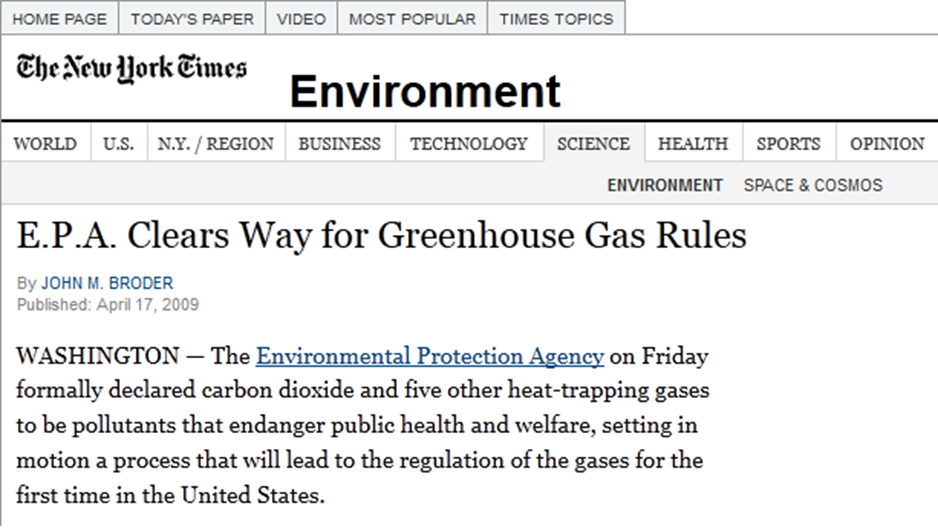
What did classifying CO2 as a pollutant allow?
regulation under clean air act
What are the 3 main ideas on how to regulate CO2 emissions?
tpc, toll road, permit, and cap & trade
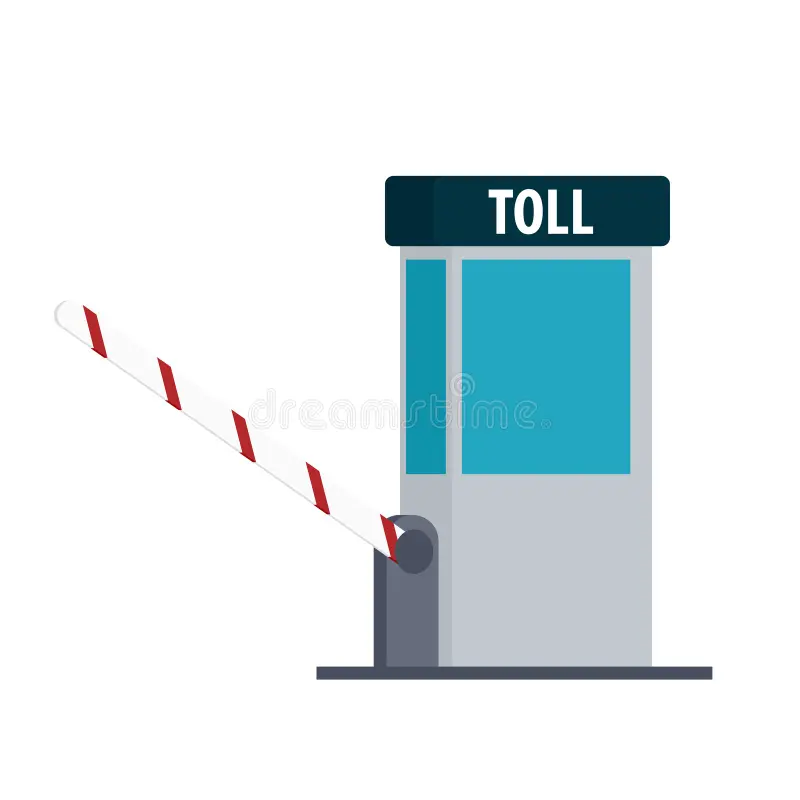
Toll Road Model
tax on emitters, the more you emit, the more you pay
What are 3 benefits of the Toll Road Model?
encourage lower emissions, government revenue, easy to determine how much you owe
What are 4 downsides of the Toll Road Model?
consumers pay more, measuring emissions honestly is difficult, new taxes are not politically popular, encourages company movement overseas

Permit Model
permissible limit, regulatory emissions limits
What are 2 benefits of the Permit Model?
regulatory framework exists b/c its already used, limits can be tweaked to reduce co2 in the future
What are 4 downsides of the Permit Model?
enforcement is lax/difficult, lawyers mire things in court forever, tracing sources needs expensive monitoring, encourages company movement overseas

Cap & Trade Model
capitalistic, sets permissible limit, allows selling pollution credits if under
Under the Cap & Trade Model, you can _____ credits when you’re under the permissible limit and _____ credits when you’re over
sell, buy
What are 5 benefits of the Cap & Trade Model?
market driven, carrot & stick to encourage innovation, business make money, no motivation to move overseas, has worked in the past
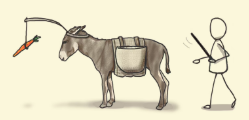
What is the Carrot & Stick Analogy?
carrot = encourage good behaviors, stick = discourage bad behaviors
What is the Carrot & Stick of the Cap & Trade Model?
carrot = sell credits when under, stick = lose money from fines or buying credits
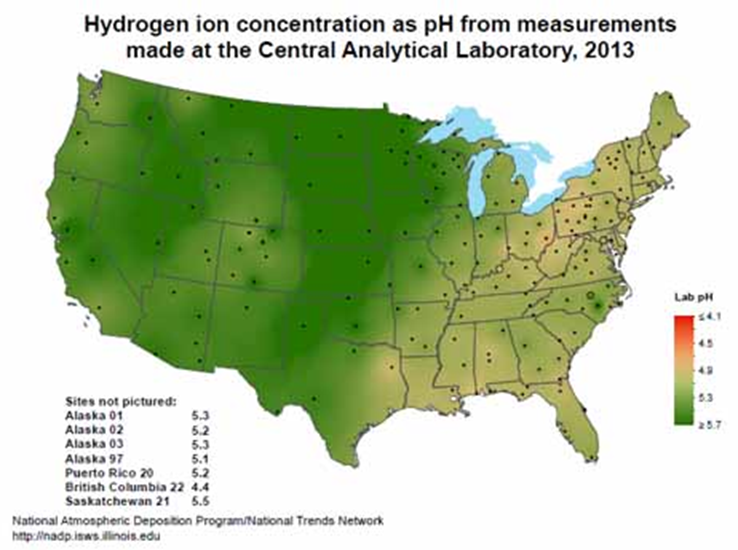
What has the Cap & Trade Model successfully reduced?
sox, acid rain
What are 4 downsides to the Cap & Trade Model?
costs passed to consumers, needs bureaucracy to monitor, strict enforcement, businesses can game system
Why should we regulate CO2 now despite the high costs?
cost of switching increases the longer we wait
 Note
Note  Flashcards (34)