BIO319-FINAL-SPRING2025-ASWELL
 Call Kai
 Learn
Learn Practice Test
 Spaced Repetition
 Match
Match Flashcards
 Knowt Play
1/320

There's no tags or description
Looks like no tags are added yet.
Name | Mastery | Learn | Test | Matching | Spaced | Call with Kai | Chat |
|---|
No analytics yet
Send a link to your students to track their progress
321 Terms
Gene Expression Regulation
Mechanisms controlling gene activity in cells.
Transformation
Uptake of foreign DNA by a cell.
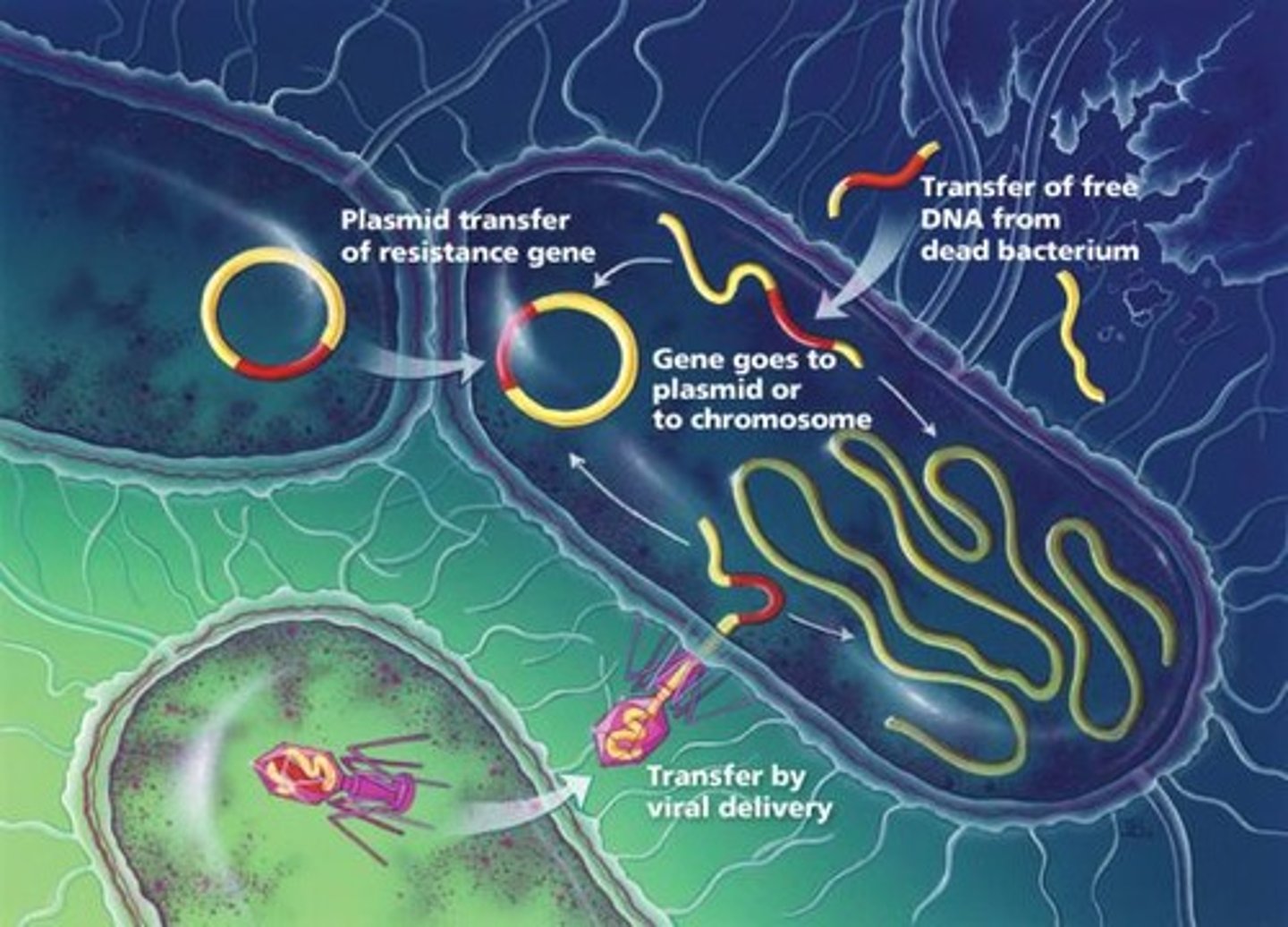
Transduction
Gene transfer via bacteriophages.
Conjugation
Direct transfer of DNA between bacteria.
Transposition
Movement of DNA segments within genomes.
Restriction Enzymes
Proteins that cut DNA at specific sequences.
Gel Electrophoresis
Technique for separating DNA fragments by size.
Recombinant DNA
DNA formed by combining DNA from different sources.
Polymerase Chain Reaction (PCR)
Method for amplifying specific DNA sequences.
Bacterial Genome
Unique DNA sequence defining a bacterial species.
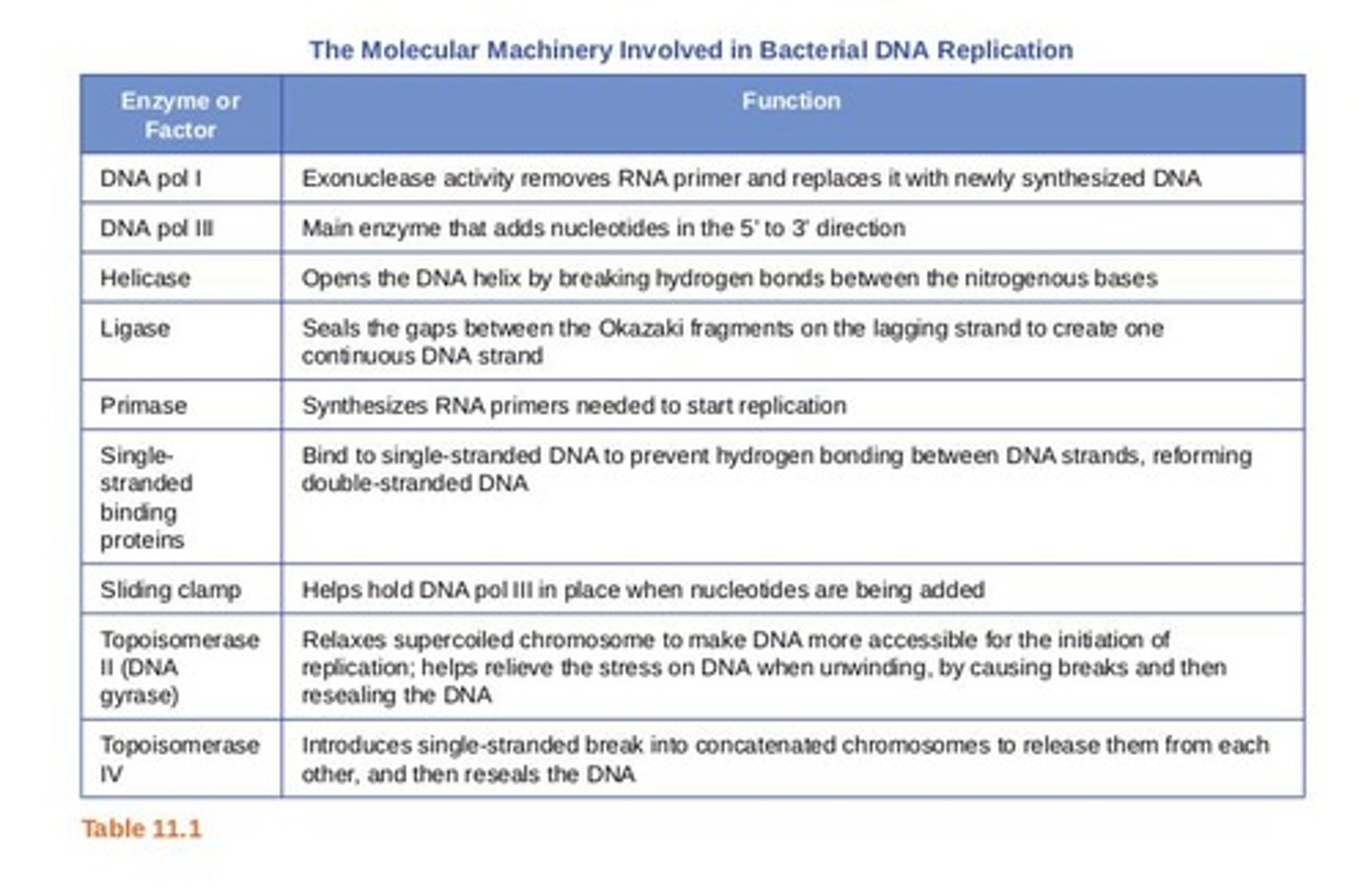
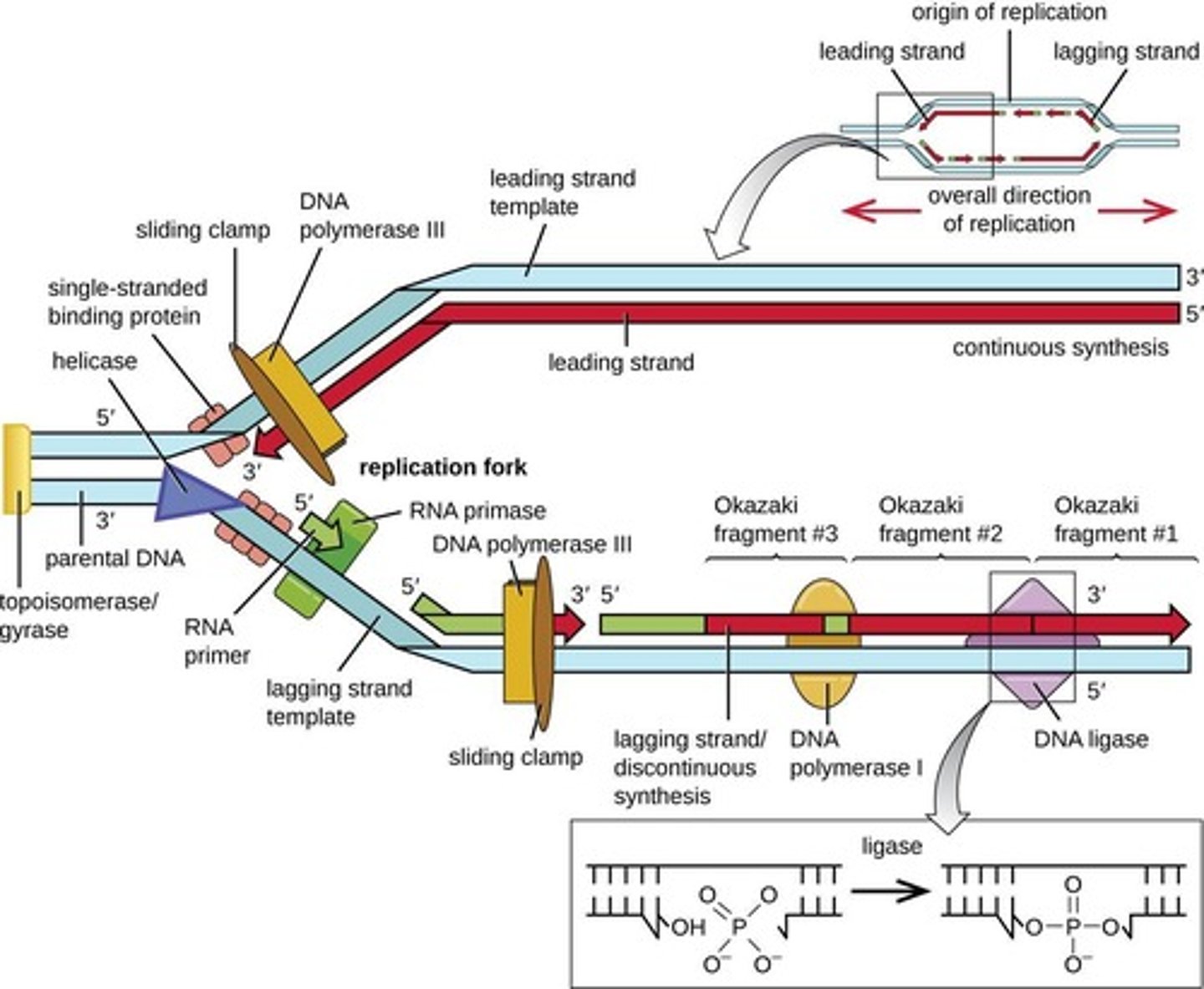
DNA Replication
Process of copying DNA before cell division.
Initiation Phase
Unwinding DNA and loading polymerase enzyme.
Elongation Phase
Adding nucleotides to growing DNA strand.
Termination Phase
Completion of DNA replication process.
Point Mutation
Change of a single nucleotide in DNA.
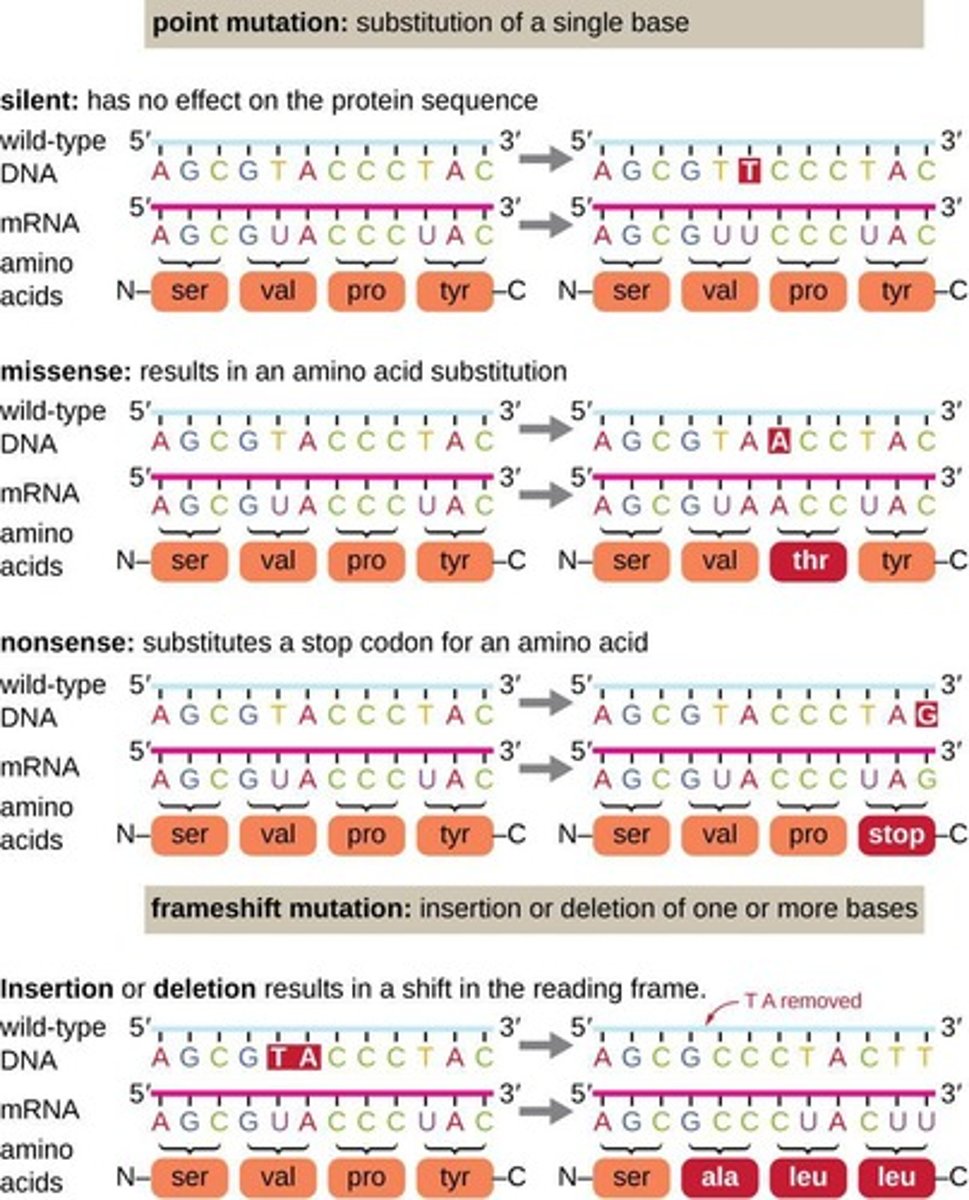
Silent Mutation
Mutation with no effect on protein function.
Missense Mutation
Mutation resulting in a different amino acid.
Nonsense Mutation
Mutation creating a premature stop codon.
Insertion Mutation
Addition of one or more nucleotides in DNA.
Deletion Mutation
Removal of one or more nucleotides in DNA.
Frameshift Mutation
Mutation altering the reading frame of DNA.
Inversion Mutation
DNA segment flipped in orientation.
DNA Repair Mechanisms
Processes correcting DNA damage and mutations.
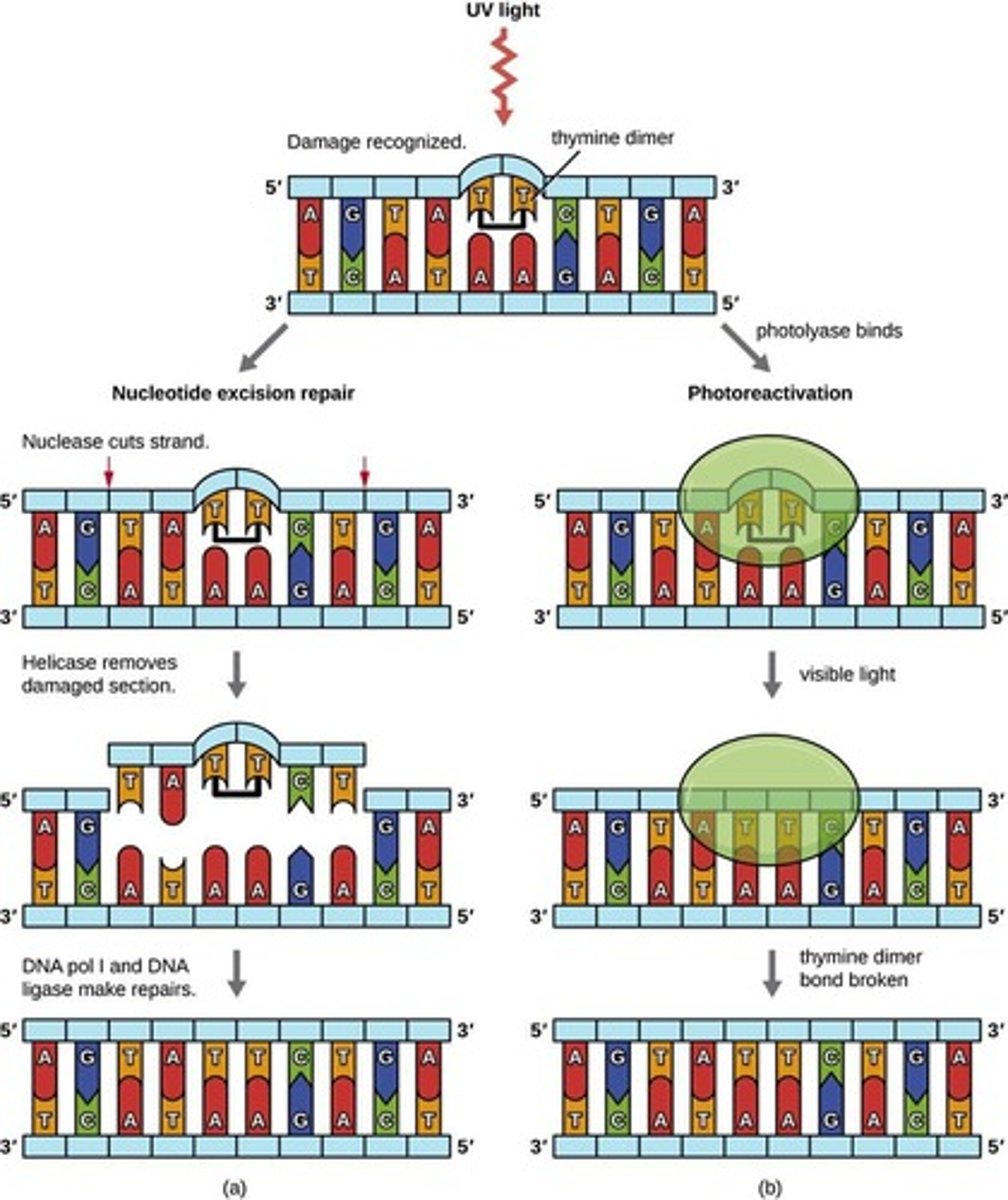
Base Excision Repair
Repair removing damaged DNA bases.
Methyl Mismatch Repair
Repair recognizing methylation patterns in DNA.
SOS Repair
Cellular response introducing mutations to survive.
Gene Regulation Levels
Different methods controlling gene expression.
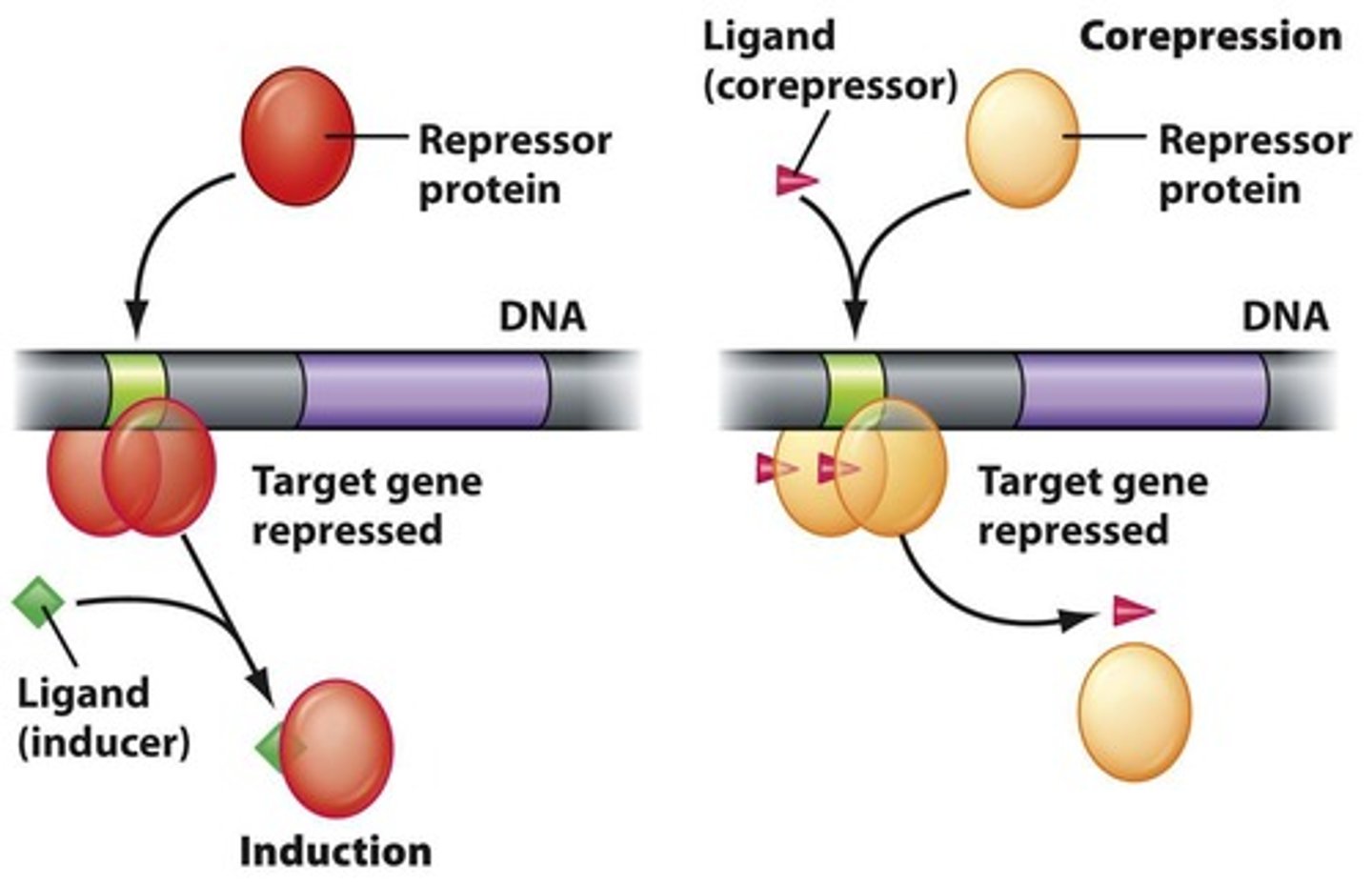
Translational control
Regulation of transcription initiation by repressor proteins.
Post-translational control
Modification of already synthesized proteins.
Operon
A cluster of genes under single regulatory control.
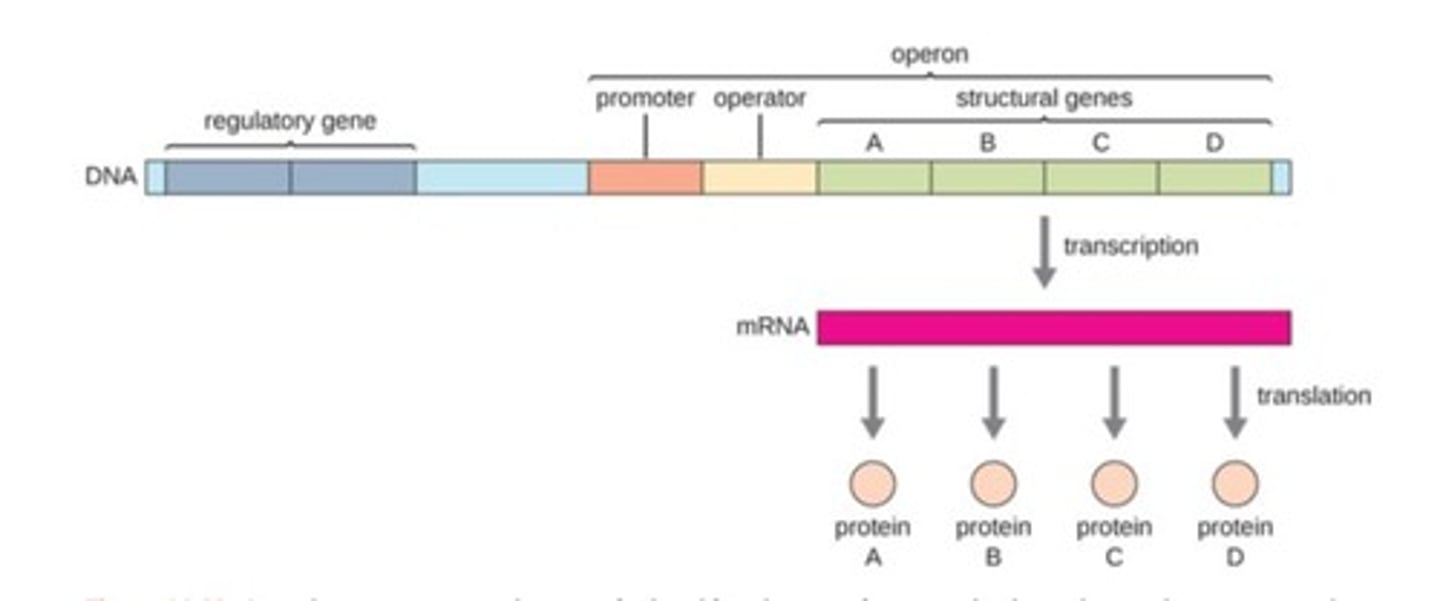
Repression
Inhibition of gene expression by repressor proteins.
Induction
Activation of gene expression in response to stimuli.
Intracellular sensing
Regulatory proteins detect internal compound concentrations.
Global regulators
Proteins influencing multiple gene expressions simultaneously.
cAMP receptor protein (CRP)
Global regulator in E. coli for gene expression.
Extracellular sensing
Mechanism for bacteria to detect external conditions.
Two-component system
Phosphorylation relay for environmental signal transduction.
Sensor kinase PhoQ
Detects magnesium and pH outside Salmonella.
Genetic recombination
Exchange of genes between DNA molecules.
Vertical gene transfer
Gene transfer during reproduction across generations.
Horizontal gene transfer
Gene transfer between cells of the same generation.
Crossing over
Chromosomes break and rejoin during recombination.
Transformation
Uptake of free DNA from the environment.
Natural transformation
Inherent ability of bacteria to uptake DNA.
Artificial competence
Induced ability of bacteria to uptake DNA.
Electroporation
Electrical pulse facilitates DNA entry into cells.
Transduction
Gene transfer via bacteriophage vectors.
Bacteriophage
Virus that infects bacteria, transferring genetic material.
Specialized transduction
Transfer of specific bacterial genes by a phage.
Transposable elements
Genes that move between chromosomes, also called transposons.
Transposase gene
Enzyme that facilitates movement of transposable elements.
Plasmids
Circular, extrachromosomal DNA that replicates independently.
Resistance plasmids
Carry genes for antimicrobial resistance.
Virulence plasmids
Cause disease symptoms in hosts.
Tumor inducing plasmids
Induce tumor formation in plants.
Bacteriocinogen plasmid
Synthesize bacteriocins that kill other bacteria.
Transgenic
Organisms containing DNA from different species.
Conjugation
Gene transfer requiring contact between cells.
Hfr cells
High-frequency recombination cells in conjugation.
Genetic variation
Diversity in genetic makeup among organisms.
Plasmids
Self-replicating DNA molecules in cells.
Restriction endonuclease
Enzyme cutting DNA at specific sequences.
Palindrome sequence
DNA sequence reading the same forwards and backwards.
Gene fusion
Joining of two genes into one functional unit.
Transposition
Movement of genes within a chromosome.
Sterilization
Destruction of all living cells and viruses.
Disinfection
Killing disease-causing organisms on surfaces.
Antisepsis
Removing pathogens from living tissue surfaces.
Sanitation
Reducing microbial population to safe levels.
Cidal agents
Substances that kill microbes.
Static agents
Substances that inhibit microbial growth.
Bactericidal
Agents specifically killing bacteria.
Virucidal
Agents specifically killing viruses.
Bacteriostatic
Agents inhibiting bacterial growth.
Antimicrobial spectrum
Range of microorganisms affected by agents.
Biosafety Levels
Ranking of disease severity and transmission ease.
Selection of disinfectant
Criteria for choosing effective disinfectants.
Microbial load
Amount of microorganisms present on a surface.
Microbial Death Curve
Graph showing microbial death rates over time.
Initial Population Size
Larger populations take longer to reduce.
Population Composition
Presence of spores affects microbial resistance.
Agent Concentration
Higher doses increase effectiveness of microbial control.
Duration of Exposure
Longer exposure enhances lethal damage accumulation.
Organic Material Presence
Organic load inhibits disinfectant action effectiveness.
Physical Control Measures
Methods to control microbes without chemicals.
Temperature Extremes
High or low temperatures kill or inhibit microbes.
Pressure
Combined with heat to enhance microbial control.
Filtration
Removes microbes from liquids using micropore filters.
Irradiation
Uses high-energy radiation to kill microorganisms.
Moist Heat
Effective method for killing microbes and spores.
Dry Heat
Less effective than moist heat for sterilization.
Steam Autoclave
Uses heat and pressure to kill thermophiles.
Standard Autoclave Conditions
121°C at 15 psi for 20 minutes.
Thermal Death Point (TDP)
Temperature killing all bacteria in 10 minutes.
Thermal Death Time (TDT)
Time to kill all bacteria at specific temperature.
Decimal Reduction Time (D value)
Time to kill 90% of organisms at specific temperature.
Pasteurization
Kills pathogens without affecting product quality.
Low Temperature, Long Time (LTLT)
Pasteurization method using low heat over extended time.
High Temperature, Short Time (HTST)
Pasteurization method using high heat for short time.
Ultra High Temperature (UHT)
Pasteurization method for shelf-stable products.