Methods in Social Neuroscience and Psychological Research
 Studied by 0 people
 Call Kai
 Learn
Learn Practice Test
 Spaced Repetition
 Match
Match Flashcards
 Knowt Play
1/40

There's no tags or description
Looks like no tags are added yet.
Name | Mastery | Learn | Test | Matching | Spaced | Call with Kai |
|---|
No analytics yet
Send a link to your students to track their progress
41 Terms
Electrophysiology
Study of electrical properties in biological cells.
Response Times
Measure of processing efficiency and performance modulation.
Surveys
Questionnaires assessing thoughts and experiences.
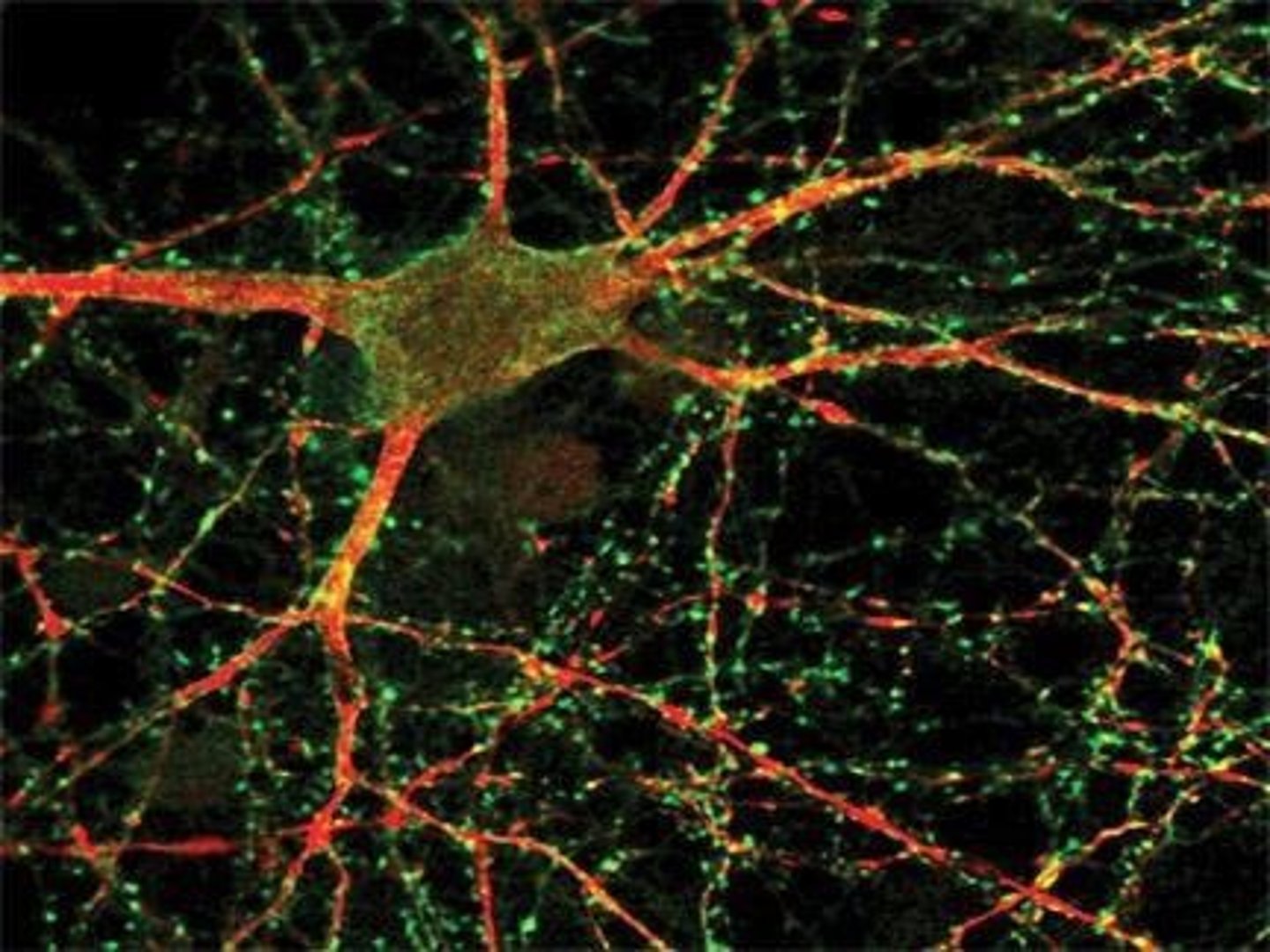
Single Cell Recordings
Technique measuring activity of individual neurons.
EEG/ERP
Electroencephalography; records electrical activity of the brain.
MEG
Magnetoencephalography; measures magnetic fields from neural activity.
Observations
Research method focusing on behavior without interference.
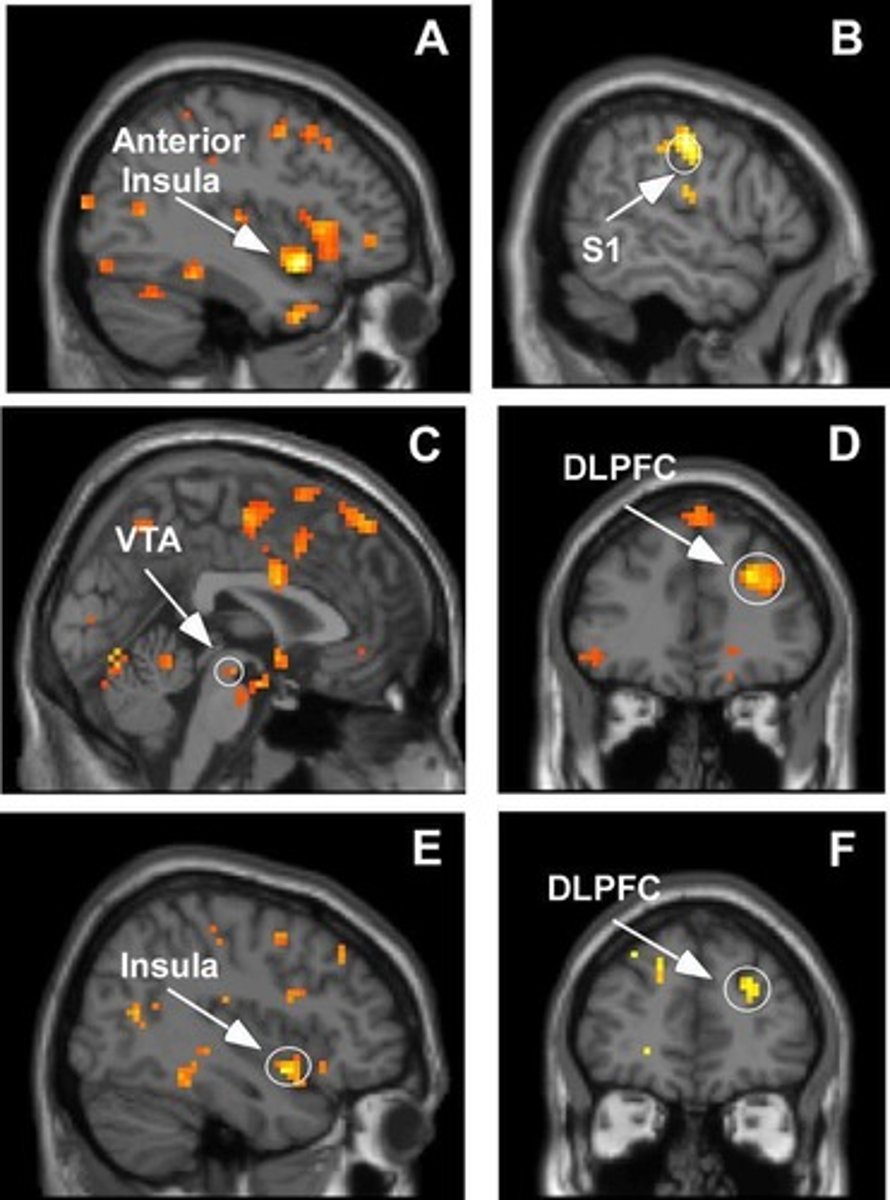
Functional Imaging
Techniques like PET to visualize brain activity.
Lesions
Damage to brain areas used to study functions.
Brain Stimulation
Techniques like TMS and tDCS to modulate brain activity.
Skin Conductance Response (SCR)
Measures electrical conductance related to sweating.
Electromyography (EMG)
Records electrical activity associated with muscle contractions.
Biological Individual Differences
Variations in genes, hormones, and brain structure.
Performance Measures
Assessments of response times and accuracy in tasks.
Accuracy
Measured as error rates or percent correct.
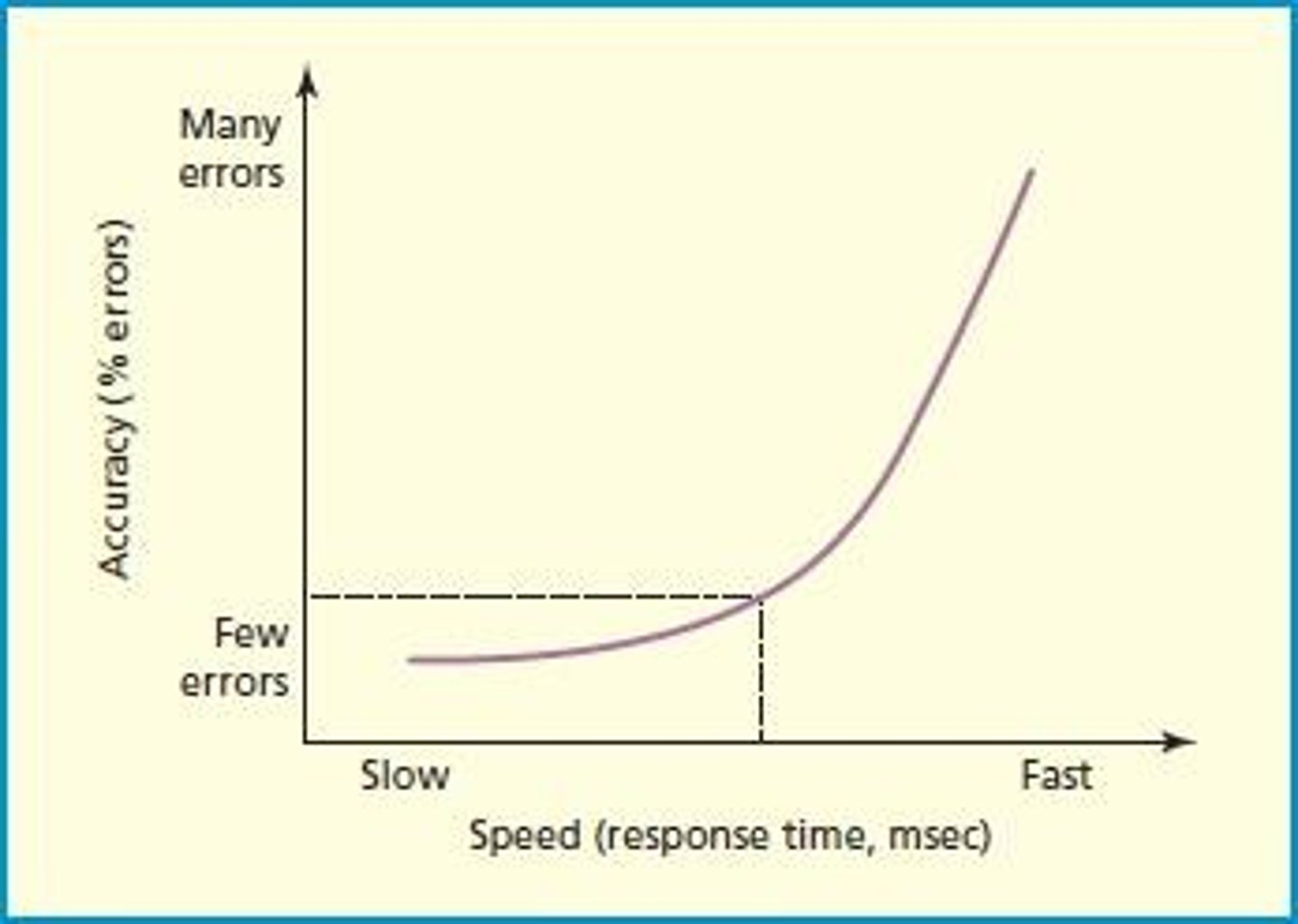
Speed-Accuracy Trade-off
Faster responses often lead to lower accuracy.
Observational Measures
Data collection through direct observation of behavior.

Preferential Looking
Time spent looking at stimuli indicates preference.
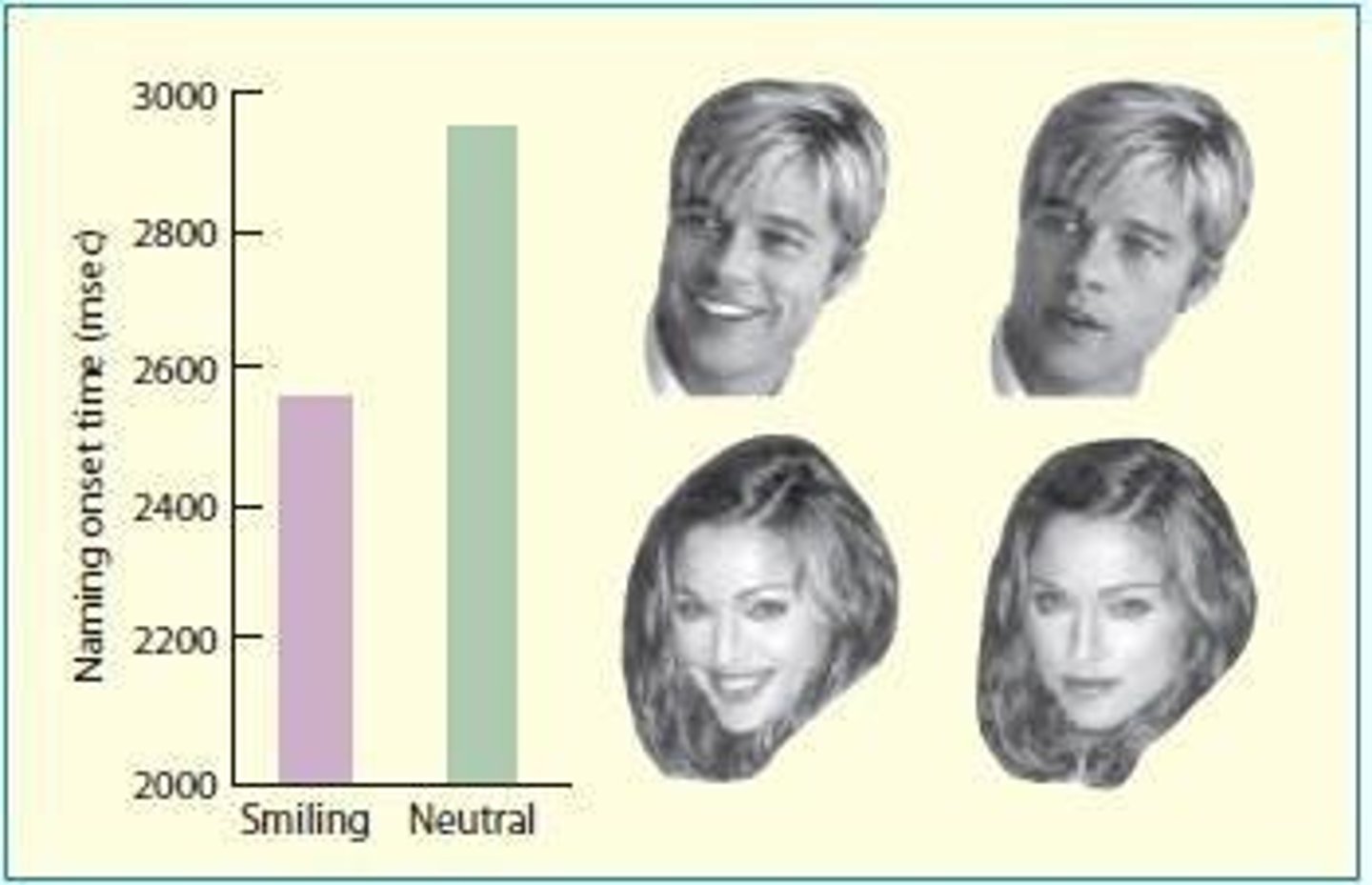
Habituation
Diminished response to repeated stimuli over time.
Acquiescence Bias
Tendency to agree with statements regardless of content.
Factor Analysis
Statistical method reducing data set complexity.
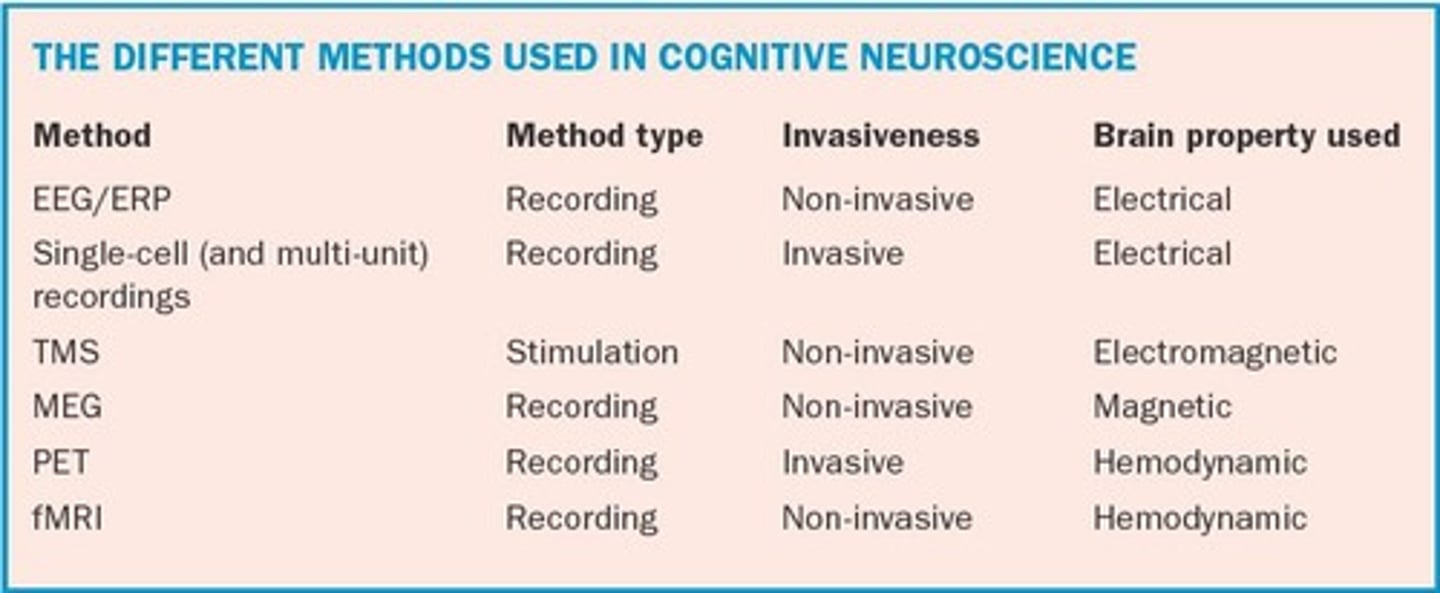
External Validity
Degree to which findings generalize to real life.
Peripheral Nervous System (PNS)
Nervous system part controlling bodily responses.
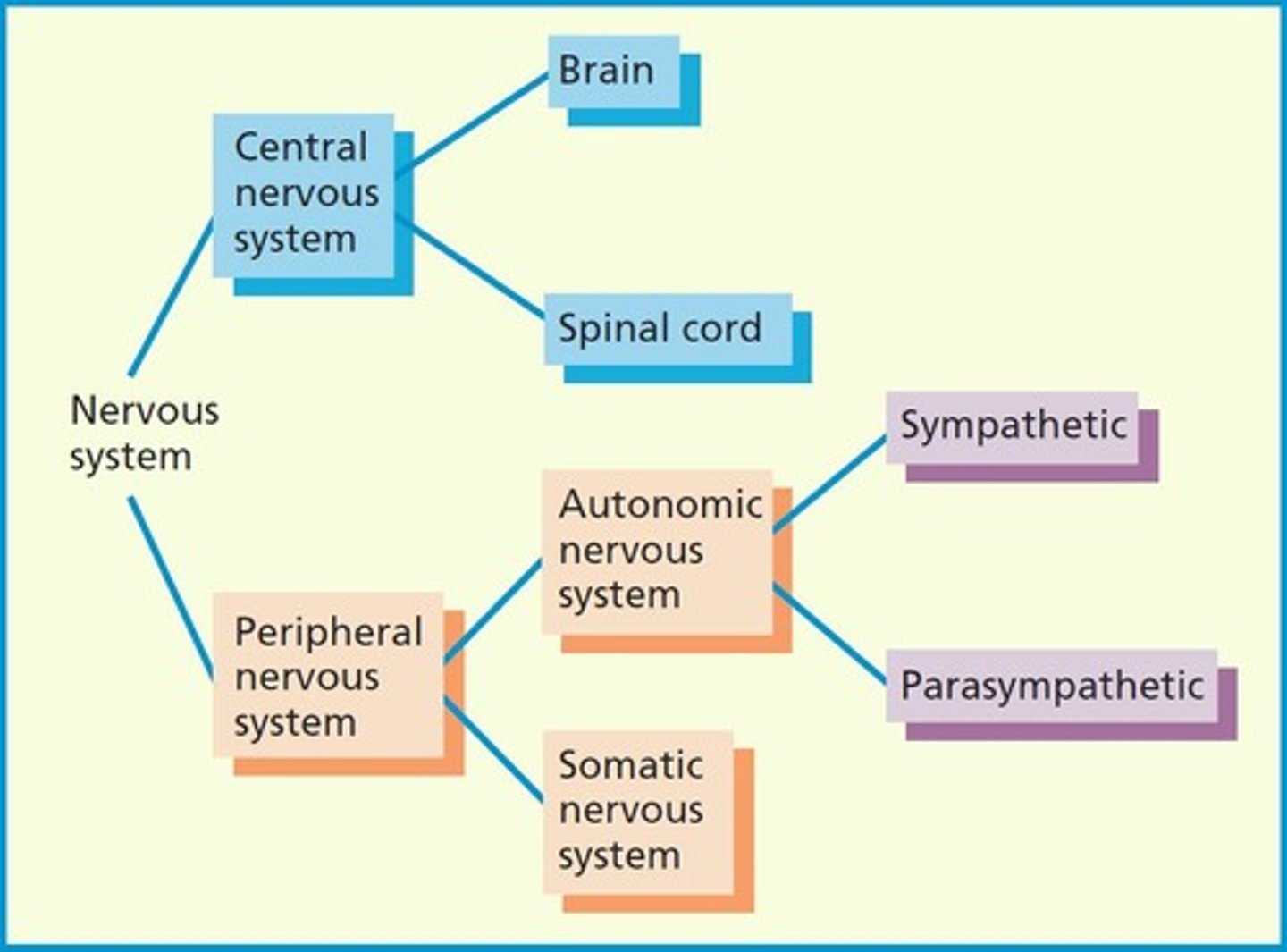
Autonomic Nervous System (ANS)
Controls involuntary bodily functions and responses.
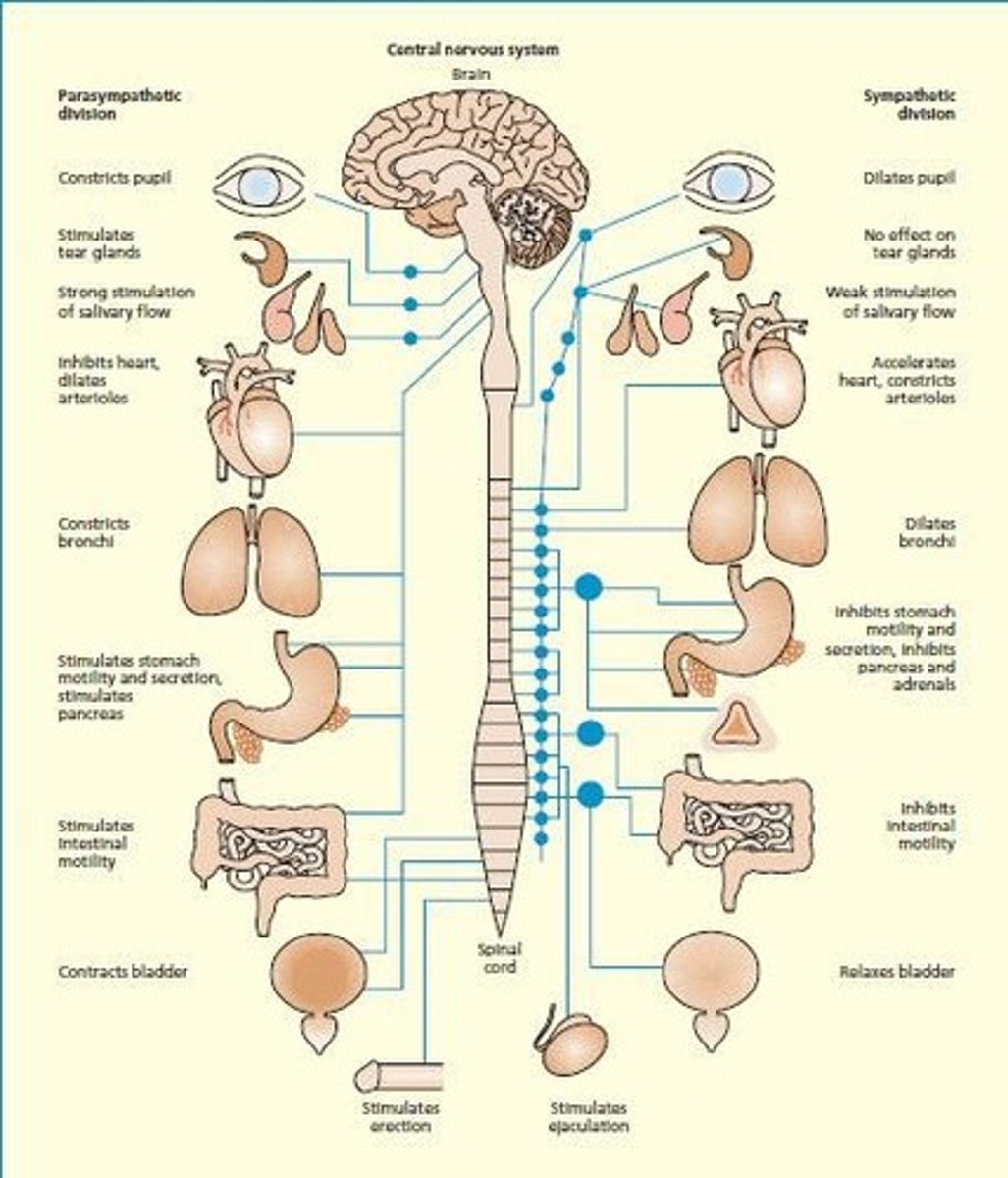
Parasympathetic Nervous System
Promotes rest and recovery; decreases heart rate.
Sympathetic Nervous System
Prepares body for fight or flight response.
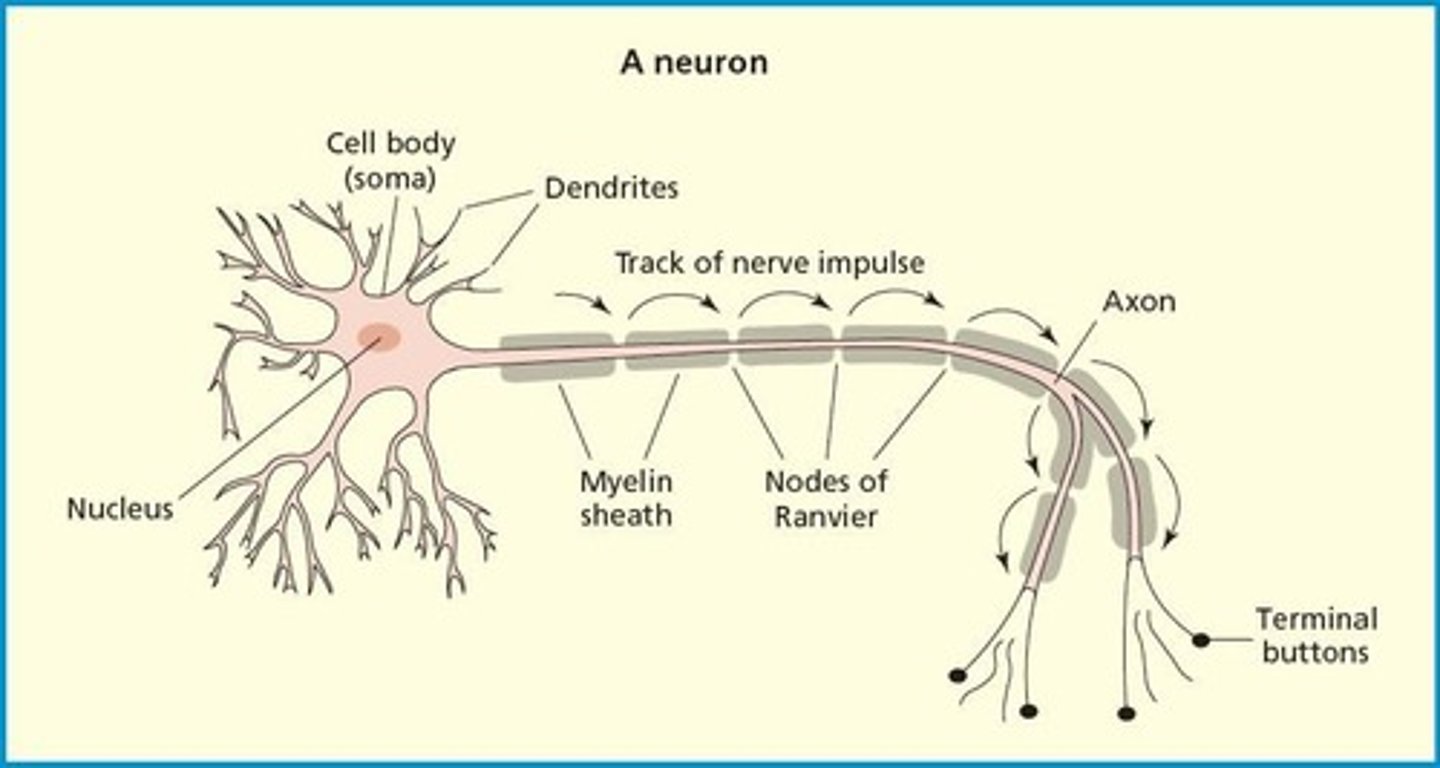
Neuron Structure
Dendrites receive signals; axons transmit signals.
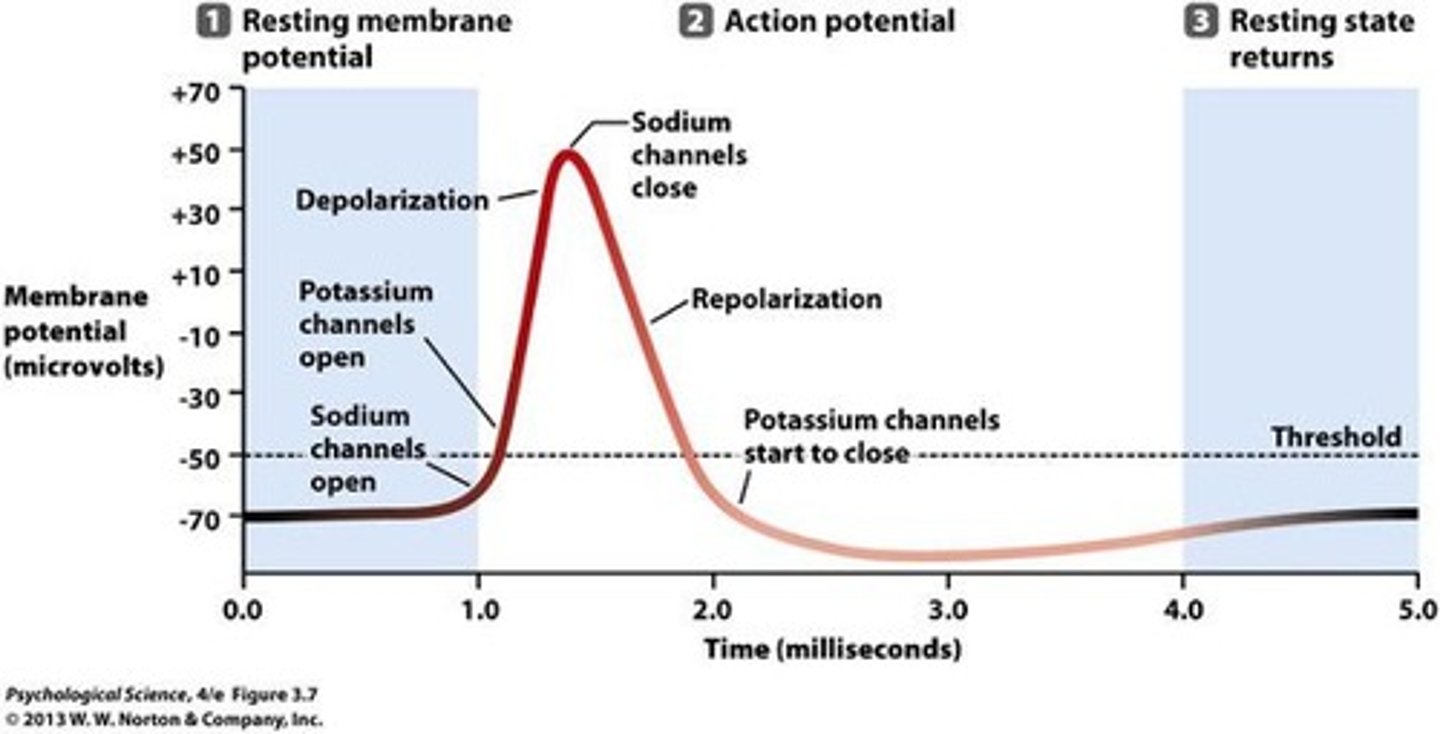
Action Potential
Rapid change in membrane potential signaling neuron firing.
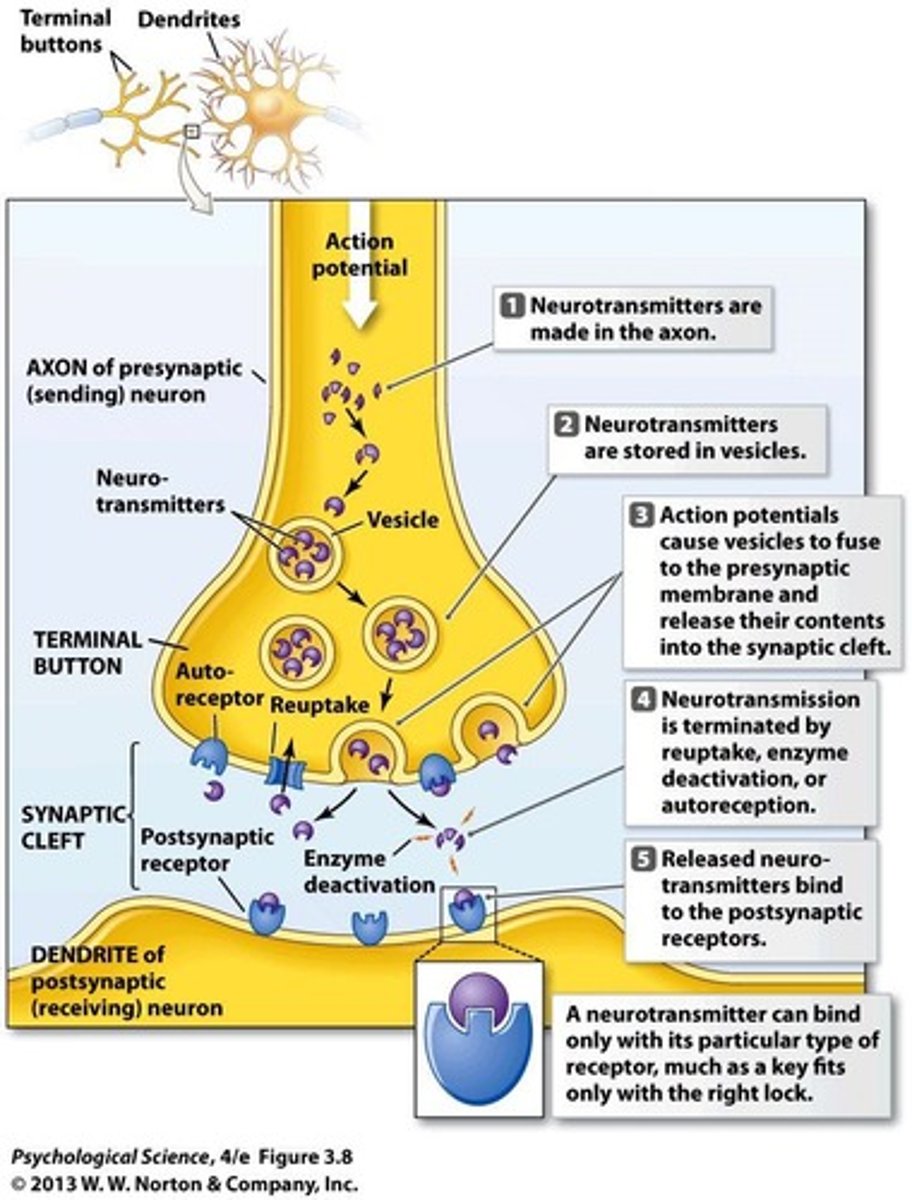
Chemical Synapse
Site where neurotransmitters transmit signals between neurons.
Neurotransmitters
Chemicals facilitating communication between neurons.
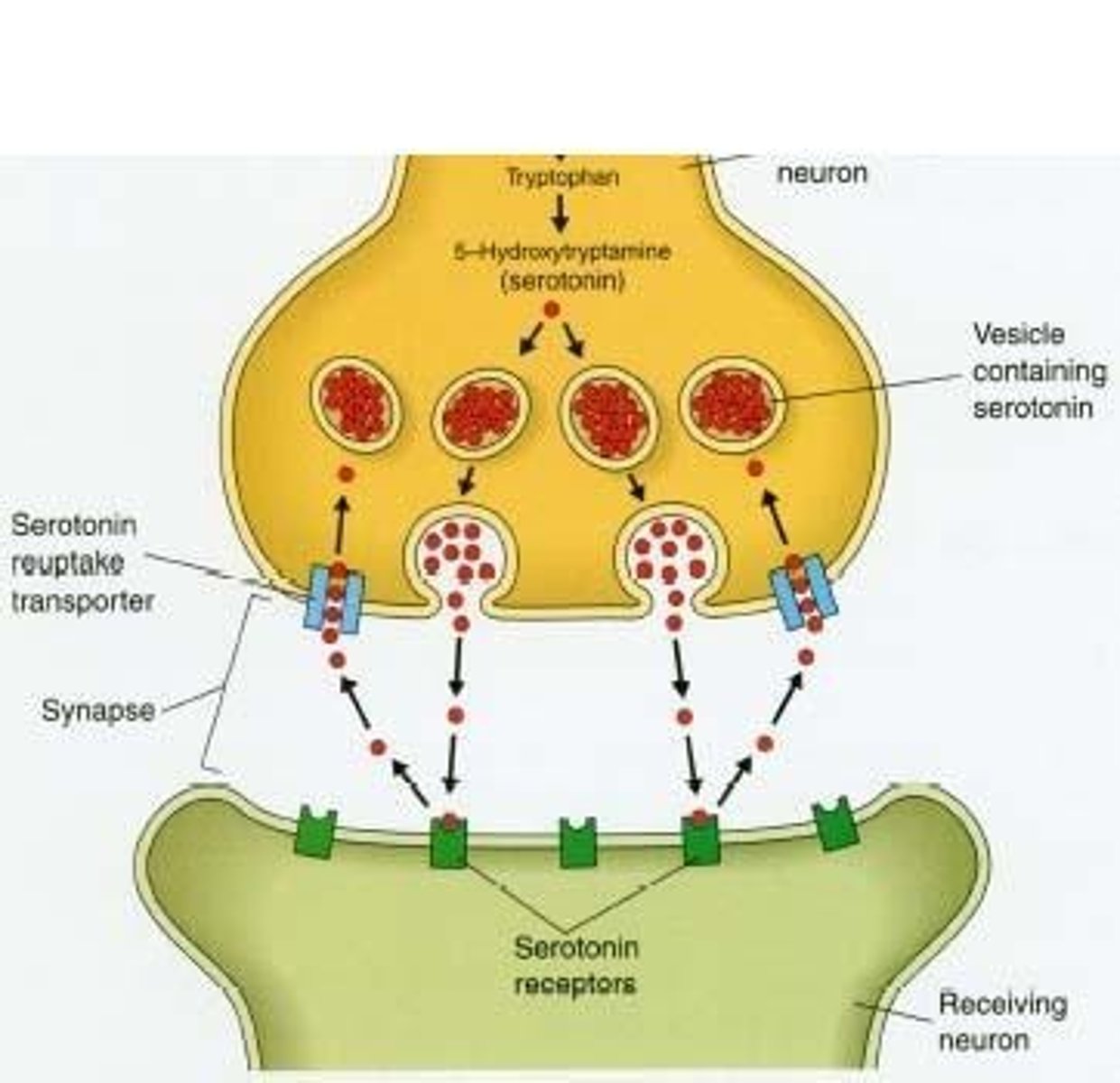
Serotonin
Neurotransmitter regulating mood, appetite, and sleep.
Spiking Rate
Frequency of action potentials indicating information coding.
Gray Matter
Neuronal cell bodies involved in processing information.
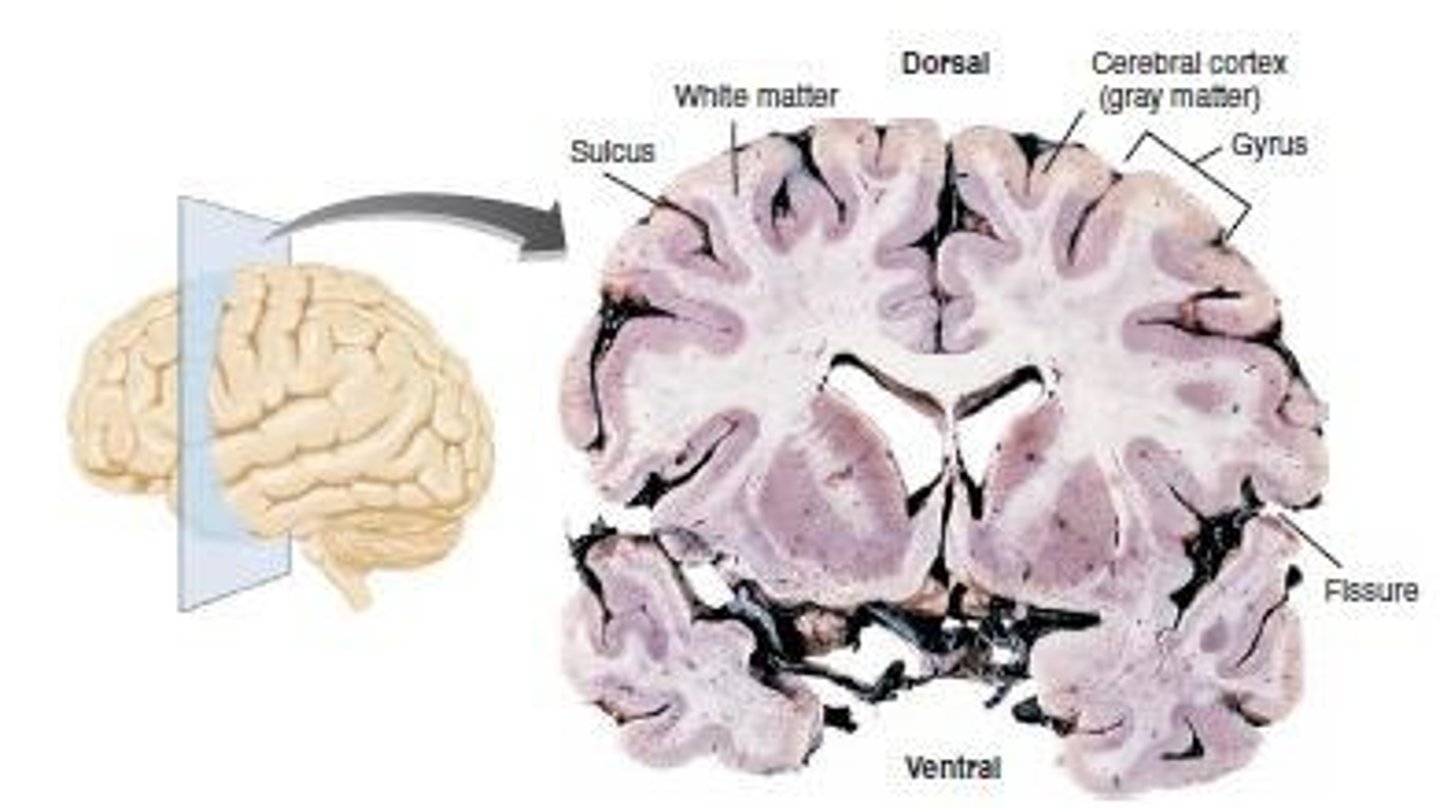
White Matter
Axons and glia facilitating information transfer.
Limbic System
Brain region involved in emotions and memory.
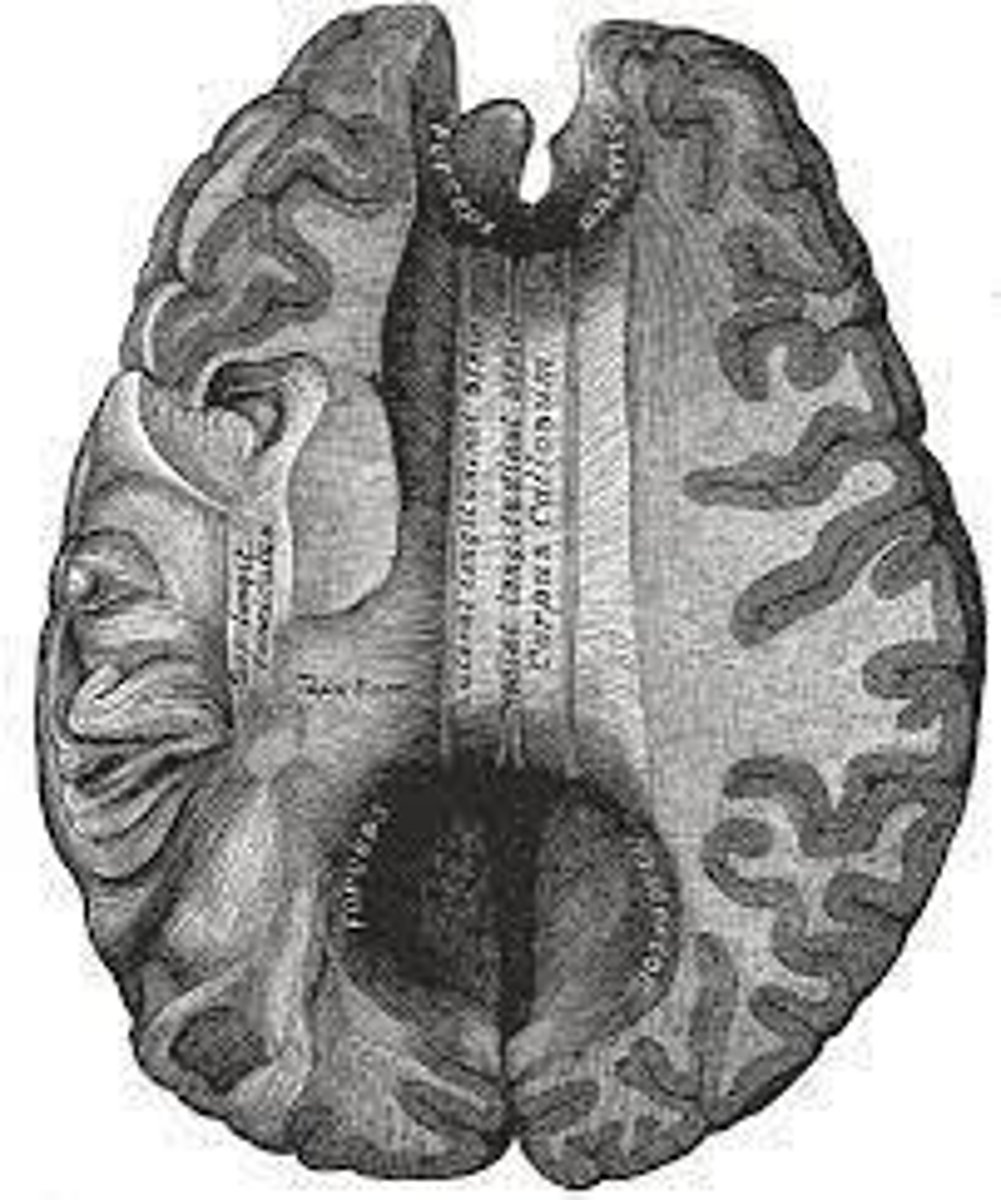
Thalamus
Sensory relay center for all senses except smell.
Hypothalamus
Regulates bodily functions like temperature and hunger.
Basal Ganglia
Group of structures controlling movement and learning.
Temporal Resolution
Accuracy of timing in event measurement.
Spatial Resolution
Accuracy of location in event measurement.
Invasiveness
Refers to internal vs. external measurement methods.
 Note
Note  Flashcards (30)