Late Medieval Piety and Plague
 Call Kai
 Learn
Learn Practice Test
 Spaced Repetition
 Match
Match Flashcards
 Knowt Play
1/24

There's no tags or description
Looks like no tags are added yet.
Name | Mastery | Learn | Test | Matching | Spaced | Call with Kai |
|---|
No analytics yet
Send a link to your students to track their progress
25 Terms
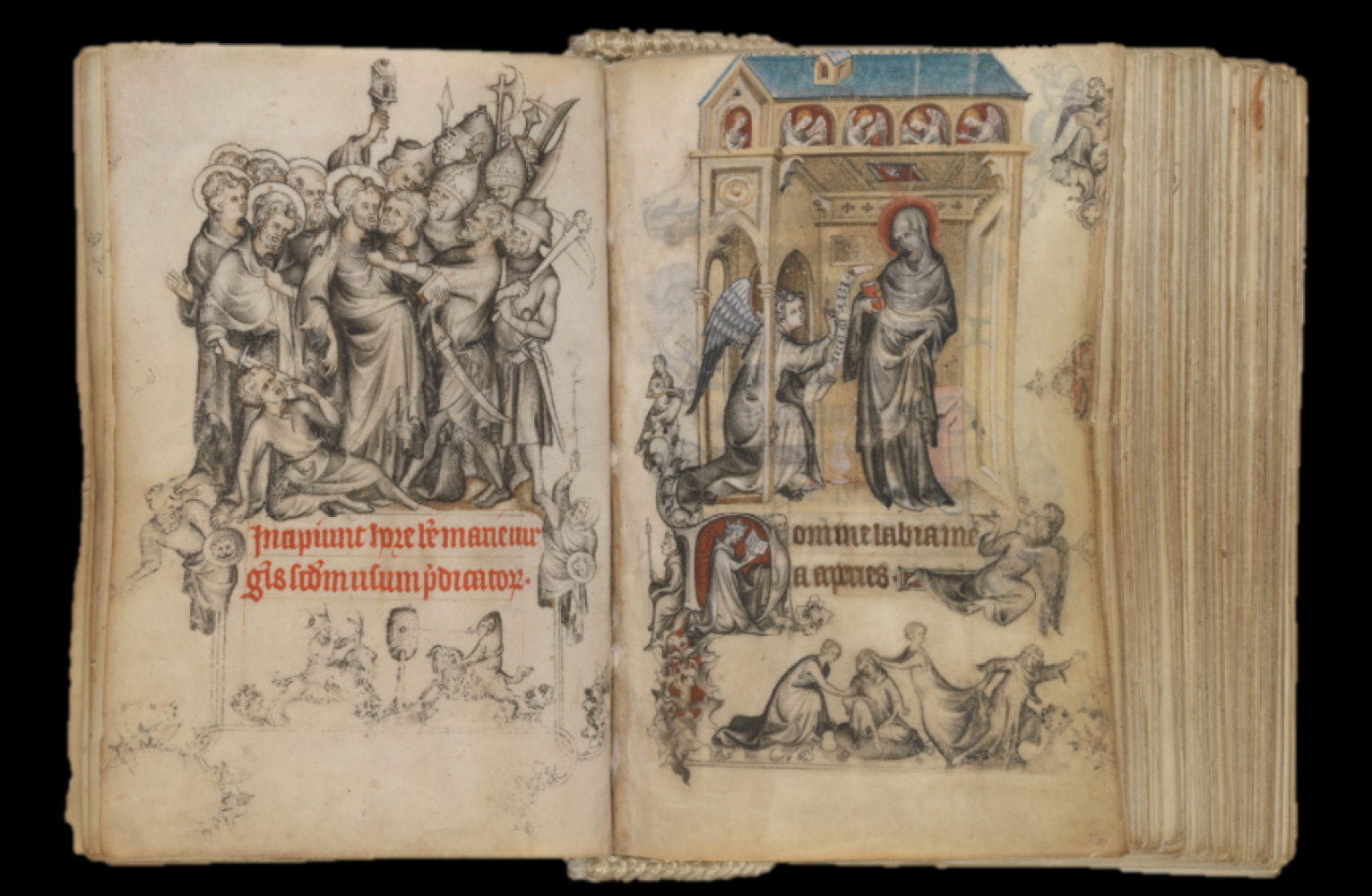
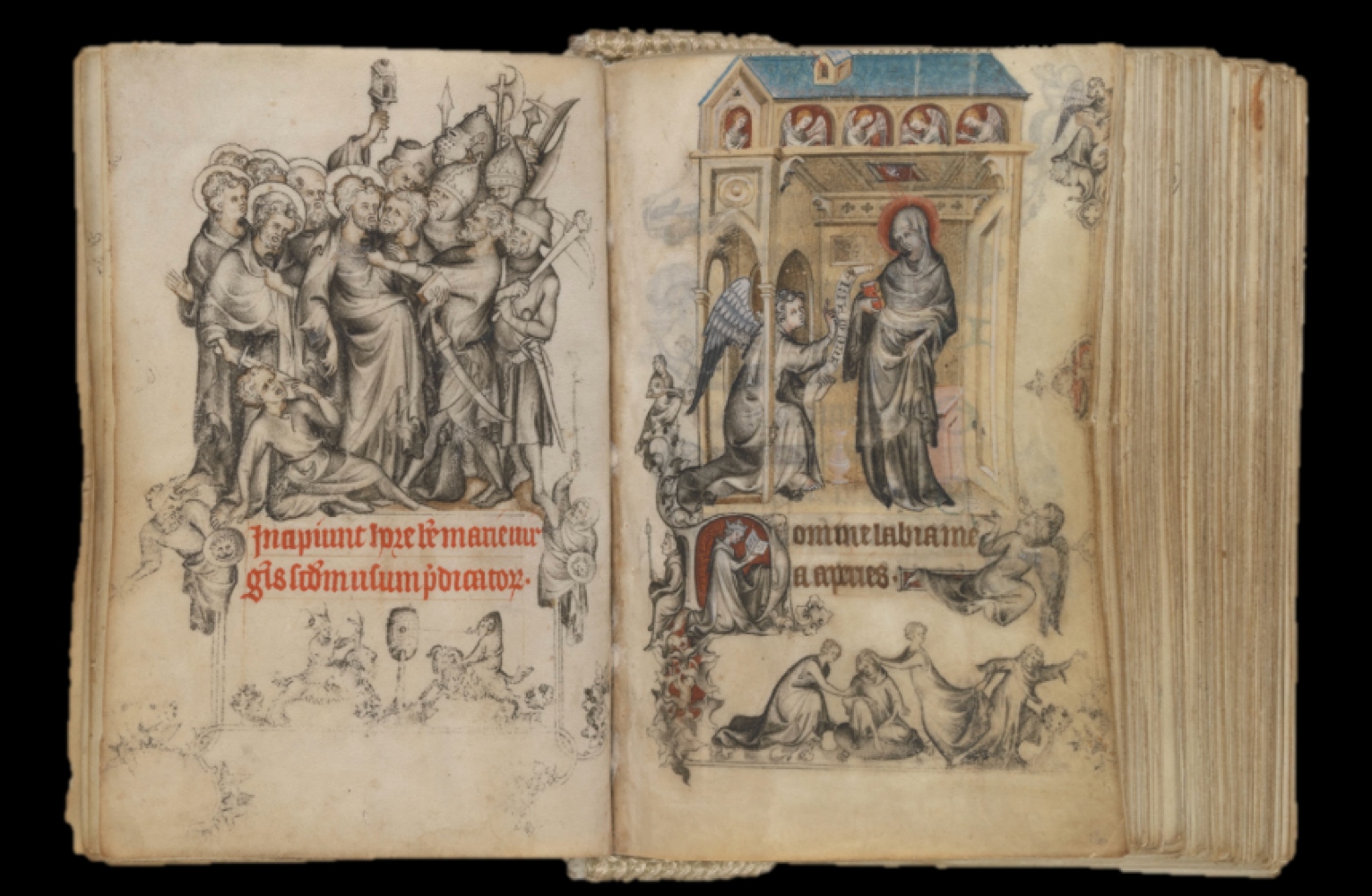
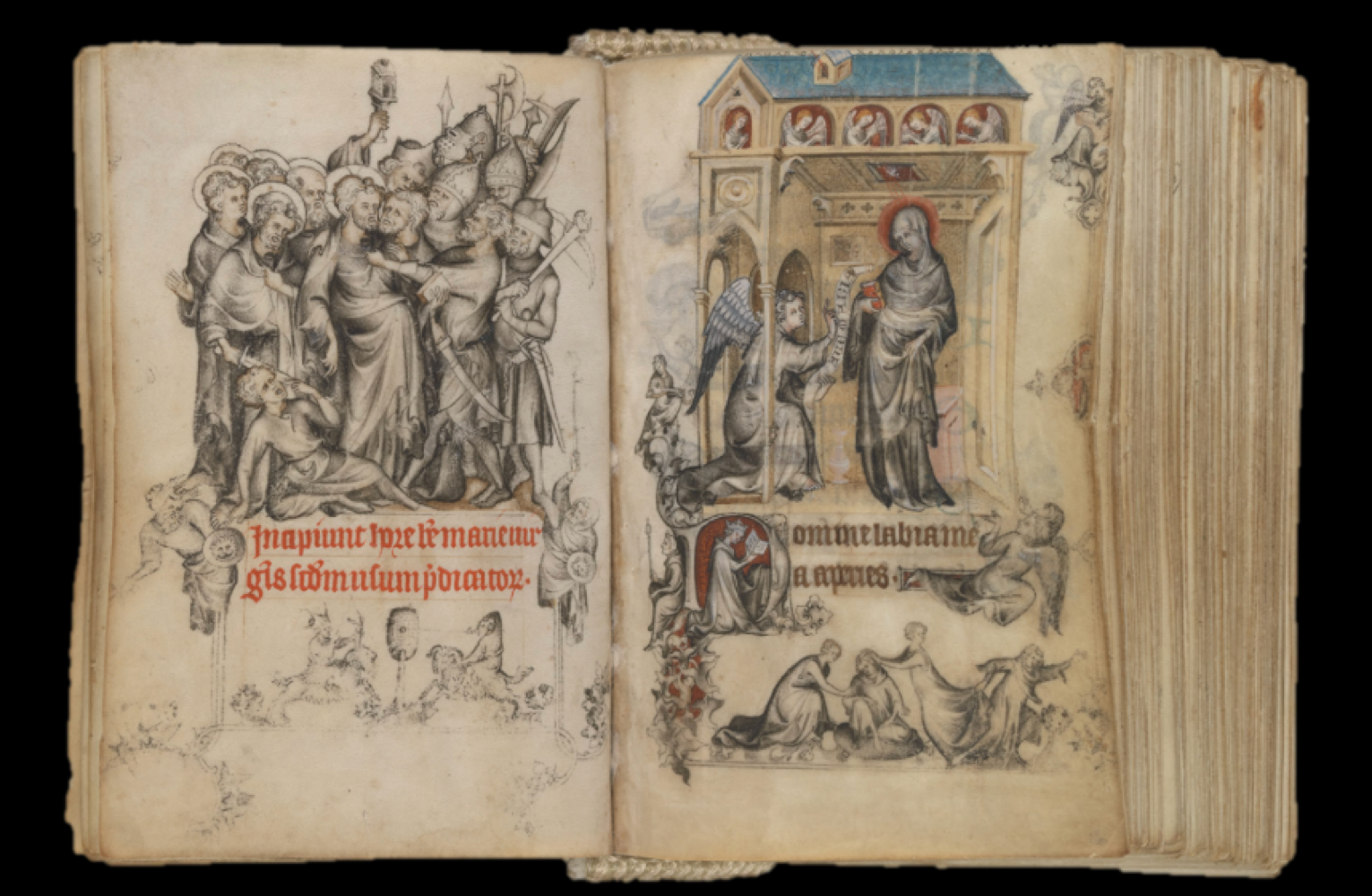
The Hours of Jeanne d’Evreux, Paris, ca. 1324 - 28, Jean Pucelle (Metropolitan Museum of Art, New York)
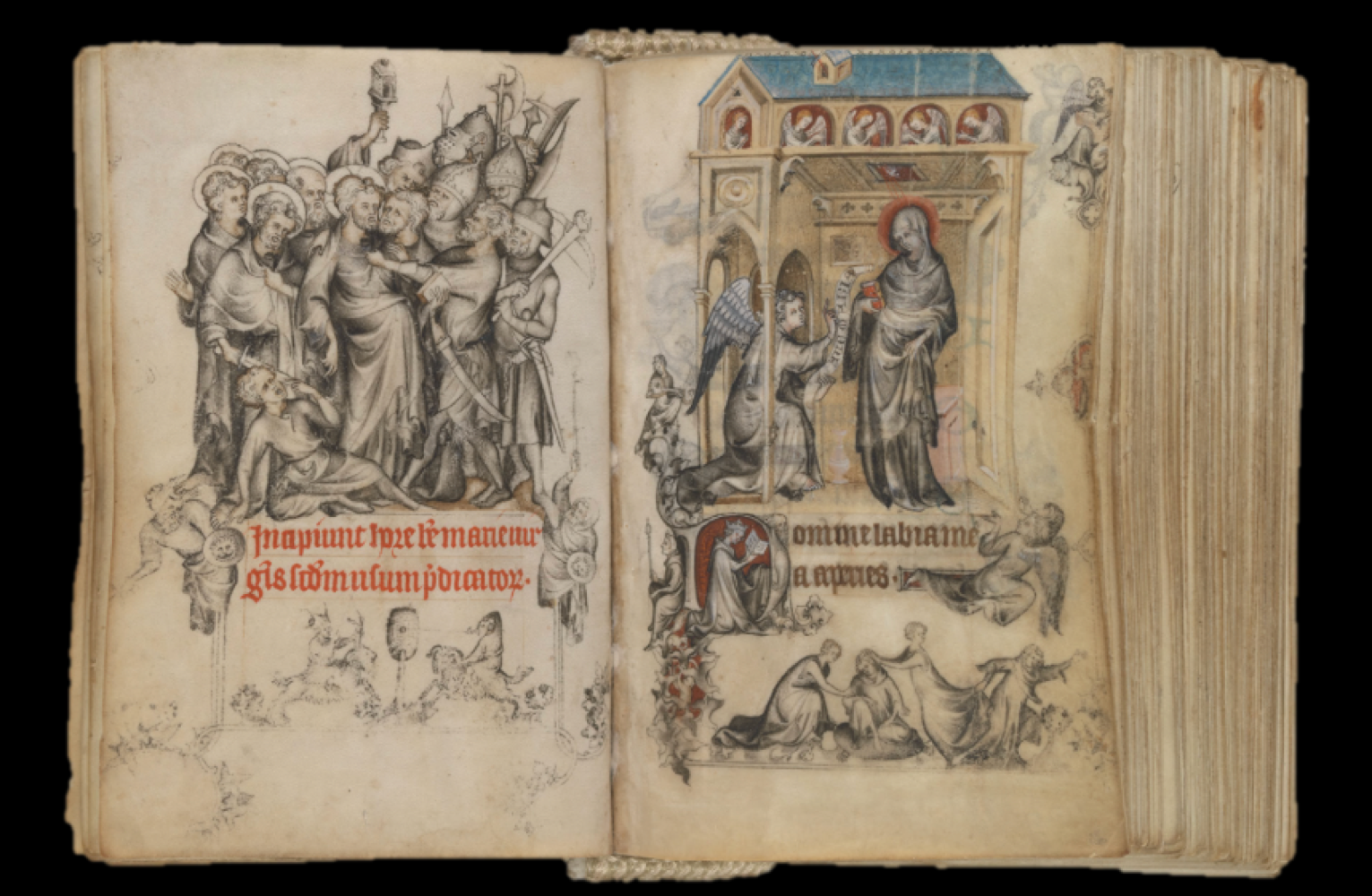
Describe the context of the Hours of Jeanne d’Evreux and its significance
made for young Queen of France, very tiny and impressive scale so she kept it with her making it personal and private
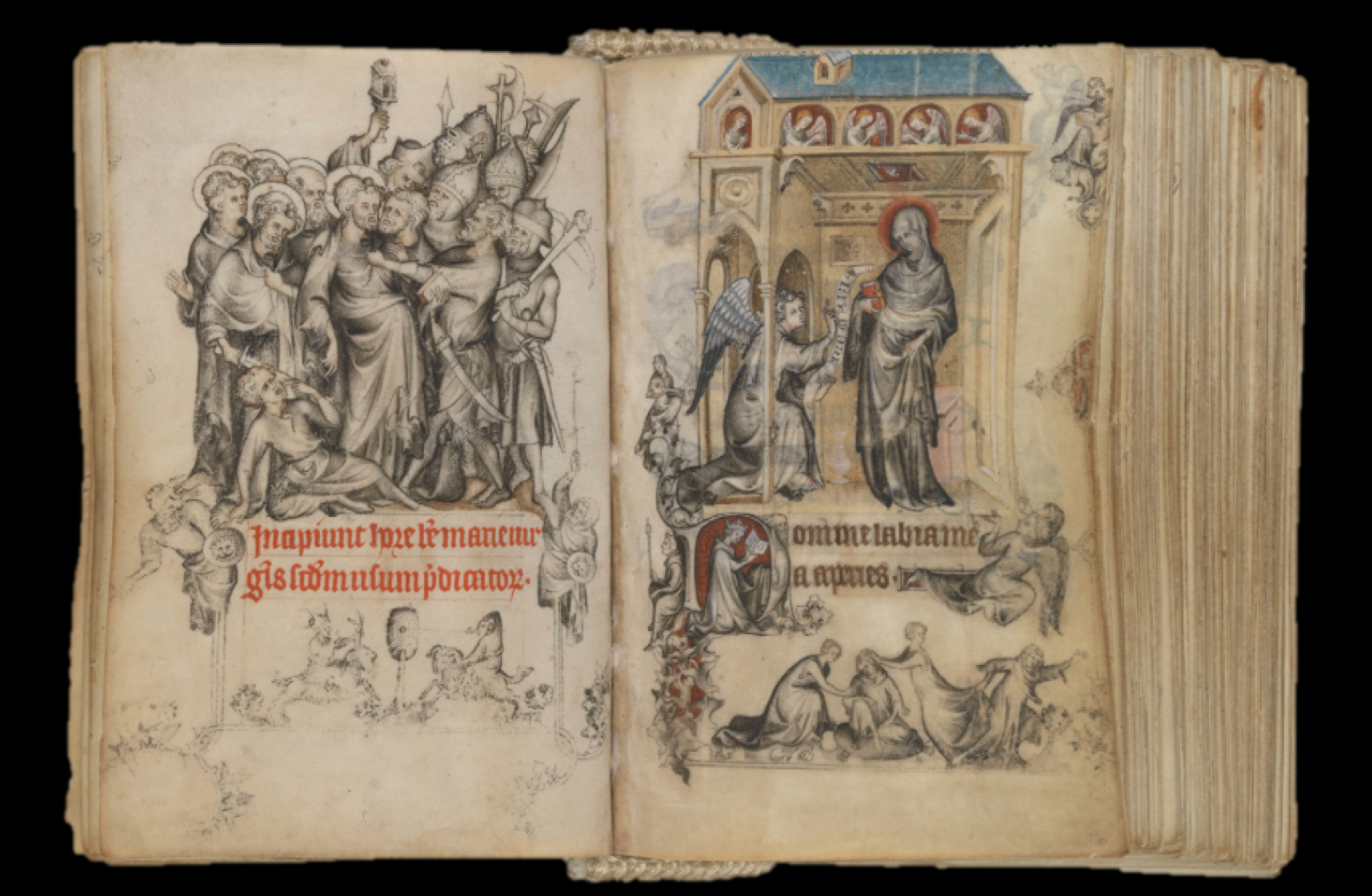
Describe the inside and contents of the Hours of Jeanne d’Evreux and its significance
gothic figural style: “S” curve, sculptural bodies: volume and weight, made with light and shadow, grisaille, calendars with feast days of saints and images related to that season, lots of imagery
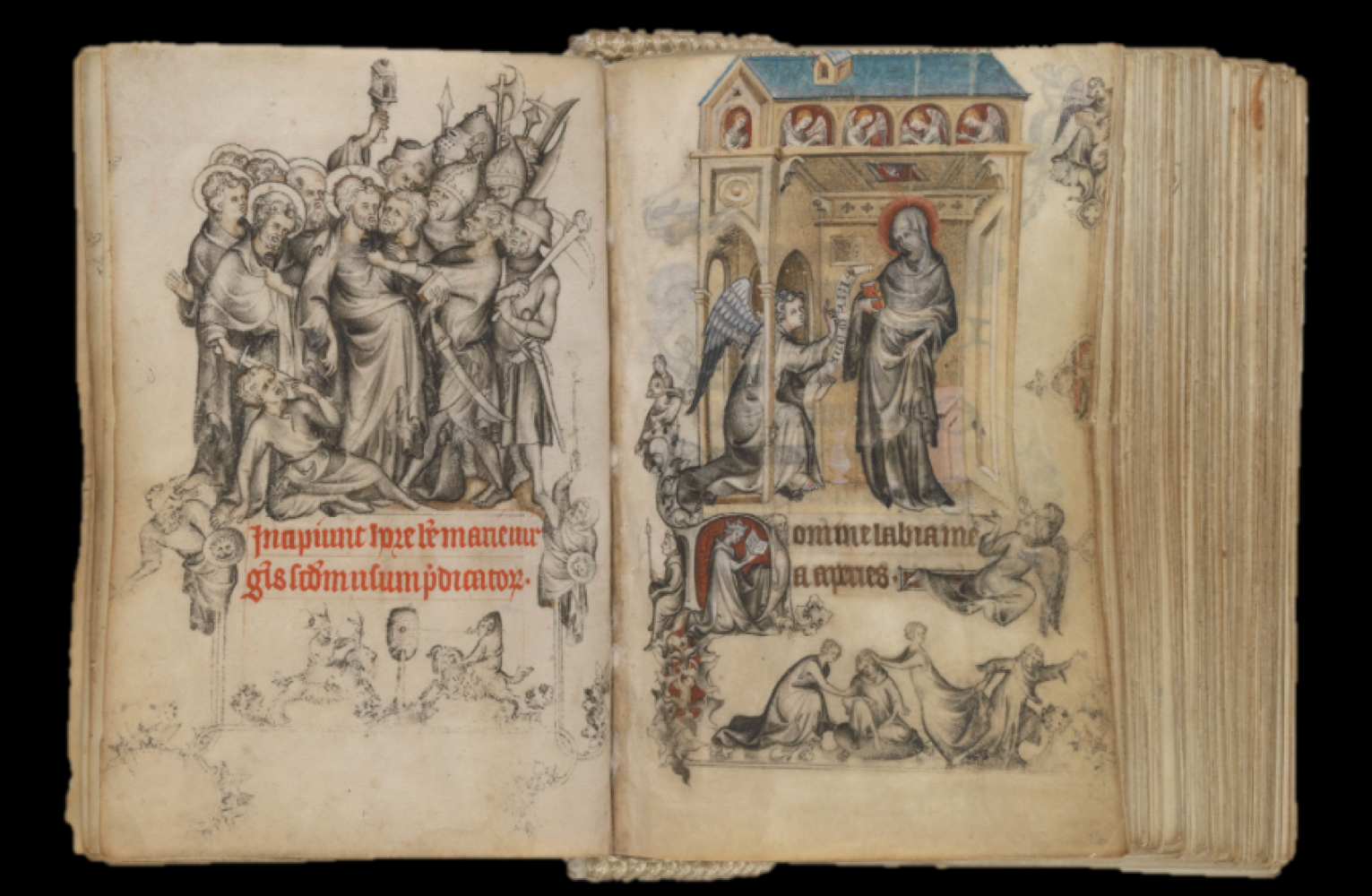
Describe the images of the Hours of Jeanne d’Evreux and their significance
moment when angle Gabriel tells Mary she will bear the son of God, Jean herself included: shown reading this book below Mary, for themselves and their descendants so the next owner would remember to pray for her
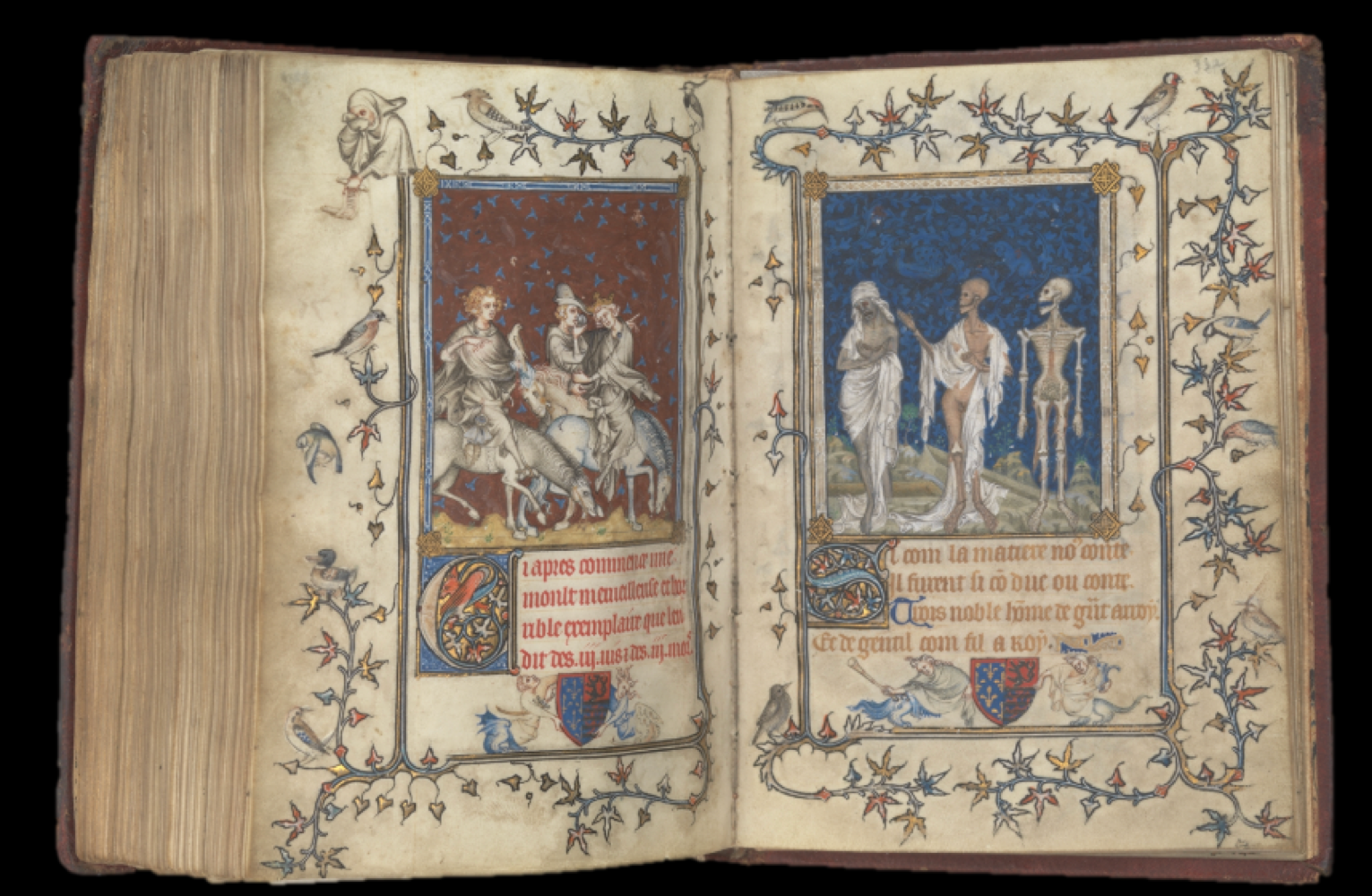
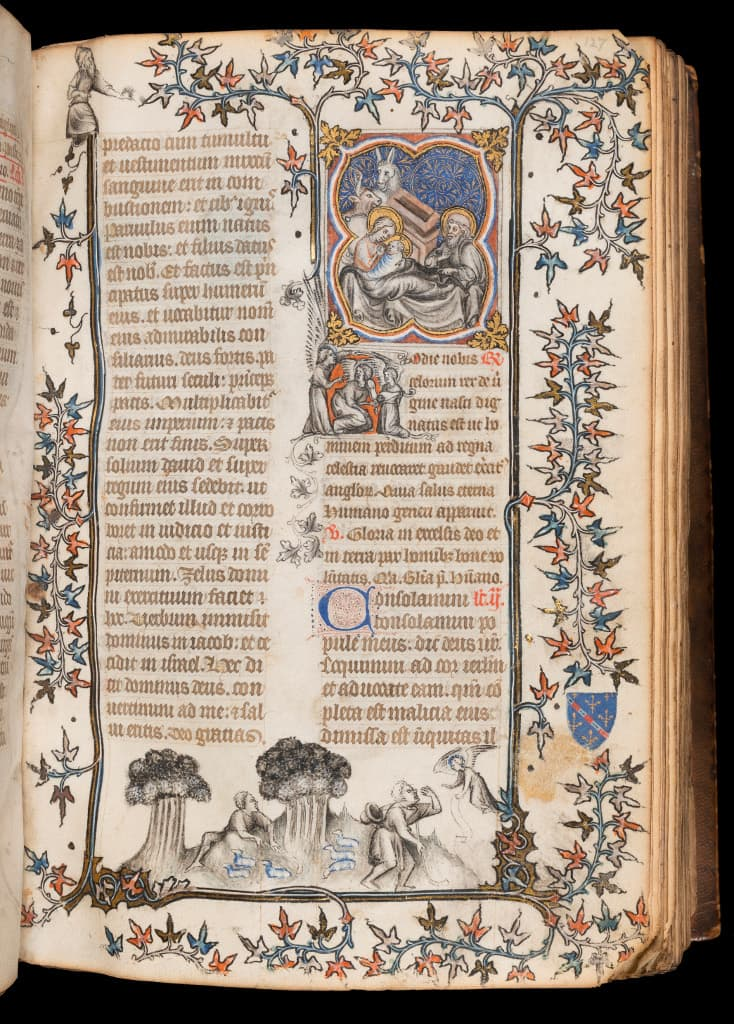
Prayer Book of Bonne of Luxembourg, Paris, ca. 1340s, Jean le Noir and Bourgot(?) (Metropolitan Museum of Art, New York)
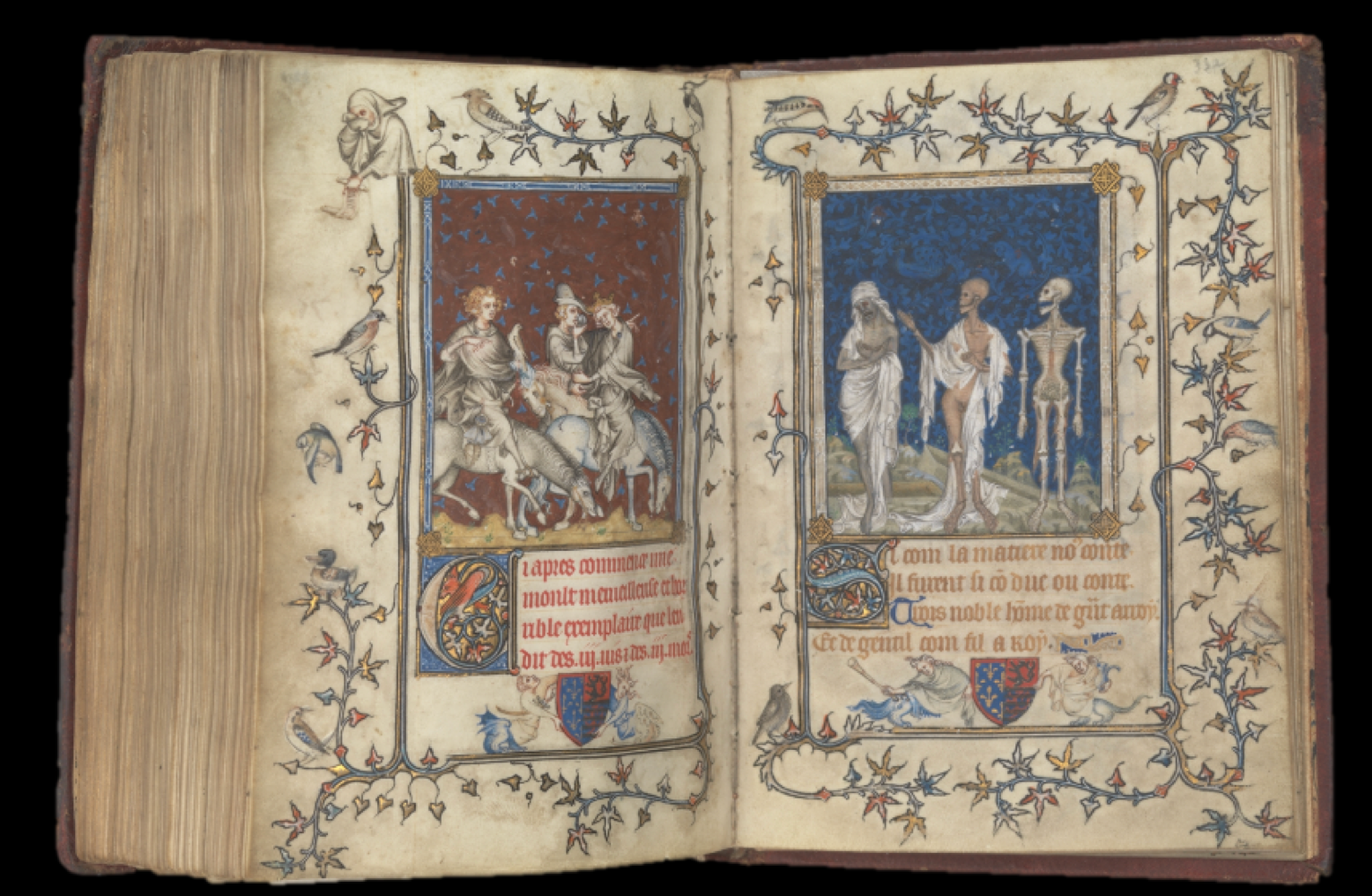
describe the context of the Prayer Book of Bonne of Luxembourg and its significance
For royals personal prayer, made by follower of who made Book of Hours, more than one artist possibly Jean le Noir’s daughter
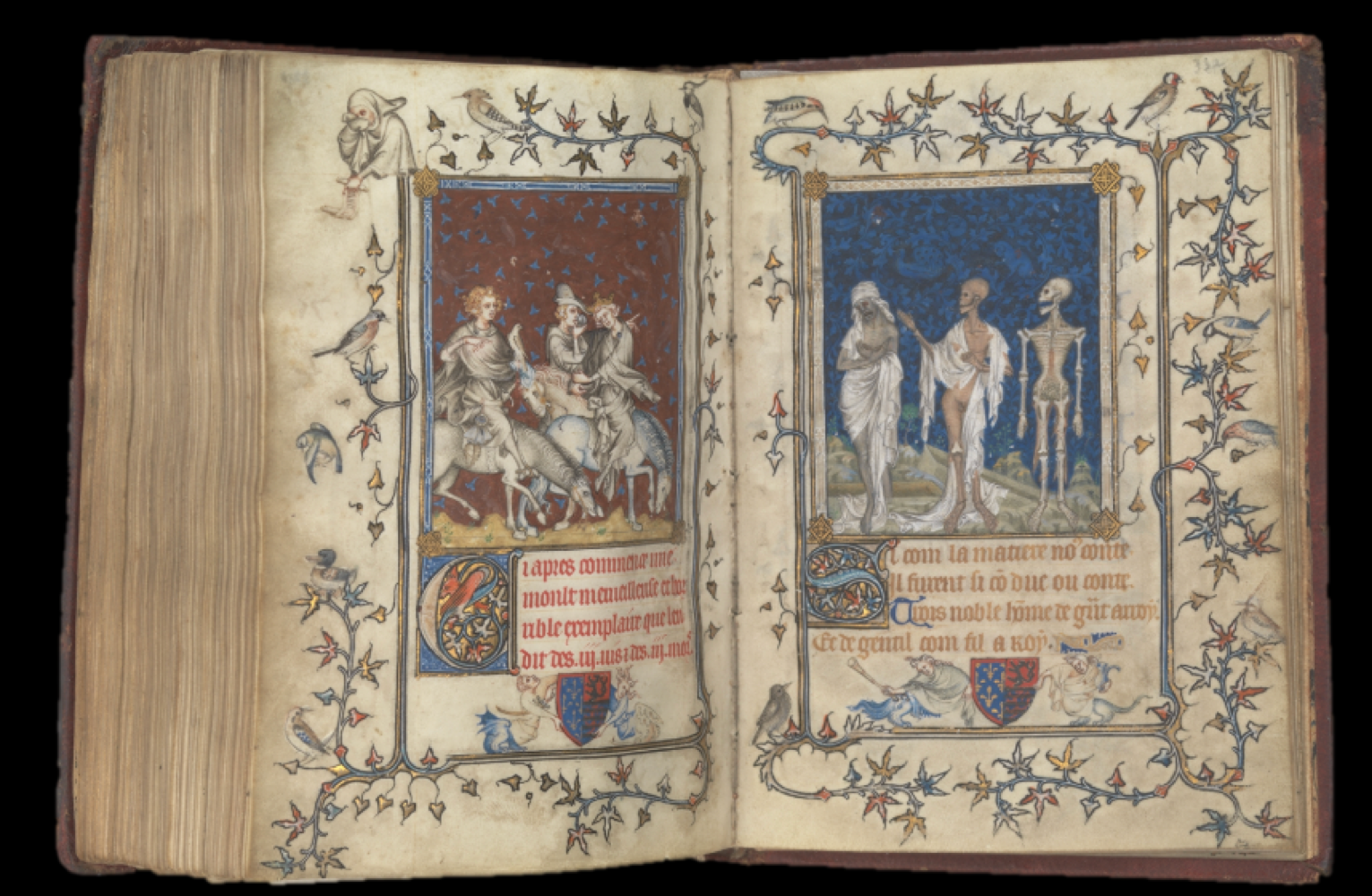
describe the inside of the Prayer Book of Bonne of Luxembourg and it purpose
painted in color: depth and tonality still there, not full color, otherworldly, images to aid in prayer, encouraged to touch the pages= visual, tactile, all consuming
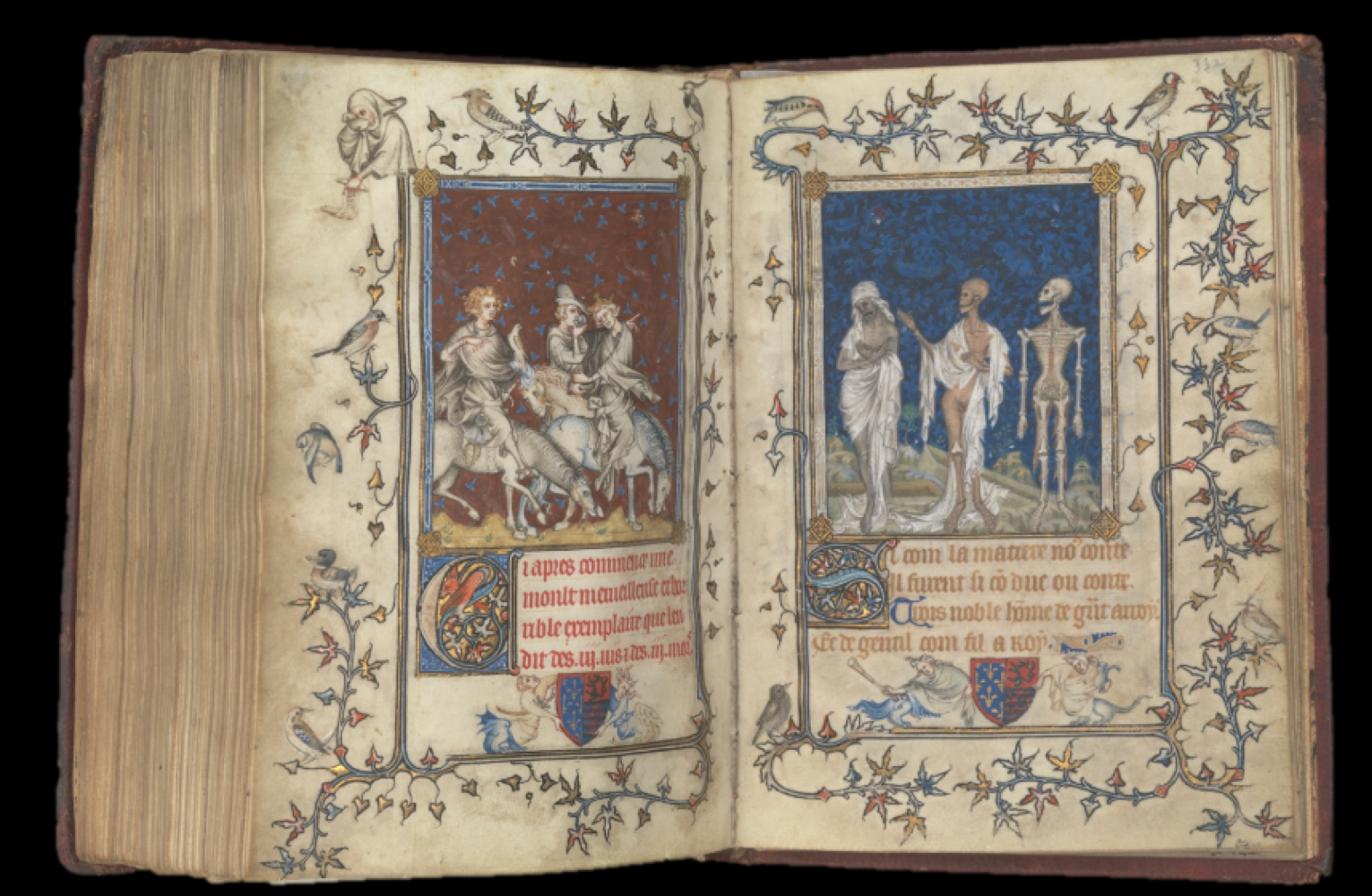
describe the images of the Prayer Book of Bonne of Luxembourg and their significance
marginal illumination: animals tucked away and filling margins, 3 noblemen came upon 3 dead: one turned away, one acknowledge death and cover nose, one holds falcon and faces death head on, shows the idea of “dying well”- people are meant to live their lives thinking of death and ready to accept it, later owners hopefully used the book to remember her
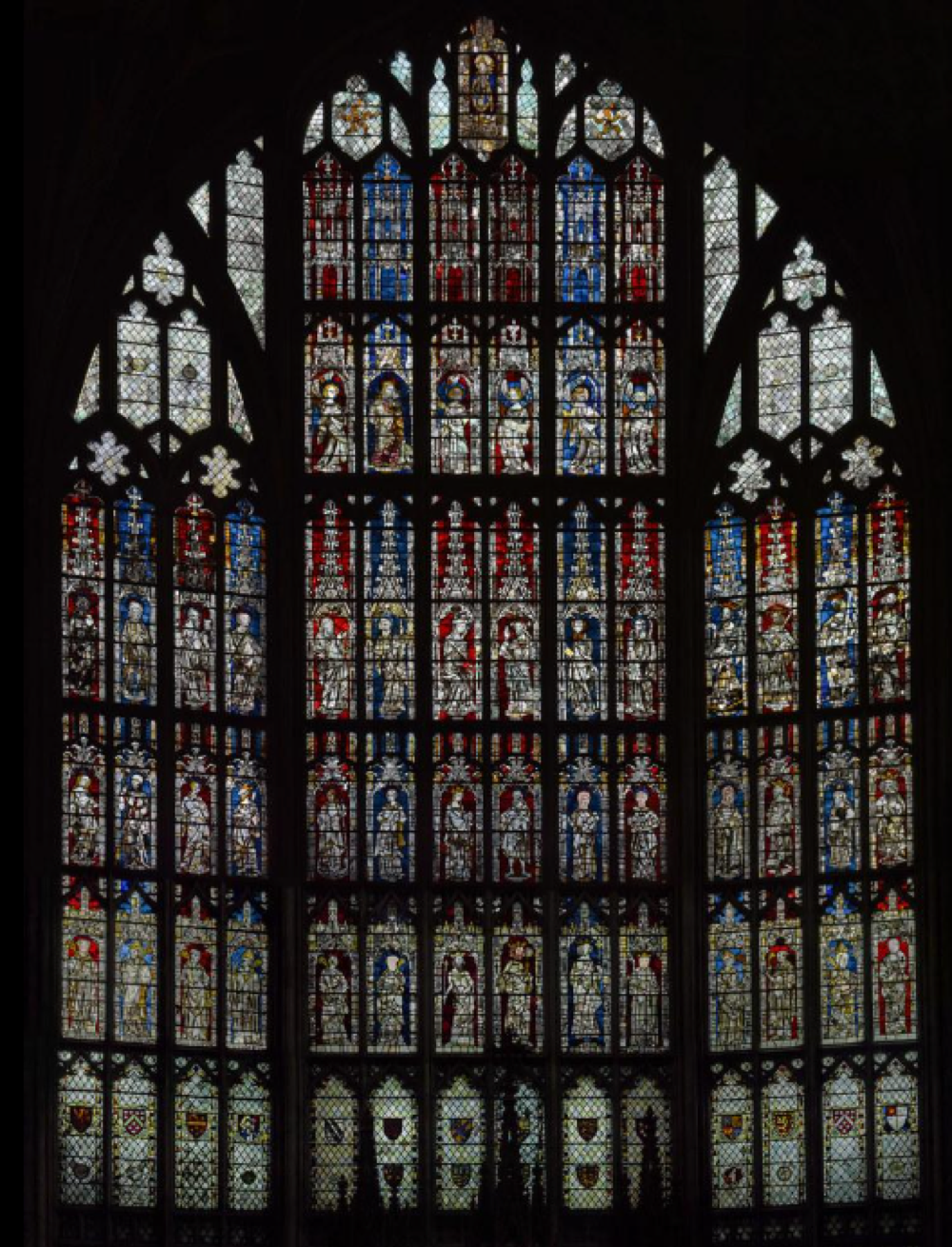
Gloucester Cathedral, England, East Window, ca. 1350
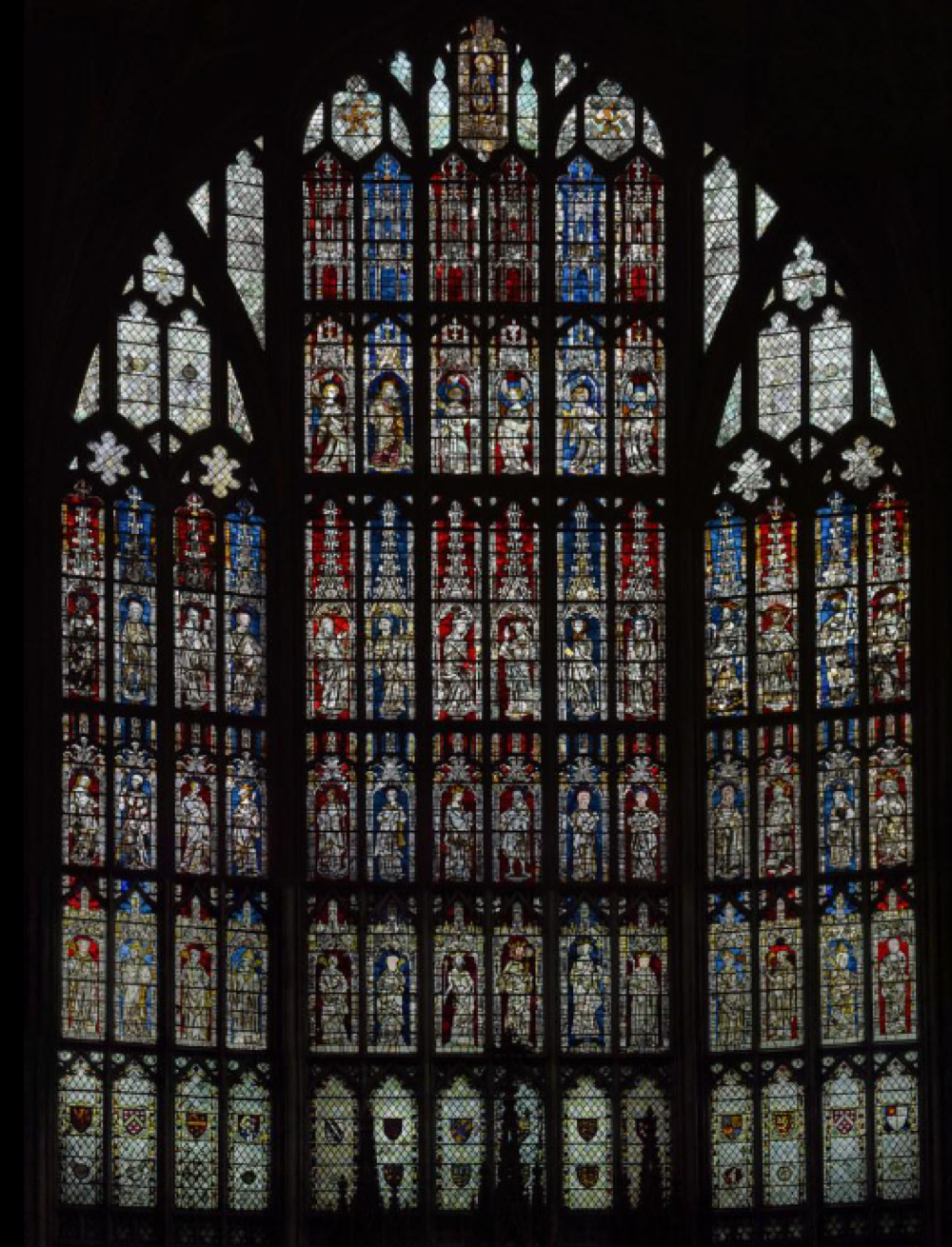
Describe the context of the East window and its significance
huge undertaking, was a monastery where monks lived together during the Plague, aid in salvation?
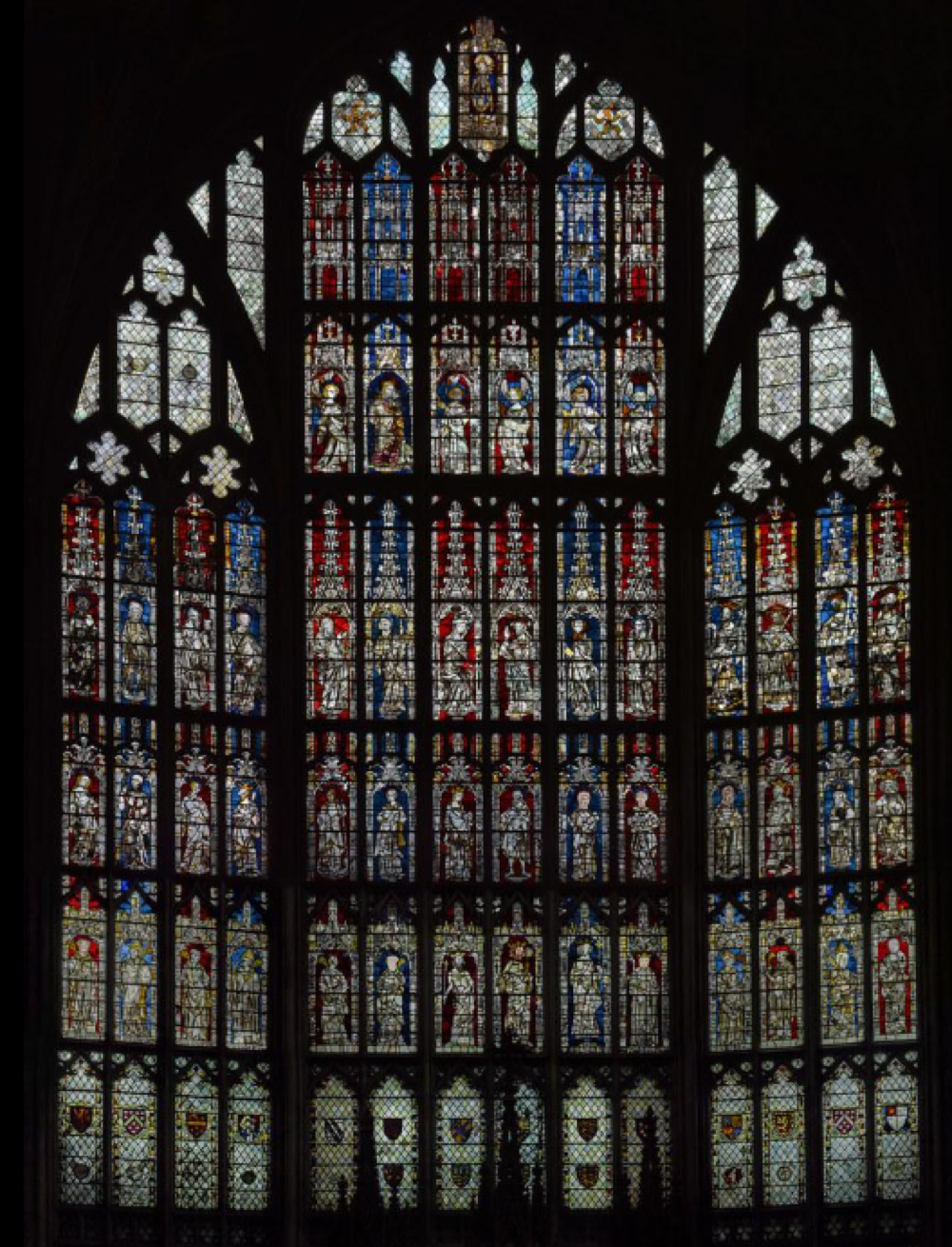
describe the East Window
perpendicular gothic style, strong verticals, mullions: vertical bars dividing the frame into multiple sections
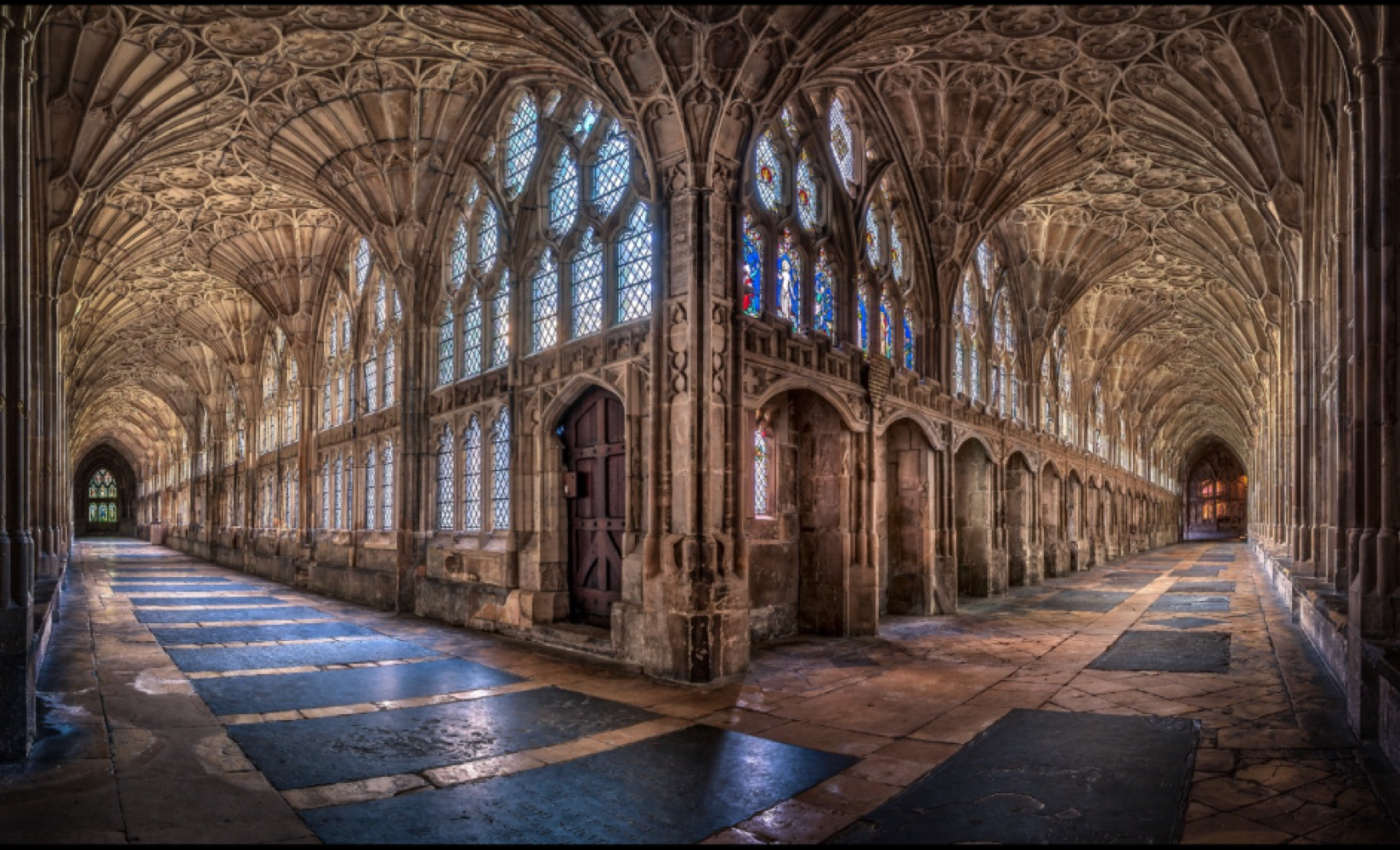
Gloucester Cathedral, England, Cloister, ca. 1351-64
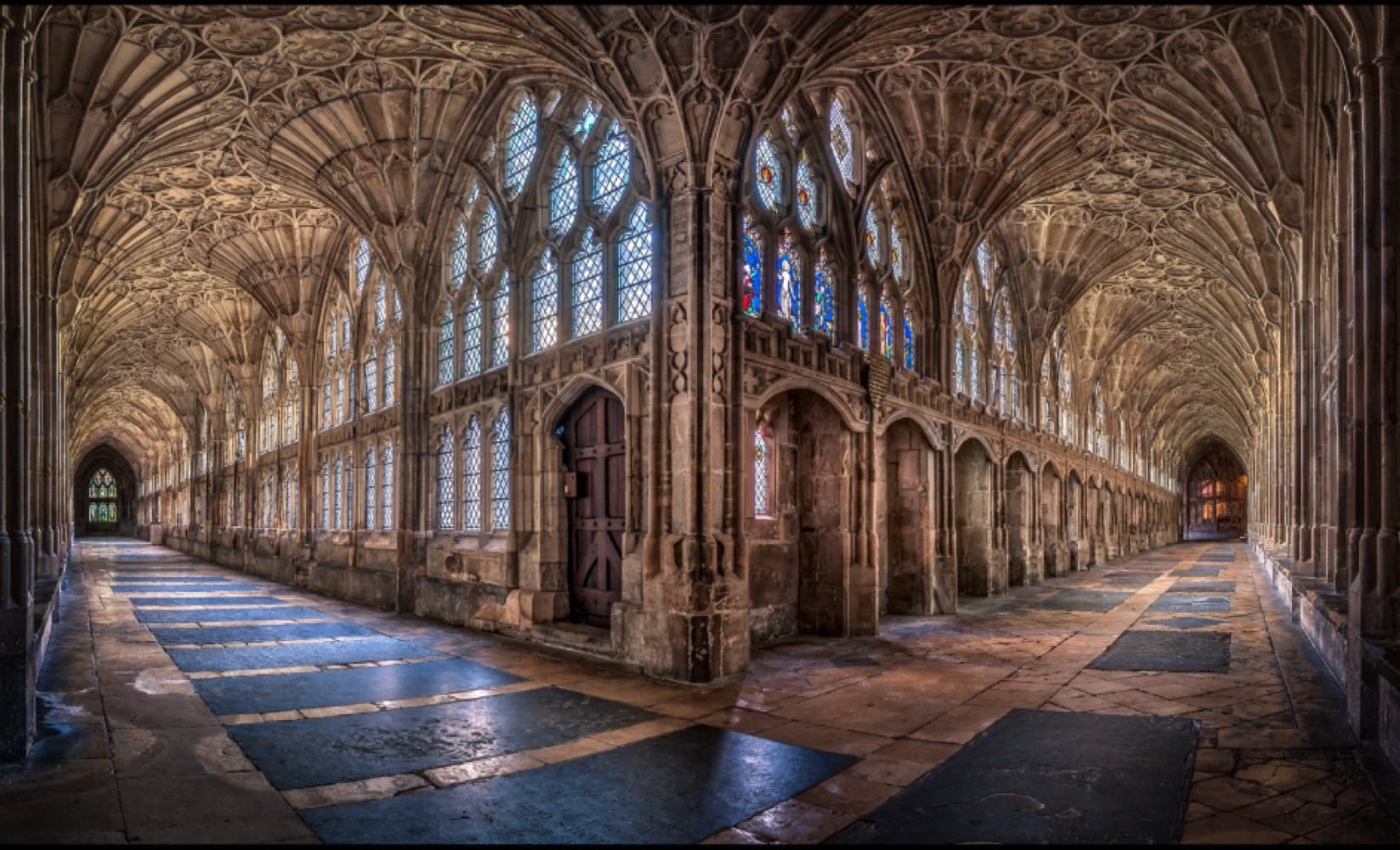
describe the Gloucester Cathedral Cloister and its significance
a place for reading and contemplation, vaulting more decorated like tracery, ribs create patterns, place for desks along the wall
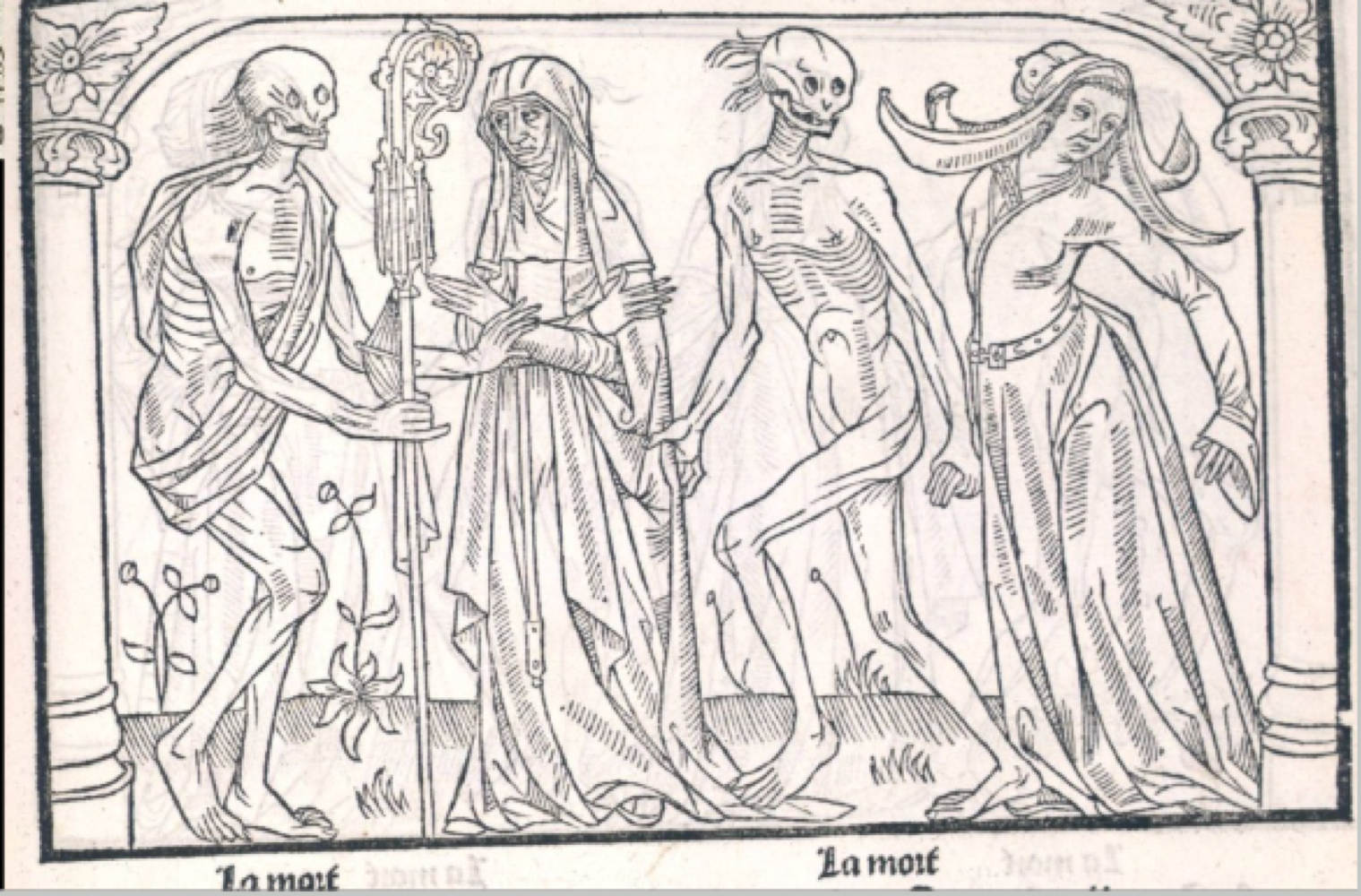
Danse Macabre, Paris, 1485, Guyot Marchant, woodcuts
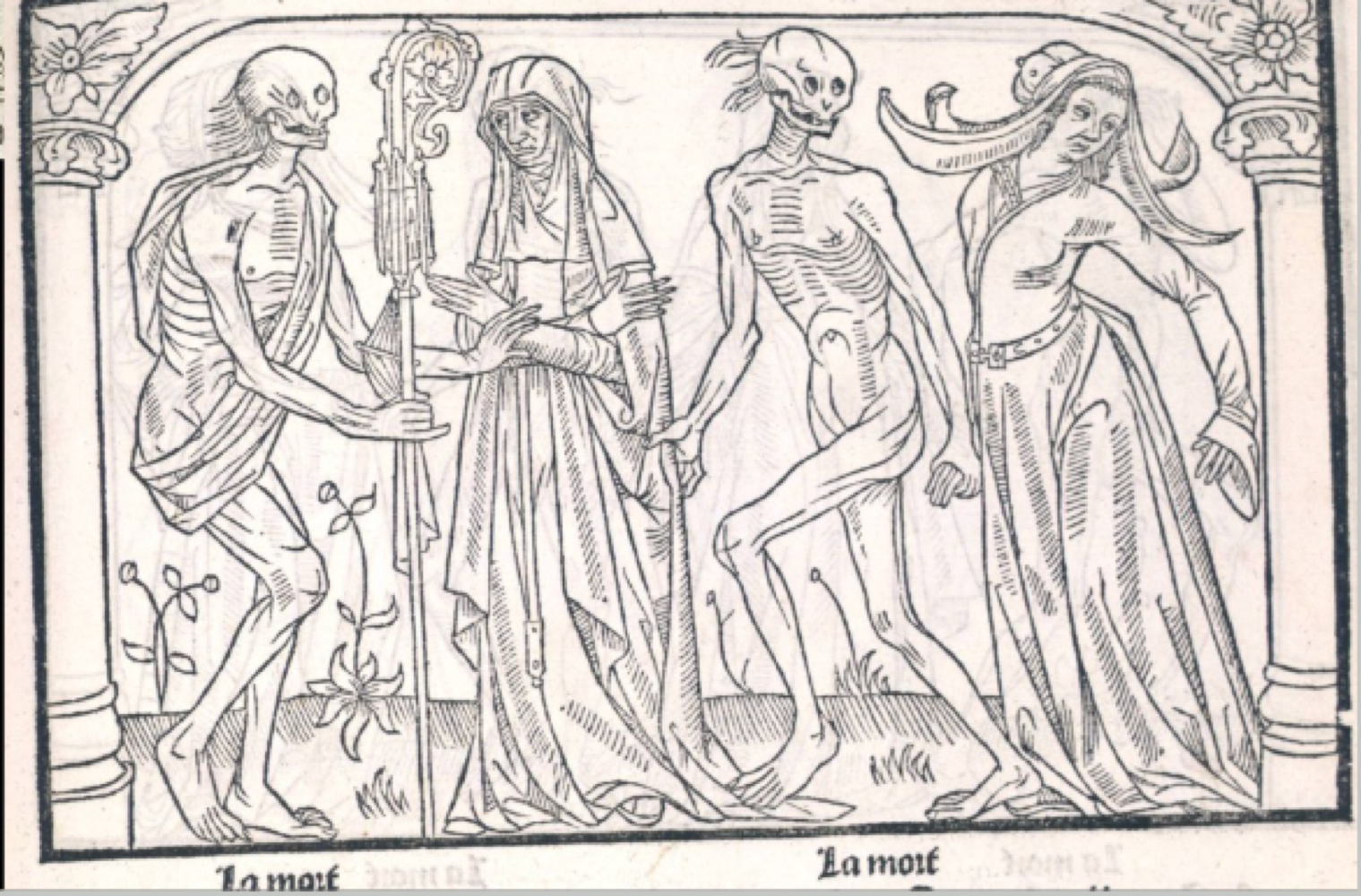
Describe how the Danse Macabre was made and its significance
carved out of wood like a stamp, allows many copies to be made= people all over the world could have access=high demand
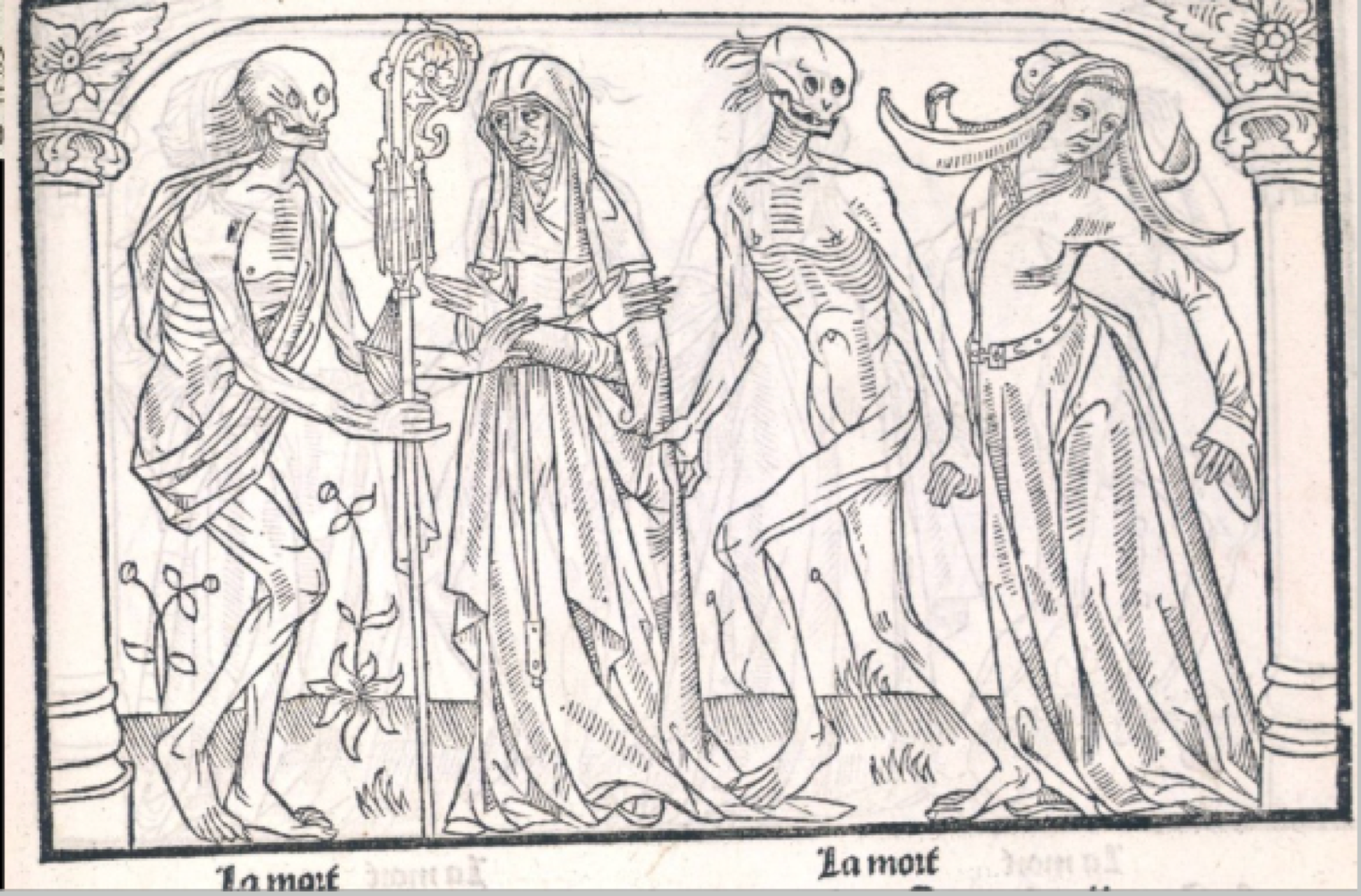
Describe the scene on the Danse Macabre and its significance
monk between skeleton, skeleton grabbing money lender, shepherd, pilgrim= all walk of people along perpetual dance of death, depicts death as the “great equalizer” = nothing can stop it, not status or wealth, death always on the mind=prepare for it=be a good christian
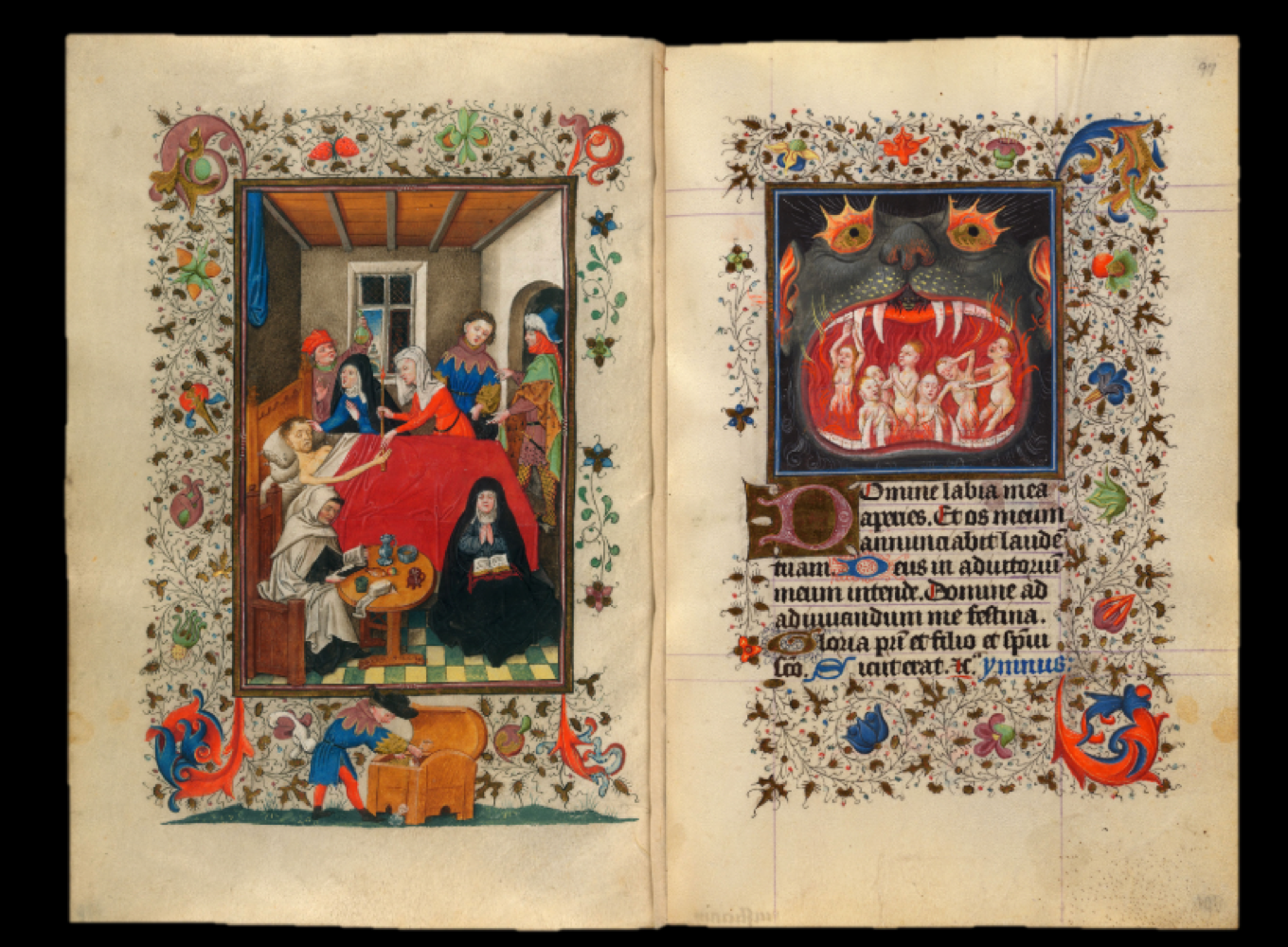
Hours of Catherine of Cleves, Netherlands, ca. 1440 (Morgan Library, New York)
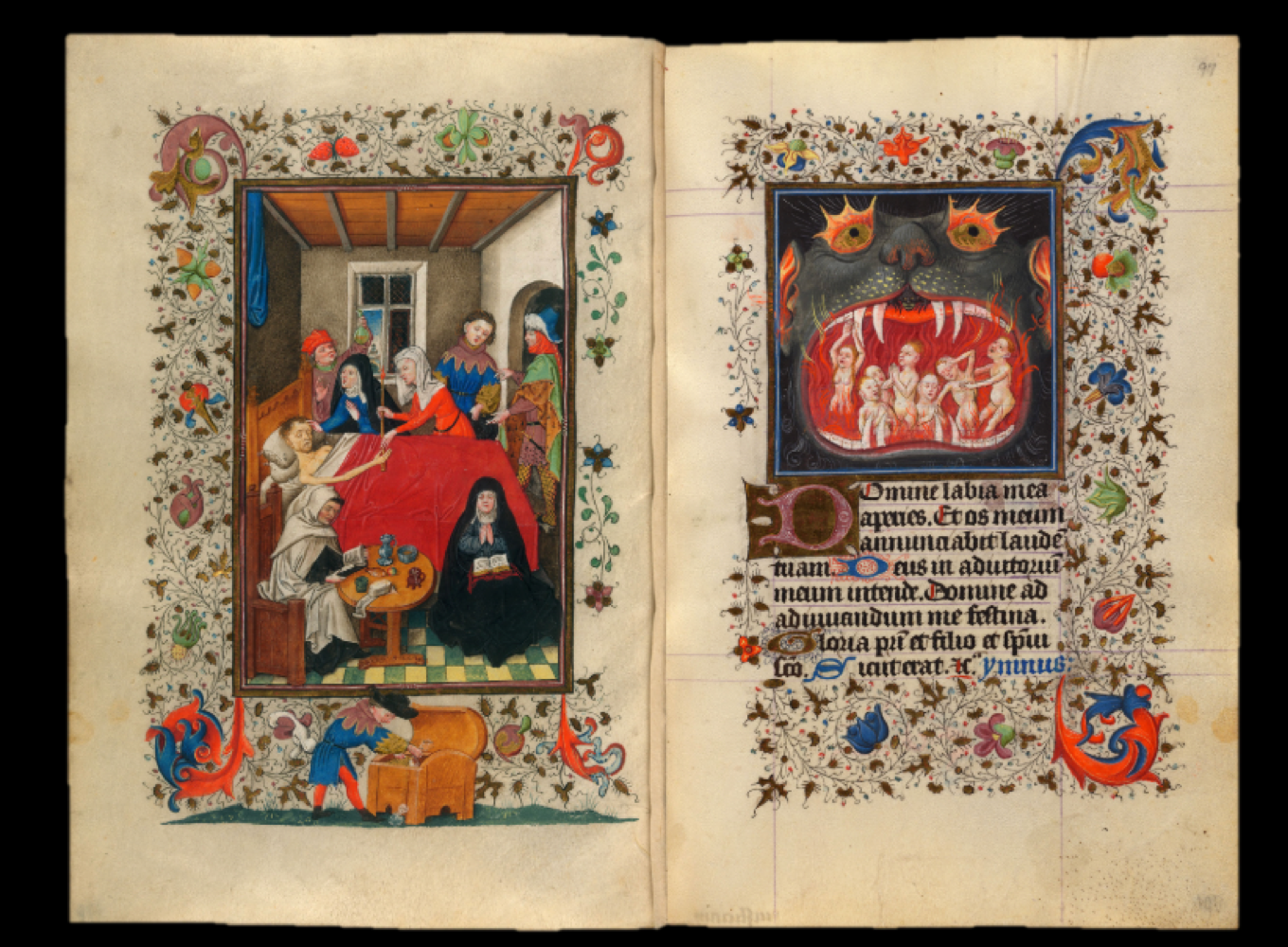
describe the inside of the Hours of Catherine of Cleves and its significance
prayers to Mary, Catherine praying to Mary in the book, shows how to have a good death:”office of the dead”, prayers for souls of dead, rituals to be performed at time of death, 1st pov=people personally express the text
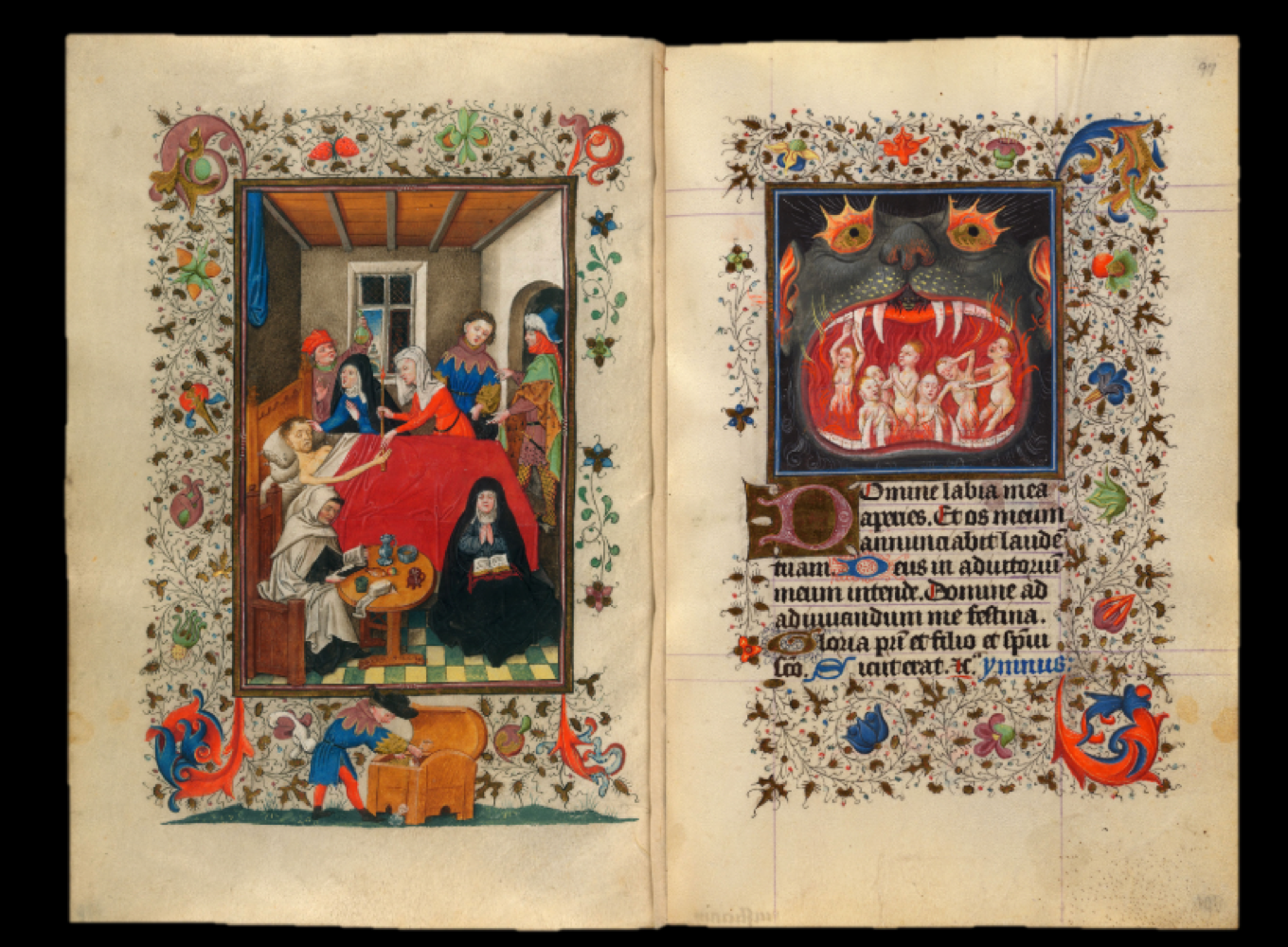
describe the images of the Hours of Catherine of Cleves and their significance
images of death: man on deathbed, wife near him, religious figures, son conspire against him, both prayers and sin, souls in the fire of purgatory with angels leading them away= shows how prayer helps the soul
Book of Hours
a prayer book made for lay people that includes prayers for specific times of day and a calendar; it became the most popular type of book in the late Middle Ages
Illumination
painted decoration in a manuscript
Grisaille
a painting method that uses entirely grey tones
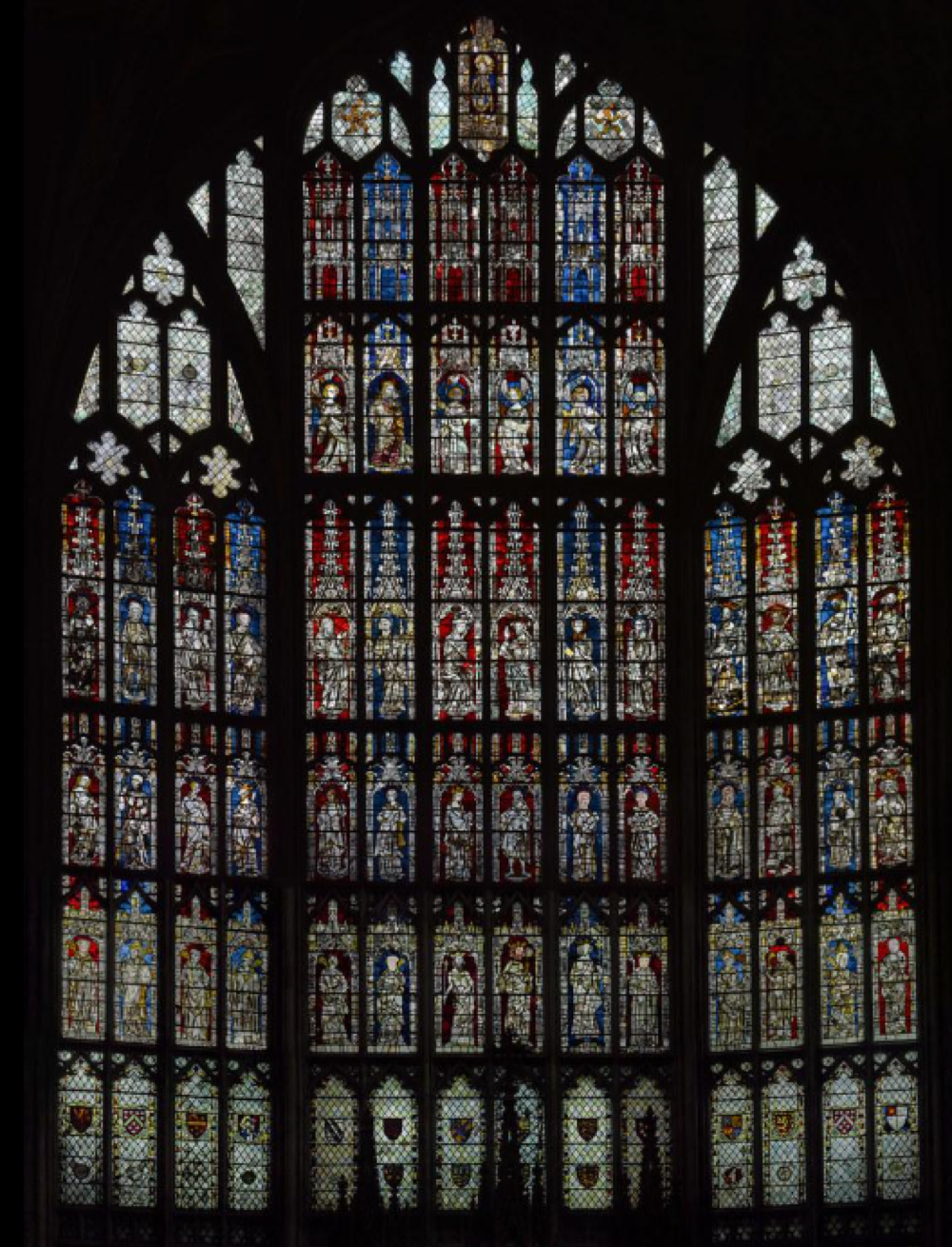
Mullion
a vertical element that divides the panes of a window; mullions can be either decorative or functional
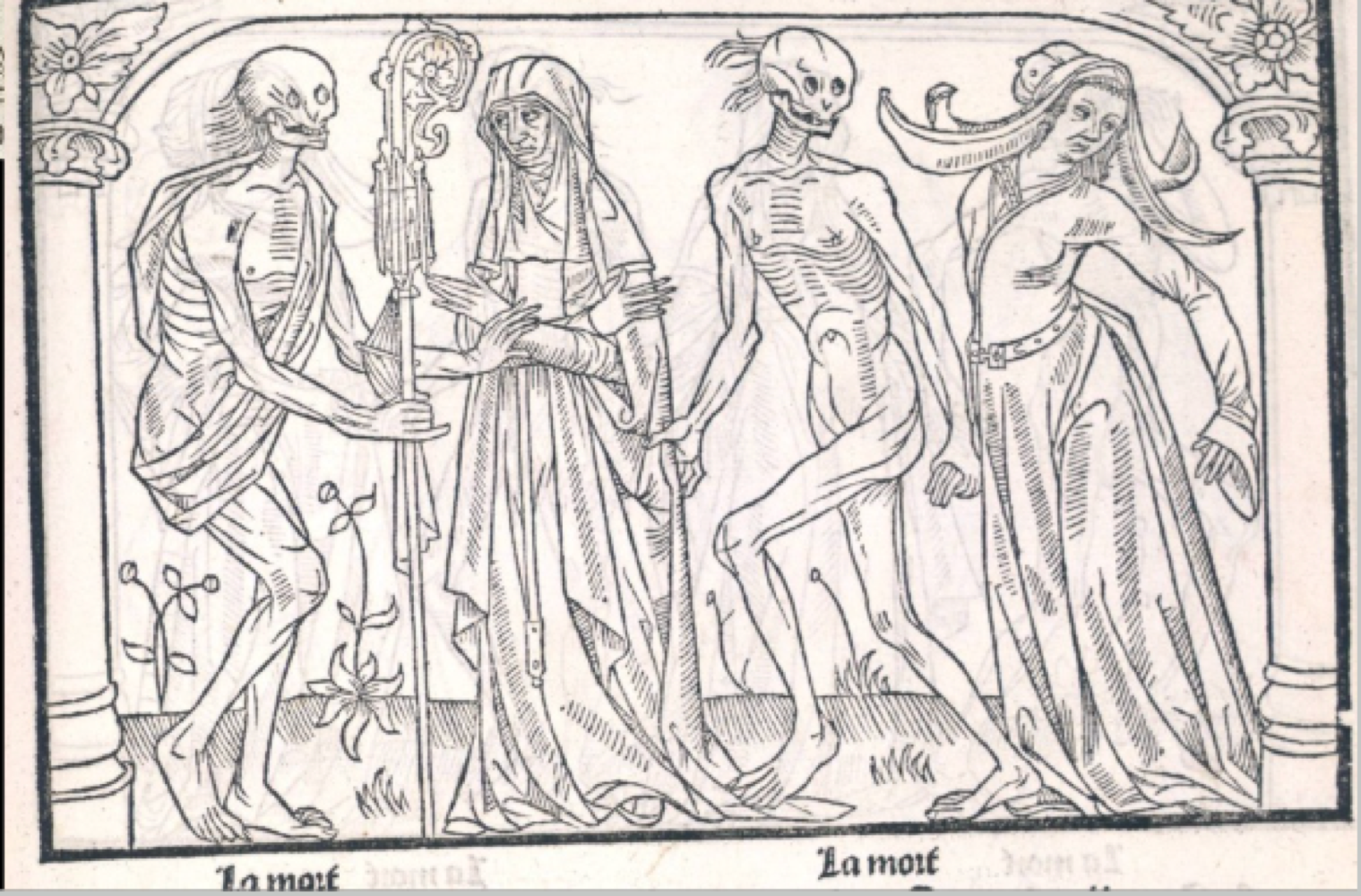
Woodblock printing
a technique in which an image is excavated from a block of wood (leaving the parts to be printed projecting) and then the wood is inked and used to print copies onto another medium, like paper
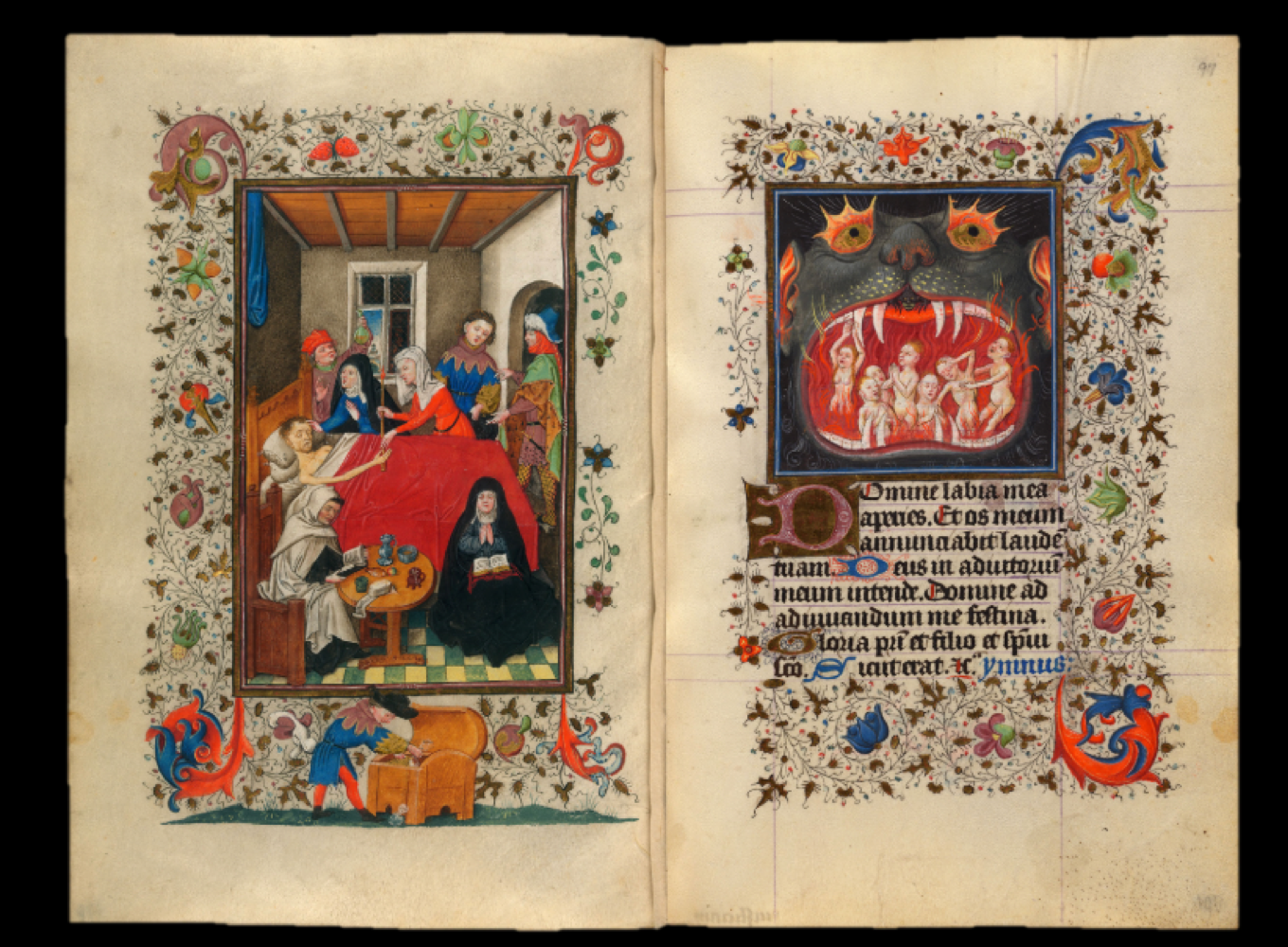
Office of the Dead
prayers to be read when someone is dying and after their death

