Addiction
0.0(0)
Studied by 6 people Call Kai
 Learn
Learn Practice Test
 Spaced Repetition
 Match
Match Flashcards
 Knowt Play
Card Sorting
1/89

Earn XP
Description and Tags
Last updated 3:04 AM on 4/28/23
Name | Mastery | Learn | Test | Matching | Spaced | Call with Kai |
|---|
No analytics yet
Send a link to your students to track their progress
90 Terms
1
New cards
drug addiction
chronic, relapsing brain disease that is characterized by compulsive drug seeking and use, despite harmful consequences (National Institute on Drug Abuse)
2
New cards
over __% of patients experience a relapse
40
3
New cards
over __% of the US population has a lifetime prevalence of drug use disorders
9
4
New cards
over ______ drug overdose deaths occurred in the 12 months ending in May 2020, the highest number of overdose deaths ever recorded in a 12-month period
81,000
5
New cards
drug addiction costs the US over $______________ dollars in law enforcement, healthcare, and lost wages
700 billion
6
New cards
DSM-V
gold standard text on the names, symptoms, and diagnostic features of mental illness, including addictions
7
New cards
according to DSM-V, when do substance use disorders occur?
when the recurrent use of a drug causes clinical and functional impairment, such as health problems, disability, and failure to meet major responsibilities at work, school, or home
8
New cards
DSM-V: nine types of substance-related disorders
alcohol; caffeine; cannabis (e.g. marijuana); hallucinogens (e.g. lysergic acid diethylamide or LSD); inhalants (solvents, aerosols, ether, nitrous oxide); opioid (e.g. heroin), sedatives, hypnotics or anxiolytics (e.g. valium); stimulants (cocaine, methamphetamine); tobacco
9
New cards
most commonly abused substances
tobacco, alcohol, marijuana, opioids
10
New cards
substance-induced disorders (DSM-V)
intoxication, withdrawal, mental disorders (including psychosis, bipolar disorders, depression, anxiety, OCD, sleep disorders, sexual dysfunctions, delirium, cognitive disorders)
11
New cards
substance use disorders (DSM-V)
maladaptive pattern of substance use leading to clinically and functionally significant impairment, despite experiencing problems as a result, and occurring within a 12-month period
12
New cards
how many criteria must one meet to have a mild substance use disorder? (DSM-V)
2-3
13
New cards
how many criteria must one meet to have a moderate substance use disorder? (DSM-V)
4-5
14
New cards
how many criteria must one meet to have a severe substance use disorder? (DSM-V)
6-7
15
New cards
criteria for substance use disorders
1. taking the substance in larger amounts or for longer than intended
2. wanting to cut down or stop using the substance but not managing to
3. spending a lot of time getting, using, or recovering from the use of the substance
4. cravings and urges to use the substance
5. repeatedly unable to carry out major obligations at work, school, or home because of substance use
6. continuing to use despite persistent or recurring social or interpersonal problems caused or made worse by substance use
7. giving up important social, occupational, or recreational activities because of substance use
8. recurrent use of substances in physically hazardous situations
9. consistent use despite acknowledgement of persistent or recurrent physical or psychological difficulties caused or made worse by the substance
10. needing more of the substance to get the desired effect (tolerance)
11. development of withdrawal symptoms, which can be relieved by taking more of the substance
16
New cards
tolerance
* a need for markedly increased amounts of the substance to achieve intoxication or the desired effect
* markedly diminished effect with continued use of the same amount of substance
* markedly diminished effect with continued use of the same amount of substance
17
New cards
withdrawal
* the characteristic withdrawal syndrome for the substance
* the same (or closely related) substance is taken to relieve or avoid withdrawal symptoms
* the same (or closely related) substance is taken to relieve or avoid withdrawal symptoms
18
New cards
risk factors for addiction
genetics, sex, adolescence, mental disorders, route/pattern of drug administration, early life stress/abuse, community/social acceptance, personality traits
19
New cards
why are genetics a risk factor for addiction?
particular genes account for only a small amount of risk for addiction
20
New cards
why is sex a risk factor for addiction?
historically, females have not abused drugs to the degree that males do, but it is clear that being female (perhaps due to ovarian hormones) increases the likelihood to become addicted
21
New cards
how is adolescence a risk factor for addiction?
the earlier in life someone begins using drugs, the greater the likelihood of addiction
22
New cards
how is route/pattern of drug administration a risk factor for addiction?
smoking or injecting drugs increases addiction
23
New cards
how are early life stresses/abuse a risk factor for addiction?
growing up in difficult, stressful circumstances or explicitly suffering from abuse
24
New cards
how is community/social acceptance a risk factor for addiction?
environments of acceptance, either in the family or community, can increase the chances of addiction
25
New cards
how are personality traits a risk factor for addiction?
impulsiveness is a character trait that increases the likelihood of addiction
26
New cards
what neurotransmitter is involved with positive and negative reinforcement, as it relates to addiction?
dopamine
27
New cards
positive reinforcement
drug = good, rewarding effects in the brain
drugs → memory trace of euphoria → drug cravings and compulsive drug seeking
drugs → memory trace of euphoria → drug cravings and compulsive drug seeking
28
New cards
negative reinforcement
no drug = bad
29
New cards
where does the ventral tegmental area (VTA) project to?
nucleus accumbens
30
New cards
dopamine transporter function
dopamine reuptake, cleans the synapse
31
New cards
how does cocaine affect the synapse?
blocks dopamine transporters; dopamine stays in the synapse and increases in concentration due to block of reuptake
32
New cards
what type of receptors are dopamine receptors?
G-protein coupled receptors (GPCRs)
33
New cards
how do G-protein coupled receptors (GPCRs) act?
via a “signaling cascade”
34
New cards
ventral tegmental area (VTA)
a key source of “rewarding” dopamine
35
New cards
which part of the brain is the nucleus accumbens in?
ventral striatum, which is part of the basal ganglia
36
New cards
how does dopamine facilitate repetitive behavior?
when we get a reward, we have a peak of dopamine because our neurons release dopamine, which makes you feel good and excited; we want more of this
37
New cards
types and description of opioid receptors
mu-opioid, delta-opioid, kappa-opioid
all are Gi-coupled GPCRs and inhibitory
all are Gi-coupled GPCRs and inhibitory
38
New cards
in which regions important for dopamine signaling are opioid receptors located?
ventral tegmental area (VTA) and nucleus accumbens
39
New cards
result of activation of opioid receptors
increased signaling through ‘reward circuitry’
40
New cards
how do opioid receptors act presynaptically?
decrease neurotransmitter release, often by inhibiting voltage-gated Ca+2 channels (results in decreased postsynaptic response
41
New cards
how do opioid receptors act postsynaptically?
cause hyperpolarization, usually by activation of K+ channels (e.g. GIRKS)
42
New cards
endogenous opioids examples
enkephalins, dynorphins, endorphins (play an important role in the pain system)
43
New cards
exogenous opioids
come from external sources; e.g. morphine, codeine, heroin, methadone, fentanyl
44
New cards
efficacy
how much of an effect a drug can have
45
New cards
potency
how much of the drug to get 1/2 max response of that drug
46
New cards
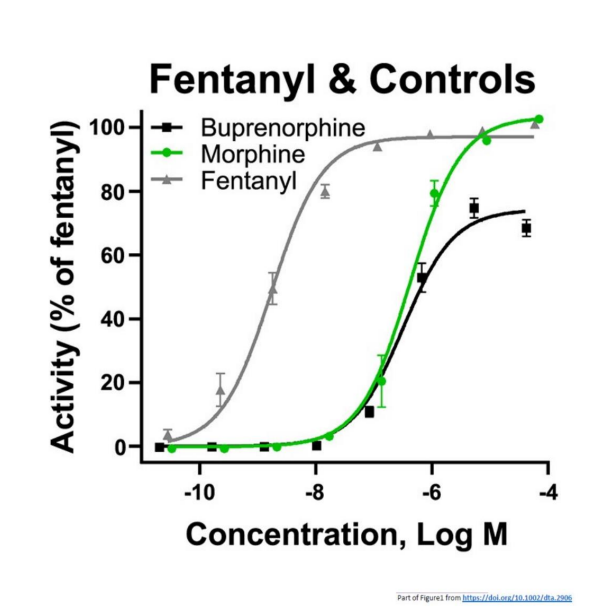
Which has a greater potency, morphine or fentanyl?
Which has a greater efficacy, morphine or buprenorphine?
Which has a greater efficacy, morphine or buprenorphine?
fentanyl; morphine
47
New cards
cannabinoid receptors and description
CB1 and CB2; both are Gi-coupled GPCRs, both are inhibitory
48
New cards
endocannabinoid release
they simply diffuse across the membrane, which is distinct from other neurotransmitters, and are often used as “retrograde messengers”
49
New cards
retrograde
released from postsynaptic neuron to presynaptic neuron
50
New cards
where is CB1 found?
many different places in the brain, including the nucleus accumbens
51
New cards
how do CB1 receptors act presynaptically?
decrease neurotransmitter release, often by inhibiting voltage-gated Ca+2 channels
52
New cards
what is true of both opioid receptors and cannabinoid receptors?
* Gi-coupled GPCRs
* can be located pre- or post- synaptically
* inhibitory, presynaptically they inhibit neurotransmitter release
* can be expressed as interneurons that would normally inhibit reward signaling
* can caused increased reward signaling via disinhibition
* can be located pre- or post- synaptically
* inhibitory, presynaptically they inhibit neurotransmitter release
* can be expressed as interneurons that would normally inhibit reward signaling
* can caused increased reward signaling via disinhibition
53
New cards
what does nicotine bind to?
glutamate, GABA, serotonin, dopamine, opioids, cannabinoids, acetylcholine (ACh)
54
New cards
what two receptors can Acetylcholine (ACh) receptors be?
1. ligand gated channels; called “nicotinic,” because nicotine binds to them
2. G protein-coupled receptors (GPCRs); called “muscarinic,” because they bind a different drug called muscarine
55
New cards
are nicotinic acetylcholine receptors excitatory or inhibitory? which ion do they let in or inhibit?
excitatory, let Na+ in
56
New cards
what receptors does EtOH act on?
GABA(A); increases the release of GABA
57
New cards
what happens when GABA binds to GABA(A) receptors?
ligand-gated channels (GABA(A)) allow Cl- to follow into the cell, hyperpolarizing it, and making it less likely to fire an action potential
58
New cards
where all is GABA(A) found?
postsynaptic at the synapse; extra synaptically, where ambient GABA can activate them, (these receptors mediate a form of “tonic inhibition”); extra synaptic GABA(A) receptors are found in lots of places in the brain, including the cerebellum (motor), hippocampus (memory), and reward circuitry elements (reward)
59
New cards
why is EtOH considered a “dirty drug”?
acts in lots of places in the brain, sometimes with sweeping effects, sometimes with highly targeted effects
60
New cards
what happens when neurons in ventral tegmental area (VTA) are inhibited?
less dopamine released in the nucleus accumbens
61
New cards
what things does ACh play an important role in?
attention, theta oscillations
62
New cards
where are nicotinic ACh receptors found?
all over the brain, including on VTA neurons and their terminals in the nucleus accumbens
63
New cards
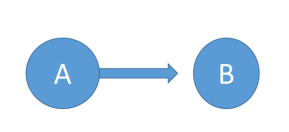
If Neuron A was GABAergic, and Neuron B was glutamergic, and Neuron B but not Neuron A expressed nAChRs, what would be the effect on Cell B if the neurons were exposed to nicotine?
there will be an excitatory response; when the nicotine joins to the nicotinic receptors, there will be increase
64
New cards
what causes the depression feeling when we drink?
when Cl- enters the cell, neurons are hyperpolarized
65
New cards
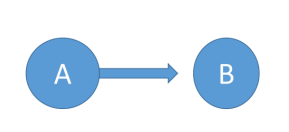
If Neuron A was GABAergic (and pretty active), and Neuron B but not Neuron A expressed both synaptic and extrasynaptic GABA(A) receptors, what would be the effect on Cell B if the neurons were exposed to alcohol EtOH?
neurons would hyperpolarize; alcohol inhibits the function and action of Neuron B
66
New cards
what can result from activation of opioid receptors?
increased signaling through ‘reward circuitry’
67
New cards
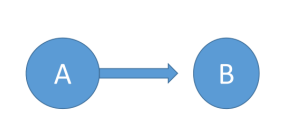
If Neuron A was GABAergic and expressed opioid receptors, and Neuron B expressed GABA(A) receptors but not opioid receptors, what would be the effect on Cell B if the neurons were exposed to morphine?
when Neuron A is exposed to opioids, opioids will inhibit the action of releasing GABA (less is released); Cell B is more active because inhibition is being inhibited (receiving less inhibitory GABA)
68
New cards
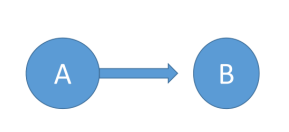
If Neuron A was GABAergic and expressed CB1 receptors, and Neuron B expressed GABA(A) receptors but not CB1 receptors, what would be the effect on Cell B if the neurons were exposed to THC?
THC is an exogenous cannabinoid, which means it is not released by neurons; THC will decrease release of GABA in Neuron A, so Neuron A’s inhibition is inhibited, so Neuron B will be more active
69
New cards
acute drug use can also cause longer lasting changes, including…?
(maladaptive) plasticity
70
New cards
Activation of mu opioid receptors allows the disinhibition of neurons (by inhibiting inhibitory interneurons) which can in turn dampen pain signaling via downstream actions. If this happened, and then you took an opioid again, would you have an increased or decreased response to that opioid? What would that be an example of?
decreased response; tolerance
71
New cards
what can occur when opioid receptors are strongly activated?
desensitize (stop signaling), be internalized (stop being where they can be activated), or change their signaling properties
72
New cards
negative reinforcement
the process by which removal of an aversive stimulus, (or aversive state, in the case of addiction), increases the probability of a response
73
New cards
three stages of addiction
1. binge/intoxication
2. withdrawal/negative effect
3. preoccupation/anticipation
74
New cards
drug pharmacodynamics
mechanism of action of a drug to produce the biological effects
75
New cards
drug pharmacokinetics
relation between drug intake and amount of drug active at the site
76
New cards
factors that determine the potency, side effects, and duration of a drug
absorption, distribution, metabolism, excretion
77
New cards
why does pharmacokinetic tolerance occur?
because a decreased quantity of the substance reaches the action; for example, the liver gets more efficient at breaking down the drug (e.g. alcohol) before it gets to the brain
78
New cards
treatment of drug addiction goals
help patient stop using drugs; help patient stay drug-free; help patient be productive with family, work, and society
79
New cards
treatments for drug addiction
medication, medical devices, behavioral counseling, treatment of comorbidities, long-term feedback to prevent relapse
80
New cards
opioid treatment options
methadone (full agonist), buprenorphine (partial agonist), naltrexone (competitive antagonist)
81
New cards
ligand
binds to a receptor
82
New cards
agonist
activates receptor
83
New cards
partial agonist
activates receptors, but less than a “full agonist”
84
New cards
antagonist
blocks/inhibits
85
New cards
competitive antagonist
binds at the same site as the agonist
86
New cards
medications to treat nicotine
patch, spray, gum, lozenges, varenicline, bupropion, TMS
87
New cards
varenicline
partial agonist of nicotinic acetylcholine receptors
88
New cards
bupropion
competitive antagonist of nicotinic acetylcholine receptors
89
New cards
alcohol treatment options
acamprosate (decreased withdrawal signs), disulfiram (decreased alcohol breakdown)
90
New cards
outpatient behavioral treatment includes
cognitive behavioral therapy, multidimensional family therapy, motivational interviewing, motivational incentives

