Medical terminology
 Call Kai
 Learn
Learn Practice Test
 Spaced Repetition
 Match
Match Flashcards
 Knowt Play
1/40

Earn XP
Description and Tags
Name | Mastery | Learn | Test | Matching | Spaced | Call with Kai | Chat |
|---|
No analytics yet
Send a link to your students to track their progress
41 Terms

Osteoporosis
Bones become weak and brittle (easily broken) due to a decrease in bone mass and density.
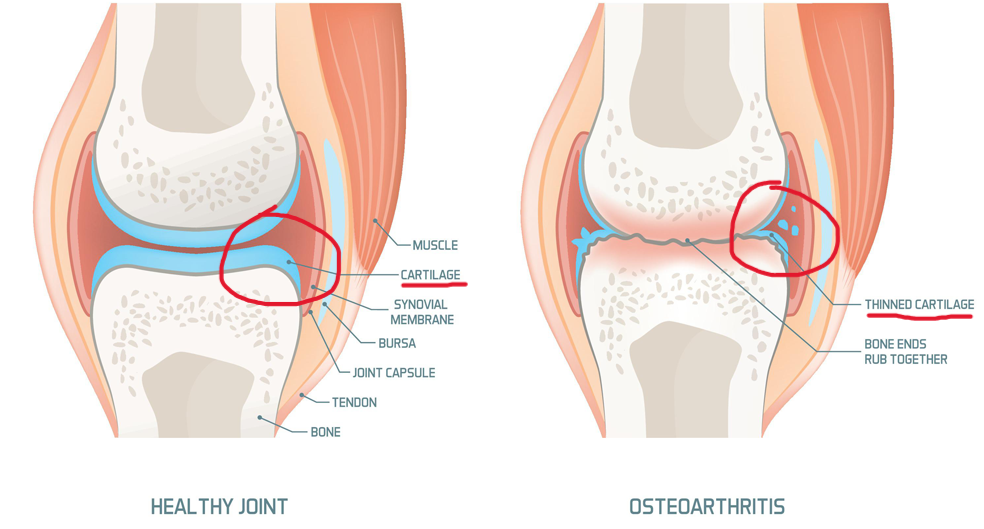
Osteoarthritis
joint cartilage degeneration, where the cartilage that lines end of the bone in the joint gradually break down and wear away.
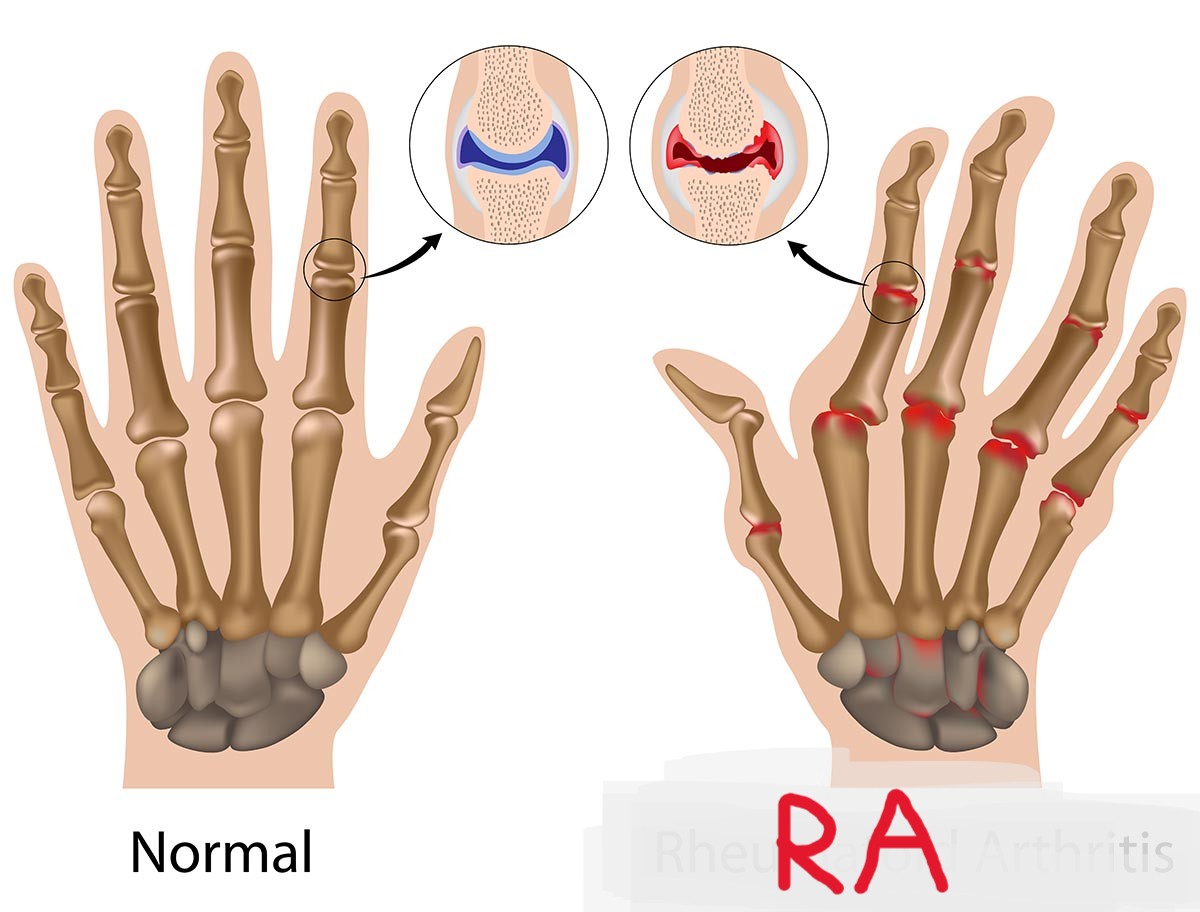
RA
Rheumatoid arthritis:
Autoimmune joint inflammation- the immune system attacks its own joints, causing uncontrolled inflammation.
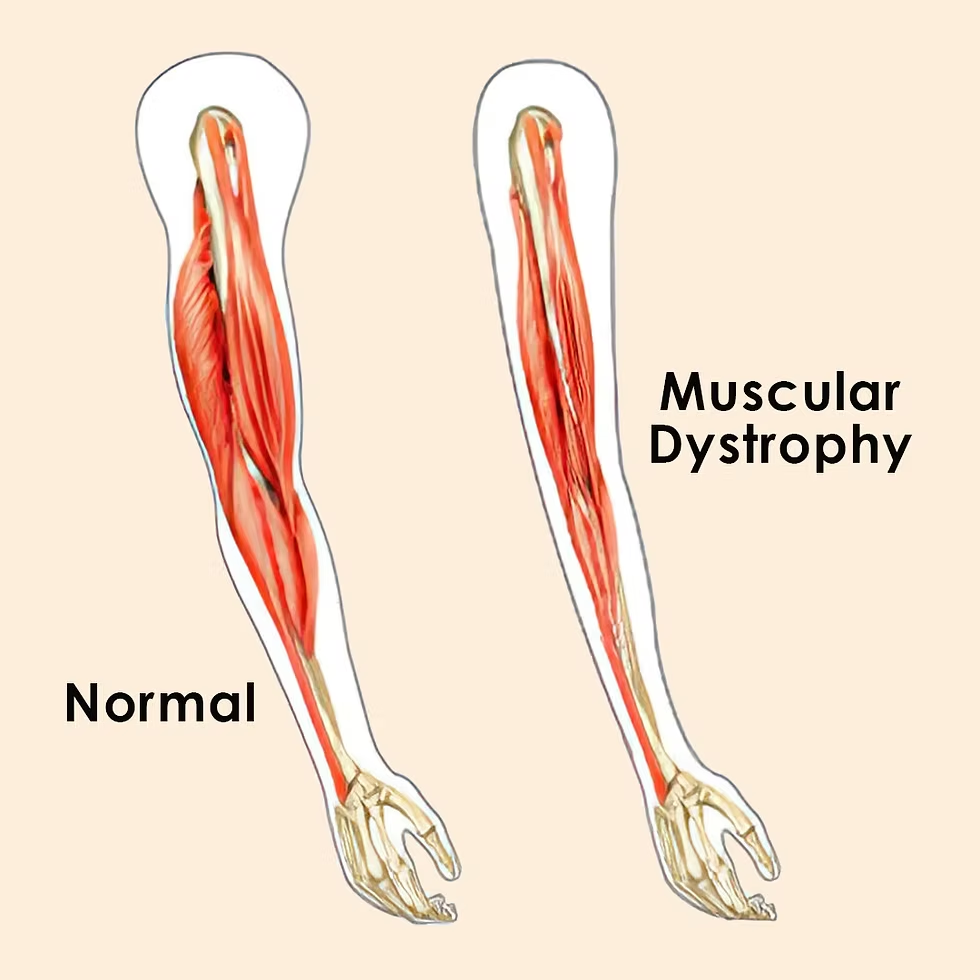
Muscular dystrophy
genetic disease that makes muscles weaker, affecting walking and movement.
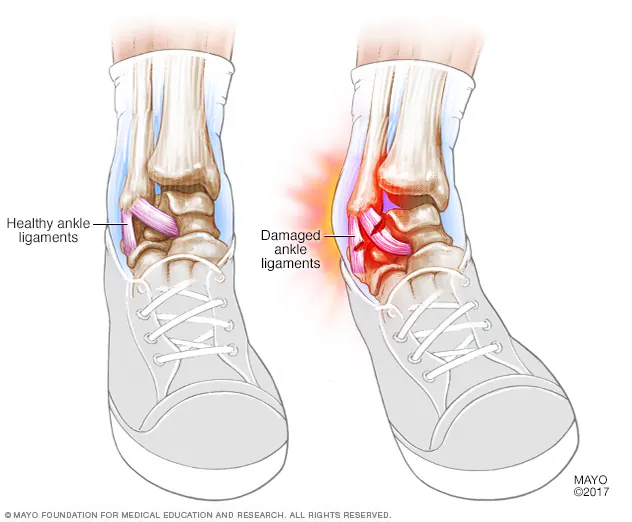
Sprain
Ligament injury that stretches or tears the ligament by a sudden twist or fall. Causing pain, swelling, and bruising around the joint.
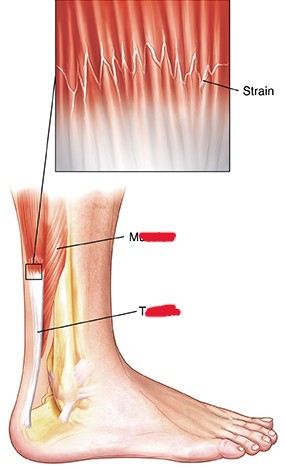
Strain
muscle/tendon injury
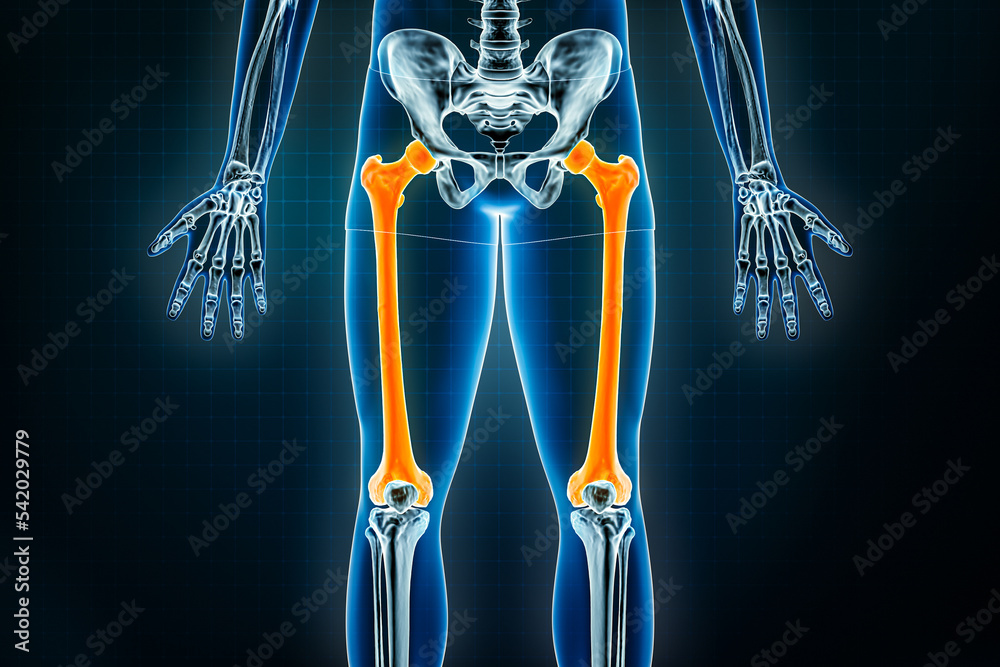
Femur
The thigh bone; the longest and strongest bone in the body, support body weight and help with walking and running.
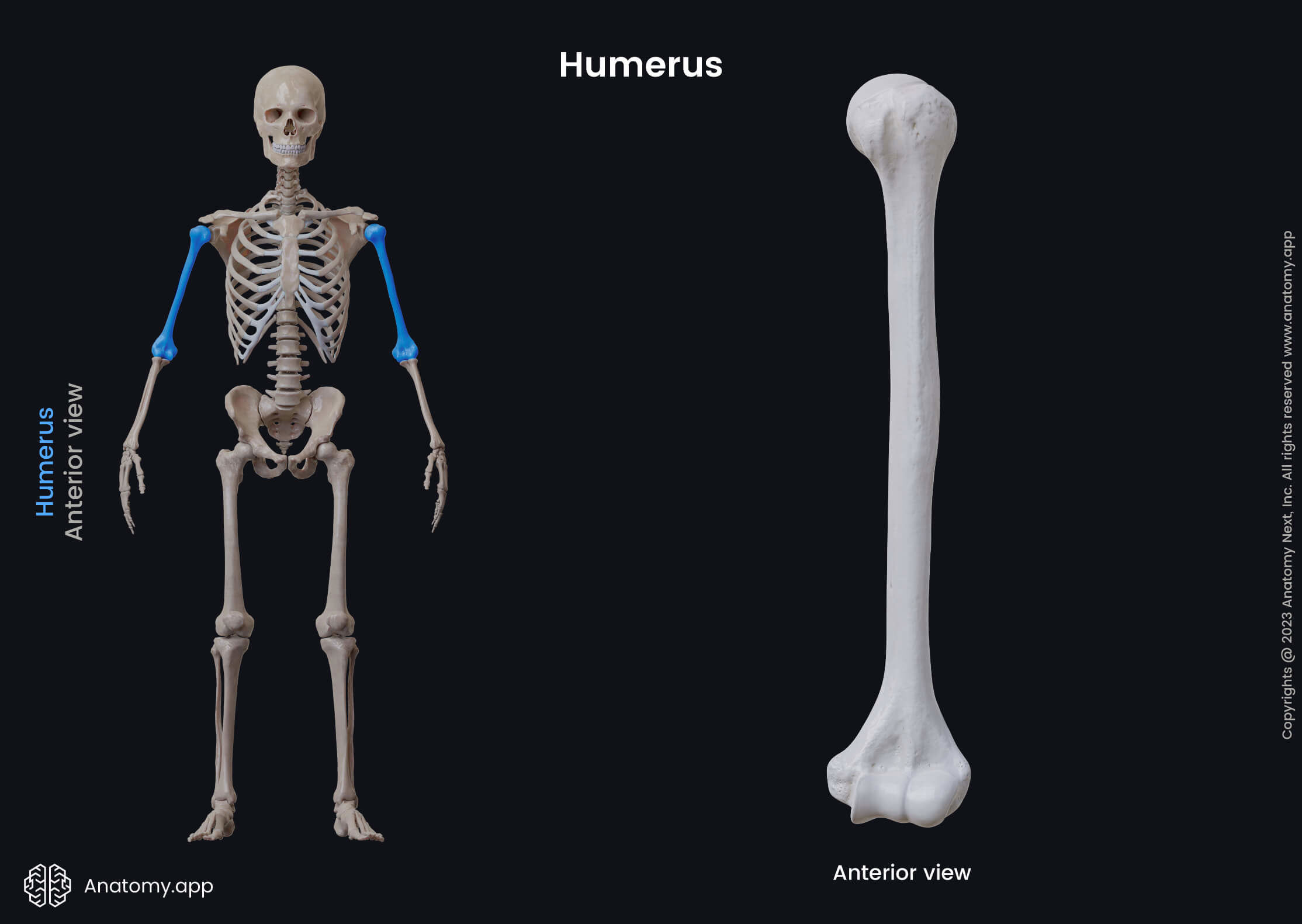
Humerus
The upper arm bone between shoulder and elbow, allows arm movement.

Tibia
Tibia or shin bone; weight-bearing bone of the lower leg, supports most of body weight.

Fibula
The thinner bone on the outside of the lower leg, stabilize ankle and support muscle.
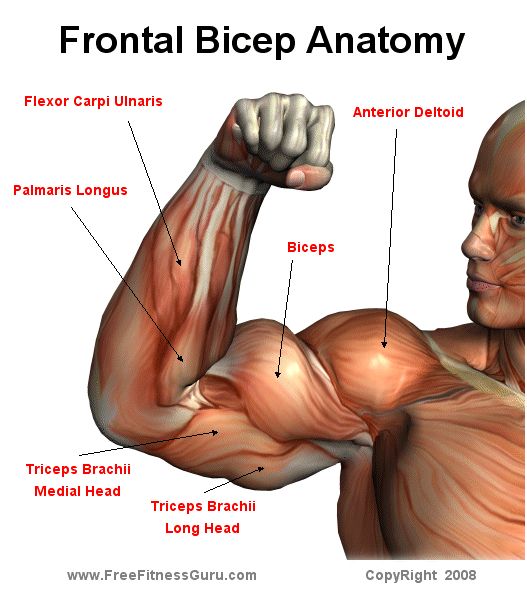
Biceps muscle
front of the upper arm, bend (flex) the elbow
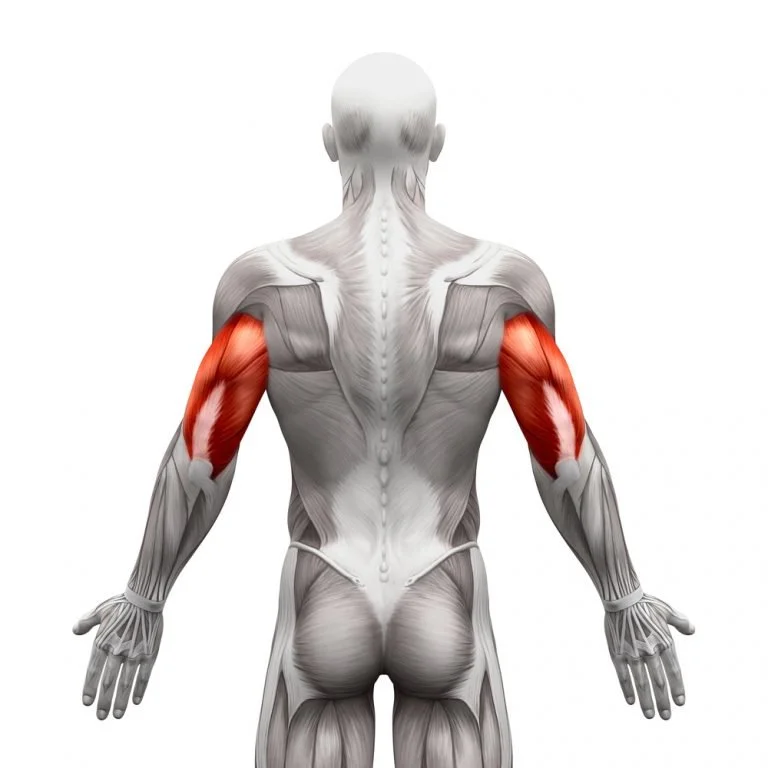
Triceps muscle
Back of upper arm → (extends) the elbow

Quadricep muscle
Front of thigh → Straightens the knee
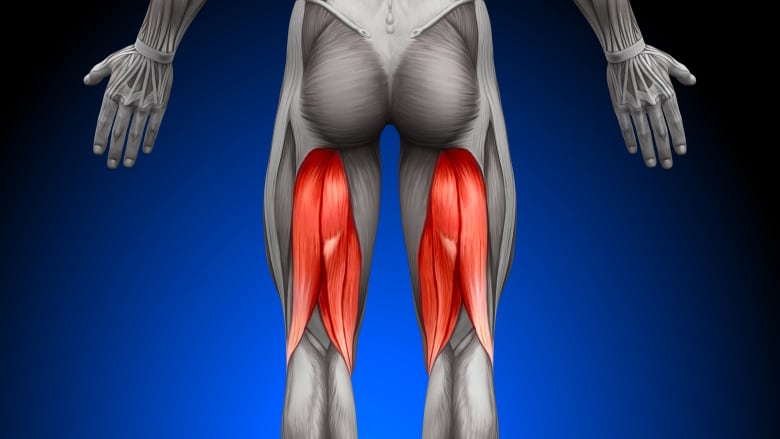
Hamstring muscle
Back of thigh → Bends the knee
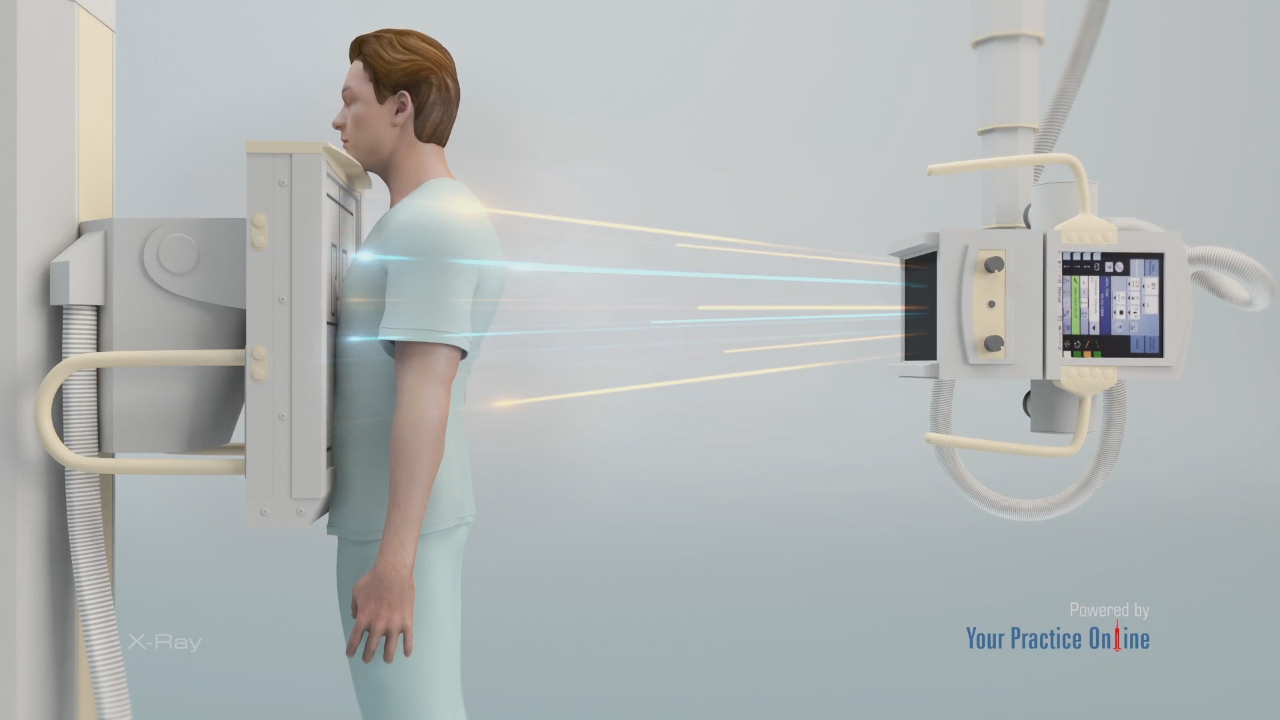
X-ray
Test that uses a small amount of ionizing radiation to create pictures of the inside of the body, especially for bones and certain organs.
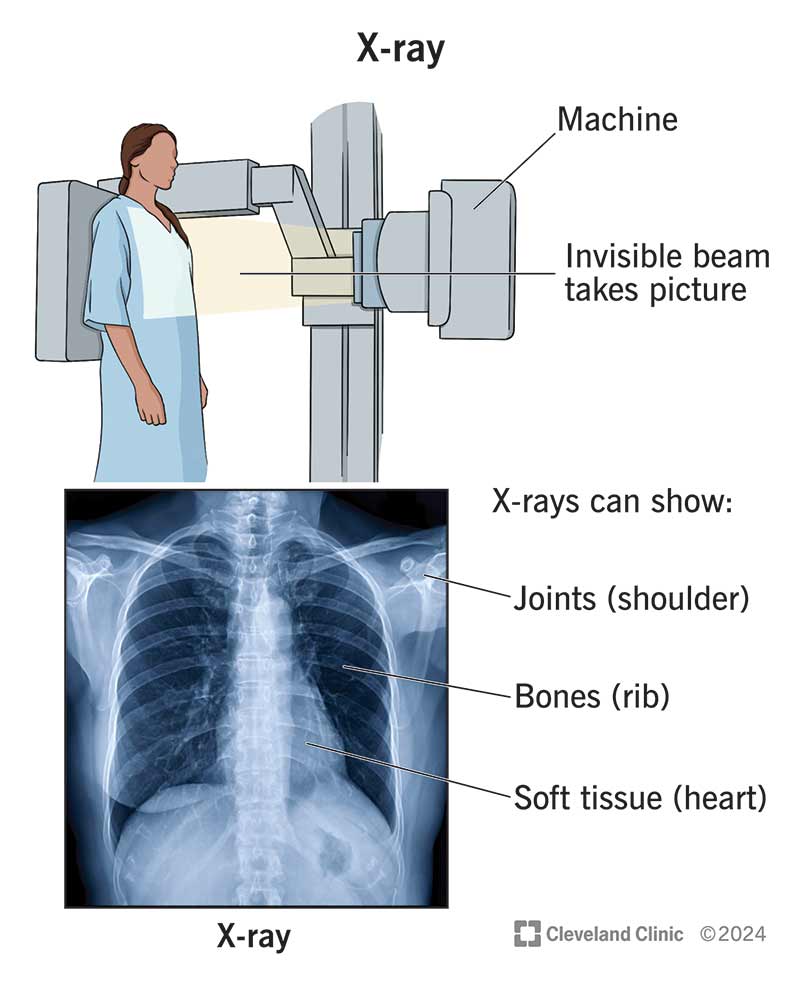
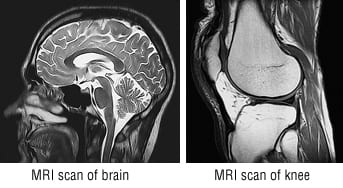
MRI
Magnetic resonance imaging:
Used to visualize soft tissues (muscle, ligaments, and brain) and not effective for bone, but can be used for the interior joints.
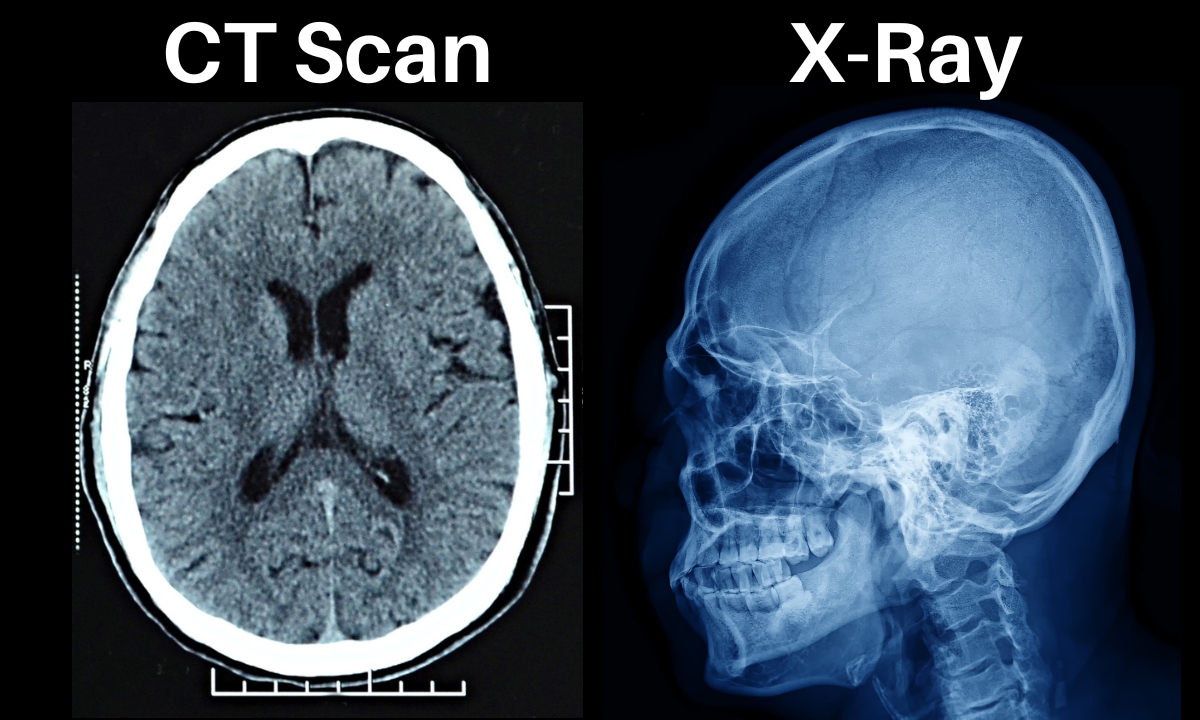
CT scan
Computed Tomography (CT) Scan:
A test that uses multiple X-rays and a computer to create detailed cross-sectional or "sliced 3D" images of the inside of the body.

EMG
Electromyography:
Measures muscle electrical activity and its nerve.
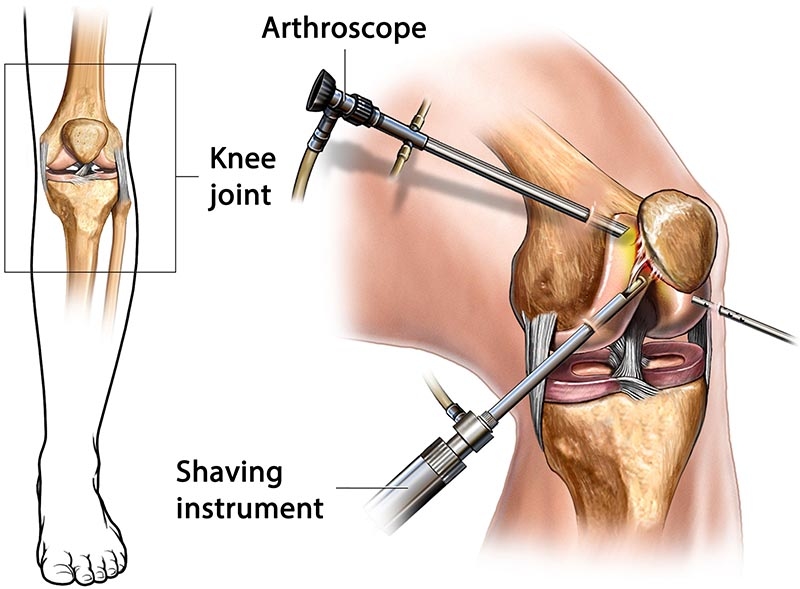
Arthroscopy
A test that inserts a small camera called an arthroscope into a joint through a small incision (cut) to look inside and diagnose problems.
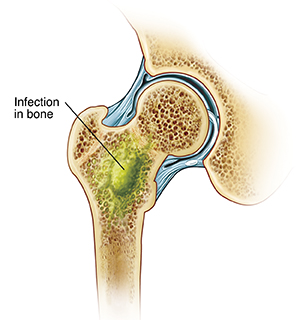
Osteomyelitis
Bone infection caused by bacteria.
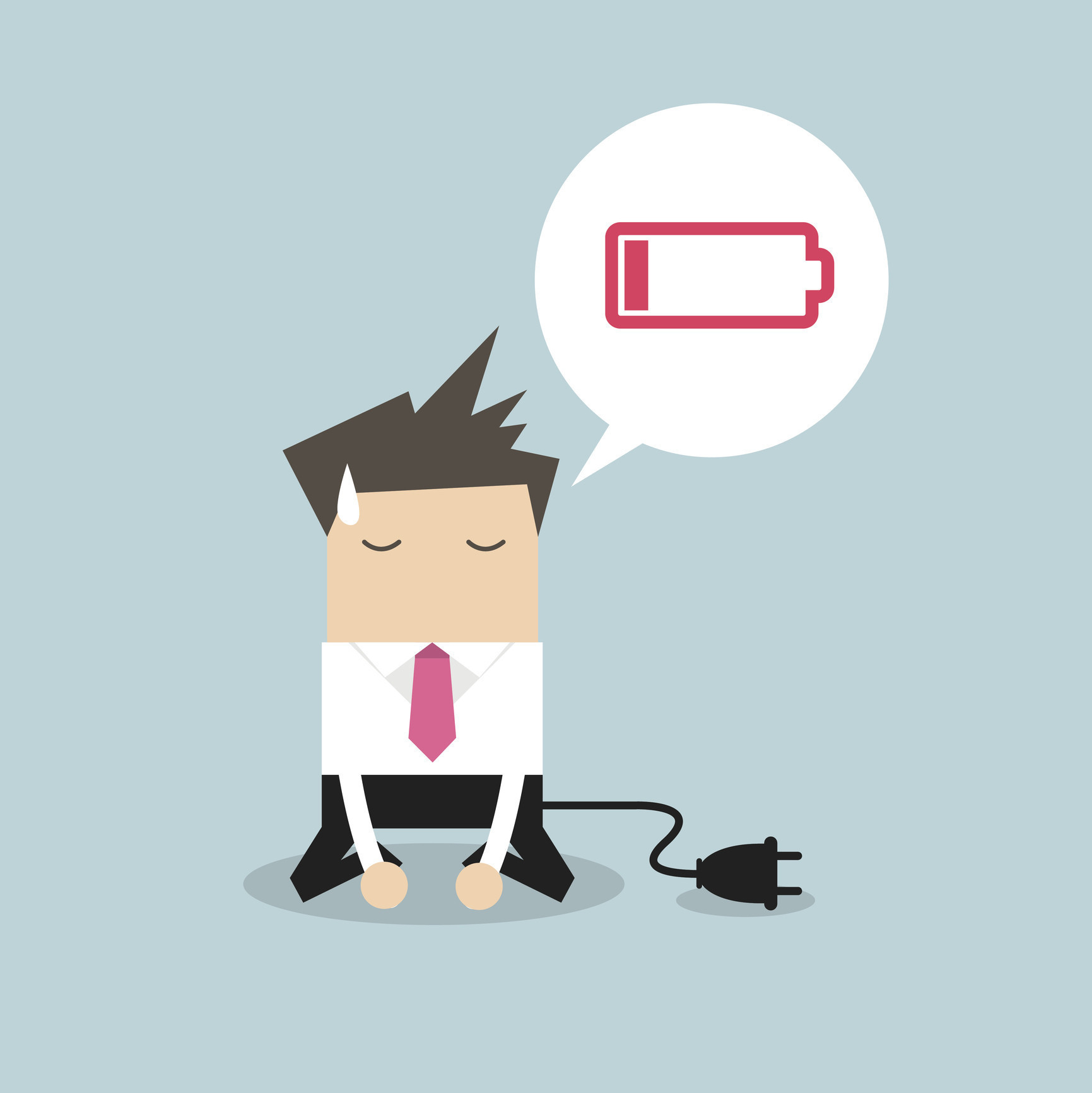
CFS
Chronic Fatigue Syndrome:
Chronic illness causing severe fatigue (tiredness)
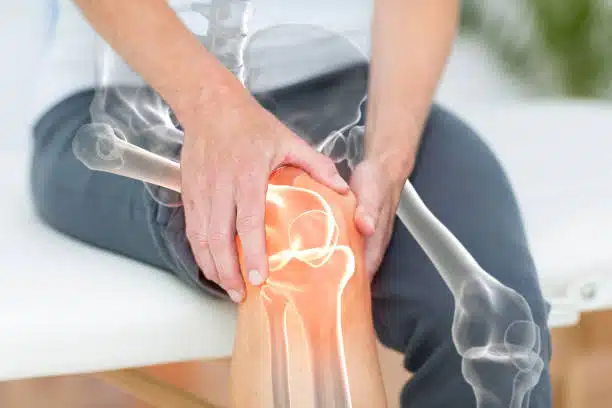
Ortho
Orthopedics:
specialty for bones, muscles and joints.
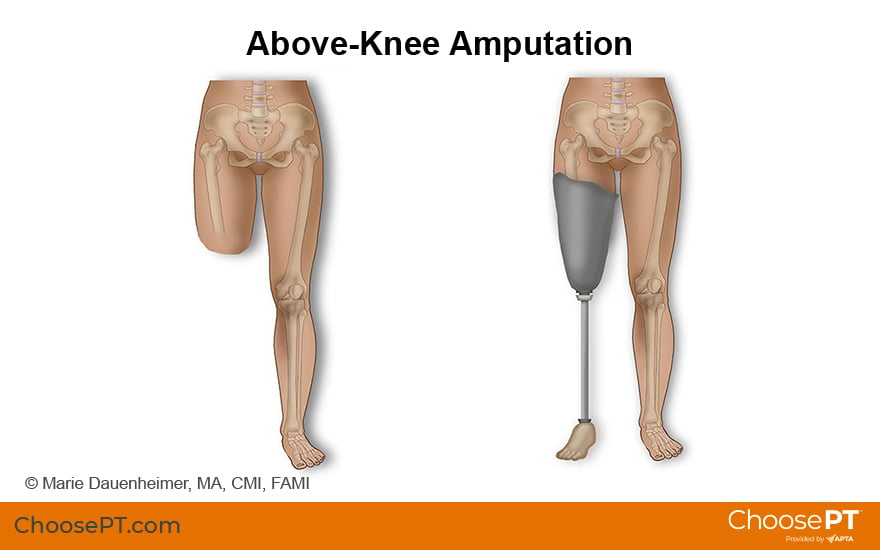
AKA
Above-the-Knee Amputation:
Surgical removal of the leg above the knee
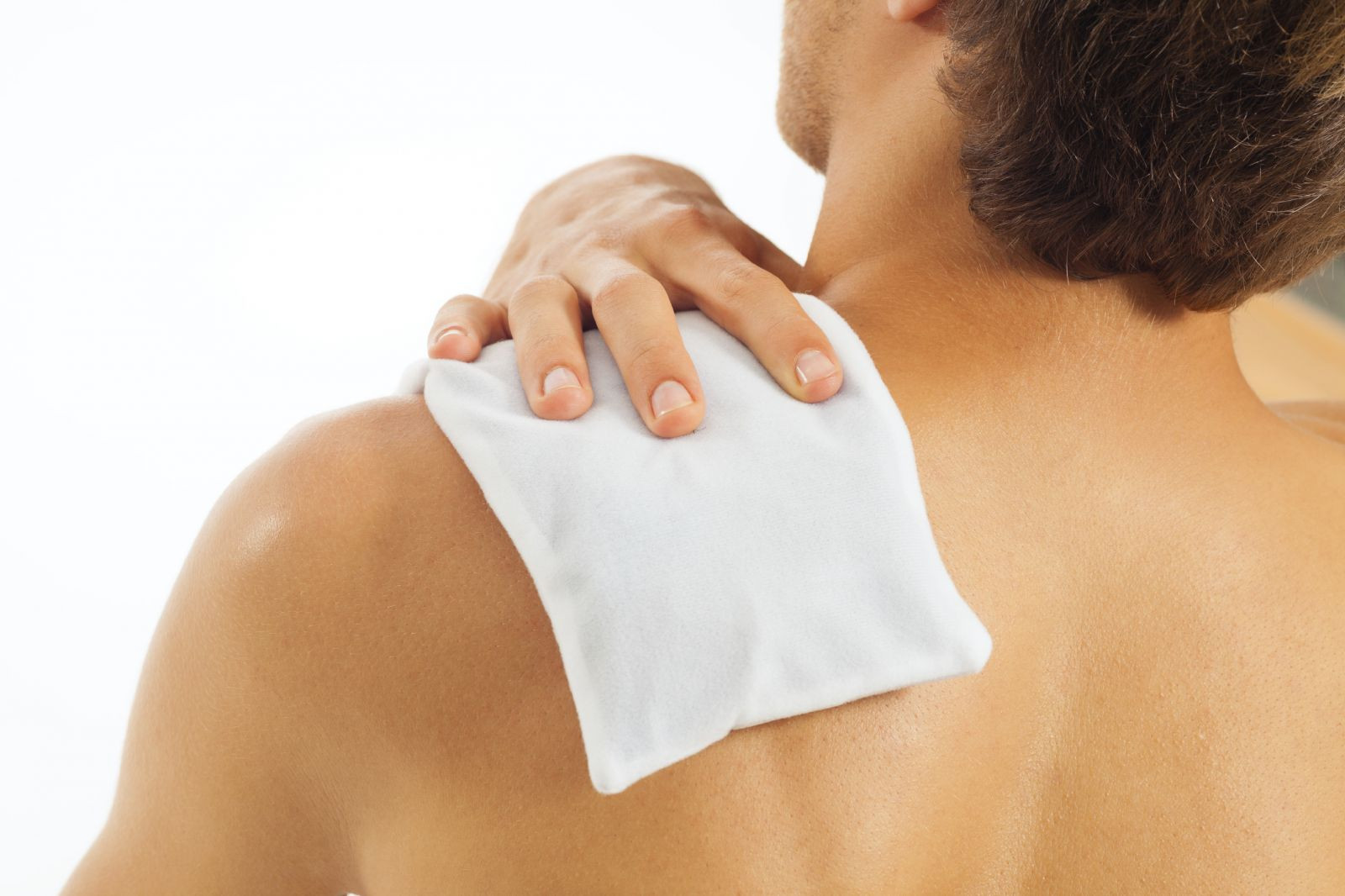
NSAID
Nonsteroidal Anti-inflammatory Drug:
Medicine that reduces pain, inflammation, and fever.
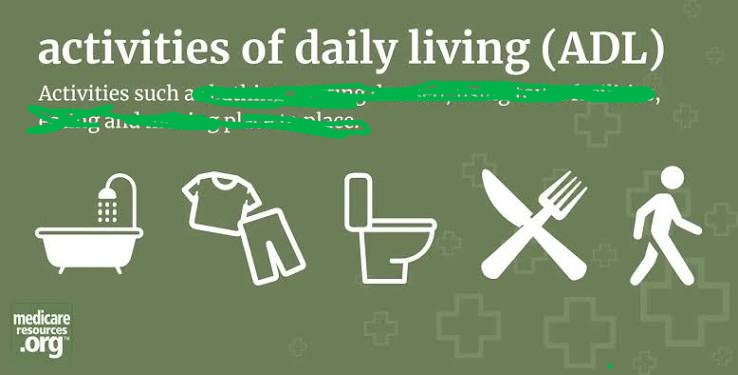
ADLs
Activities of Daily Living:
Basic self-care tasks (such as dressing, bathing, feeding, and toileting)
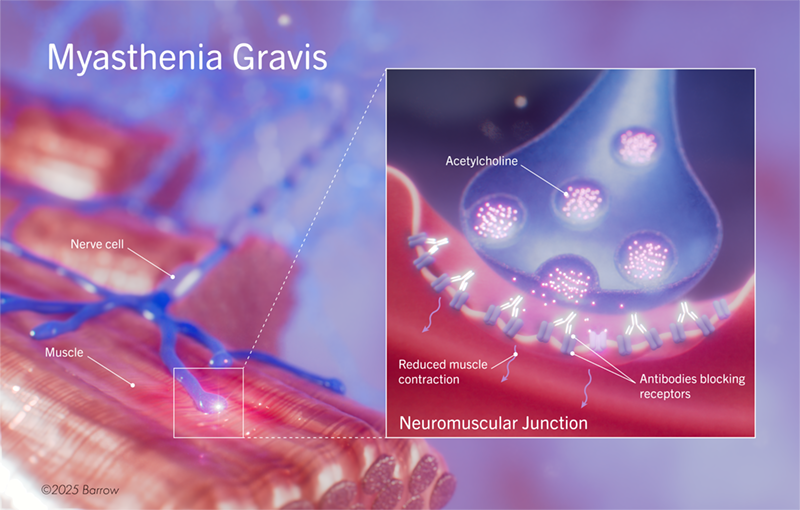
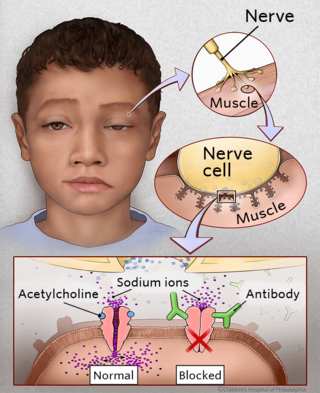
Myasthenia Gravis
Autoimmune disease causes muscle weakness because nerve signals do not properly activate the muscles.
OT
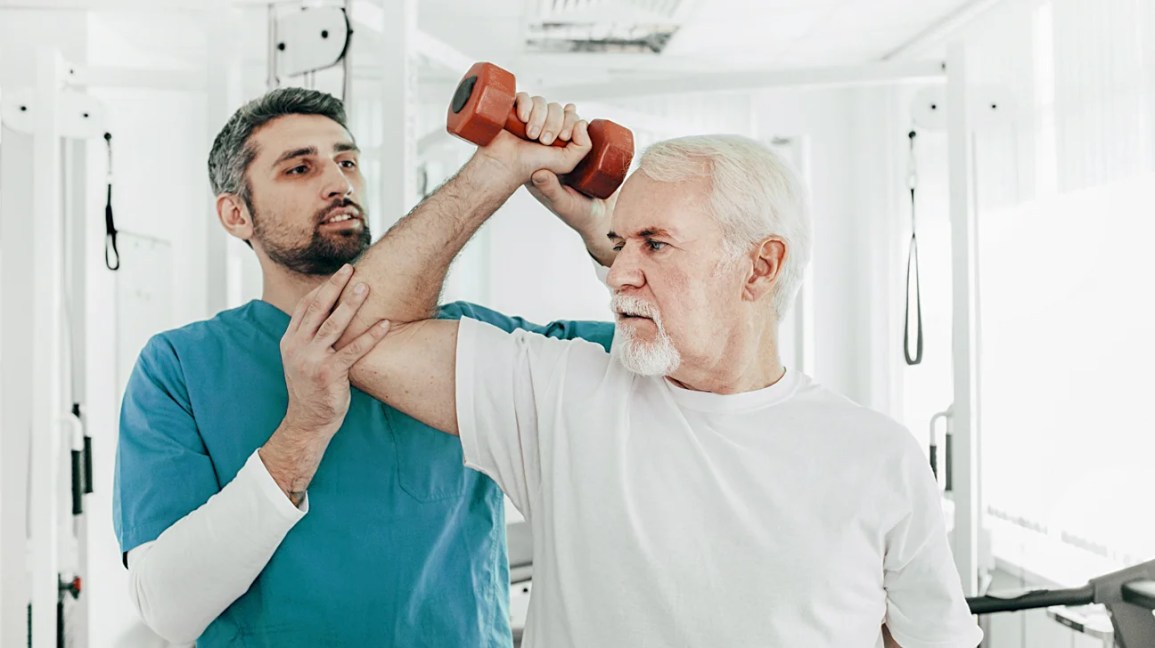
Occupational Therapy:
Therapy to Improve daily living skills including ADLs and working.
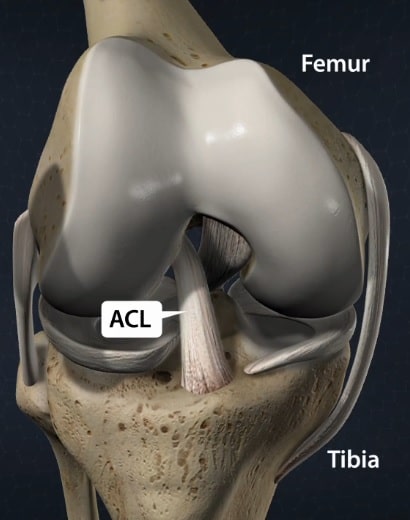
ACL
Anterior Cruciate Ligament:
strong ligament inside the knee that provides stability
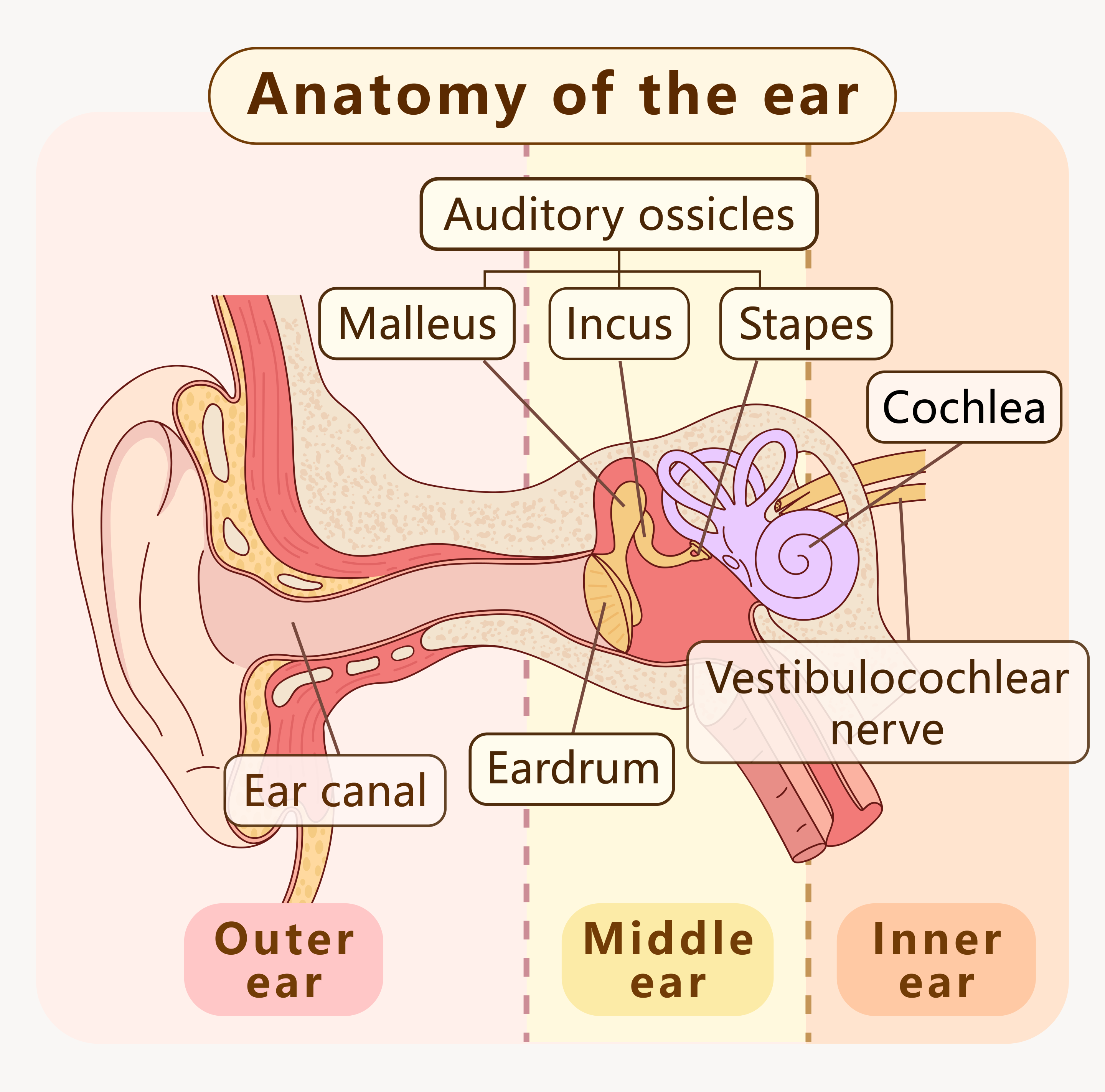
Ossicles
Transmit vibrations from sound waves in the air to the cochlea within the ear

Greenstick fracture
makes the bone bend and crack instead of breaking into pieces
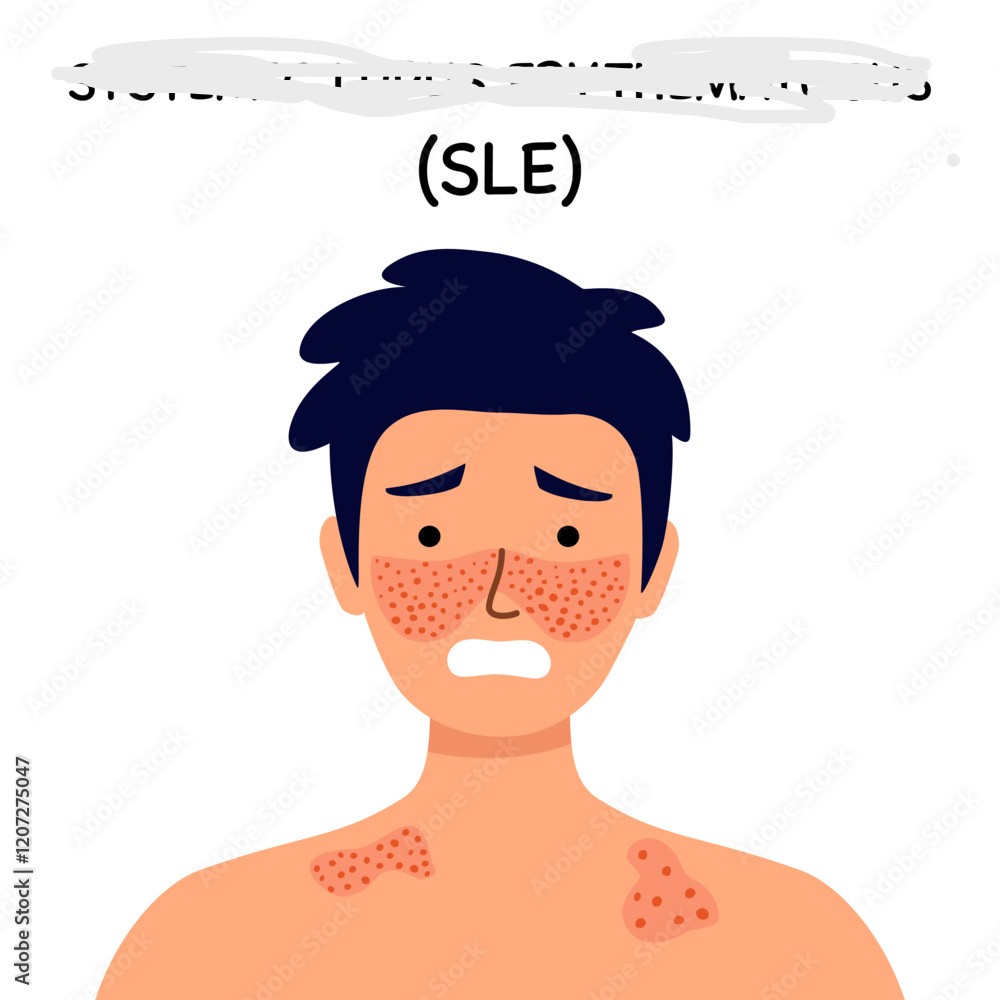
SLE
Systemic lupus erythematosus:
disease causes an overactive and misdirected immune system that affects the entire body and can cause joint pain, fatigue, and hair loss.
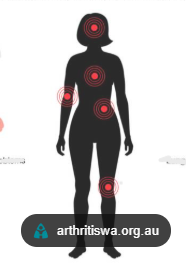

Pathological fracture
the bone breaks in an area that is weakened by disease
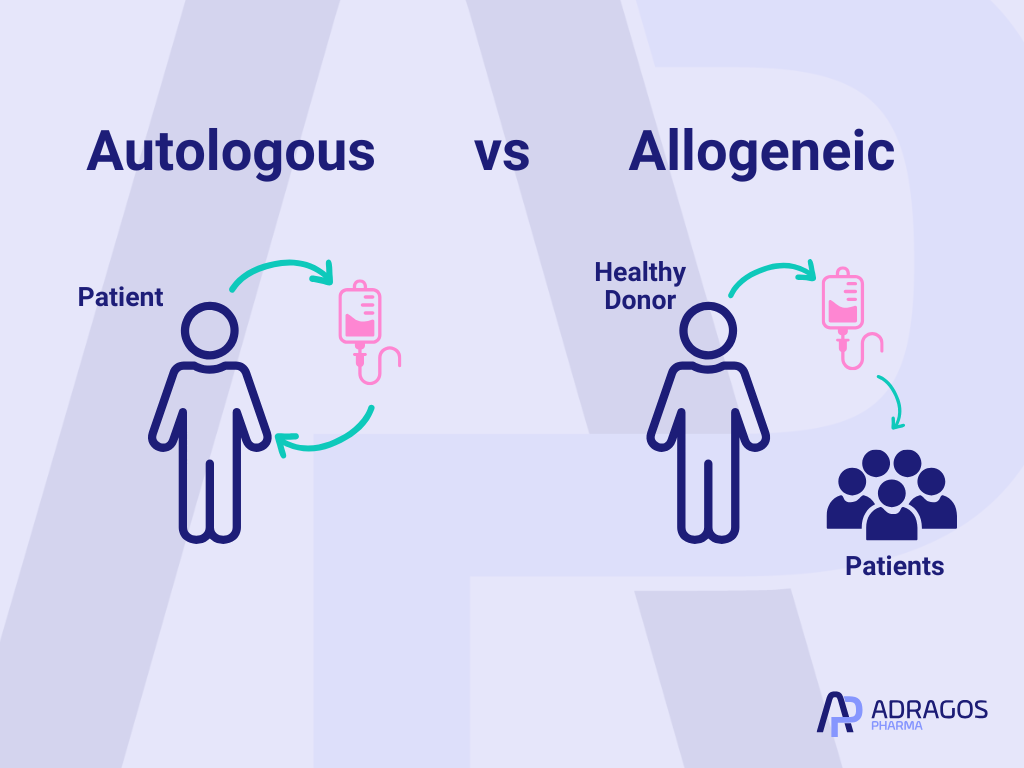
Allogeneic
cells or tissues that come from another person.
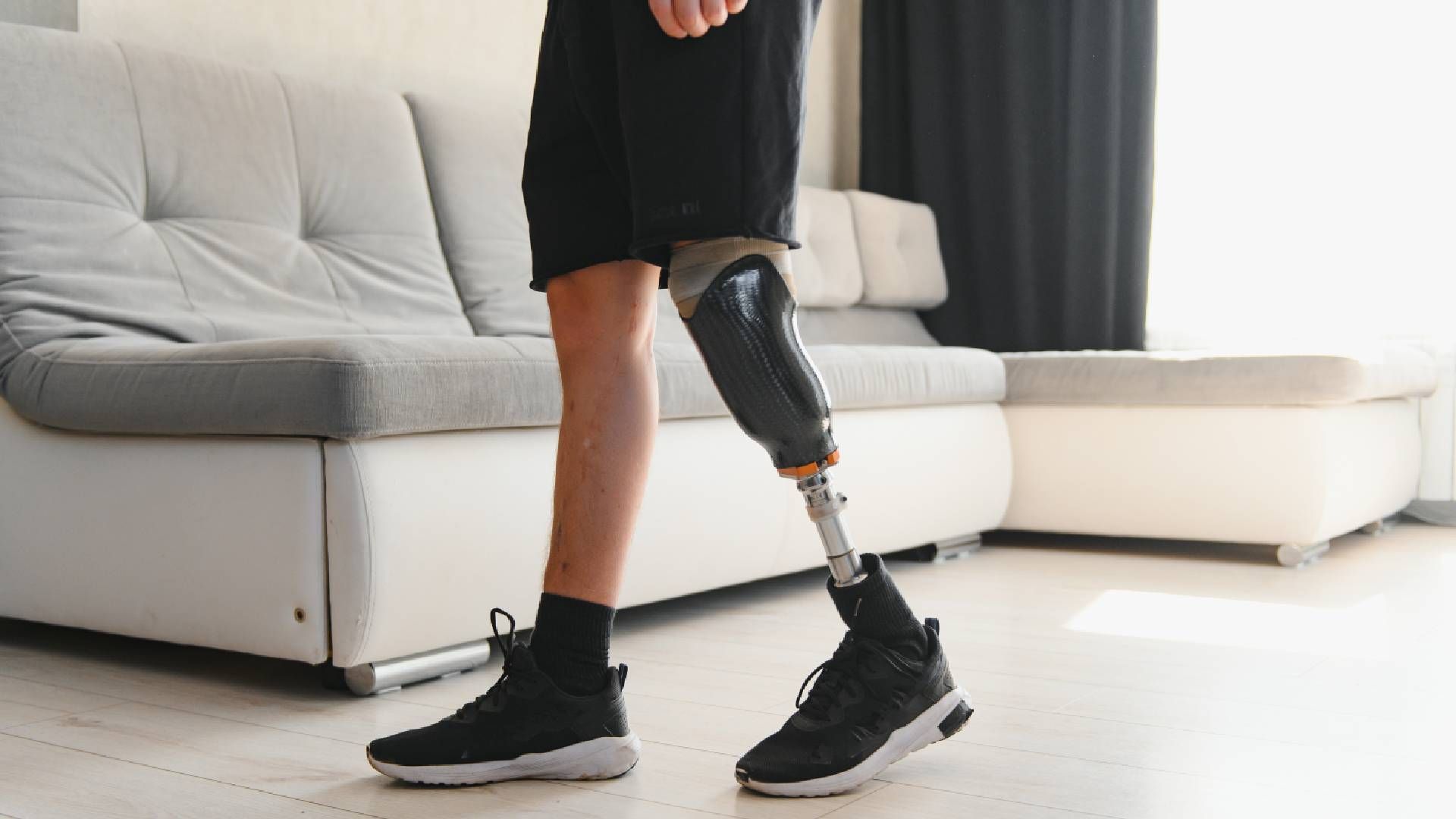
Prosthesis
substitute or replacement for a missing limb.
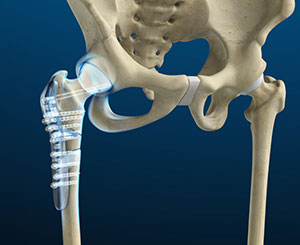
ORIF
Open Reduction and Internal Fixation:
Surgery to repair a broken bone.

Tenorrhaphy
surgical suturing of tendon to repair it and allow for healing.
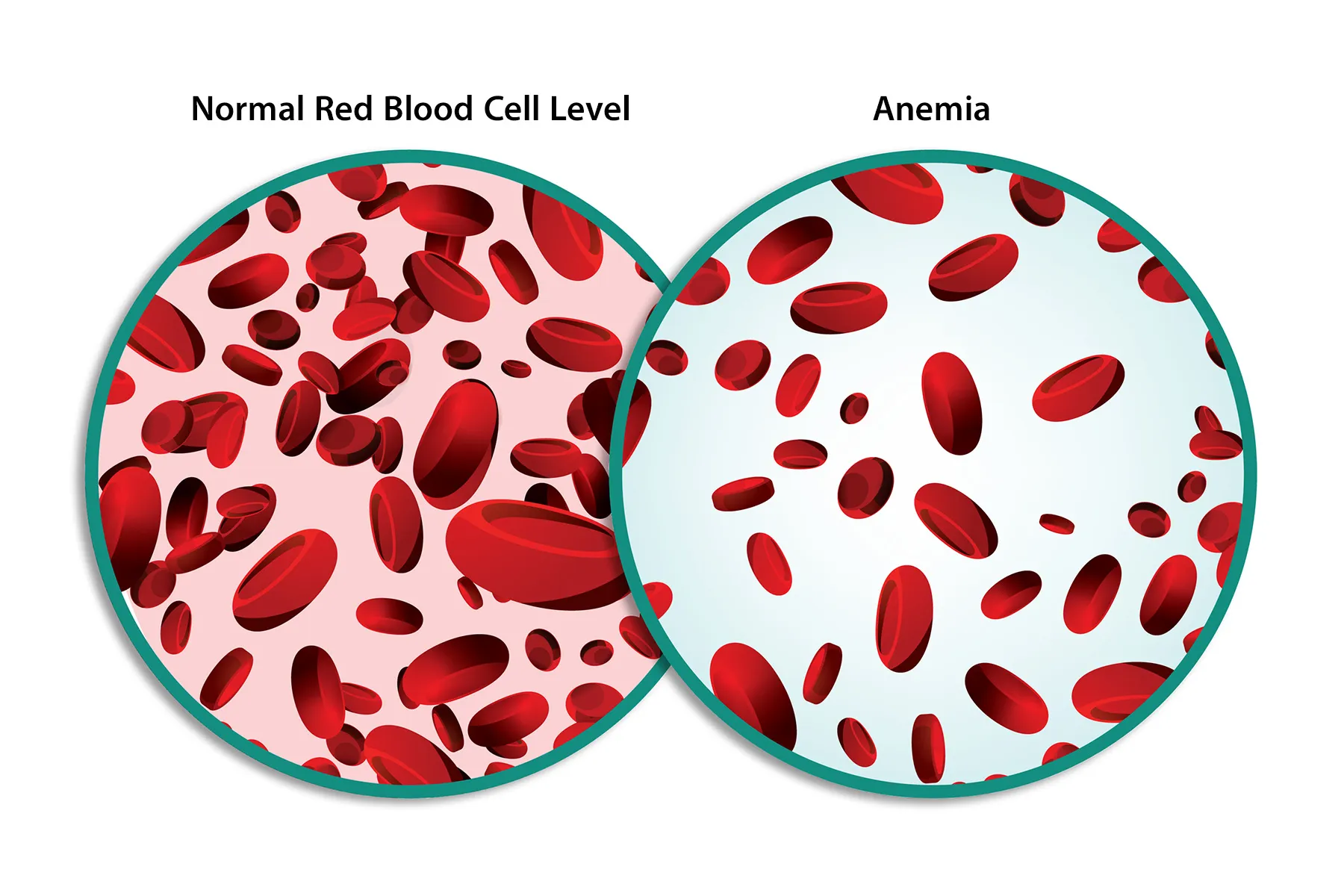
Anemia
Low erythrocyte (red blood cell) count in the blood, resulting in fatigue, weakness, and shortness of breath because less oxygen is delivered to body tissues.
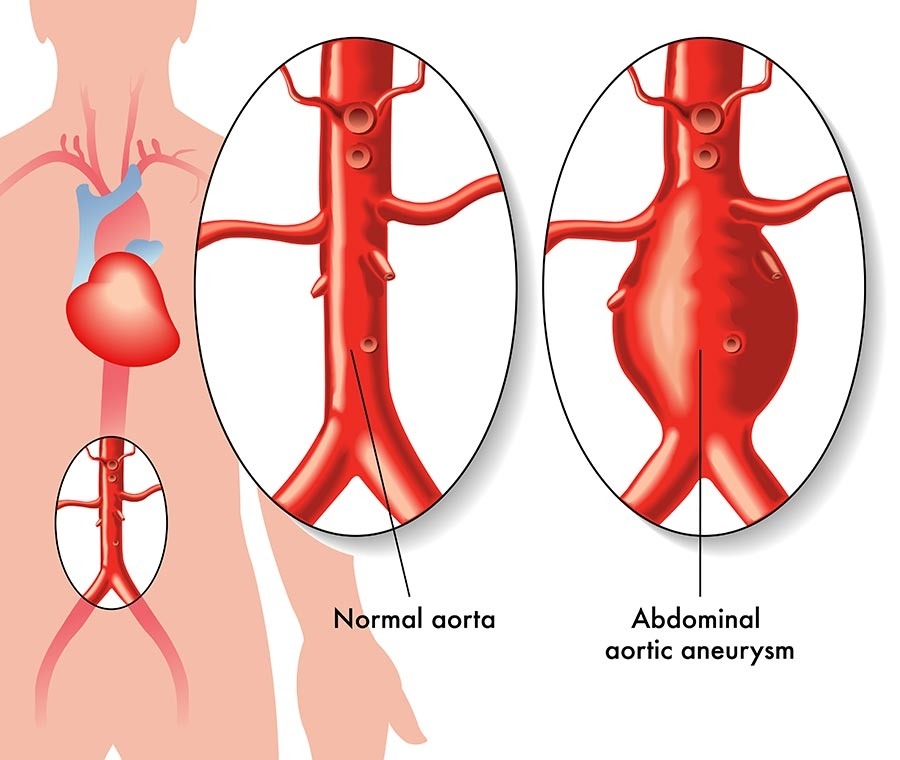
Aneurysm
balloon-like enlargement in the artery wall caused by a weakness in the arterial wall. If it’s ruptured(burst), it can cause serious internal bleeding.
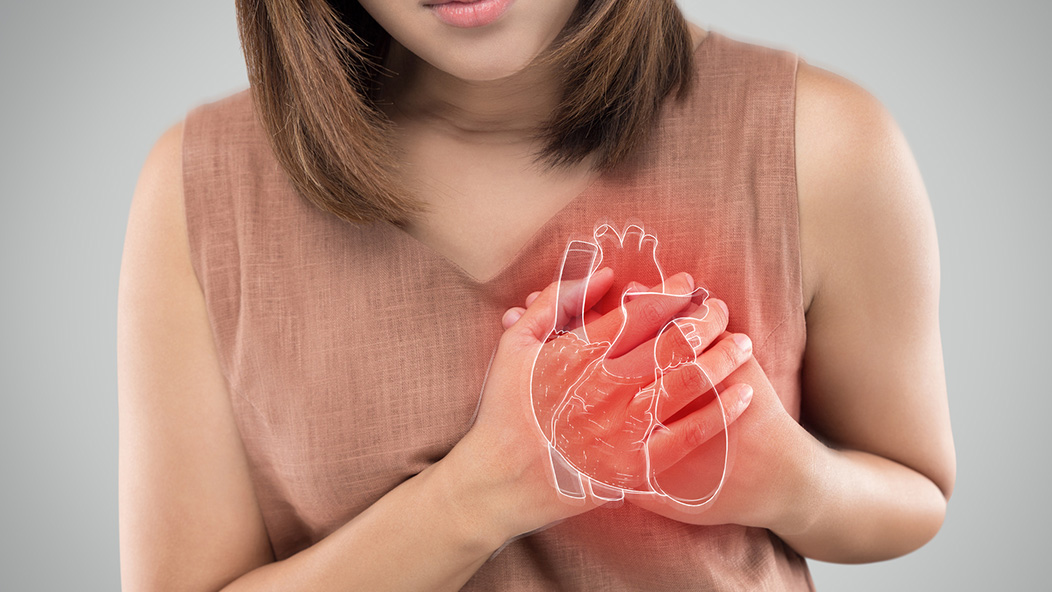
Angina
Chest pain that occurs when the heart muscle doesn’t get enough oxygen-rich blood, leading to pressure or fullness in the chest.
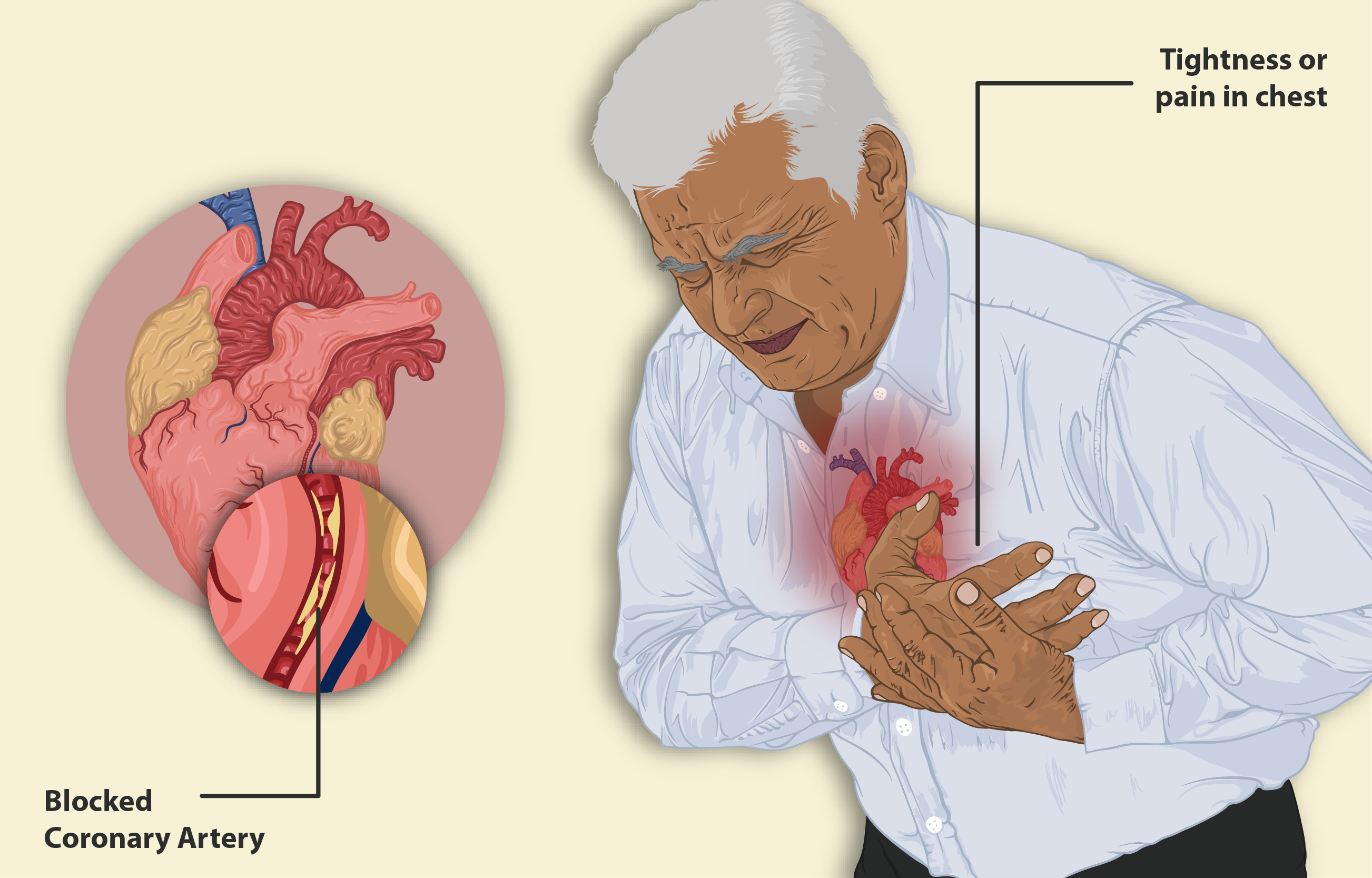

Arteriosclerosis
Thickening and hardening of the arterial walls that reduce blood flow in arteries and can cause high blood pressure, heart attack, or stroke.