Ichthyology Exam 2
 Call Kai
 Learn
Learn Practice Test
 Spaced Repetition
 Match
Match Flashcards
 Knowt Play
1/134

There's no tags or description
Looks like no tags are added yet.
Name | Mastery | Learn | Test | Matching | Spaced | Call with Kai |
|---|
No analytics yet
Send a link to your students to track their progress
135 Terms
fish ancestor
nonvertebrate chordate
non-vertebrate chordates have ____ shaped myomeres in postanal tail that have become ___ shaped for vertebrates
V, W
why are w shaped myomeres better than V
w shaped myomeres have more overlap givving vertical control with their tendons that contract one side at a time
how have fish changed from chordates to vertebrate
cranium moved anterior to notochord, dorsal nerve cord now protected by cartilage and bones, pharyngeal slits are now covered with muscle for respiration and supported by cartilage, V to W shaped myomeres on postanal tail
placodermi
extinct bony armored fish with jaws, heterocercal tail, dermal bony plates as “teeth”, craniovertebral joint
Acanthodii
extinct fish that didn’t fossilize good, median and paired spines, shark-like body, rhomboid platelets
surgeonfishes have a
scalpel
when s3x can be triggered to change, they are
hermaphrodites
Devonian stage
when all major modern fish lineages were present
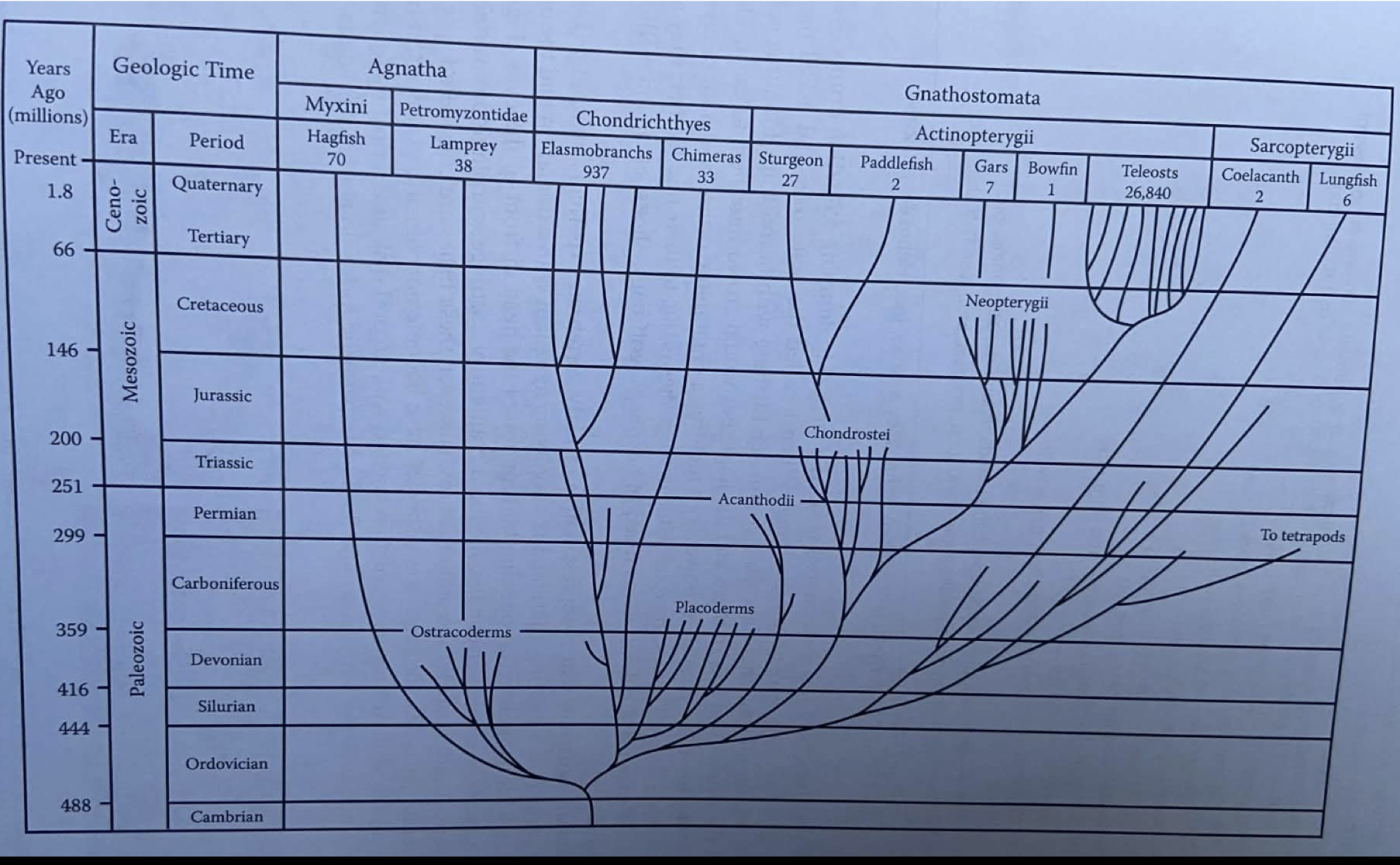
cambrian
1st major period, early chordates, early fish-like vertebrates
parts of repro system
ovaries oviduct, testes and sperm ducts, cloaca, claspers (2 sex organs)
male repro organs
testes, sperm ducts, genital papilla (protrusion releasing sperm, claspers in chondrichtyes)
Ordovician
first jawless fish
silurian
first jawed fish
gonopodium
modified anal fin used for intenral fertilization (poecilid:guppies, mollies)
andropodium
modified anal fin to hold female during mating (not for sperm transfer)(goodeidae: split-fins)
female repro organs
ovaries (usually paired, sometimes fused, may be lobed or branched), oviducts, genital pore
sex roles in fish
gonochoristic (GSD and ESD enviro) or
hermaphrodites: simultaneuous hermaphrodites (protogyny is most popular), sequential hermaphrodites (most fish), maximizes fitness, survival, and repro success
simultaneous protogyny
is most popular simultaneous hermaphrodites, start as female then enviro/social cue makes them male
chromosomes of fish
ZZ male ZW female or XX XY
wide range vs narrow temperature tolerance range
eurythermal, sternothermal
HSF and HSP in thermal stress
heat shock induces expression of heat shock protein, HSP maintains structure of proteins bc if proteins denature the bio system shuts down
simultaneous hermaphrodites egg trading
both fish package eggs before repro, the acting “female” releases first and they take turns every few mins to externally fertilizes the others package
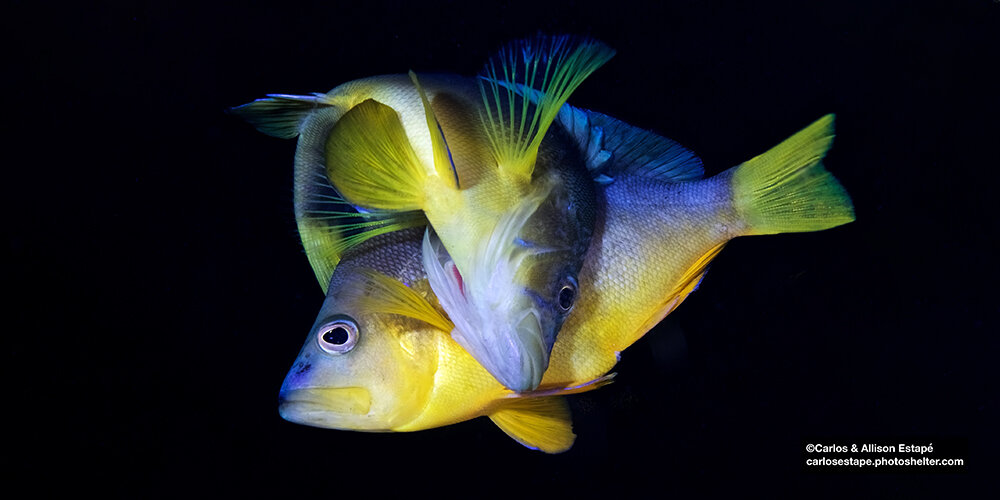
protogyny monandric vs diandric
only secondary males (born female), more susceptible to overharvesting of male bc they’re bigger
start as female and can either have small initial phase as male or female, then large terminal phase as male, aka they can be primary or secondary males
sequential protogyny
female has both germ cells, suppress female gonads to develop male ones
sequential protandrous
clownfish, less common, initially males that become females, larger size ranks you higher
fertility is higher with
protandrous than protogyny
temperature that fish lose equilibrium
critical thermal temperature
bi-directional sequential hermaphroditism
can switch back and forth, helpful for guppies who are very clustered
behavioral thermoregulation
fishes can find thermal refugias (salmon), deeper=colder (sharks)
sexual mating systems
monogamy (guppies, sea horses) biparental care, polygyny (gobiidae) male territory, polyandry (lampreys) 1 female and multiple males, promiscuity (smelts, clupeiformes) orgies, most common
climate change on fish distribution
cold water fish decline
endothermic fish retain/create heat by?examples of these fish
flapping pectoral fins, minimize heat loss through countercurrent heat exchange in gills, rete mirabile (network of veins/arteries), regional, sharks tunas opah
parthenogenesis
asexual mating “virgin birth”, endangered
gynogenesis, hybridogensis
unisexual mating, all females but sperm dependent, rely on presence of related bisexual species, male genes only get passed on for small time
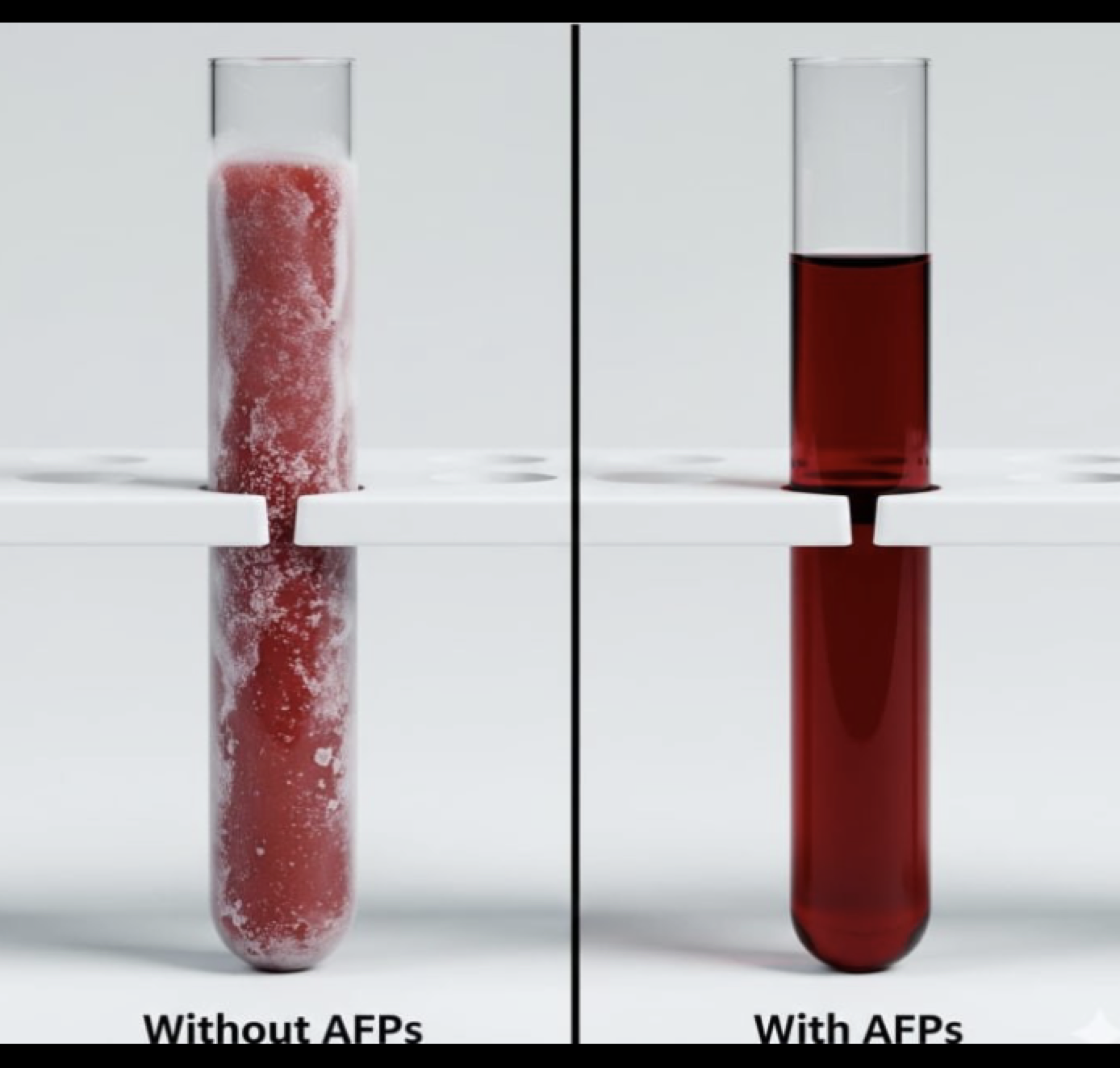
the freezing point of __________ is higher than that of _________, fish can alter this with
fish blood, saltwater, glycoproteins
species that use antifreeze proteins
winter flounder, smelt, herring, notothenioid, arctic cod
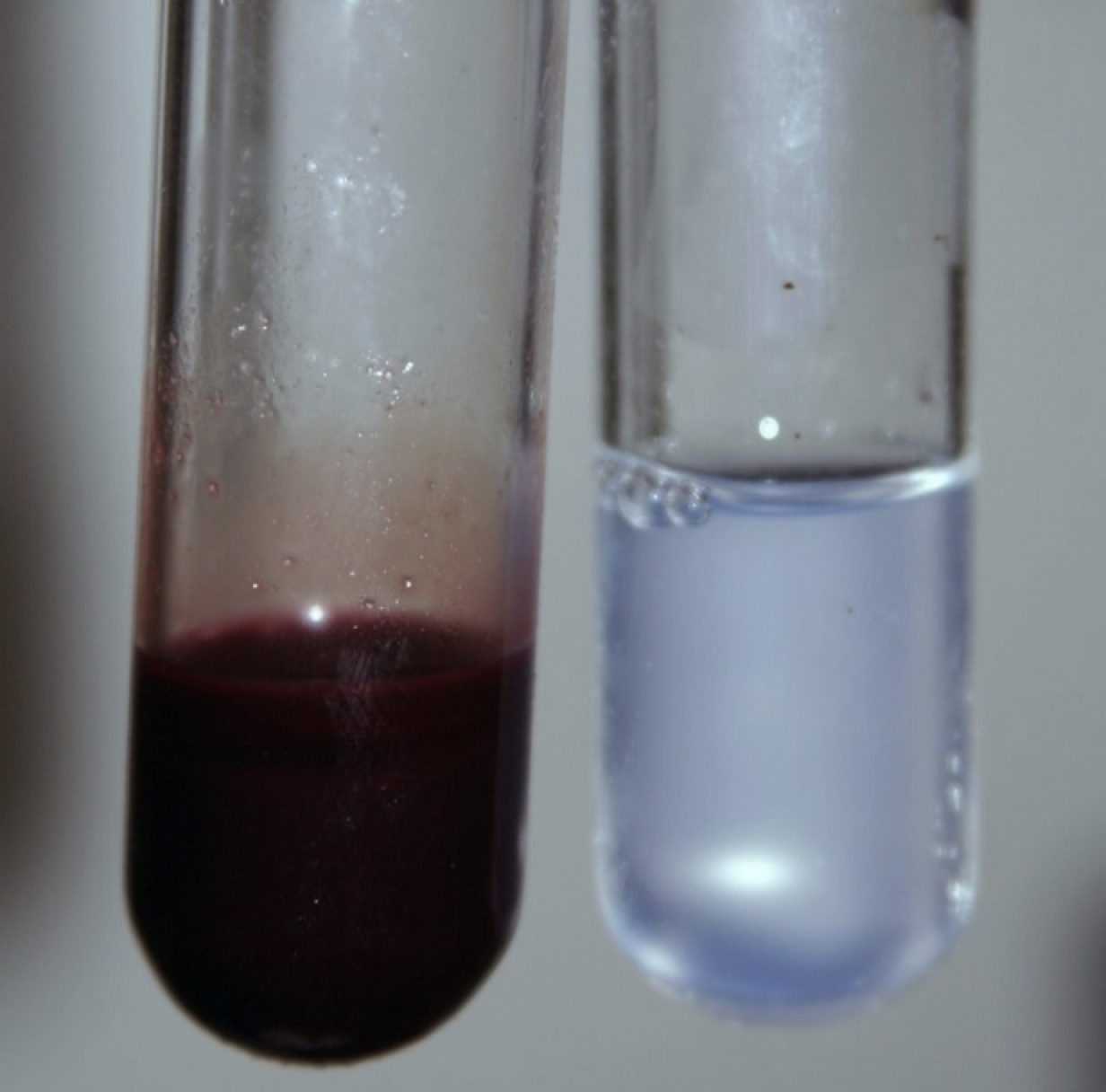
polar fishes
high o2 saturation at low temps, antarctic icefishes have no RBC
ex of fish in extreme heat (hot springs), adaptations
desert pupfish, heat shock protein, paradoxical anaerobism, sensitive to enviro shifts
gynogenesis
no fertilization but does require presence of sperm, female only species, uses sperm of related species to trigger cloning development of mom
hybridogenesis
mothers own paternal genome discards and the other chromosome clones, females only species, first generation hybrid, ancient hybridization of monacha and lucida
what color are deep sea fishes usually
deep red or black, may be bioluminescent
what happens to light in water, longer wavelength light gets _____, the more _____ in the water, the more light is _____
scattering, absorption, reflection
absorbed faster
particles, scattered
o2 in water is called
dissolved oxygen
less o2 in water due to warming means
metabolic rates sped
low oxygen enviro fish (floodplain hypoxia or anoxic)
amazon fish- large gill area, air breathing, reduced activity
crussian carp- convert glycogen into ethanol for metabolic pathways, reduce energy demands, shut down vision and hearing
types of extreme habitats
low oxygen (anoxic, or floodpain hypoxia), deep sea (no light), extreme heat, freezing waters
Stenophagous
limited assortment of food types
Euryphagous vs Monophagous vs Stenophagous
mixed diet, one food type, limited assortment of food
feeding types
preds, grazers, browsers, scrapers, excavators, plankton feeders, suckers, parasites
types of plankton feeders
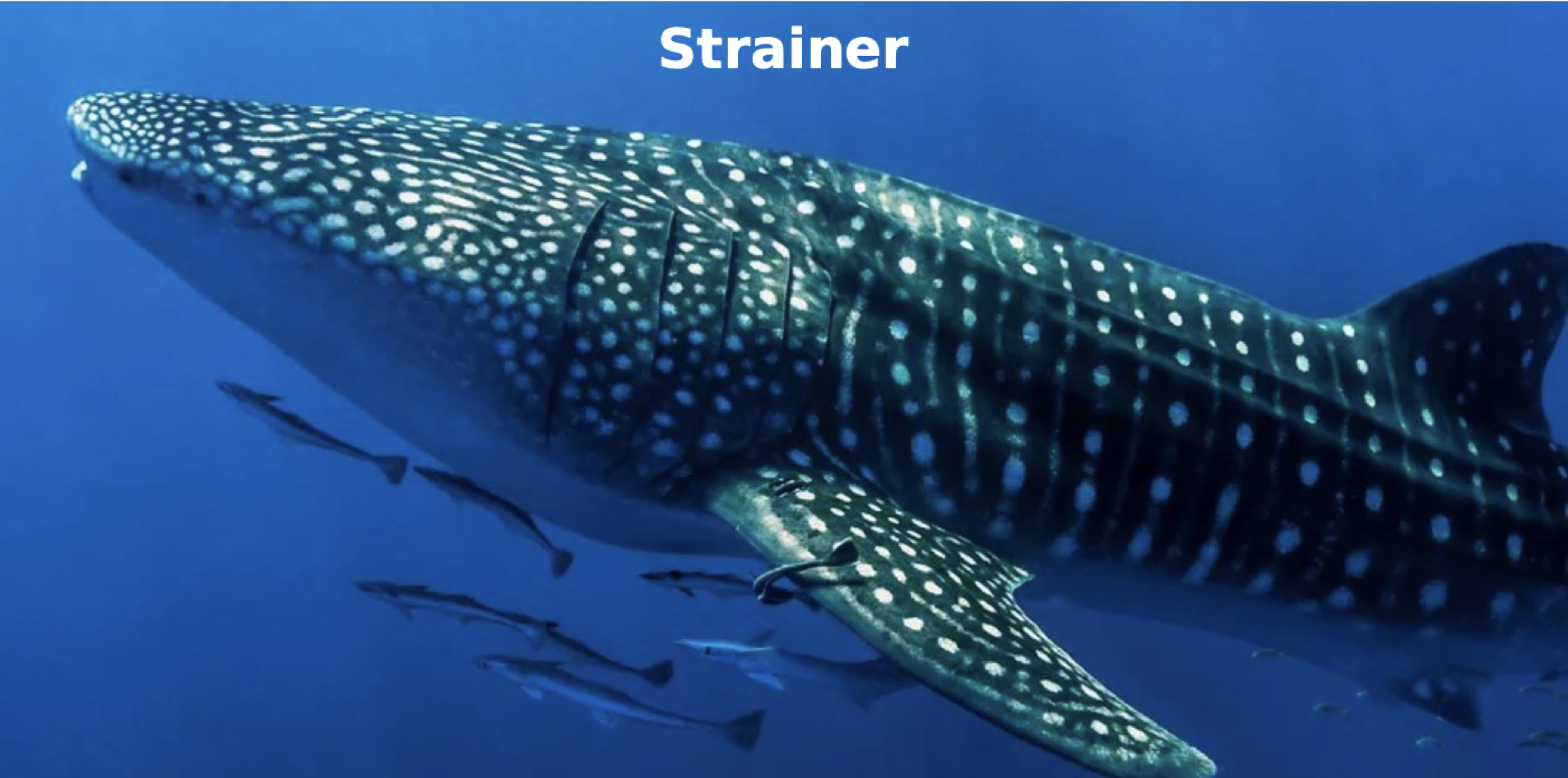
strainers (filtereres) herrings, anchovies, whale sharks
pickers (protrusible jaws) kelp perch, pipefishes
triangular model
opportunistic, equilibrium, periodic
oppurtunistic species mating
short gen time, small body size, lots of eggs and no parental care ex red shiners
digestive system organs
mouth, gill rakers, stomach, pylorica caeca, intestine
slimy groovy fish lips
toxic
thick tough fish lips
predators
thick fleshy, tactile with tastebuds, fish lips
bottom feeders
thin lips
planktivores
primitive vs advanced mouth bones
primitive- rigid, fused maxilla and premaxilla
advanced- separate maxina and highly protrusible premaxilla
forebrain
cerebrum (memory) and olfactory bulbs
midbrain
optic lobes and process input from ear and lateral line, least developed
hindbrain
cerebellum, some species use hindbrain to interpret electrical input, usually larger than human hindbrain relative to body size
what do fish use to hear
lateral line w modified scales and internal ear
lateral line system
canal neuromasts connected to nerves (sensory hair cells called cilia in gel structure)detect difference in membrane potential to send to midbrain, sense vibrations and pressure
sensitive superficial neuromasts are more concentrated on the head, sense local water movement, adipose fin
far-field vs near-field
lateral line uses near more, inner ear takes over more for far
_____ shaped vision
cone
fish vision hacks for fishing
wear dark colors, polarized sunglasses, block unwanted reflected ray by putting arm beneath chin, fish is deeper and closer than it looks
fish eyes
no eyelids
rods are more prevelant than cones in fish,
ex sharks only have rods, bony fish have more rods than colors, deeper fish have few cones since there’s less color with less darkness
taste and smell in fish
extremely sensitive, sensory folds in the nare, tastebuds on the body lips and mouth, chemoreception
species that esp use chemoreception
homing from coho salmon, dominance from catfish, detect spawning stream from sea lampreys, mating, predation
electroreception
not all fish, rely on ampullary organs and they have electric fields around them, chondrichthyes, colacanthiformes, ex, generate electric organ discharge and use tubular organs
magnetoreception
some fish like elasmobranchis, bony fish, sharks, long distance migration
nociception
ability to feel pain
sensory smog
overwhelming human caused pollution impact fish ability to navigate and mate
atlantic cod
able to grunt but humans are too loud now for grunting to help them
systematics
science of identifying relationships among groups of organisms
biological vs binomial nomenclaturew
formal system, genus species
naming committee of fish
AFS-ASIH
names honoring people are discouraged
true
physiological effects of temperature influences
metabolic rate, digestion, growth rate, reproduction
behavioral effects of temperature influences
activity level, feeding rate, migration patterns, distribution
range of heat tolerance
bell curve, zone of intertolerance and physiological stress when it gets too extreme
large vs narrow temperature range are called
eurythermal, stenothermal
fish most likely to tolerate rapid climate warming
A. Cold-water dependent Arctic char
B. Temperature-generalist carp
C. Hydrothermal vent snailfish
D. Stenothermal deep-sea anglerfish
Many deep‑sea fish have enlarged eyes or tubular eyes
primarily to..
maximize light capture
higher temps leads to ____ salinity, ____ dissolved oxygen
higher, less
agitation temperature
fish can be in it but they show avoidance behaviors
freezing point of saltwater compared to fish blood
-1.9 C, 0 C
what do antifreeze proteins due to fish blood
lower freezing point past -1.9 C so they freeze after saltwater does
polar fish adaptations
AFP, high oxygen saturation, no RBC (antarctic icefish)
lighting changes cause
effects on food web, impact primary producers, light at night causes food chain reaction
most deep fish are
predators or scavengers
adaptations for fish in extreme deep pressures
soft gelatinous tissue, compressed bodies, TMAO proteins support other proteins, no gas bladder or physoclistous
adaptations in total dark caves
loss of pigmentation and eyes, enhanced senses, altered metabolism, genetic changes to sleep and still have circadian rhythms
global deoxygenation
reduced solubility in warm waters, stratification, speeds metabolic rate
floodpain hypoxia fish adaptations, and ex of type of fish
large gill surface area, air breathing, reduced activity, amazon fish
adaptations of fish in anoxic waters
convert glycogen to ethanol for metabolic pathways, reduce energy demands, shutdown vision and hearing
early polluck survival
sudden increase hen drop due to low fat diets maybe
most fish are ____ ____ feeders
oppurtunistic suction

