Paintings to remember
 Studied by 0 people
 Call Kai
 Learn
Learn Practice Test
 Spaced Repetition
 Match
Match Flashcards
 Knowt Play
1/38

There's no tags or description
Looks like no tags are added yet.
Name | Mastery | Learn | Test | Matching | Spaced | Call with Kai |
|---|
No analytics yet
Send a link to your students to track their progress
39 Terms
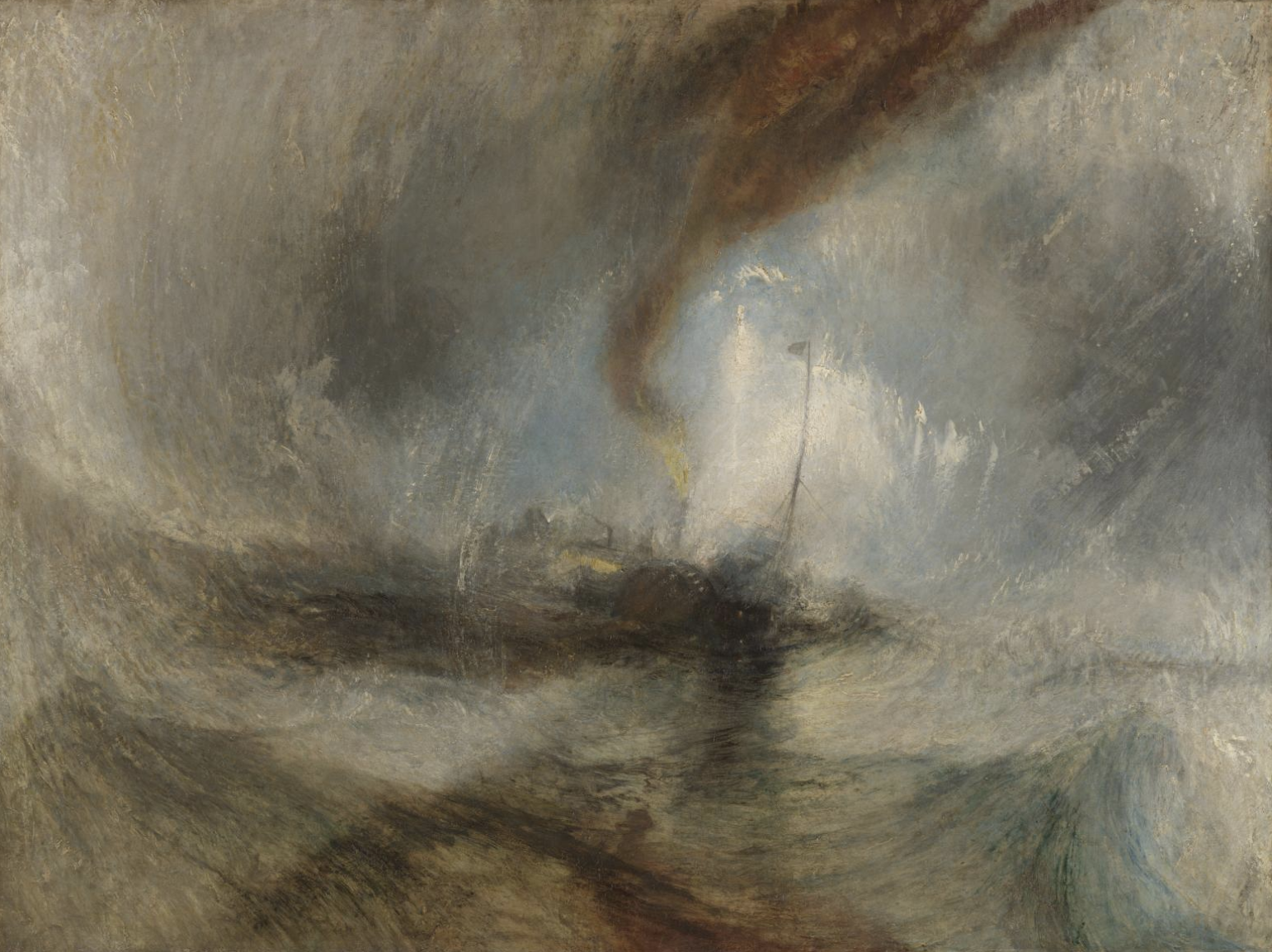
Turner, Snow Storm—Steam Boat off a Harbour’s Mouth, 1842
Human technology appears helpless inside a vortex of nature, undermining Enlightenment confidence in mastery.
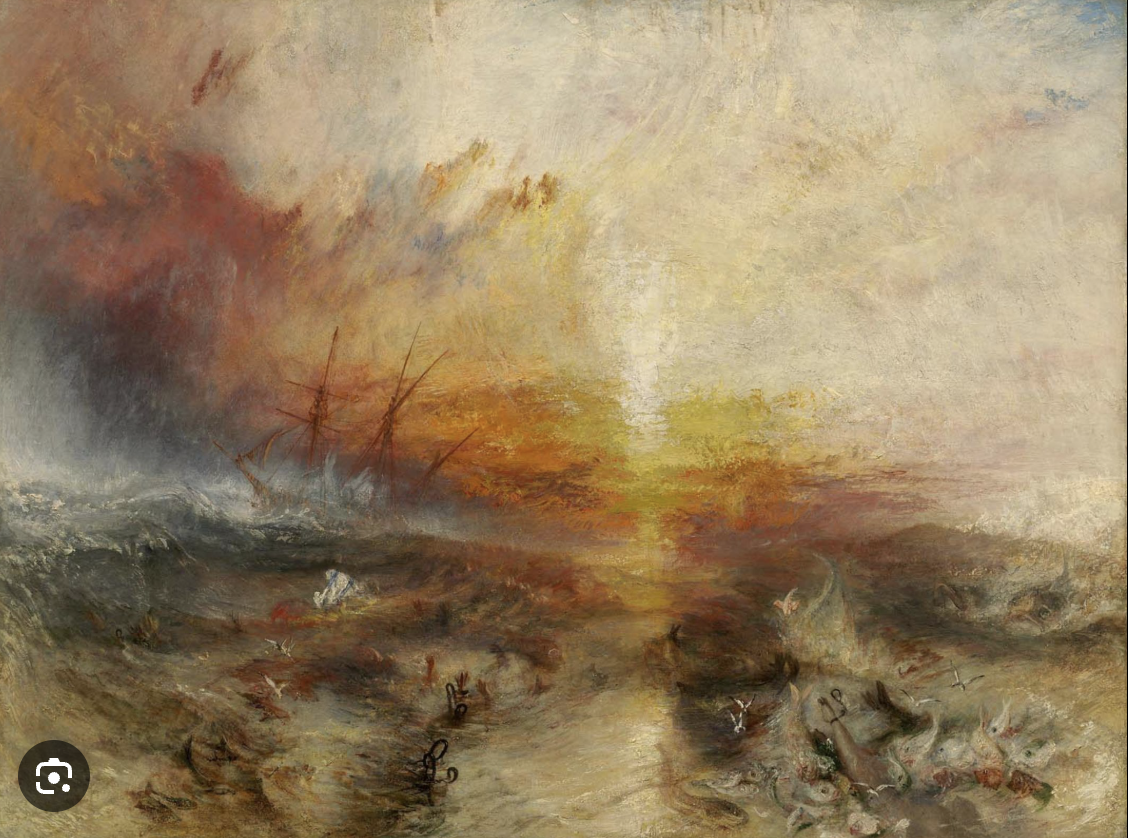
Turner, Slave Ship (Slavers Throwing Overboard the Dead and Dying, Typhoon Coming On), 1840
Bodies and storm merge to condemn the brutality of imperial capitalism.
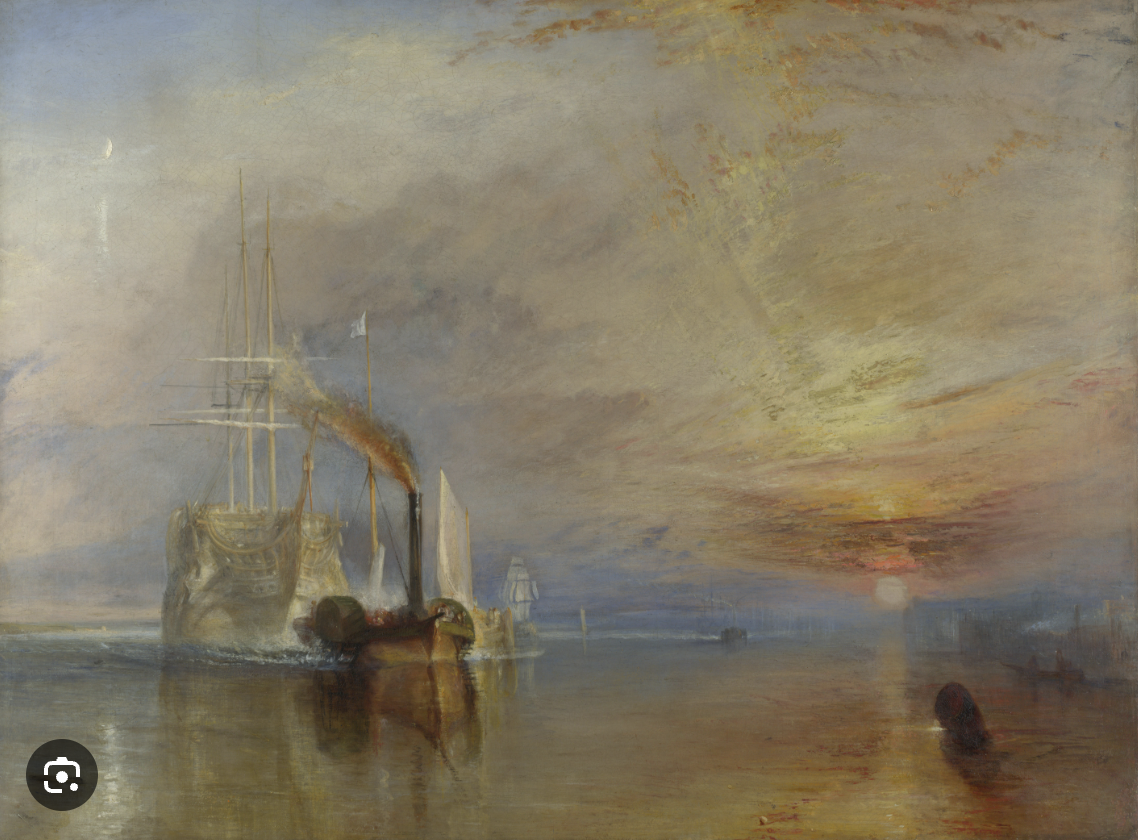
Turner, The Fighting Temeraire tugged to her last Berth to be broken up, 1838, 1839
The obsolete warship mournfully yields to steam power, symbolizing the triumph of industrial modernity over empire’s past.
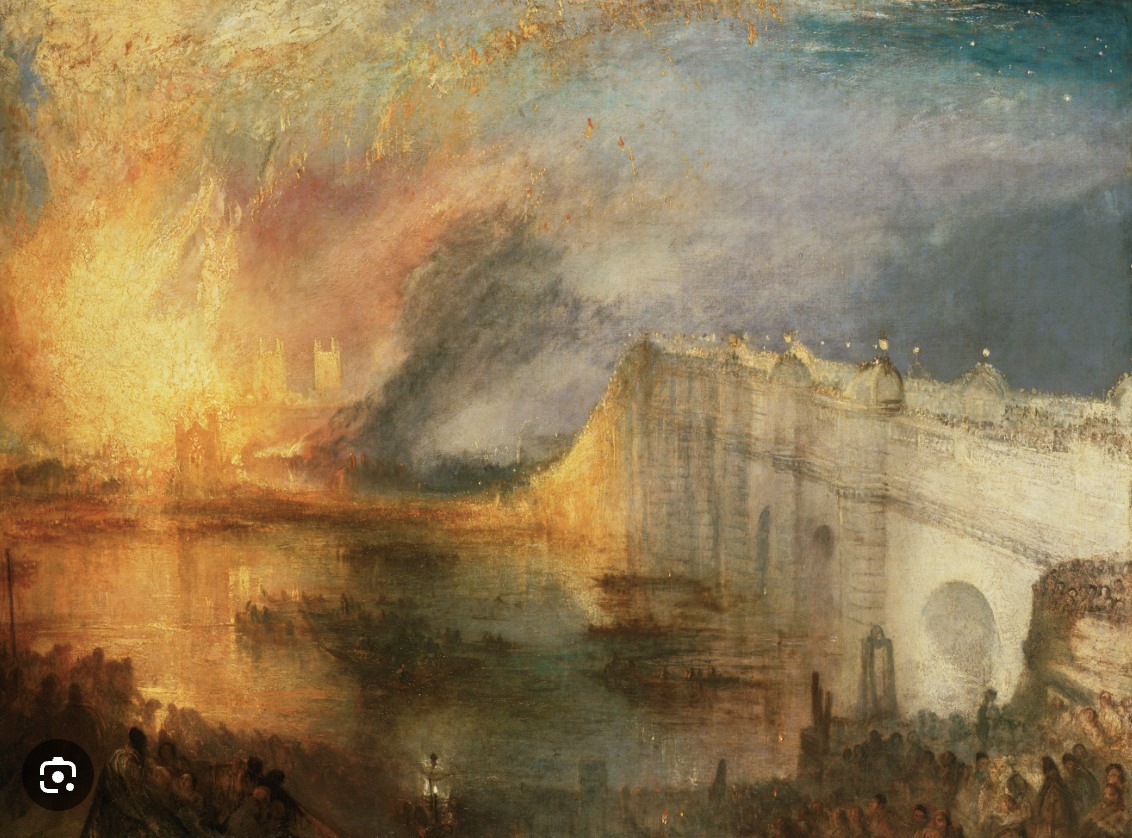
Turner, The Burning of the Houses of Lords and Commons, October 16, 1834, 1835
Political power is engulfed in sublime destruction, suggesting the fragility of national order.
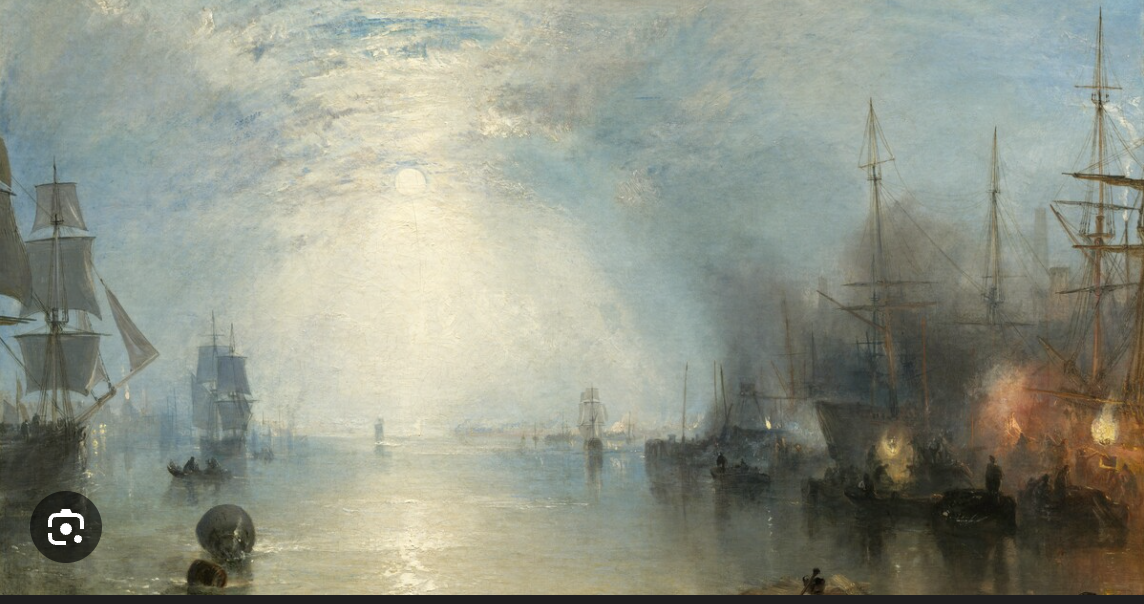
Turner, Keelmen Heaving in Coals by Night, 1835
Labor and energy extraction appear as fiery spectacle, revealing capitalism’s physical demands.
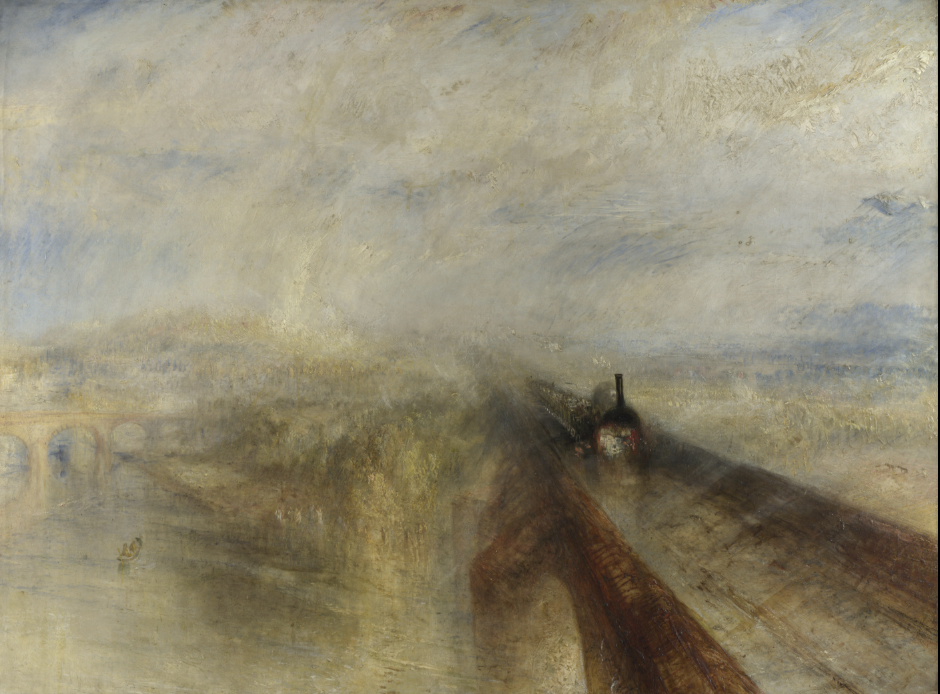
Turner, Rain, Steam, and Speed: The Great Western Railway, 1844
Industrial technology dissolves into atmosphere, visualizing modernity’s speed and instability.
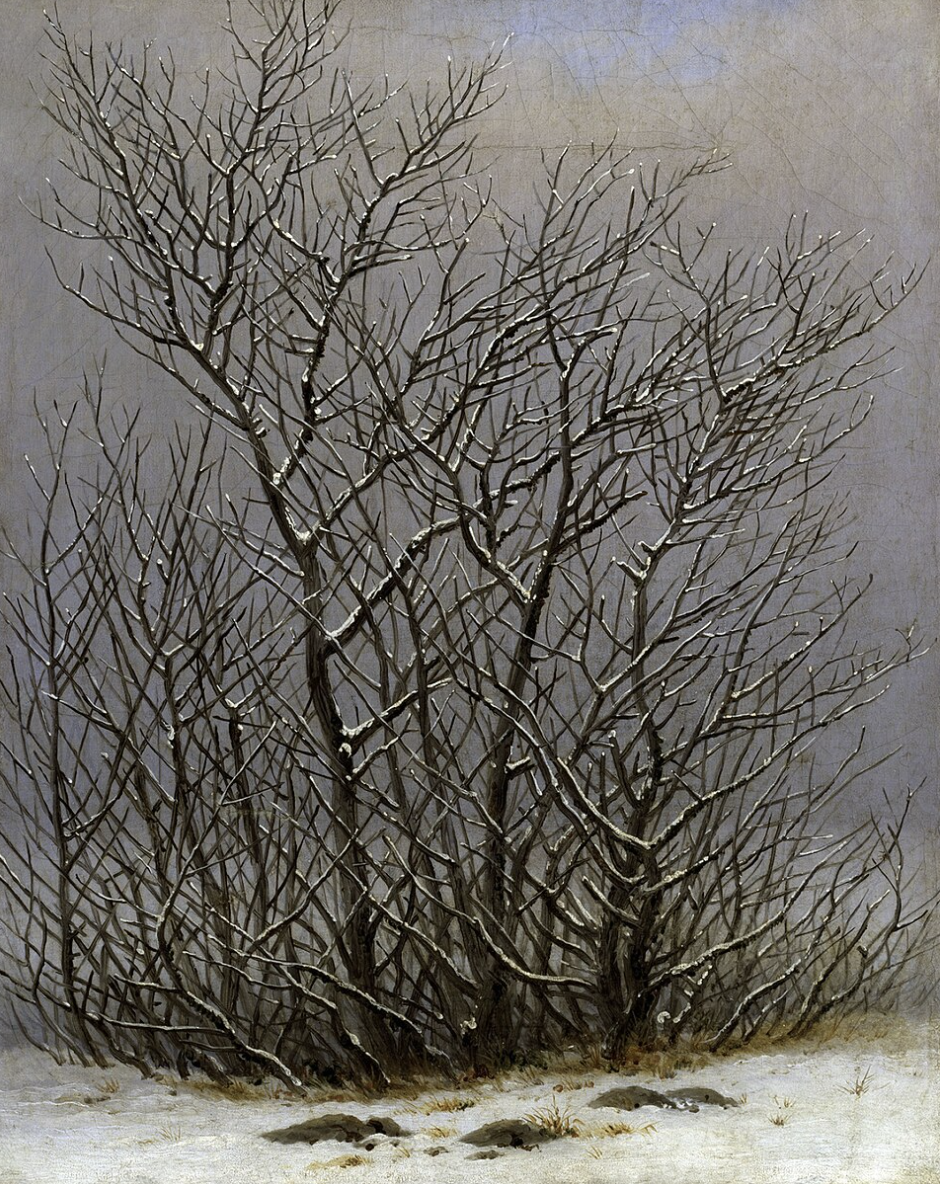
Friedrich, Trees and Bushes in the Snow, 1828
Winter vegetation becomes an image of endurance and suffering rendered through Romantic emotion.
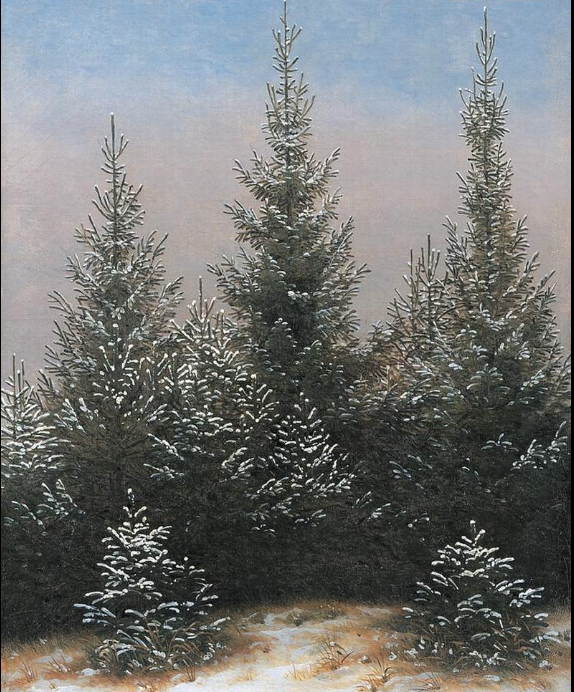
Friedrich, Fir Trees in the Snow, 1828
The crucifixion-like composition transforms nature into spiritual symbolism.
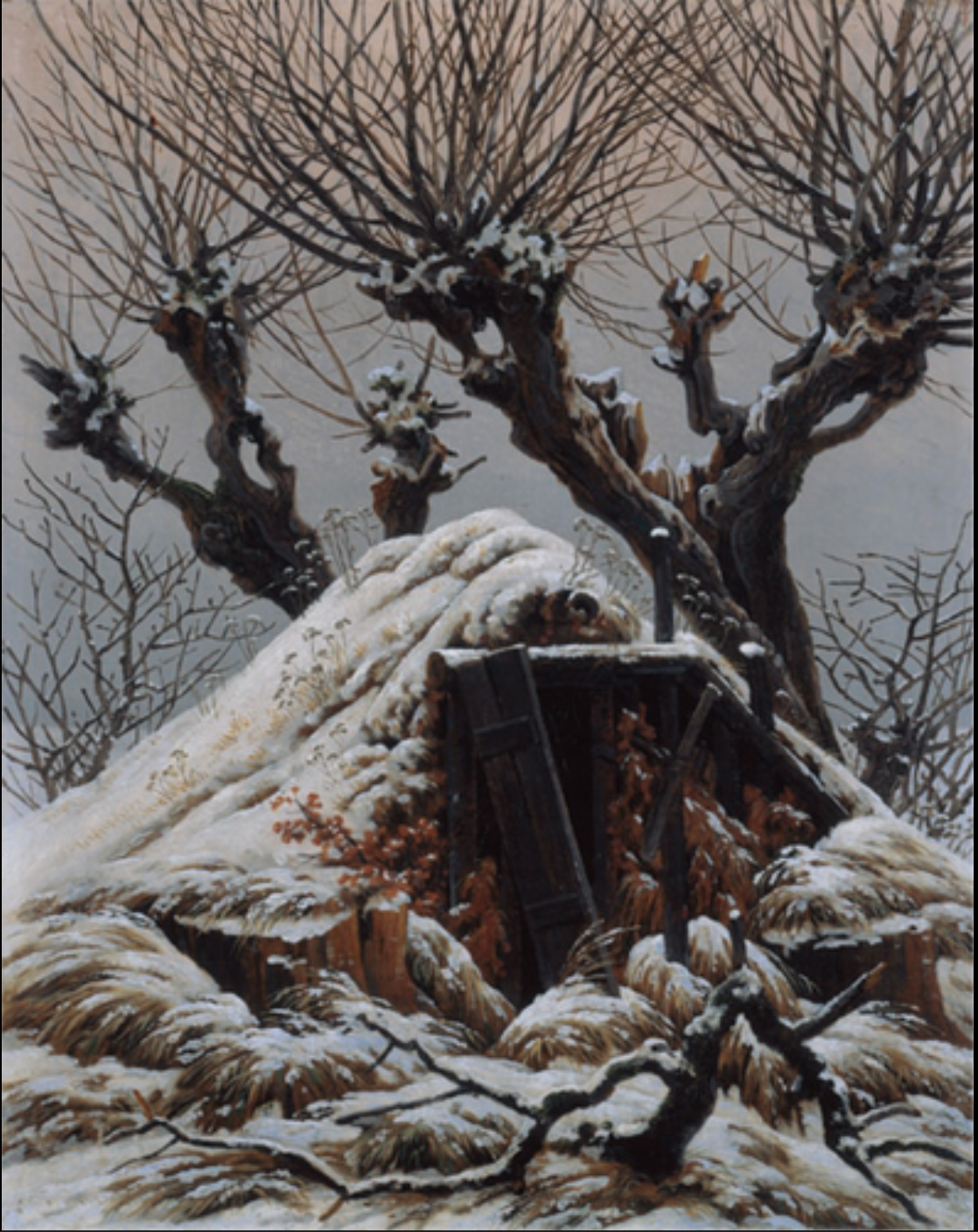
Friedrich, Cabin in the Snow, c. 1827
Human shelter appears fragile within overwhelming winter, suggesting existential vulnerability.
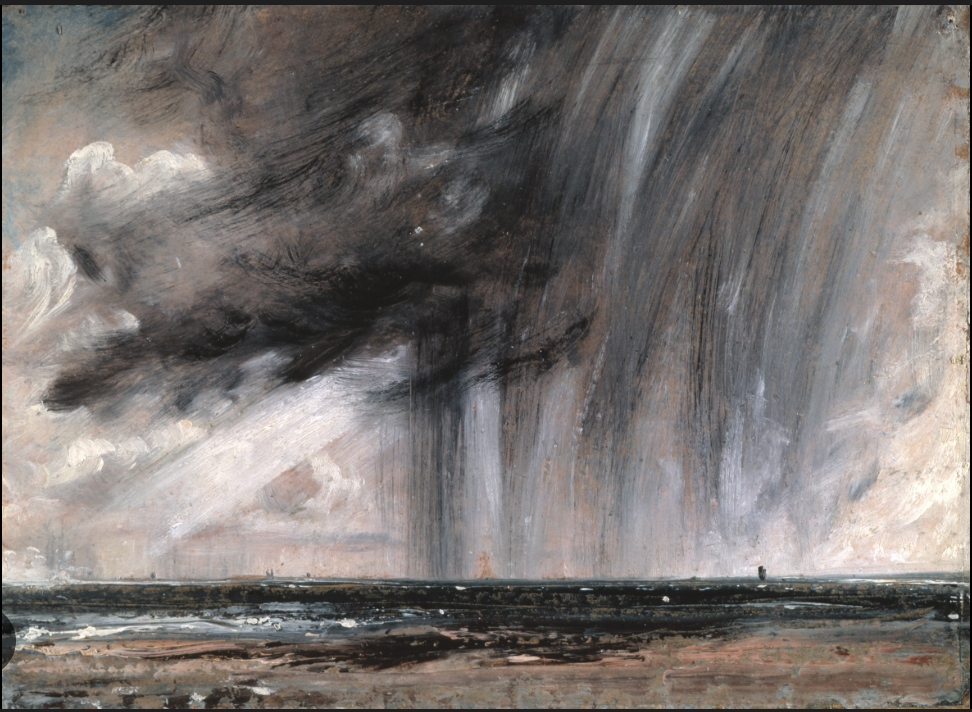
Constable, Seascape Study with Rain Cloud, 1827
The work isolates a fleeting natural event to demonstrate precise observation rather than symbolic meaning.
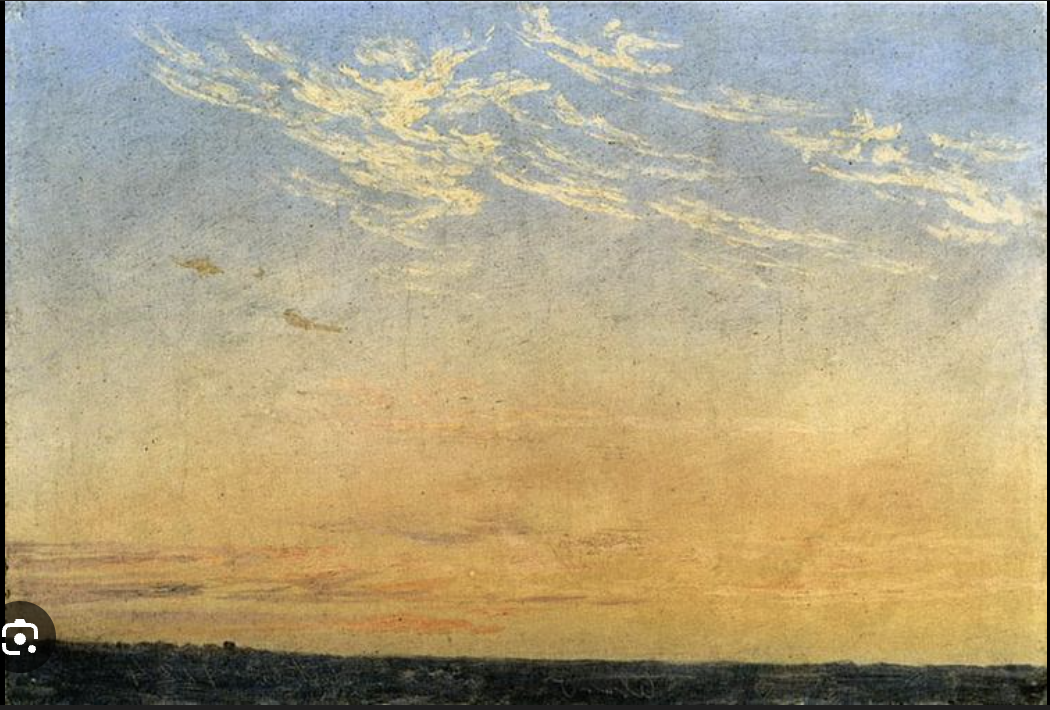
Friedrich, Evening, 1824
Twilight symbolizes transition and mortality, turning landscape into emotional reflection.
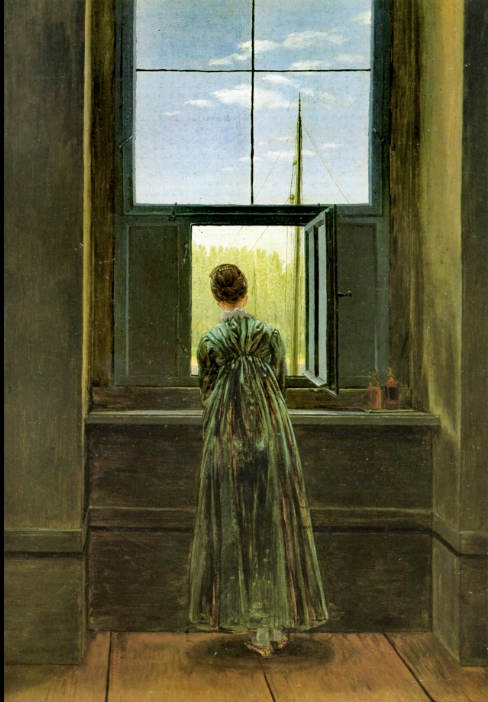
Friedrich, Woman at the Window, 1822
The framed view emphasizes longing and subjectivity, making perception itself the painting’s subject.
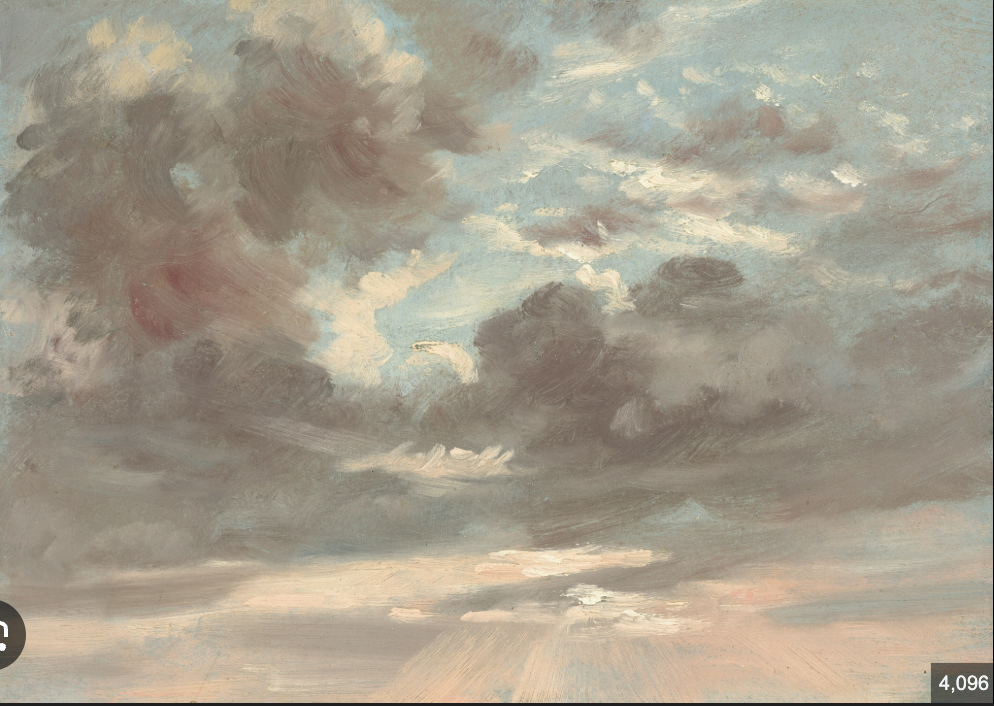
John Constable, Cloud Study, 1821
Constable treats the sky as a scientific record, reflecting Enlightenment faith in empirical observation.
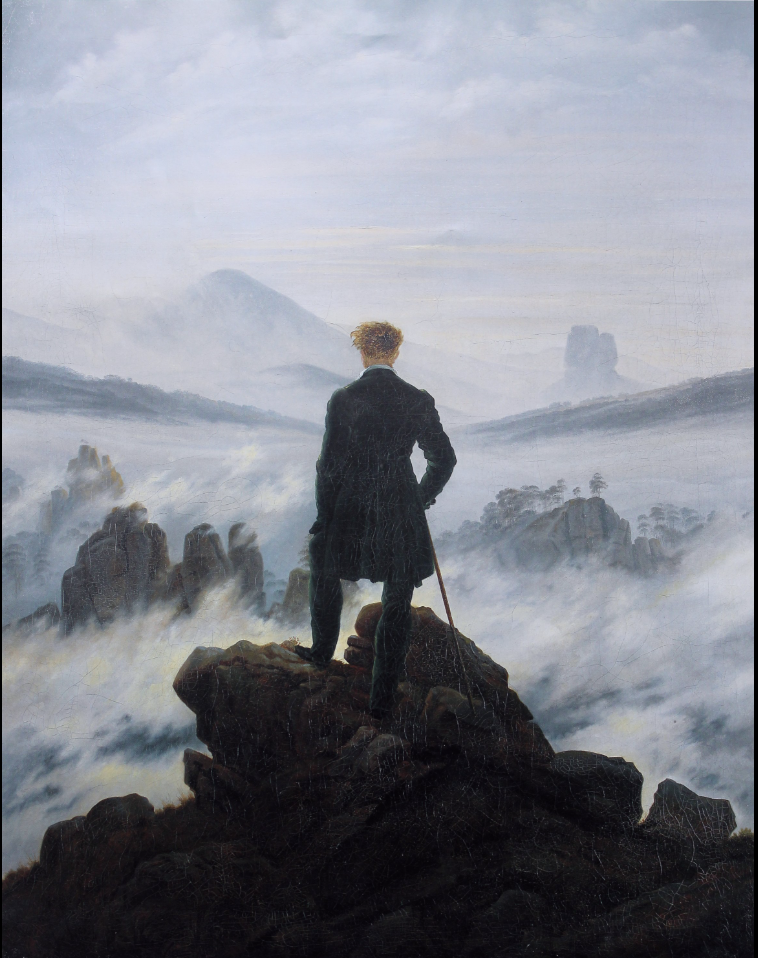
Friedrich, Wanderer Above the Sea of Fog, c. 1818
The Rückenfigur invites viewers into a subjective encounter with nature where meaning depends on personal perception.
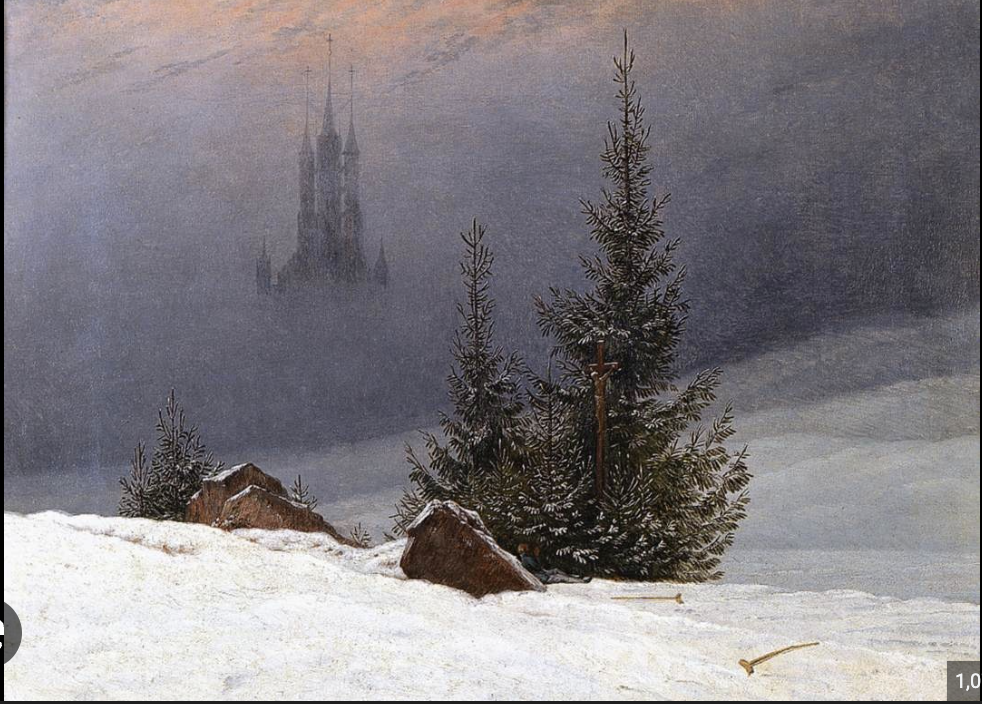
Friedrich, Winter Landscape with Church, 1811
The frozen terrain becomes a spiritual allegory of hardship and faith beyond material suffering.
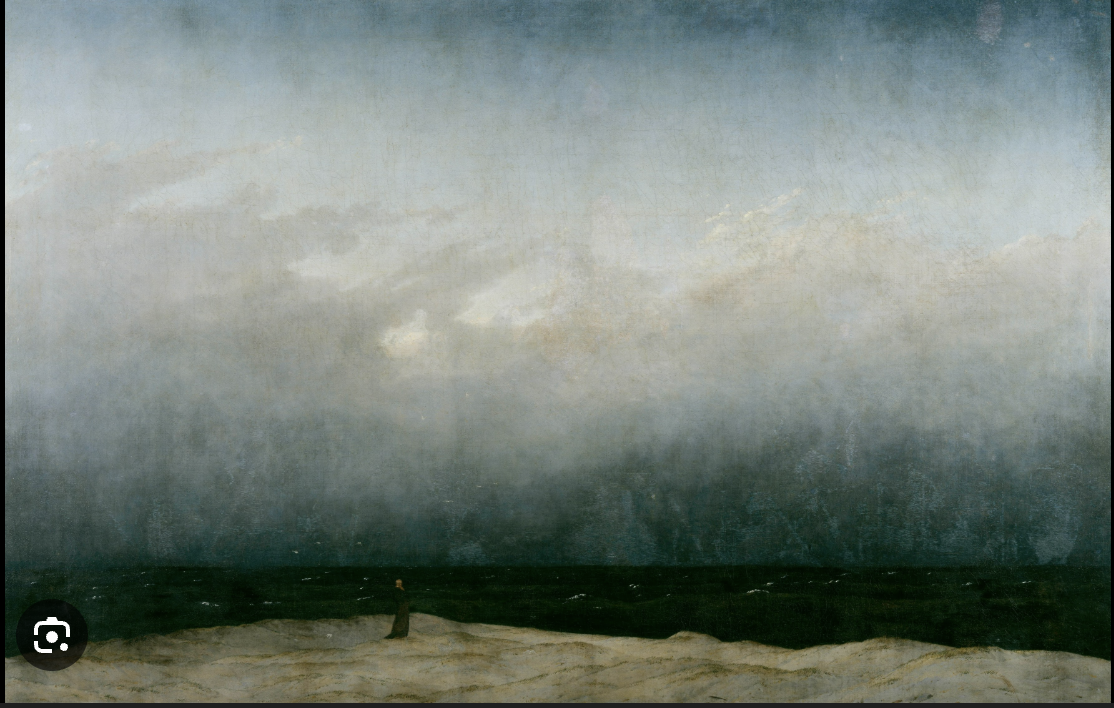
Friedrich, Monk by the Sea, 1809-10
The tiny figure against vast emptiness expresses the Romantic sublime and the limits of human understanding.
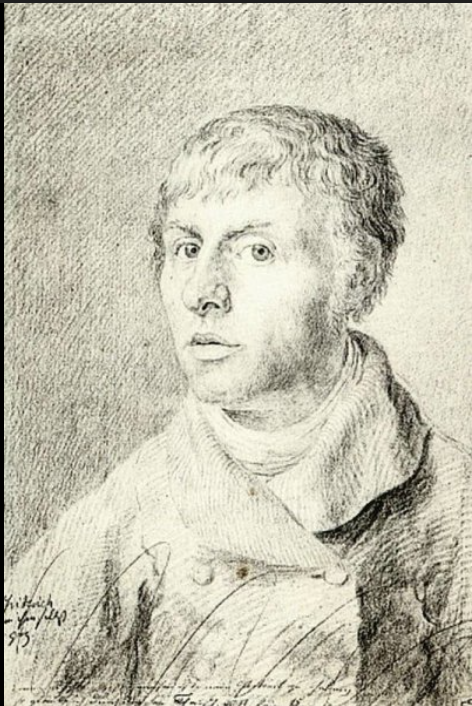
Caspar David Friedrich, Self-Portrait, 1800
Friedrich presents the artist as introspective, embodying Romantic belief in inner experience as a source of truth.
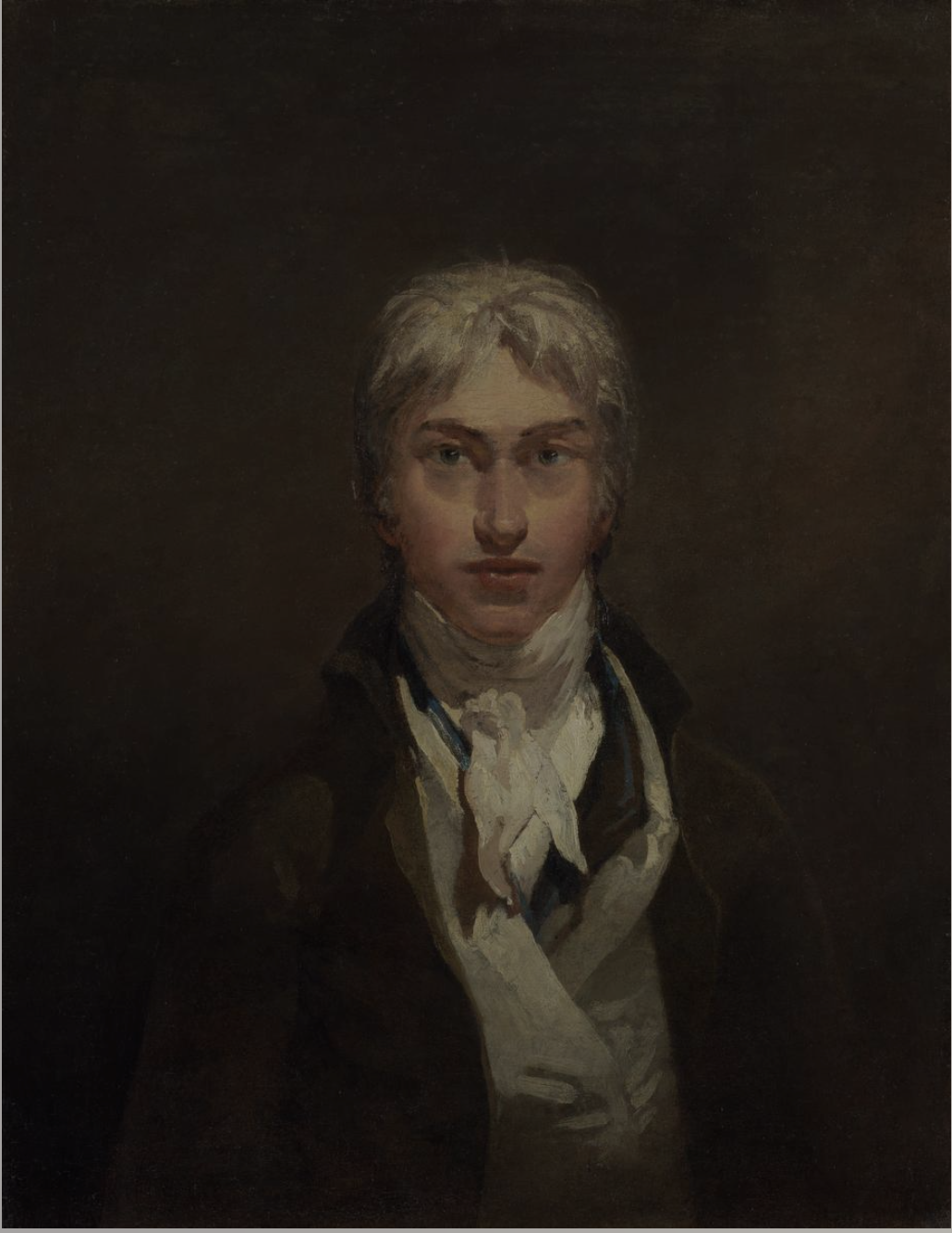
JMW Turner, Self-Portrait, c. 1799
Turner portrays himself as a modern observer positioned within a rapidly transforming industrial world.
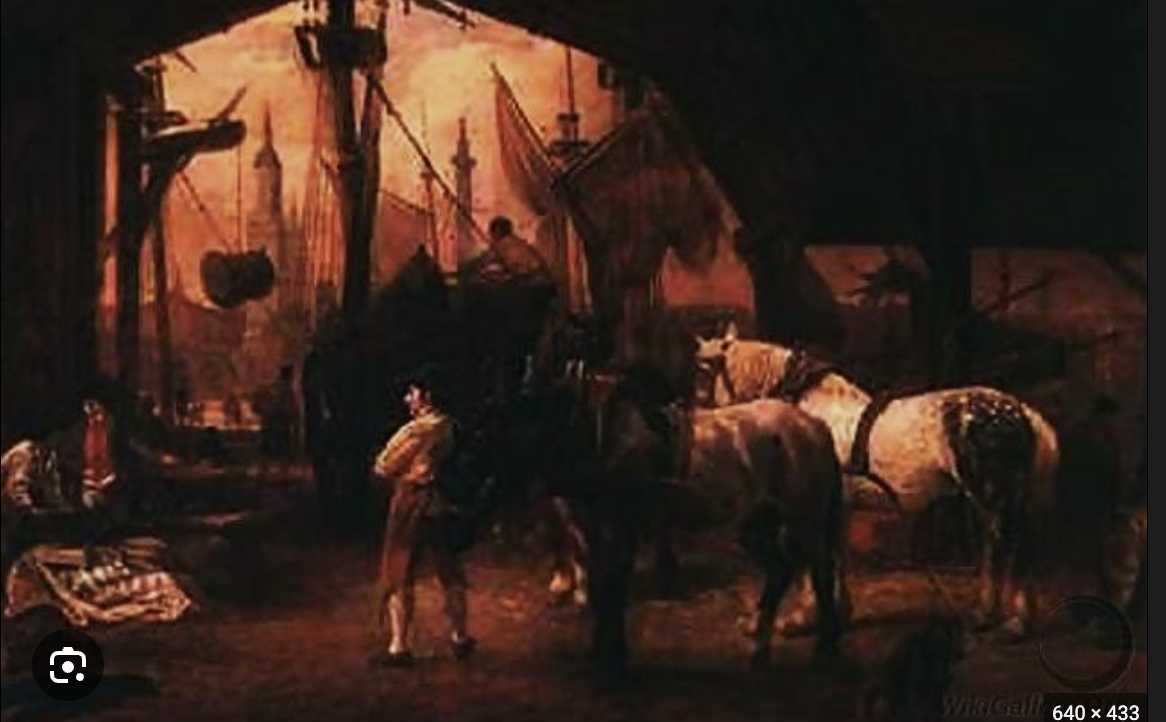
George Garrard, Mr. Whitbread’s Wharf, 1784
Industry and commerce merge with landscape, showing how capitalism reshapes the environment into infrastructure.
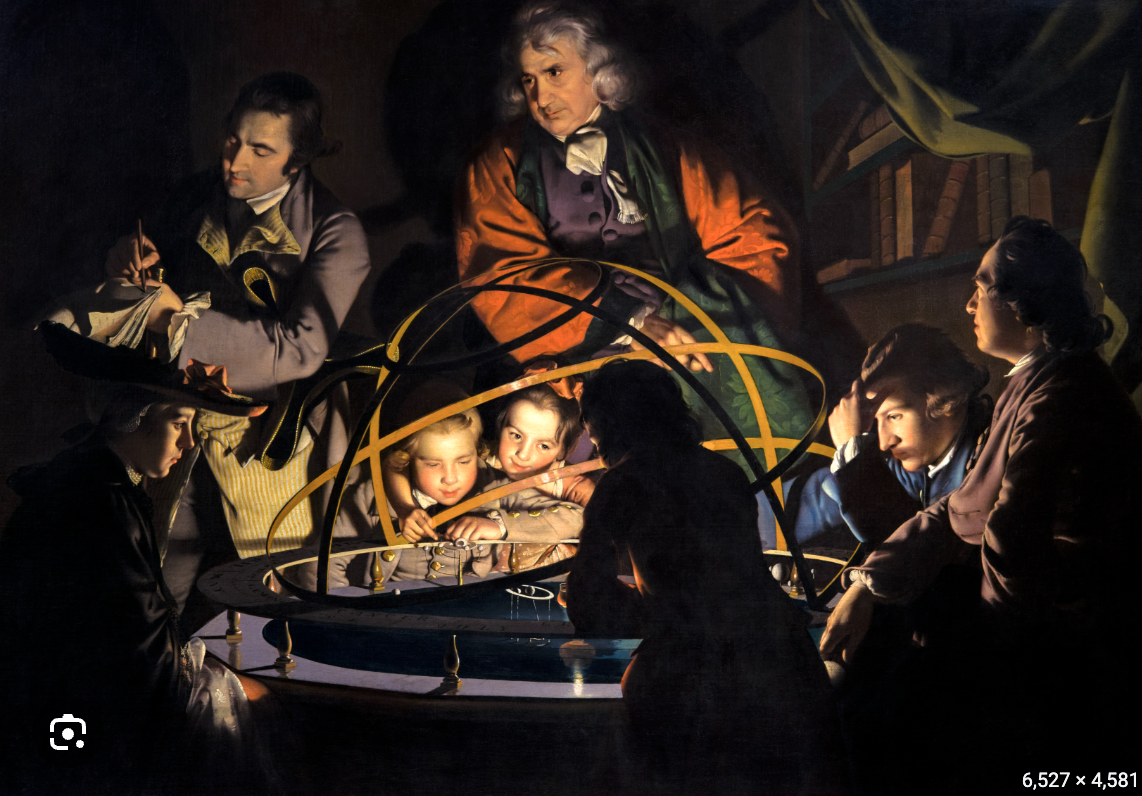
Joseph Wright of Derby, A Philosopher Giving That Lecture on the Orrery in Which a Lamp Is Put in Place of the Sun, 1764–1766
The staged scientific demonstration celebrates Enlightenment faith in reason by presenting the universe as a system humans can master.
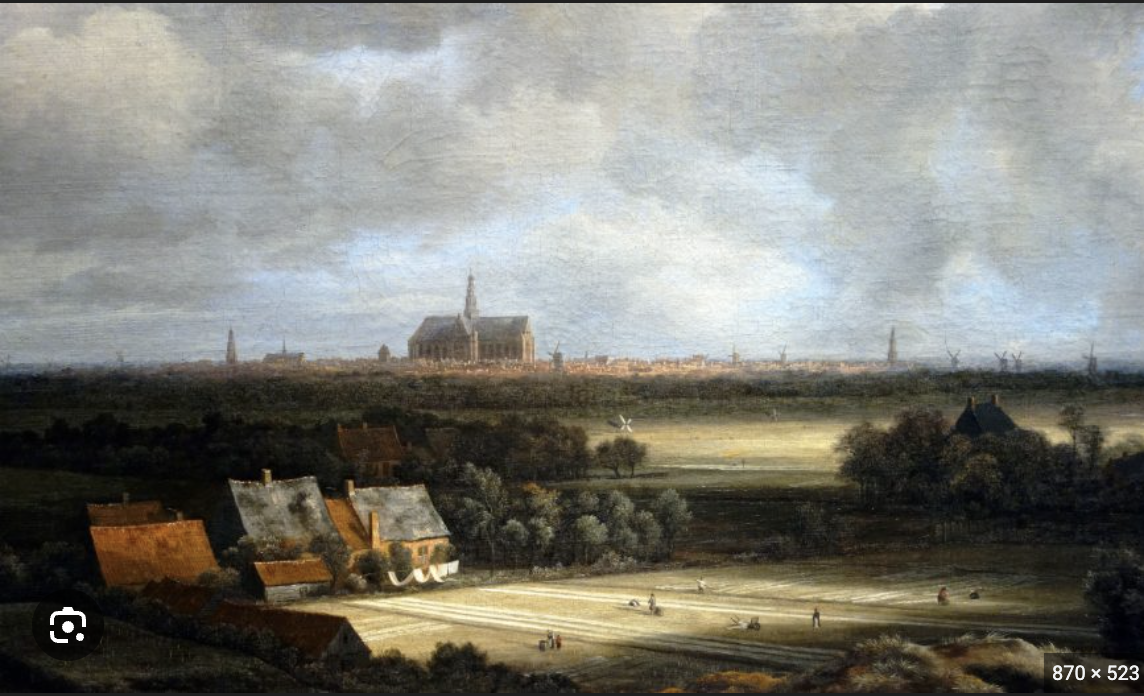
Jacob van Ruisdael, View of Haarlem from the Dunes at Overveen, 1670
The orderly fields emphasize human control over nature, aligning landscape with Enlightenment ideas of rational organization.
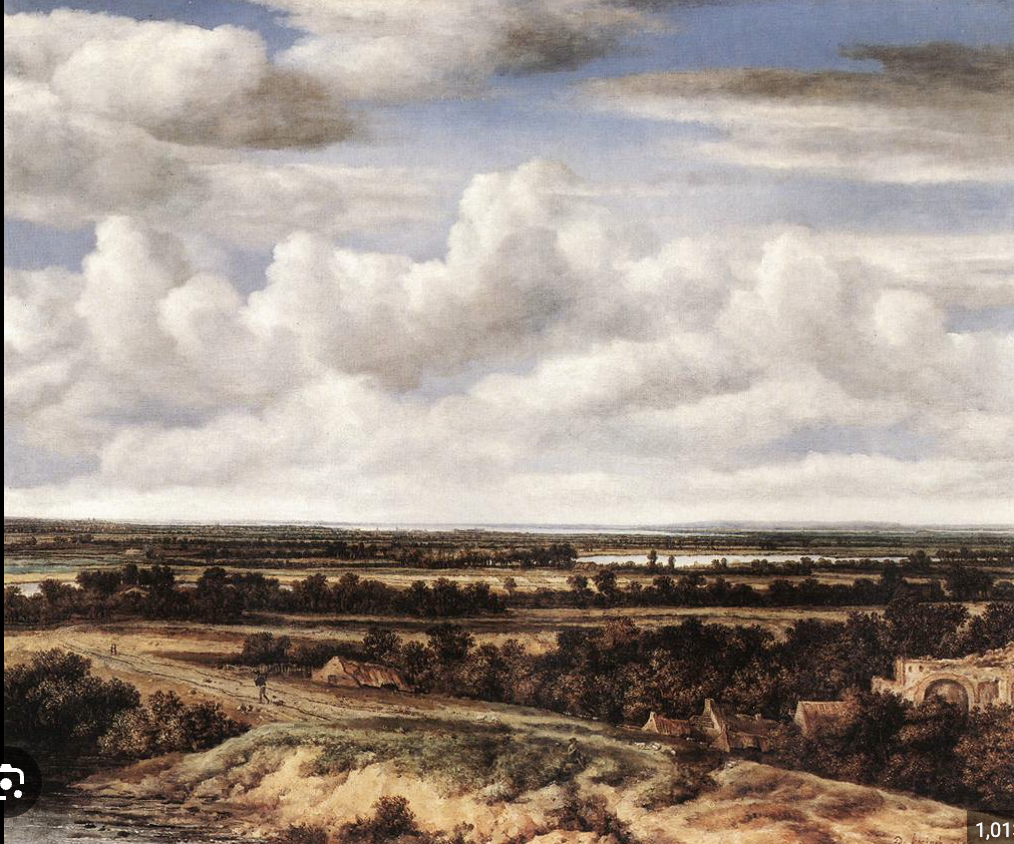
Philips Koninck, An Extensive Landscape with a Road by a Ruin, 1655
The elevated panoramic view turns land into mapped territory, presenting nature as something surveyable and implicitly owned.
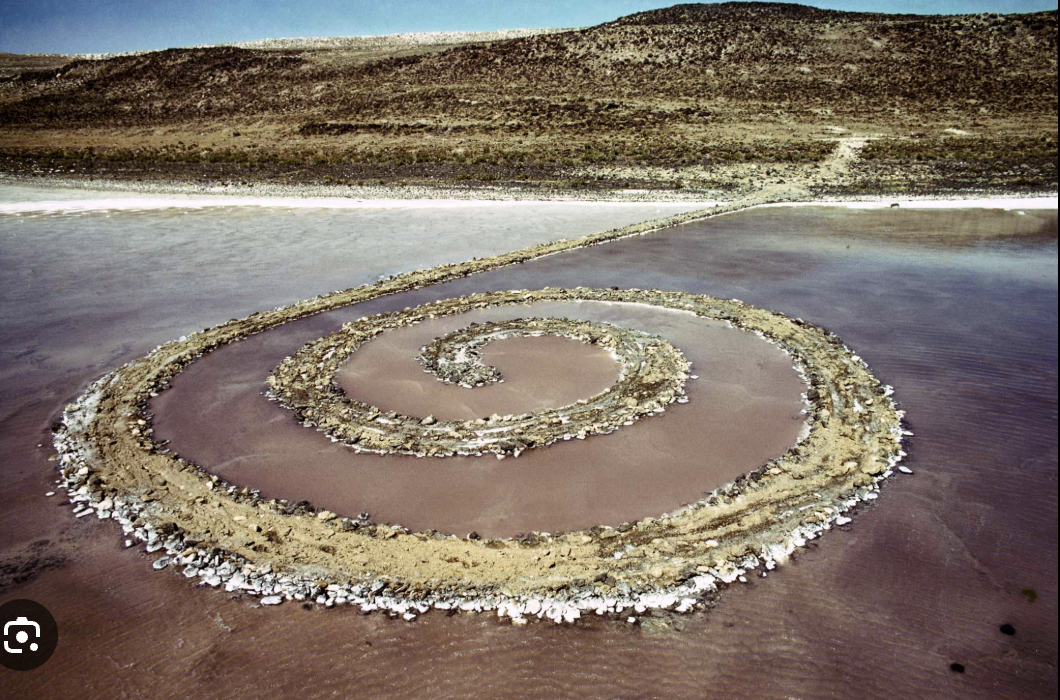
Robert Smithson, Spiral Jetty (1970)
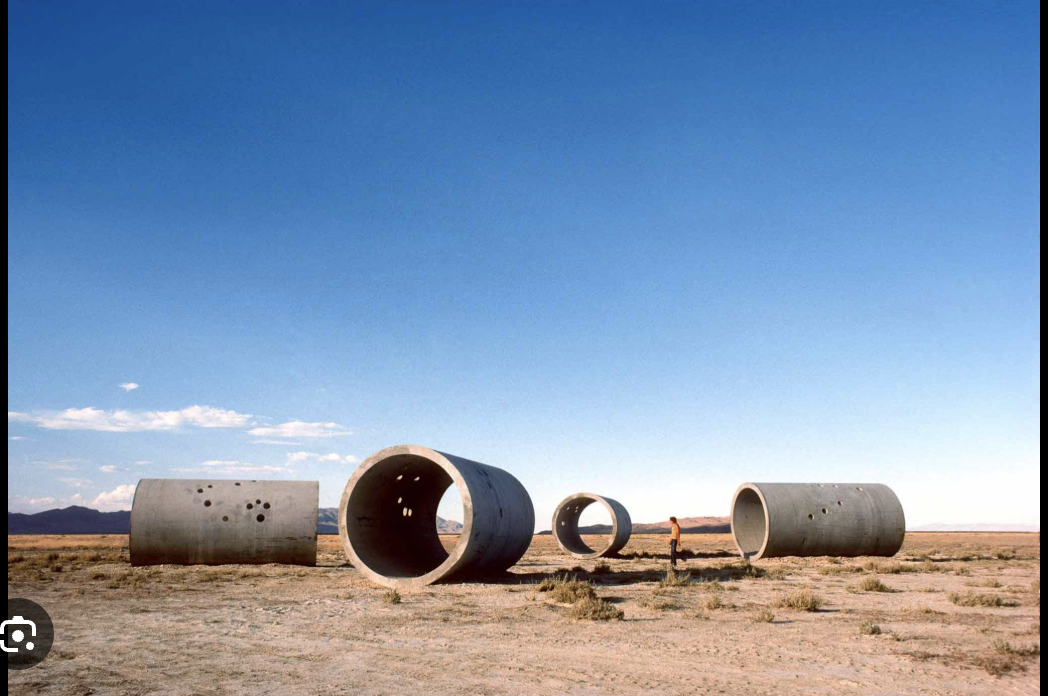
Nancy Holt, Sun Tunnels (1973-76)
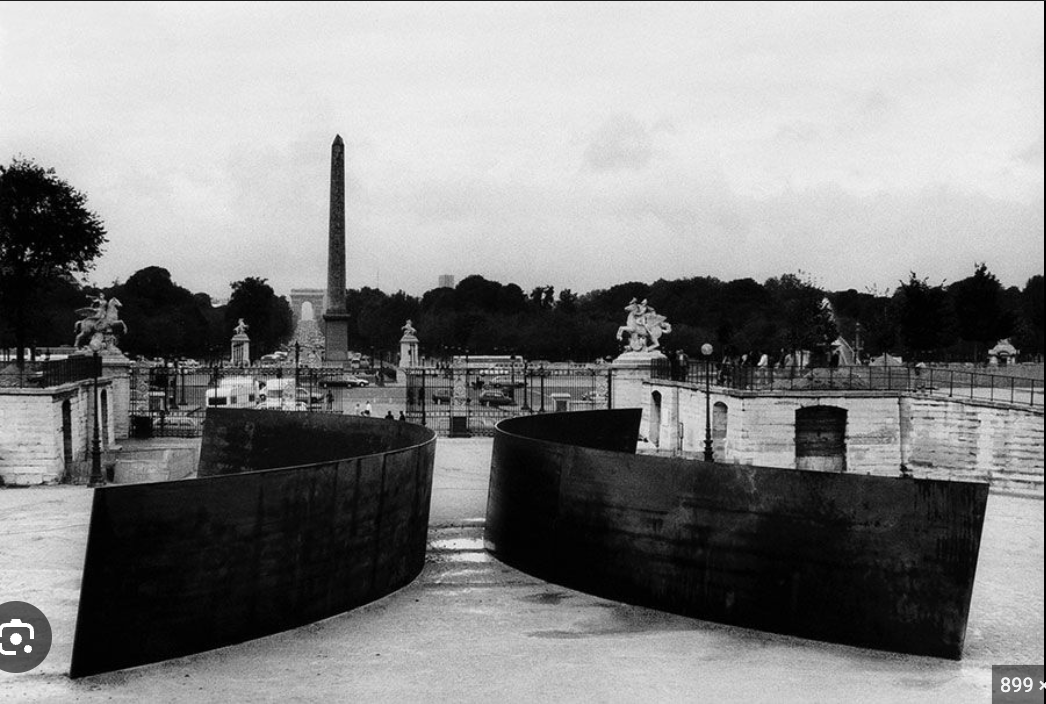
Richard Serra, Clara-Clara (1983)
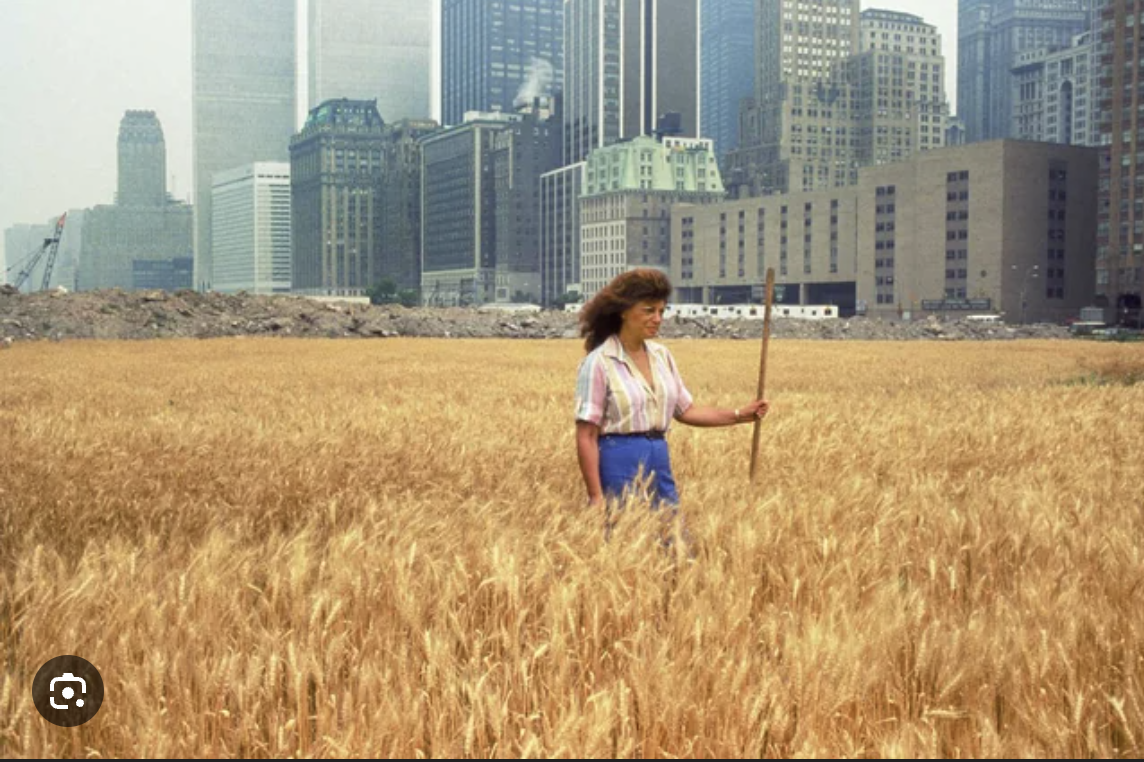
Agnes Denes, Wheatfield, 1982
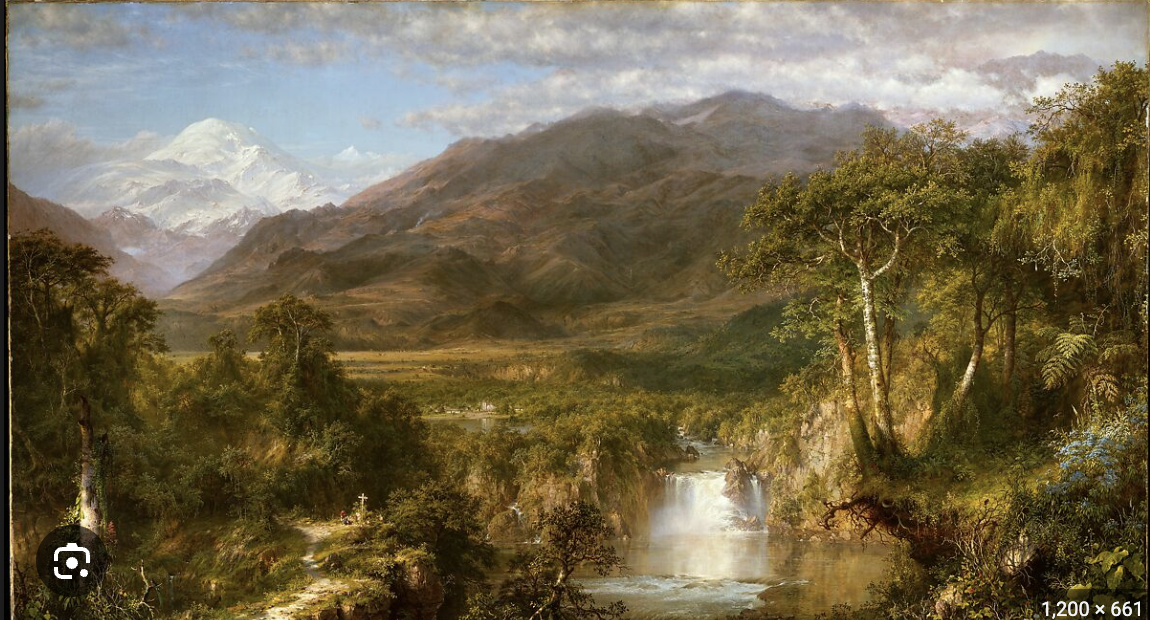
Frederic Church, Heart of the Andes, 1859
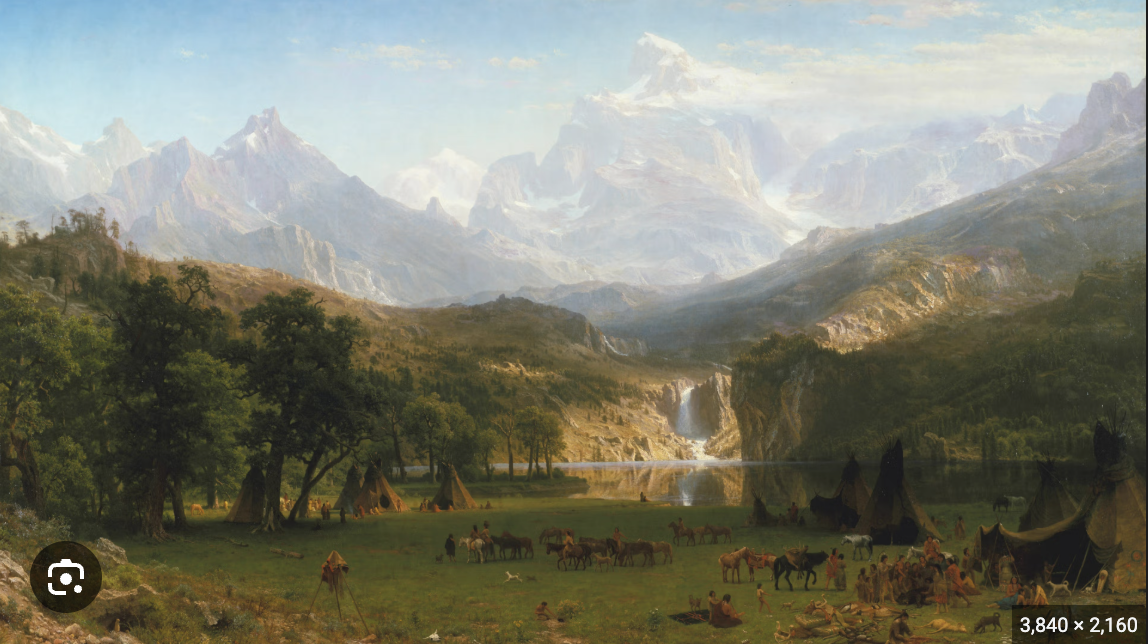
Bierstadt, The Rocky Mountains. Lander’s Peak, 1863
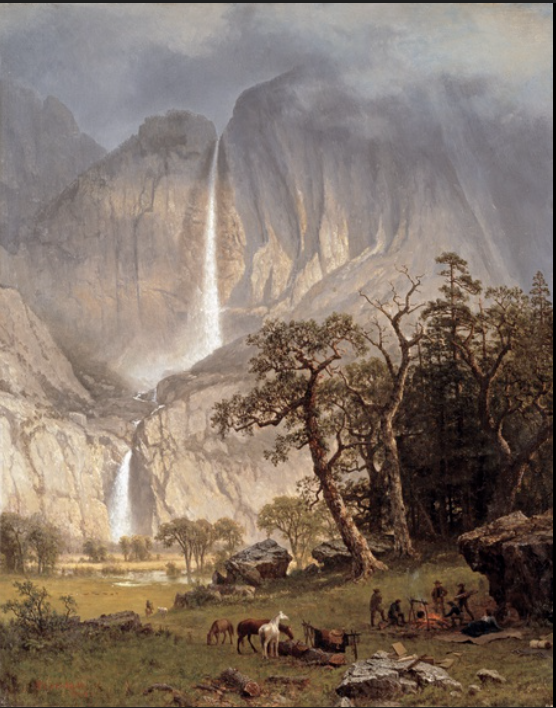
Albert Bierstadt, Cho-Looke, the Yosemite Fall, 1864
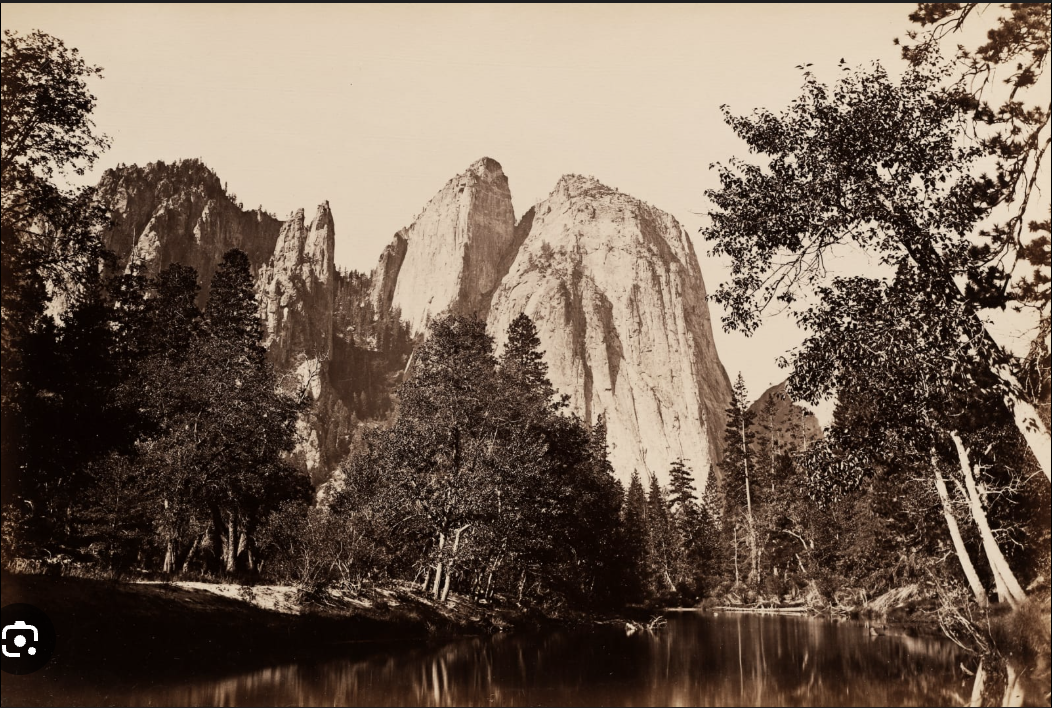
Carleton Watkins, Cathedral Rock, River View, 1861
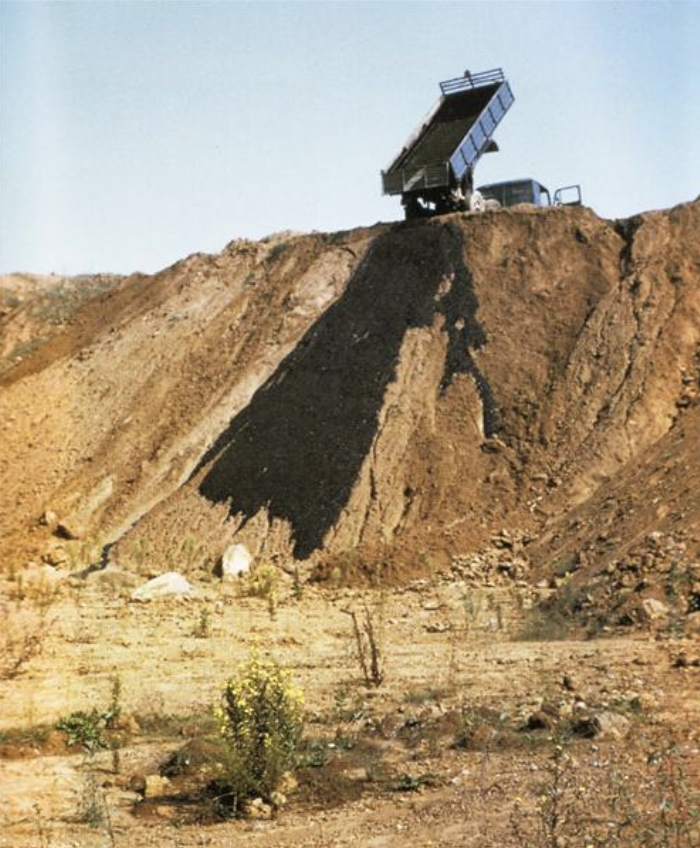
Robert Smithson, Asphalt Rundown, 1969
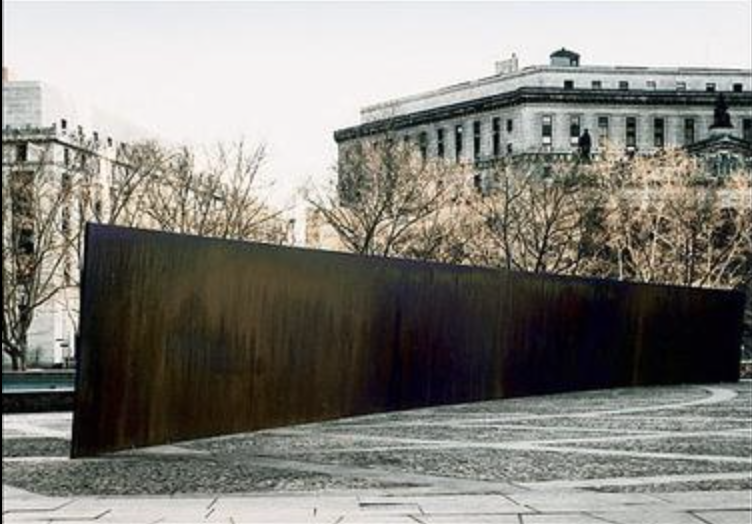
Richard Serra, Tilted Arc, 1981 (destroyed 1989)
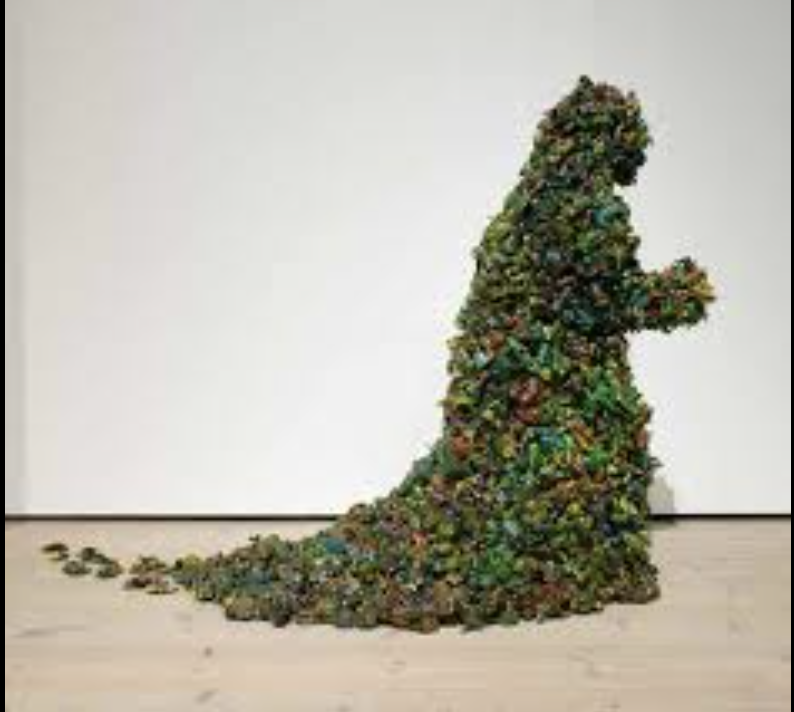
Jim Shaw, Heap, 2009
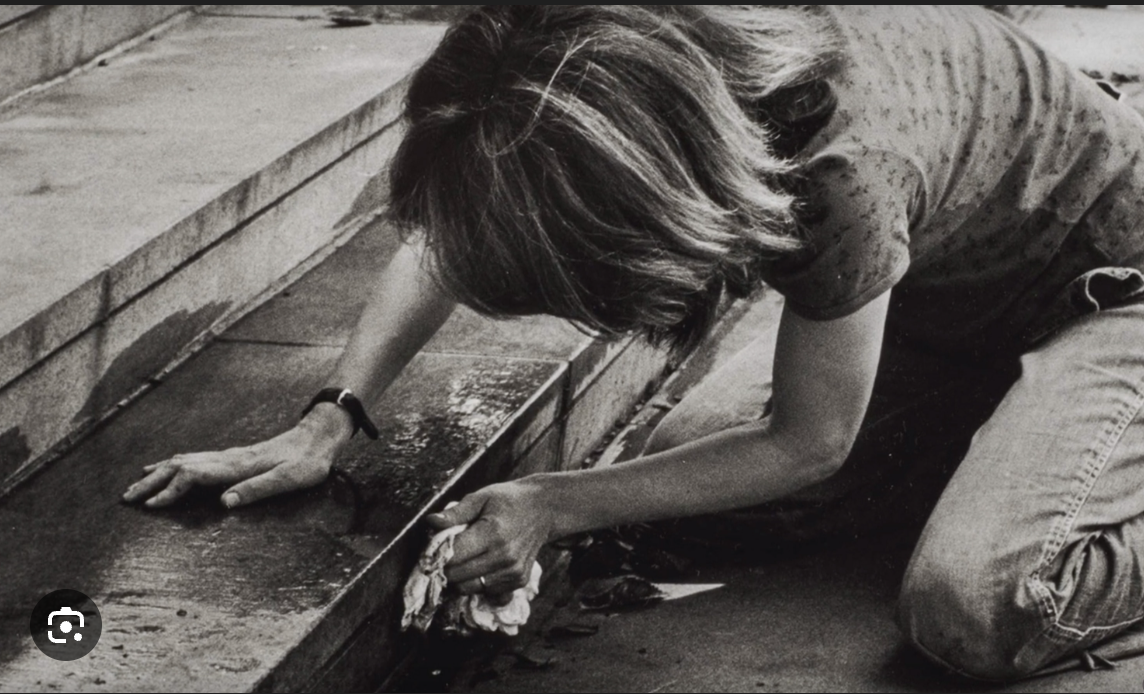
Mierle Laderman Ukeles, Washing/Tracks/ Maintenance: Outside, 1973
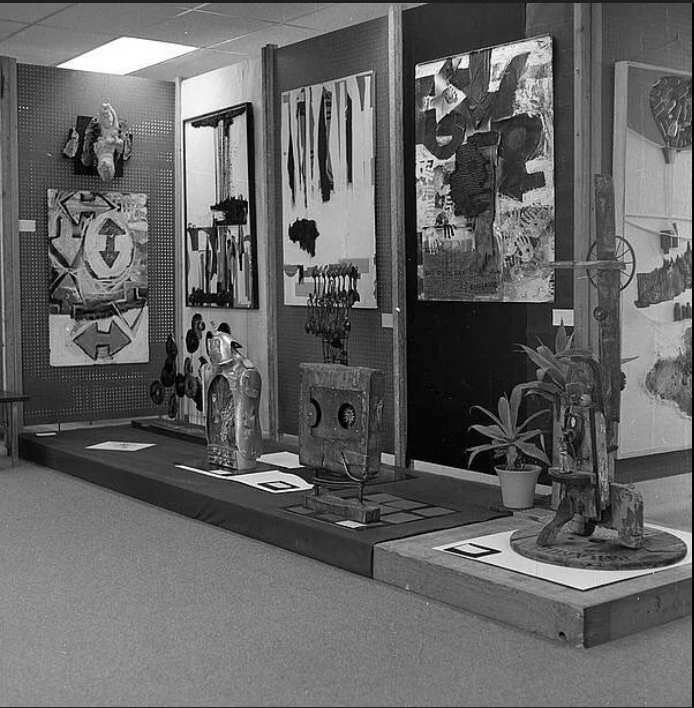
Noah Purifoy and Judson Powell, 66 Signs of Neon, 1966
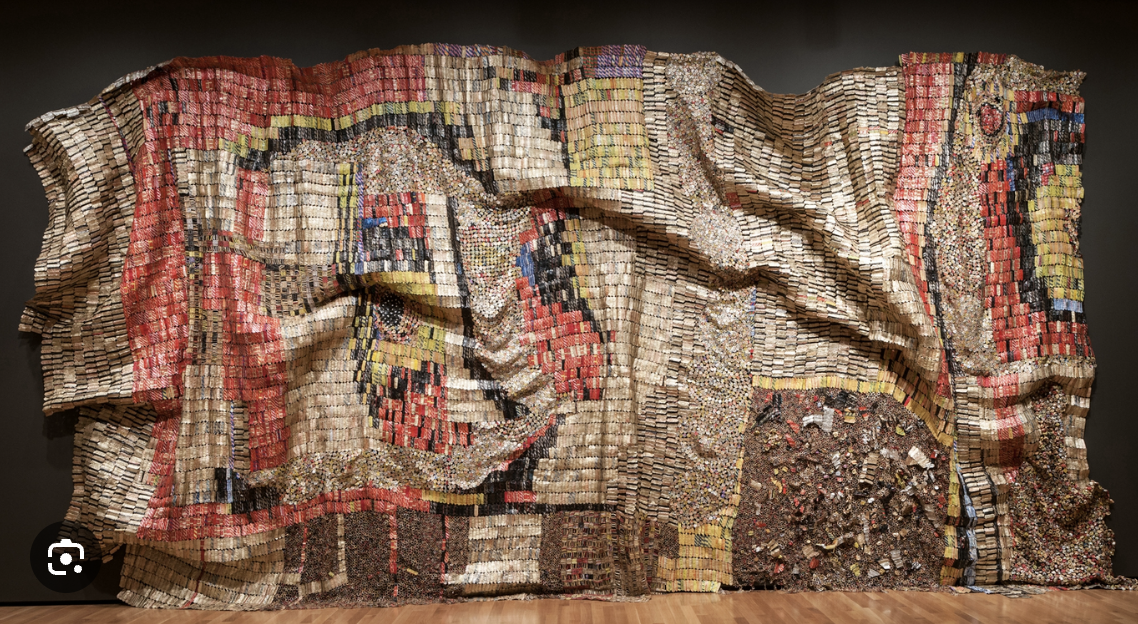
El Anatsui, Earth’s Skin, 2007
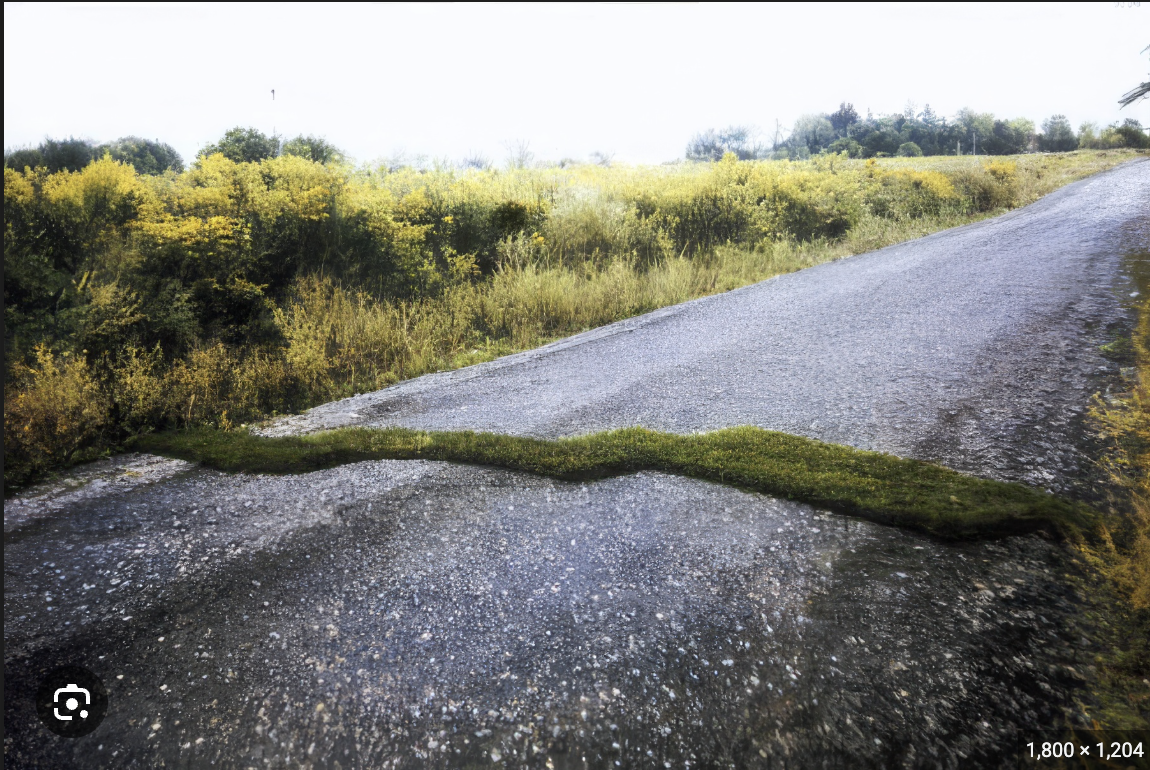
Bonnie Devine, Reclamation Project, 1995
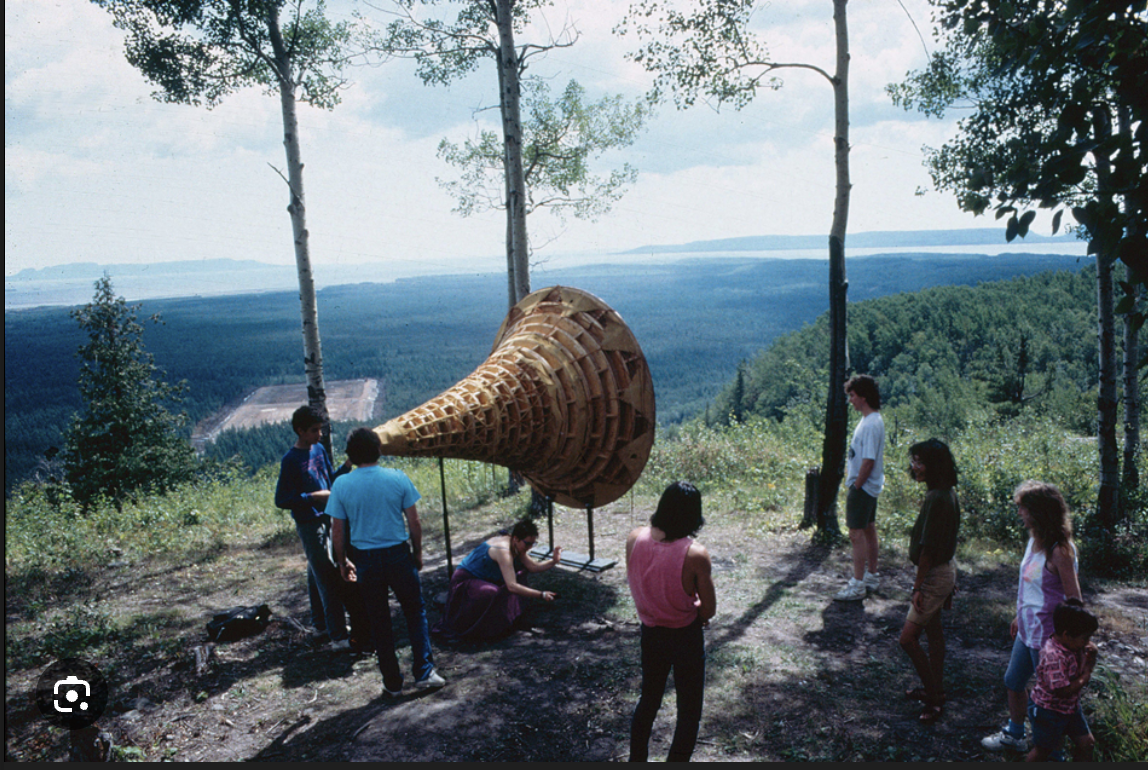
Rebecca Belmore, Speaking to our Mother, 1991-96
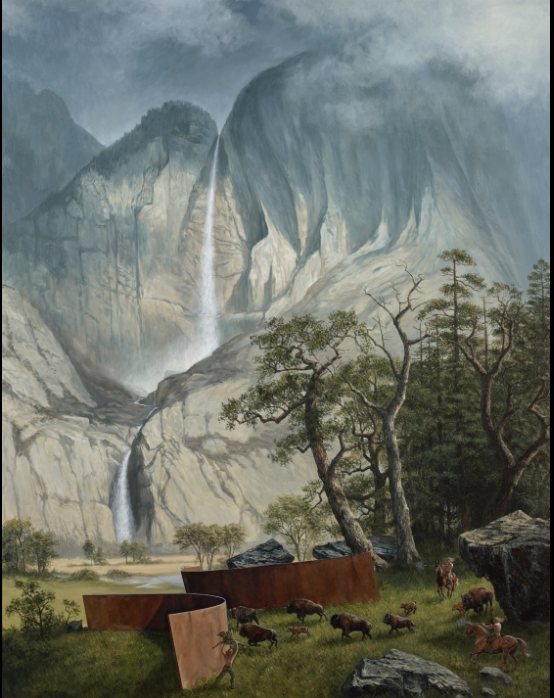
Kent Monkman, The Fourth World (2012)
 Note
Note  Flashcards (54)