bio exam 2 sem 2 1/
 Call Kai
 Learn
Learn Practice Test
 Spaced Repetition
 Match
Match Flashcards
 Knowt Play
1/153

There's no tags or description
Looks like no tags are added yet.
Name | Mastery | Learn | Test | Matching | Spaced | Call with Kai |
|---|
No analytics yet
Send a link to your students to track their progress
154 Terms
state of physiological conditions in the body (all living things regulate the inside)
homeostasis
stimulus response inc stim or reduce stim is
feedback regulation
2 types of feedback regulation
positive and negative
response to stim reduces stim
negative feedback
response to stim amplifies stim
positive feedback
chemical signaling molec responsible for reculation — messenger of endocrine system
hormones
synaptic signaling involves
neurons
neuroendocrine signaling involves
neurosecretory cells
chem released into external enviro to target individs of the same species
pheromones
3 types of hormoens
polypeptides, steroids, amines
can water sol hormones cross cell membrane
no
reduces stim
negative feedback
inc stim , used for rapid events, less common
positive feedback
hormones via blood , long distance
endocrine
local diffusion to nearby cells
paracrine
self targeting
autocrine
neuron —> NT —> synapse (fast and precise)
synaptic
neuron releases hormones into blood
neuroendocrine
insulin, water sol
polypeptides (protein)
derived from cholesterol, lipid sol
steroids
modifies AA, can be water or lipid sol
amines
water sol hormone pathway : ____ , binds membrane receptod GPCR, activates G protein, activates adenylul cyclase, atp, camp, protein kinase, changes protein activity (cytoplasm)
hormone travels in blood
water sol hormone pathway : hormone travels in blood , _________, activates G protein, activates adenylul cyclase, atp, camp, protein kinase, changes protein activity (cytoplasm)
binds membrane receptod GPCR
water sol hormone pathway : hormone travels in blood , binds membrane receptod GPCR, _______ activates adenylul cyclase, atp, camp, protein kinase, changes protein activity (cytoplasm)
activates G protein,
water sol hormone pathway : hormone travels in blood , binds membrane receptod GPCR, activates G protein, ______e, atp, camp, protein kinase, changes protein activity (cytoplasm)
activates adenylul cyclas
water sol hormone pathway : hormone travels in blood , binds membrane receptod GPCR, activates G protein, activates adenylul cyclase, ___, camp, protein kinase, changes protein activity (cytoplasm)
atp
water sol hormone pathway : hormone travels in blood , binds membrane receptod GPCR, activates G protein, activates adenylul cyclase, atp, ____, protein kinase, changes protein activity (cytoplasm)
camp
water sol hormone pathway : hormone travels in blood , binds membrane receptod GPCR, activates G protein, activates adenylul cyclase, atp, camp, ____ changes protein activity (cytoplasm)
protein kinase,
water sol hormone pathway : hormone travels in blood , binds membrane receptod GPCR, activates G protein, activates adenylul cyclase, atp, camp, protein kinase,____
changes protein activity (cytoplasm)
in water sol hormone pathway, does the hormone enter the cell
no
is water sol hormone pathway long or short
short
water sol hormone affects
existing protein

lipid sol hormone pathway: ____l, travels bound to transport prot, diffuses into target cell, binds intracellular receptor, forms hormone receptor complex HRC, HRC binds dna, changes gene expression
hormone diffuses out of endocrine cel

lipid sol hormone pathway: hormone diffuses out of endocrine cell, _____, diffuses into target cell, binds intracellular receptor, forms hormone receptor complex HRC, HRC binds dna, changes gene expression
travels bound to transport prot

lipid sol hormone pathway: hormone diffuses out of endocrine cell, travels bound to transport prot, _____, binds intracellular receptor, forms hormone receptor complex HRC, HRC binds dna, changes gene expression
diffuses into target cell

lipid sol hormone pathway: hormone diffuses out of endocrine cell, travels bound to transport prot, diffuses into target cell, ______, forms hormone receptor complex HRC, HRC binds dna, changes gene expression
binds intracellular receptor

lipid sol hormone pathway: hormone diffuses out of endocrine cell, travels bound to transport prot, diffuses into target cell, binds intracellular receptor, ______, HRC binds dna, changes gene expression
forms hormone receptor complex HRC

lipid sol hormone pathway: hormone diffuses out of endocrine cell, travels bound to transport prot, diffuses into target cell, binds intracellular receptor, forms hormone receptor complex HRC, ______, changes gene expression
HRC binds dna

lipid sol hormone pathway: hormone diffuses out of endocrine cell, travels bound to transport prot, diffuses into target cell, binds intracellular receptor, forms hormone receptor complex HRC, HRC binds dna, _____
changes gene expression

does lipid sol hp enter cell
yes
is lipid solhp slow
slow and long lasting
does lipid sol hp affect transcription
yes
mechanism of water sol hp
camp
mechanism of lipid sol
gene expression
endocrine origin
endocrine cells
endocrine trigger
chem or internal stim
endocrine signal type
hormones
endocrine transport
bloodstream
endocrine speed
slower
neuroendocrine signal origin
neurons
neuroendocrine trigger
nervous system input
neuroendocrine signal type
neurohormones
neuroendocrine transport
bloodstream after neural activation
neuroendocrine speed
faster initiation, hormone still slower than synapse
endocrine hormonal cascade; ___, AP, endocrine gland, target tissue, response, negative feedback
hypothalamus
endocrine hormonal cascade; hypothalamus, ____, endocrine gland, target tissue, response, negative feedback
AP
endocrine hormonal cascade; hypothalamus, AP, ______, target tissue, response, negative feedback
endocrine gland
endocrine hormonal cascade; hypothalamus, AP, endocrine gland, _____, response, negative feedback
target tissue
endocrine hormonal cascade; hypothalamus, AP, endocrine gland, target tissue, ___ negative feedback
response,
endocrine hormonal cascade; hypothalamus, AP, endocrine gland, target tissue, response, ____
negative feedback
neuroendocrine seq: ___, sensory neuron, hypothalamus, nerve impulse, adrenal medulla, epinephrine/noepinephrine release, body response
stim
neuroendocrine seq: stim, _____, hypothalamus, nerve impulse, adrenal medulla, epinephrine/noepinephrine release, body response
sensory neuron
neuroendocrine seq: stim, sensory neuron, ____, nerve impulse, adrenal medulla, epinephrine/noepinephrine release, body response
hypothalamus
neuroendocrine seq: stim, sensory neuron, hypothalamus,____, adrenal medulla, epinephrine/noepinephrine release, body response
nerve impulse
neuroendocrine seq: stim, sensory neuron, hypothalamus, nerve impulse,____, epinephrine/noepinephrine release, body response
adrenal medulla
neuroendocrine seq: stim, sensory neuron, hypothalamus, nerve impulse, adrenal medulla, _____, body response
epinephrine/noepinephrine release
neuroendocrine seq: stim, sensory neuron, hypothalamus, nerve impulse, adrenal medulla, epinephrine/noepinephrine release, ____
body response
thyroid axis type
endocrine cascade
thyroid axis speed
slow
thyroid axis stress type
baseline metabolism
thyroid axis hypothal sisnal
TRH
thyroid axis pituitary signal
TSH
thyroid axis final hormones
TH (T3 and T4)
thyroid axis main effects
inc metabolism
adrenal medulla type
neuroendocrine
adrenal medulla speed
fast
adrenal medulla stress type
acute stress
adrenal medulla hypothal sisnal
nerve impulse
adrenal medulla pituitary signal
none
adrenal medulla final hormones
epinephrine, norepinephrine
adrenal medulla effects
fight or flight
adrenal cortex type
endocrine cascade
adrenal cortex speed
slow
adrenal cortex stress type
chronic stress
adrenal cortex hypothal signal
crf
adrenal cortex pituitary signal
acth
adrenal cortex final hormones
cortiocosteroids
adrenal cortex main effects
long term energy and homeostasis
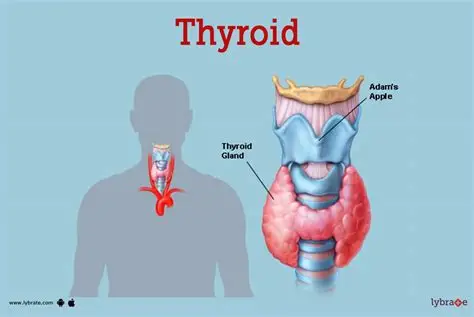
thyroid: ____, TRH, AP, TSH, thyroid, TH, body cells,
hypothal
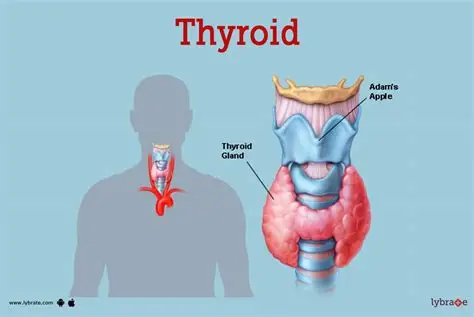
thyroid: hypothal, ____, AP, TSH, thyroid, TH, body cells,
TRH
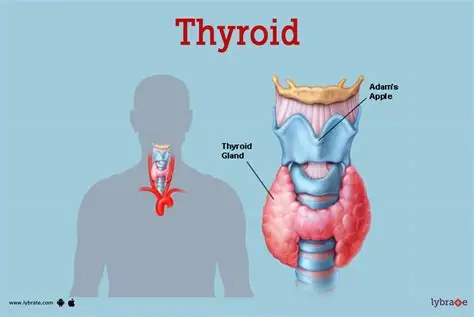
thyroid: hypothal, TRH, ___, TSH, thyroid, TH, body cells,
AP
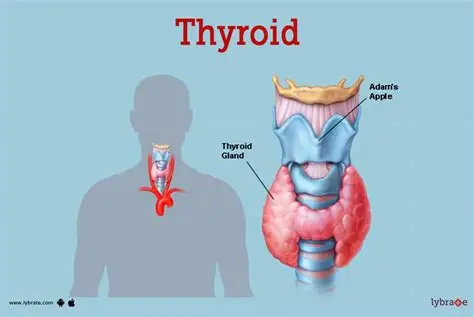
thyroid: hypothal, TRH, AP, ___, thyroid, TH, body cells,
TSH
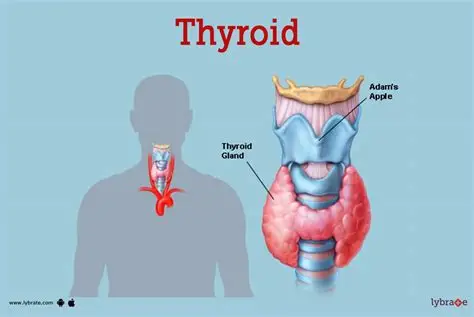
thyroid: hypothal, TRH, AP, TSH, _____, TH, body cells,
thyroid
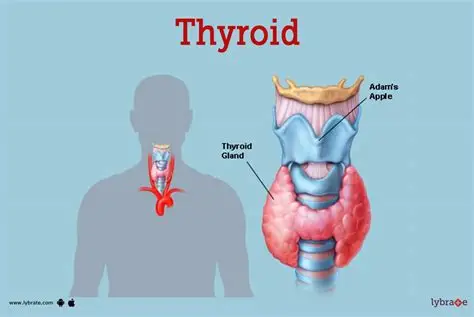
thyroid:hypothal, TRH, AP, TSH, thyroid, ___ body cells,
TH
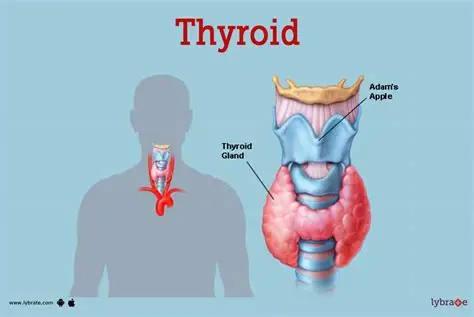
thyroid:hypothal, TRH, AP, TSH, thyroid, TH,___,
body cells
adrenal cortex: stress,______, AP ACTH, adrenal cortex, cortiocosteroids, effects and feedback
hypothalmus CRF
adrenal cortex: stress, hypothalmus CRF,_____ adrenal cortex, cortiocosteroids, effects and feedback
AP ACTH,
adrenal cortex: stress, hypothalmus CRF, AP ACTH, ______, cortiocosteroids, effects and feedback
adrenal cortex
adrenal cortex: stress, hypothalmus CRF, AP ACTH, adrenal cortex, ____ effects and feedback
cortiocosteroids,

