Rome Quiz 1 (Weeks 1 and 2)
 Call Kai
 Learn
Learn Practice Test
 Spaced Repetition
 Match
Match Flashcards
 Knowt Play
1/47

There's no tags or description
Looks like no tags are added yet.
Name | Mastery | Learn | Test | Matching | Spaced | Call with Kai |
|---|
No analytics yet
Send a link to your students to track their progress
48 Terms
Literary evidence
Literary texts, letters, religious texts
Documentary evidence
Administrative records, legal documents, inscriptions
Archaeological evidence
architecture, numismatic, ceramics, small items, archaeobotanical, skeletal
Paleoscientific evidence
climate condition records, tree rings, sedimentation stratigraphies, glaciations, ice cores, climate drivers, ancient DNA
When was the Bronze Age?
12th c. BCE
How did the Bronze Age Collapse?
chain reaction of Sea People invasions, environmental stress, economic failure, and political instability that caused downfall of major powers
What were the major powers during the Bronze Age?
Mycenaean Greece, the Hittite Empire, and cities of the Eastern Mediterranea
Phoenician expansion (11th-6th c. BCE)?
AFTER BRONZE AGE COLLAPSES —> maritime city-states expanded across the Mediterranean founding trade colonies (Carthage) to secure metals and trade routes, spreading commerce and the Phoenician alphabet rather than building a conquest empire
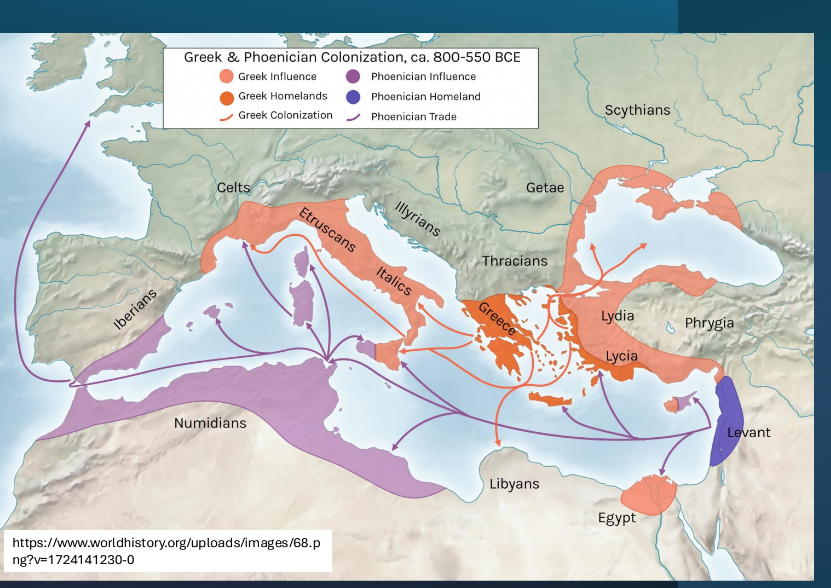
Greek Colonization (800-550 BCE)
expanding from Greece, founded colonies around southern Italy, Sicily, the Black Sea, and parts of Asia Minor, spreading their culture and political systems
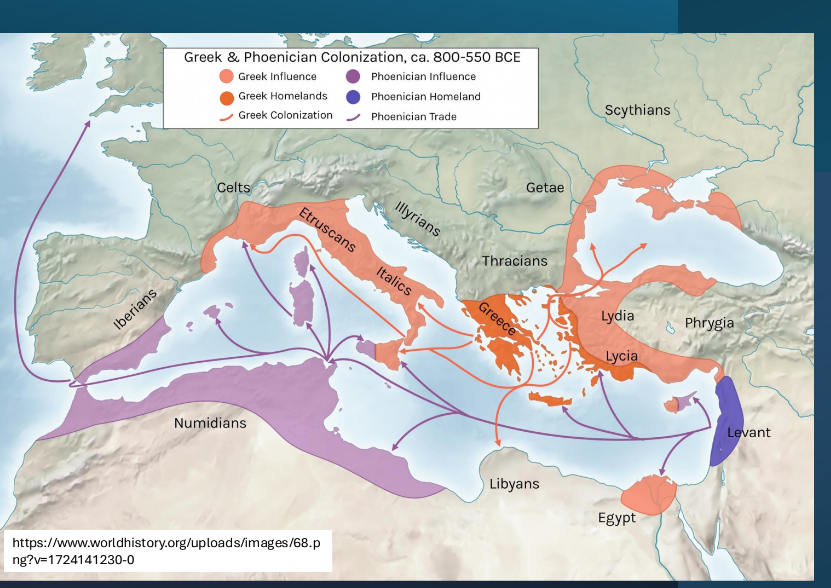
Phoenician Colonization (800-550 BCE)
expanding from the Levant, established trade networks and colonies across North Africa, Spain, and islands like Sardinia, with Carthage becoming their most powerful western settlement
When was Rome founded?
753 BCE
Fabius PIctor (270-200 BCE)
FIRST Roman historian: wrote in Greek and shaped the earliest written version of Rome’s origins and early wars, helping present Rome POSITIVELY to the wider Mediterranean world
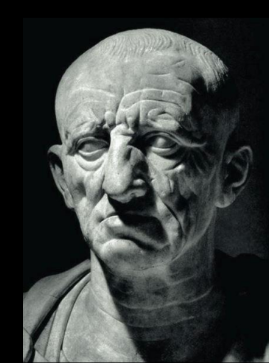
Cato the Elder (234-149 BCE)
Early Roman historian; wrotes ORIGINS and was a conservative traditional Roman; pushed for destruction of CARTHAGE (Carthago delenda est)
The Aeneid by Virgil
central book for schooling; presents Rome as destined to rule the world because the founders of Rome (Romulus and Remus) are in Aeneas’ divine lineage
Livy
Subpar Roman Historian known for using legends and fragmented early histories; earliest and most reliable source
Why do the Roman historians focus on violence?
To show that Roman society has always been the way it was then in 1st c. BCE
When were the earliest Roman histories written?
1st century BCE.
Bronze Age Italy (2300 - before 9th c. BCE)
hilltop settlements and villages slowly urbanizing
Bronze Age after 9th c. BCE?
rapid increase in urbanization and expansion
Which locations of Italy began to urbanize first after 9th c. BCE?
coastal areas, NATURAL HARBORS
What kind of evidence helped study early Italy/Bronze Age?
Archaeological remains
What societal process emerged with early urbanization and state formation in Italy?
SOCIAL STRATIFICATION
Why did warrior ethos appear simultaneously with urbanization?
More urbanization means denser cities and larger areas to protect
Why did Rome’s urban development different from the rest of western central Italy?
TIBER RIVER
What did the Tiber River and Rome’s location benefit?
Communication, commerce, geopolitical strategy, ETHNIC AND LINGUISTIC DIVERSITY
Political Structure and Diplomacy in Early Italy?
slow state formation
common infrastructure
warring rules established
negotiation and diplomacy with trade
Gens
Roman family lineage or name
Did emerging political structures dissolve in-state competition?
No, lineages completed with each other by building or expanding more than the other lineage
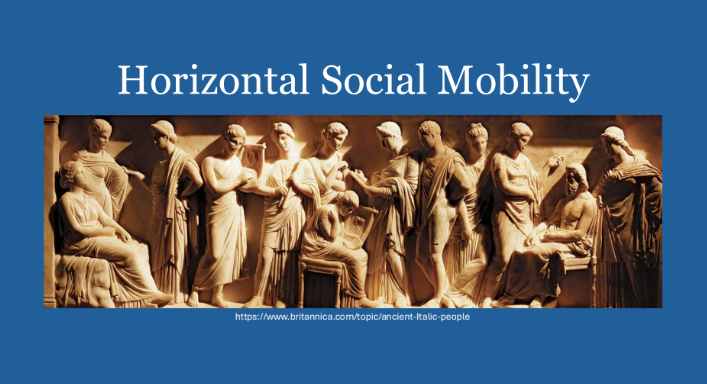
Horizontal Social Mobility
Horizontal mobility = change in position, but no change in social class or prestige; aristocrats could do anything if other aristocrats did the same
Elite Networks?
Elites abandoned treaties/alliances at any time and could move in out of political systems
Installing friendly rulers?
placing a leader in power in another region who supports your state’s interests; indirect control and influence
Season raiding?
very common; raid surrounding area and come back in time for harvest —> led to defensive foritifcations
Early First Millenium BCE Conditions of State-Level Influence?
raiding other cities
exacting tribute
placing friendly rulers
What do we know about Early Rome (753-509 BCE)
Little because only oral history exists; a kingdom established by people of Etruscan/Italic descent as a compromise of settlement between neighboring tribes
Elective Monarchy
Roman Kingdom’s practice of electing kings
A Roman King’s Powers?
term for life
total authority over military and judicial matters (imperium)
could not be brought to trial
How many kings existed in Roman Kingdom?
7
Who was the first king/founder of Rome?
Romulus
Romulus’ character?
committed a mass abduction of young women “The Rape of Sabine Women” and established the first Roman Senate
Early Roman Senate?
100 patricians; established a two-class system where plebeians could not serve
Military structure in the Roman Kingdom?
directly related to the Senate
like a part-time job
limited by small aristocratic leadership
consisted of formations similar to Greek hoplites and the Greek Phalanx
Servius Tullius’ reforms (6th King of Rome)
grouped males by status, wealth, and age instead of aristocratic birth through a census which divided population into three classes
instituted Comitia centuriata which increased influence of the rich and brought direct democracy
EXPANDED military by linking political rights to military
Lucius Tarquinius Superbus (last king of Rome)
violent king who despised Senate and traditional Roman customs
first to exploit military structure instituted by Servius Tullius
made war against many Italic tribes and colonized several towns
What was the significance of King Tarquin’s overthrow and exile?
Dissolved the Kingdom and gave rise to the Republic
What was unique of Roman culture?
Inclusive and adopted other customs, absorbing other cultures
Pietas
duty, loyalty, religiosity
Factors dictating status?
wealth
citizenship status
freedom
sex
What were equities?
Rich PLEBEIANS

