Modern Art: Post-Impressionism to Pittura Metafisica
 Studied by 0 people
 Call with Kai
 Learn
Learn Practice Test
 Spaced Repetition
 Match
Match Flashcards
 Knowt Play
1/10

There's no tags or description
Looks like no tags are added yet.
Name | Mastery | Learn | Test | Matching | Spaced | Call with Kai |
|---|
No analytics yet
Send a link to your students to track their progress
11 Terms
2 main artists of Post-Impressionalism were…
Paul Cèzanne (1839-1906) and Vincent Van Gogh (1853-1890)
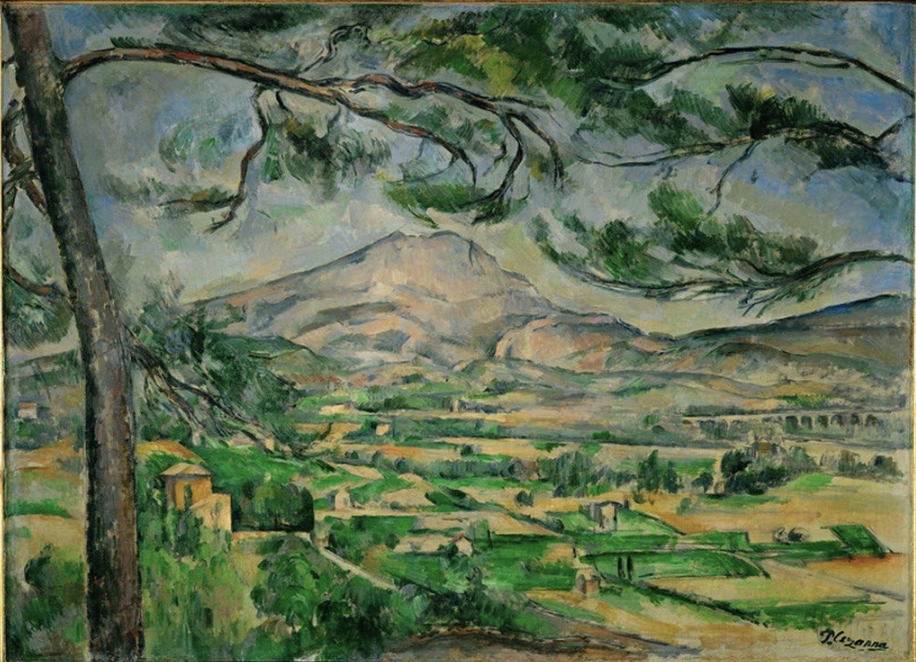
Mont Sainte-Victoire (1885-1887)
Paul Cèzanne
oil on canvas
Provence
1885-1887
example of “synthesis period” of his work
thinking about shapes and not realism
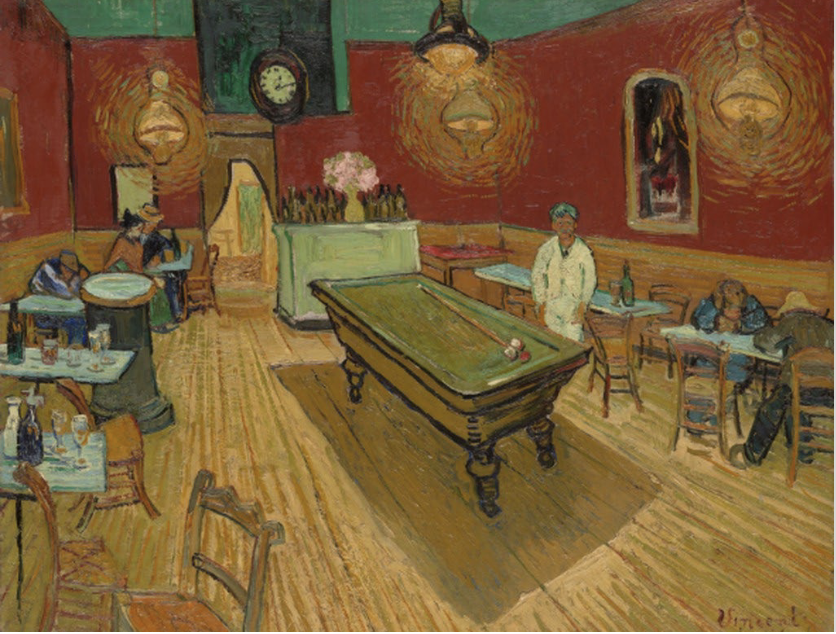
The Night Café (1888)
Vincent van Gogh
oil on canvas
1888
Arles
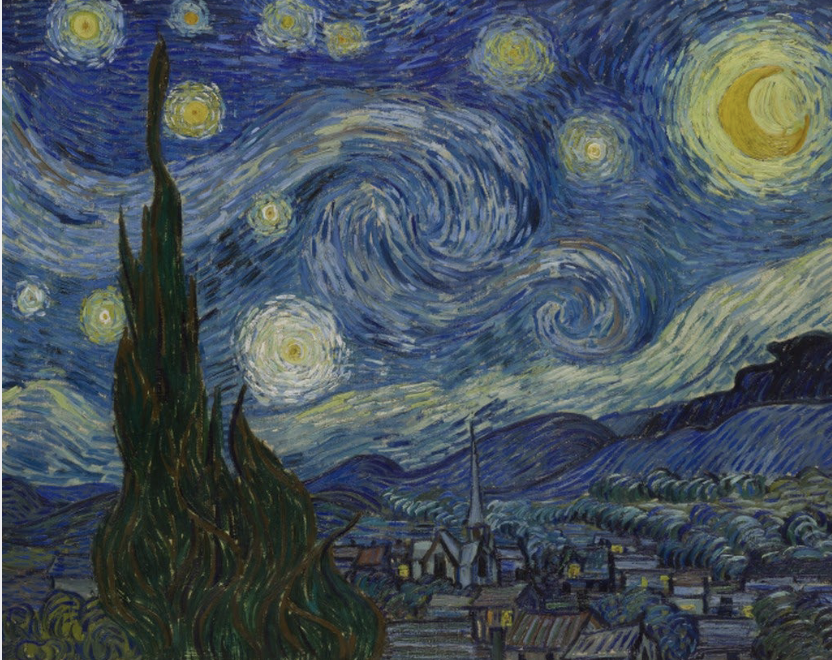
The Starry Night (1889)
Vincent van Gogh
1889
oil on canvas
Saint-Rémy
painted view of his window from asylum
shortly before committing suicide
dimension of the paint
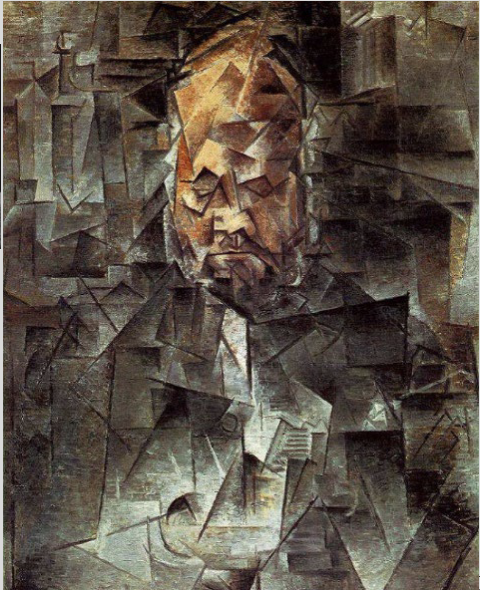
Portrait of Ambroise Vollard (1910)
Picasso
oil on canvas
1910
cubism
representing everything inside and out about the subject; best done through fragmentation
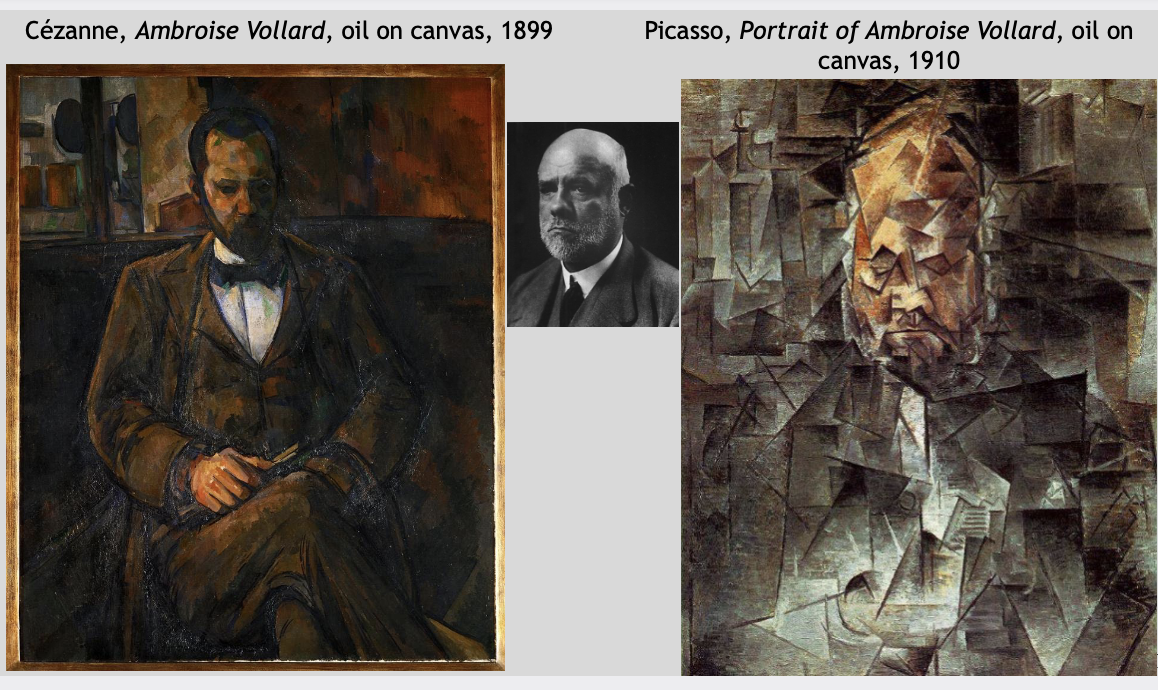
Cubism (and analytic cubism)
an early 20th century art movement that rejected naturalistic depictions, preferring compositions of shapes and forms abstracted from the conventionally perceived world
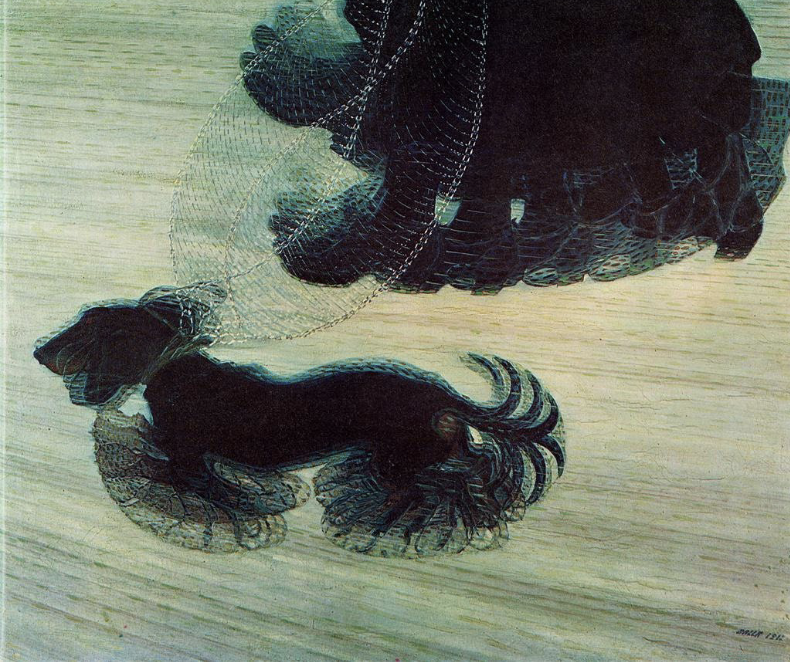
Dynamism of a Dog on a Leash (1912)
Balla
1912
oil on canvas
same time as chromo-photographic gun
very clear effect of motion on time and space
derived from cubism’s multiple views seen simultaneously
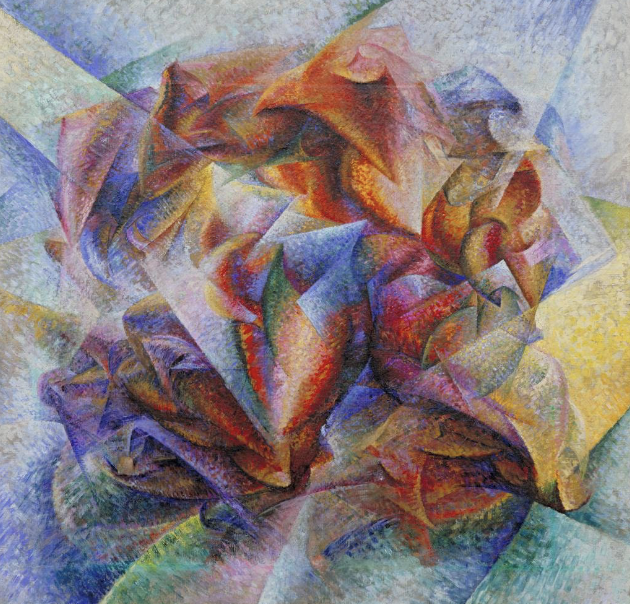
Dynamism of a Soccer Player (1913)
Boccioni
oil on canvas
1913
focus is on the motion and dynamism, not realism
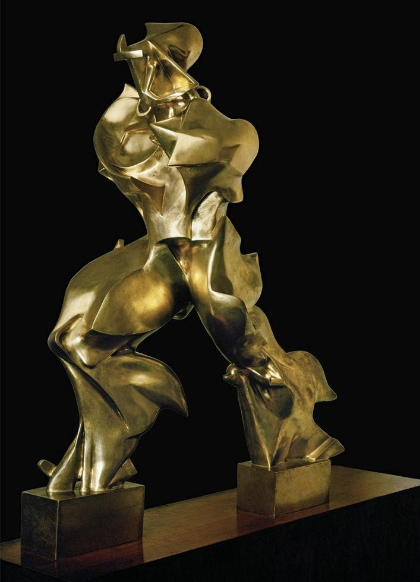
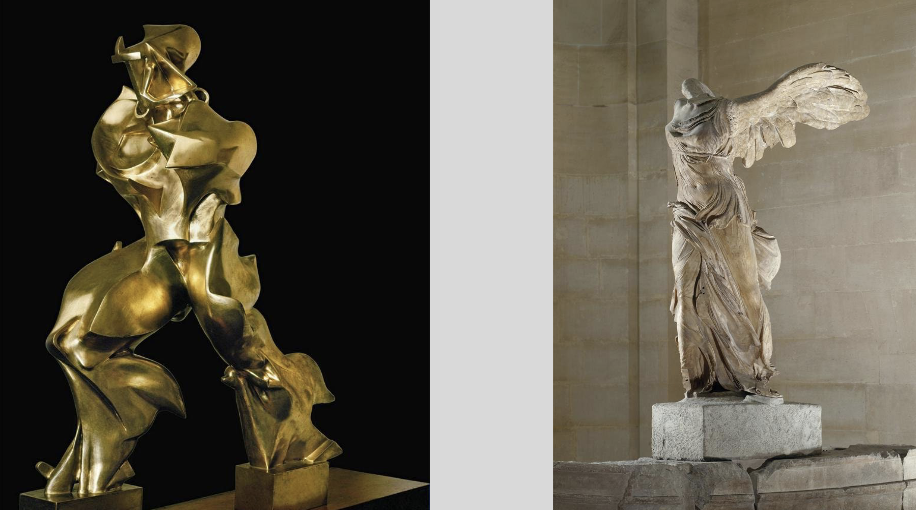
Unique Forms of continuity in Space, 1913
Boccioni
Bronze
1913
compare with Nike of Samothrace (BC 190)
considered the peak of futurism
Pittura Metafisica
an early 20th century Italian art movement led by Giorgio de Chirico, whose work conveys an eerie mood and visionary quality; shows enigmatic, dreamlike imagery typically marked by unreal lighting, impossible linear perspective, and strange symbolist iconography
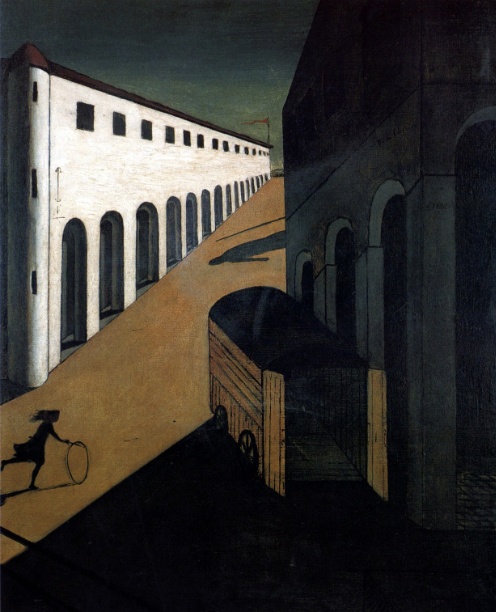
Melancholy and Mystery of a Street (1914)
Giorgio de Chirico
oil on canvas
1914
impending danger
perspective off (but not at first noticeable)
light and dark
innocence
 Note
Note  Flashcards (24)