King Lear: Medical Humanities, Dementia, and Literary Analysis
 Studied by 0 people
 Call Kai
 Learn
Learn Practice Test
 Spaced Repetition
 Match
Match Flashcards
 Knowt Play
1/63

There's no tags or description
Looks like no tags are added yet.
Name | Mastery | Learn | Test | Matching | Spaced | Call with Kai |
|---|
No analytics yet
Send a link to your students to track their progress
64 Terms
In the context of the lecture on King Lear, what is the primary goal of the Critical Medical Humanities approach?
It combines literature and medicine to understand medical phenomena with greater specificity and explore the human experience of illness.

According to the lecture, viewing dementia in King Lear as a metaphor suggests it represents the bewildering and destabilizing nature of the _____.
human condition
What is one cognitive argument FOR the theory that Lear has dementia?
He exhibits a failing memory and gets stuck in thought loops (idée fixe).

What is a major counterargument to the theory that Lear has dementia, based on his circumstances?
His irrationality is justified by the extreme betrayal from his daughters and being left in a storm.

The parallel decline of which character is used as an argument that Lear is simply aging normally?
Gloucester
In Shakespeare's time, what were the two 'distempers' or humoral imbalances associated with dementia-like symptoms?
Choleric (irrational, irritable) and Phlegmatic (lethargy, weakness).

In the humoral theory discussed, an excess of yellow bile was associated with the _____ humor.
choleric
In Act 1, when Kent says, "Kill thy physician, and thy fee bestow / Upon the foul disease," what is he implying about Lear's behavior?
He implies that Lear's problem is medical, not just a flaw of personality, and it's not being properly treated.
In Act 2, Scene 4, Lear theorizes about Cornwall's refusal to see him, stating, "We are not ourselves / When nature, being oppressed, commands the mind / To suffer with the body." What connection between mind and body does this show?
Lear believes that physical illness or suffering directly causes the mind to suffer and leads to irrational behavior.
Lewy body dementia is considered a possible diagnosis for Lear because its symptoms include _____, which align with Lear's moments of lucidity and madness.
fluctuations in cognitive function

According to the lecture, what specific type of planning problem does Lear exhibit that supports a Lewy body dementia diagnosis?
His rash decision to get rid of his kingdom and power, which he immediately regrets.
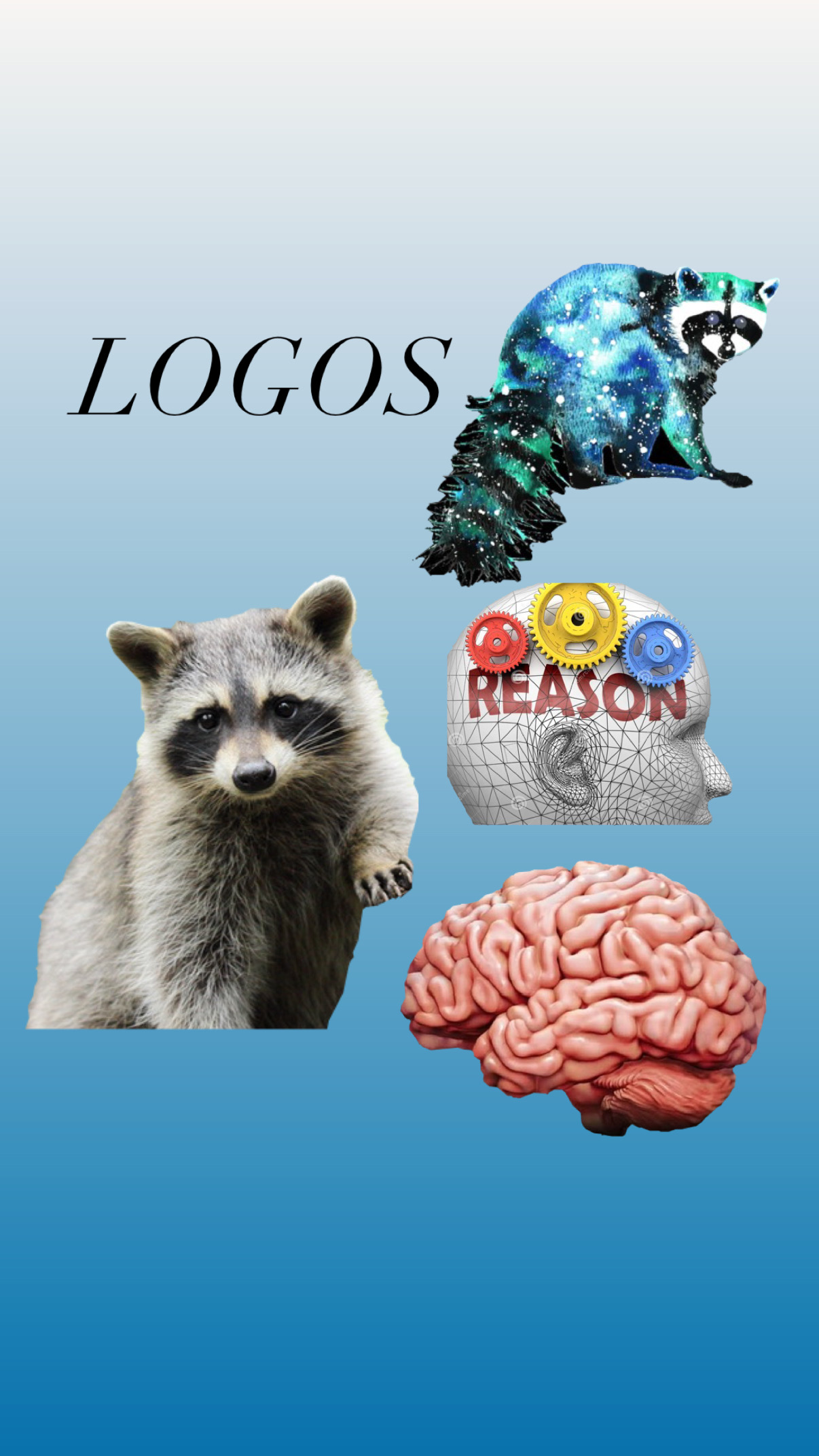
According to Galen's physiological system, the brain was associated with the animal spirit and ____.
Reason (Logos)
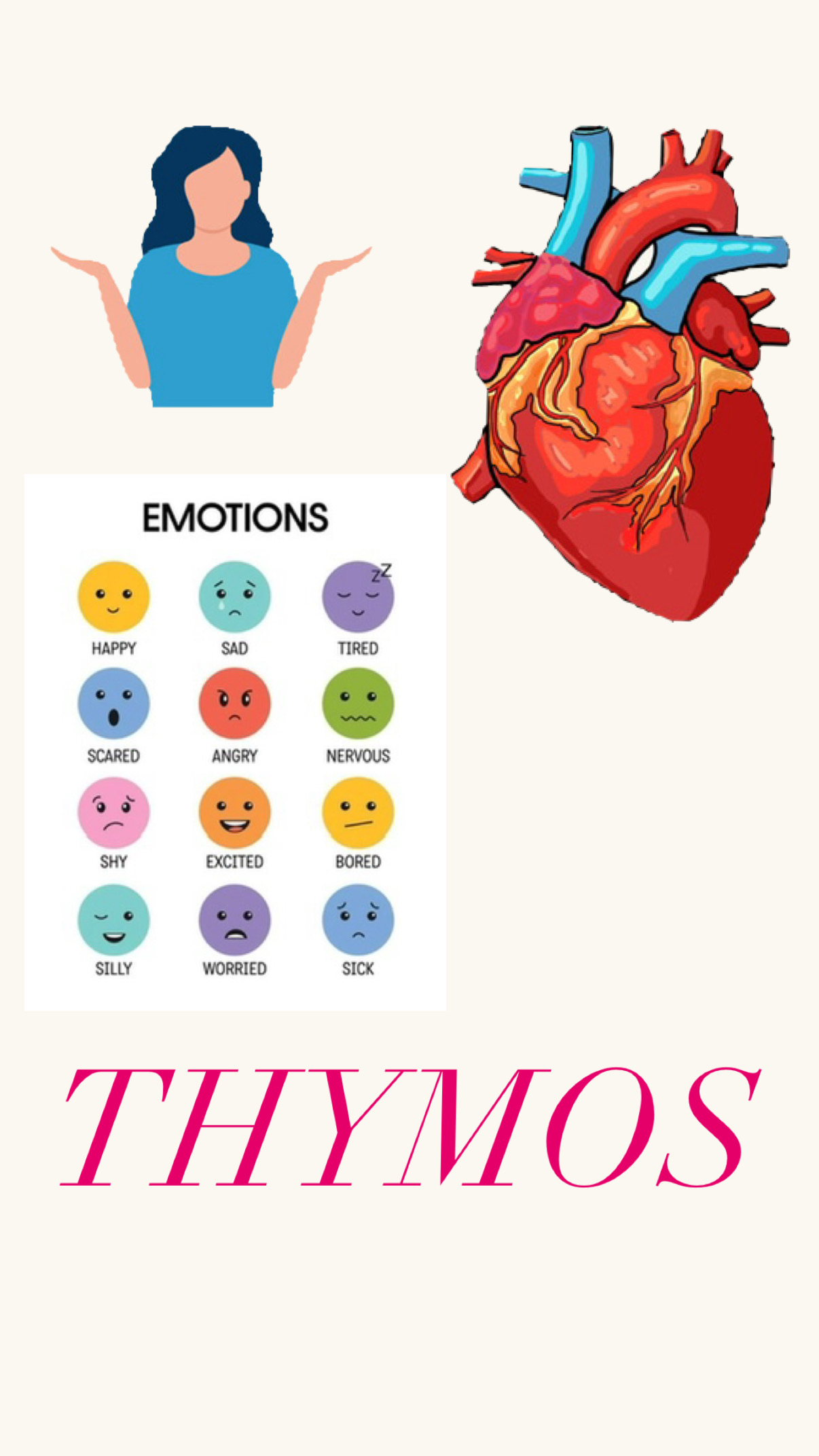
In Galen's system, the heart was the seat of the vital spirit and was associated with _____.
Emotion (Thymos)
When Lear asks Goneril, "Who is it that can tell me who I am?", what is the 'Rhetorical' interpretation of this question?
It's a challenge to his public identity and royal authority, meaning 'Don't you know I am the King?'
When Lear asks, "Who is it that can tell me who I am?", what is the 'Philosophical' interpretation?
It reflects a deeper questioning of his relational self, as in 'Am I a bad father?'
The 'Medical' interpretation of Lear's question, "Who is it that can tell me who I am?", suggests he is in a state of 'bewilderment' and has genuinely forgotten what?
That he gave up his kingdom and is no longer in power.
What is the 'Sage' model of aging in Shakespeare's time?
A venerated, wise, and serene older person who is an active participant in community decision-making.
What is the 'Senex' model of aging in Shakespeare's time?
A foolish, confused old man returning to a 'second childhood,' characterized by petulance and tantrums.
In Jacques' speech from As You Like It, the final stage of life is described as "second childishness and mere oblivion, / Sans teeth, sans eyes, sans taste, _____."
sans everything
How does the Fool describe the power shift between Lear and his daughters, relating to infantilization?
He says Lear has made his daughters his mothers.
In Act 2, Scene 4, Lear feels a physical symptom he calls "Hysterica passio," or "the mother." What was this condition believed to be?
A 'wandering womb' that caused shortness of breath, chest pain, and fainting, typically associated with women.
Why might Lear identify his suffering as a quintessentially female ailment like 'Hysterica passio'?
It reflects the gender reversal where his daughters now hold sovereign power, leaving him in a position of perceived weakness and emotional distress.
What is the literary term for the structure of King Lear that features two older men (Lear and Gloucester) experiencing parallel betrayals and downfalls?
Double helix plot
What is the difference between 'content' and 'form' in literary analysis?
Content is the 'what' of the story (plot, characters), while form is the 'how' (language, imagery, structure).
What literary device describes the formal and stylistic call and response between a character's inner state and the outer world, such as the storm reflecting Lear's rage?
Pathetic fallacy
The storm begins immediately after Cornwall says, "Let us withdraw. 'Twill be a storm," following what climactic emotional moment from Lear?
Lear's declaration that his heart will break before he weeps and his cry, "O Fool, I shall go mad!"
In Act 3, Scene 4, Lear claims the "tempest in my mind" prevents him from feeling the physical storm. What single feeling does he say is occupying all his senses?
Filial ingratitude (the ingratitude of his children).
The obsession with his daughters' ingratitude, even amidst a physical crisis, is an example of what psychological concept mentioned in the lecture?
Idée fixe (a fixed idea or obsession).
During the storm, Lear develops empathy for the poor and homeless, urging powerful people to "Expose thyself to feel what _____ feel."
wretches
According to Robert Burton's The Anatomy of Melancholy, madness could be 'non-native'. What does this mean?
A person can be driven mad as a result of traumatic events, not just from an innate condition.
In the context of Stoicism, madness is viewed as an inability to master one's ____.
passions
When Lear says, "I am not ague-proof," what is he admitting he is not immune to?
The 'diseases' of flattery and hubris.
In the play, what was 'Bedlam'?
A notorious mental hospital in London known for its inhumane conditions, where patients' behavior was a form of entertainment for visitors.
To what does Edgar compare his 'Poor Tom' disguise?
The insane 'Bedlam beggars' who roamed the countryside.
When Lear first sees the disguised Edgar as Poor Tom, what does he assume is the cause of Tom's condition?
He assumes Tom must have given everything to his daughters, just as Lear did.
In Act 4, Scene 6, what is Lear's surprising edict on the crime of adultery?
He declares it should not be a crime punishable by death, arguing that copulation should thrive.
Why does Lear argue that copulation should thrive, even outside of lawful marriage?
Because Gloucester's bastard son (Edmund) was kinder to his father than Lear's own legitimate daughters were.
In his mad speech, Lear claims women are centaurs because they are women above the waist, but below the girdle is "all the _____."
fiends'
What is the metrical term for the standard heartbeat-like rhythm of Shakespeare's verse (e.g., "When I do stare, see how the subject quakes")?
Iamb (or iambic pentameter).
According to the lecture, the breakdown of iambic pentameter into irregular rhythms like trochees and spondees in Lear's speeches often mirrors his loss of _____.
reason
Why does Gloucester, after being blinded, say he wishes he were mad ("Better I were distract")?
So his thoughts would be severed from his griefs, and he could lose knowledge of his own sorrows.
What is the 'remedy' or 'foster-nurse' that the Doctor says Lear needs to restore his senses?
Repose (rest/sleep).
When Lear first awakens in Cordelia's care in Act 4, Scene 7, where does he believe he is?
He believes he has been taken out of the grave and is a soul bound upon a 'wheel of fire' in hell.
How does Lear first react when he recognizes Cordelia after his long sleep?
He thinks she is a spirit and asks where she died.
What does Lear say to Cordelia that shows he accepts his wrongdoing and her right to be angry?
He says he knows she does not love him, and if she has poison for him, he will drink it, as she has cause for her feelings while her sisters do not.
What idyllic future does Lear imagine for himself and Cordelia in prison in Act 5, Scene 3?
They will sing like birds in a cage, tell old tales, and laugh at court news and politics.
What command does Edmund secretly give the Captain regarding Cordelia?
To hang Cordelia in the prison and make it look like a suicide.
In his final moments, what does Lear believe he sees that gives him a moment of false hope?
He believes he sees Cordelia's lips move or a feather stir from her breath, making him think she is alive.
Lear's last line, "Look there, look there," is directed at what sight?
Cordelia's lips, which he seemingly imagines are moving.
Who speaks the final lines of the play?
Edgar
What is the final message Edgar delivers in the play's closing lines?
That they must obey the weight of the sad time and speak what they feel, not what they ought to say.
In Act 2, Scene 4, what advice does the Fool give Kent about following a great wheel?
To let go when it runs down a hill, but to let it draw you after when it goes up the hill.
In the Fool's song, he says he will stay with Lear in the storm while the "_____ man" will fly.
wise
When Lear awakens in Act 4, Scene 7, he says he is a "very foolish fond old man, / _____ and upward."
Fourscore (eighty)
When Gloucester is being blinded, Regan calls Lear the '_____ king'.
lunatic
In his mad rage on the heath, Lear yells at the storm to "Crack nature's molds, all _____ spill at once / That makes ingrateful man."
germens (seeds)
When Lear encounters the blinded Gloucester in Act 4, Scene 6, he tells him he can see how the world goes with no eyes, but should look with his _____.
ears
What does Lear realize about authority after seeing a farmer's dog bark at a beggar?
That authority is arbitrary and powerful, stating "a dog's obeyed in office."
Lear's line "Robes and furred gowns hide all" refers to what idea about justice?
That wealth and high status can conceal sins and crimes that would be punished in the poor.
After Cordelia is hanged, Lear boasts to Kent that he killed the '_____' that was hanging her.
slave
In his grief over Cordelia's death, Lear questions why a dog, a horse, or a rat should have life, but she has no _____ at all.
breath
At the end of the play, what journey does Kent say he must go on?
A journey to death, to follow his master, Lear.
In his mad state, Lear tells Gloucester to get himself '_____ eyes' and act like a devious politician, pretending to see things he does not.
glass
What does Goneril tell her father, calling him an 'idle old man'?
That 'old fools are babes again' and must be controlled with checks and flatteries.
 Note
Note  Flashcards (43)