Motivation
 Call Kai
 Learn
Learn Practice Test
 Spaced Repetition
 Match
Match Flashcards
 Knowt Play
1/26

There's no tags or description
Looks like no tags are added yet.
Name | Mastery | Learn | Test | Matching | Spaced | Call with Kai |
|---|
No analytics yet
Send a link to your students to track their progress
27 Terms
Drive
internal forces that PUSHES to do something
incentive
external object, event, or context that PULLS to do something
Stimulus - stimulus associations
(bar → food)
stimulus - response
(see the bar → press the bar)
Response - Reinforce
(press the bar → get the food)
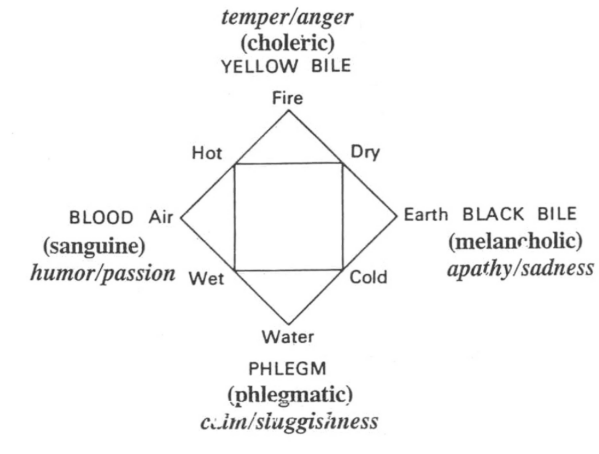
Humoral Doctrine
motivations are constrained by temporal variables
reflex theory
looking at something as it passes
sEr = sHr X D
the excitatory potential of a stimulus to elicit a response (sEr) = the habit strength of that
response (sHr) X the intensity of the drive state (D).
This theory does not work (rats wheel running estrous cycle)
B.F. Skinner Behaviorism
behavior is determined by its consequences (no internal mechanisms)
Also not true
operant
changes the environment or your response to the environment
Respondent
behaviors elicited by reflexive or conditioned stimuli
Fixed ratio reinforcement
reinforcement after a fixed number of responses (not resistant to extinction)
Variable ratio reinforcement
reinforcement after unpredictable number of responses (gambling)
Fixed interval reinforcement
First response is reinforced after set time (not resistant to extinction
Variable interval reinforcement
reinforced after unpredictable amount of time has passed (high resistance to extinction)
Dethier
internal state governs response to external stimuli
motivation is internal and external
consequences of behavior change internal state (rewire brain)
Teitelbaum’s operant addendum
if an animal can work for something, it really wants it
Alan Epstein
internal, external, and learning factors drive goal-directed behaviors
The Crepsi Effect
More than expected is good, less than expected is bad
Bindra
animals will work for things they do not need
Central Motivational State (CMS)
encourages responses for the initiation of behavior
Toates’ system theory
sensory stimuli, internal factors, memories drive behavior
McFarland’s Isoclines
PULL is highest when drive state is high
Intrinsic Motivation
do things because they feel good (reinforcement does not need to be extrinsic)

