OpenStax Biology 2e Chapter 24 Fungi
 Studied by 0 people
 Call with Kai
 Learn
Learn Practice Test
 Spaced Repetition
 Match
Match Flashcards
 Knowt Play
1/30

There's no tags or description
Looks like no tags are added yet.
Name | Mastery | Learn | Test | Matching | Spaced | Call with Kai |
|---|
No study sessions yet.
31 Terms
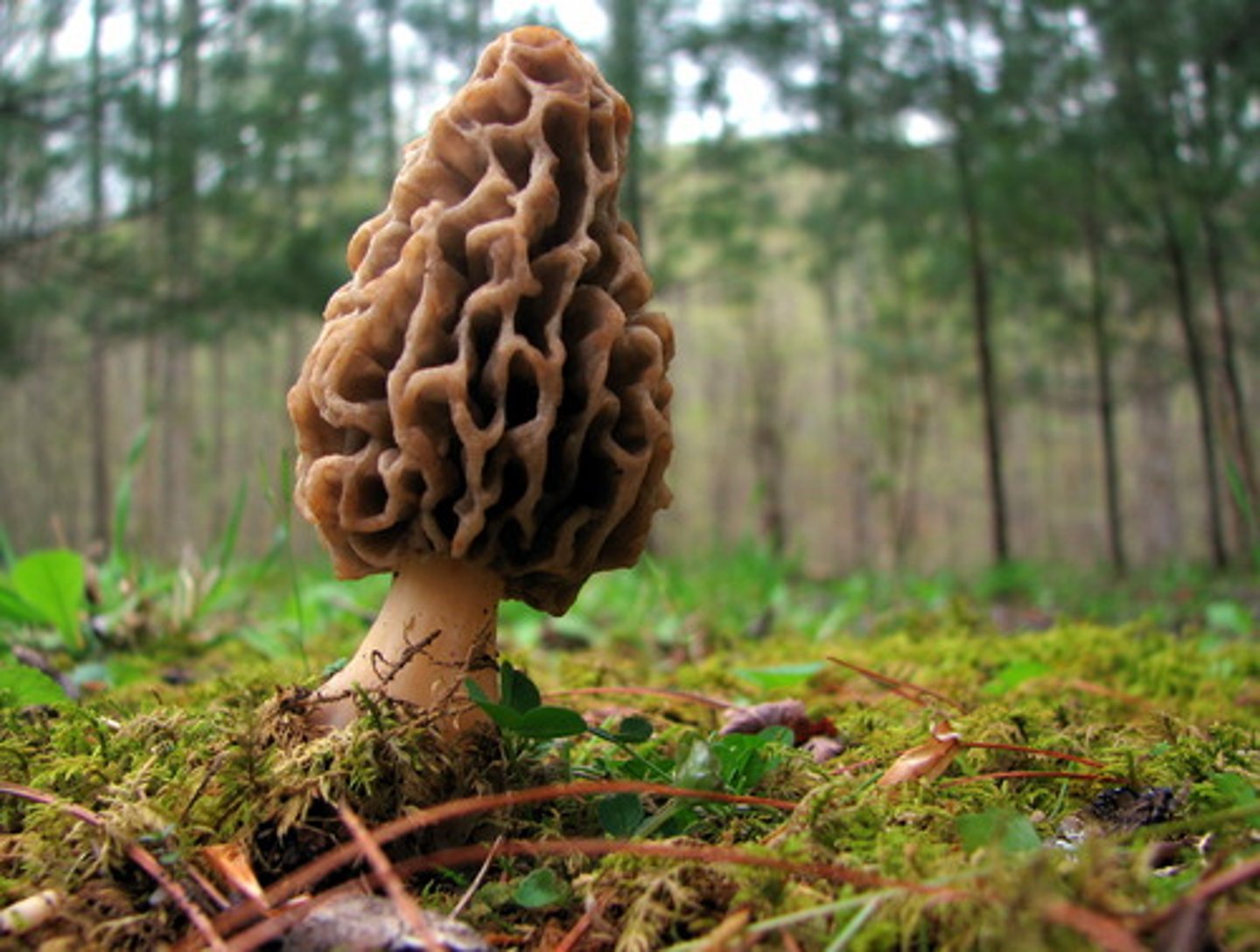
ascocarp
fruiting body of ascomycetes
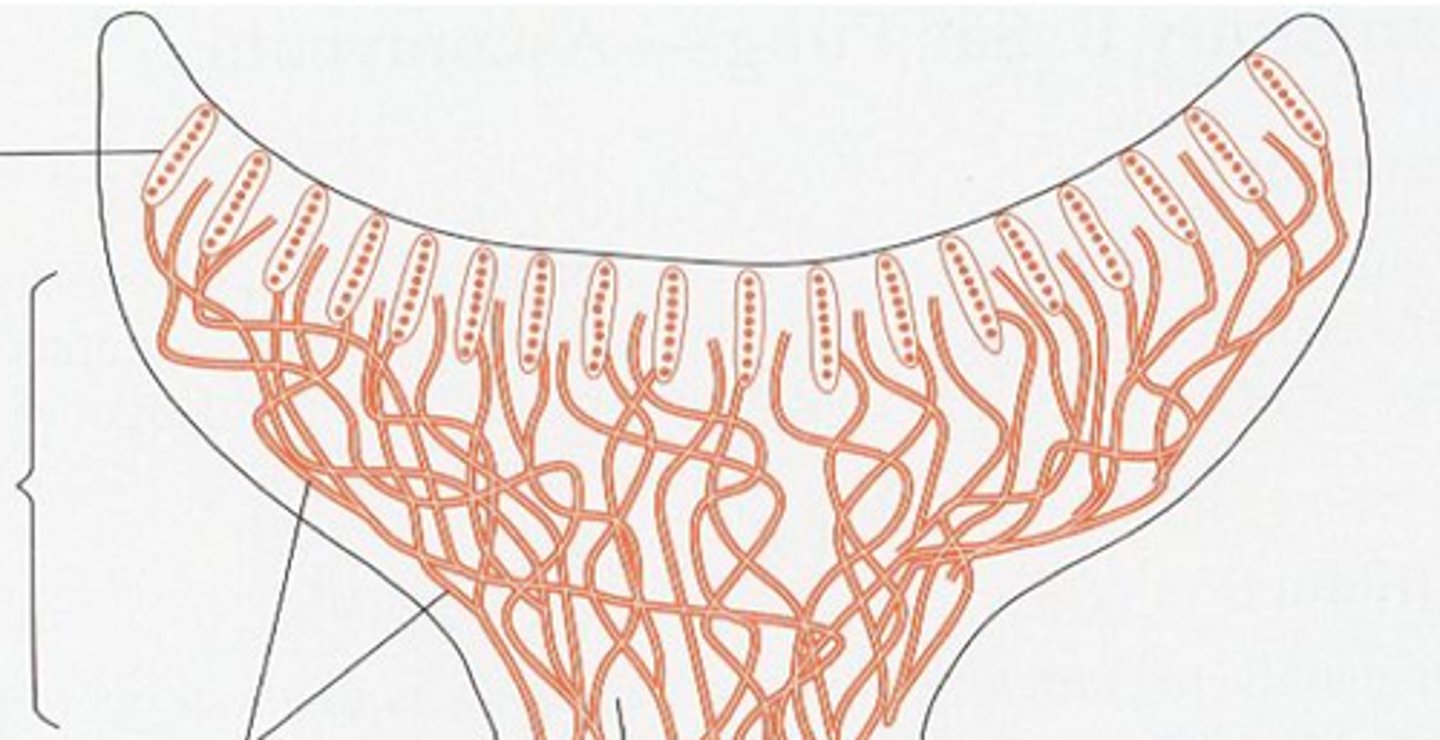
Phylum Ascomycota
phylum of fungi that store spores in a sac called ascus
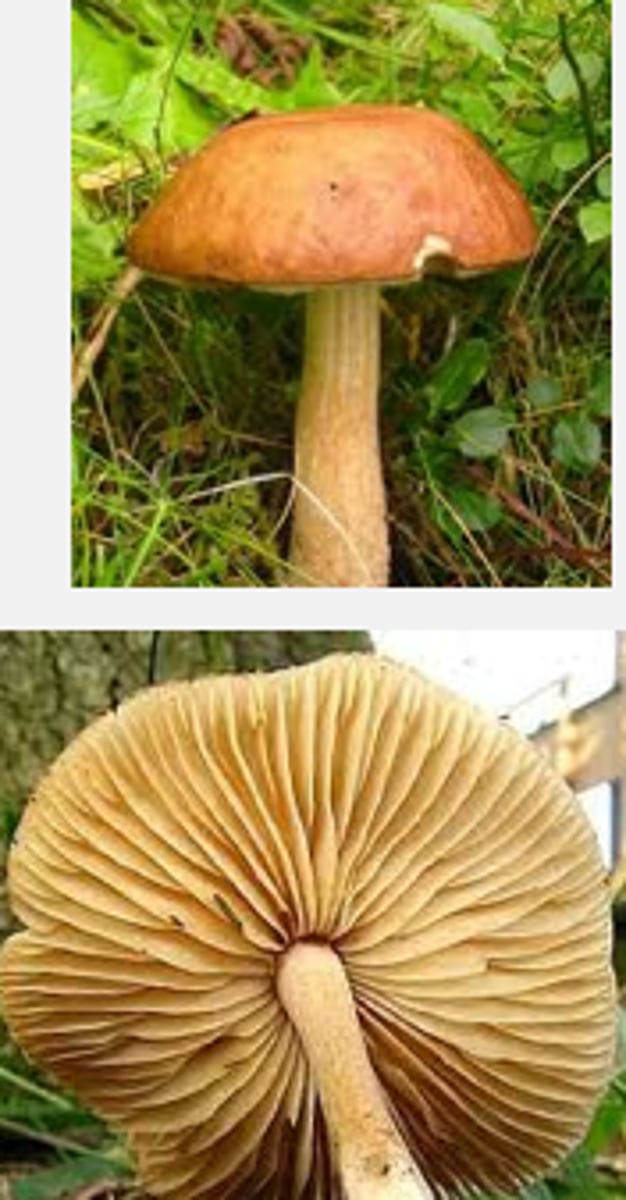
basidiocarp
fruiting body that protrudes from the ground and bears the basidia
Phylum Basidiomycota
phylum of fungi that produce club-shaped structures (basidia) that contain spores
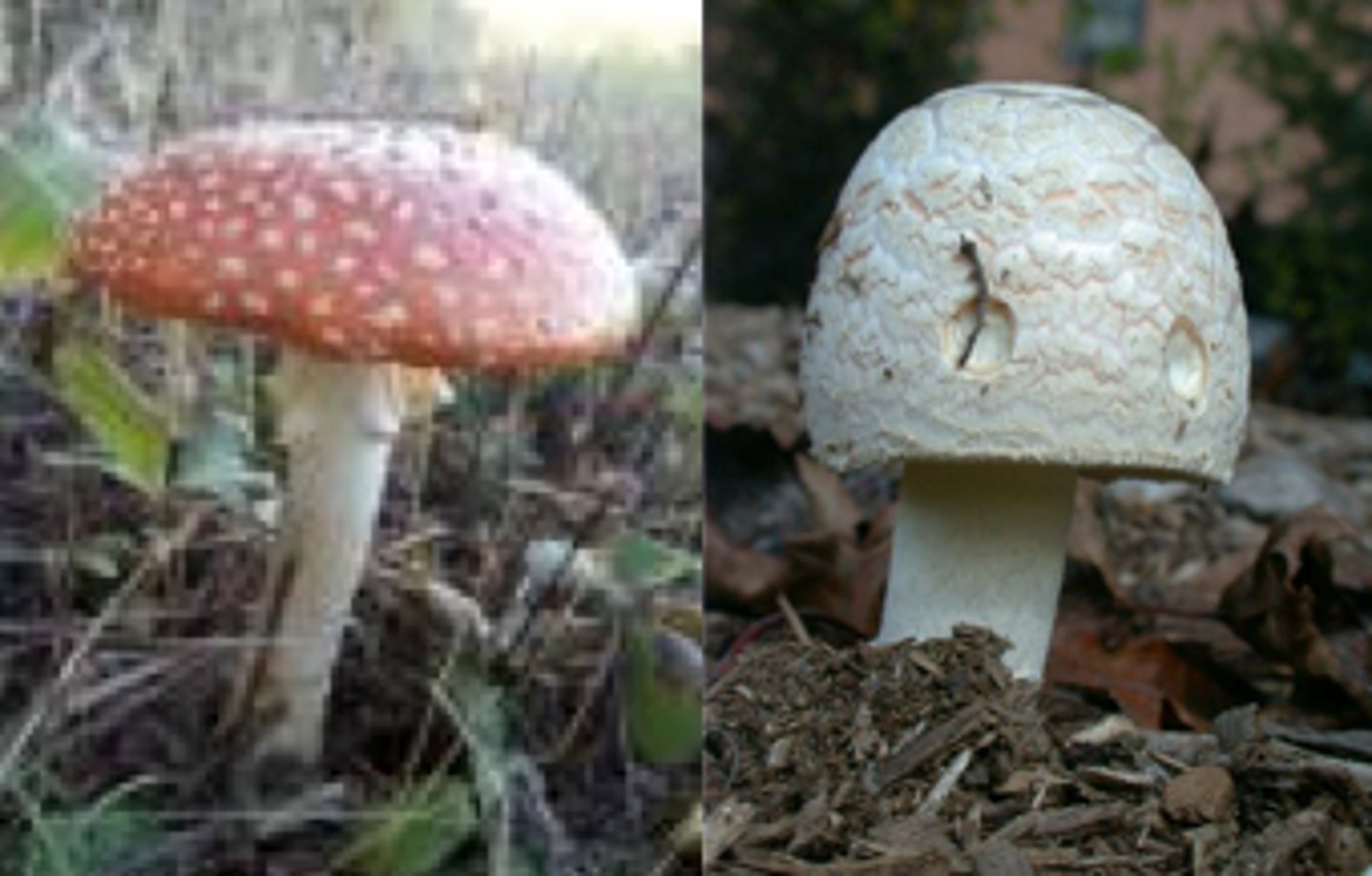
Phylum Chytridiomycota
primitive phylum of fungi that live in water and produce gametes with flagella
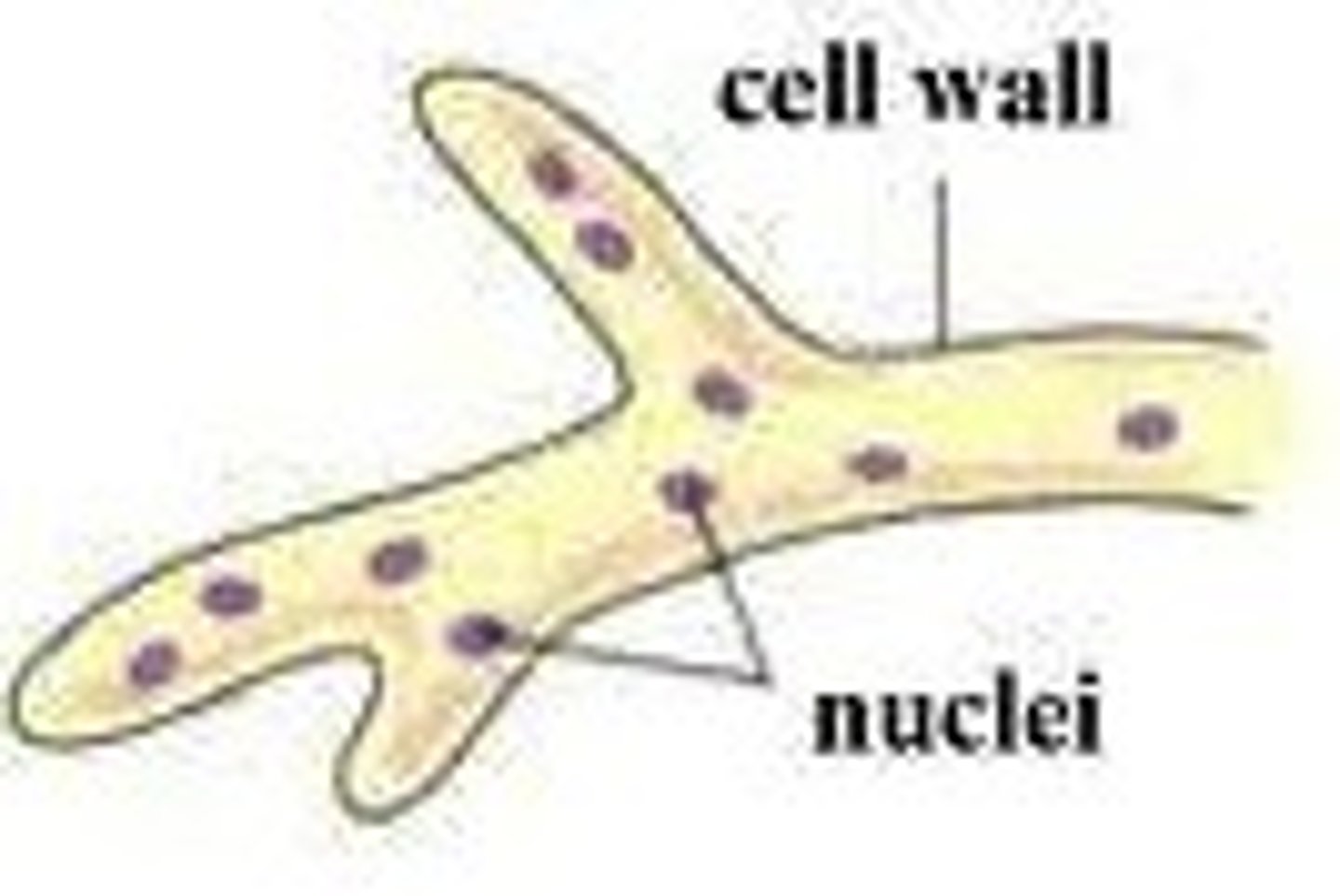
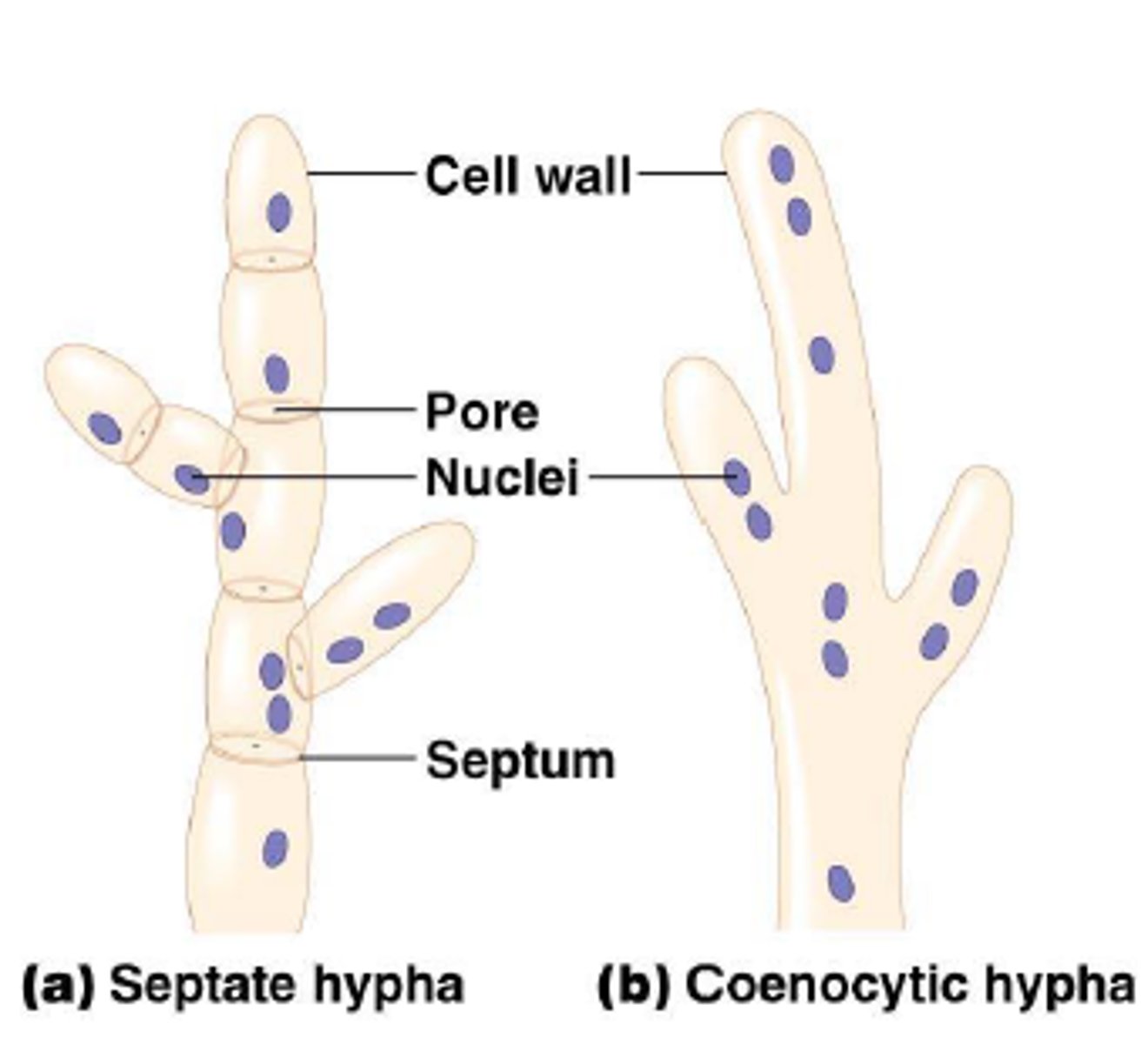
coenocytic hypha
single hypha that lacks septa and contains many nuclei
commensalism
symbiotic relationship in which one member benefits while the other member is not affected

Phylum Deuteromycota
former form phylum of fungi that do not have a known sexual reproductive cycle (presently members of two phyla: Ascomycota and Basidiomycota)

Ectomycorrhizae
mycorrhizae in which the fungal hyphae do not penetrate the root cells of the plant
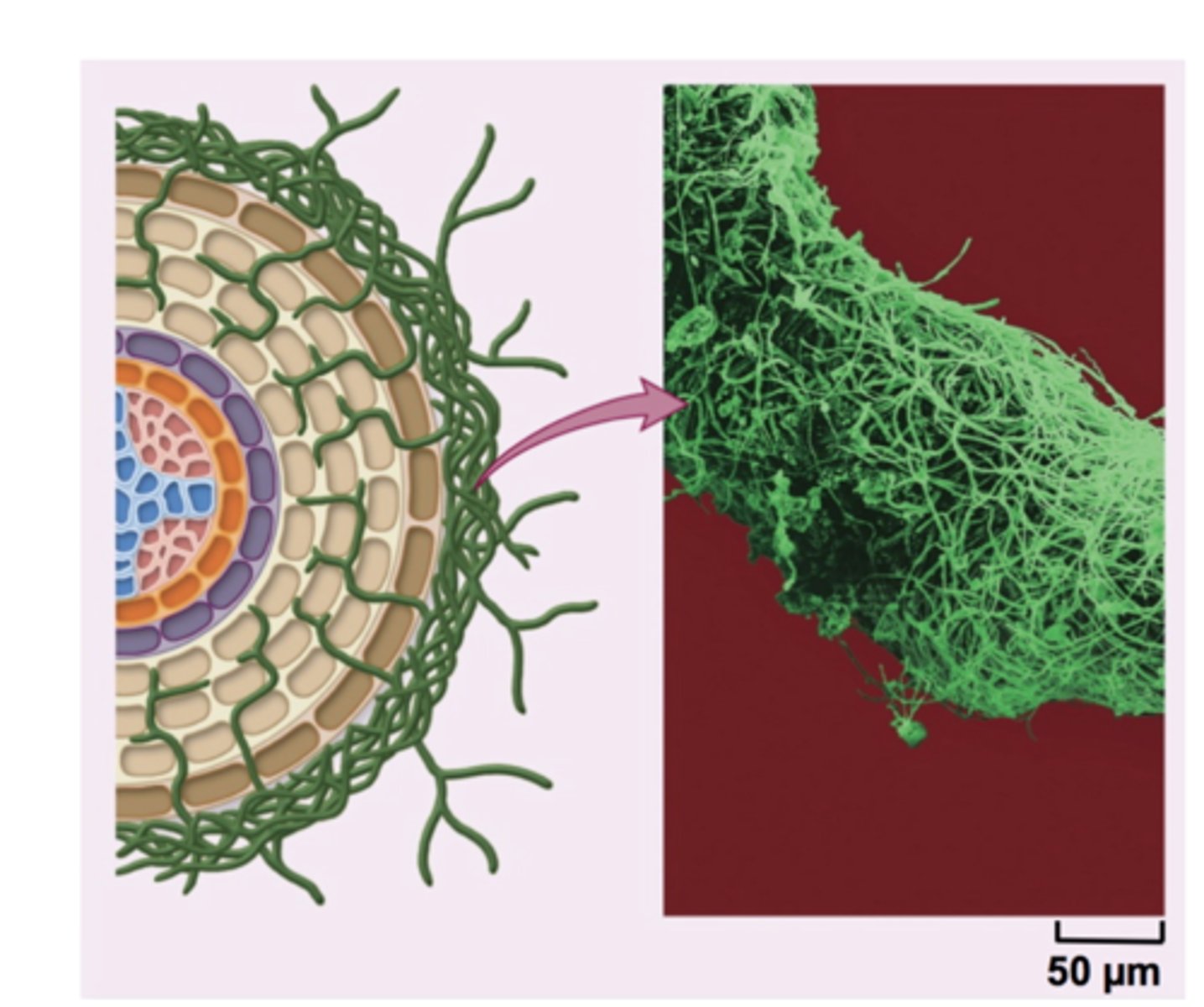
facultative anaerobes
organisms that can perform both aerobic and anaerobic respiration and can survive in oxygen-rich and oxygen-poor environment

Phylum Glomeromycota
phylum of fungi that form symbiotic relationships with the roots of trees
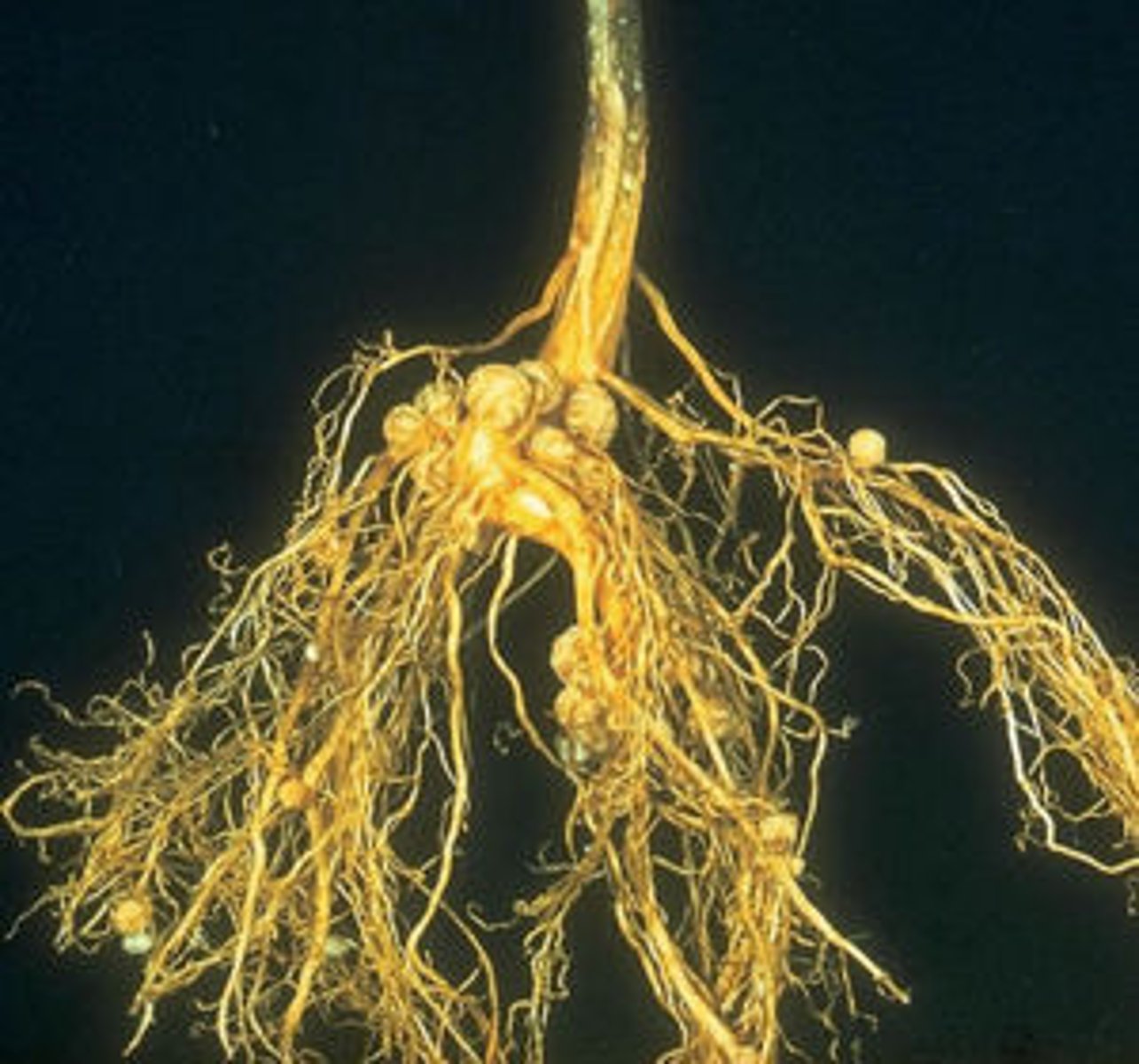
hypha
fungal filament composed of one or more cells
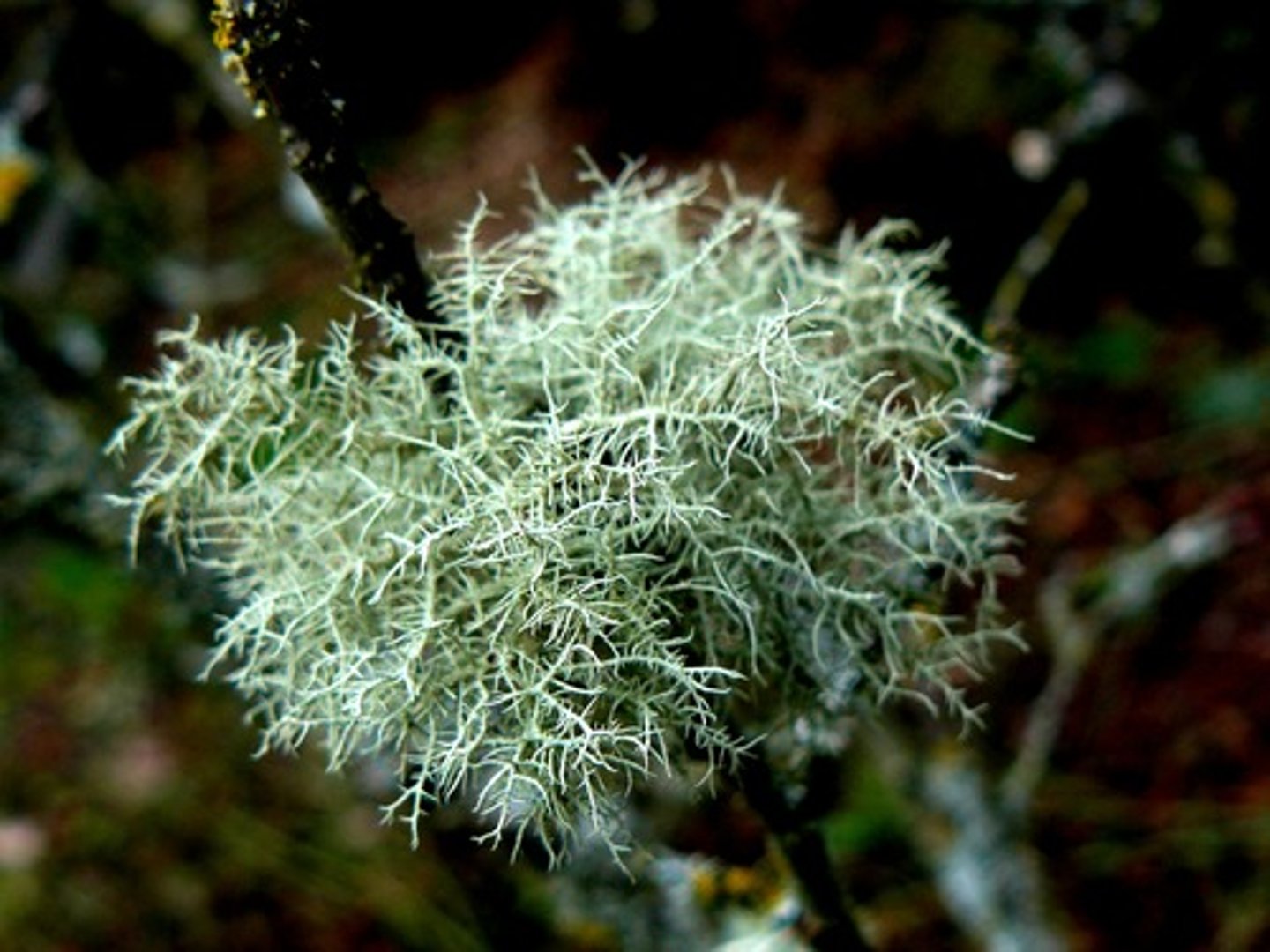
lichen
close association of a fungus with a photosynthetic alga or bacterium that benefits both partners
mold
tangle of visible mycelia with a fuzzy appearance

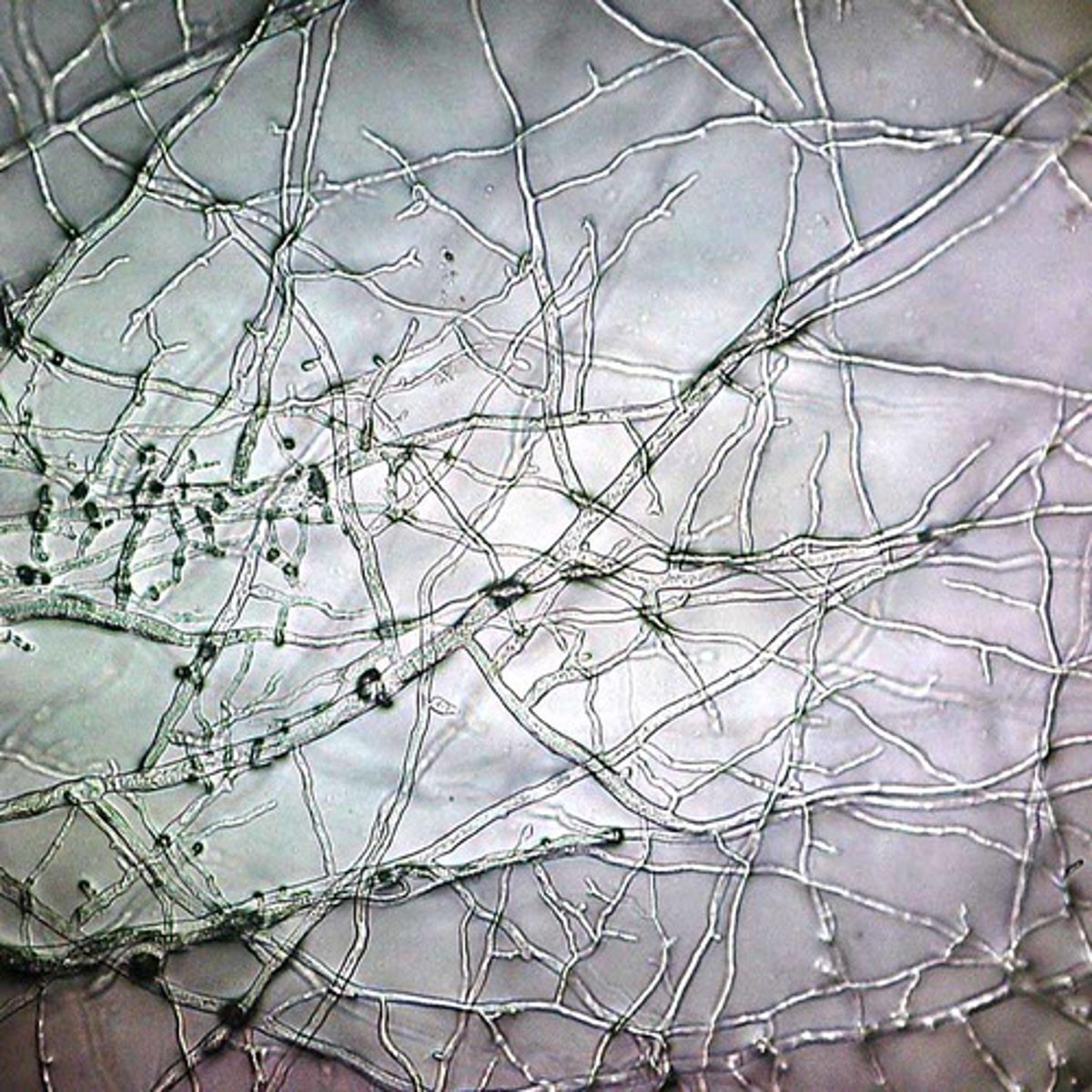
mycelium
mass of fungal hyphae
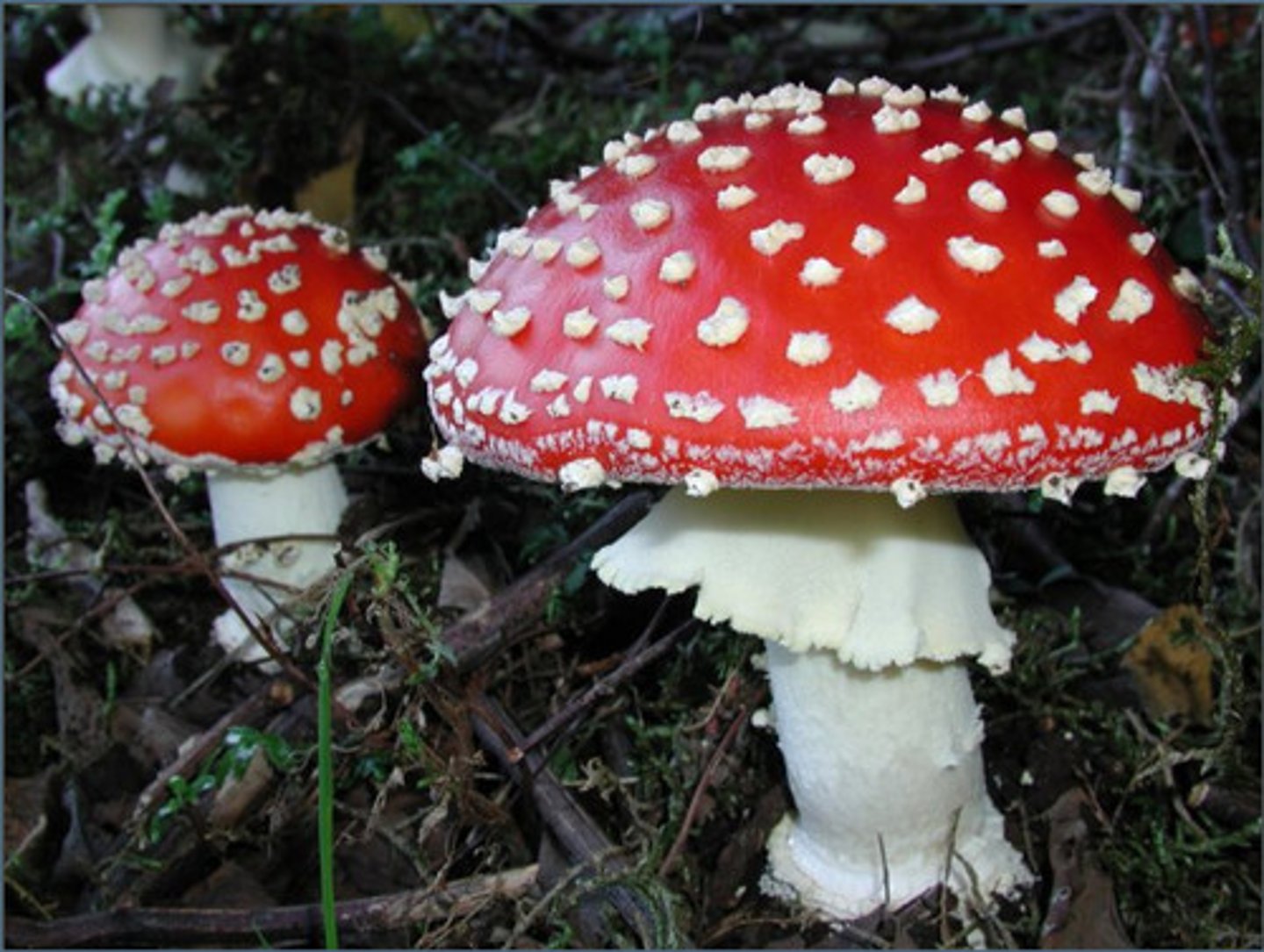
mycetismus
ingestion of toxins in poisonous mushrooms
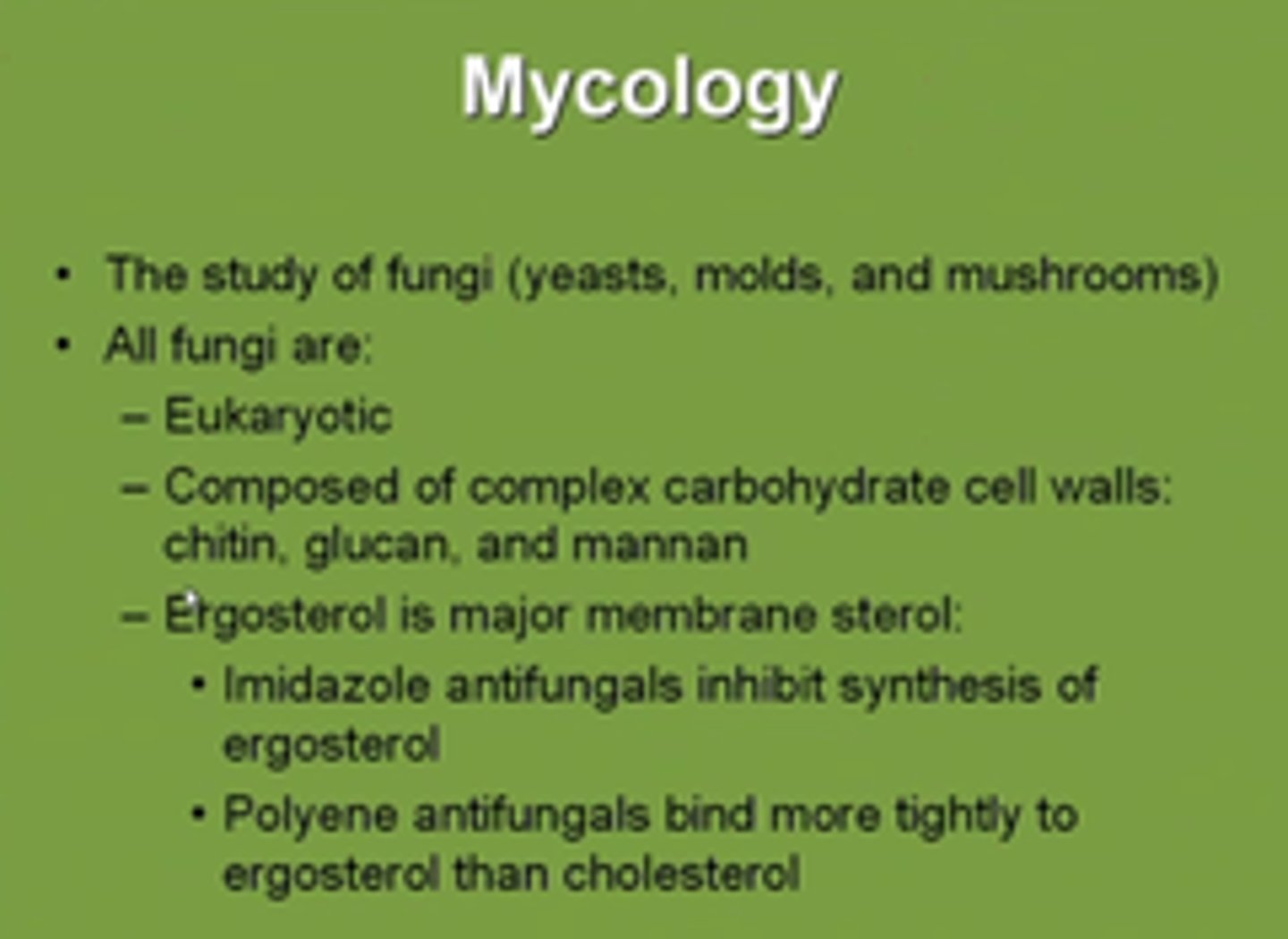
mycology
scientific study of fungi
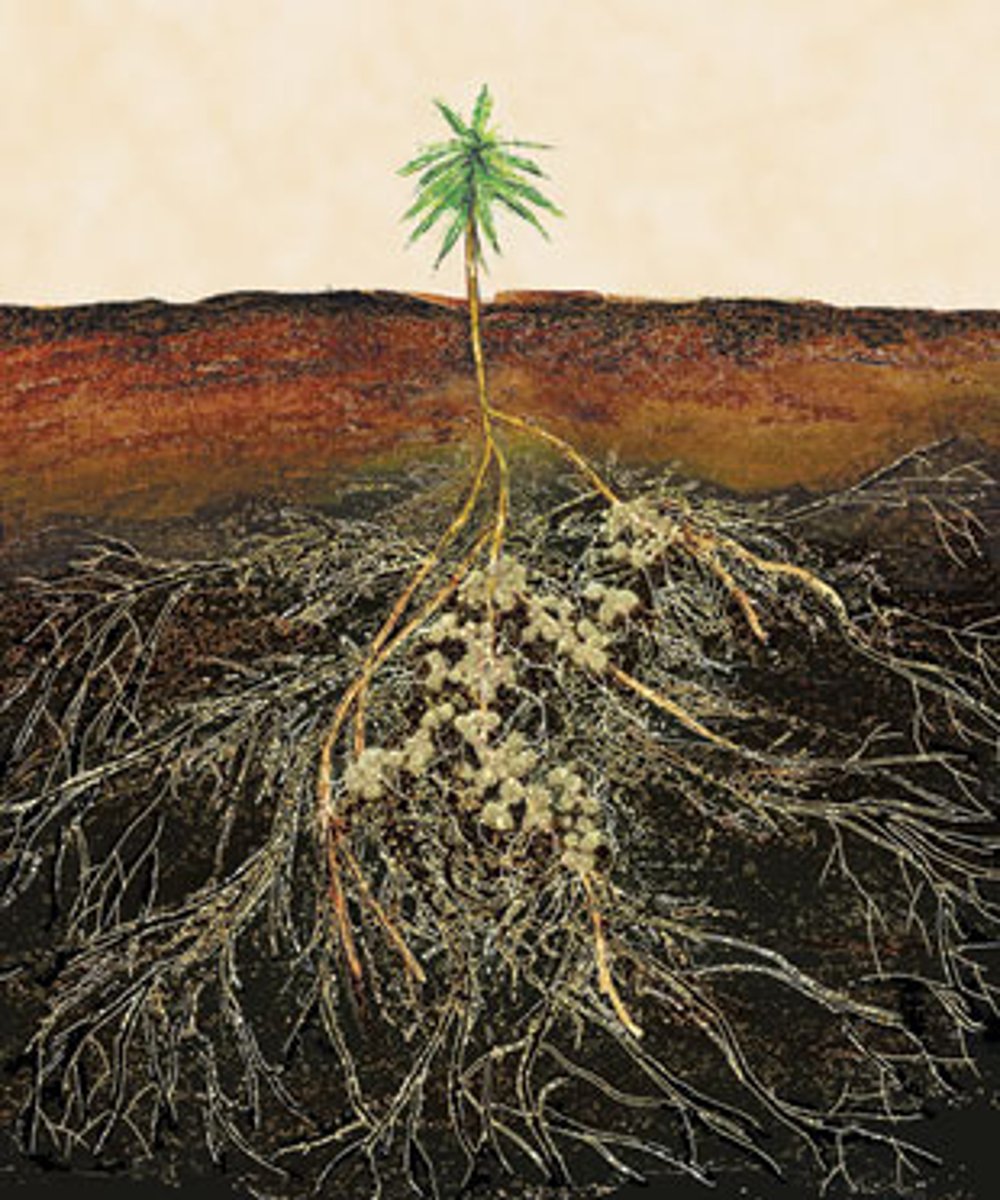
mycorrhizae
a mutualistic relationship between a plant and a fungus. Mycorrhizae are connections between fungal hyphae, which provide soil minerals to the plant, and plant roots, which provide carbohydrates to the fungus
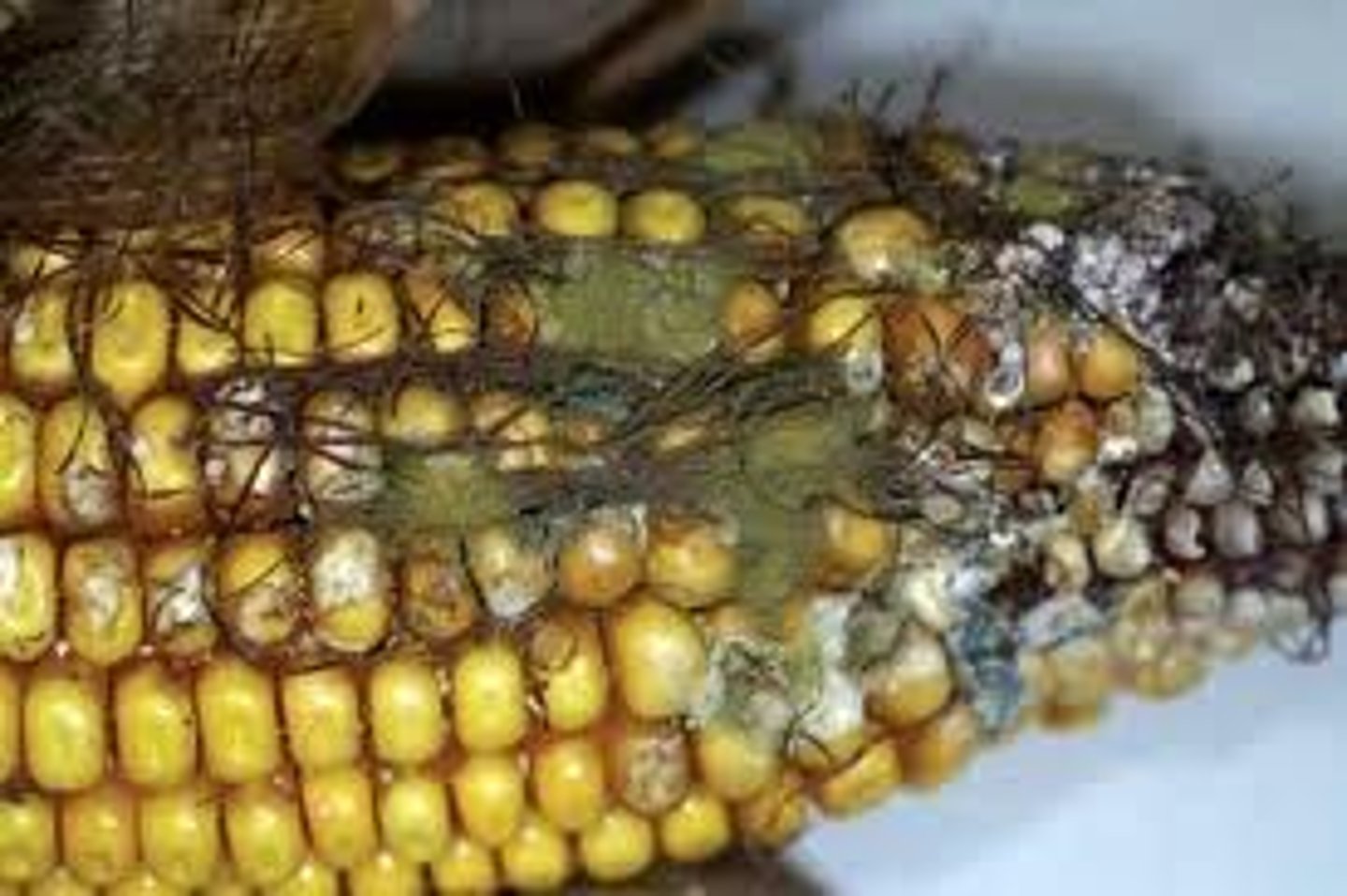
mycosis
fungal infection

mycotoxicosis
poisoning by a fungal toxin released in food
obligate aerobes
organisms, such as humans, that must perform aerobic respiration to survive

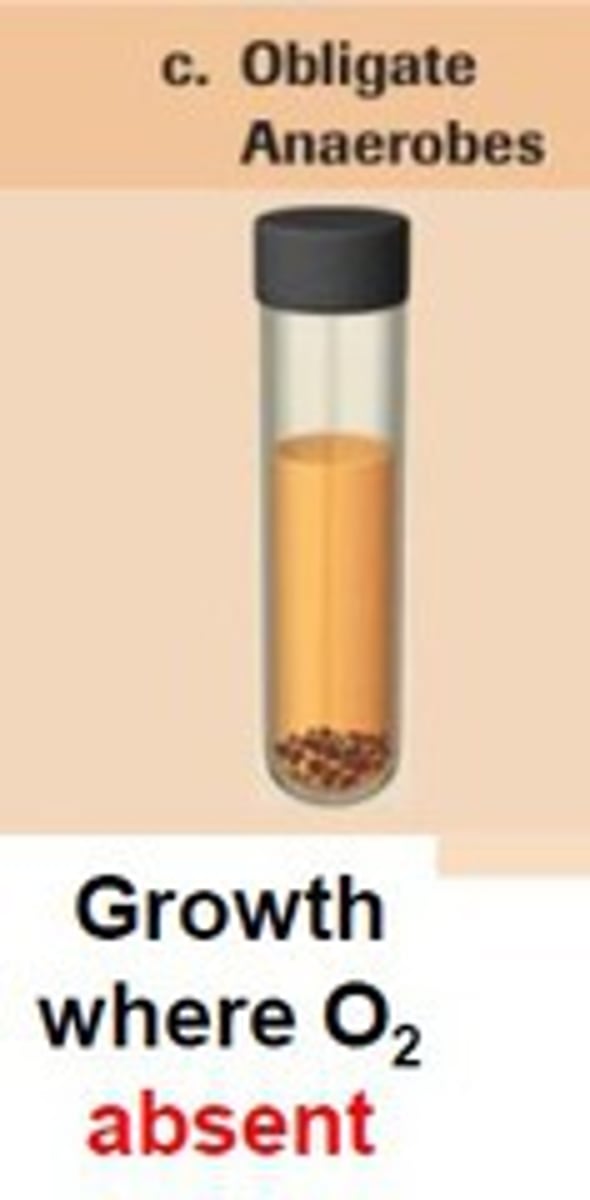
obligate anaerobes
organisms that only perform anaerobic respiration and often cannot survive in the presence of oxygen
parasitism
symbiotic relationship in which one member of the association benefits at the expense of the other
saprobe
organism that derives nutrients from decaying organic matter; also saprophyte
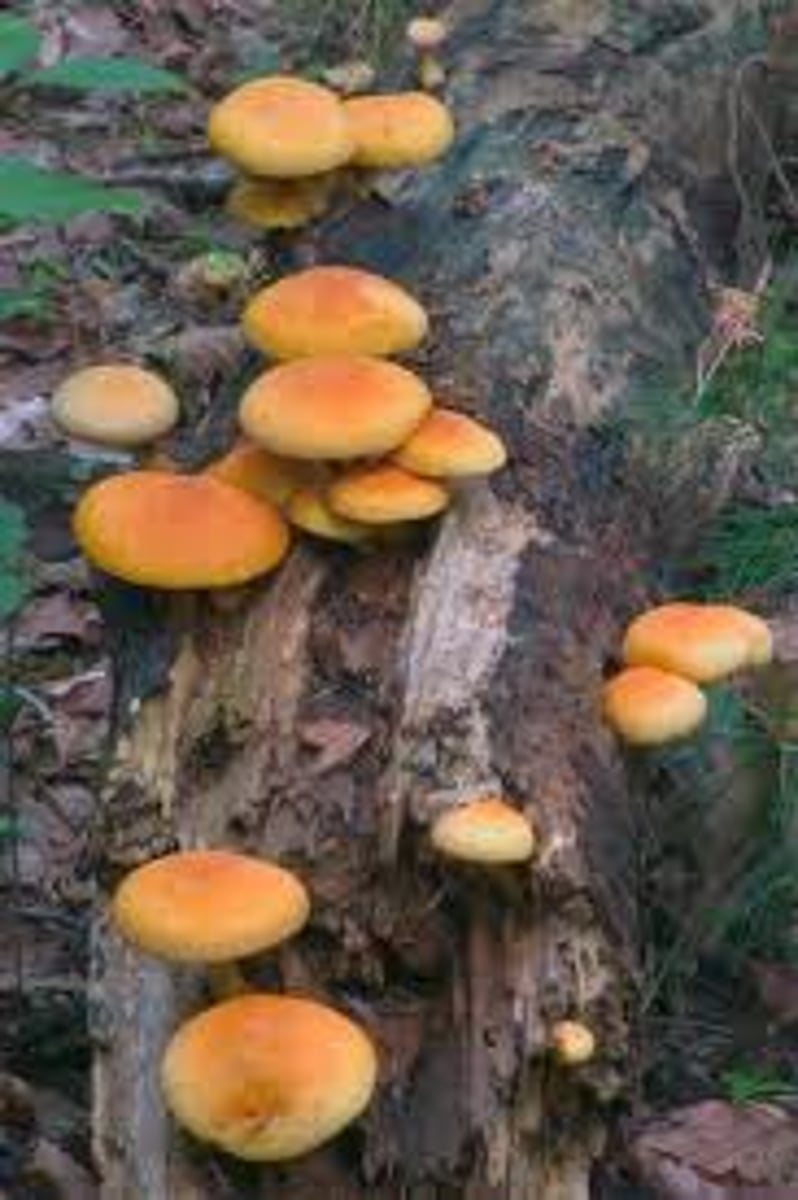
septa
cell wall division between hyphae
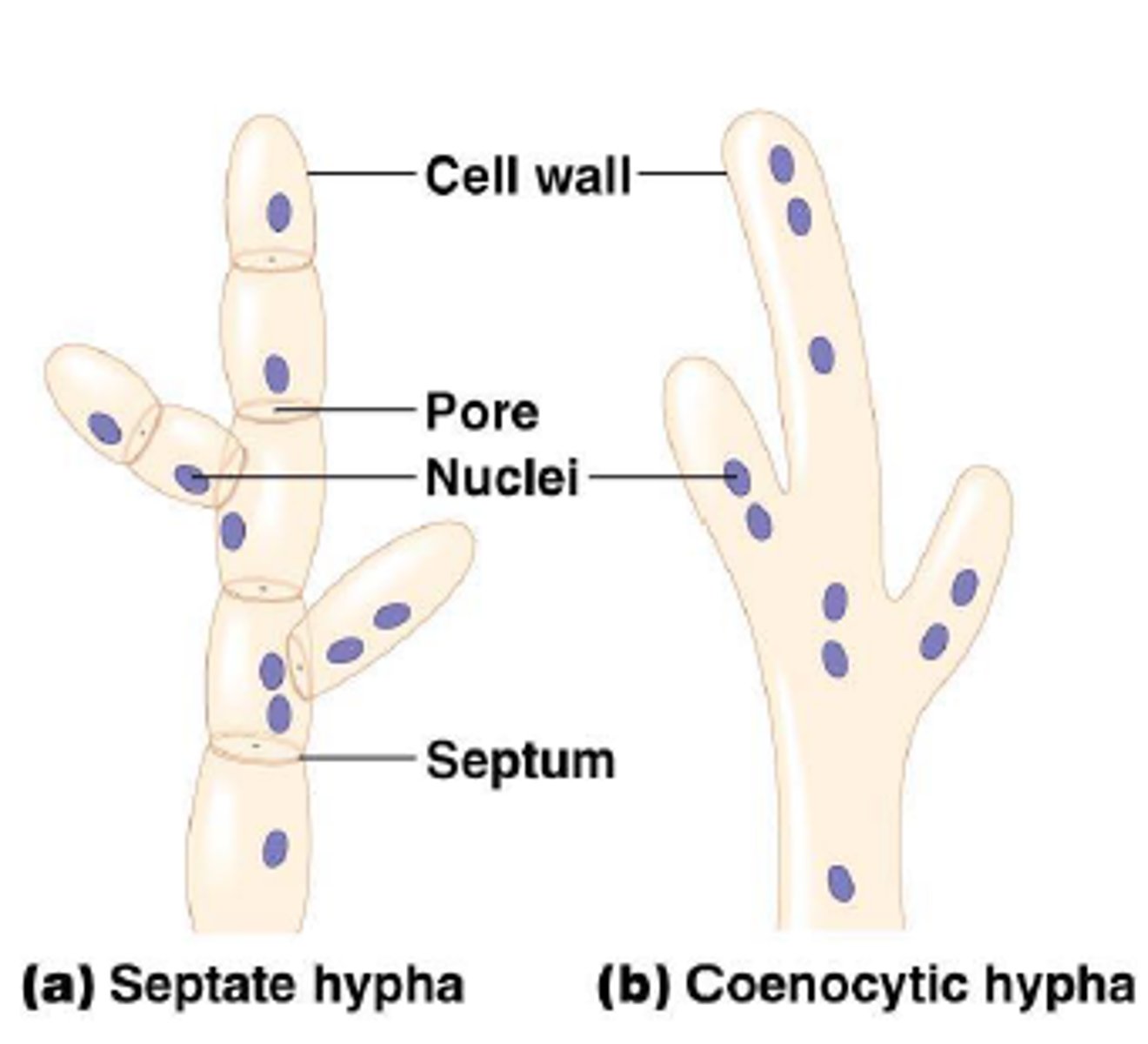
sporangium
reproductive sac that contains spores
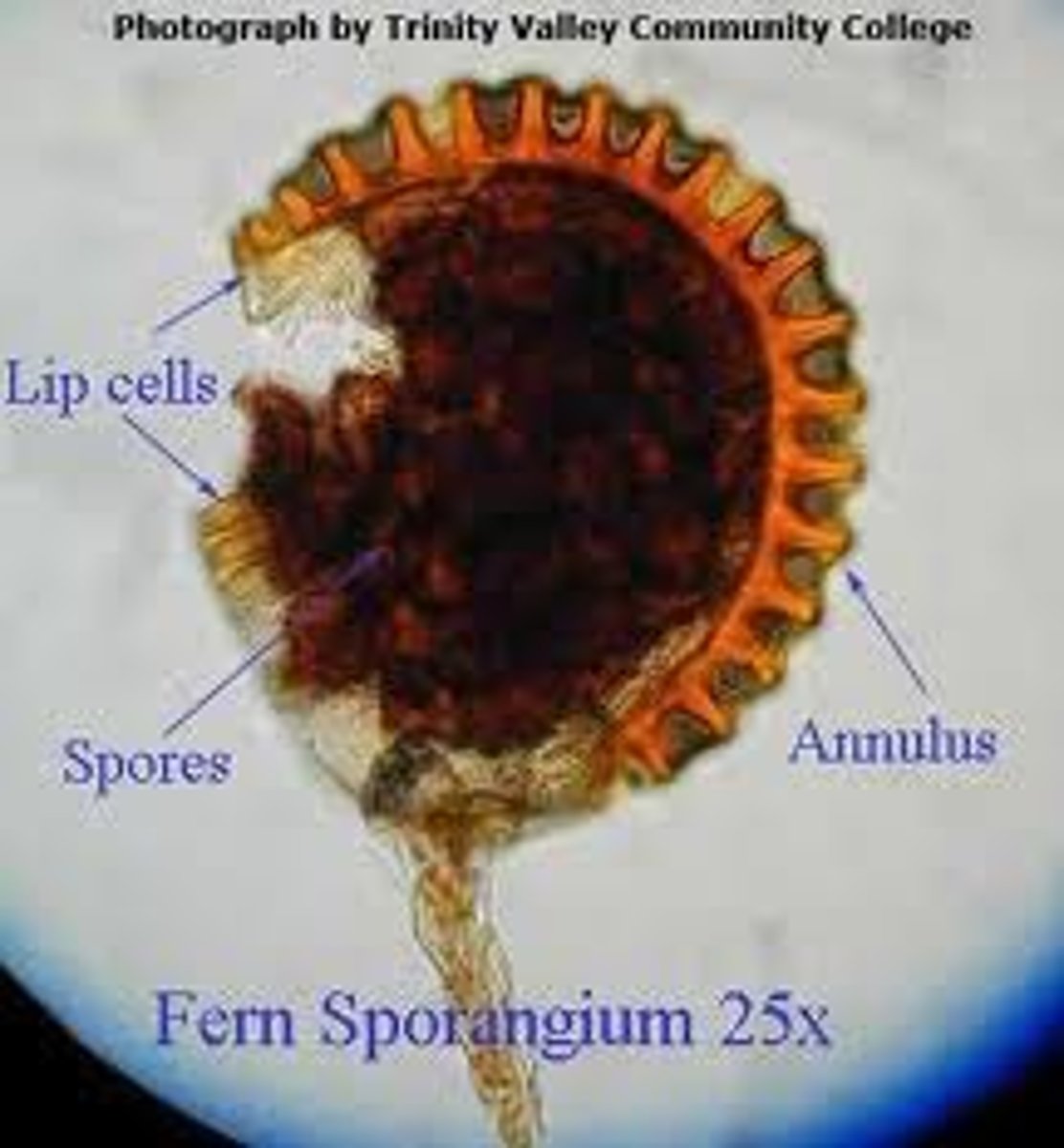
spore
a haploid cell that can undergo mitosis to form a multicellular, haploid individual
thallus
vegetative body of a fungus
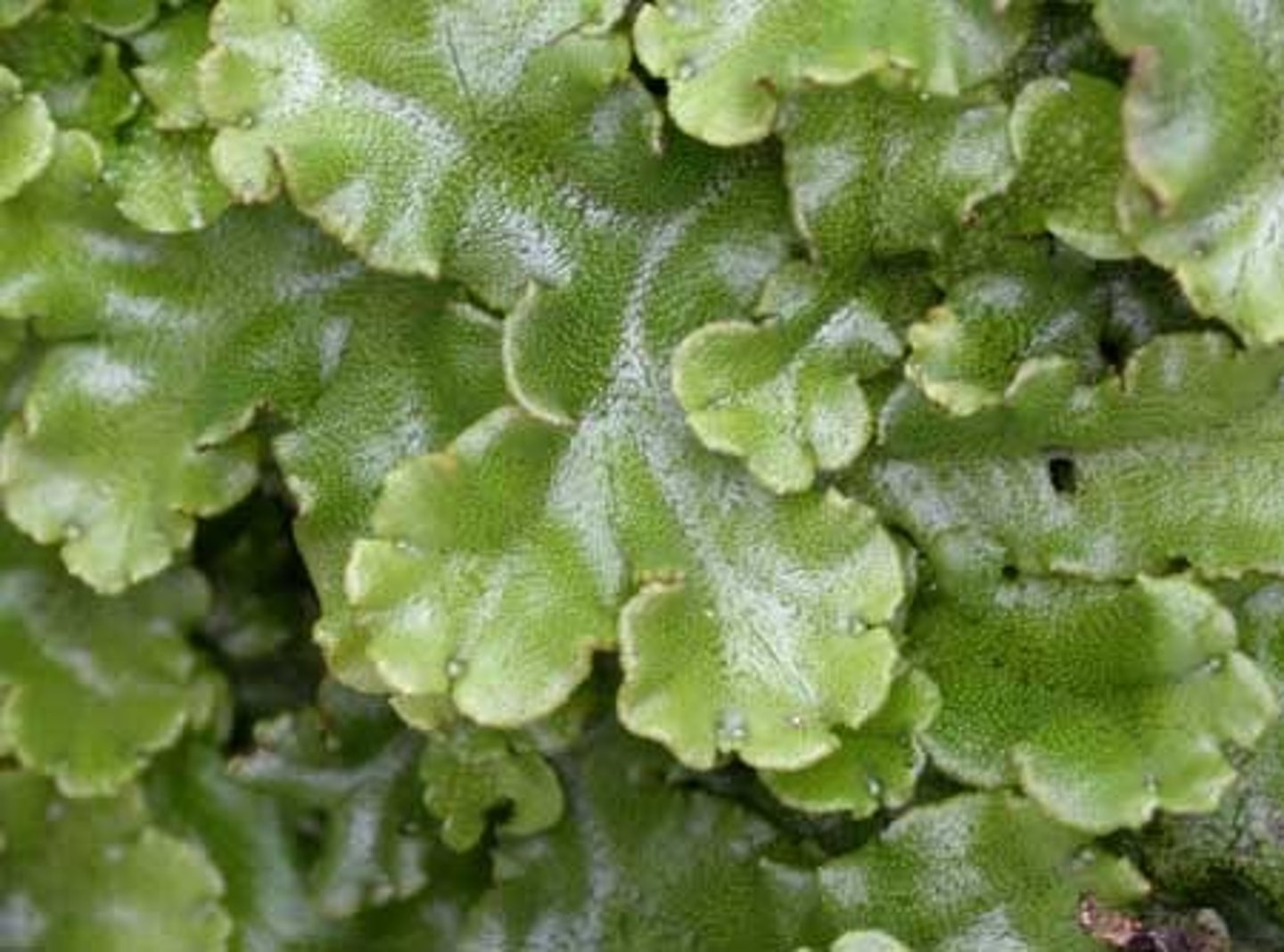
yeast
general term used to describe unicellular fungi

Phylum Zygomycota
phylum of fungi that form a zygote contained in a zygospore

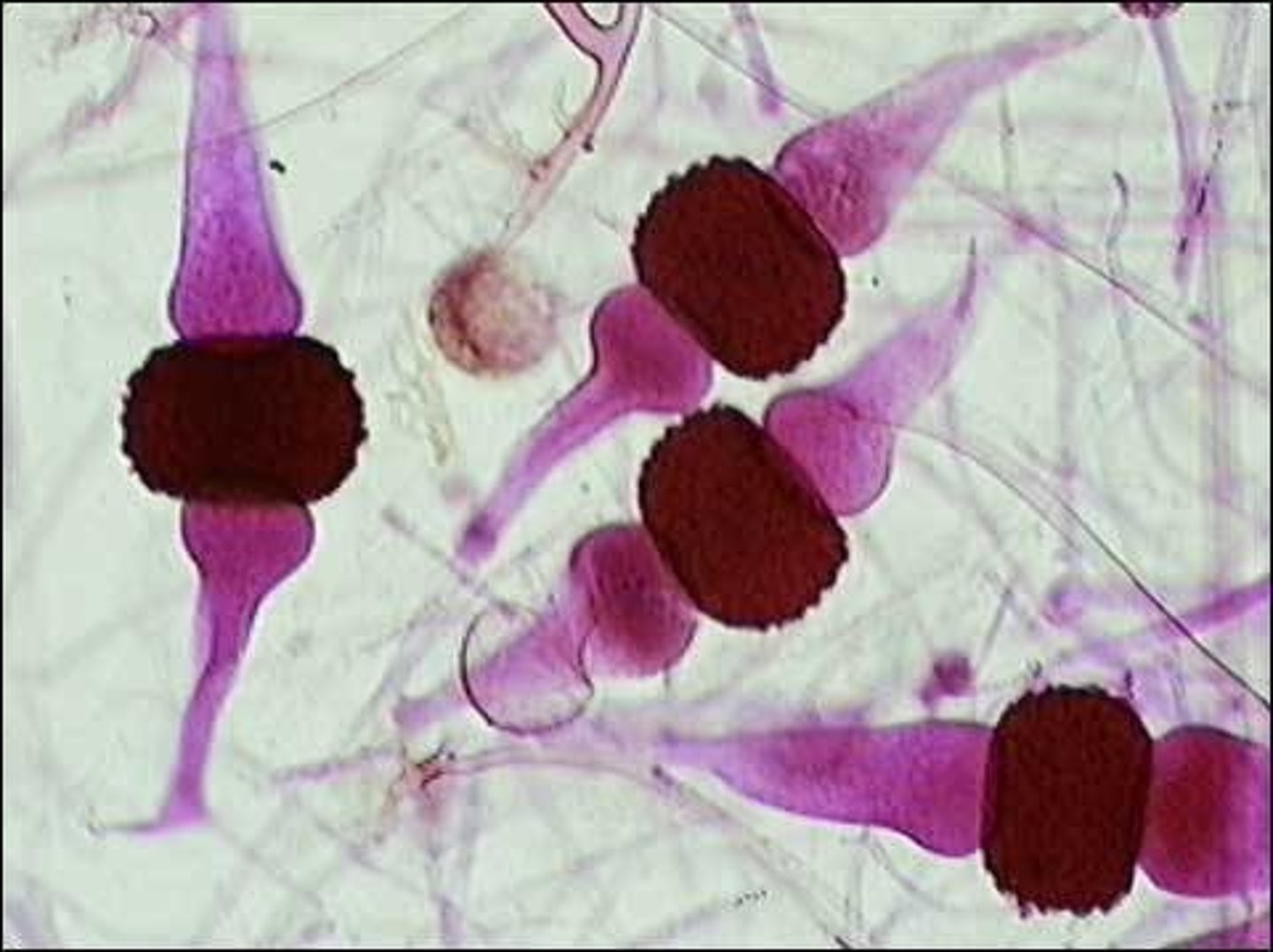
zygospore
structure with thick cell wall that contains the zygote in zygomycetes
 Note
Note  Flashcards (164)