CH 29 | Conservative America in the Ascent
 Call Kai
 Learn
Learn Practice Test
 Spaced Repetition
 Match
Match Flashcards
 Knowt Play
1/24

There's no tags or description
Looks like no tags are added yet.
Name | Mastery | Learn | Test | Matching | Spaced | Call with Kai |
|---|
No analytics yet
Send a link to your students to track their progress
25 Terms
National Review
A conservative magazine founded by William F. Buckley Jr. in 1955 that played a crucial role in defining and uniting the modern American conservative movement.
Religious Right
A politically active conservative movement within American evangelical Christianity that emerged in the late 1970s, mobilizing voters around social issues like abortion, school prayer, and traditional family values.
Hostage Crisis
The 1979-1981 ordeal in which 52 American diplomats and citizens were held captive by Iranian militants, lasting 444 days and severely weakening President Carter's standing.
Reagan Coalition
The diverse alliance of voters that propelled Ronald Reagan to the presidency in 1980, including economic conservatives, Cold War hawks, religious conservatives, and disaffected working-class "Reagan Democrats."
Moral Majority
A prominent political organization founded by Jerry Falwell in 1979 that mobilized evangelical Christians as a powerful voting bloc in support of conservative candidates and causes.
Reagan Democrats
Traditionally Democratic, mostly white, working-class voters who crossed party lines to vote for Ronald Reagan in the 1980 and 1984 elections, attracted by his social conservatism, strong national defense stance, and economic message.
Supply-Side Economics (Reaganomics)
An economic theory holding that cutting tax rates, particularly for businesses and high earners, stimulates investment, increases production, and ultimately generates more government revenue.
Economic Recovery Tax Act (ERTA)
A 1981 landmark federal law that implemented Reagan's supply-side policies by slashing individual income tax rates by 25% over three years and indexing brackets for inflation.
HIV/AIDS
A devastating global pandemic that emerged in the early 1980s, initially devastating the gay community and facing a slow and inadequate federal response, which galvanized LGBTQ activism.
Iran-Contra Affair
A major political scandal of the Reagan administration in which senior officials secretly sold arms to Iran (in violation of an embargo) and used the proceeds to fund Contra rebels in Nicaragua (in defiance of Congress).
Glasnost
A Soviet policy introduced by Mikhail Gorbachev in the mid-1980s meaning "openness," which encouraged greater transparency, freedom of information, and public discussion within the Soviet Union.
Perestroika
A Soviet policy introduced by Mikhail Gorbachev in the mid-1980s meaning "restructuring," which aimed to reform the stagnant Soviet economy by introducing limited market-like mechanisms and decentralizing control.
Family Values
A politically charged term used primarily by social conservatives to promote a traditional nuclear family model, opposing abortion, gay rights, and feminism, and becoming a central theme of Republican campaigns in the 1980s and 1990s.
Persian Gulf War
A 1990-1991 conflict in which a US-led international coalition, authorized by the UN and led by President George H. W. Bush, expelled Iraqi forces that had invaded neighboring Kuwait.
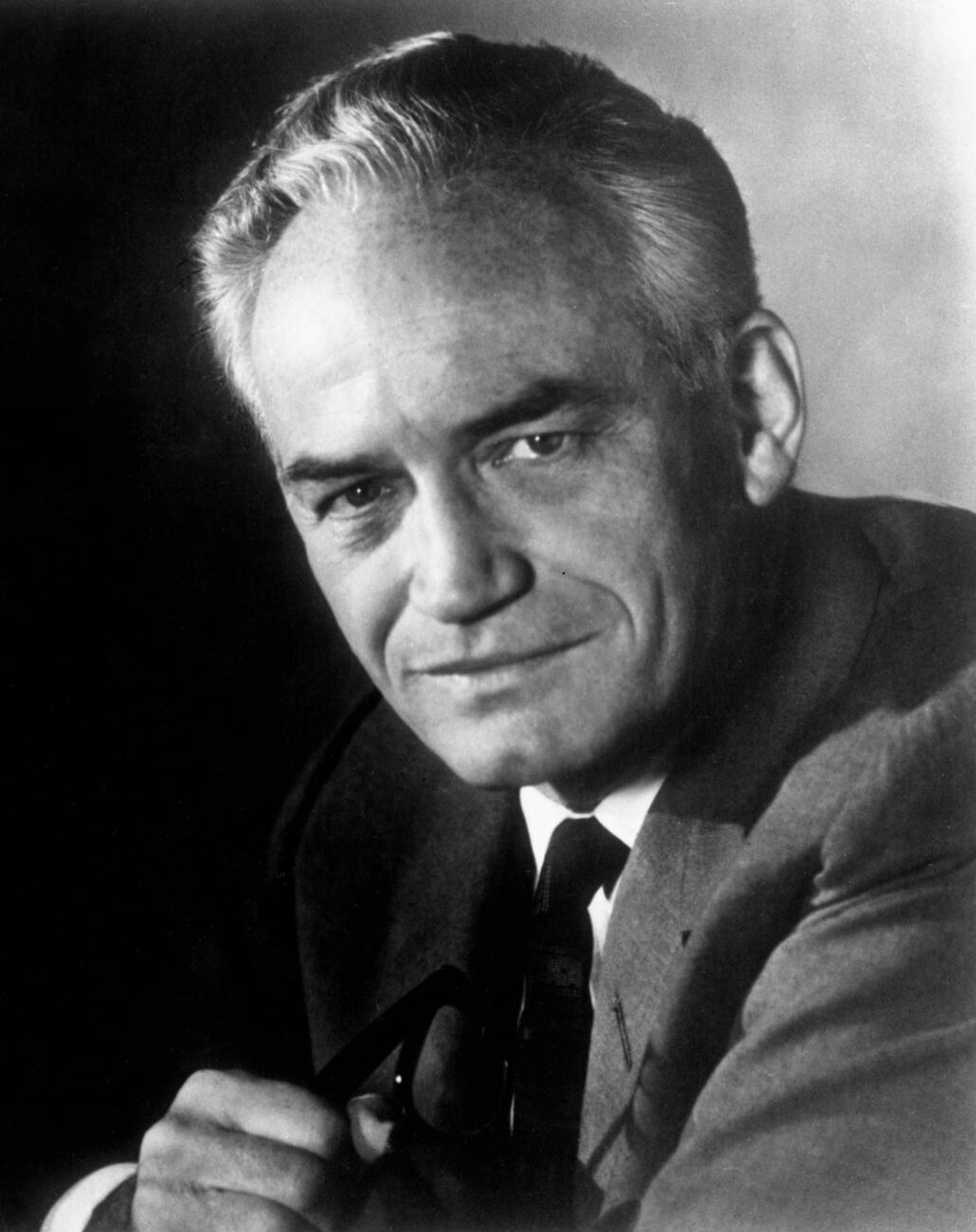
Barry Goldwater
A conservative US Senator whose 1964 presidential candidacy, though a landslide defeat, laid the groundwork for the modern conservative movement that would triumph with Reagan in 1980.
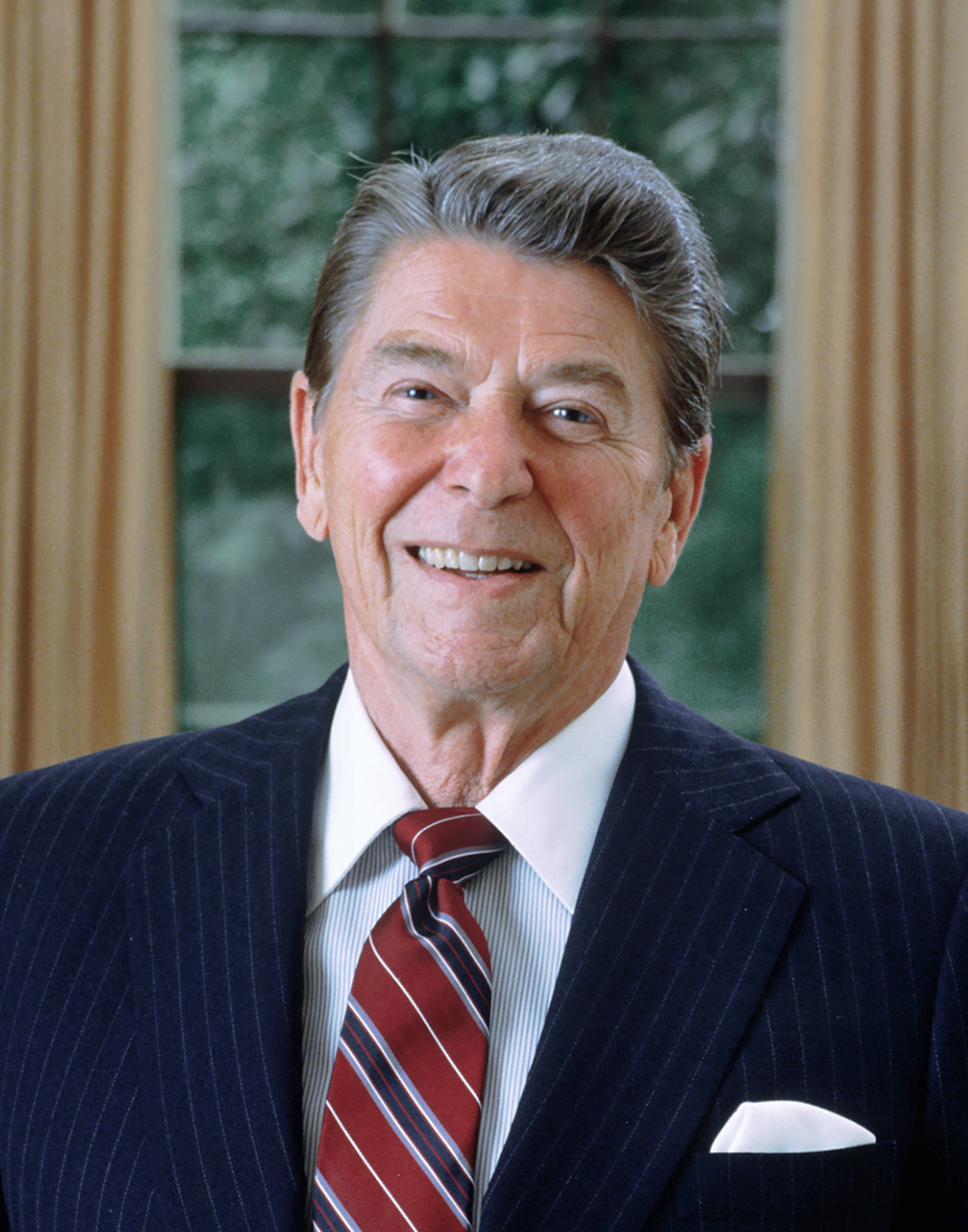
Ronald Reagan
The 40th US President (1981-1989) whose conservative policies of tax cuts, deregulation, anti-communist foreign policy, and social traditionalism defined the Reagan Era and reshaped American politics.
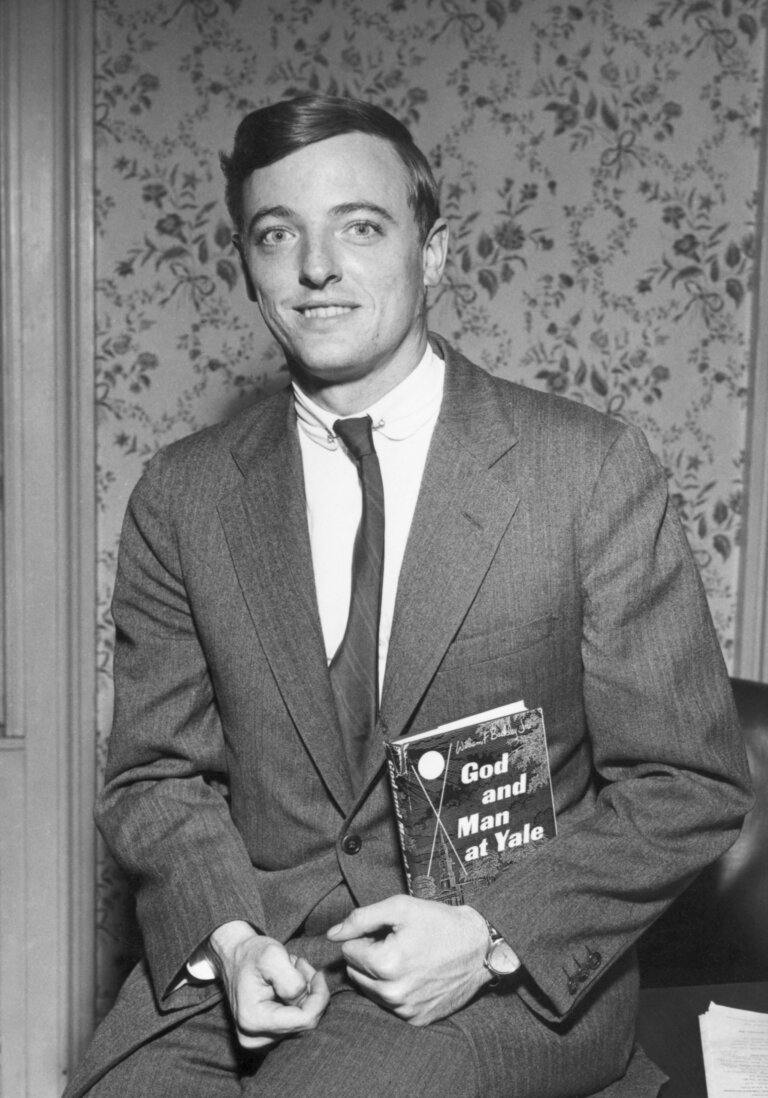
William F. Buckley
A highly influential conservative author and commentator who founded National Review magazine and, through his wit and erudition, helped make conservatism a respectable and coherent intellectual force.
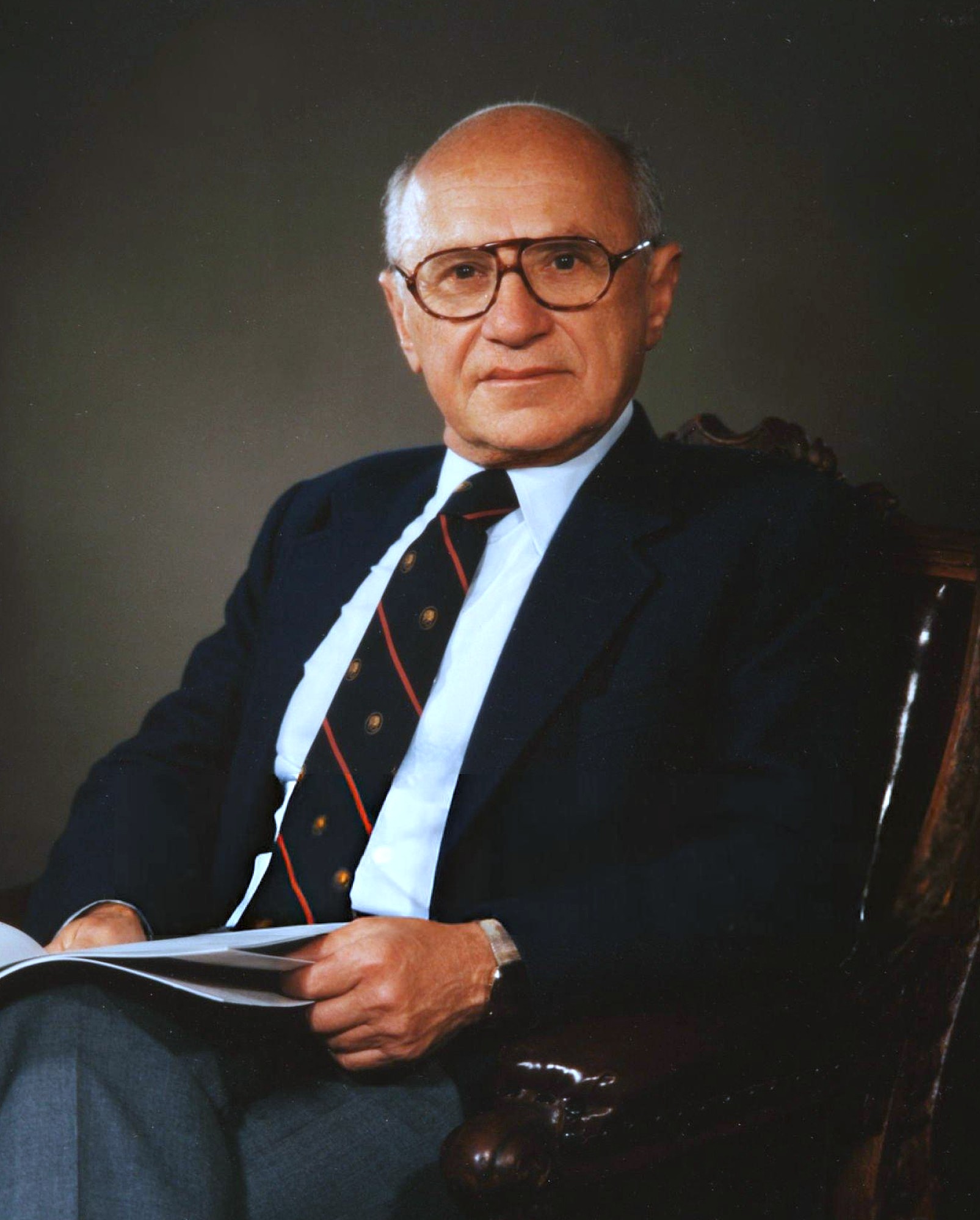
Milton Friedman
A Nobel Prize-winning economist and leading advocate of monetarism and free-market capitalism whose ideas profoundly influenced Reagan's supply-side policies and deregulation efforts.
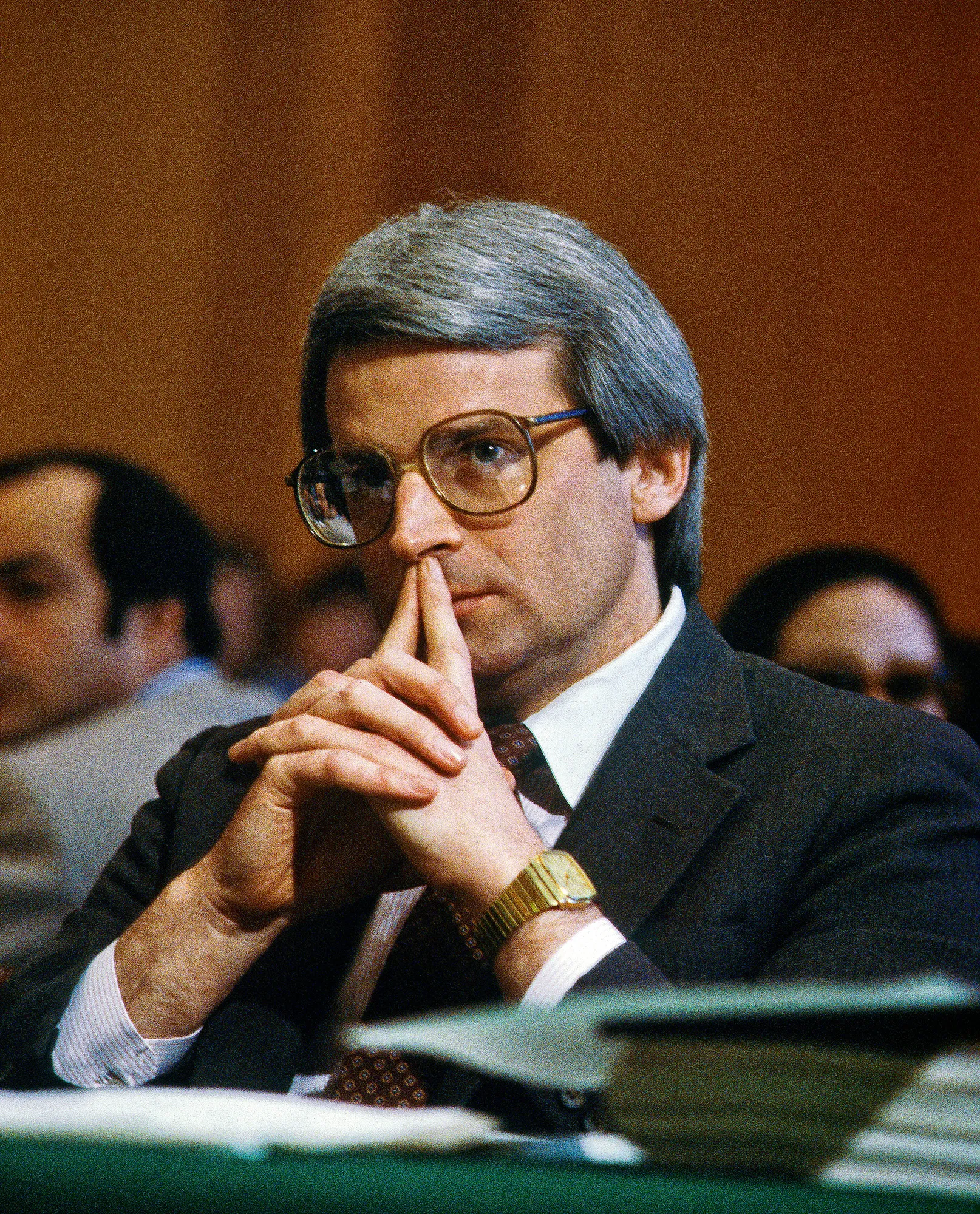
David Stockman
President Reagan's first Director of the Office of Management and Budget who was a key architect of Reaganomics and its proposed budget cuts, though he later expressed doubts about the policy's effectiveness.
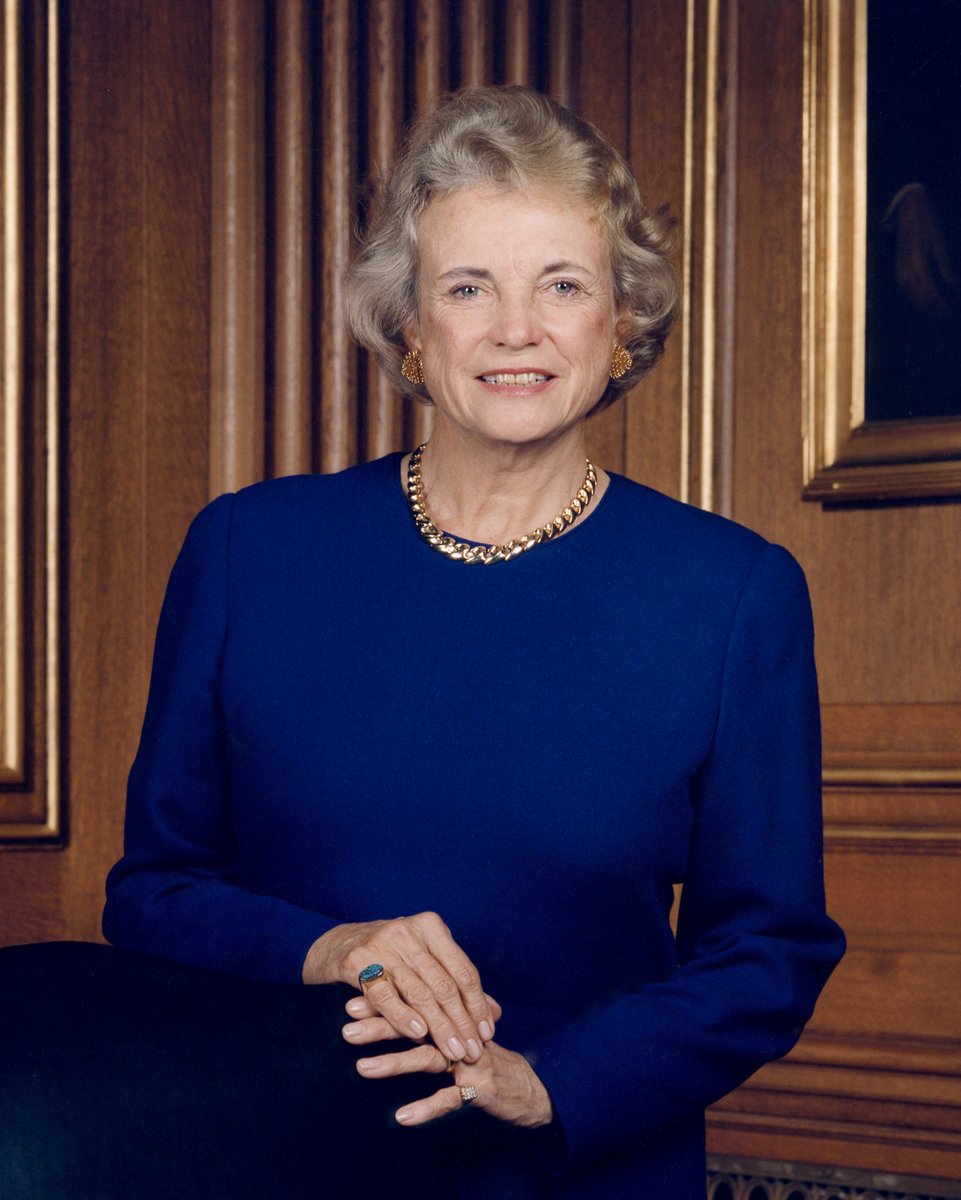
Sandra Day O’Connor
The first woman to serve as a US Supreme Court Justice, appointed by Reagan in 1981 and often serving as a crucial swing vote on a deeply divided Court.

Mikhail Gorbachev
The final leader of the Soviet Union whose reform policies of glasnost and perestroika, along with his willingness to engage with Reagan, inadvertently hastened the end of the Cold War and the collapse of the USSR.
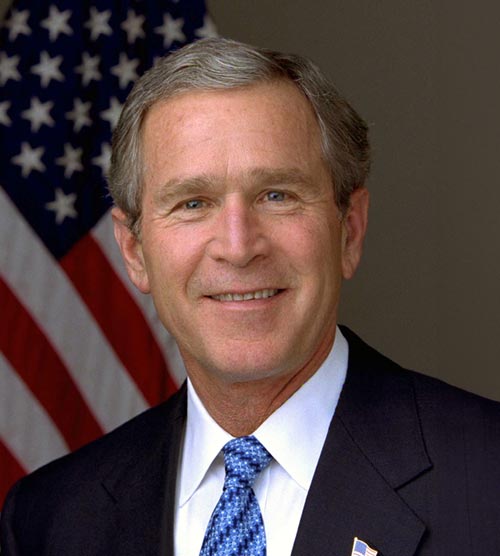
George H. W. Bush
The 41st US President (1989-1993) who served one term, overseeing the end of the Cold War and leading the successful Gulf War coalition, but was defeated for re-election after breaking his "no new taxes" pledge.
What were the major characteristics of the political movement, known as the New Right, that backed Ronald Reagan?
The New Right was a potent coalition characterized by its fusion of fiscal conservatism and supply-side economics, a hawkish anti-communist foreign policy, and a social conservatism rooted in the Religious Right's focus on "family values" and opposition to abortion and gay rights.
What were the major political successes and failures of the Reagan coalition?
he Reagan coalition's major successes included fundamentally reshaping the federal tax code, reviving public confidence after the 1970s, and contributing to the end of the Cold War; its major failures were exploding the national debt, exacerbating income inequality, and failing to permanently cement Republican dominance as the coalition began fraying by the end of his tenure.
What were the aims of U.S. foreign policy at the close of the Cold War?
The aims of U.S. foreign policy at the close of the Cold War shifted from simple containment to actively managing the peaceful collapse of Soviet influence, securing arms control agreements, and laying the groundwork for a new world order based on democratic expansion and global cooperation, as articulated by George H. W. Bush.
Explore top notes

