Bio 2110 Lab Practical 1
 Call Kai
 Learn
Learn Practice Test
 Spaced Repetition
 Match
Match Flashcards
 Knowt Play
1/151

There's no tags or description
Looks like no tags are added yet.
Name | Mastery | Learn | Test | Matching | Spaced | Call with Kai |
|---|
No analytics yet
Send a link to your students to track their progress
152 Terms
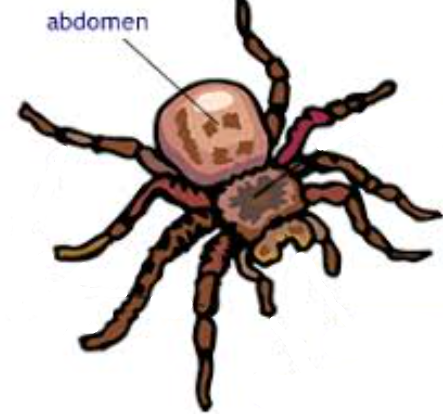
Abdomen
Found in Phylum Arthropoda Subphylum Chelicerata. It serves as the primary visceral region, housing critical organ systems.
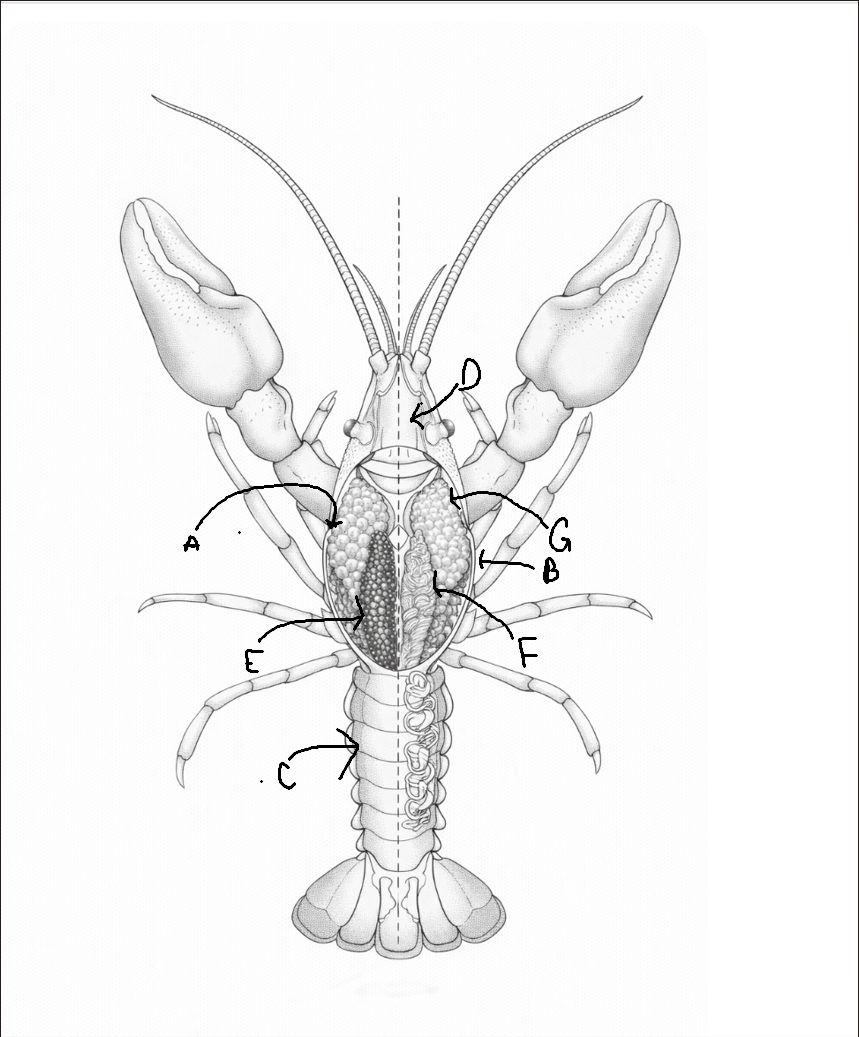
What does letter C show in this diagram?
abdominal flexor muscles

acoelomate
Phylum Plathelminths. Lack a body cavity between the mesoderm layers. Allows oxygen and nutrients to diffuse through their body and eliminates the need for specialized circulatory or respiratory systems.
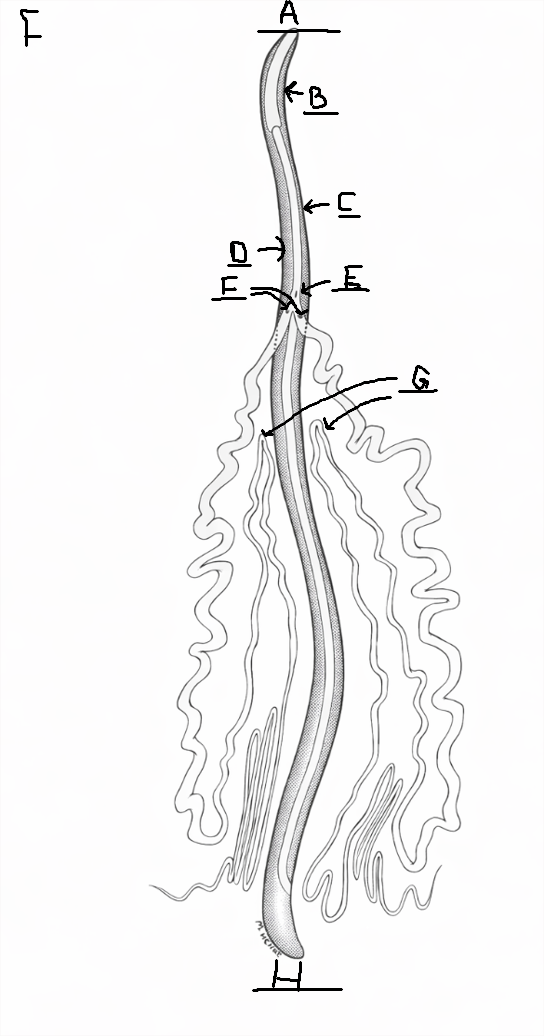
Which side of this diagram in the Anterior.
The top. By the pharynx.
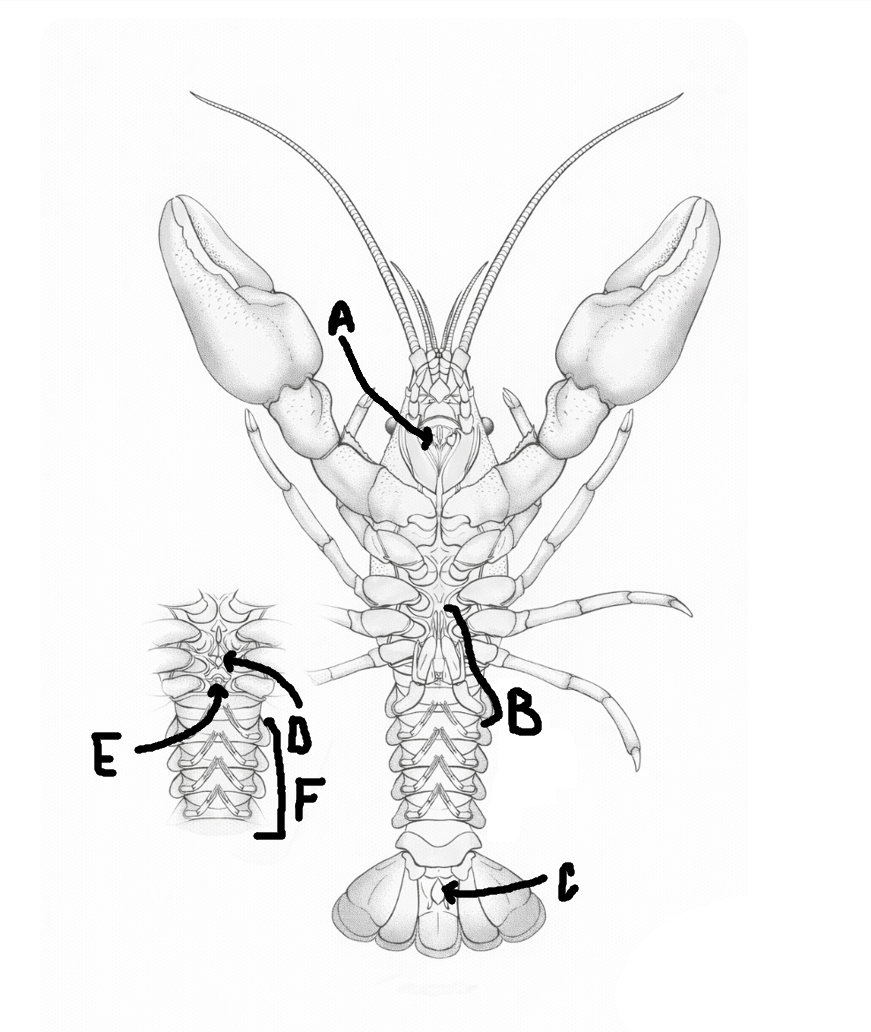
What does letter C show in this diagram?
anus
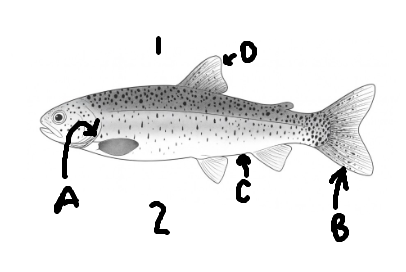
What does letter C show in this diagram?
anus

What does an arm do for Cephalopoda?
Found in Phylum Mollusca Class Cephalopoda. Derived from the muscular foot. Used for handling prey and other behaviors.
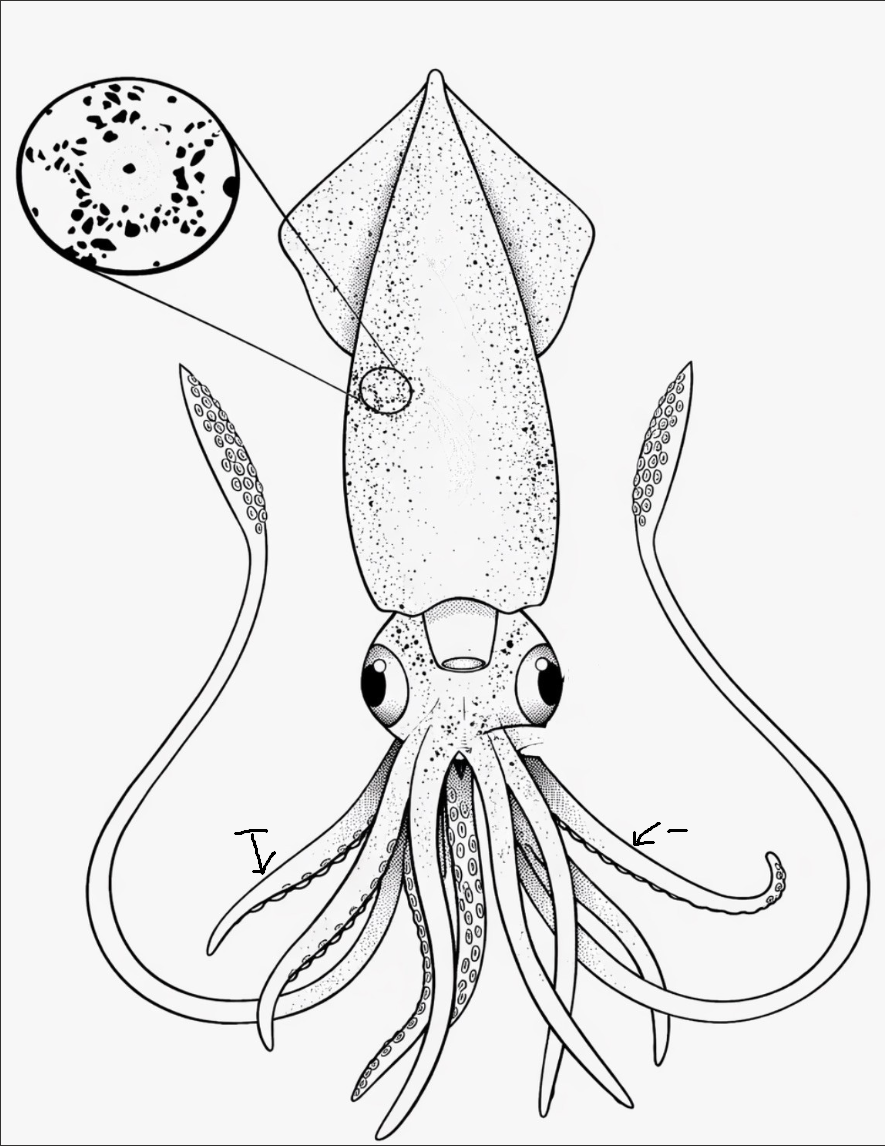
Arm
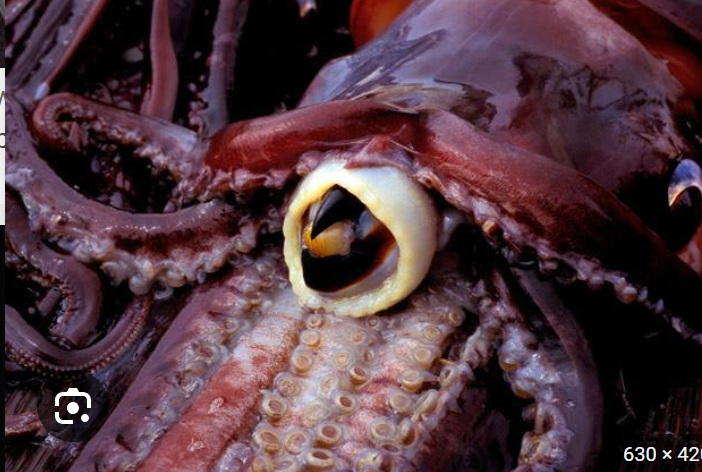
What does the beak do for squids?
Found in Phylum Mollusca’s, Class Cephlapoda. Modified radula. Use it for grabbing prey
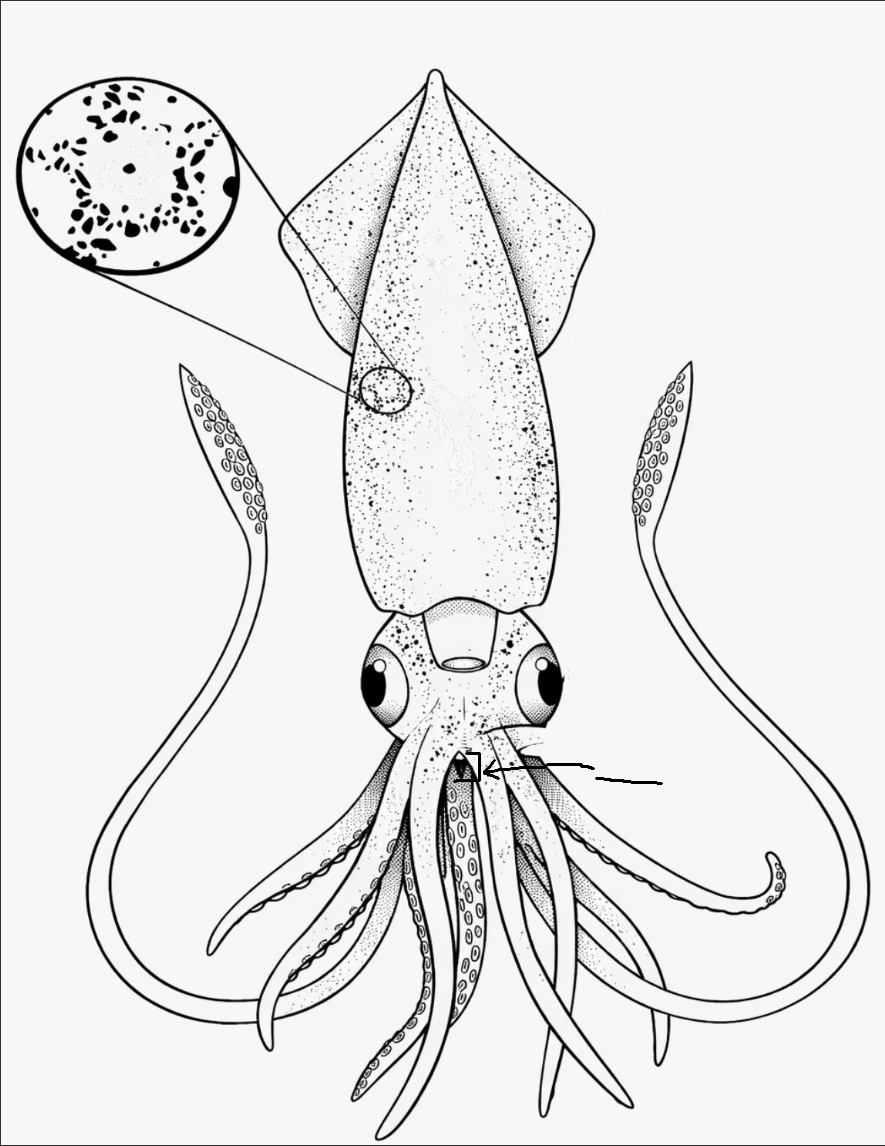
beak
book gills or book lungs
Found in Phylum Arthropoda Subphylum Chelicerata. It enables gas exchange by maximizing surface area.
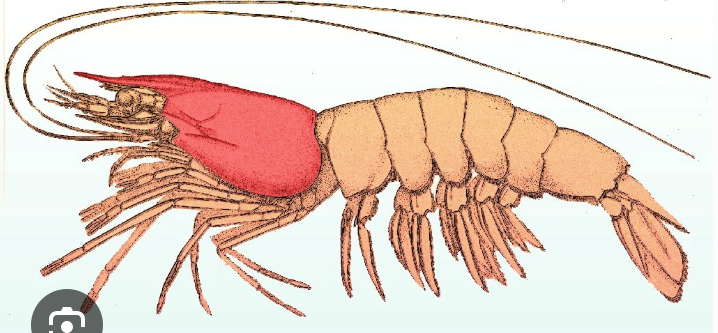
carapace
Found in Phylum Arthropoda Subphylum Crustacea. It is primarily used as a protective shield but also plays crucial roles in respiration, feeding, and structural support.
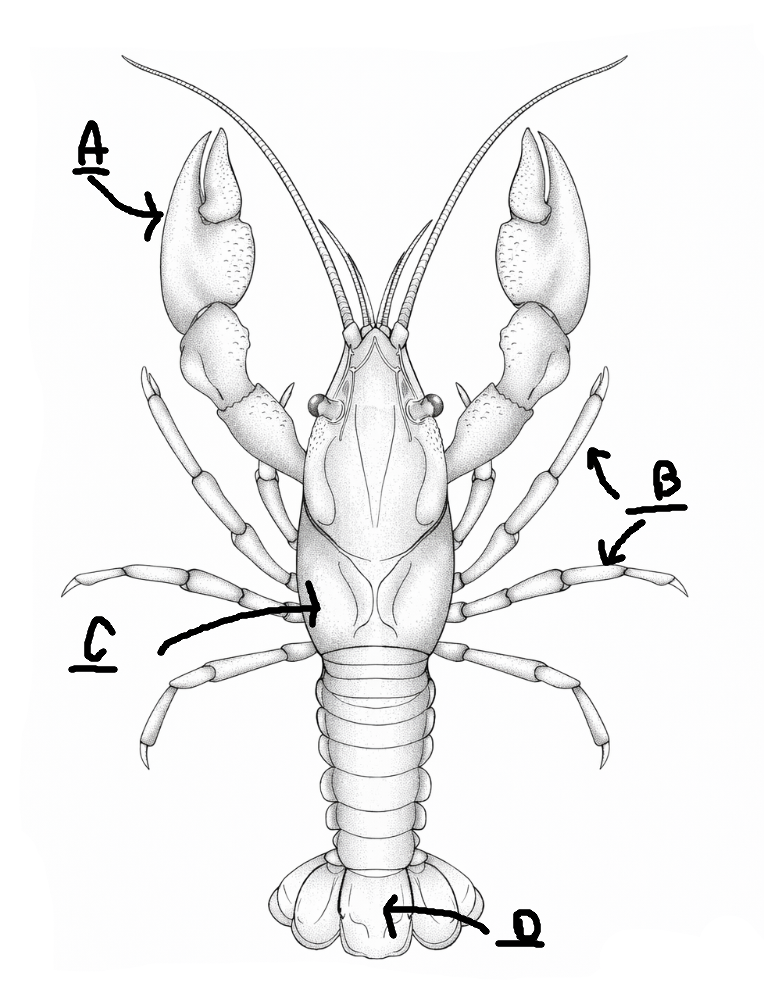
What does letter C represent in this photo?
Carapace
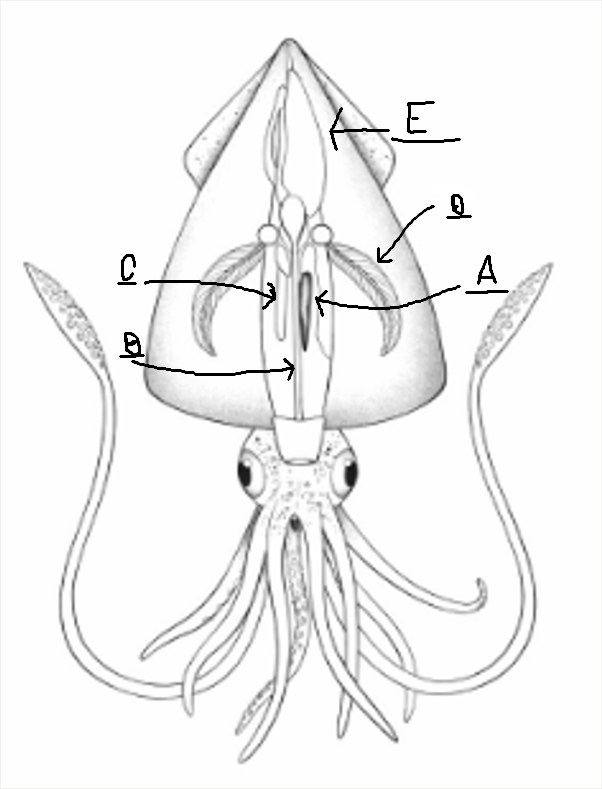
What does letter E represent in this photo?
cecum
What does the cecum do for cephalopda?
It is responsible for absorbing nutrients completing digestion and storing food during the digestive process.
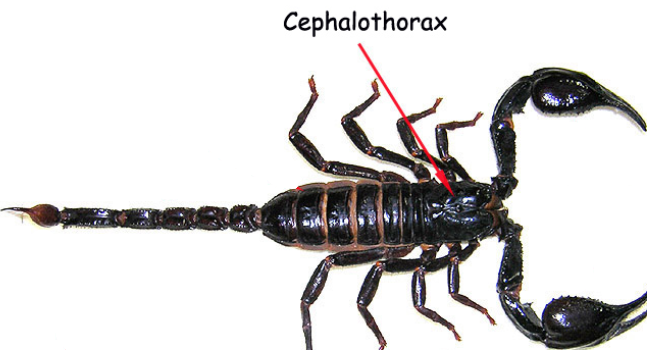
cephalothorax
Found in Phylum Arthropoda Subphylum Chelicerata. It is responsible for feeding sensory perception and locomotion.
chela
Found in Phylum Arthropoda Subphylum Crustacea. It is used for feeding and defense and capturing prey. Pincer like claws.
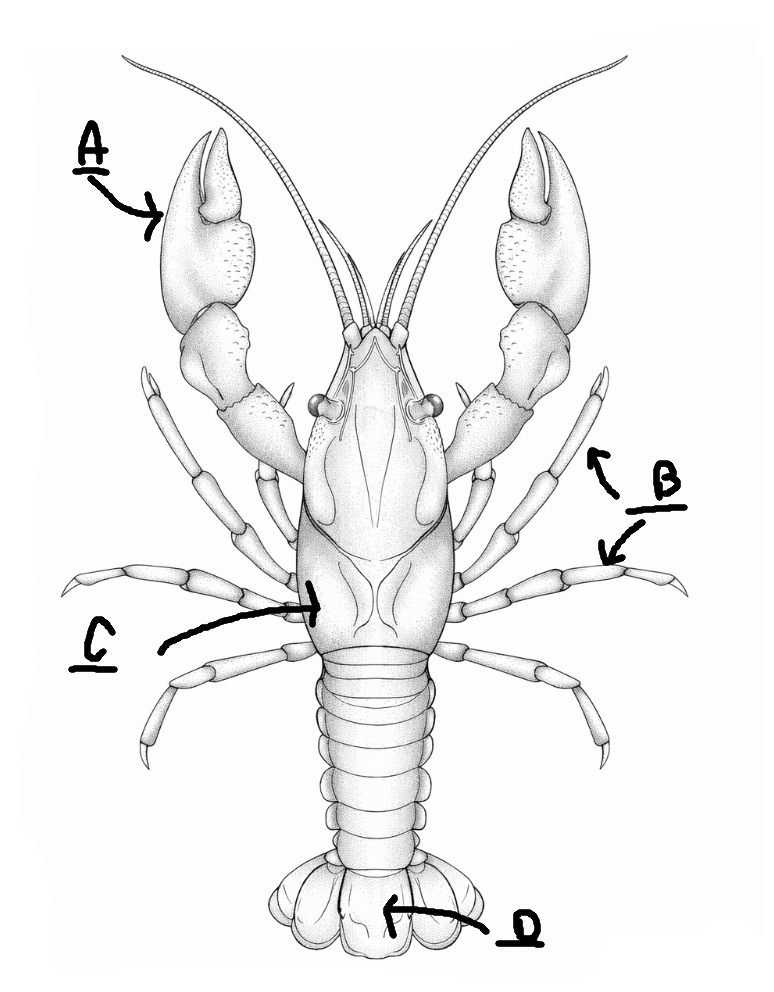
What does letter A show in this photo?
Chela
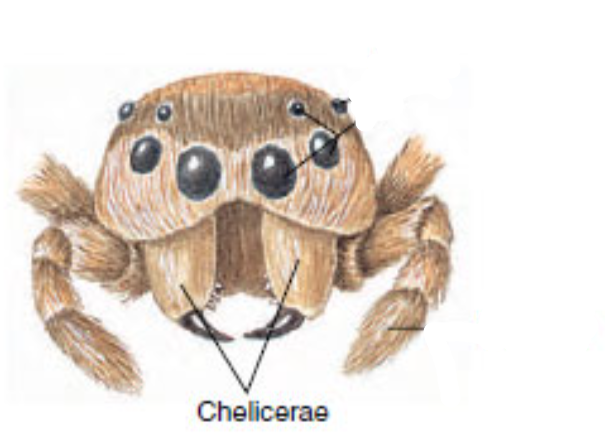
chelicera
Found in Phylum Arthropoda subphylum Chelicerata. it is primary used for feeding and specifically for grasping, biting, or tearing into food,.
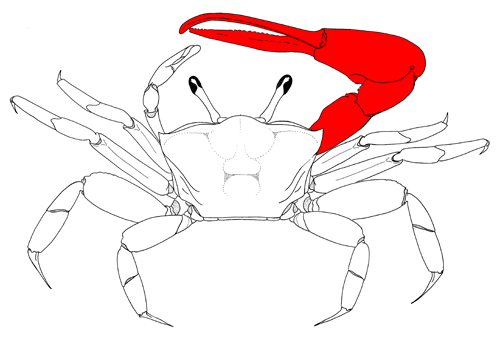
cheliped
A specialized, claw-bearing leg (or appendage) found in decapod crustaceans, such as crabs, lobsters, and crayfish
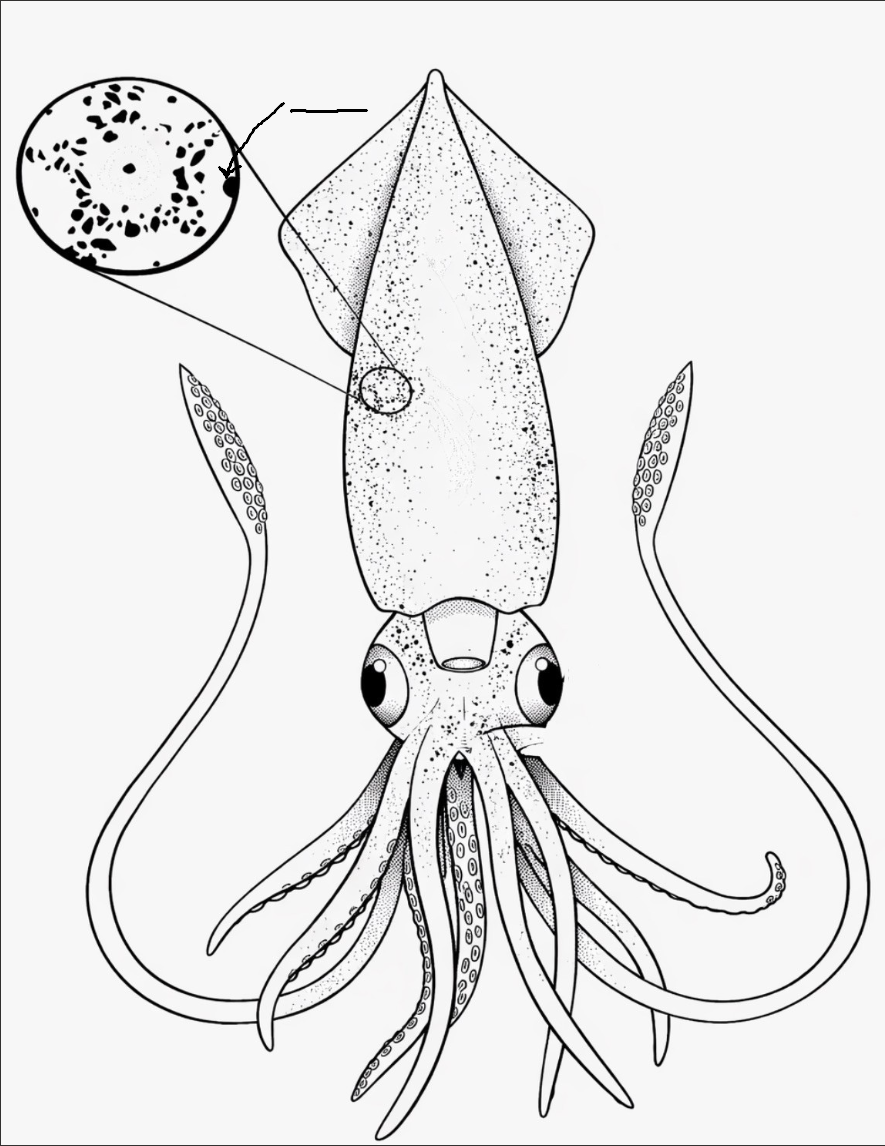
chromatophore
What does chromatophore do for squid?
It allows doe instant color changes primarily for camouflage, communication and deterring predators.
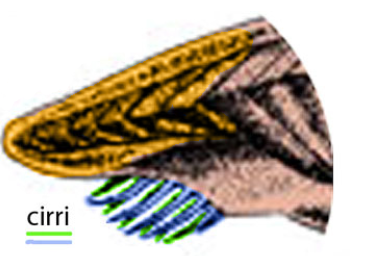
cirri
Found in Phylum Arthropoda Subphylum Crustacea. It is used for suspension feeding, respiration and sometimes locomotion or grasping prey
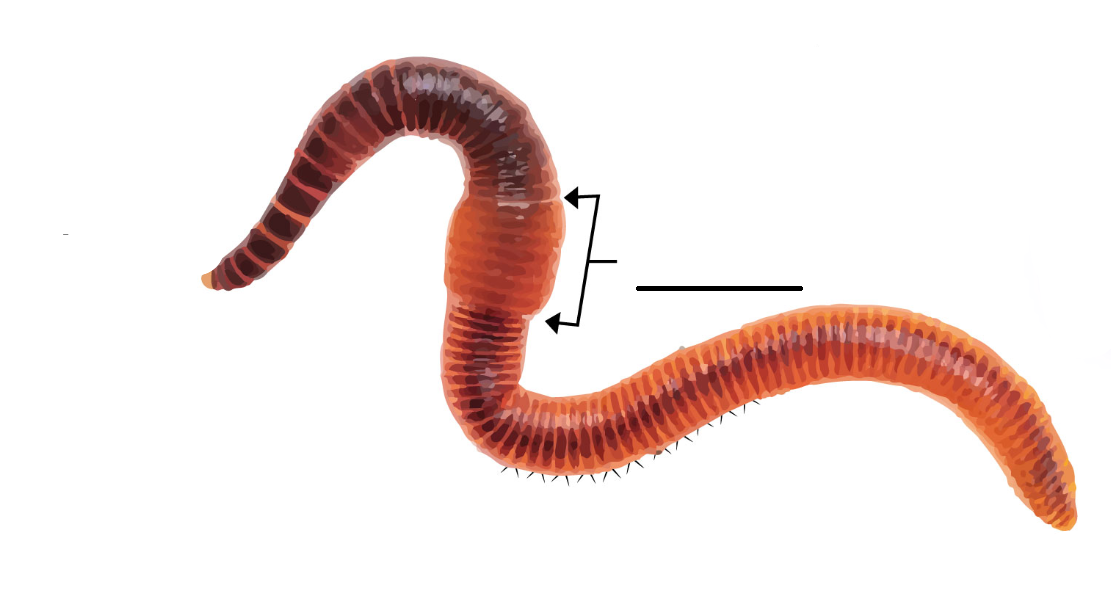
clitellum
What does clitellum do for Annelida.
It secretes mucus to bond worms together during copulation, creating a cocoon to protect developing embryos, and supply albumen to nourish eggs.
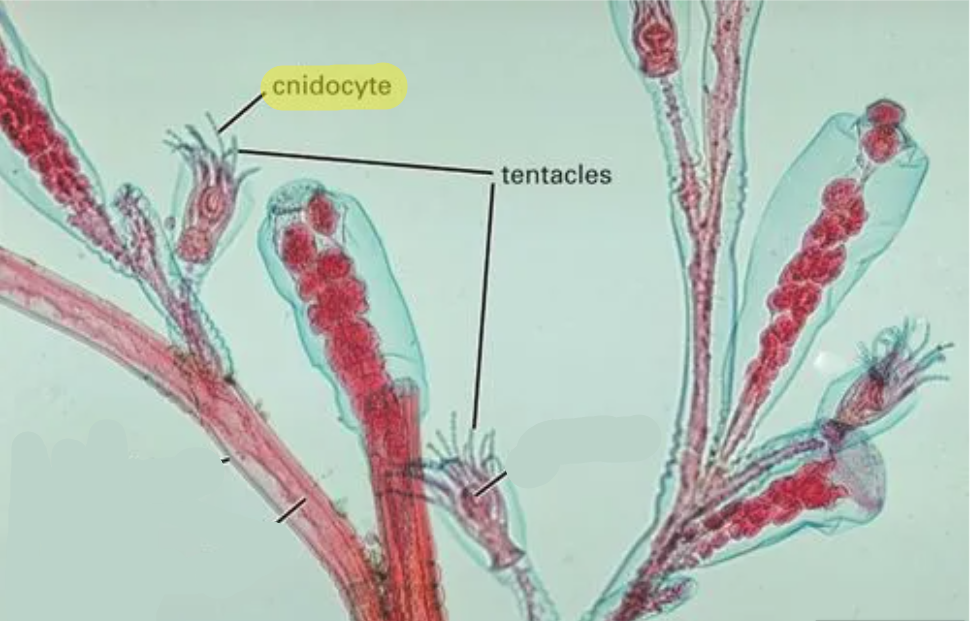
cnidocytes
In Cnidaria. Cells that help defend and capture food. Contain nematocysts.
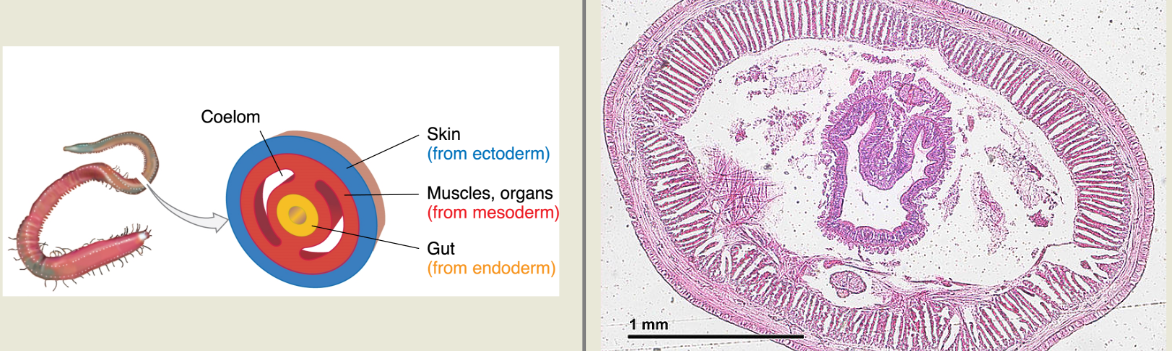
coelom
Found in Annelida. Body cavity is surrounded by mesoderm. It acts as a hydrostatic skeleton for movement, cushioning for internal organs and aids in nutrient transport.
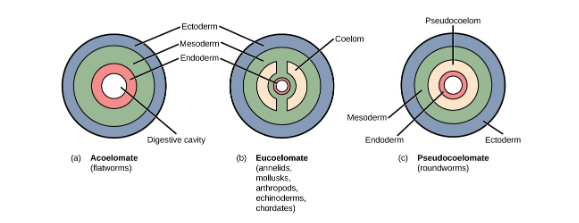
coelomate
A body cavity lined with mesoderm. It is found in Phylum Annelida, Arthropoda, Mollusca, Echinodermata, Hemichordata, and Chordata.
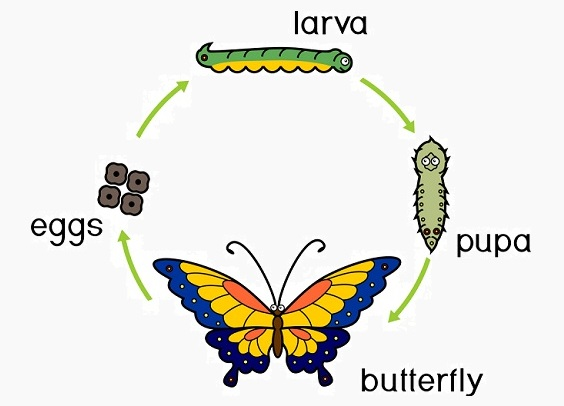
complete metamorphosis
A four-stage life cycle—egg, larva, pupa, and adult. Where insects undergo extreme remodeling during a sessile pupal stage. Unlike nymphs, larvae differ drastically from adults.
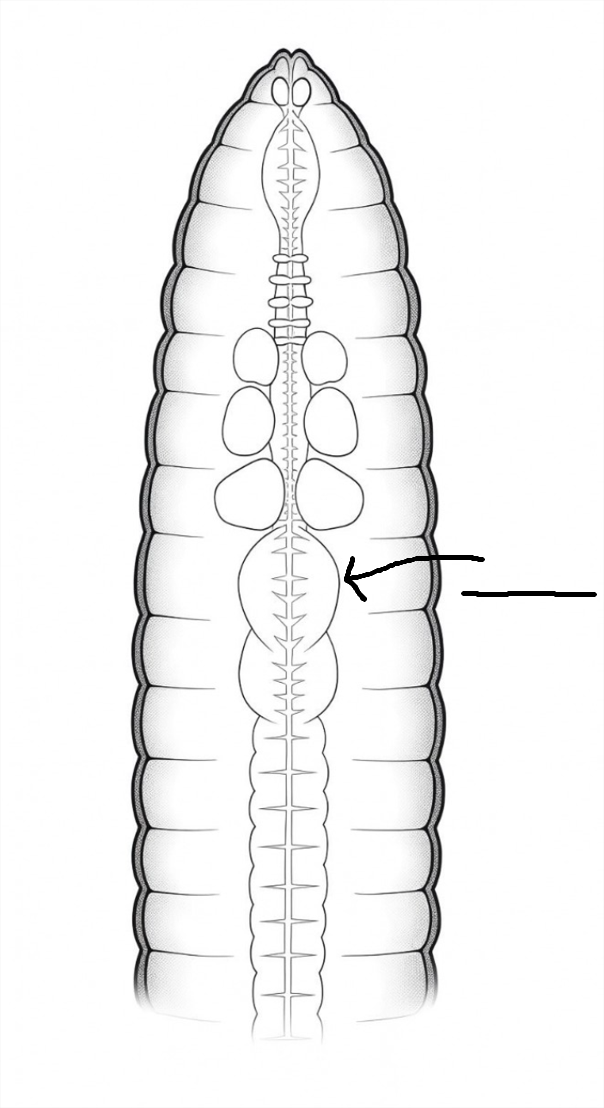
crop
What does the crop do for Annelida?
It is a holding chamber for ingested food
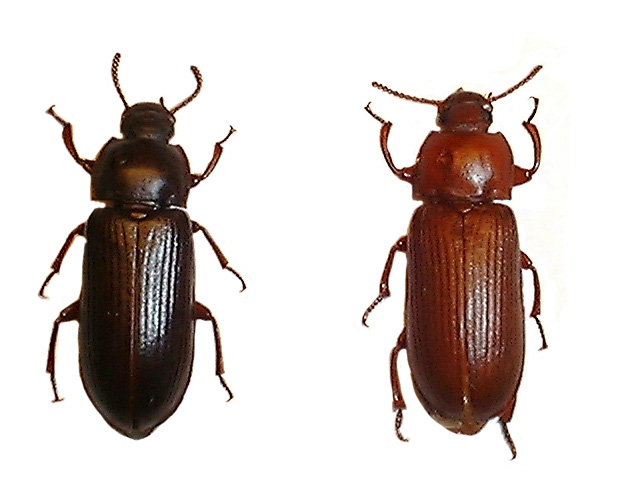
cuticle
A tough, non-cellular, multi-layered outer covering secreted by the epidermis (or hypodermis) of many invertebrates, notably arthropods and nematodes.
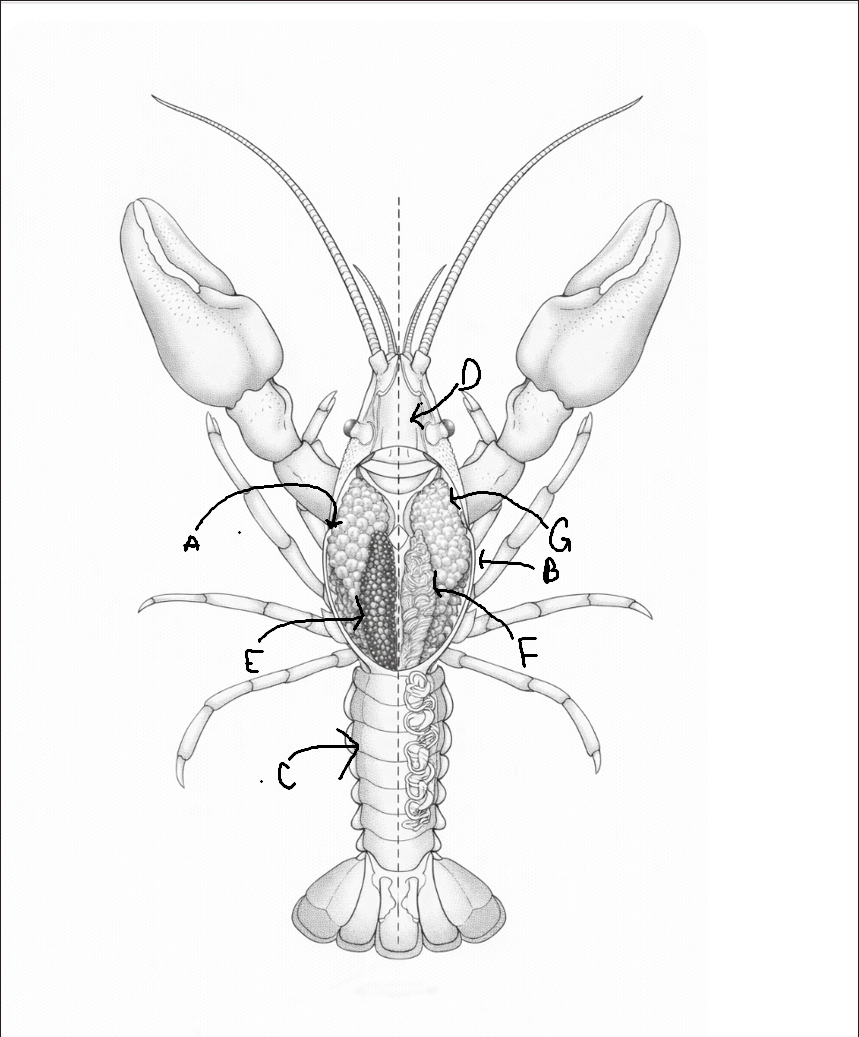
What does letter A show in this diagram?
digestive gland
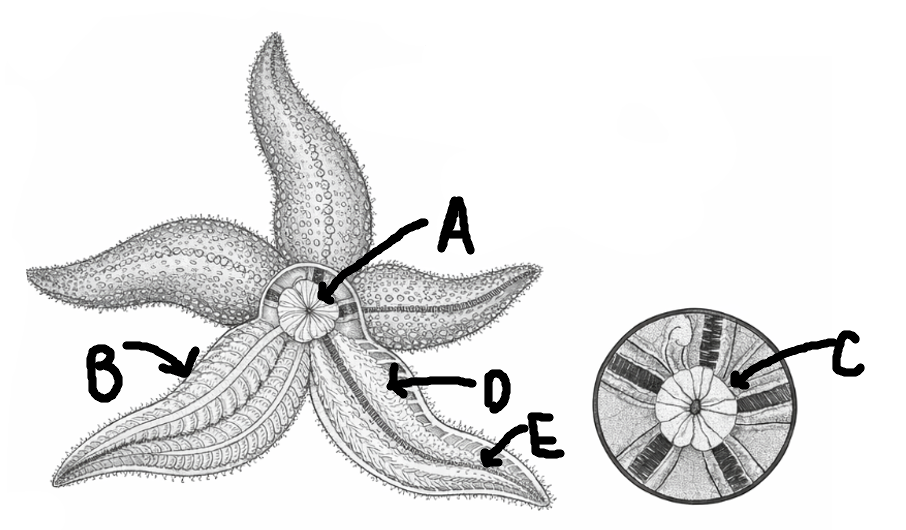
What does letter B show in this diagram?
Digestive gland
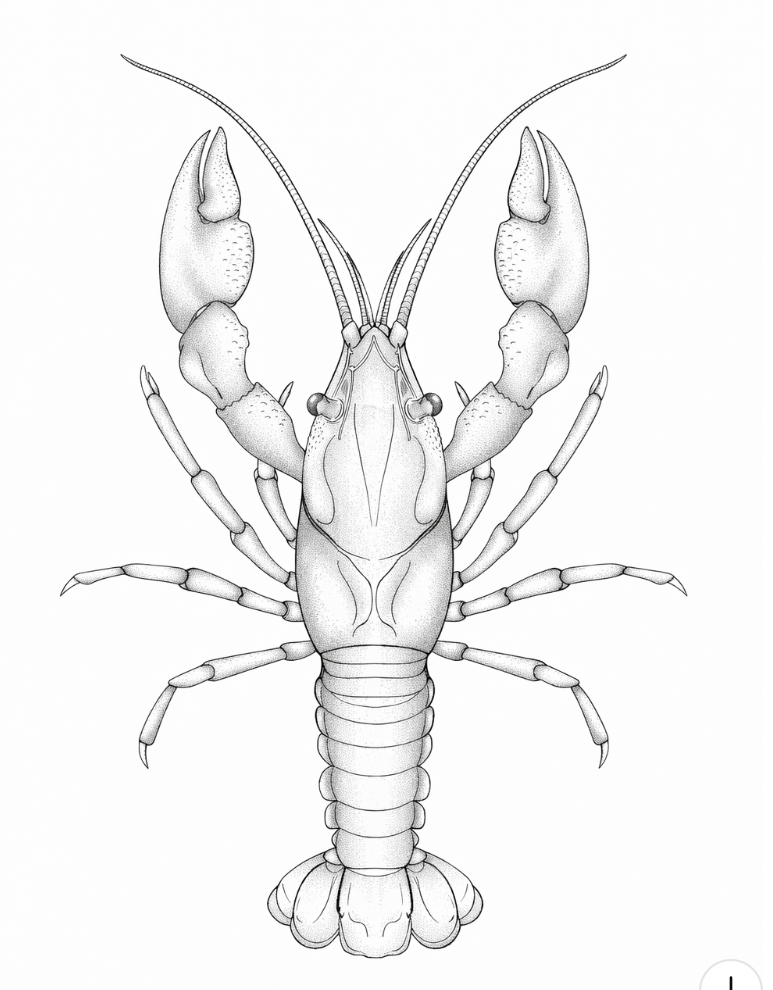
Is this the ventral or dorsal side?
dorsal
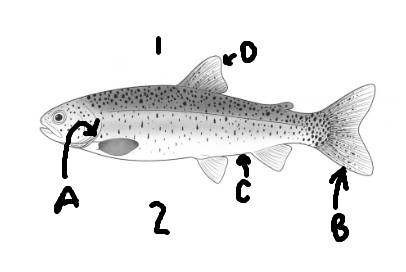
Which side is the dorsal side?
1
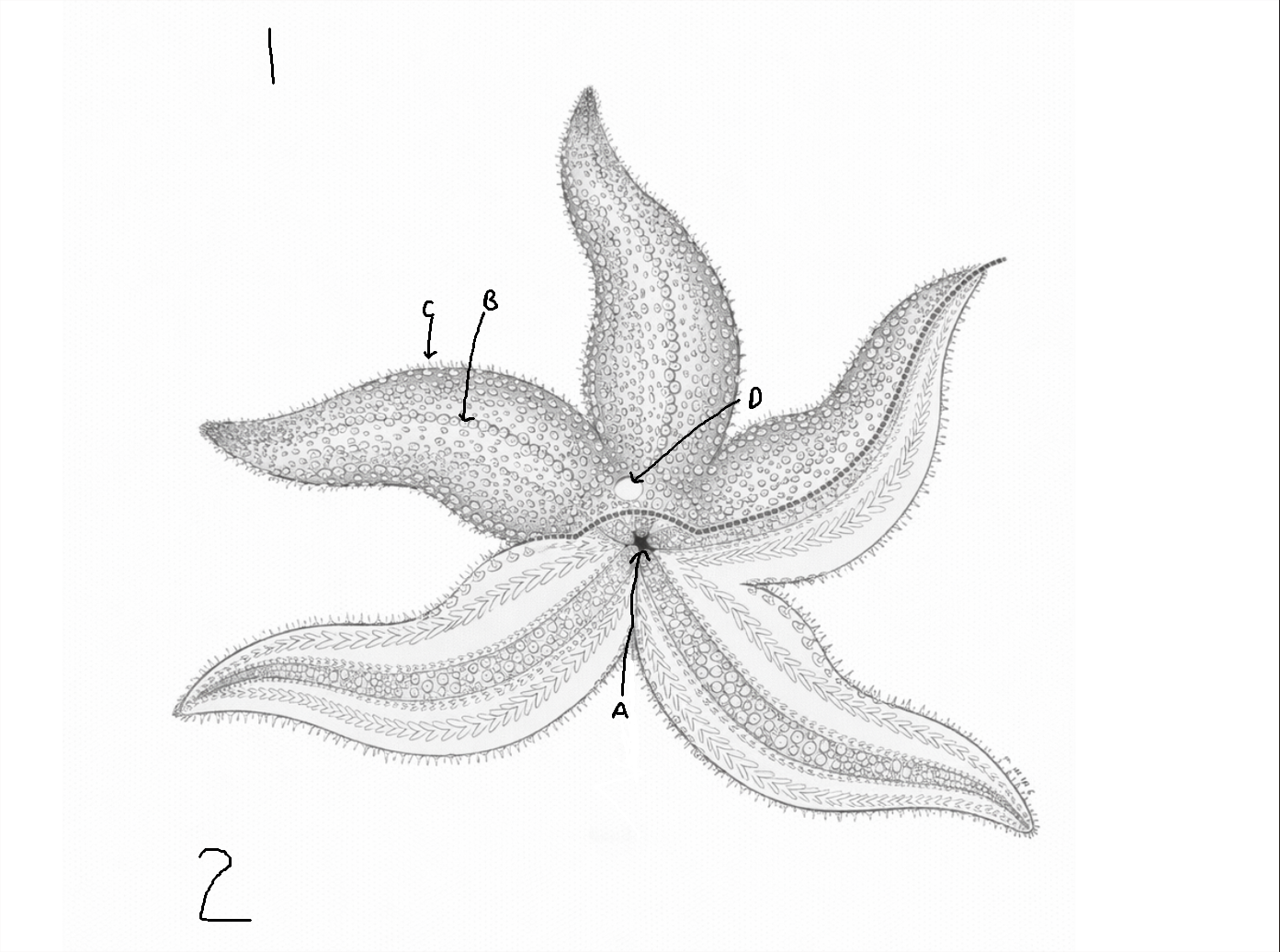
Which is the dorsal side
1
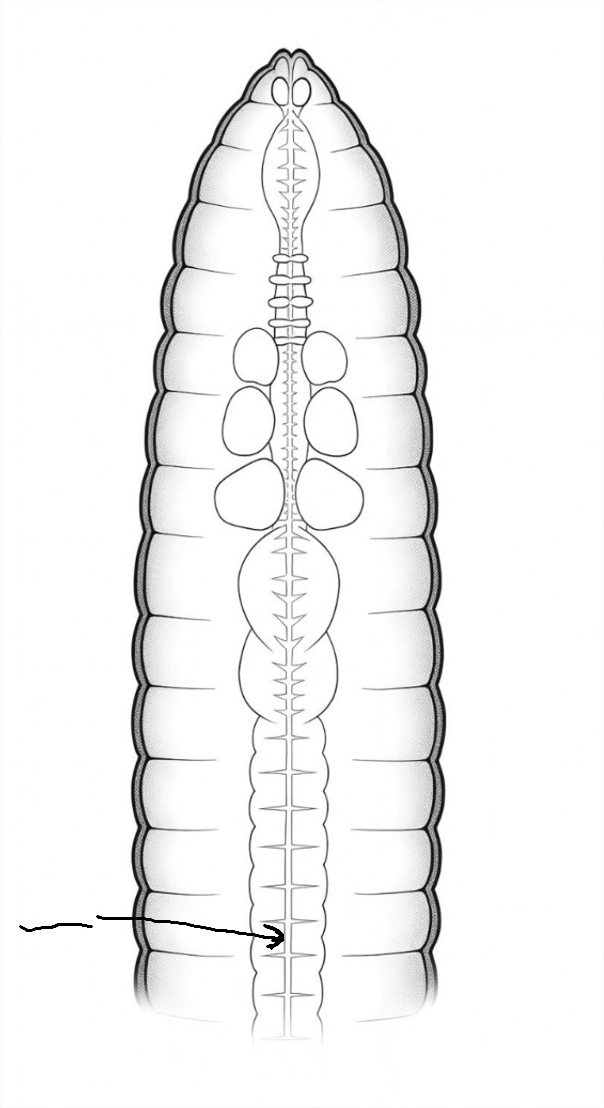
dorsal blood vessel
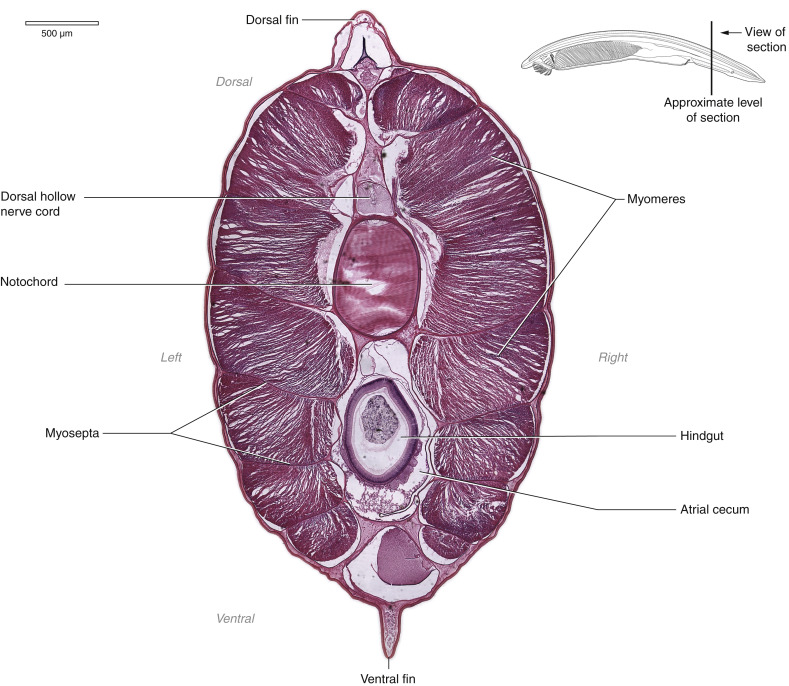
What does the dorsal nerve cord do for Phylum Chordata, Subphylum Cephalochordata?
Part of the central nervous system. It is above the notochord.
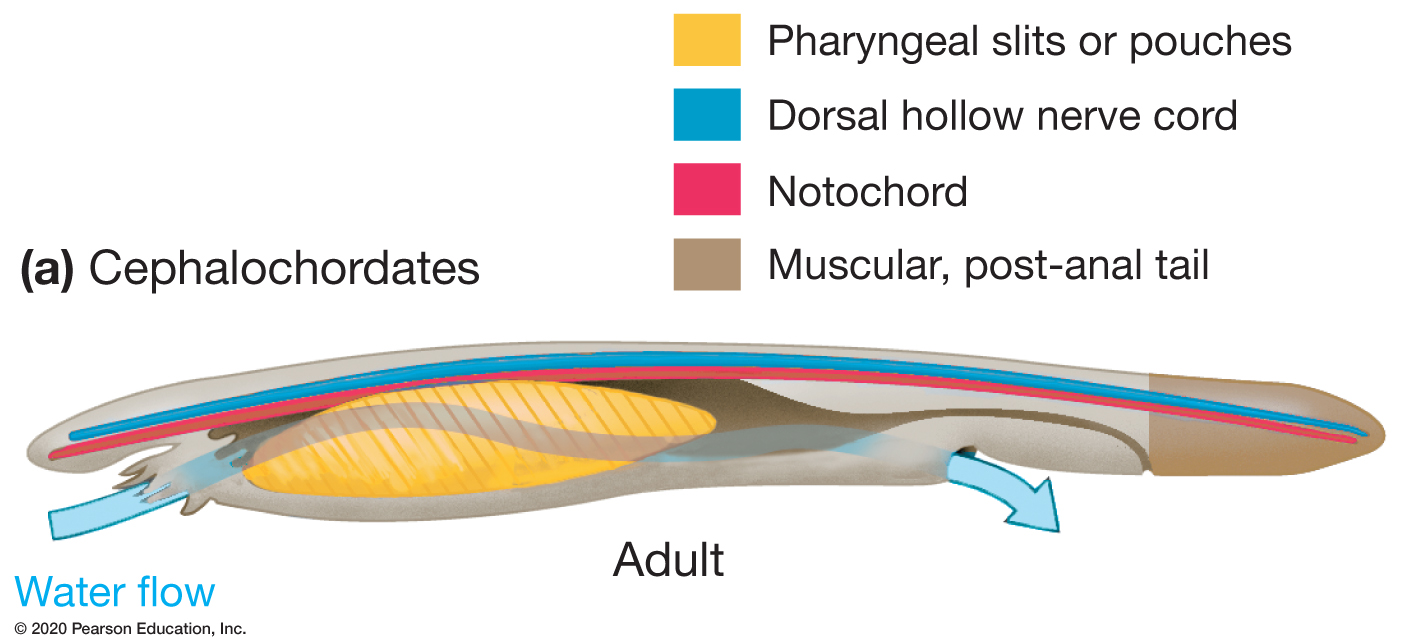
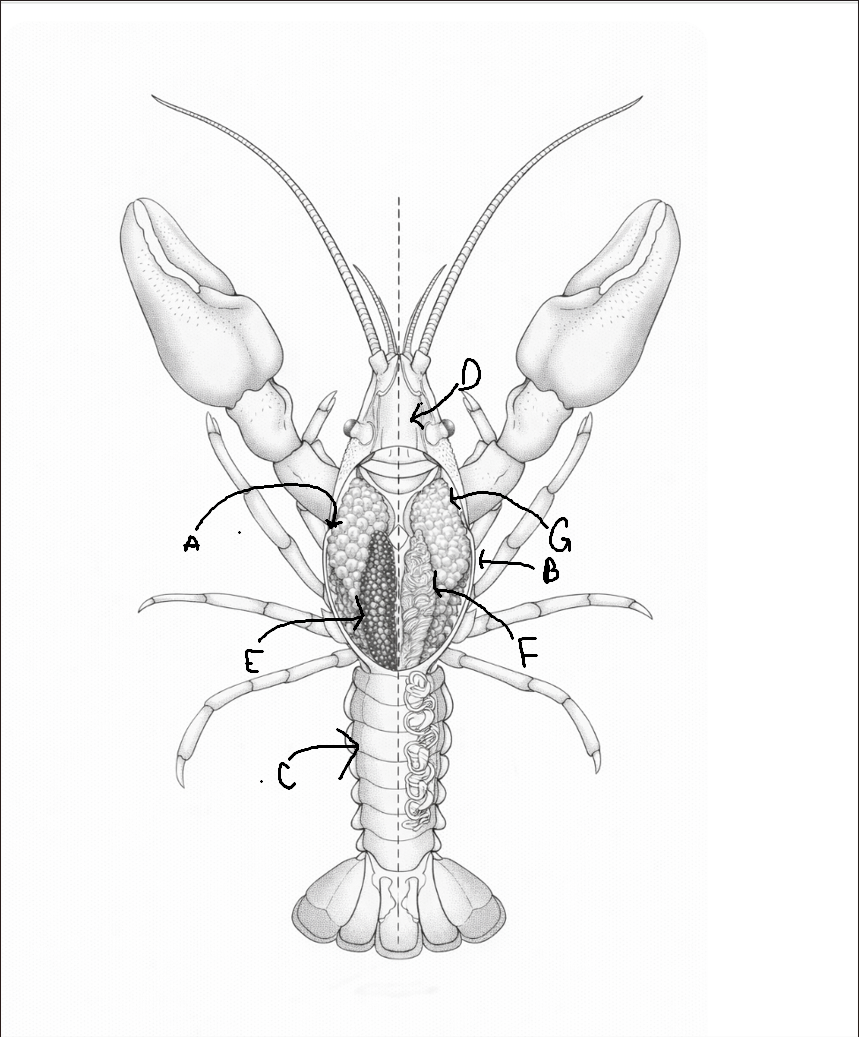
What does letter E show in this diagram?
eggs
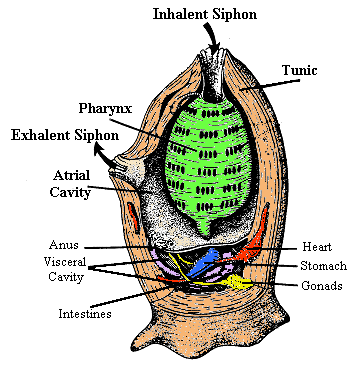
What does the excurrent siphon do for Phylum Chordata Subphylum Urochordata?
Water is pumped out through it. It is on the side of the structure.
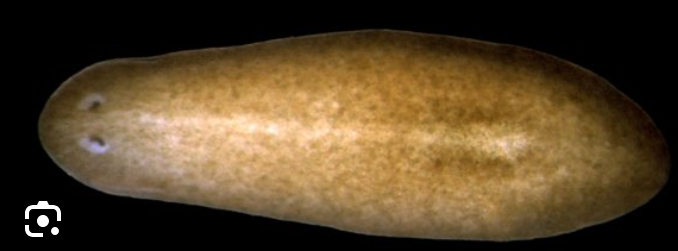
eyespots
Found in Platyhelminthes. They detect light intensity and allow them to respond by finding shade, avoiding predators, and locating food.
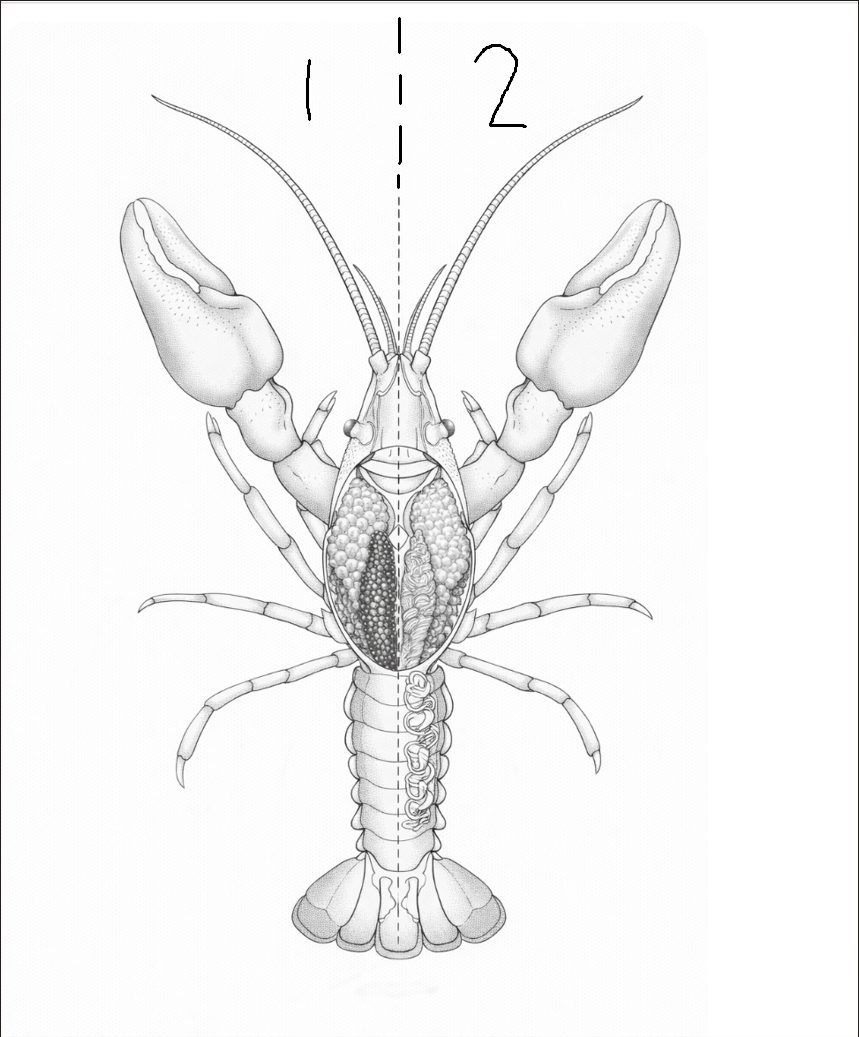
Which side is the female?
1
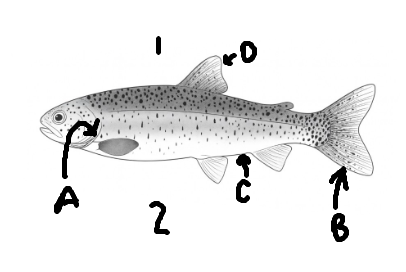
What does letter D show in this diagram?
fin
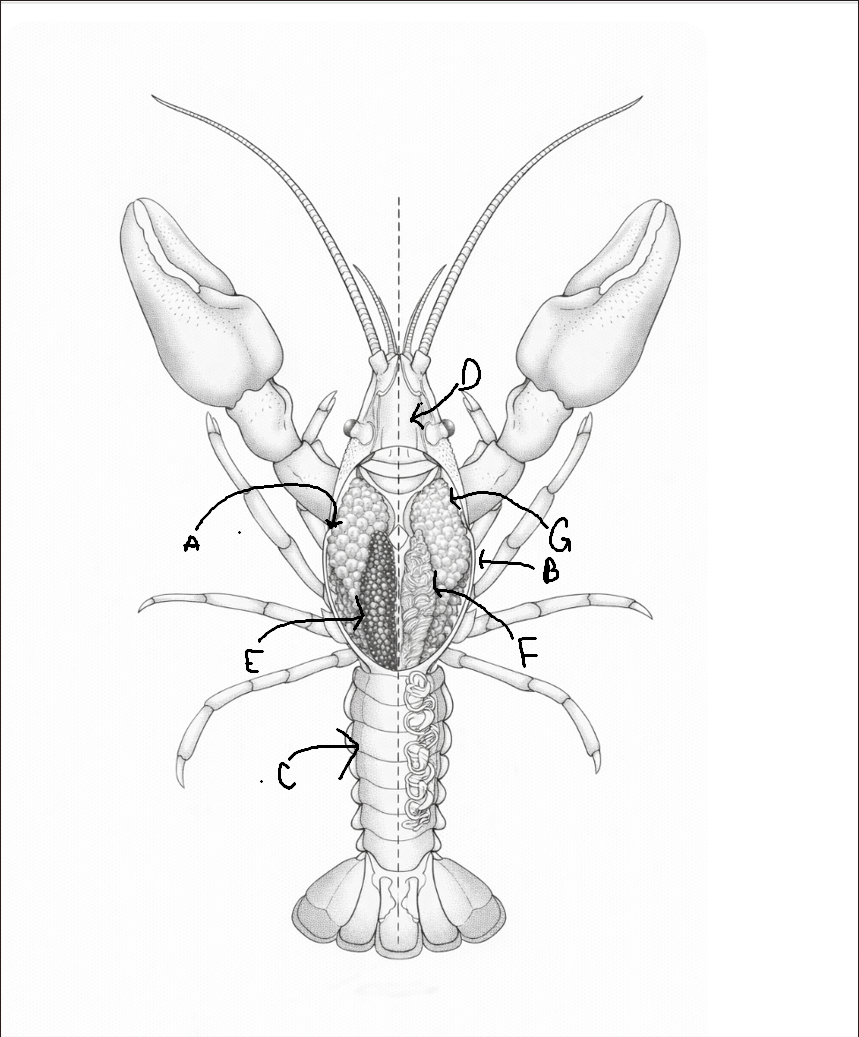
What does letter D show in this diagram?
gastric mill
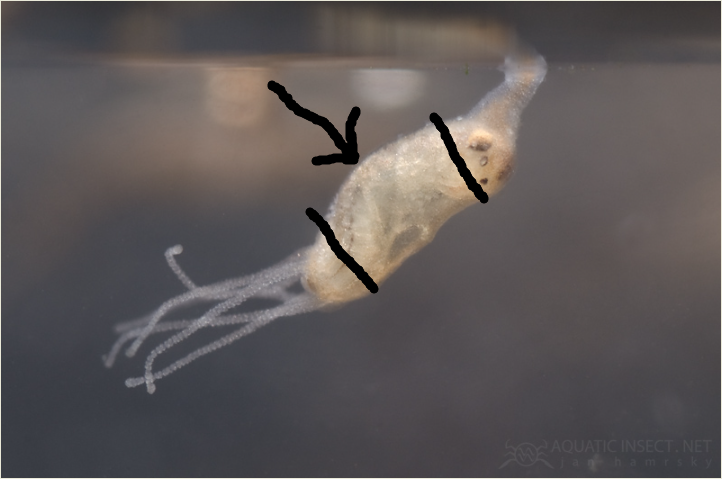
gastrovascular cavity Cnidaria
Found in Cnidaria. Single orifice for both food ingestion and waste disposal.
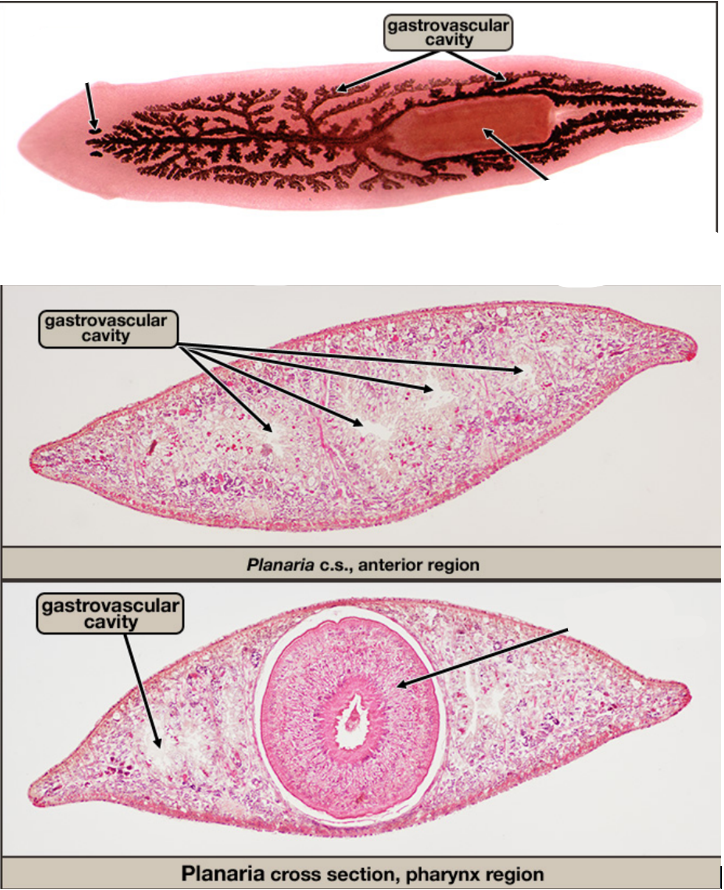
gastrovascular cavity Platyhelminthes
Found in Platyhelminthes. Digests food and expulse waste
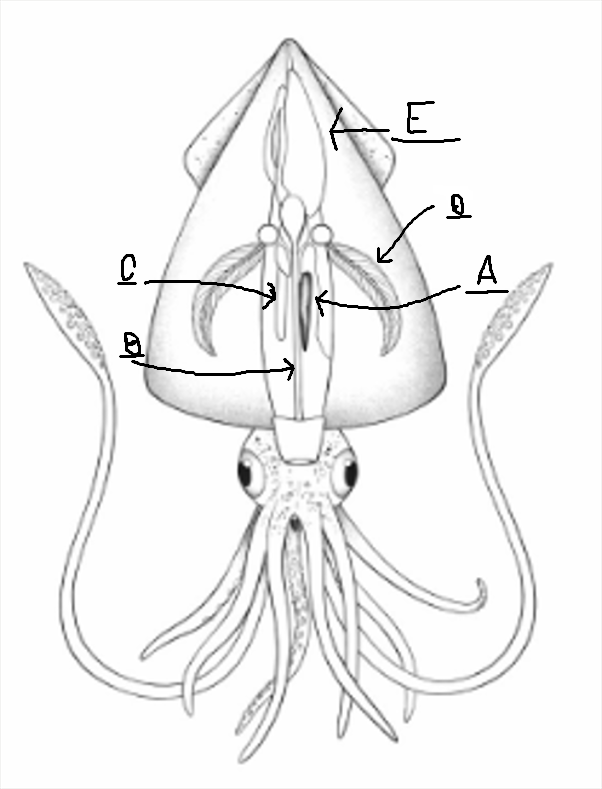
What does letter D show in this photo?
gills
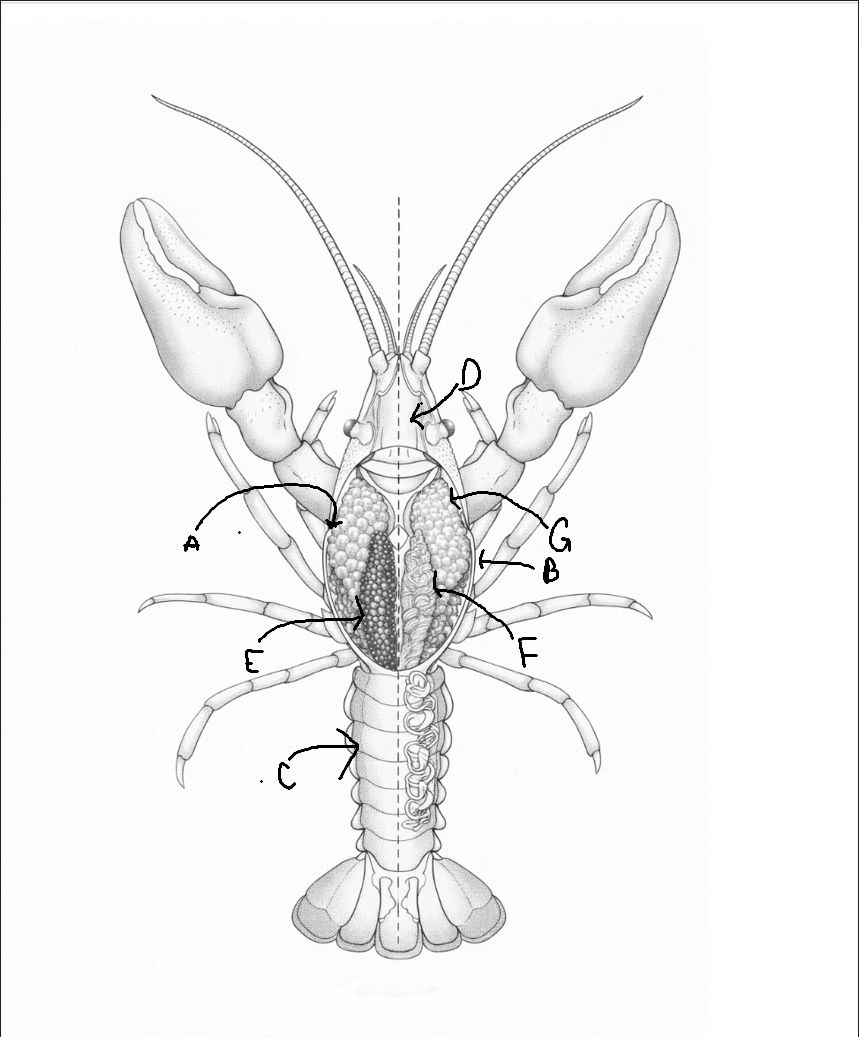
What does letter B show in this diagram?
Gills
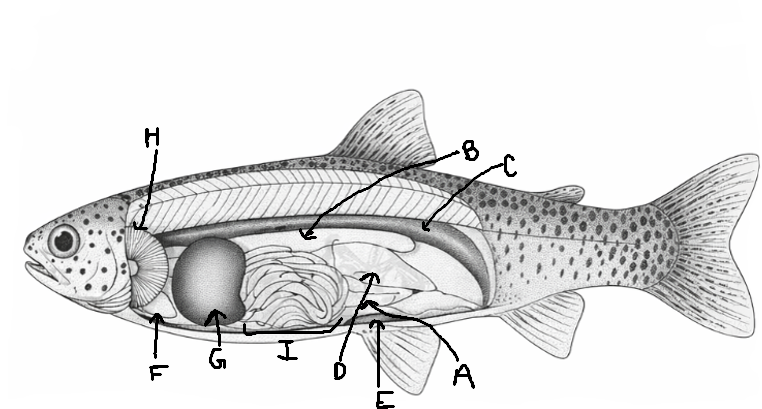
What does letter H show in this diagram?
Gills
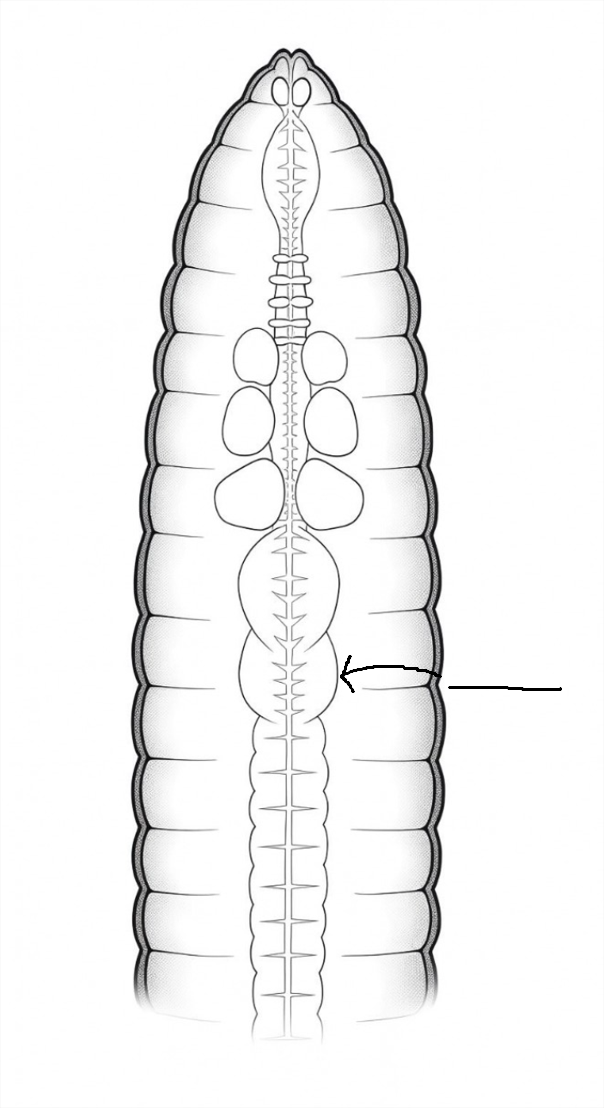
gizzard
What does the gizzard do for Annelida?
It mechanically breaks down food by grinding.
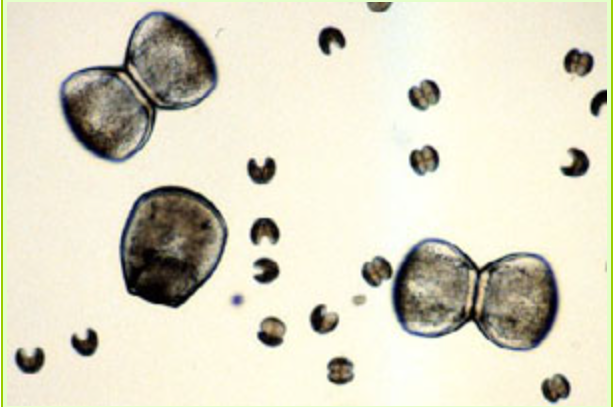
glochidium
Found in Phylum Mollusca Class Bivalvia. The larval stage
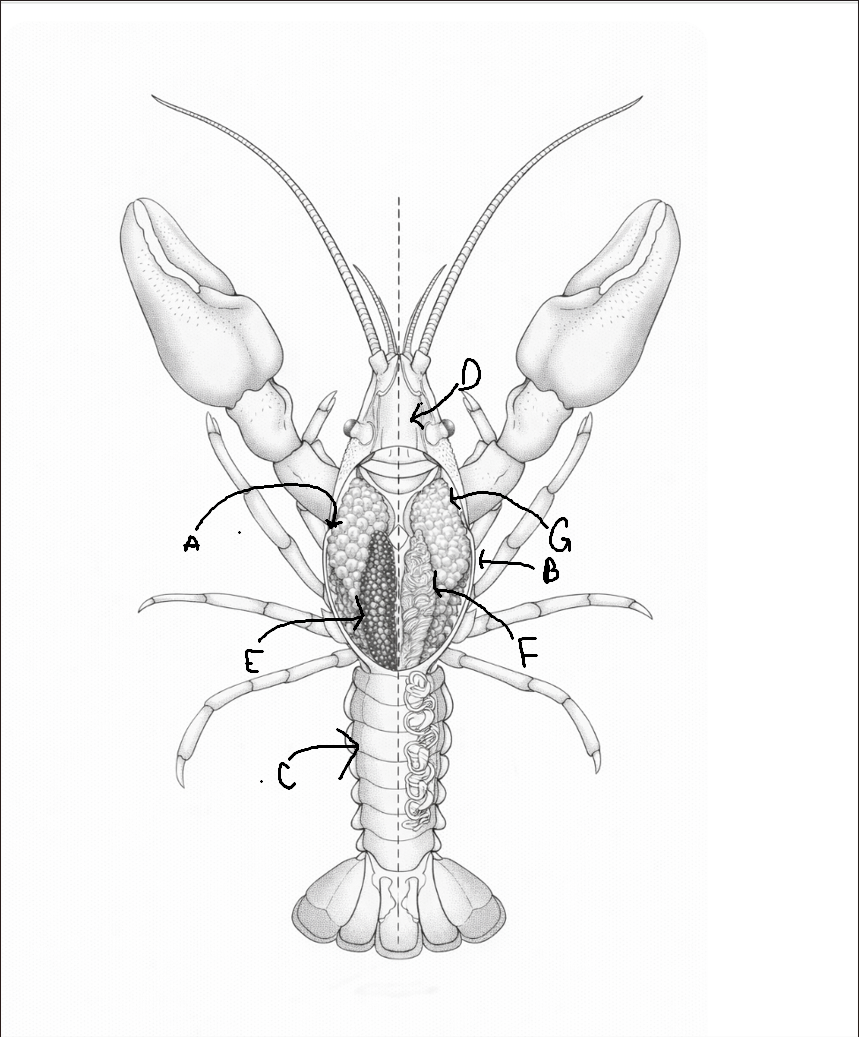
What does letter G show in this diagram?
Gonads
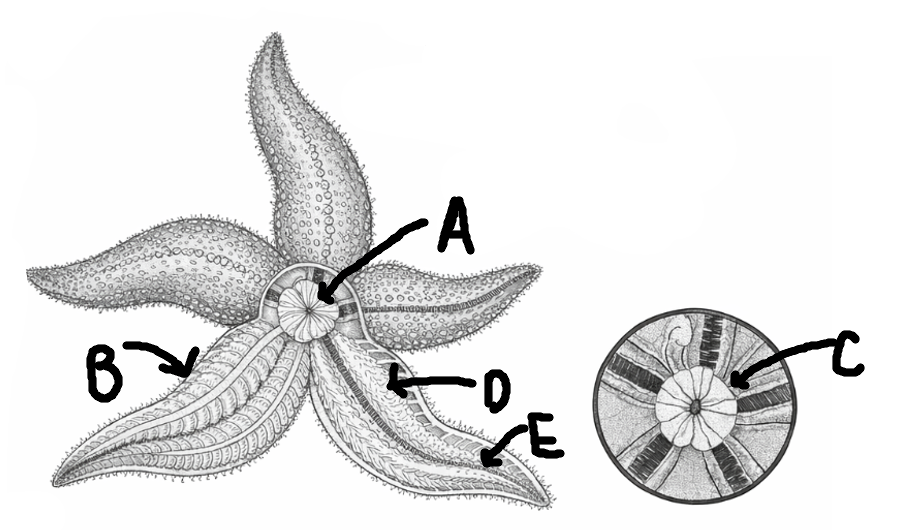
What does letter D show in this diagram?
Gonads
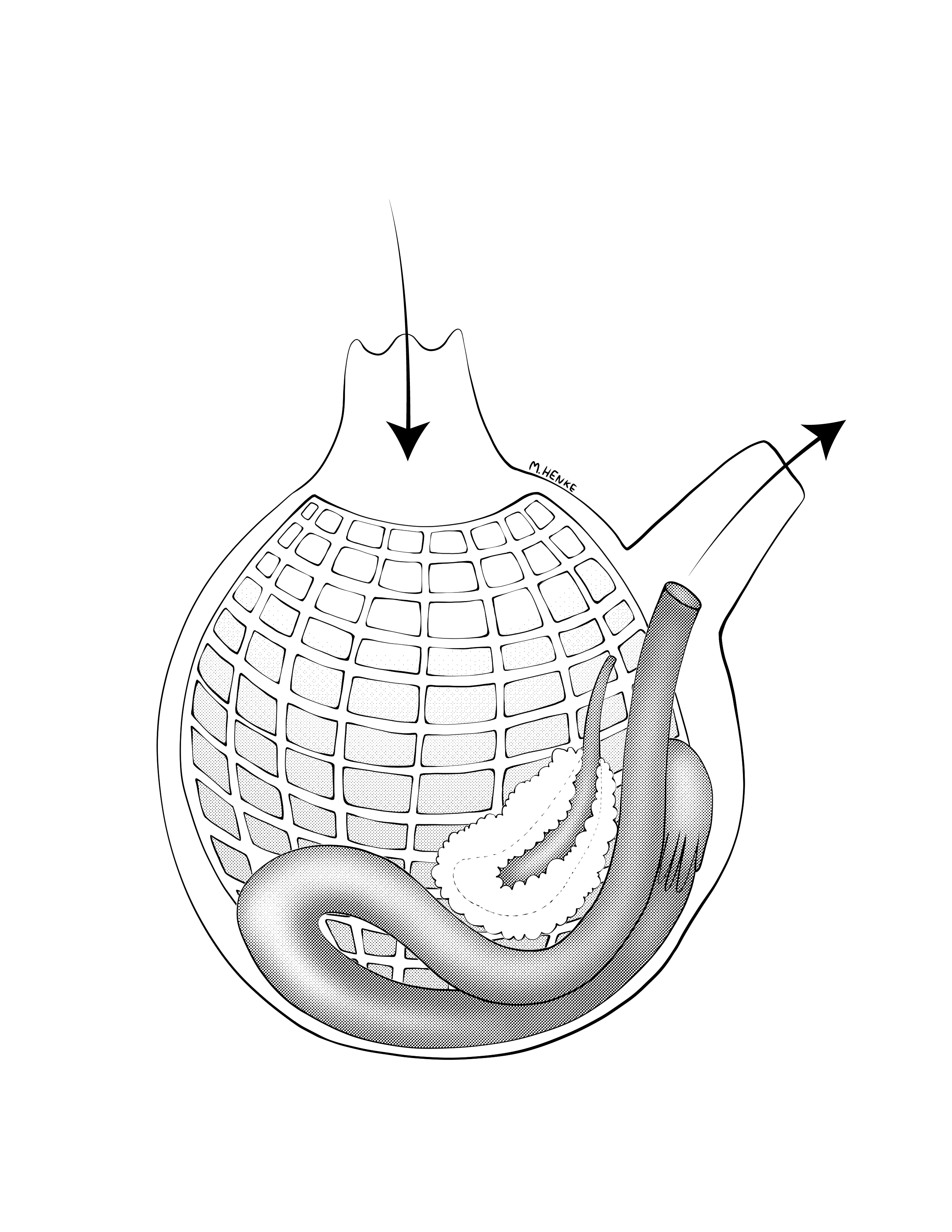
What does the gut loop do for Phylum Chordata, Subphylum Urochordata?
Food particles are filtered from the water and pass through where they are digested.
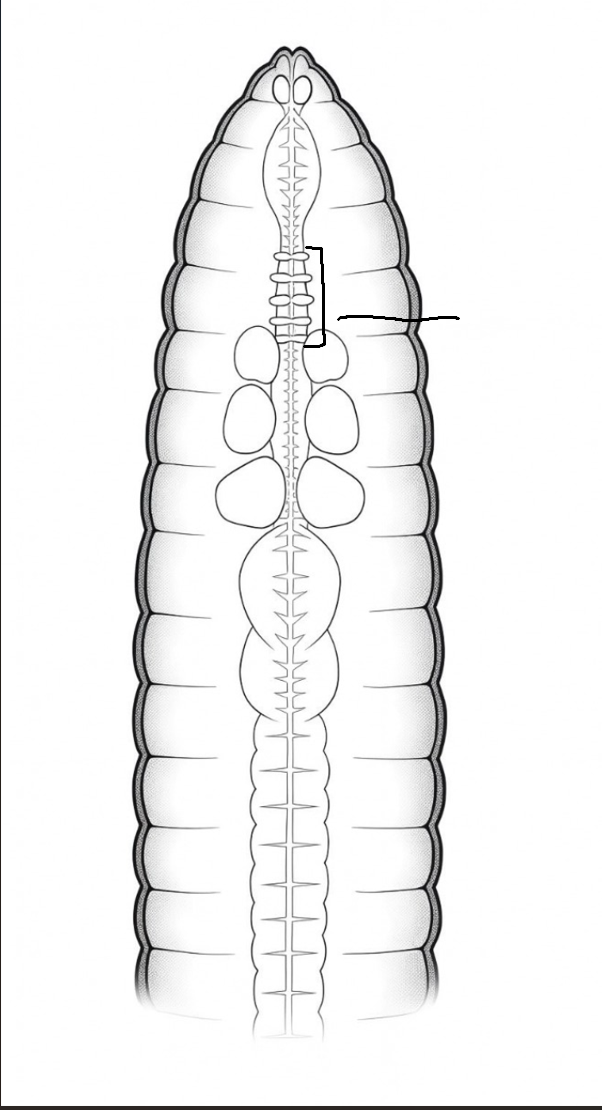
heart
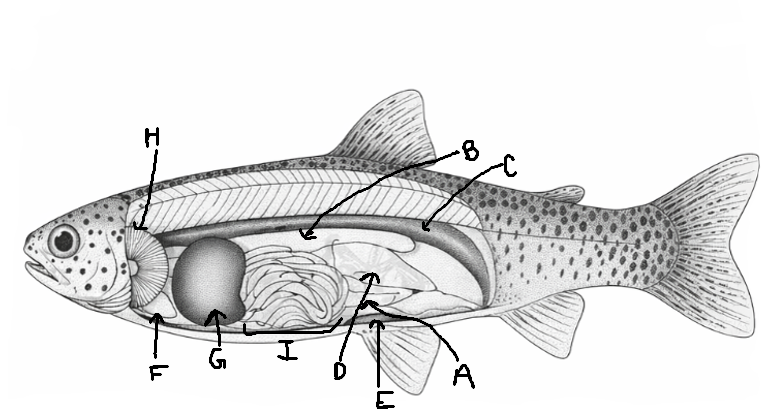
What does letter F show in this diagram?
Heart.
hermaphrodite
Organisms possessing both male and female reproductive organs, capable of producing both eggs and sperm. Mainly found in Platyhelminthes, Annelida, and Porifera.
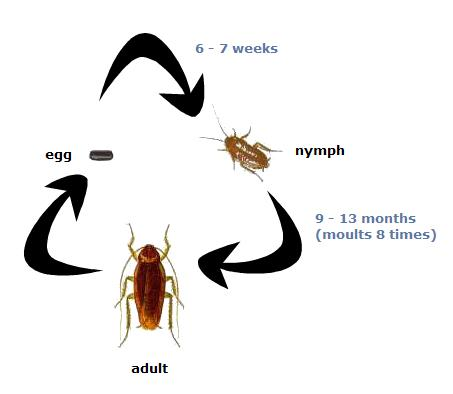
incomplete metamorphosis
A three-stage insect development process—egg, nymph, and adult—that lacks a pupal stage. Nymphs hatch looking like miniature, wingless adults and molt multiple times as they grow, gradually developing wings and reproductive organs
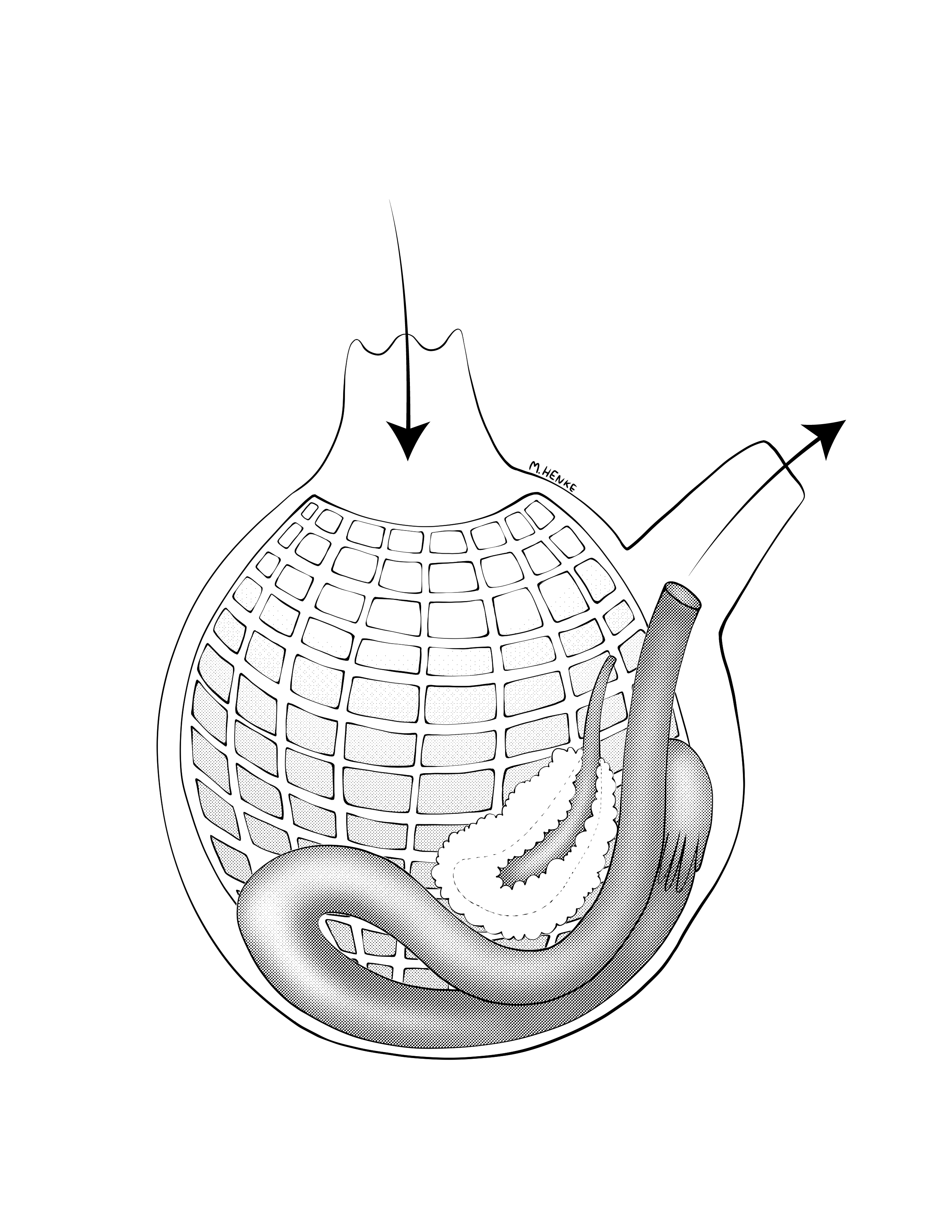
What does the incurrent siphon do for Phylum Chordata, Subphylum Urochordata?
Water is pumped into through it. It is at the top of the structure.
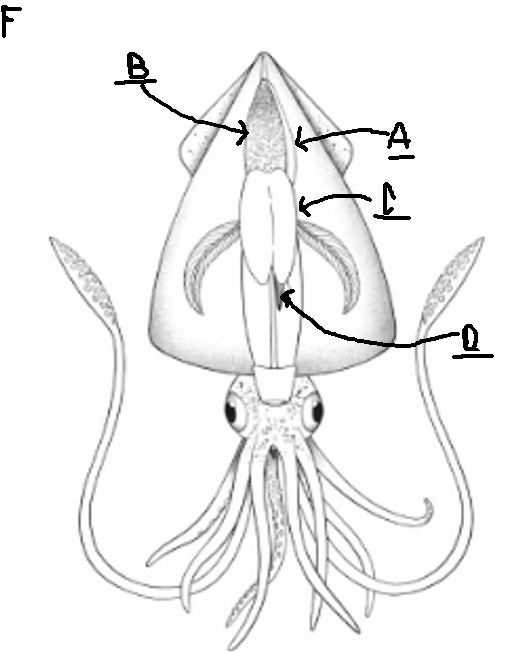
What is labeled by D in this photo?
ink sac
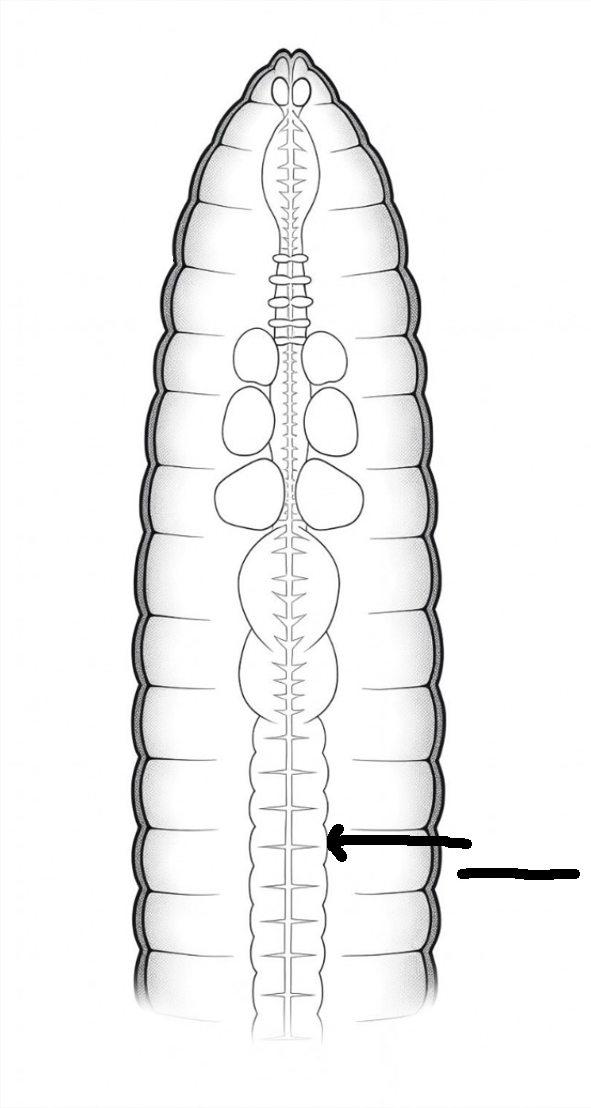
intestine Annelida
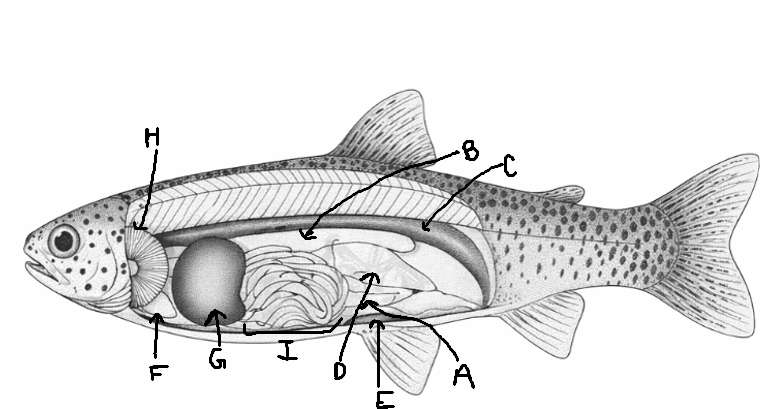
What does letter A show in this diagram?
Intestine
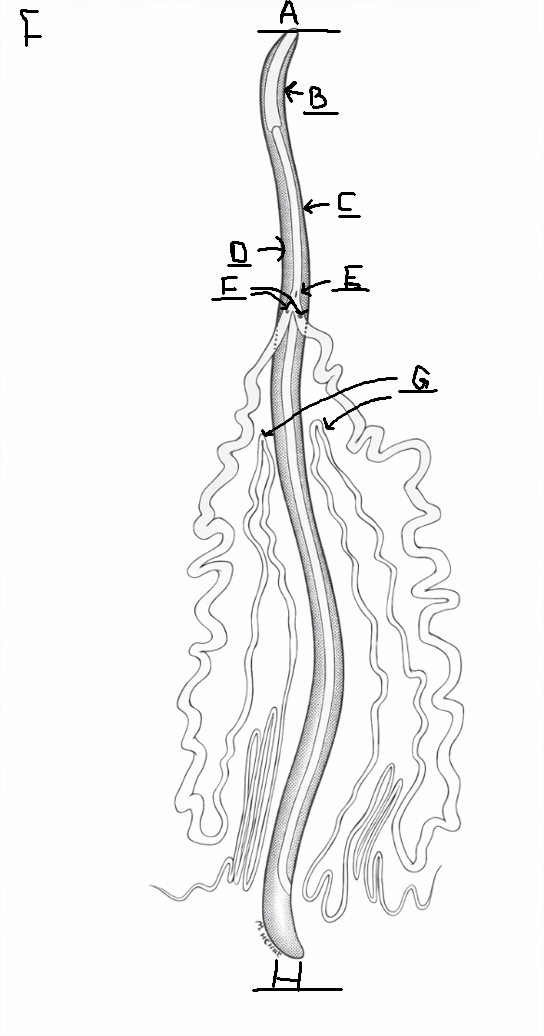
What does C show in this diagram?
Intestine Nematoda
What do intestines do for Annelida?
They use it for digestion.
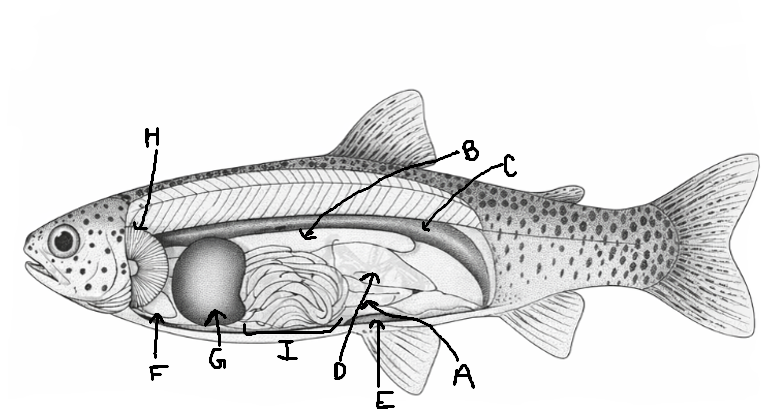
What does letter C show in this diagram?
kidney
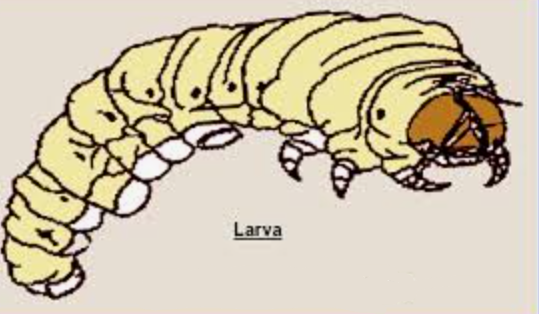
larvae Hexapoda
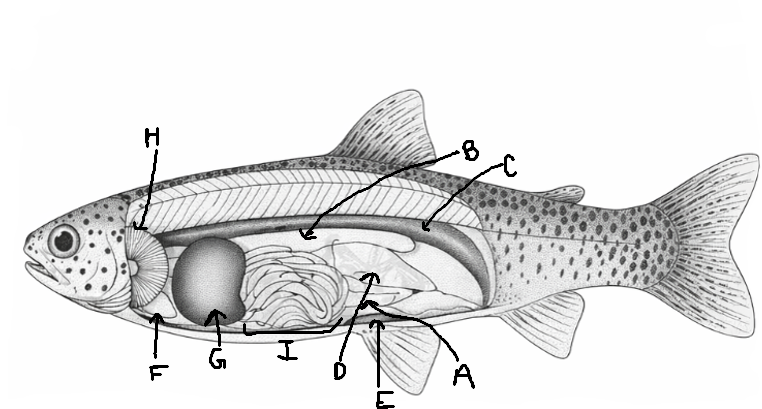
What does letter G show in this diagram?
liver
lobed fins
A crucial group of bony fish with fleshy, muscular, lobed pectoral and pelvic fins, which are supported by a central, articulated bone structure homologous to tetrapod limbs.
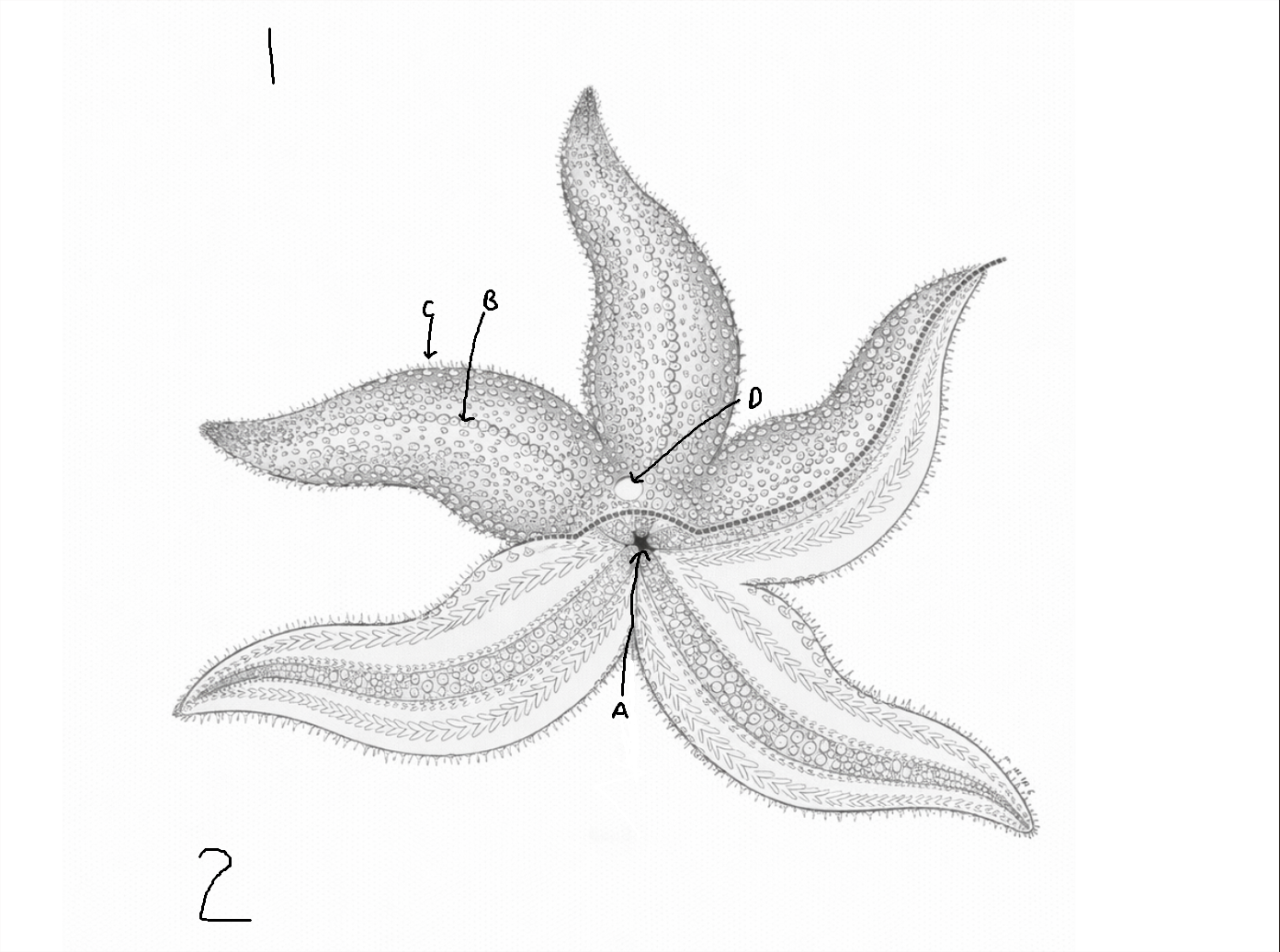
What does letter C represent on this diagram?
Pedicellaria
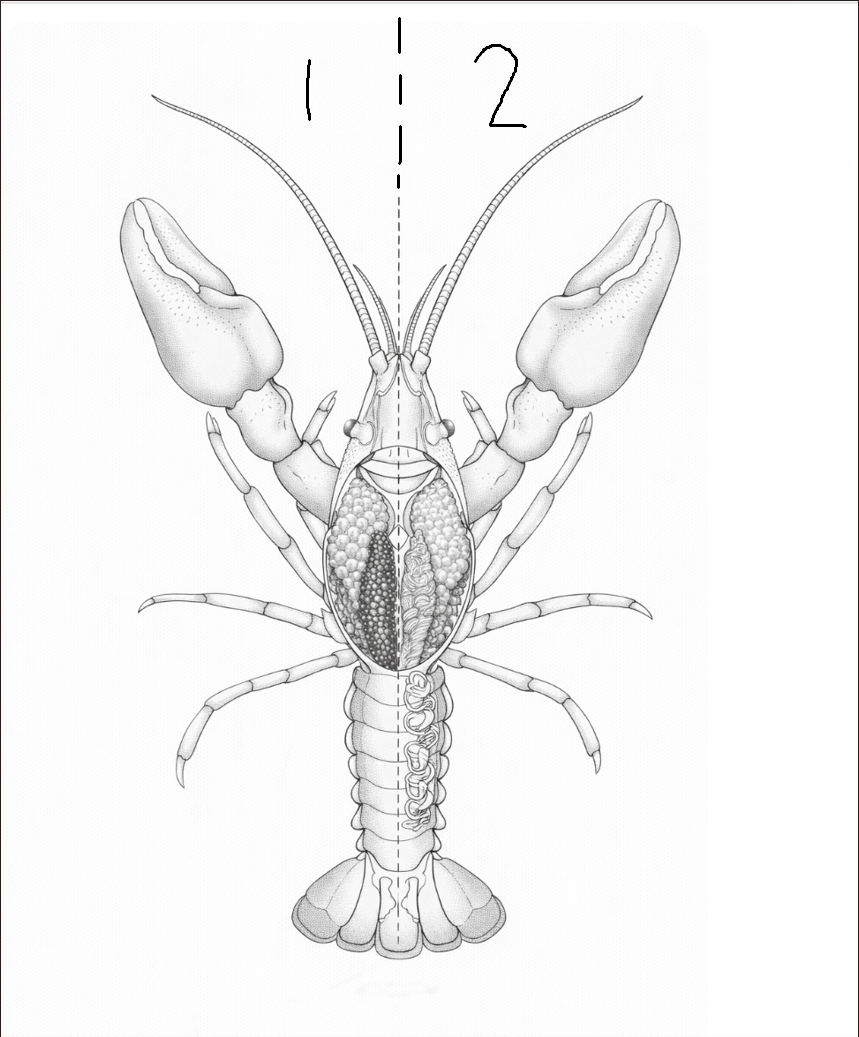
Which side of this is the male?
2
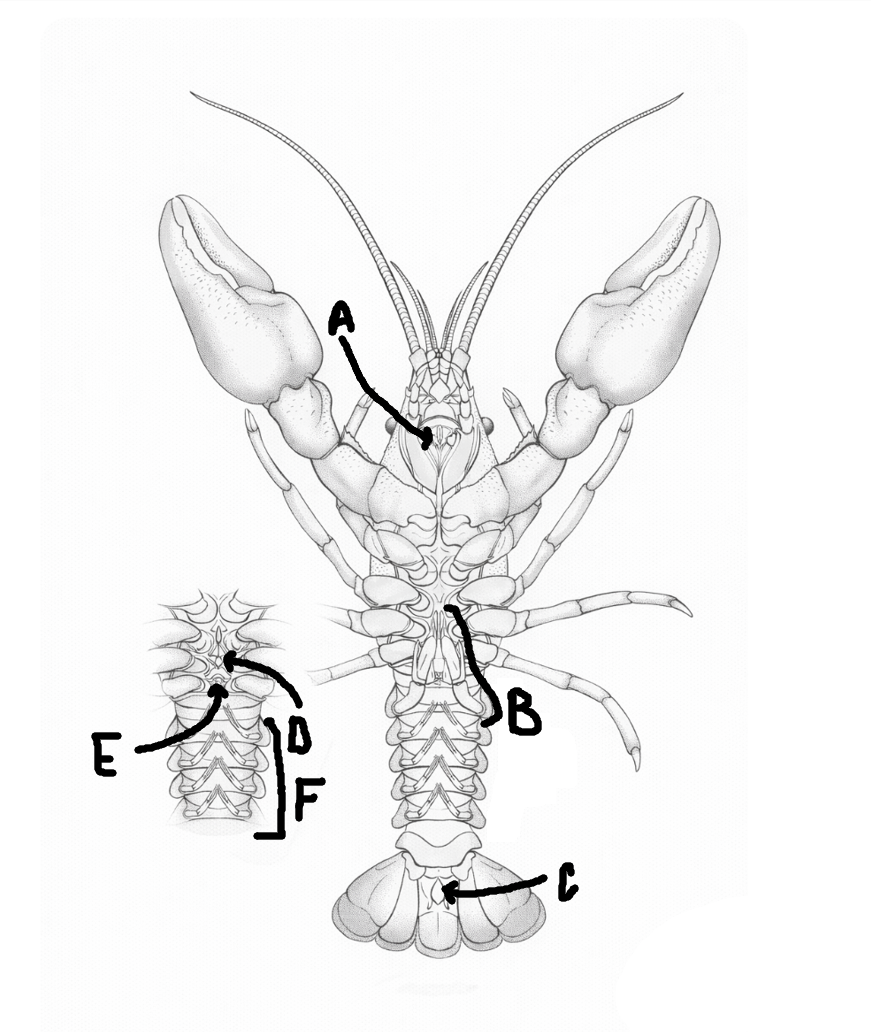
What does letter B show in this diagram?
male swimmerets
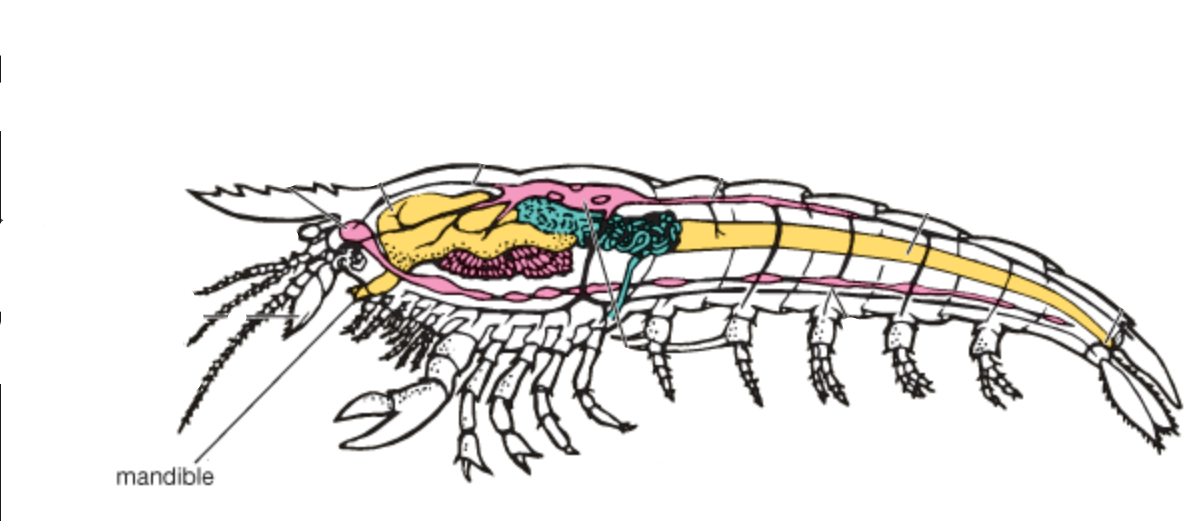
mandibles
Found in Phylum Arthropoda Subphylum Crustacea. They are used for biting crushing and cutting food. Are the primary paired jaw like mouth parts.
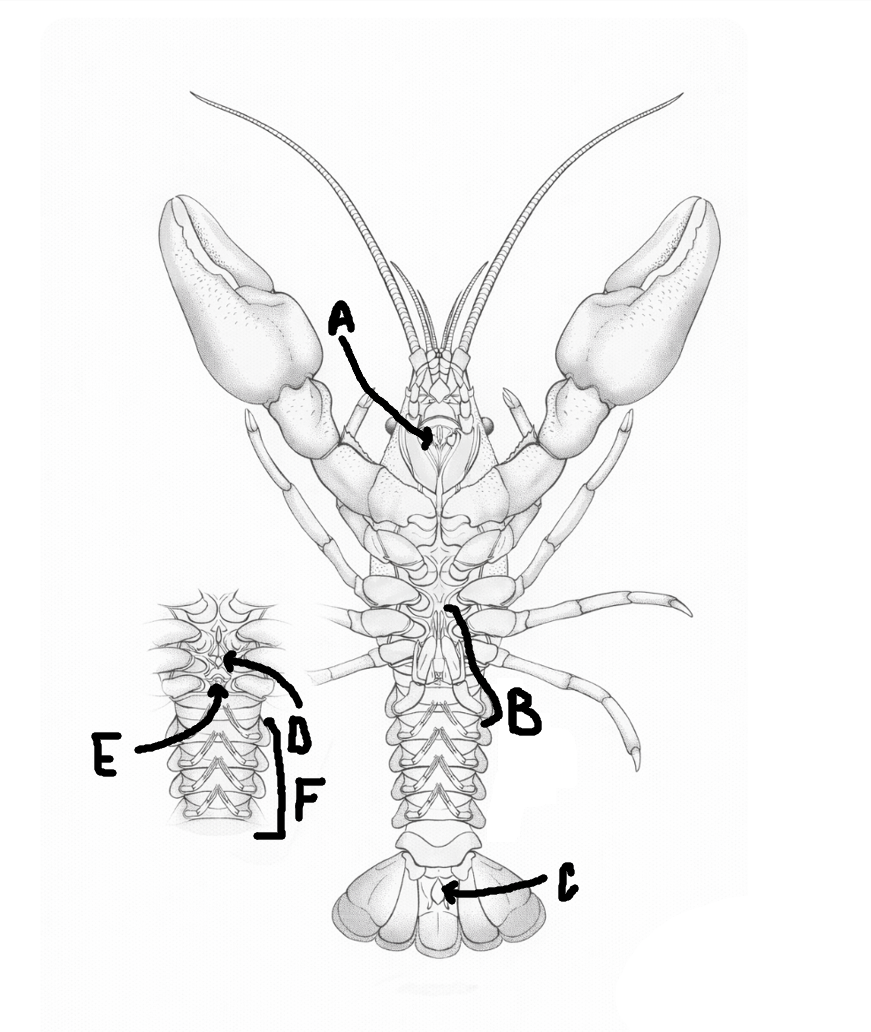
Which structure does letter A show in this diagram?
Mandible
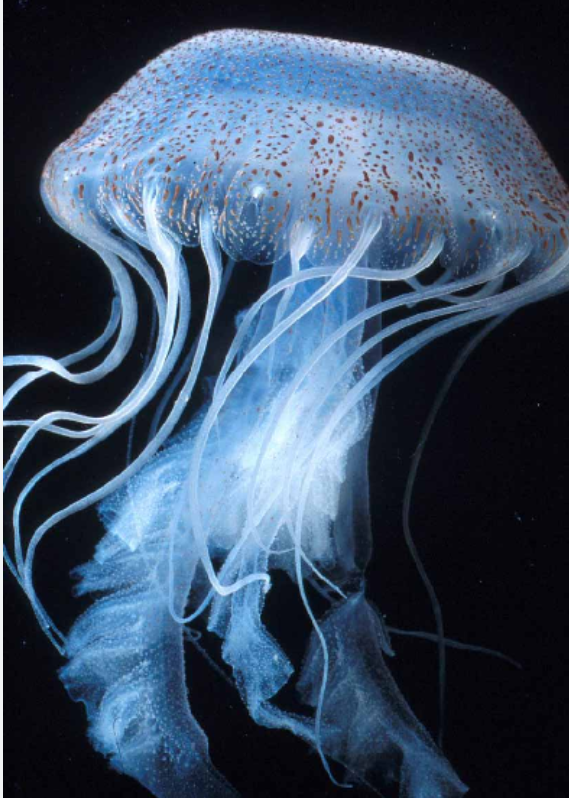
medusa
Found in Cnidaria. Jelly fish.
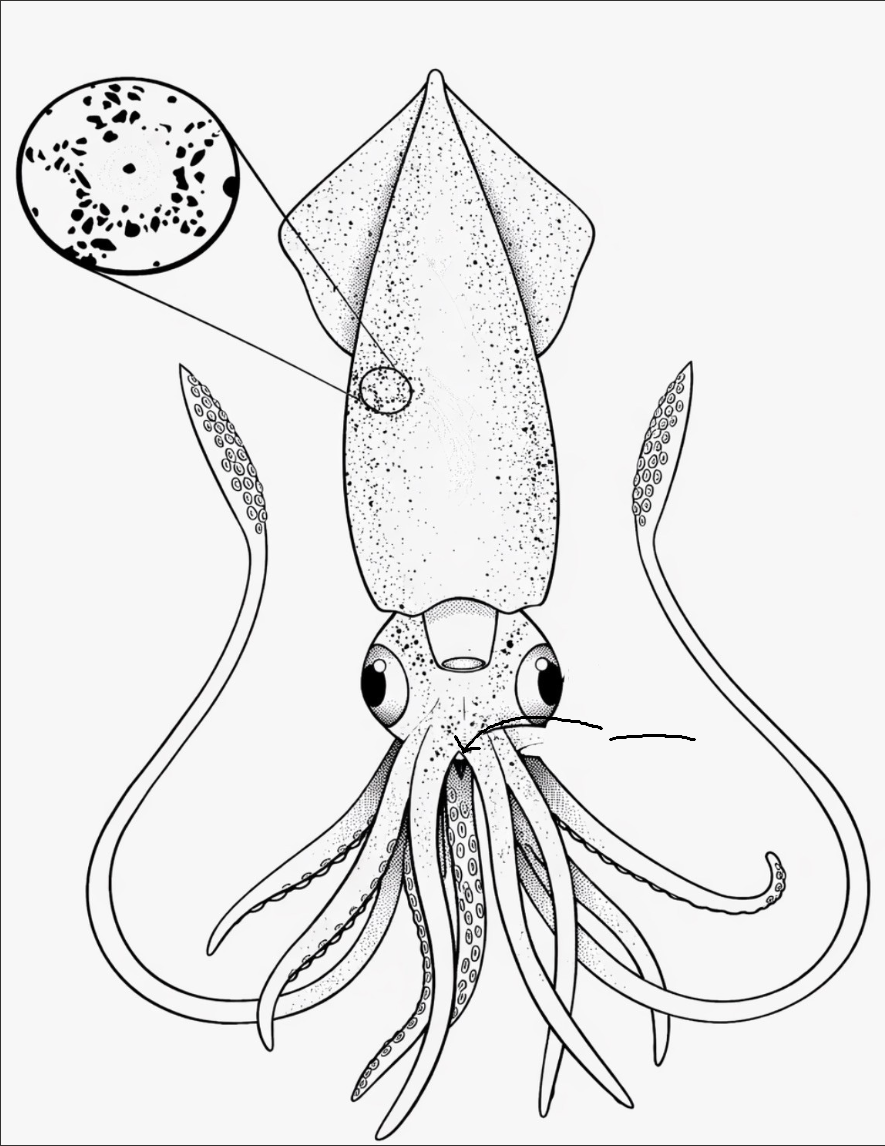
Mouth
What does the mouth do for squids?
It contains the beak and radula which help it capture and consume prey.
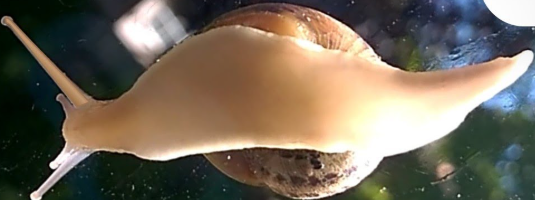
muscular foot
In Phylum Mollusca Class Gastropoda. Contraction waves to help move.
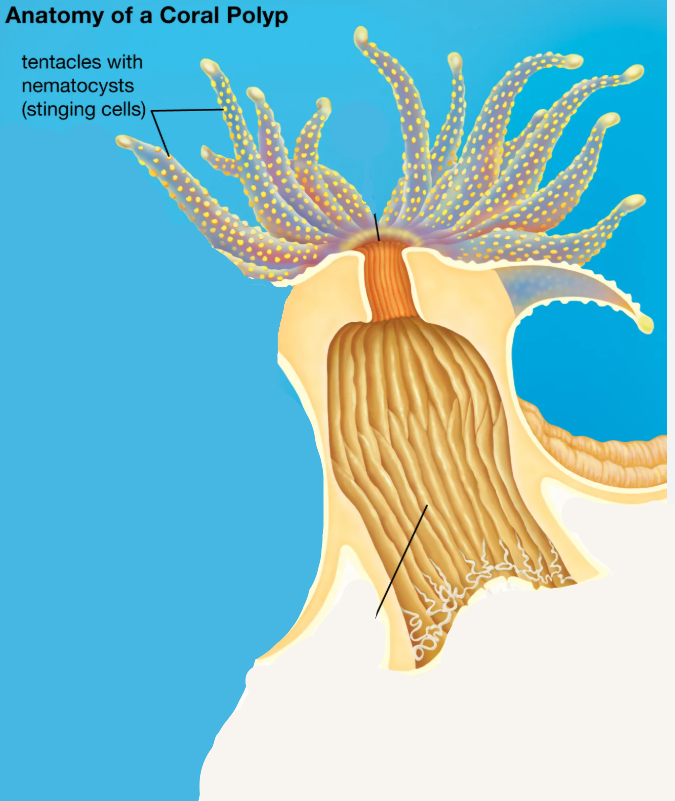
nematocyst
Found in Cnidaria. Used for stinging defense or capturing prey. part of the cnidocytes
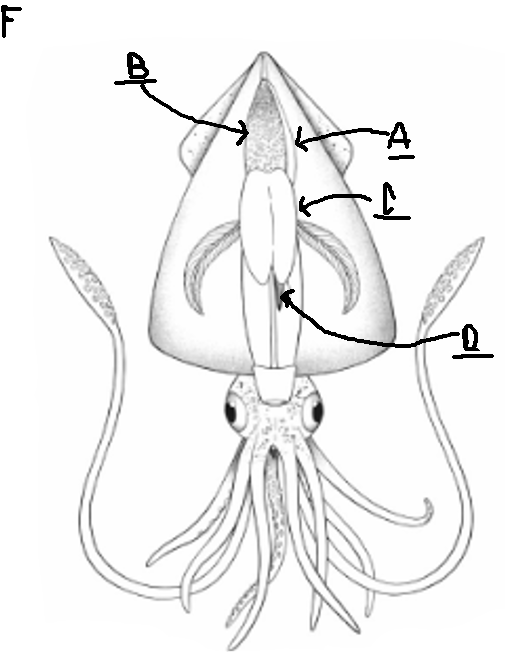
What is represented by letter C in this diagram?
nidamental glands
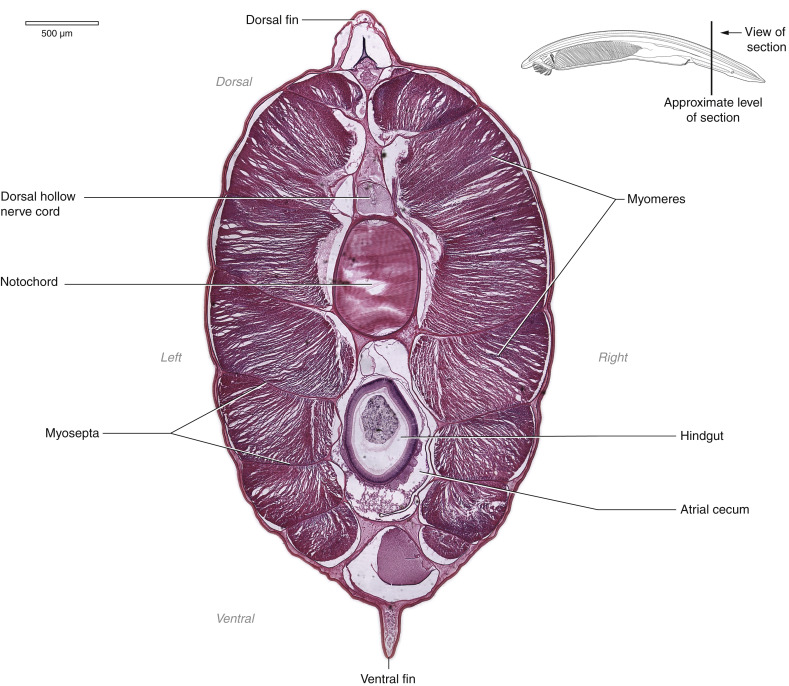
What does the notochord do for Phylum Chordata, Subphylum Cephalochordata?
Flexible rod that supports the body
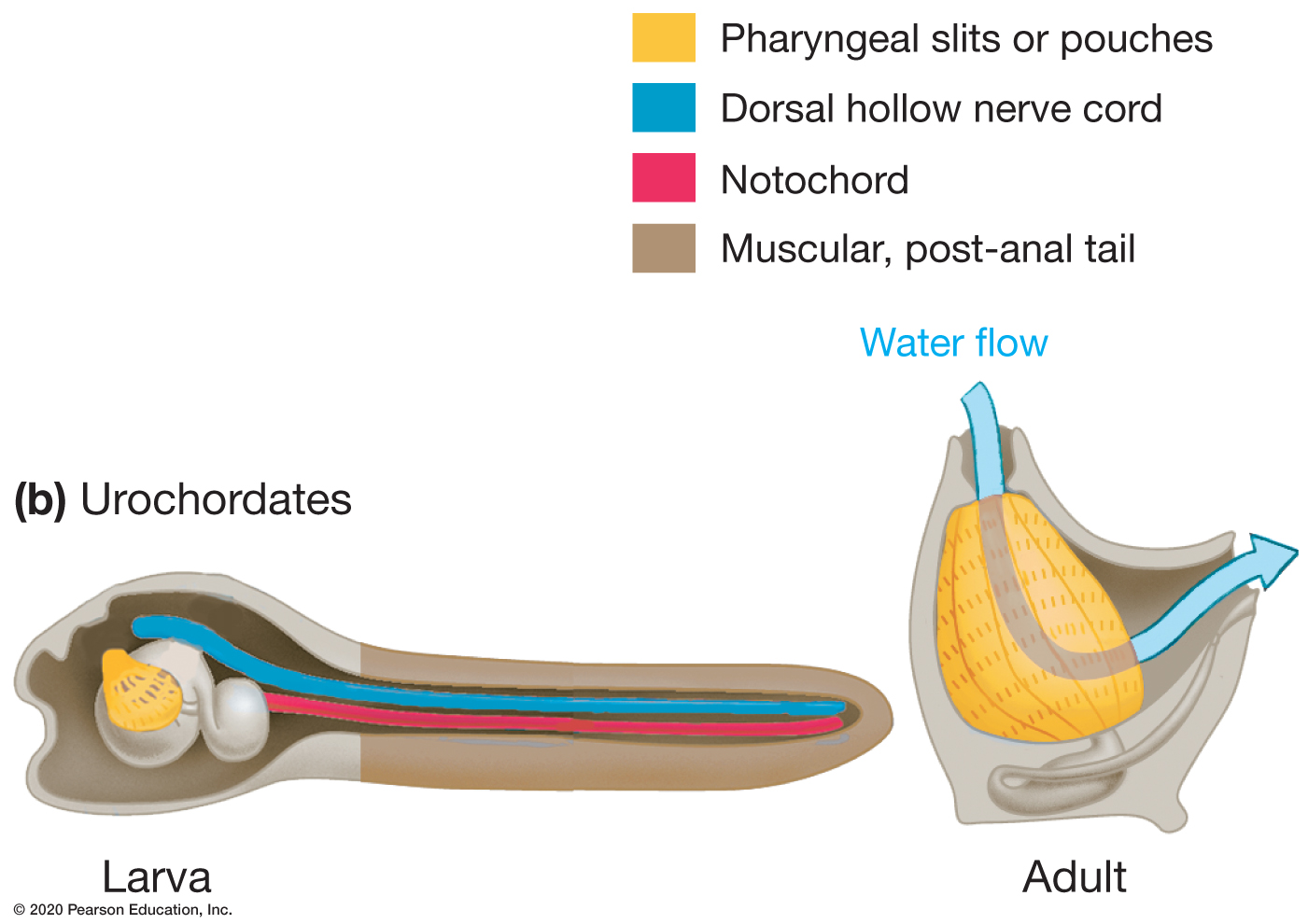
What does the notochord do for Phylum Chordata, Subphylum Urochordata?
It acts as a rigid flexible rod for locomotion and structural support only during the free swimming larval stage.
nymphs
Found in Phylum Arthropoda, Subphylum Hexapoda. The immature juvenile stage of insects that undergo incomplete metamorphosis.
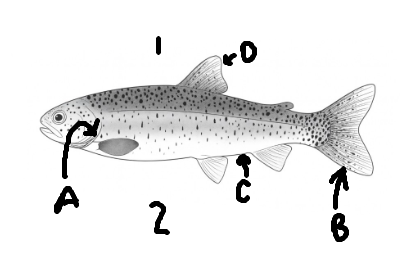
What does letter A show in this diagram?
operculum
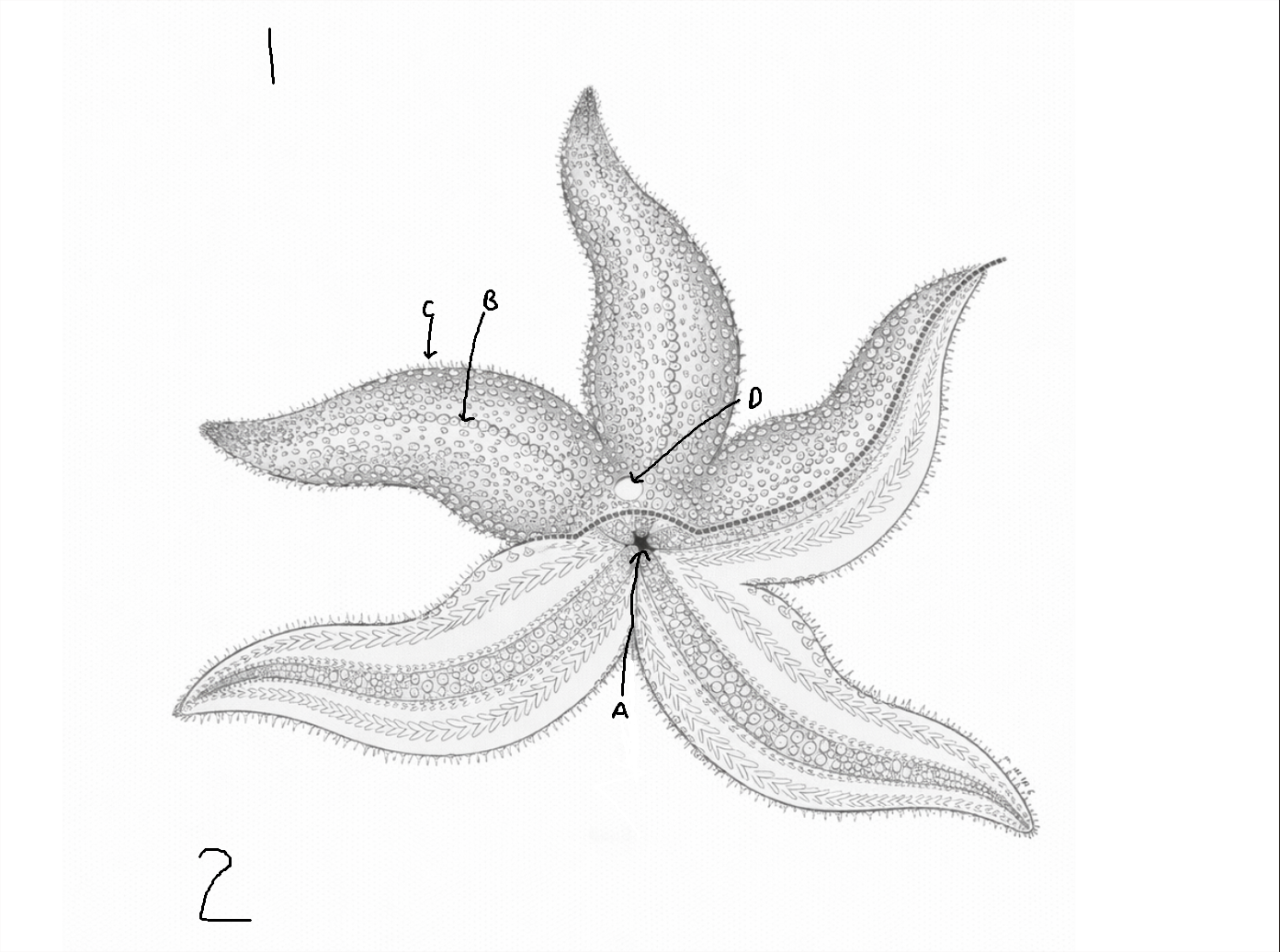
What does letter A show on this diagram?
oral opening
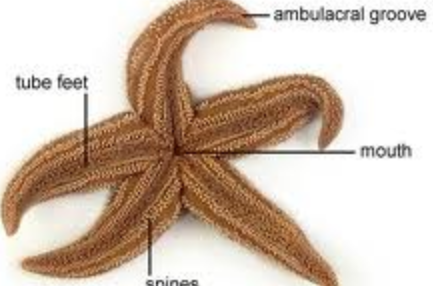
What does the oral Opening do for Phylum Echinodermata?
It acts as the central entrance to the digestive system, facilitates feeding, digestion, and in some species, specialized defense.
What does the oral shield do for Phylum Echinodermata?
Covers teeth and protects the madreporite.
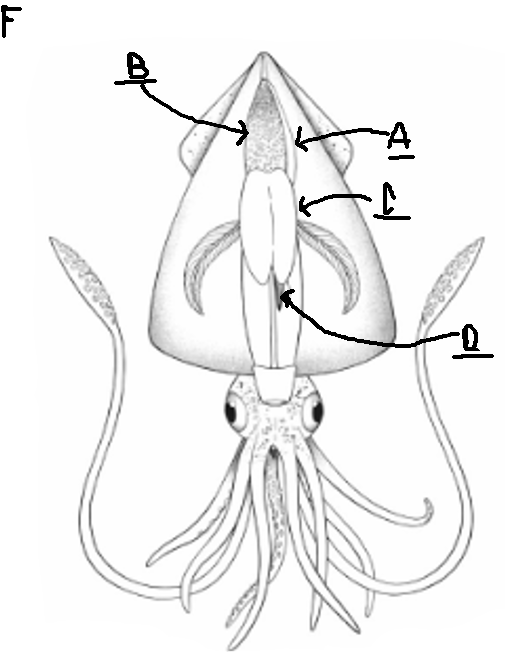
What does letter B represent in this diagram?
Ovary
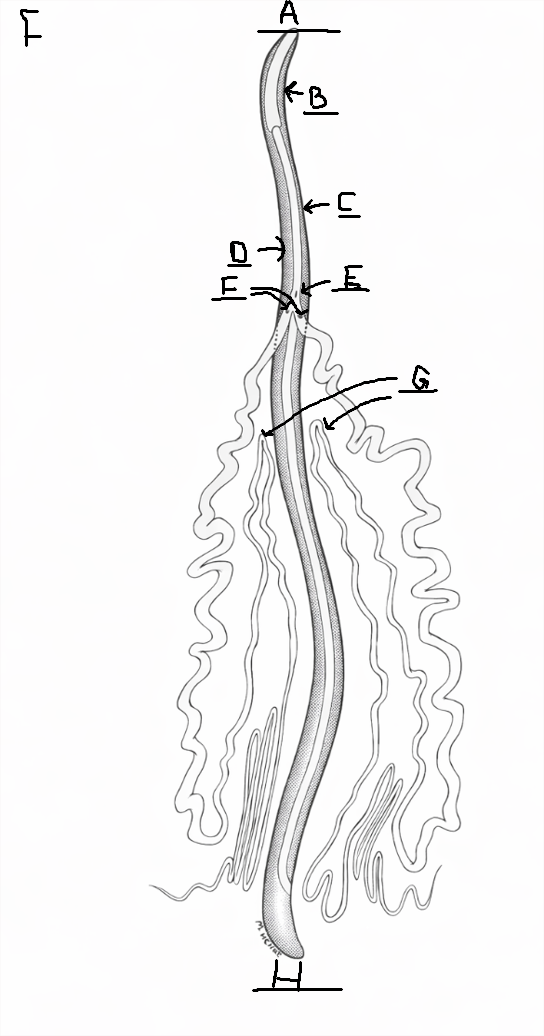
What does letter G show in the diagram?
Oviduct
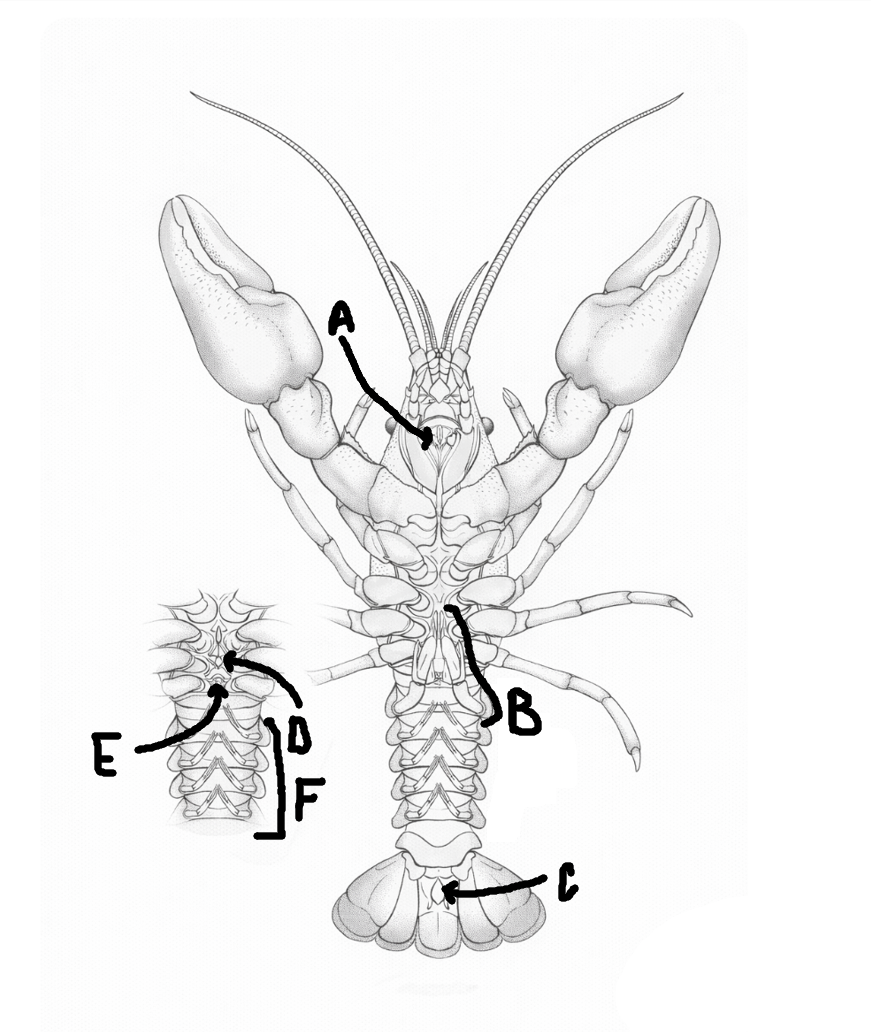
What does letter D show in this diagram?
Oviduct
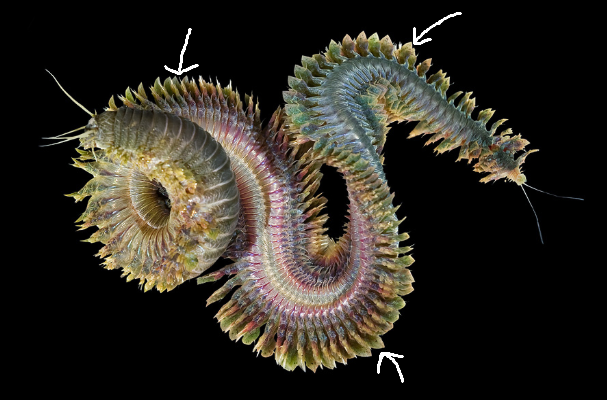
parapodia
Found in Annelida. Helps with movement
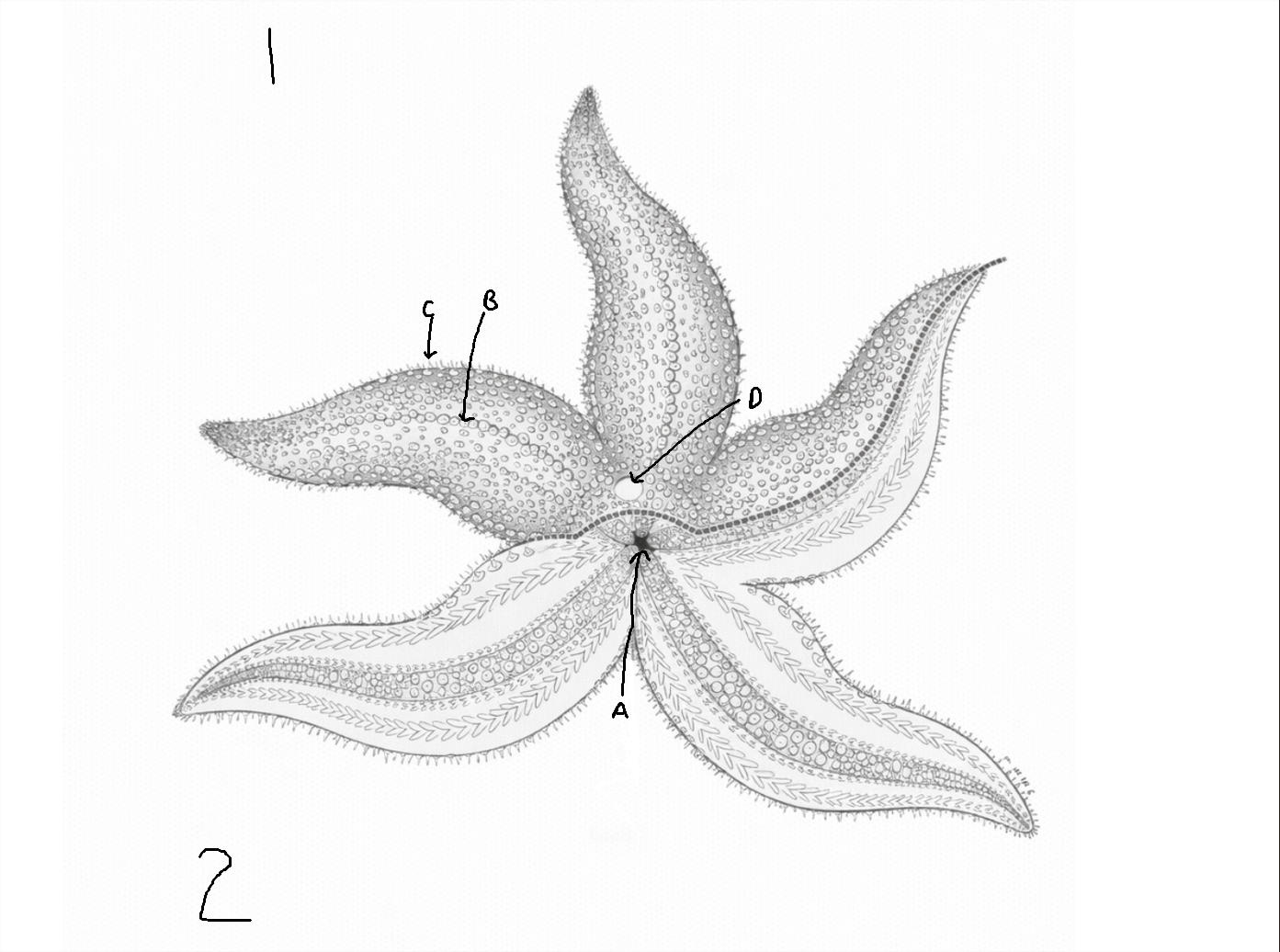
What is shown by letter D in this diagram?
Madreporite
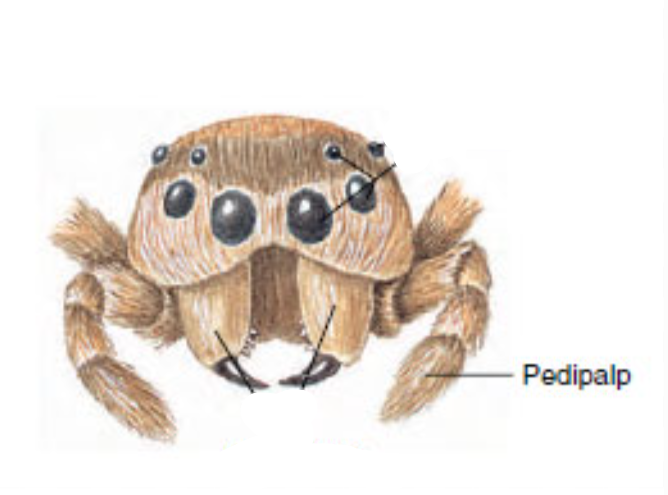
pedipalp
Found in Phylum Arthropoda Subphylum Chelicerata. An extra appendage that sits next to the mouth and serves as a tool for sensory input prey manipulation and defense.
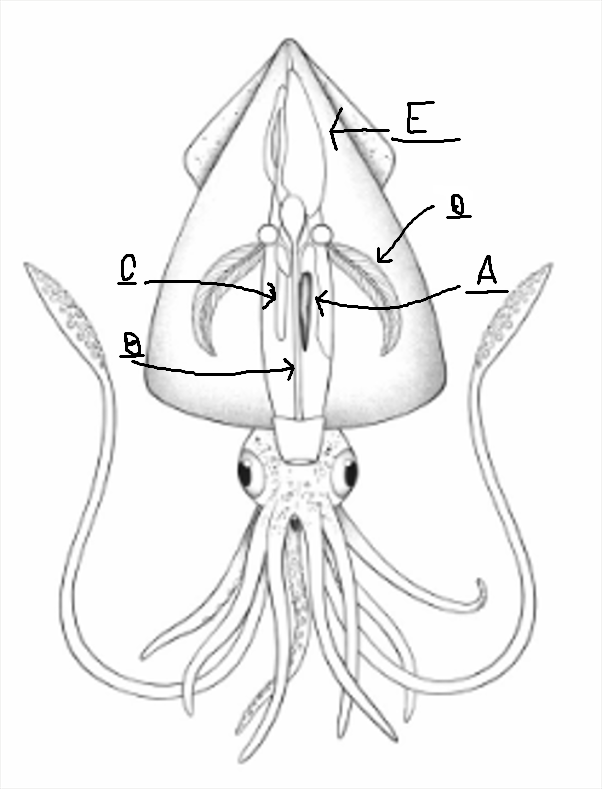
What does letter B show in this diagram?
pen
What does the pen do for the squid?
It supports muscles that are used for jet propulsion, maintains body shape, and pretexts visceral organs.
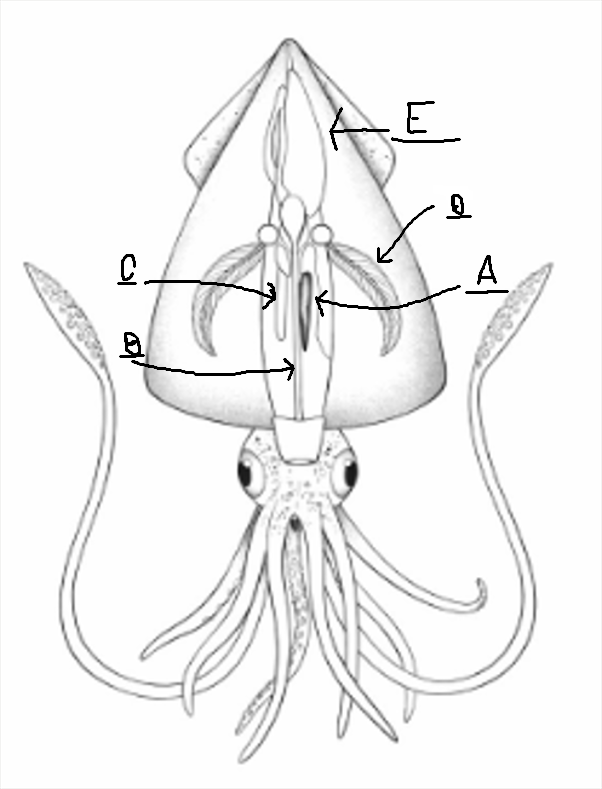
What does letter C represent in this diagram?
penis
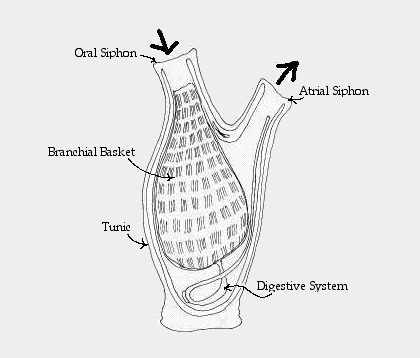
What does the pharyngeal basket do for Phylum Chordata Subphylum Urochordata?
Adult form of the pharyngeal basket. It is a filter feeding apparatus that traps good particles from water.
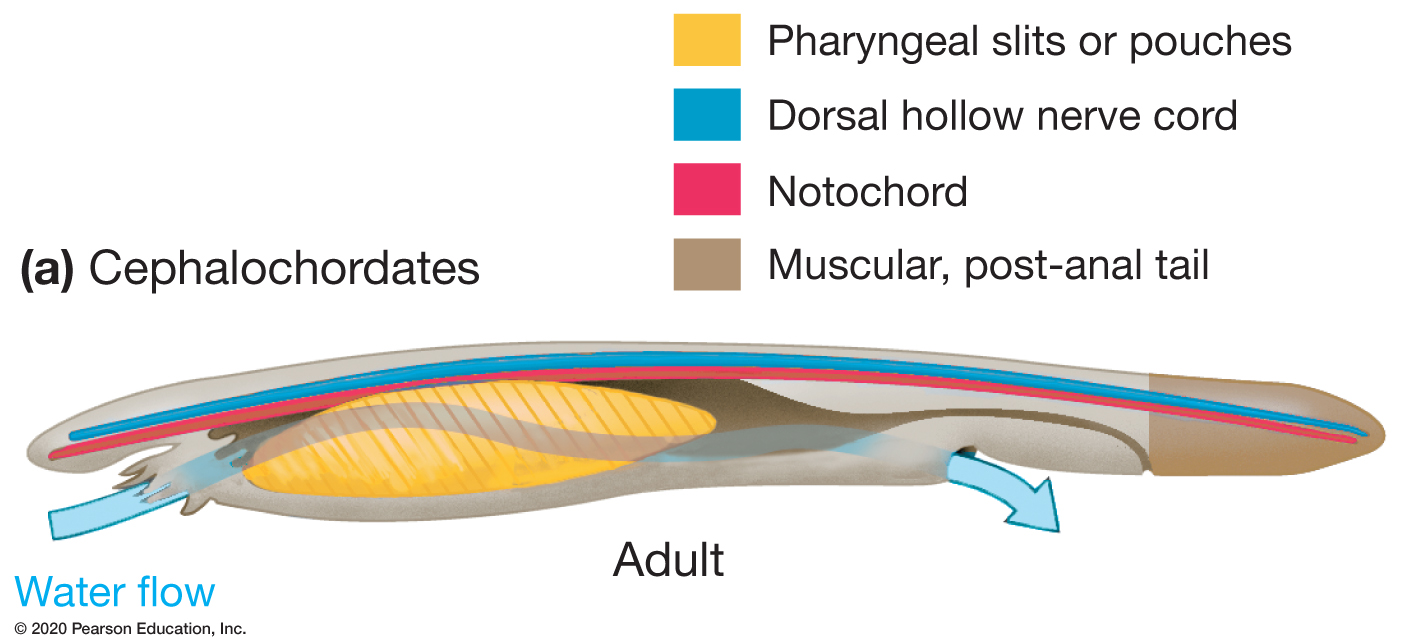
What does pharyngeal slits do for Phylum Chordata Subphylum Cephalochordate?
Aid in gas exchange.
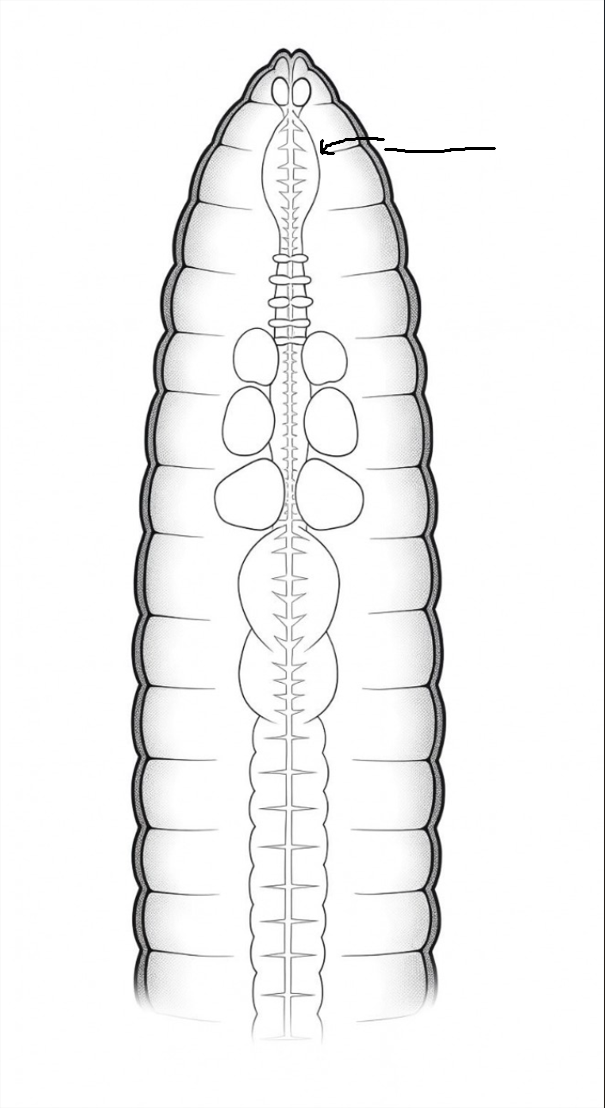
pharynx Annelida

