Pathophysiology Test One Material (copy)
 View linked note
 Call Kai
 Learn
Learn Practice Test
 Spaced Repetition
 Match
Match Flashcards
 Knowt Play
1/29

There's no tags or description
Looks like no tags are added yet.
Name | Mastery | Learn | Test | Matching | Spaced | Call with Kai | Chat |
|---|
No analytics yet
Send a link to your students to track their progress
30 Terms
Total Body Water (TBW)
Makes up 60% of body weight.
Intracellular Fluid (ICF)
Comprises 2/3 of TBW.
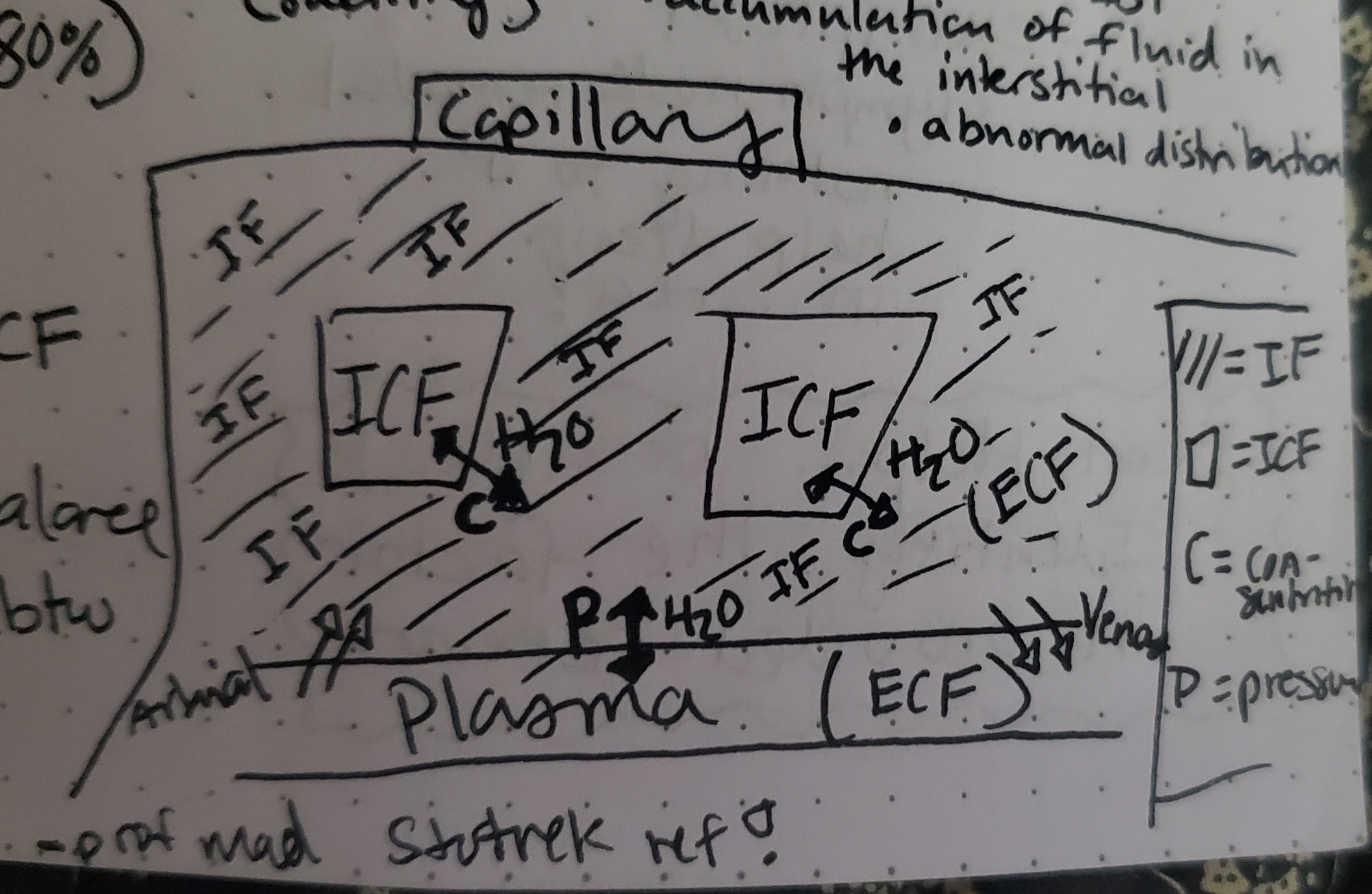
Extracellular Fluid (ECF)
Comprises 1/3 of TBW.
Fluid Movement
Constant movement occurs between ICF and ECF.
ECF Composition
Made up of interstitial fluid and blood plasma.
Interstitial Fluid
Lies between cells and makes up 80% of ECF.
Concentration Gradient
Movement between ICF and ECF is due to concentration differences.
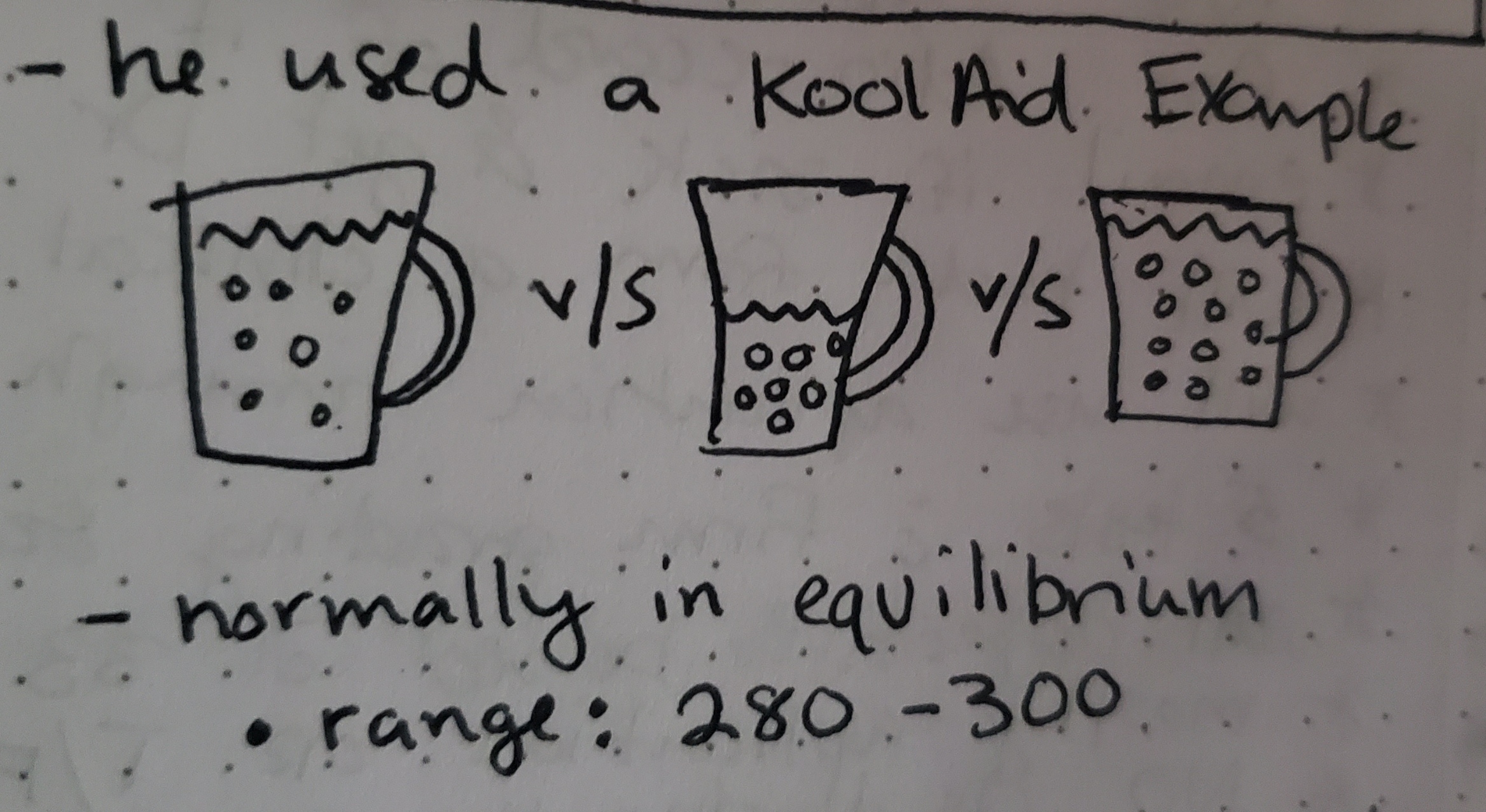
Isotonic Range
Normal osmolarity range is 280 to 300 mOsm/L.
Hypertonic Solution
Greater than 300 mOsm/L.
Hypotonic Solution
Less than 280 mOsm/L.
Sodium's Role
Sodium influences fluid movement between ICF and ECF.
Hypernatremia
Sodium levels greater than 145 mEq/L.
Hyponatremia
Sodium levels less than 135 mEq/L.
Hydrostatic Pressure (HSP)
Pushing force from blood into interstitial fluid.
Oncotic Pressure (OP)
Holding force that keeps water in the blood.
Edema
Build-up of fluid in interstitial fluid, also known as swelling.
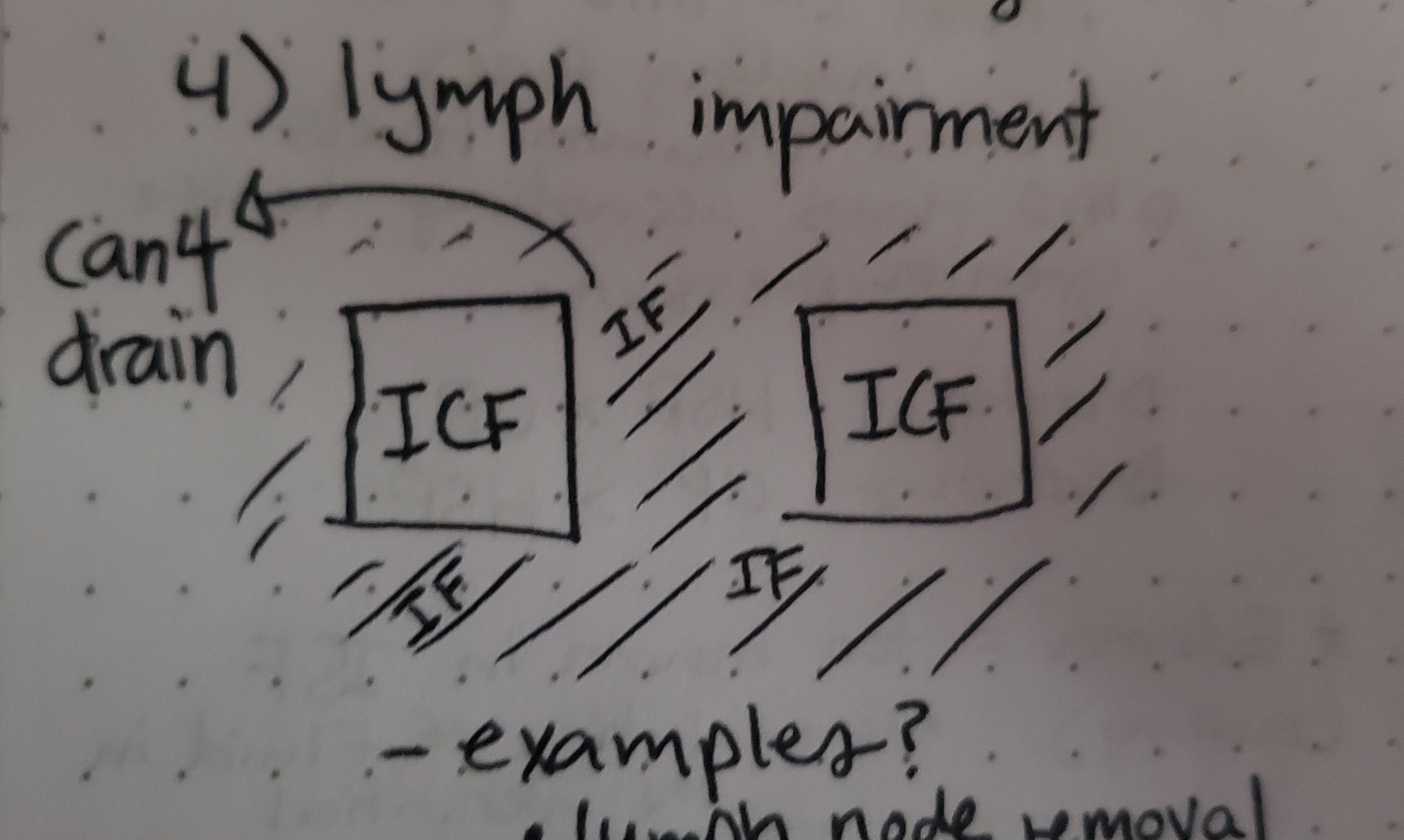
Causes of Edema
Increased plasma HSP, decreased plasma OP, increased capillary permeability, impaired lymph drainage.
Normal Blood Potassium Levels
3.5 to 5.0 mEq/L.
Hyperkalemia
Potassium levels greater than 5.0 mEq/L.
Hypokalemia
Potassium levels less than 3.5 mEq/L.
Calcium's Role
Influences neuromuscular excitability and establishes threshold.
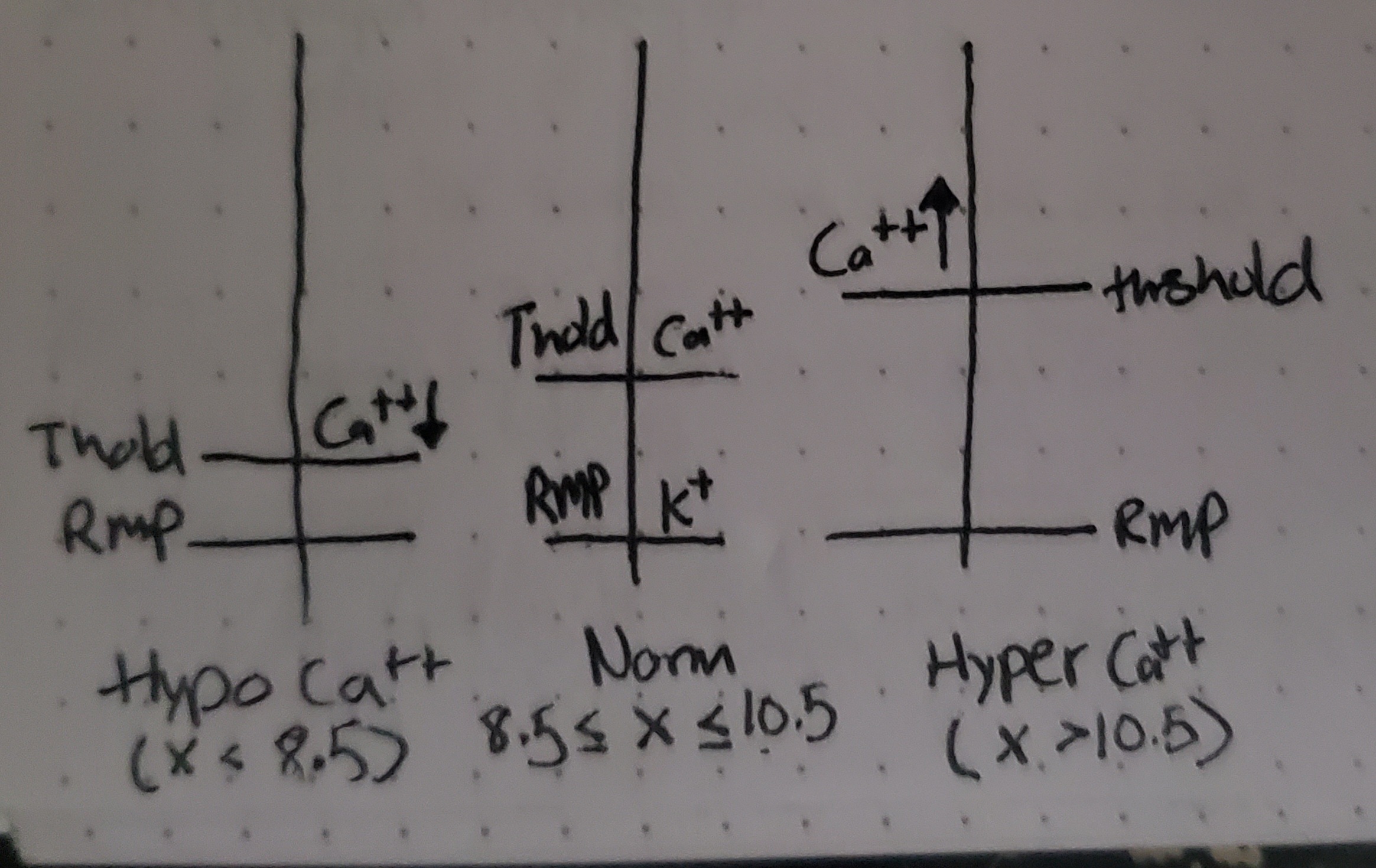
Normal Blood Calcium Levels
8.5 to 10.5 mg/dL.
Hypercalcemia
Calcium levels greater than 10.5 mg/dL.
Hypocalcemia
Calcium levels less than 8.5 mg/dL.
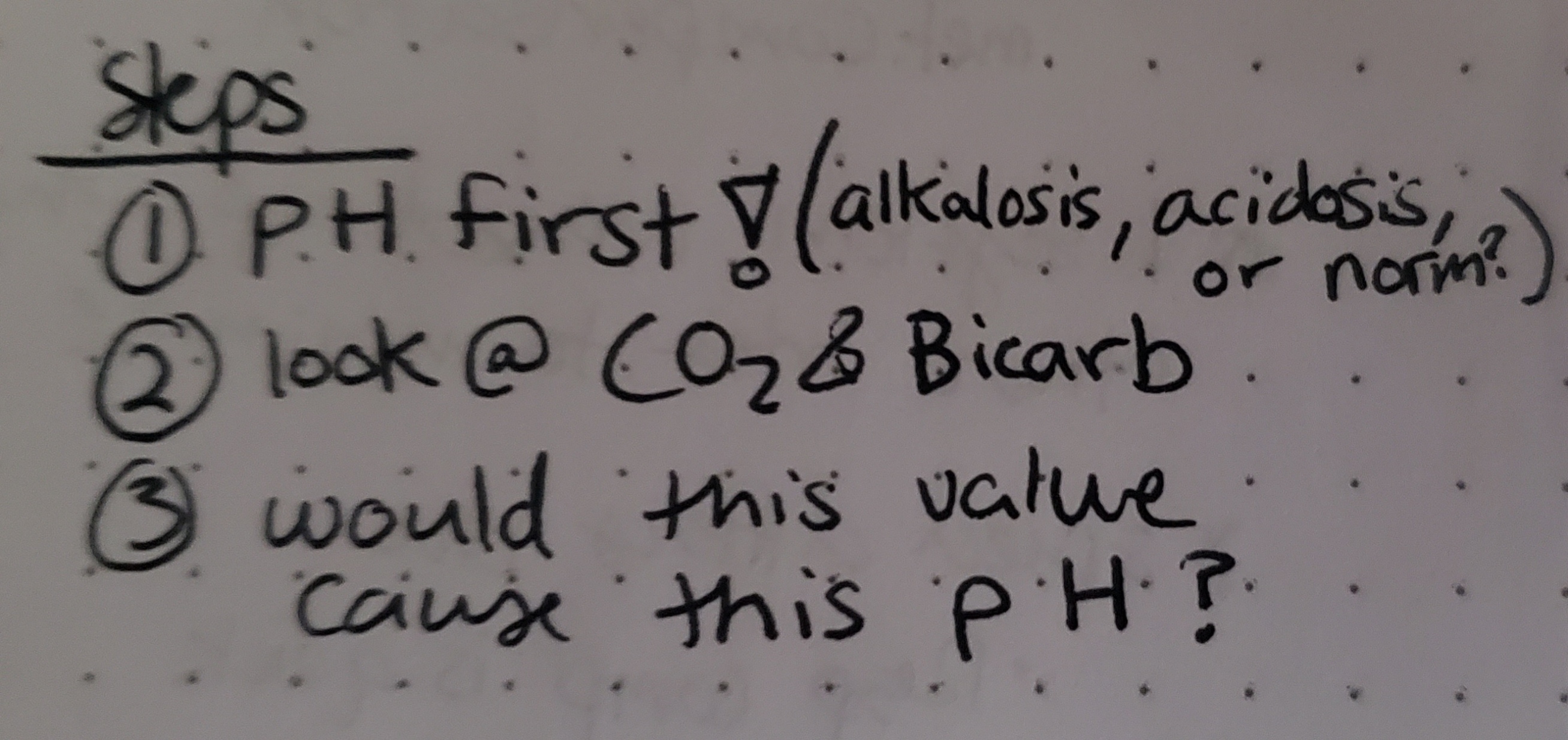
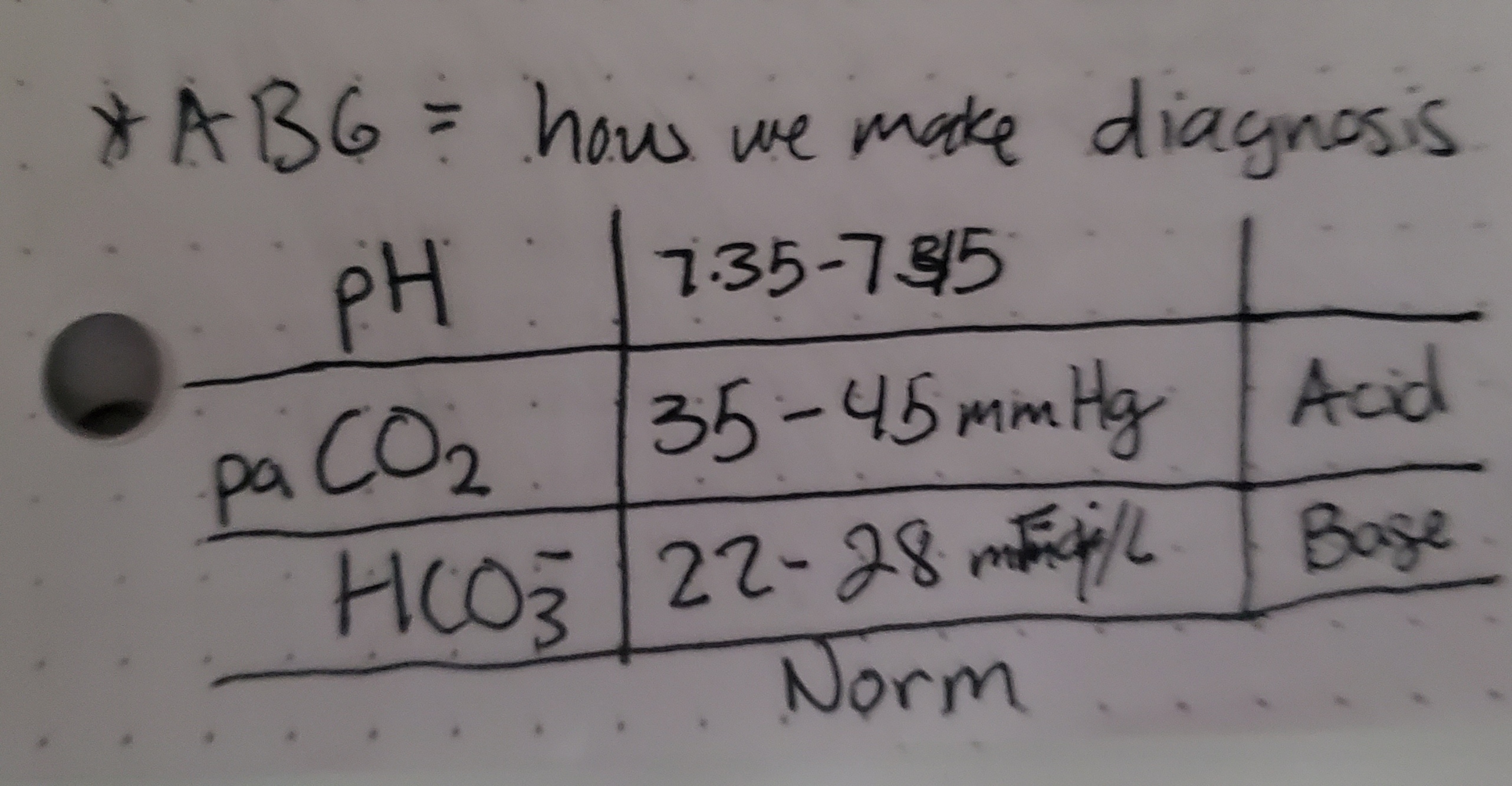
Arterial Blood pH
Normal range is 7.35 to 7.45.
Alkalosis
pH greater than 7.45.
Acidosis
pH less than 7.35.
Metabolic Focus
Centers on bicarbonate as a base.
Respiratory Focus
Centers on CO2 as an acid.
Arterial Blood Gas (ABG)
Diagnostic tool for assessing blood gas levels.