AP Psychology- Psychology’s History and Approches
 AP Practice
 Call Kai
1/53

Earn XP
Description and Tags
Name | Mastery | Learn | Test | Matching | Spaced | Call with Kai | Chat |
|---|
No analytics yet
Send a link to your students to track their progress
54 Terms
What 3 basic attitudes helped make modern science possible?
Curiosity, Skepticism, and Humility
Critical Thinking
Thinking that does not blindly except arguments and conclusions. Rather, examines assumptions, appraises the source, discerns hidden biases, evaluates evidence, and assesses conclusions.
John Locke formed?
Modern Empiricism
Empiricism
The idea that knowledge comes from experience, in the observation and experimentation enable scientific knowledge.
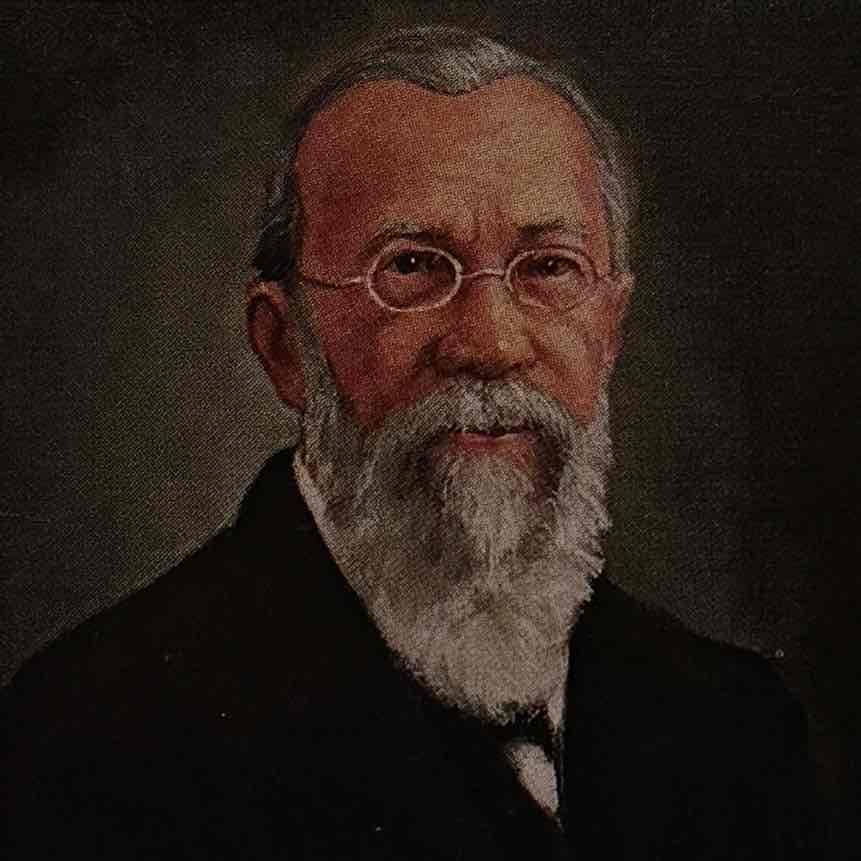
Wilhelm Wundt
Psychology founder, Established the first psychology laboratory at the University of Leipzig, Germany.
What were the early schools of psychological thought?
Structuralism, functionalism, and behavioralism.
Structuralism
An early school of thought promoted by Wundt and Titchener; Used introspection to reveal the structure of the human mind.
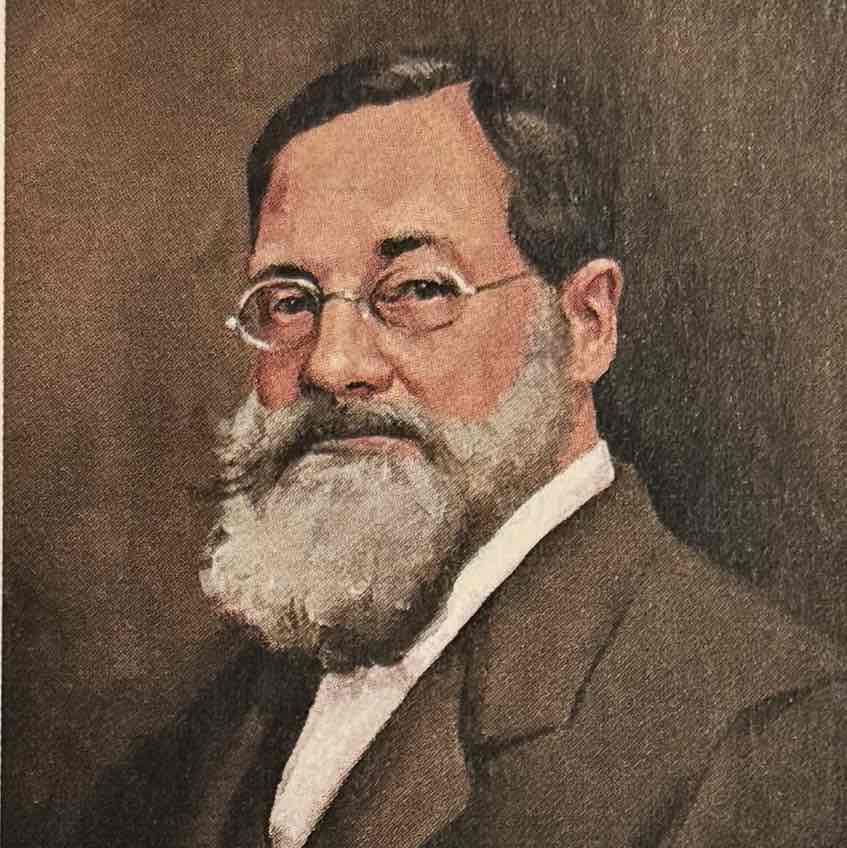
Edward Bradford Titchener
Titchener used introspection to search for the mind, structural elements, a founder of structuralism.
introspection
The process of looking inward in an attempt to directly observe one’s own psychological processes. Somewhat subjective and unreliable.
Functionalism
An early school of thought promoted by James and influenced by Darwin; explored how mental and behavioral processes function – how they enable the organism to adapt, survive, and flourish.
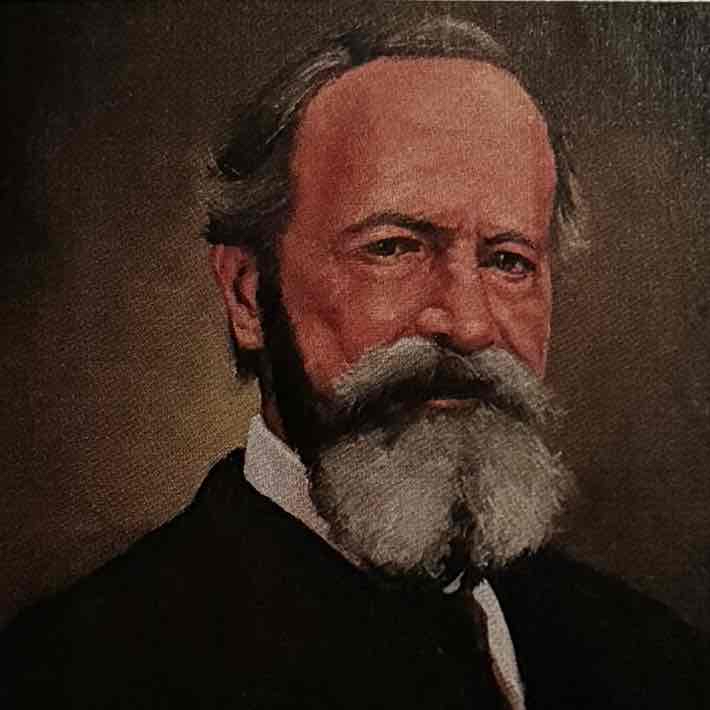
William James
A legendary teacher – writer who offered an important 1890 psychology text.
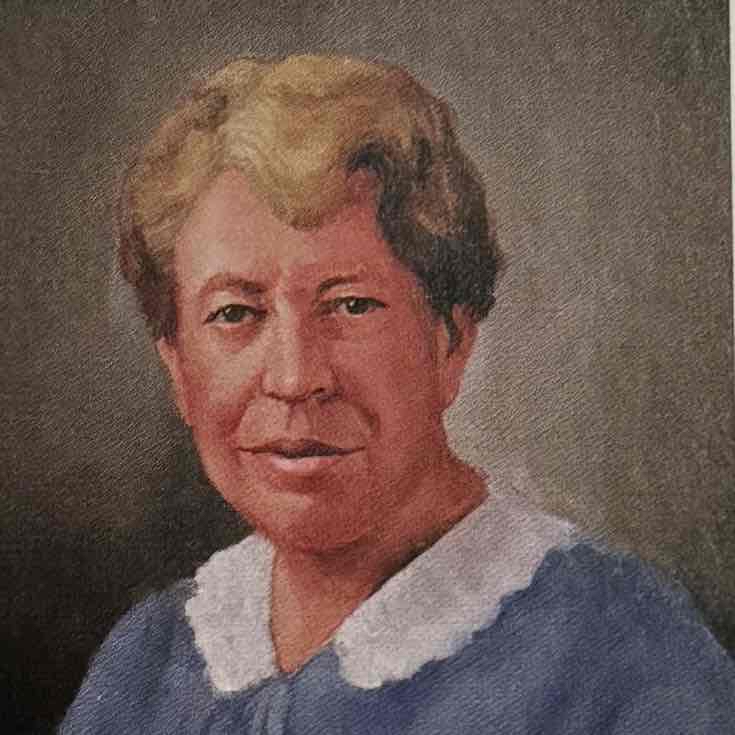
Mary Whiton Calkins
Mentored by William James, became a pioneering memory researcher, and the first woman to be the president of the American psychological association.
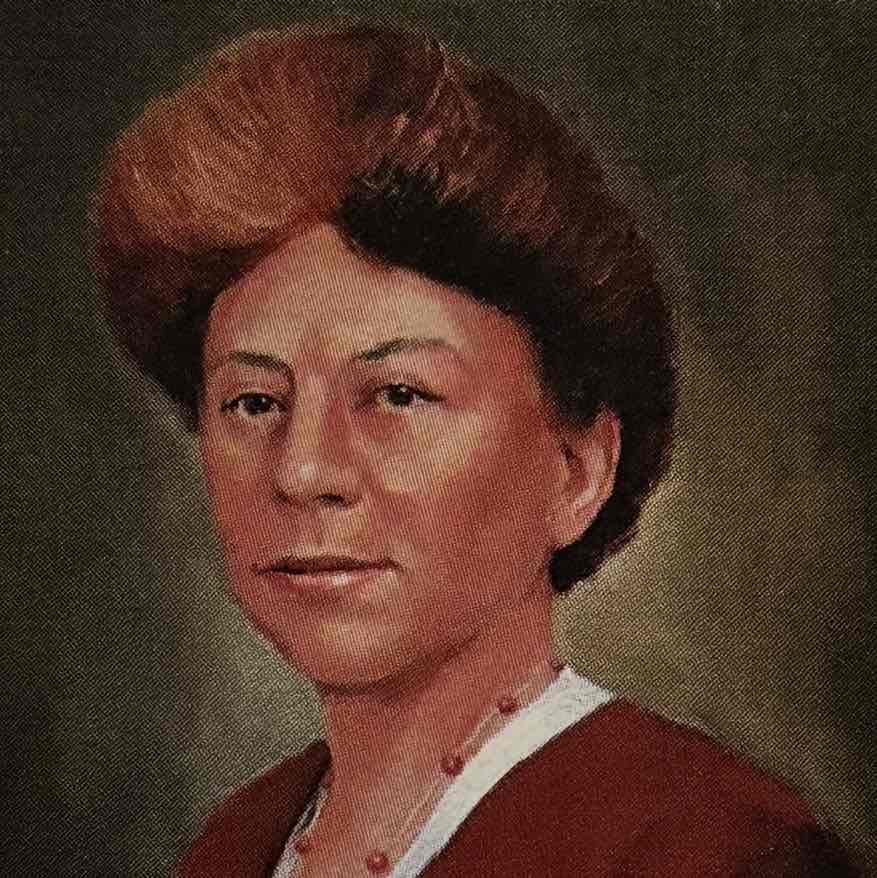
Margaret Floy Washburn
The first woman to receive a psychology, PhD, Washburn synthesized animal behavior research.
Behaviorism
The view that psychology should be an objective science that studies behavior without reference to mental processes. Most psychologist today agree with the fact it should be objective, but not with the fact that it should not reference mental processes.
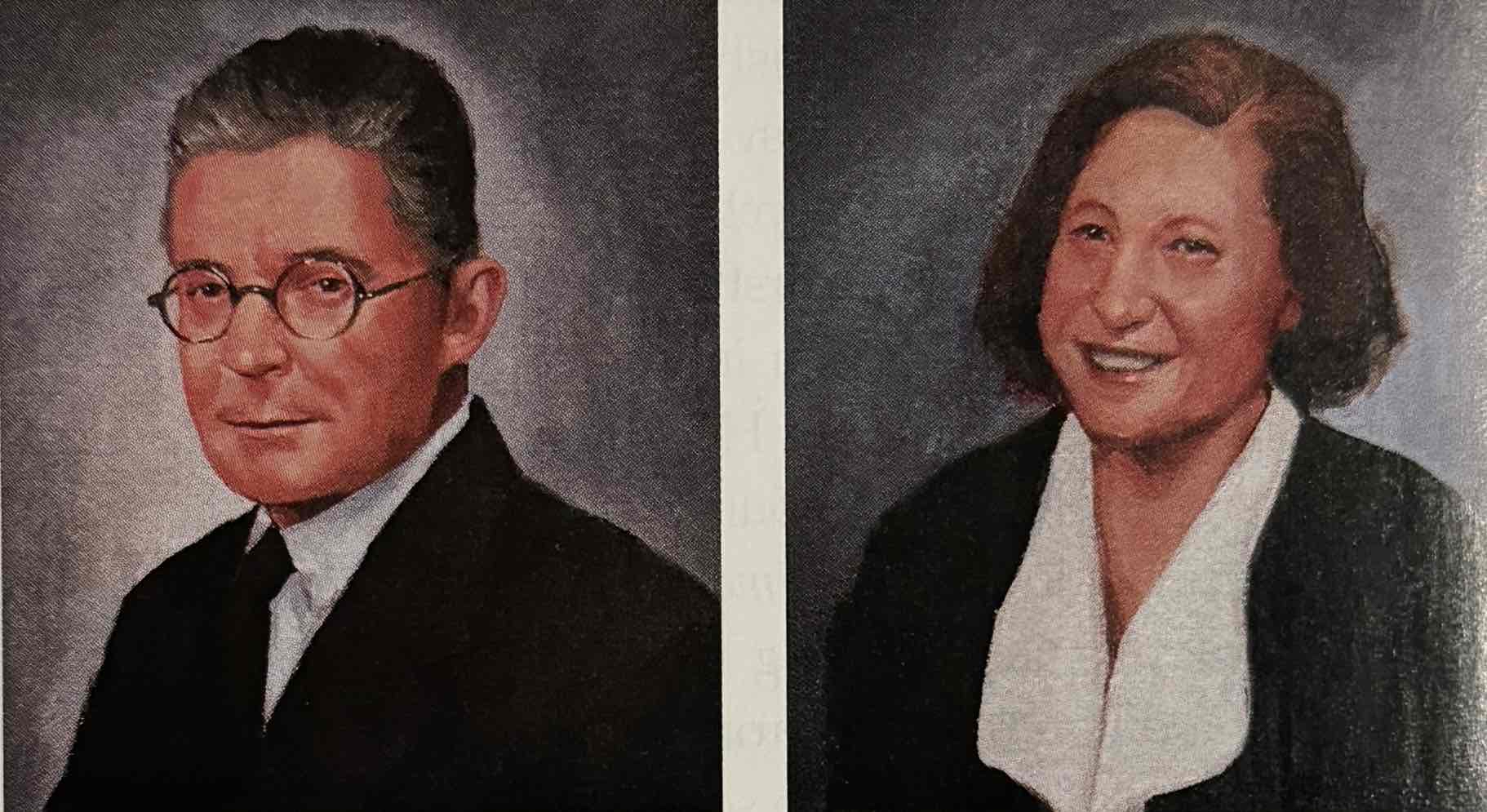
John B Watson and Rosalie Rayner
Working with Raynor, Watson Championed psychology as the scientific study of behavior. In a controversial study on a baby, he and Raynor showed that fear could be learned.
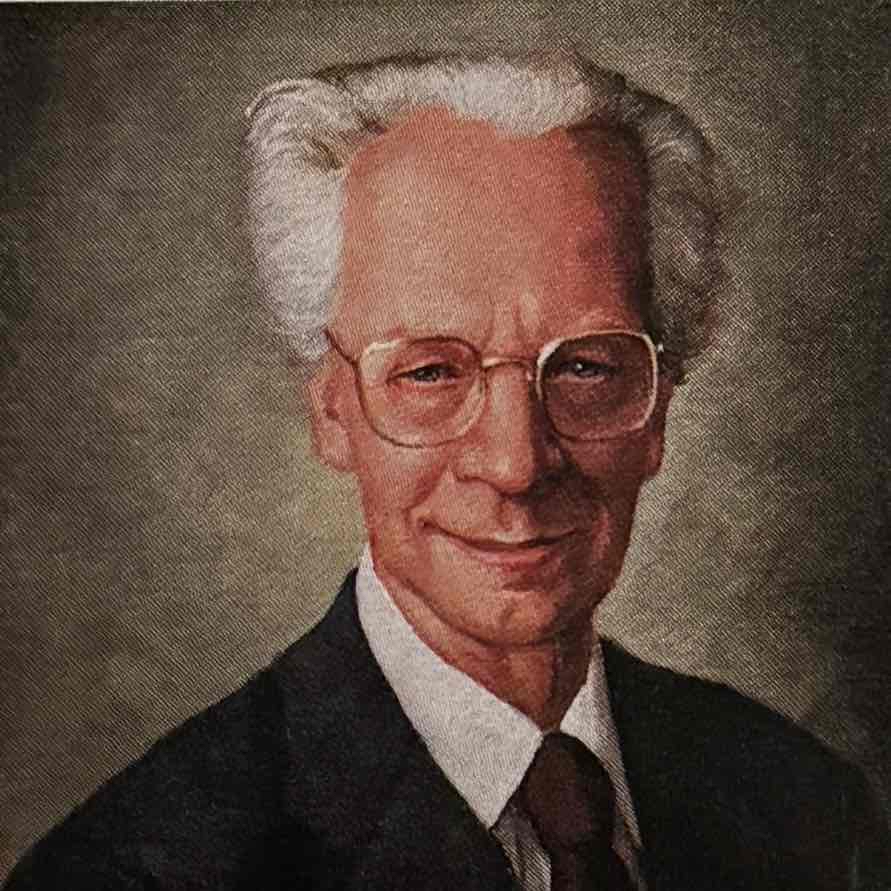
B. F. Skinner
The leading behaviorist rejected introspection and studied how consequences shape behavior.
Psychoanalytical psychology
Emphasize the ways are unconscious mind and childhood experiences affect our behavior.
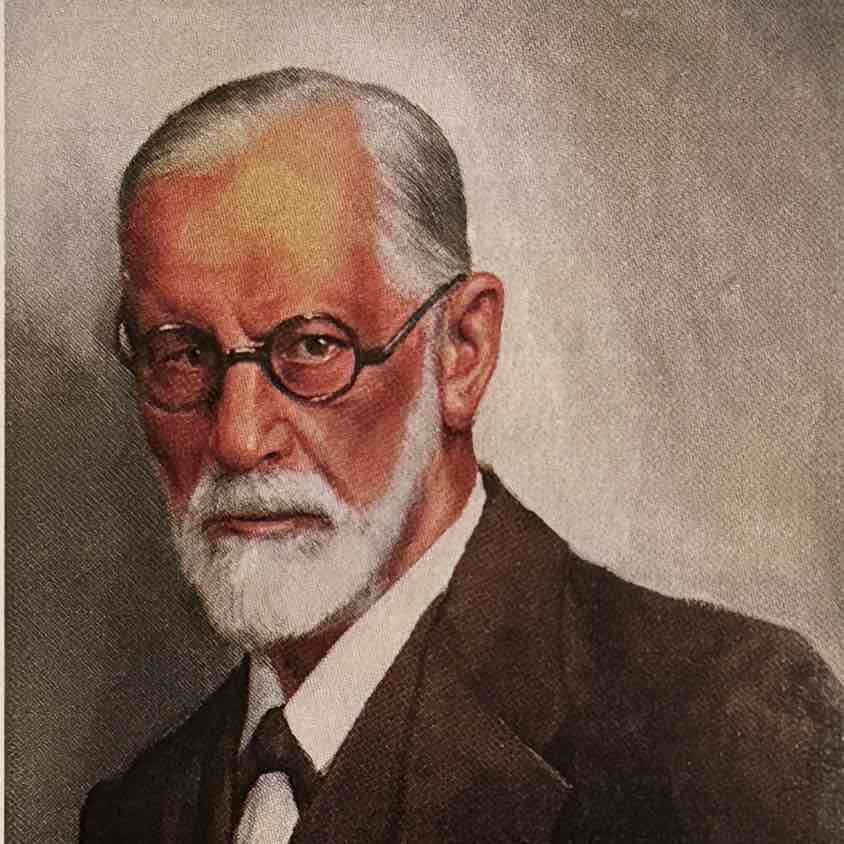
Sigmund Freud
The controversial ideas of this famed personality, theorist, and therapist have influenced humanities self understanding.
Humanistic Psychology
Historically significant perspective that emphasized human growth potential.
Who founded humanistic psychology?
Carl Rogers and Abraham Maslow
Cognition
How are mind processes and retains information.
Cognitive Psychology
The study of mental processes, such as occur when we perceive, learn, remember, think, communicate, and solve problems.
Cognitive neuroscience
The interdisciplinary study of the brain activity linked with cognition.
Psychology
The science of behavior and mental processes.
Ivan Pavlov
Pioneered the study of learning
Jean Piaget
The last centuries, most influential observer of children.
nature-nurture issue
The long-standing controversy over the relative contributions that genes and experience make to the development of psychological traits and behaviors. Today’s science sees traits and behaviors arising from the interaction of nature and nurture.
Natural Selection
The principal that inherited traits that better enable an organism to survive and reproduce in a particular environment will most likely be passed on to succeeding.
Evolutionary psychology
The study of evolution of a behavior in the mind, using principles of natural selection
Behavior genetics
The study of the relative power and limits of genetic and environmental influences on the behavior of individuals
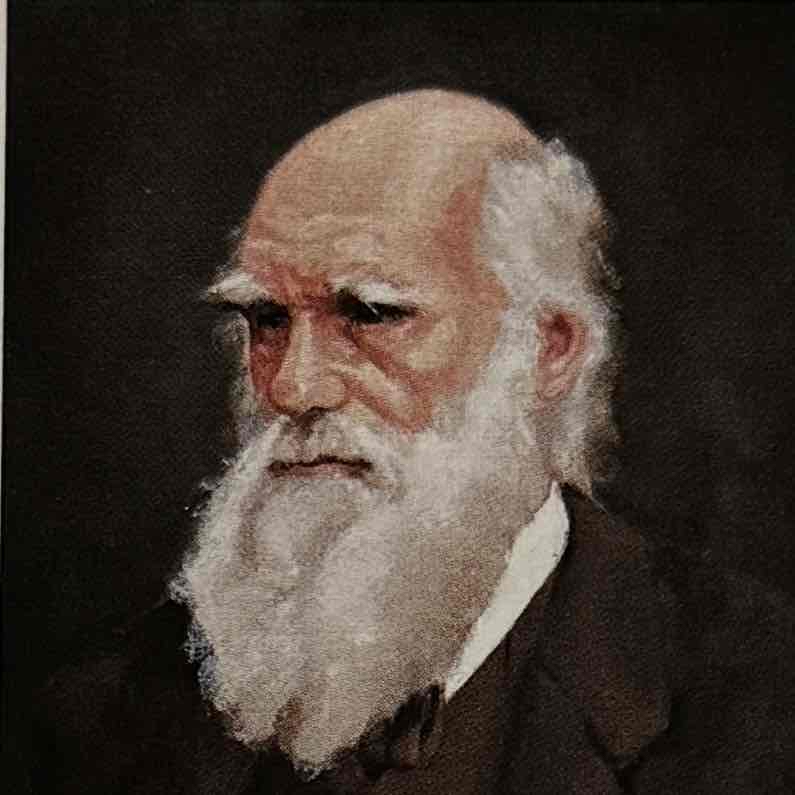
Charles Darwin
Darwin argued that natural selection shapes behaviors as well as bodies.
Culture
The enduring behaviors, ideas, attitudes, values, and traditions shared by a group of people in transmitted from one generation to the next.
Positive psychology
The scientific study of human flourishing, with the goals of discovering and promoting strengths and virtues that help individuals and communities to thrive.
Biopsychosocial approach
An integrated approach that incorporates biological, psychological, and social-cultural viewpoints
Behavioral psychology
Scientific study of observable behavior and its explanation by principles of learning.
Biological psychology
The scientific study of the links between biological and psychological processes
Psychodynamic psychology
A branch of psychology that studies how unconscious drives and conflicts influence behavior and uses that info to treat people with psychological disorders.
Social-culture psychology
The study of how situations and cultures affect our behavior and thinking.
Testing Effect
Enhanced memory after retrieving, rather than simply rereading, information.
SQ3R
Study Method: Survey, Question, Read, Retrieve, Review.
Psychometrics
The scientific study of the measurements of human abilities, attitudes, and traits
Basic Research
Pure science that aims to increase the scientific knowledge base
Developmental psychology
A branch of psychology, that studies, physical, cognitive, and social change throughout the lifespan
educational psychology
The study of How psychology processes affect and can enhance teaching and learning.
personality psychology
The study of individuals’ characteristic patterns of thinking, feeling, and acting
Social psychology
The scientific study of how we think about, influence, and relate to one another.
Applied research
Scientific study that aims to solve practical problems
Industrial – organizational psychology
The application of psychology concepts and methods to optimizing human behavior and workplaces.
Human factors psychology
A field of psychology applied within industrial – organizational psychology that explains how people and machines interact and how machines and physical environments can be made safe and easy to use.
Counseling psychology
A branch of psychology that assist people with problems in living and achieving greater well-being
Clinical psychology
A branch of psychology, that studies, assesses and treats people with psychological disorders.
Psychiatry
A branch of medicine, dealing with psychological disorders; practiced by physicians who are licensed to provide medical treatments as well as psychological therapy.
Community psychology
A branch of psychology that studies how people interact with their social environments and how social institutions affect individuals and groups.
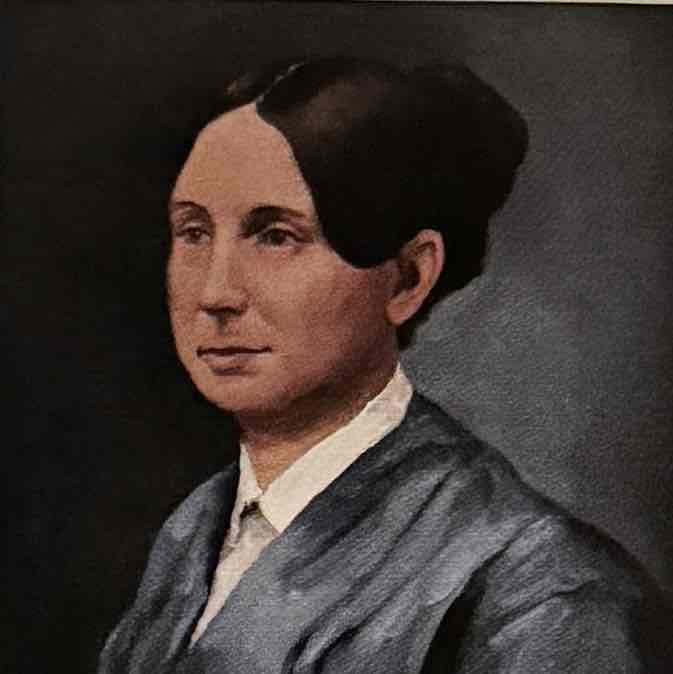
Dorothea Dix
Led the way to humane treatment of those with psychological disorders.