OET keywords
 Call Kai
 Learn
Learn Practice Test
 Spaced Repetition
 Match
Match Flashcards
 Knowt Play
1/150

Earn XP
Description and Tags
Name | Mastery | Learn | Test | Matching | Spaced | Call with Kai | Chat |
|---|
No analytics yet
Send a link to your students to track their progress
151 Terms
Obstetric
relating to childbirth and the processes associated with it.
Szülészeti
encompass
surround and have or hold within.
indicates
point out; show. suggest as a desirable or necessary course of action. ("treatment for shock may be indicated")
jelez, mutat, kifejez, utal
marginally
to only a limited extent; slightly.
kismértékben, csekély mértékben
markedly, noticeably, decidedly, strikingly, distinctly, remarkably
to an extent which is clearly noticeable; significantly.
jelentősen, észrevehetően
robust, strong, vigorous, sturdy, tough, powerful
strong and healthy; vigorous.
erős, masszív, ellenálló
Physical action: She shook the bottle vigorously to mix the liquid.
Arguments or defense: He vigorously denied stealing the cookies.
Natural growth: The green plants grew vigorously in the summer sun
assume, presume, suppose, take it, take for granted, take as read
suppose to be the case, without proof.
suggest, propose, put forward, submit, recommend, advocate
put forward for consideration
javasol, tanácsol
debate, discussion, discourse, parley
a formal discussion on a particular matter in a public meeting or legislative assembly, in which opposing arguments are put forward and which usually ends with a vote.
Vita
plausible, credible, reasonable, beliavable, likely, feasible
(of an argument or statement) seeming reasonable or probable.
hihető, valószínű, elfogadható vagy valószerű
"a plausible liar" (of a person) skilled at producing persuasive arguments, especially ones intended to deceive.
droop(ing)
bend or hang downwards limply.
full blood count (FBC) or complete blood count (CBC)
a common laboratory test that measures the types and numbers of cells in your blood, including red blood cells, white blood cells, and platelets.
teljes vérkép
intense great acute enormous fierce severe extreme
of extreme force, degree, or strength.
barium swallow
a specialized, real-time X-ray (fluoroscopy) imaging test that evaluates the throat, esophagus, and upper stomach.
burp(ing)
noisily release air from the stomach through the mouth; belch.
böfögés
attributed to
regard something as being caused by.
tulajdonított
Bell's palsy
a temporary, sudden weakness or paralysis of facial muscles on one side, caused by inflammation of the 7th cranial nerve. Symptoms often peak within 48-72 hours, including drooling, inability to close the eye, and loss of taste. Most people recover fully within 3-6 months, often starting in 3 weeks.
Gauze padding
often referred to as gauze pads, sponges, or dressings is a breathable, porous, and absorbent material used in medical and first-aid settings to cover, protect, and treat wounds.
Mull-lap
Synkinesis
an involuntary facial muscle movement that occurs simultaneously with a voluntary one, resulting from miswired nerve regeneration following facial nerve injury (e.g., Bell’s palsy).
predominantly
mainly; for the most part.
revenue
income, especially when of an organization and of a substantial nature.
jövedelem
Whooping cough
a highly contagious respiratory infection caused by Bordetella pertussis bacteria, characterized by severe, uncontrollable coughing fits, often ending in a high-pitched "whoop" sound.
Szamárköhögés
Slipped disc
also called a prolapsed or herniated disc, is when a soft cushion of tissue between the bones in your spine bulges outwards.
porckorongsérv
Appendicitis
is a medical emergency causing inflammation of the appendix, typically requiring prompt surgical removal (appendectomy) to prevent rupture. Symptoms start with pain around the belly button, moving to the lower right abdomen, with nausea, vomiting, and low-grade fever. It is caused by a blockage leading to infection.
vakbélgyulladás
belching
Belching, or burping, is the natural process of releasing excess air from the stomach or esophagus through the mouth. It occurs when swallowed air (from eating quickly, smoking, or drinking carbonated drinks) stretches the stomach, causing the muscle at the top of the esophagus to relax, resulting in a release of gas
böfögés, felböfögés
commence
begin, start
kezdődik, kezd
Breakup bereavement
is the intense emotional, physical, and psychological grief experienced after a romantic relationship ends. It involves mourning the loss of companionship, shared future, and emotional support, often mirroring the stages of grief from death, including denial, anger, bargaining, depression, and acceptance.
Break up: Szakítás (párkapcsolatban), felbomlás, feloszlás, szétesés.
Bereavement: Gyász, gyászeset, közeli hozzátartozó elvesztése.
via
Use via to indicate a route ("by way of") or a method/medium ("using" a tool). Use through to describe moving inside a physical space from one side to the other, or completing a process from beginning to end. While they can overlap, via focuses on the route/tool, whereas through focuses on the passage or experience
reassure
say or do something to remove the doubts or fears of (someone).
megnyugtat
Sustained
describes something maintained at length without interruption, weakening, or breaking, often referring to a prolonged, consistent effort or state. It means kept going, such as sustained economic growth, a sustained note in music, or a sustained effort. It can also mean to suffer or bear, such as having "sustained injuries
He sustained injuries in the accident.
→ Sérüléseket szenvedett a balesetben.
sustained pressure
→ tartós nyomás
sustained effort
→ tartós erőfeszítés
Sciatica
is a symptom of underlying nerve compression or irritation, characterized by pain, numbness, or tingling that radiates from the lower back through the hips, buttocks, and down one leg. It is often caused by a herniated disc, spinal stenosis, or muscle irritation affecting the sciatic nerve, with symptoms ranging from mild discomfort to severe burning sensations.
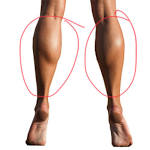
Calves
"Calves" is the plural of calf, referring primarily to the young of cattle, elephants, whales, or seals. It also defines the curved, muscular back part of the human leg below the knee. Usage includes livestock farming (e.g., "the ranchers tagged the calves") and anatomy (e.g., "she exercised her calves").
osteopath
An osteopath is a healthcare professional who treats medical conditions by focusing on the musculoskeletal system, using manual techniques like stretching, massage, and spinal manipulation to improve, balance, and heal the body. They are generally considered trained professionals, with US osteopaths (DOs) being fully licensed doctors.
lesion
A lesion is any localized abnormal, damaged, or diseased tissue in an organism, often resulting from injury, infection, or inflammation. It is an umbrella term covering varied forms like sores, ulcers, tumors, or cysts on the skin or within organs. Lesions can be benign or malignant.
Preceded by
means that one thing comes or happens before another in time, order, or rank. If 'A' is preceded by 'B', it means 'B' came first. It is a phrase indicating a sequence where the second item mentioned is the one that occurred earlier.
Erythema
is the abnormal redness of the skin or mucous membranes caused by capillary congestion, dilation, or inflammation. It is a symptom of underlying conditions, such as infections, allergies, sunburn, or skin damage, rather than a disease itself. Common synonyms include skin rash, redness, erythema multiforme, or erythema nodosum.
recur
meaning something happened, appeared, or came to mind again, often at regular or repeated intervals. It signifies a repeat occurrence of an event, disease, or thought, frequently used in contexts involving recurring illnesses, issues, or memories.
Arrange
means to put things in a specific order, plan an event, or make preparations. It involves structuring, organizing, or adapting items (like flowers or books) or tasks (like meetings) into a desired, proper, or convenient arrangement
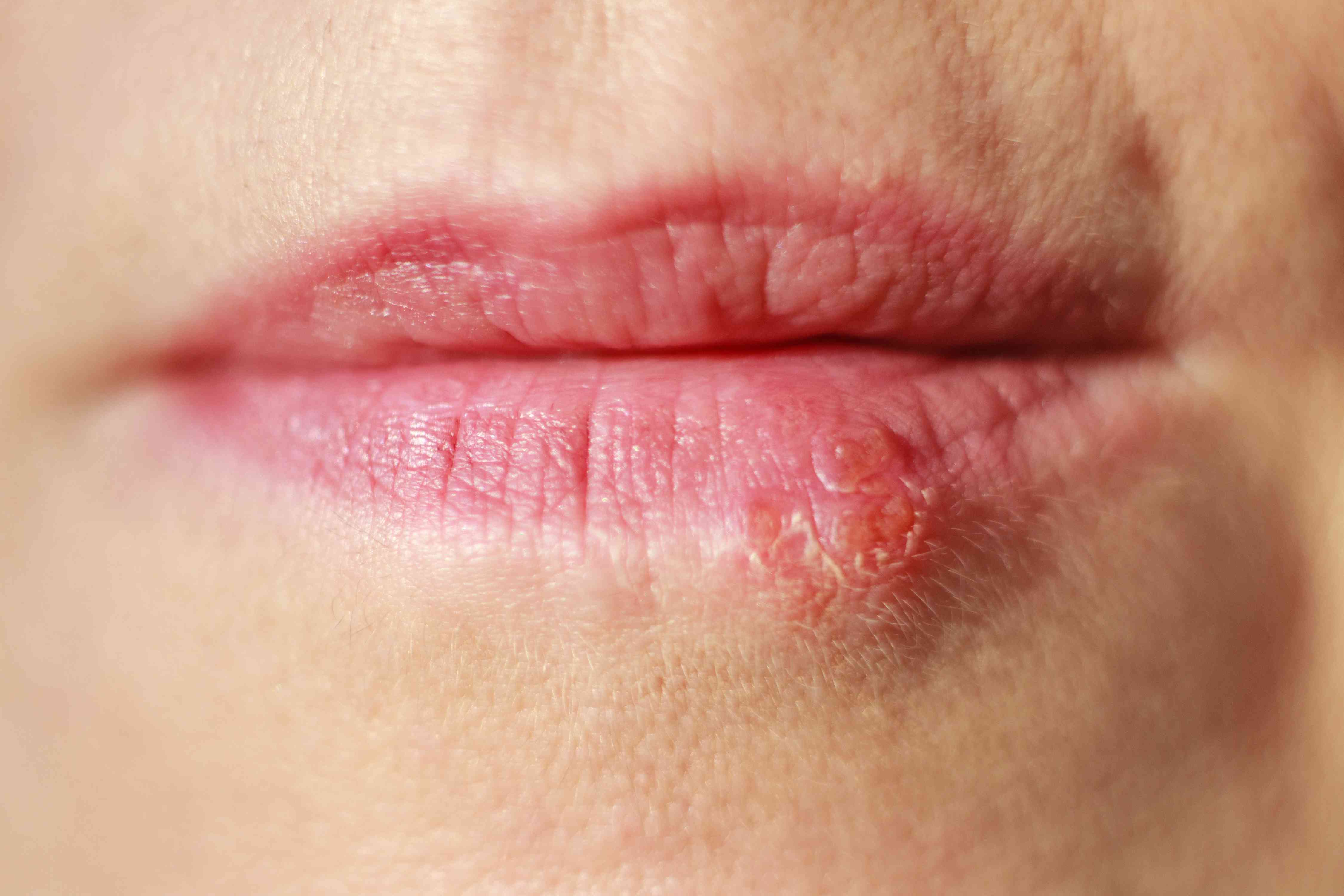
Cold sores, or fever blisters
are small, contagious, fluid-filled blisters on or around the lips caused by the herpes simplex virus (HSV), typically HSV-1. They are a symptom of an oral herpes infection. Once infected, the virus stays in the body for life, often lying dormant but capable of reactivating.
events organiser
rendezvényszervező
compression packs
(more commonly referred to as compression therapy or compression garments/bandages) are medical devices applied to a limb or body part to apply gentle, controlled, and consistent pressure.
Their primary purpose is to increase blood circulation, reduce swelling (edema), manage chronic venous insufficiency, and aid in the healing of wounds or ulcers.
kompressziós pakolások / borogatások
Acupuncture
HELYESÍRÁS MIATT!
biopsy
is a procedure to remove cells, tissue or fluid for examination by a medical pathologist.
Self-assured
describes having confidence in oneself, one's abilities, and one's own worth. It reflects an inner sense of certainty, poise, and stability, often showing up as calm decision-making, comfort in taking risks, and resilience.
deteriorated
means to have become worse in quality, value, or strength over time. It describes a decline in condition, such as failing health, crumbling infrastructure, or worsening situations. Synonyms include degenerated, worsened, declined, decayed, or eroded.
Unduly
is an adverb meaning to an unreasonable, excessive, or improper degree. It signifies that something is done or happens more than is necessary, acceptable, or warranted. It is often used to describe actions that are disproportionate, such as "unduly influenced" or "unduly alarmed"
Commencement
refers to the beginning, start, or opening of something. It is frequently used in formal contexts to mark the initiation of an event, project, or period, such as the "commencement of the financial year". In North America, it specifically refers to the graduation ceremony where students receive diplomas.
Thrive
means to grow vigorously, flourish, prosper, or progress steadily and successfully. It describes someone or something becoming very successful, strong, or healthy, often in specific environments or conditions. It is frequently used for business success, personal growth, or strong plant/animal development
Contracting
refers to entering into a legally binding agreement, shrinking/narrowing in size, or acquiring a disease/debt. It is used in business to describe hiring external firms for projects, as well as in biology to denote muscles tightening. Synonyms include engaging, hiring, shrinking, catching (a disease), and binding.
Profound
describes something very intense, deep, or far-reaching, such as emotions (profound sadness), intellectual insight (a profound thinker), or significant change (profound impact). It signifies great depth—either literal, emotional, or intellectual—often implying a thorough, total, or absolute degree of something.
Reception
is the act of receiving, welcoming, or accepting something/someone, a social gathering (e.g., a wedding), or the area where visitors are greeted. It also refers to how a new idea or product is greeted (e.g., a "warm reception") and the quality of radio or television signals.
Pertaining
is the present participle of the verb "pertain," meaning to relate, connect, or belong to something, often used in a formal context (e.g., documents pertaining to the case). It signifies relevance, association, or being an attribute of something.
Distil
(or distill) refers to purifying a liquid through heating and cooling (condensation), or figuratively, reducing complex information, experiences, or substances down to their essential essence. It means separating the pure substance from impurities or concentrating the core ideas, such as distilling water or ideas into a summary.
Incipient
(adjective) means beginning to exist, appear, or develop; it describes something in an initial or early stage. It is often used to describe conditions, feelings, or processes just starting to happen, such as incipient panic or an incipient tremor.
Proliferating
refers to the rapid growth, multiplication, or spreading of something, such as cells, rumors, or technology
Billing
is the business process of generating and sending invoices to customers to request payment for goods or services rendered
Reimbursement
is the repayment or compensation for money already spent out-of-pocket, essentially returning funds to a person's "purse". It is commonly used in business to cover employee expenses (travel, meals), insurance claims for damages, or for authorized purchases made on behalf of another entity.
Tantalising
describes something that causes desire, interest, or excitement but remains just out of reach or unobtainable. It is used to describe tempting, often teasing, situations that arouse high expectations. Common examples include a tantalising smell, a tantalising glimpse of a secret, or a tantalising offer.
Designate
means to officially choose, appoint, or mark someone or something for a specific role, purpose, or title. It is frequently used to assign tasks ("designate a leader") or indicate a specific area/purpose ("designated smoking area"). As an adjective, it describes someone appointed but not yet in office (e.g., "director-designate")
Conscientious
describes a person who is diligent, thorough, and careful, driven by a strong desire to do their work or duty well. It implies acting with high moral standards, taking obligations seriously, and being scrupulous in tasks, often going above what is required.
Hustle and bustle
refers to the busy, noisy, and energetic activity typical of crowded places like cities, markets, or offices. It describes a lively or chaotic environment, often used to contrast a hectic setting with a quiet, relaxing one. Key synonyms include commotion, flurry, activity, hubbub, and rush
Fend for
(usually used as "fend for yourself/themselves") means to take care of, provide for, or support oneself without help from others
juncture
is a particular, often critical, point in time or a specific place where two or more things are joined together. It typically refers to a crucial moment in a process (e.g., "at this juncture") or the physical connection, intersection, or joint between two objects.
incentive
is something that motivates, encourages, or persuades a person or organization to act in a certain way or alter their behavior, often to achieve a desired outcome. It serves as a reward—monetary or non-monetary—that drives increased effort, performance, or specific actions.
depiction
is the representation or portrayal of someone or something through artistic means (painting, drawing) or descriptive language. It refers to how a subject is shown, illustrated, or characterized, such as a portrait or a vivid written description.
Feasibility
is the quality of being doable, practical, or likely to be achieved. It measures whether a project, plan, or idea can be successfully completed, often evaluating if it is financially or technically possible. It is commonly used to assess the viability of new projects, products, or strategic plans, as discussed in this Asana article on feasibility studies.
Abound
is a verb meaning to exist in large numbers, be plentiful, or teem with, often referring to a great abundance of something. It is commonly used in context with nature (wildlife, plants) or ideas (rumors, theories). Common synonyms include flourish, proliferate, swarm, and thrive.
Inherent
describes a permanent, essential, or natural quality that is inseparable from something. It refers to characteristics built into the nature of a person or object, often meaning "innate" or "intrinsic". It commonly describes features that cannot be removed, such as "inherent risks" or "inherent goodness".
Nuance
a subtle or slight difference in sound, feeling, meaning, or appearance.
refers to a subtle, delicate difference or variation in expression, meaning, color, or sound that is not immediately obvious but is important. It represents complexity or fine shades of meaning rather than black-and-white, obvious distinctions, often applied to language, art, emotions, or social situations.
Non-viable
refers to something incapable of living, growing, developing, or functioning successfully, often meaning "not workable" or "not able to survive". It applies to biological entities (cells, embryos, fetus) that cannot survive outside the womb or to projects/ideas that are economically or practically unfeasible.
Debridement
is the medical removal of dead, damaged, or infected tissue, foreign debris, or biofilms from a wound to promote healing and reduce infection. It is an essential component of wound management, often involving surgical removal of nonviable tissue to allow healthy tissue to heal.
Tensile
means relating to tension or the ability of a material to be stretched, drawn out, or deformed without breaking. It often refers to longitudinal stress, such as in "tensile strength" (resistance to breaking) or "tensile stress" (pulling force), commonly measured in engineering, materials science, and manufacturing.
Ubiquitous
means existing, being, or seeming to be everywhere at the same time; it describes something that is widespread, constantly encountered, or omnipresent. It refers to things found in many places simultaneously, such as technology, trends, or natural elements.
Insulation
is the process or material used to prevent the transfer of heat, sound, or electricity, creating a barrier that maintains temperatures, reduces noise, or protects against electrical hazards. It is commonly used in building construction (walls, attics, pipes) and to wrap electrical wiring.
Constitutes
means to make up, form, compose, or be equivalent to a whole. It is often used in formal contexts to define what something is or to establish its essential parts, such as "this act constitutes a crime" or "women constitute 70% of the workforce". Synonyms include amounts to, represents, comprises, and makes up.
Lodged
is the past tense/participle of the verb "lodge," meaning to become fixed/stuck, formally submit (a complaint/document), or stay temporarily in rented accommodation. Common uses include an object getting stuck, such as a bullet in a wall or a bone in a throat, or filing an official protest.
deposit
is a sum of money placed in a bank account for safekeeping, paid as security for rented property, or given as part payment for a purchase. It can also mean placing items down (e.g., depositing belongings) or the natural settling of sediment. Common synonyms include security, pledge, retainer, down payment, payment, stake, and sediment.
To "mount a defence (or defense)
means to organize, prepare, and launch a legal, physical, or strategic action to protect someone or something against an attack, accusation, or takeover. It involves assembling evidence, personnel, or arguments to resist opposition or justify actions.
Intervention
is the intentional act of becoming involved in a difficult situation, process, or dispute to improve it, prevent it from getting worse, or alter its outcome. It is used broadly across medicine (treatment), psychology (counseling), law (joining a lawsuit), and social contexts to disrupt negative behavior.
Imbedded
(or more commonly spelled embedded) means to be firmly, deeply, or securely fixed into a surrounding mass or object. It describes something that is an integral, inseparable part of a larger whole.
Incentives
are motivators, rewards, or reasons—such as bonuses, tax breaks, or recognition—that encourage specific behaviors, actions, or higher productivity from individuals or businesses. They act as a stimulus, designed to drive performance or entice parties to act in a certain way
Consistency
is the quality of achieving, acting, or behaving in the same way over time, ensuring reliability, stability, and uniformity. It implies a, lack of variety or fluctuation, often key to success, performance, and trust. It also refers to the physical texture, density, or firmness of a substance.
Assemble
means to bring people or parts together into a single group, place, or constructed unit. It is used to describe both gathering people (e.g., "assemble in the hall") and constructing objects (e.g., "assemble the furniture"). Synonyms include gather, collect, convene, construct, and fabricate.
obstacle
is a physical object, situation, or condition that stands in the way, prevents progress, or makes an action difficult. It acts as a hurdle, barrier, or hindrance that must be overcome to reach a goal or move forward. Obstacles can be literal (a tree on a path) or figurative (fear, lack of money)
The runs
Diarrhoea
To do a number two
Feces, poop in polite or childish way
Gastric juices
Gyomornedv
Tenderness
Nyomáskor fájdalom
Conform
Megfelel, alkalmazkodik, igazodik
He conforms to the rules
Blemish, blotchy
Blotched
Splotched
Patchy
Uneven
Blemished
covered in irregular spots, patches, or marks that have no uniform shape or color.Common Meanings and UsesSkin Appearance: Most frequently used to describe skin with uneven red patches, a rash, or irregular pigmentation from crying, cold weather, or a reaction.Surfaces and Materials: Used for paint, ink, dye, or fabric applied or faded unevenly.Nature: Can describe discolored, mottled leaves on plants or trees.SynonymsBlotchedSplotchedPatchyUnevenBlemishedIf you're looking for information on a specific skin condition or trying to describe a painted surface, let me know and I can give you more details!Cambridge DictionaryBLOTCHY | English meaning - Cambridge DictionaryMeaning of blotchy in English. blotchy. adjective. /ˈblɒtʃ.i/ us. /ˈblɑː.tʃi/ Add to word list Add to word list. If someone's skin is blotchy, it is covered in ...Vocabulary.comBlotchy - Definition, Meaning & Synonyms | Vocabulary.comThe word *blotchy* has multiple meanings: * **Marked with irregularly shaped spots or blots** * **Patterned, especially colorful patterns** * **Marred by discol...Dictionary.comBLOTCHY Definition & Meaning | Dictionary.comThe word *blotchy* is an adjective that means having blotches or resembling a blotch. For example, you might describe someone's complexion as blotchy. Other def...VDictblotchy meaning - English dictionary - VDictUsage. The adjective "blotchy" is used to describe a surface, typically skin, fabric, or another material, that is covered with irregular spots or patches. It o...
Hello, my name is …, the pharmacist on duty today. How can I help you?
Option 2 (more natural flow):
“Hello, I’m …, the pharmacist assigned for today. What can I do for you?”
Option 3 (friendly and welcoming):
“Hello, I’m …, the pharmacist on duty today. How can I assist you today?”
I completely understand where you are coming from and that is nothing to embarrased about it is a very common thing to have…
Teljesen megértem az álláspontodat
Option 1 (balanced & professional):
“I completely understand where you’re coming from, and there’s nothing to be embarrassed about—it’s a very common issue.”
Option 2 (slightly warmer):
“I understand where you’re coming from, and there’s really nothing to be embarrassed about. It’s quite common.”
Option 3 (more conversational):
“I totally understand, and there’s no need to feel embarrassed—this is something very common.”
Option 4 (more supportive tone):
“I completely understand, and you really don’t need to be embarrassed. Many people experience this.”
How are you feeling overall?
“How have you been feeling these days?”
“How’s your general wellbeing been lately?”
Could you tell me how long ago you started noticing that…
Here are a few natural ways to ask that same idea:
“When did you first start noticing that?”
“How long has that been going on?”
“When did you begin to notice it?”
“How far back does that go for you?”
“Do you remember when you first noticed it?”
Do you think you recognized any kind of possible tiggers or what could have led to this?
“Do you think you’ve noticed any possible triggers or what might have led to this?”
“Have you recognized anything that might trigger it or cause it?”
“Do you have any idea what could be triggering this?”
“Can you think of anything that might have led to this?”
“Have you noticed any patterns or triggers?”
Have you tried any kind of treatment on your own?
“Have you tried any kind of treatment on your own?”
“Have you tried anything to treat it yourself?”
“Have you done anything so far to manage it?”
“Have you tried any remedies or treatments?”
“What have you tried so far, if anything?”
that is unfortunate don't worry let me see what I can do for you
“I’m sorry to hear that—don’t worry, let me see what I can do to help.”
“That’s unfortunate, but don’t worry—I’ll see what I can do for you.”
“I’m sorry about that. Let me see how I can help.”
“That’s too bad—let me see what I can do to help you.”
“I understand, don’t worry. I’ll see what I can do for you.”
Could you tell me how is your health is generally?
“How is your health in general?”
“How would you describe your overall health?”
“How have you been feeling lately, health-wise?”
“Would you say your health is generally good?”
“How’s your health overall?”
Have you been taking any medications for a long time?
“Are you currently on any long-term medications?”
“Have you been on any medication long-term or anything like that?”
“Do you take any medications regularly?”
“Have you been prescribed any ongoing or long-term treatment?”
when was the last time...
“When was the last time you experienced this?”
“When was the last time this happened?”
“When was the last time you felt this way?”
“When was the last time you had symptoms?”
“When was the last time you noticed it?”