Powders
 Call Kai
 Learn
Learn Practice Test
 Spaced Repetition
 Match
Match Flashcards
 Knowt Play
1/105

There's no tags or description
Looks like no tags are added yet.
Name | Mastery | Learn | Test | Matching | Spaced | Call with Kai |
|---|
No analytics yet
Send a link to your students to track their progress
106 Terms
Powder
used as pharmaceutical dosage forms may contain one or more drug substances and can be used as is or can be mixed with a suitable vehicle for administration
Powders
are defined as a single solid or a mixture of solids in a finely divided state
Granules
solid dosage forms that are composed of agglomerations of smaller particles
Granules
These multicomponent compositions are prepared for oral administration and are used to facilitate flexible dosing regimens as granules or as suspensions, address stability challenges, allow taste masking, or facilitate flexibility in administration (for instance, to pediatric patients, geriatric patients, or animals)
capsules or compressed into tablets
Most powders & granules are filled into …
agglomeration
clumps/ aggregates made up of smaller particles
Bulk powder
powder/granule in a jar that gets scooped, put into a liquid to create a suspension and proceed to drink
Unit dose
divided powders (small packets) for a drink
Powder for solution/suspension
powder that you place in the mouth and when drinking, turns into a solution or suspension.
Particle size distribution
is the quantitative measure of different particle sizes in the powder
Sieve analysis, Microscopy, Automated powder analysis
The methods for particle size measurement includes …
Particle size distribution
Considered the most important property of powder
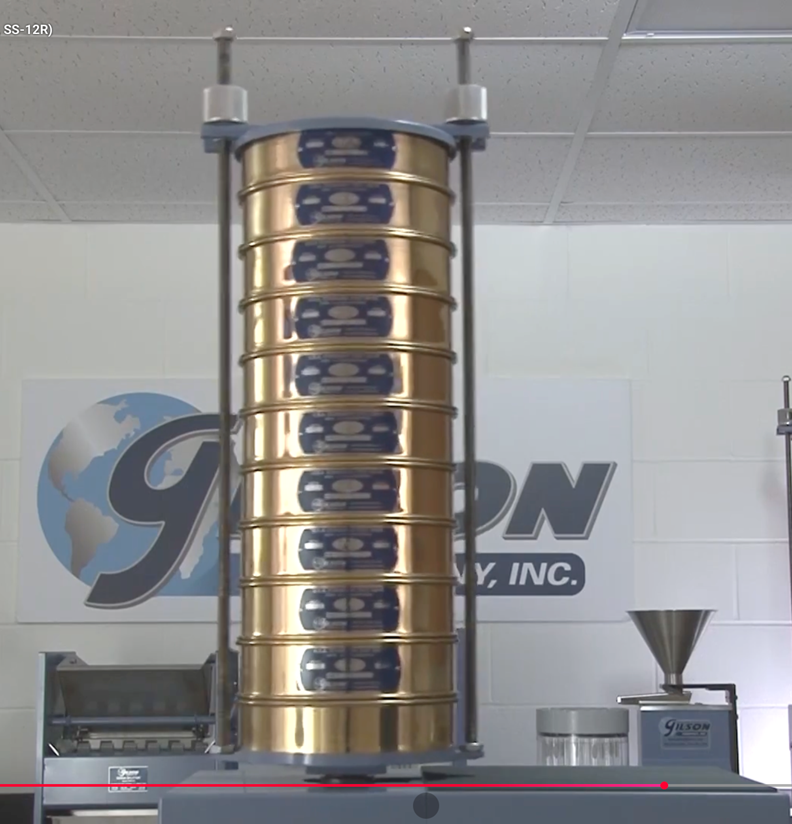
Sieve Analysis
Can be used to determine the particle size distribution of a sample
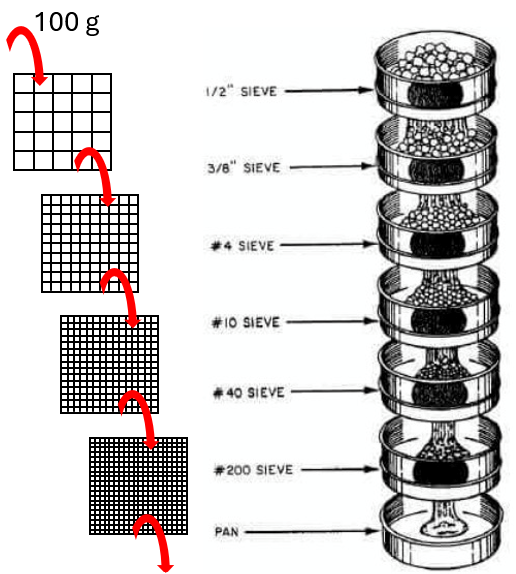
Sieve Analysis
used to remove excessively large or small particles from a starting material or blended mixture before packaging or further processing
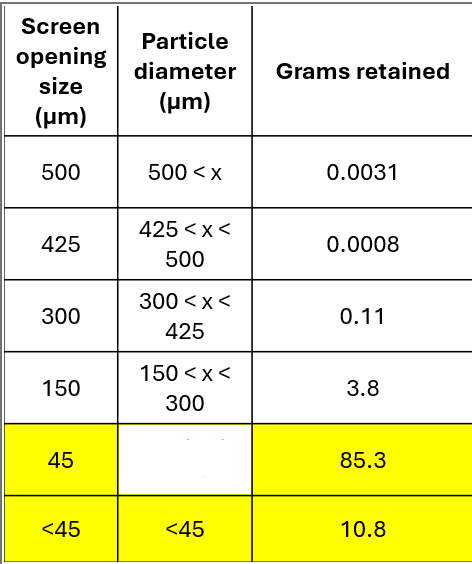
45-150
Based on the table, most of the grams are retained under what particle diameter?
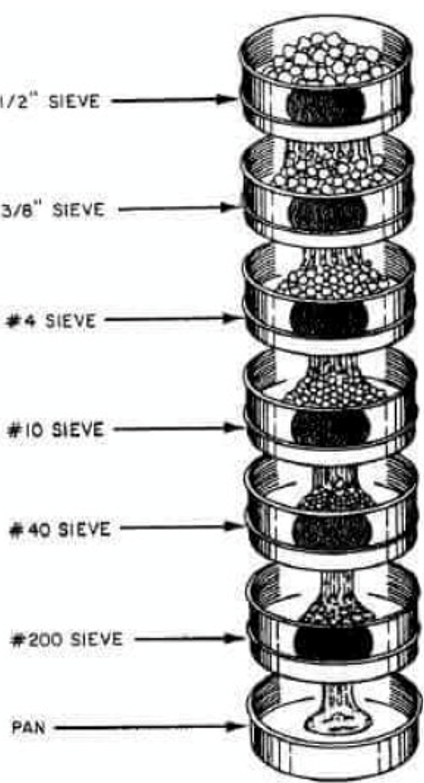
Zero open size to collect the rest
What is the point of the pan in the sieve?
Microscopy
Shape parameters
Combined with image analysis
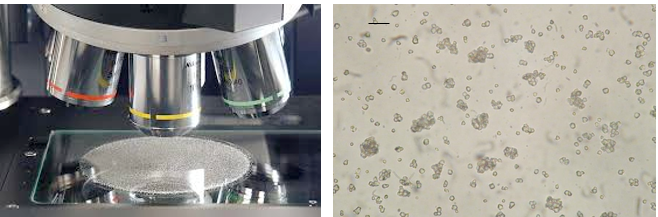
Dynamic image analysis
Size & shape parameters
dry/dispersed in a liquid
Powders and granules
must flow through pipes/tubes in manufacturing and packaging
Powder
must not get impacted nor segregate
glidant
needed to improve flow of the mixture
Rat-holing
impacts a small center of the tube that is actually moving; partial impaction
glidant
sliding/moving; improving powder flow
Silicon dioxide
it helps particles move pass each other (most common glidant)
talc
associated w/asbestos(terrible material that cuases health issues)
glidant
Silicon dioxide & talc are examples of what?
Granules
tend to flow well without glidants added
FlowLac 100
Which of the options in the image contains the best flow rate
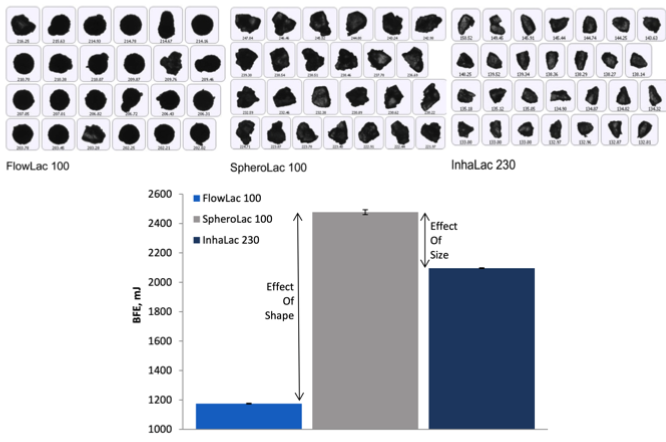
spherical shape & smaller size
What makes the FlowLac100 better than the other options?
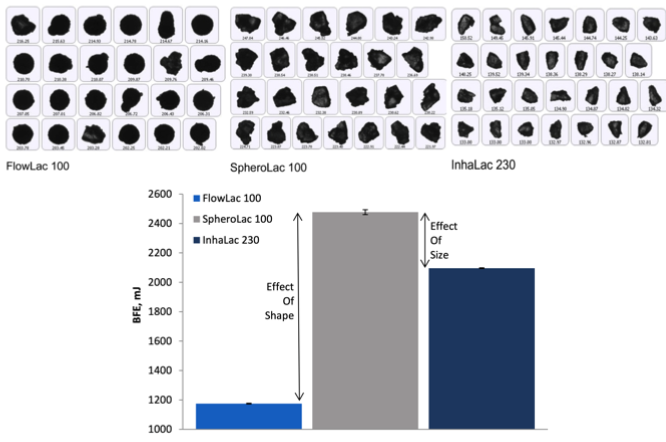
particle size distribution
flow size is dependent on what?
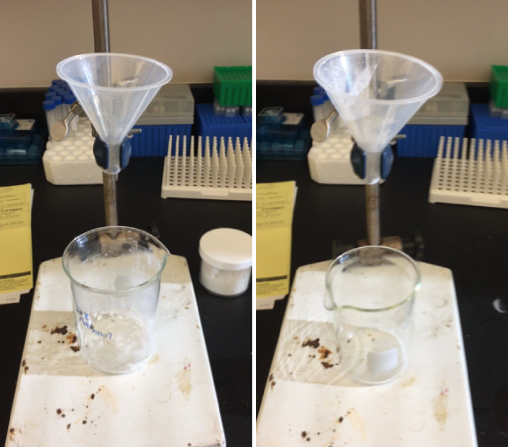
granules
What would have better flow in this setup?
Blending
is the process of different powders dispersing throughout a mixture
Blending
Strongly affected by the flow properties of each individual powder
uniformity of a powder blend
an acceptable range of component concentrations for a given sample size
uniformity of a powder blend
e.g. ± 2% of the desired concentration of each component for 500 mg sample
e.g ± 0.5% of the desired concentration of each component for a 10 g sample.
are examples of
greater
Variability in the concentrations of each component is ____ when comparing small sample sizes, e.g. 10 mg of blend
variability
E.g. mix two powders and fill into capsules with total weight 30 mg vs 300 mg
demonstrate what idea
Comminution, mortar & pestle, grinding mill
Powder can grinded through what methods?
Spatulation, mortar and pestle, bench scale V-blender, centrifugal blender
Pharmacists accomplish small scale blending:
grinding mill
electric device that grinds to the chosen size pharmacists want
comminution
grinding / particle size reduction; only for manufacturing.
spatulation
spatula that mixes particles
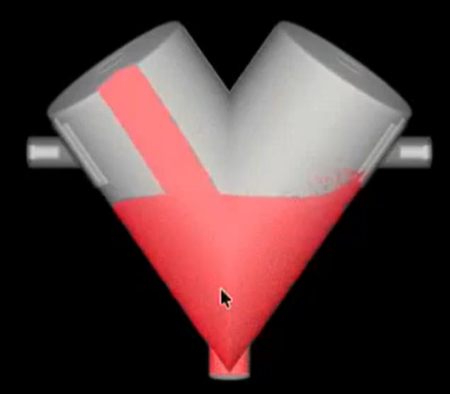
V blender
2 cubes that form a V, creating a shaft blender that inverts and mix particles
Centrifugal
centrifuge with the powder in the jar followed by spinning & mixing
Geometric dilution
Method to disperse a small amount of one powder throughout a much larger mixture
May be used with a mortar and pestle or a mechanical mixer
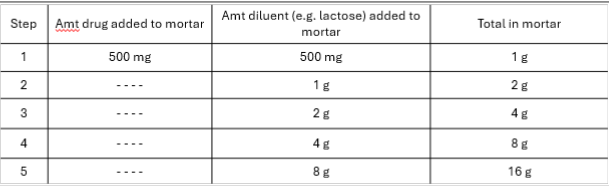
Add drug powder to mortar
Add an equivalent amount of diluent and mix well
Add another equivalent amount of diluent to the mixture in the mortar
Repeat until all diluent is added and the whole mass is mixed well
the following describes the process for geometric dilution
homogeneity
A small amount of an appropriate dye can aid blending, this implies visual cue for …
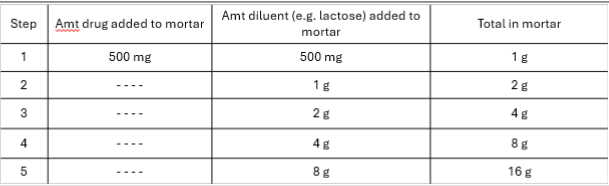
doubles up
What happens to the total mass within each step?
Compressibility
Important powder property for tablet and capsule manufacturing
binder
something that holds the mixtures together whether as a powder or something else that compresses well.
Dissolution rate
= DSCs/h describes what equation?
surface area (S)
∝ 1/r (relates to the radius) describes what equation?
surfactant
What may be required for the API particles to disperse in water
larger surface area
Smaller particles will tend to have …
Powders
susceptible to atmospheric humidity
hygroscopic
Absorb water vapor from the air onto the particle surface
Room humidity, surface area of powder
Water vapor adsorption depends on
Effervescent
products tend to be hygroscopic
room humidity, surface powder area
Water vapor absorption increases with more
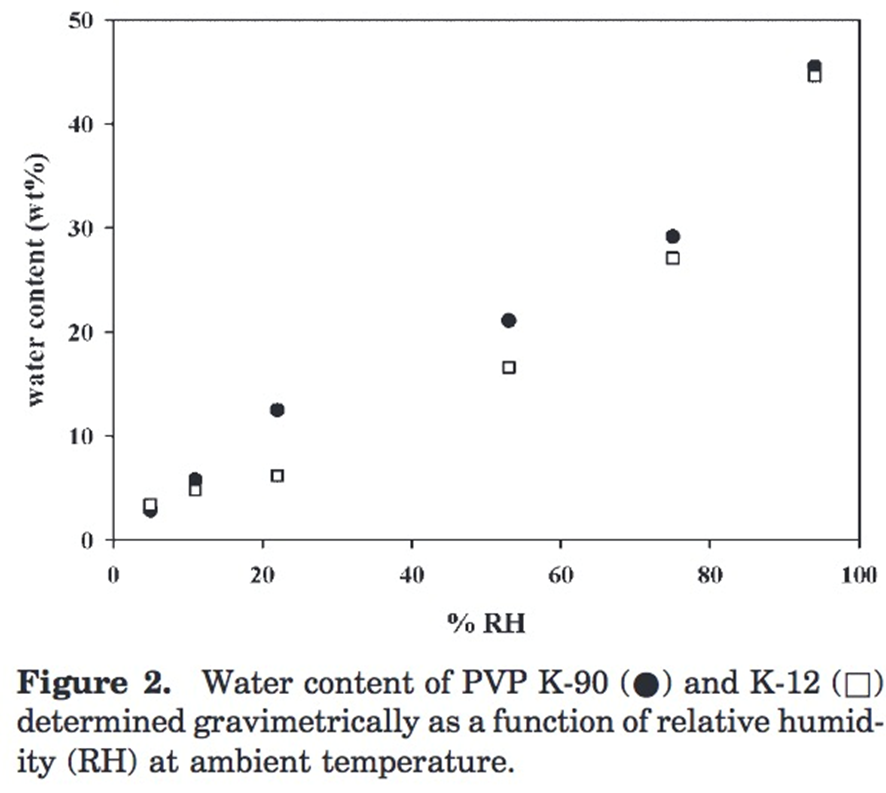
as humidity increases, water increases
The photo demonstrates what relationship between humidity & water?
Deliquescent solids
adsorb enough water vapor from the air to form liquid droplets and dissolve
Hygroscopic & deliquescent materials
materials have potential stability issues if they are stored in a humid environment, not tightly closed, etc
Physical stability
Caking
Product may become wet/moist
Chemical stability
Adsorbed water molecules may cause hydrolysis of the drug
Effervescent salts may react to release CO2
watertight & airtight as possible
Powder packaging must be …
cool, dry areas
Where should store powders and solid dosage forms be placed?
Bulk powders
close container quickly after measuring the dose
Desiccant
preferentially adsorbs water to decrease the amount that adsorbs onto the drug product.
Caking
when molecules thicken and become hard to flow
Advantages
Oral doses are easily customizable
May be administered with patient’s preferred flavored liquid
Lower shipping cost than liquids
Solids tend to be more stable than liquids (esp. antibiotics)
Unit dose products are portable
the following describes
Disadvantages
Bulk powders require dose measurement
Packaging must protect product from humidity
Oral – flavoring required
Fine powders can be easily aerosolized and accidentally inhaled
the following describes
surface area, hygroscopicity, tendency to aersolize
Compared to powders, granules have lower
compression & flow
Compared to powders, granules have better
dissolving and wetting
Compared to powders, granules are faster at
Diluent
Increase mass of powder
More accurate dose measurement for potent drugs
Oral & topical
Diluents are for what products?
Oral Diluents
Lactose, sucrose, mannitol, maltodextrin, microcrystalline cellulose
are examples of …
Topical Diluent
Talc, cornstarch are examples of …
Granulating agent
helps hold granules together
Granulating agent
sugar/polymer solution are examples of what?
Water/solvent
What is used to apply the granulating agent?
Disintegrating agent
promotes powder or granule dispersion in water
dry particles
Solvent is evaporated later on to produce …
Wetting agents
surfactants that improve water & disperse
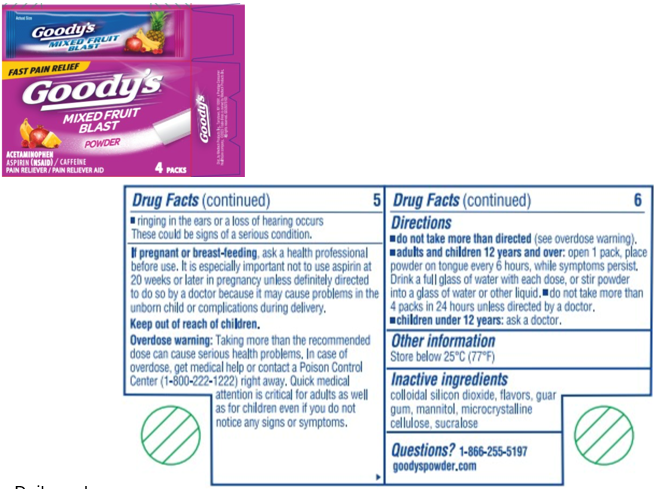
glidant
Colloidal silicon exist in the following image as
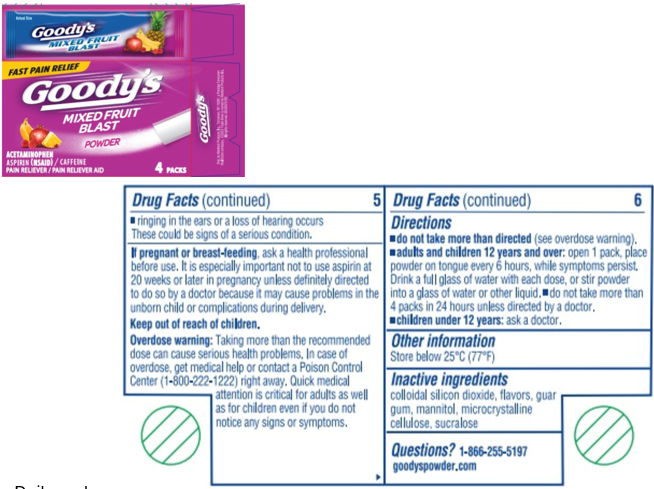
granulating agent
Guar Gum is included in the image shown as a …
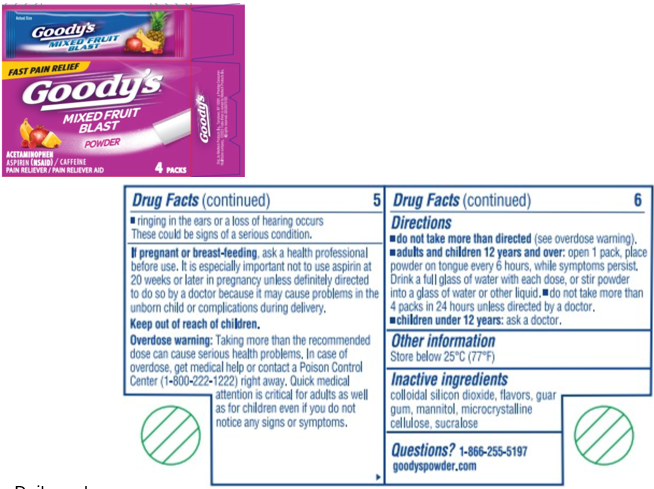
diluent
mannitol & microcrystalline cellulose is included in the image shown as a …
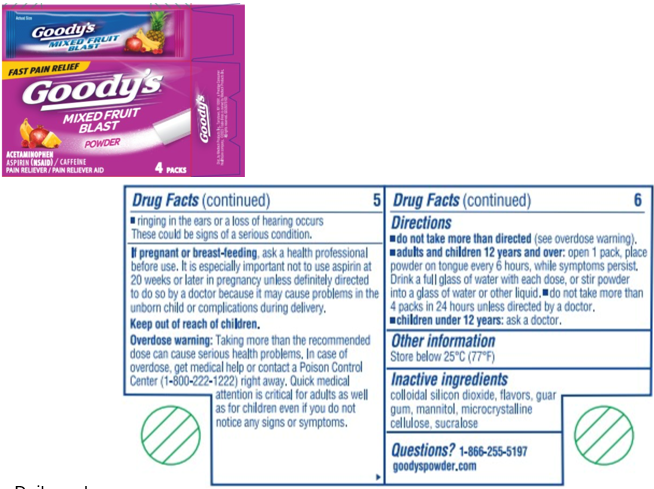
sweetener
sucralose is included in the image shown as a …
sweetener
FLAVORED COLESTID is orange flavored and light orange in color. One dose (1 packet or 1 level scoopful) of FLAVORED COLESTID is approximately 7.5 grams powder which contains 5 grams of colestipol hydrochloride. This product also contains the following inactive ingredients: aspartame, beta carotene, citric acid, flavor (natural and artificial), glycerine, maltol, mannitol, and methylcellulose.
In the description above, aspartame is used as a …
flavor
FLAVORED COLESTID is orange flavored and light orange in color. One dose (1 packet or 1 level scoopful) of FLAVORED COLESTID is approximately 7.5 grams powder which contains 5 grams of colestipol hydrochloride. This product also contains the following inactive ingredients: aspartame, beta carotene, citric acid, flavor (natural and artificial), glycerine, maltol, mannitol, and methylcellulose.
In the description above, citric acid is used as
cosolvent
FLAVORED COLESTID is orange flavored and light orange in color. One dose (1 packet or 1 level scoopful) of FLAVORED COLESTID is approximately 7.5 grams powder which contains 5 grams of colestipol hydrochloride. This product also contains the following inactive ingredients: aspartame, beta carotene, citric acid, flavor (natural and artificial), glycerine, maltol, mannitol, and methylcellulose.
In the description above, glyverin is used as
diluents
FLAVORED COLESTID is orange flavored and light orange in color. One dose (1 packet or 1 level scoopful) of FLAVORED COLESTID is approximately 7.5 grams powder which contains 5 grams of colestipol hydrochloride. This product also contains the following inactive ingredients: aspartame, beta carotene, citric acid, flavor (natural and artificial), glycerine, maltol, mannitol, and methylcellulose.
In this description, maltol & mannitol are used as …
granulating agent
FLAVORED COLESTID is orange flavored and light orange in color. One dose (1 packet or 1 level scoopful) of FLAVORED COLESTID is approximately 7.5 grams powder which contains 5 grams of colestipol hydrochloride. This product also contains the following inactive ingredients: aspartame, beta carotene, citric acid, flavor (natural and artificial), glycerine, maltol, mannitol, and methylcellulose.
In this description, methylcellulose is used as …
granulating agent
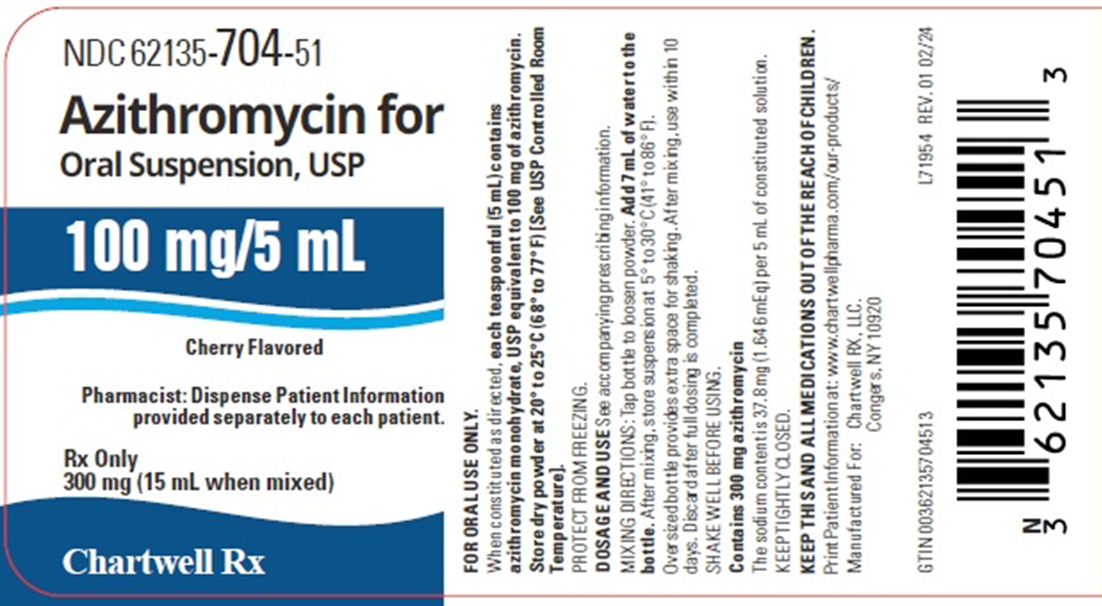
Azithromycin for Oral Suspension, USP is supplied in bottles containing azithromycin monohydrate powder equivalent to 300 mg, 600 mg, 900 mg, or 1200 mg azithromycin per bottle
and the following inactive ingredients: sucrose; tribasic sodium phosphate anhydrous; hydroxypropyl cellulose; xanthan gum; colloidal silicon dioxide, FD&C Red #40; and artificial cherry flavor
Colloidal silicon dioxide is used as
sweetener
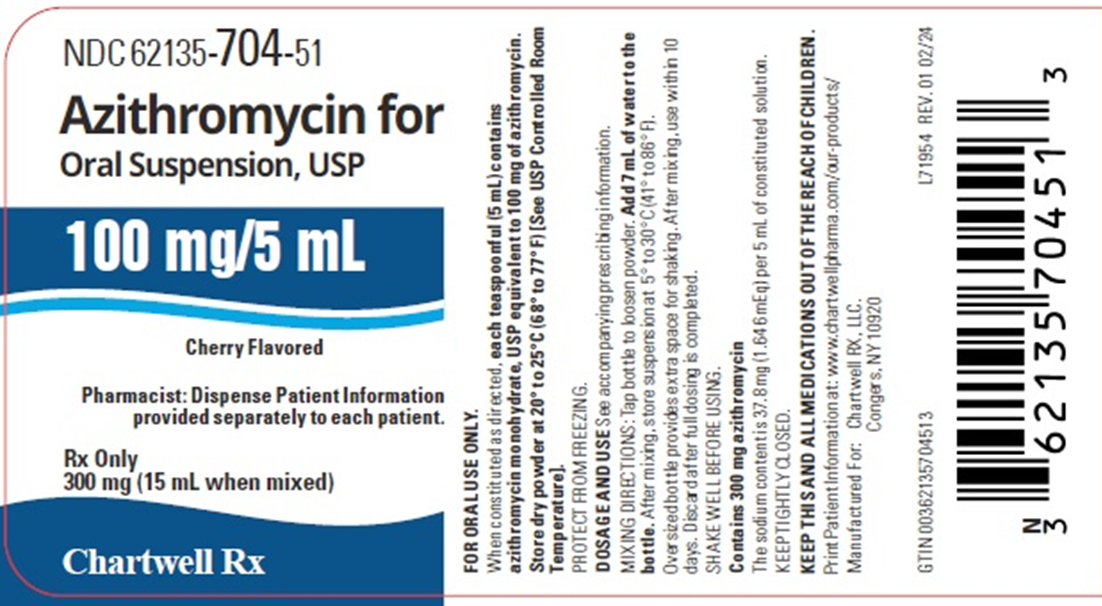
Azithromycin for Oral Suspension, USP is supplied in bottles containing azithromycin monohydrate powder equivalent to 300 mg, 600 mg, 900 mg, or 1200 mg azithromycin per bottle
and the following inactive ingredients: sucrose; tribasic sodium phosphate anhydrous; hydroxypropyl cellulose; xanthan gum; colloidal silicon dioxide, FD&C Red #40; and artificial cherry flavor
Sucrose is being used as …
antioxidants
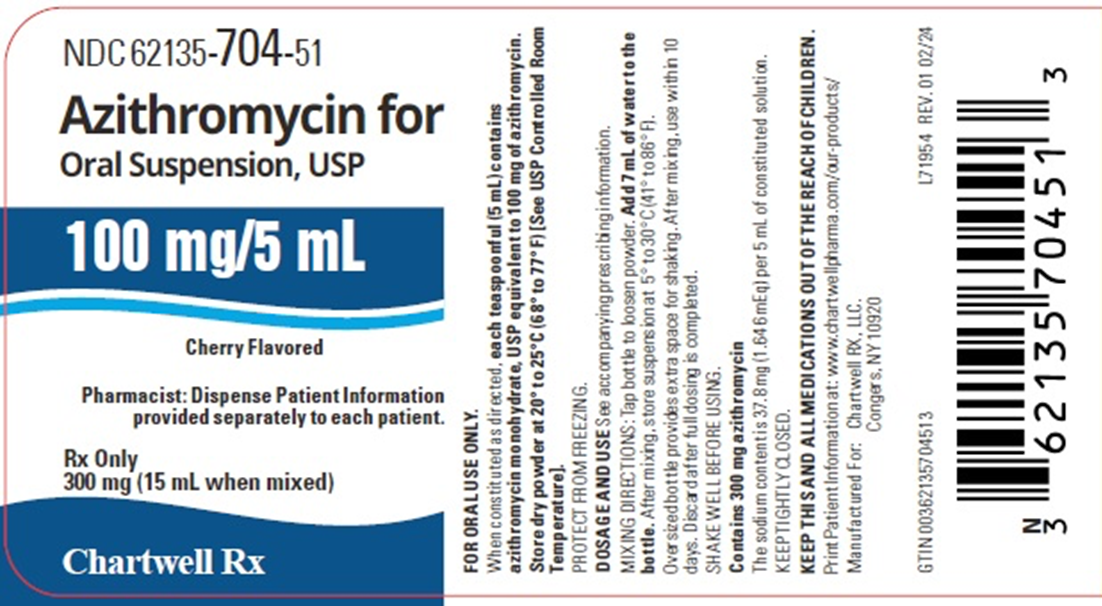
Azithromycin for Oral Suspension, USP is supplied in bottles containing azithromycin monohydrate powder equivalent to 300 mg, 600 mg, 900 mg, or 1200 mg azithromycin per bottle
and the following inactive ingredients: sucrose; tribasic sodium phosphate anhydrous; hydroxypropyl cellulose; xanthan gum; colloidal silicon dioxide, FD&C Red #40; and artificial cherry flavor
Xanthan gum is being used as
accurate measurements, mix w/liquid or food, take entire dose
With oral, solution,and suspension administration, it is important to …
shake
For suspensions, it is especially important to…
spread over affected area
For topical administration, it is important to …
cool dry area away from humidity
Powders & granules can be stored where?

