Psychology AQA A Level: Issues and Debates
 Studied by 0 people
 Call Kai
 Learn
Learn Practice Test
 Spaced Repetition
 Match
Match Flashcards
 Knowt Play
1/114

There's no tags or description
Looks like no tags are added yet.
Name | Mastery | Learn | Test | Matching | Spaced | Call with Kai |
|---|
No analytics yet
Send a link to your students to track their progress
115 Terms
Bias
A distortion in representation of a group/data. A view is biased if it leans toward a subjective opinion, rather than objective reality.
Universality
Idea that psychological characteristics are common to all people, despite differences of upbringing, gender or cultural background- gender bias and cultural bias threaten this

Gender bias
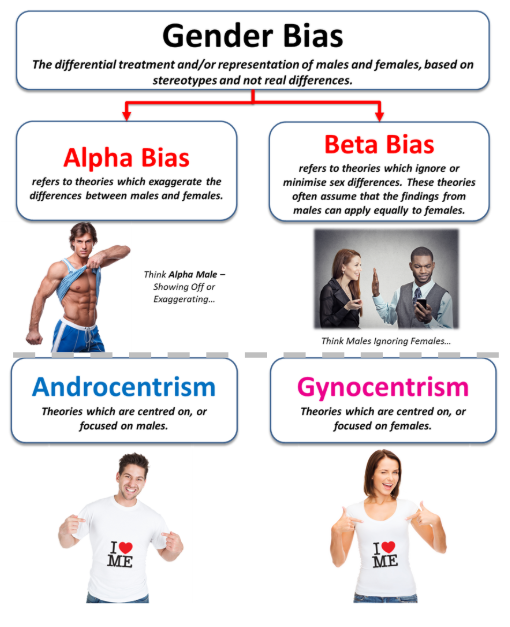
Misrepresentation of gender differences and similarities between males and females
research of 2 real differences between boys and girls
Maccoby and Jacklin (1974)
Girls have greater verbal ability
Boys have greater visual and spatial abilities
What are the two types of gender bias?
Beta bias and alpha bias
Alpha bias
exaggeration/overestimation of gender differences
presented as real and enduring, fixed and inevitable
What is an example of alpha bias?
Freud claimed that identification processes are weaker for females than males as girls do not experience castration anxiety. As a result, Freud claimed females are morally inferior to males
HOWEVER
Karen Horney's concept of "womb envy" proposes that men, feeling inadequate about their inability to give birth, may unconsciously envy women's reproductive capabilities.
Beta bias
ignore/minimisation of gender differences
What is an example of beta bias?
The fight or flight response. Early research was only conducted on male animals as (it was thought female hormones fluctuate too greatly) they thought it would be the same
BUT
Taylor et al(2000) claimed that women are more likely to respond to stressful situations with 'tend and befriend'. This early research into fight or flight misrepresented women.
more likely to protect their offspring (tending) and form alliances with other women (befriending)
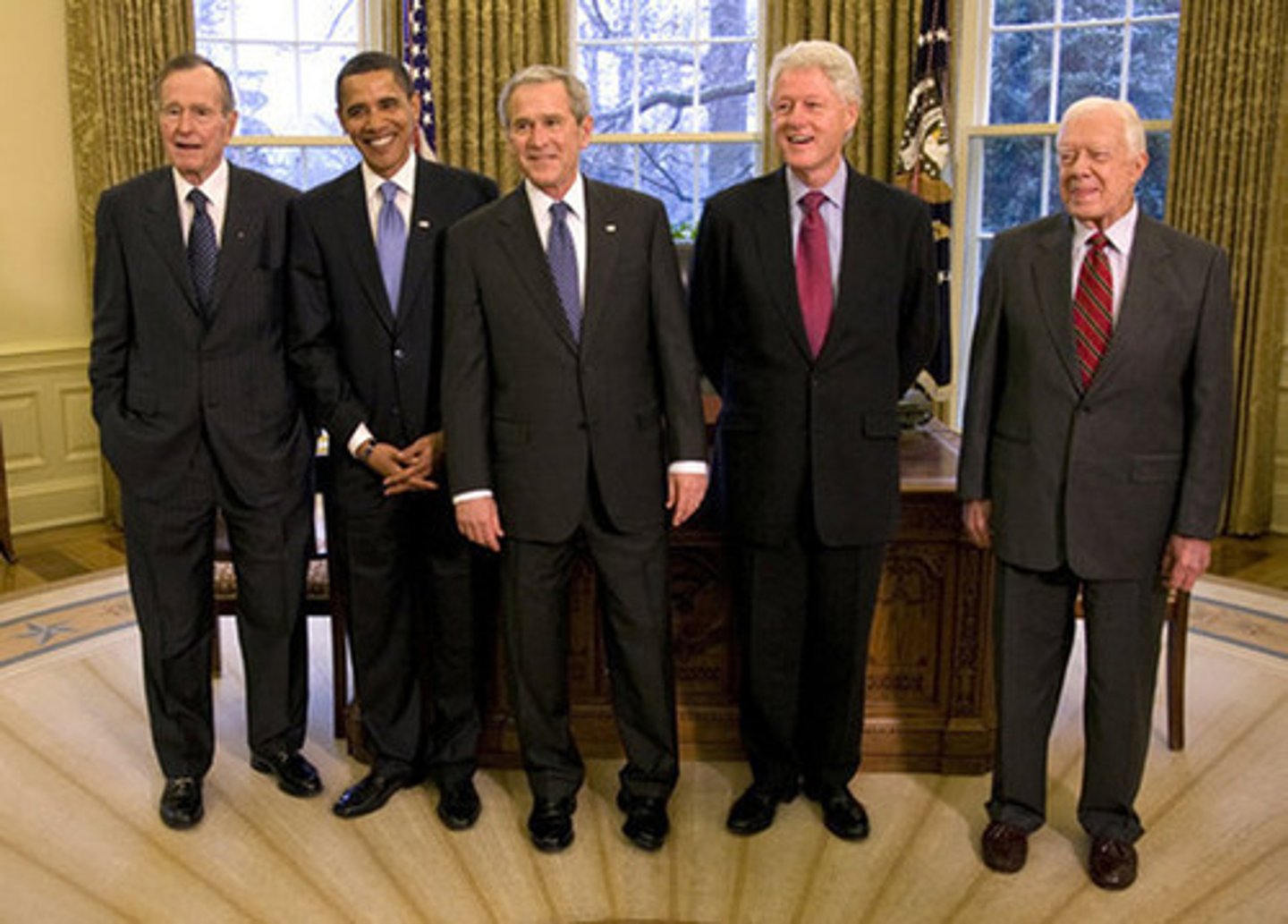
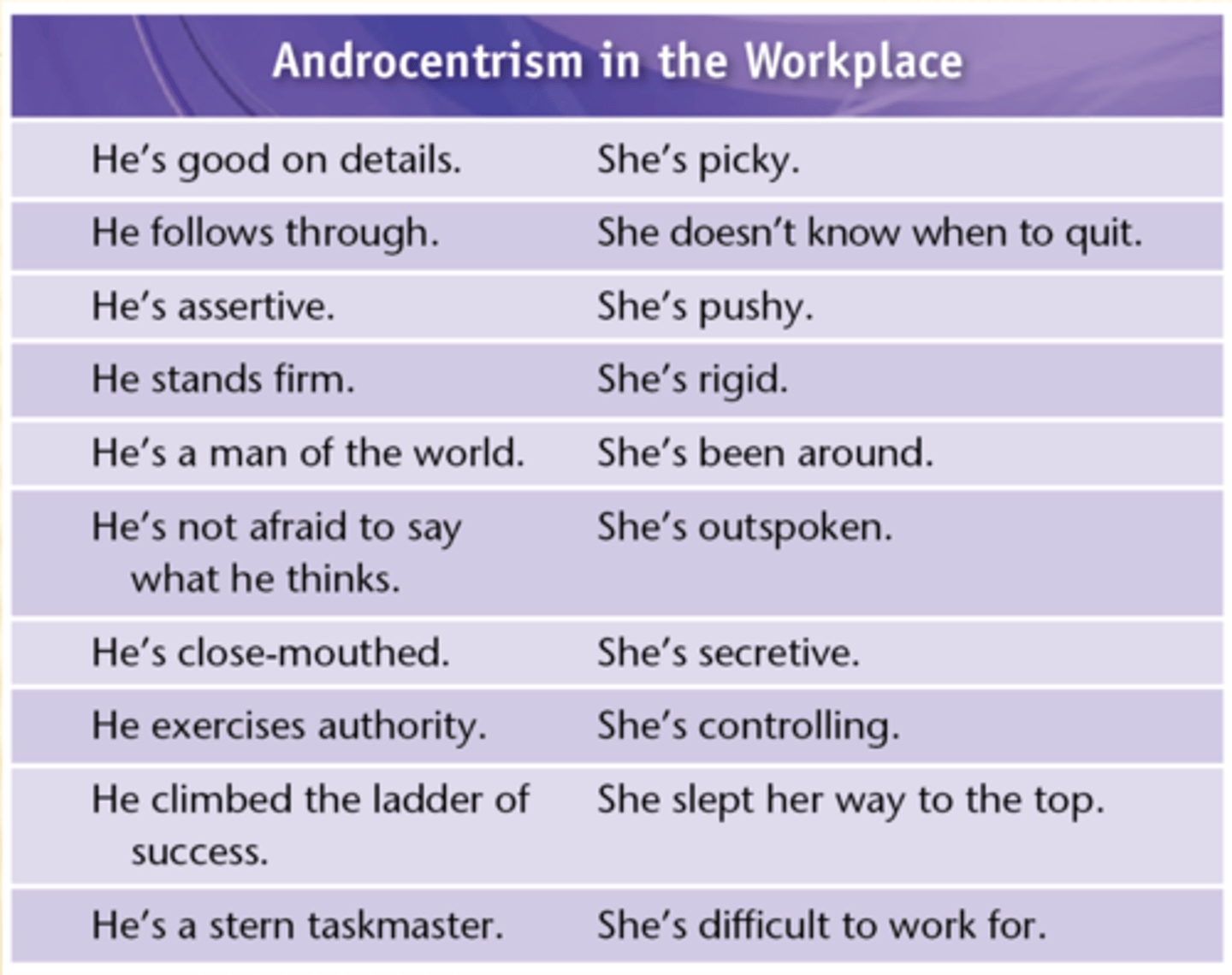
Androcentrism
consequence of beta bias
Theories which are centred on, or focused on males
Masculine perspective taken with male behaviour as the norms
What is an example of androcentrism?
Male anger is seen as a rationale response to external pressures (sexual jealousy, infidelity) however female anger is less accepted
Gynocentrism
theories which are centred on, or focused on females
Evaluation of gender bias- implications of gender bias
Point: Gender-biased research can perpetuate harmful stereotypes and discriminatory practices.
Evidence: Dalton (1964) suggested that during their menstrual cycle, women are more likely to have accidents, carry out crimes, commit suicide and to have reduced scores in IQ tests
Explanation: findings could cause women to be discriminated against in the work place (for example), employers who believe women are more likely to have accidents/reduced IQ scores could favour male applicants for jobs assuming that they would be a more competent member of the workforce.
Link: This demonstrates the damaging implications of gender bias, as it can reinforce societal inequalities and limit women's potential.
/research has suggested that males appear to be less sensitive than females and display more aggressive tendencies so less likely to get jobs in teachers, counsellors, therapists
Evaluation of gender bias- sexism within the research process
Point: The underrepresentation of women in senior research positions contributes to a skewed research agenda.
Evidence: A lack of women in senior research positions means female concerns might be overlooked. Male researchers are more likely to get published, especially if they find gender differences. The lab experiment setting can also put women at a disadvantage, with male researchers potentially labeling them as irrational or incapable.
Explanation: When women are not adequately represented, the research priorities may not address issues relevant to them, leading to a biased understanding of psychological phenomena.
Link: This illustrates how institutional sexism within the research process can create bias in theory and research, further marginalizing female perspectives
Evaluation of gender bias- reflexivity
Point: Reflexivity among researchers is a positive step towards addressing gender bias in research.
Evidence: Dambrin and Lambert (2008) reflected on how their own gender-related experiences influenced their study of women in accountancy
Explanation: By acknowledging and reflecting on their own biases, researchers can mitigate the impact of these biases on their findings, leading to more objective and inclusive research.
Link: This suggests that reflexivity is a valuable tool for promoting greater awareness of personal biases and shaping research in a more equitable manner.
Cultural bias
tendency to ignore cultural difference
tendency to judge all people in terms of your own cultural assumptions
example of a study that is culturally biased
Asch 1951
ethnocentric as it was conducted with male American students from the 1950s
seen as an imposed etic as it is a task devised in one culture used to explain why people conform in other cultures
issues with operationalisation of variables.
however
Perrin and Spencer 1980
England conform less
Asch’s conclusions are affected by cultural relativism, as they are more relevant to one culture (the US of the 1950s)
Smith and Bond (1988)
found that people in China are more likely to conform more so the results of Asch’s study cannot be effectively generalised to collectivist cultures
the group task involving a line judgement activity may be unfamiliar to certain cultures in the world who are less familiar with the research tradition (e.g. hunter-gatherer tribes)
Ethnocentrism
form of cultural bias
a belief that one cultural group in superior and takes cultural behaviour as the norm

example of ethnocenturism- ainsworth
Ainsworths'‘s ‘strange situation’
identified key defining variable of attachment type as the child’s experience of anxiety of separation
secure attachment was if infant showed moderate amounts of distress when left alone by mother figure
however there are different meanings of attachment in different cultures
german mothers were seen as cold and rejecting as they deviated from us norms
example of ethnocenturism- gielen
systematic race and gender differences in the use of eye contact in conversations
Gielen found pairs of black women make eye contact less often than white women.
In white middle class culture it is assumed that making eye contact is a sign of trust
conclusion could be that black women trust each other less than white women!
Cultural relativism
Idea that behaviours observed in research can only be understood from the perspective of its social/cultural context.
Cultural relativism - berry
Berry argues that psychology has often been guilty of imposing an etic approach - arguing that theories, models, concepts, etc. are universal, when they actually came about through emic research within a single culture. The suggestion is that psychologists should be much more mindful of the cultural relativism of their research - that the 'things' they discover may only make sense from the perspective of the culture within which they were discovered - and being able to recognise this is one way of avoiding cultural bias in research.
Imposed etic
Where a researcher develops a theory or measurement of behaviour within a culture then applies it to other cultures
e.g. strange situation

real life example of imposed etic
mcdonalds
all around the world
conform a bit but still same culture of burgers
Etic approach
Looks at behaviour from the outside of a given culture and attempts to describe universal behaviours

Emic approach
Looks within cultures and identifies behaviours specific to that culture

What did Heinrich (2010) find about cultural bias?
Found that most psychological findings were based on WEIRD participants (western, educated, industrialised, rich, democratic). 68% of research subjects, from 100s of studies in leading psychology journals, came from the US. 96% came from western industrialised nations.

How did Gould (1981) show that cultural biases can have significant implications?
First IQ tests in the 1930s led to eugenic social policies in the US. The tests were culturally biased (included items on American products and presidents). Therefore those from SE Europe and African-Americans received the lowest scores. As a result, ethnic minorities were deemed 'feeble-minded' and denied educational and work opportunities.

How has gender bias led to negative stereotypes and discrimination?
Science leads to real world applications - if these are based on biased research, it could provide 'scientific' justification for denying women opportunities. E.g. Tim Hunt, a biochemist, famously told a conference the trouble with girls in the lab is that men fall in love with them and cry when criticised. Gender bias can have damaging consequences which affect the lives and prospects of real women.

How is cultural and gender bias diminishing?
Psychology is changing, with an increased prominence of female psychologists (Loftus, Ainsworth) and now majority of studies control for gender. However many influential research included male participants only (Milgram, Zimbardo, Asch).
Why is research still likely to have biased samples?
Majority of research will likely continue over-representing American college students due to ease of opportunity sampling.

What is support for the idea of universality?
Cultural differences should not be assumed. Some behaviour is universal- Ekman (1989) suggests that basic facial expressions for emotions (e.g. happiness or disgust) are the same all over the human and animal world. Features of human attachment, such as imitation and interactional synchrony, are universal.

How can gender bias be avoided in research?
- Promoting universality: men and women are far more similar, than they are different
- Women should be studied within meaningful real-life contexts and genuinely participate in research, rather than being the objects of study.
- Diversity within groups of women should also be studied rather than comparisons between women and men.
- There should be greater emphasis on collaborative research methods that collect qualitative data as opposed to numerical.
- There should be a greater focus on research into women dominated areas.

How can cultural bias be avoided in research?
- Do not extrapolate findings/theories to cultures which were not included in the sample
- Use researchers who are native to/familiar with culture being investigated
- Carry out cross-cultural research rather than research with one culture
- Do not assume universal norms across different cultures
- Be sensitive to cultural norms when reporting findings
- Taking a reflexive approach (constantly reflecting on own biases when carrying out research)
Evaluation of cultural bias- individualism and collectivism
Point: The traditional distinction between individualist and collectivist cultures may be oversimplified.
Evidence: Studies comparing the US and Japan have found little evidence supporting this distinction. Takano and Osaka (1999) noted that 14 out of 15 studies that compared USA and Japan showed no evidence of the traditional distinction between individualism and collectivism.
Explanation: Increased global communication and interconnectedness might be blurring cultural lines, making the old categories less relevant. Individualist- USA, collectivist- Japan, china
Link: This suggests that cultural bias in research might be less of an issue than previously thought.
Evaluation of cultural bias, cultural relativism vs universality
Point: Psychology should consider both culturally specific and universal aspects of behavior.
Evidence: Ekman's (1989) research indicates that basic facial expressions for emotions are universal. Also for ainsworth, some features of human attachment, like imitation and interactional synchrony, are universal.
Explanation: While cultural relativism is important, focusing solely on it can obscure shared human traits.
Link: A full understanding of human behavior requires studying both universals and variations among individuals and groups.
Evaluation of cultural bias- unfamiliarity with research tradition
Point: Participants in non-Western cultures may be less familiar with scientific research.
Evidence: Bond and Smith (1996) noted that demand characteristics may be exaggerated when working with local populations.
Explanation: This unfamiliarity can affect the validity of research.
Link: Researchers need to be aware of this potential issue and take steps to address it.
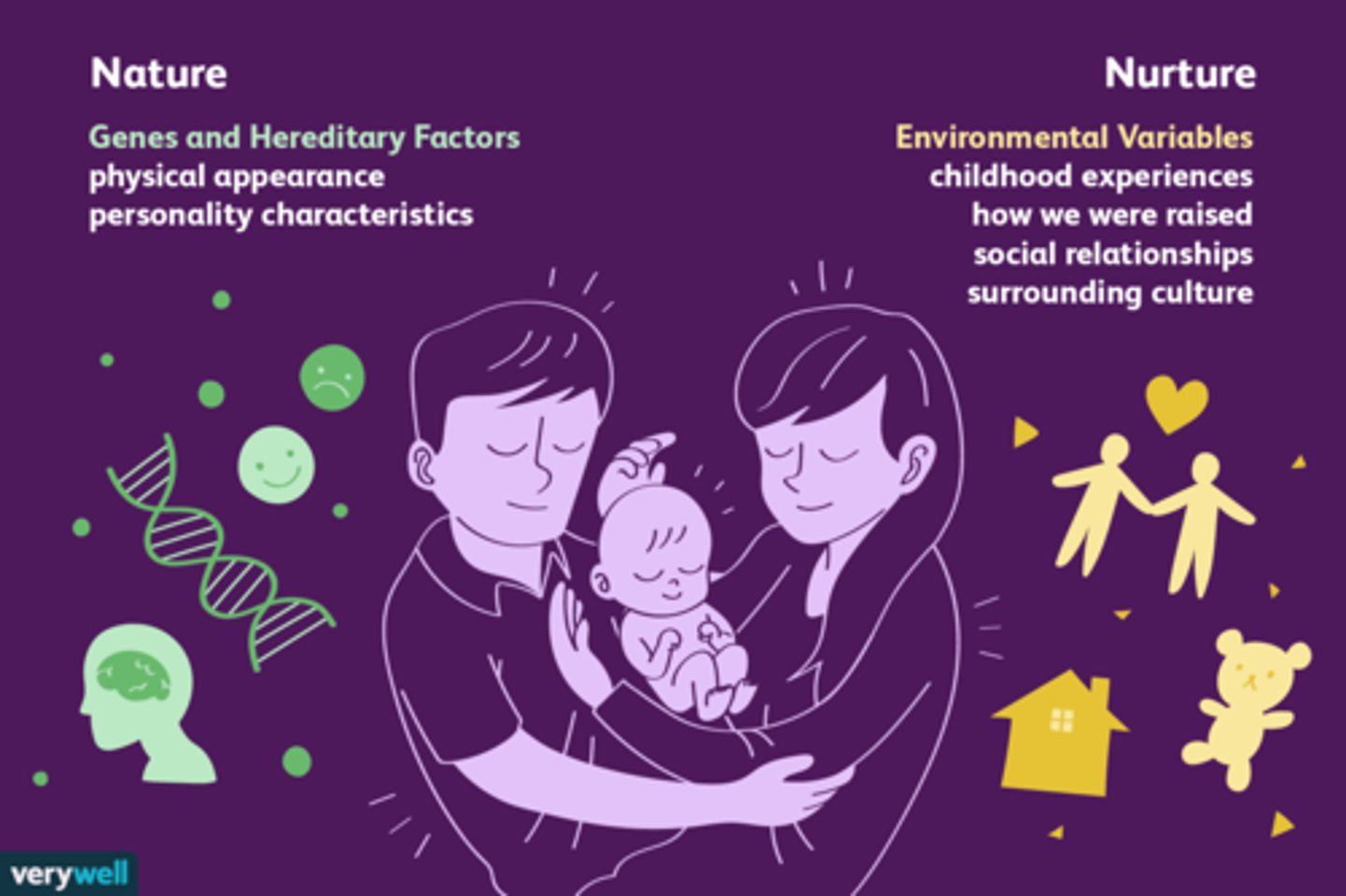
Nature-nurture debate
To what extent behaviour is determined by nature heredity (genetics) and nurture environmental (external) factors and the relative importance/combination of both.
Nature
The view that behaviour is a product of genetic or innate biological factors. Knowledge is present from birth (innate).

Heredity
Process in which traits (physical and psychological) are passed down through generations. Genetic inheritance

nativists- nature
Descartes
human characteristics- even some aspects of knowledge- are innate
result of heredity
empiricist- nature
John Locke
the mind is a blank slate at birth upon which learning and experience writes- result of enviroment
empiricist are also known as enviromentalist
heritability co efficient
used to assess heredity
ranges 0-1
1 completely genetically determined
Plomin 19194-
heritability in iq is 0.5
both genetic and enviroment
nature schizophrenia
many psychological disorders, for example schizophrenia, are said to have a genetic component.
Research has found concordances rates of 40% in monozygotic twins and 7% in dizygotic twins, suggesting that nature is a powerful contributing factor in schizophrenia.
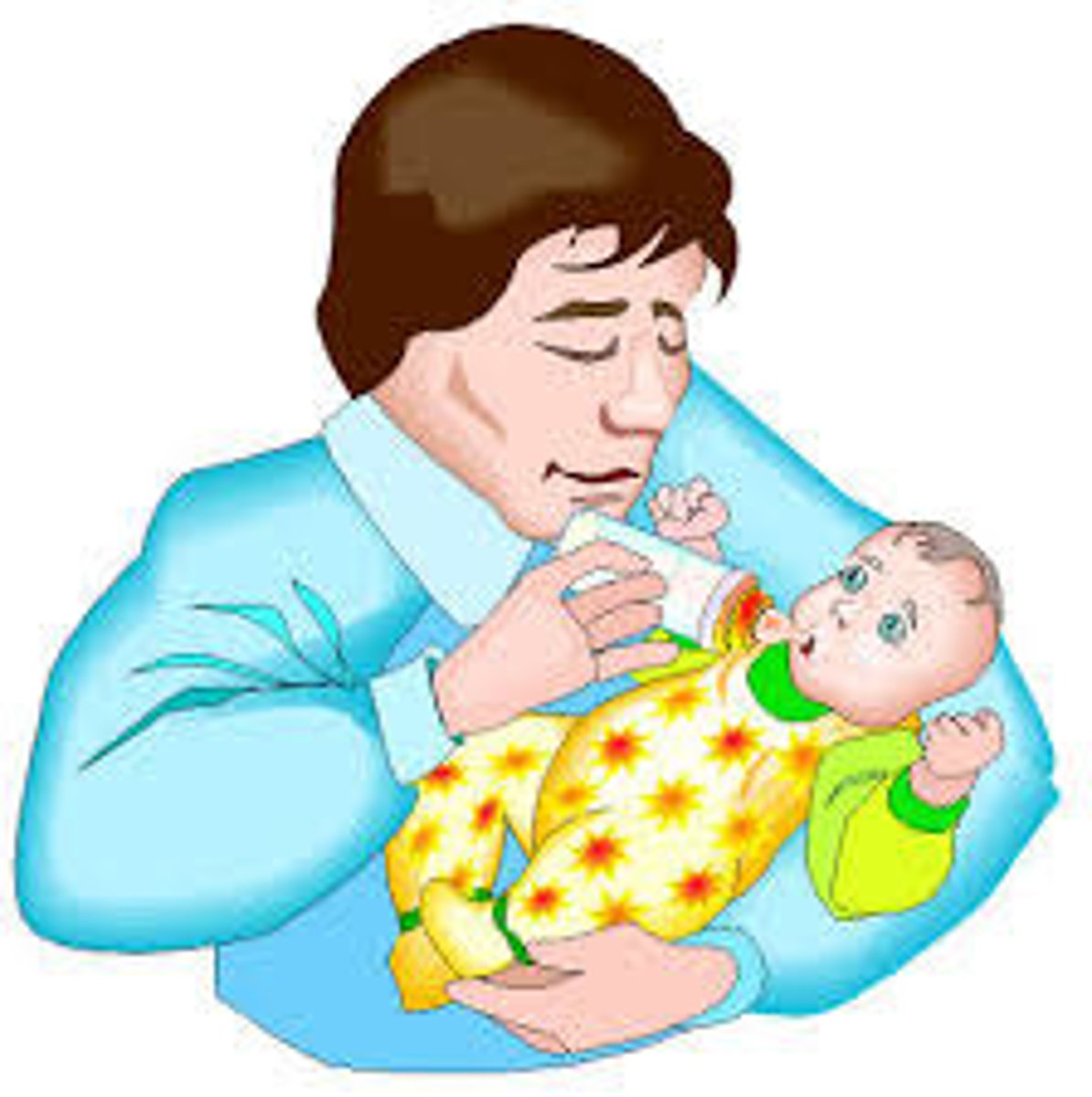
Nurture
The view that behaviour is a product of environmental influences (learning = classical and operant conditioning). Knowledge comes from interacting with the world. Mind starts as a blank slate 'tabula rasa'.
nurture research
lerner 1986
identified different levels of enviroment
from pre natal- mother physical and psychological needs
through post natal experiences such as social conditions in the child grous up and culture
Interactionist approach
The view that both nature and nurture work together to shape human behaviour
What are examples of the interactionist approach?
Diathesis stress model and epigenetics.
Diathesis-stress model
A theory suggesting that mental disorders are caused by a combination of inherent factors (predisposition) and stressful life experiences.
e.g depression due to naturally lower seratonin levels but a life event has to occur to trigger it
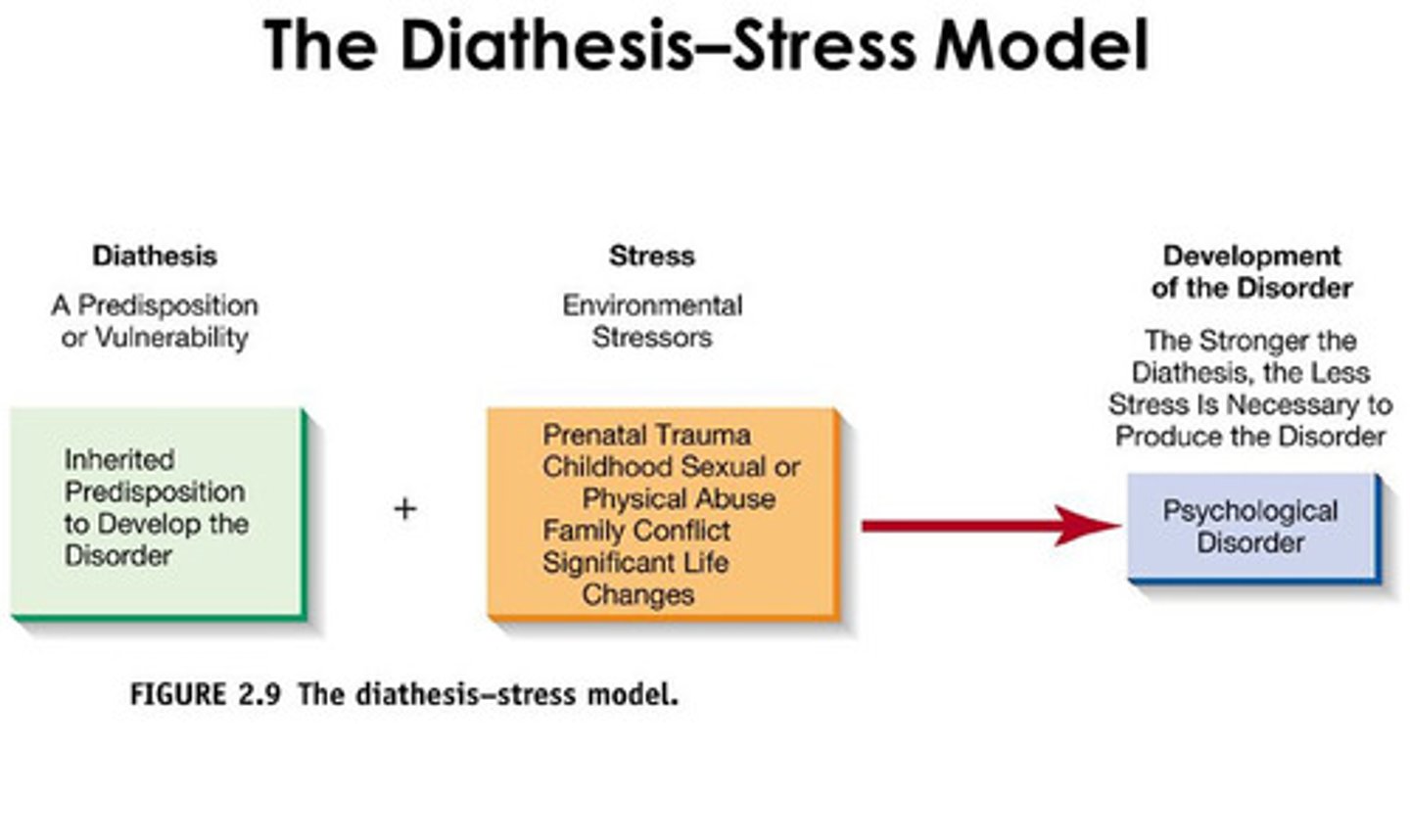
Diathesis
A vulnerability or predisposition to developing a disorder. Can be due to genetic factors, early life experiences or other biological susceptibilities
Stress
The environmental factors that trigger the onset of mental illness or exacerbate current existing conditions. These can include significant life events, trauma and daily stressors.
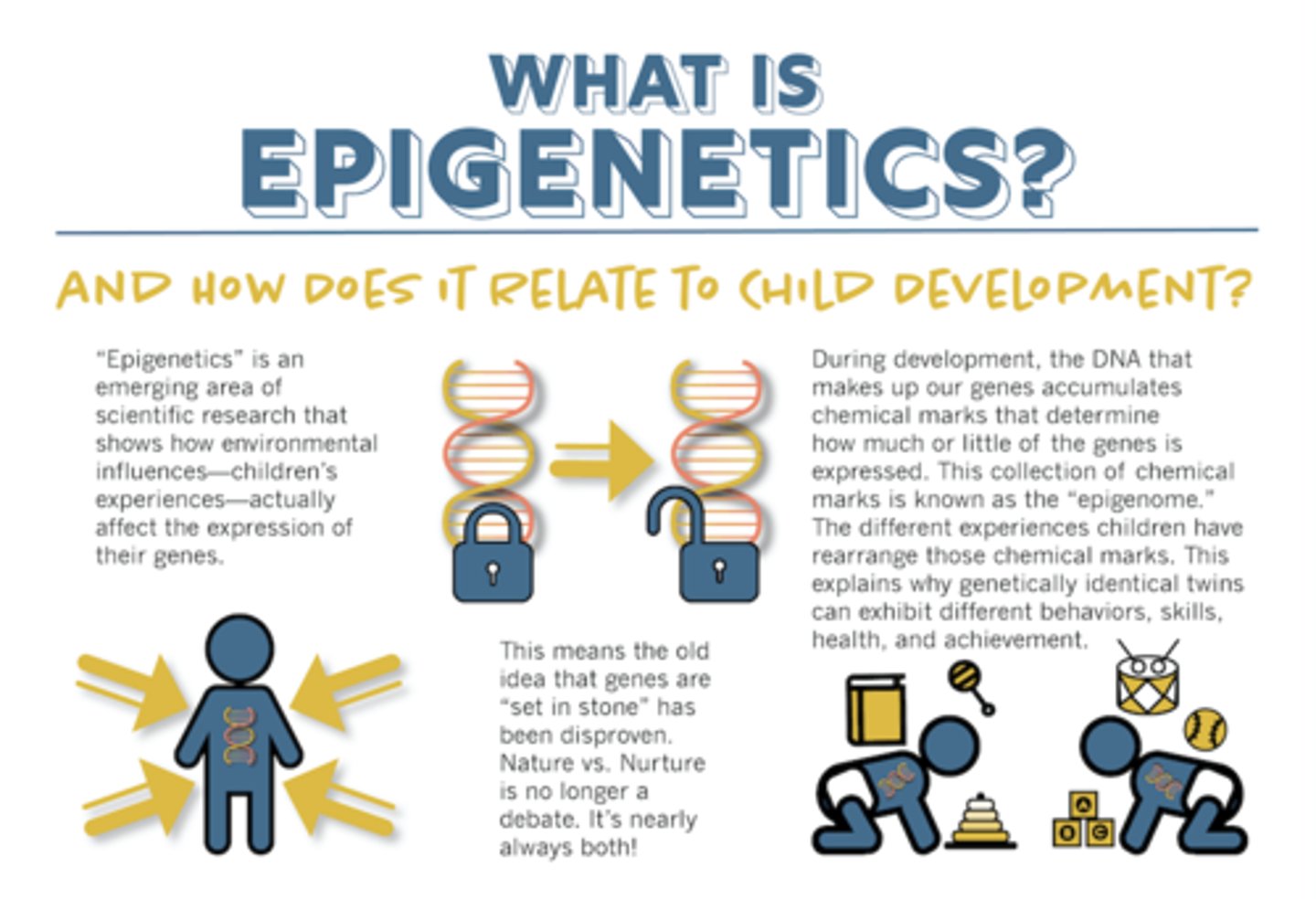
Epigenetics
The study of how behaviours and the environment can cause changes in the way your genes work. Some genes are not present at birth and only become expressed in response to a life event.
e.g. diet
Which approaches take a nature perspective?
Psychodynamic
Biological
Cognitive
Which approaches take a nurture perspective?
Psychodynamic (experiences can result in fixation)
Biological (environment influences brain development)
Cognitive
Behaviourist
Humanistic
What is support for the nature perspective?
Biological evidence - disorders like schizophrenia, evolutionary arguments for mate preference, neurotransmitter evidence for aggression (dopamine/serotonin)

What is support for the nurture perspective?
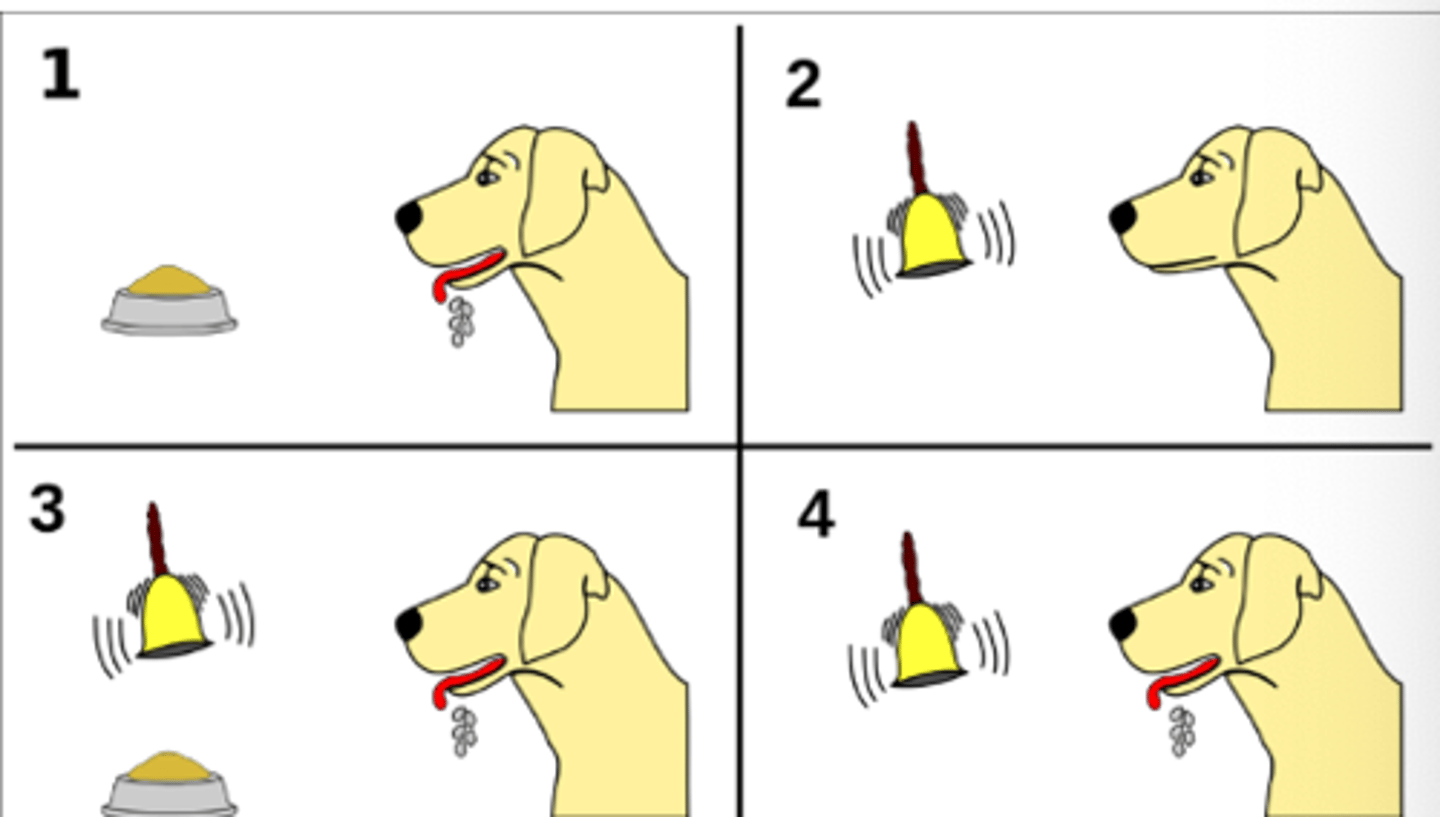
Environmental evidence - SLT Bandura's bobo-doll study, behaviourist studies on conditioning (Pavlov's dog, Skinner's box)
What is a limitation of the nature-nurture debate?
Nature and nurture cannot be separated. Plomin suggests people create their own nurture by actively seeking environments that are appropriate for their nature. Plomin refers to this as 'niche-picking'

What are implications of an extreme nature perspective?
The idea that traits (e.g. intelligence) are linked to race or genetic makeup. Socially sensitive research.

What are implications of an extreme nurture perspective?
The idea that any behaviour can be changed by altering the environment, leading society to control and manipulate its citizens.

Free will
Our decisions and behaviours come from personal conscious decision making. Behaviour is not determined by internal or external forces. Free from causal influences
humanistic approach

Determinism vs free will
Explores the extent to which our thoughts and behaviour are influenced by forces outside of our conscious control
Determinism
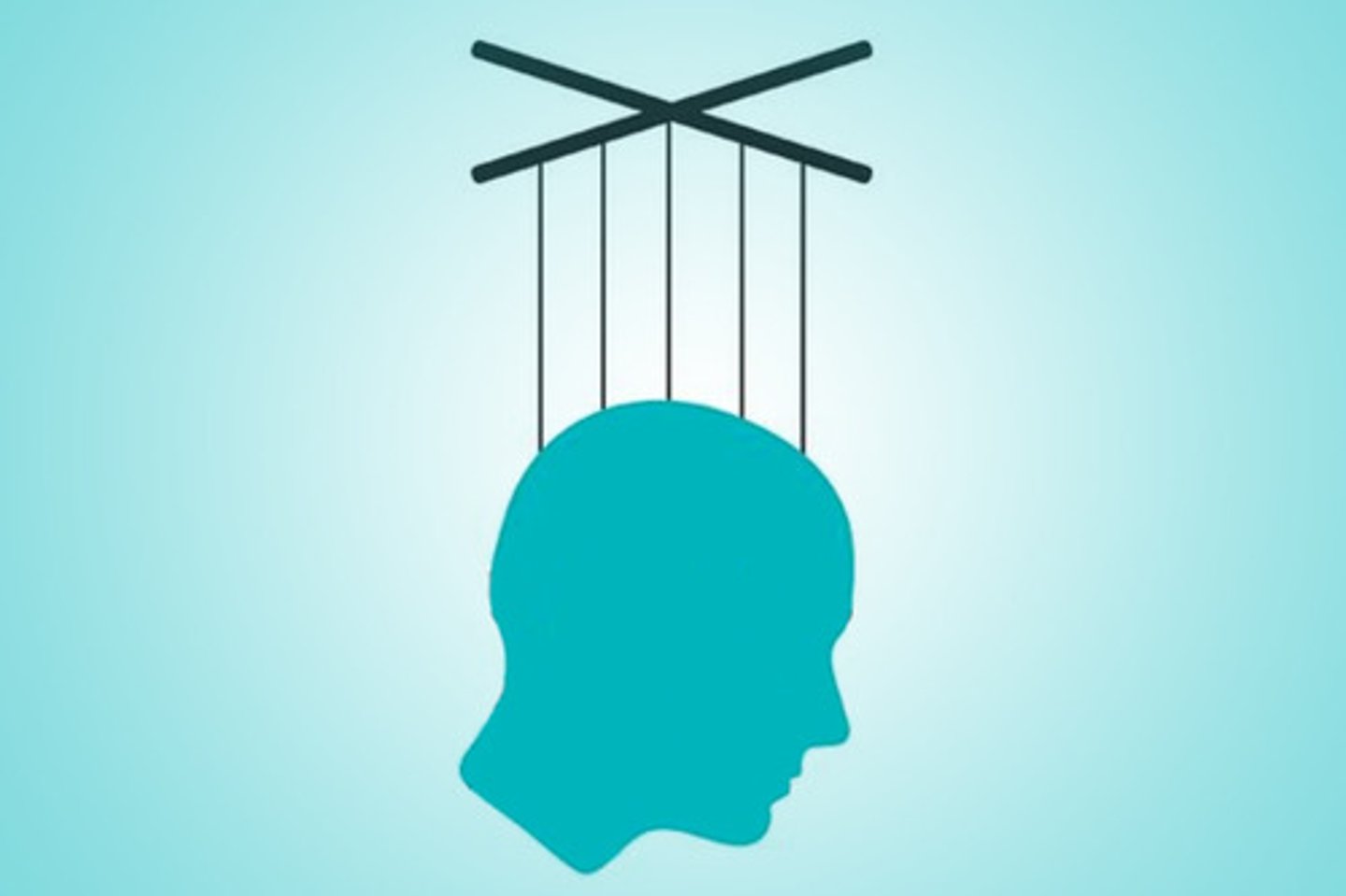
The view that behaviour is shaped by internal or external forces that we have no control over. Free will is an illusion.
Hard determinism/fatalism
All human behaviour has an internal or external cause that can be investigated
No free will over behaviour = fatalistic
possible to identify and describe these causes
compatible with aims of science
Soft determinism
william james 1890
Behaviour is largely shaped by deterministic factors (biological, environmental) but still some role for conscious decision making (free will)
cognitive approach
What are the 3 types of determinism?
Biological, environmental and psychic determinism
Biological determinism
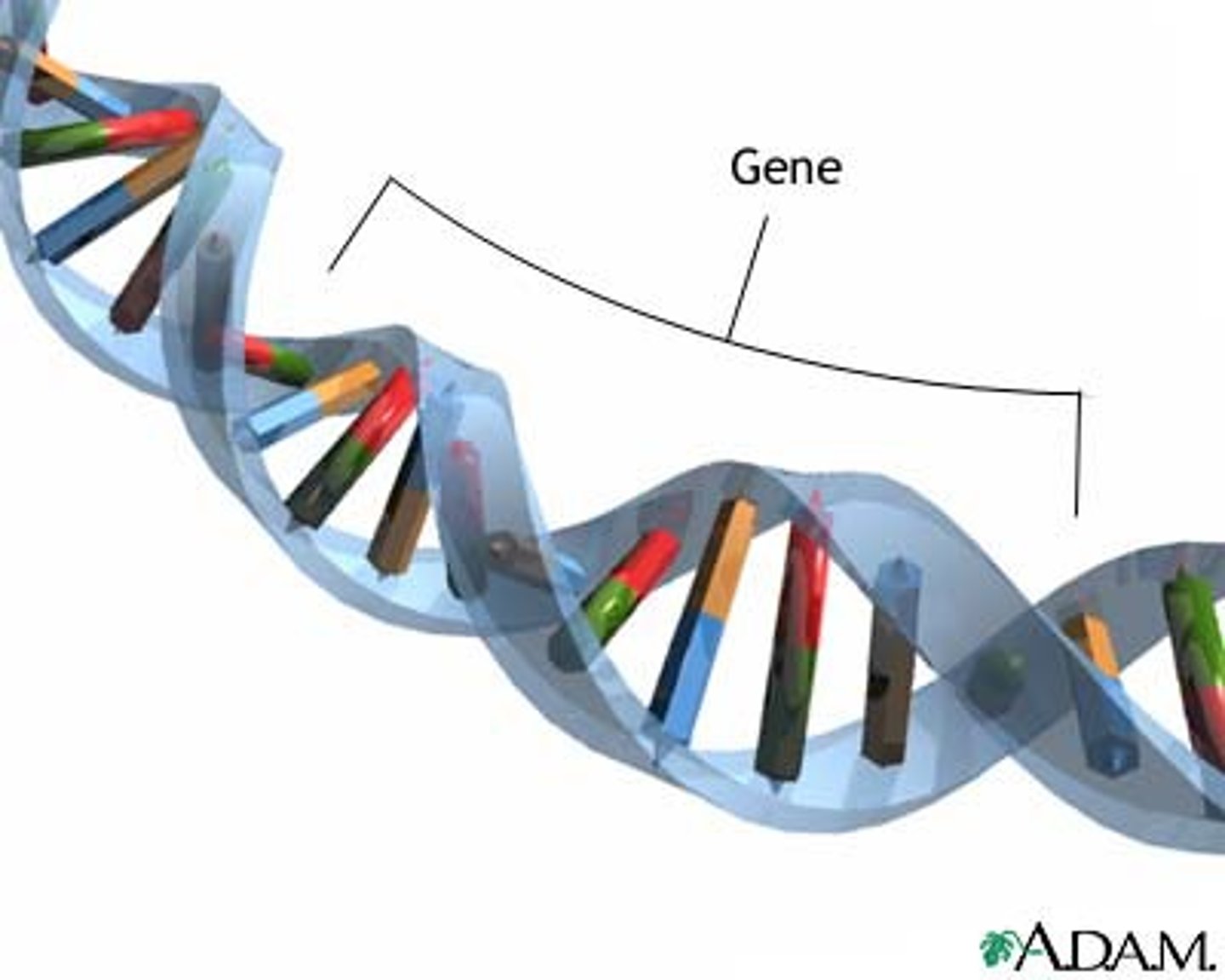
The idea that human behaviour is innate and determined by biological influences (neurotransmitters, genetics)
automonic nervous system- during stress and anxiety
mental disorders have a genetic basis
role of testosterone in aggressive behaviour
Environmental determinism
Behaviour is caused by external factors of the environment (e.g. learning through classical and operant conditioning)
agents of socialisation
Psychic determinism
Freud
Behaviour is the result of innate drives (such as the ID, ego, and superego) and unconscious conflicts
Causal explanations
Scientific - using controlled conditions to demonstrate a causal relationship between changes in the IV and changes in the DV. You are looking for a cause and effect, therefore science is deterministic
remove all extraneous variables

Which approaches are deterministic?
Psychodynamic (hard/psychic determinism)
Biological (hard/biological determinism)
Behaviourist (hard/behavioural determinism)
Cognitive (soft determinism)
Which approaches support the idea of free will?
Cognitive (soft determinism)
Humanistic
What is support for a deterministic view?
Determinism is scientific. It has had practical applications, as researching into prediction/control of behaviour has led to the development of therapies and treatments that have benefitted many, e.g. psychotherapeutic drugs in management of schizophrenia

What are the implications of determinism for the justice system?
It undermines the principle that the individual is fully accountable for their actions. Determinism would suggest they didn't have any control over their behaviours and therefore it would be unfair to punish them.

What is a problem with determinism?
It is unfalsifiable. It's based on the idea that causes of behaviour always exist even if they haven't been identified.
What is support for the idea of free will?
Free will has face validity: personal experience suggests we make our own decisions and act after conscious thought.
What did Roberts et al (2000) find about free will?
That adolescents who did not believe in free will were at a higher risk of depression.

What research questions the idea of free will?
Libert (1983)
Libert (1983)
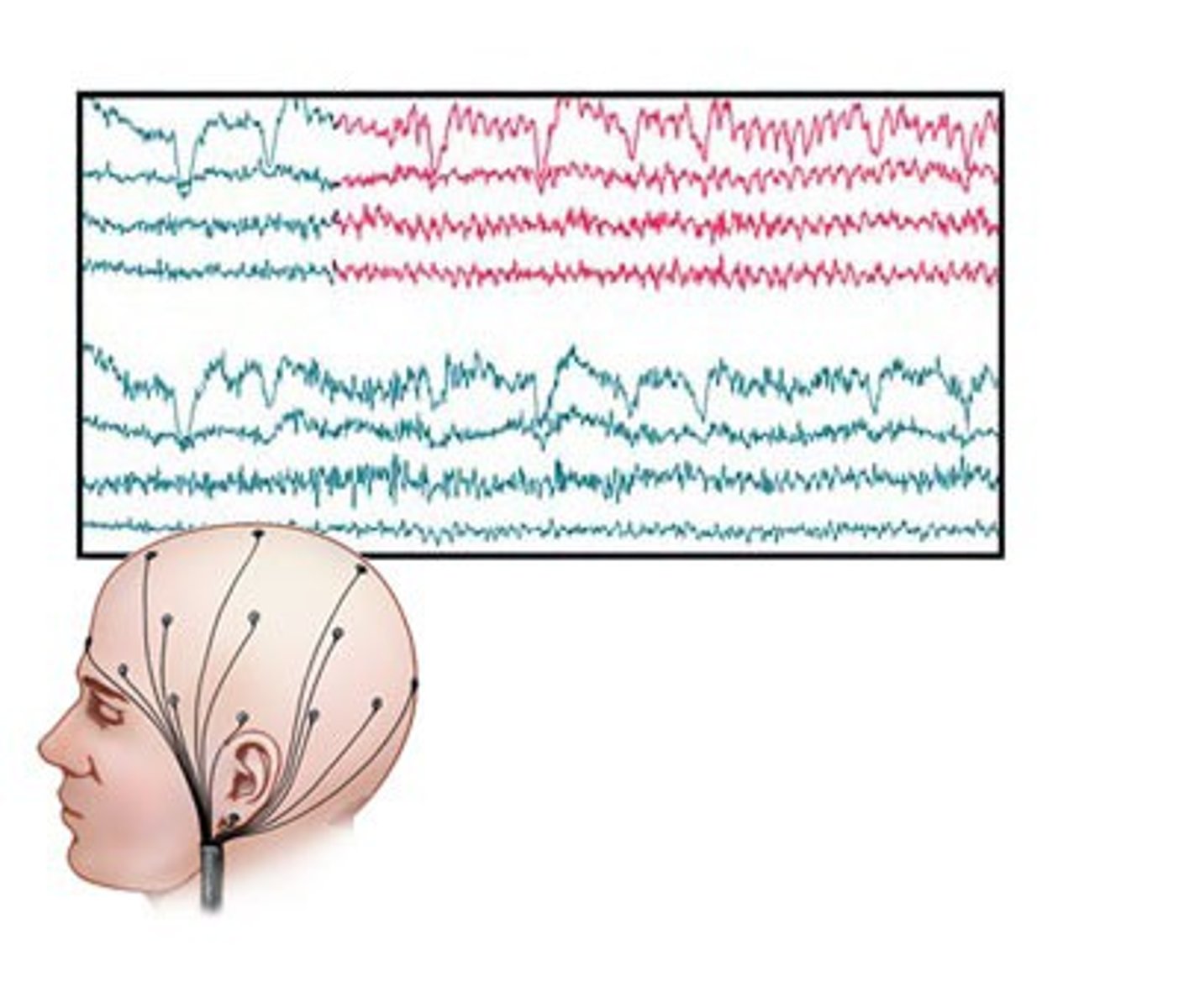
Used EEG research. Participants had to press a button with either the left or right hand. Showed that brain regions act before consciousness is aware of the decision (up to seconds). It was later backed up by FMRI, Hynes (2008)
Holism
The idea that to understand people, you must study the whole person, taking full account of individual experience, emotion, choice, and the individual's world view.

Reductionism
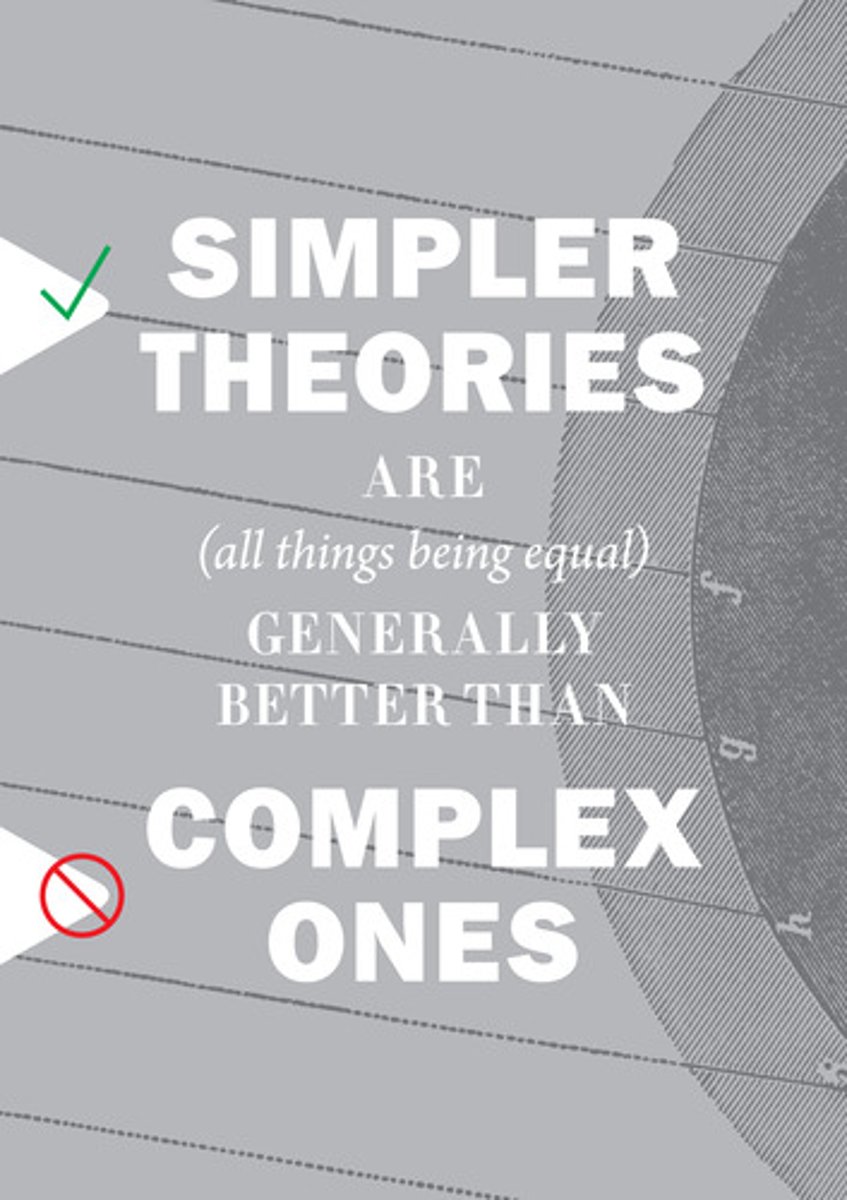
Explaining behaviour in terms of its constituent parts (basic units) and explaining at the simplest level. This is based on the scientific principle of parsimony

Parsimony
all phenomena should be explained used the most basic principles
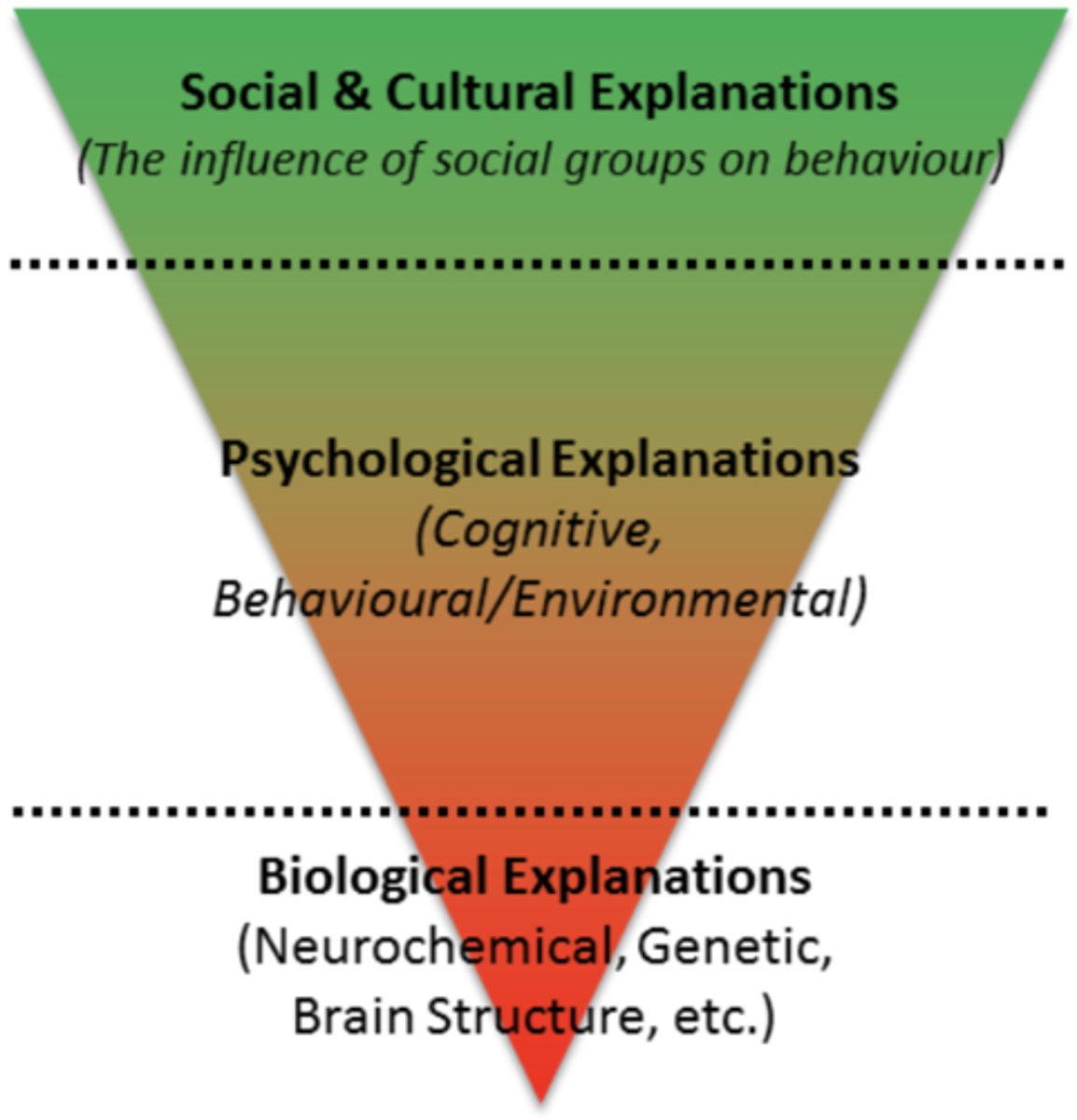
Levels of explanation
The perspectives that are used to understand behaviour. The lowest level considers physiological/biological explanations, the middle level considers psychological explanations and the highest level considers sociocultural explanations.
What would the biological level reduce complex behaviours to?
Neurochemical, physical structures, evolutionary and genetic influences
e.g. effects of psychoactive drugs help with understanding of neural processes and could help with explaining mental disorders (OCD, schizo)

What is environmental reductionism?
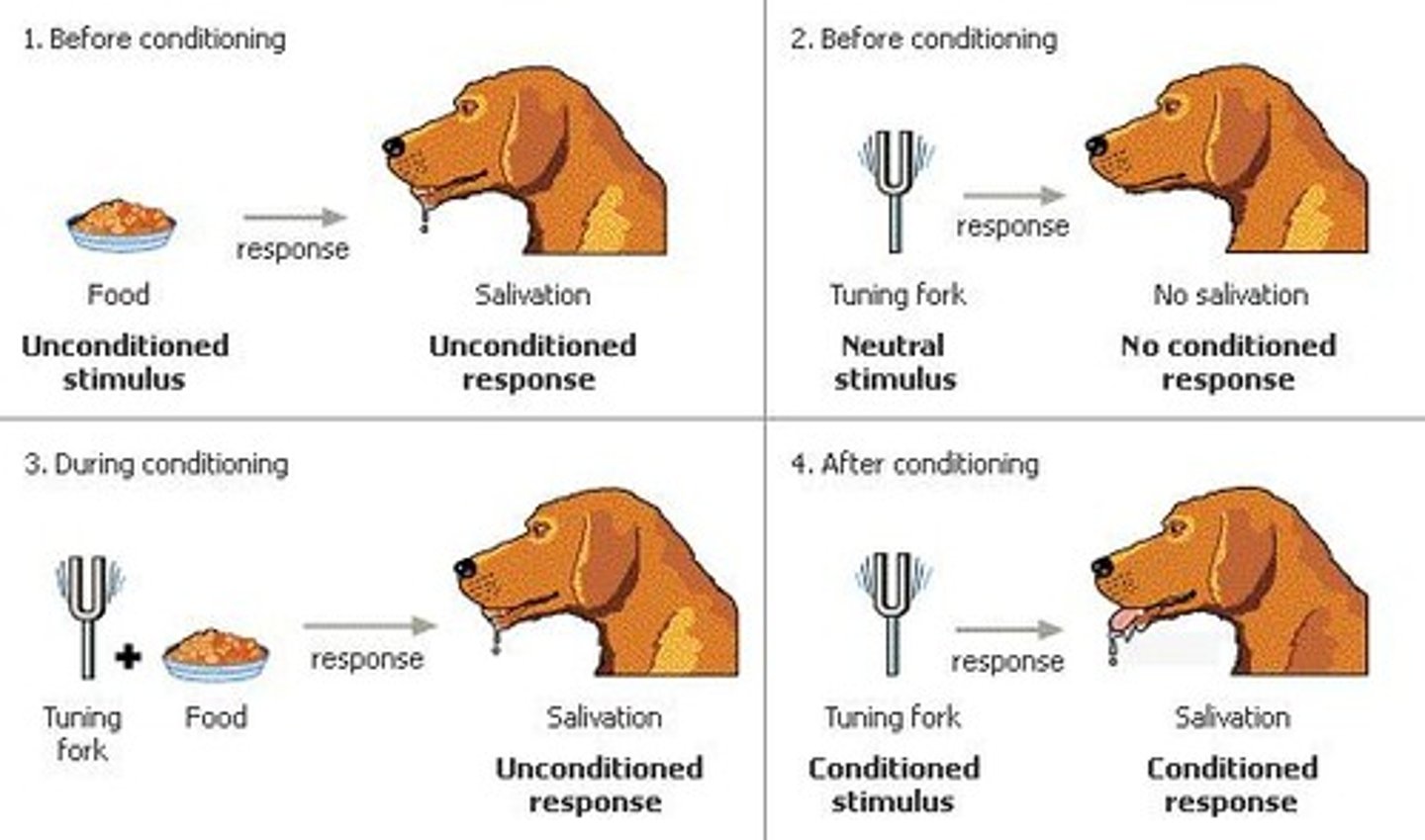
behaviourist approach built of this
The attempt to explain all behaviour in terms of stimulus-response links that have been learned through experience
doesnt include cognitive processes
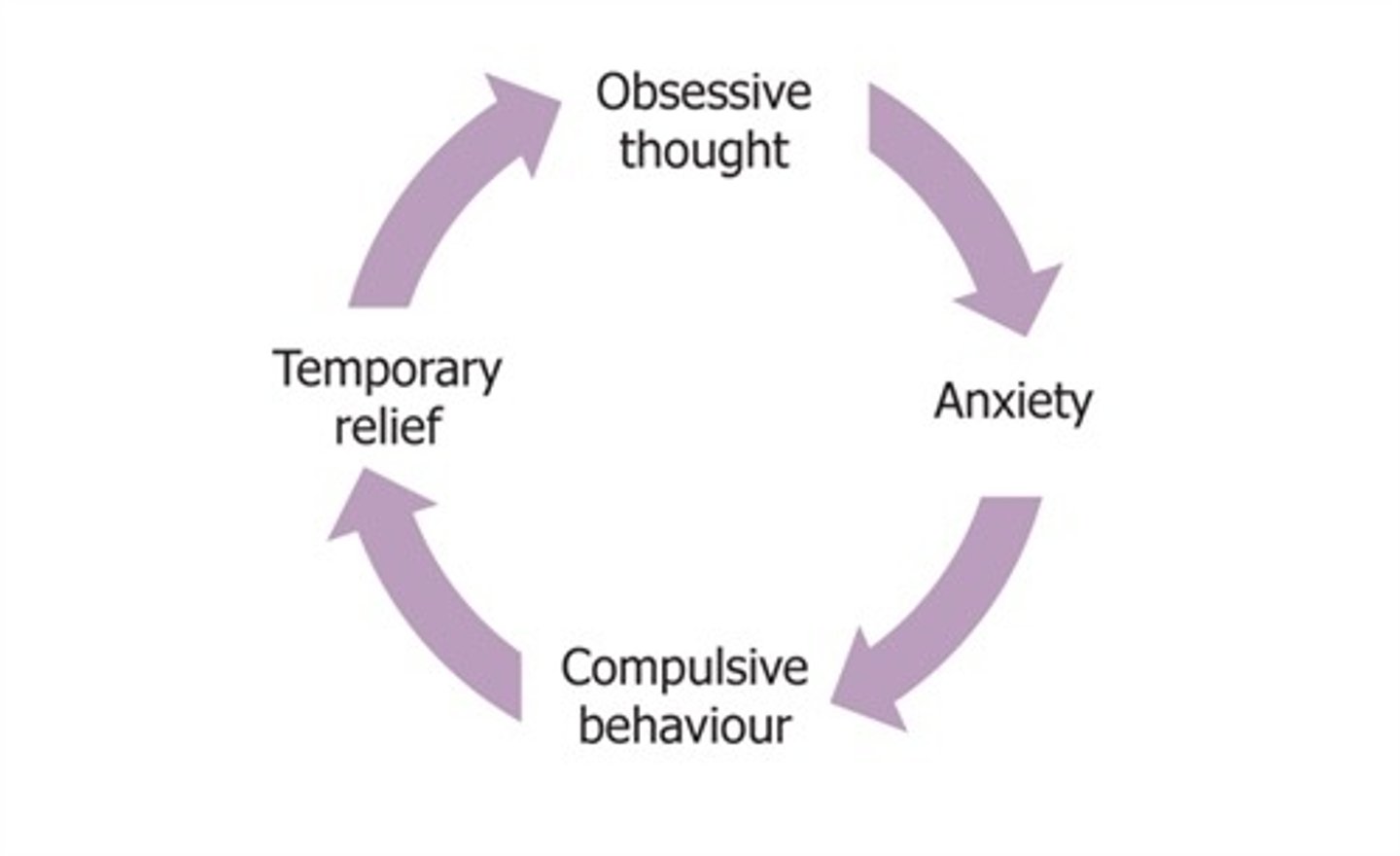
Give an example of the levels of explanations for OCD.
Socio-cultural: people find excessive hand washing odd/irrational
Psychological: experience of obsessive thoughts
Physical level: sequence of movements involved in hand washing
Physiological level: hypersensitivity of the basal ganglia
Neurochemical level: underproduction of serotonin
What approaches are holistic?
Humanistic
Psychodynamic
Which approaches are reductionist?
Biological (biological reductionism)
Cognitive (machine reductionism)
Behaviourist (environmental reductionism)
What is support for reductionism?
Practical explanations - reducing mental illness to biological causes leads to development of drug treatments. However drug treatments have issues, the combination of CBT and drug treatment have been proven to be most effective.
What is support for holism?
There are aspects of social behaviour which can only be understood from the context, e.g. group context and not individual group members for processes like conformity and deindividuation.

What is a limitation of holistic explanations?
They are not backed by science. E.g. Humanistic psychology is criticised for its lack of empirical evidence, and is instead seen as a loose set of concepts. If multiple factors influence something, it is more difficult to research it which leads to lack of evidence.
What are arguments against reductionism?
Reductionist approaches have been accused of oversimplifying complex phenomena leading to a loss of validity. Biological explanations (gene, neurotransmitter, neuron) do not include an analysis of the social context within which behaviour occurs. If important explanations for mental illness are ignored, it could lead to reoccurrence of the disorder as other causes haven't been considered.

nomothetic/idiographic
Idiographic approach
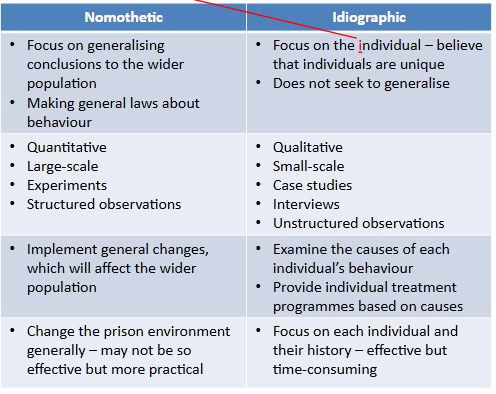
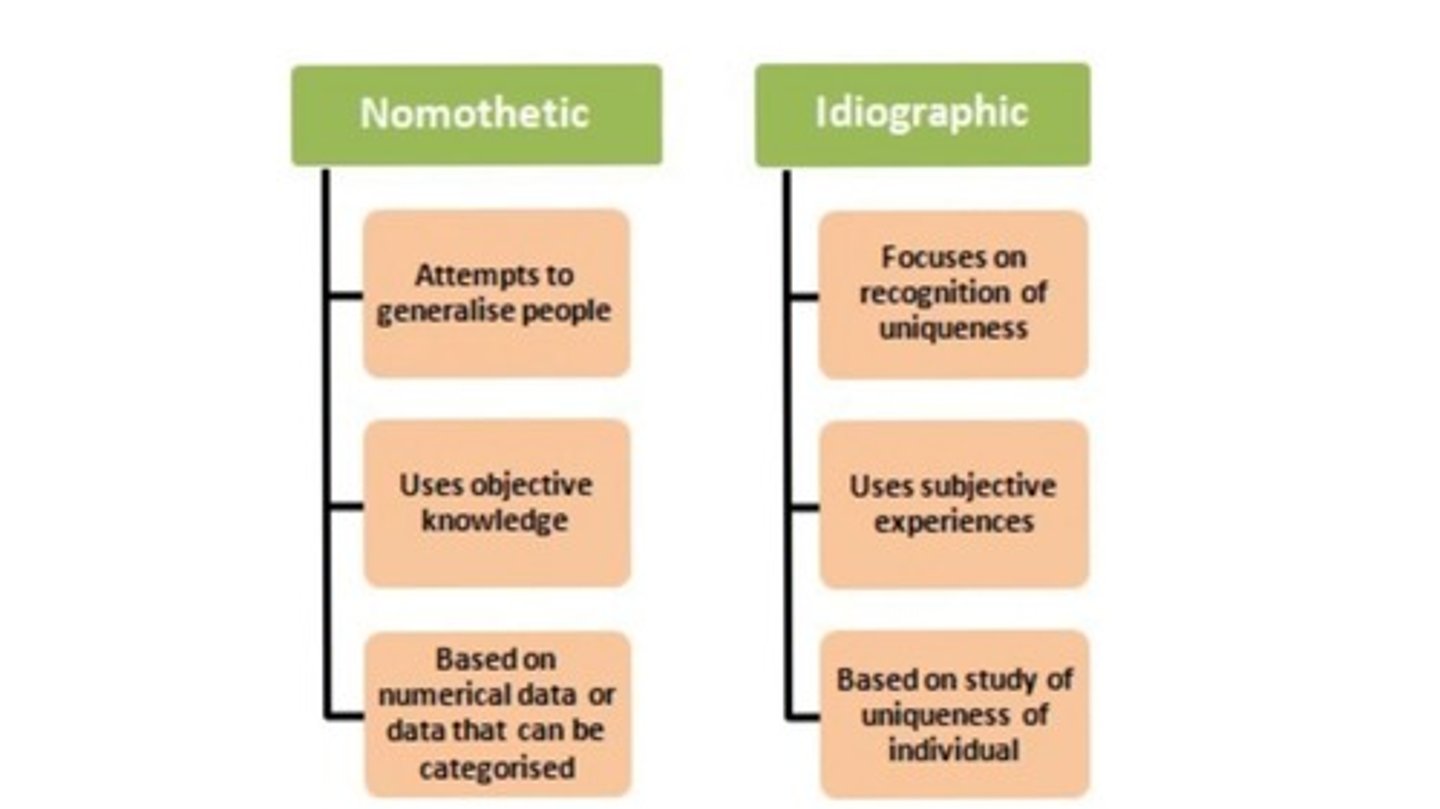
Studying and understanding unique individual experience. People are studied as unique entities, each with their own subjective experiences and values. More about understanding behaviour rather than formulating general laws
dont generalise
What methods would you use for the ideographic approach?
Methods that produce qualitative data - case studies, unstructured interviews. Usually considered subjective.

What is an example of the ideographic perspective?
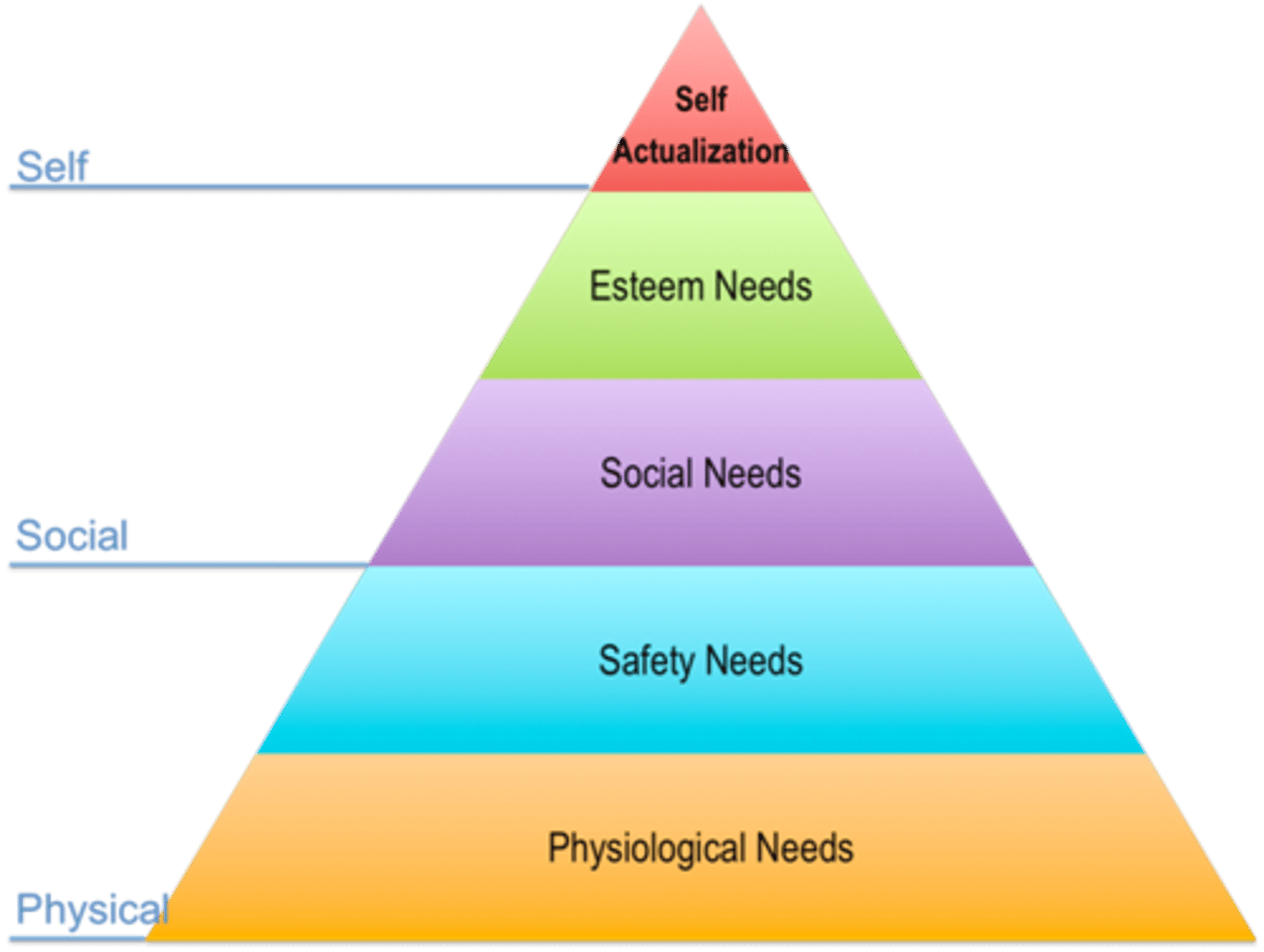
The Humanistic approach. Rogers and Maslow were only interested in documenting the conscious experience of the individual or the 'self'
psychdynamic approach- freud’s case studies

Nomothetic approach
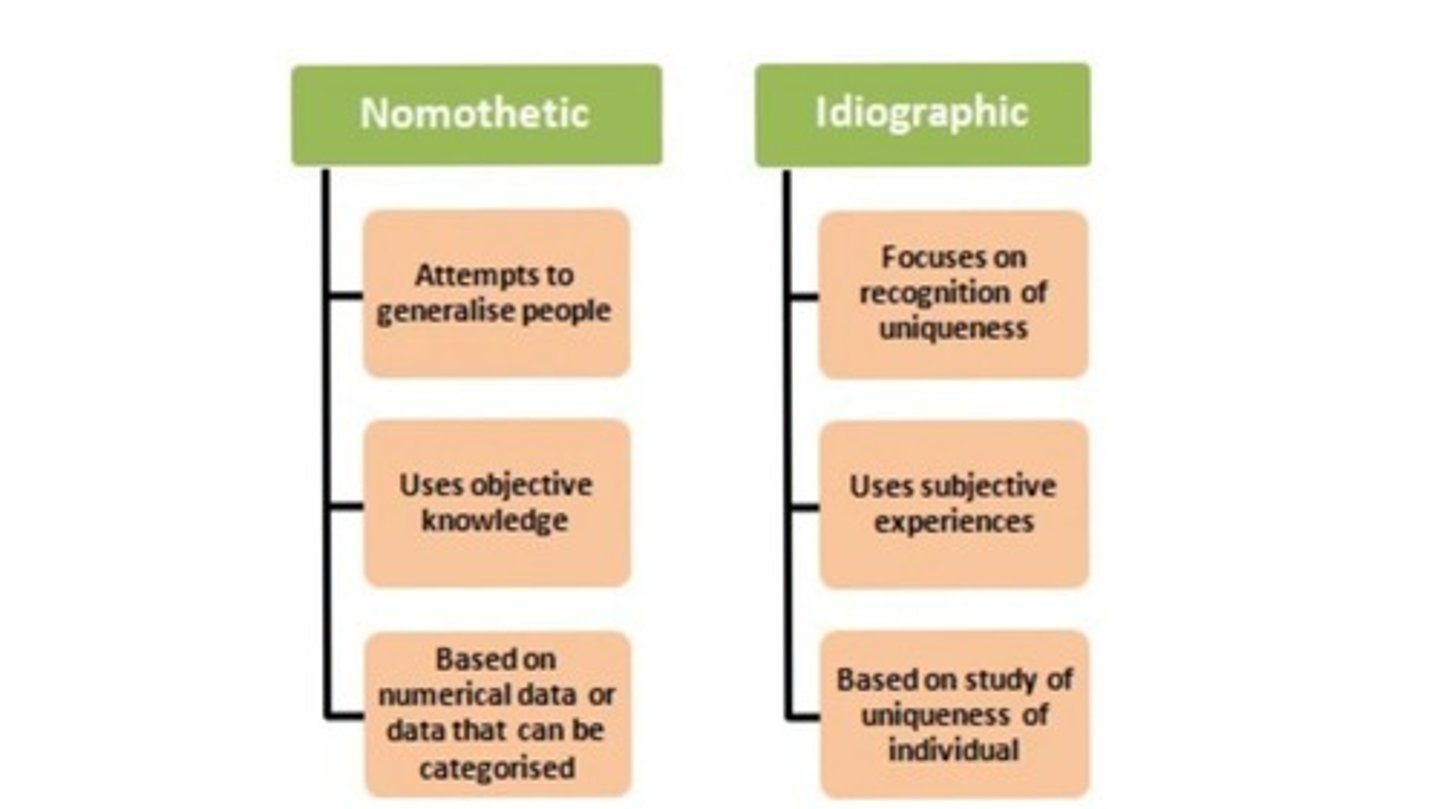
Using a large sample of participants to establish laws or generalisations that apply to all people. This then provides a basis for future behaviour being predicted and possibly controlled. Psychology strives to be nomothetic.
What are some research examples of the nomothetic approach?
- Milgram using a sample to propose theory of situational obedience
- Ainsworth testing infants using Strange Situation to propose 3 attachment types

What methods would you use for the nomothetic approach?
Scientific and quantitative methods (such as experiments). Hypotheses are rigorously tested, statistically analysed and general laws and principles are proposed and developed. Considered objective.

How have behaviourists conducted research which is nomothetic?
Skinner and the behaviourists studied the responses of hundreds of cats, rats, pigeons etc. to develop the laws of learning
 Note
Note  Flashcards (77)