Stage 1 SACE Biology - Microorganisms
 View linked note
 Call Kai
 Learn
Learn Practice Test
 Spaced Repetition
 Match
Match Flashcards
 Knowt Play
1/7

Earn XP
Name | Mastery | Learn | Test | Matching | Spaced | Call with Kai | Chat |
|---|
No analytics yet
Send a link to your students to track their progress
8 Terms
Microorganisms
Organisms that are too small to be observed without a microscope.
Prokaryote
Organisms that lack a nucleus and have a cell wall and membrane surrounding the cytoplasm.
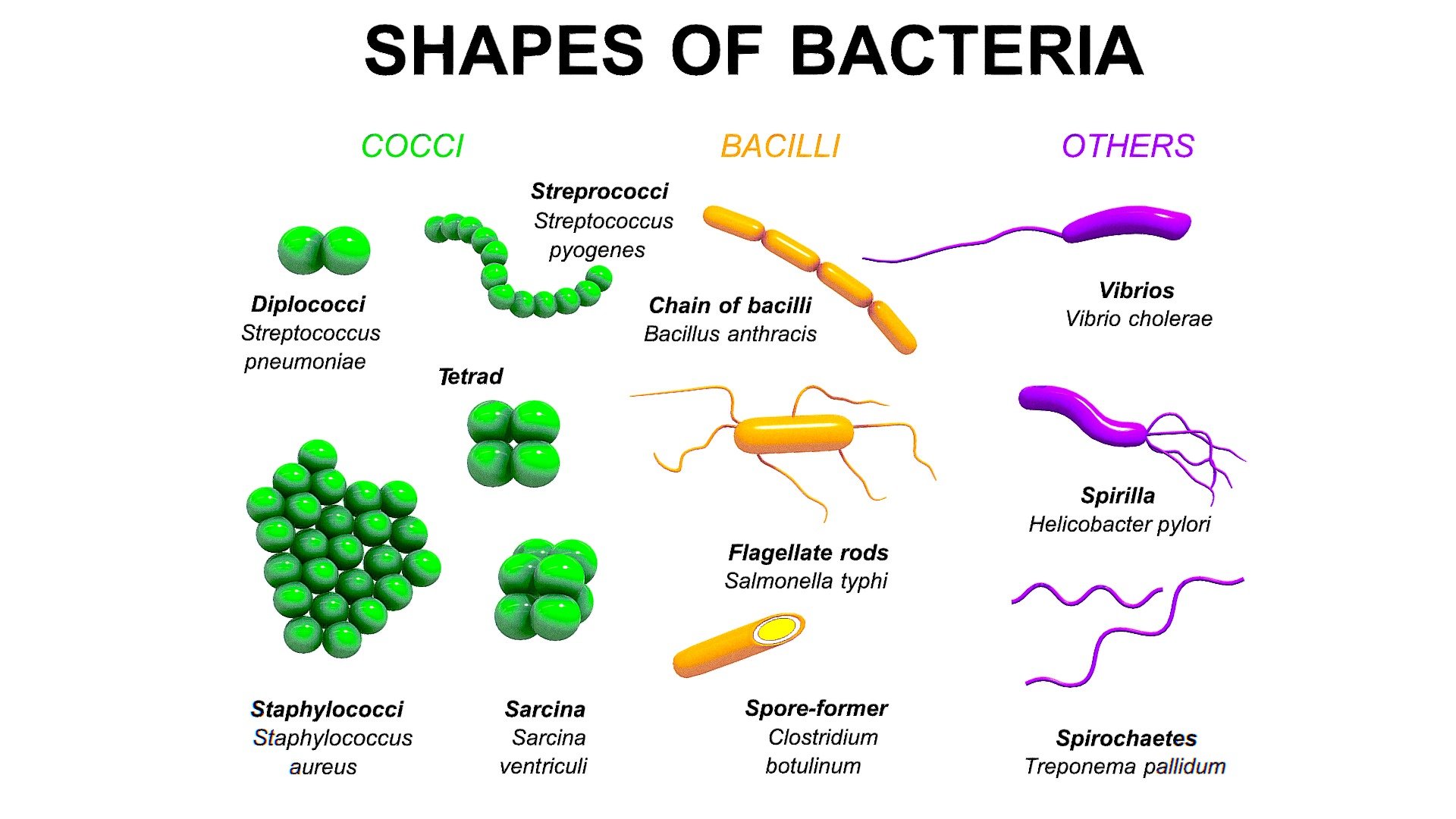
Bacteria
Unicellular microorganisms that can have various shapes and may possess flagella for movement.
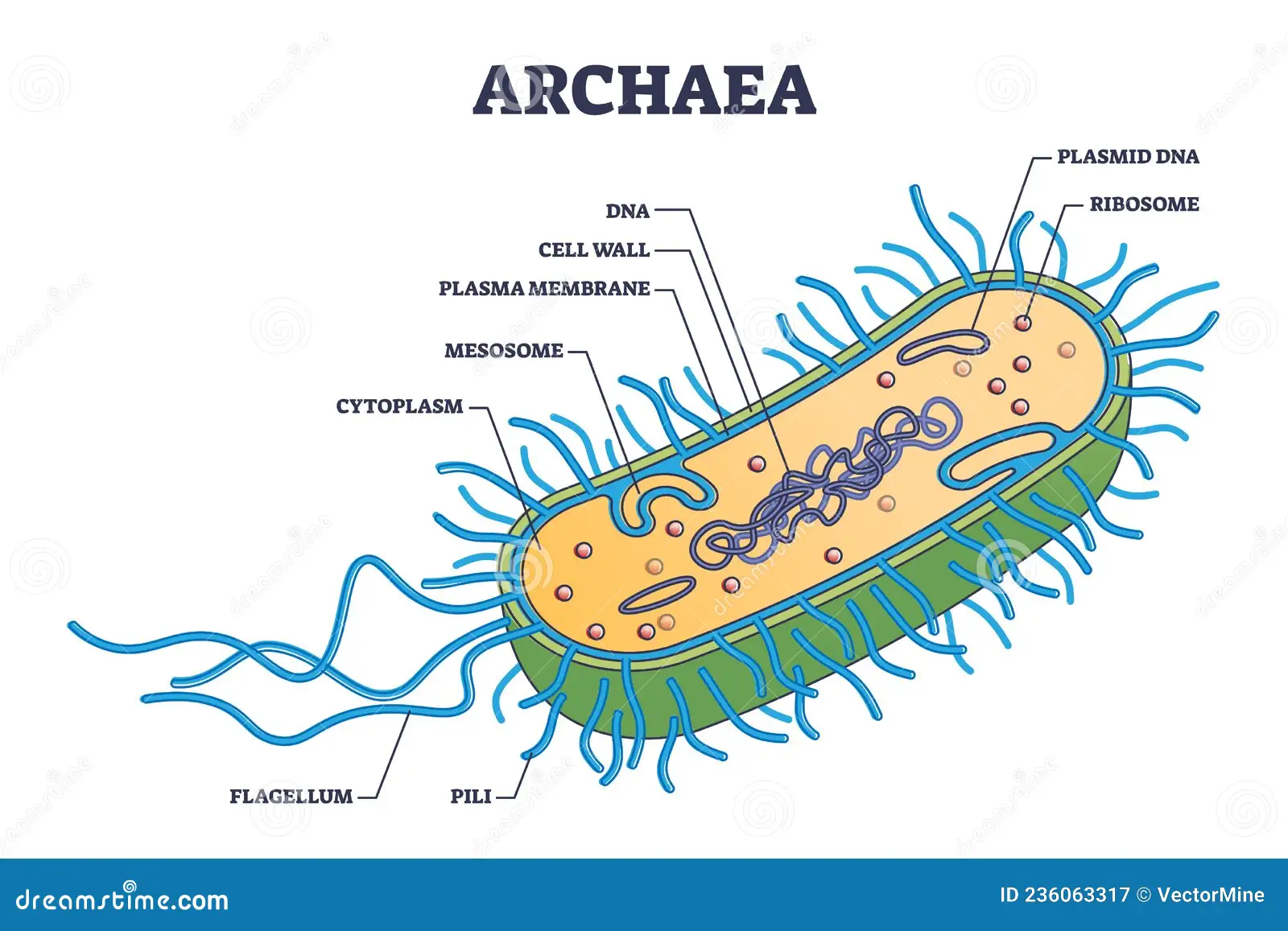
Archaea
Prokaryotic microorganisms that inhabit extreme environments and can use inorganic molecules as an energy source.
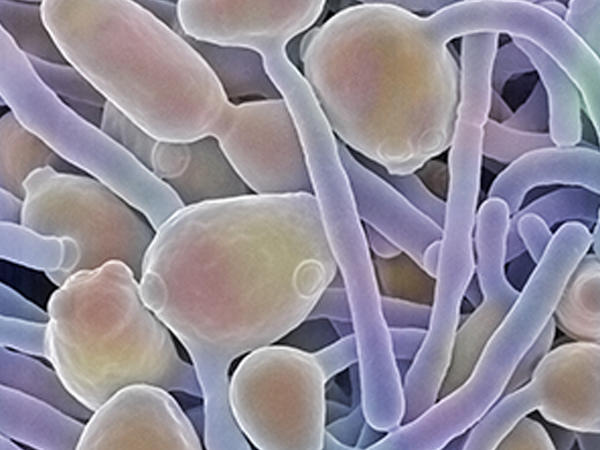
Fungi
Eukaryotic organisms with cell walls that decompose dead matter and return chemical elements to the environment.
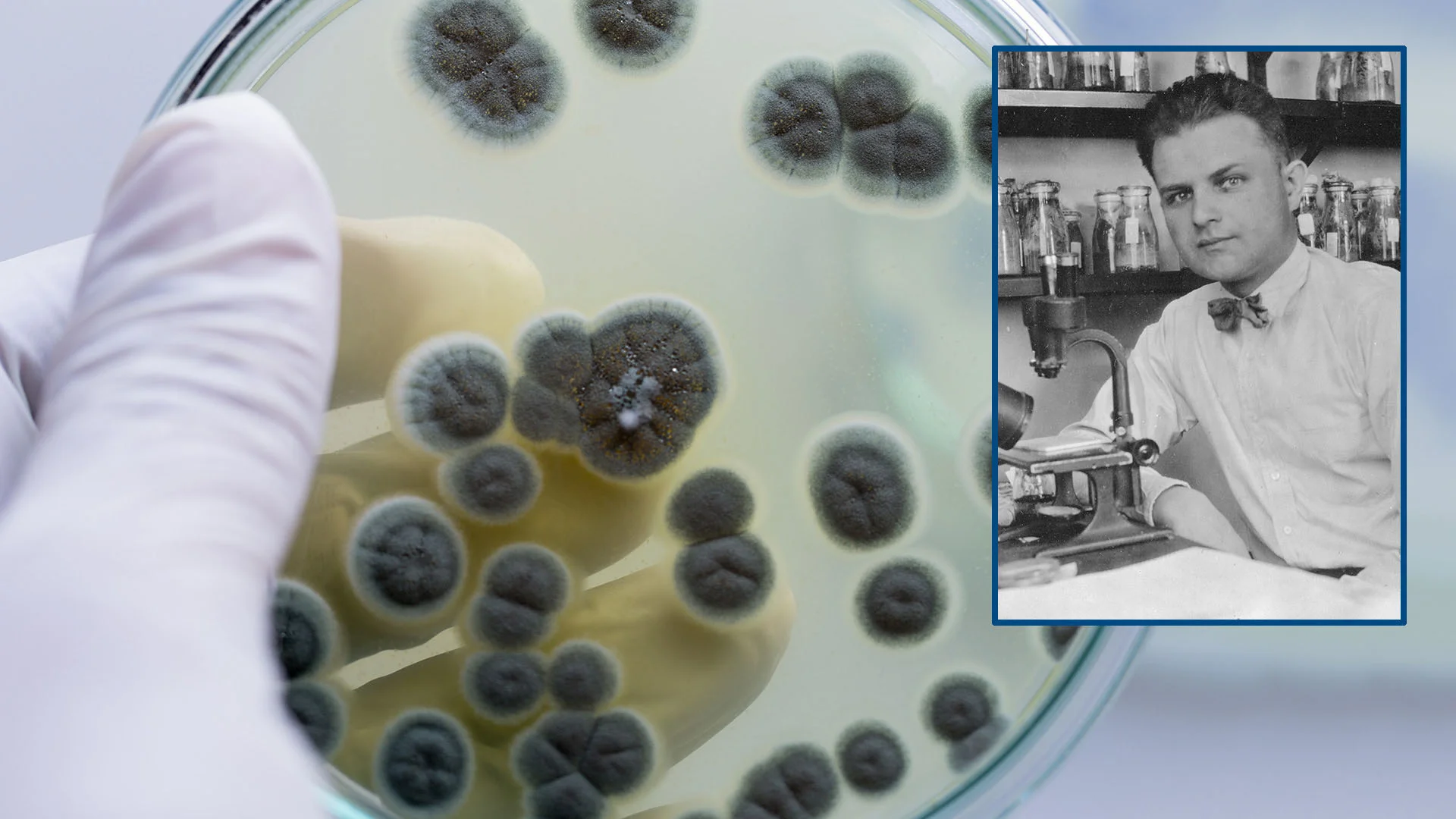
Penicillin
The first antibiotic discovered by Alexander Fleming in 1928, which works by bursting bacterial cell walls and has saved millions of lives.
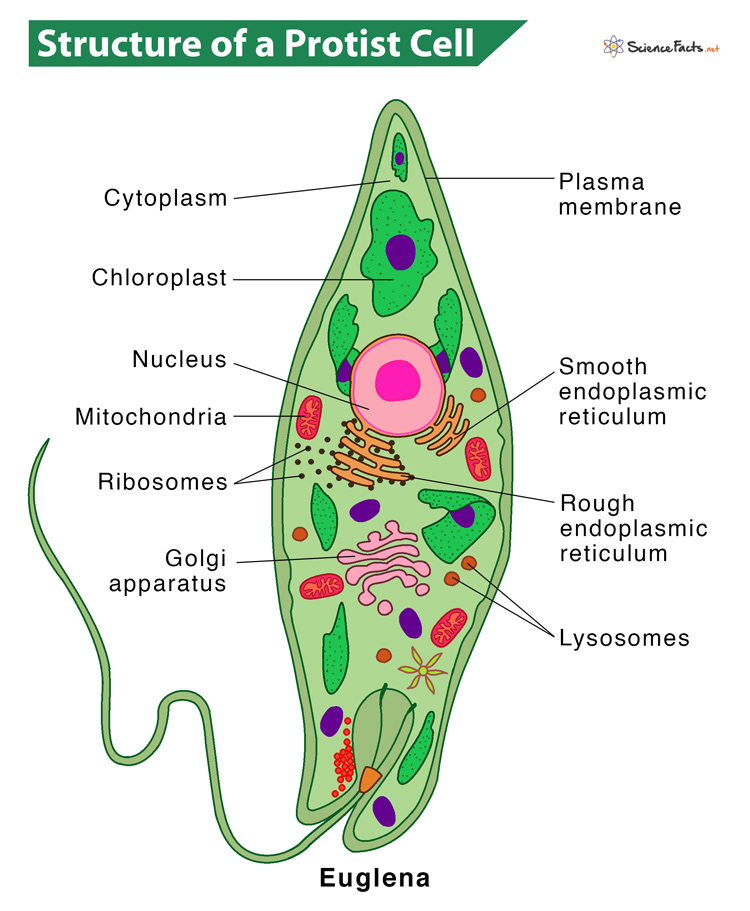
Protists
Simple, primitive animals consisting of a single cell, often found in water and soil, and include groups like amoeba and flagellates.
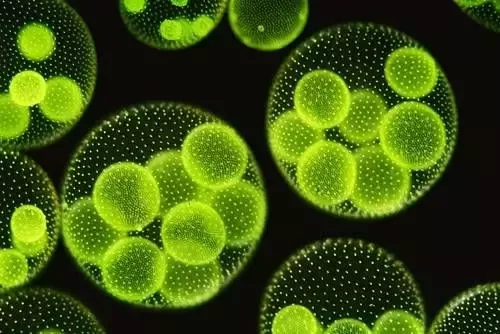
Algae
Simple autotrophic plants that range from microscopic forms to giant kelp, playing a crucial role in aquatic food chains and oxygen production.