Chemistry - Unit 2: ch. 13 & 15 vocabulary
 View linked note
 Call Kai
 Learn
Learn Practice Test
 Spaced Repetition
 Match
Match Flashcards
 Knowt Play
1/144

Earn XP
Description and Tags
Name | Mastery | Learn | Test | Matching | Spaced | Call with Kai | Chat |
|---|
No analytics yet
Send a link to your students to track their progress
145 Terms
ester formation and how it looks
carboxylic acid + alcohol
flat
eicosanoids
molecules derived from 20 carbon polyunsaturated fatty acids (arachidonic acid)
lipid-based signaling molecules that play a unique role in innate immune responses
does job where its made
facts about omega-3 fatty acids
common fatty acids: linolenic acid (ALA), eicospentaenoic acid (EPA), docosahexaenoic acid (DHA)
lowers tendency of blood clots
passive diffusion
tiny molecules able to slip through bilayer of fluid and gaps
oxygen and CO2
tiny polar molecules
requires no energy
goes from higher to lower concentration
adrenal gland
uses cholesterol to synthesize steroid hormones
above kidney
neonate IRDS
surfactant that decreases surface tension of substances
dirt
mixture of hydrophobic and hydrophilic compounds
bees wax is formed from what?
long alcohol chain and fatty acid
4 groups of lipids
waxes
steroids
TAG
phospholipids; sphingolipids
stearic acid
18:0
18 carbon bonds
no double bonds
saturated
palmitoleic
16:9
16 carbons
9 double bonds
unsaturated
palmitic
16:0
16 carbons
no double bonds
amidation reaction
reactants: carboxylic acid + amine
products: amide and water
needs strong heat
one water molecule for each amide group formed
what do carboxylic acids dissociate to make? and what pH level?
carboxylate anions and hydronium ions 5% natural dissociation
pH level 7
ADP
adenosine diphosphate
2 phosphate ions
intermediate energy source after ATP
stores less energy in bonds than ATP
what do fats do?
protect from physical trauma, cold, electrical leakage in some nerves
sugar functions
energy
cell identification and recognition
hydration
structure
energy storage
Amine
An organic nitrogen compound characterized by the presence of nitrogen atoms bonded to carbon atoms.
Amide
A carbonyl compound with nitrogen atoms bonded to the carbonyl carbon.
Alpha-hydroxy acids
Organic compounds with a hydroxyl group on the carbon atom bonded to a carboxyl group
reacts with outer layer of skin cells making them flake out and reveal another “healthier” layer of skin
Aspirin
A common pain reliever that blocks the synthesis of prostaglandins, acts as an anti-inflammatory agent, and prevents blood clots.
Atropine
A compound found in deadly nightshade plants that dilates pupils, increases heart rate, and relaxes muscles.
Arachidonic acid
An unsaturated fatty acid with four cis-double bonds.
Active transport
The movement of ions across a cell membrane requiring energy input (needs energy)
burns ATP and goes against concentration gradient
example: sodium needs low concentration on outside and high concentration on inside; potassium ratio helps sodium go against gradient
Na+, K+, Ca++
from lower concentration to higher concentration
Atherosclerosis
A disease characterized by the buildup of plaque in the walls of arteries, leading to increased blood pressure and risk of heart attack or stroke
blood forced to squeeze through smaller opening due to plaque in arteries
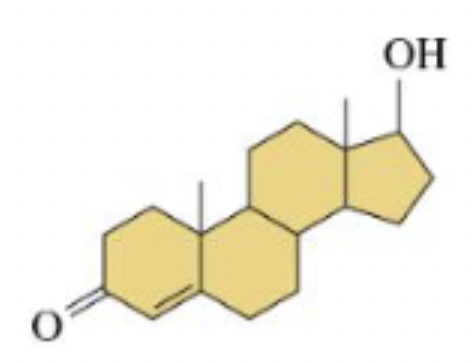
Androgens
Hormones that control the development of male sex characteristics.
ex: facial hair, muscle mass
dependent on tissues
aka testosterone
Adrenal cortical steroid
Hormones synthesized in the outer layer of the adrenal gland.
made from adrenal gland on top of kidney
cortisol and aldosterone
Anabolic steroids
Synthetic analogs of androgens that promote muscle growth.
estrogens, progestins, androgens
metabolized slower and lost longer
Adrenal cortex
The part of the adrenal gland that produces hormones controlling salt and sugar balance.
analgesic
pain releving
antipyretic
fever reducing
atropine
deadly nightshade plant
dilates pupils
increases heart rate
relaxes muscles
adipose cells
layer of fat cells where ATP stored
found in: bone marrow, below skin surface, around kidneys, breast for women, pelvis
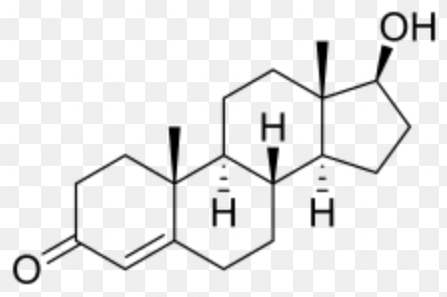
analog
synthetic steroid
a compound having a structure similar to that of another compound, but differing from it in respect to a certain component
testasterone
bicarbonate
a base that helps body keep acid-base (pH) balance
in equilibrium
CO2 + H2O —> ←— H2CO3 —→ ←— H+ + HCO3-
Bile salt
A compound that aids in the digestion of fats by breaking them down in the liver.
stored in gallbladder after made from cholesterol in liver
blends fats together so be absorbed in the blood
Carboxylic acid
An organic compound containing a carboxyl group (COOH) with acidic properties.
120 angle bond
Cocaine
An addictive stimulant derived from the coca plant leaves.
cadaverine
poisonous diamine
lurid odor in rotting fish
odor of semen, urine, bad breath
Cell membrane
The barrier that regulates the passage of ions, nutrients, and molecules in and out of cells.
semi-permeable
Cholesterol
A lipid molecule synthesized (made) in the liver and present in body tissues, crucial for cell membrane structure.
moves by lipoproteins and bile salts through blood
in almost all body tissues
depending on tissue: *travels tissue —> liver —> bile salt* or *blood —>tissue*
not water soluble
mainly in brain; essential for brain development
what is cholesterol used to make and where is it stored?
bile salt; the gallbladder
cell fluidity
allows movement of proteins and lipids in cell membrane
depends on cholesterol; keeps it the right amount of fluidity
doesn’t allow transfer of lipids to be diffused
clot
platelet cells sticking together
Cis
A configuration where functional groups are on the same side of a double bond.
Cellular respiration
The process in which cells convert sugar and oxygen into carbon dioxide, ATP energy, and water.
cortico steroids
mineral
anti-inflammatory medicine that reduces activity of immune system
made in adrenal cortex above kidney
aka glucocorticoids
3 types of cortico steroids
aldosterone, cortisone, cortisol
what ions go against the concentration gradient (active transport) and their needs
sodium, potassium, calcium
critical to nerve conduction
what ions go down the concentration gradient? (diffusion)
chloride, bicarbonate, glucose
what does aldosterone do?
regulates Na+ and K+ balancing fluids
regulates glucose metabolism
resorption of water by kidneys
regulate blood pressure by managing the levels of sodium and potassium in your blood
cell diffusion
from high concentration to low concentration
good diffusion: CO2, O2, H2O (tiny molecules)
small and non polar content goes through cell
dimer
2 Carboxylic acids held together by two intermolecular hydrogen bonds, forming salt crystals with high melting points.
Derivatives of aniline
Aromatic amines with nitrogen atoms bonded to benzene rings.
Ester
An organic compound characterized by a carbon double-bonded to oxygen and single-bonded to another oxygen.
“-oate”
lipids equate to what for energy of kcal?
9 grams
Esterification
The process of forming an ester by replacing the hydroxyl group of a carboxylic acid with an alcohol group.
Estrogen
A hormone that regulates the menstrual cycle and other female sex characteristics.
endocytosis
nutrient going into cell
exocytosis
waste exiting the cell
ester hydrolysis
hydrolysis of ester bonds making glycerol and 3 fatty acids; long carboxylic acid chain
estrogen
regulates menstrual cycle
Formic acid
A compound responsible for the sting from certain types of ants.
Fatty acids
Carboxylic acids with carbon chains, classified as saturated or unsaturated based on the presence of double bonds.
has 12-20 carbons
naturally made as even numbers
naturally cis isomers
double bonds at every carbon bonds
facilitated diffusion
some ions and molecules travel through protein channels in cell membrane made by integral proteins (large ions)
helps protein transport with water
example: glucose, chloride, bicarbonate
goes from high concentration to low concentration
Fats
Lipids serving as building blocks for cell membranes, energy storage, and insulation
stores energy as fat
glucocorticoids
anti-inflammatory steroid hormone made from adrenal cortical steroid
metabolizes carbohydrates
cortisone and cortisol
aka corticosteroids
treat conditions characterized by an overactive immune system (allergies, asthma, autoimmune disease, and chronic inflammation)
anti-inflammatory in all tissues, and control metabolism in muscle, fat, liver and bone
Hydrolysis
The breakdown of esters into carboxylic acids and alcohols in the presence of water and an acid catalyst.
hydrolyzable lipids
lipids made into smaller molecules by hydrolysis
has ester bond
3 types: waxes, triacylglycerol, phospholipids
HDL
High-density lipoprotein responsible for transporting cholesterol from tissues back to the liver.
hydrophilic
molecule attracted to water; water loving
high-density lipoprotein/HDL
transport cholesterol from tissues back to liver
“good” protein with less cholesterol
hydrophilic
hydrogenation
adding hydrogen (H2)
hormone
something made in 1 part of body and transported to work in another area of the body
synthesized molecule in part of organism provoking response at different site
two types of hormones
sex hormones and adrenal cortical steroid
3 different types of steroid hormones
testosterone (androgen), estradiol (estrogen), progesterone, norethindrone
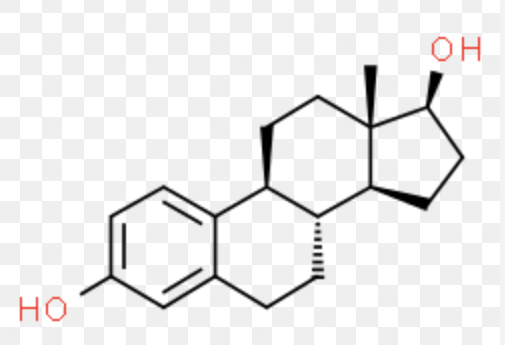
estradiol (2 alcohol group) structure and what does it convert to?
and converts to esterone
made in ovaries
aka estrogen
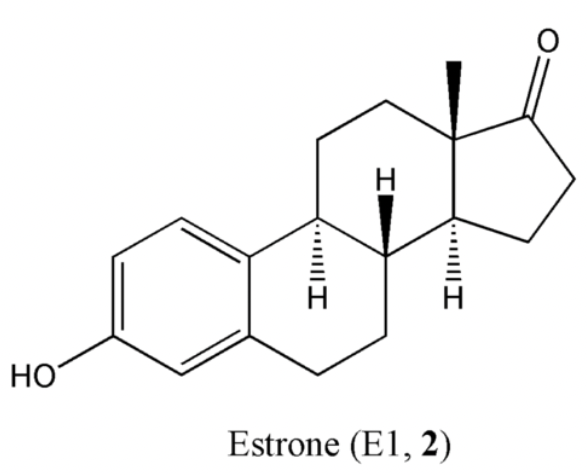
estrone (ketone group added) structure and what it converts to
and converts to progesterone
progesterone
made in ovaries
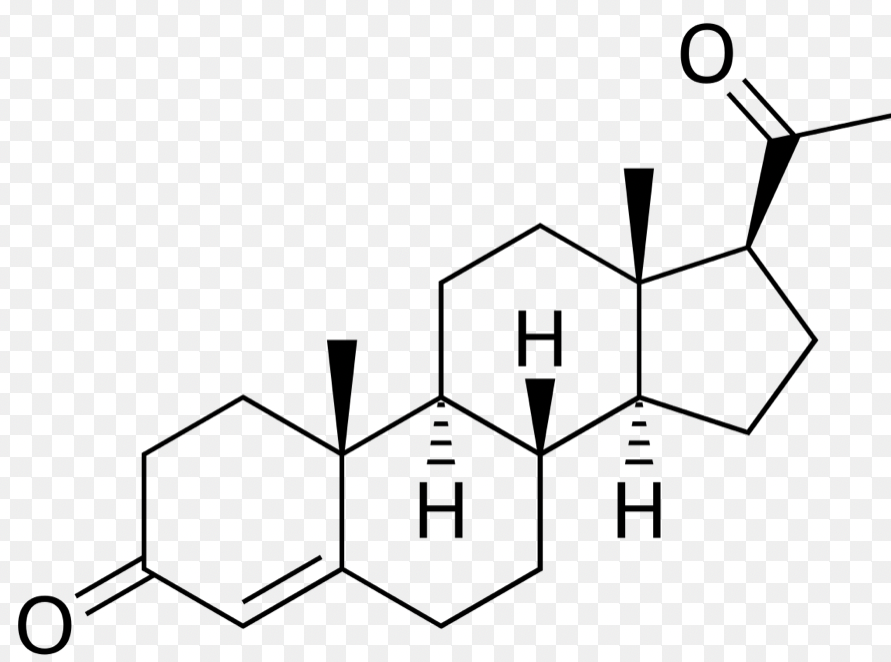
female hormones
estrogen and progestins
male hormone
androgens
Lipases
Enzymes that catalyze the hydrolysis of lipids into smaller molecules.
Lipids
chemical messengers for cell membrane
Biomolecules soluble in organic solvents, insoluble in water, serving as energy sources and cell membrane components.
energy source
insoluble in water
keep things out of cell
in many things such asL fatty acids, soap, lipid hydrolysis, oral contraceptives
insulation from cold, electrical leakage
Lipid bilayer
The structure of the cell membrane composed of two layers of lipid molecules.
ionic/polar heads outside cell (hydrophobic) proteins
non-polar tails inside cell (hydrophilic) peripheral proteins
bilayer made bc hydrophobic proteins stick together tightly
makes up animal cells
not too much cholesterol, not too little cholesterol
happy medium in lipid bilayer
Lipoprotein
Small particles containing proteins and lipids, responsible for transporting lipids in the bloodstream.
peripheral proteins
extends through entire bilayer of cell membrane
hydrophilic on outside
LDL
low - density
transports cholesterol from liver to tissues
bad protein
hydrophobic
sticks plaque to arteries and clogs them
esterfies
hydrophobic
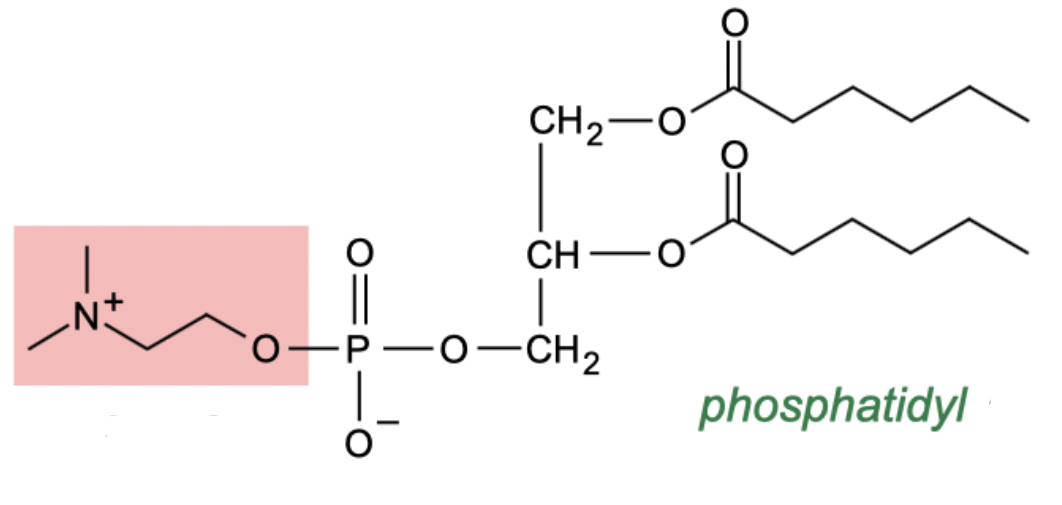
phosphoacylglycerol compound with R group ester-fied to phosphodiester
derivative of choline alcohol
phosphatidylcholine
pos. N amide
lecithin
Myelin sheath
An insulating layer around nerves composed of proteins and lipids.
made of fats (lipids) and proteins
protects body of neuron
protected by lipids
extra cholesterol added to increase insulation
membrane transport
movement of particles across membrane
cells made of different phospholipids
lipids keep things out of cell
mechanisms
electron arrow always points to atoms
negative things point to positive things
non-hydrolyzable lipids
lipids unable to become smaller molecules by aq hydrolysis
2 types: steroids and fat-soluble vitamins
Omega-n-acids
Unsaturated fatty acids with the first double bond occurring at the n carbon in the carbon chain.
Oils
Liquid fats with higher melting points than fats, containing more double bonds.
unsaturated
has kinks in chain
more double bonds
Polar
Molecules with an unequal distribution of charge, making them soluble in water.
Phosphodiester
A derivative of phosphoric acid with two hydrogen atoms replaced by R groups.
neg. charge
result of dehydration
reaction with alcohol
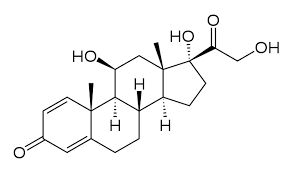
prednisone
works on the immune system to help relieve swelling, redness, itching, and allergic reactions
synthetic glucocorticoid steroid
oral medication
derived from cortisone