African Art
 Studied by 0 people
 Call Kai
 Learn
Learn Practice Test
 Spaced Repetition
 Match
Match Flashcards
 Knowt Play
1/93

There's no tags or description
Looks like no tags are added yet.
Name | Mastery | Learn | Test | Matching | Spaced | Call with Kai |
|---|
No analytics yet
Send a link to your students to track their progress
94 Terms
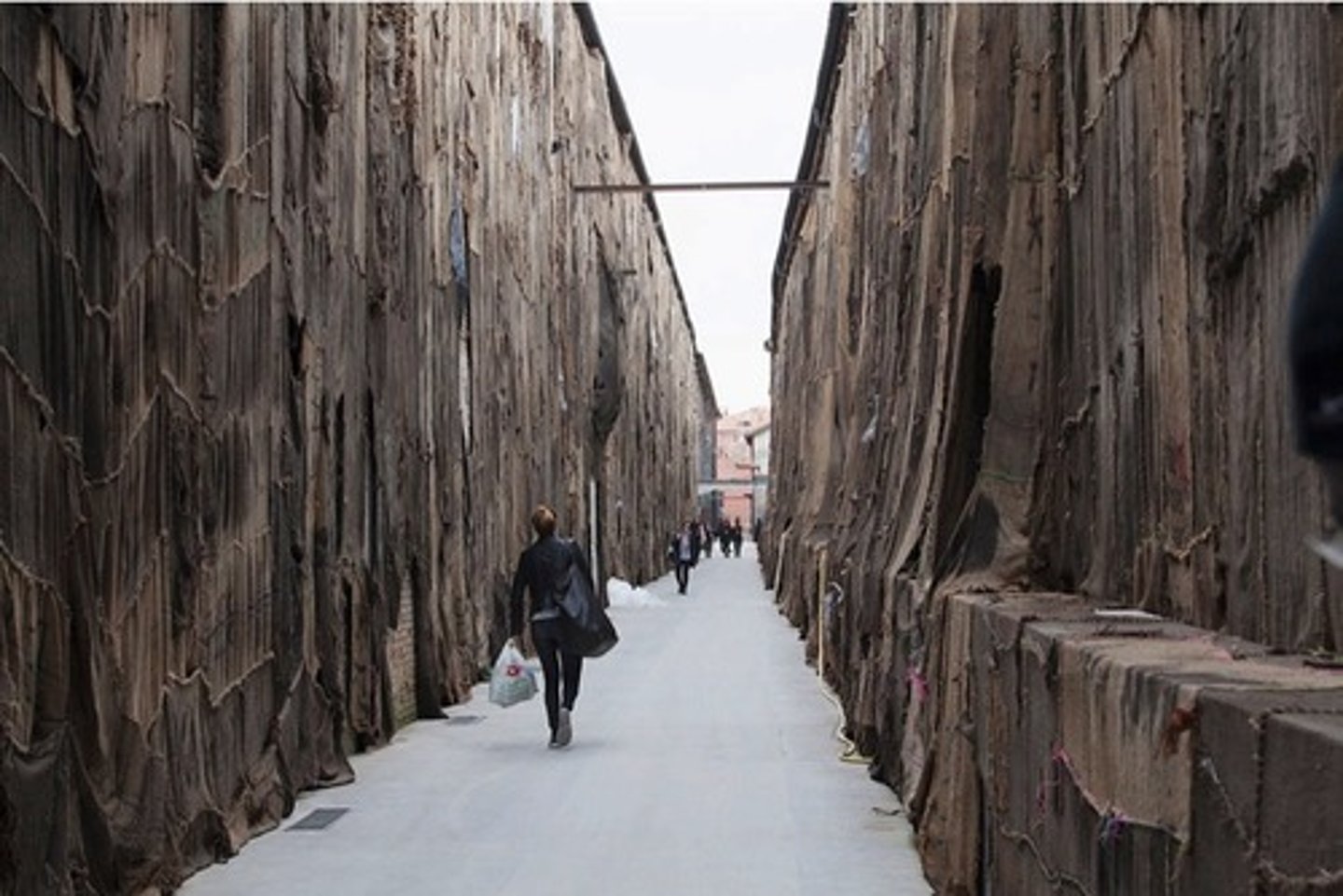
Ibrahim Mahama
Artist from Ghana, Africa
Jute, Entangled labor, and Global Capital.
Reclaims jute bags as art: fruit of the labor of africans.
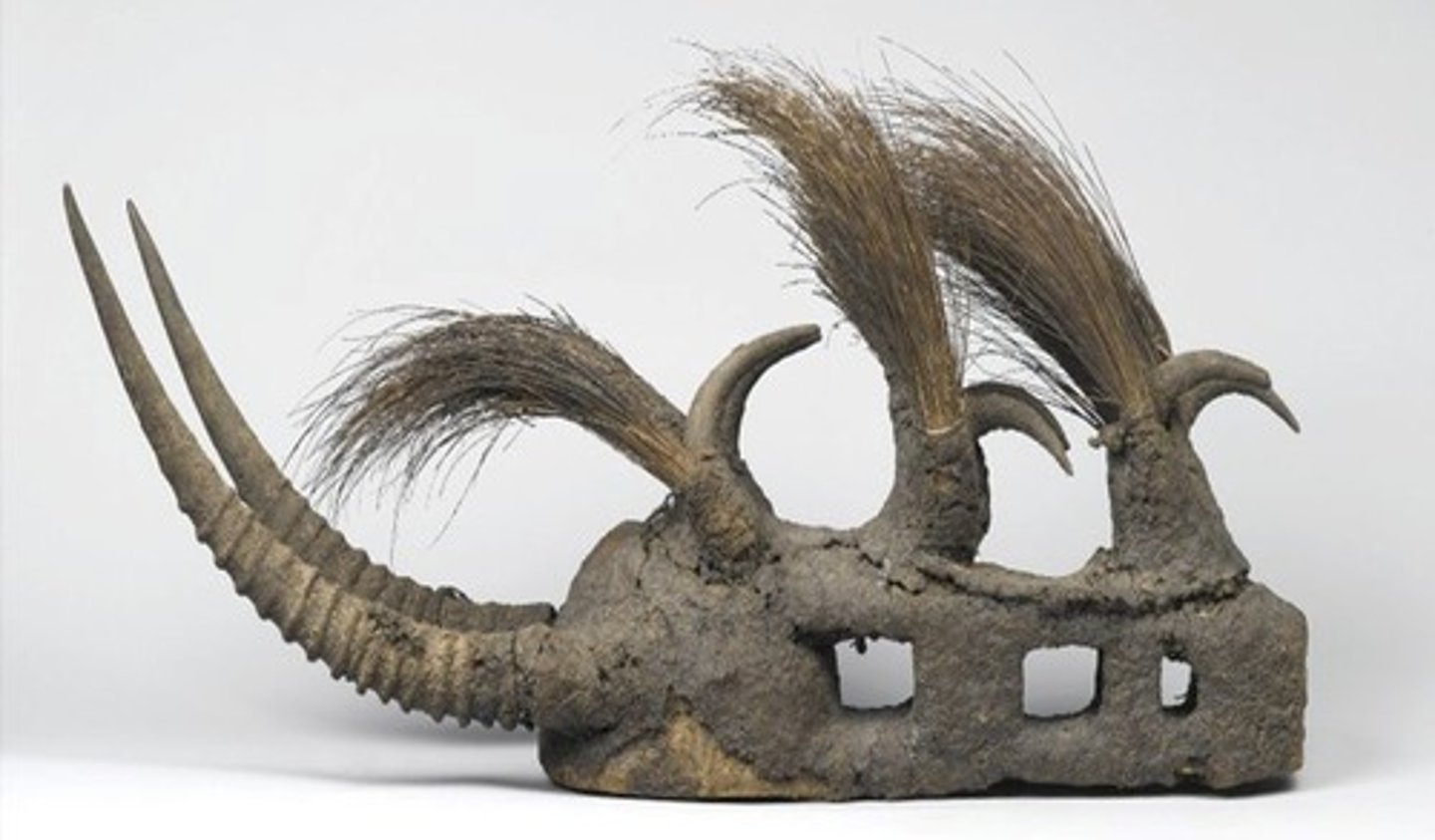
Komo
Only men. Highest level society. Hardest level to be accepted in. Mask shouldnt be seen shows sacredness.
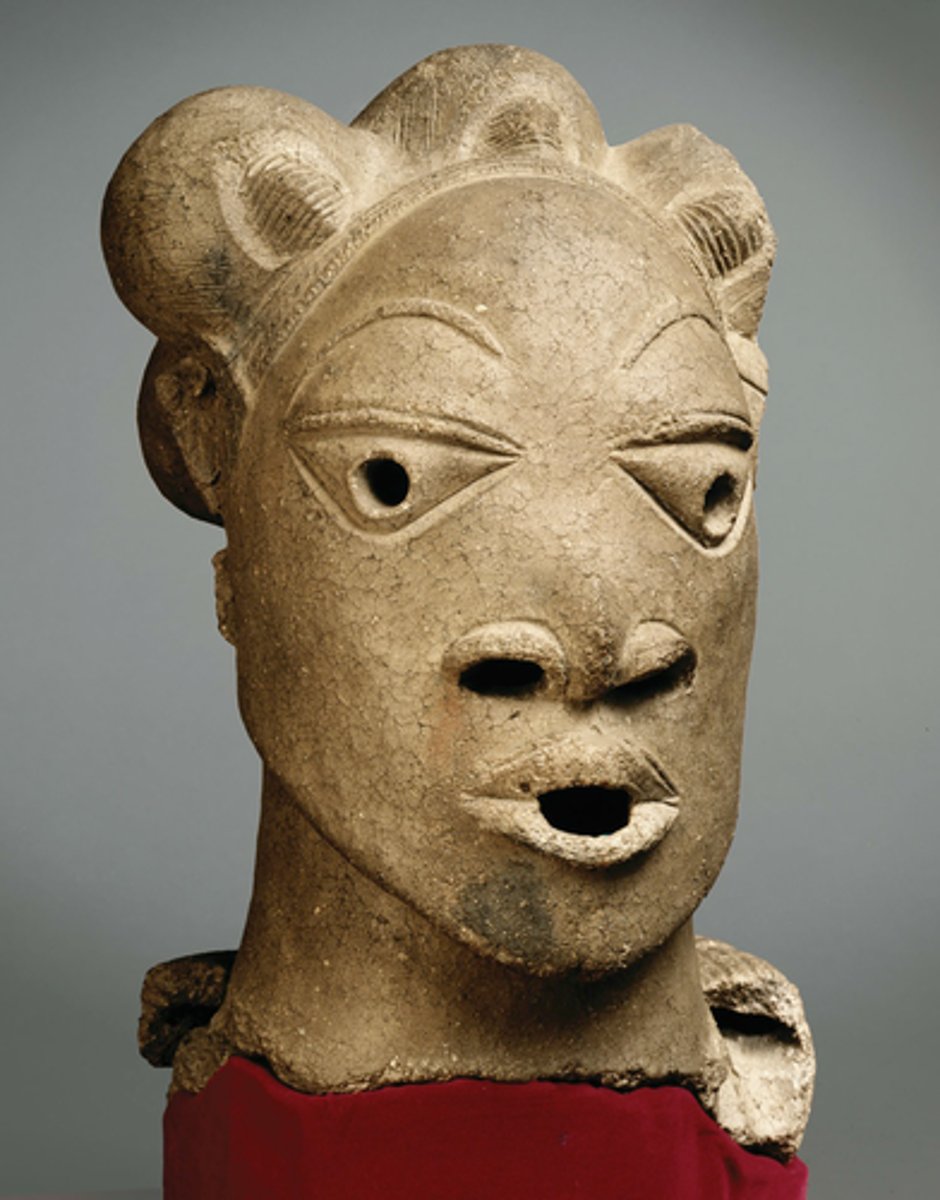
Nok
(500 BC - 200 AD). super old. Nigeria, Africa. coil-built terracotta figures are characterized by unique triangular-shaped eyes with pierced pupils, detailed hairstyles, and jewelry
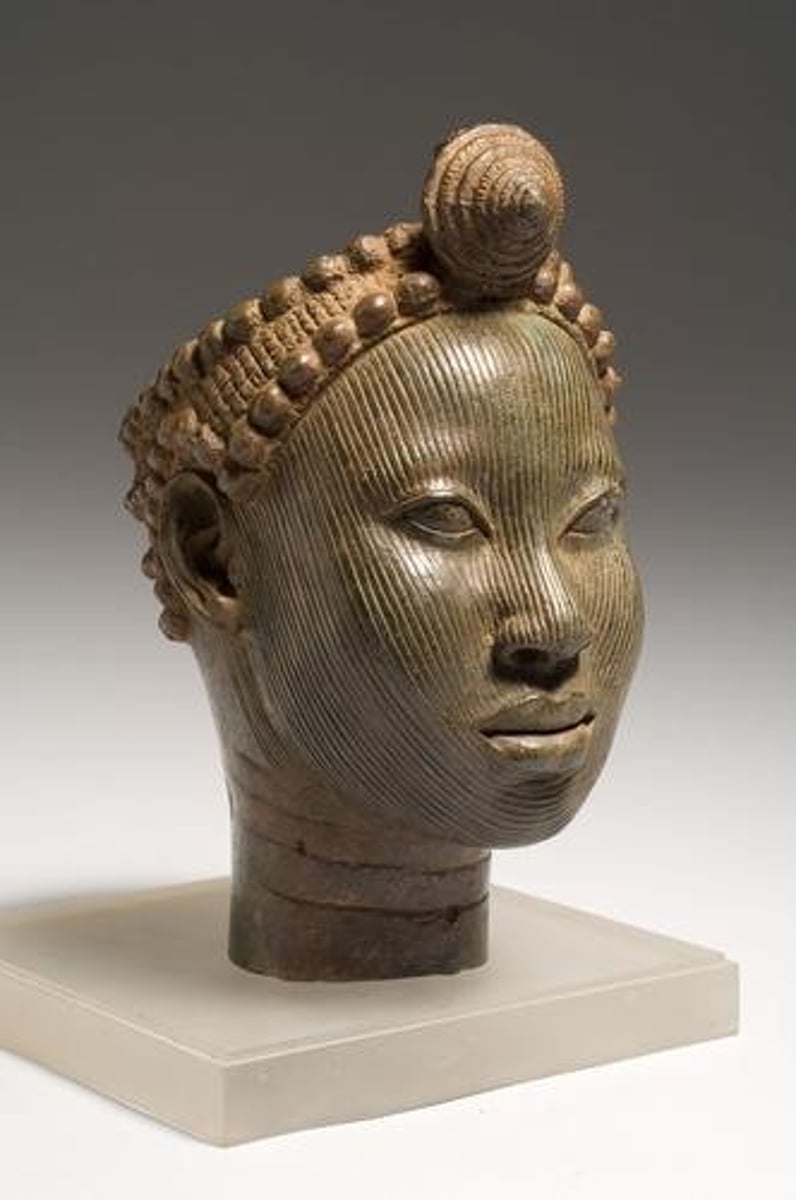
Ife
(12th - 15th century)
Nigeria, Africa
Ooni or Oni is the ruler
Ori- word for head; inner head is destiny, outer is being
Alloy
A mixture of two or more metals. bronze/brass
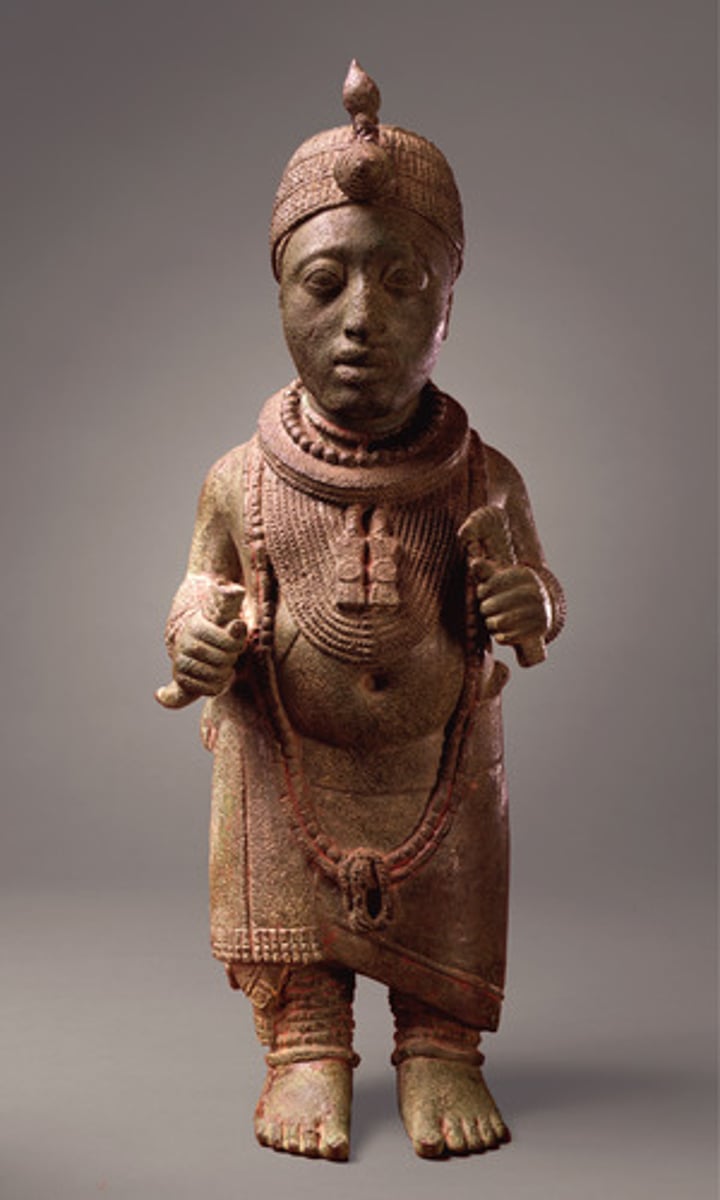
Lost wax casting
a method of casting metal by a process in which a wax mold covered with clay and fired, leaves a hollow form for metal molds to be made
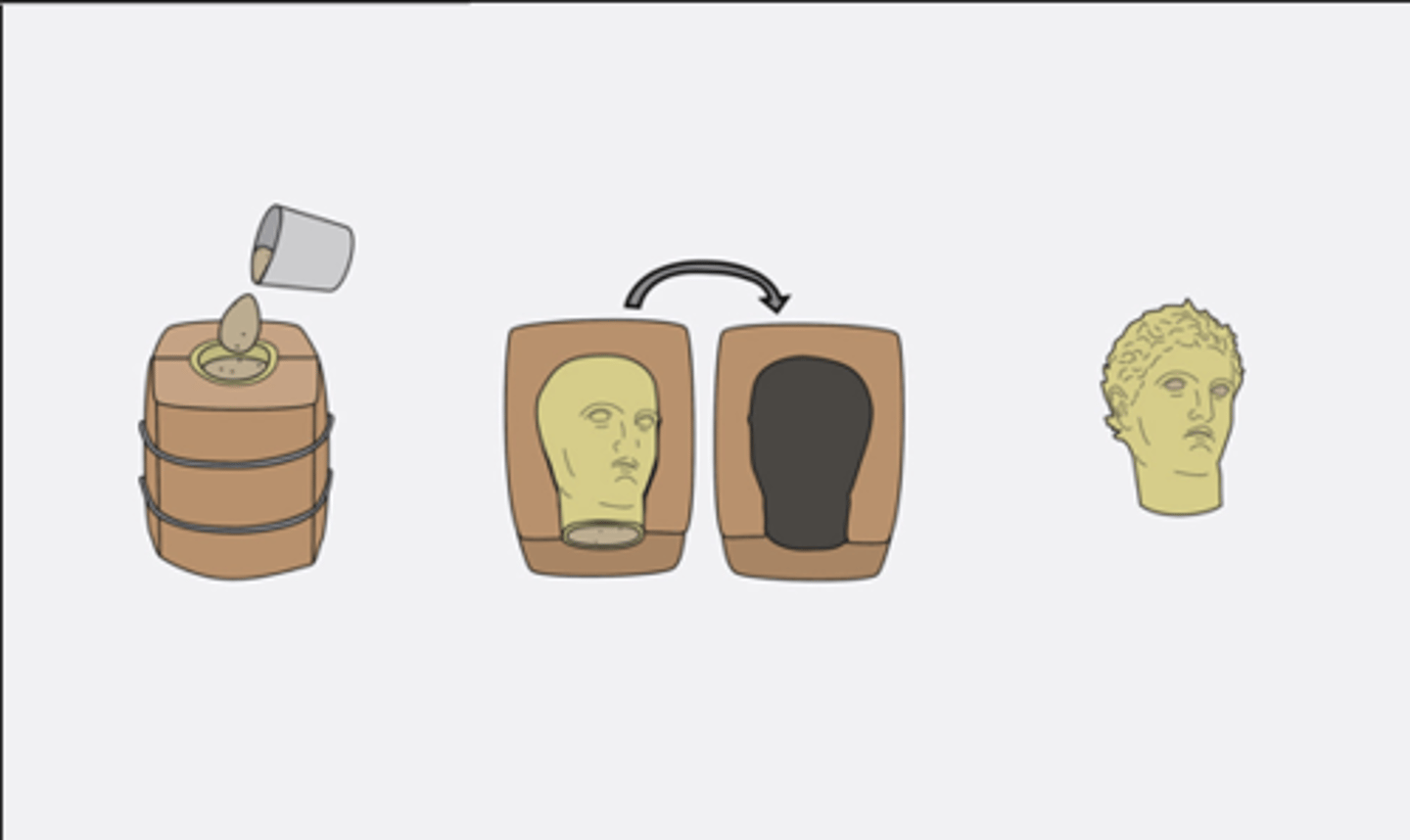
Ori
one's inner essence, spiritual intuition, and personal destiny. the head is more than just a head

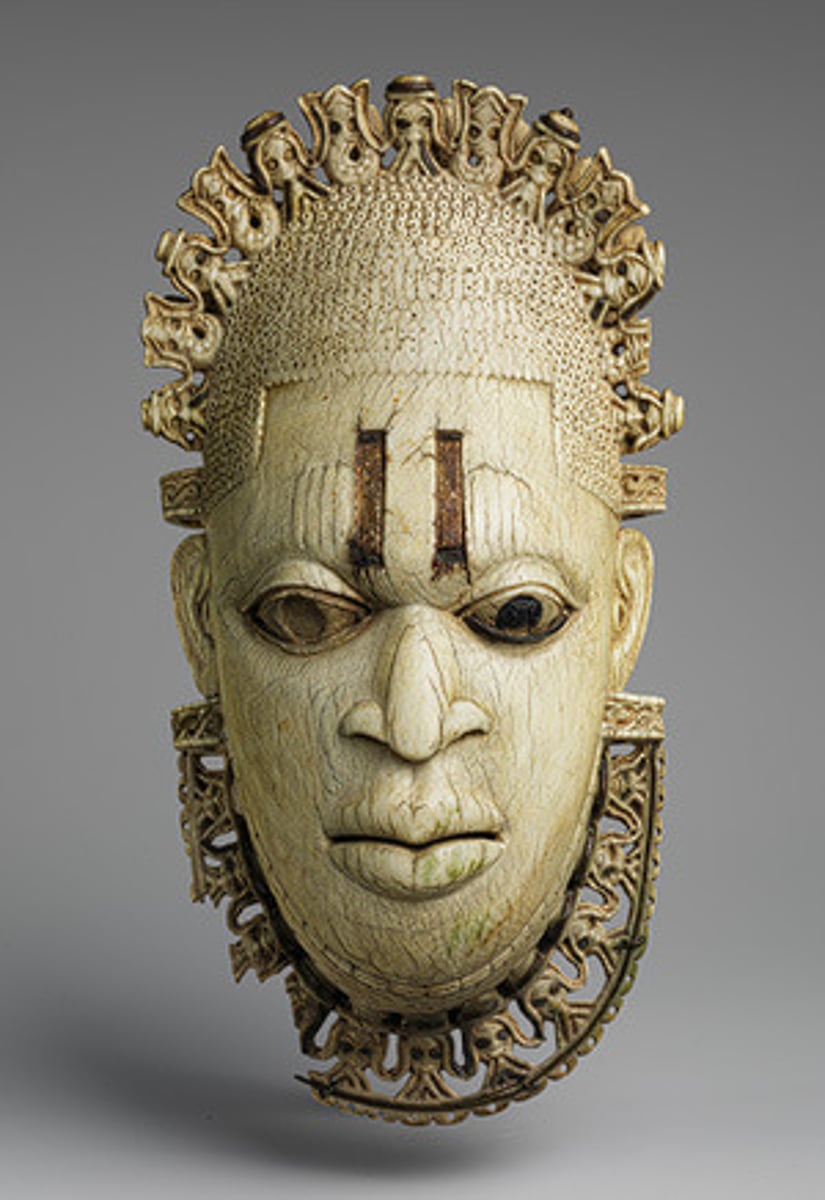
Iyoba
Queen Mother, Benin
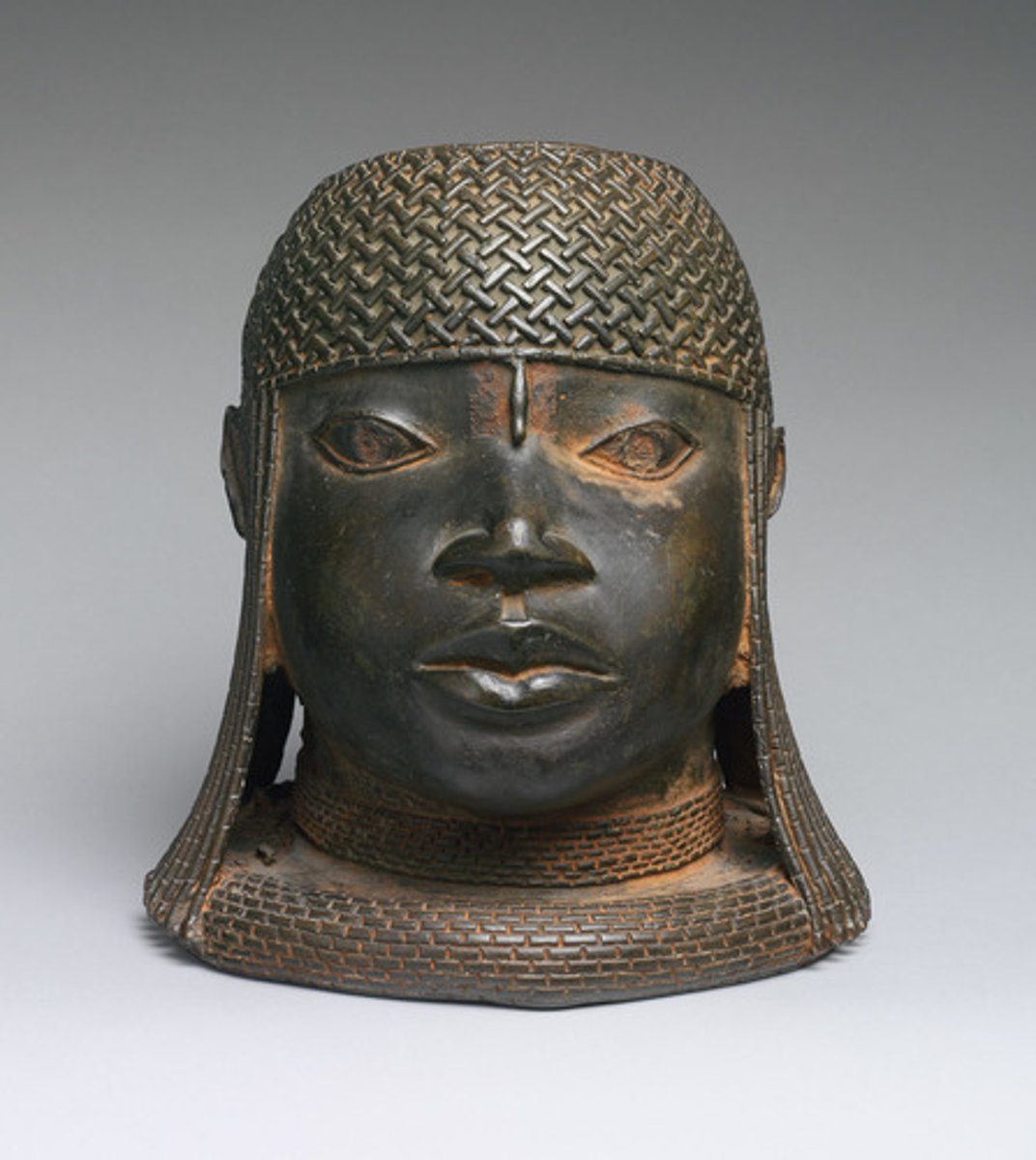
Commemorative Head
Made usually for King or Queens and put in a shrine
Camara Laye
Author of The Dark Child. Laye begins the ritual one evening before the feast of Ramadan. sunset, the tom-tom begins to beat and the crowd of villagers follows the tom-tom player from hut to hut as he gathers the boys to take them away. The tom-tom strikes fear into Laye's heart because he has heard the tales of Konden Diara.

Bamum Kingdom
A historical kingdom located in Cameroon, known for its rich cultural heritage.
Fumban
The capital of the Bamum Kingdom in Cameroon.
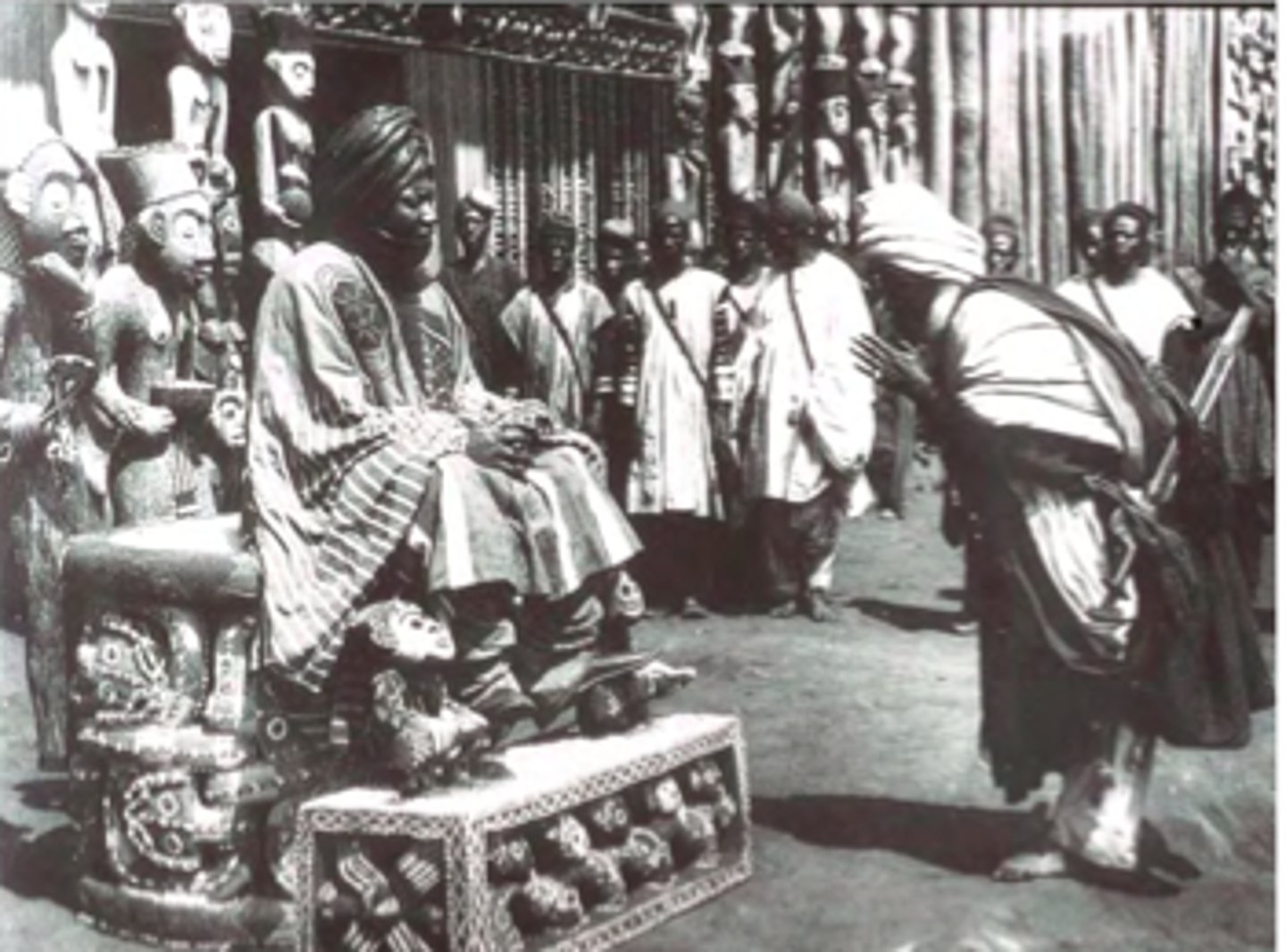
King Njoya
A prominent ruler of the Bamum Kingdom, who reigned from approximately 1860 to 1933. Was known to adopt styles of people who assisted him (Islam, german clothing, etc)
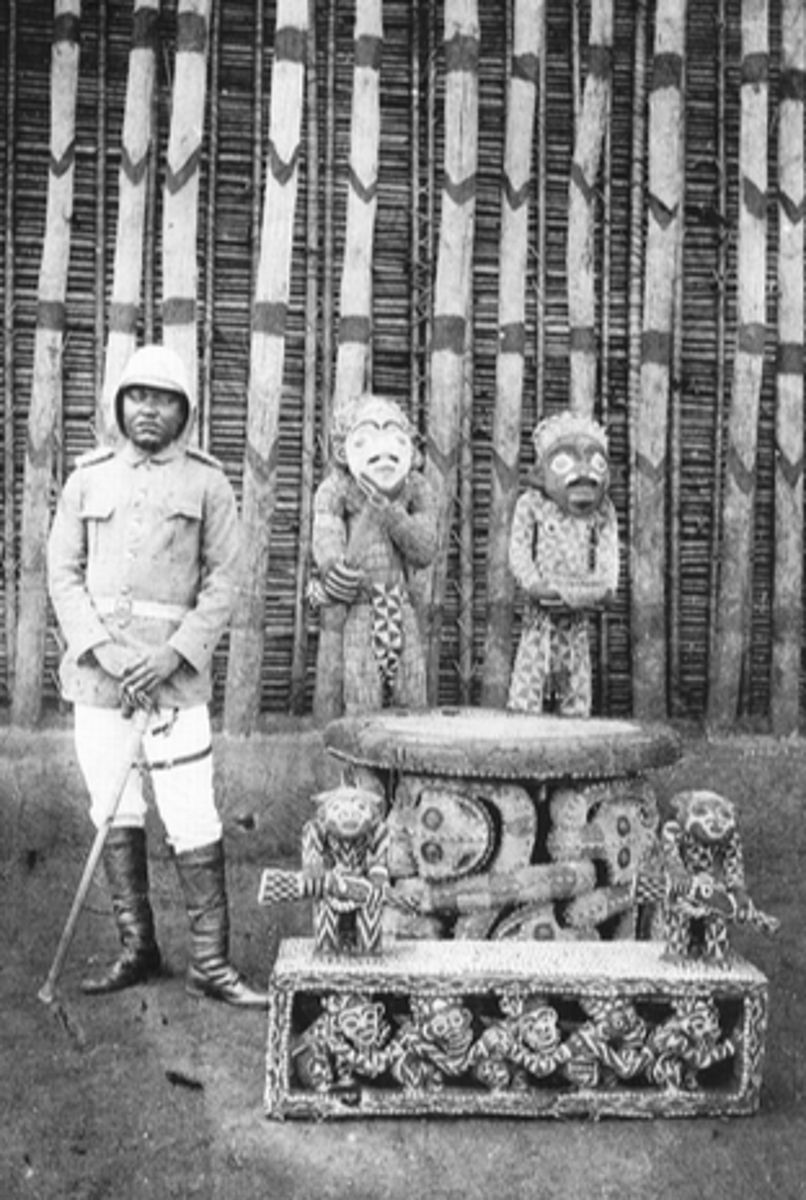
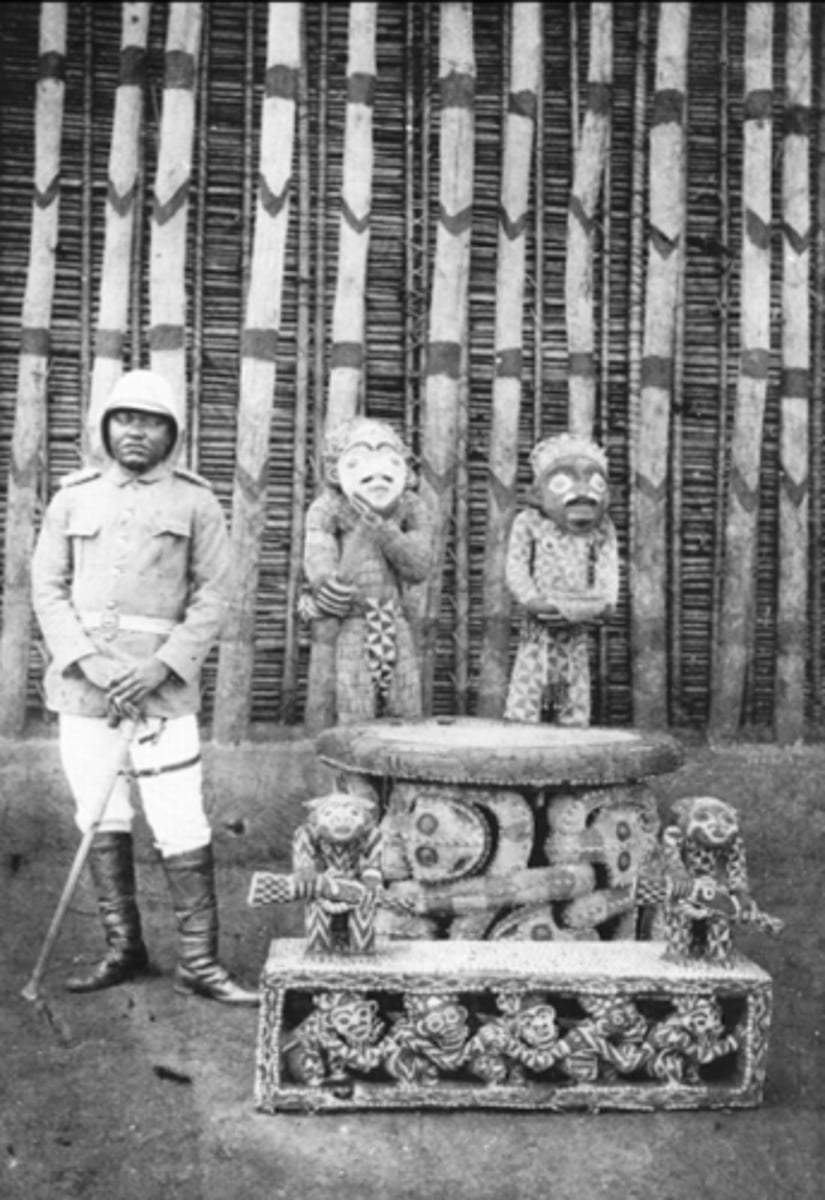
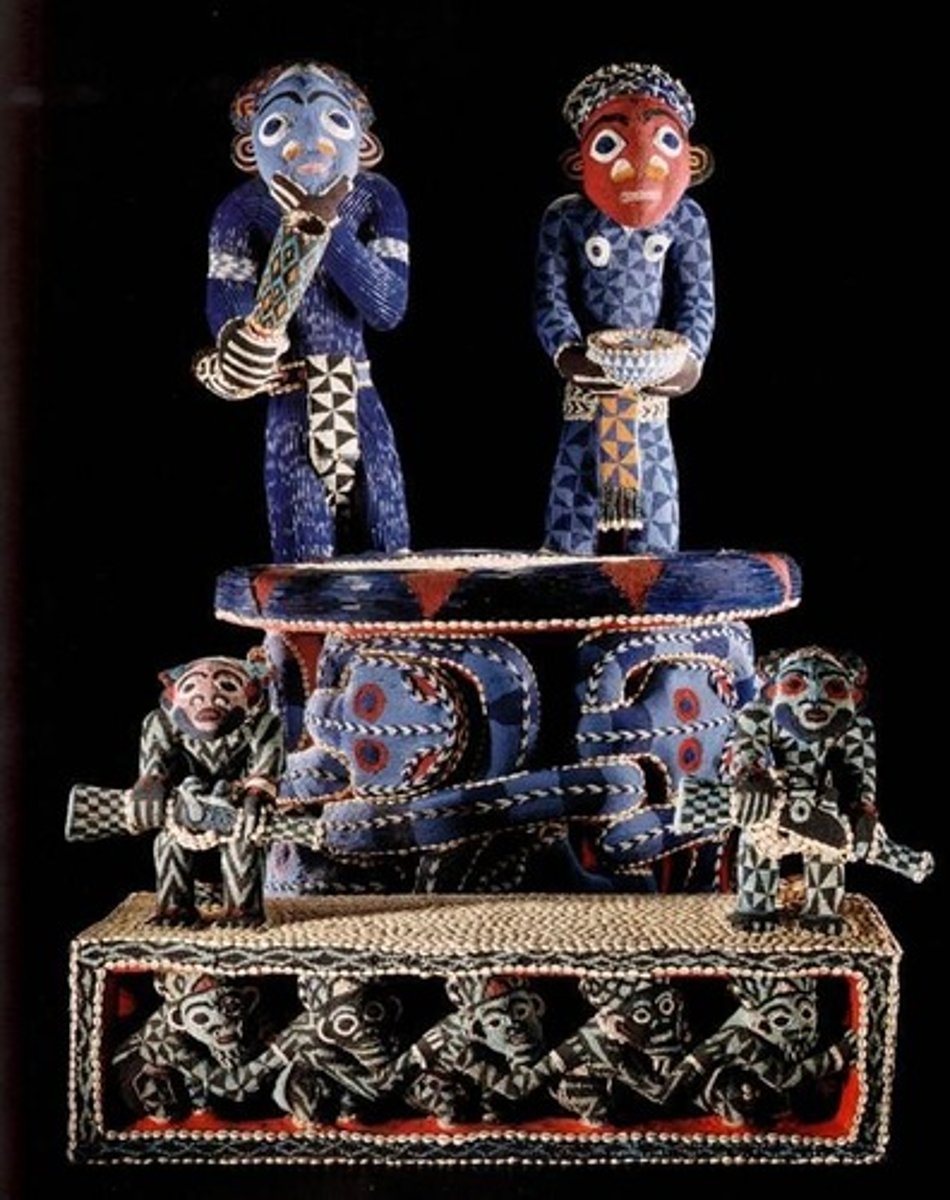
Mandu Yenu
Translates to 'Richness of Beads,' reflecting the cultural significance of beads in Bamum society. Made for King Njoya’s father, he couldn’t sit upon it until his father’s head was returned.
Asante/Ashanti
A kingdom and ethnic group in Ghana, known for its historical significance from 1701 to the present.
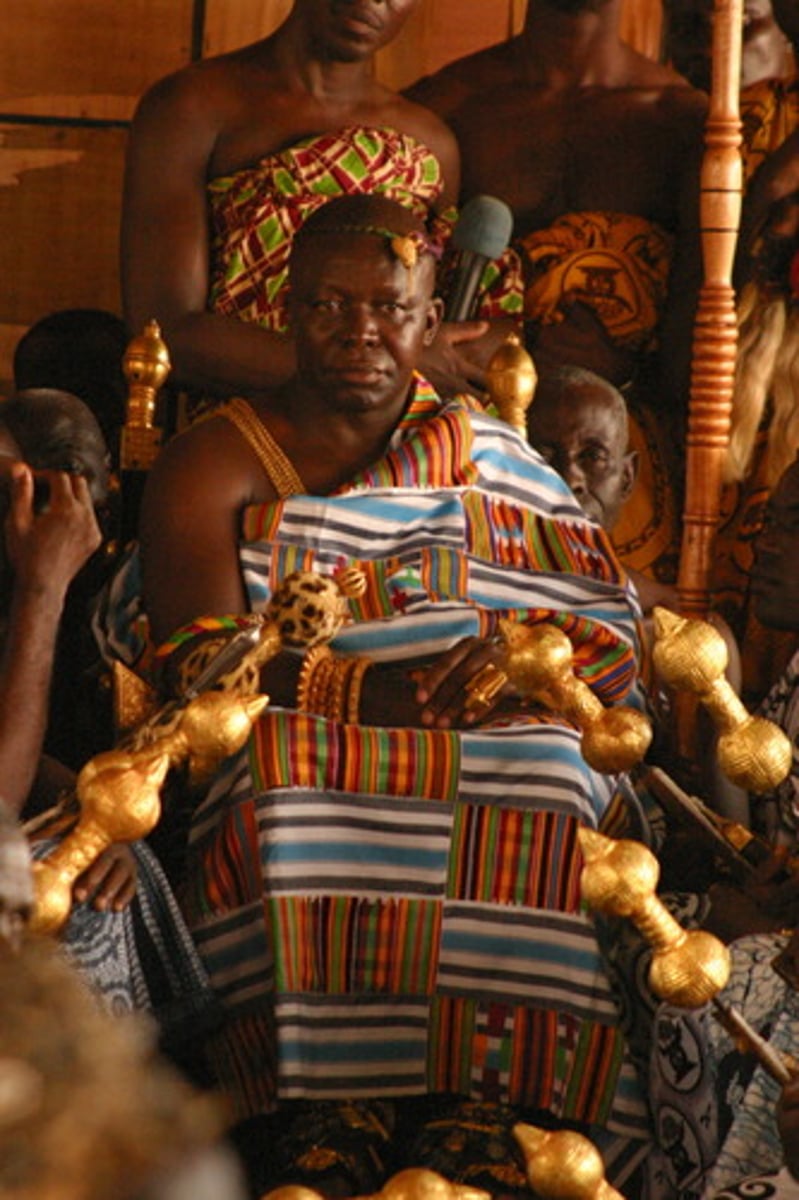
Akan
A cultural group in West Africa, primarily in Ghana, known for its rich traditions and language.

Asantehene
The title of the king of the Ashanti people, a central figure in their culture and governance.
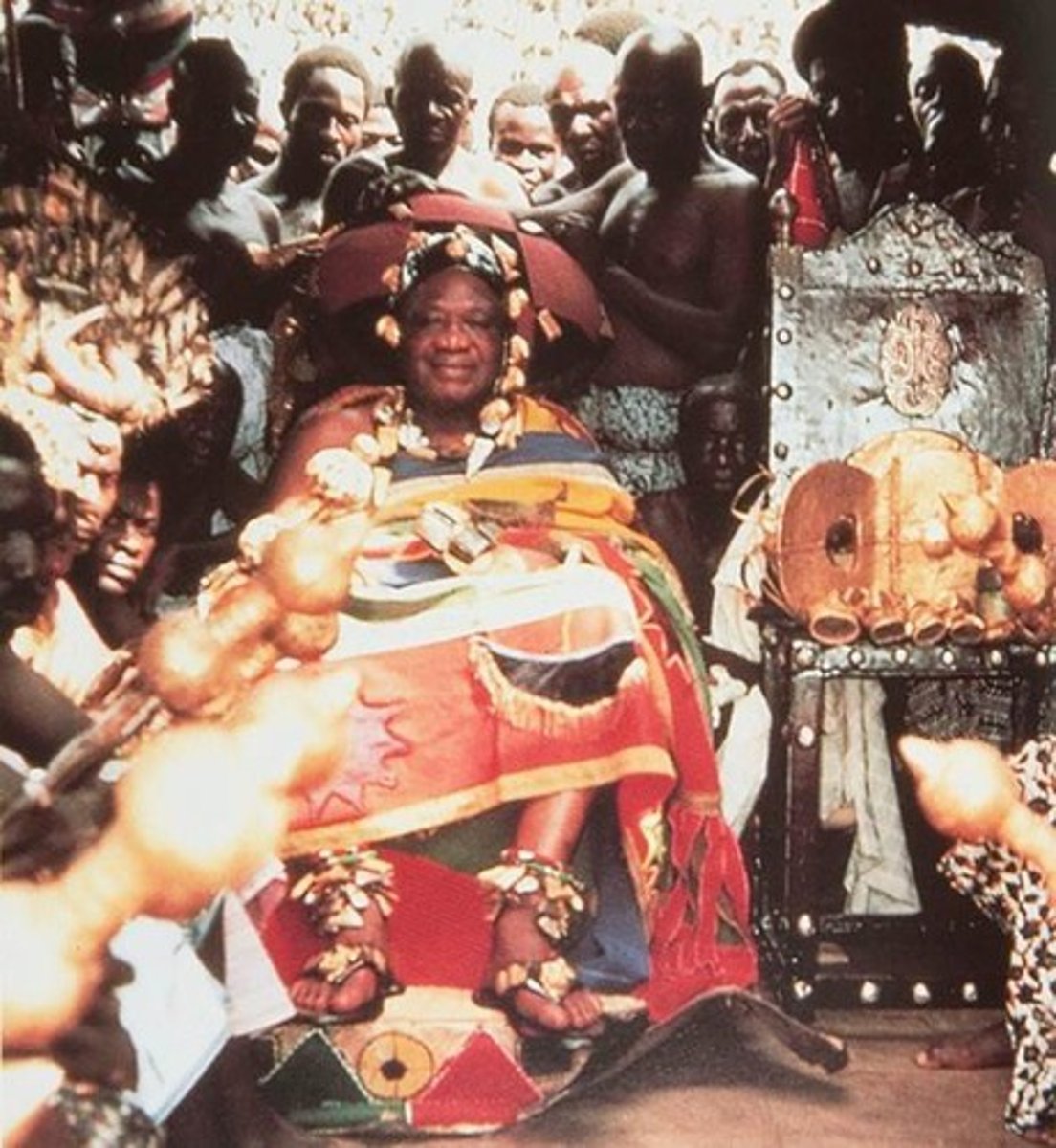
Gold
A significant resource and symbol of wealth in many West African cultures, especially in the Ashanti Kingdom.

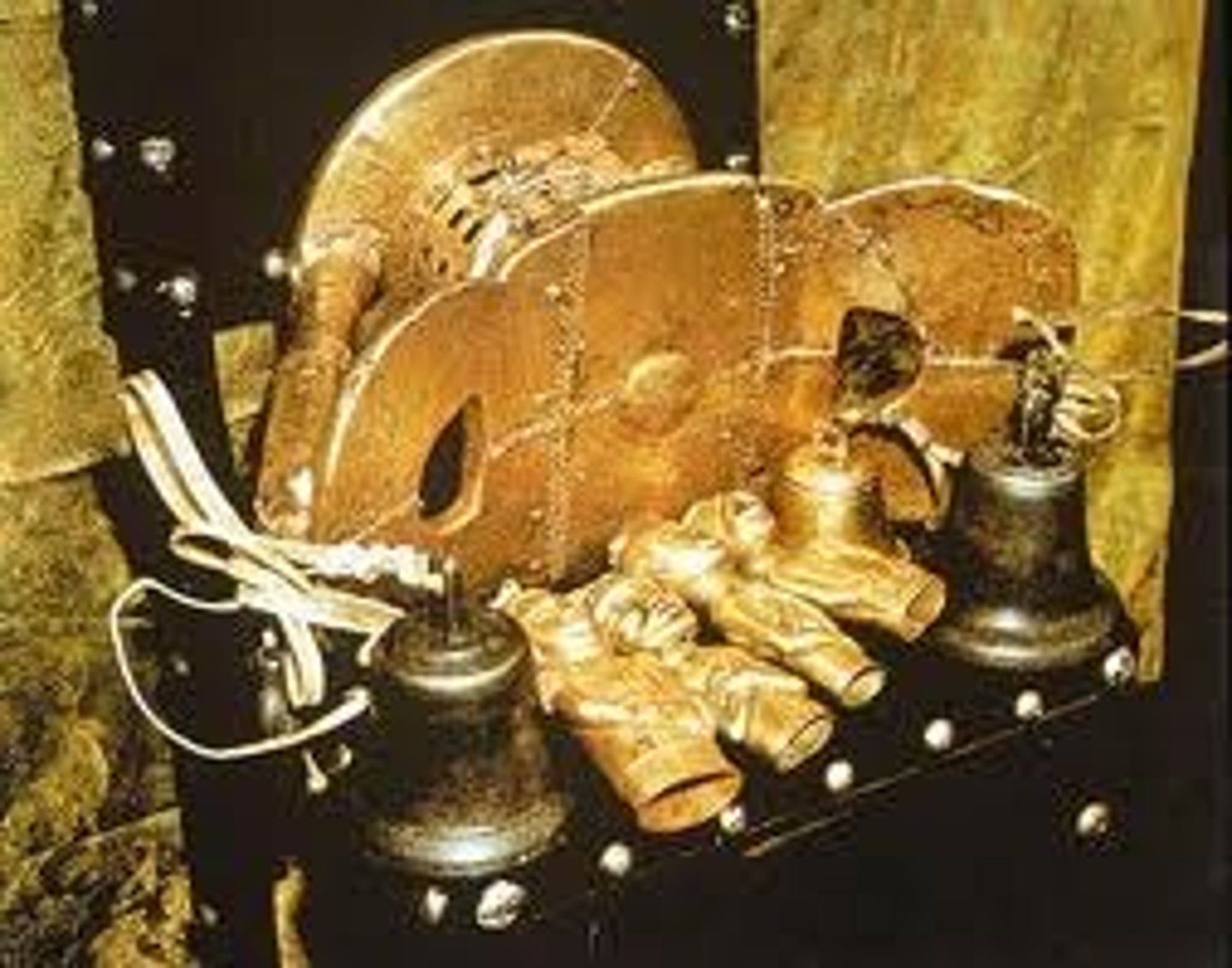
Sika Dwa Kofi
Means 'Stool Born on a Friday,' referring to the royal stool which symbolizes the authority of the Ashanti king. (the throne empowered the first Asantehene)
Proverbs
A vital aspect of African oral tradition, often used to convey wisdom and cultural values. Powerful ways of communicating through indirect ideas to mean something.
Yoruba
An ethnic group in Nigeria known for its rich culture, language, and historical kingdoms. Directly descended from Ife.
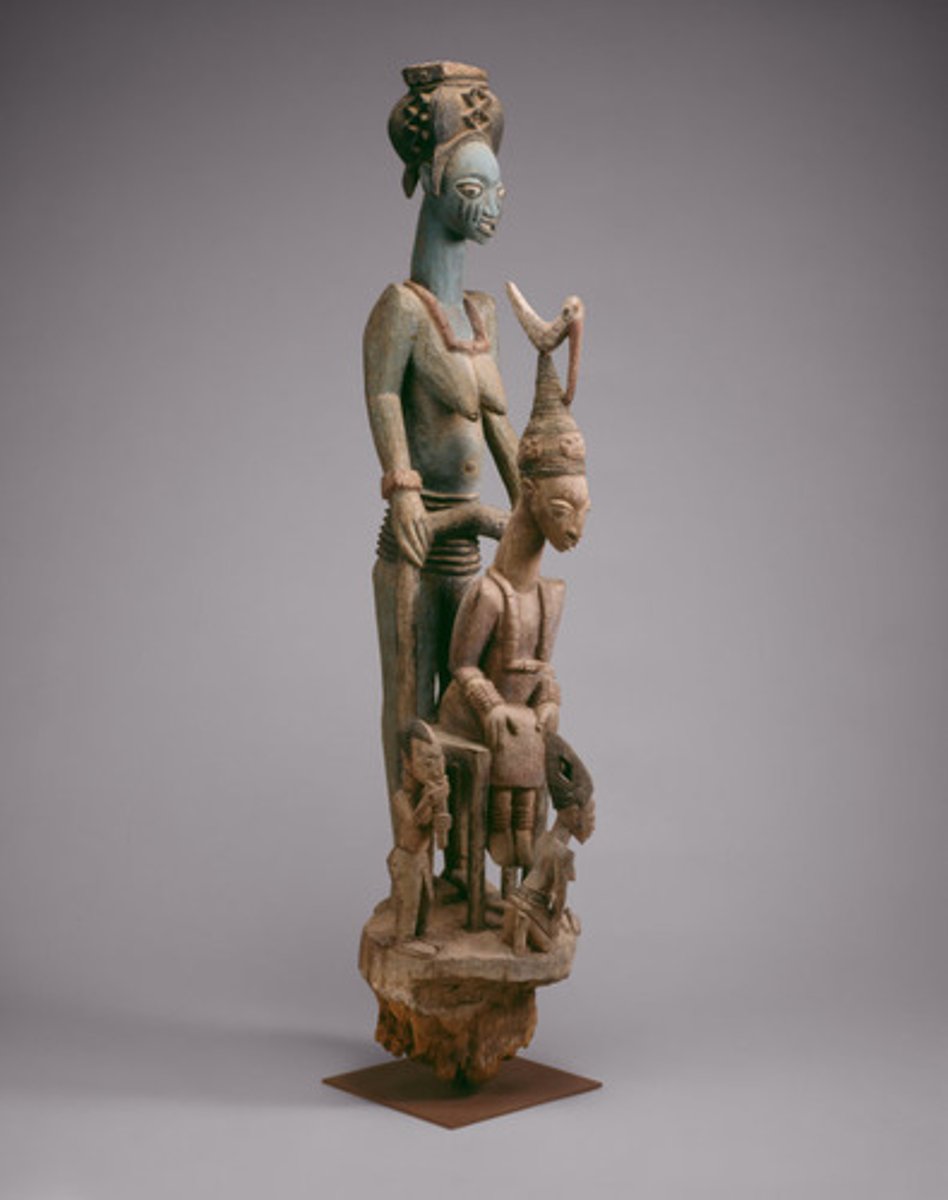
Orisa/Orisha
Deities in the Yoruba religion, representing various aspects of life and nature.
Orun and Aye
Concepts in Yoruba belief, where Orun refers to the spiritual world and Aye refers to the physical world.

Babalawo
A priest in the Yoruba religion, responsible for divination and spiritual guidance. means “father of secrets”
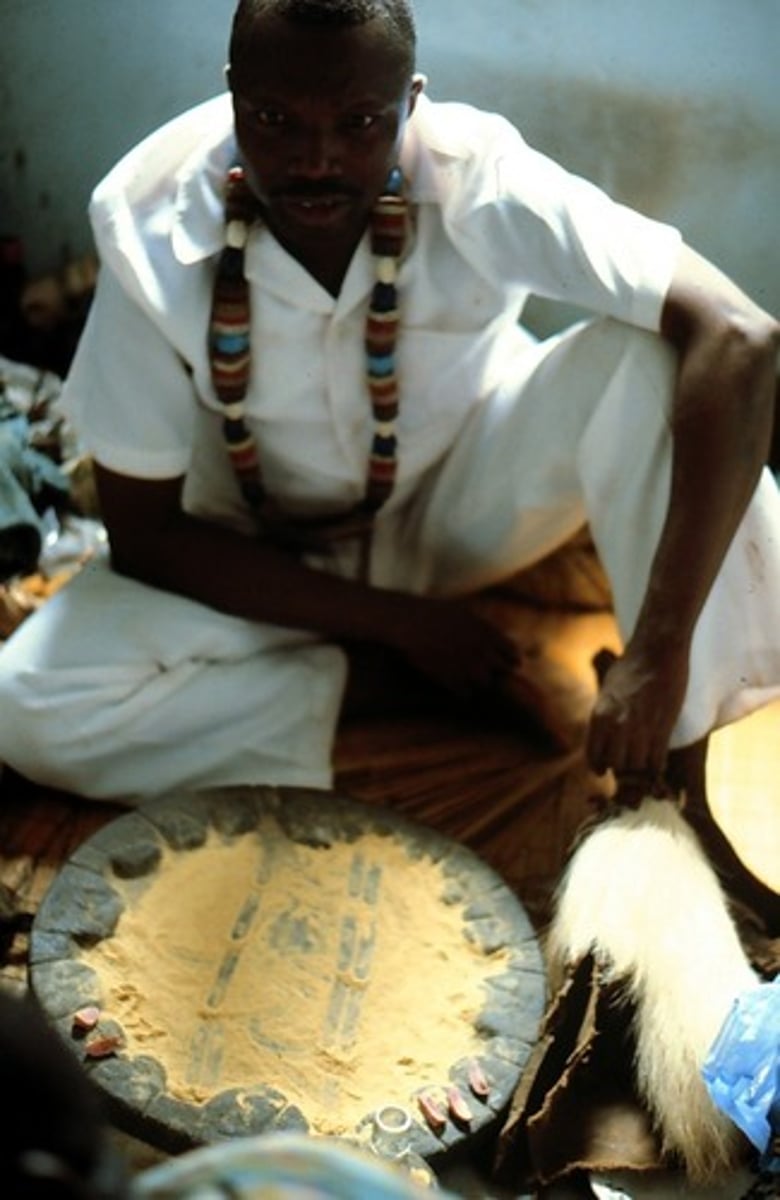
Ifa divination
A system of divination in Yoruba culture that uses verses and symbols to provide guidance. Uses cowl shells (16 of them) and a divination tray (opon ifa).

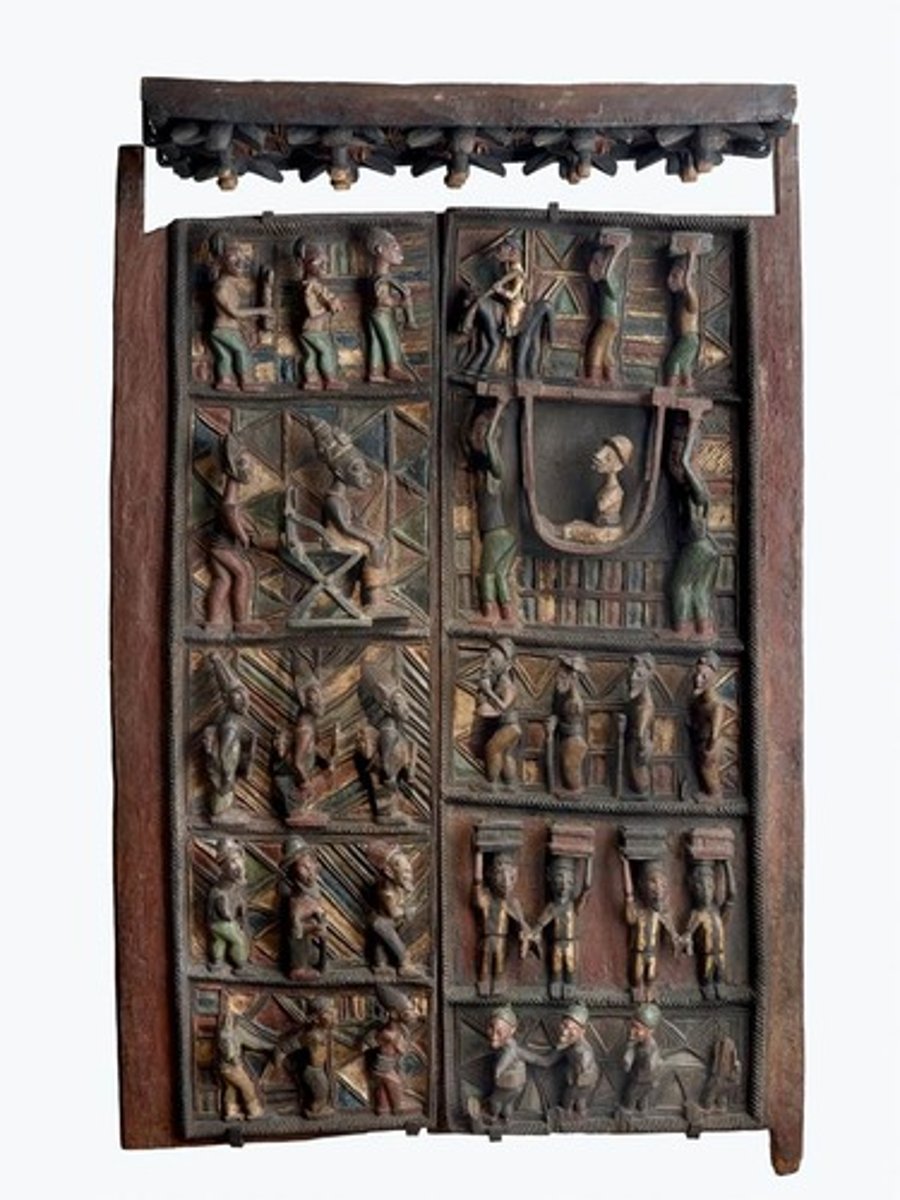
Olowe of Ise
A renowned Yoruba artist and sculptor who lived from approximately 1873 to 1938. Made the veranda posts and door.
Oba
A title for a king or ruler in Yoruba culture.
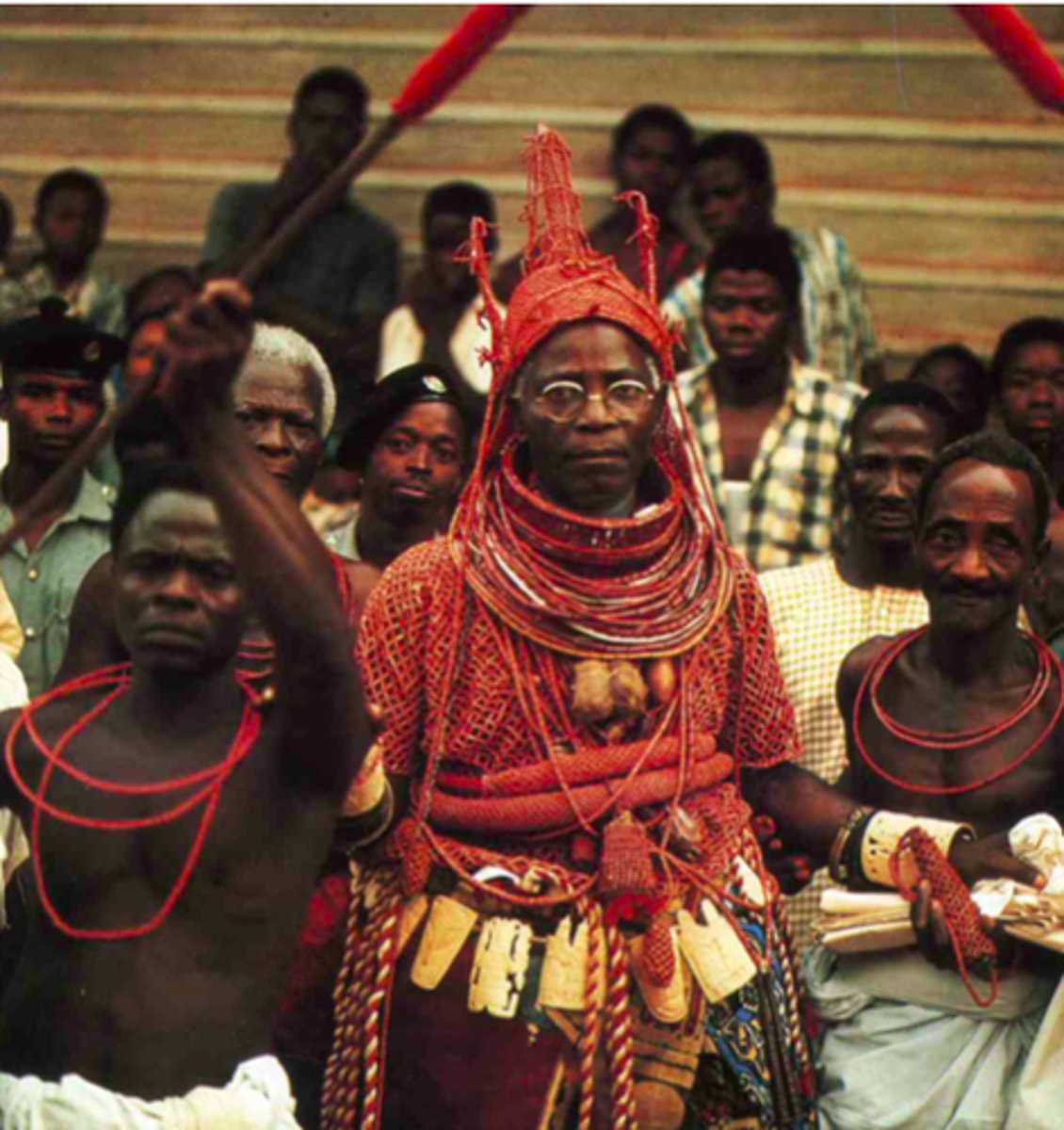
Ade
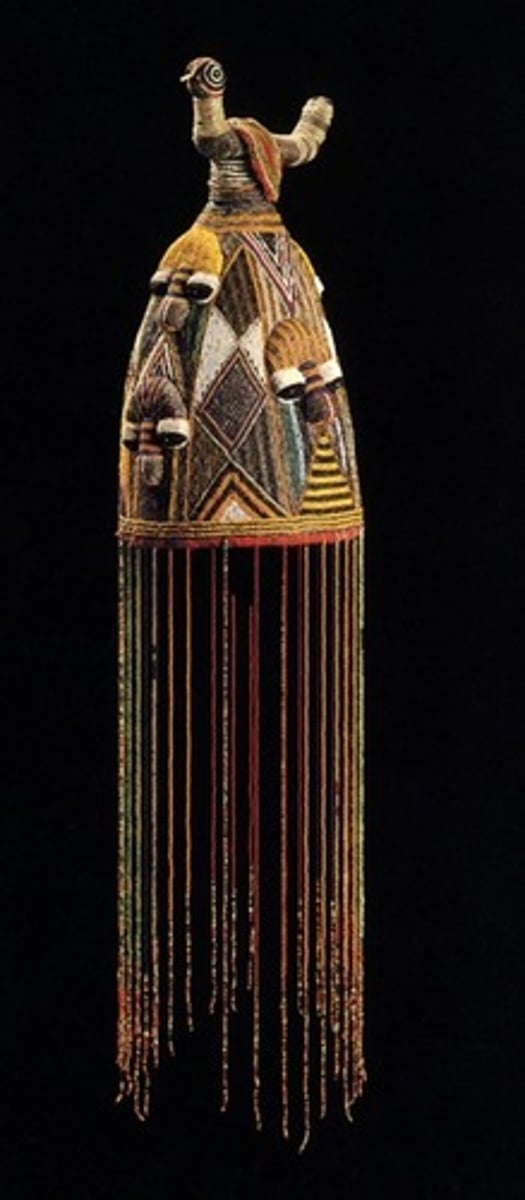
A crown or headpiece worn by Yoruba kings, symbolizing authority. Pointed crown with beads, topped with a bird. Beads conceal the face to show that the Oba is seperate from the real world.
Gelede
A festival among the Yoruba people that celebrates motherhood and female ancestors. Masks to celebrate older women and female ancestors.
Egungun
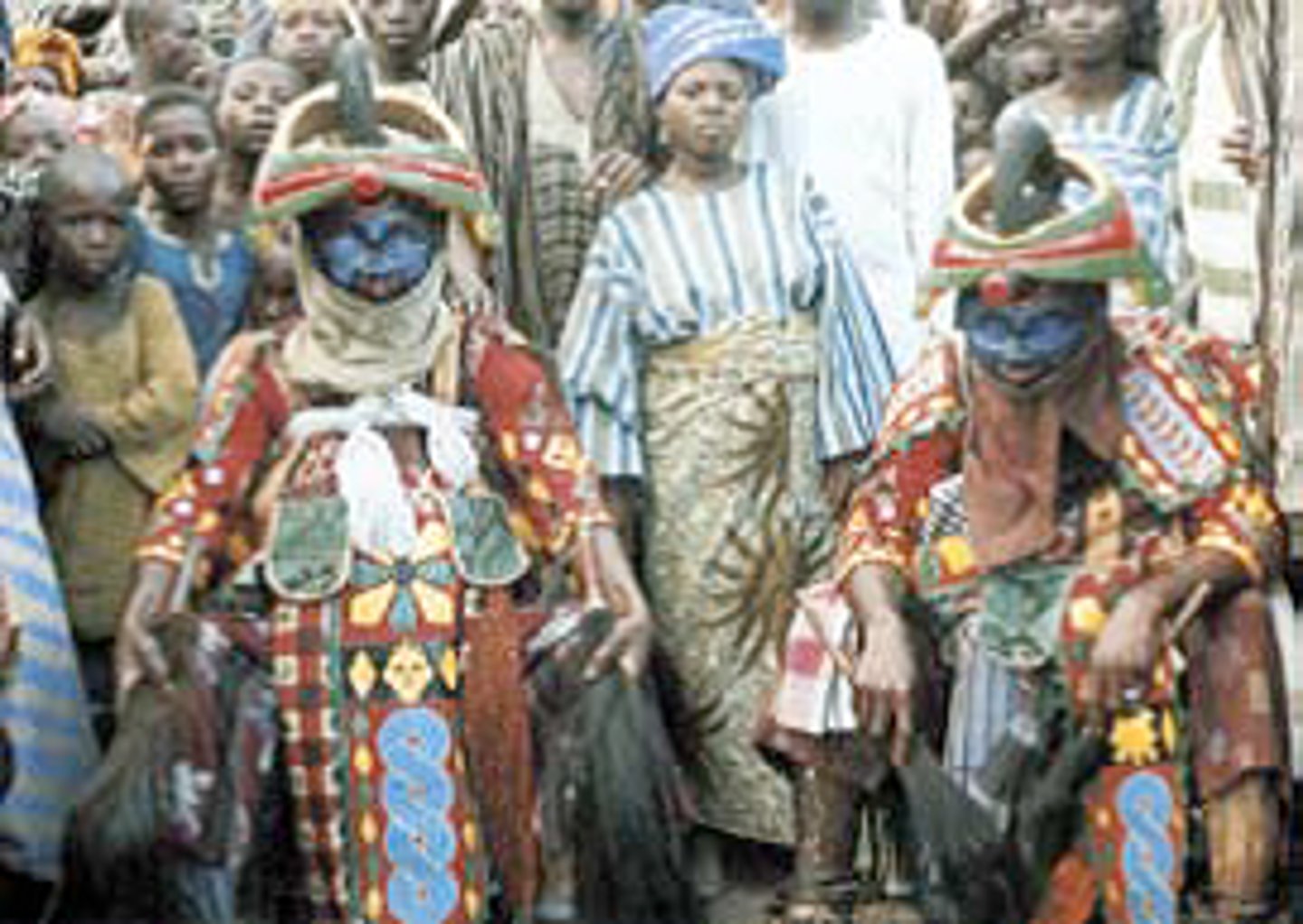
A masquerade tradition in Yoruba culture that honors the spirits of ancestors. can be made of just cloth, not identifiable as human.

Masks and Masquerades
Cultural artifacts used in various African traditions for rituals, celebrations, and storytelling.
Transformation
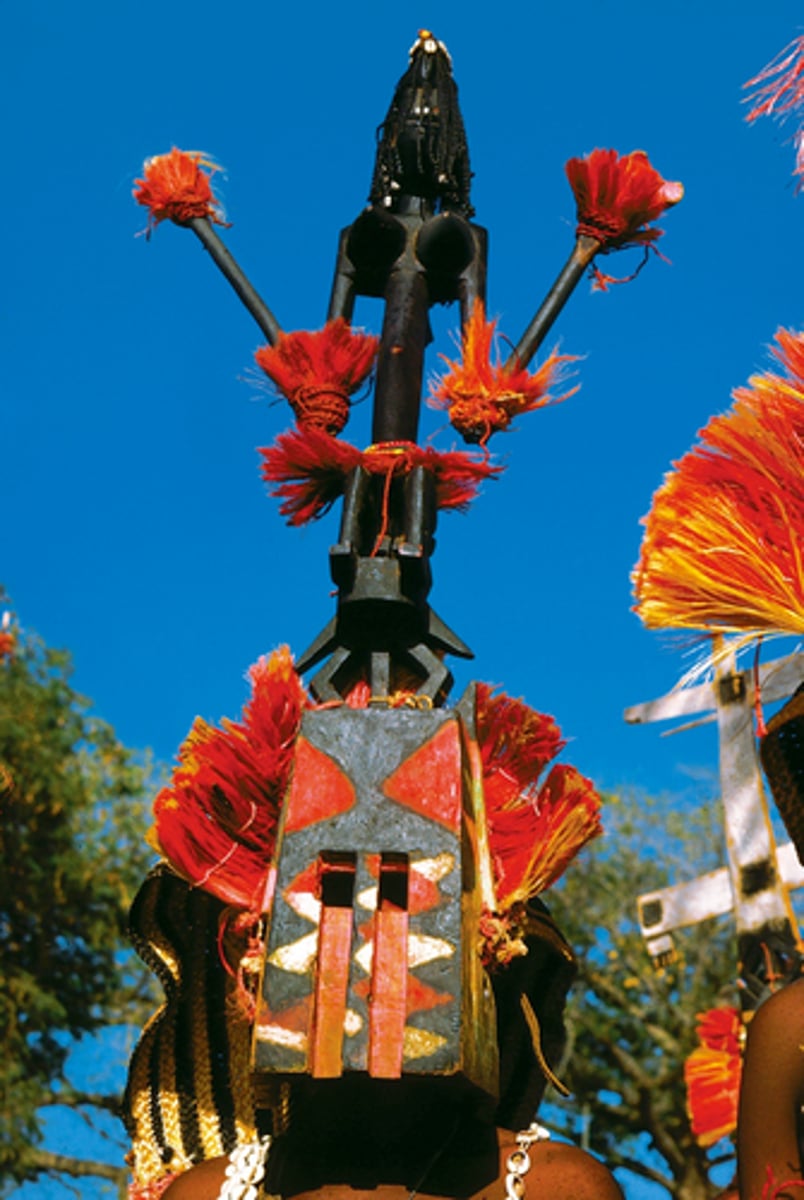
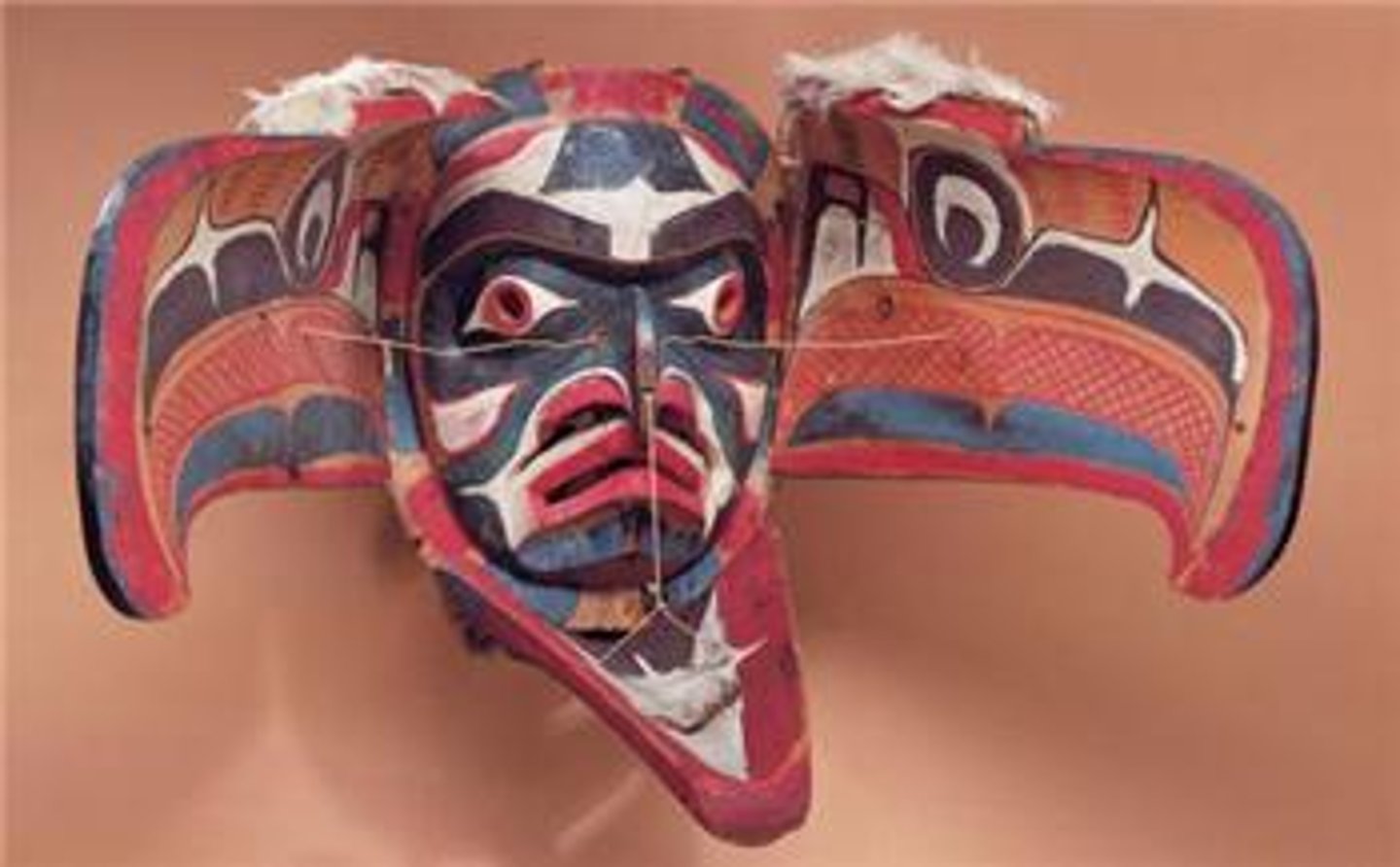
A theme in African art and culture, often represented through masks and performance. Often represent spirit world
Romuald Hazoumé
A contemporary artist from Benin known for his work that reflects African identity and culture. Used found objects; jerry cans
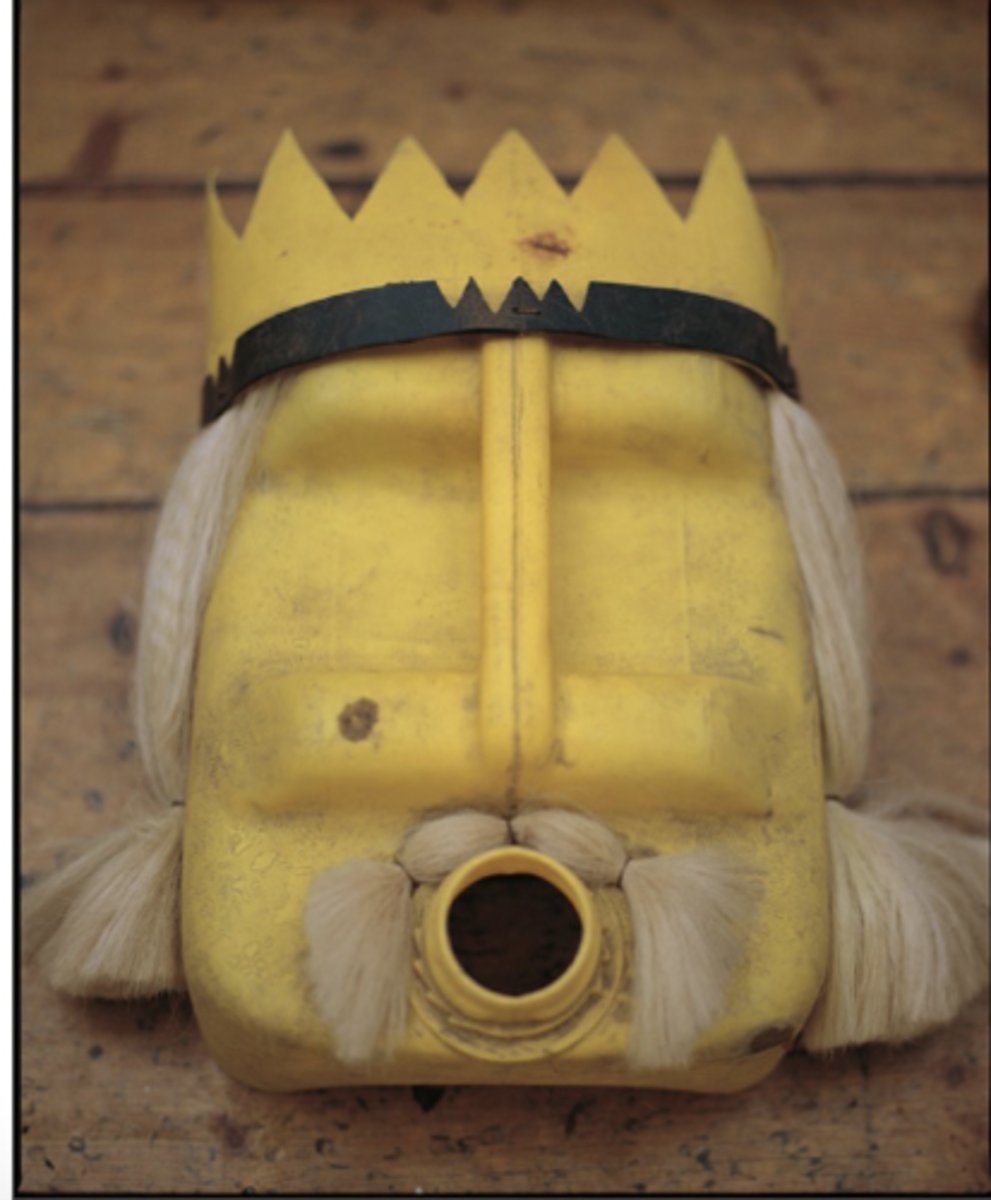
Kaléta
A type of traditional mask used in West African ceremonies. Practiced by children and are worn with elaborate costume.
Masque-Bidon
A mask made from a Jerry can, created by artist Romuald Hazoumé, reflecting modern use of gas cans while also showing historical aspects.

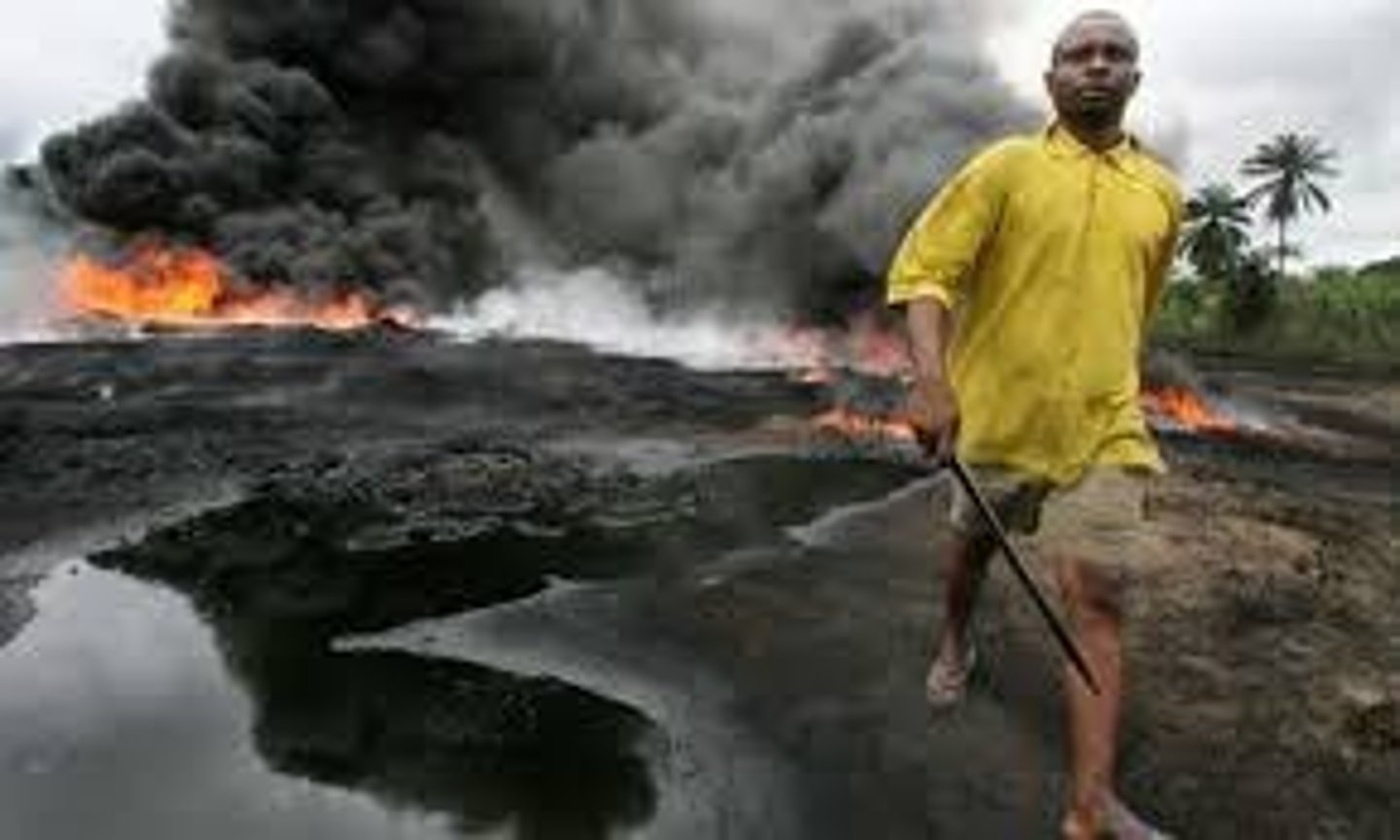
Zina Saro-Wiwa
A contemporary artist of Nigerian descent known for her work addressing environmental issues. Made to honor loss lands and people who died to protect them.
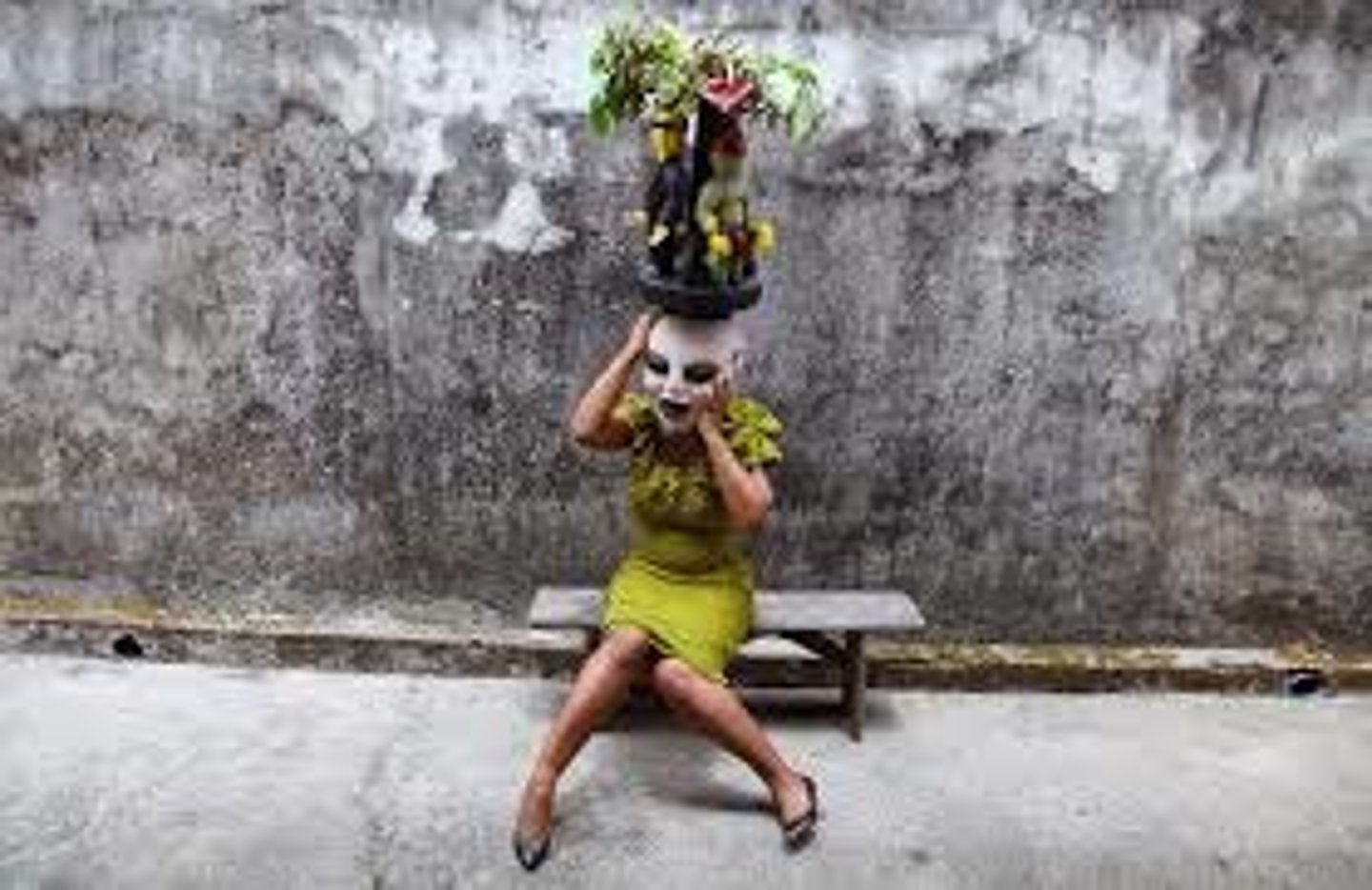
Ogoni
An ethnic group in Nigeria known for their activism regarding environmental and human rights.
Ayie Pa
Means 'Good funeral' in Akan culture, emphasizing the importance of proper funeral rites.
Ayikese
A funeral ceremony for a leader in Akan culture, highlighting their status and contributions.
Adinkra cloth
A traditional Ghanaian textile that features symbols representing concepts and proverbs. For funeral, repeated patterns, always 2 colors.
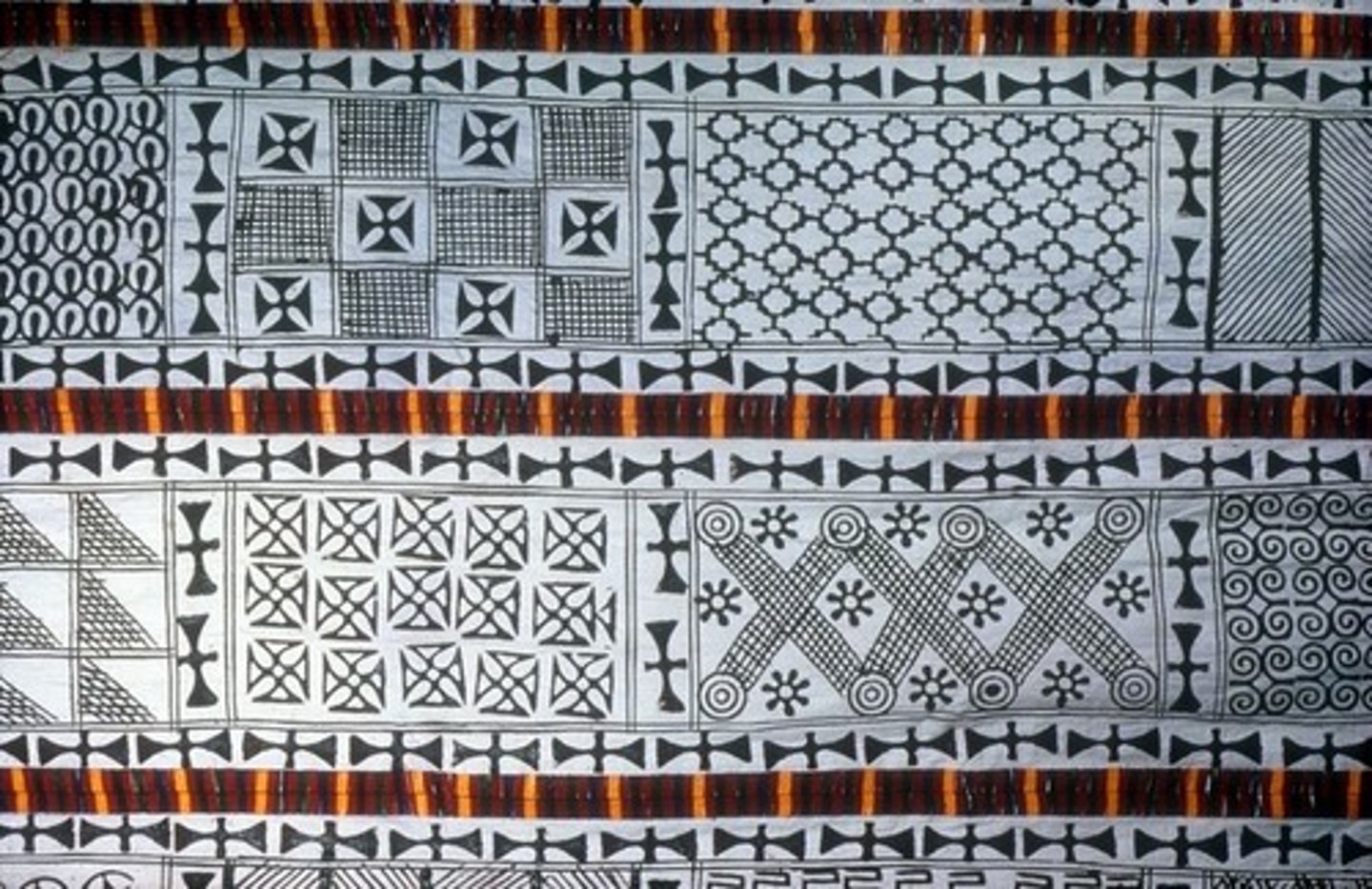
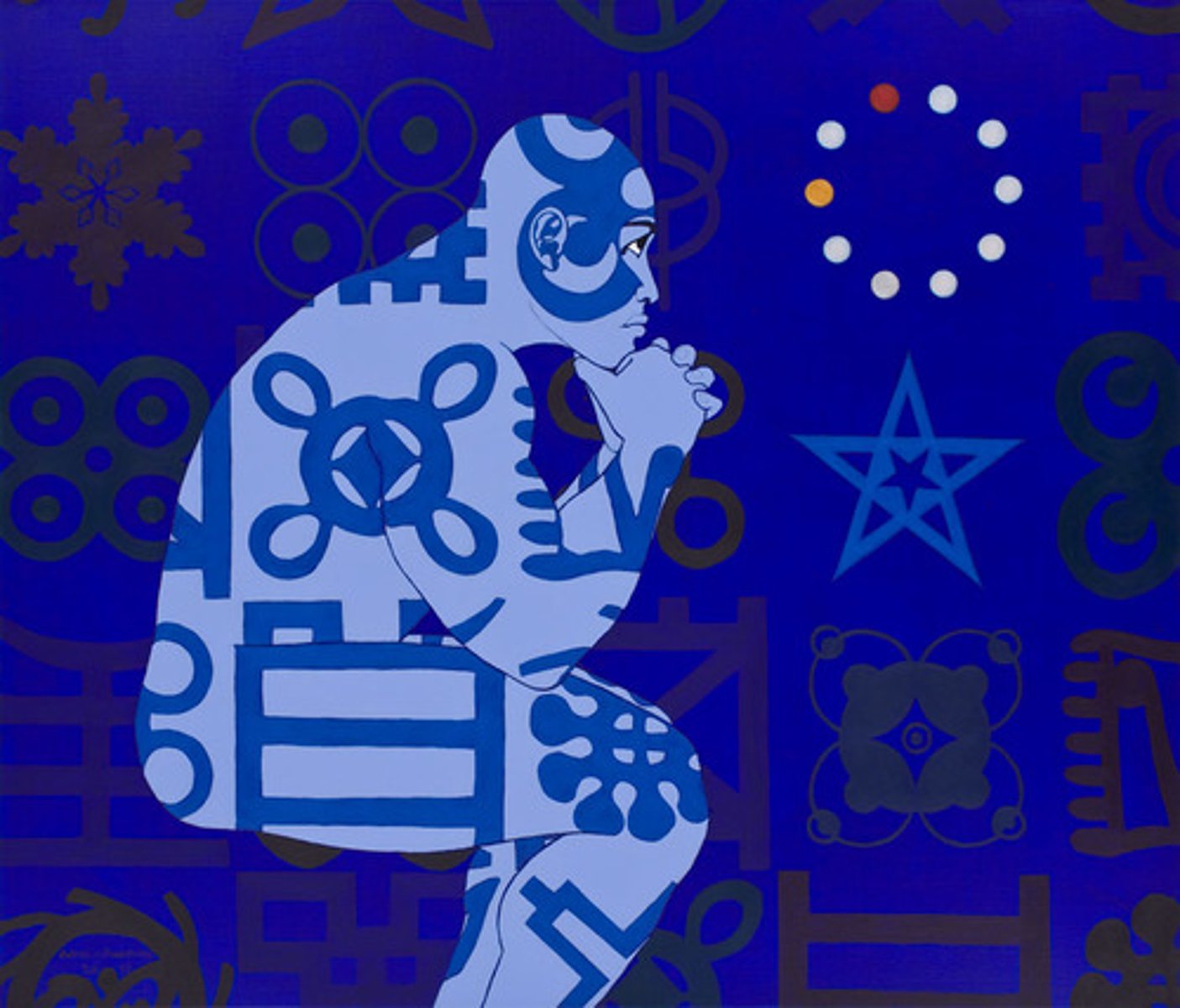
Owusu-Ankomah
A contemporary Ghanaian artist known for using Adinkra symbols, also used wrestlers to represent masculine identity.
Camara Laye
A Guinean author known for his autobiographical novel 'The African Child,' which reflects on his upbringing.
Guinea
A country in West Africa known for its diverse cultures and rich natural resources.

Mali Empire
A powerful West African empire that existed from the 13th to the 17th century, known for its wealth, cultural achievements, and trade in gold and salt.

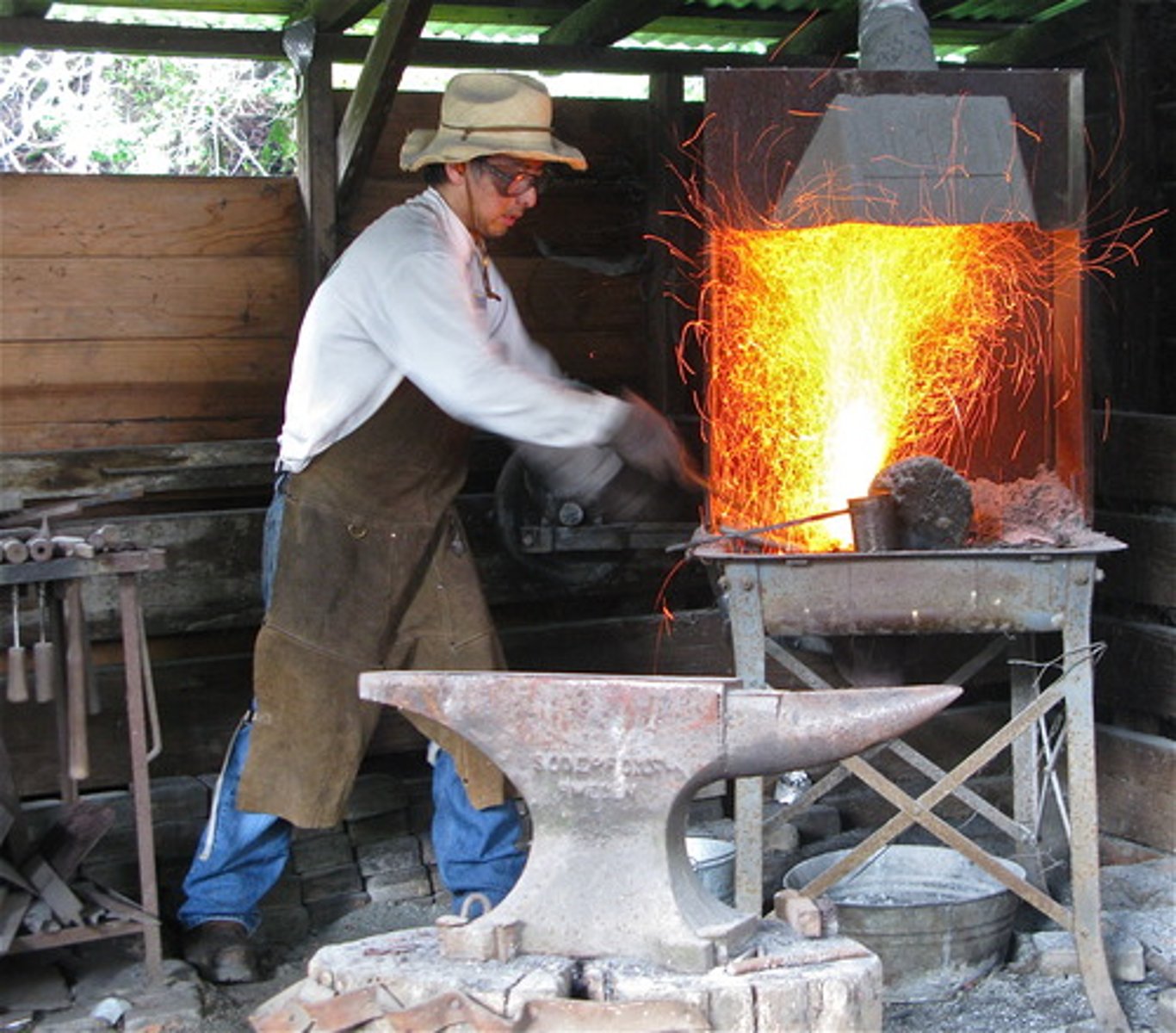
Blacksmith
A craftsman who creates objects from iron or steel by forging and shaping metal.
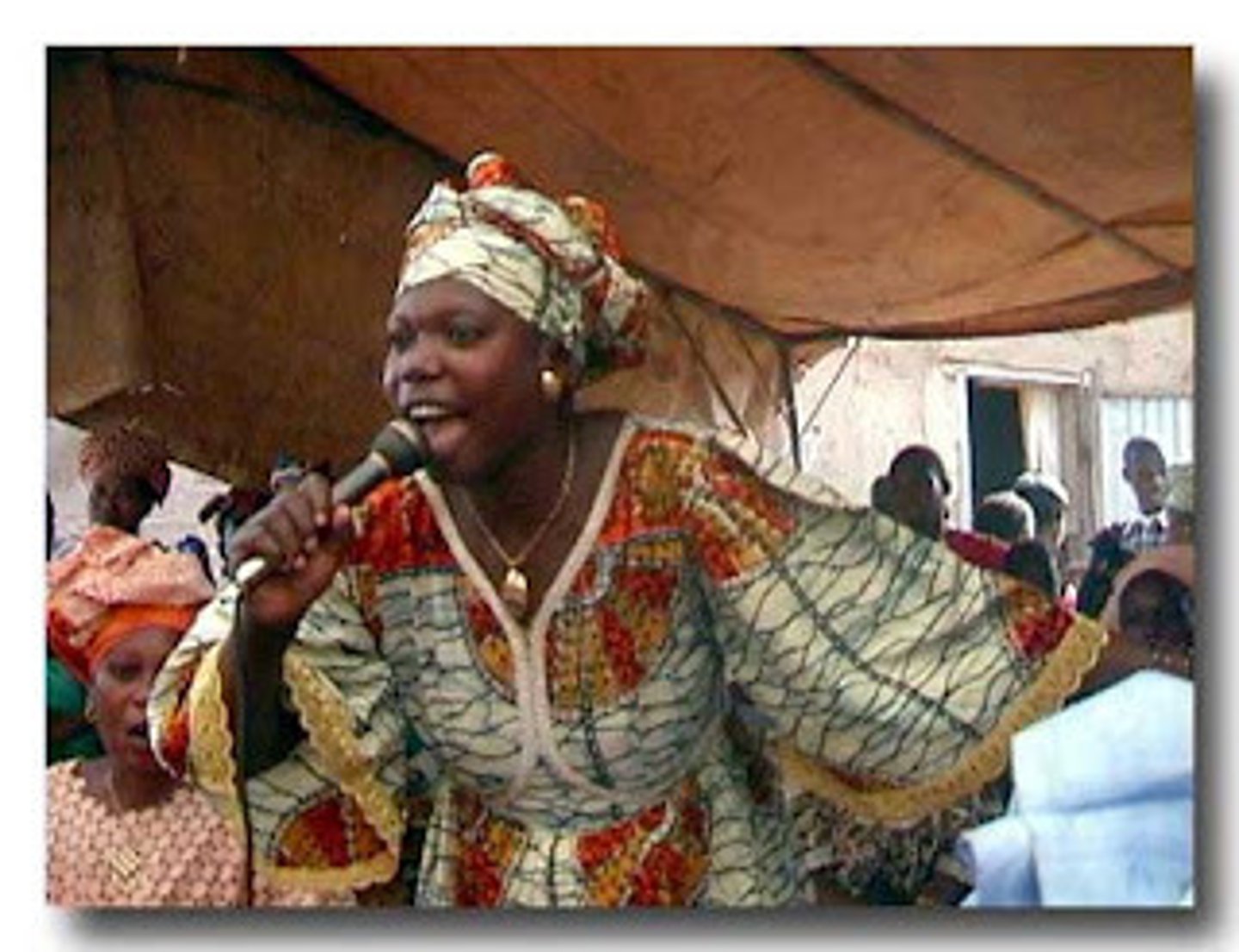
Griot
A West African storyteller, poet, or musician who preserves the oral history and traditions of a community. (praise singer)
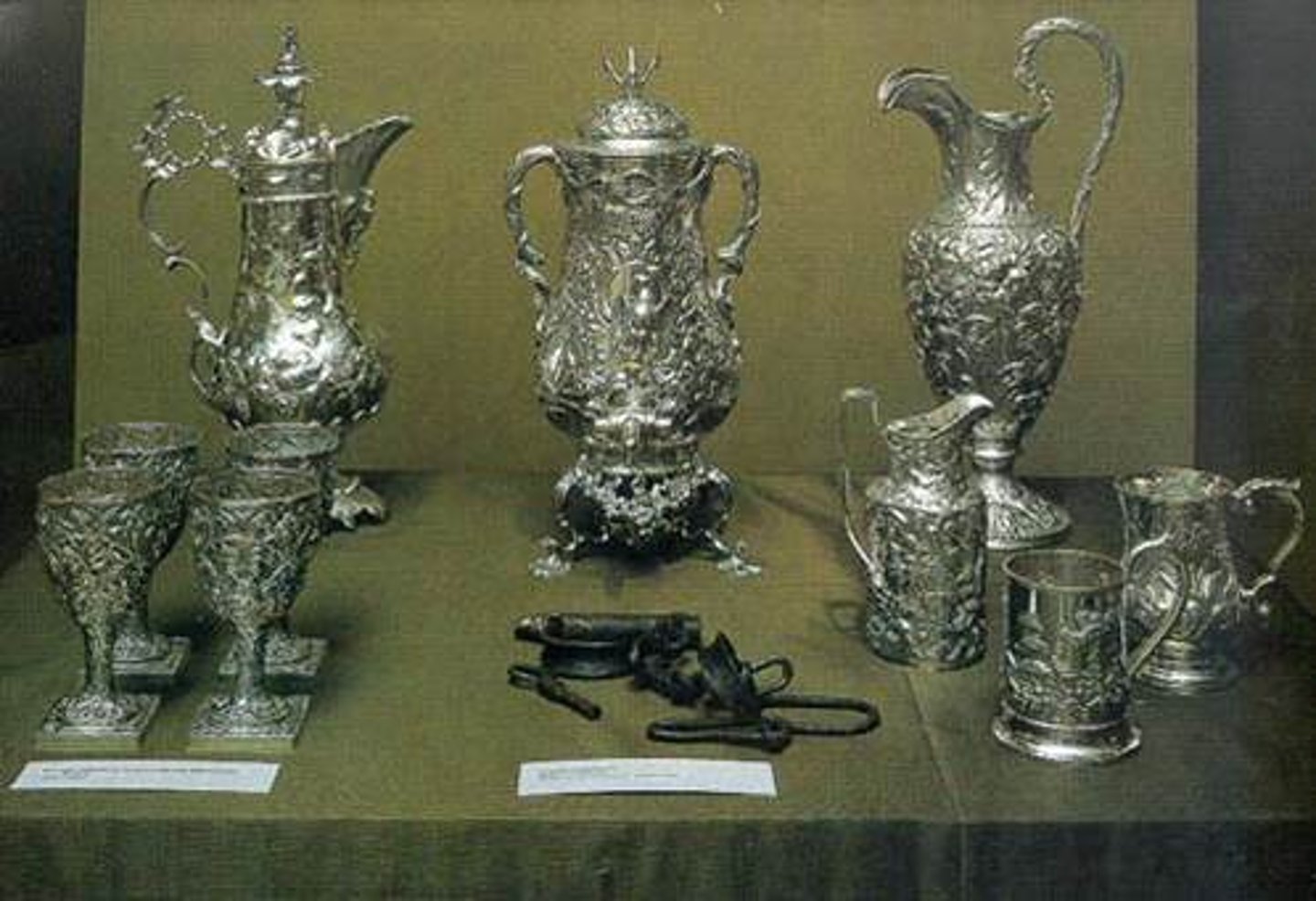
Metalwork
The art or process of working with metals to create objects, including techniques such as forging, casting (including lost wax casting), and filigree.
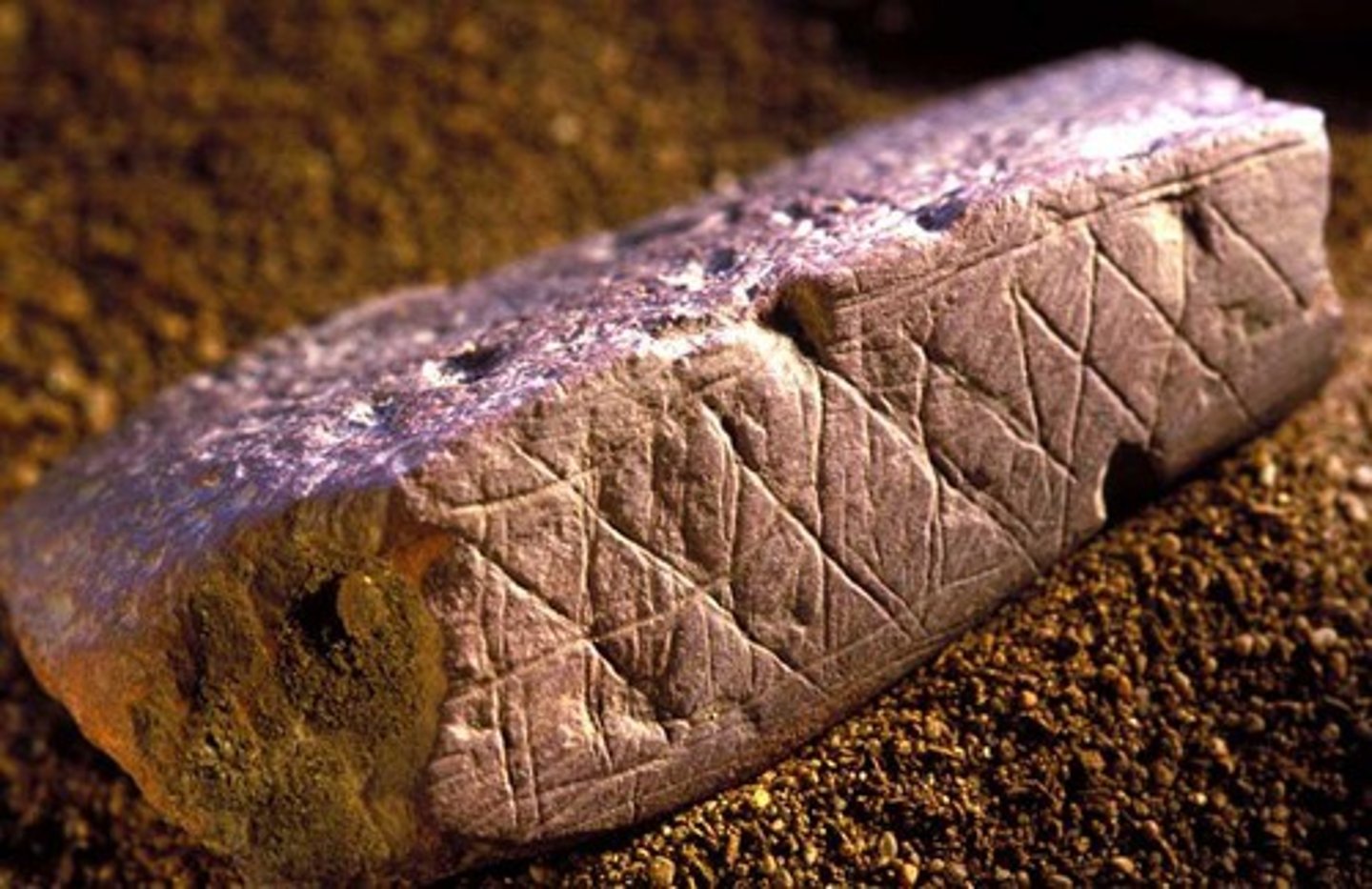
Blombos Cave
An archaeological site in South Africa, dated between 100,000 and 70,000 years ago, known as the earliest evidence of deliberate art making. Perferated shells with holes so they could be used as beads.
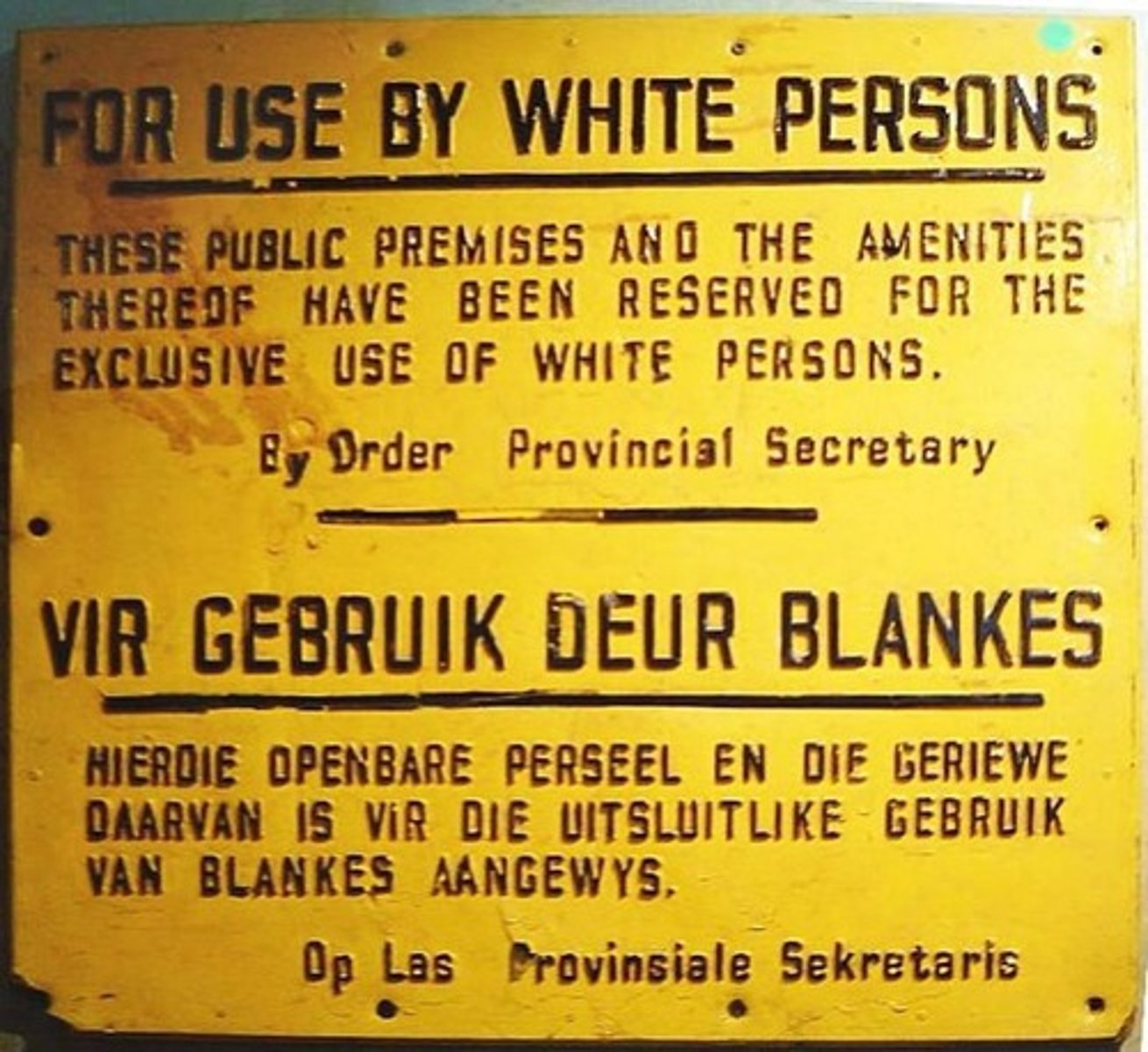
Apartheid
A system of institutionalized racial segregation and discrimination in South Africa from 1948 to 1990.
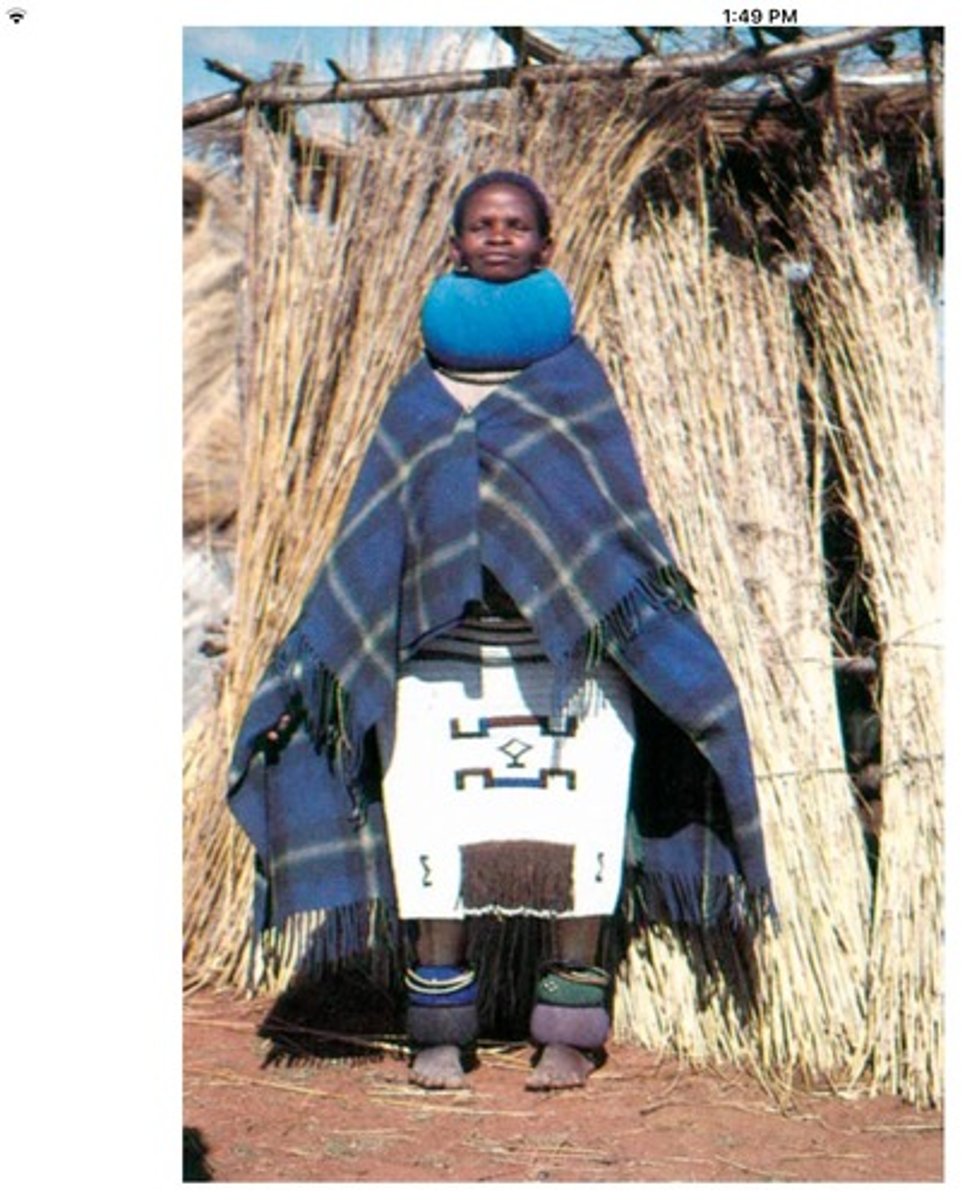
Umbhalo
A woolen blanket traditionally used in South Africa, often purchased in stores.
Nguba
A beaded version of the traditional woolen blanket (umbhalo) in South African culture.
Studio Potter
An artist who creates pottery in a studio setting, focusing on the artistic and functional aspects of ceramic work.
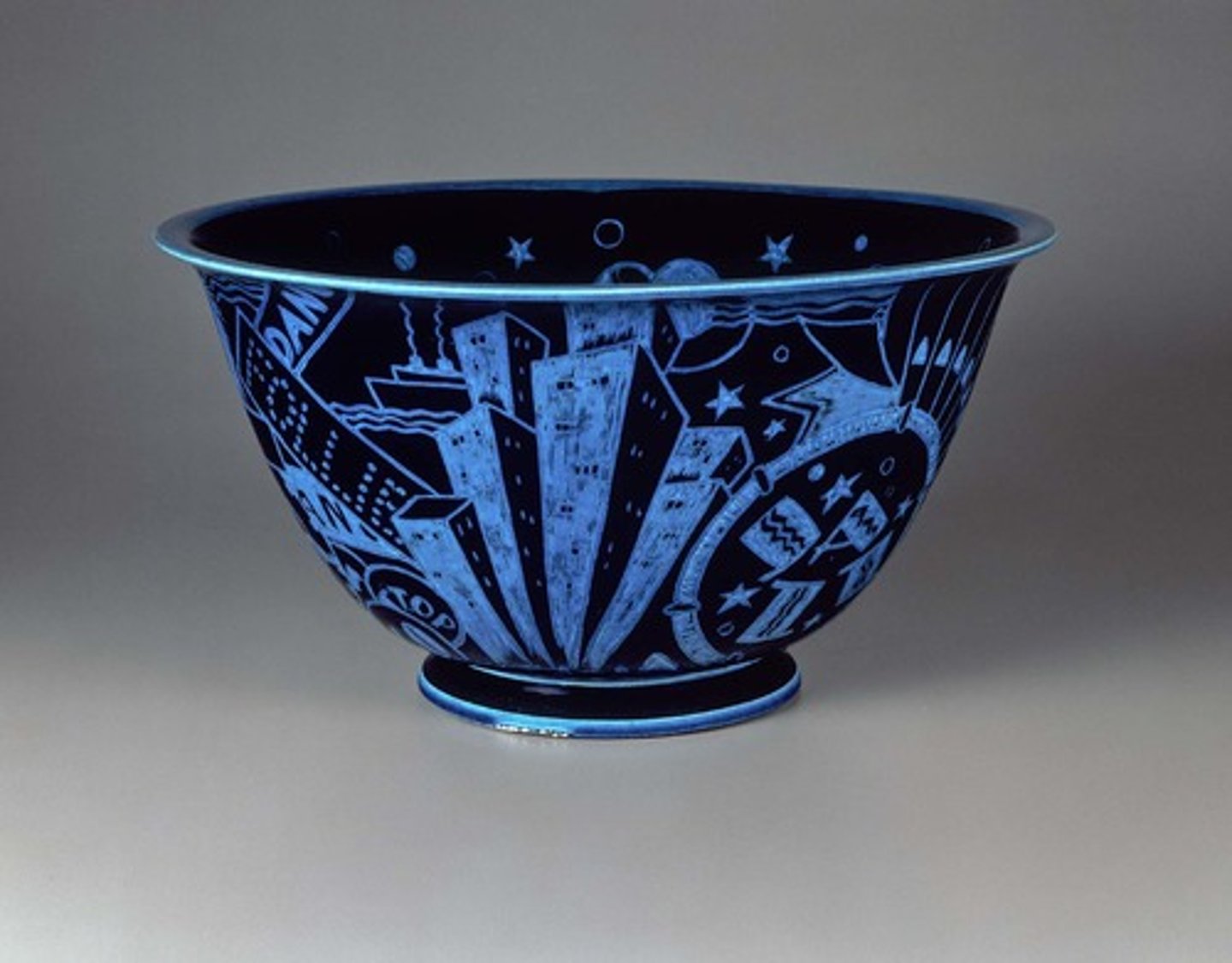
Pot vs Vase
A pot is typically a container for cooking or storage, while a vase is primarily a decorative container for holding flowers.
Diaspora Aesthetics
Artistic expressions that reflect the experiences, identities, and cultural practices of people living outside their ancestral homelands.
Pan-Africanism
A movement that seeks to unify African people and promote solidarity among all people of African descent worldwide. Belief that people of African descent around the world share interest and reality.
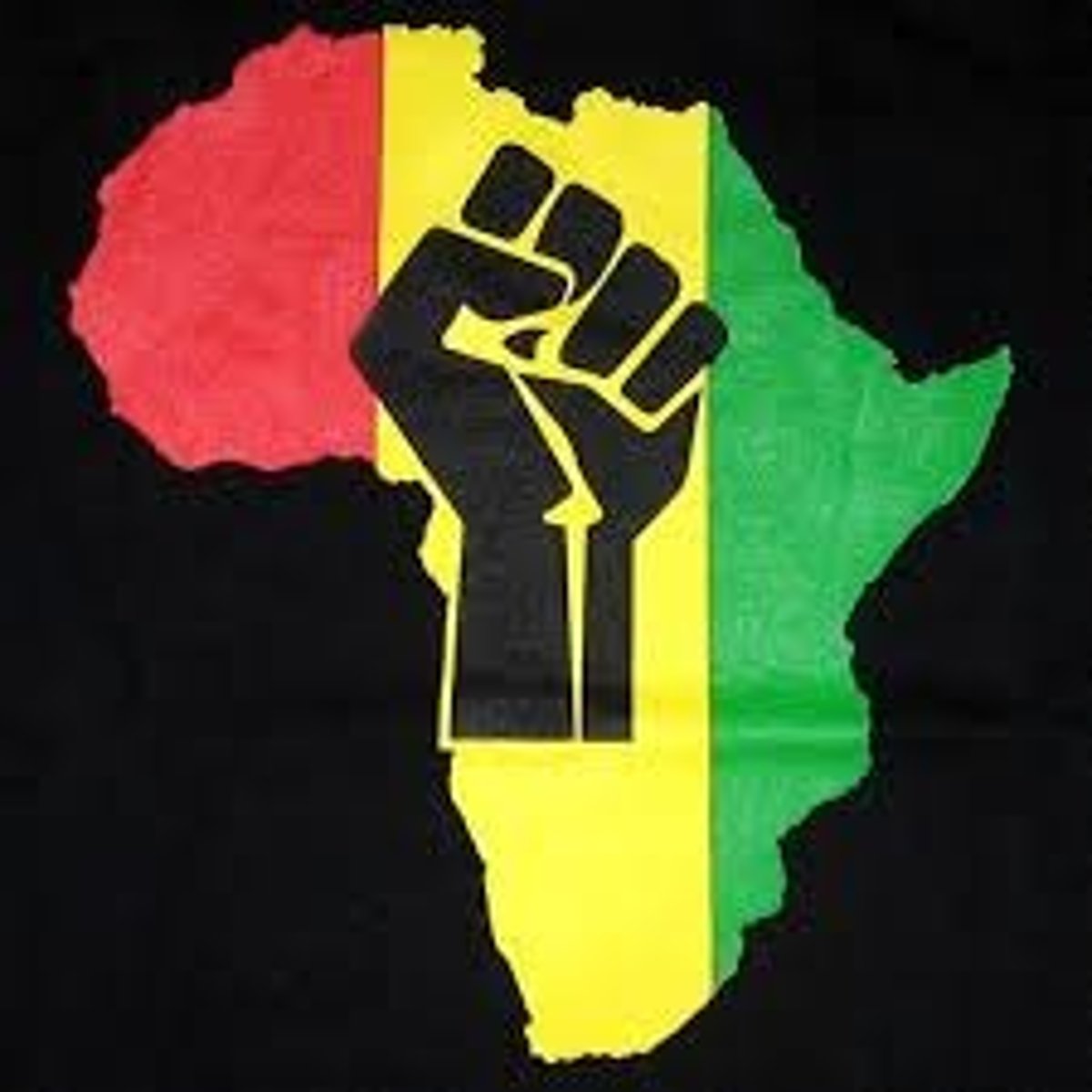
Négritude
A literary and cultural movement that celebrated black culture and identity, emphasizing the value of African heritage and experiences. french word for pan-africanism
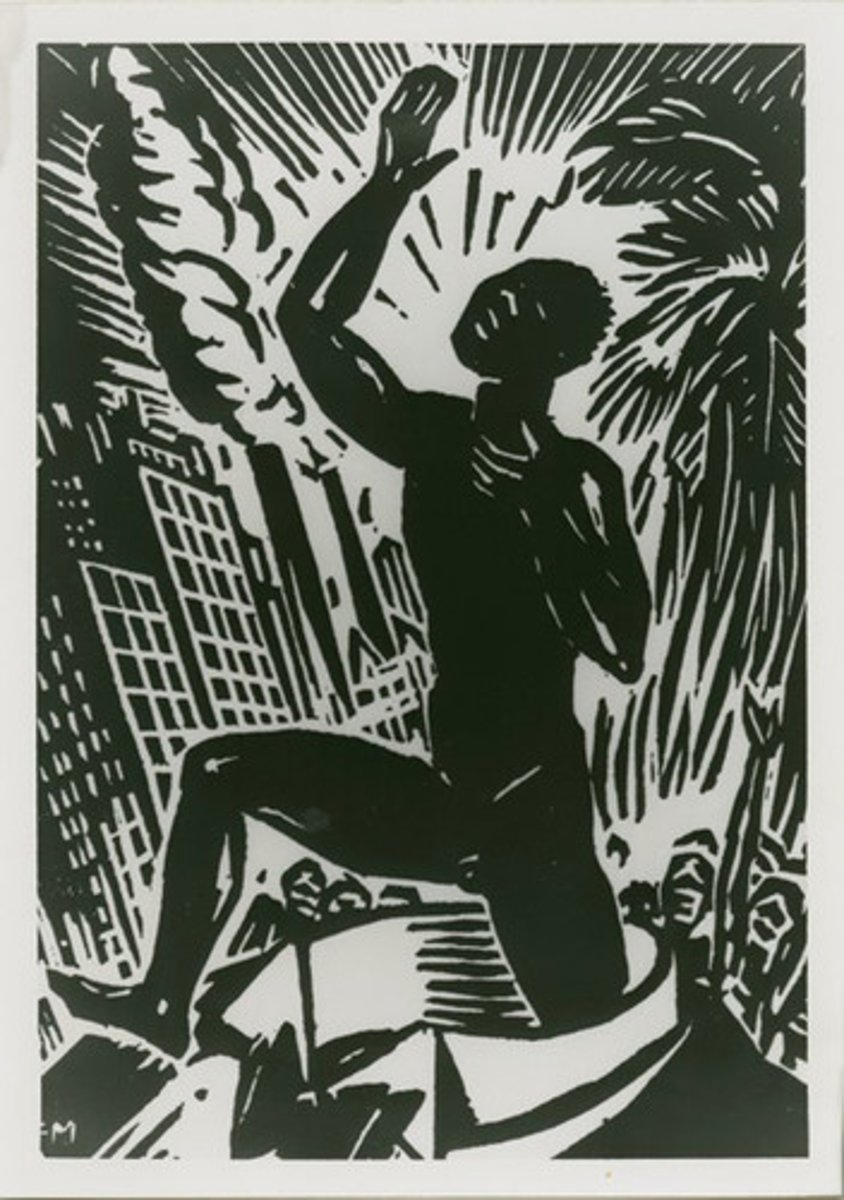
Black Arts Movement
A cultural movement in the 1960s and 1970s that sought to create a distinct African American cultural identity through literature, art, and performance.
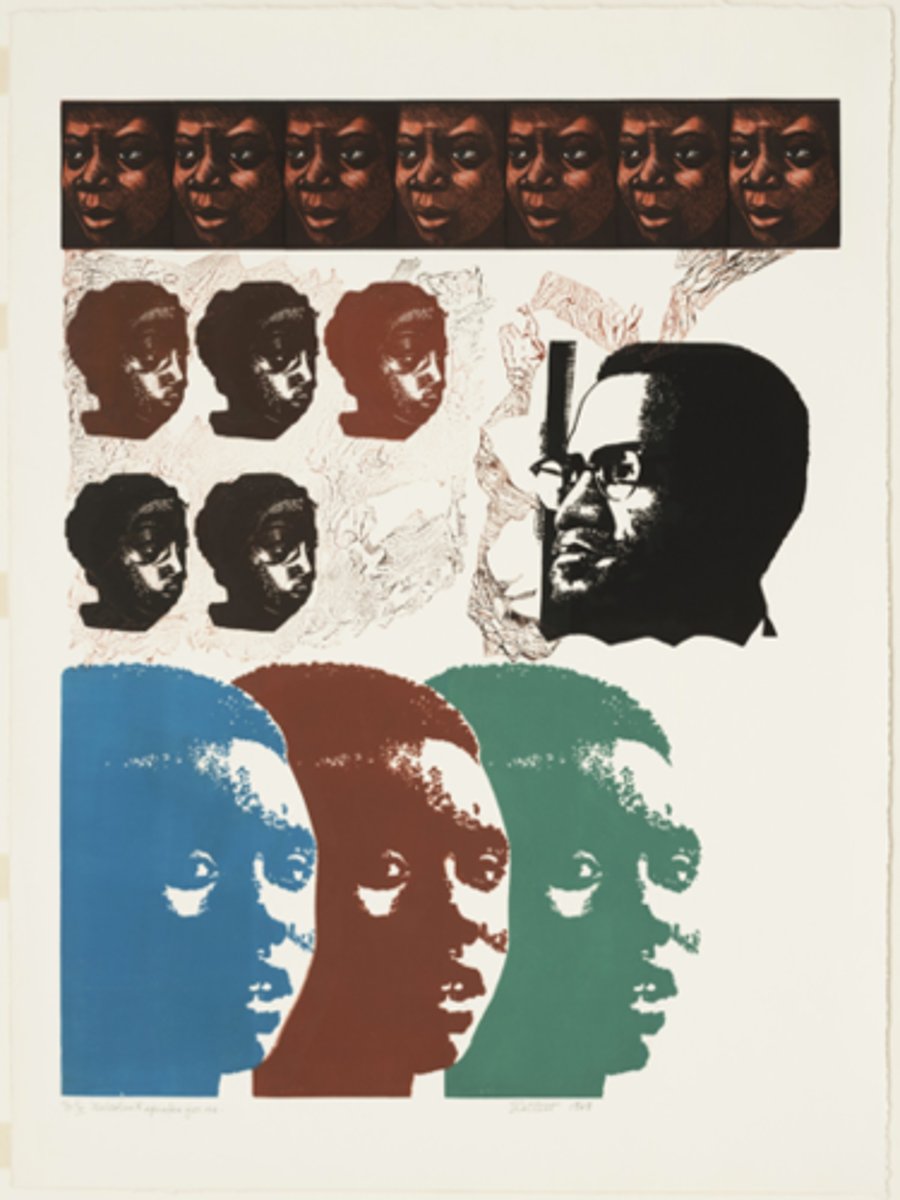
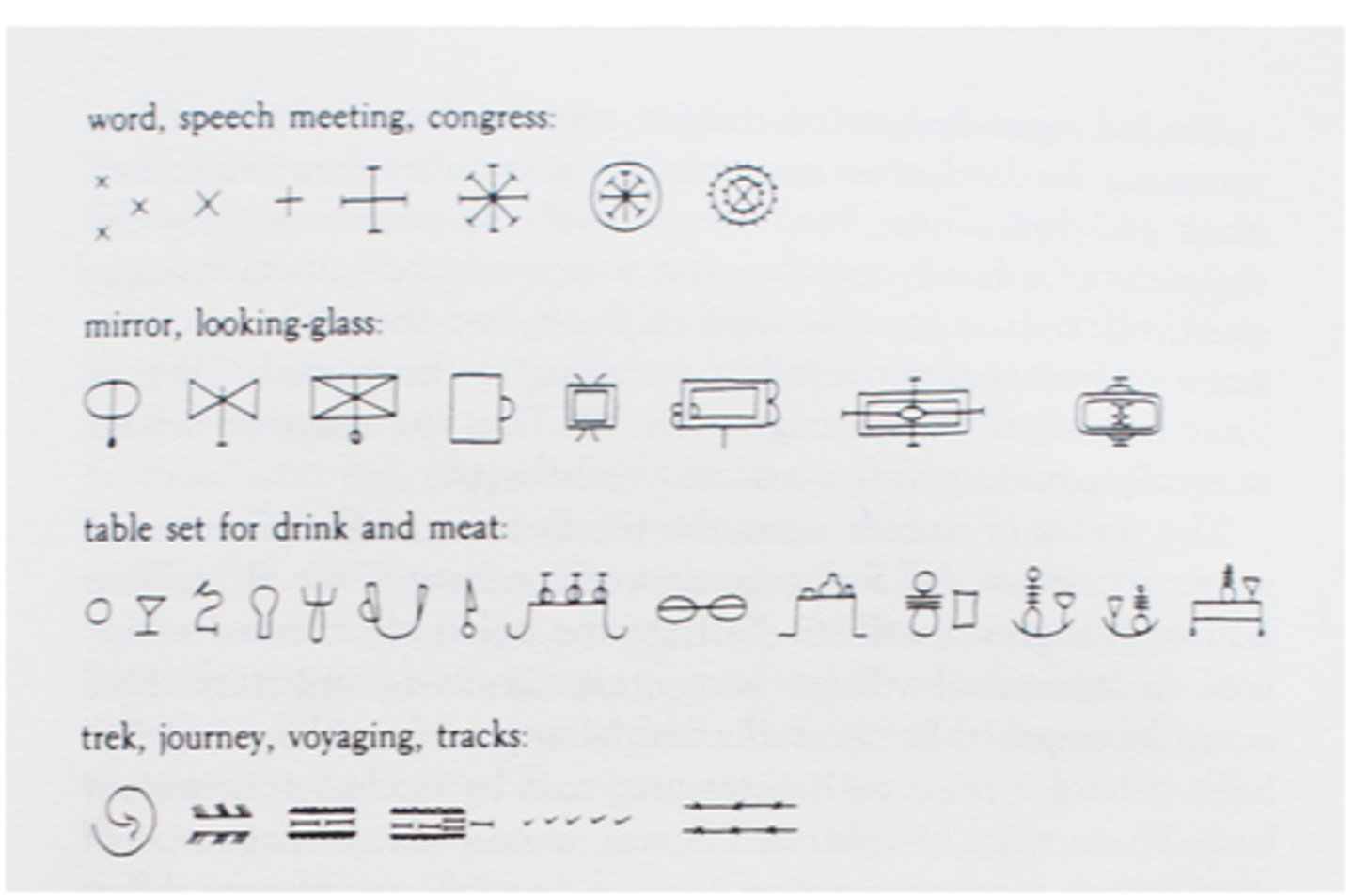
Nsibidi
An ancient system of symbols and ideograms used by the Efik and Ibibio peoples of Nigeria for communication and storytelling.
Yinka Shonibare MBE
A Nigerian-British artist known for his work exploring themes of colonialism, identity, and cultural hybridity, often using Dutch wax print fabrics.
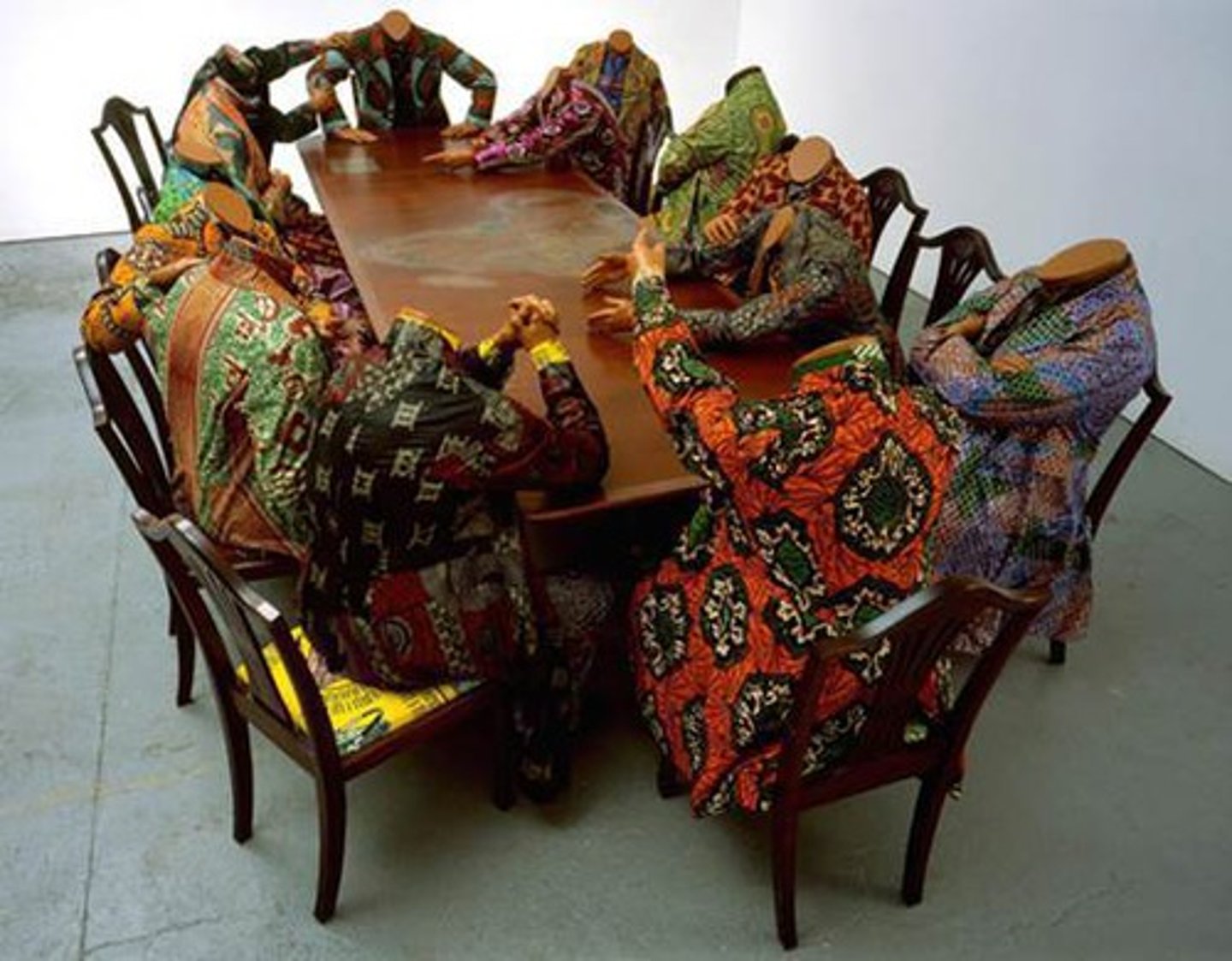
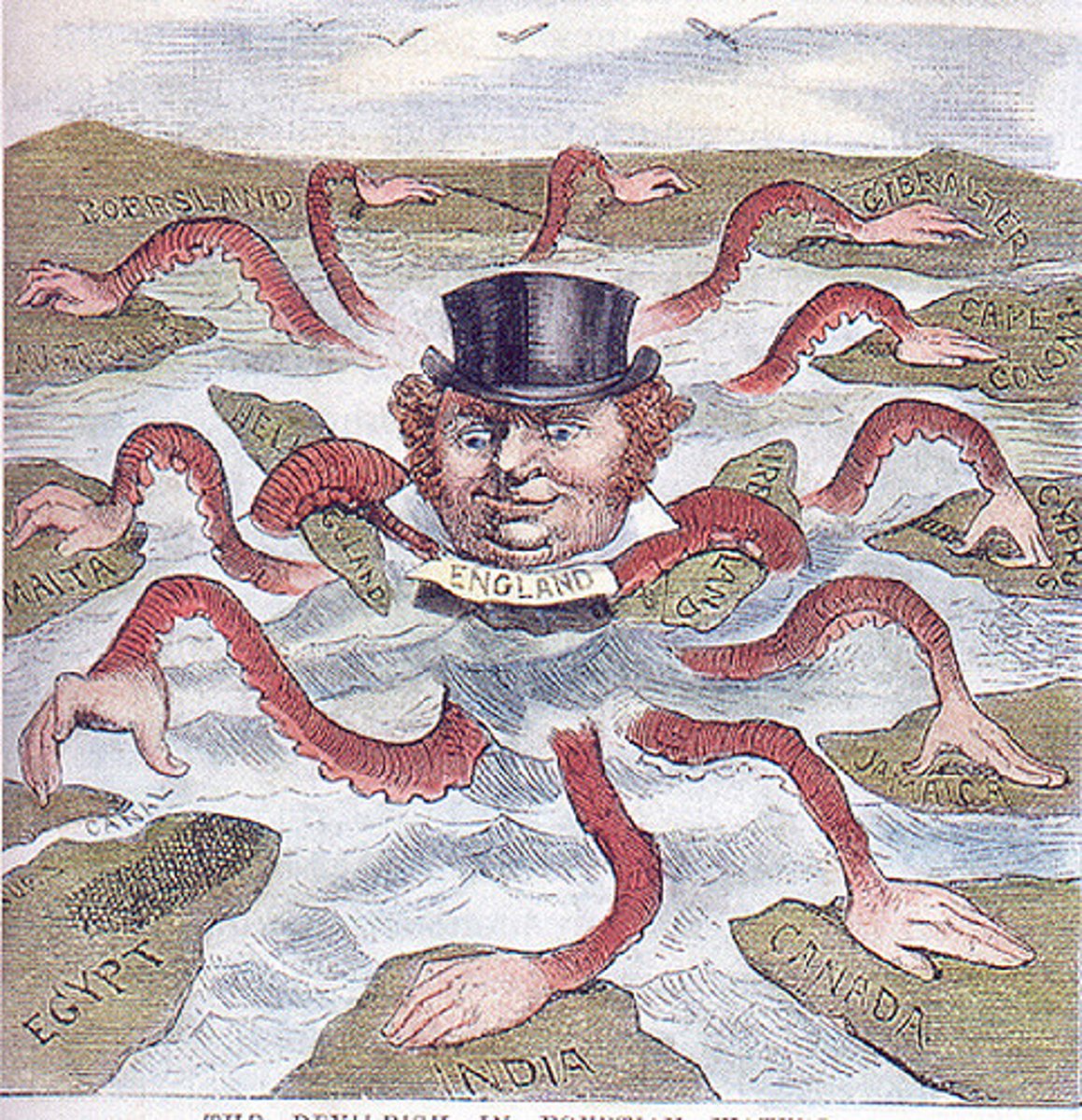
Imperialism
A policy or ideology where a country extends its power and influence over other nations or territories, often through colonization.
Public Sculpture
Artworks created for public spaces, intended to engage the community and provoke thought or dialogue about social issues.

Kente
A brightly colored and patterned cloth made by the Akan people of Ghana, often used in ceremonial occasions and symbolizing cultural identity. woven in strips, loom can be transported, patterns symbolize specific meanings.
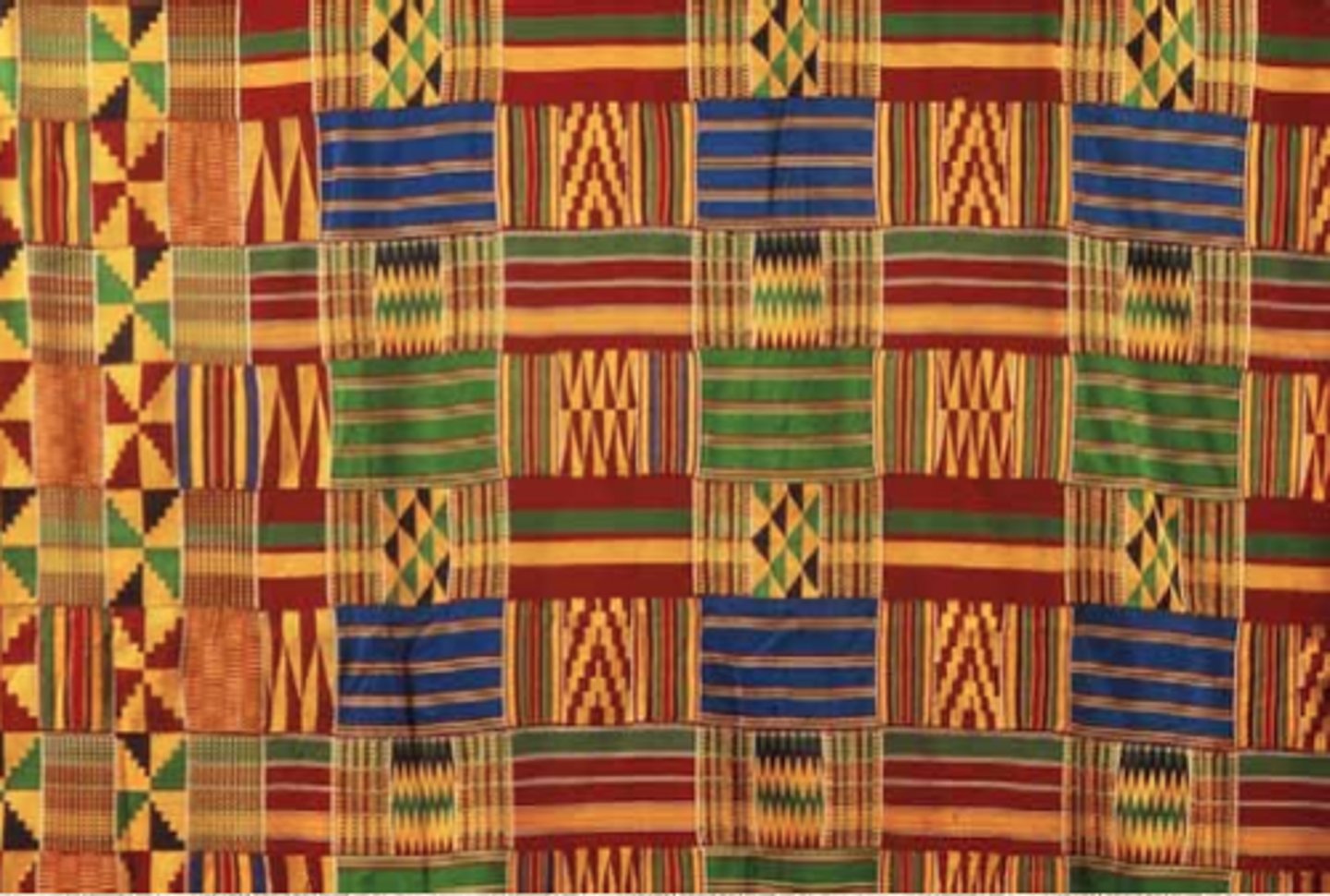
Adweneasa
A type of Kente weaving that translates to "my skills are exhausted." Adwene represents the skills and ideas of the weaver, and asa means finished.
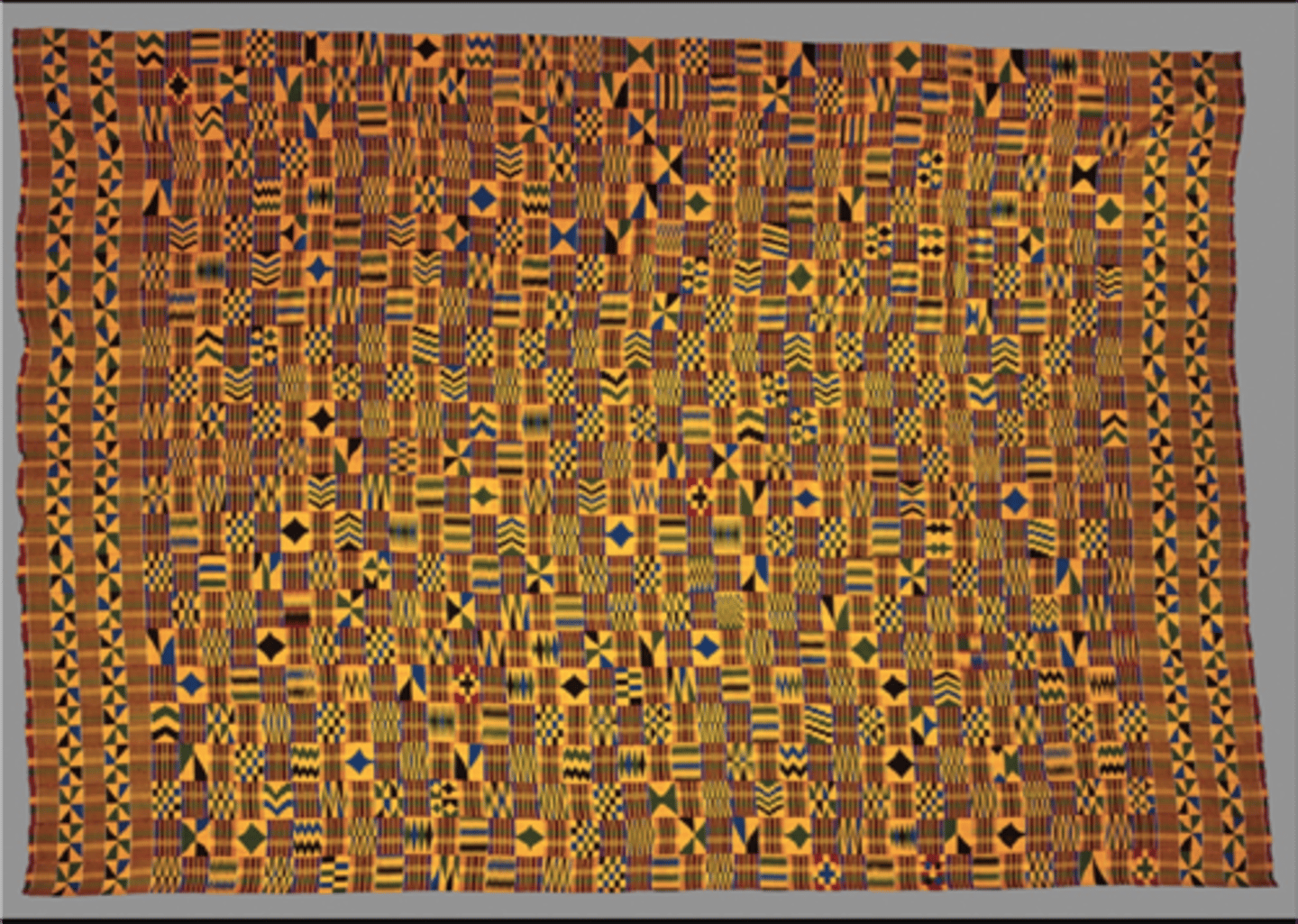
Owia Repue (rising sun)
Political party. Progressive party Busia. Banned by the Ghanian government.
Magdalene Odundo
A Kenyan-British ceramic artist known for her sculptural pottery that explores the relationship between pots and the human body. Pots made for display not use. (very unique)
Ladi Kwali
A Nigerian potter (1925-1984) renowned for her traditional pottery techniques and contributions to the art of ceramics in Nigeria. Innovative, combined traditional with modern.
Pottery Training Center
An institution established in Abuja, Nigeria in 1952 to provide training in pottery and promote ceramic arts. Was started to get potters in Africa to use imported glazes and european styles.
Open firing vs Kiln
Open firing refers to a traditional method of firing pottery outdoors, while kiln firing involves using a controlled environment in a kiln to achieve higher temperatures and specific results.
Mama Casset
A Senegalese artist (1908-1992) known for her contributions to the field of photography and her role in promoting African expression.
Studio Photography
A genre of photography that involves taking portraits or still life in a controlled studio environment, often using artificial lighting.
Rhythmic or Motion Photography
A style of photography that captures movement and the dynamic quality of subjects, often conveying a sense of rhythm or flow.
Colonial history
The historical period during which various European powers established colonies in Africa, leading to significant cultural, social, and political changes.
Living in diaspora
The experience of individuals or communities living outside their homeland, often maintaining cultural ties while adapting to new environments.
Dutch wax print
A type of fabric that features vibrant patterns and is often associated with African fashion, originally produced by Dutch manufacturers for the West African market.
Invented identities
Concepts or personas created by individuals or groups that reflect a constructed sense of self, often influenced by cultural, social, or political factors.
Historical memory
The way in which societies remember and interpret their past, often shaped by collective experiences and narratives.
Wangechi Mutu
Kenyan American visual artist. collages, sculpture, paintings. studio art. connection with nature and using natural materials
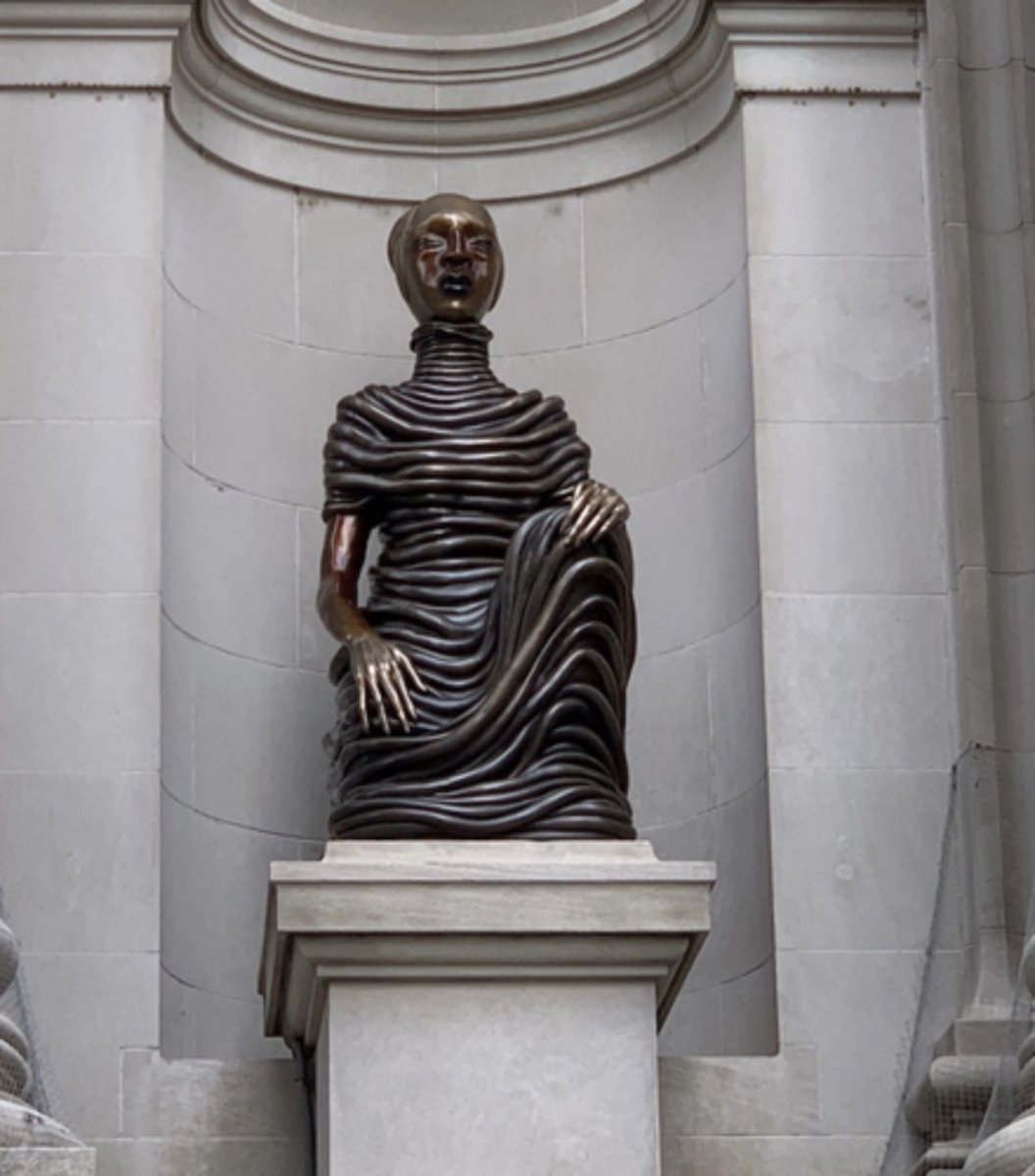
Ghana
First african country to gain independence from colonia power. (1957-)
“Mysterious but not a secret”
Known about but not specific
Face mask
Mask that just covers the face
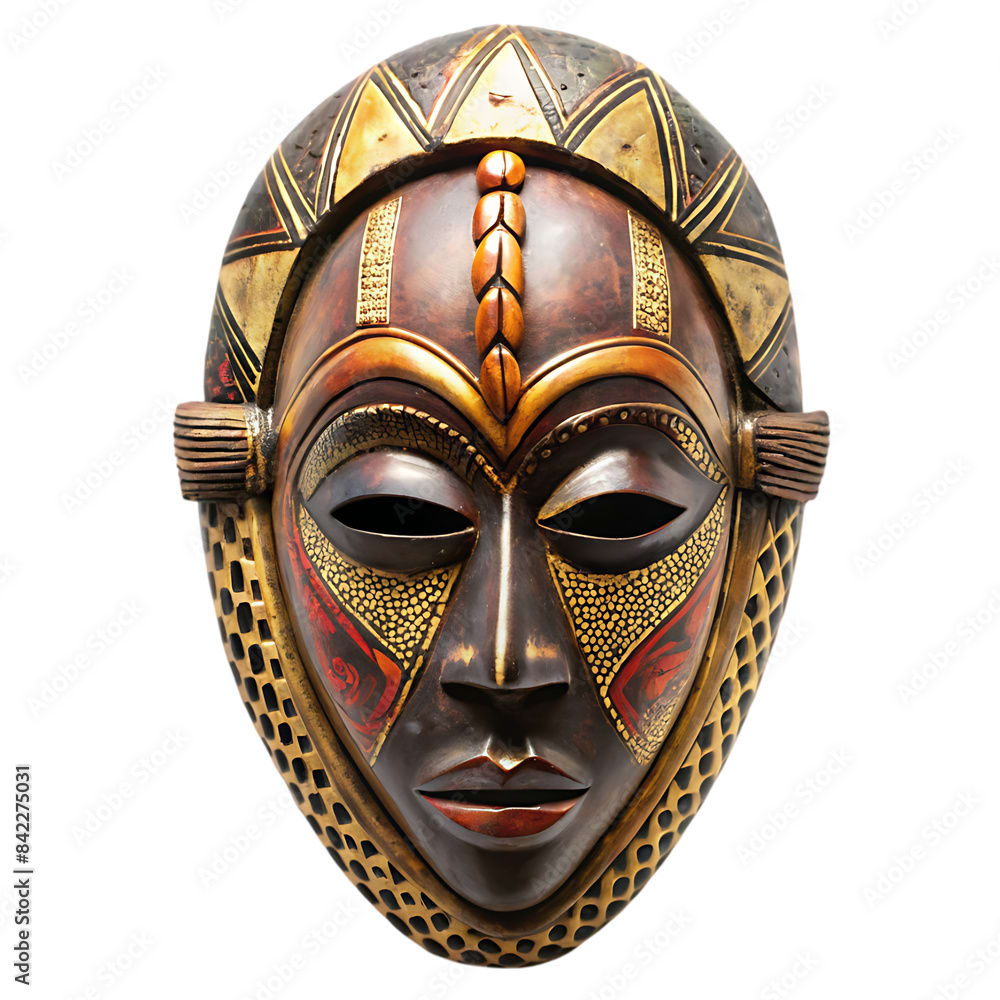
Helmet mask
Over entire head
Headdress
Worn on top of head
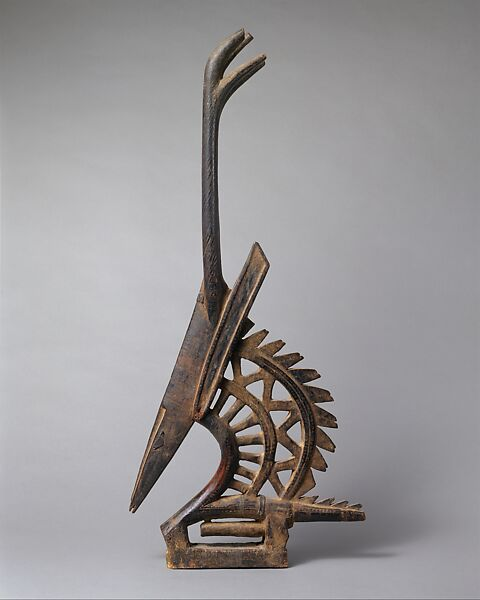
Beads
used in trade, small and durable, show globalization based on the material and how far it is from where it originated.
Esther Mahlangu, Esther Mnguni, Sophie Mnguni
Family of all women bead makers.
Ndebele
Lived in South Africa and was forced to move as a result of the Apartheid.
Cultural Identity of beads and family lineage
Beads are passed down in families and they preserve culture because they are easy to transport and can be taken when you relocate unlike bigger things.
“Resettlement”
Being forced from where you live by the govenment to where they designate you’re allowed to live.
Gwari
Culture in Nigeria.
Seydou Keita
Did self portrait, french-like, studio photography, Lost his studio when Mali gained independence.
Malick Sidibe
from Mali, Post-independence, Motion photographer, did lots of photos of young couples.
Alexander “Skunder” Boghassian
Ethiopian painter. More abstract paintings, lots of shapes associated with language, experiments with color (shapes, color, texture. Made art that looks like ethiopian healing scrolls.
Victor Ekpuk
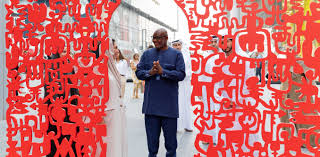
Made art using symbols (Nsibidi)
Essentialized identities
those viewed as having an inherent, unchangeable, and innate core based on a person's social group, such as race, gender, or ethnicity
Subversion
a political context, it means the act of overthrowing a government or authority from within. In a technical context.
 Note
Note  Flashcards (21)