Desert Zonation - Mt & Desert
 Studied by 0 people
 Call Kai
 Learn
Learn Practice Test
 Spaced Repetition
 Match
Match Flashcards
 Knowt Play
1/20

There's no tags or description
Looks like no tags are added yet.
Name | Mastery | Learn | Test | Matching | Spaced | Call with Kai |
|---|
No analytics yet
Send a link to your students to track their progress
21 Terms
Desert Zonation matters more about…
soils
local influence on vegetation
& latitude
effect on temperature and day length
Desert Zonation: Elevations
GB
Modoc plateau
4k ft = sagebrush scrub range
North owens valley
7k ft = sagebrush scrub range
Mojave
2k ft = creosote bush scrub range
Colorado Desert
1k ft = creosote bush scrub range
Succession in the Desert
Very slow
early successional species normally
have good dispersal
short lived
i.e. creosote & burr-sage
i.e. teddy bear cholla - CD
Succession after Fire - Great Basin
causes shift in species composition
favors bitterbrush and perennial grasses
resprout from undamaged rootstock
doesn’t resprout after fire
seedlings reestablished within 20 yrs
Mount Saint Helens Eruption
May 1980 in WA cascades
ash caused increased soil moisture by inhibiting evaporation
increased reflection from white surface increased temp and transpiration rates in vegetative canopy
GB sagebrush tolerates stress by dropping 75% of leaves
water conservation allowed development of flower buds during dry, hot summer
volcanism favored GB sagebrush growth
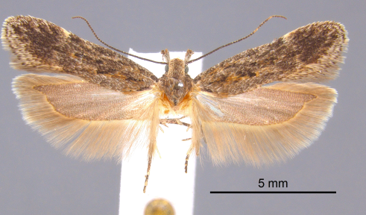
Larva of the Moth
Sagebrush defoliator
feeds on leaves in early spring and summer
increasing amount of fuel in form of dead foliage
more susceptible to fires
possible to rejuvenate old stands of sagebrush by precipitating fire
recycles mineral nutrients
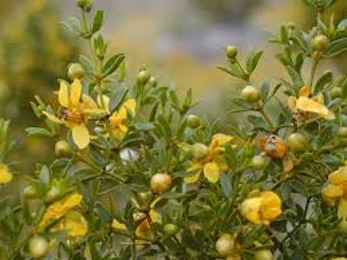
Creosote Bush Scrub - desert strategies
only need 1 in of water to flower
once pollinated, petals turn ¼
small leaves
waxy/resinous coating
distinctive odors during/after rain
Creosote Bush - Drought tolerance
Functions well at ~50 bars and up to ~120 bars
negative water potential measures water stress
1 bar is pressure of atmosphere
normal agriculture wilts at ~10-15 bars

Critical Water Potential
~70 bars and above, cellular respiration exceeds photosynthesis so the plant will not live long
Creosote Bush - stem elongation
Even under water stress, cells continue division
after rain, new cells absorb water and elongate
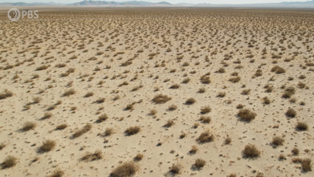
Creosote bush is spaced…
regularly
believed to be a water soluble chemical that inhibits germination
absorbs water so well it inhibits germination of other seeds
inhibit bur-sage roots only, not its own species
allelopathic
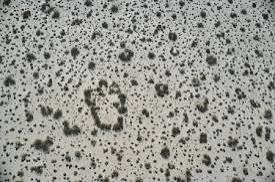
Creosote Bush - germination & cloning
during winter rains = abundant
many don’t survive due to
water stress
high ground heat levels
germinate near mature plant
young are vulnerable to heat and drought — only establish in 3-5 yr period of cool, moist weather
reproduce asexually
generate from oldest bush stem in center through underground crown
up to 2-9 identical twins
center/original plant have taproot but clones do not
when center dies, shrub continues expanding until a ring is formed
Creosote bush - keystone species
food
detritus feeders eat fallen leaves
habitat
winds speed up, sand & seeds pile up, animals burrow'
protection
canopy conceals animals from predators
Burr-Sage
short and gray
densely branched with small, lobed leaves
fruit is small and spiny
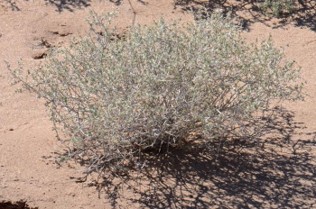
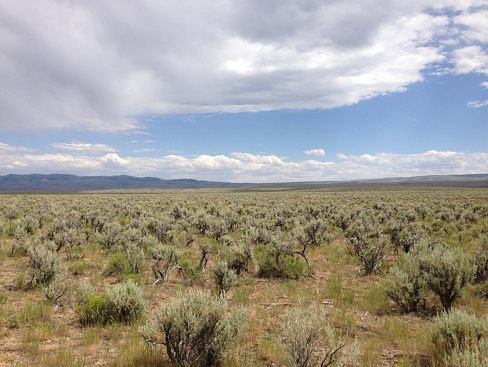
Great Basin Sagebrush
dominant community
i.e. sagebrush steppe
aka big basin sagebrush
joined by bitterbrush on coarse soils
tridentata
in pristine conditions - incl. perennial bunchgrasses
grow in clumps not lawns
Alteration of sagebrush
overgrazing
grazing animals consume vegetation faster than it can regrow, damaging land
i.e. cattle & sheep
species shift:
sagebrush > bitterbrush
perennial bunchgrasses → annual grasses
Native browsers
Animals that feed on leaves, shoots, fruits of trees & shrubs
pronghorn
bison
big horned sheep
Prefer bitterbrush, but never deplete due to low browser density
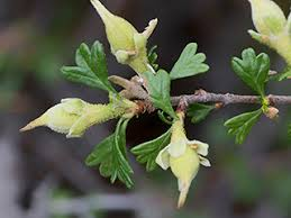
Bitterbrush
dark green
joined by sagebrush on coarse soils
tridentata
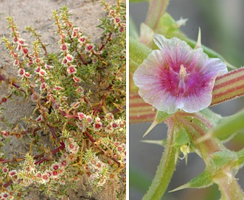
Russian Thistle
tumbleweed
encroachment: increase in density and coverage in former grasslands from overgrazing, climate change, and fire supression
native in Asia
survives where irrigation of crops provides source of summer water
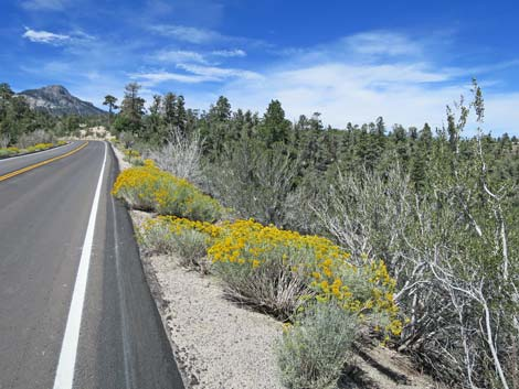
Rubber Rabbitbrush
Mojave Rubber Brush
high rubber content of herbage
common after fires
nearly leafless
when present, fine & resin covered
Autumn bloom = take advantage of pollinators
wind-disturbed plumed seeds
good pioneer species
Antelope Brush
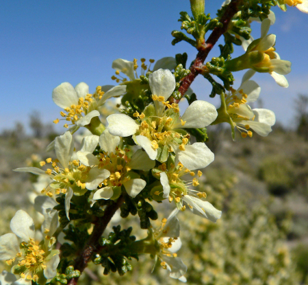
SoCal equivalent of bitterbrush
Rose family (Rosaceae)
joins GB sagebrush
in spring - covered with yellow & many anthers
 Note
Note  Flashcards (52)