evidence for translocation
 Studied by 0 people
 Call with Kai
 Learn
Learn Practice Test
 Spaced Repetition
 Match
Match Flashcards
 Knowt Play
1/4

There's no tags or description
Looks like no tags are added yet.
Name | Mastery | Learn | Test | Matching | Spaced | Call with Kai |
|---|
No analytics yet
Send a link to your students to track their progress
5 Terms
what are 2 pieces of evidence that translocation occurs in the phloem?
Plant supplied with radioactively labelled CO2, then radioactively labelled carbon appears in the phloem (as sucrose)
Ringing a tree (removing phloem) results in sugars collecting above the ring (as there is nothing for it to be transported in)
what is evidence that translocation requires energy? (3)
Companian cells have many mitochondria
No translocation when metabolic poison used
Sugars move up to 10,000 times more quickly by mass flow than by diffusion
what is evidence of translocation? (2)
pH of companion cells is higher (more alkali) than surrounding cells
Sucrose concentration higher in source than sink
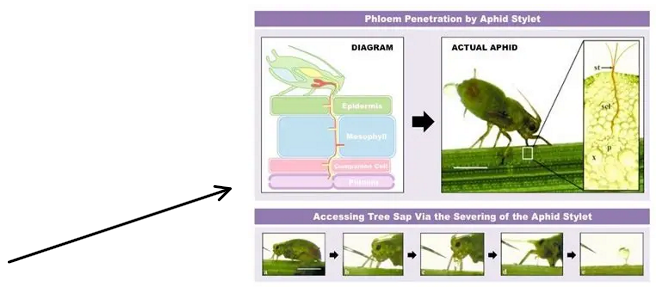
how do studies with aphids provide evidence for translocation?
There is pressure in the phloem
The pressure in the phloem is lower closer to the sink than the source
The sucrose concentration in the phloem sap is higher near to the source than near the sink
what is evidence against translocation? (3)
Not all solutes in phloem move at the same rate
Sucrose moves to all parts of the plant at same rate (not more quickly to areas of low concentration of sucrose)
Role of sieve plates?
 Note
Note  Flashcards (22)