Anatomy and Physiology Chapter 1, 2, 3 Test
 Studied by 0 people
 Call Kai
 Learn
Learn Practice Test
 Spaced Repetition
 Match
Match Flashcards
 Knowt Play
1/124

There's no tags or description
Looks like no tags are added yet.
Name | Mastery | Learn | Test | Matching | Spaced | Call with Kai |
|---|
No analytics yet
Send a link to your students to track their progress
125 Terms
Anatomy
Study of the structure and shape of the body and its parts and their relationships to one another.
Physiology
The study of the normal functioning of a living organism and its component parts
Six levels of organization
Atoms
Molecules
Cells
Tissues
Organs
Organ Systems
Organ Systems
Integumentary
Musculoskeletal
Skeletal
Nervous
Endocrine
Circulatory
Immune
Respiratory
Digestive
Urinary
Reproductive
i miss silly nervous elephants circulating in really digusting unique rain
Integumentary
skin
protects deeper tissue from injury
Muscularskeletal
muscle
allows manipulation
produces heat
Skeletal
skeleton
protects and supports body organs
provides framework
Nervous
nerves
control system of the body
Circulatory
"circulation"
heart/blood vessels
blood carries oxygen, carbon dioxide nutrients wastes
Immune
"immune"
lymph nodes
white blood cells/immune system
Respiratory
oxygen
lungs
keeps blood supplied with oxygen
Digestive
"digest food"
breaks food down
Urinary
"urine"
eliminates nitrogen containing waste
regulates water, electrolyte, and acid base balance in the blood
Endocrine
"glands"
secrete hormones
Reproductive
"reproduce"
penis/vagina
Life functions
Maintaining boundaries
Movement
Responsiveness
Digestion
Metabolism
Excretion
Reproduction
Growth
Must make really digging metal elephants real great
Survival needs
Nutrients
Oxygen
Water
Appropriate temperature
Appropriate atmospheric pressure
Homeostasis
regulation of the bodies internal environment
Importance of Homeostasis
keeps our bodies balanced
Negative feedback
stabilizes the regulated variable
Matter
"stuff" of the universe; anything that occupies space and has mass
Energy
ability to do work
Element
substance that cannot be broken down by chemical means
Molecule
two or more atoms of the same elements combined chemically
Compound
two or more atoms of different elements combined chemically
salts, carbon dioxide, water
Atom
smallest stable unit of matter; building blocks of elements
Protons
positively charged in the nucleus
Neutrons
uncharged in the nucleus
subatomic particle with a neutral charge
Electrons
negatively charged, orbiting the nucleus
Atomic Number
equal to the number of protons, neutrons, and electrons in the atom
Atomic mass number
sum of the protons and neutrons
Stable elements
do not form bonds
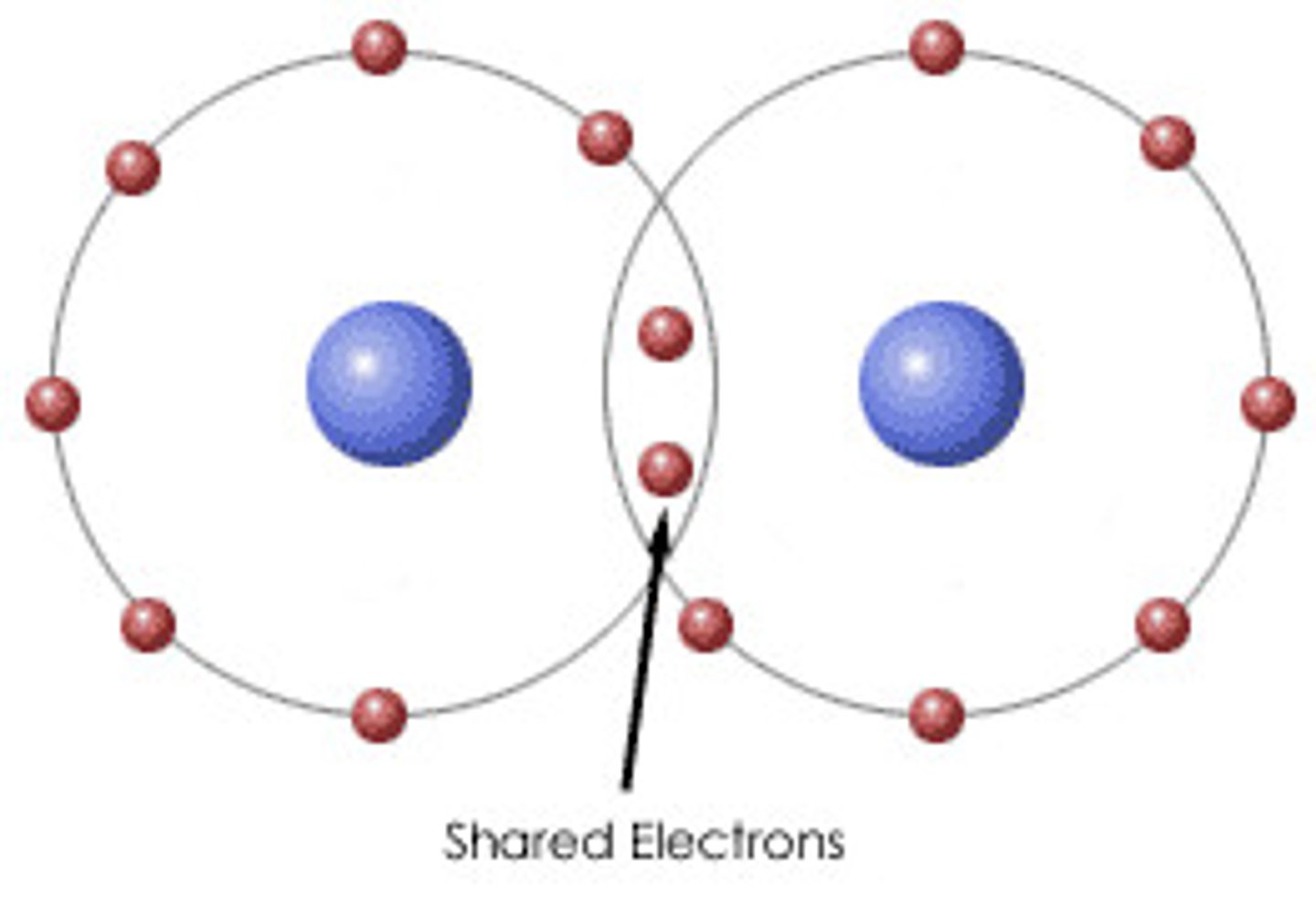
Covalent bonds
share a pair of electrons
single, double, and triple bonds
polar vs nonpolar molecules
Ionic bonds
giving and taking of electrons
attraction between ions with opposite charges
cation- electron donor, positively charged
anion- electron receiver, negatively charged
always polar
only form with metals
Hydrogen
weak bond between hydrogen atom and negative portion or polar molecule
provides attraction between molecules
found between: water molecules, amino acids in a protein shape, two strands of DNA molecule holding it together
What properties of water make it important to all living systems
high heat capacity
polarity
chemical reactivity
cushioning
Acid
more hydrogen
release hydrogen ions
Base
less hydrogen
accepts hydrogen
Buffer
it is a solution that resist large changes in PH
Too much acid
a buffer solution absorbs more hydrogen ions
Too much base
a buffer solution releases more hydrogen ions
Why is carbon so important
all elements are based on carbon
Organic compounds
associated with all living organisms
carbohydrates, lipids, proteins, nucleic acids
Inorganic compounds
lack carbon, simple small molecules
water, salts
Four main classes of organic molecules
carbohydrates
lipids
proteins
nucleic acids
Monomers
a molecule that can combine with other molecules
Polymer
chainlike molecule
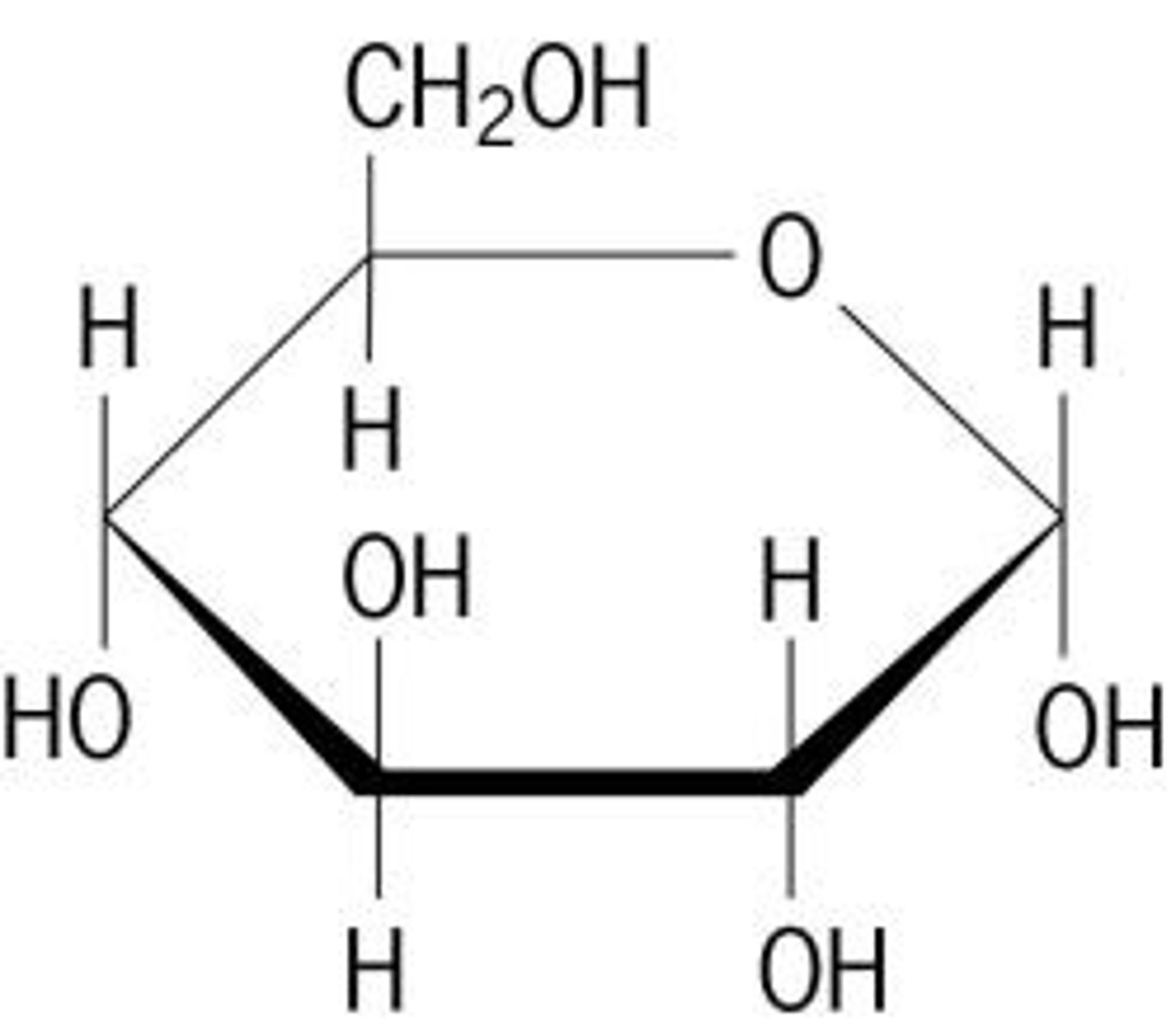
Saccharides
sugars
Carbohydrate
usually ends with "ose"
made of carbon, oxygen, and hydrogen
primary energy of the body
Lipids
fats
steroids
phospholipids
Fats
made of carbon, oxygen, and hydrogen
nonpolar and insoluble in water
fats and oils
Steroids
Hormones
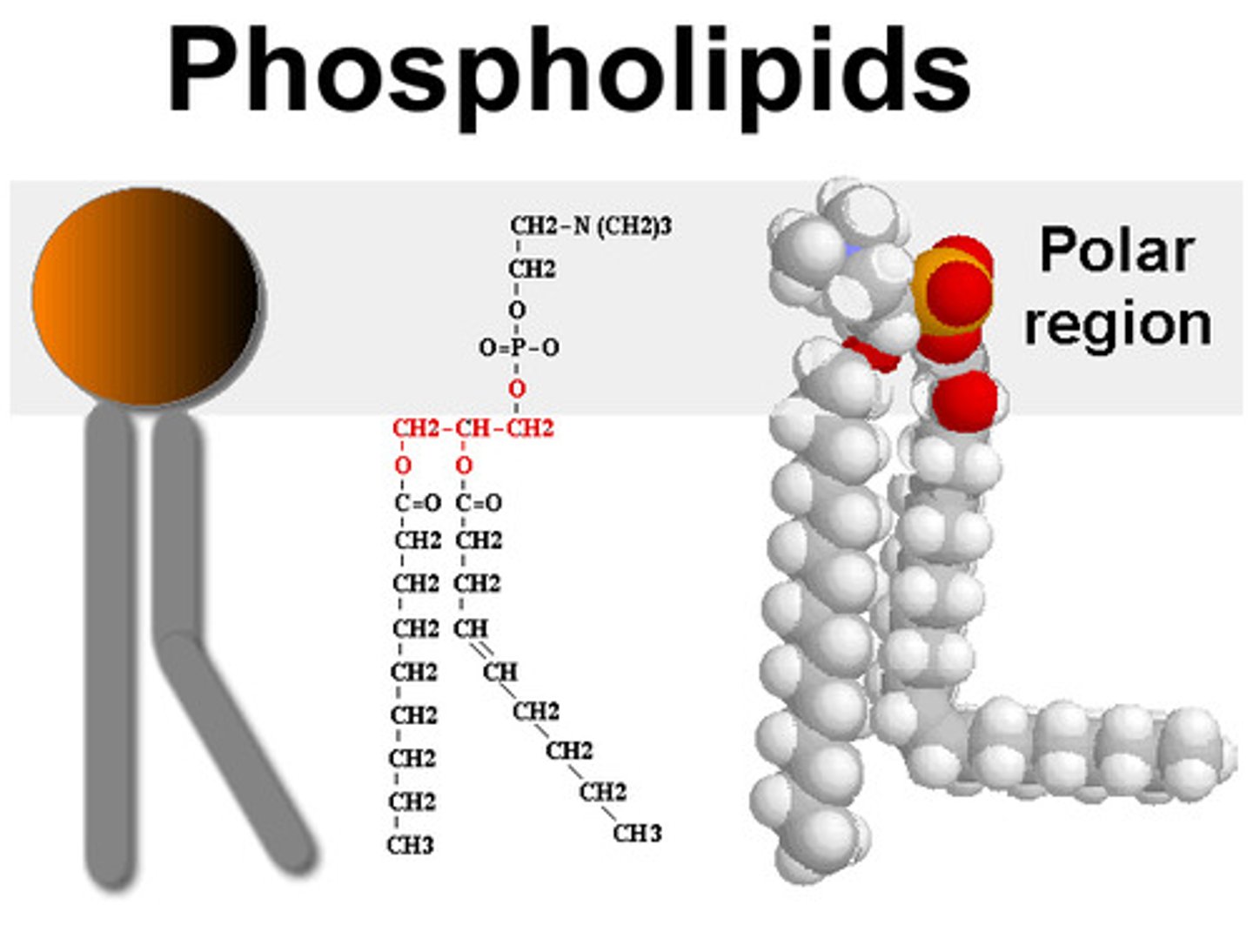
Phospholipids
2 fatty acids and a phosphate group
hydrophilic head
hydrophobic tails
Why are R groups important
it is the functional group of amino acids, and they determine the protein monomers
deciphers which one is which
What type of of bond joins amino acids together?
Peptide bonds
Why are the 20 basic amino acids important
they break down food, perform useful bodily functions
What are some examples of protein
salmon, tofu, beef, collagen, actin, elastin
How does the shape of a protein determine its function?
the amino acid sequence
Enzymes
speeds up chemical processes
digest food
DNA
genetic information
RNA
covert info stored in DNA to proteins
Transcription
DNA->RNA
Translation
RNA->protein
Cell theory
a cell is the smallest unit of life that can function and do all life functions including reproducing itself
Fluid Mosaic model
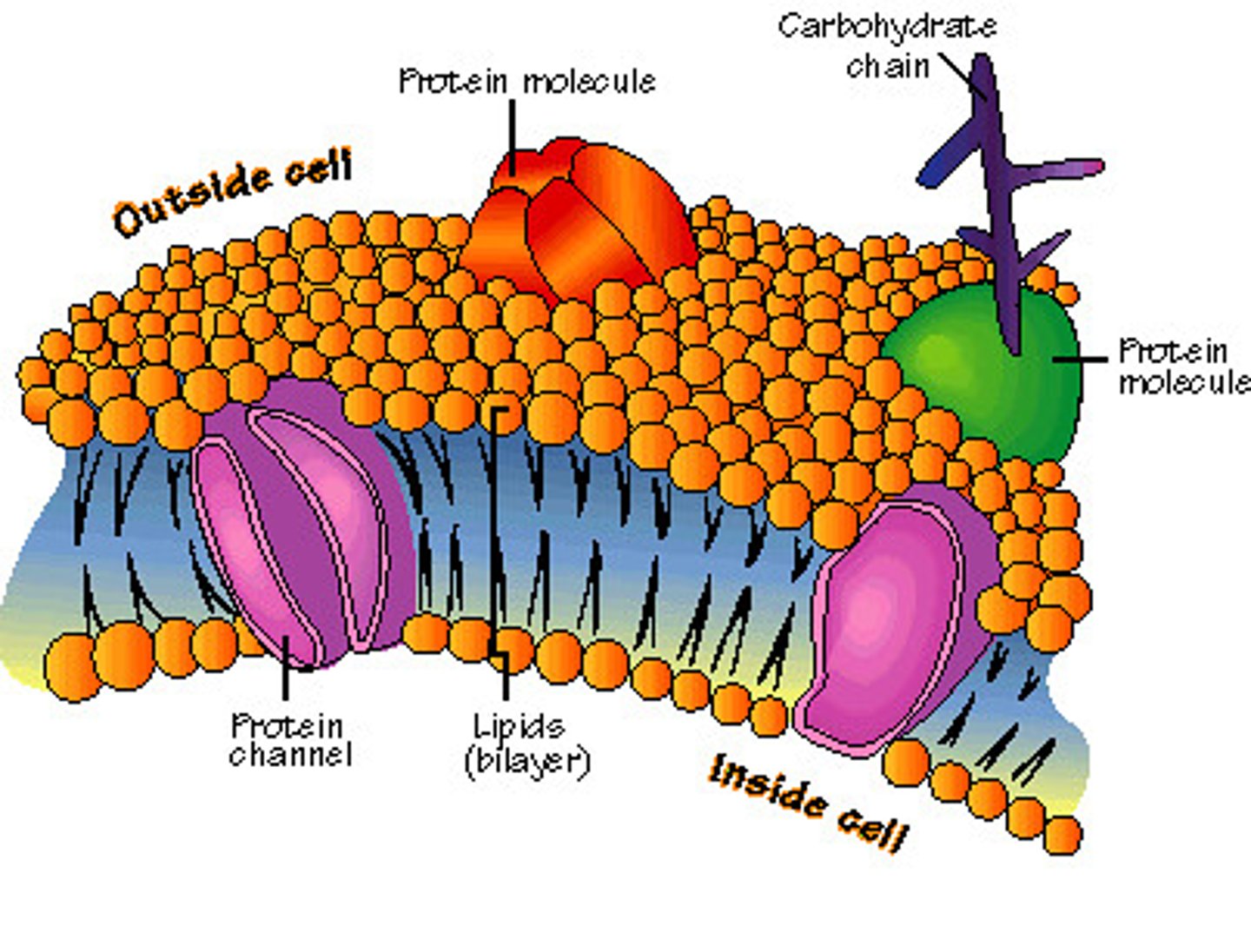
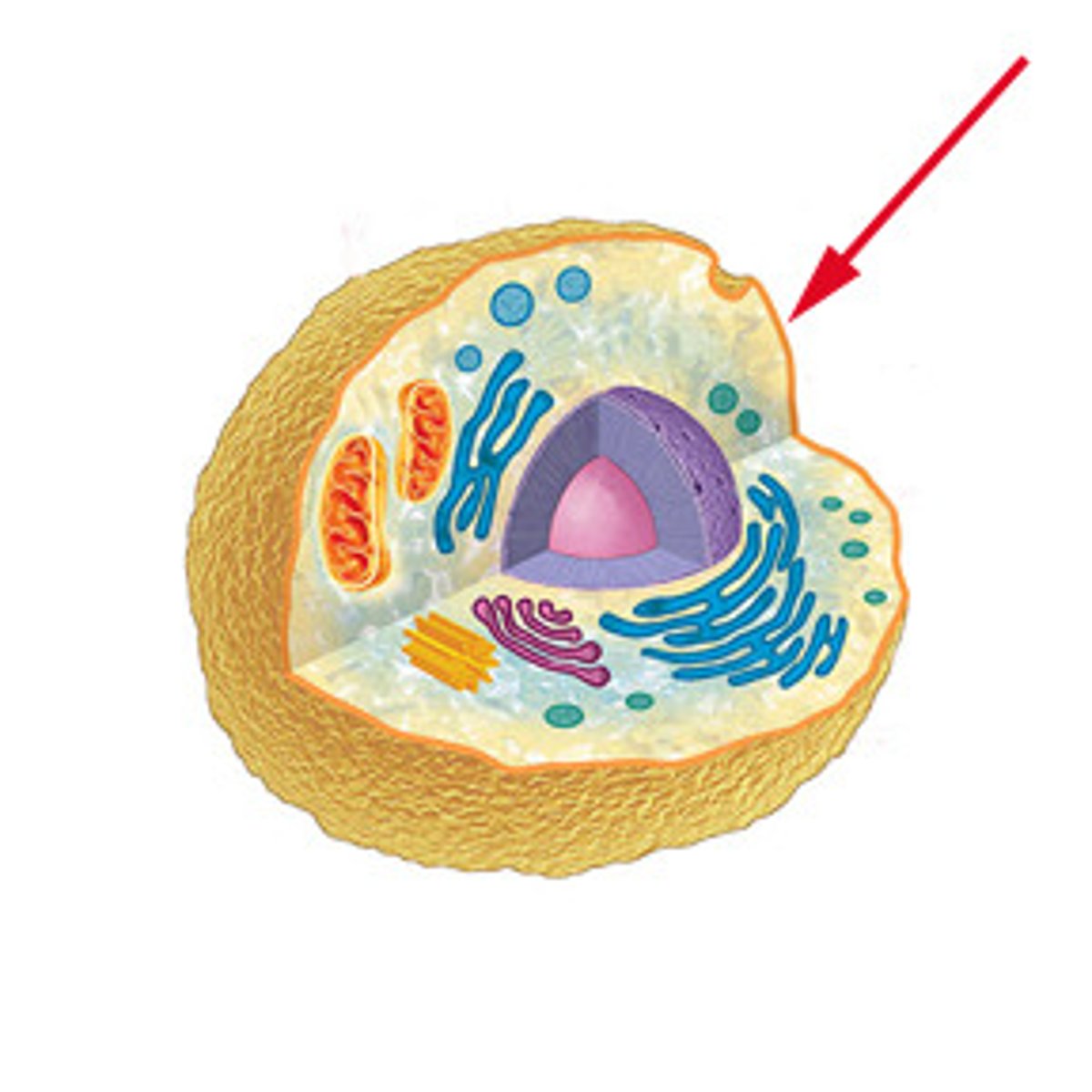
Plasma Membrane
barrier of the cell
"traffic control"
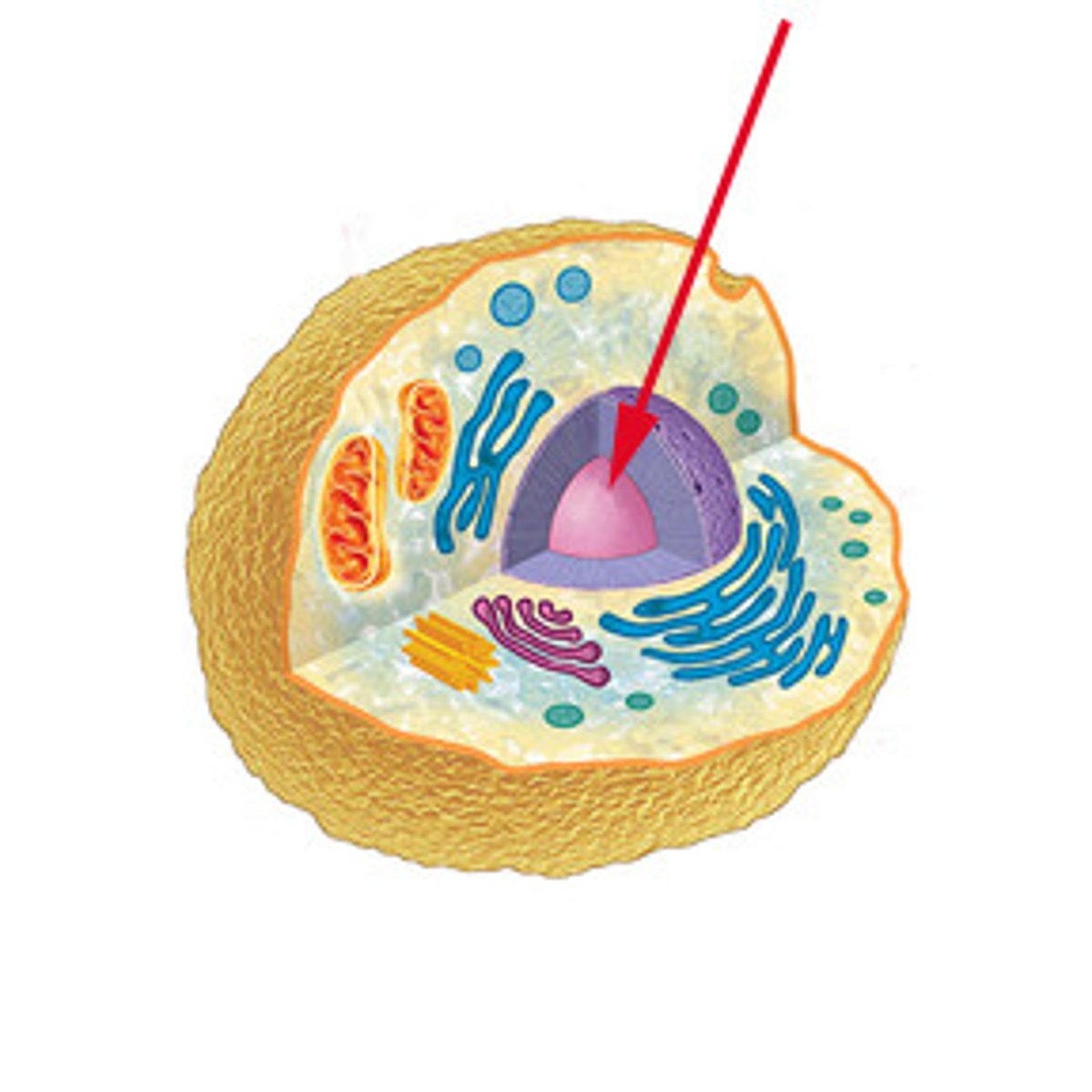
Nucleus
Control center, contains genetic material
"mayor of the city"
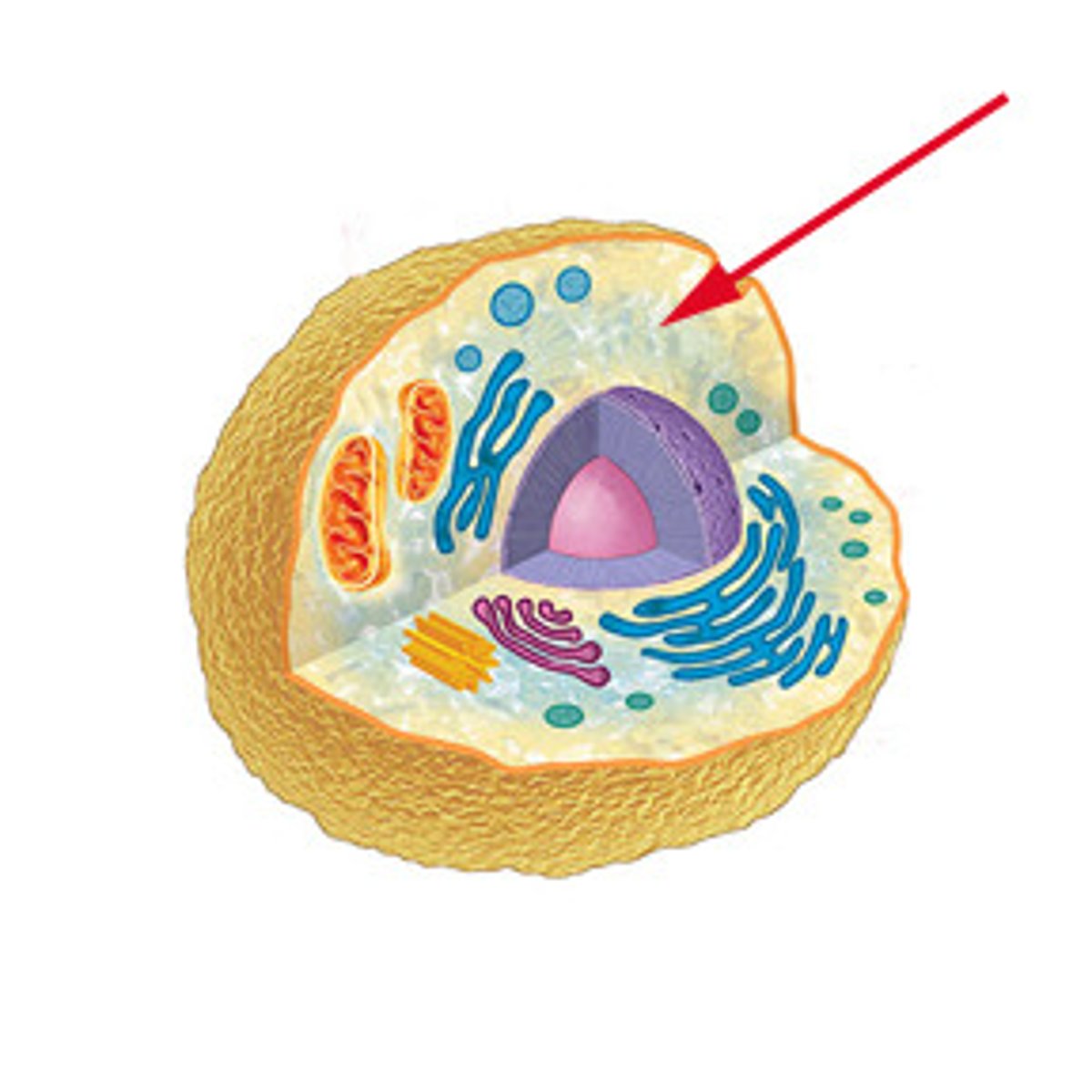
Cytoplasm
the goo
cytosol
inclusions
organelles
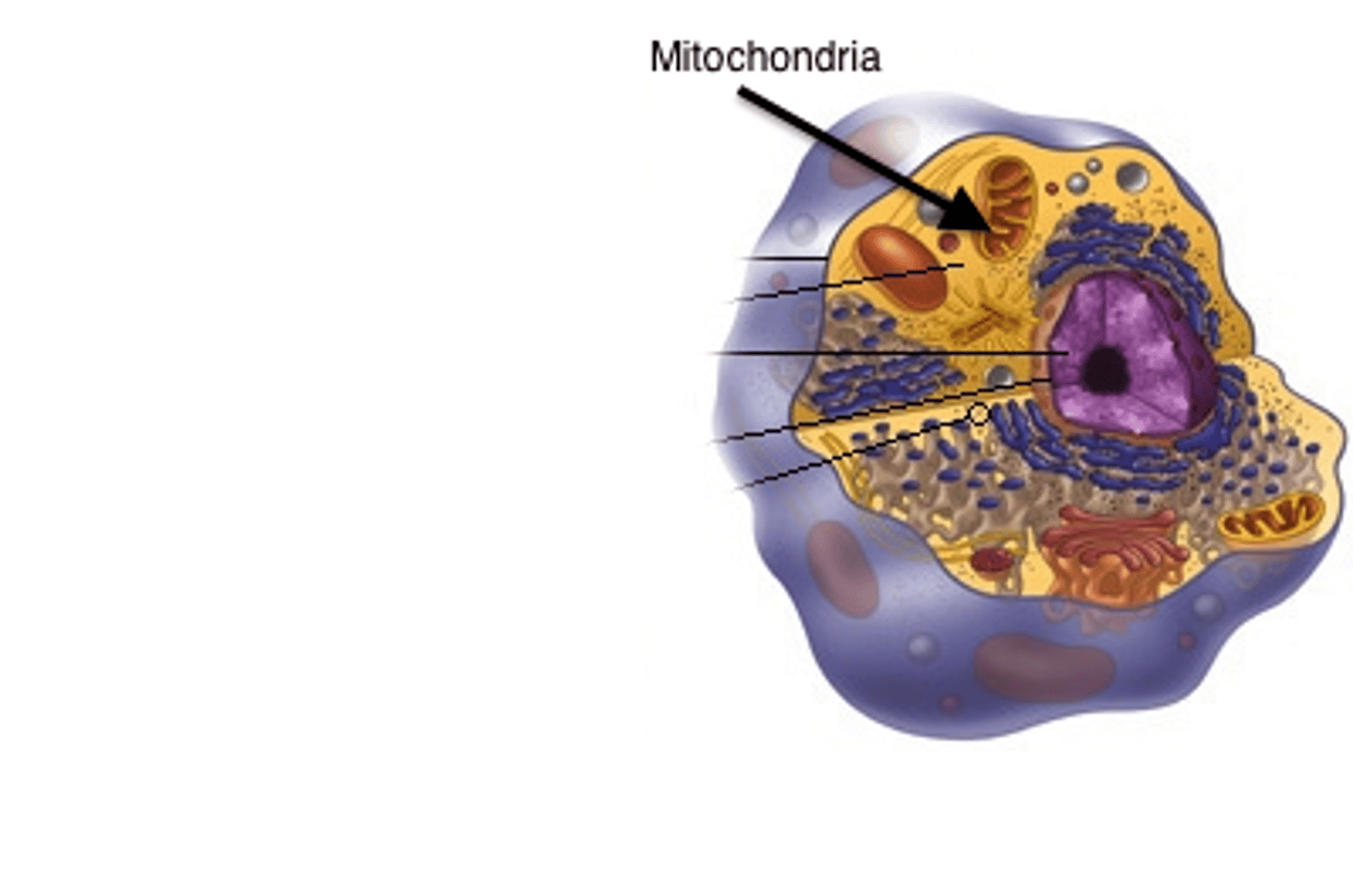
Mitochondria
powerhouses, supply ATP
Endoplasmic Reticulum
Network of sacs and tubules in cytoplasm used for transporting substances in the cell
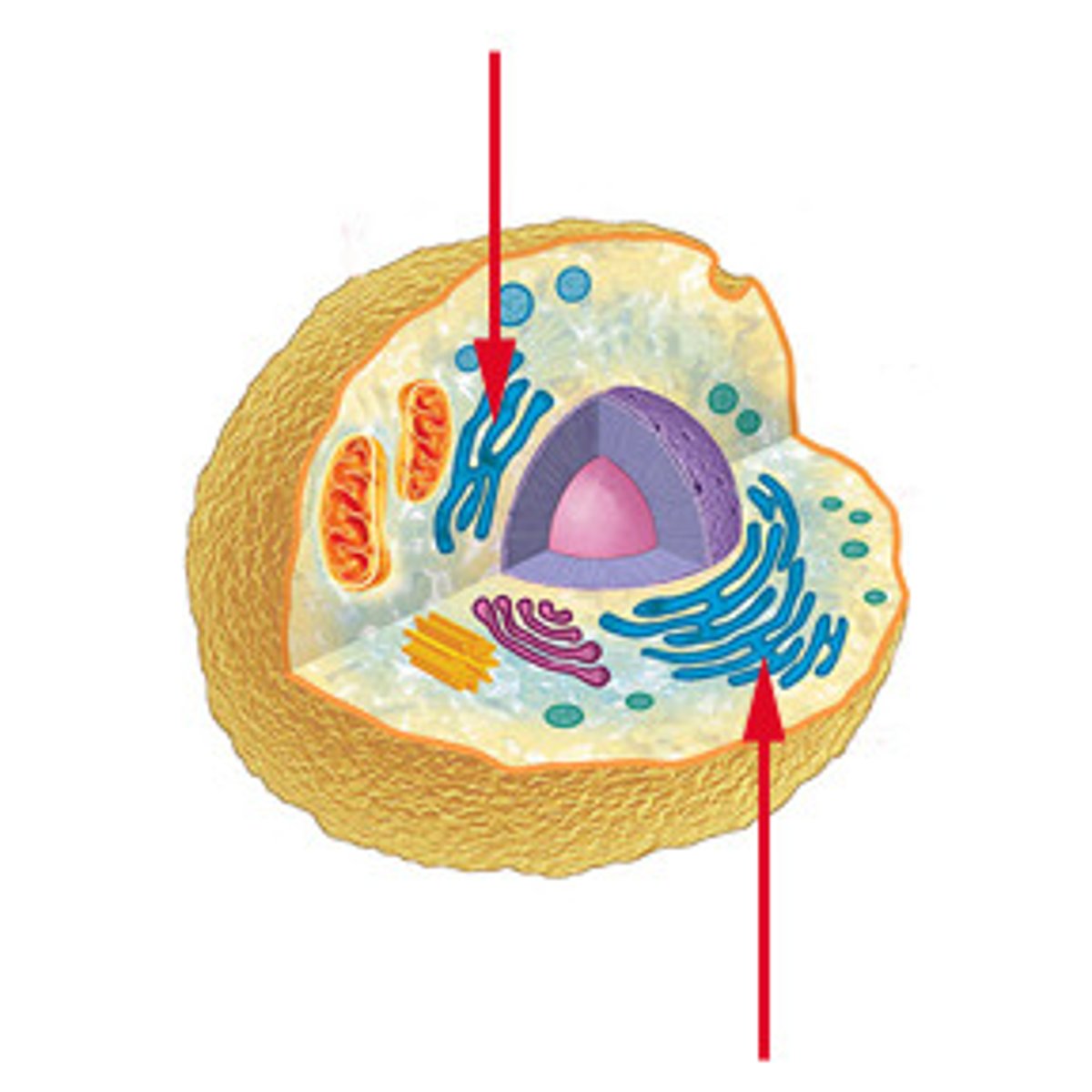
Rough ER
transports proteins
studded with ribosomes
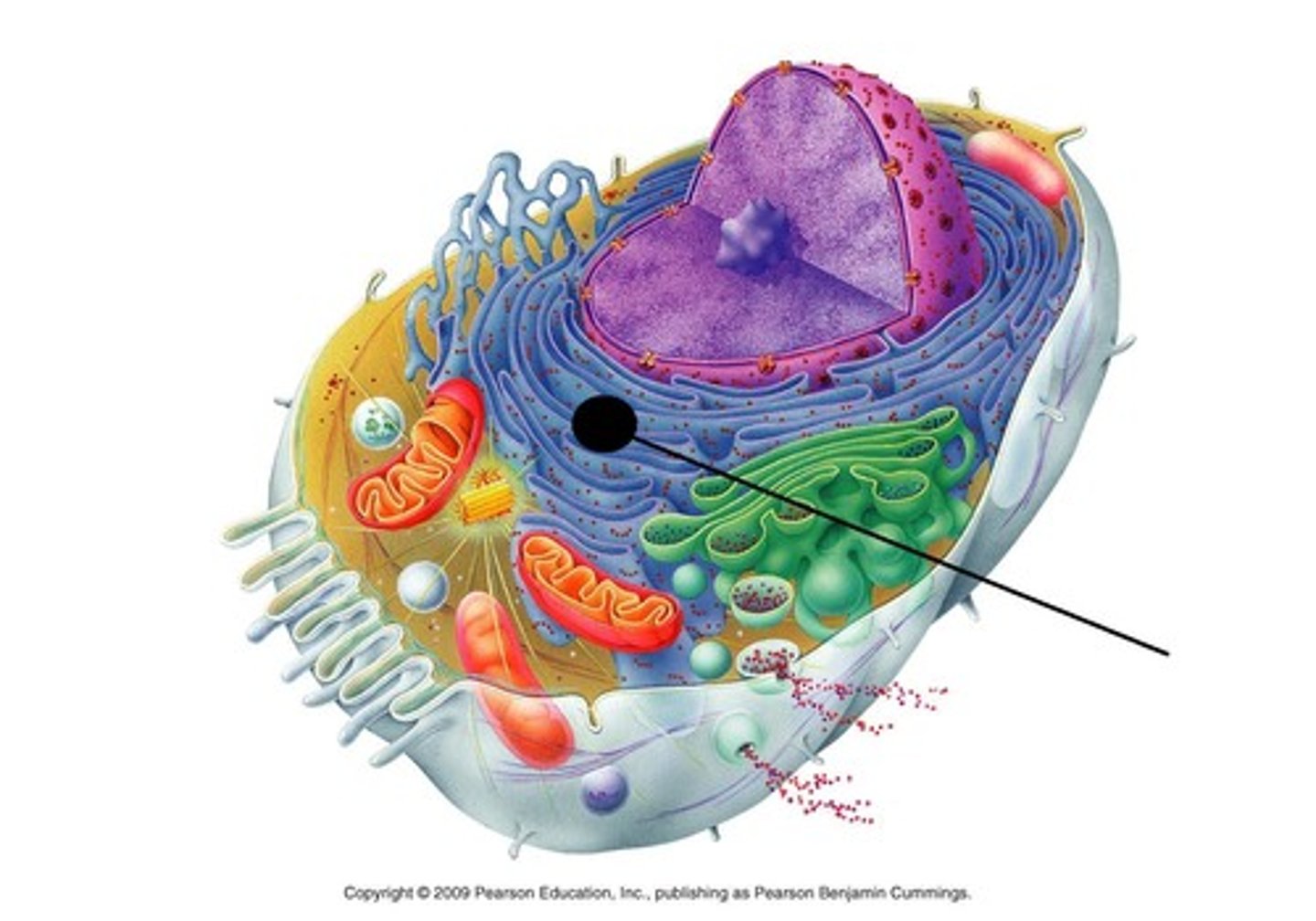
Smooth ER
detox of drugs and pesticides
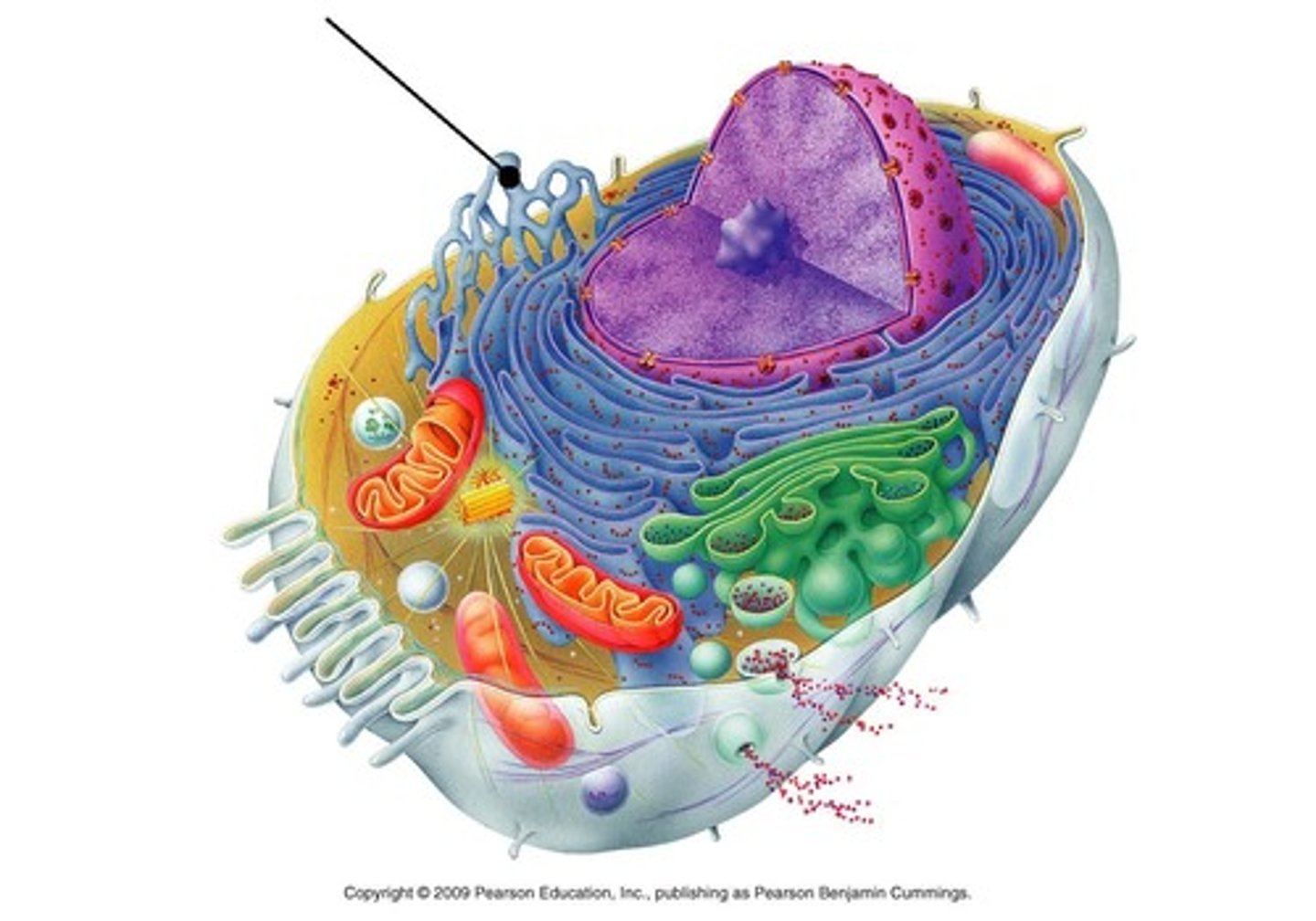
Ribosomes
use RNA to make proteins
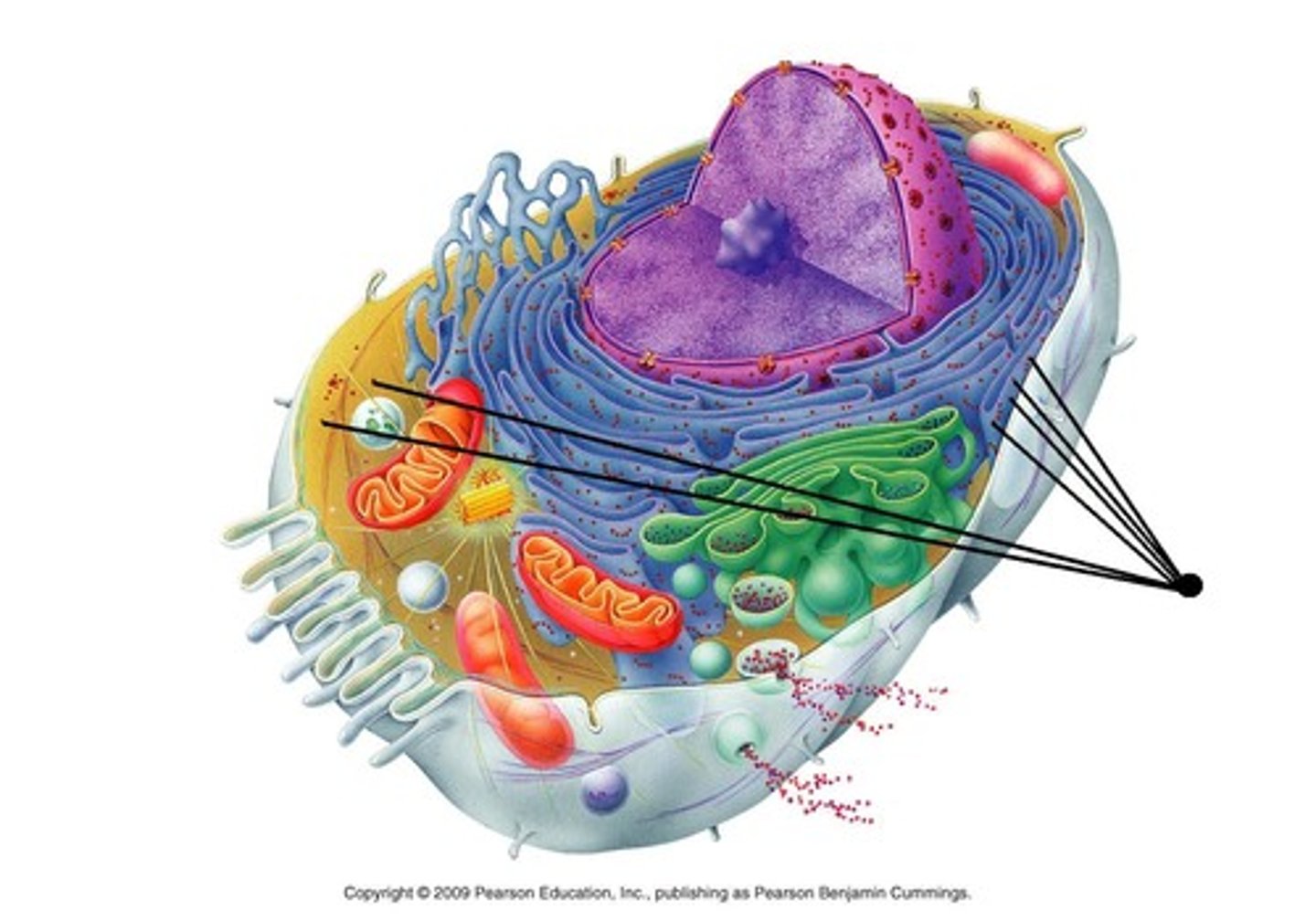
Golgi apparatus
sorts and ships out proteins
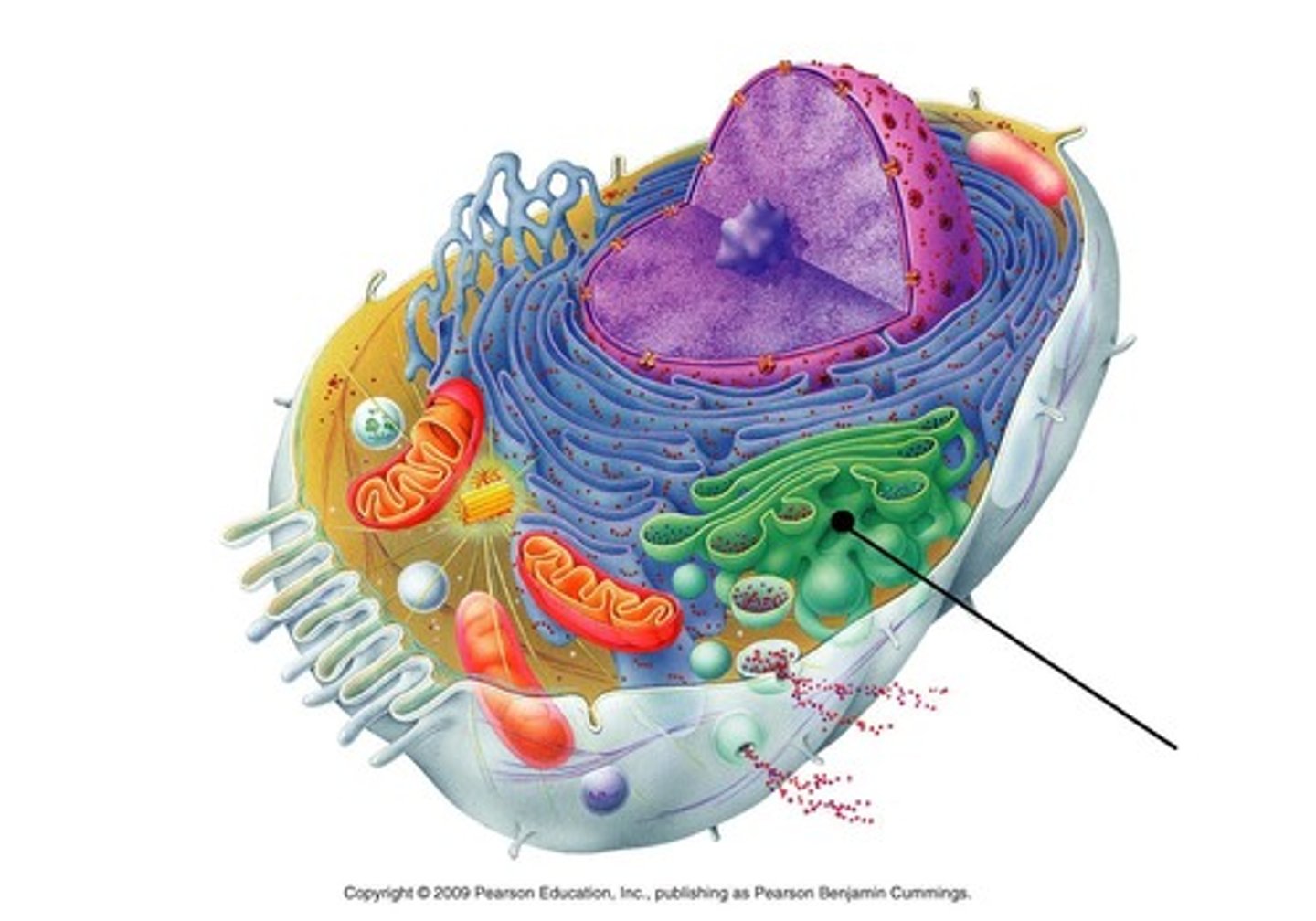
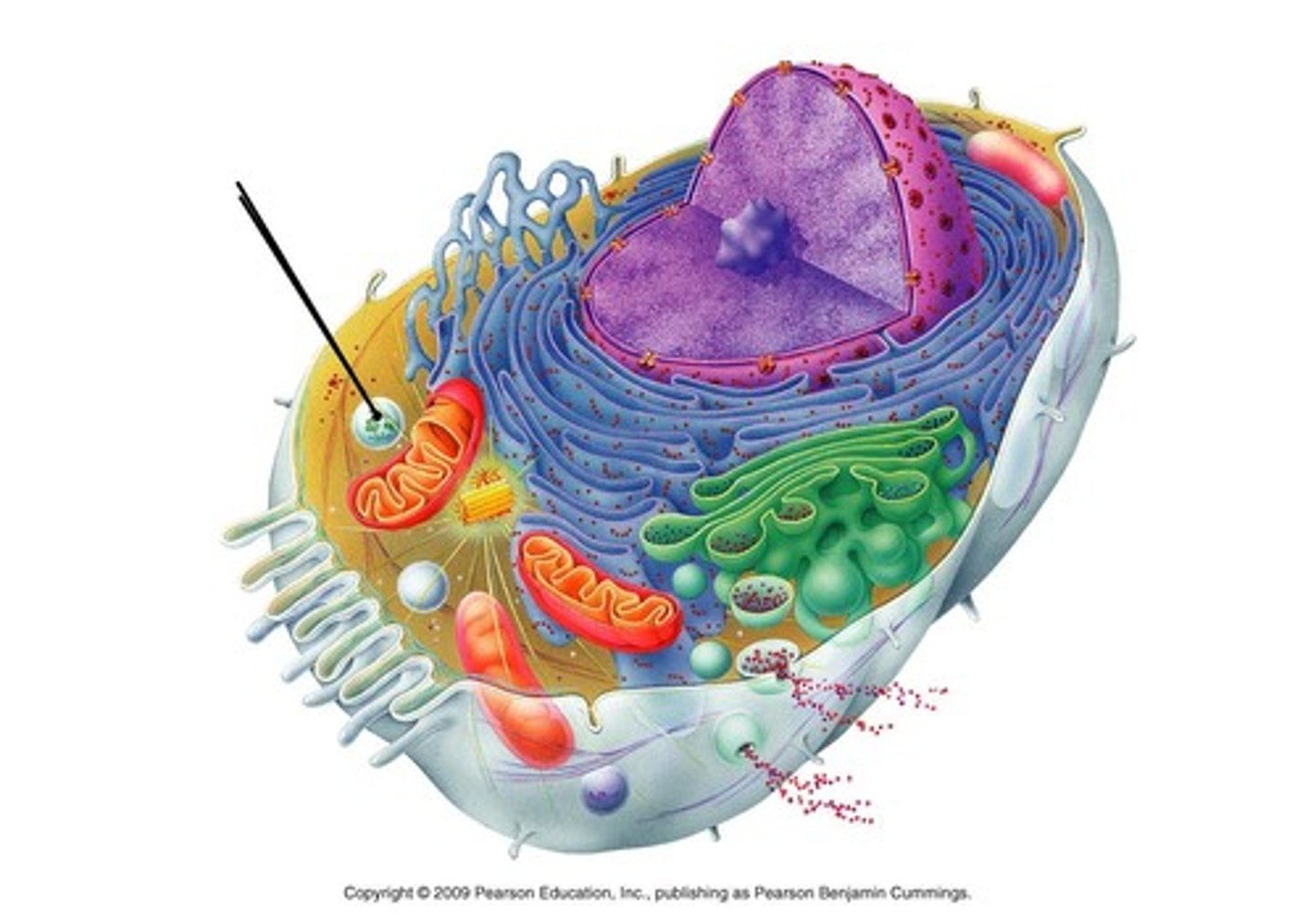
Lysosomes
sac of digestive enzymes
break stuff down
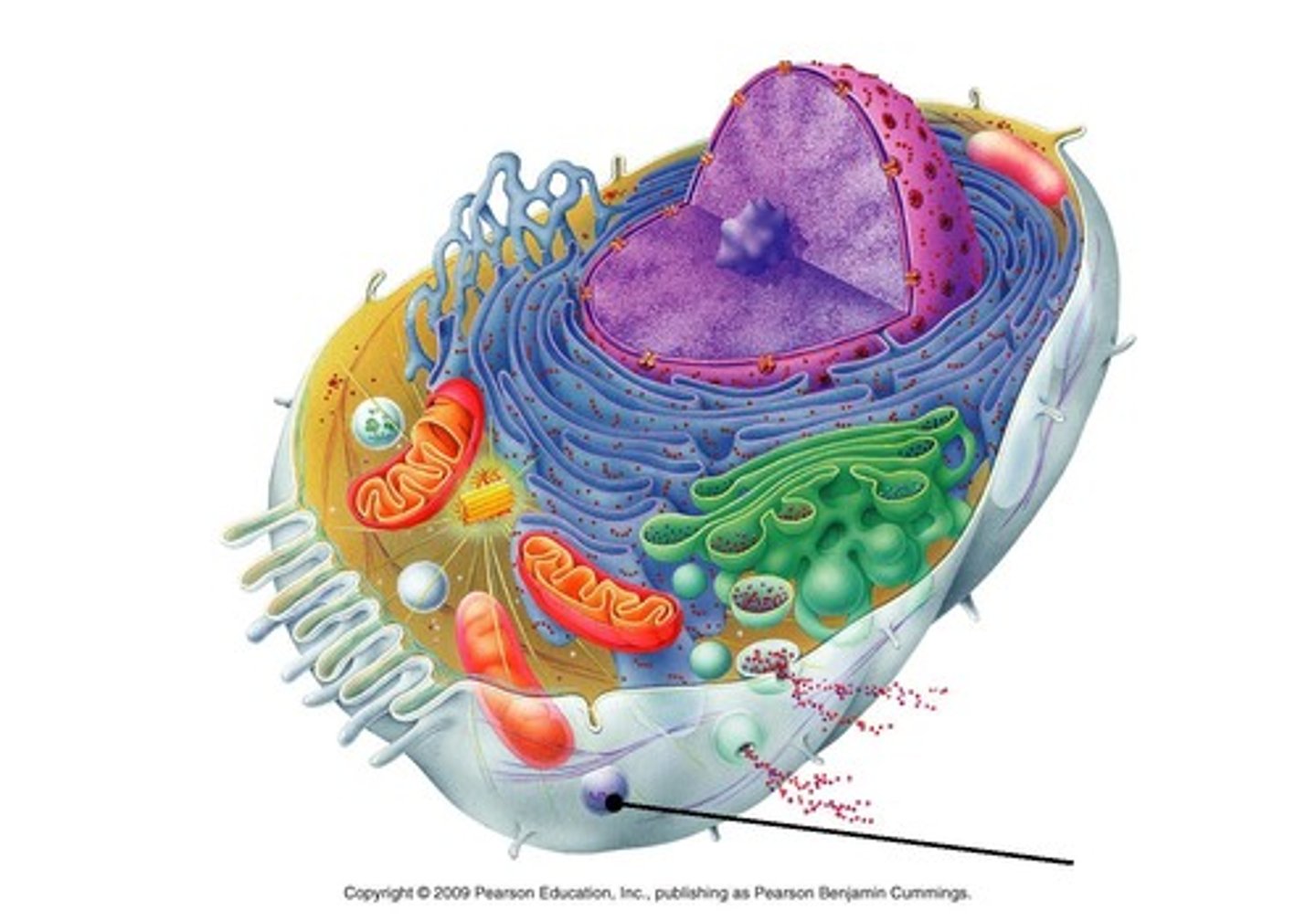
Peroxisomes
detox harmful and poisonous substances
Cytoskeleton
internal framework
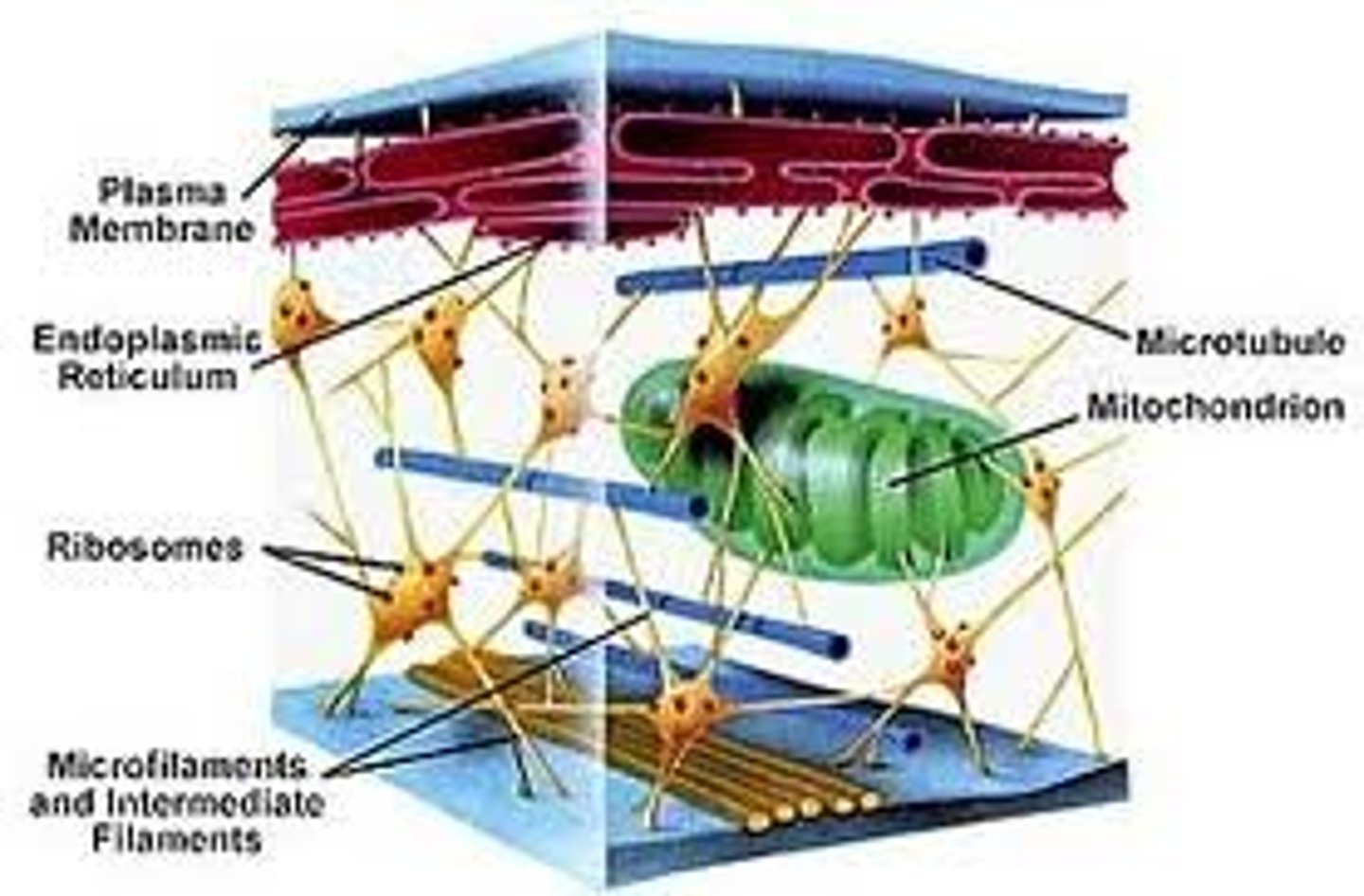
What are cytoskeletons made of
Actin filament
Microtubule
Intermediate filament
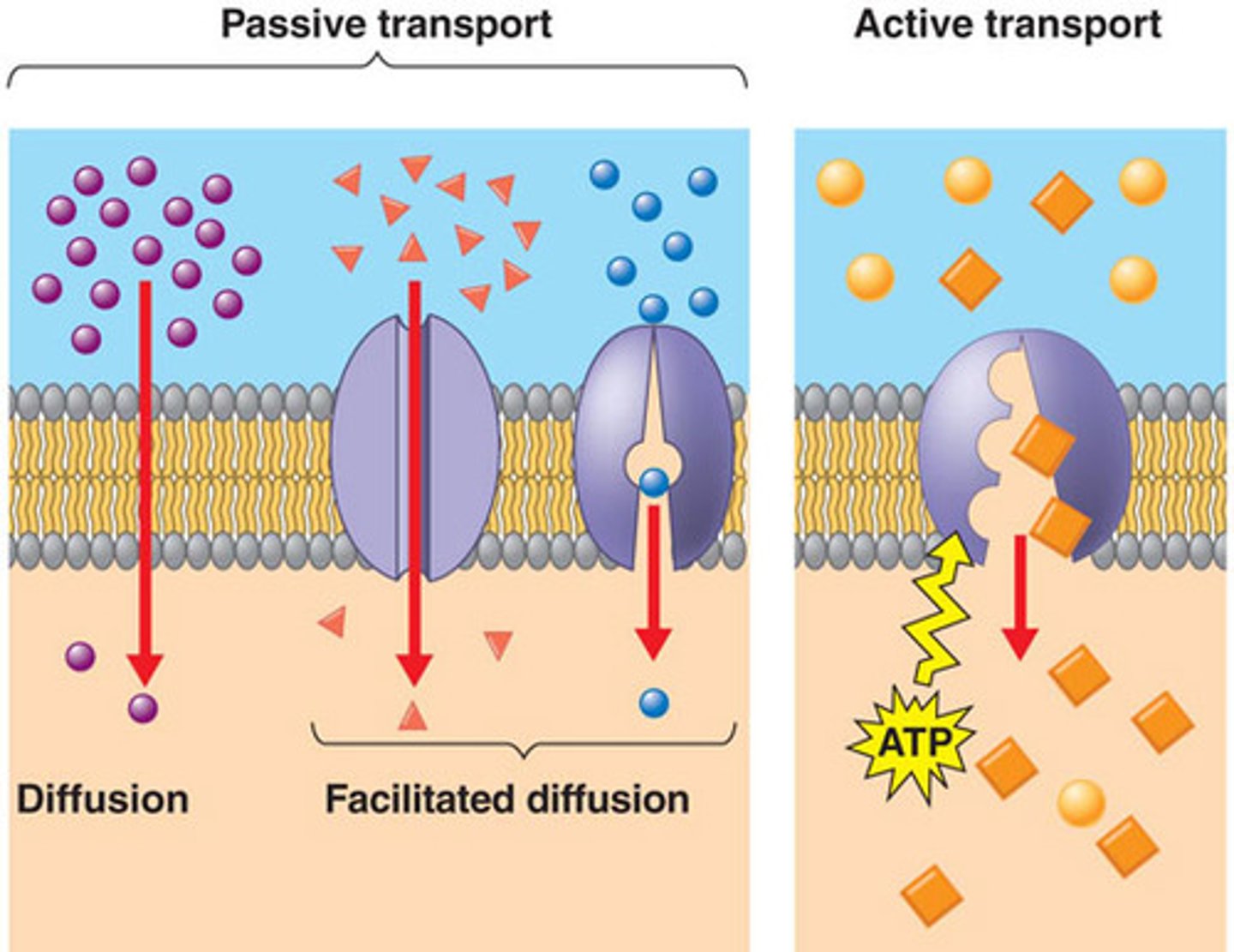
Diffusion
movement of molecules/ions from high to low concentration
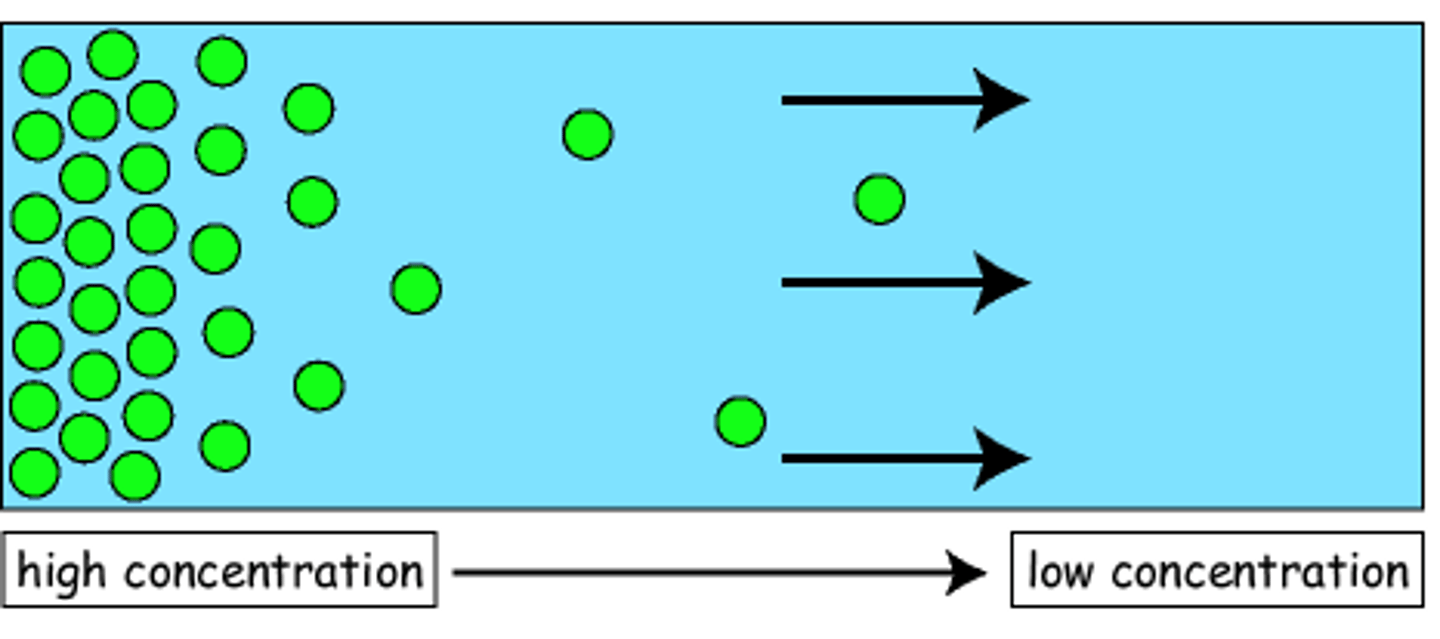
Simple diffusion
unassisted diffusion
no energy
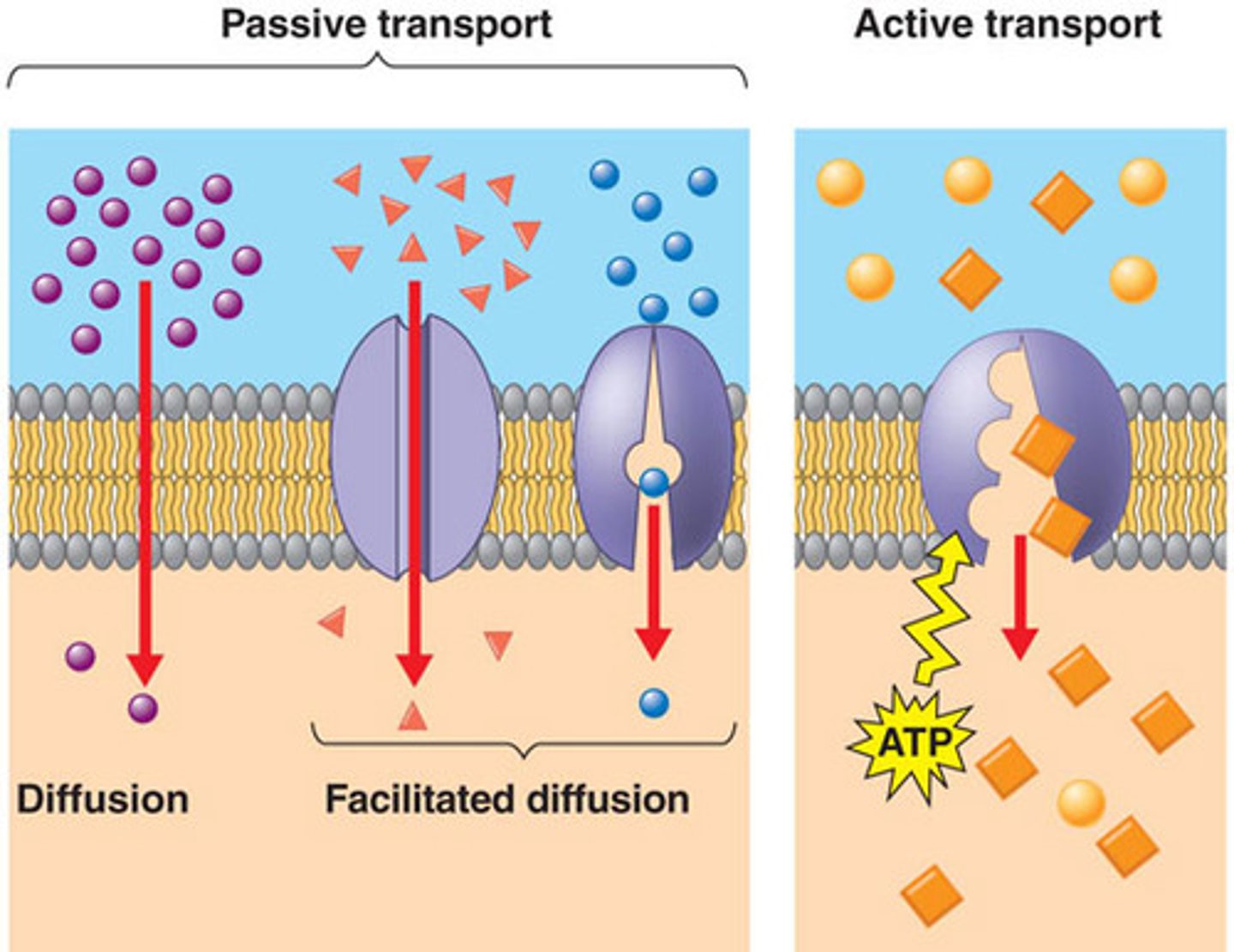
Facilitated diffusion
when molecules are too big to pass through the membrane (glucose).
no energy
Osmosis
diffusion of water
selectively permeable membrane
No energy
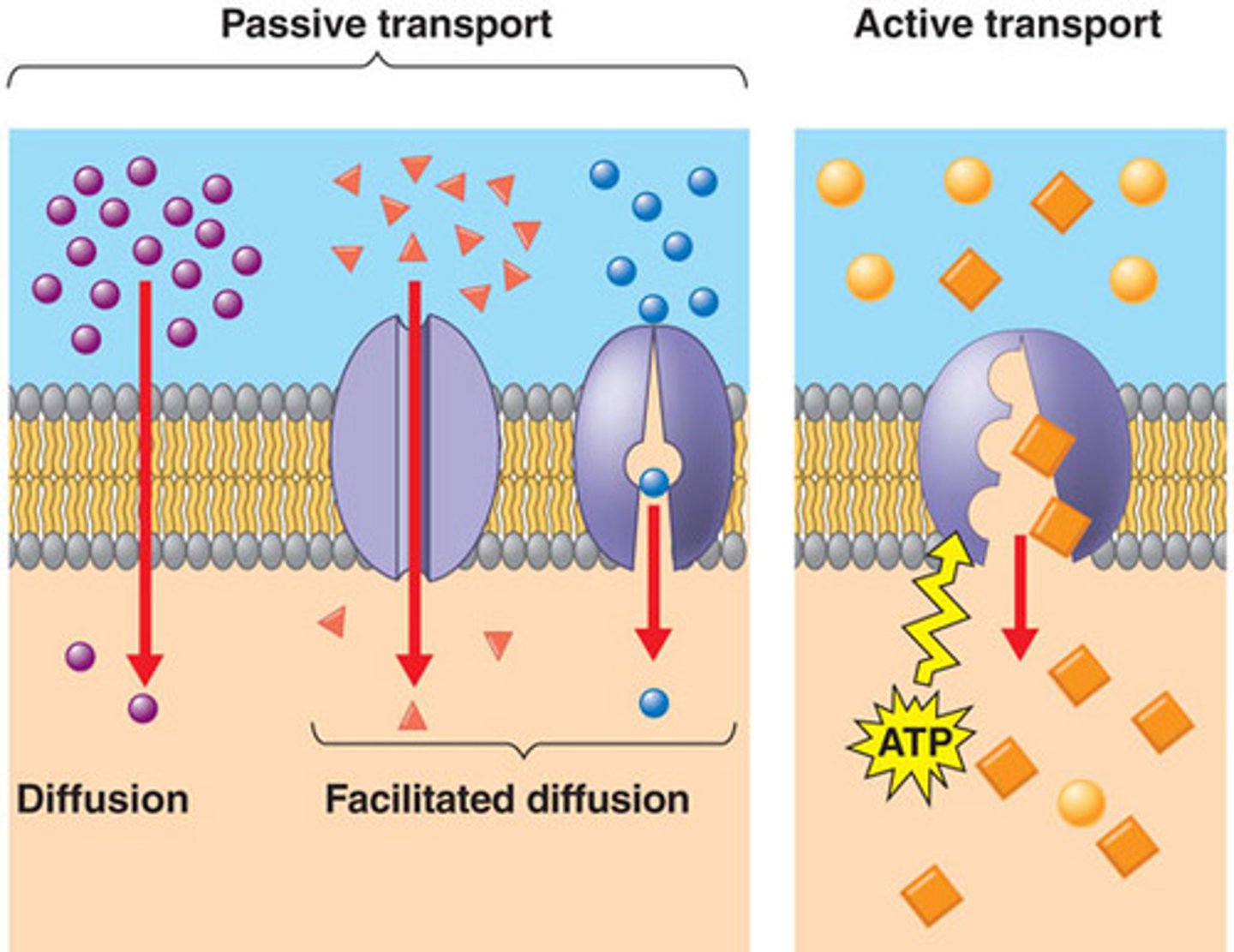
Filtration
forced passage of water and solutes through a membrane due to pressure
kidneys
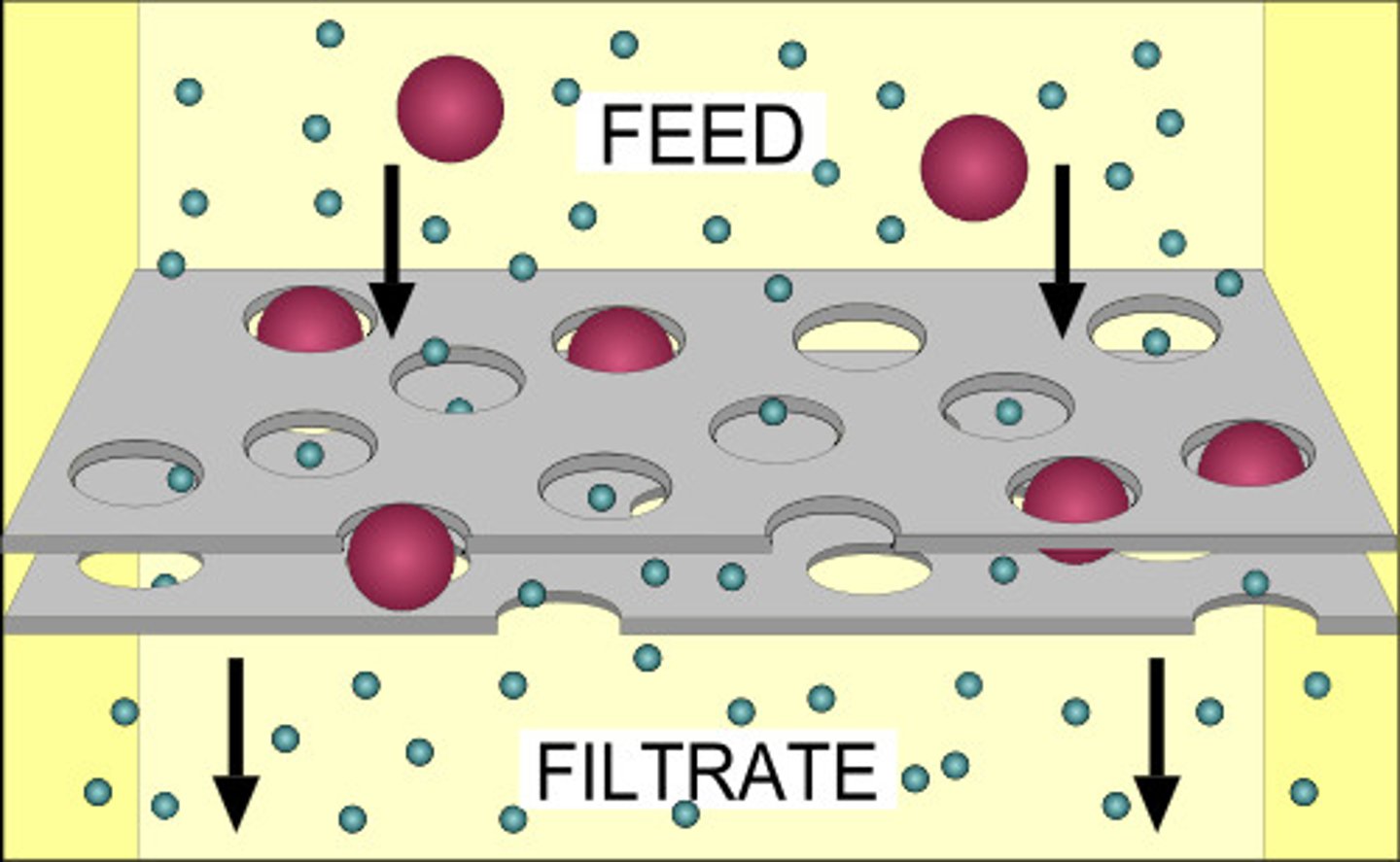
Active transport
uses energy (ATP) to energize pumps to move substances against their concentration.
low to high
creates disequal
uses energy
Vesicular transport
uses ATP to move substances into or out of cells without crossing the plasma membrane
uses energy
Exocytosis
out
hormones, mucous,
Endocytosis
in
moves substances into cells
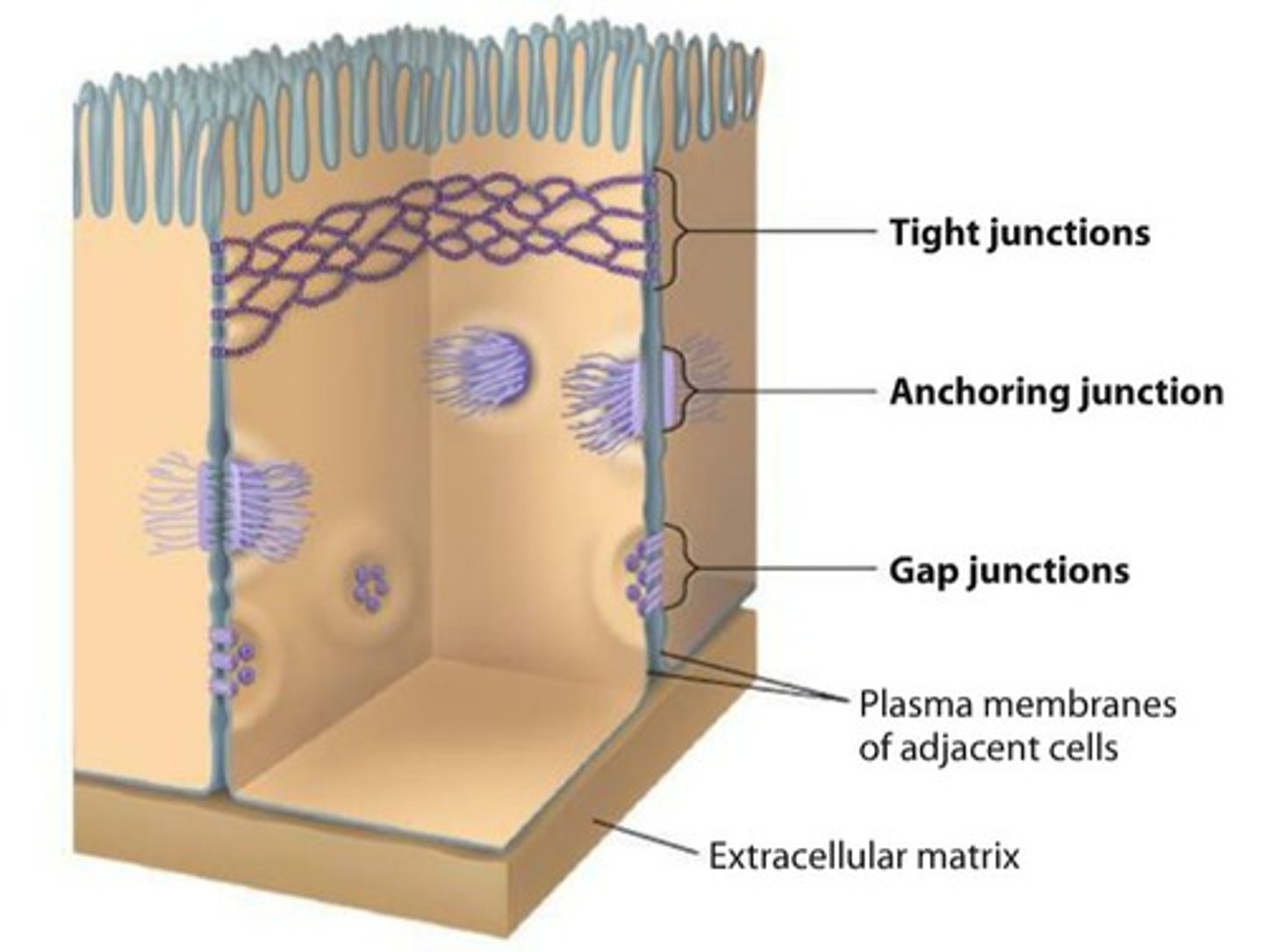
Three membrane junctions
Tight junction
Desmosome (anchoring)
Gap junction
4 major tissue types
Epithelial (covering)
Connective (connects)
Nervous (control, nerves)
Muscle (movement)
Elephants can not mate
Epithelial
lining, covering
protection
absorption
filtration
secretion
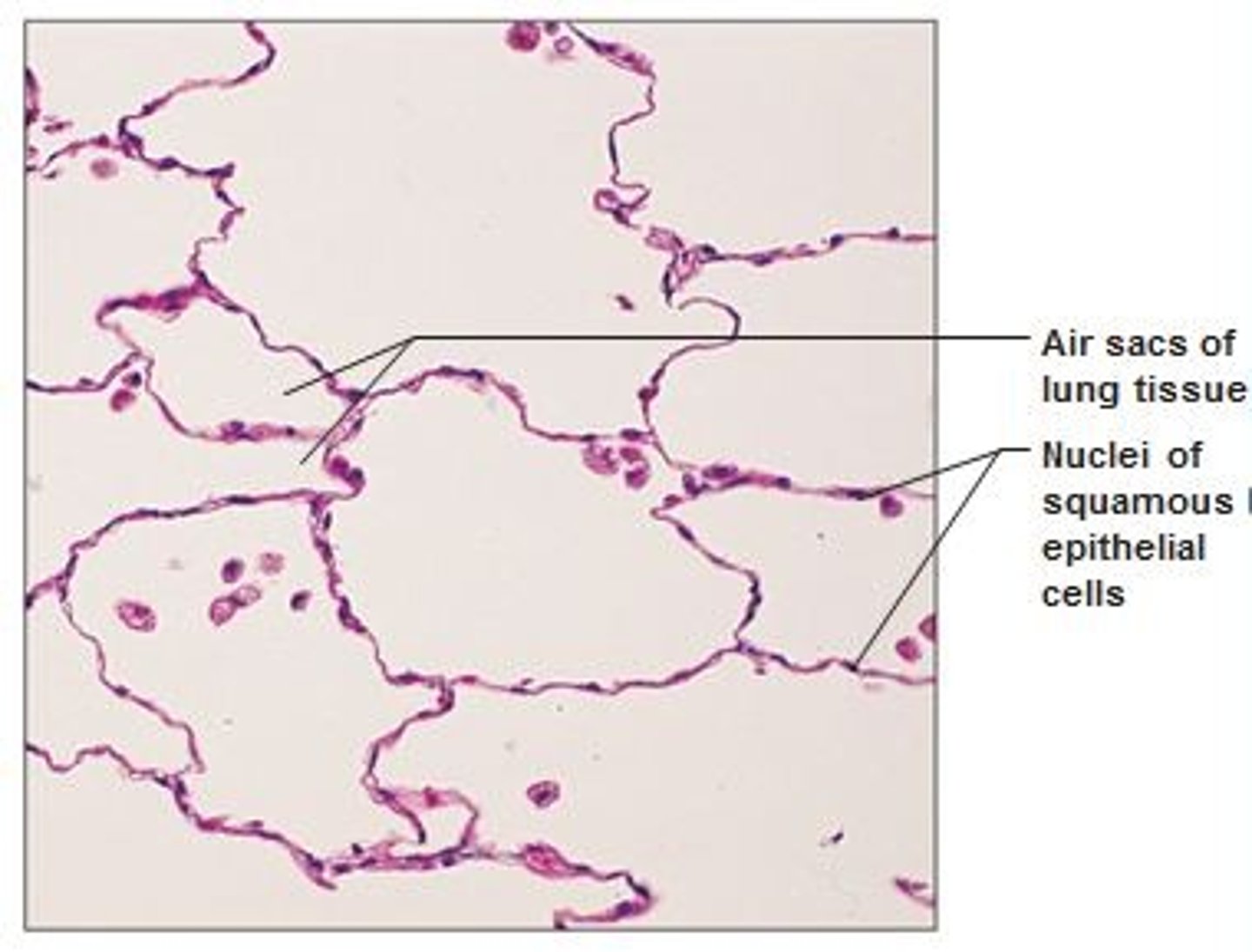
Simple squamous
flattened
absorption
filtration
secretion
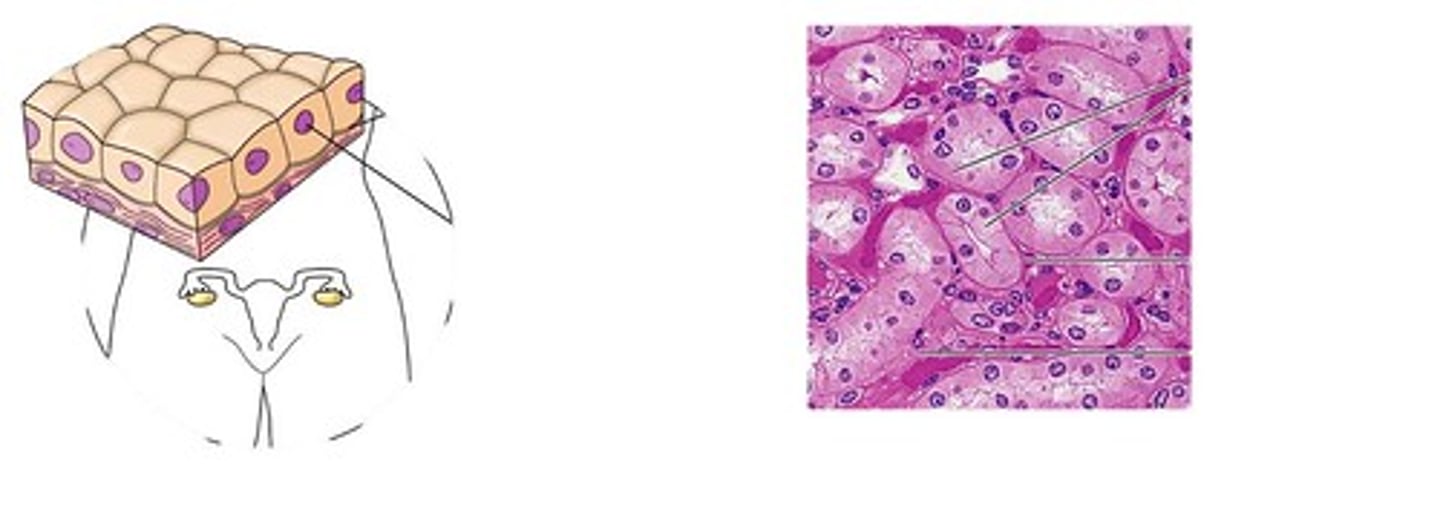
Simple cuboidal
cube shaped
secretion
absorption
Simple columnar
column
secretion
absorption
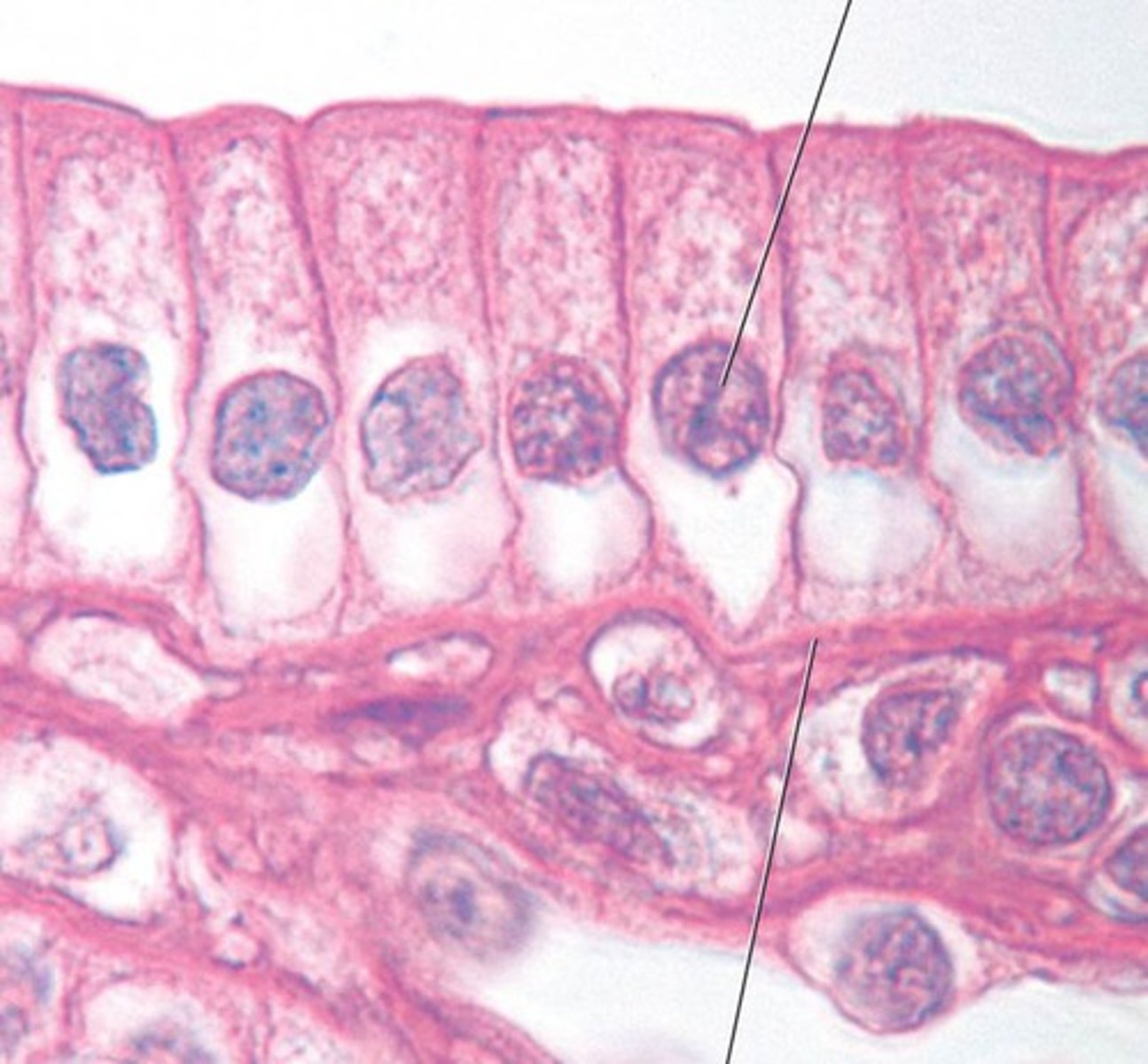
Location of simple squamous
lines body cavities
lungs and capillaries
Location of simple cuboidal
glands and ducts
walls of kidneys
covers ovaries
Location of simple columnar
lines digestive tract
Pseudostratified Columnar
single layer, but looks like a lot
absorption or secretion
Location of Pseudostratified Columnar
respiratory tract
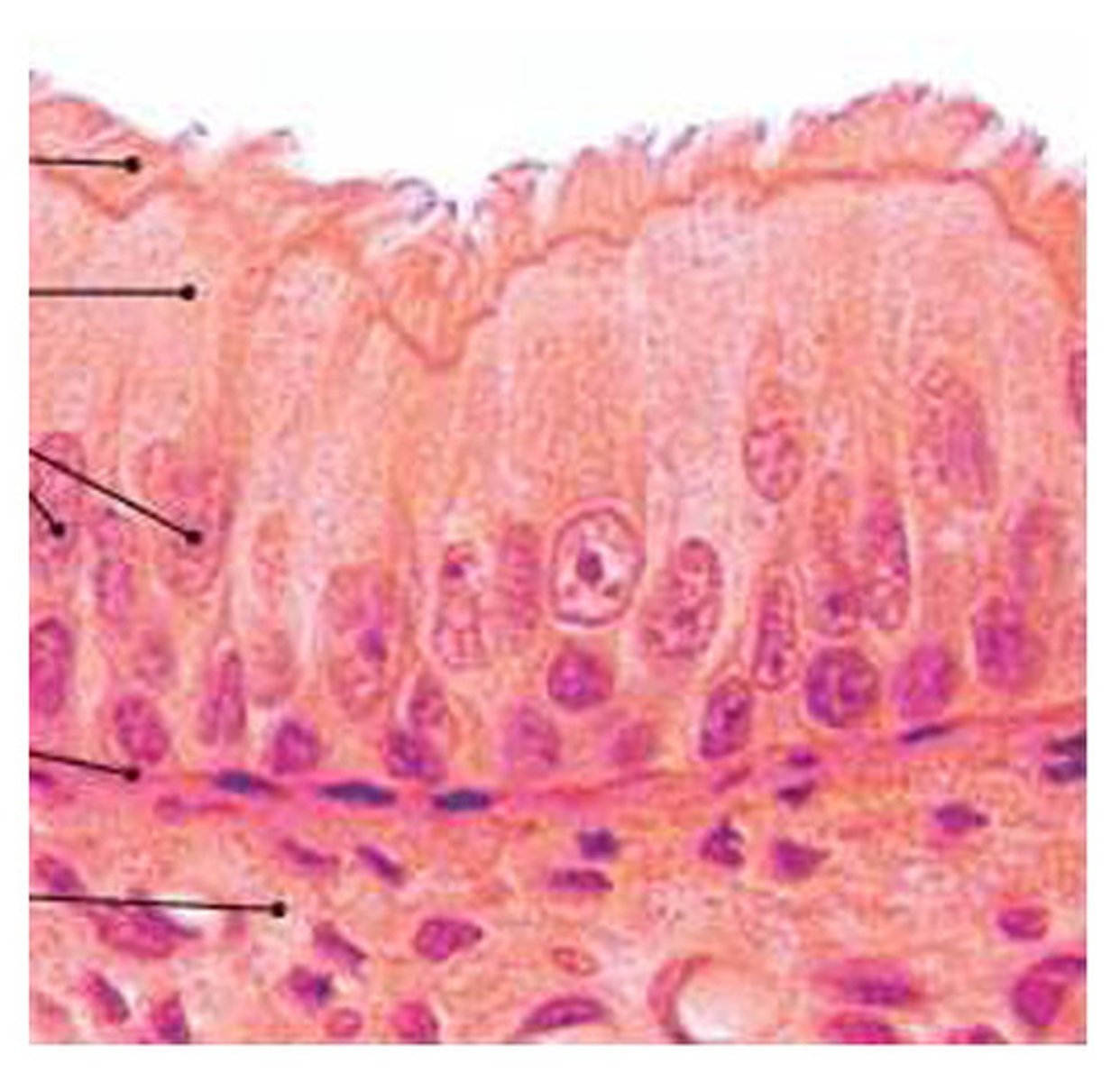
Stratified Sqaumous
flattened
protective covering
Location of Stratified Sqaumous
Outer portion of skin
lining of mouth and esophagus
 Note
Note  Flashcards (43)