Final exam: Biological Anthropology
 Studied by 11 people
 Call Kai
 Learn
Learn Practice Test
 Spaced Repetition
 Match
Match Flashcards
 Knowt Play
1/43

There's no tags or description
Looks like no tags are added yet.
Name | Mastery | Learn | Test | Matching | Spaced | Call with Kai |
|---|
No analytics yet
Send a link to your students to track their progress
44 Terms
What marks the appearance of the Genus Homo? (physical and cultural traits)
hominin genus characterized by:
bipedal locomotion
organization and function of brain (very complex)
biocultural evolution- (evolutionary change/ adaptation through both somatic (biological) and extrasomatic (material/cultural) means
precision grip/tool making
What were the major cultural milestones that occurred once our genus appeared?
Olduwan tools: first documented evidence for a cultural tradition (i.e. based upon learning) w/ value for survival
controlled use of fire
constructing of shelter
using stone tools to incorporate more animal protein/fat in the diet
complex social interactions
art, burials, abstract thought, cave paintings
How were these Hominins (genus homo) different from earlier forms (e.g. Australopithecines)?
absolutely and relatively larger brain
bipedal gait
first fossil found outside Africa
controlled use of fire
reduction in robusticity of teeth and face
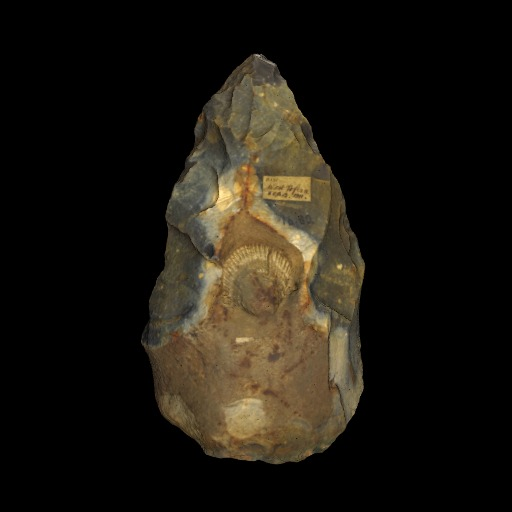
Stone tool types: Acheulean
hand axes: tear-drop shaped tool pointed at one end with a sharp cutting edge all around (bifacial work)
H. erectus
more standardized, reflects preconceived designs
main characteristic was bifacial flaking: a process that produced strong, sharp edge
came after the Olduwan toolkit
what species is the Turkana boy fossil?
H. erectus
Stone tool types: Mousterian
Who is it associated with, what kinds of tools, any specialized techniques?
Neanderthals
lighter and smaller than Acheulean tools
refined hand axes, flakes, scrapers, borers, wood shavers, and spears
Levallois technique: systematic preparation of a core to produce predetermined flakes, blades, or points.
How did the genus Homo use fire?
for protection, cooking, and warmth
Evidence of symbolic thought/art for the genus Homo?
neanderthals: buried their dead, cared for old and sick, evidence of potential language
H. sapiens/upper paleolithic: cave paintings, carvings, music instruments, marked shells/beads
Any sophisticated inventions/thoughts from the genus Homo? How can we tell?
paleolithic trends: music instruments, sophisicated hunting equipment (spears, nets, fish hooks)
social organization and cooperation for hunting
we can tell because of increasingly complex forms of niche construction and an extremely complex form of culture and language.
Who was Homo erectus? (physical and cultural traits)
who discovered the first H. erectus fossil?
Physical: long and narrow head, width of head greater than height, braincase showed near modern development (big af), sloping forehead, receding chin, powerful jaw with large teeth, huge neck muscles
Culture: inc sophisticated shelter construction, refined stone tool tech, fire for protection, warmth and cooking, clothing for warmth, learning to hunt and organize parties, developed symbolic life
first discovered by Eugene Dubois
Who were the “Archaic” Homo sapiens? (physical and cultural traits)
Physical: modern sized brains, skulls mix of traits, Neanderthals best known
Cultural: complex tech and sophisticated thought, adaptation to greater extent than prior groups
When and where did anatomically modern Homo sapiens (AMHS) appear?
when: ~300,000 ya, lived all parts of inhabited world
where: Africa
What are some physical characteristics that set this genus apart (AMHS) from the other hominins we’ve reviewed?
high, rounded cranium
canine fossa (indentation of maxilla above canine teeth)
mandibular symphysis (chin)
What are the competing models on the origins of modern humans (AMHS)?
out of Africa hypothesis (more accepted): transition from archaic to AMHS took place in Africa and migrated from there
multiregional hypothesis (evolved from H. erectus from many parts of the world)
How were Neandertals unique? How has our understanding of them changed with new
discoveries?
occipital bun
Levallois technique (process used to shape flakes and futher modify them into different tools)
arranged burials, took care of old and sick
art- possible evidence of symbolic thinking
FOXP2 gene necessary for language
our understanding has changed to a culturally rich ancestor instead of just an underdeveloped one
What were some cultural innovations of AMHS?
specialized hunting tools (harpoons, spears, fish hooks)
art (cave paintings, carvings, music instruments)
Who were ‘the hobbits’ (Homo floresiensis)? When and where did they live?
a very small erectus-like hominin that dates to between 190,000 and 53,000 years ago in southeast asia
much contention as to whether these fossils represent a dwarfed version of H. erectus or are a separate species
challenges assumptions about origins of hominins
Who was Homo naledi? Why was it such an extraordinary find?
a newly discovered, small-brained ancient human species from South Africa, extraordinary for its unique mix of primitive (Australopith-like) and modern (Homo-like) features
extroardinary bc:
combination of very early and more advanced humans challenging linear views of human evolution
small brain complex behavior, massive fossil evidence, and forced scientists to reconsider that hominins may have had a rich culture despite their smaller brains
What characterized a cultural/artistic explosion beginning around 60 – 40,000 years ago?
cultural adaptations from teeth reliance to tool reliance
reduction of face to modern proportions and body mass reduction
people refined adaptations to local conditions and expanded into new regions
What are some specific problems when using “race” as a biological way to separate out
groups of humans?
Lack of agreement about how many exist
Implies clear-cut boundaries which don’t exist in pops
Usually misapplied - describe cultural and ethnic diffs not bio
Little to no correspondence between diff traits
More phenotypic variation within pop than between
What do biological anthropologists use (instead of “race”) to describe the variation in some traits?
Typological model (most flawed): based on four classifications of race
Population model (makes sense theoretically, not in practice): based on ancestors reproducing exclusively w/ each other over long periods of time
Clinical model (comes closest): based on the fact that genetically inherited traits gradually change in frequency from one geographic area to another
But humans do look different around the world—what can account for some of these differences?
Genetic change
Enviro stress constant for generations, advantageous traits survive longer passing down their info (natural selection, niche construction, etc.)
Developmental adjustment
Acclimatization
Cultural practices & tech
How have some populations adapted to extreme conditions such as high altitude and very hot/cold environments?
People in Tibet have a larger chest capacity and higher production of hemoglobin- high altitude adaptation
Inuit: diet high in marine mammal fat, fat insulation of vital organs, and change in blood flow patterns
What is phenotypic plasticity?
the capacity of an organism's phenotype to vary in response to distinct environmental conditions
What is the link between/among the perseverance of the Sickle-cell allele, the
infectious disease of malaria, and human agricultural practices?
Human agriculture practices that stagnate water create breeding grounds for mosquitoes, who transmit malaria to humans. An evolutionary response to this is the AS genotype-a sickle cell “carrier”, but no sickle cell anemia. The singular sickle-cell allele provides protection against malarial infection.
What are lactose tolerance and intolerance? Which is the normal/common condition for most adult humans on the planet?
lactose tolerance: the ability to breakdown the sugar lactose in milk
lactose intolerance: the inability to breakdown the sugar lactose in milk, most common condition
What can explain lactose tolerance in adult humans in some populations?
Populations that historically relied on dairy products have higher rates of lactose tolerance
Examples of other biocultural adaptations outside of lactose tolerance and sickle-cell trait?
skin color variation based on UV radiation and vitamin D intake from other sources
high altitude: People in Tibet have a larger chest capacity and higher production of hemoglobin, specialized agricultural practices/diets
What are some modern approaches to studying human behavioral evolution?
standard evolutionary approach: defines biological evolution as changes in frequency of DNA sequences in a population across generations, focus on: natural selection, genetic drift, mutation, and gene flow.
human behavioral ecology (HBE): applies basic principles of natural selection (focus on ecological pressures) to behavior patterns
evolutionary psychology (EP): believes culture in the human mind evolves to resolve the challenges of natural selection
gene-culture coevolution:
dual inheritance theory most applicable to ANTH- culture variants and genetic variants (genes) interact to shape the evolution of human behavior
biocultural approaches/extended evolutionary synthesis (EES):
biocultural: the promoting of systematic ways of understanding the relationship of biology with culture, primarily in the evaluation of health disparities within and between populations
EES: developmental processes, operating through developmental bias, multiple modes of
inheritance and niche construction, → rate of evolution, the origin of character variation and organism environment complementarity
Is there a “mismatch” between our evolved biology as modern humans, and contemporary lifestyles?
yes, Lactose intolerance
What are some modern disease patterns affecting humans today?
recent pathogen variations: SARS, new strain of the flu, COVID-19, ebola outbreaks
after an outbreak, pop. has diff allele frequencies = evolution
high HDI: heart disease, stroke, chronic pulmonary disease
low HDI: HIV/AIDS, respiratory infections, heart disease, malaria
How does our stress response impact our health?
Higher risk of sickness and disease due to the weakening of the immune system from prolonged stress
What are some cultural changes that have affected our health?
Drastic reduction in activity levels (HDI = “human developmental index”)
Higher = lower rates of daily activity, prolonged sitting/little physical activity, extended social stress, poor diets, etc.
Causes of death: reduced fertility, hypertension, adult diabetes, heart disease, stroke, pulmonary disease
Lower causes of death = HIV/AIDS, respiratory infections, heart disease, malaria
Trends in population growth...where are we headed?
Changes on genetic level,physiological level, and behavioral level
Exponential population growth, still climbing = expected to be 9.8 bil by 2050
Gene flow increasing presence of certain alleles in uncommon areas
The COVID-19 pandemic
Respiratory infection that was spread
one of the recent pathogen variations that, after the outbreak, changed allele frequencies= evolution
What are some of the historical and political dimensions of evolution?
Climate change (humans and their activities); greenhouse effect
Coastal communities inc flooding and severe storms
Energy use demand biggest obstacles for slowing it down
Accelerates migration, destabilizes communities, and helps spread infectious disease
What are some misconceptions about human evolution – did you learn anything surprising during this semester?
misconceptions: humans evolved from monkeys, evolution is linear, humans are fully evolved already
surprising: the information of our ancestors that we have are based on a small number of fossils and there is a lot we don’t know about our ancestry/is up for debate. The categorizations of species for example, there are splitters and lumpers who frequently argue between what it a new species and what isn’t.
What might be the ‘feedback loop’ between an increasing brain size, language, and more complex cultural characteristics?
feedback models: central to our understanding of how humans construct responses to evolutionary pressures during their lives, not just across generations.
Bigger brains lead to better communication and language skills, and in turn enables more complex cultural characteristics. The bigger brains get the more they enable better learning, which expands on existing knowledge, vocabulary, and understanding of others. From here, culture is able to become more complex through more specific and retained knowledge being passed on through generations.
How can the processes of evolution help us understand the patterns of certain diseases?
-some pop.’s higher allele frequencies for certain genetic disorders and may be more susceptible to those disorders
-human cultural modification of the environment can alter the patterns and contexts of natural selection through disease patterns.
Which is more important: increases in brain size throughout hominin evolution or reorganization of brain functioning (and why)?
reorganization of brain functioning because it allowed for massive cognitive leaps and enabled function and complexity like language, problem-solving skills, specialized tool usage
How are humans both biological and cultural organisms? In what general ways do culture and biology interact to produce human behavior?
Human variation is due to both biological and cultural factors, as biology drives our culture, and culture shapes our biology through evolution.
Culture alters brain development
Cultural adaptations to environmental stressors
Biological emotions shaped by cultural norms and morality
How is a geographical, as well as a temporal component essential when examining the complexity and history of our species?
Examining the complexity and history of our species is only made possible by understanding the diversity of humans and our ancestors throughout different geographic locations over long periods of time. Different kinds of geographical locations apply distinct kinds of environmental pressure to hominins that invoke evolutionary adaptation. The specific migration patterns of humans change over time and across many geographical regions.
How can anthropology be applied to modern concerns such as overpopulation, climate change, ethnic conflict, genocide, war, pandemics, and the depletion of natural resources?
Solutions to future problems will depend increasingly on understanding urban and non-Western cultural backgrounds.
The causes of climate change are mainly anthropogenic (caused by humans)
Anthropology provides a unique perspective on understanding human diversity and the complexities of culture and society- and can offer insights into the potential trajectories of future human societies
The existence of anthropology is itself a tribute to the continuing need to understand social and cultural similarities and differences
What is the status of our species today and what can we say about our future? Are humans still evolving? If so, how?
status:
-dramatic changes in migration rates-pop. gene pools changing in response to modern human behavior/tech
-changes in allele frequencies from recent pathogen outbreaks and variations
-physiological consequences from high HDI (mostly european countries)
about our future: by 2050: global pop. expected to be 9.8 million
-coastal communities anticipate higher rates of flooding and severe storms from earth.’s temp changing sensitive oceans
-changes happening at the genetic, physiological, and behavior levels
are we evolving?: yes, we’re evolving through
-gene flow (high migration rates)
-diseases and pathogens (changes pop.’s alleles after outbreaks)
 Note
Note  Flashcards (77)