Economics Key Terms: Opportunity Cost, Elasticity, Externalities & Market Structures
 Call Kai
 Learn
Learn Practice Test
 Spaced Repetition
 Match
Match Flashcards
 Knowt Play
1/38

There's no tags or description
Looks like no tags are added yet.
Name | Mastery | Learn | Test | Matching | Spaced | Call with Kai |
|---|
No analytics yet
Send a link to your students to track their progress
39 Terms
Accounting Profit
Total Revenue - Explicit Costs.
Nash Equilibrium
A set of strategies where no player has an incentive to deviate given the other player's choice.
Opportunity Cost
The value of the next best alternative foregone when making a choice.
Thinking on the Margin
Evaluating whether the benefit of one more unit of something is greater than its cost.
Normal Good
A good for which demand increases when income rises.
Inferior Good
A good for which demand decreases when income rises.
Complements
Goods where an increase in the price of one leads to a decrease in demand for the other.
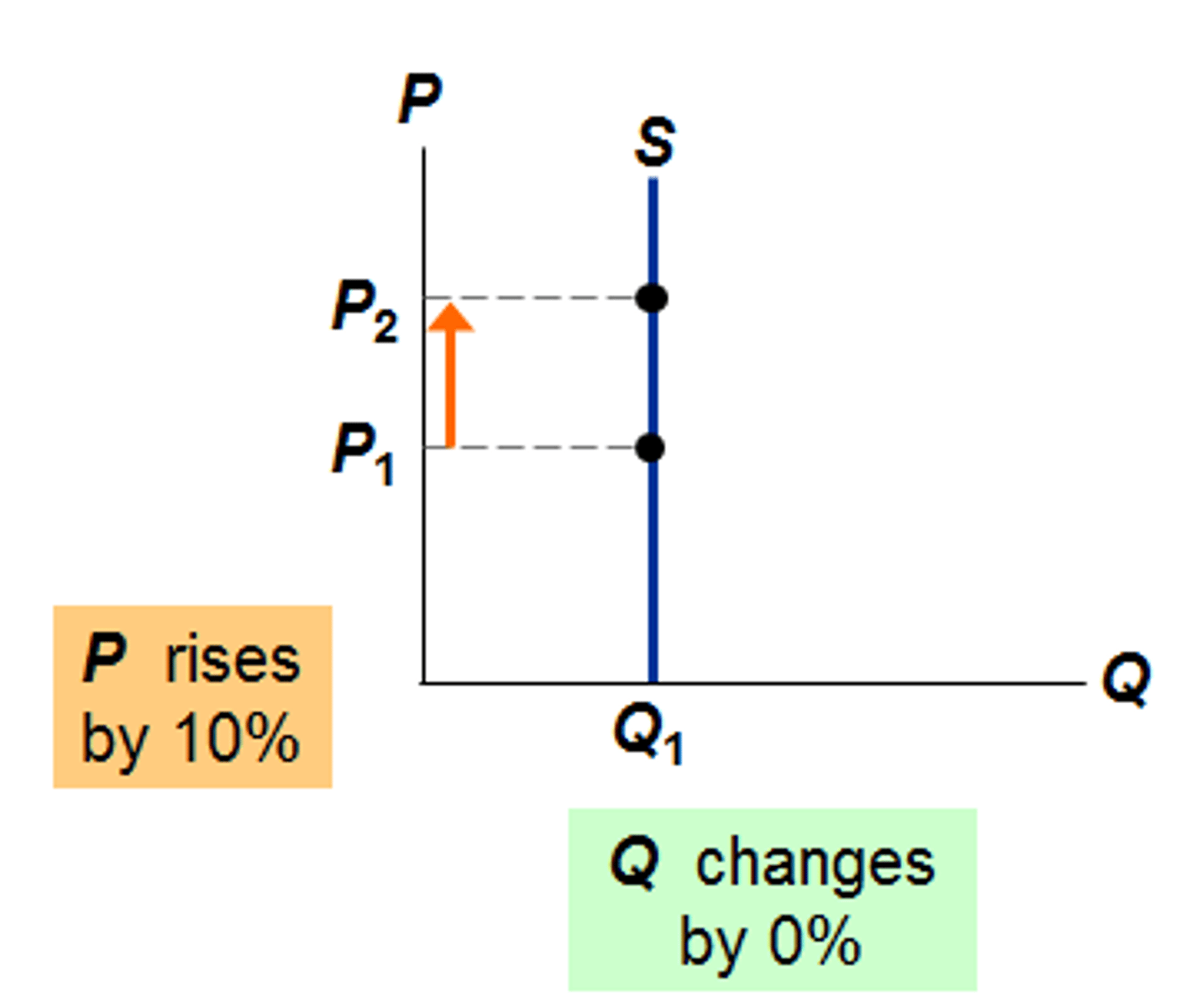
Perfectly Inelastic
Elasticity is 0; the quantity demanded does not change regardless of price (Vertical line).
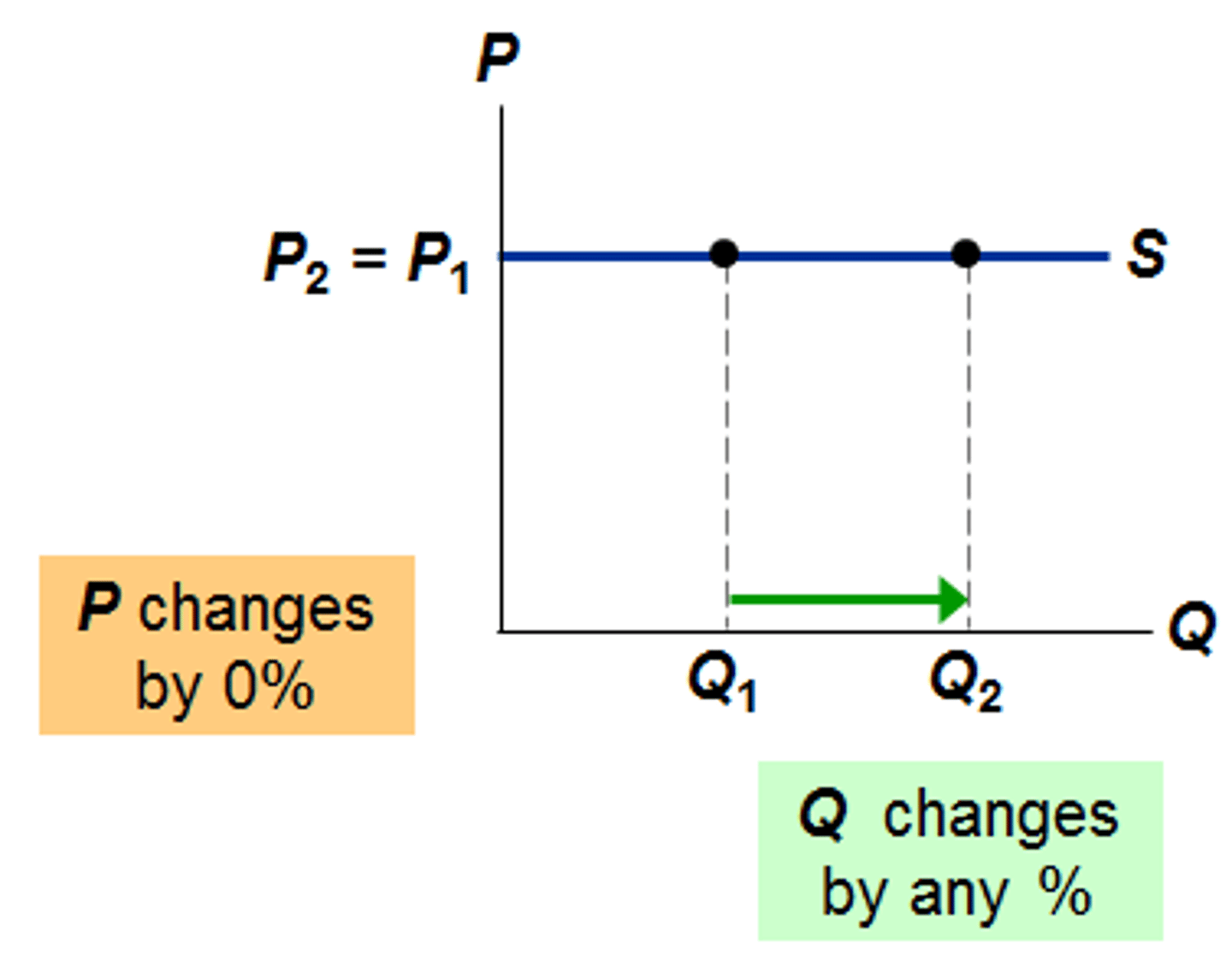
Perfectly Elastic
Elasticity is infinity; any price increase drops demand to zero (Horizontal line).
Adverse Selection
When sellers have information that buyers do not, or vice versa, leading to "bad" types dominating the market.
Marginal Tax Rate
The tax rate paid on the "next" dollar of income earned.
Positive Externality
A benefit that enjoyed by a third party; often results in under-consumption by the market.
Substitutes
Goods where an increase in the price of one leads to an increase in demand for the other.
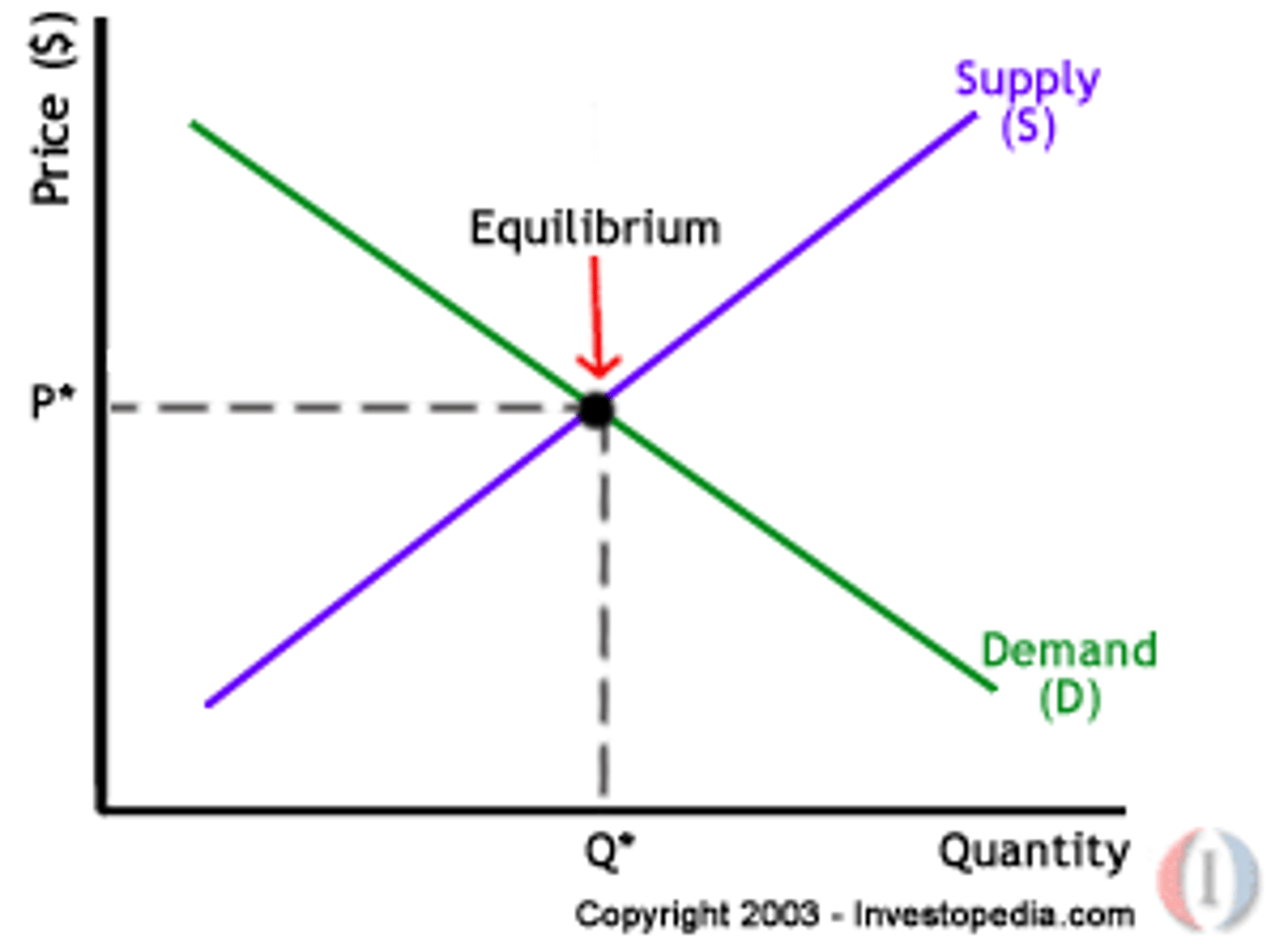
Equilibrium
The price level where Quantity Supplied equals Quantity Demanded.
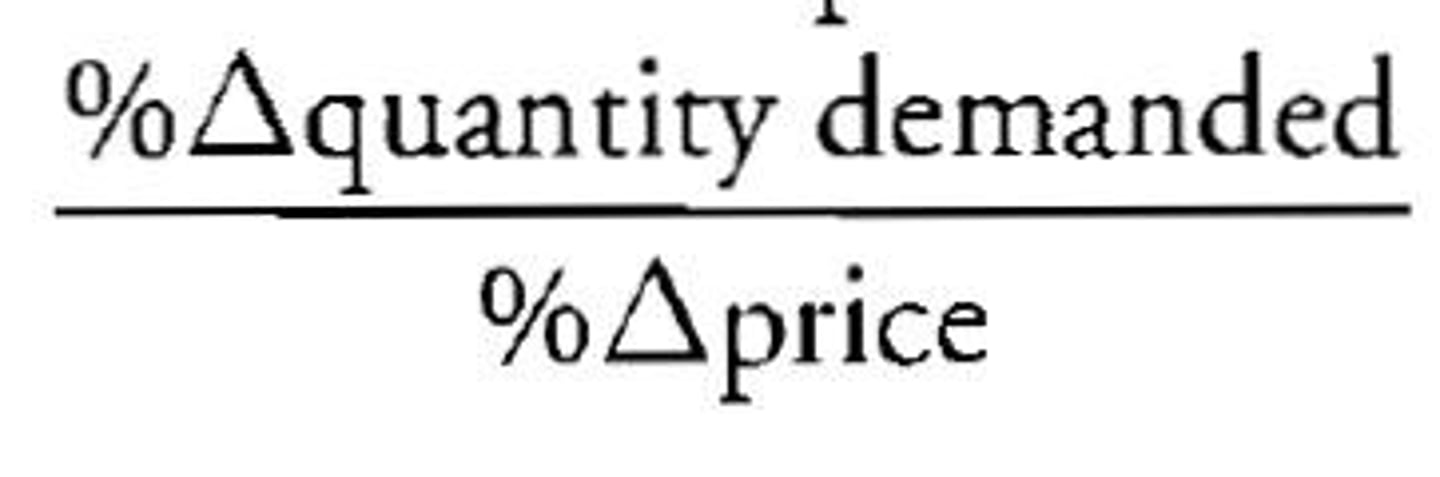
Price Elasticity of Demand
Measures how much quantity demanded responds to a change in price.
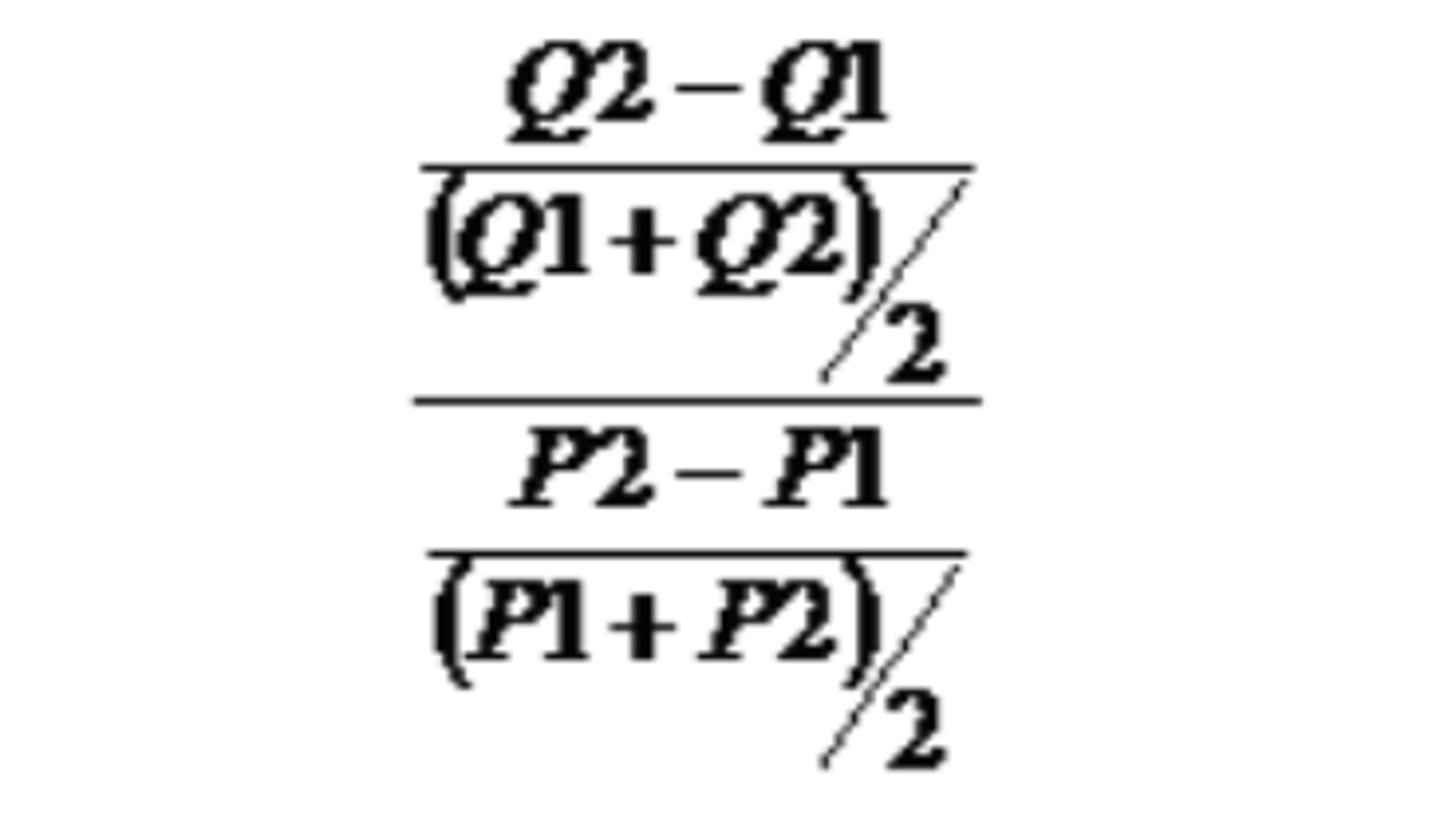
Midpoint Method Formula
Used to calculate elasticity
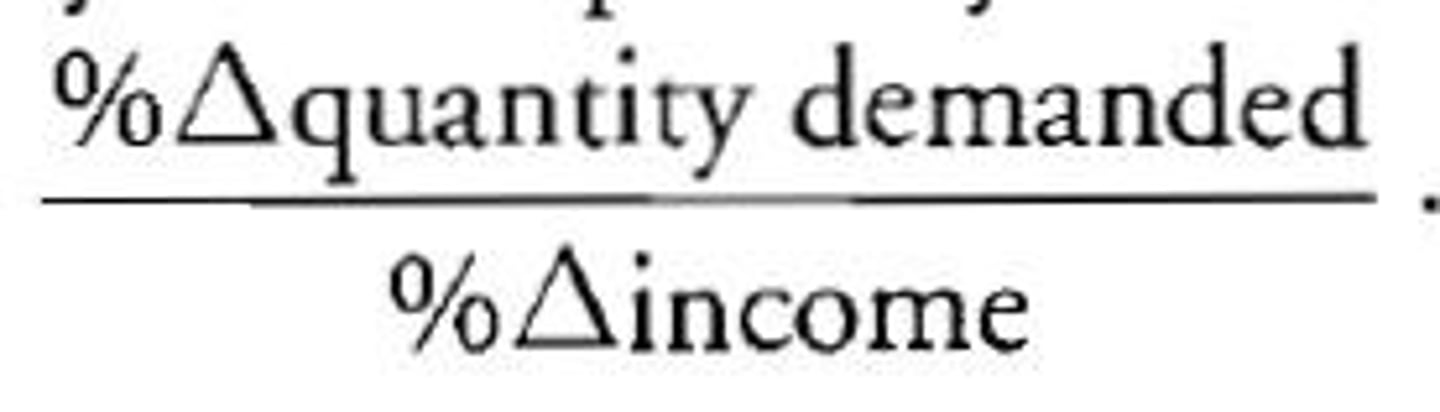
Income Elasticity of Demand
Percentage change in quantity demanded divided by percentage change in income.
Unit Elastic
When the price elasticity of demand is exactly 1.
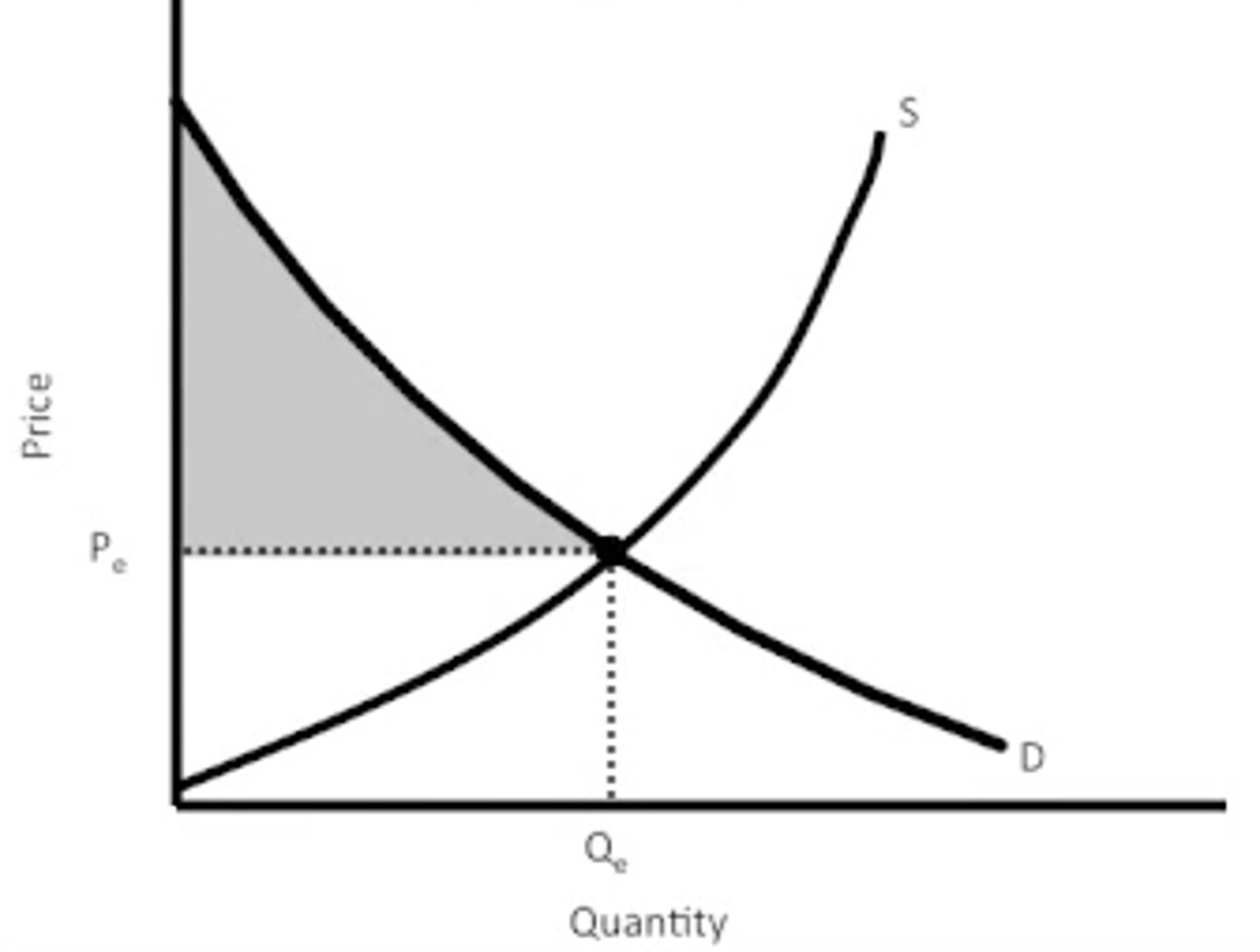
Consumer Surplus (CS)
(Willingness to Pay) - (Price Paid). Graphically, the area below demand and above price.
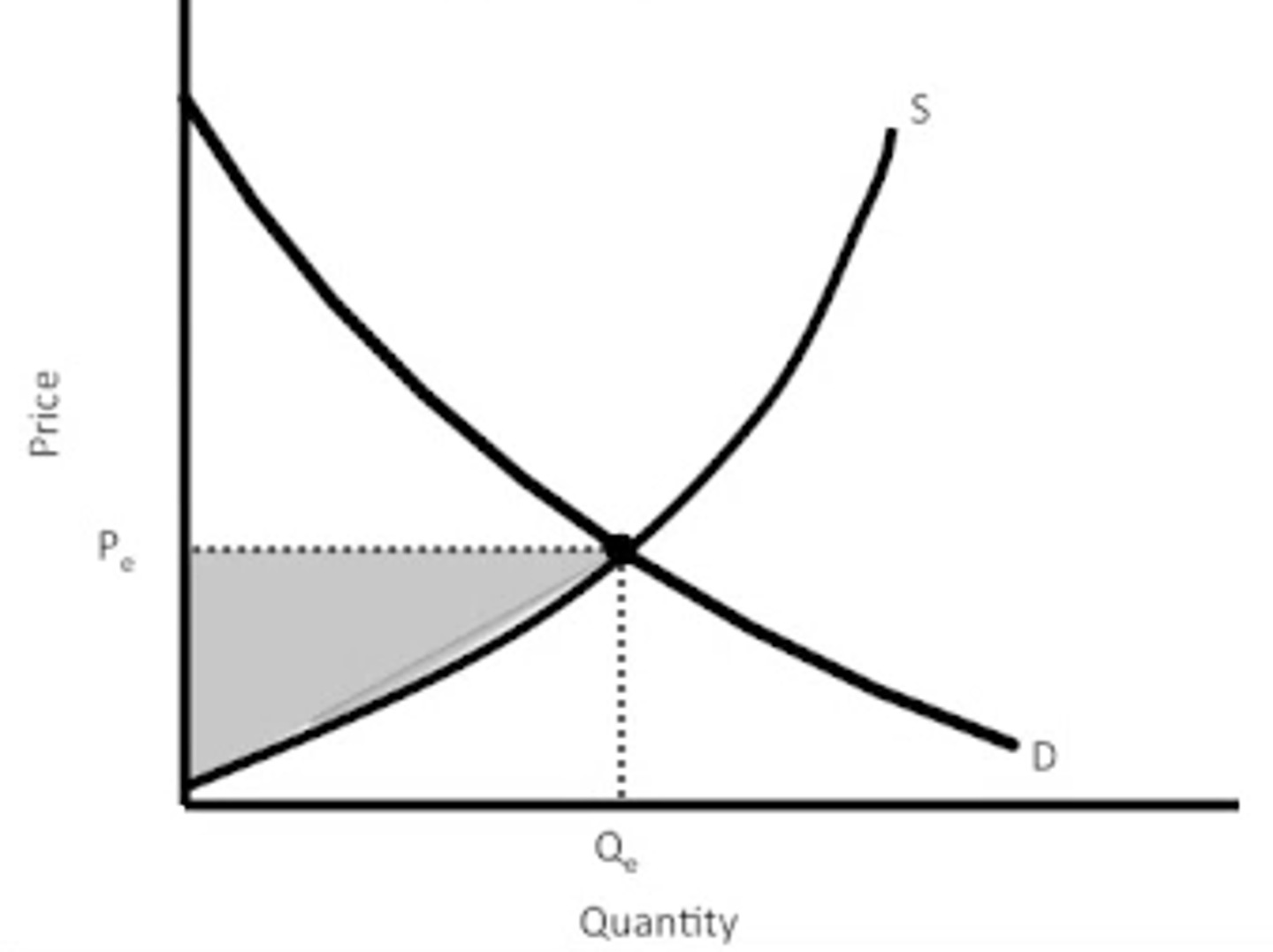
Producer Surplus (PS)
(Price Received) - (Cost of Production). Graphically, the area above supply and below price.
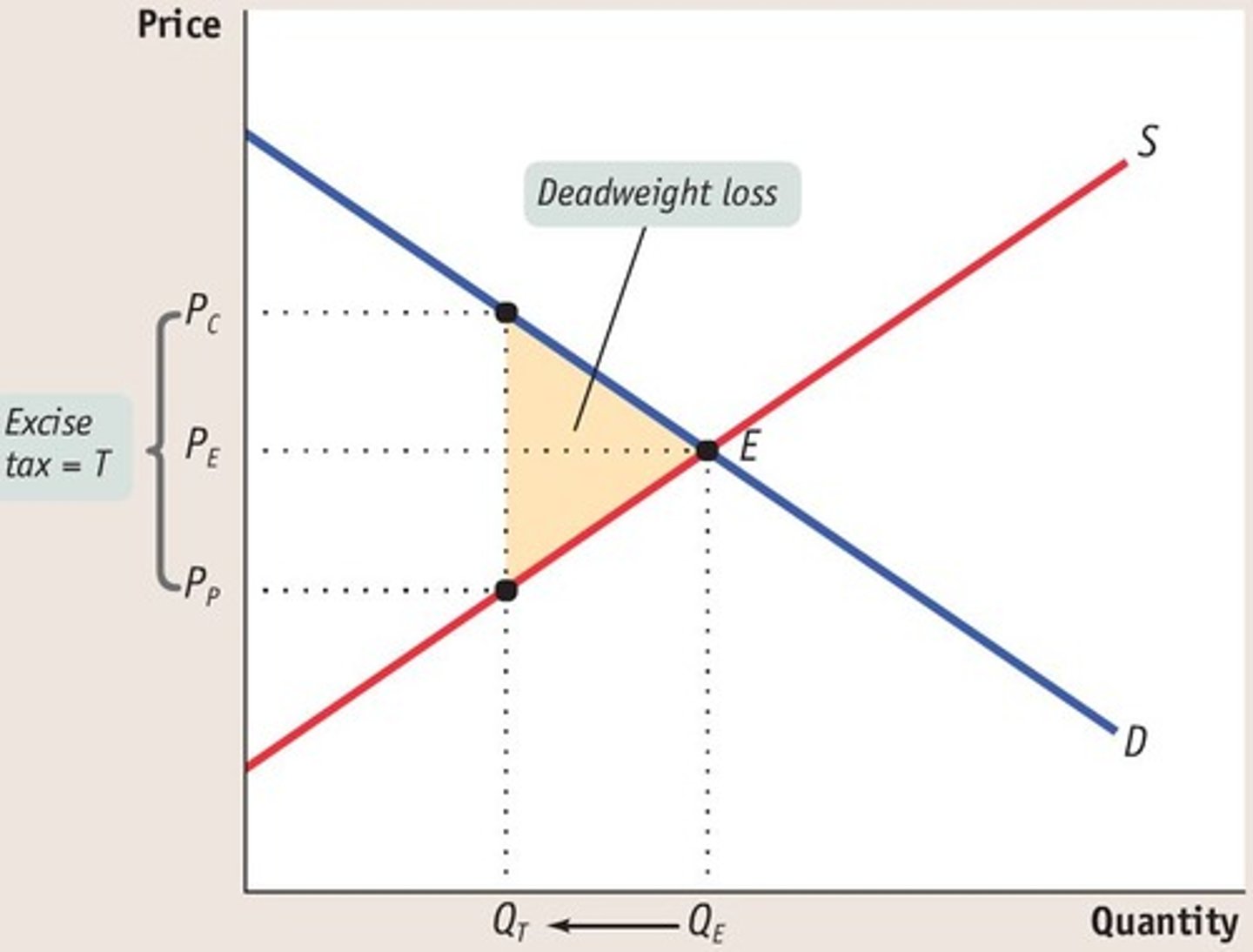
Deadweight Loss (DWL)
The fall in total surplus that results from a market distortion like a tax (The "missing" transactions).
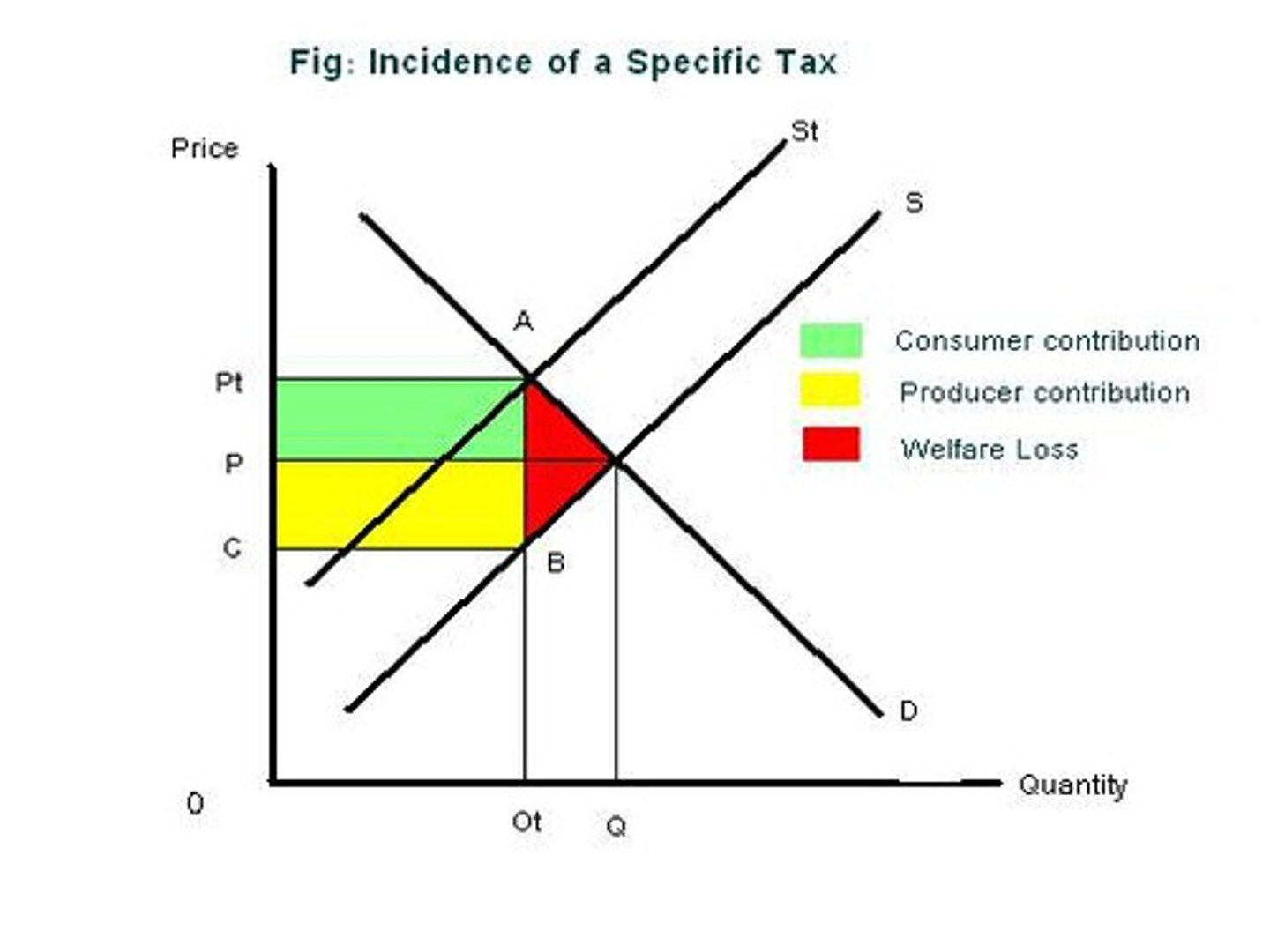
Tax Incidence
The manner in which the burden of a tax is shared between buyers and sellers, which depends on elasticity.
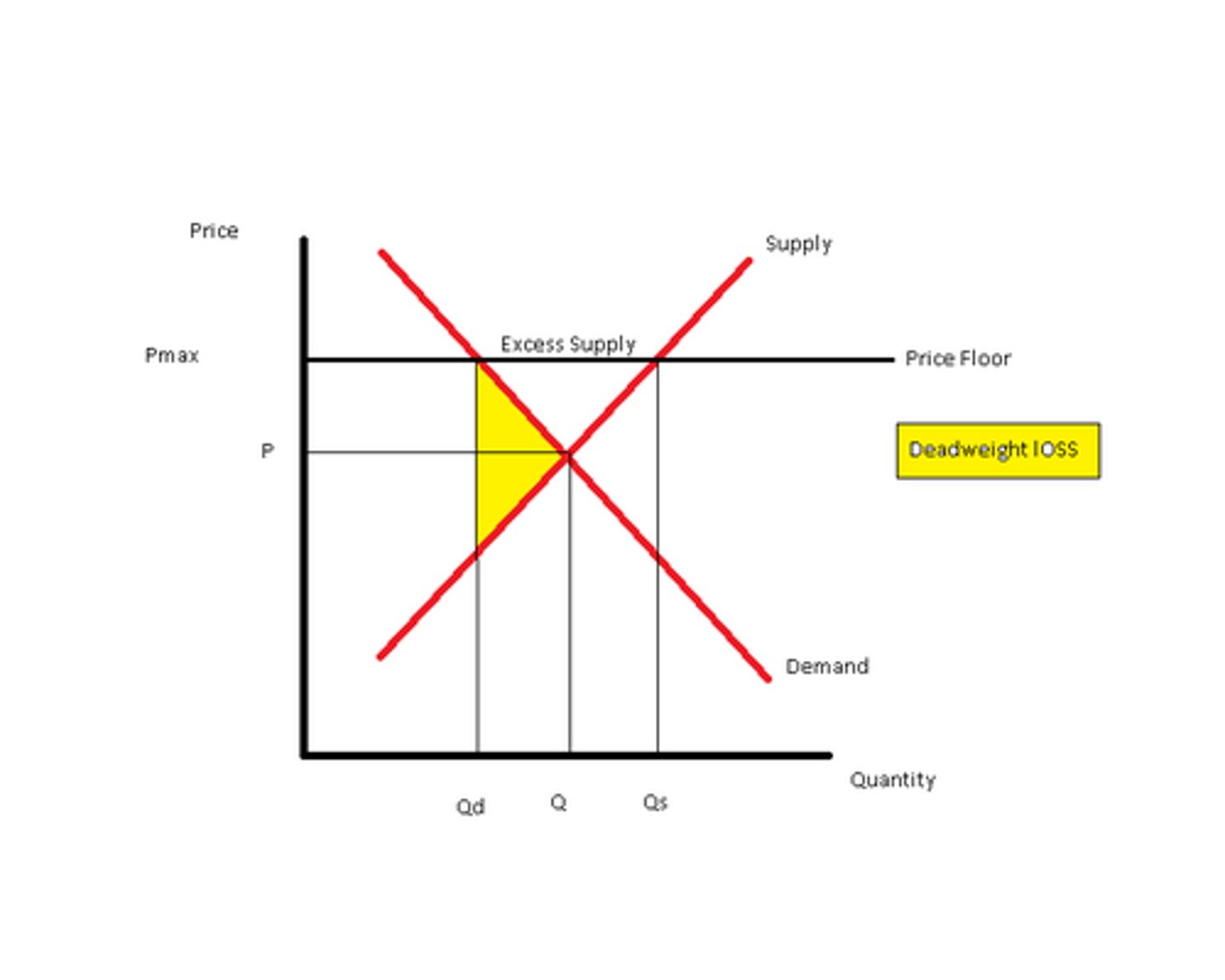
Price Floor
A legal minimum on the price at which a good can be sold (e.g., Minimum Wage).
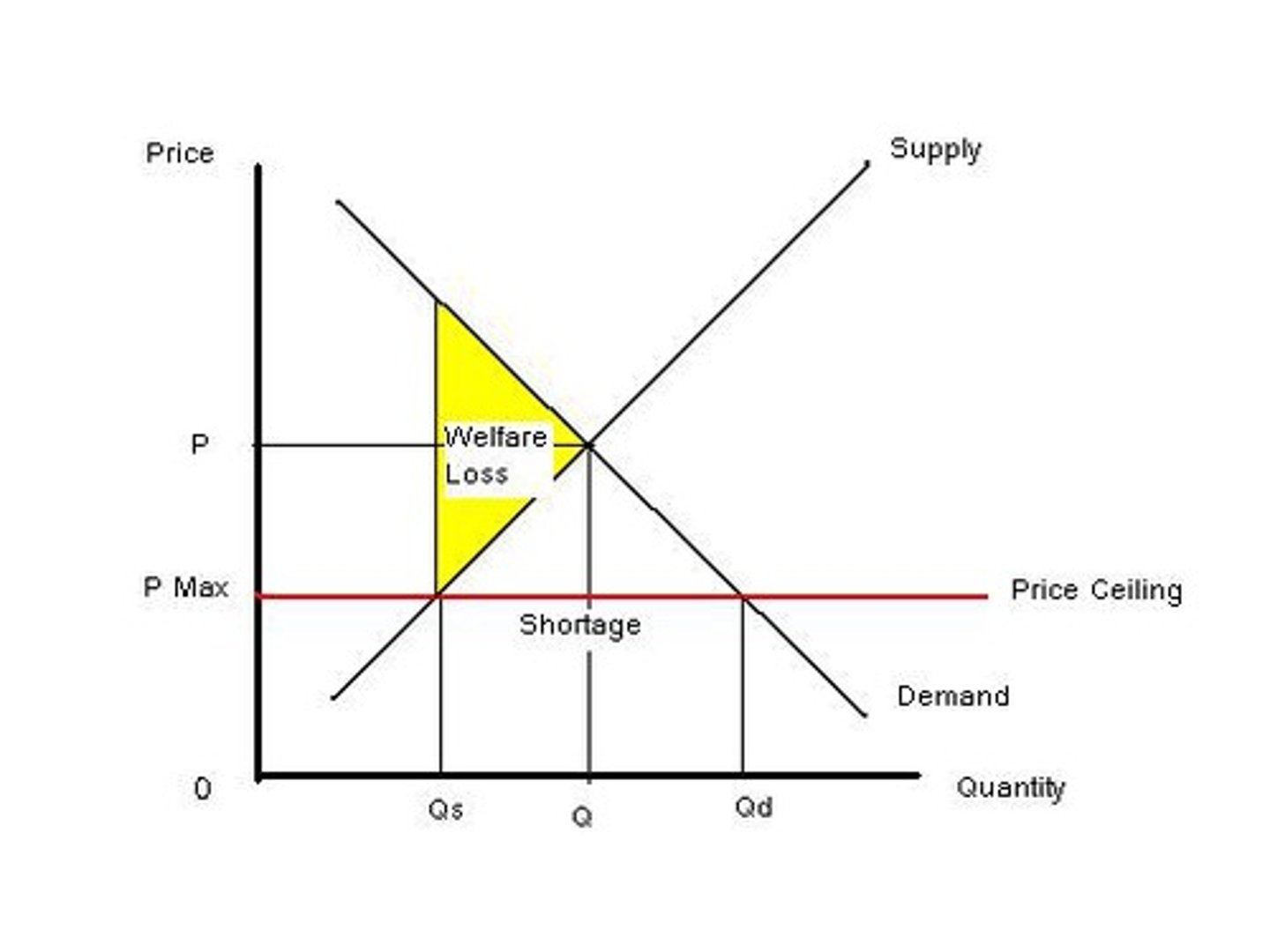
Price Ceiling
A legal maximum on the price at which a good can be sold.
Comparative Advantage
The ability to produce a good at a lower opportunity cost than another producer.
Autarky
A situation in which a country does not trade with others.
Negative Externality
A cost that is imposed on a third party (e.g., pollution); requires a Pigouvian tax to fix.
Public Goods
Goods that are both Non-rival and Non-excludable.
Common Resources
Goods that are Rival but Non-excludable (leads to "Tragedy of the Commons").
Profit Maximization Rule
Produce the quantity where Marginal Revenue ($MR$) = Marginal Cost ($MC$).
Economic Profit
Total Revenue - (Explicit + Implicit Costs). In the long run with free entry, this is zero.
Natural Monopoly
When a single firm can provide a good to the whole market at a lower cost than multiple firms.
Price Discrimination
Selling the same good at different prices to different customers based on willingness to pay.
Prisoner's Dilemma
A "game" where two rational individuals might not cooperate, even if it appears in their best interest.
Derived Demand
Labor demand is "derived" from the demand for the goods the labor produces.
Compensating Differential
A difference in wages that arises to offset the non-monetary characteristics of different jobs.
Human Capital
The accumulation of investments in people, such as education and on-the-job training.
Moral Hazard
When an agent who is not perfectly monitored engages in risky behavior because they don't bear the full cost.
Veil of Ignorance
A normative framework for designing a fair society without knowing your own place in it.
Explore top notes

