APWH Unit 4 Vocab
0.0(0)
Studied by 5 people Call Kai
 Learn
Learn Practice Test
 Spaced Repetition
 Match
Match Flashcards
 Knowt Play
Card Sorting
1/27

Earn XP
Description and Tags
28 Terms
1
New cards
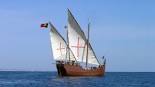
Caravel
Def: 15th century Portuguese ship used to sail the west coast of Africa.
Lo 1: The speed and lightness of the caravel allowed for colonization and goods to spread and diffuse in the new world by Europeans rapidly.
Lo 1: The speed and lightness of the caravel allowed for colonization and goods to spread and diffuse in the new world by Europeans rapidly.
2
New cards
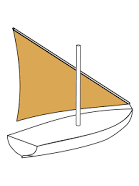
Lateen Sail
Def: Triangular sail that allowed ships to sail against the wind, increasing maneuverability and making early oceanic sailing possible.
Lo 1: Allowed ships to sail closer to the winds and travel long distances helping with diffusion.
Lo 1: Allowed ships to sail closer to the winds and travel long distances helping with diffusion.
3
New cards
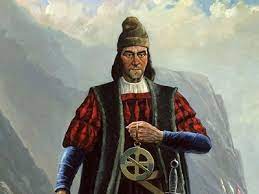
Bartolomeu Dias
Def: Portuguese sailor rounded the Cape of Good Hope and was the first European to enter the Indian Ocean, but he came back as soon as he reached the Indian Ocean.
Lo 2: He opened sea routes from Europe to Asia allowing trade.
Lo 2: He opened sea routes from Europe to Asia allowing trade.
4
New cards
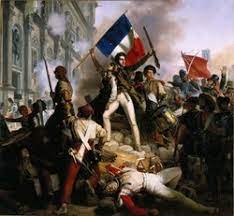
Nationalism
Def: The loyalty of a people to their common culture, traditions, ethnicity, geographic territory, and the idea of self-rule.
Lo 2: Nationalism played a big part in the new colonies and was a factor for conquering as glory for the the motherland.
Lo 2: Nationalism played a big part in the new colonies and was a factor for conquering as glory for the the motherland.
5
New cards
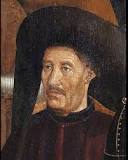
Prince Henry the Navigator
Def: Prince Henry was the prince of Portugal. He sponsored voyages of exploration with the aim of building colonies in the North Atlantic and West Africa.
Lo 2: He began the Portuguese involvement in the African slave trade.
Lo 2: He began the Portuguese involvement in the African slave trade.
6
New cards
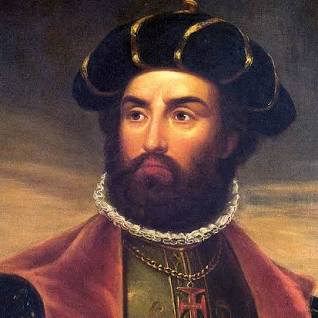
Vasco de Gama
Def: Portuguese explorer. In 1497-1498 he led the first naval expedition from Europe to sail to India.
Lo 2: He opened an important commercial sea route and established Portugal in India.
Lo 2: He opened an important commercial sea route and established Portugal in India.
7
New cards
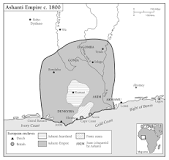
Asante Kingdom
Def: A pre-colonial West African state that emerged in the 17th century in what is now Ghana.
Lo 5: The Asante were separated into chiefdoms and were a very powerful kingdom.
Lo 5: The Asante were separated into chiefdoms and were a very powerful kingdom.
8
New cards
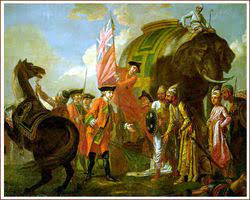
British East India Company
Def: an English company formed for the exploitation of trade with East and Southeast Asia and India.
Lo 5: It was started so that England could participate in the East Indian spice trade.
Lo 5: It was started so that England could participate in the East Indian spice trade.
9
New cards
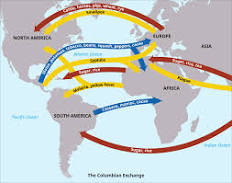
Columbian Exchange
Def: The Columbian Exchange refers to the exchange of diseases, ideas, food. crops, and populations between the New World and the Old World following the voyage to the Americas by Christopher Columbus in 1492.
Lo 4: The Columbian Exchange allowed for new goods to be found and the slavery of the natives. The diseases brought also killed most of the people already living there.
Lo 4: The Columbian Exchange allowed for new goods to be found and the slavery of the natives. The diseases brought also killed most of the people already living there.
10
New cards
Dutch East India Company
Def: trading company founded in the Dutch Republic in 1602 to protect that state's trade in the Indian Ocean and to assist in the Dutch war of independence from Spain.
Lo 6: This company was the largest multinational corporation and the richest still today. The trade companies it held allowed for spices to be transferred.
Lo 6: This company was the largest multinational corporation and the richest still today. The trade companies it held allowed for spices to be transferred.
11
New cards
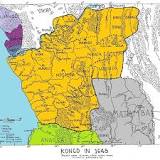
Kingdom of Kongo
Def: A large kingdom in the western central part of Africa colonized by the Portuguese. The kingdom was a superpower and center of trade routes for ivory, copper, raffia cloth, and pottery.
Lo 5: At its height this kingdom was a huge trade center especially for slave trade.
Lo 5: At its height this kingdom was a huge trade center especially for slave trade.
12
New cards
Chattel Slavery
Def: Chattel slavery is the most common form of slavery known to Americans. This system, which allowed people to be bought, sold and owned forever, was lawful and supported by the United States and European powers.
Lo 6: This labor system continued from the 16th to 18th centuries and was used as the slave trade flourished.
Lo 6: This labor system continued from the 16th to 18th centuries and was used as the slave trade flourished.
13
New cards
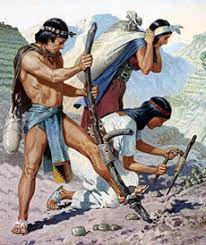
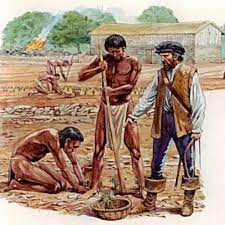
Encomienda System
Def: A form of forced and unpaid labour used by Spanish authorities and settlers in the colonies of the Spanish Empire on the natives. Also forced Christianity.
Lo 6: This created a Casta system that put the slaves at the bottom subjecting them to extreme torture especially in the mines.
Lo 6: This created a Casta system that put the slaves at the bottom subjecting them to extreme torture especially in the mines.
14
New cards
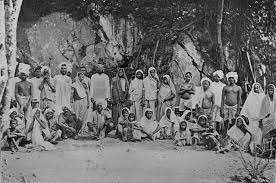
Indentured Servitude
Def: Indentured servitude was a common way for poor Europeans to emigrate to the Americas. In exchange for an agreed upon period of labor, often three to seven years, a wealthy plantation owner would fund the passage of the worker to the New World.
Lo 6: This for of labor soon died out as the wealthy participated in slave trade as slaves never left.
Lo 6: This for of labor soon died out as the wealthy participated in slave trade as slaves never left.
15
New cards
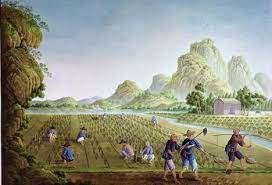
Mita System
Def: A forced labor system practiced by conquistadors in the former Inca Empire.
Lo 6: DIfferent from the Inca Mit'a system which was used for public service, the spanish mita system was used for native slaves to work on cash crop plantations.
Lo 6: DIfferent from the Inca Mit'a system which was used for public service, the spanish mita system was used for native slaves to work on cash crop plantations.
16
New cards
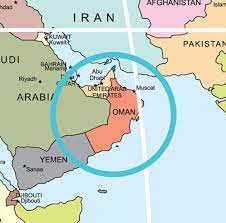
Omani merchants
Def: Trade with India increased steadily, Omani merchants prospered, and Oman emerged as a key player in the Indian Ocean trade.
Lo 6: Omanis have been a big trader since before the Europeans started colonizing and became even bigger as the Indian Ocean trade increased with Europe's involvement.
Lo 6: Omanis have been a big trader since before the Europeans started colonizing and became even bigger as the Indian Ocean trade increased with Europe's involvement.
17
New cards
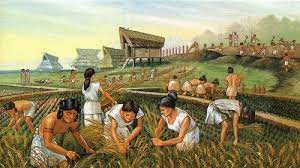
Plantation Economy
Def: An economy which is based on agricultural mass production, usually of a few staple products grown on large farms called plantations. Cash crops
Lo 7: Plantation economies were based on slaves and their work as plantations required tedious labor.
Lo 7: Plantation economies were based on slaves and their work as plantations required tedious labor.
18
New cards
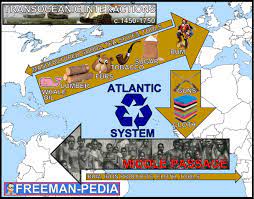
Atlantic System
Def: The network of trading links after 1500 that moved goods, wealth, people, and cultures around the Atlantic Ocean basin.
Lo 9: In the beginning the Atlantic system was mainly slaves controlled by the Portuguese. but it evolved to manufactured goods from the trading companies
Lo 9: In the beginning the Atlantic system was mainly slaves controlled by the Portuguese. but it evolved to manufactured goods from the trading companies
19
New cards
Joint-Stock Company
Def: Large, investor-backed companies that sponsored European exploration and colonization in the seventeenth and eighteenth centuries; precursors to modern corporations.
Lo 8: Investors in mother countries invest in these companies for money as they profit from traders.
Lo 8: Investors in mother countries invest in these companies for money as they profit from traders.
20
New cards
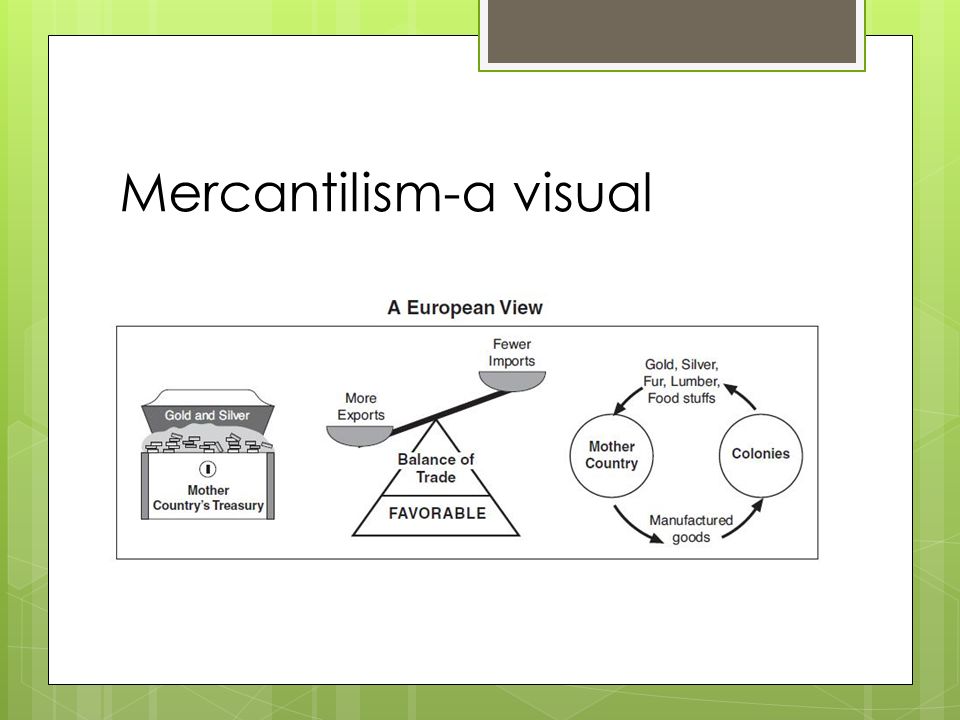
Mercantilism
Def: A system in which a country attempts to amass wealth through trade with other countries, exporting more than it imports and increasing stores of gold and precious metals.
Lo 8: This economic strategy was used by governments to earn profits through exports.
Lo 8: This economic strategy was used by governments to earn profits through exports.
21
New cards
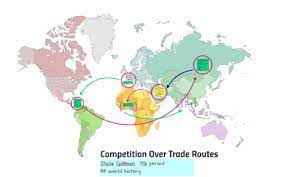
Muslim-European Rivalry
Def: The Muslims had more money, therefore they had been on top in the Indian Ocean trade. Europeans could not compare to the Muslims.
Lo 8: The Moroccan and Songhai had competition over the trade routes, which eventually led to the conquering of Songhai and legitimizing Muslim rule.
Lo 8: The Moroccan and Songhai had competition over the trade routes, which eventually led to the conquering of Songhai and legitimizing Muslim rule.
22
New cards
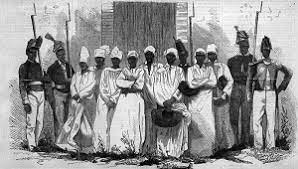
Vodun
Def: a New World syncretic faith that combines the animist faiths of West Africa with Christianity.
Lo 11: This belief system was one of many created due to colonization and the mix of indigenous and colonizer.
Lo 11: This belief system was one of many created due to colonization and the mix of indigenous and colonizer.
23
New cards
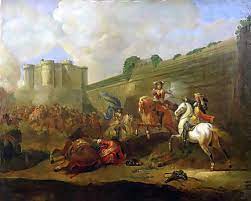
Maratha Conflict
Def: Battles fought between the Mughal Empire and people residing within Marathon territory. This war of 27 years lasted from 1680 to 1708. Also , three conflicts between the British and the Maratha confederacy, resulting in the destruction of the confederacy
Lo 12: The Marathas ended Mughal rule and expanded the empire, but the British came and destroyed their federacy allowing for British colonization
Lo 12: The Marathas ended Mughal rule and expanded the empire, but the British came and destroyed their federacy allowing for British colonization
24
New cards
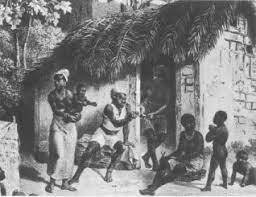
Maroon Societies
Def: Large groups of Africans escaped to geographically secluded regions to form runaway slave communities. established throughout the Americas, particularly in the Caribbean and Brazil.
Lo 12: These slaves ran to escape the power of the colonizers/
Lo 12: These slaves ran to escape the power of the colonizers/
25
New cards
Boyars
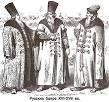
Def: the boyars were a privileged class of rich landowners; they served the prince as his aides and councillors but retained the right to leave his service
Lo 13: The boyars served in Russia for thousands of years and advised kings, many of whom were weary of them.
Lo 13: The boyars served in Russia for thousands of years and advised kings, many of whom were weary of them.
26
New cards
Casta System
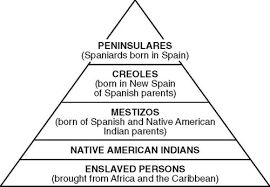
Def: Strict social hierarchy structured on racial components, designed to ensure Spanish-European dominance in new Spain.
Lo 13: This social hierarchy is very similar to the India Caste system
Lo 13: This social hierarchy is very similar to the India Caste system
27
New cards
Jewish Migrations
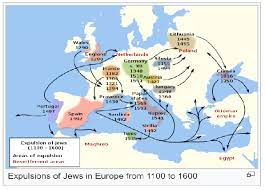
Def: European Jewish movement of the 1860s and 1870s that argued that Jews return to their holy land; eventually identified with settlement in Palestine
Lo 13: The migration of Jews saw to the spread of Judaism.
Lo 13: The migration of Jews saw to the spread of Judaism.
28
New cards
Hacienda system
Def:Landowners developed agriculture through different crops and worked through coerced labor:
Lo 6: The Hacienda system had many continuities similar to serfdom and the encomienda and hacienda were both made by the spanish.
Lo 6: The Hacienda system had many continuities similar to serfdom and the encomienda and hacienda were both made by the spanish.