Physiology: Skeletal System-Unit 2
 Call Kai
 Learn
Learn Practice Test
 Spaced Repetition
 Match
Match Flashcards
 Knowt Play
1/220

Earn XP
Description and Tags
Name | Mastery | Learn | Test | Matching | Spaced | Call with Kai | Chat |
|---|
No analytics yet
Send a link to your students to track their progress
221 Terms
4 Functions of Skeletal System
Protects Internal Organs (heart, lungs, brain)
Support body with structure
Move with the aid of muscular system
Produce blood cells (WBC, RBC, Platelets)
Osseous Bone (Compact bone) Overview (2)
Overview:
Provides strength/protection
Shaft (middle) of bone.
Spongy bone Overview (2)
Overview:
Aids in blood cell production
Ends of long bones.
Cartilage Overview (3)
Overview:
Aids in strength & flexibility
Absorbs shock at joints
Covers tips/ends of long bones
Compact Bone, Spongy bone, Dense connective & Cartilage are all in _____ group
C (Connective Tissue)
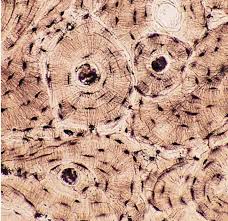
Compact Bone Functions (2)
Found in the middle system of bone.
Provides strength / protection
3 Specialized Cells of Compact Bone (osseous)
Osteocytes
Osteoblasts
Osteoclasts
Osteocyte Function
Maintain Bone Tissue
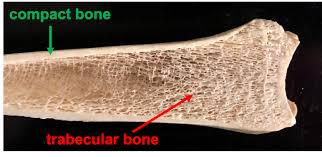
Spongy Bone Functions (2)
Found inside the ends of long bones.
Contains red bone marrow—makes blood.
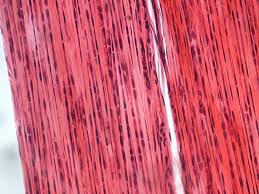
Dense Connective Tissue Functions (2)
Includes tendons/ligaments
Resists stress
Dense Connective Tissue Specialized Cell (1)
Fibroblast
Fibroblast Function
Create collagen
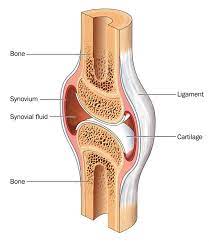
Cartilage Function (3)
Found covering the ends of bones, ears, ribcage
Absorbs shock
Provides flexibility/strength
Cartilage Special Cell (1)
Chrondrocyte
Chrondrocyte function
Creates cartilage
Long Bone Features
Cylinder-like, longer than they are wide.
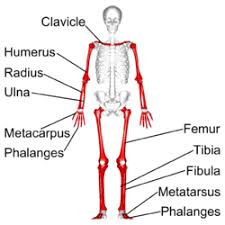
Long Bone Function
Leverage
Long Bone Examples (10)
femur
tibia
fibula
metatarsals
humerus
ulna
radius
metacarpals
phalanges
clavicles
Short Bone Feature (2)
Cube Like or round
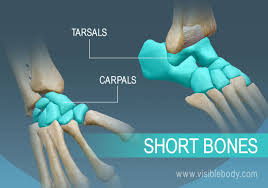
Short Bone Functions (2)
Stability, Support
Short Bone Examples (2)
ONLY Carpals & Tarsals
Flat Bone Features (2)
Thin & curved
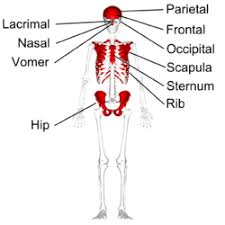
Both Flat Bone & Irregular Bone Function:
Protection
Flat Bone Examples (4)
Sternum
Ribs
Scapula
Facial Bones (Skull plates NOT facial bones)
Irregular Bone Feature
Complex Shape
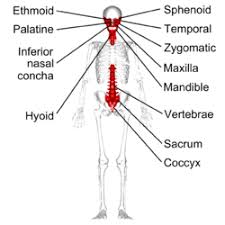
Irregular Bone Examples (3)
Vertebrae
Facial bones
Pelvis
Axial includes (3)
Skull
Vertebrae
Ribs
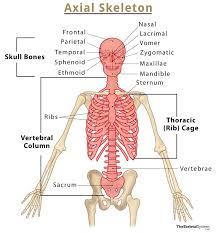
Axial Function
Support & Protect Organs; creates surface for attachment of muscles.
Appendicular Includes (3)
Limbs (arms & legs)
Pectoral Girdle
Pelvic Girdle
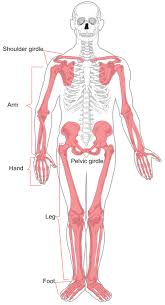
Appendicular Function
Movement
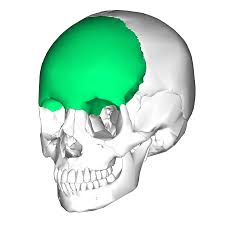
Anatomy of the Human Skull
Frontal
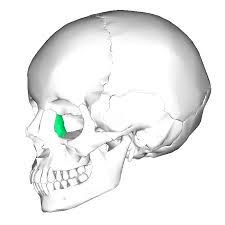
Anatomy of the Human Skull
Lacrimal
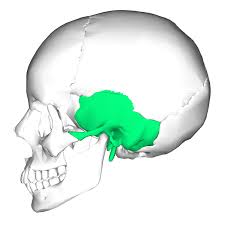
Anatomy of the Human Skull
Temporal Bone
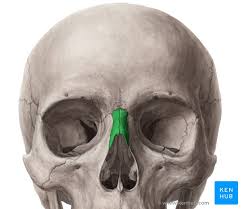
Anatomy of the Human Skull
Nasal
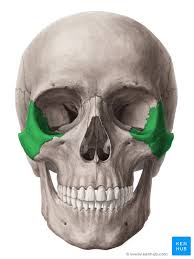
Anatomy of the Human Skull
Zygomatic Process
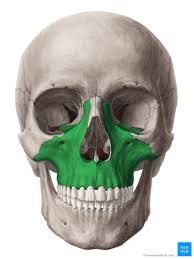
Anatomy of the Human Skull
Maxilla
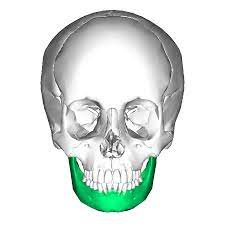
Anatomy of the Human Skull
Mandible
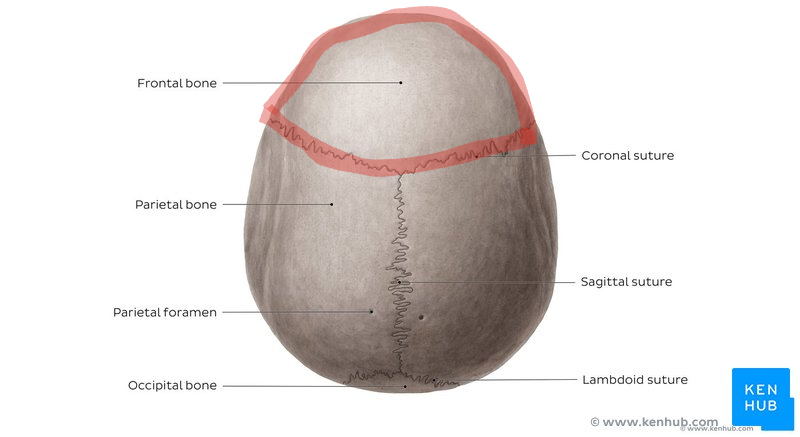
Top View of Human Skull
Frontal
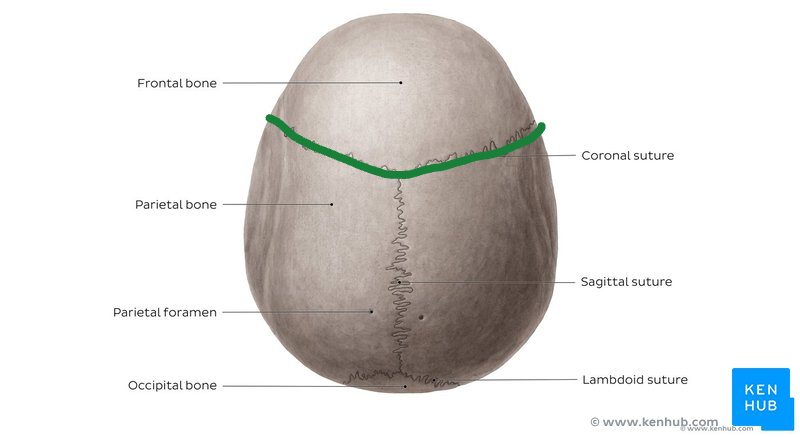
Top View of Human Skull
Coronal Suture
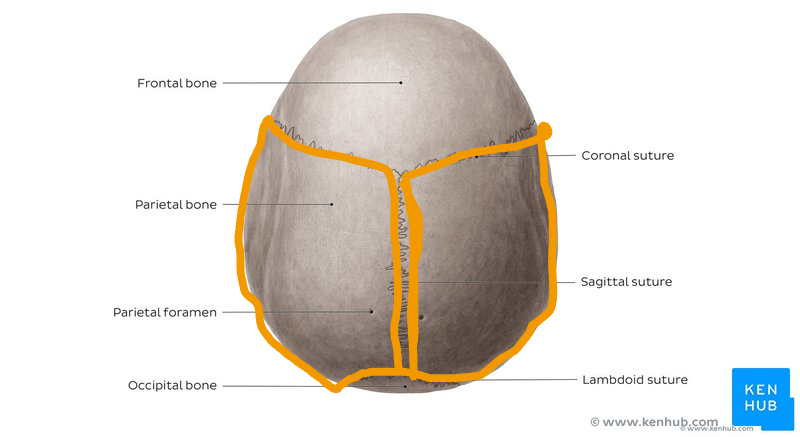
Top View of Human Skull
Parietal
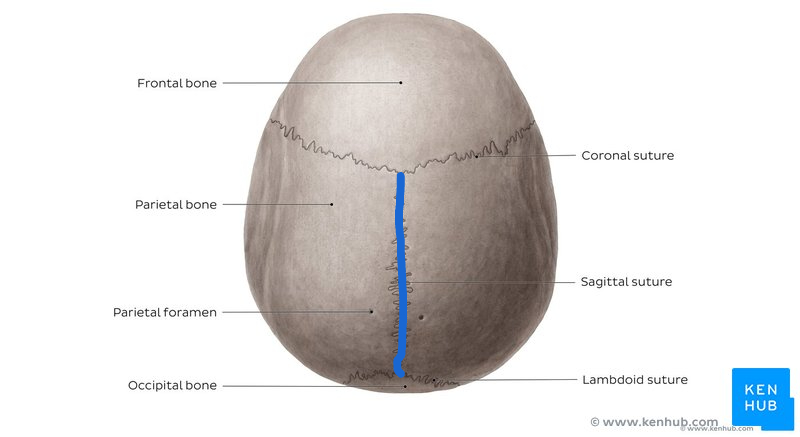
Top View of Human Skull
Sagittal Suture
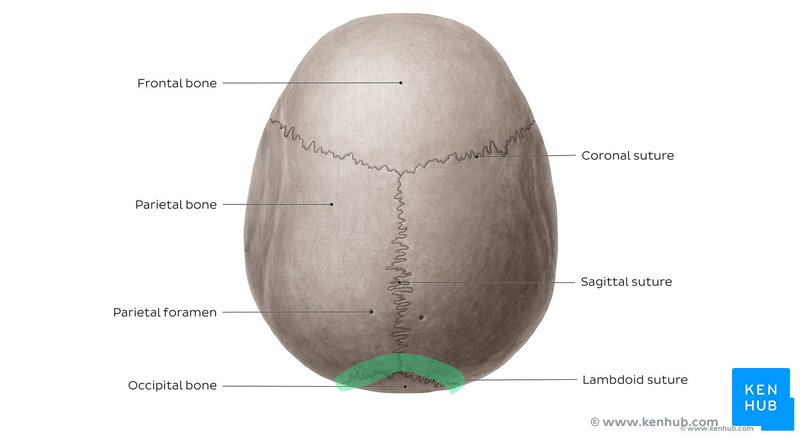
Top View of Human Skull
Lamboidal Suture
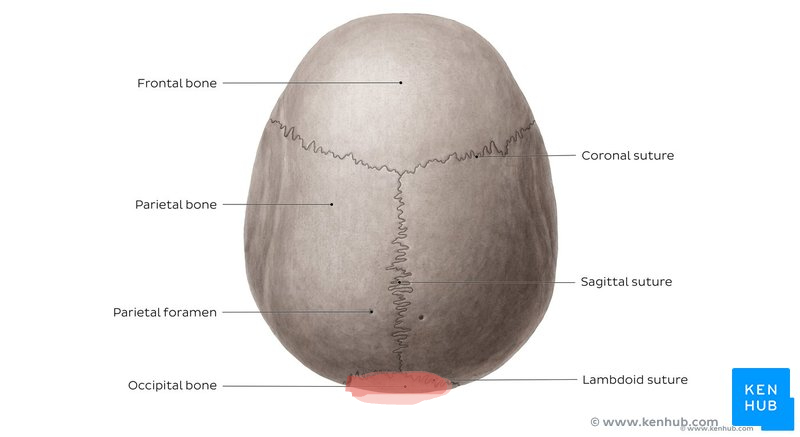
Top View of Human Skull
Occipital
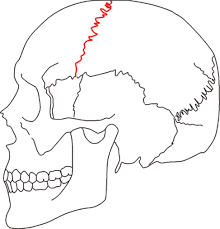
Side View of Human Skull
Coronal Suture
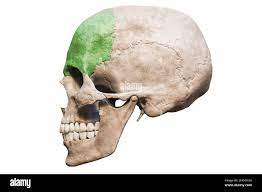
Side View of Human Skull
Frontal
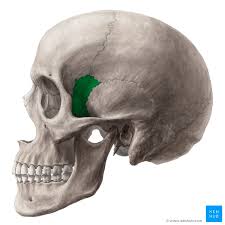
Side View of Human Skull
Splenoid
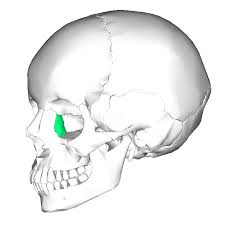
Side View of Human Skull
Lacrimal
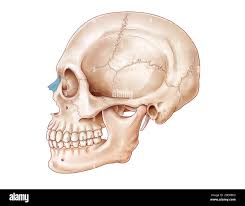
Side View of Human Skull
Nasal
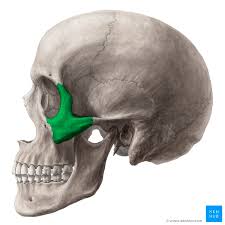
Side View of Human Skull
Zygomatic Process
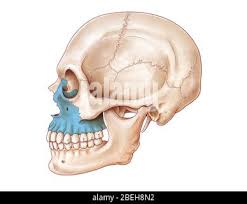
Side View of Human Skull
Maxilla
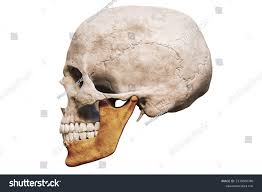
Side View of Human Skull
Mandible
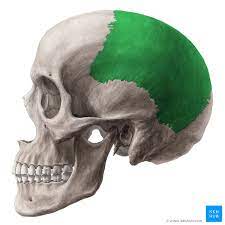
Side View of Human Skull
Parietal
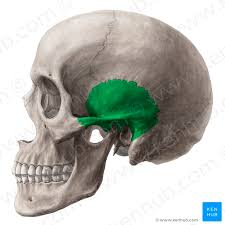
Side View of Human Skull
Temporal
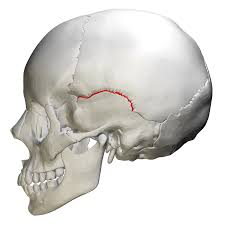
Side View of Human Skull
Squamous Suture
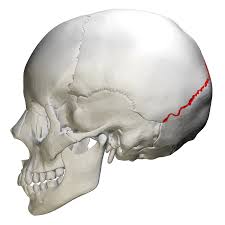
Side View of Human Skull
Lamboidal Suture
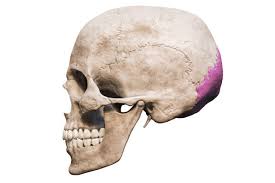
Side View of Human Skull
Occipital
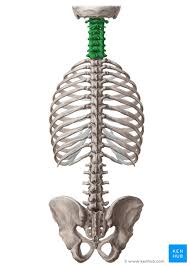
Anatomy of Human Skeleton
Cervical Vertebrae
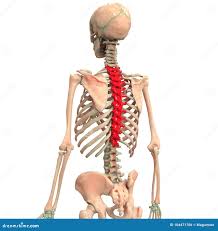
Anatomy of Human Skeleton
Thoracic Vertebrae
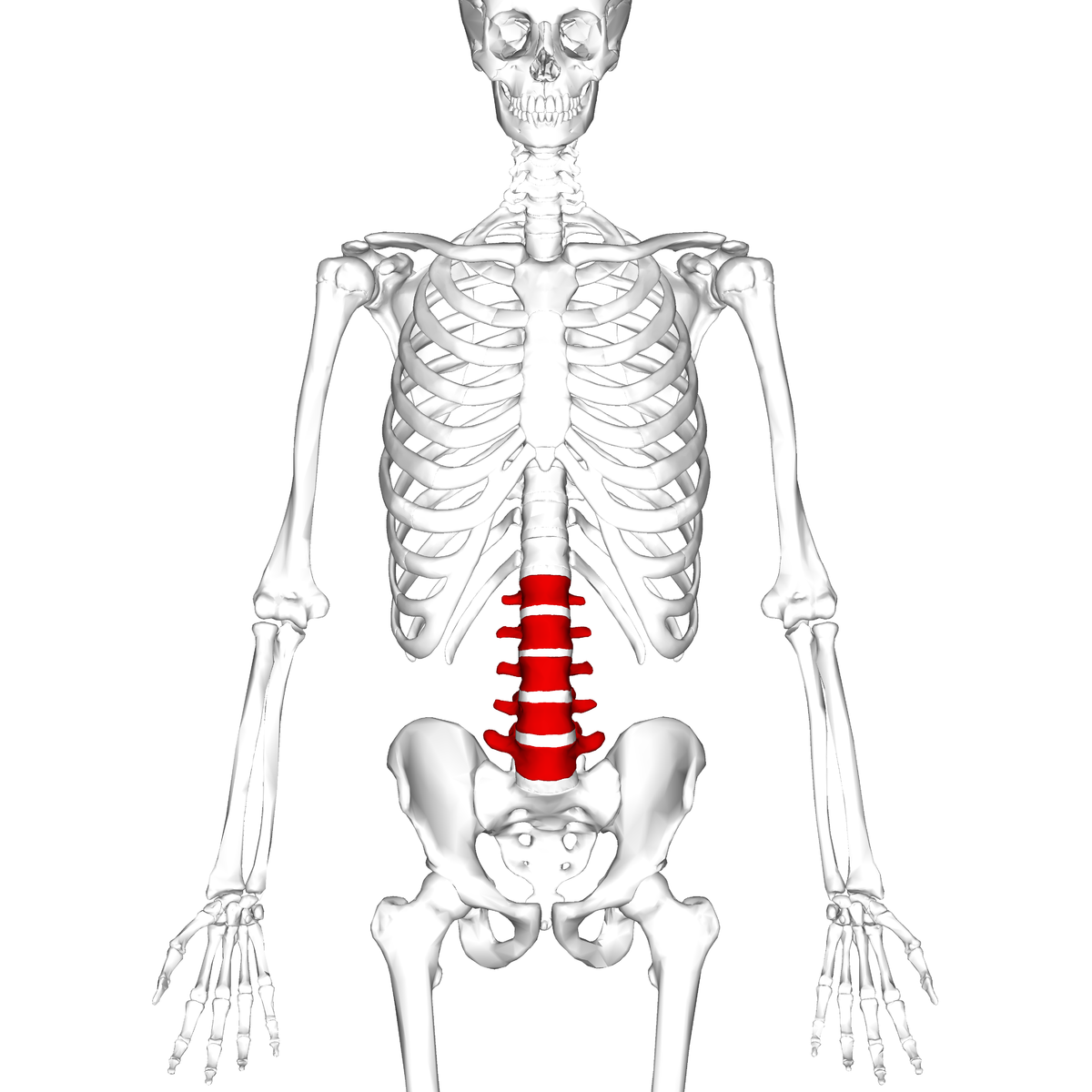
Anatomy of Human Skeleton
Lumbar Vertebrae
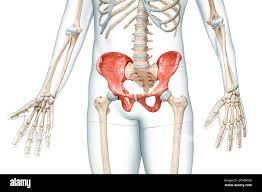
Anatomy of Human Skeleton
Pelvis
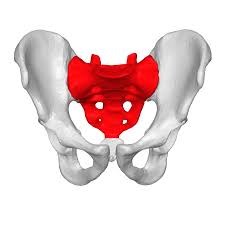
Anatomy of Human Skeleton
Sacrum
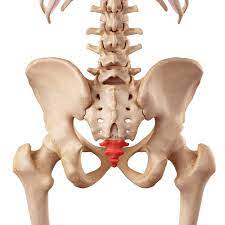
Anatomy of Human Skeleton
Coccyx
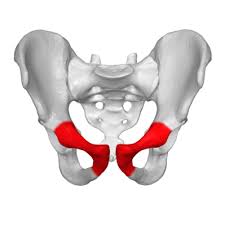
Anatomy of Human Skeleton
Pubis Symphysis
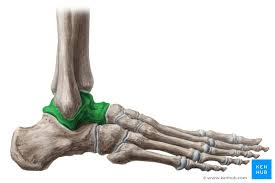
Anatomy of Human Skeleton
Talus
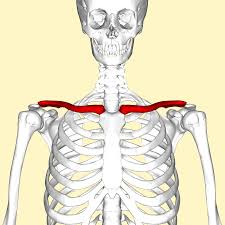
Anatomy of Human Skeleton
Clavicle
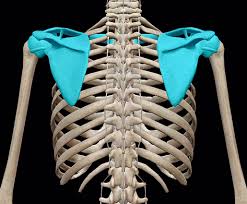
Anatomy of Human Skeleton
Scapula
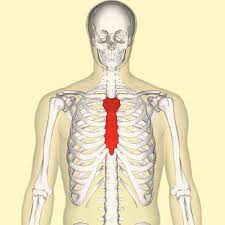
Anatomy of Human Skeleton
Sternum
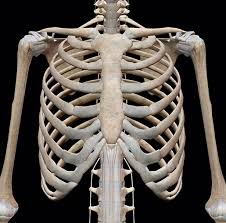
Anatomy of Human Skeleton
Ribs
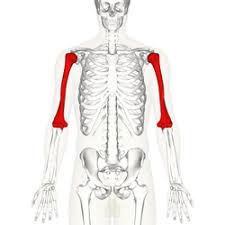
Anatomy of Human Skeleton
Humerus
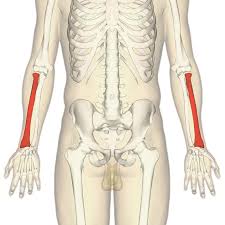
Anatomy of Human Skeleton
Radius
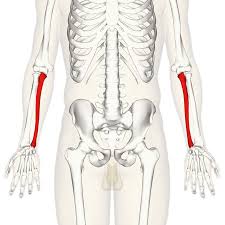
Anatomy of Human Skeleton
Ulna
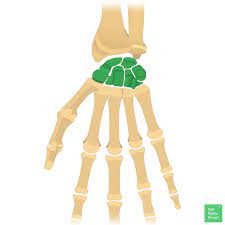
Anatomy of Human Skeleton
Carpals
Anatomy of Human Skeleton
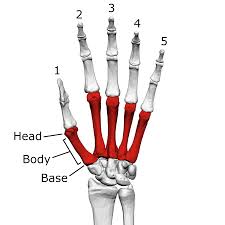
Metacarpals
Anatomy of Human Skeleton
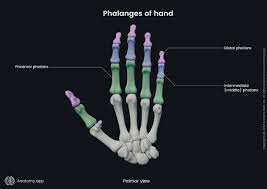
Phalanges (hands)
Anatomy of Human Skeleton
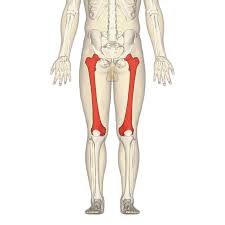
Femur
Anatomy of Human Skeleton
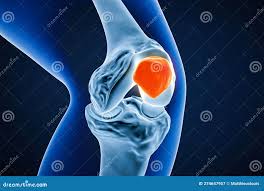
Patella
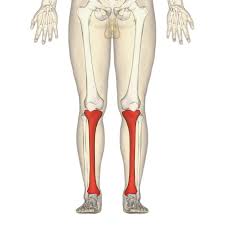
Anatomy of Human Skeleton
Tibia
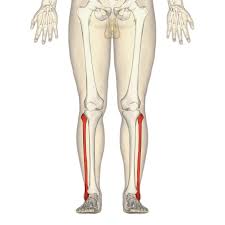
Anatomy of Human Skeleton
Fibula
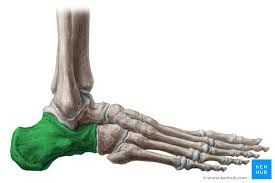
Anatomy of Human Skeleton
Calcaneus
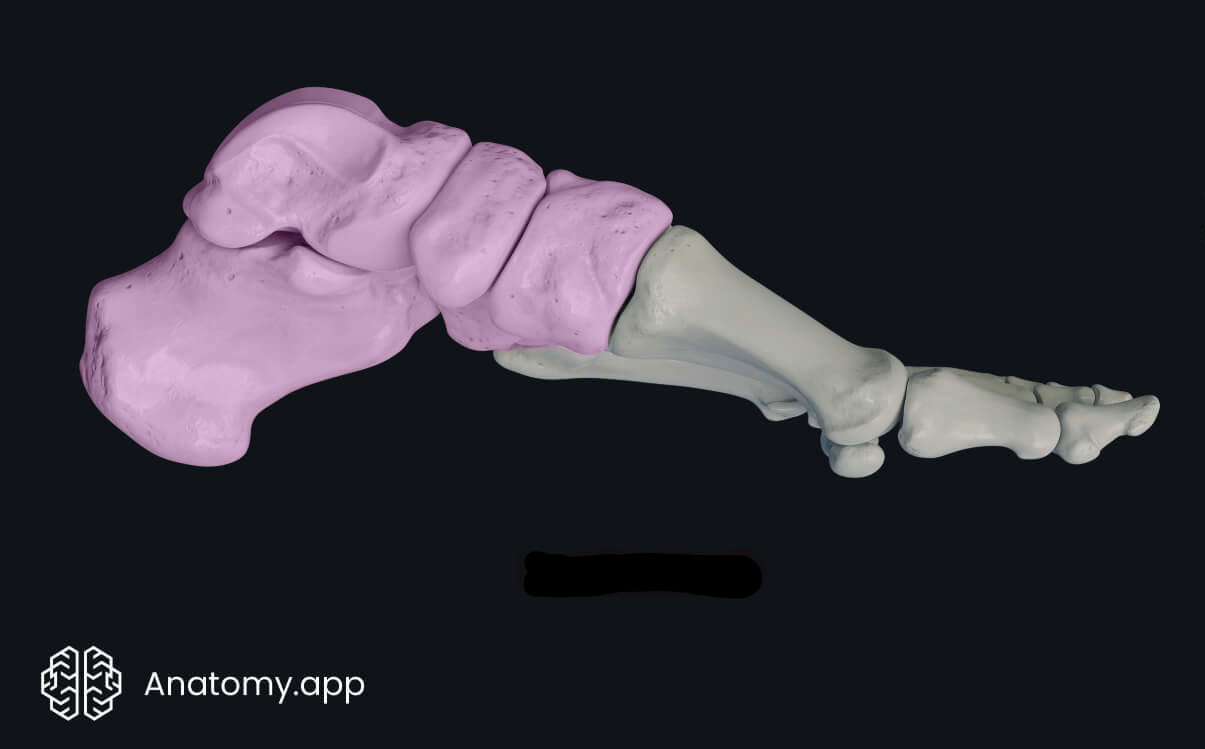
Anatomy of Human Skeleton
Tarsals
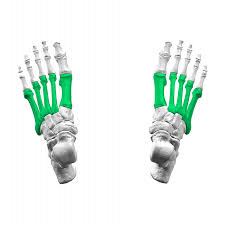
Anatomy of Human Skeleton
Metatarsals
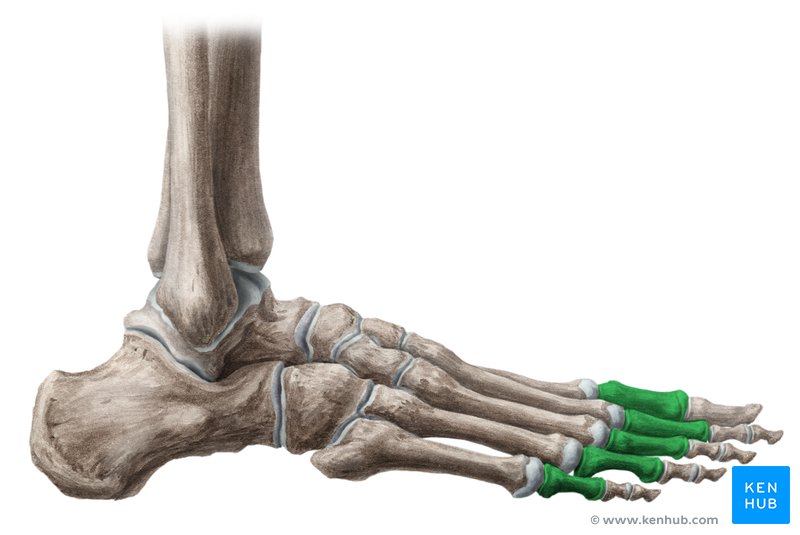
Anatomy of Human Skeleton
Phalanges (feet)
Both Clavicle & Scapula are part of the
Pectoral Girdle
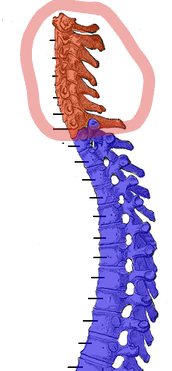
Vertebrae
Cervical Vertebrae
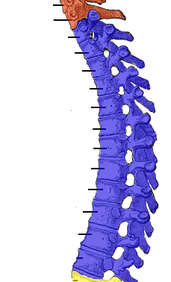
Vertebrae
Thoracic Vertebrae
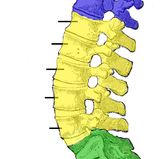
Vertebrae
Lumbar Vertebrae
Vertebrae
Sacrum

Vertebrae
Coccyx
Cervical Vertebrae has _______ verterbae
7
Thoracic Vertebrae has _____ vertebrae
12
Lumbar Vertebrae has _____ vertebrae
5
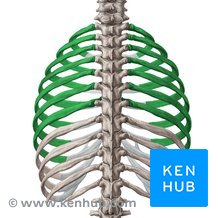
Ribs (Axial Skeleton)
True Ribs
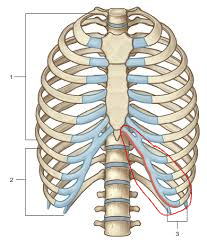
Ribs (Axial Skeleton)
False Ribs
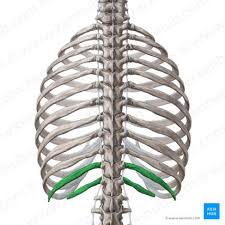
Ribs (Axial Skeleton)
Floating Ribs
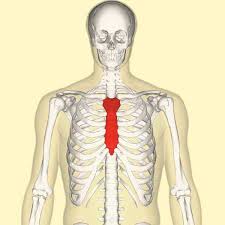
Ribs (Axial Skeleton)
Sternum
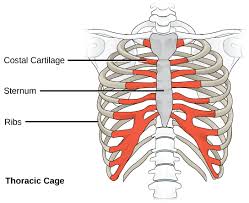
Ribs (Axial Skeleton)
Cartilage
True Ribs _____ attach to Sternum
DIRECTLY
False Ribs _______ directly attach to Sternum (shared cartilage)
DO NOT
Floating ribs do not attach _________ to the Sternum (no cartilage)
AT ALL
True Ribs have ____ ribs
7