World War 1 STAAR Review
 Studied by 0 people
 Call Kai
 Learn
Learn Practice Test
 Spaced Repetition
 Match
Match Flashcards
 Knowt Play
1/32

There's no tags or description
Looks like no tags are added yet.
Name | Mastery | Learn | Test | Matching | Spaced | Call with Kai |
|---|
No analytics yet
Send a link to your students to track their progress
33 Terms
1914
Start of World War I
1917
U.S. joins World War I
1918
World War I ends
M.A.I.N
4 long term causes of World War I.
-militarism
-alliances
-imperialism
-nationalism
Militarism
This cause of World War I was a policy of building up strong armed forces to prepare for war.
Alliances
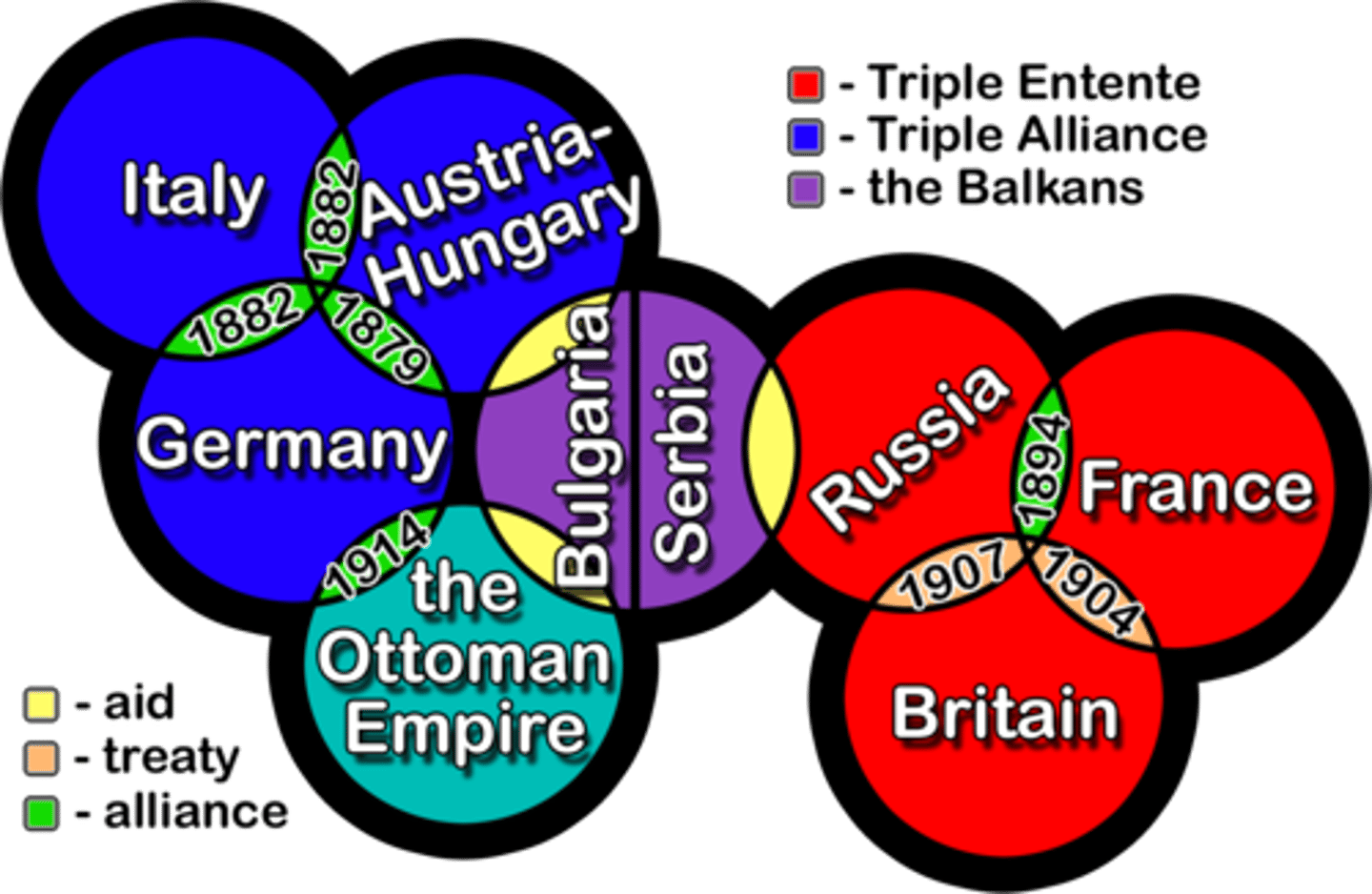
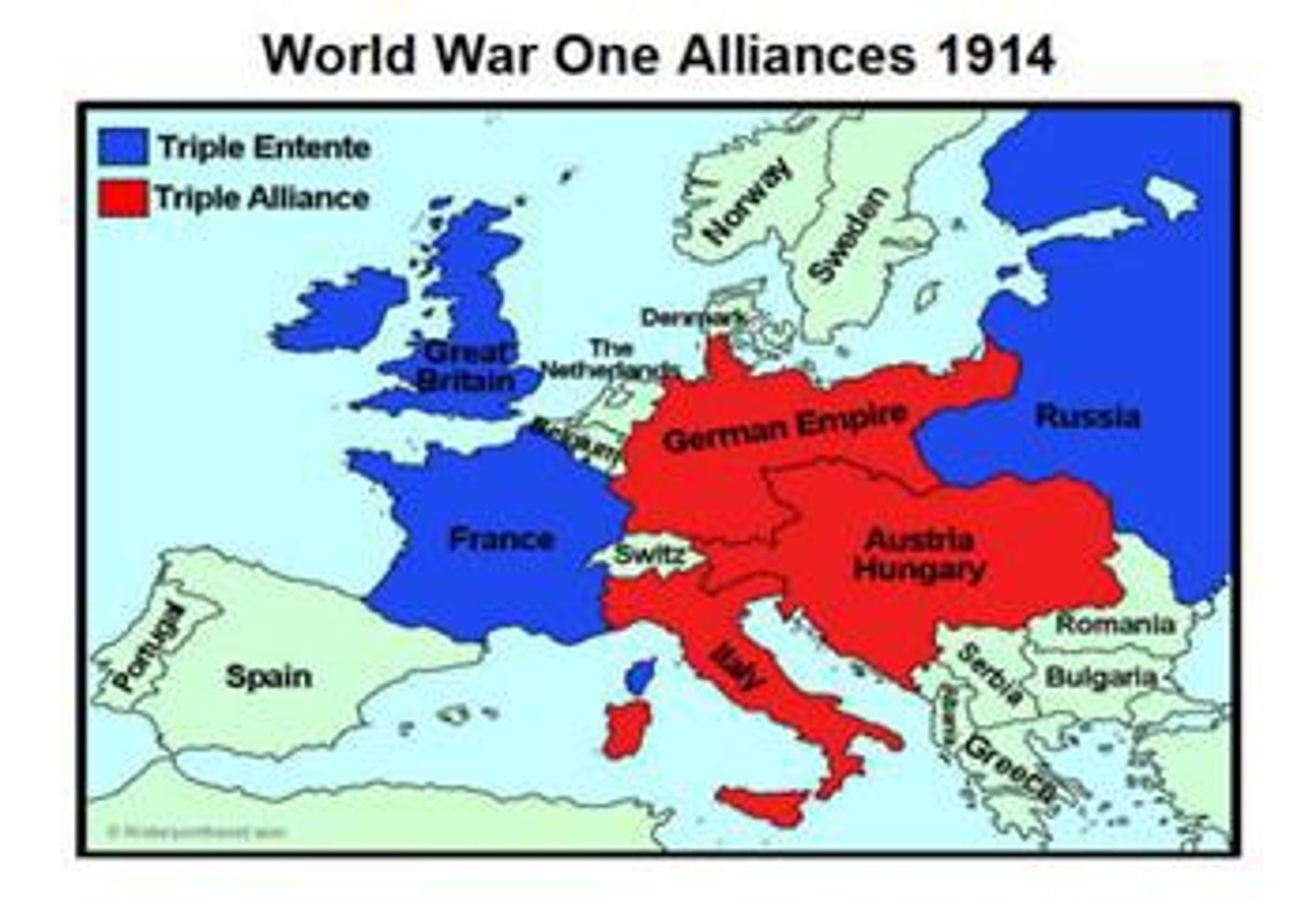
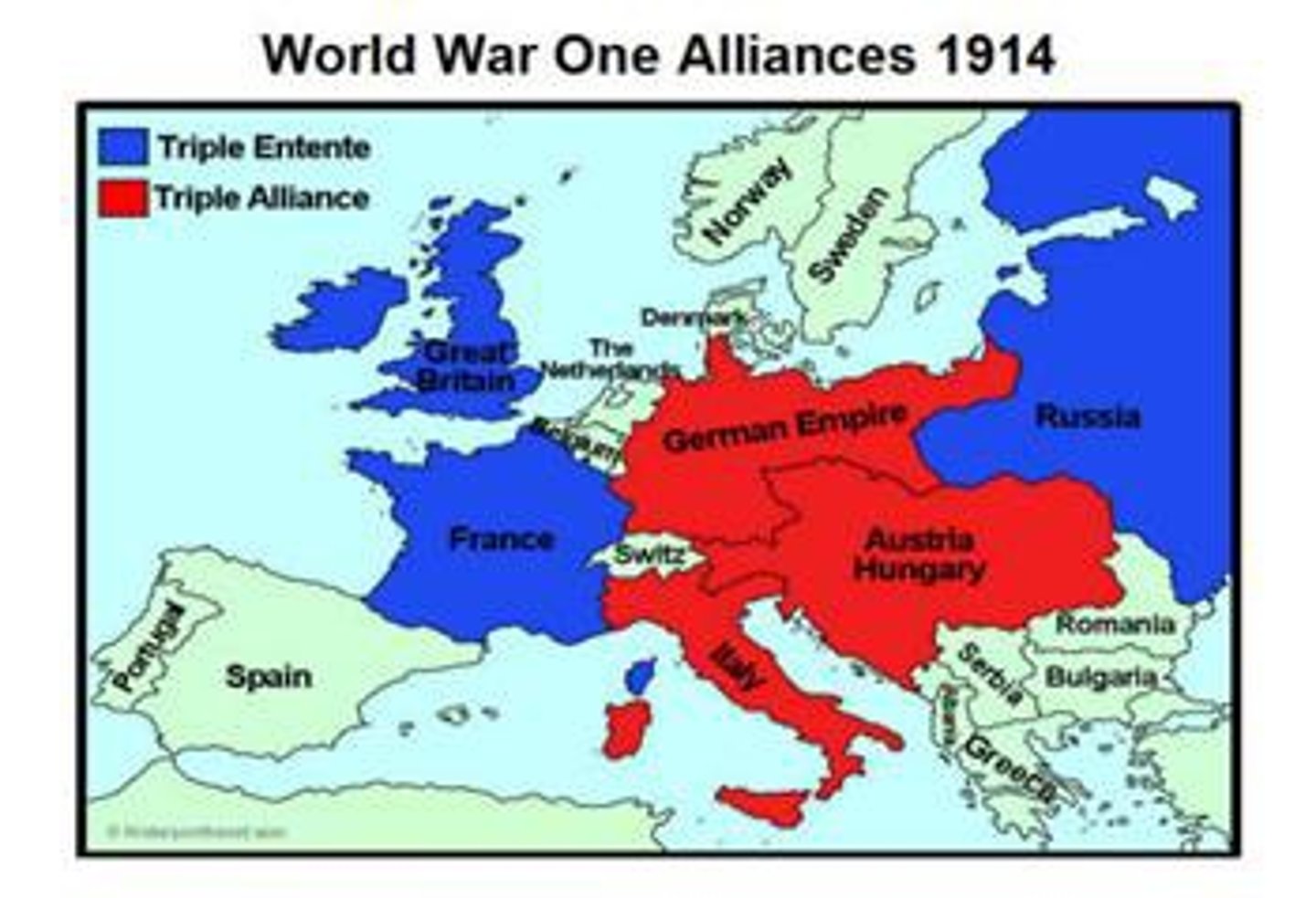
This was a major cause of WWI. Two major alliances formed the Triple Alliance (Germany, Austria, Italy) and the Triple Entente (France, England, Russia). This alliance system made world war likely, by drawing all countries into a small war.
Imperialism
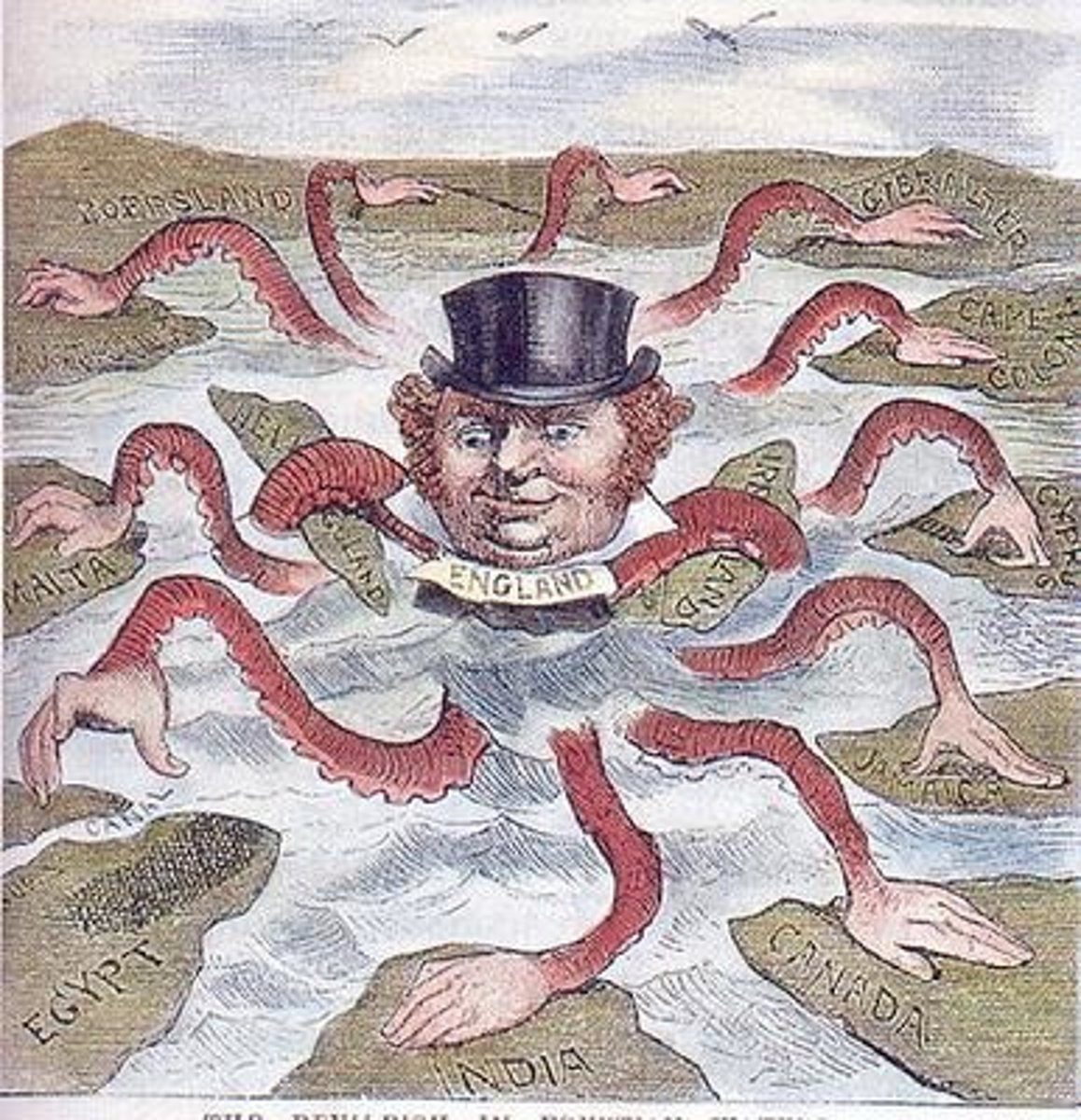
This cause of World War I resulted from the competition among European nations for colonies in Africa and Asia from 1880-1914. This created tension, especially between Germany and Great Britain.
Nationalism
This cause of World War I was based on an intense pride in one's nation and belief that that country is better than all other countries.
The assassination of Archduke Franz Ferdinand
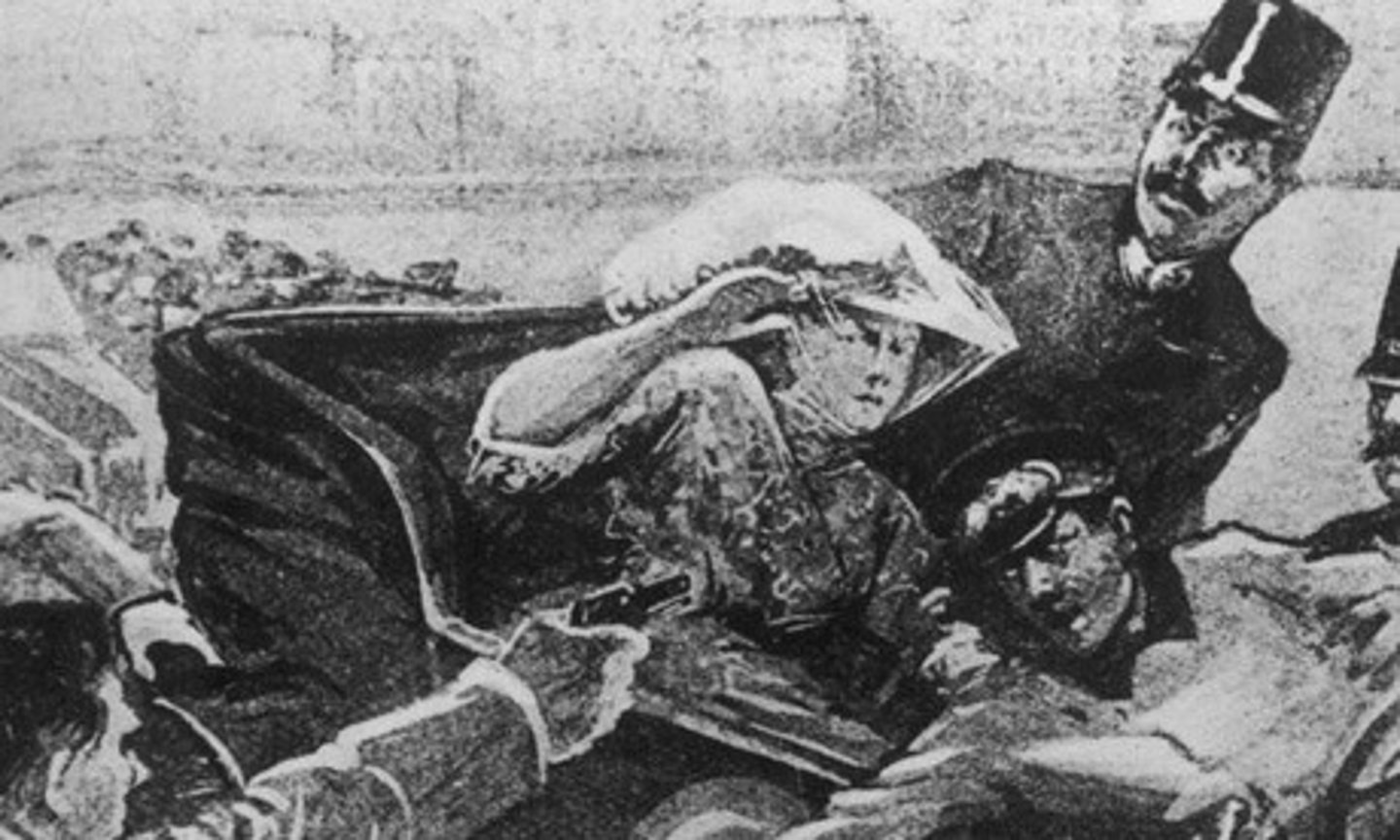
The spark that started World War I. Archduke Ferdinand, the Austrian crown prince, was murdered on June 28, 1914, by a Serbian nationalist while visiting Sarajevo, Bosnia. Germany urged Austria-Hungary to fight and they went to war against Serbia. This set off a chain of countries joining the war to defend their allies.
Central Powers
This was a major alliance at the 'center' of Europe during World War I, made up of Germany, Austria-Hungary, Bulgaria, and Ottoman Empire. It was formerly known as the Triple Alliance before the war. SHOWN ABOVE IN RED.
Allied Powers
This was a major alliance during World War I made up of Britain, France, Russia, and the United States. It was known as the Triple Entente(a French word) before the war. Shown in Blue on the map.
Trench Warfare
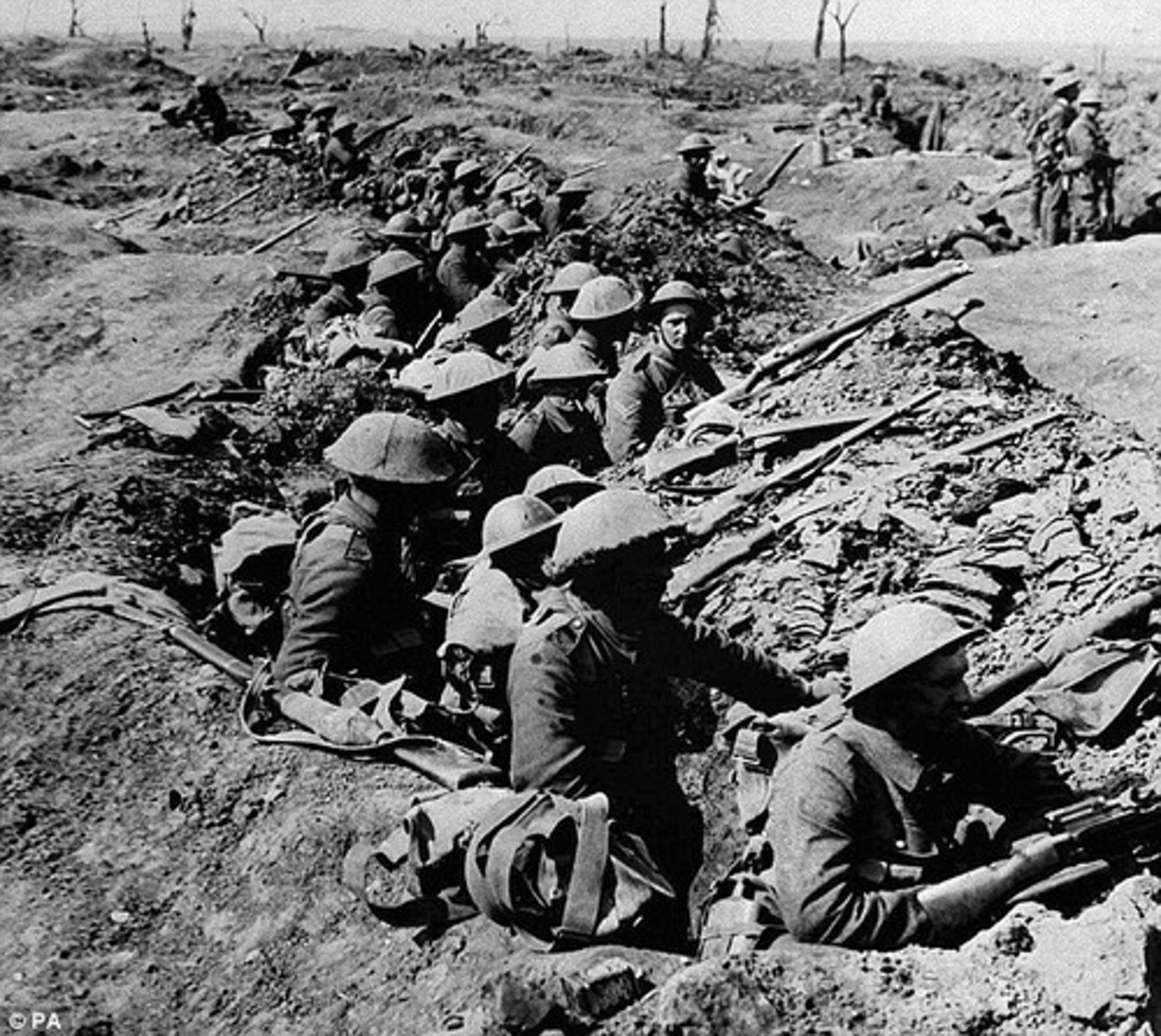
This style of warfare was common in WWI, due to the invention of the machine gun and heavy artillery. It included digging long trenches, separated by barbed wire and a no mans land.
stalemate
A deadlock in which neither side is able to defeat the other
Western Front of WWI
Trench Warfare, small land gains, and ended in a bloody stalemate. Germany vs. GB and France.
U-boats
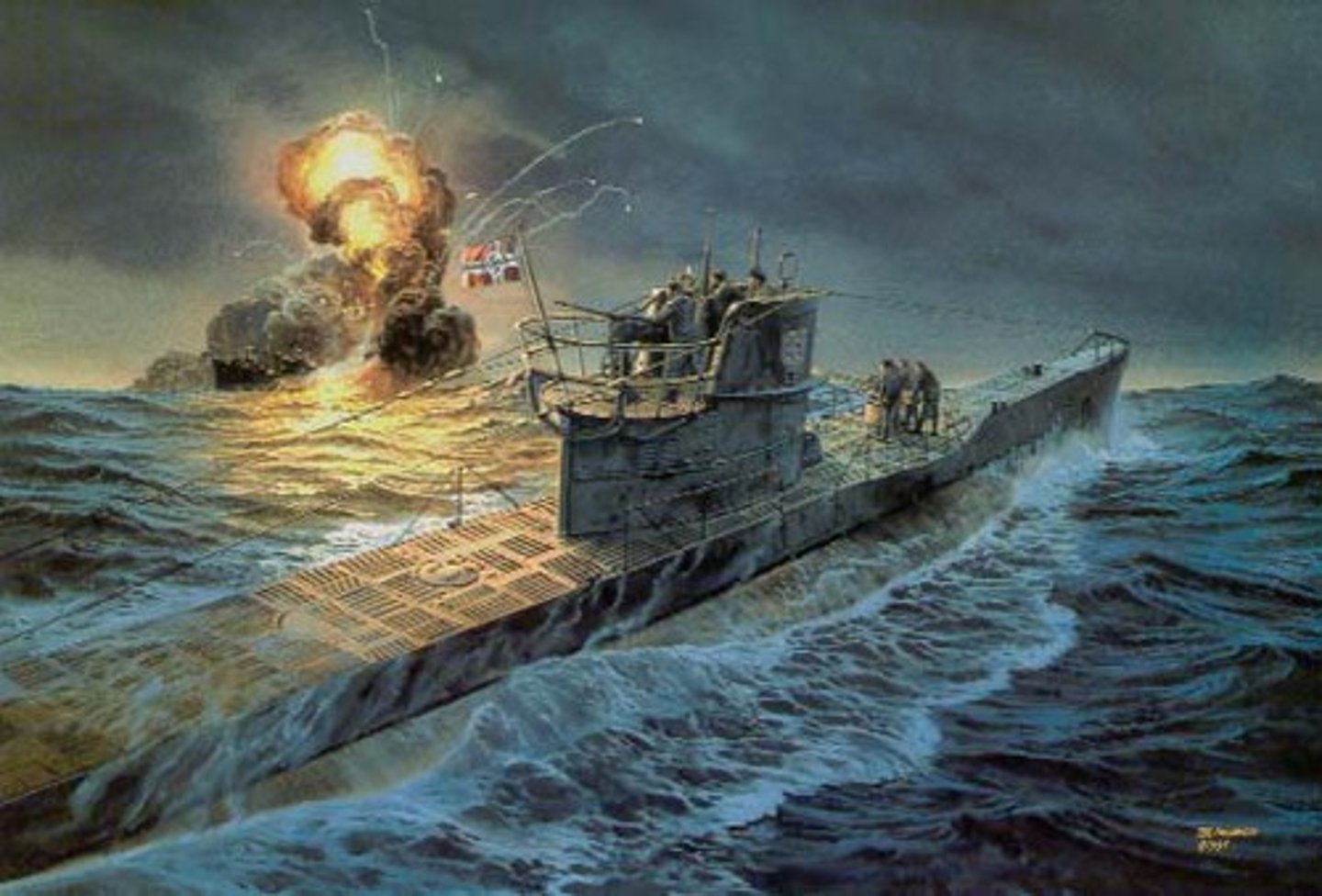
Submarines used by the Germans in sea warfare, to attack British and American supply ships in the North Sea and the Atlantic Ocean. Often attacked without warning, killing civilians.
Lusitania
One of the reasons the U.S. joined World War I. This British passenger ship was sunk by German U-boats in 1915, carrying civilians and ammunition to Britain from the U.S. The event turned American opinion against Germany.

Unrestricted Submarine Warfare
A policy that the Germans announced on January 1917 which stated that their submarines would sink any ship in the British waters without warning. Resulted in entry of the US into World War I.
American Expeditionary Forces (AEF)
American forces in Europe during World War I. Led by General John J. Pershing. Helped Allies win against Germany.
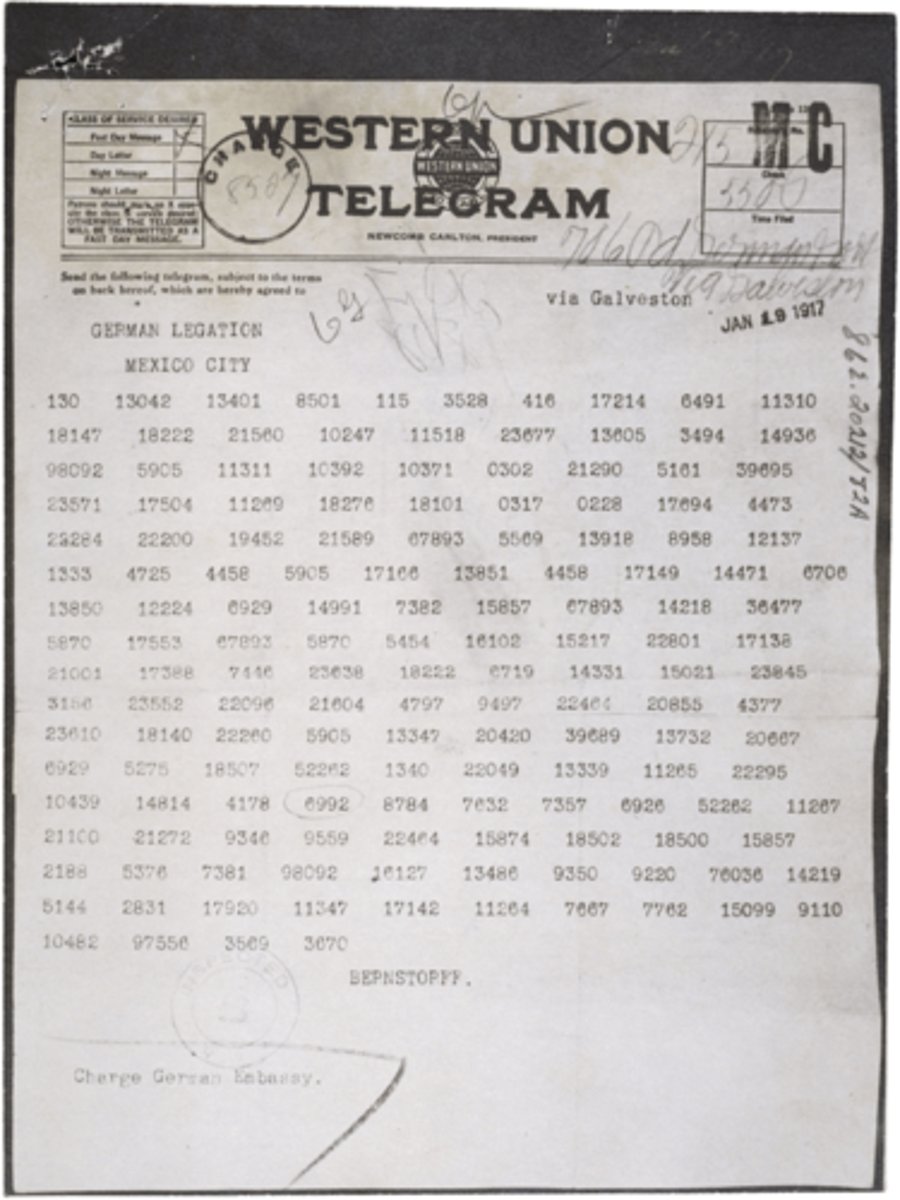
Zimmerman Telegram
One of the reasons the U.S. joined World War I. This intercepted note from the Germany to Mexico offered, territories in Texas, Arizona and New Mexico for Mexico if Mexico would fight the United States. Helped turn Americans against Germany in WWI.
General John J. Pershing
General of the American Expeditionary Force in WWI
Alvin York
killed 25 machine-gunners and captured 132 German soldiers when his soldiers took cover; won Congressional Medal of Freedom
poison gas in WWI
Introduced by the Germans and was used by both sides during the war; caused vomiting, blindness, and suffocation
Tanks in WWI
armored vehicles, which were impenetrable to bullets and could roll into a battle unharmed. Helped break the stalemate. Could push through trenches.
Machine Guns (WWI)
used in WWI as an offensive weapon, required a crew of 4 to 6 people to operate. Caused high rates of deaths and injuries in battle.
Espionage Act of 1917
Law which punished people for aiding the enemy or refusing military duty during WW1
Sedition Act of 1918
made it illegal for americans to speak disloyally about the US government, constitution, or flag during the war.
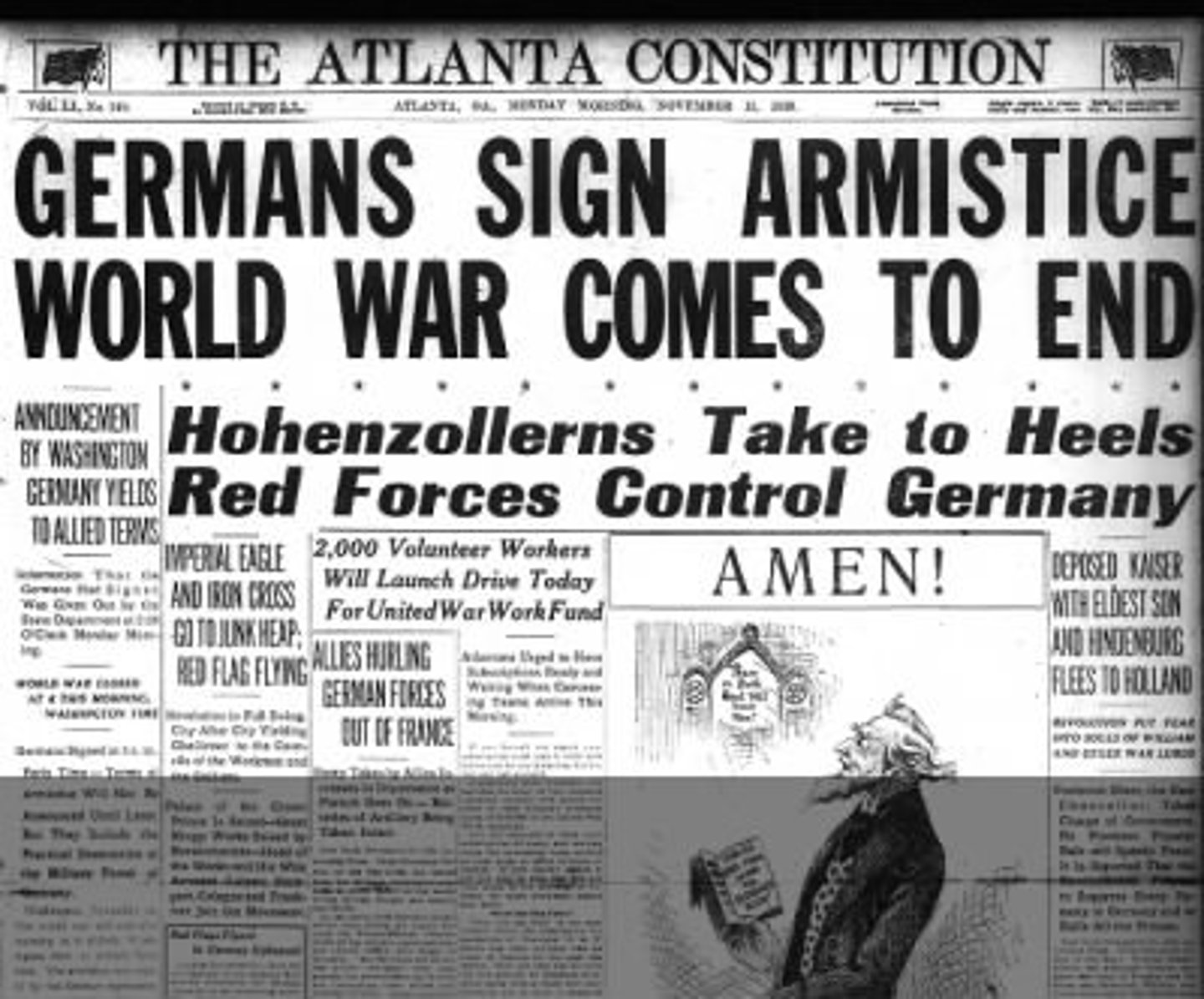
Armistice, 1918
This was the agreement between the Allies and Central Powers that ended the fighting at 11:11 am on 11/11/1918. Allies won and Central Powers lost.
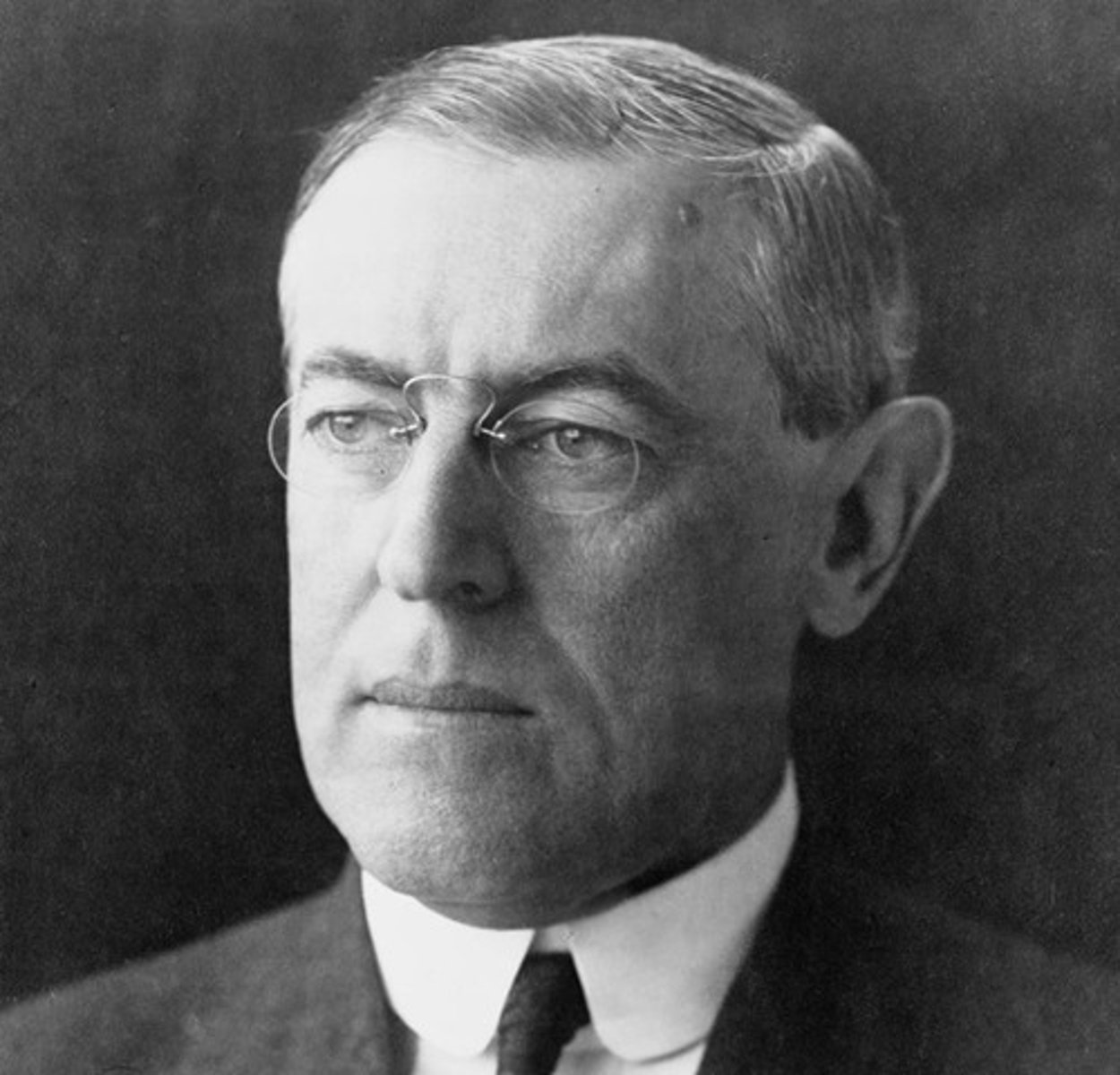
Woodrow Wilson
U.S. president who was elected in 1912. Led the US into WWI. Later wrote a plan for post-WWI peace known as the Fourteen Points. Most of his plan was rejected.
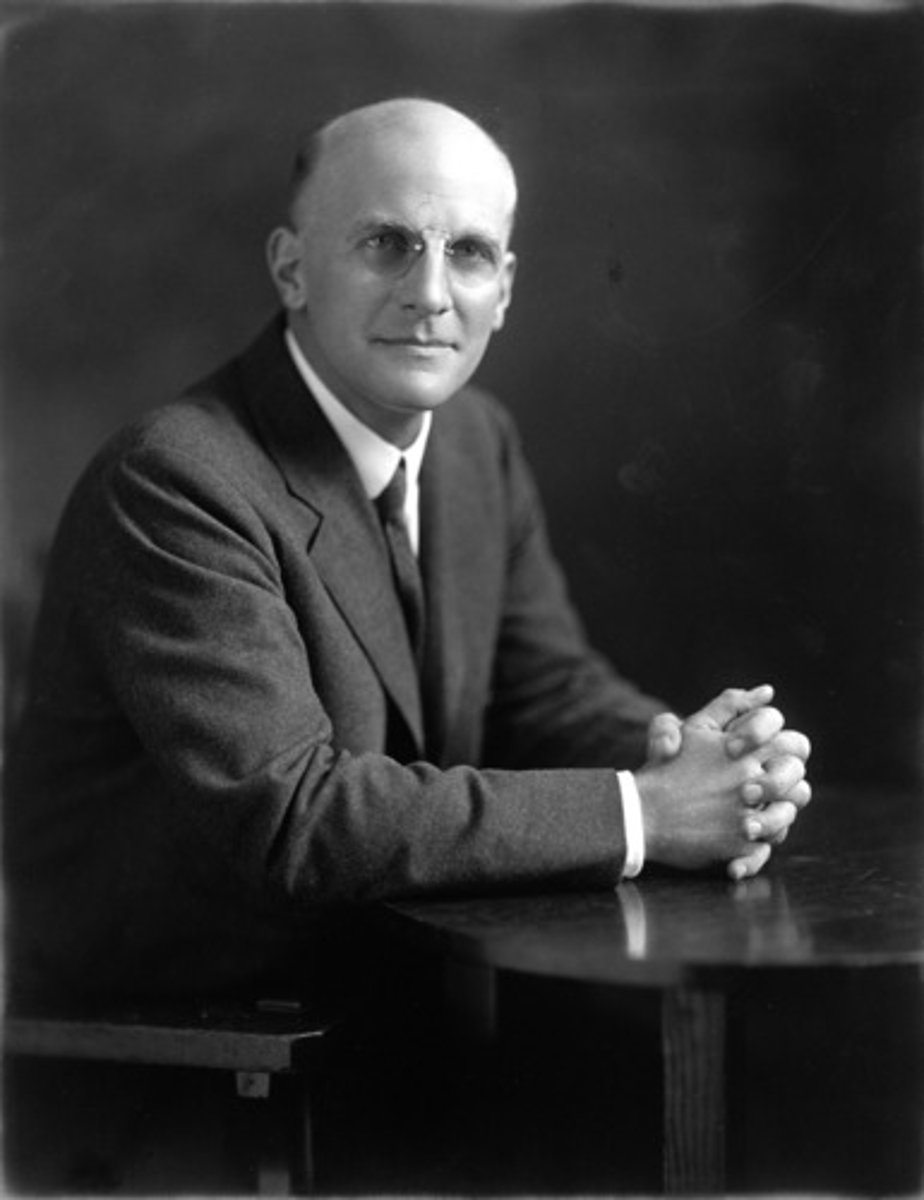
Wilson's Fourteen Points
This is the plan for post-World War I outlined by President Wilson in 1918. This plan called for:
-self-determination (countries in Africa and Asia govern themselves)
-freedom of the seas
-free trade
-end to secret agreements
-reduction of arms
-League of Nations.
Goal was to prevent future world wars.
League of Nations
This intergovernmental organization lasted from 1919-1946, was founded after World War I. Goal was to allow a way to work out international disputes top prevent future wars. U.S. refused to join because they didn't want to get pulled into another European war.
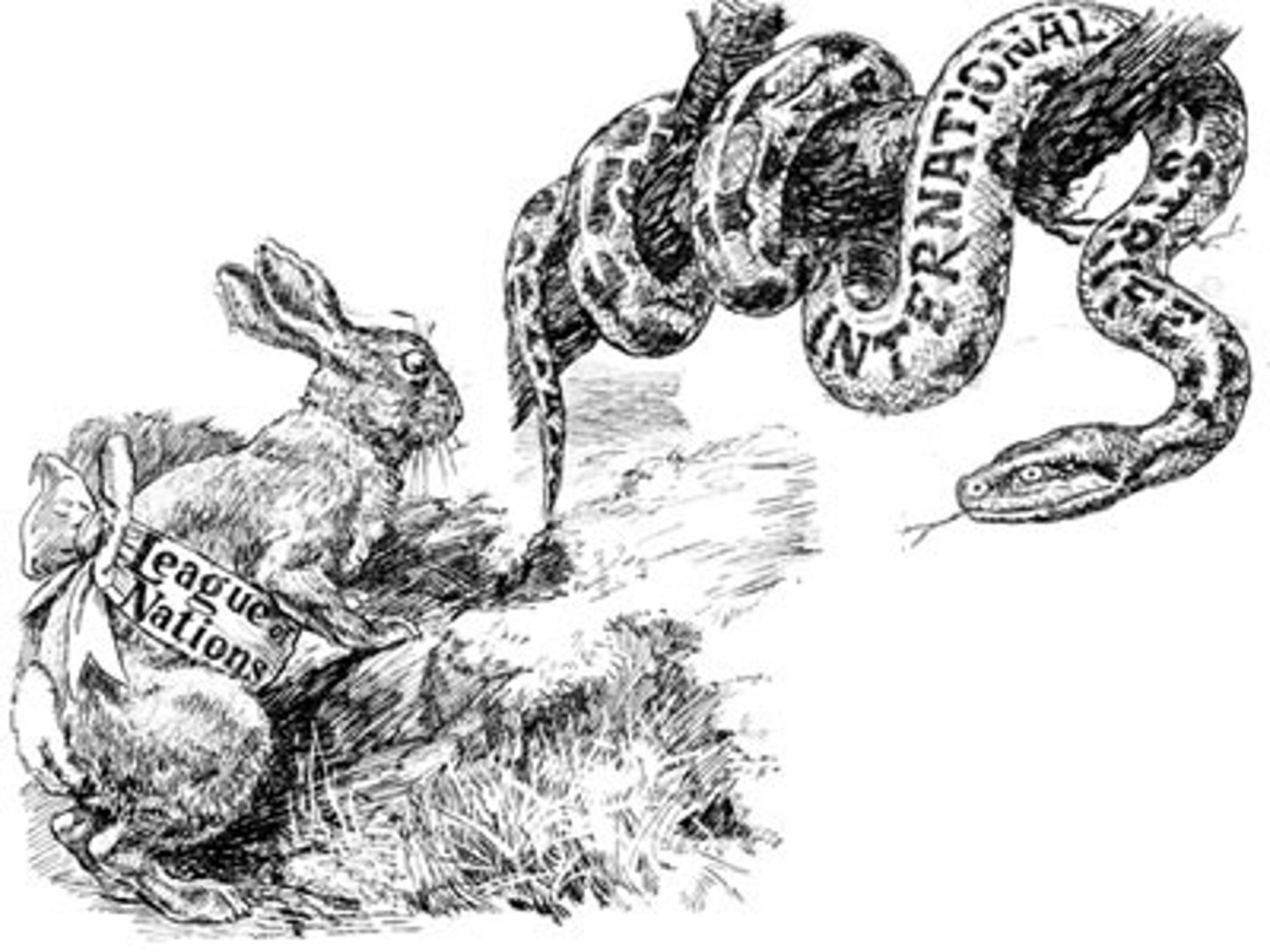
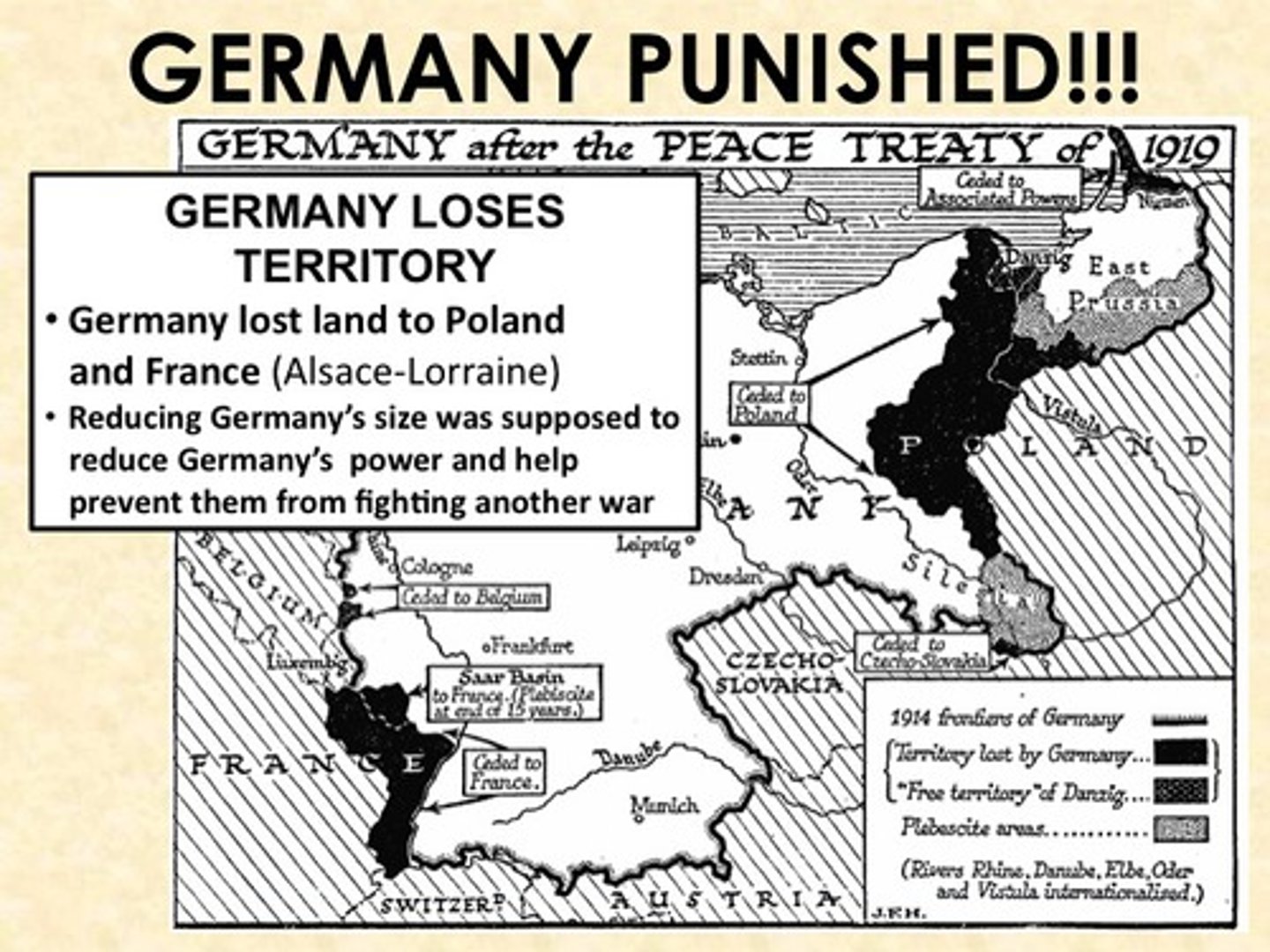
Treaty of Versailles
Treaty which ended World War I that included large reparations from Germany, the formation of the League of Nations, and the redrawing of borders within Europe. U.S. refused to sign because of the League of Nations.
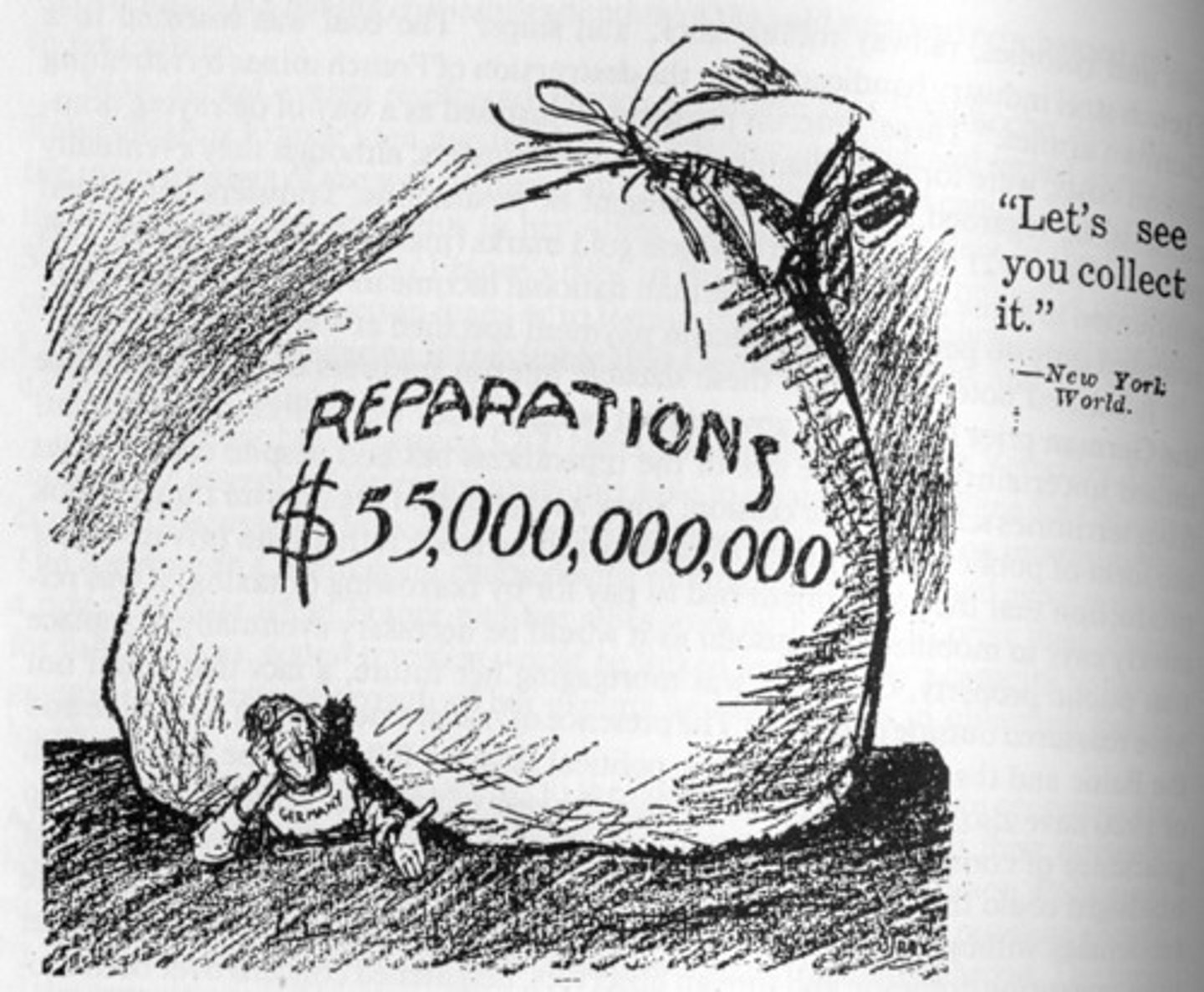
Reparations
Payments that Germany was required to make to Allied countries under the Treaty of Versailles. Caused extreme economic problems in Germany after the war.
Senator Henry Cabot Lodge
Republican who led the opposition to the Treaty of Versailles and League of Nations; isolationist

