WHAP 3.1 Vocab (Empires Expand)
 Studied by 0 people
 Call with Kai
 Learn
Learn Practice Test
 Spaced Repetition
 Match
Match Flashcards
 Knowt Play
1/13

There's no tags or description
Looks like no tags are added yet.
Name | Mastery | Learn | Test | Matching | Spaced | Call with Kai |
|---|
No analytics yet
Send a link to your students to track their progress
14 Terms
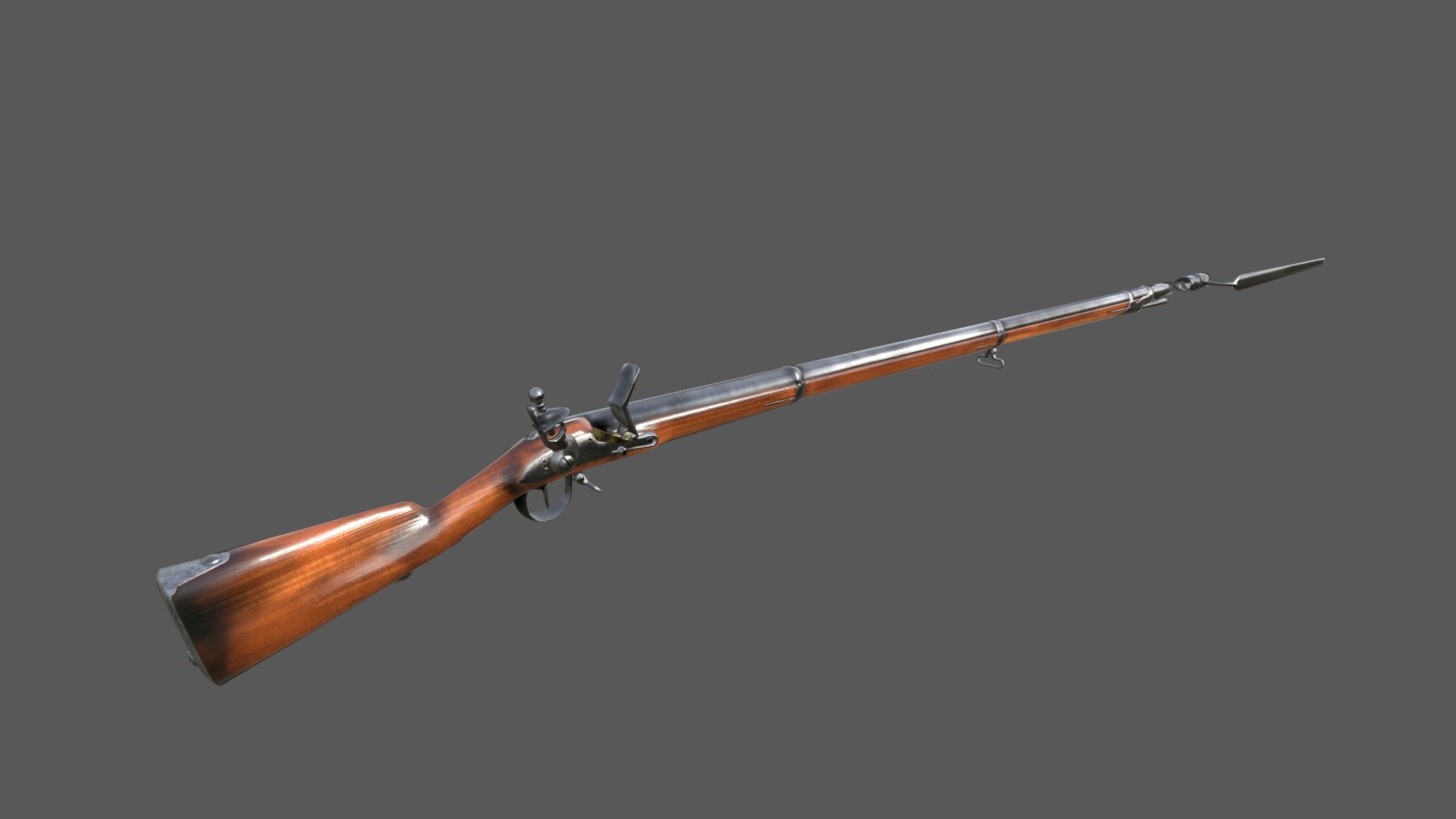
Gunpowder empires
Large Islamic empires that expanded using gunpowder weapons (esp. cannons & muskets).
Sig: Explains how land empires expanded so fast + centralized power (Ottoman, Safavid, Mughal).
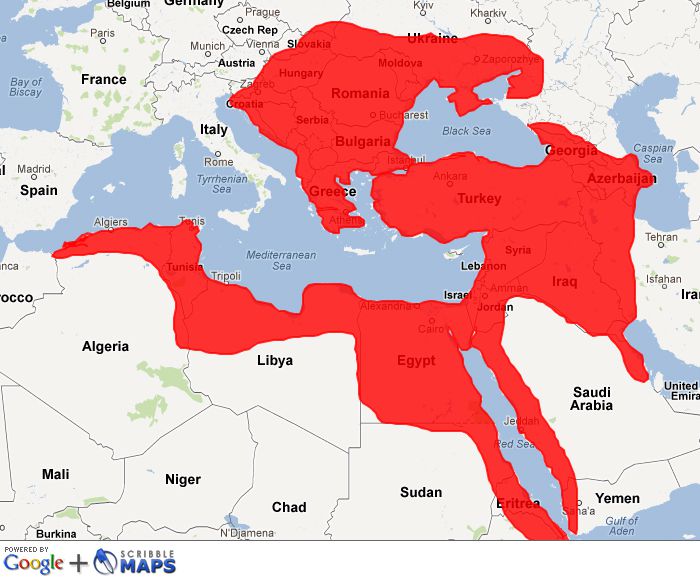
Ottoman Empire
Major Muslim empire based in Anatolia; controlled SE Europe, Middle East, N Africa.
Sig: Strong example of a centralized land empire; controlled trade routes + key cities; used devshirme/janissaries
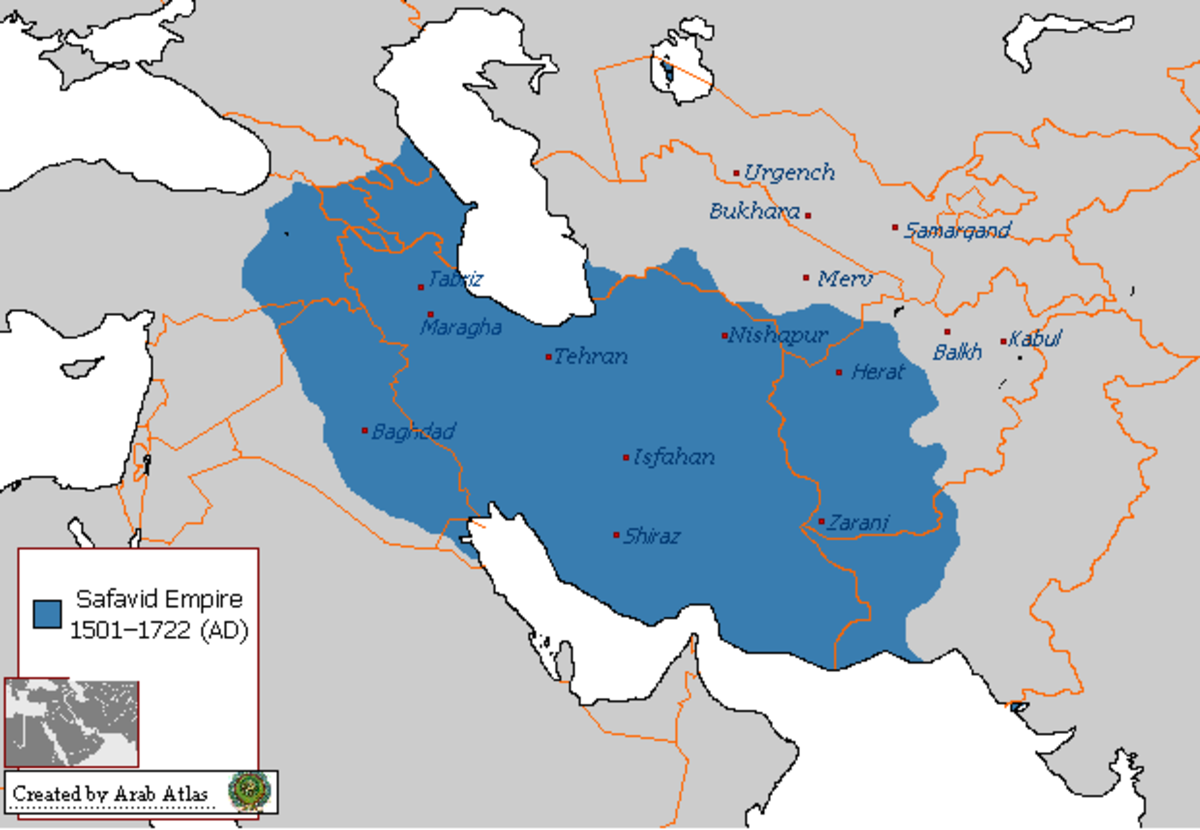
Safavid Empire
Persian empire in modern Iran; officially Shia Islam.
Sig: Major example of religion shaping empire identity; constant rivalry with Ottomans (Sunni vs Shia).
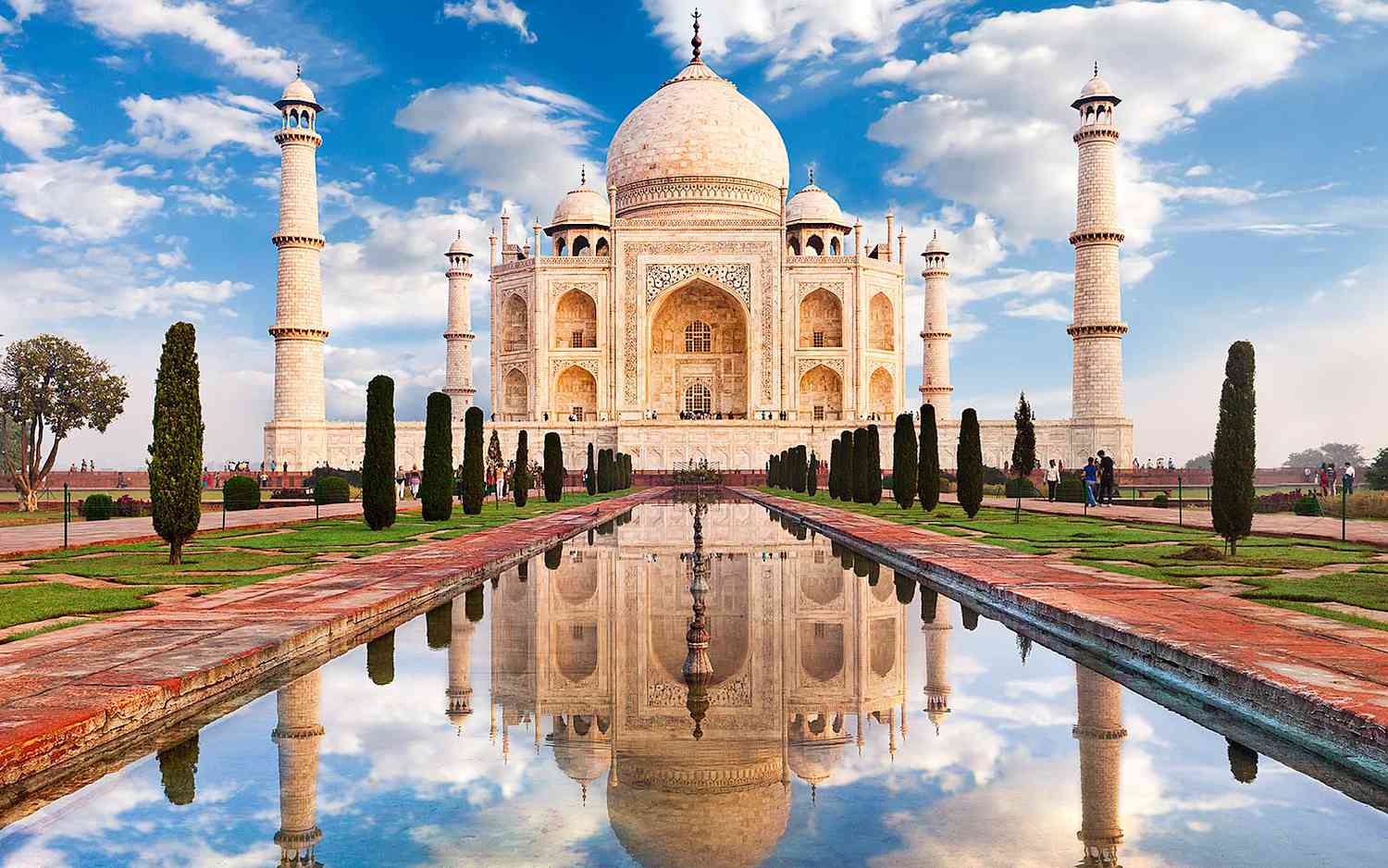
Mughal Empire
Muslim-ruled empire in India founded by Babur.
Sig: Blended Persian & Indian culture; big example of ruling diverse populations; peak under Akbar.
Akbar
Most famous Mughal emperor (r. 1556-1605), known for tolerance & strong administration
Sig: KEY example of how empires maintained control through religious tolerance & bureaucratic reforms.
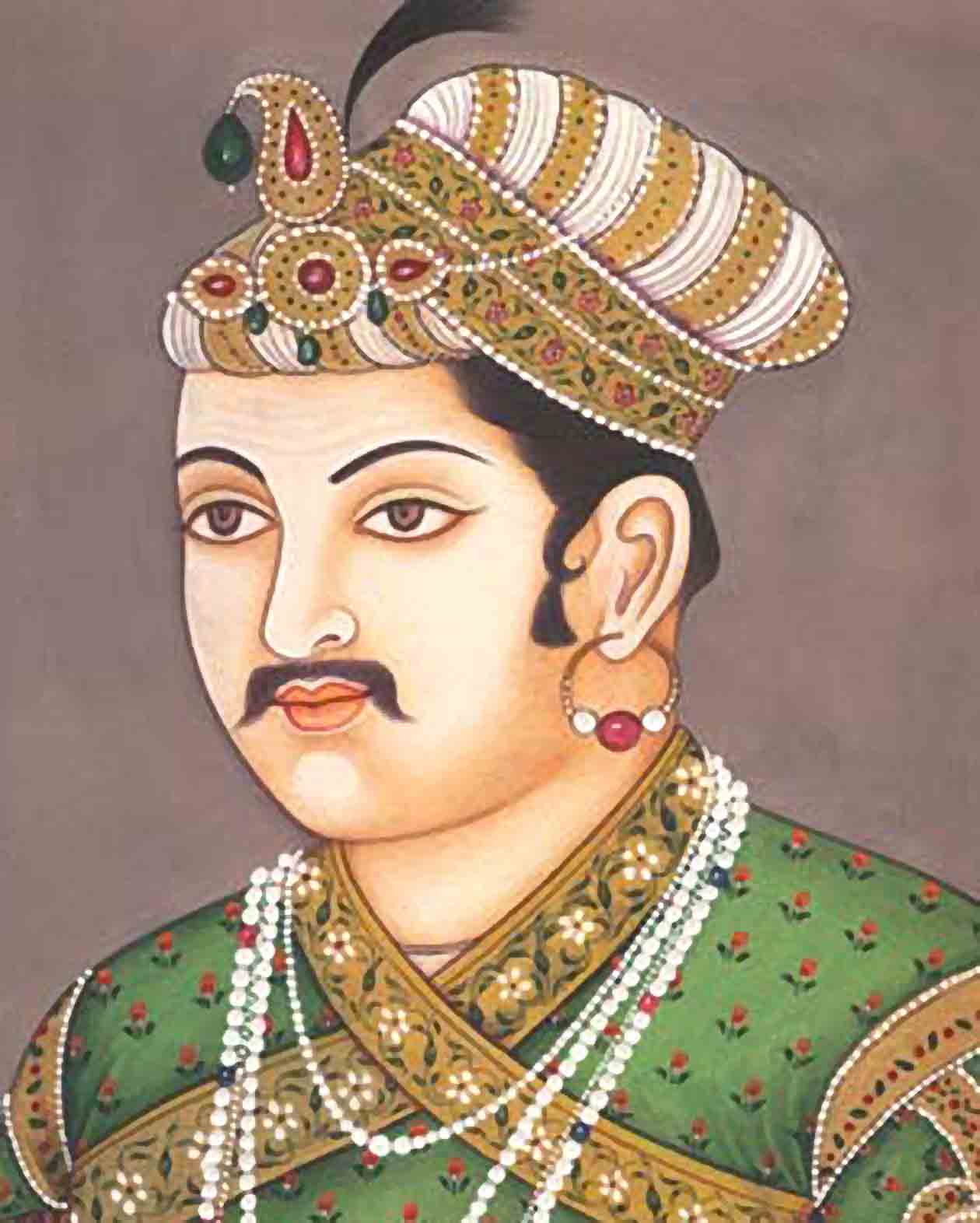
Suleiman I (Suleiman the Magnificent)
Ottoman ruler during its height (r. 1520-1566).
Sig: Strengthened laws & military; shows Ottoman “golden age” & effective centralization.
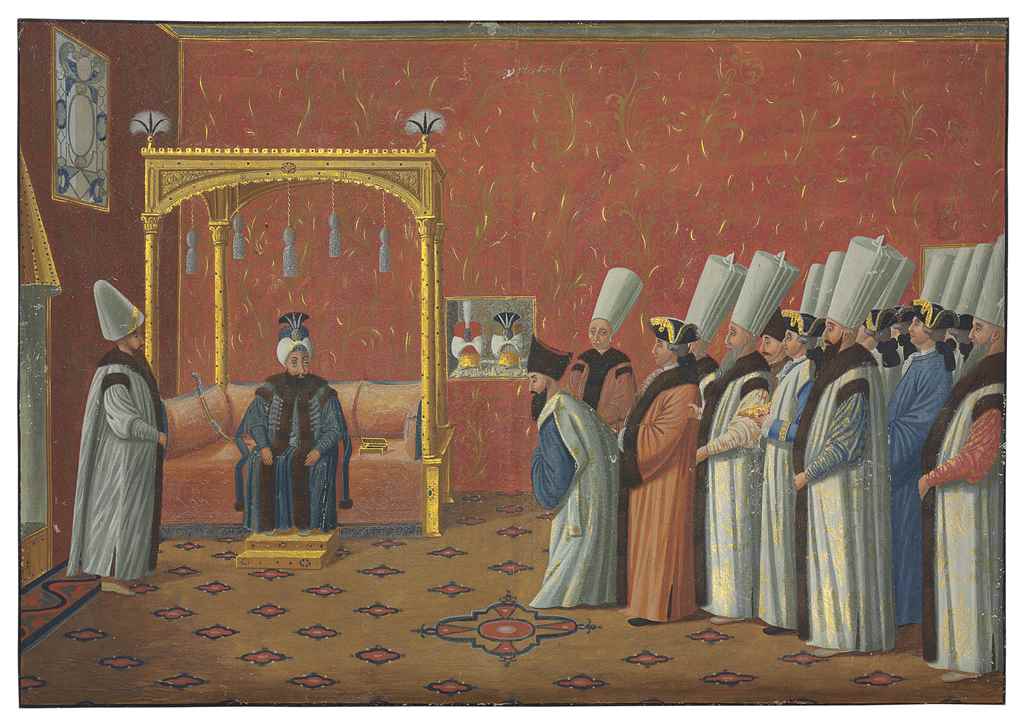
Mehmed II (The Conqueror)
Ottoman sultan who conquered Constantinople in 1453.
Sig: Turning point - ends Byzantine Empire; makes Istanbul major imperial capital; boosts Ottoman legitimacy.
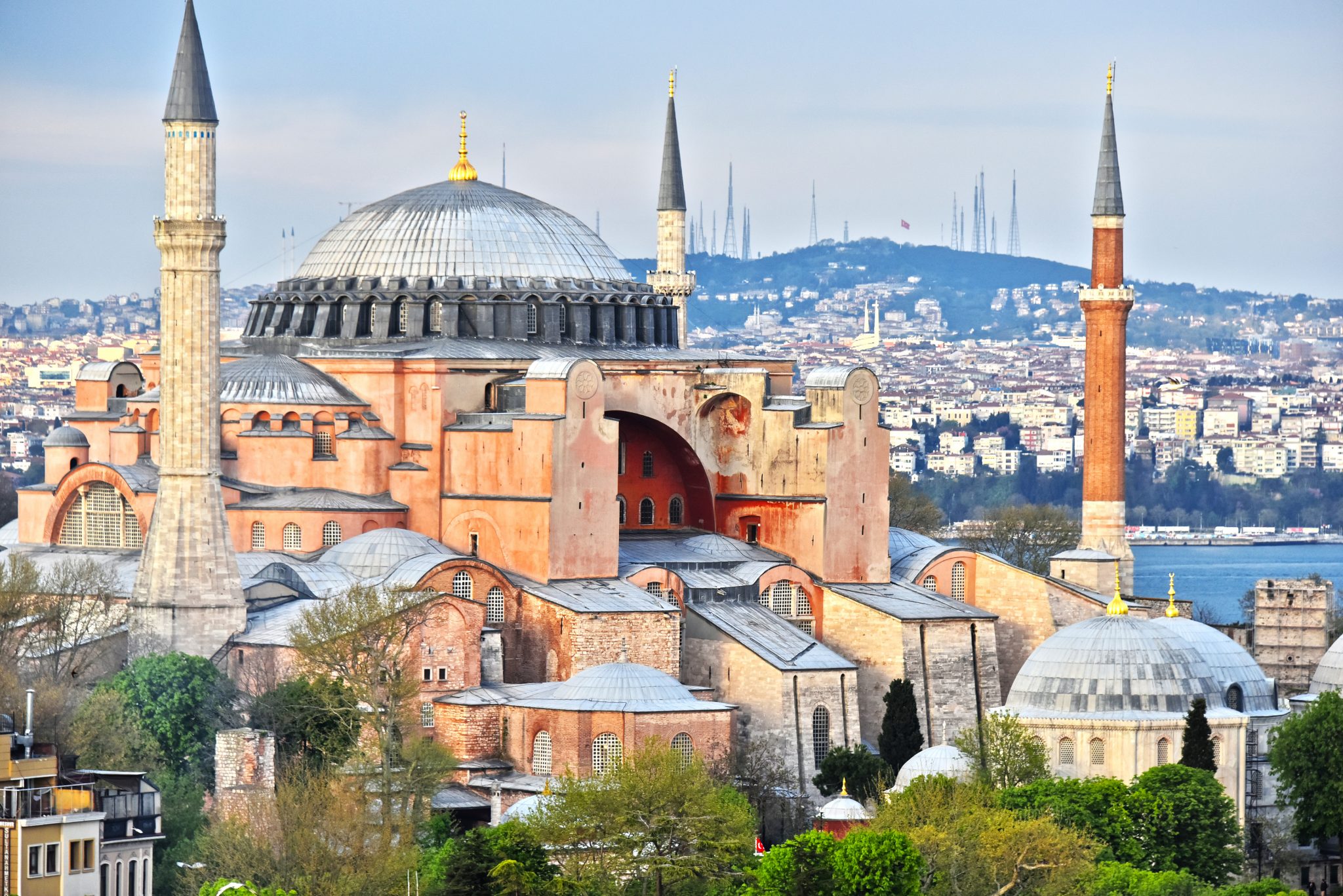
Shah Abbas I (Abbas the Great)
Powerful Safavid shah who strengthened the empire (r. 1588-1629).
Sig: Modernized military, expanded trade, moved capital to Isfahan—example of state-building.
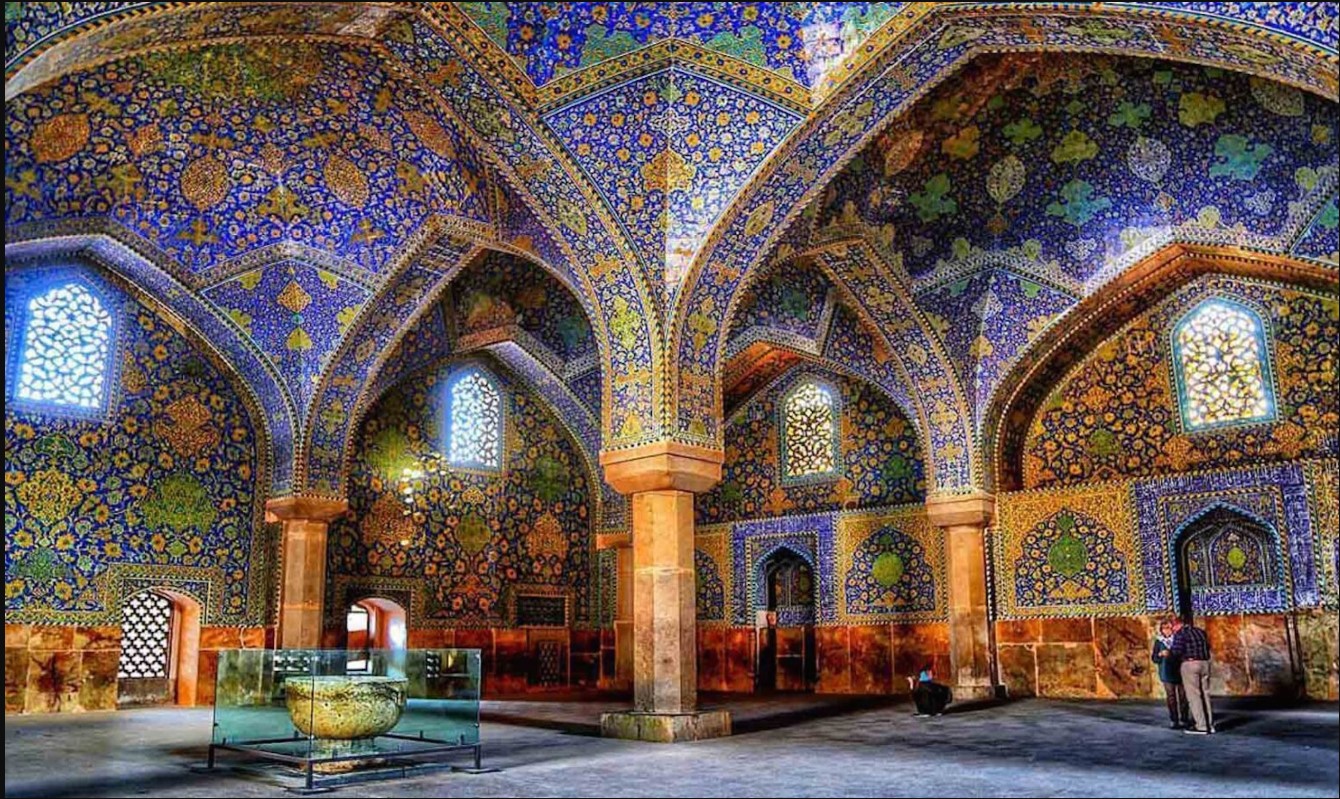
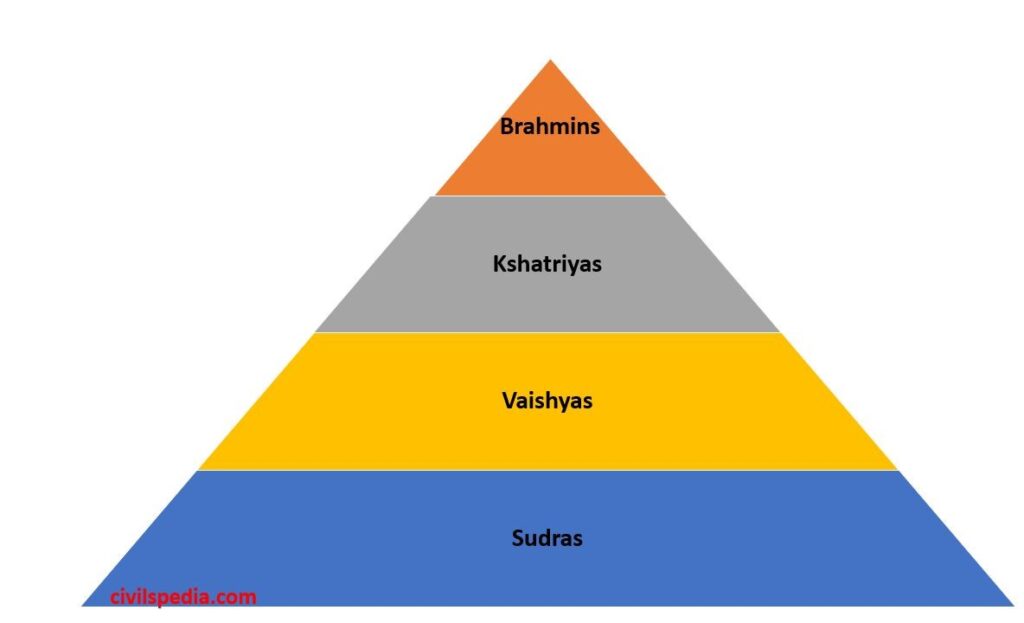
Caste
Social hierarchy system in India (varna/jati), tied to Hinduism.
Sig: Major example of continuity in social structures; affected Mughal rule & later policies.
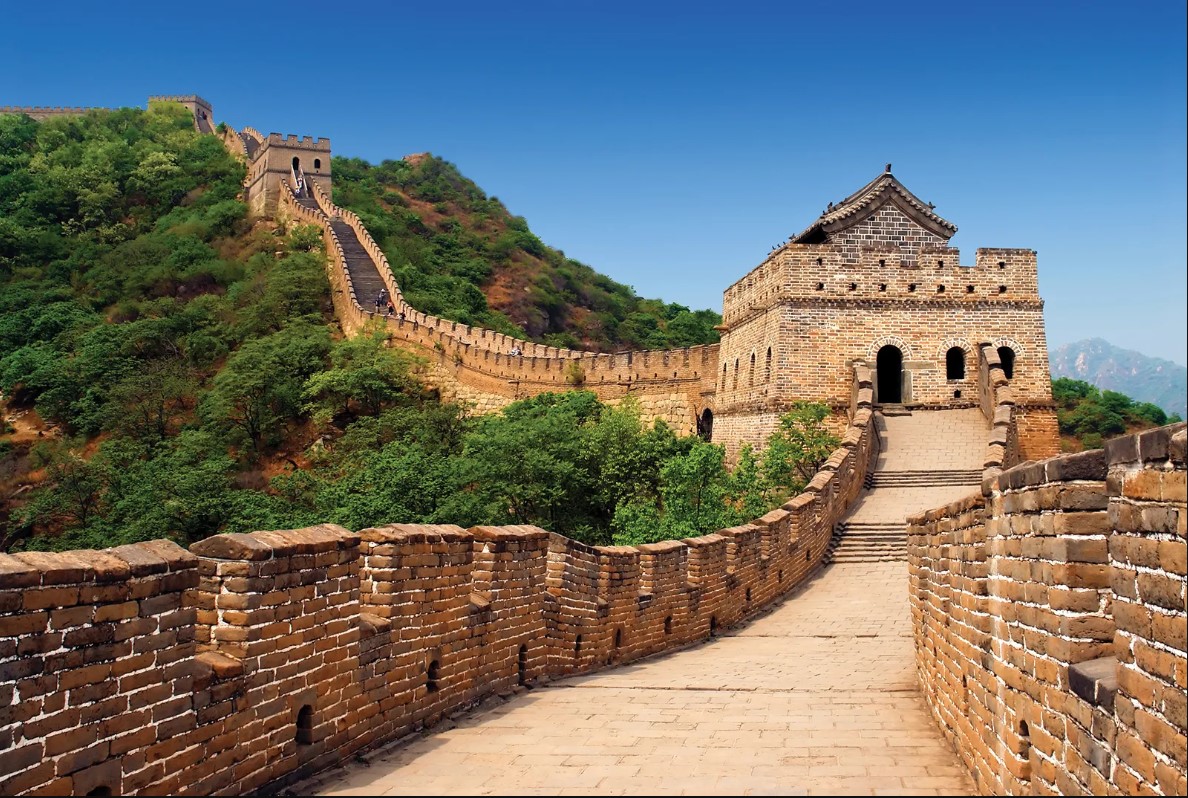
Ming Dynasty
Chinese dynasty (1368-1644) that restored Han Chinese rule after Mongols
Sig: Rebuilt centralized bureaucracy, promoted Confucianism, sponsored major projects (Great Wall repairs).
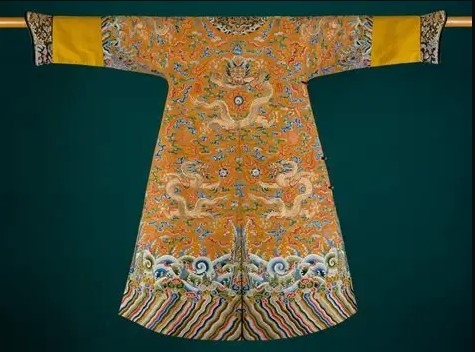
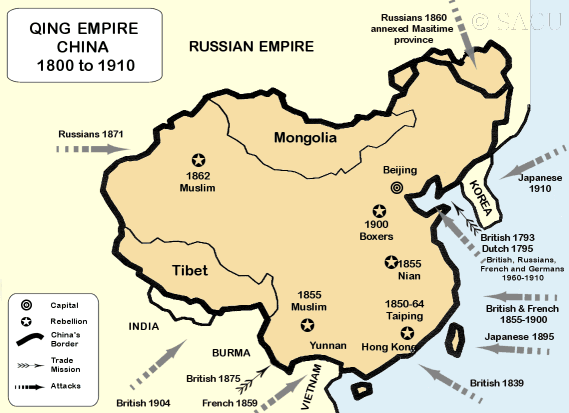
Qing Dynasty
Manchu dynasty (1644-1912) that expanded China.
Sig: Major land empire expansion; ruled a diverse population; maintained Confucian bureaucracy while being outsiders.
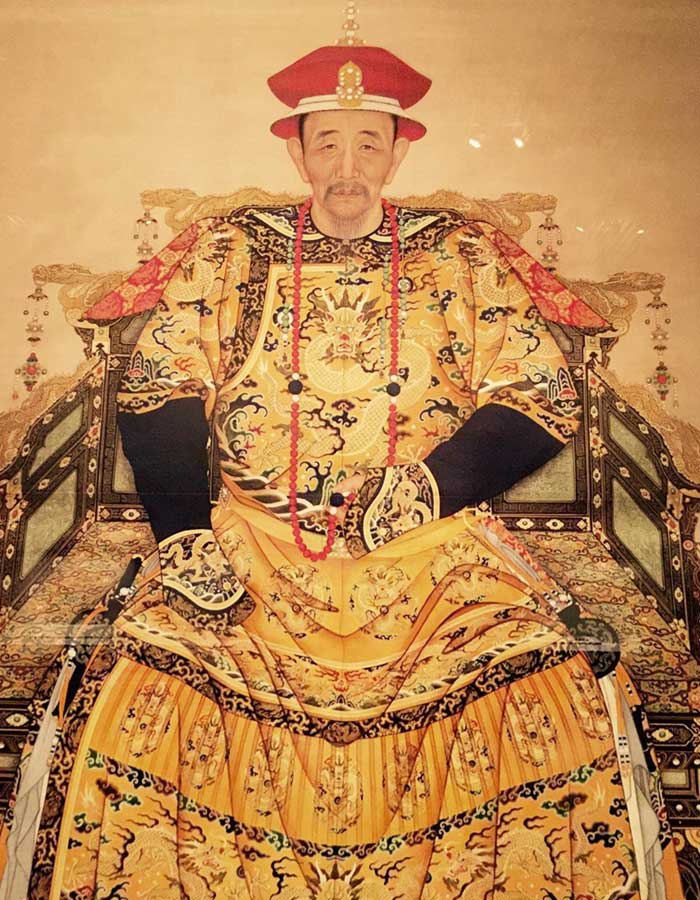
Kangxi
Qing emperor (r. 1661-1722), strong and successful ruler.
Sig: Stabilized Qing rule & expanded territory; example of effective imperial governance.
Emperor Qianlong
Qing emperor (r. 1735-1796) who oversaw huge expansion and prosperity.
Sig: Height of Qing power; also shows later stagnation/resistance to Western trade demads.
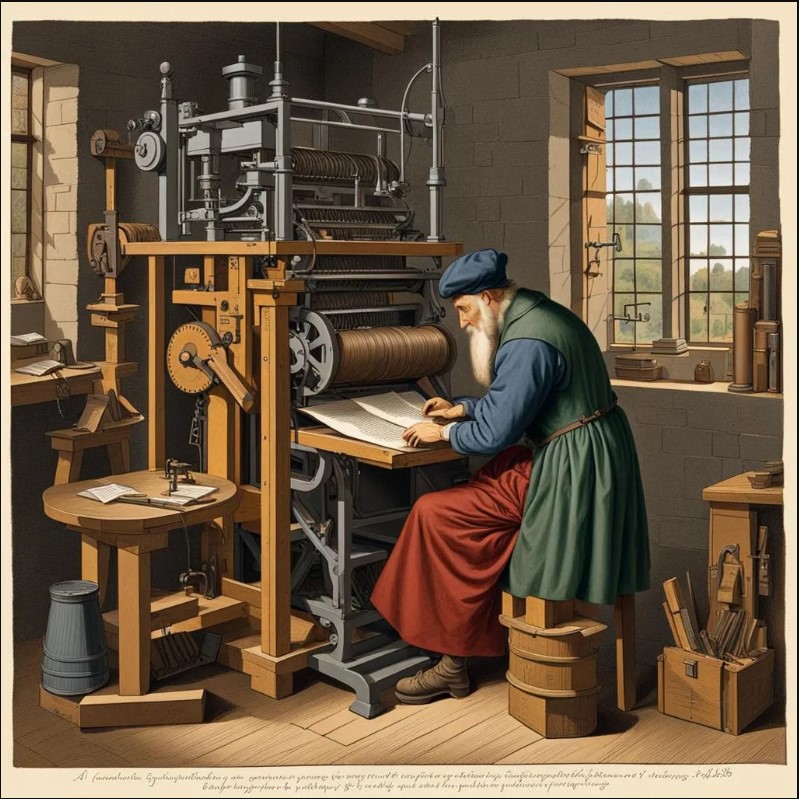
Gutenberg Printing Press
1450s European invention using movable type to mass-produce books.
Sig: Spreads knowledge & literacy; helps Reformation & scientific thinking; part of cultural transformation in Europe.
 Note
Note  Flashcards (22)