Honors Biology Unit 8: Evolution
 Studied by 0 people
 Call Kai
 Learn
Learn Practice Test
 Spaced Repetition
 Match
Match Flashcards
 Knowt Play
1/14

There's no tags or description
Looks like no tags are added yet.
Name | Mastery | Learn | Test | Matching | Spaced | Call with Kai |
|---|
No analytics yet
Send a link to your students to track their progress
15 Terms
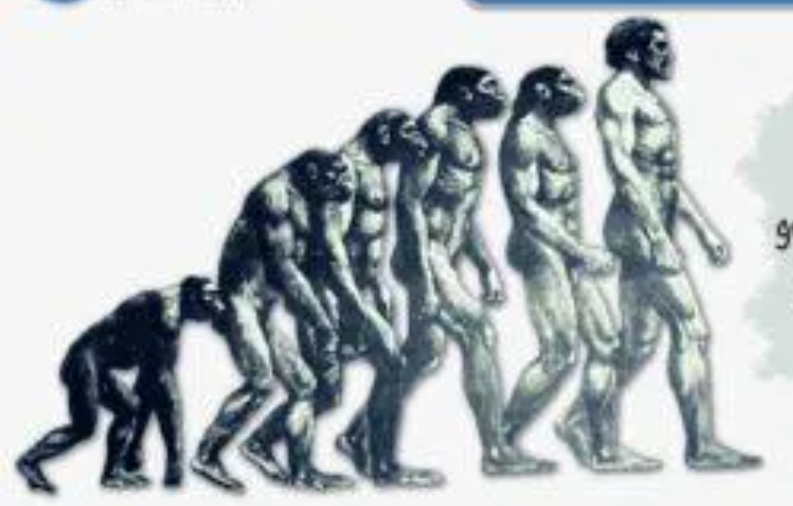
a scientific explanation for the diversity of life on Earth, proposing that all species of organisms have developed over time through processes such as natural selection and genetic variation. This concept is fundamental to understanding how life is organized and the relationships between different forms of life, emphasizing the continuity and interconnectedness among all living organisms.
Evolution
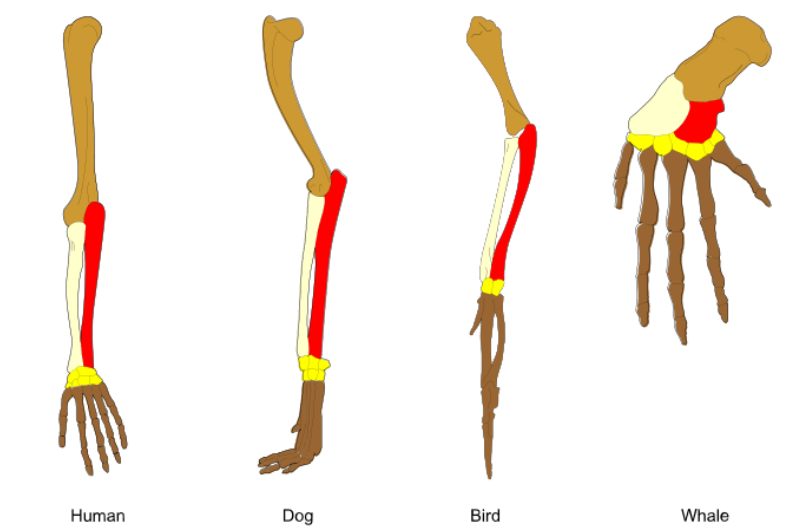
the concept that different species share a common ancestor from which they have evolved over time. This idea is fundamental to the theory of evolution, as it explains the similarities and differences among organisms and how they adapt to their environments through evolutionary processes.
Common ancestry
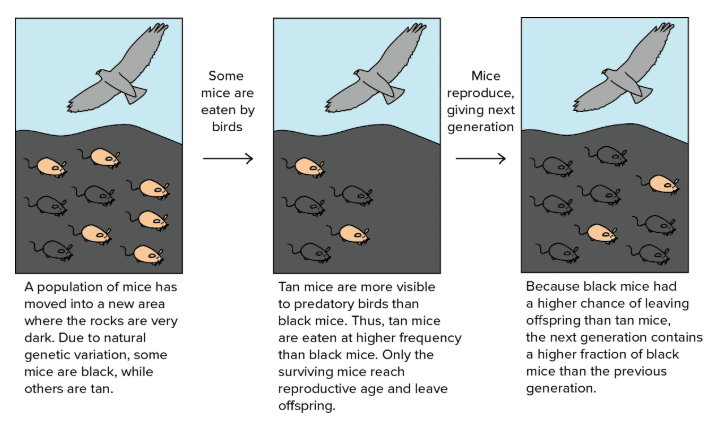
the process by which organisms that are better adapted to their environment tend to survive and produce more offspring. This mechanism drives evolution by favoring traits that enhance survival and reproduction, leading to gradual changes in species over generations. It connects to understanding variations in populations, the evidence supporting evolutionary theory, genetic principles, and the emergence of new species.
Natural selection
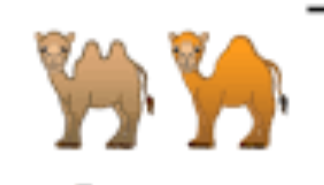
differences in DNA sequences among individuals within a population. This is crucial for the process of evolution as it provides the raw material for natural selection, enabling populations to adapt to changing environments and contribute to the diversity of life.
Variation
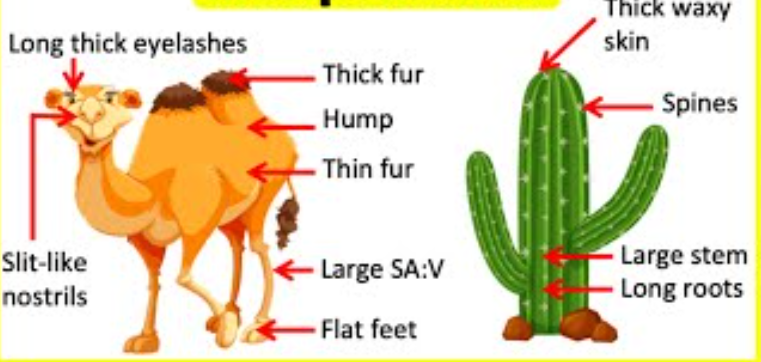
the process by which organisms evolve traits that enhance their chances of survival and reproduction in a given environment. This process occurs over generations and involves changes in physical structures, behaviors, or physiological functions that better suit the organism to its habitat.
key mechanism of evolution and is closely related to natural selection, where advantageous traits become more common in a population over time
Adaptation
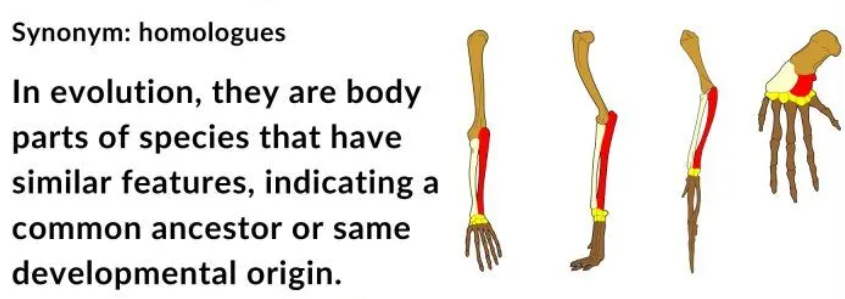
anatomical features in different species that share a common ancestry, even though they may serve different functions. These structures provide evidence for evolution, showcasing how species can diverge from a common ancestor while adapting to various environments. The similarities in their underlying anatomy highlight the concept of descent with modification.
Homologous structures
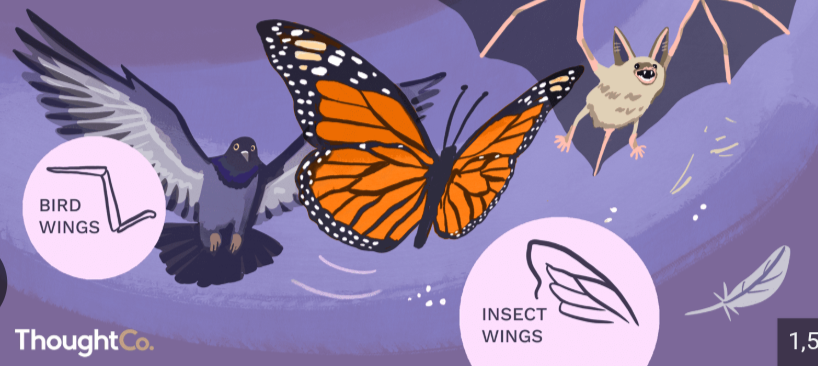
body parts in different species that serve similar functions but have evolved independently, without a common ancestor.
Analogous structures
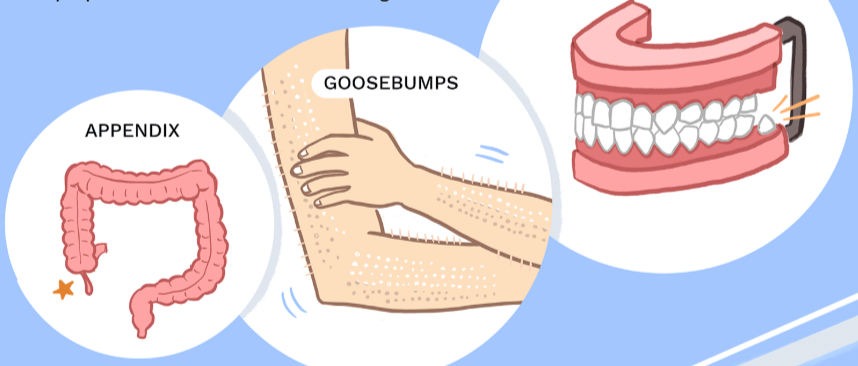
anatomical features or behaviors that no longer serve their original purpose in a species' evolutionary history. These remnants provide evidence for evolution by demonstrating how certain traits have changed over time as organisms adapt to new environments or ways of life.
Vestigial structures
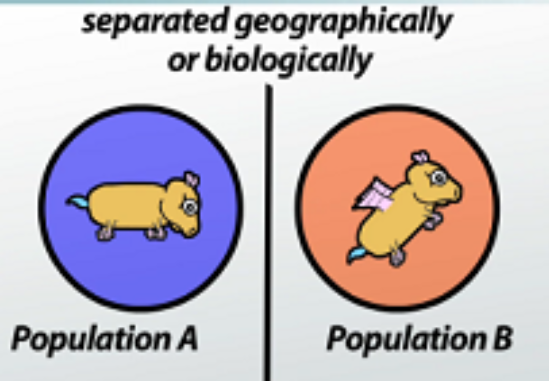
the evolutionary process through which new biological species arise from existing species. This process often occurs when populations of the same species become isolated and undergo genetic changes over time, leading to the development of distinct characteristics that prevent interbreeding.
Speciation
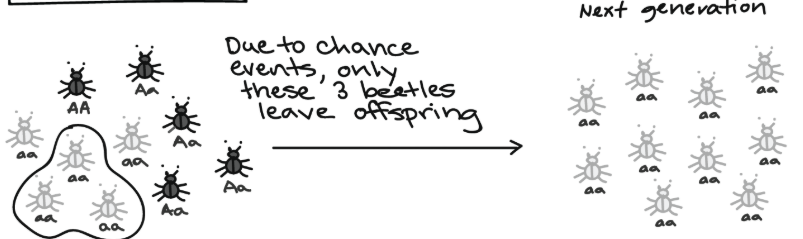
a mechanism of evolution that refers to random changes in allele frequencies within a population, particularly affecting small populations.
Genetic drift
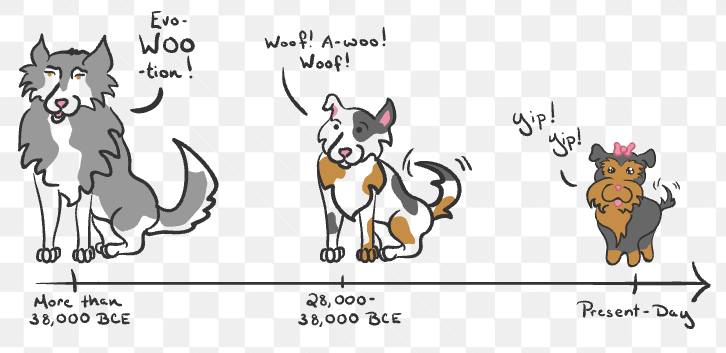
a process where humans intentionally breed certain organisms with desirable traits to produce offspring with the same traits.
Artificial selection
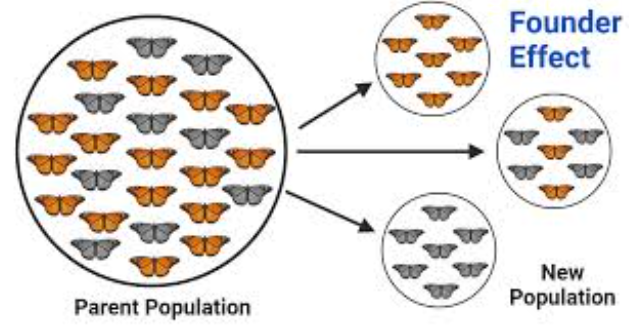
a genetic phenomenon that occurs when a small group of individuals establishes a new population, leading to reduced genetic variation and the potential for certain alleles to become more common or fixed. This effect highlights how the initial genetic makeup of the founders can shape the genetic structure of future generations, influencing traits and susceptibility to diseases within the population.
Founder’s effect
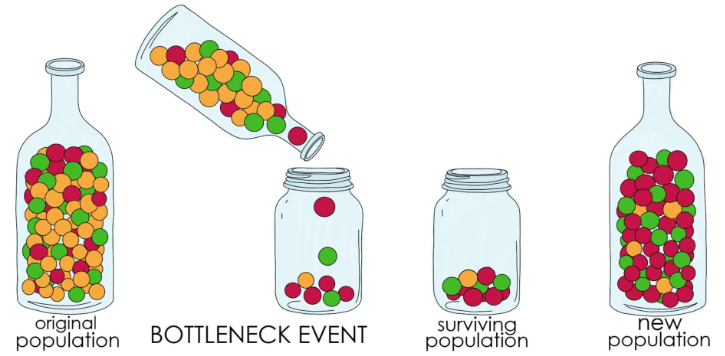
a significant reduction in genetic diversity that occurs when a population's size is drastically reduced for at least one generation. This reduction can result from various factors like natural disasters, habitat loss, or human activities, leading to a loss of alleles and reducing the population's ability to adapt to changes.
Bottleneck effect
 Note
Note  Flashcards (77)