UNIT 7 Natural Selection & Evolution essentials FULL STUDY GUIDE
 Call Kai
 Learn
Learn Practice Test
 Spaced Repetition
 Match
Match Flashcards
 Knowt Play
1/53

Earn XP
Description and Tags
Honors 8th Grade BIOLOGY I
Name | Mastery | Learn | Test | Matching | Spaced | Call with Kai |
|---|
No analytics yet
Send a link to your students to track their progress
54 Terms
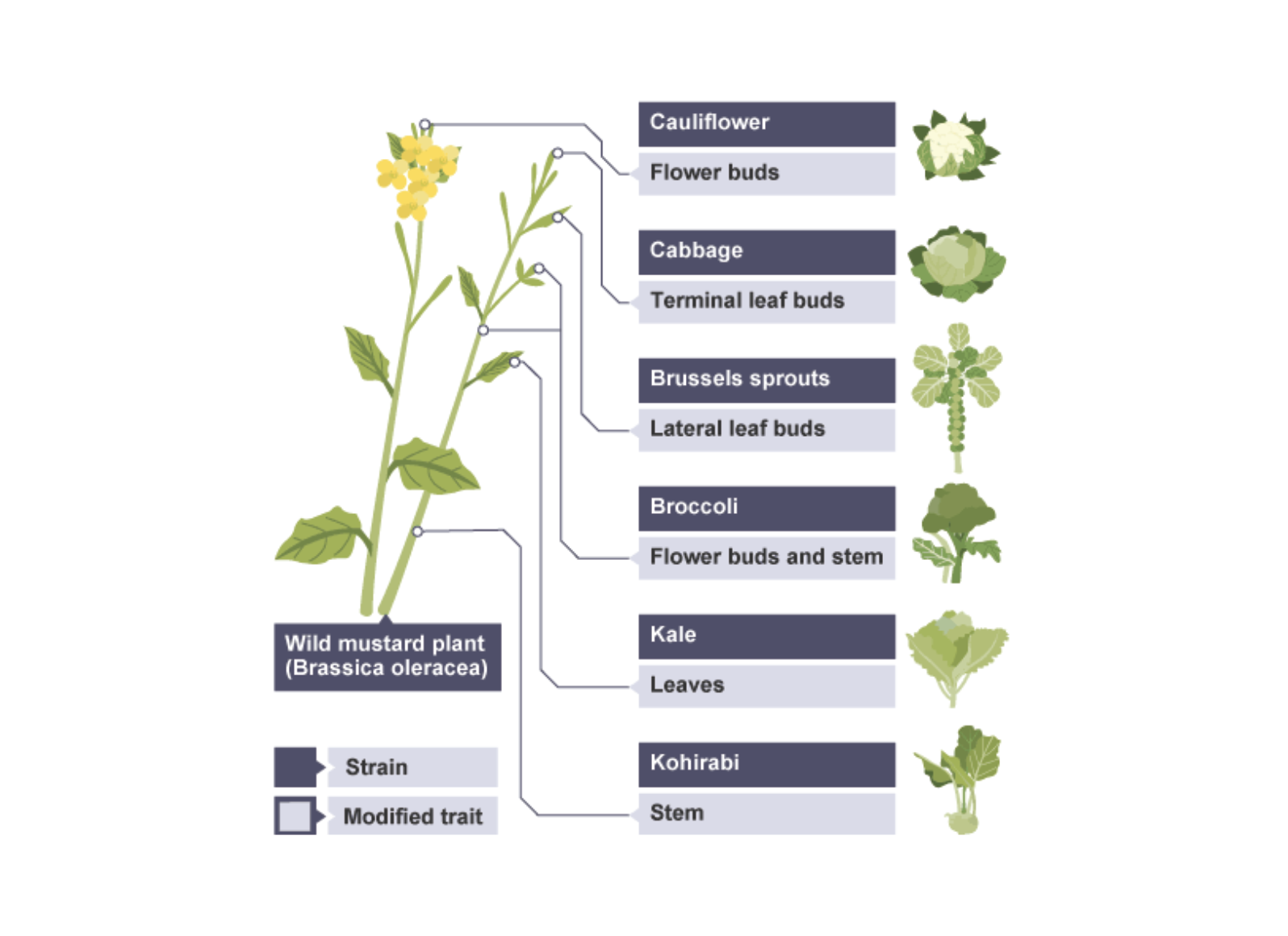
Selective Breeding
Humans selecting organisms with desirable traits to be parents of the next generation.
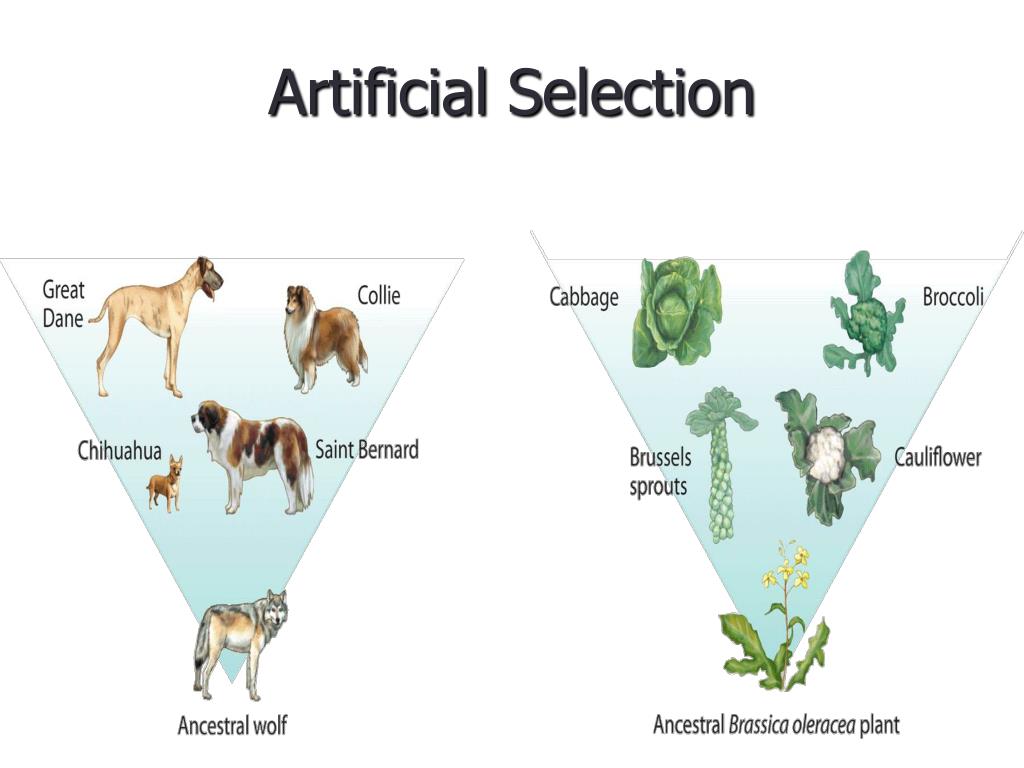
Artificial Selection
Another term for selective breeding in which humans choose traits.
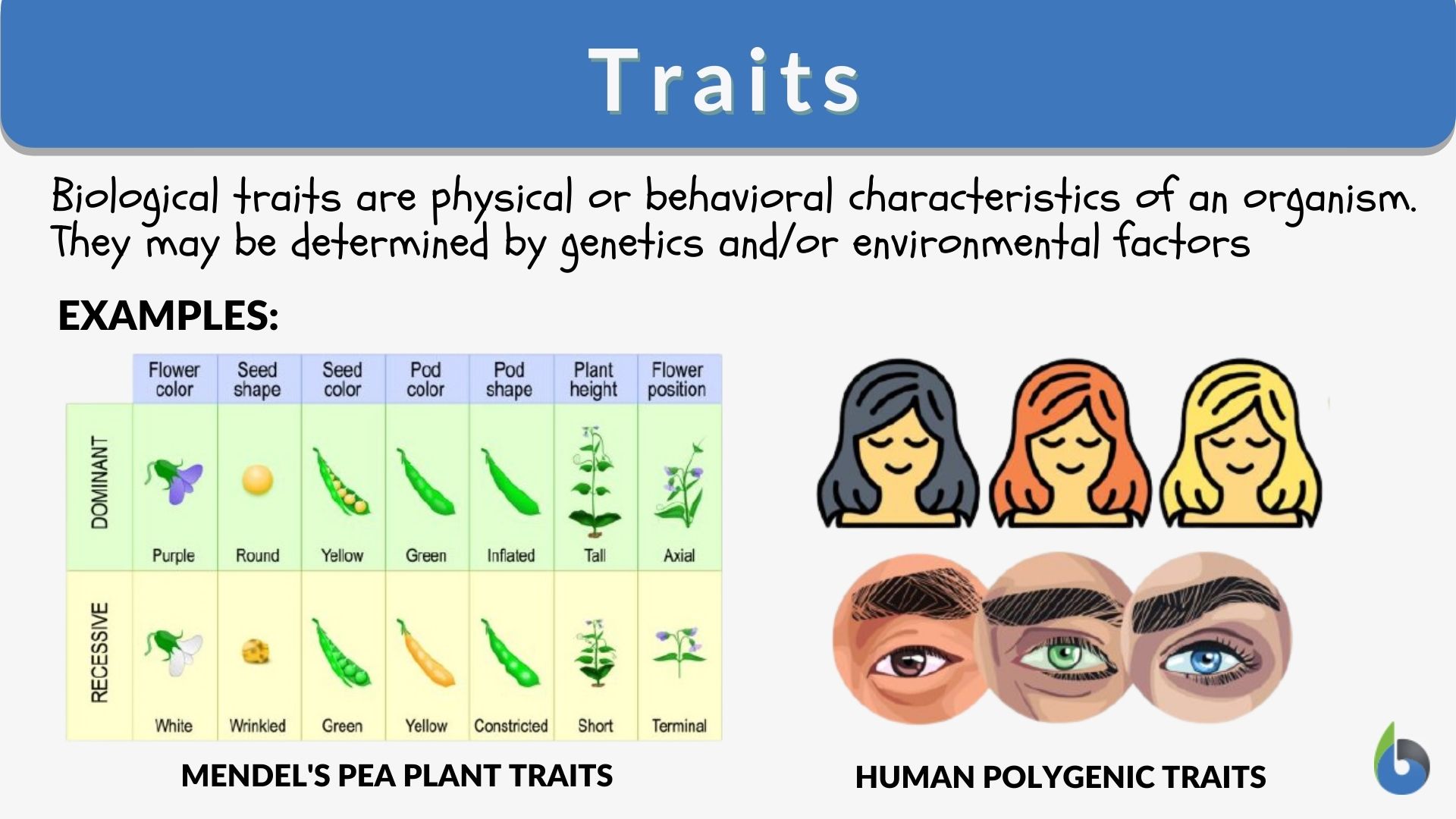
Trait
A heritable characteristic passed from parent to offspring.
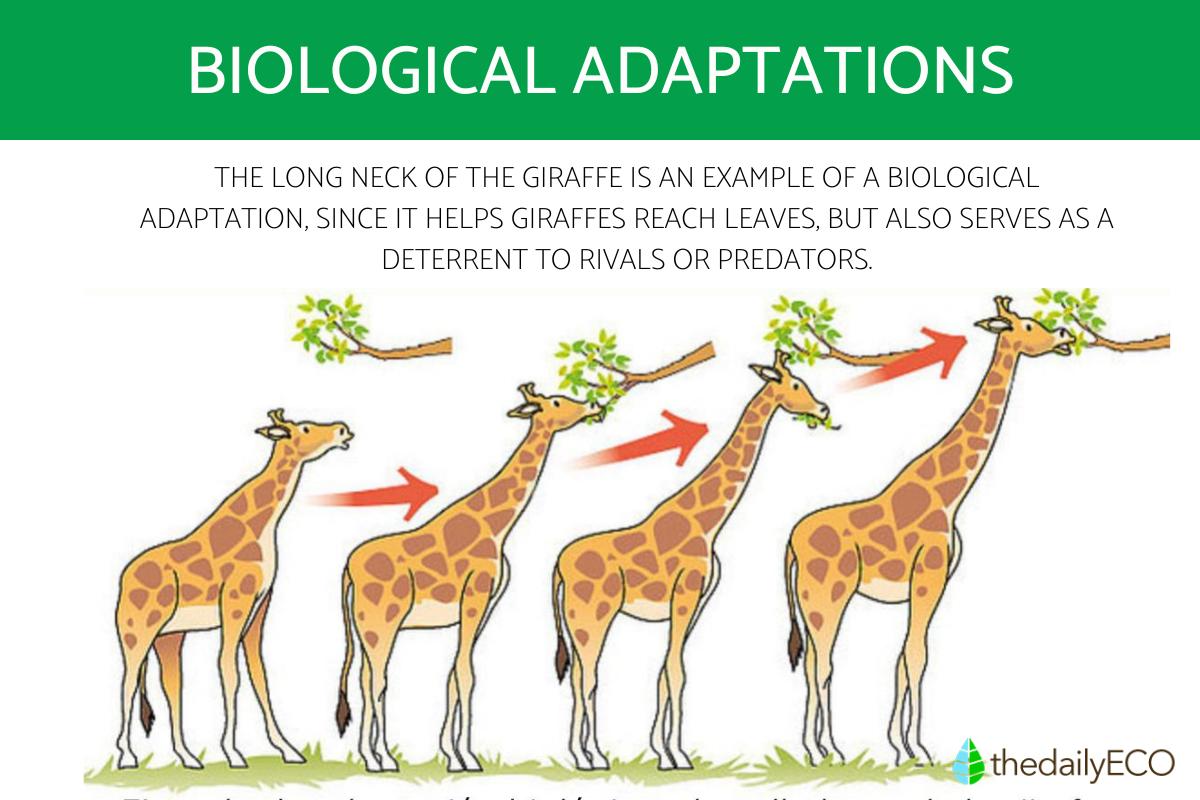
Adaptation
An inherited trait that increases an organism’s chance of survival or reproduction.
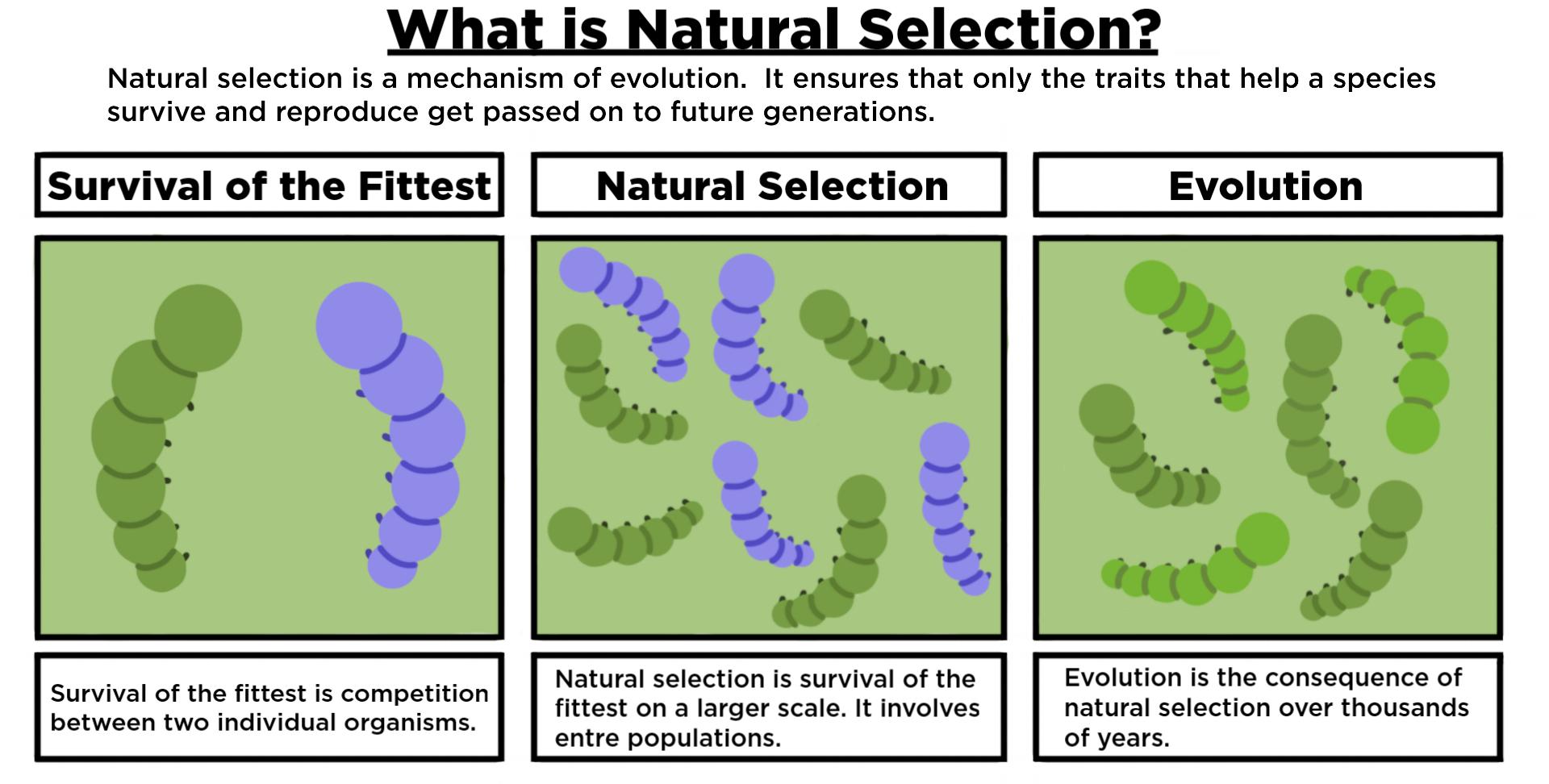
Natural Selection
Process where individuals with advantageous traits survive and reproduce more.
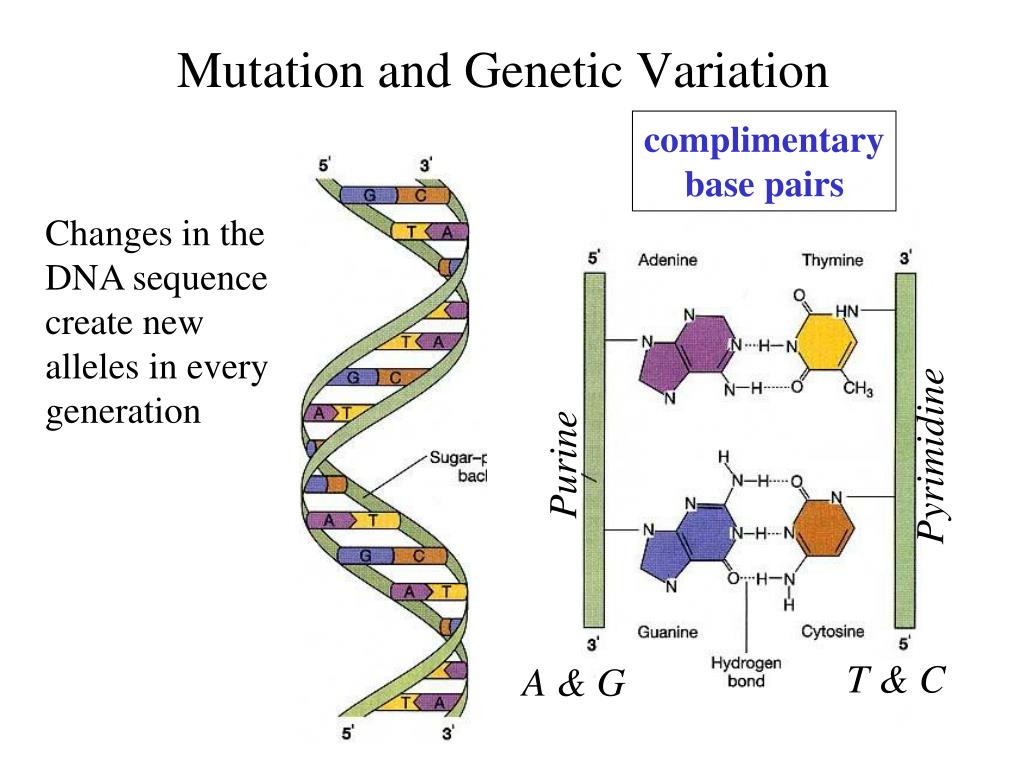
Genetic Variation
Differences in DNA among individuals in a population.
Population
A group of the same species living and reproducing in the same area.
Biological Fitness
An organism’s ability to survive and reproduce relative to others.
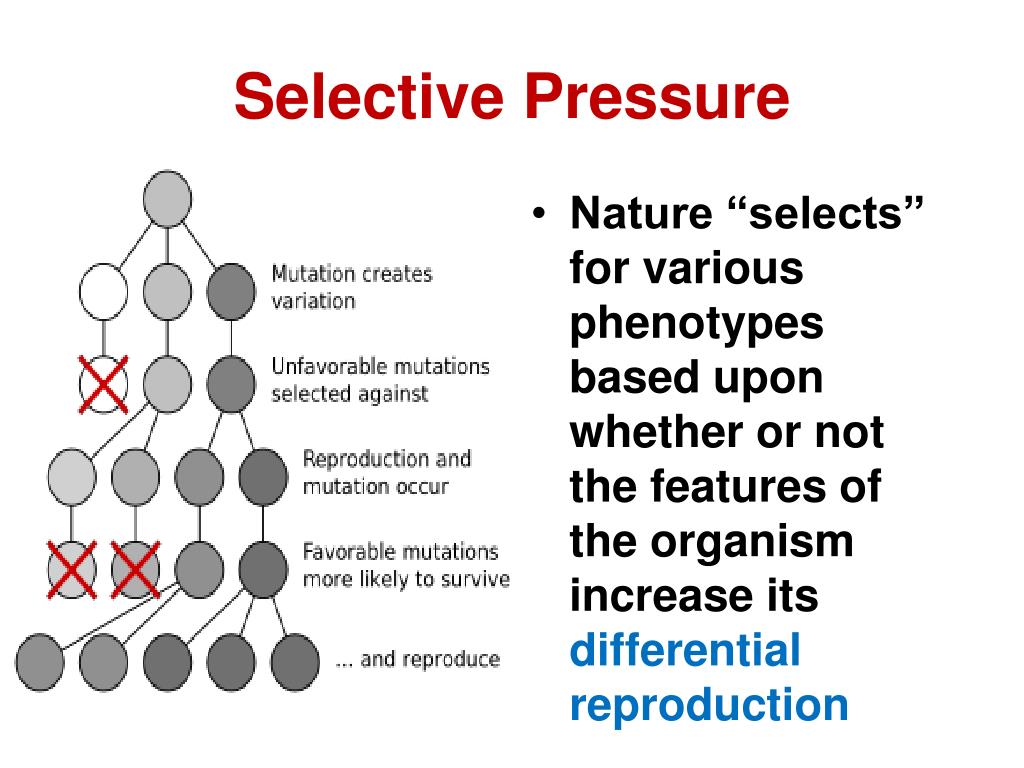
Selective Pressure
Environmental factor that favors or eliminates certain traits.
Gene Pool
All alleles present in a population.
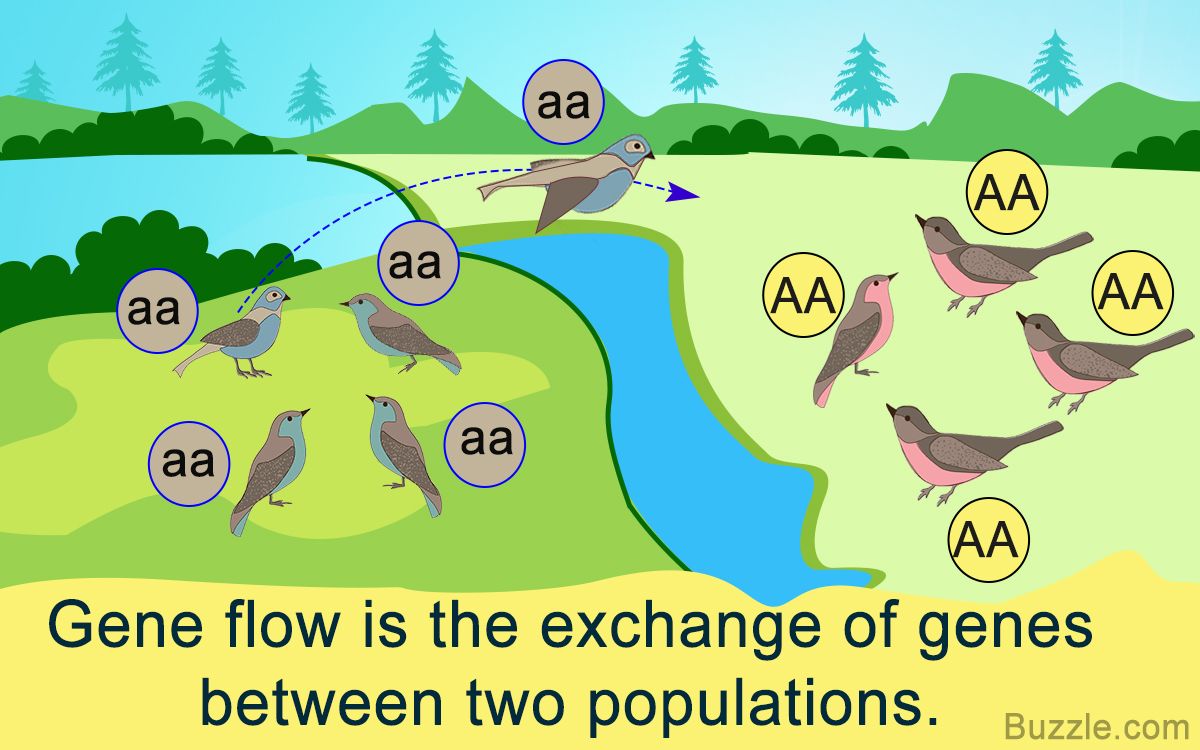
Gene Flow
Movement of alleles into or out of a population through migration.
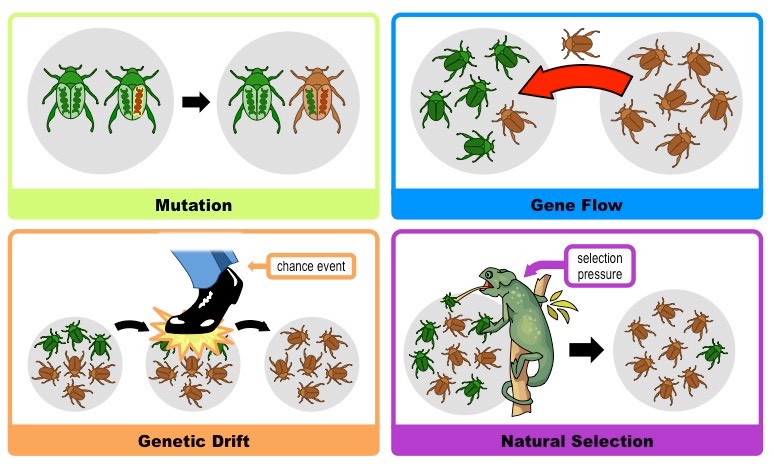
Genetic Drift
Random changes in allele frequencies, strongest in small populations. CHANCE EVENT!
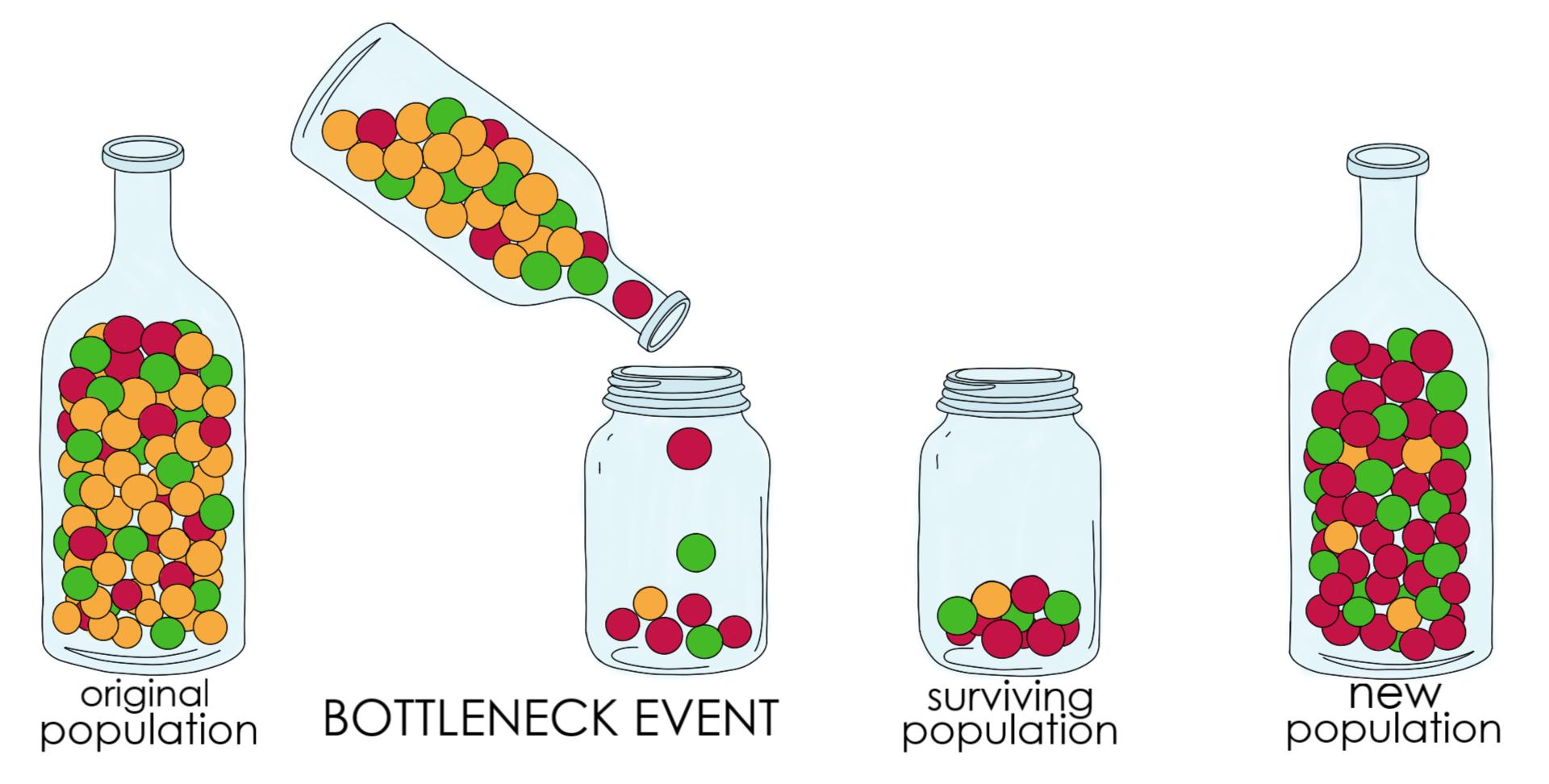
Bottleneck Effect
Genetic drift caused by a drastic reduction in population size.
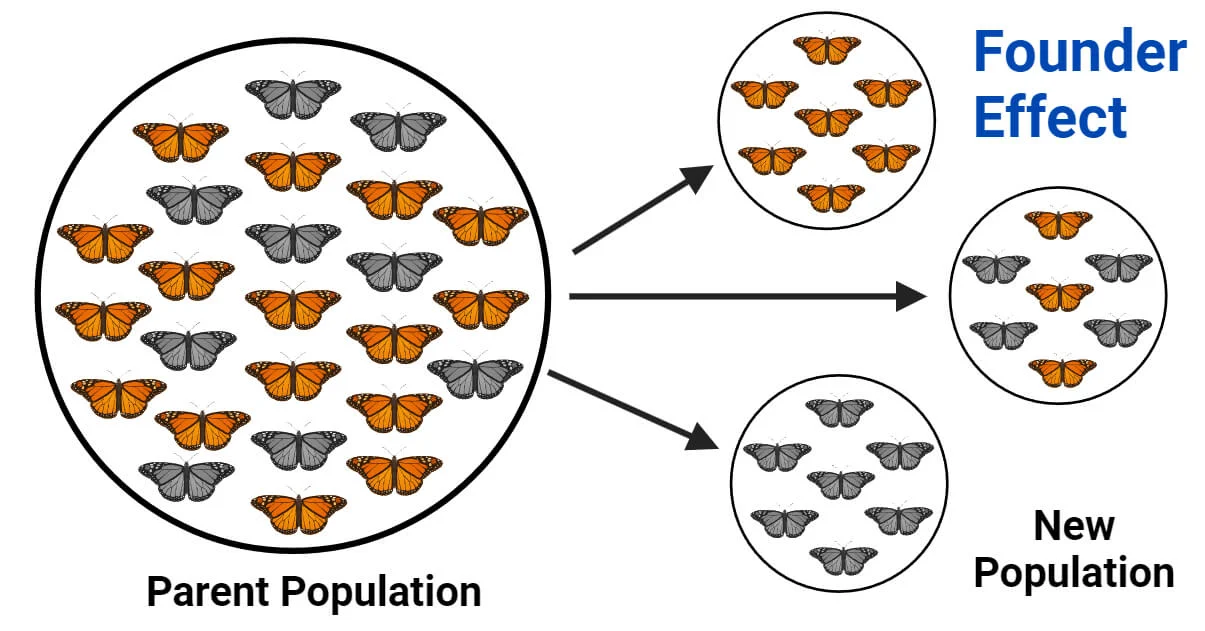
Founder Effect
Genetic drift when a small group starts a new population with limited variation.
Speciation
Formation of new species over time. Species are split into 2 or more.
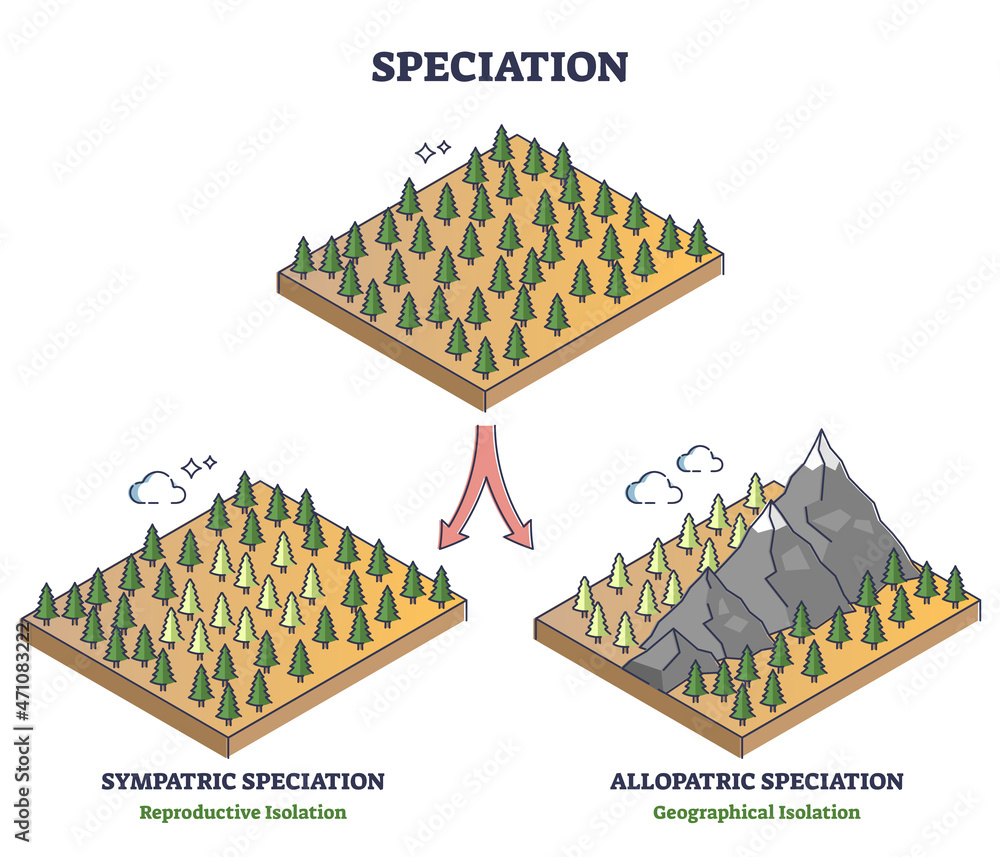
Allopatric Speciation
Speciation caused by geographic isolation.
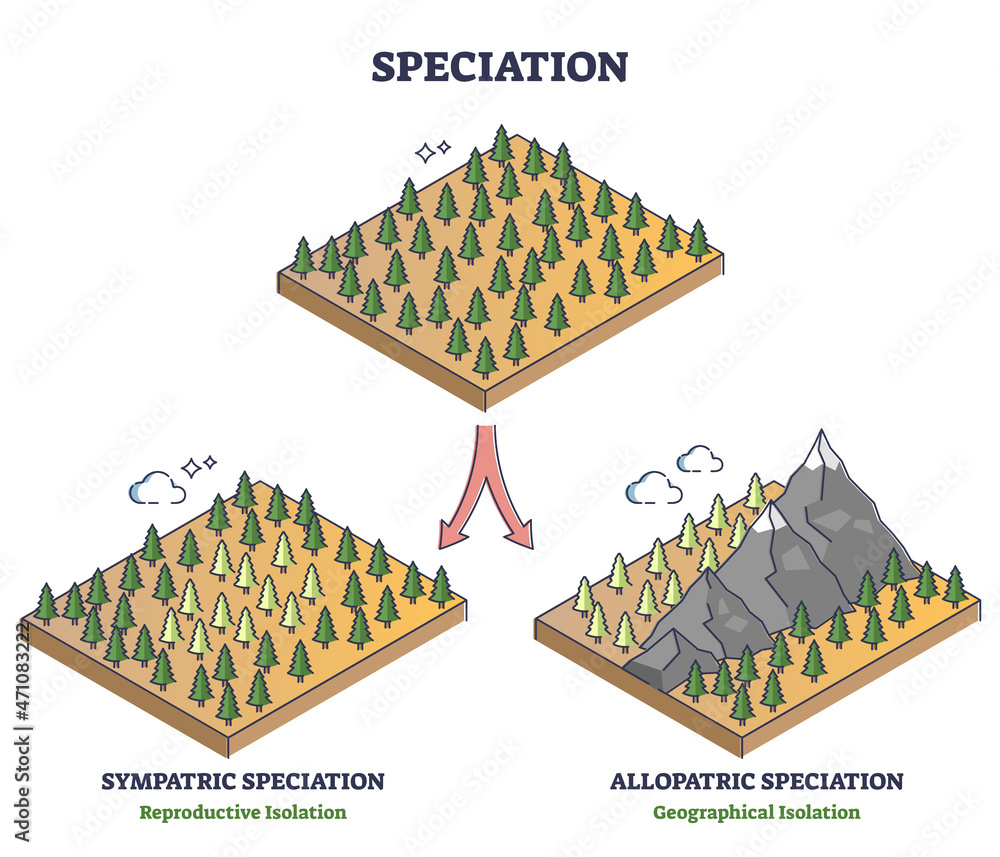
Sympatric Speciation
Speciation caused by reproductive isolation.
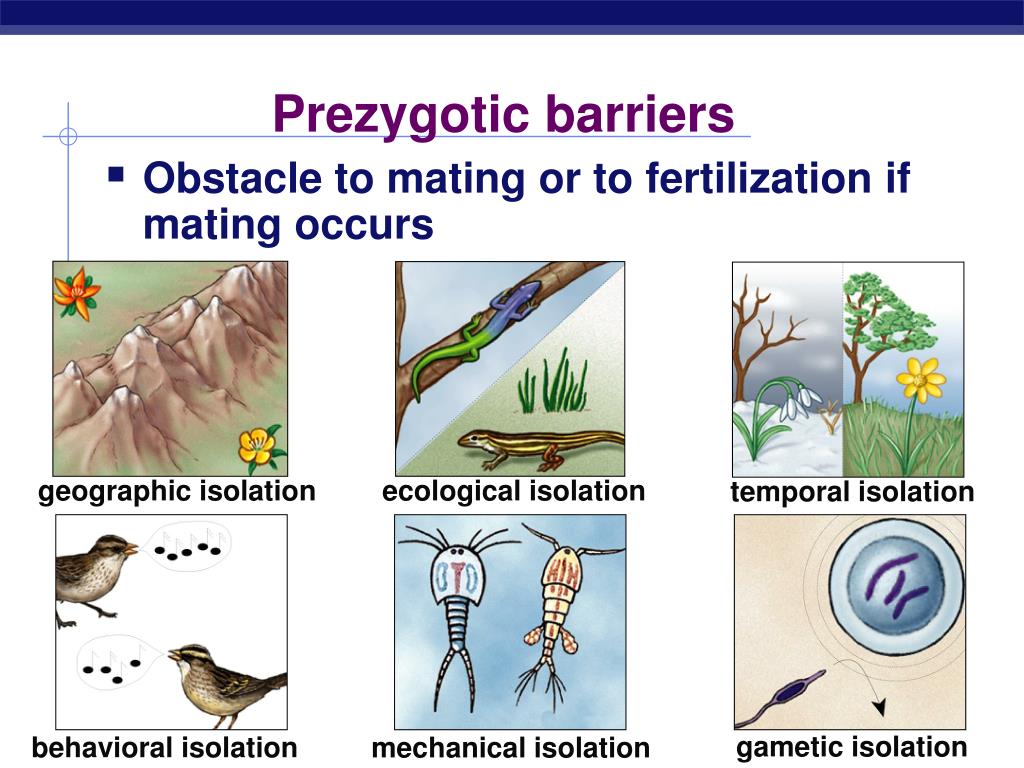
Prezygotic Barrier (before zygote)
A reproductive barrier that prevents mating or fertilization.
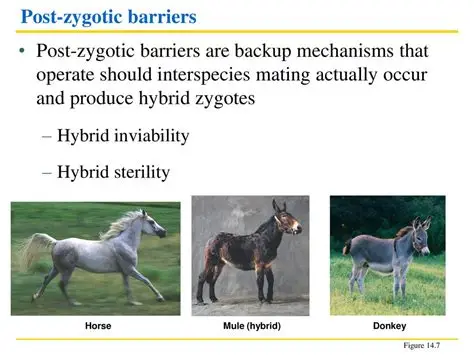
Postzygotic Barrier (after zygote)
A reproductive barrier occurring after fertilization that prevents hybrid survival or reproduction.
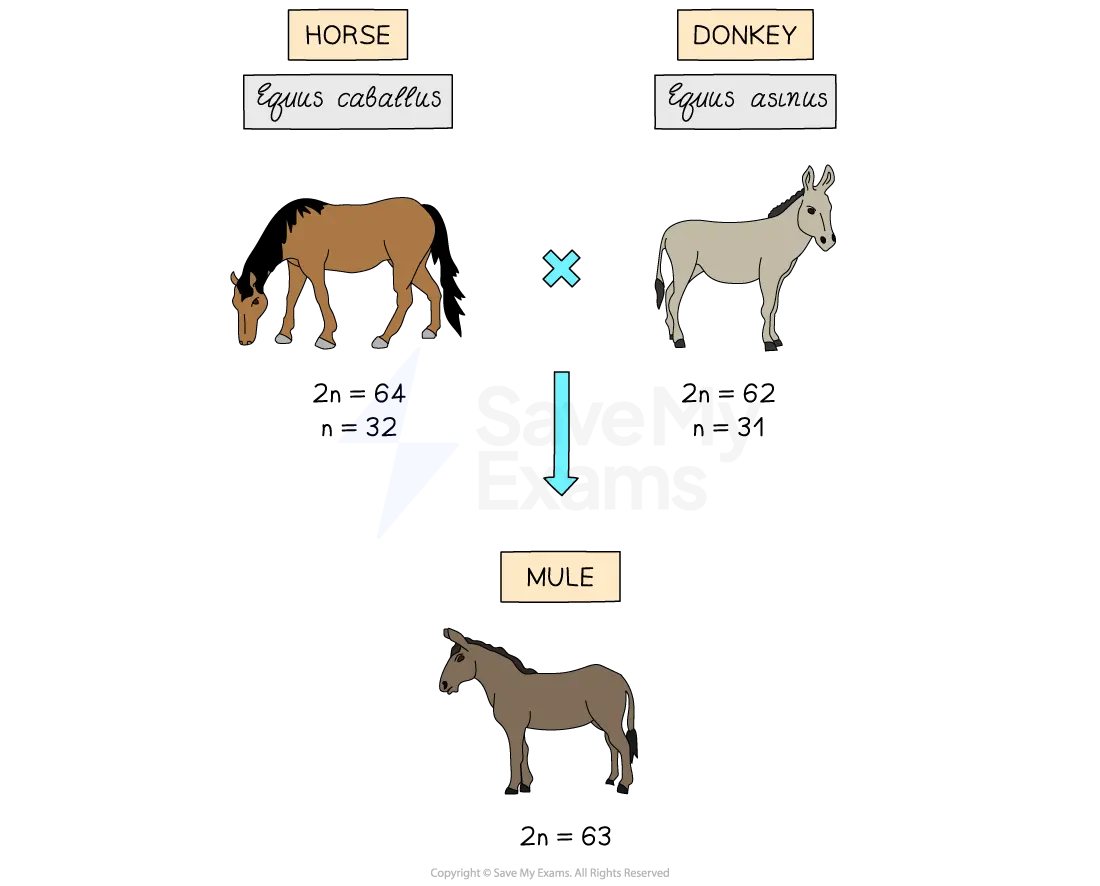
Hybridization
Crossing dissimilar individuals to combine desirable traits.
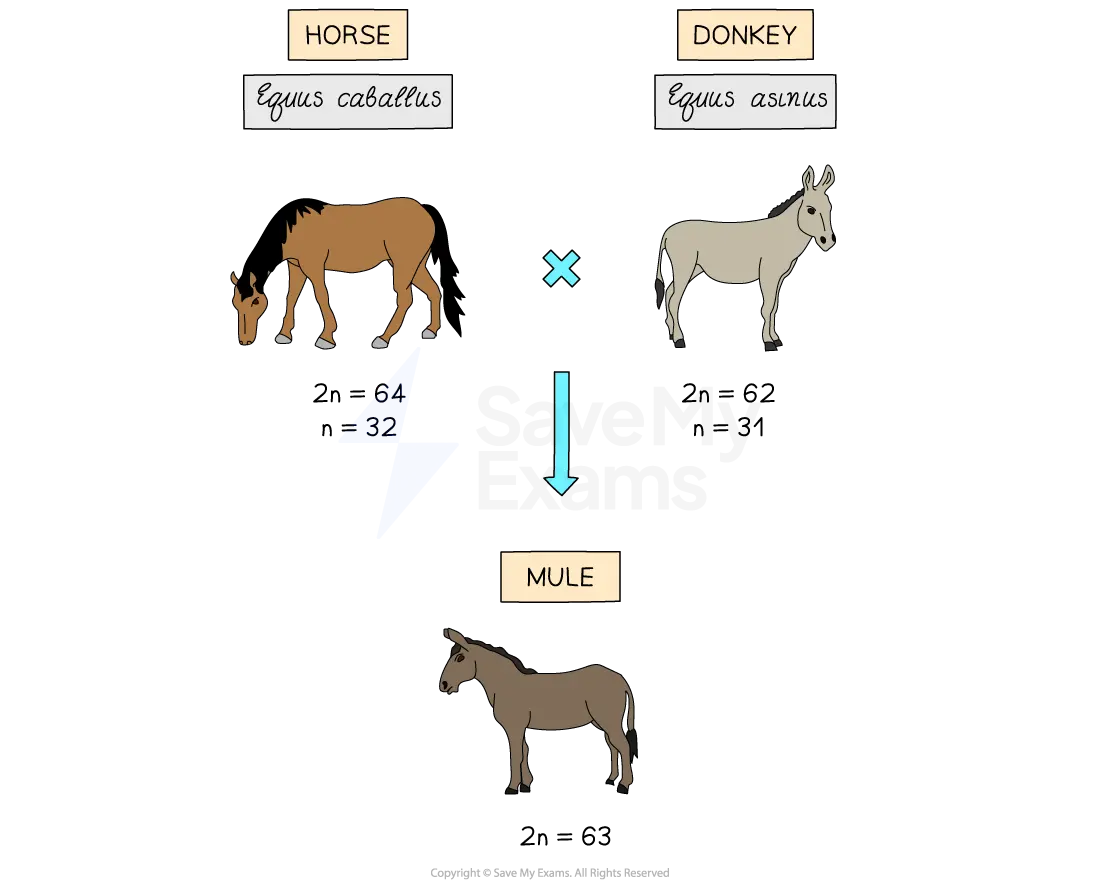
Hybrid Vigor
Increased strength or hardiness in hybrid offspring. ex. Mules are stronger than horses and donkeys
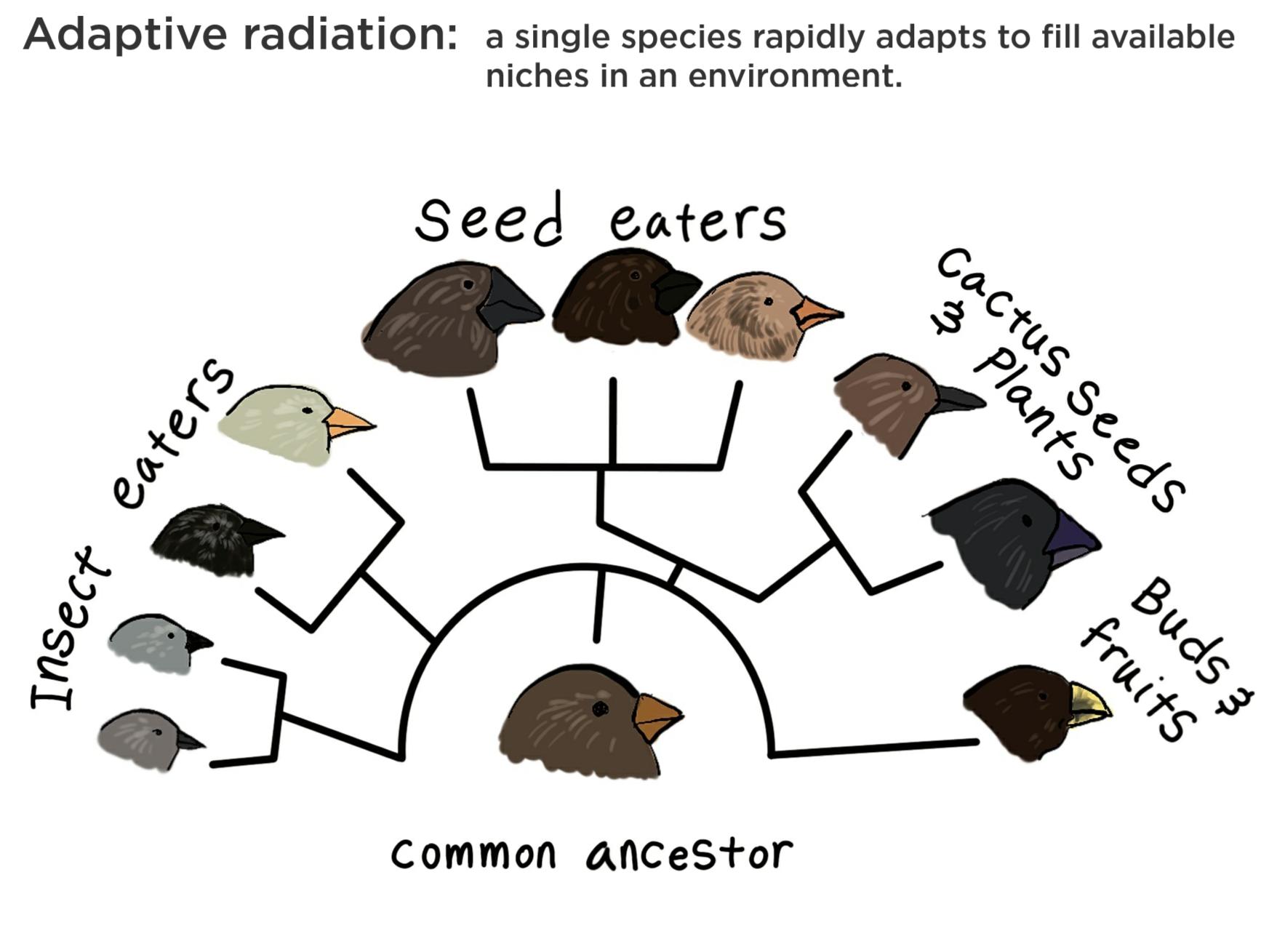
Adaptive Radiation
Evolution of many species from one ancestor to fill different niches.
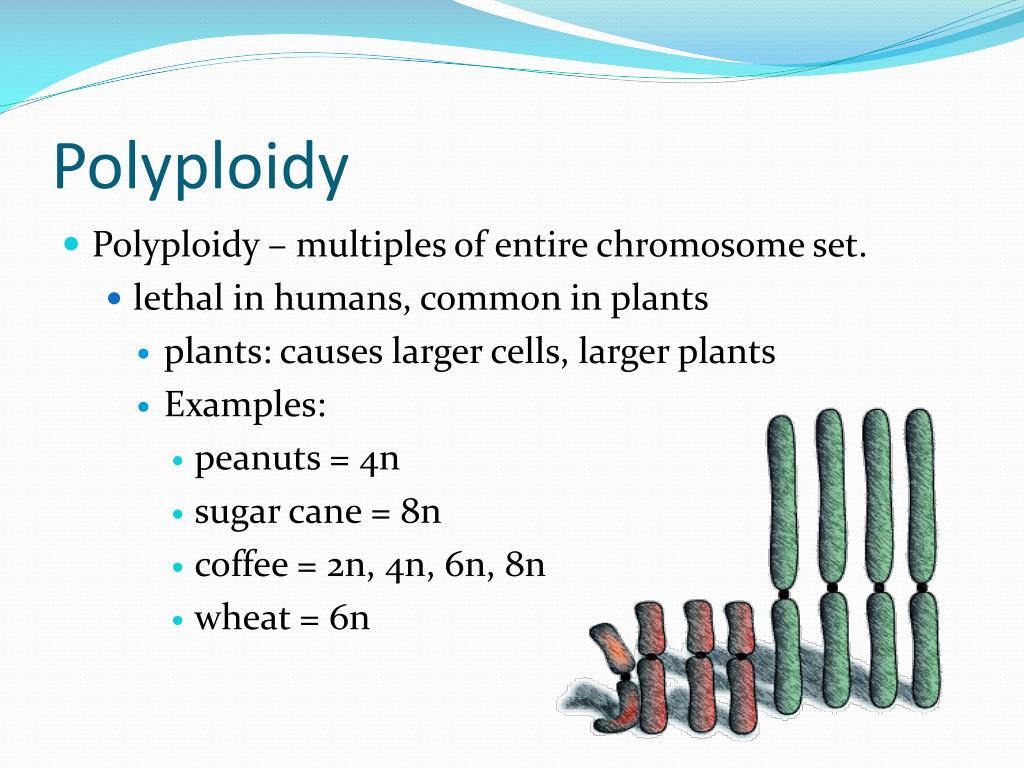
Polyploidy
Condition of having more than two sets of chromosomes, common in plants.
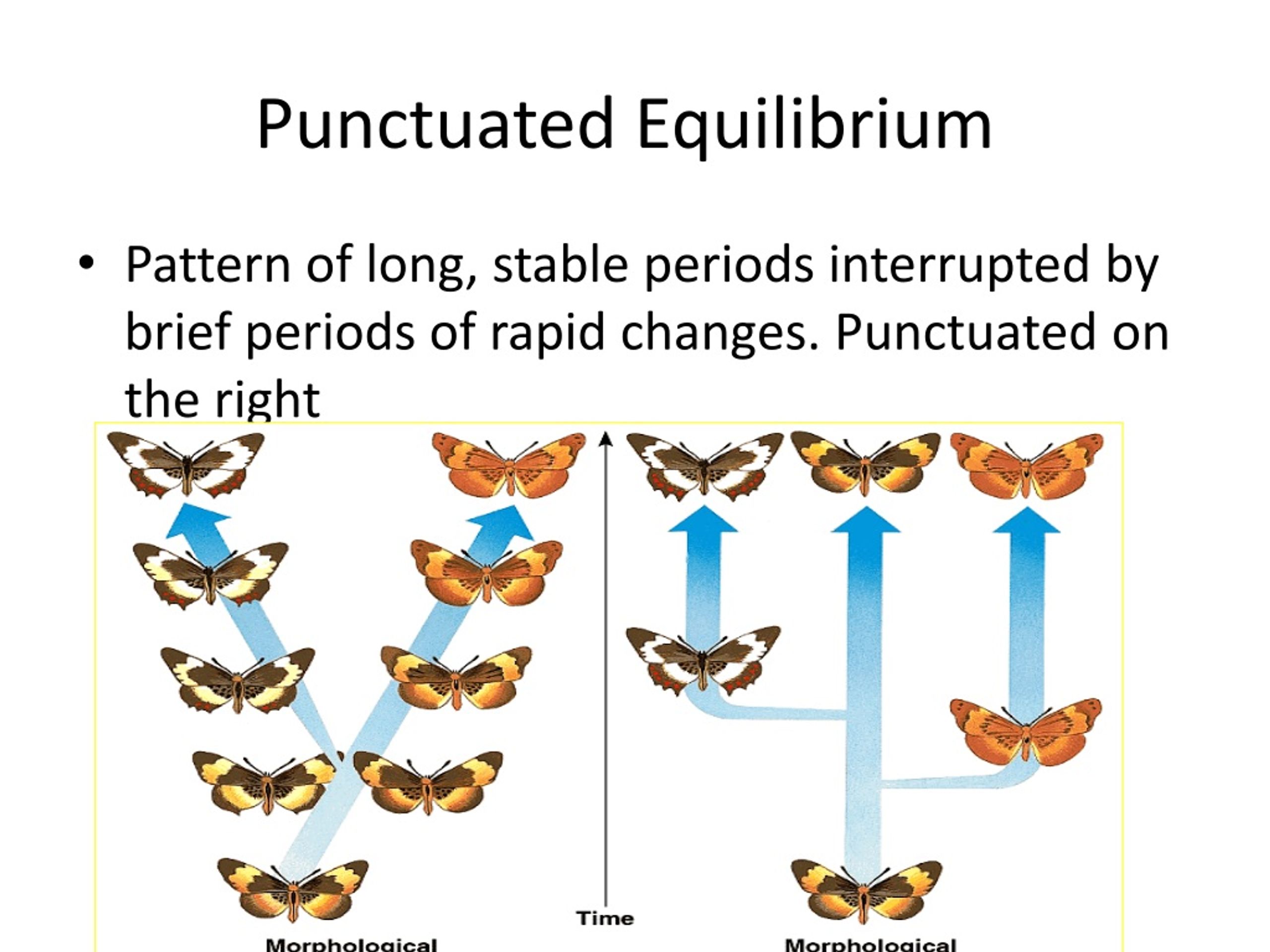
Punctuated Equilibrium
Evolutionary pattern of long stability interrupted by rapid change.
Genetic Engineering
Direct manipulation of DNA to produce desired traits.
Transgenic Organism
Organism containing foreign DNA from another species.
Recombinant DNA
DNA formed by combining genetic material from different sources.
Theory of Evolution
Scientific explanation that species change over time through natural processes.
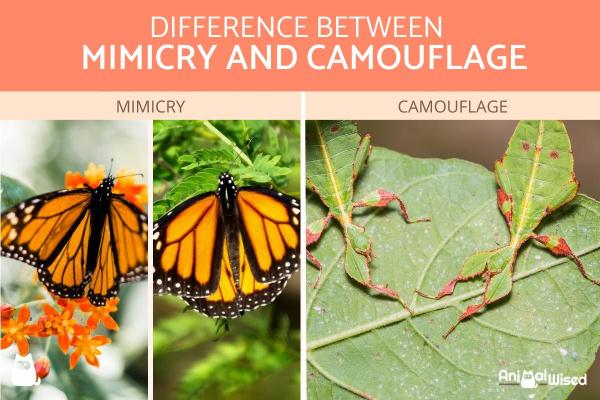
Camouflage
Adaptation allowing organisms to blend into their environment.
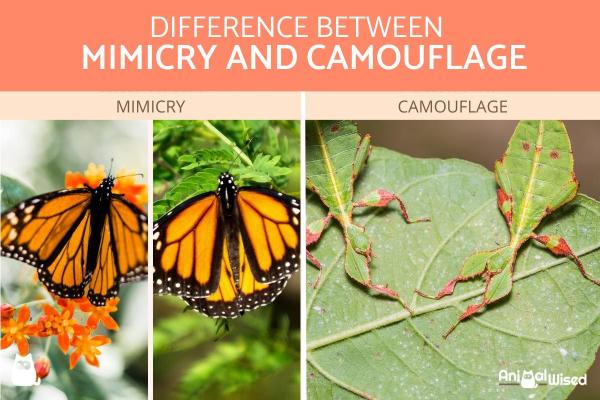
Mimicry
Adaptation where one organism resembles, acts, and sounds like another for protection.
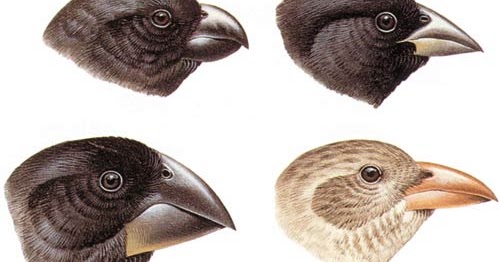
Variation
Differences among individuals in a population.
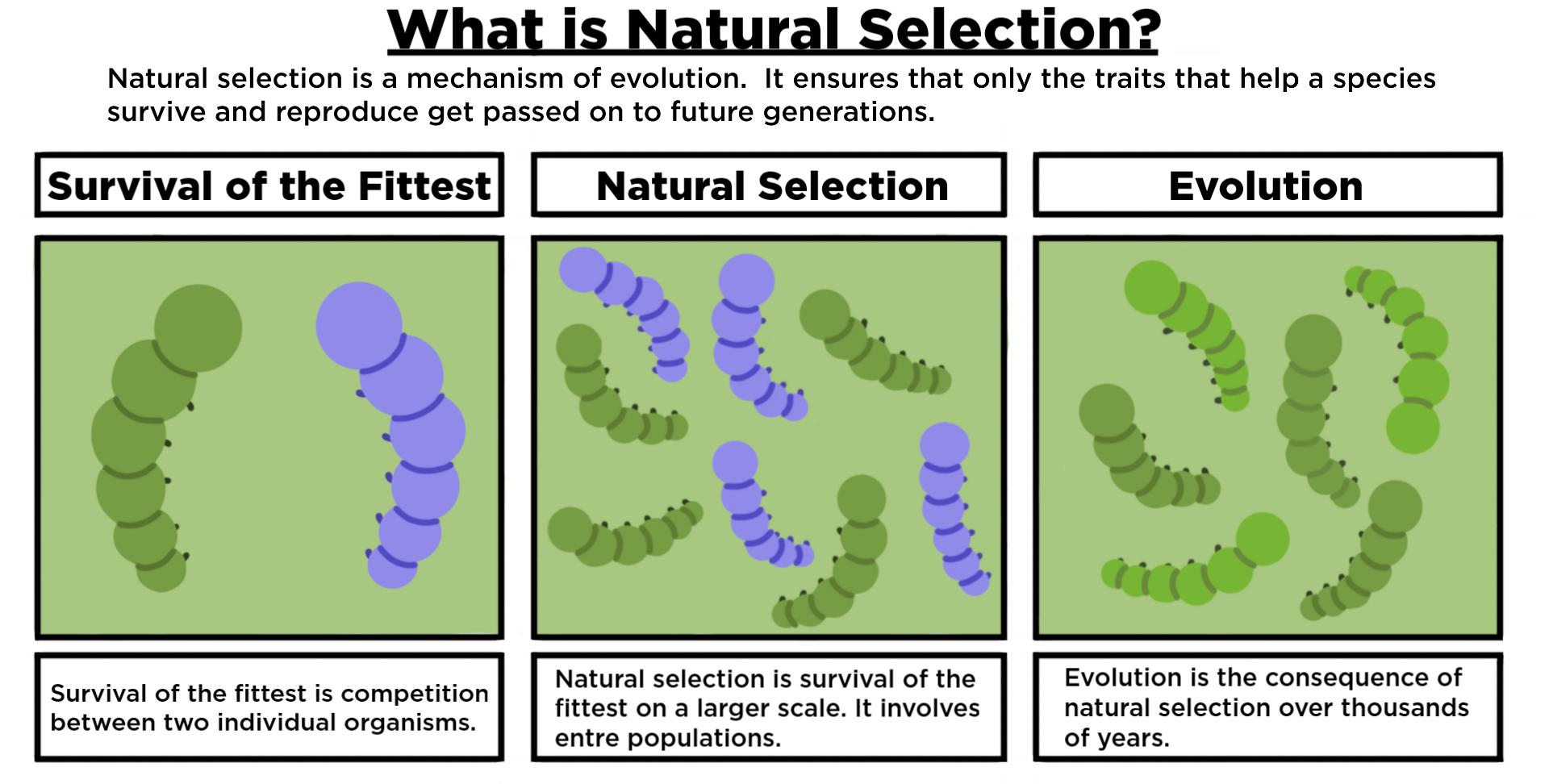
Selection
Process where the best‑adapted individuals survive and reproduce.
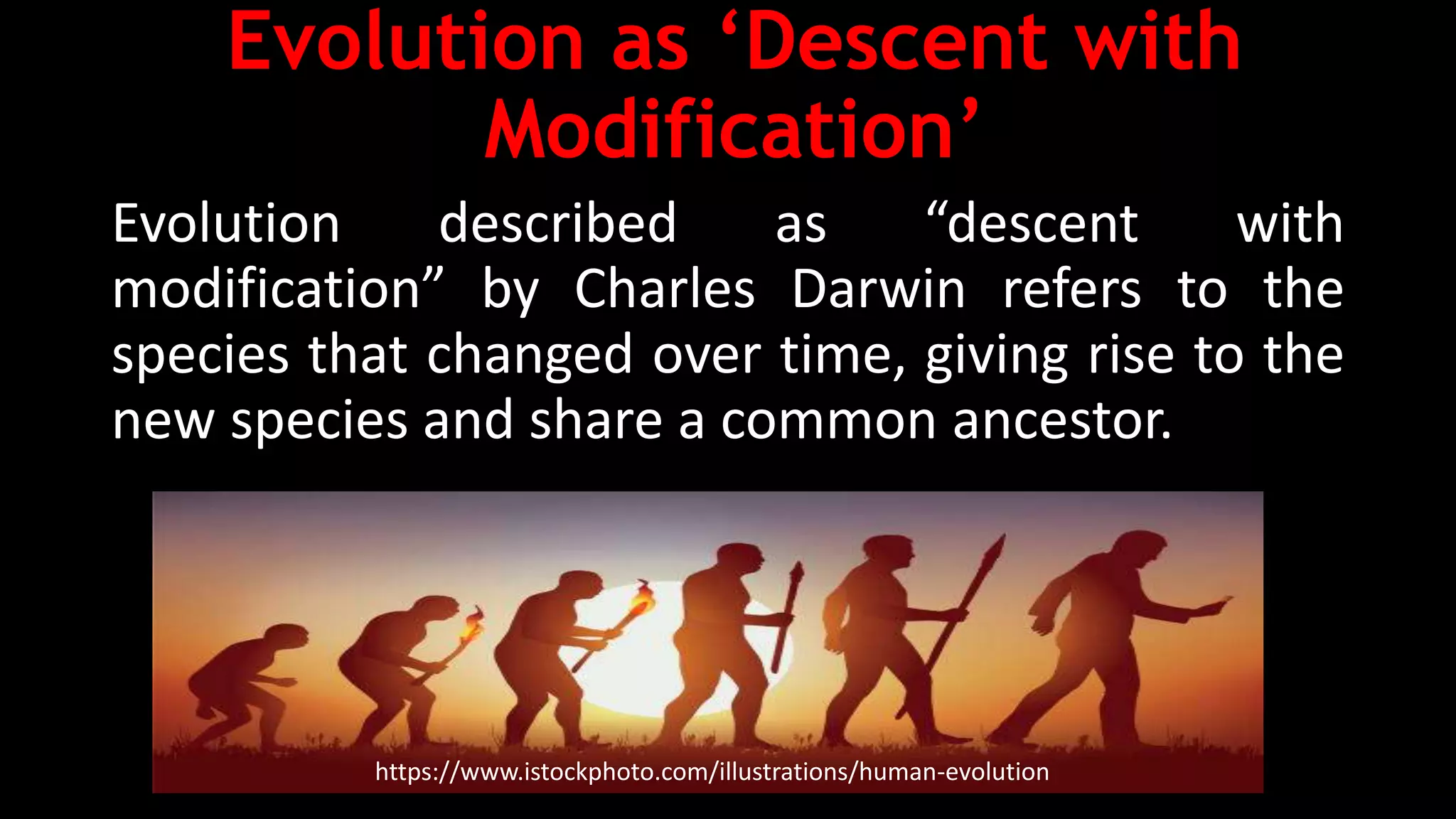
Descent with Modification
Gradual change in populations over generations. coined by CHARLES DARWIN
Hardy-Weinberg Equilibrium
Model describing allele and genotype frequencies in a non-evolving population.
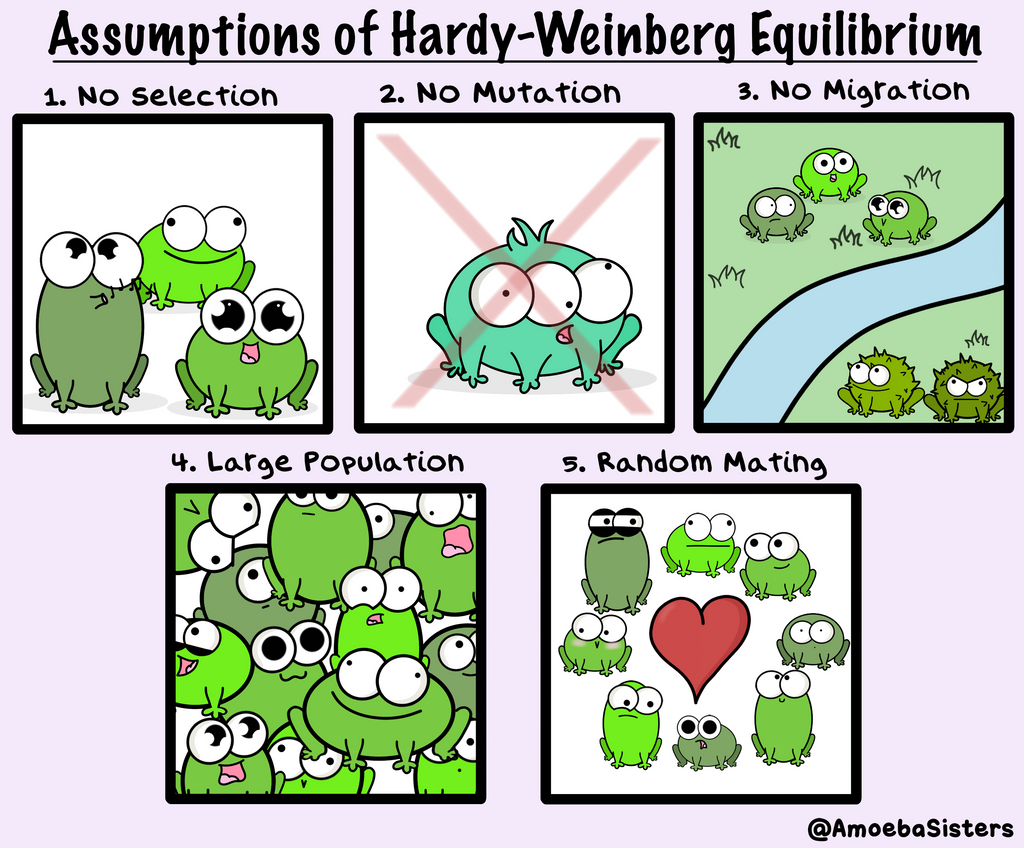
Assumptions of Hardy-Weinberg Equilibrium
No selection, No mutation, No migration, Large population, Random mating
p
Frequency of the dominant allele in a population. (noun)
q
Frequency of the recessive allele in a population. (noun)
p²
Frequency of the homozygous dominant genotype. (noun)
2pq
Frequency of the heterozygous genotype. (noun)
q²
Frequency of the homozygous recessive genotype. (noun)
Comparative Anatomy
Study of similarities and differences in body structures of different species. (noun)
Homologous Structures
Structures with the same origin but different functions, indicating common ancestry. (noun)
Vestigial Structures
Structures that no longer serve their original function but remain from ancestors. (noun)
Fossils
Preserved remains or traces of ancient organisms. (noun)
Transitional Forms
Fossils showing intermediate traits between ancestral and modern species. (noun)
Embryology
Study of early developmental stages of organisms. (noun)
Biochemical Evidence
Comparison of DNA and amino acid sequences to determine evolutionary relationships. (noun)
Cladogram
Diagram showing evolutionary relationships among organisms. (noun)
Analogous Structures
Structures with similar functions but different origins, showing convergent evolution. (noun)
Convergent Evolution
Evolution of similar traits in unrelated species due to similar environments. (noun)
Explore top notes

