Global Macro Investing - terminology
 Call Kai
 Learn
Learn Practice Test
 Spaced Repetition
 Match
Match Flashcards
 Knowt Play
1/113

There's no tags or description
Looks like no tags are added yet.
Name | Mastery | Learn | Test | Matching | Spaced | Call with Kai |
|---|
No analytics yet
Send a link to your students to track their progress
114 Terms
HML factor
represents the return spread between value stocks (those with high book-to-market ratios) and growth stocks (those with low book-to-market) ratios
global macro strategy
an investing and trading approach based on the interpretation of major economic developments at the national, regional, and global levels
fund managers analyse macroeconomic and geopolitical factors such as interest rates, exchange rates, international trade, political events, and global relations
fixed income securities
investment instrument that provides a return in the form of fixed periodic interest payments and the return of principal at maturity
essentially loans by investors to borrowers, typically corporations/governments
eg government bonds
suitable financial instruments for risk-averse investors
eg could have fixed income securities from US, Germany, Italy, Japan, UK
money market funds (short-term fixed income asset)
maturity of less than one year
investors typically hold to maturity
less price fluctuation
generally safe
longer-date fixed income funds
cash flows are fixed
changes in interest rates can cause significant price fluctuations
potentially large losses in asset value
longer duration implies greater price risk (duration risk)
equity
represent ownership in a company (eg stocks)
suitable for risk-loving investors
eg S&P 500, NASDAQ, Euro Stoxx 50, Nikkei, Shanghai Composite, Hang Seng Index
magnificent seven
seven US mega-cap companies:
Apple, Microsoft, Amazon, Google, Nvidia, Tesla, and Meta
account for over 20% of the S&P 500’s weight
commodities
goods with minimal product differentiation and high fungibility
eg oil, natural gas, gold, silver, copper, corn
drift
long-run trend
derivative
contracts whose value is derived from an underlying asset (eg currency, fixed income, equity, commodity)
they are useful for hedging, speculation, and increasing investment power
futures
standardized contracts to buy or sell an asset at a fixed future price
eg the price of 1kg of gold one year ahead
options
rights (not obligations) to buy or sell at a specified price
can be thought of as an insurance contract: insuring against the asset price increasing
if the price goes up, the buyer will receive a payoff
can be bought (call) or sold (put)
Exchange-Traded Funds (ETFs)
tracks a basket of assets and provide broad market exposure
VIX
ETF that follows the volatility of the market
Russell 2000
not micro firms but relatively small firms
used for SMB investment strategies
S&P 500
US biggest 500 firms
dominated by tech and AI firms
macro style funds
investment vehicles that seek to profit from the systematic risks of markets by analysing large macroeconomic events on national, regional, and global scales
known for their flexibility and ability to invest in a wide range of assets worldwide
currency regime/exchange rate regime
refers to the framework or system that a country’s government or central bank uses to manage its national currency in relation to other foreign currencies
fixed currency regime
currencies that are pegged to another currency
eg HKD (hong kong dollar) is pegged to the US dollar
eg DKK (danish krone) is pegged to the euro
floating (frequent intervention) currency regime
if the central bank feels that the currency is moving too much in the same direction, the bank will intervene
therefore, the currency does not that much freedom
eg Japanese Yen
floating (no intervention) currency regime
currency is free to float
eg USD, EUR
business cycle
refers to how economic growth is not linear but instead, moves in cycles
rises and falls over time
however, there is an overall upward trend as the economy is getting richer over the very long-run, despite the fluctuations
a recurring pattern of economic growth and contraction in an economy
economic expansion
the upswing of the business cycle toward a peak
economic contraction
the downswing of the business cycle toward a trough
natural output / potential output / full-employment GDP
refers to the highest level of real GDP an economy can sustain in the long run without generating accelerating inflation
‘sweet point’ of growth
money supply
total amount of money in circulation
velocity of money
the rate at which money circulates in the economy
aggregate demand curve
negative relationship between price and transactions
nowcasting
the prediction of the very recent past, the present, and the near future of an economic indicator
traditional measures of output and inflation are typically released with a substantial lag
use high-frequency data to estimate current economic conditions such as looking at LinkedIn job posts for an estimated unemployment rate
black swan
an event that comes as a surprise and has major effects
characterised by their extreme rarity, severe impact, and the tendency to be rationalized in hindsight
economic shock
causes deviations from an economy’s natural growth path
shock
an unexpected event that disrupts the economic trend and can lead to booms/recessions
double dip recession
when a short-lived recovery after a recession is quickly followed by another recession
prevents the economy from fully recovering from the initial drop in economic activity
recovery
a period of increasing economic activity
overheating
occurs when the economy expands rapidly
stagflation
characterised by weak or no growth alongside high inflation
contraction/recession
inflation falls back to more sustainable levels while the labour market weakens
solow growth model
explains how capital accumulation, population growth, and technological progress drive output and long-run growth
constant returns to scale
scaling all inputs by a given proportion increases output by the same proportion
steady state (In solow model)
as the marginal output from additional investment diminishes with higher levels of capital, while the cost of investment remains unchanged, the economy eventually reaches a point where benefits equals costs
mega forces
overarching themes influencing investment decisions
life cycle hypothesis
suggests that individuals save during their prime working years in order to finance consumption in retirement
labour productivity growth
more output per hour worked
efficient market hypothesis
public available information will be reflected into stock price instantaneously
assets prices reflect all available information at any point in time
may be reflected in the evening for the UK (outside UK’s opening hours) but it is opening hours for Asian markets so these stocks will reflect any information immediately and it will be shown for the UK as soon as the markets open for them
central bank
a national bank that provides financial and banking services to the government and the commercial banking system
acts as the banker to both
Federal Open Market Committee
the branch of the Federal Reserve System responsible for setting monetary policy, primarily through open market operations
on committee, there are 12 Reserve bank presidents and 7 governors (19 people)
for voting, only 5 reserve bank presidents and 7 governors (12 people)
the president of the Federal Reserve Bank of New York always votes
the other four rotate
hawkish
focus on controlling inflation rate by raising interest rates, even if it affects growth and employment
more concerned about inflation stability over short term economic gains
impose a higher interest rate to ensure price stability
blackout period
from the Saturday before the meeting until the following Thursday, officials of the Fed Committee cannot speak publicly
lender of last resort
typically a central bank that provides emergency liquidity to financial institutions facing severe liquidity crises to prevent economic disruption
haircuts
refers to the percentage reduction applied to the market value of an asset when it is used as collateral for a loan or for assessing capital requirements
helps lenders manage risks associated with market fluctuations and borrower defaults
discount window
a tool that the Federal Reserve uses to increase the stability of the financial system
some believe its effectiveness is diminished by stigma: institutions may avoid borrowing from it out of concern that they may be perceived as being in weakened financial condition
The Bank Term Funding Program valued collateral at par, helping to reduce stigma
quantitative tightening
aims to contract money supply to control inflation and stabilise the economy
by reducing the amount of money, QT seeks to increase interest rates which makes borrowing more expensive and reduces consumer demand
central bank may sell government bonds or other financial assets they hold to directly reduce the amount of money in circulation
may allow bonds to mature without replacement
the central bank runs off long-term securities without repurchasing so the balance sheet shrinks
dovish
more supportive of the economy
impose a lower interest rate to promote employment
unanchored (inflation expectations)
people don’t believe the long-term inflation rate will be 2%
anchored (inflation expectations)
individuals believe that this is just a temporary price increase and the long-run inflation rate will still be 2%
treasury inflation protected security (TIPS)
it is a treasury bond that is inflation adjusted
its yield is real (net of inflation)
adjust coupon rate by the CPI data
realized inflation will be reflected in prices
TIPS yield is typically 1.8%
quantitative easing
when the Fed (central bank) buys treasuries in the market in the hope to reduce interest rates and make lending cheaper
it reduces interest rates by increasing the bond price
employed
includes only adults (16+)
worked for pay, in own business, or unpaid in family business
includes those temporarily absent from a job
unemployed
includes only adults (16+)
not working, available for work, and actively searched in the past 4 weeks
not in the labour force
includes only adults (16+)
neither employed or nor unemployed
eg students, retirees, discouraged workers
non-farm payroll
represents the number of new jobs added per month
covers about 80% of the labour force
shows how many jobs are added to the non-farming sector
wage-price spiral (inflation)
higher wages → stronger demand → higher prices → further wage demands
this feedback loop can generate persistent inflationary pressure
when inflation increases, workers ask for higher wages, which results in higher inflation (creates a vicious cycle of inflation)
headline inflation
includes ALL items
food and energy are highly volatile
core inflation
excludes fuel and food to provide a more stable signal
alternative to this is the trimmed mean, which removes extreme price changes to better capture the underlying inflation trend
tapering
a reduction of the Fed’s asset purchases as an attempt to reduce inflation
nominal
observable in the market
ex-ante
expected
looking into the future, what we predict
ex-post
realized
actually observed
break-even inflation rate
difference between the yield of a nominal bond and an inflation-linked bond of the same maturity (eg TIPS)
viewed as a more reliable measure of inflation expectations than those measured by surveys
R*
equilibrium real interest rate = natural rate
not controlled by central banks
key benchmark for monetary policy
not constant and evolves with economic fundamentals
data dependence
rather than the Federal Reserve targeting an exact rate, they typically adopt a gradual, trial-and-error approach to deal with inflation
they adjust policy step by step
observe incoming data and market reactions
recalibrate as needed
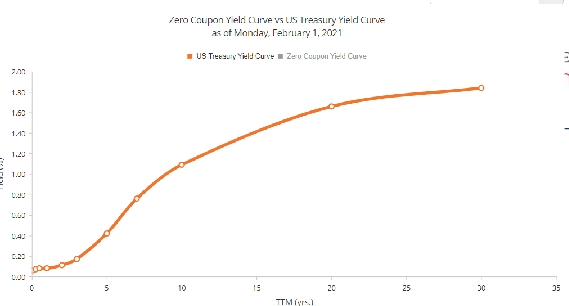
yield curve
plots bond yields against their maturities, holding credit quality constant
x-axis: time to maturity
y-axis: yield
term premium
the extra compensation investors demand for bearing duration (interest-rate) risk
liftoff
policy rate rising from zero
DV01
measures how much a futures price changes for a 1bp move in the yield
a type of fixed income security
G20 economies
relatively highly developed economies
short position
when a trader borrows shares of a stock/security from another investor and immediately sells them on the open market at the current price
the trade now has an obligation to return the same number of shares to the lender at a later date
the goal is to repurchase the shares at a lower price, return them, and pocket the difference as profit
policy trilemma
the issue that a country can only achieve two out of three policy goals:
free capital mobility
exchange rate stability
independent monetary policy
all three cannot be maintained at the same time
European Exchange Rate Mechanism (ERM)
aimed to reduce exchange rate volatility before the introduction of the euro
members were required to keep their currencies within agreed fluctuation bands
discretionary trades
take a view on the movement of an asset
eg: long copper expecting prices to rise
relative value trades
exploit differences between related assets
profit from changes in their price relationship
eg: long (buy) german bonds, short (sell) italian bonds during the european crisis
event-driven macro
position for major macro/geopolitical events
eg: trading around brexit outcomes
contrarian returns
refers to the potential of an investment strategy to generate returns that are opposite to the prevailing market sentiment
ie, investors profit from market inefficiencies/mispricing
look for undervalued/overvalued assets
contrarian profits can be explained by the Fama-French (1993) three-factor model as investor will invest in small, undervalued stocks which the model predicts can lead to some benefits
momentum returns
buying stocks that have had high returns in the past few months and selling stock that have had low returns
factor investing
refers to a strategy that goes beyond the traditional capital asset pricing model (CAPM) by considering additional firm characteristics that can explain asset returns
risk parity strategy
allocates capital based on each asset’s risk contribution, not market value or expected return
aims to balance risk across assets to improve risk-adjusted performance
backward-looking information
information you can extract from historical data
can take a long time to compile the relevant information
may be obsolete by the time you receive the information
helps us to understand what is going on
ex-post
more accurate than forward-looking
more reliable as well as it is not based on some uncertainty in the future means we can’t use it to predict too far into the future
as it is based on historical data, it doesn’t give predictions of the future
risk-off
defensive strategy
forward-looking information
data, analysis, or indicators that provide insights into future market conditions, trends, and potential outcomes
help investors and businesses make informed decisions based on anticipated future developments
crucial for us to understand what has been priced in
forward looking, but they are based on information in the past
ie, we care about whether the realized earnings is sustainable in the future, not what the past earnings were
market outlook on earnings and other indicators is consistently updated
the change in forecasts contains useful information (ie tells us if they expect the market to do better/worse than initially expected)
term structure
refers to the relationship between the prices of derivatives on the same underlying asset, but with different expiration dates
forward price
prices of derivative contracts (such as futures)
options
like insurance for asset price movements
insurance for upward movements = call
insurance for downward movements = put
investors can buy and sell these products at different strike prices
compared to simply buying/selling an asset, options are more complex products and preferred by many investors
option implied volatility
fear gauged
using option prices to extrapolate the market implied volatility
VIX index
otherwise known as ‘fear gauge’
measures the market’s expected volatility over the next 30 days
widely used to assess market risk, stress, and uncertainty
derived from prices of a wide range of S&P 500 index options (calls and puts)
therefore, it is forward looking
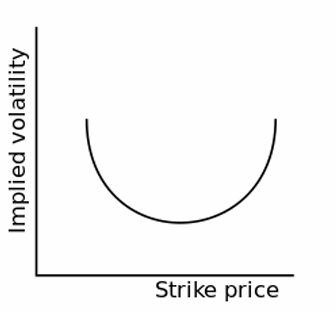
volatility smile
a curve showing higher implied volatility for options far from the money
reflects the market perceptions of higher risk for extreme price movements in the underlying asset
this indicates that traders pay a premium for options at extreme strike prices
similar to buying insurance: willing to pay a higher premium to insure against low-probability events that could lead to severe loss
short squeeze
a rapid increase in a stock’s price caused by short sellers rushing to cover their positions, creating a feedback loop of buying pressure
bid-ask spread
simple indicator of liquidity
difference between bid and ask
narrow spread = high liquidity, easier to trade
wide spread = low liquidity, high liquidity risk
bid
highest price a buyer is willing to pay
ask
lowest price a seller is willing to accept
confirmation bias
investors seek out information that confirms their existing beliefs and ignore/undervalue information that contradicts them
they seek or interpret evidence in ways that are partial to existing beliefs

