Customer Experience, Distribution Channels, & Customer Journey
 Studied by 4 people
 Call Kai
 Learn
Learn Practice Test
 Spaced Repetition
 Match
Match Flashcards
 Knowt Play
1/11

There's no tags or description
Looks like no tags are added yet.
Name | Mastery | Learn | Test | Matching | Spaced | Call with Kai |
|---|
No analytics yet
Send a link to your students to track their progress
12 Terms
Net Promoter Score
a CX metric that surveys customers based on one question: “On a scale of 0 to 10, how likely are you to recommend us to a friend or colleague?”
Customer Satisfaction Score
Asks a customer how satisfied they are with a recent interaction: a purchase or a customer service call, on a rating scale. They are flexible and highly customizable. In some cases, emojis (smileys, frowns) are used instead of numerical scales to overcome any language barrier.
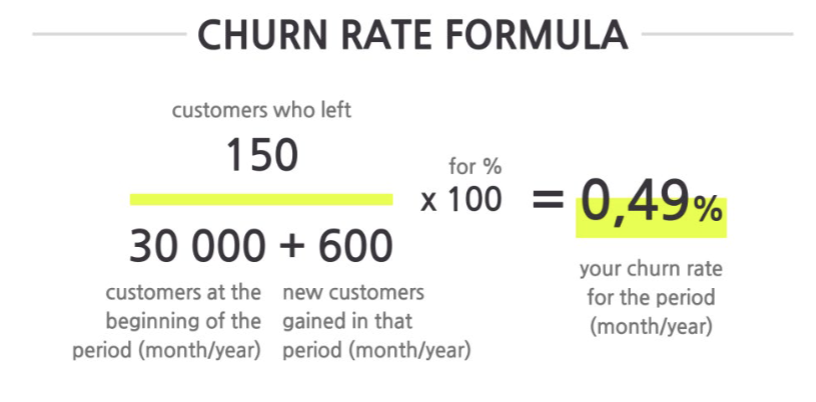
Customer Churn
The percentage of customers who stop using a company’s product or service over a certain period of time.
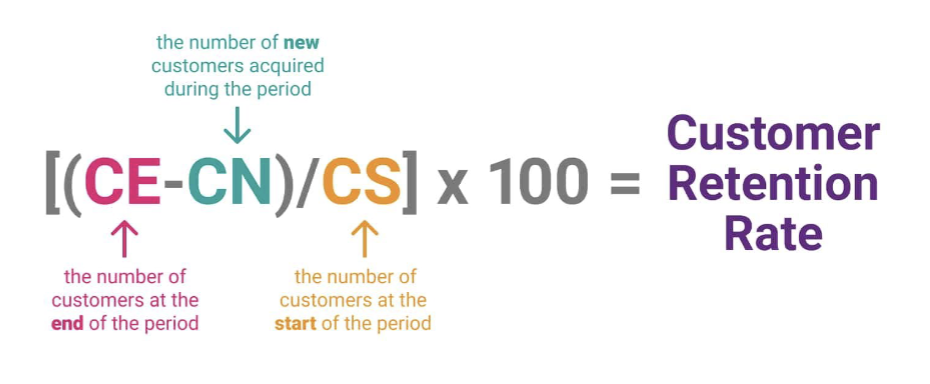
Retention Rate
The percentage of customers your business retains over a specific period.
A high retention rate is often associated with increased customer lifetime value (CLV) and reduced customer acquisition costs.
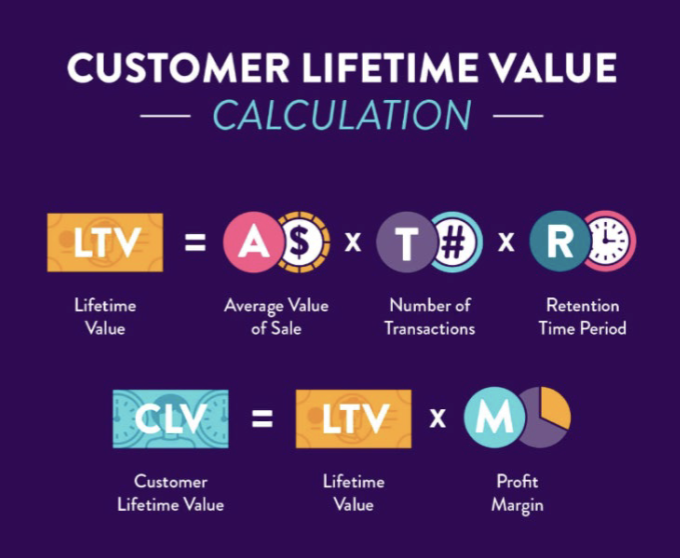
Customer Lifetime Value
A metric that represents the predicted net profit your company can expect to earn from a long-term relationship with a single customer.
Direct Distribution
The company sells straight to customers (no middlemen).
Indirect Distribution
The company sells through middlemen like retailers or distributors.
Hybrid Distribution
The company uses both direct and indirect ways to sell.
Customer Journey
The complete experience a customer has with a brand — from first awareness to loyalty or advocacy.
Customer Journey Stages
Awareness – When the customer first learns about the brand.
Consideration – When they compare and evaluate options.
Purchase – The decision and buying process.
Retention – Post-purchase experience and customer support.
Advocacy – When customers recommend the brand to others.
Pros of Distribution Channels
Direct: you have full brand control, higher margin and customer data.
Indirect: fast scalability, low operational cost.
Hybrid/multichannel: flexible, multi touch, visibility
Cons of Distribution Channels
Direct: higher workload, logistics complexity.
Indirect: less control, lower margin, dependency risk.
Hybrid/ multichannel: requires more coordination
 Note
Note  Flashcards (27)