Rise of Dictatorship
 Studied by 0 people
 Call with Kai
 Learn
Learn Practice Test
 Spaced Repetition
 Match
Match Flashcards
1/31

There's no tags or description
Looks like no tags are added yet.
Name | Mastery | Learn | Test | Matching | Spaced | Call with Kai |
|---|
No analytics yet
Send a link to your students to track their progress
32 Terms
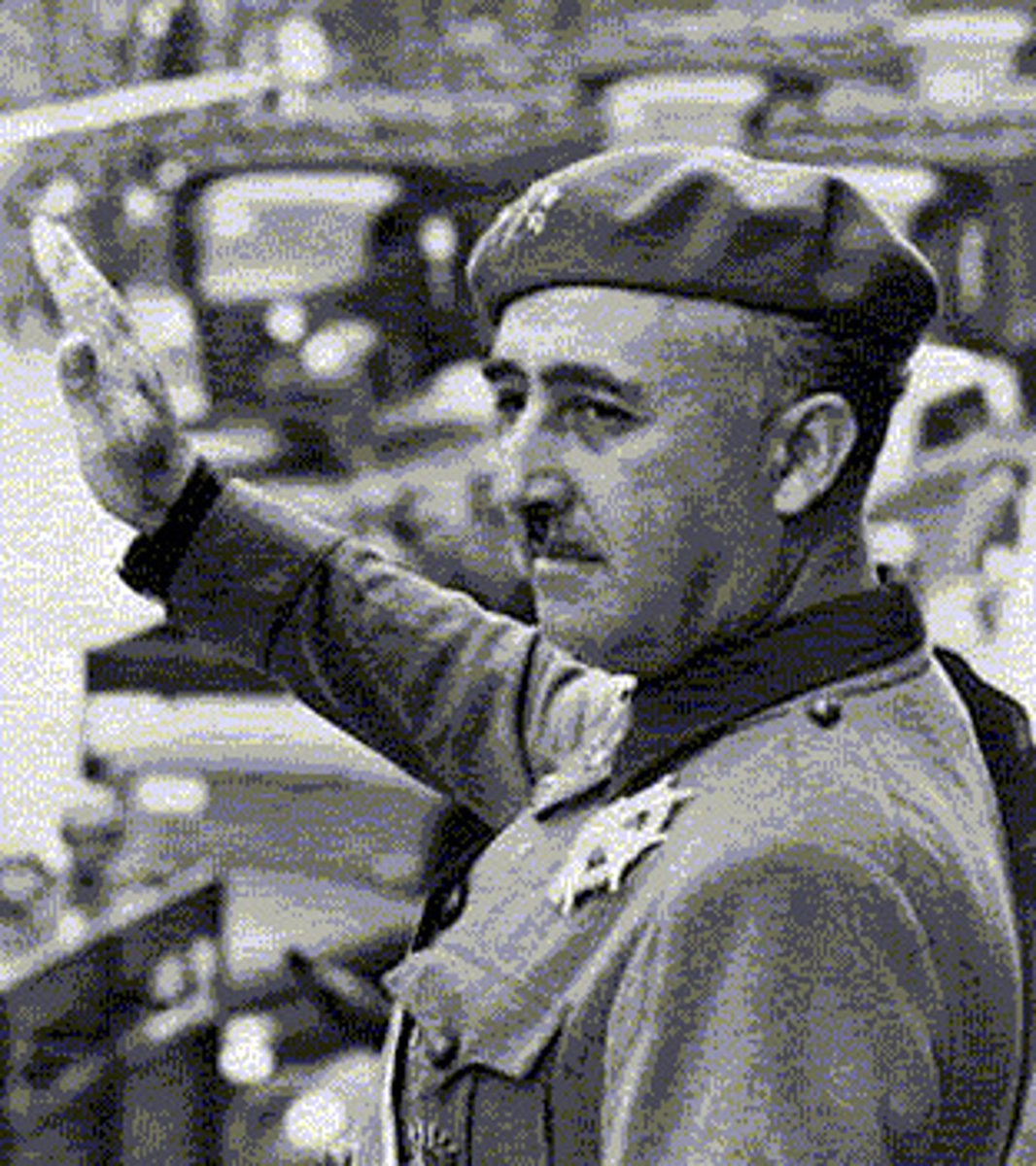
Francisco Franco
dictator of Spain in 1939
dictator
a ruler with absolute power
aggression
the action of a state in violating by force the rights of another state, particularly its territorial rights
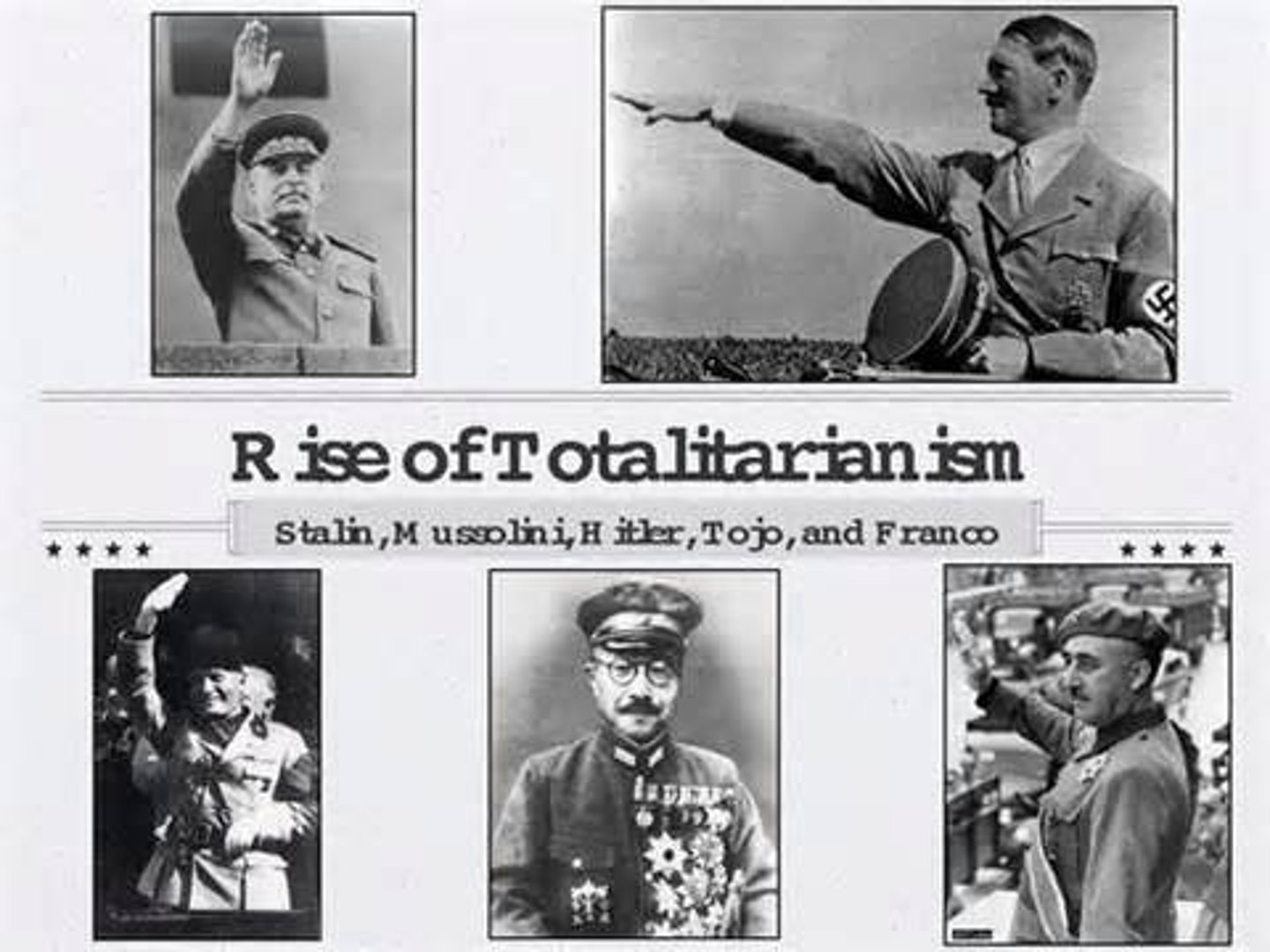
totalitarianism
a system of government that is centralized and dictatorial and requires complete subservience to the state.
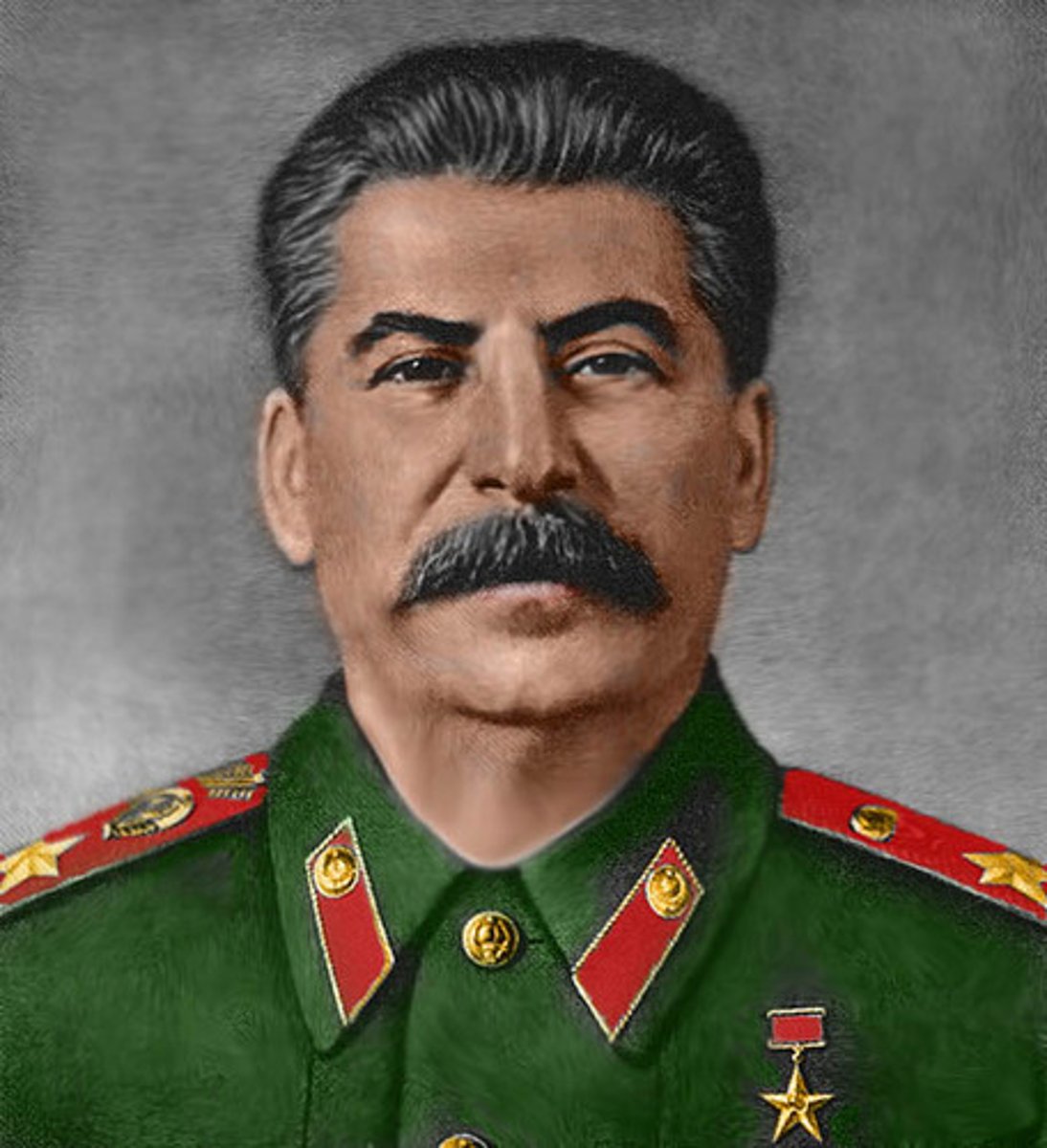
Joseph Stalin
A cruel Communist ruler of the Soviet Union in WWII, he leads Soviet Union from a peasant country to world superpower.
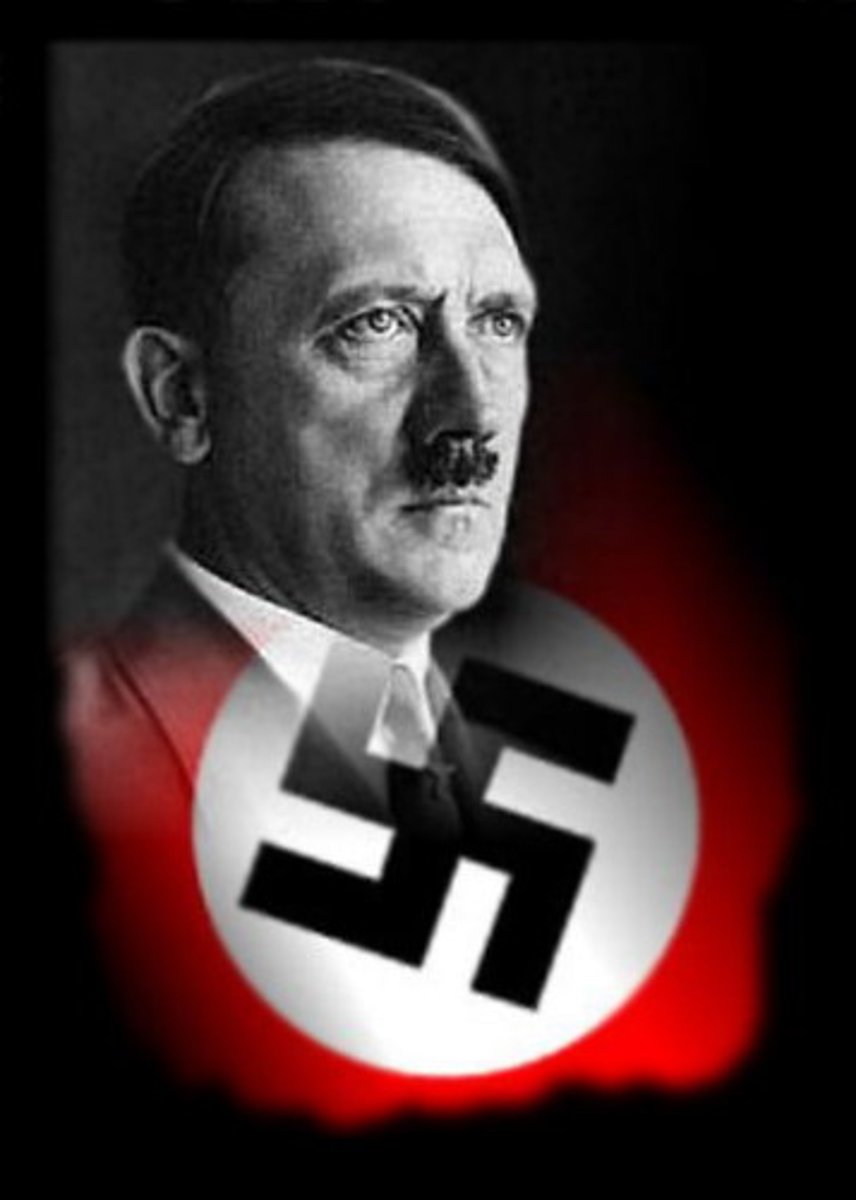
Adolf Hitler
An extremely nationalist ruler of Germany and the leader of Nazi Party, responsible for WWII and the slaughter of over 6 million Jews
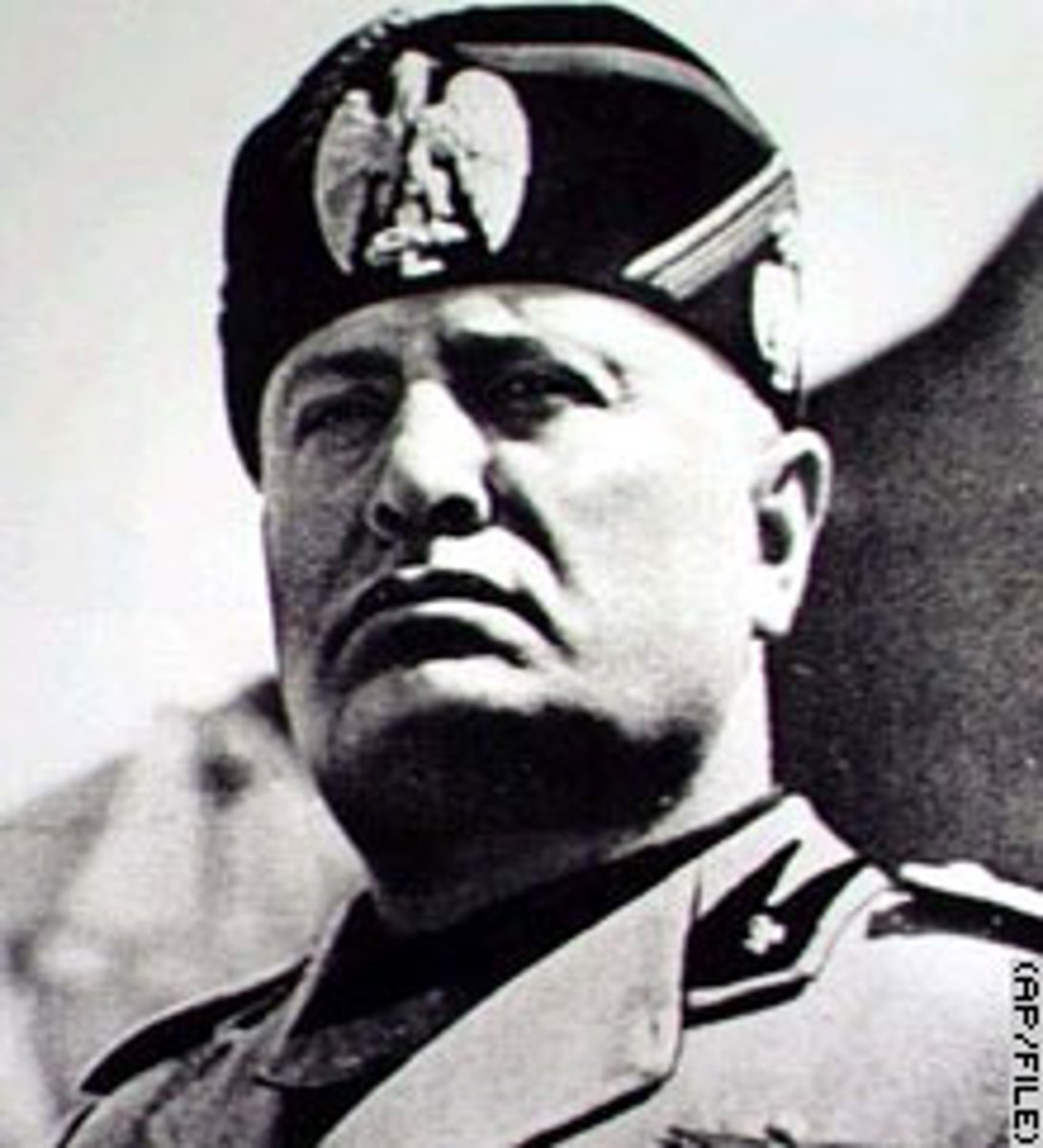
Benito Mussolini
was the Prime Minister of Italy from 1922 to 1943 and the leader of Fascist party. Alliance with Hitler and Japan in WWII.
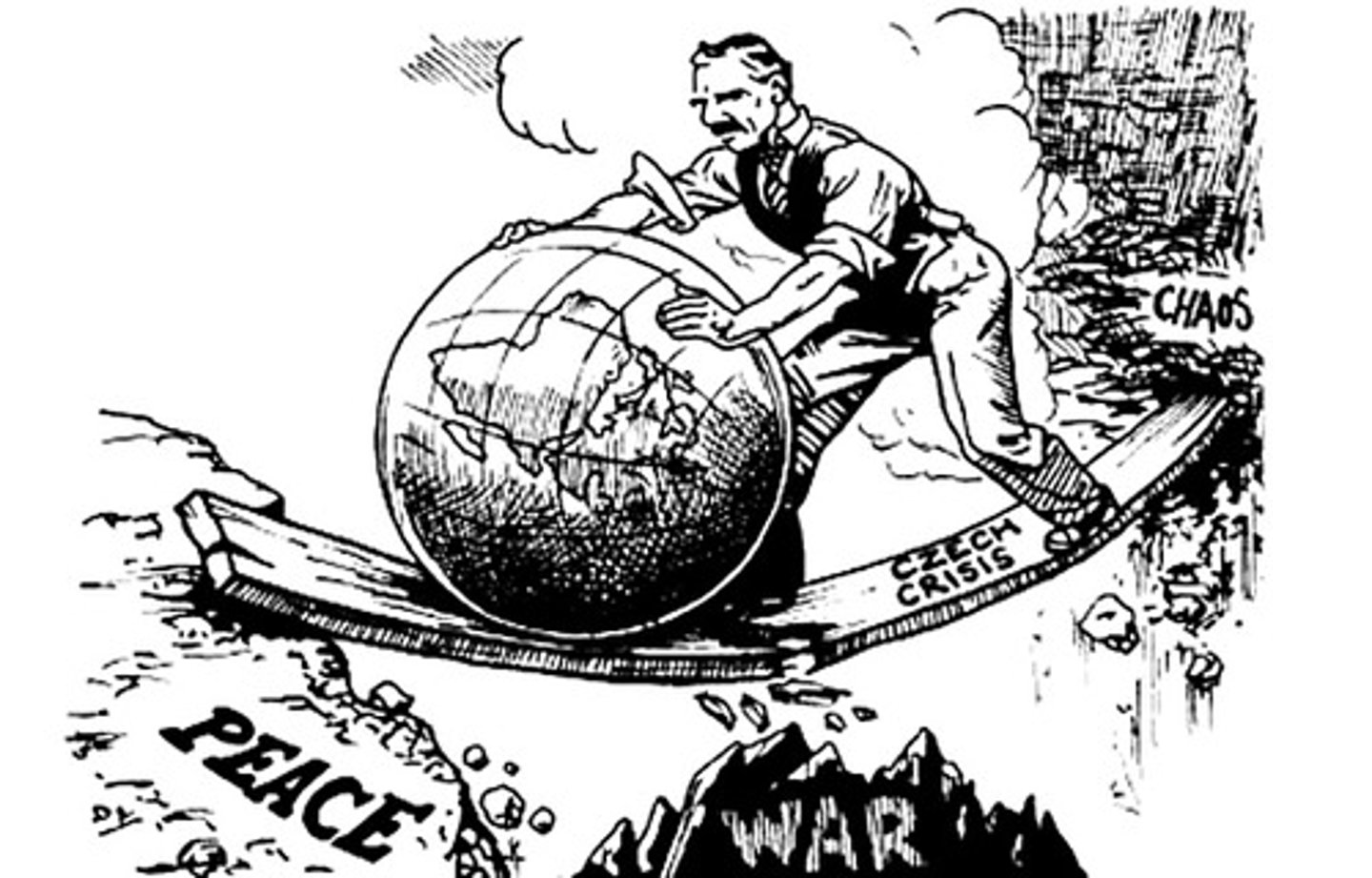
appeasement
Giving the enemy what they want to avoiding conflict
neutrality
an act of not supporting any sides in a conflict
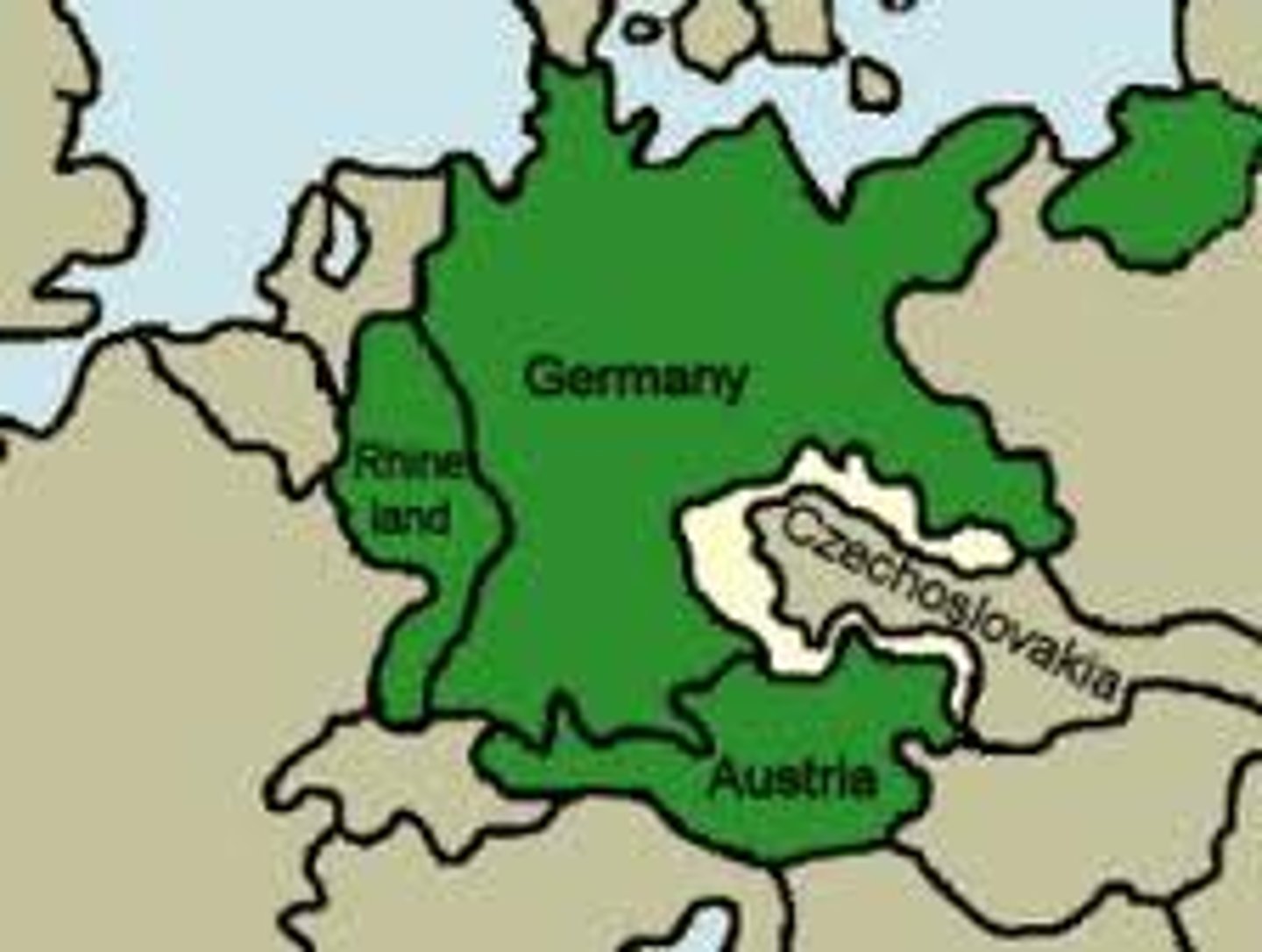
Anschluss
Annexation of Austria to Nazi Germany.
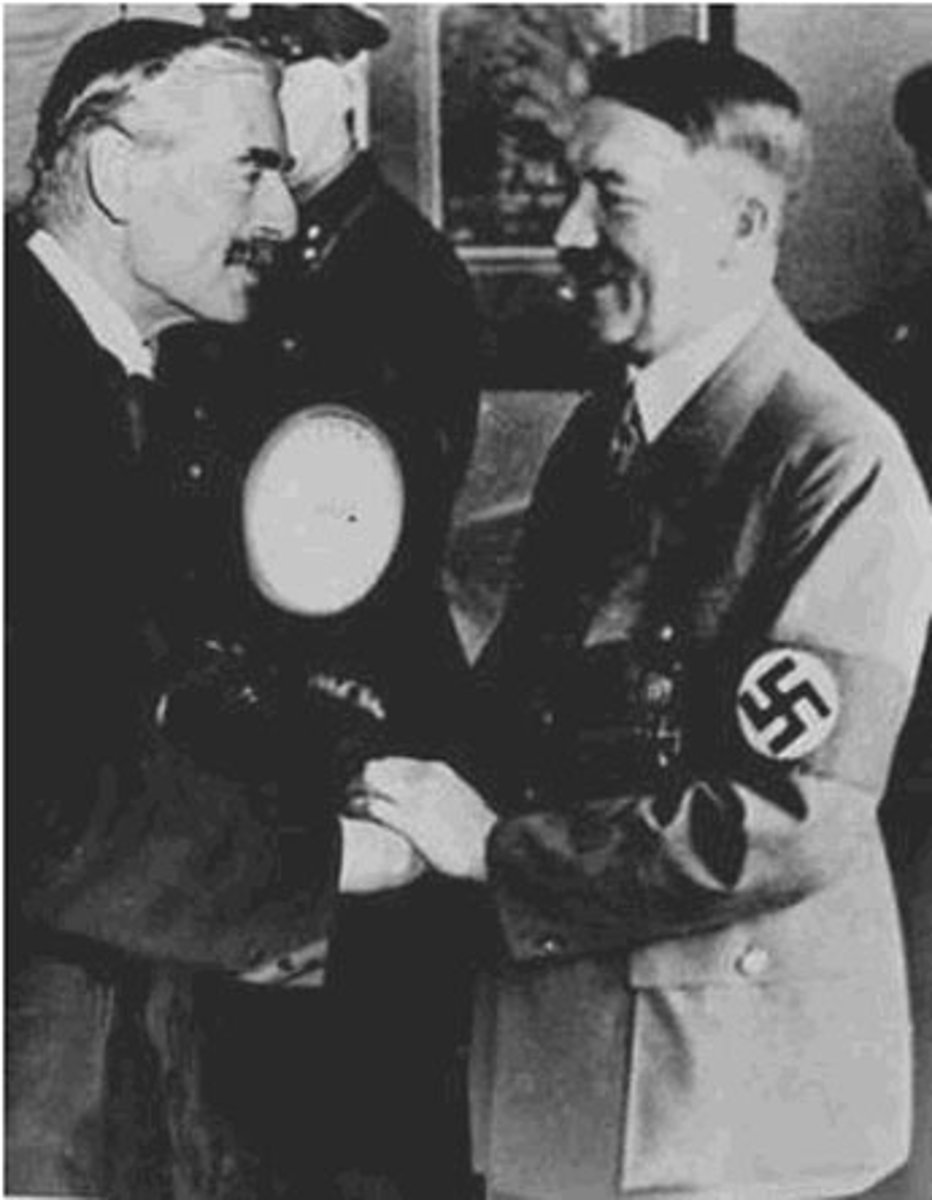
Neville Chamberlain
The prime minister of Great Britain who was famous at making appeasement to Hitler to avoid war
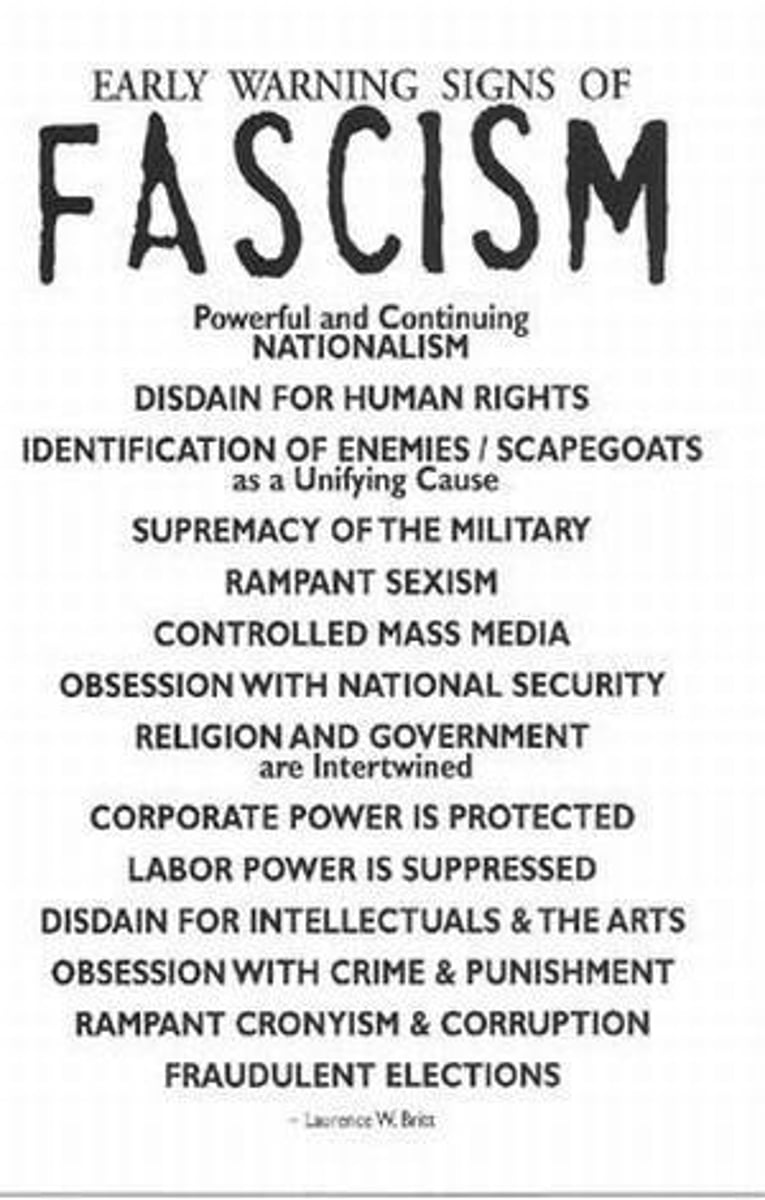
fascism
an authoritarian and nationalistic right-wing system of government and social organization.
anti-sematic
prejudice againist Jews
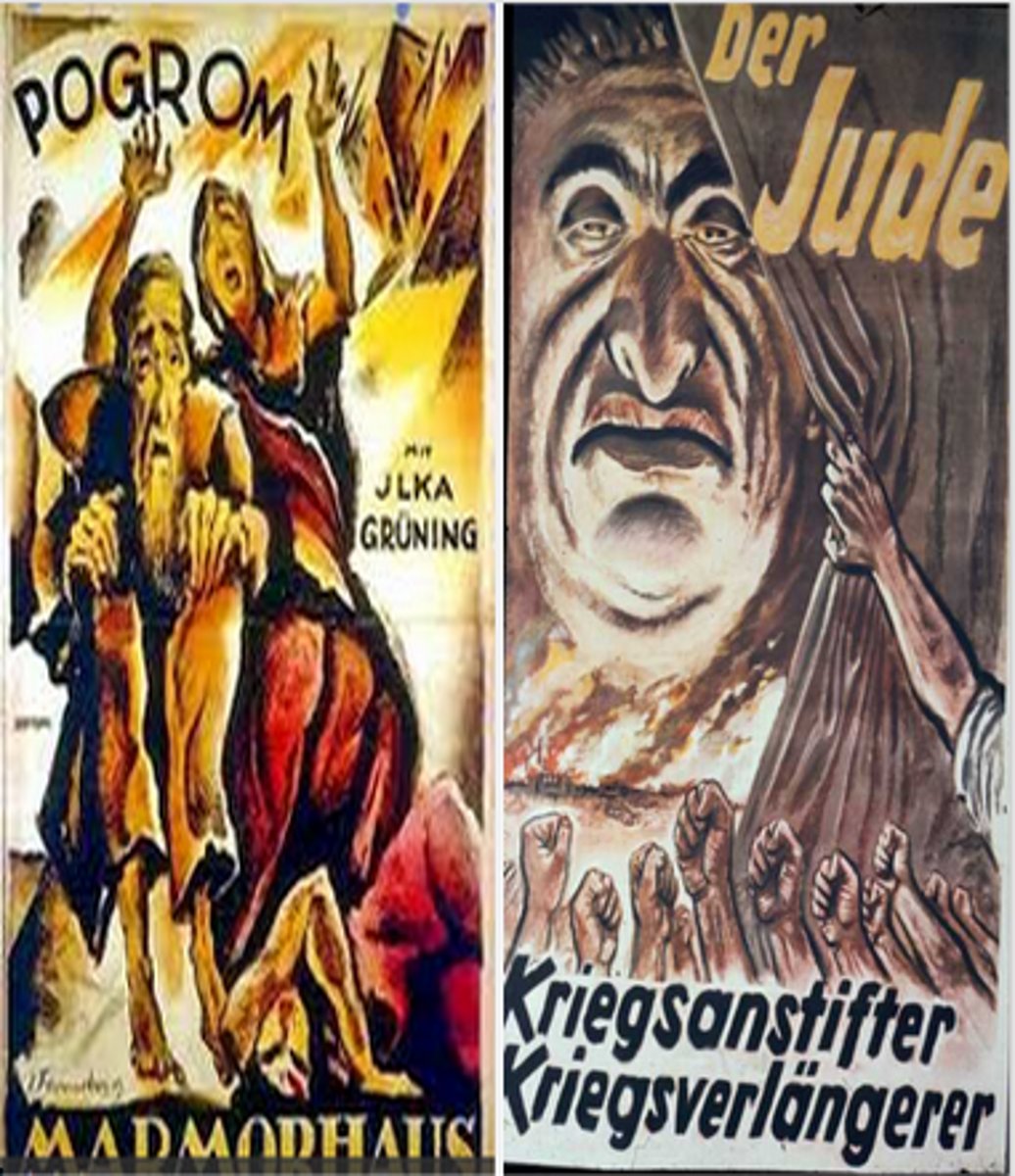
Munich Pact
one of appeasement between Hitler and Chamberlain that given Germany a portion of Czechoslovakia
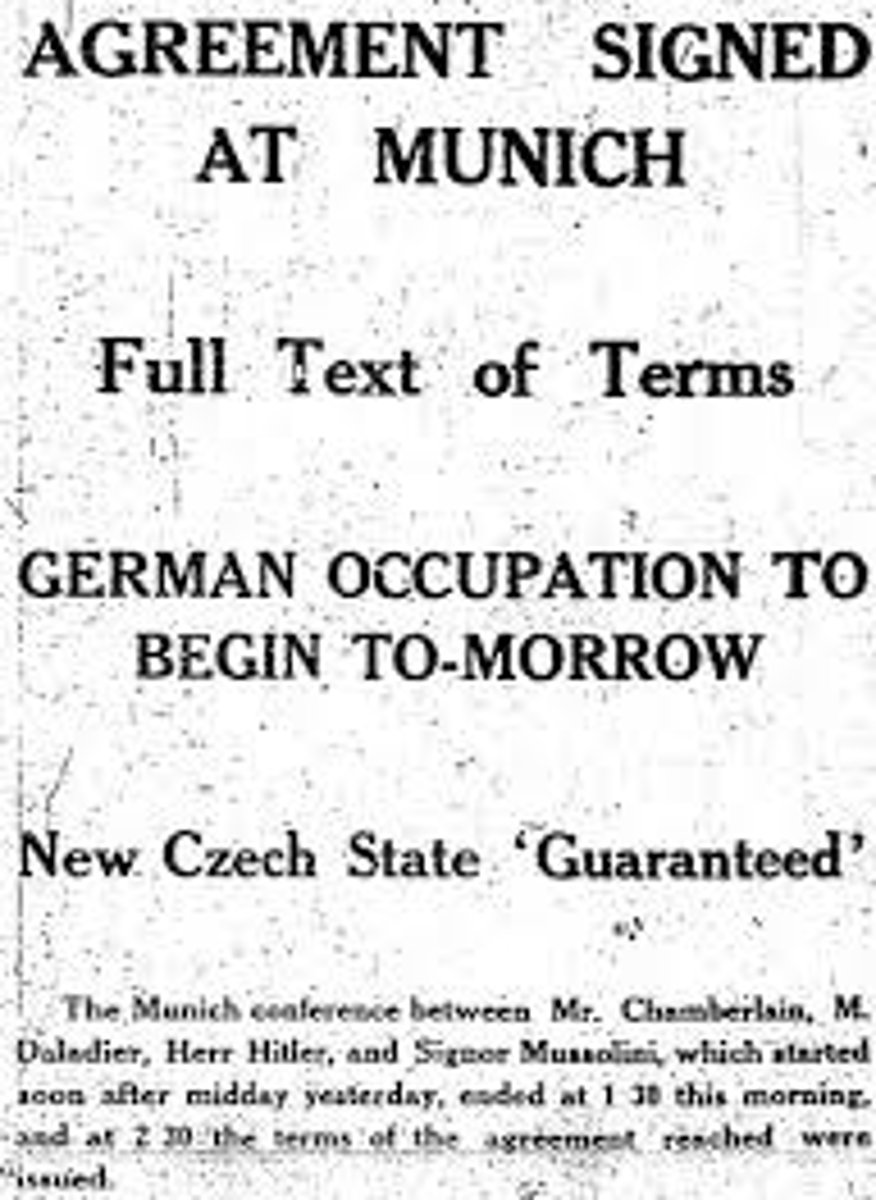
Winston Churchill
One of the "Big Three" of the Alliance Power in WWII, as a prime minister of Great Britain

Munich Conference
1938 conference at which European leaders attempted to appease Hitler by turning over the Sudetenland to him in exchange for promise that Germany would not expand Germany's territory any further.
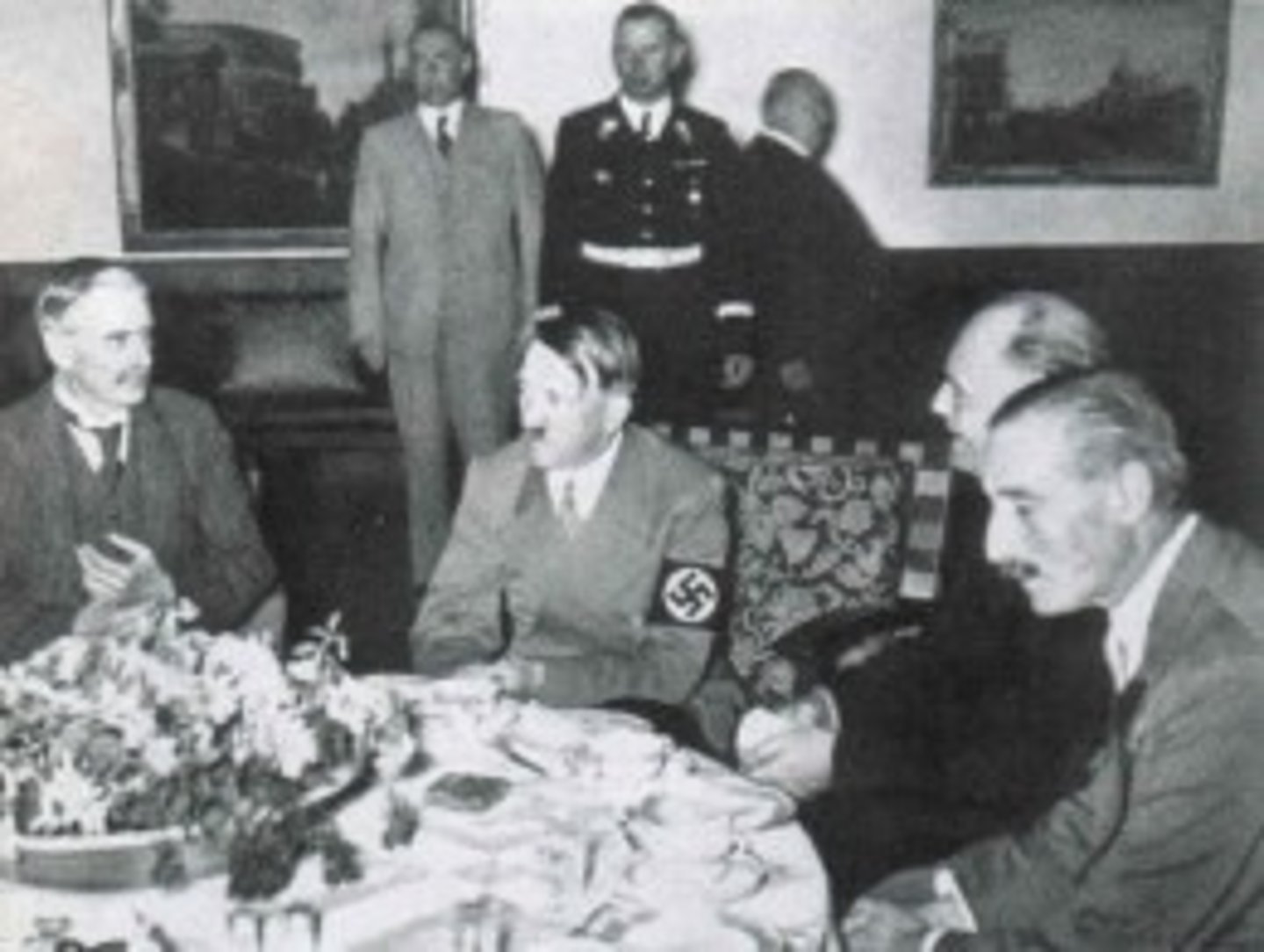
Neutrality Act of 1939
this act proclaimed US neutrality in name only; the US provided weapons to european allies on a cash-and-carry basis
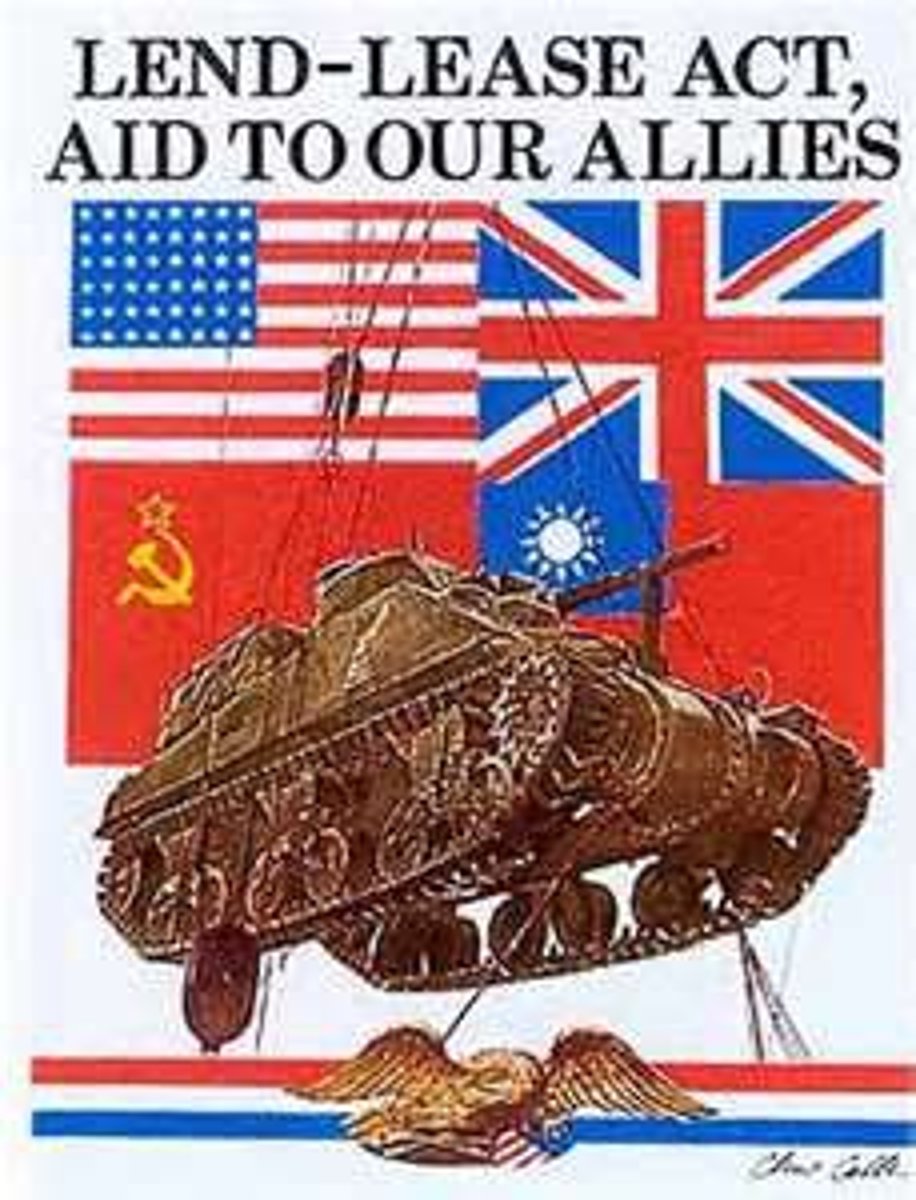
Lend-Lease Act
Approve by Congress in March 1941; The act allowed America to sell, lend or lease arms or other supplies to nations considered "vital to the defense of the United States."
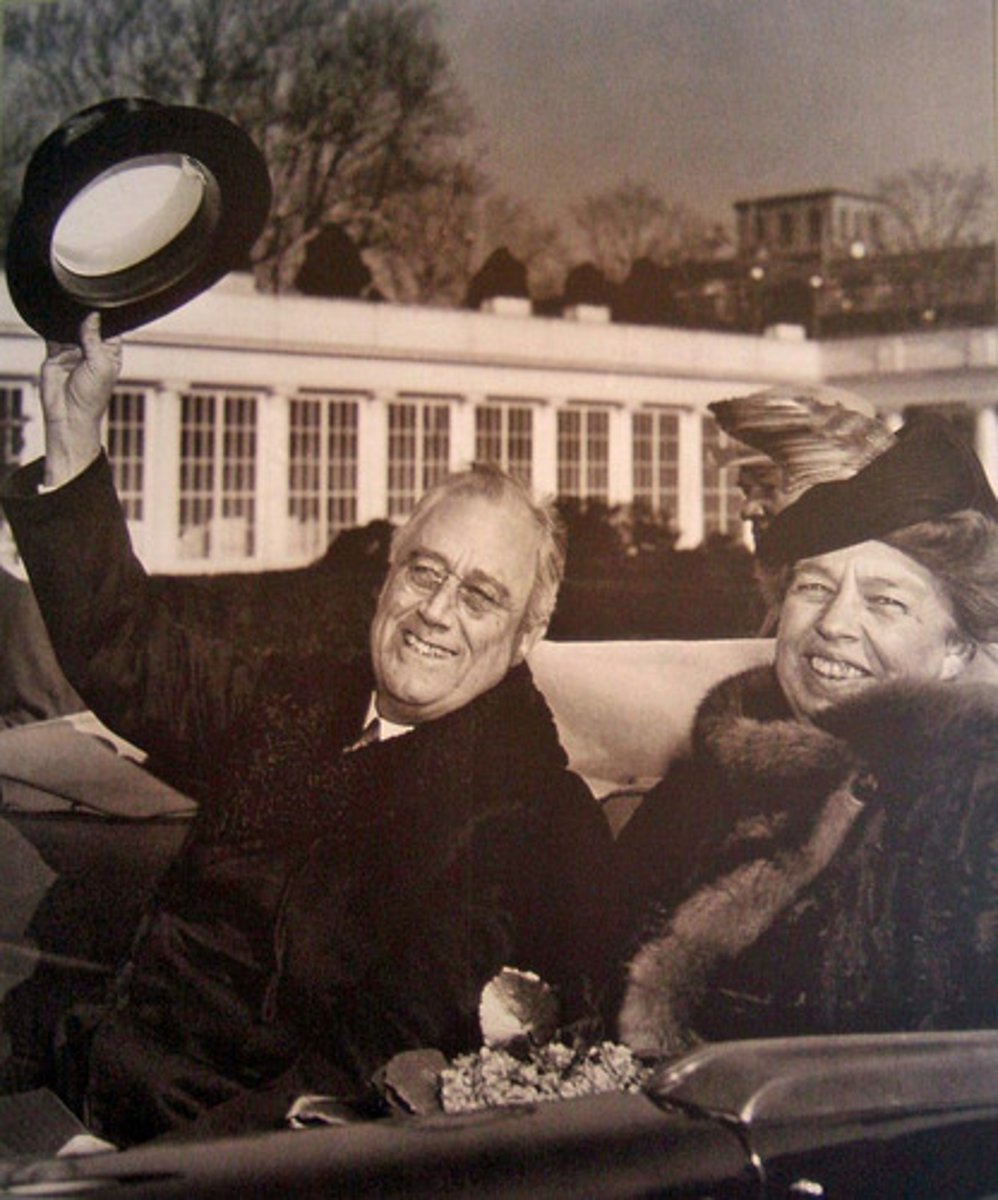
FDR
32nd President of the United States, Roosevelt, the President of the United States during the Depression and WWII. He instituted the New Deal. Served from 1933 to 1945, he was the only president in U.S. history to be elected to four terms
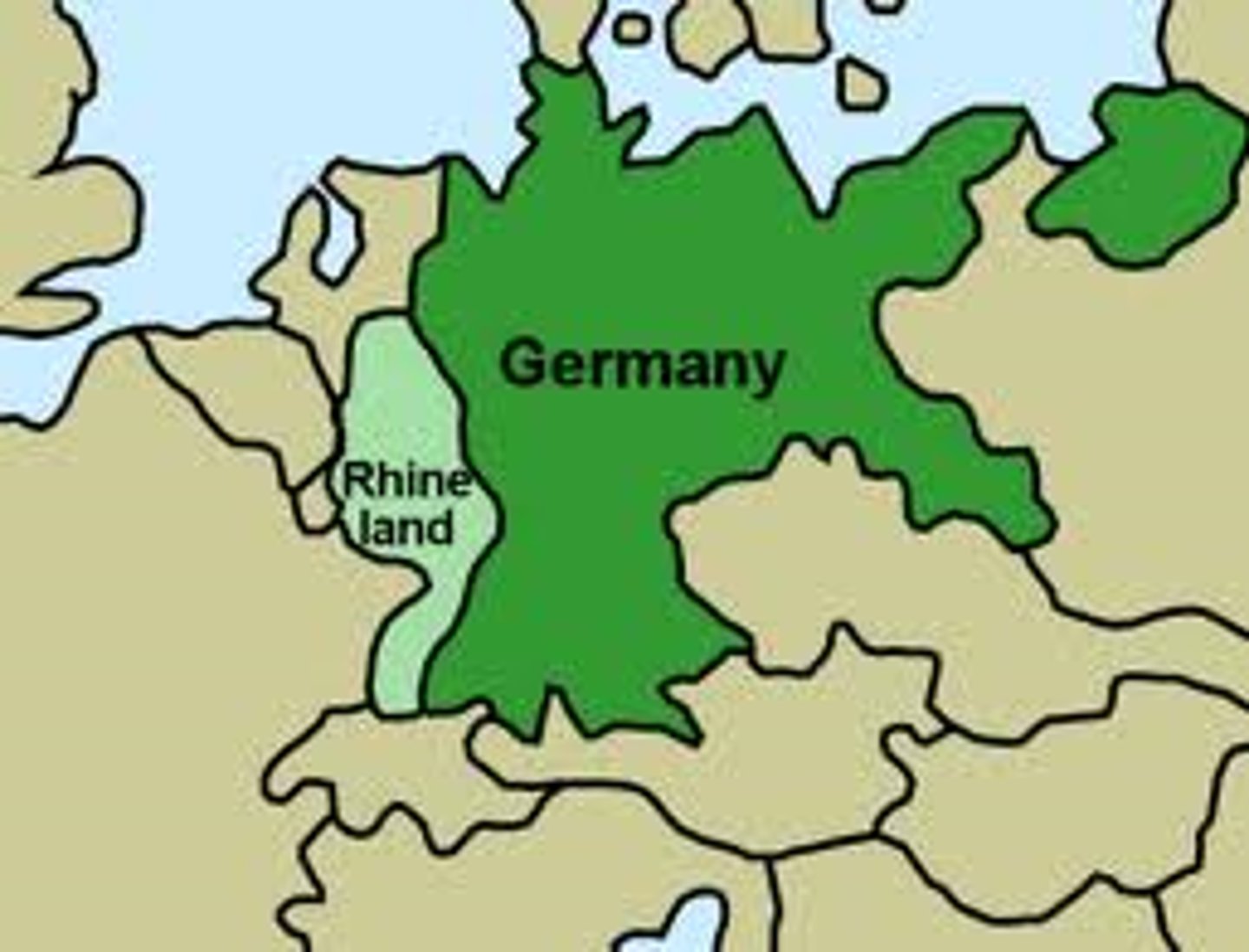
Rhineland
Area demilitarized after WWI that Hitler takes back in 1936
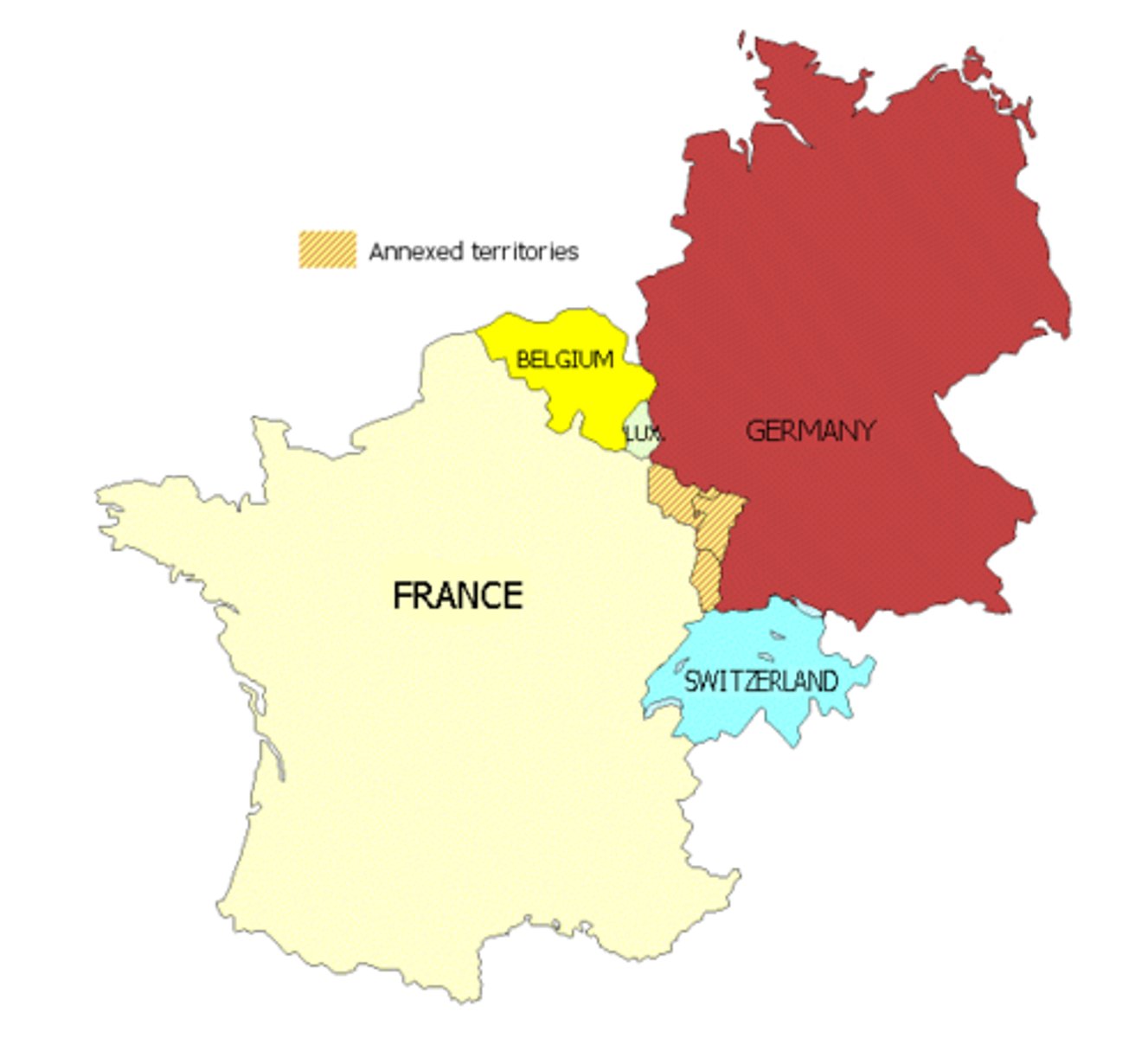
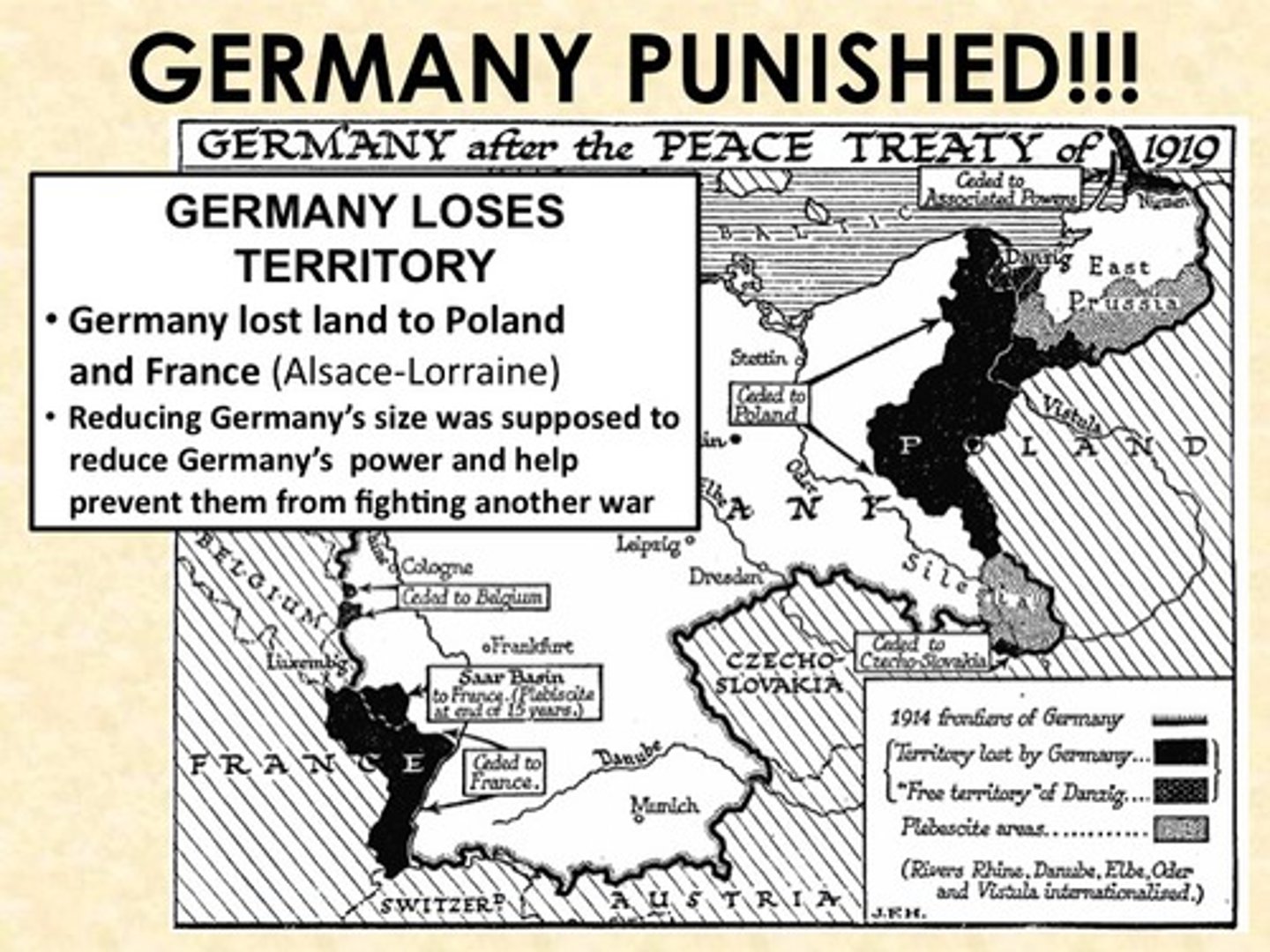
Alsace-Loraine
Land fought over by France and Germany
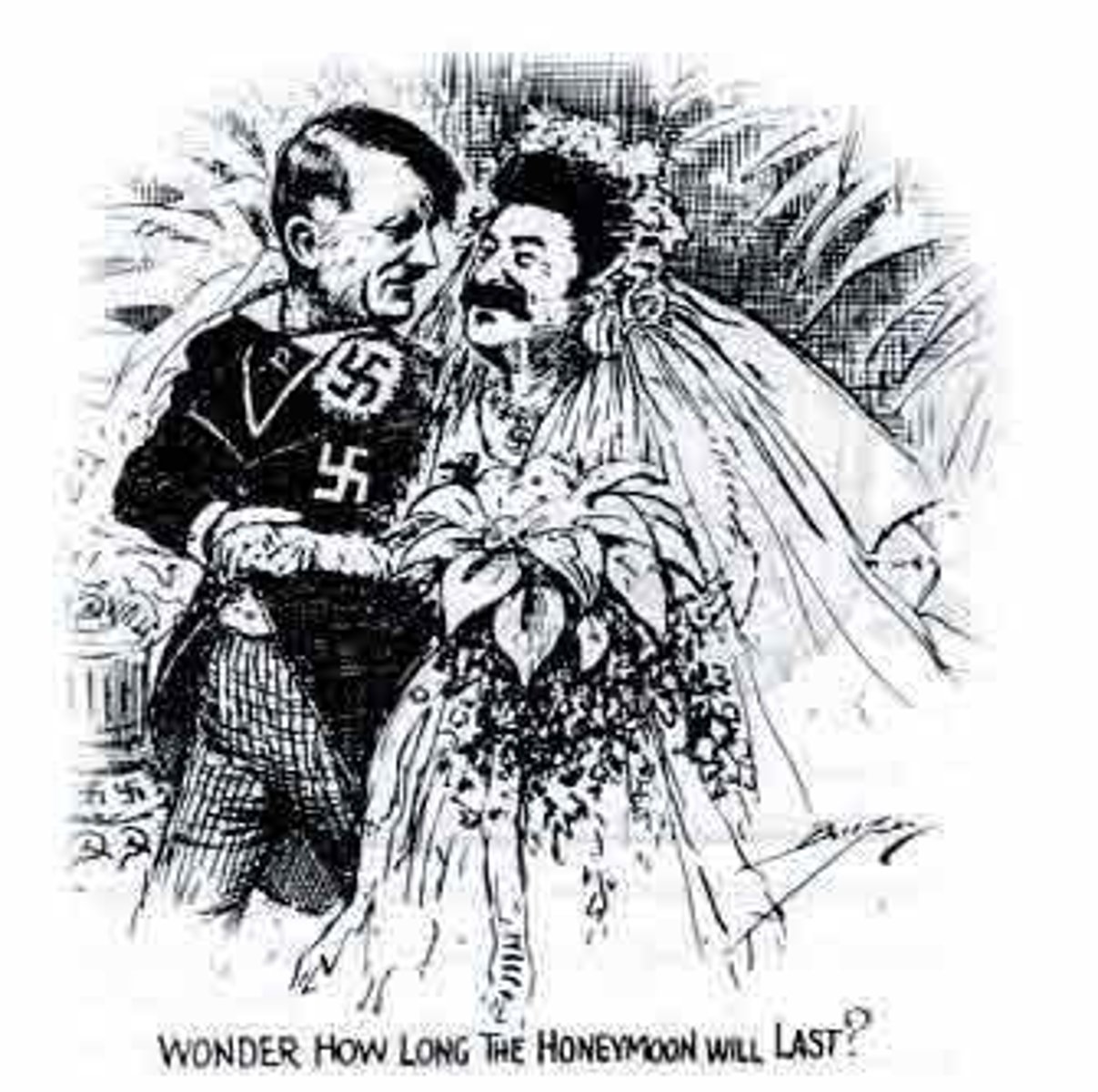
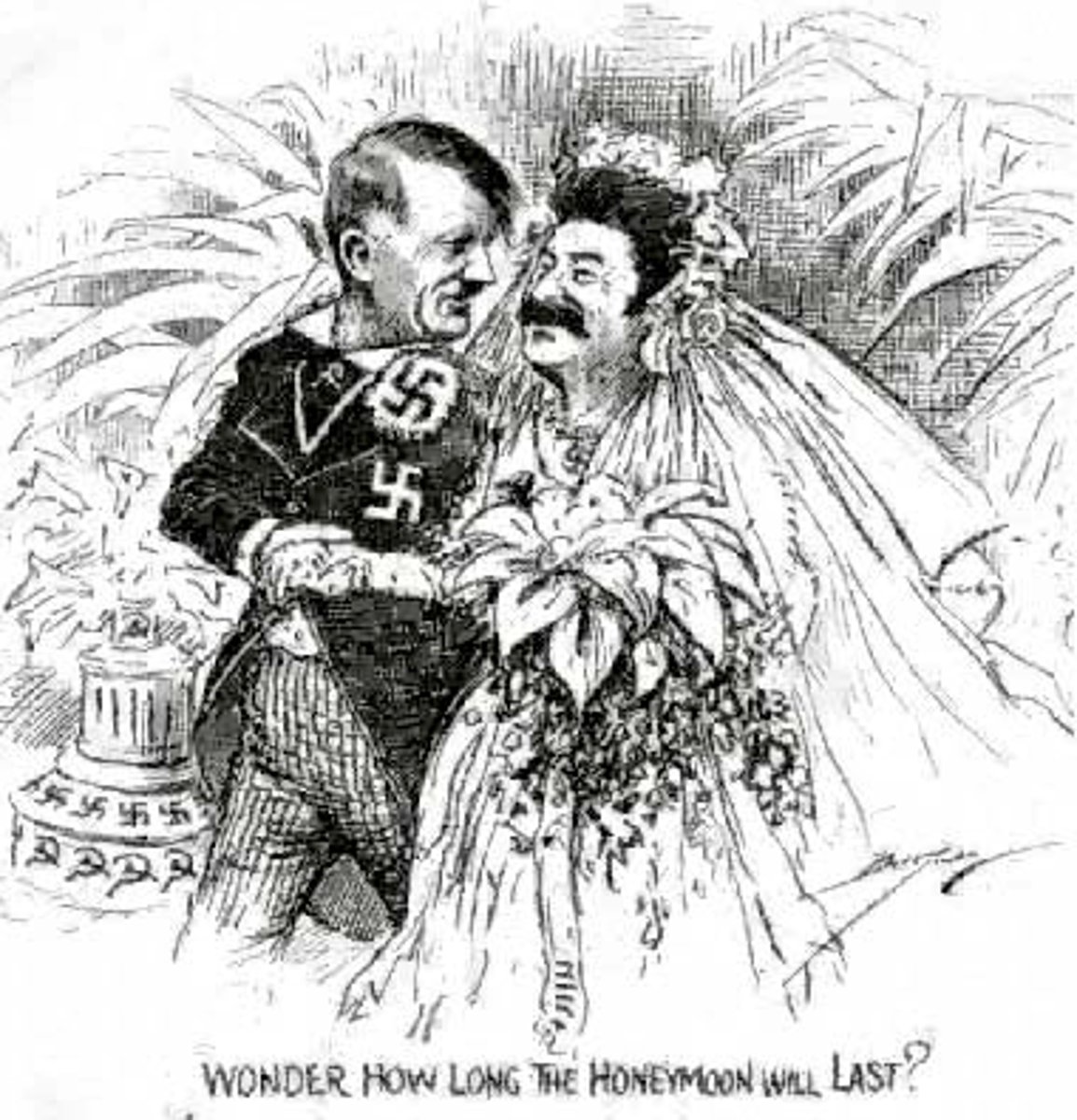
Non-aggression pact
1939-Secret agreement between German leader Hitler and Soviet Leader Stalin not to attack one another and to divide Poland
Treaty of Versailles
1919 treaty that officially ended World War I; the immense penalties it placed on Germany are regarded as one of the causes of World War II
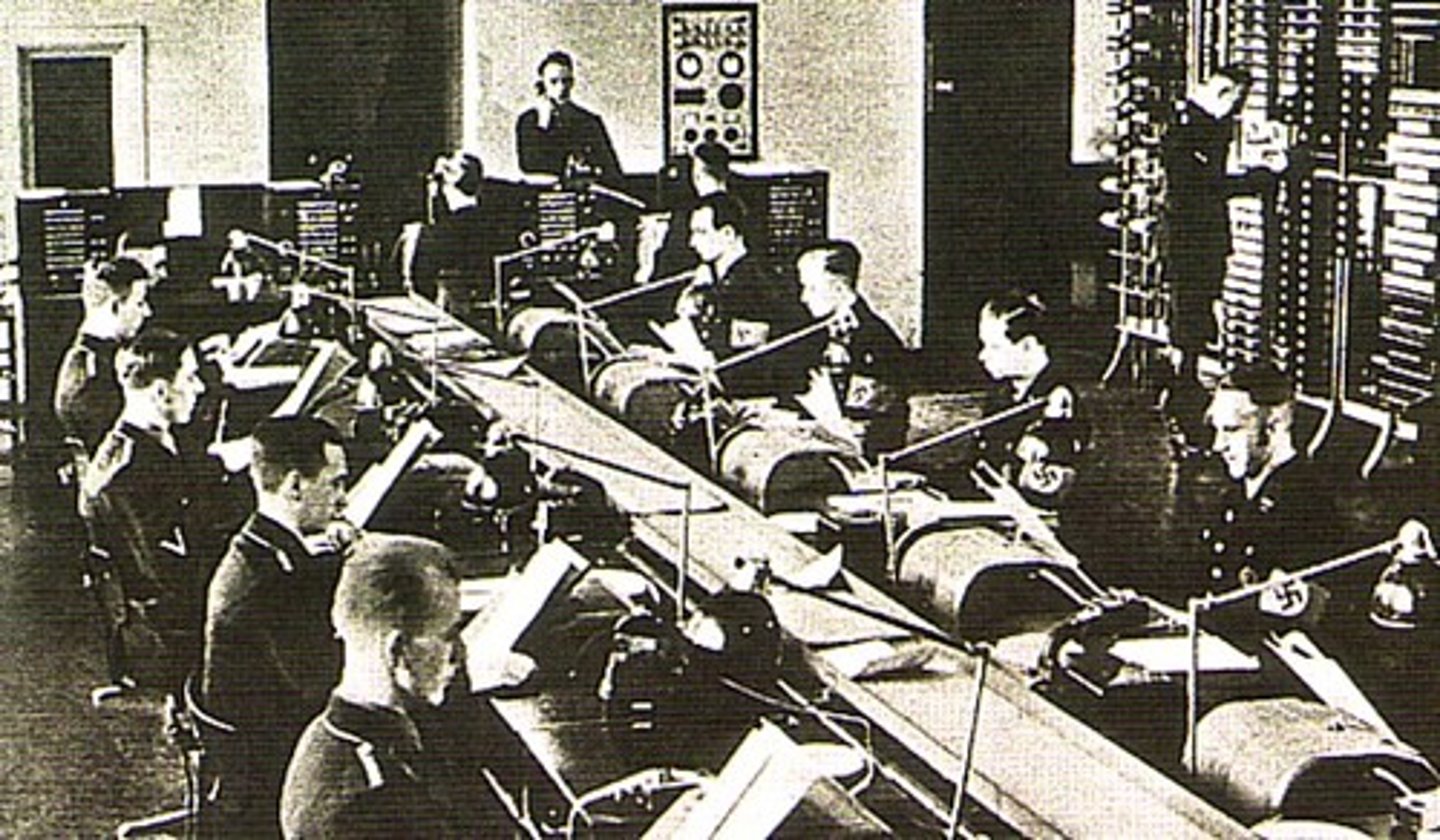
Gestapo
Hitler's Secret Police to capture all Jews to Concentration camp
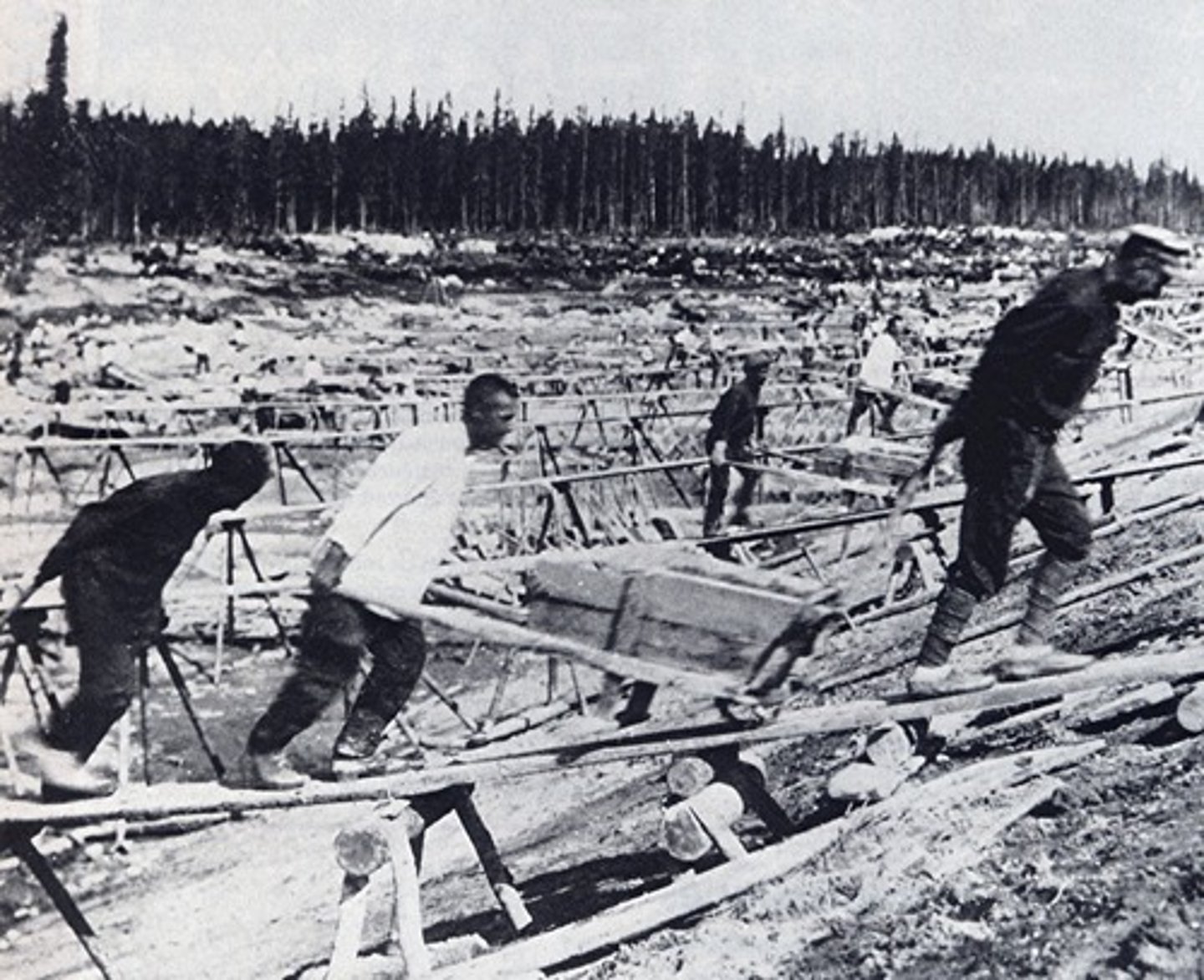
Gulag
Soviet Union deadly labor camp that punish anyone who violate Stalin's policy
Numerberg Laws
first laws that condemning Jews
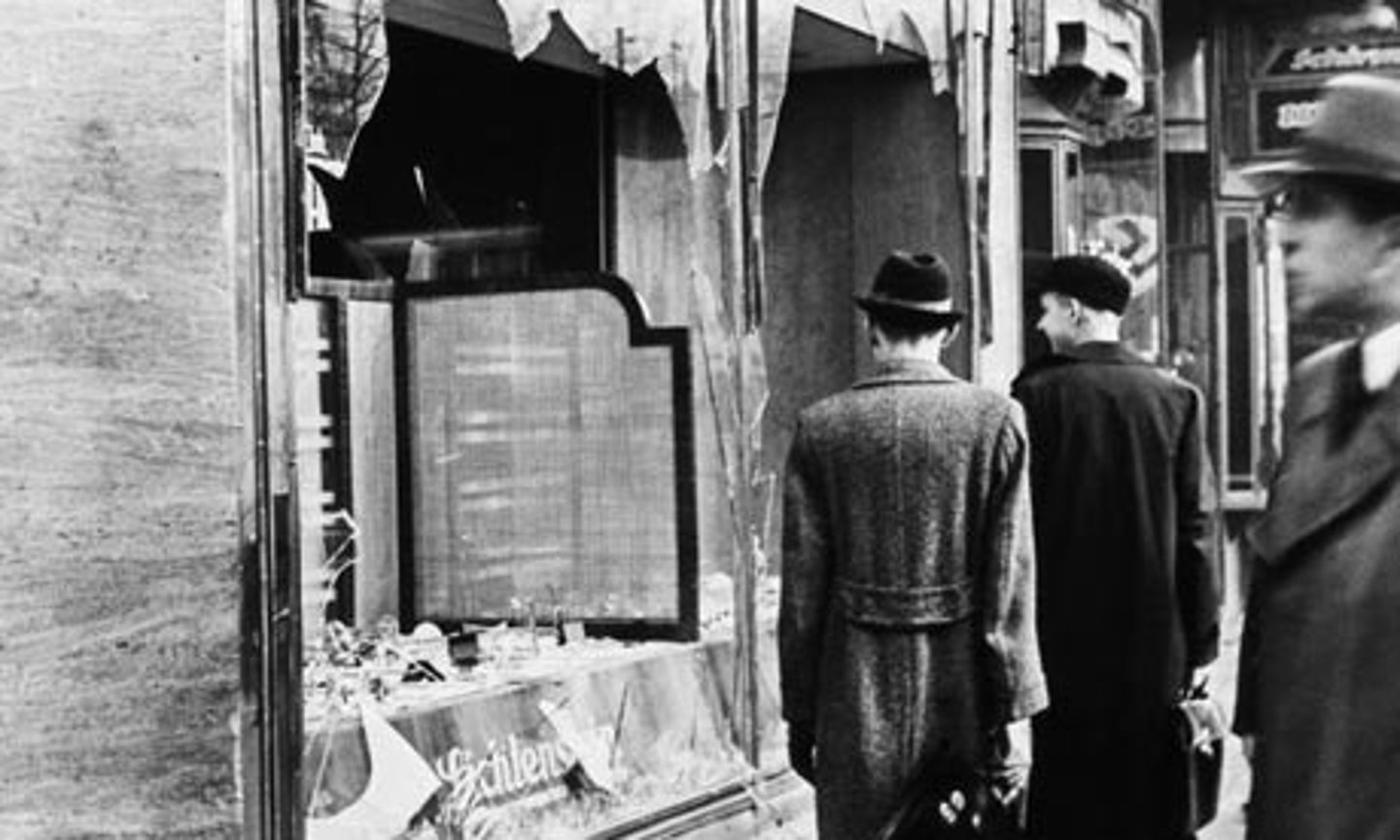
Kristallnacht
(Night of the Broken Glass) November 9, 1938, when mobs throughout Germany destroyed Jewish property and terrorized Jews.
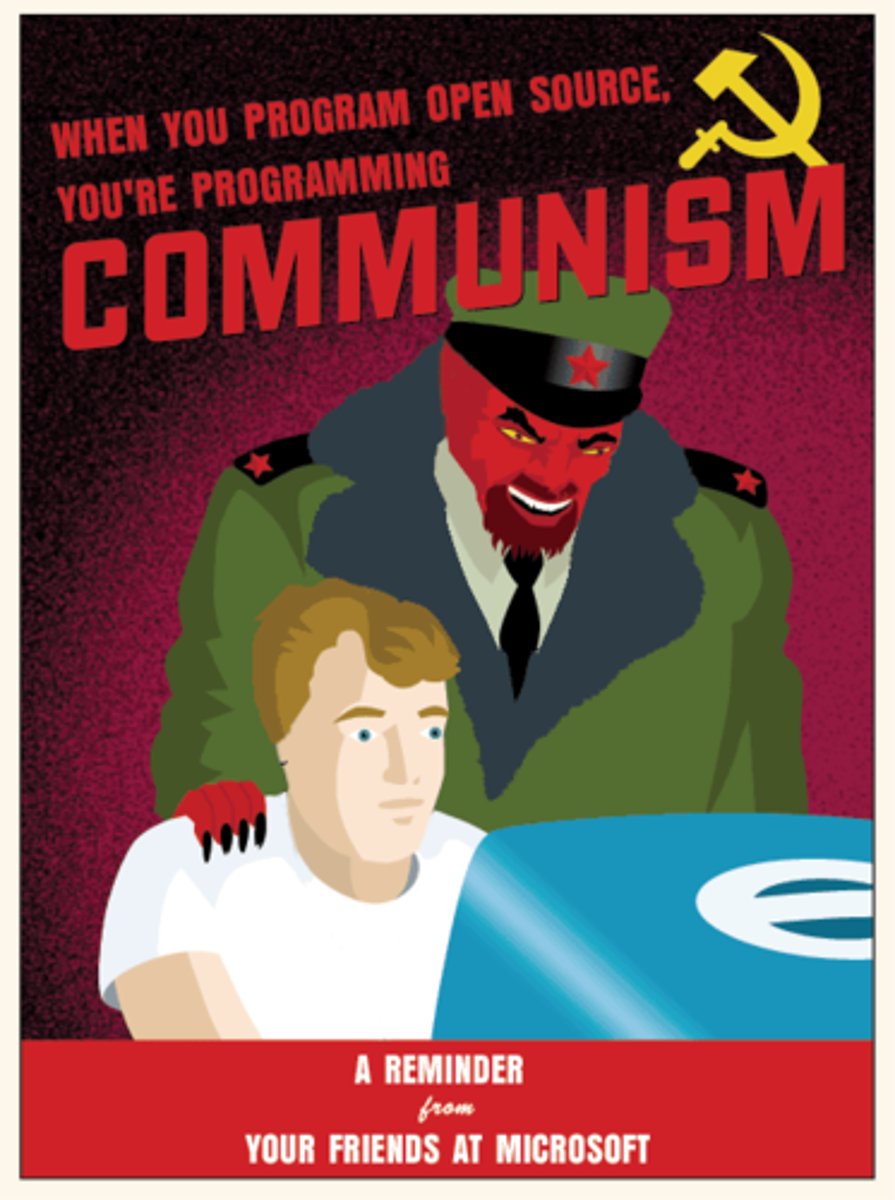
Communism
A political system in which the government owns all property and dominates all aspects of life in a country.
millitarists
a person who believes that a country should maintain a strong military capability.
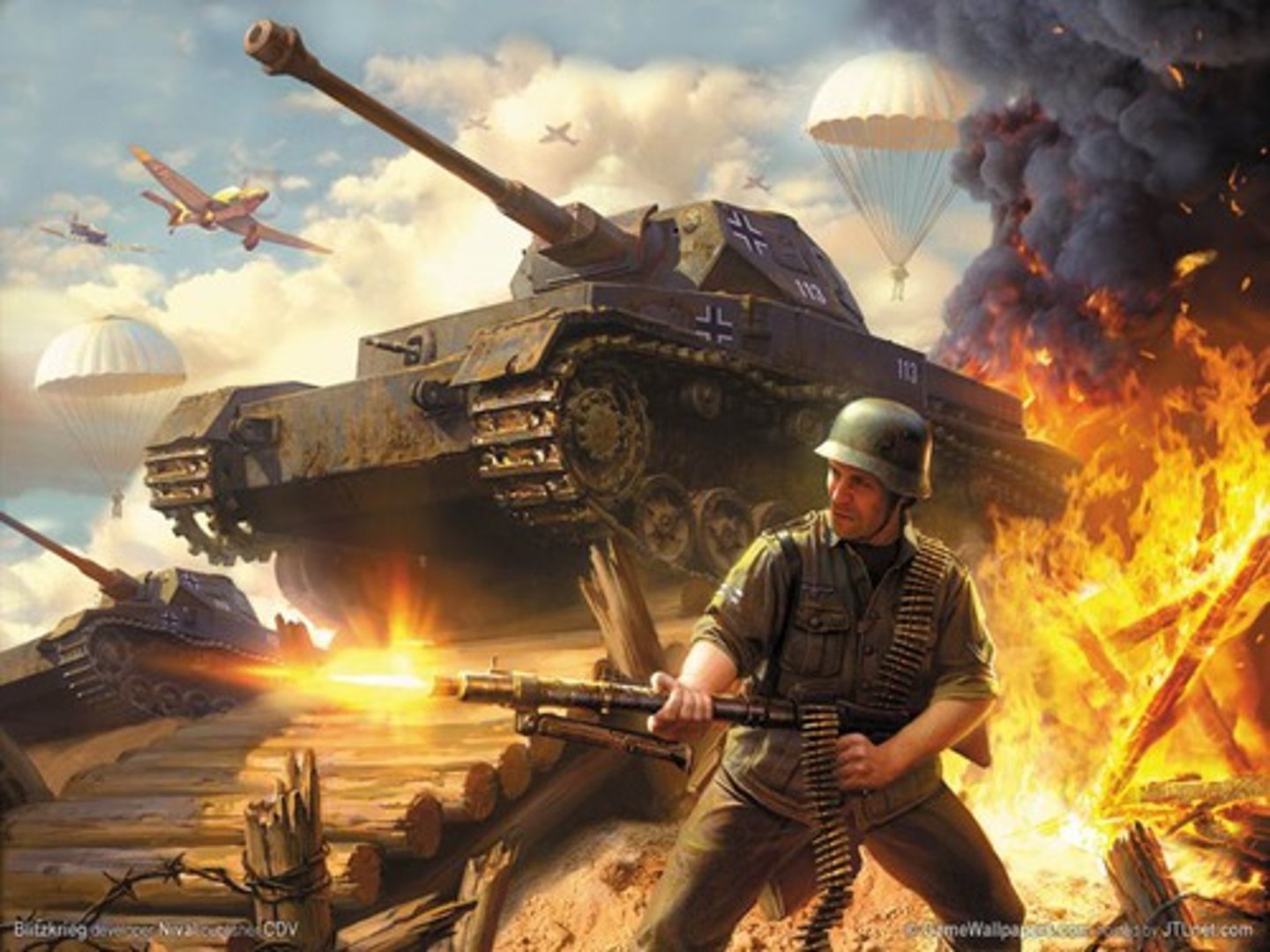
blitzkrieg
"Lighting war", type of fast-moving warfare used by German forces against Poland in 1939
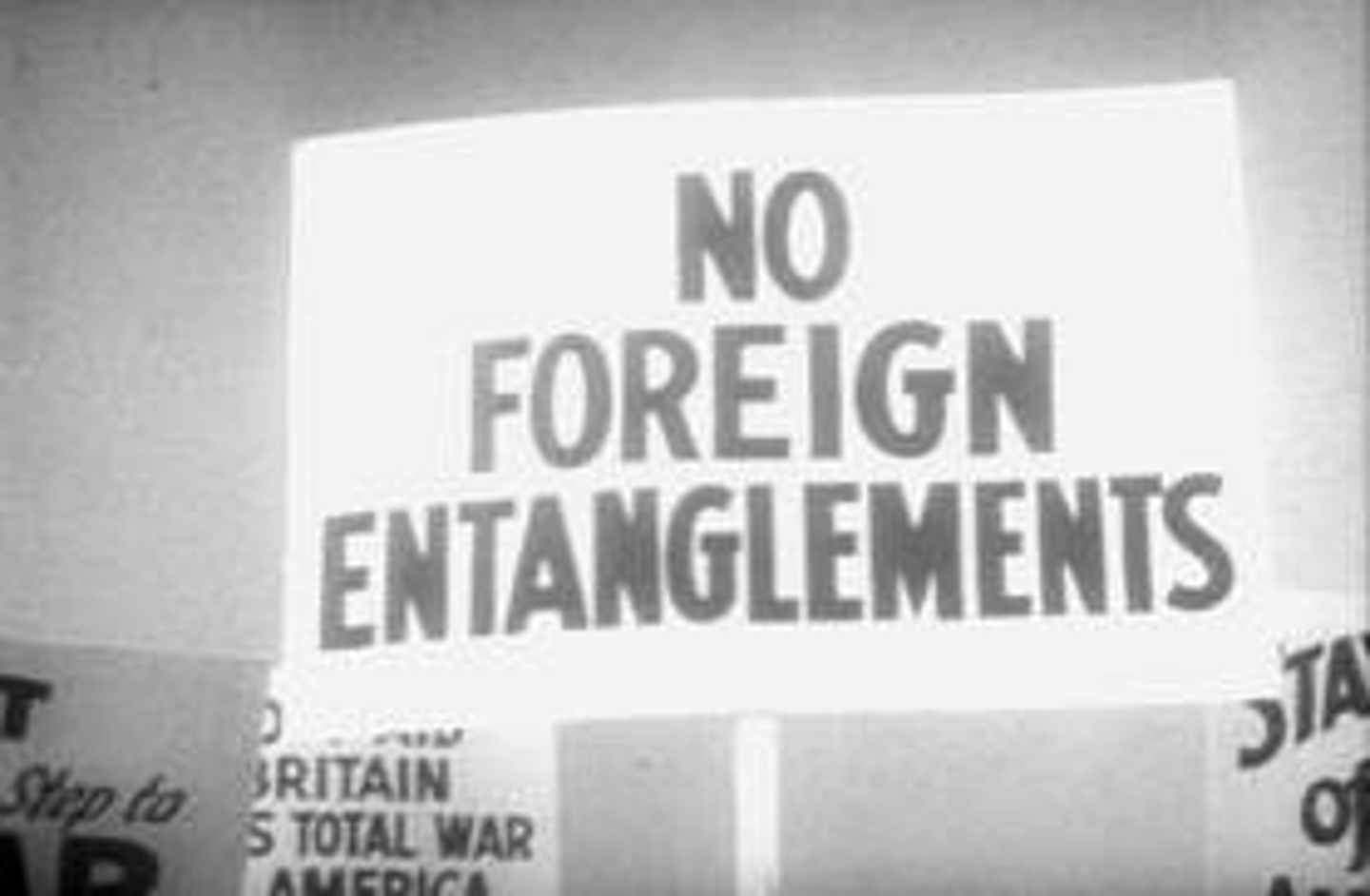
isolationism
a policy of remaining apart from the affairs or interests of other groups, especially the political affairs of other countries.
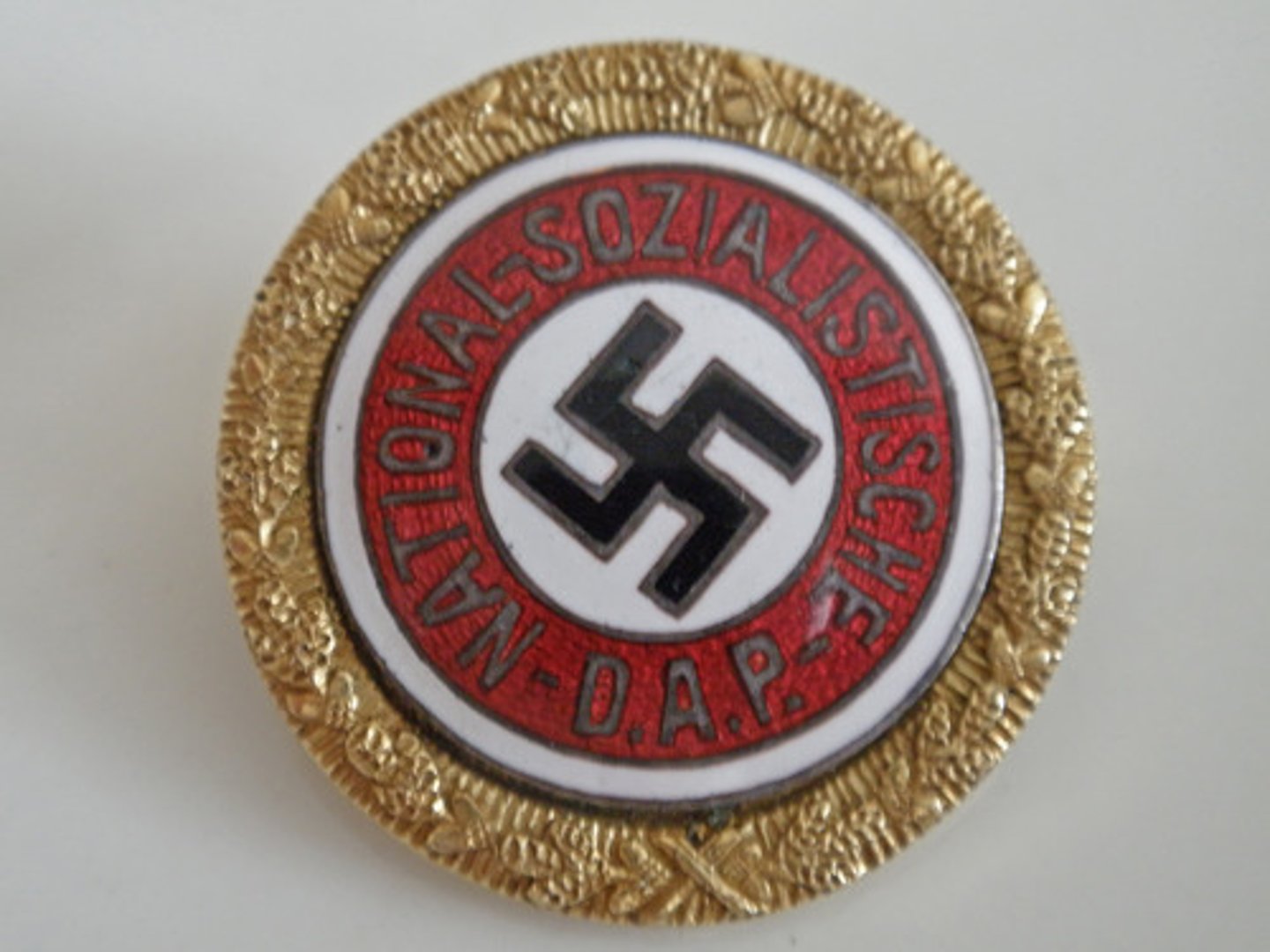
Nazi
stand for National Socialist German Workers' Party.
 Note
Note  Flashcards (42)