ArHi 201 The Early Roman Empire
 Call Kai
 Learn
Learn Practice Test
 Spaced Repetition
 Match
Match Flashcards
 Knowt Play
1/13

There's no tags or description
Looks like no tags are added yet.
Name | Mastery | Learn | Test | Matching | Spaced | Call with Kai |
|---|
No analytics yet
Send a link to your students to track their progress
14 Terms
The last century of the Republic witnessed
a gradual breakdown of order in Rome
Julius Caesar assassinated
44 BCE
Octavian ushered in, produced stability – monarchy for several dynasties
27 BCE
Time of Tragan
Roman Empire stretched across most of Europe – Northern England to the Middle East and North Africa
Style of Early Empire Portrait sculpture
Hellenizing (youthfulness). There was a return to veristic style. Portraits more abstract, i.e. features subtly idealized, eyelids fashionably droopy
Julius Caesar becomes perpetual dictator of Rome
46 BCE
The poet Vergil dies; the Aeneid is left unfinished
27 BCE
Dedication of Ara Pacis Augustae (Altar of Augustan Peace)
9 BCE
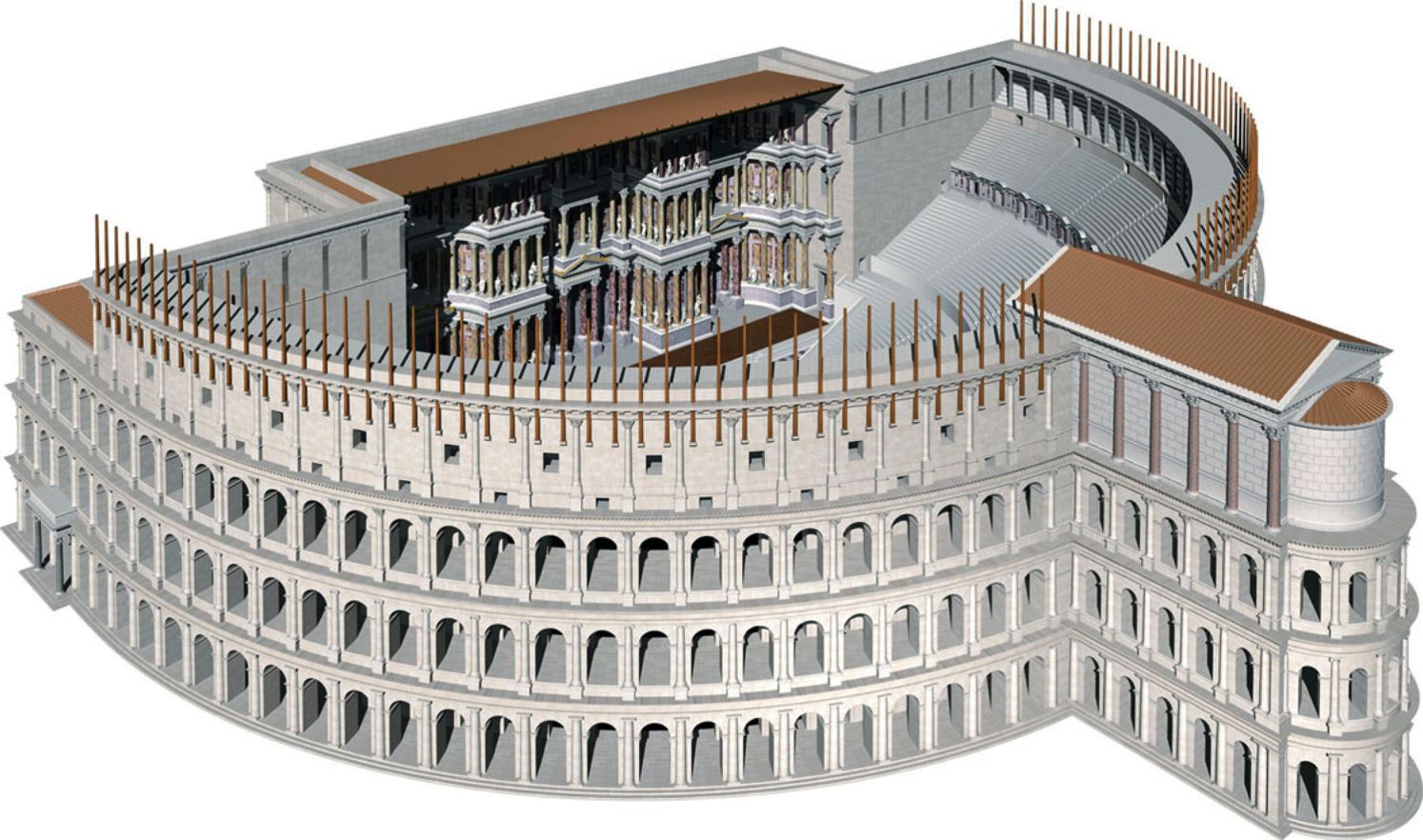
Pompey’s theatre complex
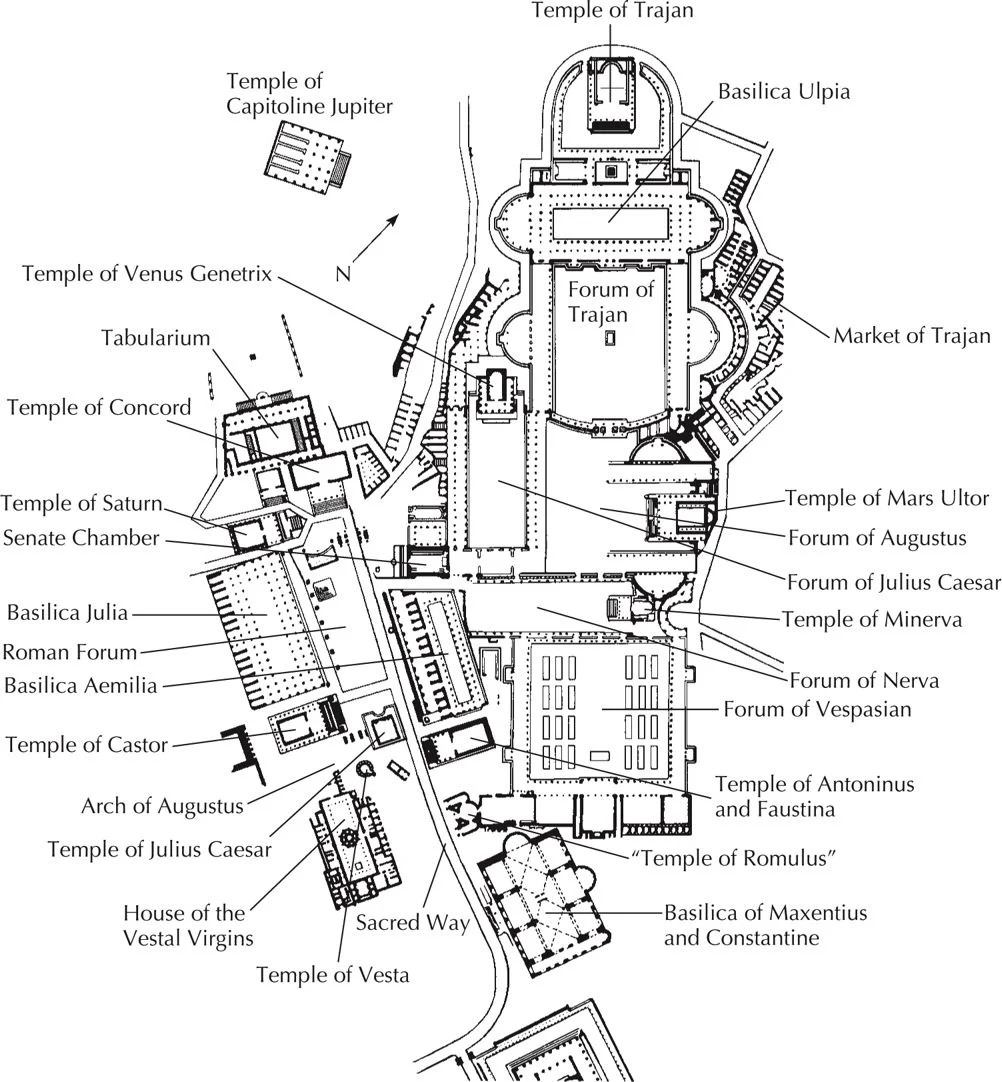
The first of a series of huge urban interventions by Rome. After the construction of Pompey’s theatre: every leader created a forum. Julius Caesar and Augustus set a tradition that Pespasian, Domitian, and Trajan followed
The forums
Were closely connected topographically, deliberately evoked the pinnacle of Greek achievement in 5th-century Athens. Trajan’s forum largest of all, financed by the wars vs. Dacians
Syncretism
The act of bringing together disparate customs or beliefs. Historians usually describe Roman culture and art as syncretistic, because Romans embraced many of the the practices of those they conquered.
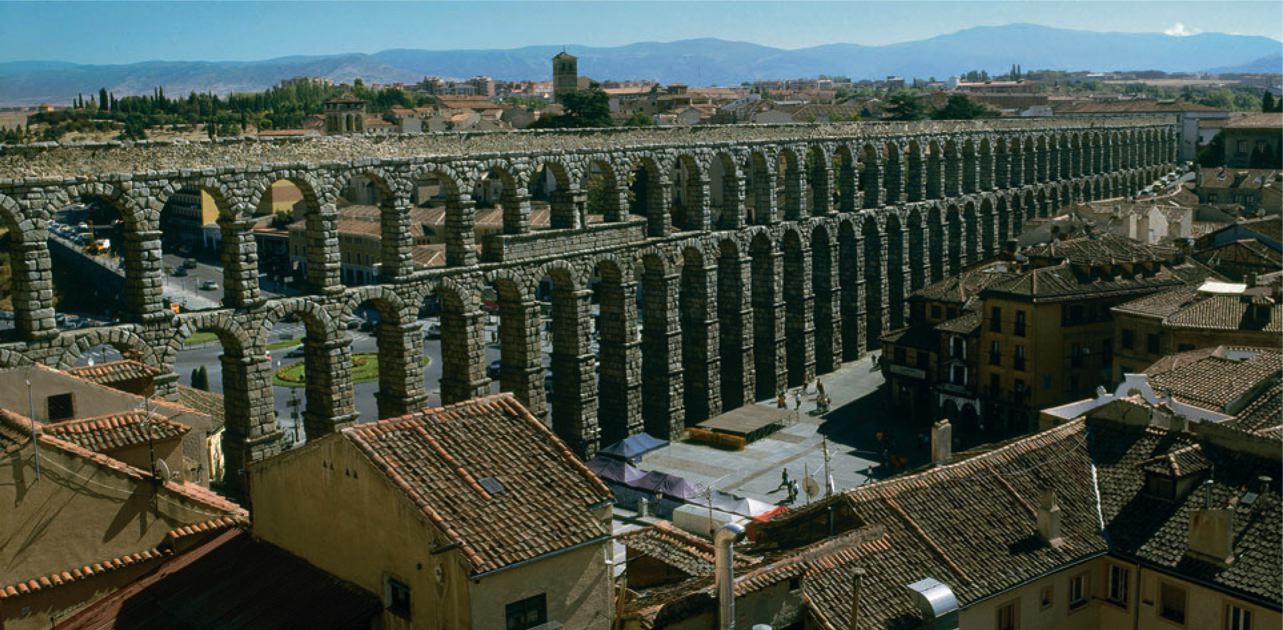
Roman aqueducts
Roman engineers had mastered the art of moving water efficiently. Aqueducts that sprang up in urban centers around the Empire. A way they showed they conquered the land and nature.
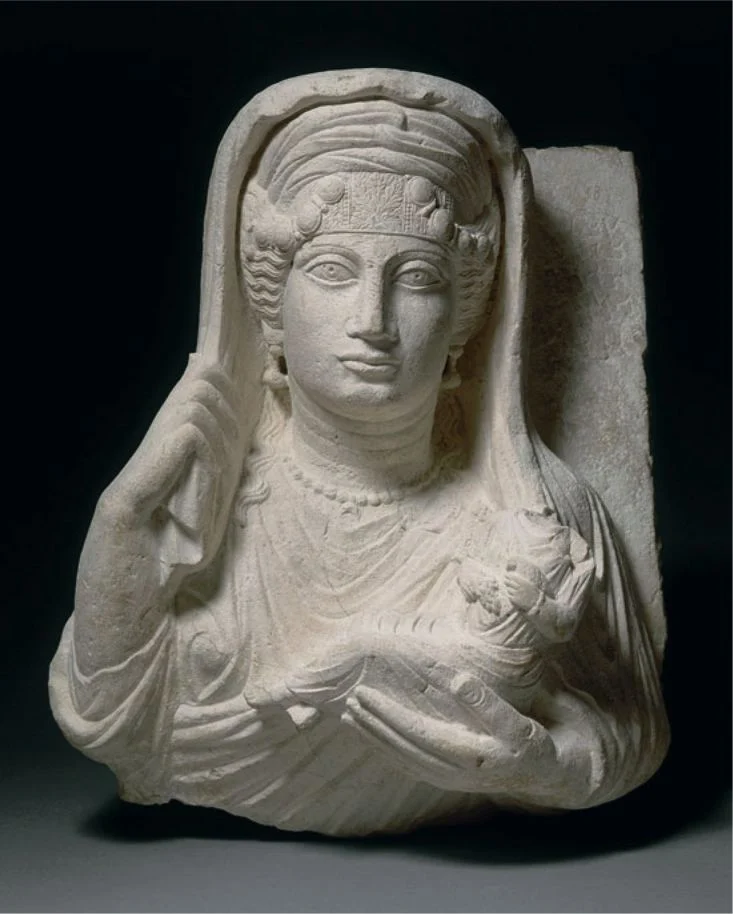
A limestone funerary relief from Palmyra in Syria from the second half of the second century CE. The portrait neatly encapsulates the dual identity of this provincial woman, who is both Palmyrene and Roman.
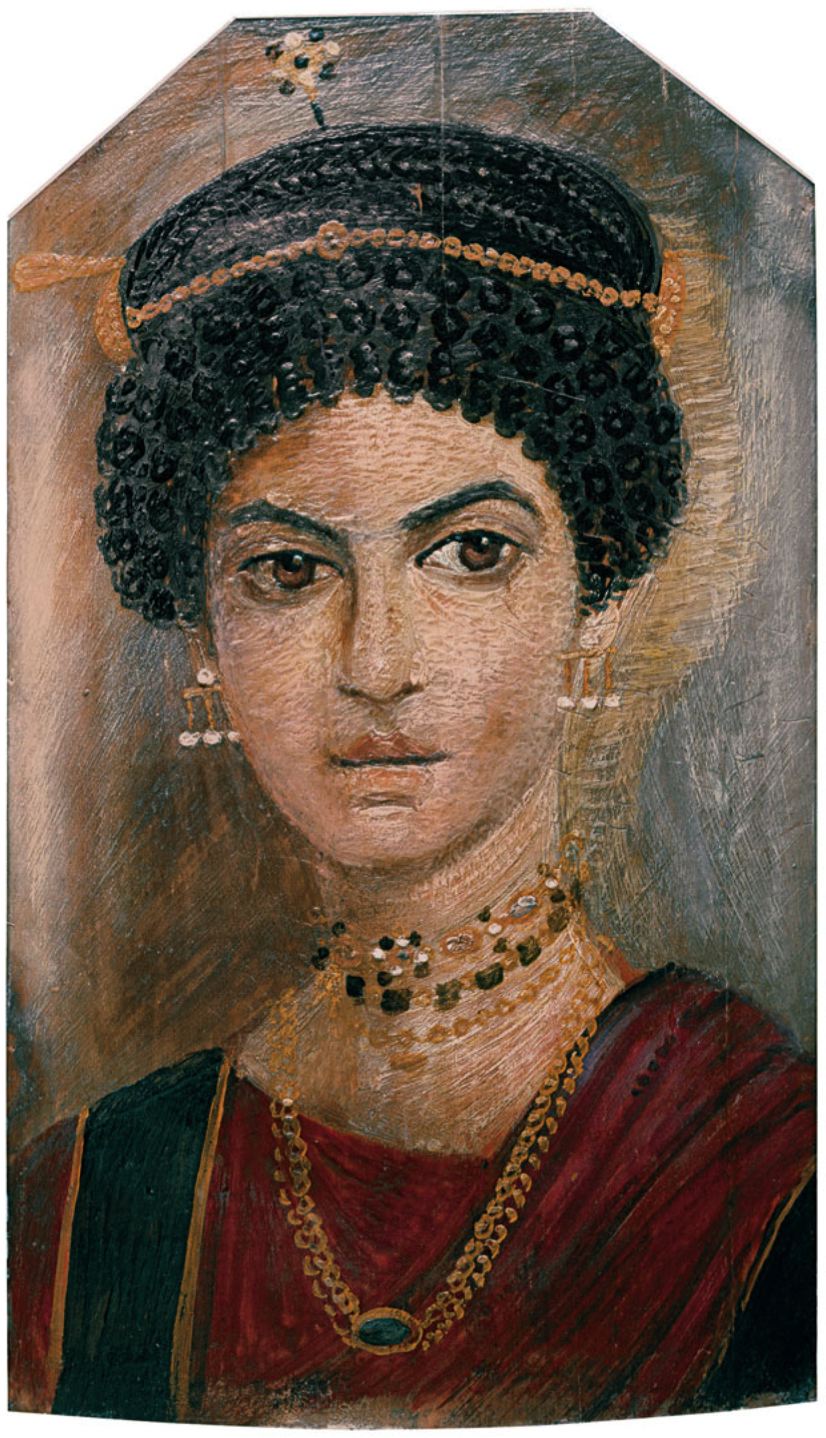
Painted portraits from Egypt
Preserved portraits that were once attached over the faces of embalmed, mummified corpses. Artists painted them on wooden panels in the encaustic technique. In the example, the woman is Roman in appearance but Egyptian in culture.