Literature: Quotes and key moments from Frankenstein (and their meaning) (WIP)
 Call Kai
 Learn
Learn Practice Test
 Spaced Repetition
 Match
Match Flashcards
 Knowt Play
1/15

Earn XP
Description and Tags
The Creature is just like m ALL IMAGES ARE NOT MINE THEY BELONG TO THEIR RESPECTIVE ORIGINAL CREATORS. Yes Bernie Wrightson is here too, his Frankenstein artworks are absolutely breath-taking and they ooze with gothic essence.
Name | Mastery | Learn | Test | Matching | Spaced | Call with Kai | Chat |
|---|
No analytics yet
Send a link to your students to track their progress
16 Terms
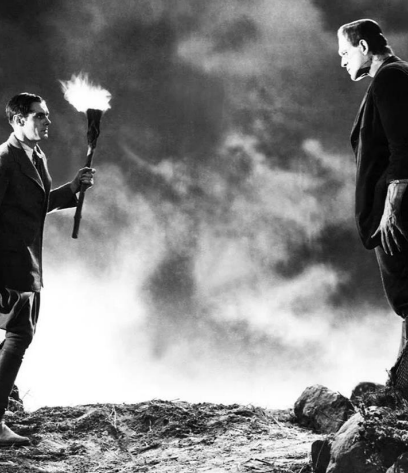
“You are my creator - but I am your master - obey!” -the Creature
Context: This happens when the Creature confronts Victor, after witnessing he had destroyed the female companion last minute, much to his anger.
Technique: Imperative language and role reversal
The Creature purposefully reverses the relationship between him and Victor to show he is no longer powerless or abandoned.
Instead, he claims authority over his creator, signifying he no longer seeks compassion, but instead hungers for revenge, control, and dominance.
Positioning: Shelley positions the reader to see this as a turning point for the Creature. Here he is still shaped by rejection and abandonment, but now morphs his own identity around revenge.
“In his murder my crimes are consummated.” - the Creature
Context: The Creature exclaims this as the deceased body of his creator, Victor, is bestowed upon his eyes with Walton in the vicinity.
Technique: Metaphor(?)
What the Creature meant by saying this was that by killing his creator, Victor Frankenstein, the monster has completed the final, ultimate act of his vengeance.
Consummated = come to a close
No longer enraged, he feels only deep guilt and remorse.
Positioning: Shelley positions the readers to once again feel sympathetic for the Creature, as his inherent ability to feel immense remorse and guilt from fulfilling revenge on his creator indirectly, and his crimes committed as a result of his rage, shows how much humanity the Creature possesses as a lifeform.
This also exemplifies how the Creature has agency to come to his own conclusions, which includes his breaking point of no longer seeking pacifism and being honest of feeling guilt over his own creator’s demise
“Evil thenceforth became my good…I had no choice but to adapt my nature to an element which I had willingly chosen.” - the Creature
Context: In the final chapter, he says this in his emotional final monologue to Captain Robert Walton
Technique: Metaphor
Firstly, he justifies his actions, saying that the rage he had felt which had stemmed from prejudice has became his new moral compass, indicating that he had lost his patience and compassion. This implies how the Creature has agency in which it can be said that he had willingly chosen not to give humanity another chance.
The Creature is aware of his actions here, especially after murdering Clerval and Elizabeth, however the word choices are peculiar. He states that while he was unwilling to let himself change, the very thing making him change was also something he was willing to succumb to.
Positioning:
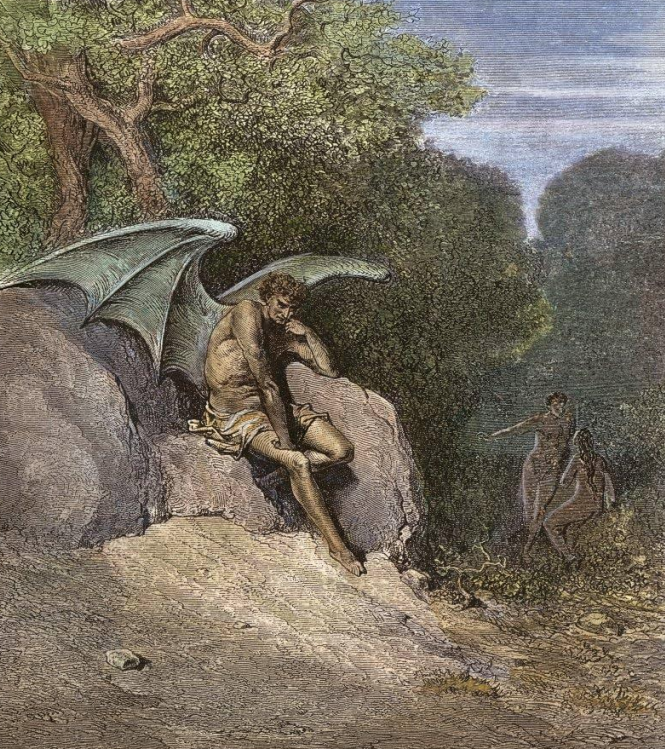
The Creature confronts Victor, and he laments “I ought to be thy Adam.”
Context: He says this during the confrontation with Victor in the icy mountains of Montanvert
He uses this allusion to the biblical story of Creation to compare himself to Adam; the first human created and loved by God.
Technique: Biblical allusion
Through the biblical allusion to “Adam”, Shelley presents the Creature as a contrast to which he is a forsaken creation.
He is shown as someone who has been denied of care, responsibility, and humanity of his own creator rather than being shown as a natural monster
Positioning: Shelley positions the readers to feel sympathetic for the Creature. She encourages us to perceive him as a self-aware by-product of neglect and loneliness. His existence was shaped by Victor’s abandonment, not by natural monstrosity.
She presents the Creature as not only a consequence of abandonment, but also as a warning to irresponsibility. While this positions readers to sympathise with the Creature, this additionally serves as a forewarning of the tragedy that is yet to come, as a result of Victor’s refusal to associate his humanity with his own creation.
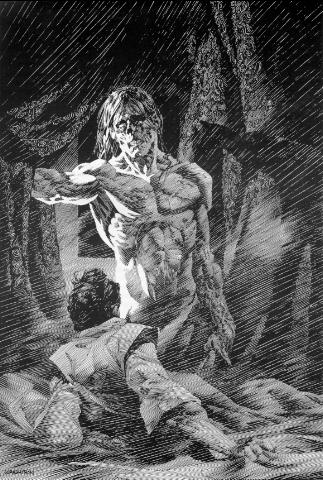
Victor associates the Creature with the words “devil”, “vile insect”, “daemon”, “abhorred monster”, “fiend”, “wretched devil”, “diabolically”, and “hell”
Context: Victor uses these adjectives associated with hell after encountering his creation, after grieving the death of William and Justine
Technique: Simile, biblical allusion (infernal imagery), and hyperbole
By associating his own creation with symbolisms of hell/inferno/the underworld, it pushes his purposeful othering of the Creature which ultimately strips his own creation away of humanity and agency. This also reveals the appearance-based prejudice that Victor inhibits and can be said as a cause of his abandonment of the Creature.
Positioning: Shelley shows Victor’s refusal to accept responsibility by using biblical allusion (infernal imagery) presented as prejudice from Victor’s arrogance to associate himself with his own creation.
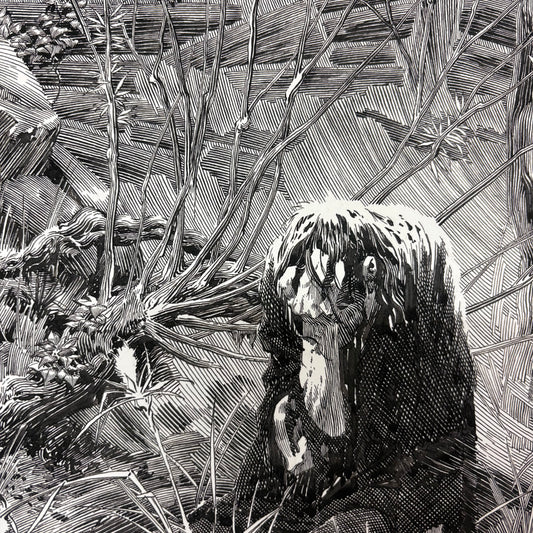
“All men hate the wretched.” - the Creature
Context: The Creature declares this during his first confrontation with Victor, his creator, on the top of the icy mountain of Montanvert
Technique: Absolutist language
Through an absolutist statement, the Creature expresses his lividity that stemmed from the prejudice he faced from before and during his confrontation with Victor. He uses “wretched” to refer to himself, indicating the sorrow that comes from his existence of which was abandoned and rejected
Positioning:
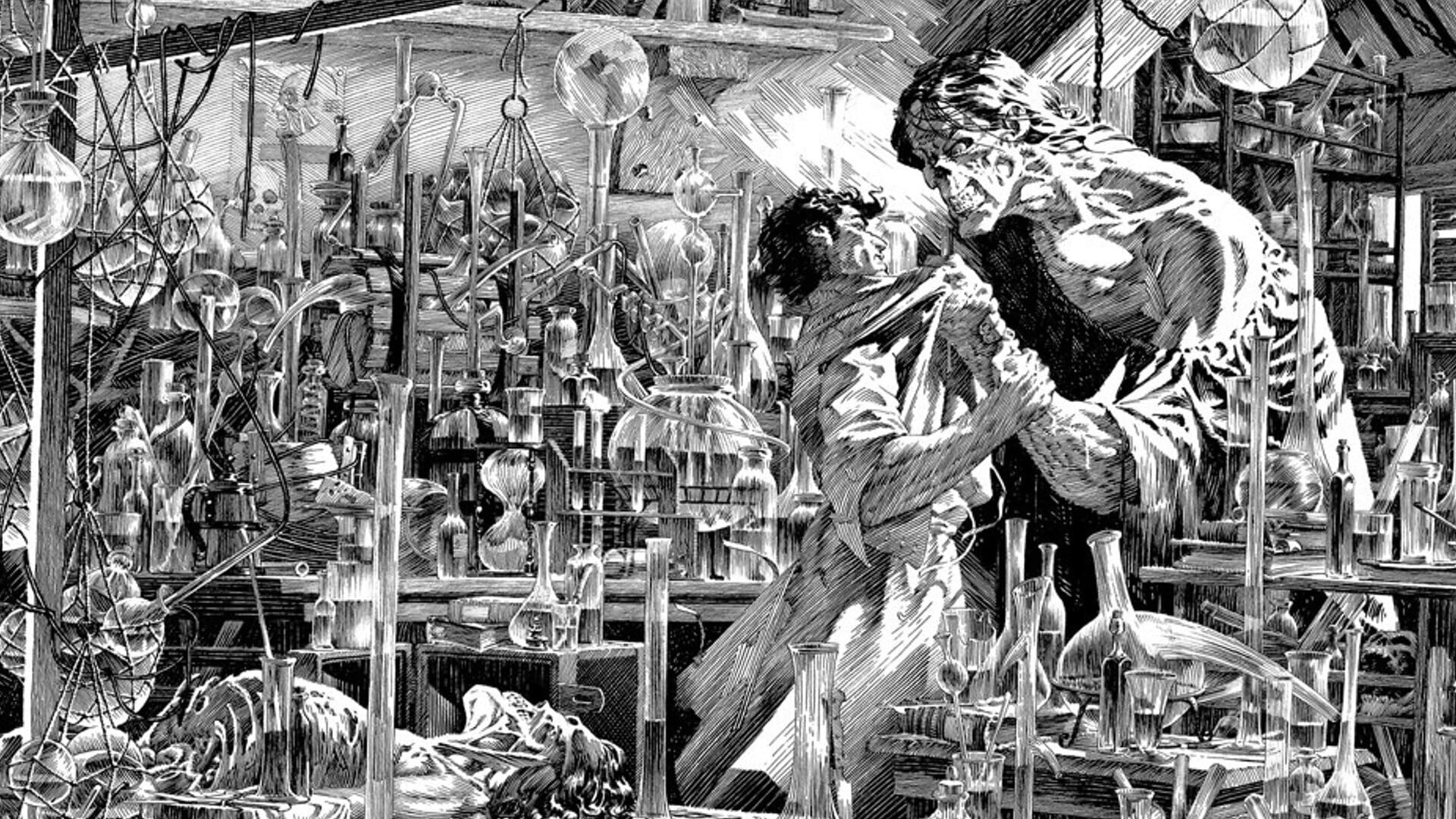
The Creature says that if he (Victor) will not agree to his terms, he promises to “glut the maw of death”.
Context: During the confrontation with Victor in the icy desolation of Montanvert, he vows for violence, furious about being abandoned and ridiculed
Technique: Metaphor
To glut the maw is to overfill or satiate a ravenous mouth, a metaphor for feeding a destructive force (death).
This not only serves as a metaphor for the Creature promising to become a destructive force - as a consequence of Victor’s incapability to cooperate - but it ties into the Creature’s own agency of allowing vengeance to consume him rather than fighting it back with patience and pacifism
Positioning:
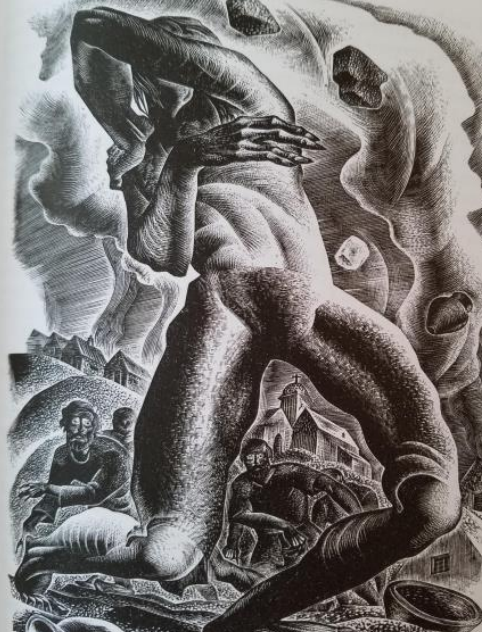
“…from that moment I declared everlasting war against the species (of mankind).” -the Creature
Context: After experiencing rejection from the DeLaceys, the Creature’s pinnacle of his negative emotions - that stemmed from rejection and violence - reaches its climax.
Technique: Absolutist language
Him declaring “everlasting war” shows how deeply rejection has severed him from humanity.
The phrase being absolute and extremist suggests he had reached his breaking point, where his hope of belonging and acceptance disappeared.
Positioning: Shelley positions the reader to understand (and maybe sympathise) the Creature’s violence as a response to continual exclusion. His crimes aren’t excused, but its shown as the consequence of being denied humanity and compassion.
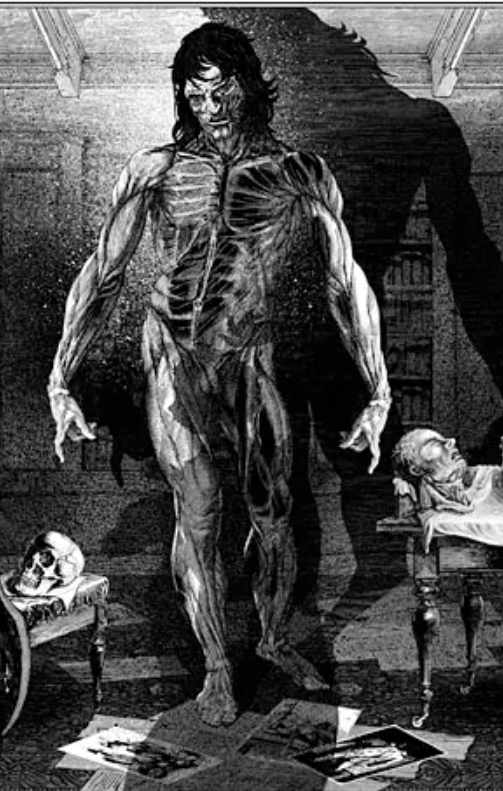
“…but now that I had finished, the beauty of the dream vanished, and breathless horror and disgust filled my heart.” -Victor
Context: Victor utters these words at the exact moment his creation finally comes to life.
Technique: Metaphor and hyperbole
Victor reacts in repulse after seeing the final result of his own creation to which he had deprived himself of health, human interaction, and overall energy on.
It shows Victor’s reality-check as he looks upon the face of the Creature at the moment of his birth. The “beauty of the dream” refers to Victor’s high expectations that was a result of his obsession and overall hubris with “playing God”.
And by saying it “had vanished”, it means that Victor’s expectations were destroyed by human error and the prevalent appearance-based fallacy that was common in the time period of both the book and when Mary Shelley had lived.
The Creature is basically Victor’s biggest failure.
Positioning: Shelley presents “the dream” as a metaphor of Victor’s ardour and romantic expectations of creating new life, thus showing the readers Victor’s fatal flaw: intellectual arrogance and irresponsibility.
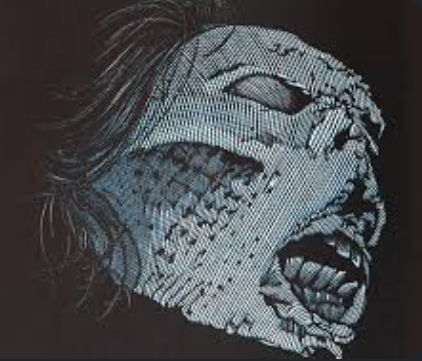
“His limbs were in proportion, and I had selected his features as beautiful. Beautiful! - Great God! His Yellow skin…watery eyes…black lips.” -Victor
Context: After being stricken with terror at the appearance of his creation, he enlists his physical description of the Creature at birth
Technique: Juxtaposition, grotesque imagery, red herring
The moment in which the line between Victor’s rose-tinted plans and reality is drawn, forever setting juxtaposition with a reality that had never happened (Victor’s plans). His positive description of the Creature immediately transitioning into grotesque imagery represents his expectations becoming shattered by the schematics of nature. This ties into the argument of his hubris being his fatal flaw (hamartia)
Positioning: Being the first introduction of the Creature himself, Shelley first presents him through unsettling descriptions as a red herring that sets up the narrative’s eventual shift to the Creature’s perspective, thus exemplifying the consequences of Victor’s hubris, arrogance, and irresponsibility.
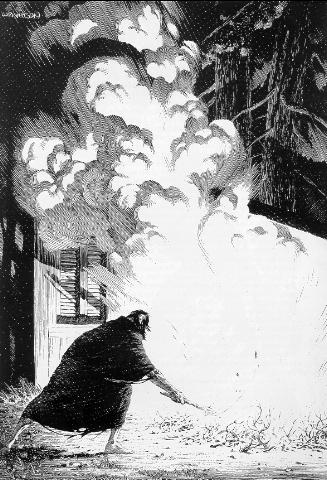
The Delacey cottage is burned down by the Creature after the family abandons the cottage
Context: After the DeLaceys abandon their cottage home due to their encounter with the Creature, the Creature himself burns it down, enraged that a seemingly loving family had outcasted him
The fire symbolises the Creature’s rage from the DeLaceys - a family he witnessed and believed was not incapable of exclusion and Othering - inflicting the same prejudice that had made him abandoned in the first place.
Furthermore, the cottage symbolises the positive connotations associated with a home, in which it can be referenced by the quote “Home is where the heart is”. By burning down the home, it represents the Creature’s loss of compassion, and his expectations of a loving family betrayed by the DeLaceys attitude towards him.
Positioning:
“I am alone and miserable; man will not associate with me.” -the Creature as he demands a companion from Victor
Context:
This is one of the reasons that the Creature says to Victor to request for a female companion. He is aware of how rejected he is from society, but he is also aware that he is not of society and thus he demands a companion from the same creator in order for him to have a kin
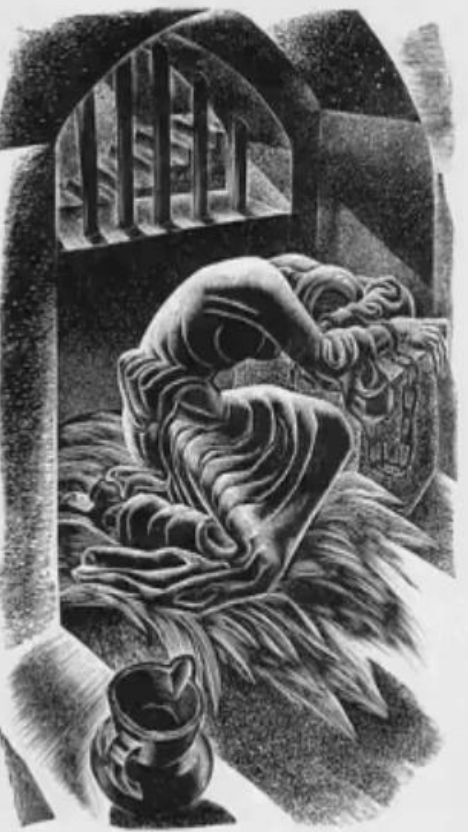
The Creature murdering William and framing Justine - leading to her demise
Context:
Technique:
William is the first of several victims that the Creature kills as a form of revenge on Victor. He symbolises Victor’s innocence and naivety as a helpless child that was killed as a result of Victor trying to play God.
Justine was framed for William’s murder by the Creature
William and Justine represent the roles of women and children. Firstly, they are both pillars of innocence and purity, yet are ones that are often exploited and experience prejudice - especially in the era of which Shelley lived in.
Positioning:
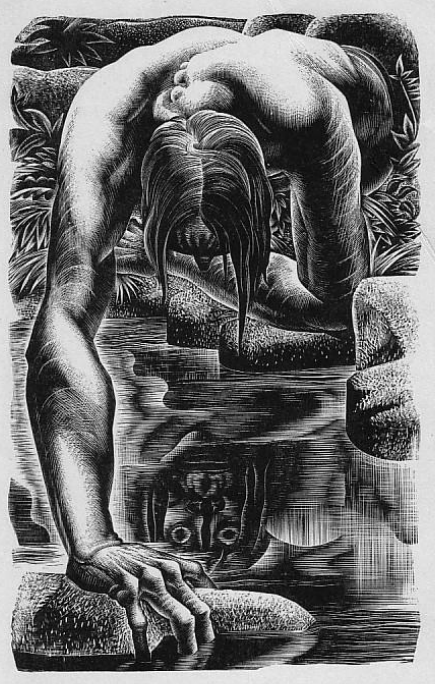
“Who was I? What was I"?” - the Creature
Context: The Creature questions himself and his origins after obtaining knowledge from secretly observing the DeLacey family, and the books he had read
Technique: Rhetorical question
After experiencing repeated rejection, the Creature begins to have an existential crisis. His questioning of his own identity reveals uncertainty within himself.
His sense of self has been shaped by abandonment and exclusion, rather than innate evil.
Positioning: Shelley positions the reader to pity the Creature’s isolation. His uncertainty suggests that his “monstrous” identity has been imposed on him by the cruelty and fear of others.
“…I shall collect my funeral pile, and consume to ashes this miserable frame, that its remains may afford no light…" - The Creature
Context: the Creature declares this to Walton on his ship, after encountering the corpse of his creator.
Technique: Metaphor
The Creature expresses his grief and turmoil over the death of his creator, as his death symbolises the end of the Creature’s pursuit for revenge. Despite the Creature no longer feeling rage, he instead feels he is doomed to walk the Earth alone, only recognised as a monster with blood on their hands, describing his physique as a “miserable frame”
This leads to him ultimately deciding to die after Victor, which solidifies the destructive, ill-fated relationship between him and Victor.
Positioning: Shelley frames the Creature to be self-aware
“Was I then a monster, a blot upon the earth, from which all men fled, and whom all men disowned?” -the Creature
Context:
Technique: Rhetorical question
The Creature, in the midst of his existential crisis, questions his origin and ponders on the concept of isolation and being anything but human. He others himself just like how Victor inflicted Othering on him, by alluding himself as a “blot”.
He also references himself being abandoned by Victor, and being met with rejection and panic from society, exemplifying his self-awareness as someone, or something, framed to be non-human despite his humanity within.
Positioning: Shelley positions readers to view the Creature as one who was misshaped by rejection and abandonment, rather than an instinctual force of malice.