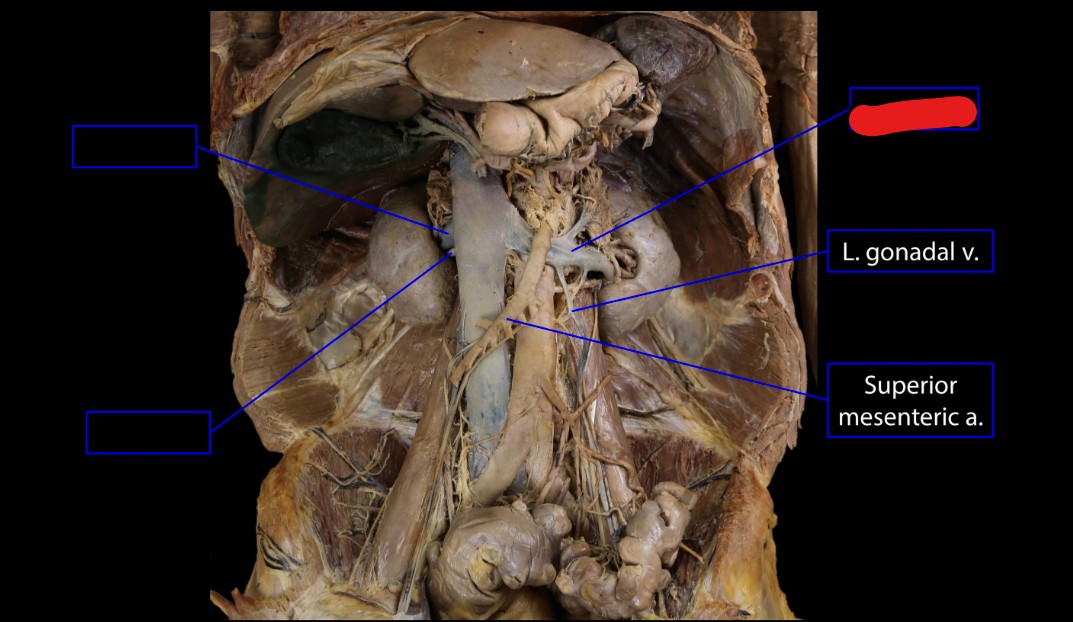
Anatomy 2 Quiz 5
 Call Kai
 Learn
Learn Practice Test
 Spaced Repetition
 Match
Match Flashcards
 Knowt Play
1/133

There's no tags or description
Looks like no tags are added yet.
Name | Mastery | Learn | Test | Matching | Spaced | Call with Kai |
|---|
No analytics yet
Send a link to your students to track their progress
134 Terms
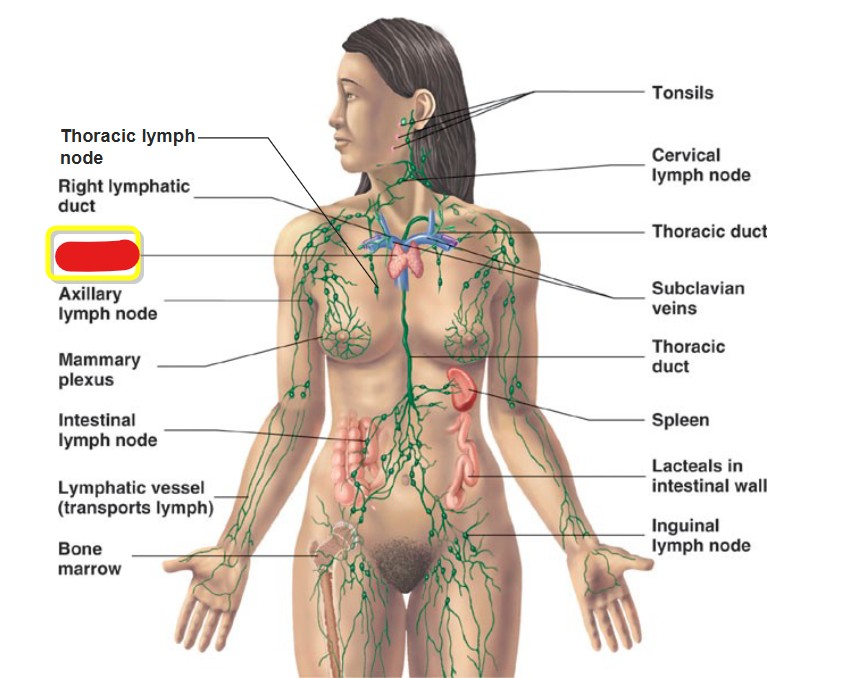
thoracic duct
ID vessel
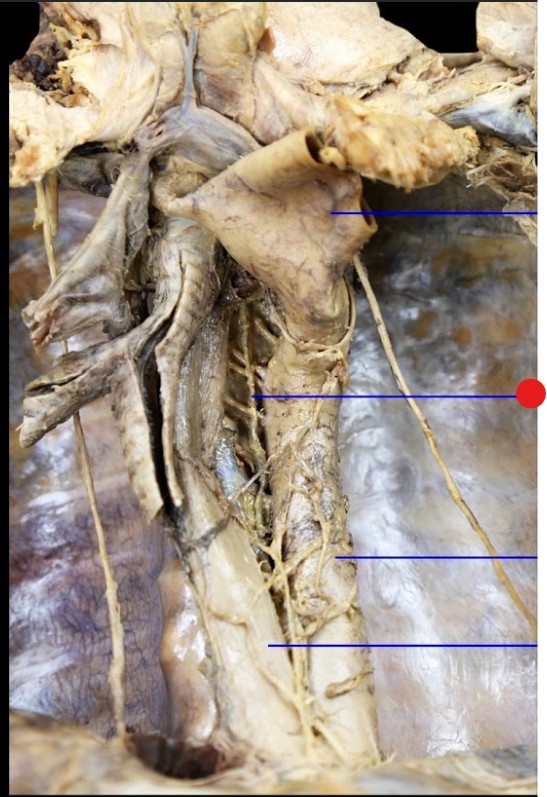
everywhere but the right upper quadrant
Lymph from what part of the body will drain to the thoracic duct?
the right upper quadrant
Lymph from what part of the body will drain to the right lymphatic duct?
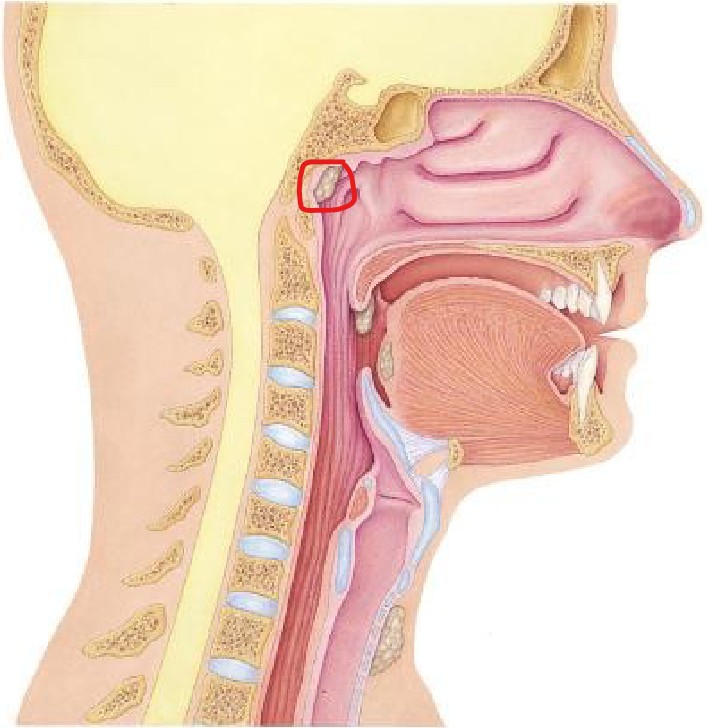
pharyngeal tonsil
ID Structure
palatine tonsils
ID Structure
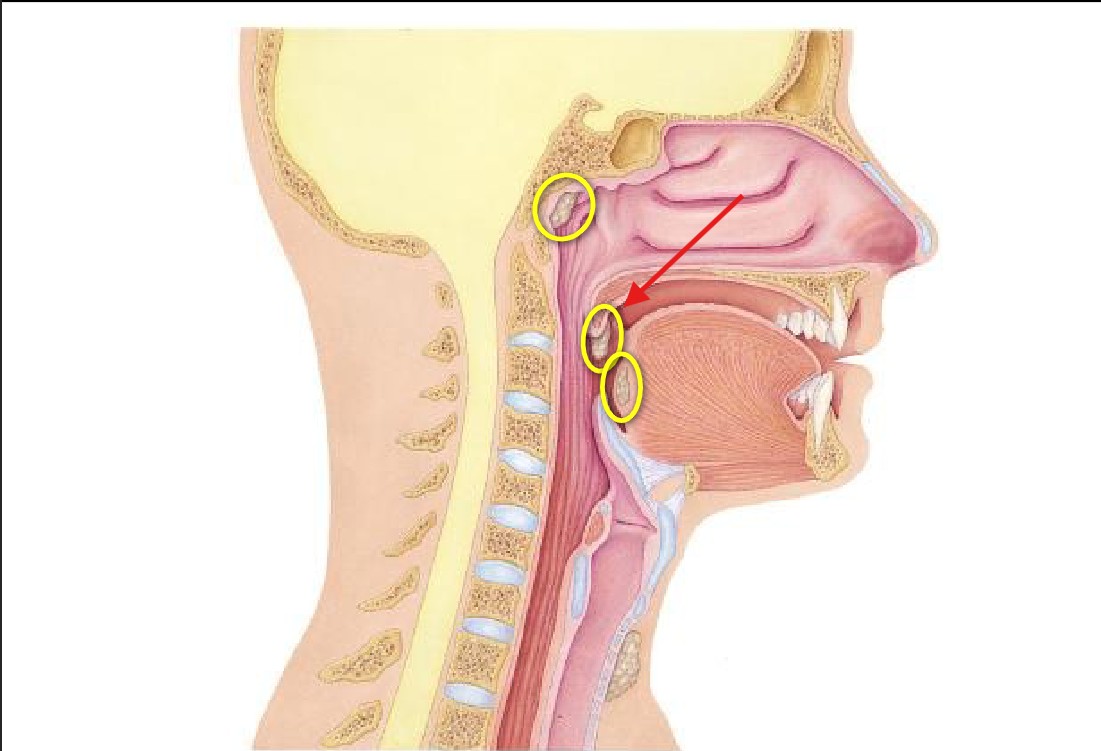
lingual tonsils
ID Structure
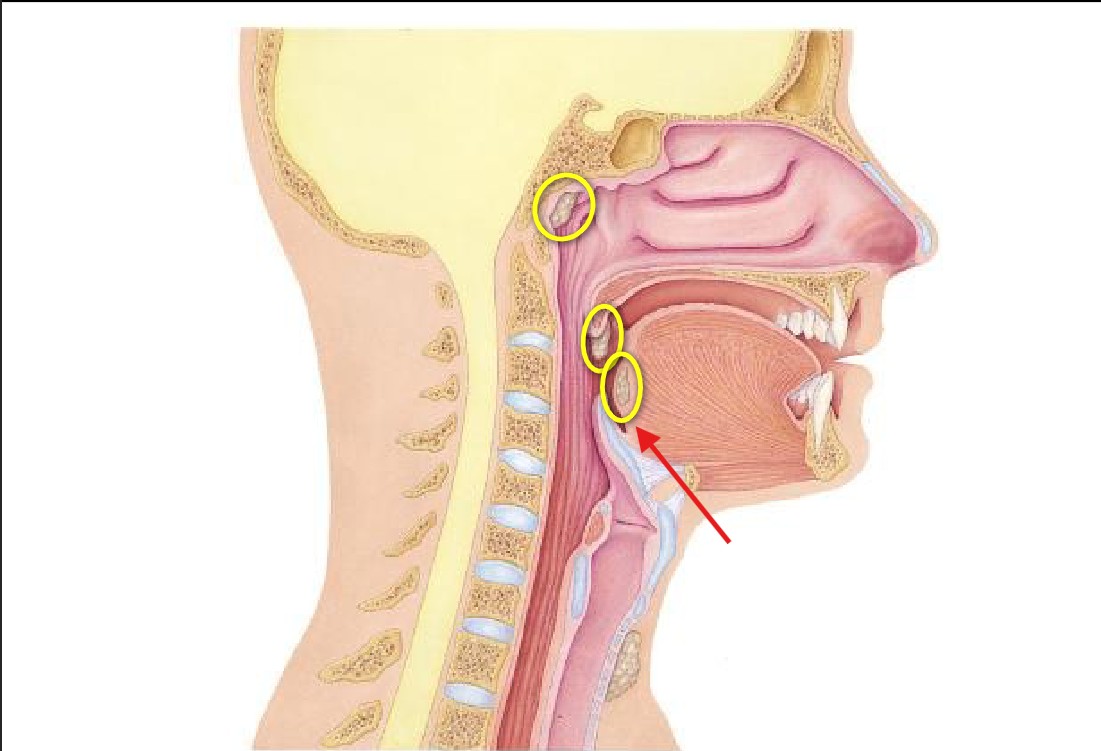
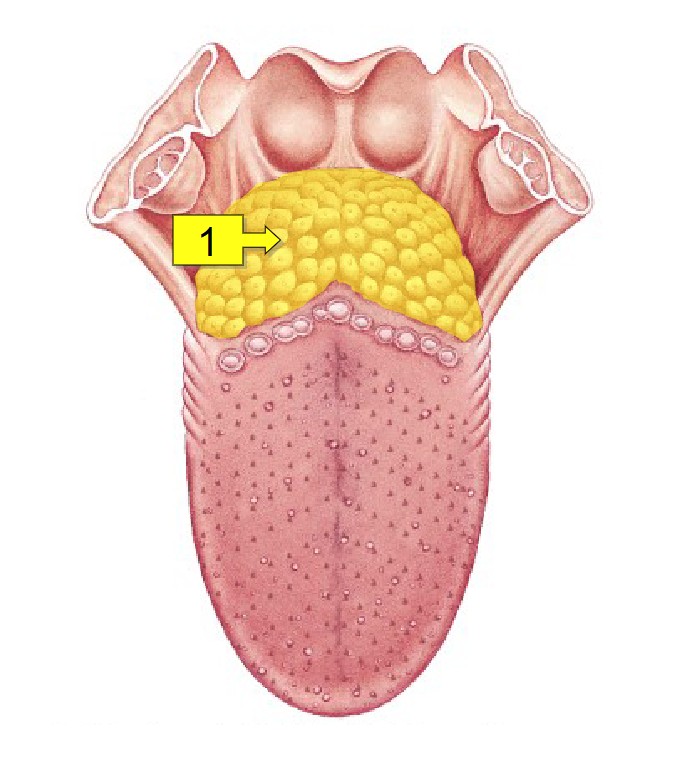
lingual tonsil
ID Structure
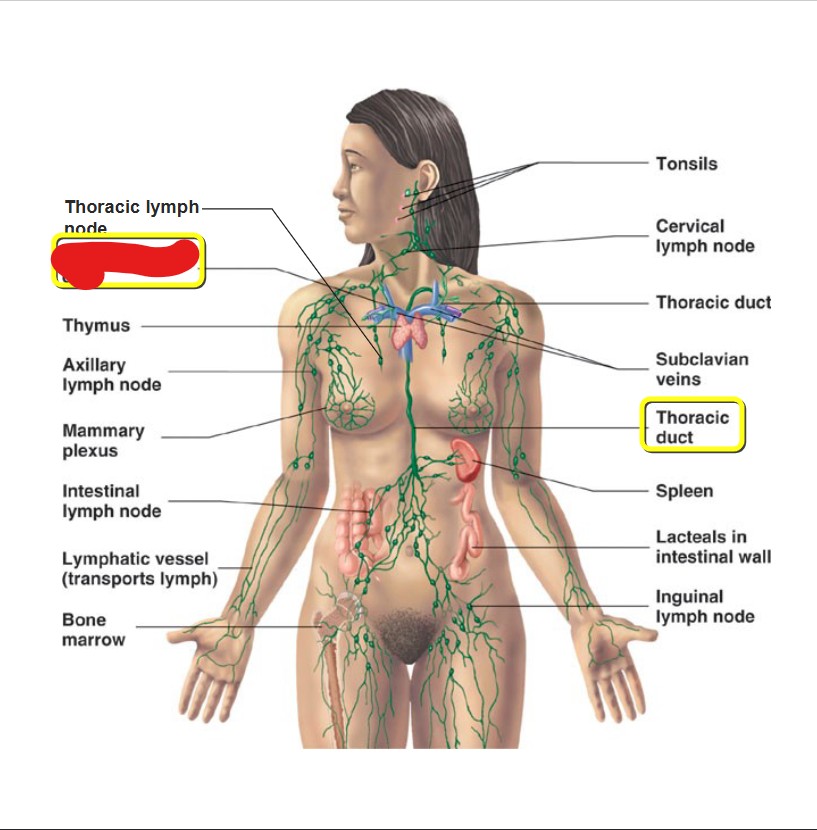
lymphocytes and macrophages
What type of cells can you find in the tonsils?
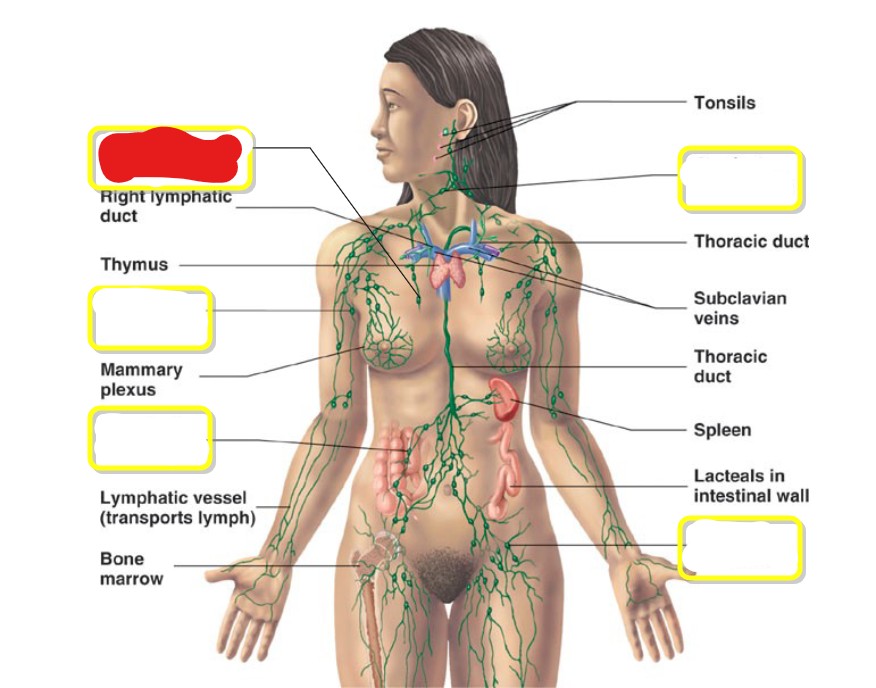
right lymphatic duct
ID vessel
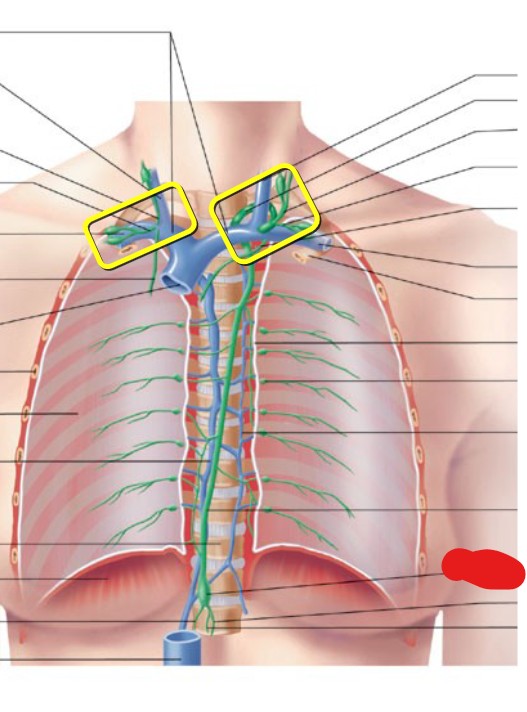
cisterna chyli
ID vessel
thymus
ID Structure
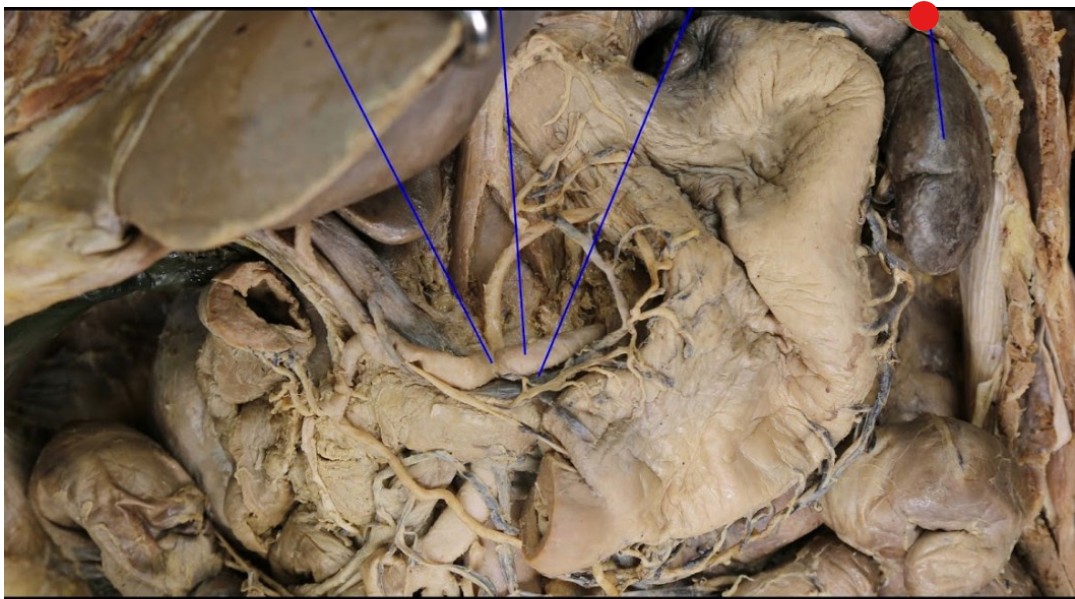
spleen
ID Structure
splenic vein
ID vessel
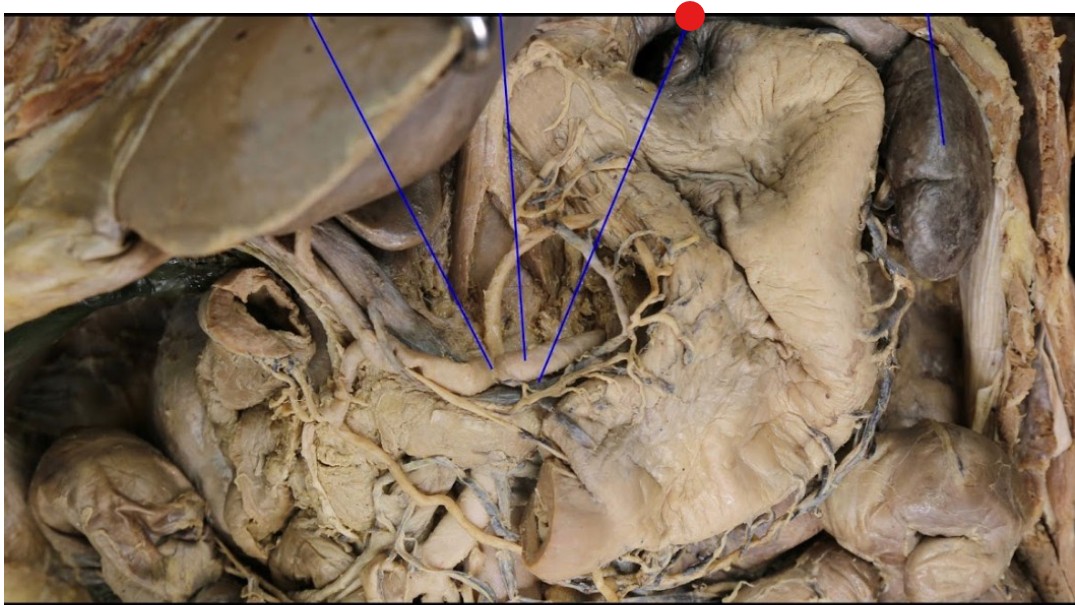
splenic artery
ID vessel
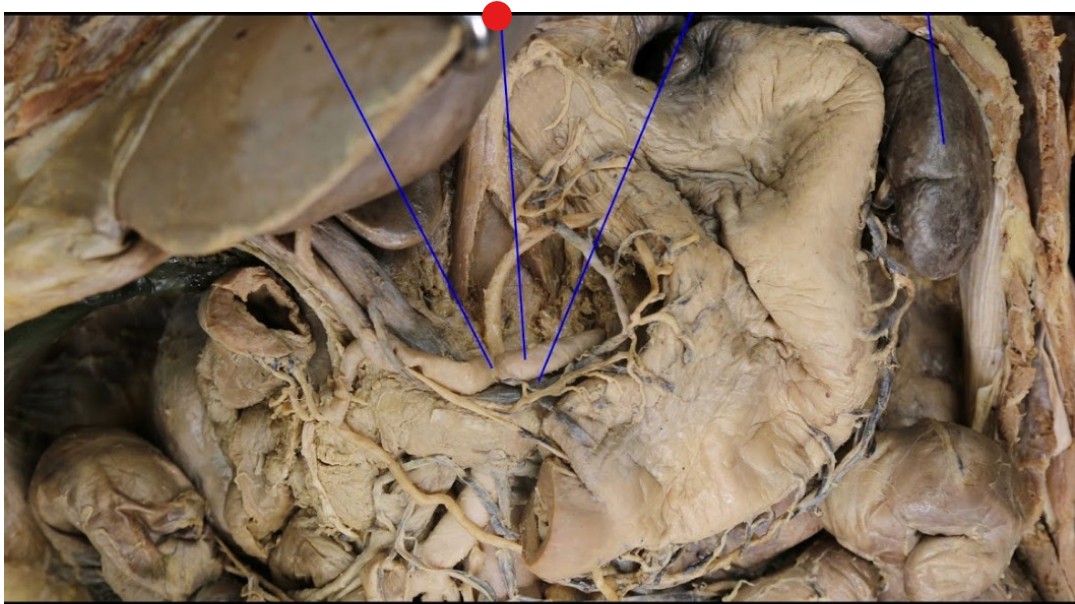
celiac trunk
ID vessel
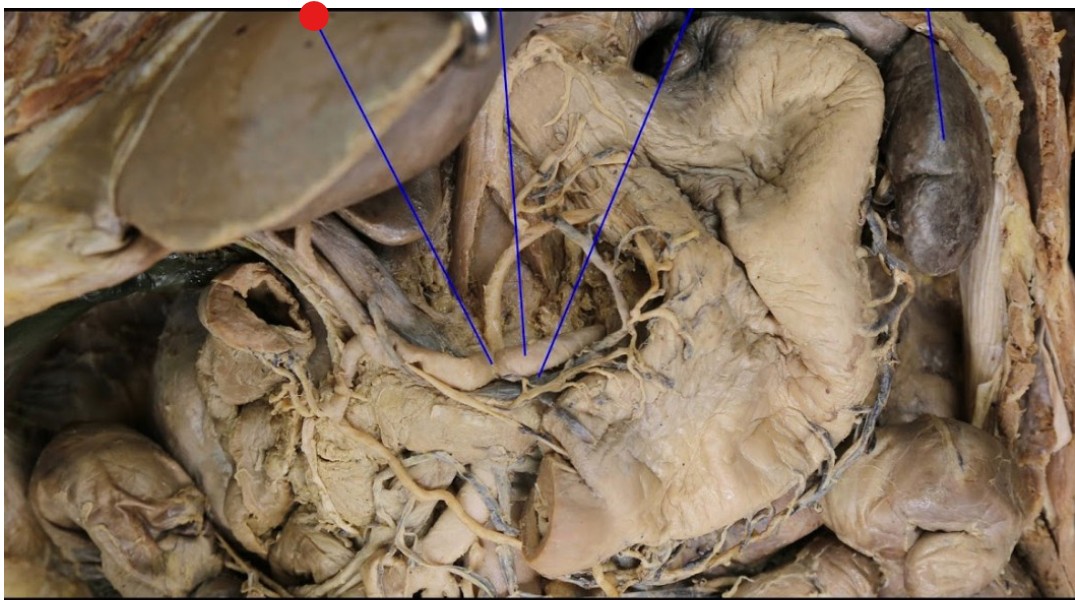
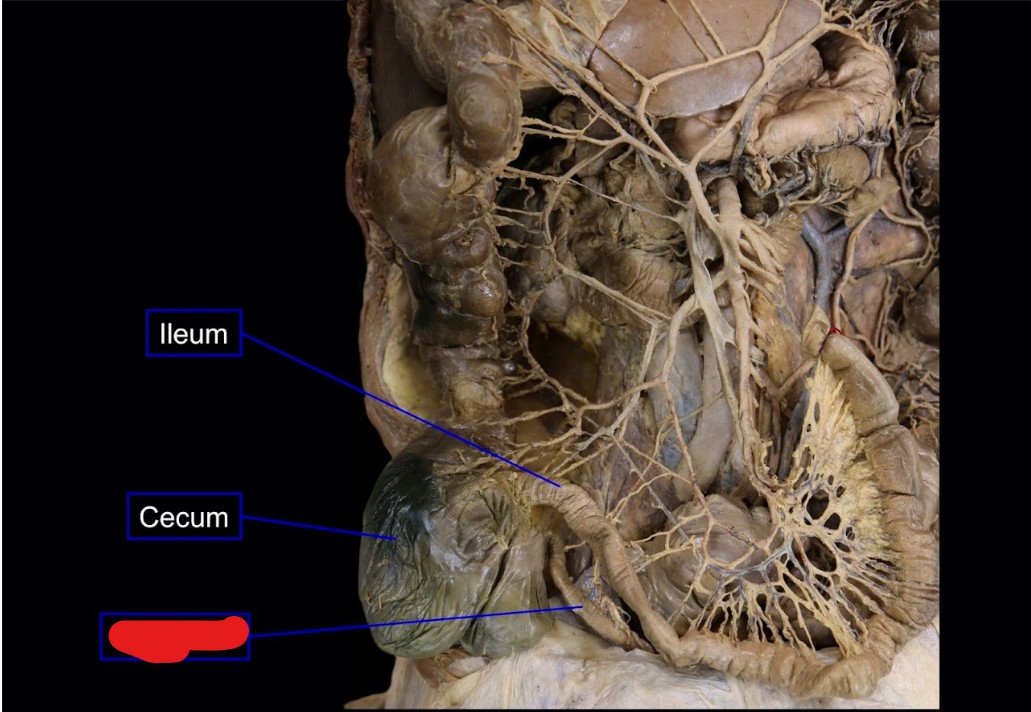
appendix
ID Structure
thoracic lymph node
ID Structure
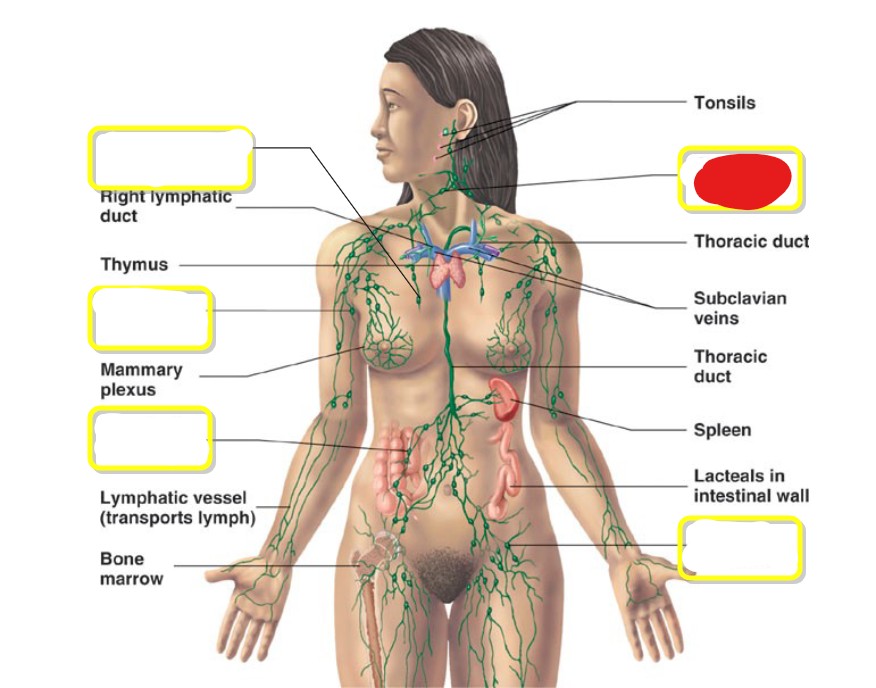
cervical lymph node
ID Structure
axillary lymph node
ID Structure
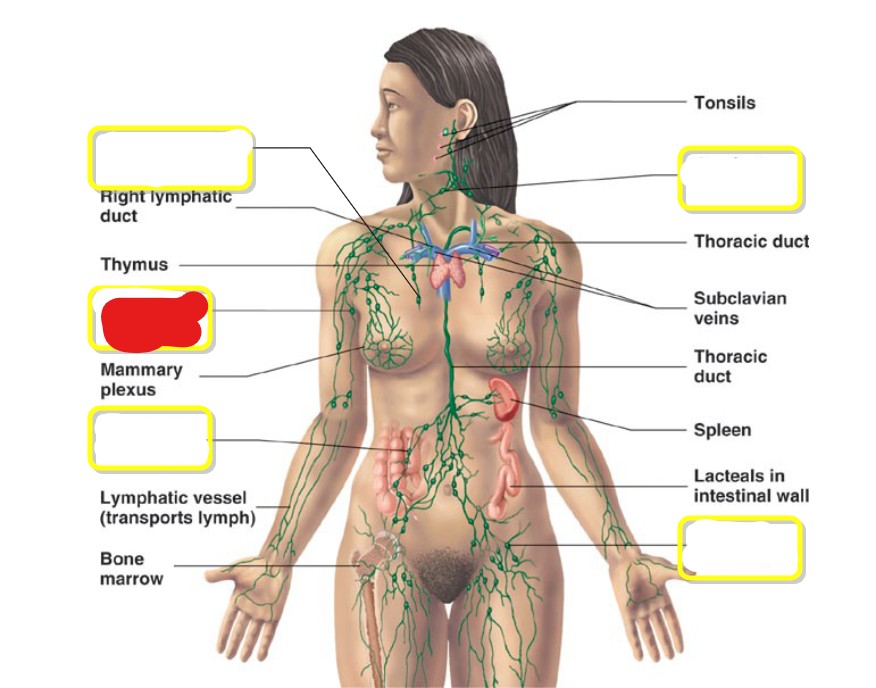
intestinal lymph node
ID Structure
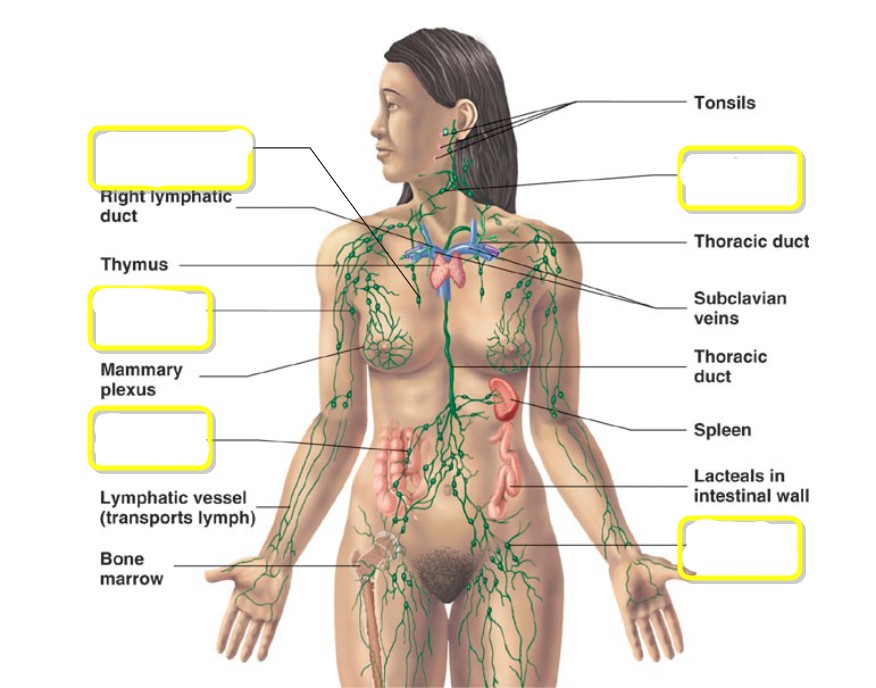
inguinal lymph node
ID Structure
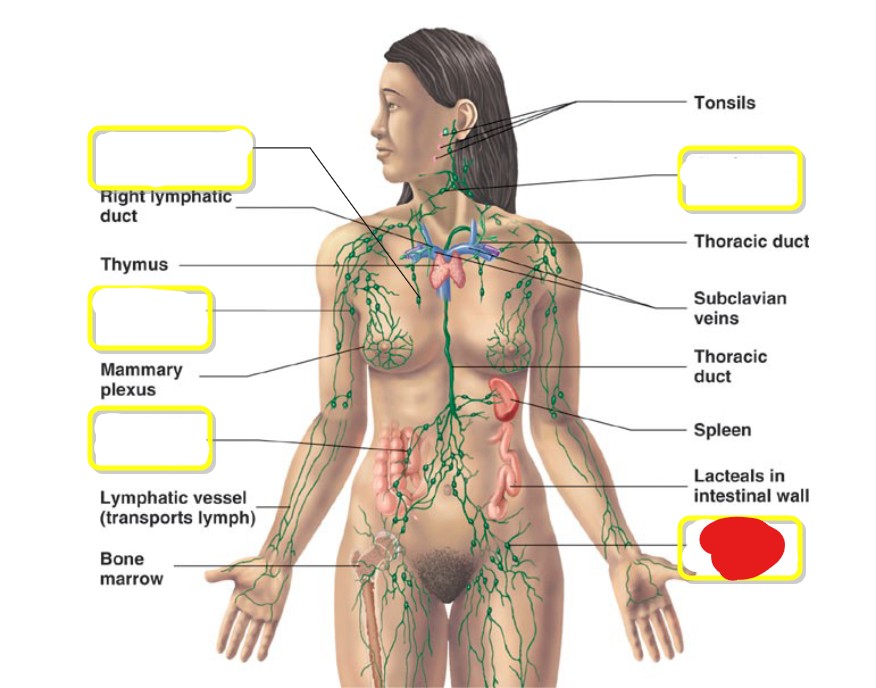
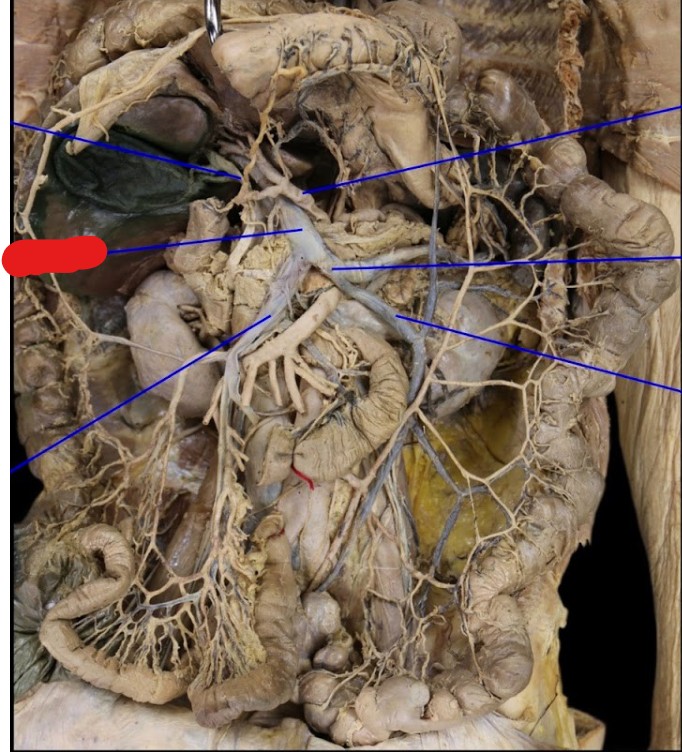
hepatic portal vein
ID vessel
function of the lymphatic system
return water, ions, nutrients, gases, and plasma proteins to the blood
lymphatic capillaries
-”blind-ended” lymphatic vessels located in the microscopic spaces between tissue cells
-these collect excess interstitial fluid and return it to the bloodstream
interstitial fluid
the extracellular fluid in the microscopic spaces between tissue cells
lymphatic capillaries
very permeable (take up cell debris, pathogens, and cancer cells)
locations of lymphatic capillaries
cartilage, epidermis, and cornea
lactels
What is the name of lymphatic capillaries in the villi of the small intestine?
collecting vessels
lymphatic capillaries merge to form larger vessels called _____
collecting vessels
lymph from lymphatic capillaries flows into ________
trunks
lymph from collecting vessels flows into _____________
ducts
lymph from trunks flows into ___________
collecting vessels
carry lymph into and out of structures called lymph nodes
lymphatic trunks
the largest collecting vessels exiting the lymph nodes merge to form this
thoracic duct
largest lymphatic vessel
typically empties lymph into venous blood at the junction of the left internal jugular vein and left subclavian vein
right lymphatic duct
typically empties lymph into venous blood at the junction of the right internal jugular vein and left subclavian vein
reasons for lymph transport
-the “milking” action of skeletal
-respiratory movements (due to pressure changes)
-semilunar valves that prevent backflow
lymphocytes and macrophages
lymphatic tissue consist primarily of ________
tonsils
provide protection against bacteria and other foreign substances that can enter the pharynx from nasal or oral cavities
lymph nodes
-structures located along collecting vessels that filter lymph to remove damaged cells and microorgamisms
-contain lymphocytes and macrophages
functions of the spleen
-involved with immune responses
-filters blood
-RBC production in the fetus
thymus gland
-site of T cell production
-replaced by adipose tissue throughout life
appendix
contains lymphocytes and macrophages
major functions of the urinary system
-eliminates wastes from the body
-regulates water, electrolyte, and acid-base balance of blood
-regulates blood volume and blood
function of the kidneys
-helps maintain homeostasis by controlling the composition, volume, pressure, and pH of the blood
the liver
why is the right kidney lower than the left kidney?
renal hilus
where does the ureter, nerves, lymphatics, and blood vessels enter and exit the kidneys?
renal pyramids
what forms the renal medulla?
renal papilla
what is contained within each renal pyramid?
renal column
what is the column of tissue between pyramids?
major and minor calyces
drains urine into the renal pelvis
renal pelvis
drains urine into ureter
renal arteries
carries oxygenated blood into the kidneys
renal veins
carries deoxygenated blood into the kidneys
nephrons
-gets rid of waste (in the form of urine)
-returning needed materials to the blood
-microscopic structures in the kidney (over one million per kidney)
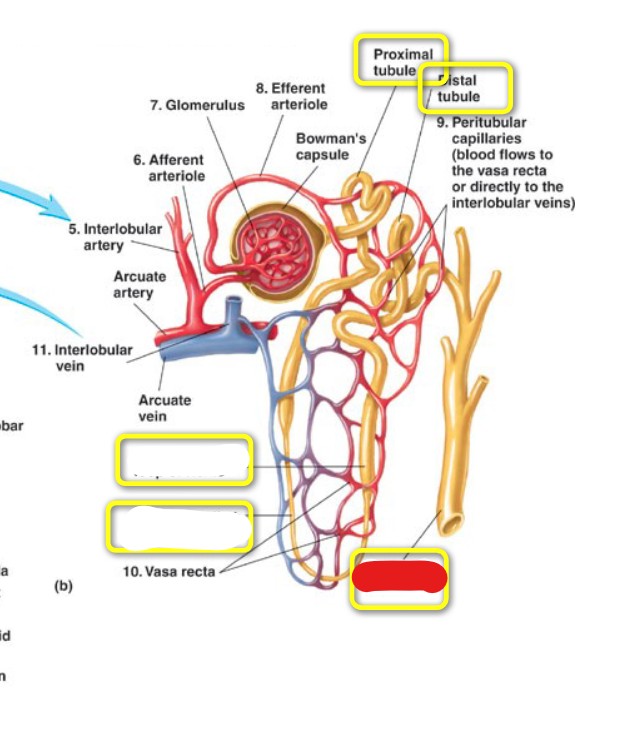
renal corpuscle and renal tubule
each nephron is composed of what?
renal corpuscle
-composed of the glomerular capsule and glomerulus
-as blood flows through the glomerulus, substances are filtered out of the blood plasma int the glomerulus capsule
-the filtered substances that are now in the glomerular capsule are called filtrate
-filtrate flows into the renal tubule
renal tubule
-composed of the proximal convoluted tubule, loop of henle, and distal convoluted tubule
proximal convoluted tubule
portion of the renal tubule that receives filtrate from the glomerular capsule
loop of henle
-receives filtrate from the proximal tubule
-consists of the descending limb and ascending limb
distal convoluted tubule
-receives filtrate from the loop of henle
-drains filtrate into the collecting ducts
minor calyces
where is the first place you see urine?
afferent arteriole
carries blood into the glomerulus
efferent arteriole
-carries blood out of the glomerulus
-gives the rise to peritubular capillaries
juxtaglomerular cells
special smooth muscle cells forming a cufflike arrangement around the afferent arteriole
macula densa
specialized cells located in the part of DCT that lies between the afferent and efferent arterioles
juxtaglomerular apparatus
-secretes renin
-helps maintain a constant GFR (glomerular filtrate rate)
peritubular capillaries
-surround the proximal and distal convoluted tubules
-give rise to the vasa recta
vasa recta
surround the loop of henle of juxtamedullary nephrons
ureters
transport urine from the kidneys to the urinary bladder
urinary bladder
stores urine (average capacity of bladder is 700-800 ml)
urethra
transports urine from the bladder to the outside of the rest of the body
700-800 mL
what is the average capacity of the bladder?
200-400 mL
at what urine level does a person want to pee?
detrusormuscle
urination leads to contraction of what muscle?
internal urethral sphincter
urination leads to relaxation of what muscle?
skeletal muscle
external urethral sphincter is what kind of muscle?
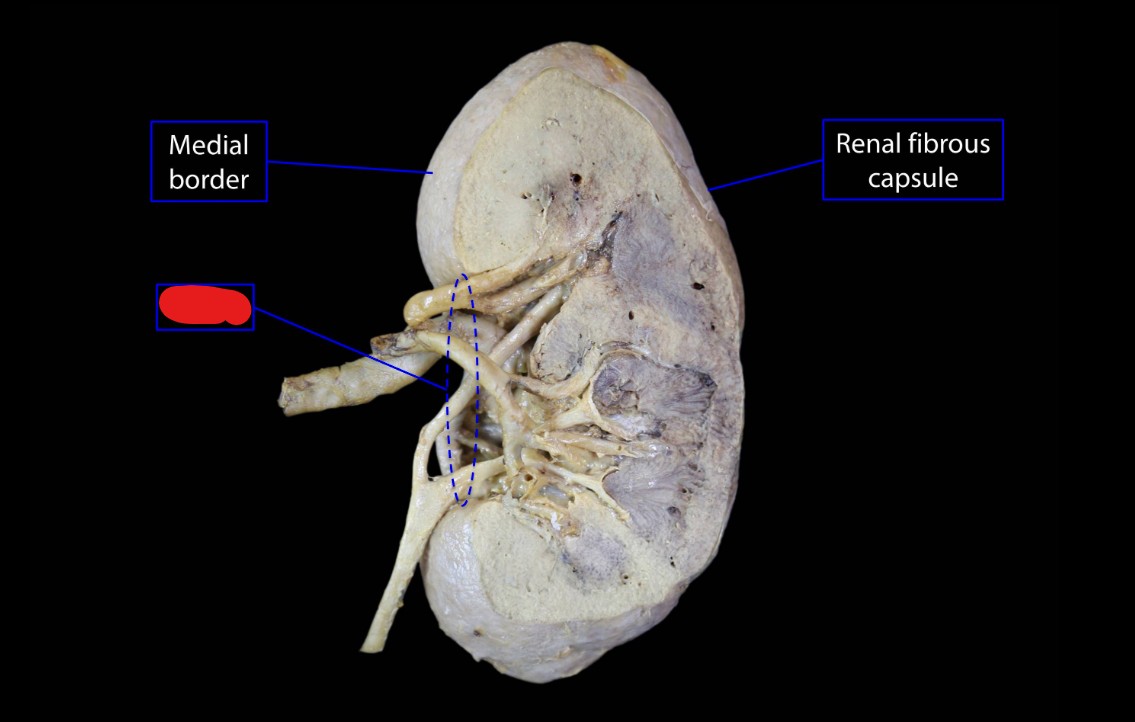
renal hilus
ID Structure
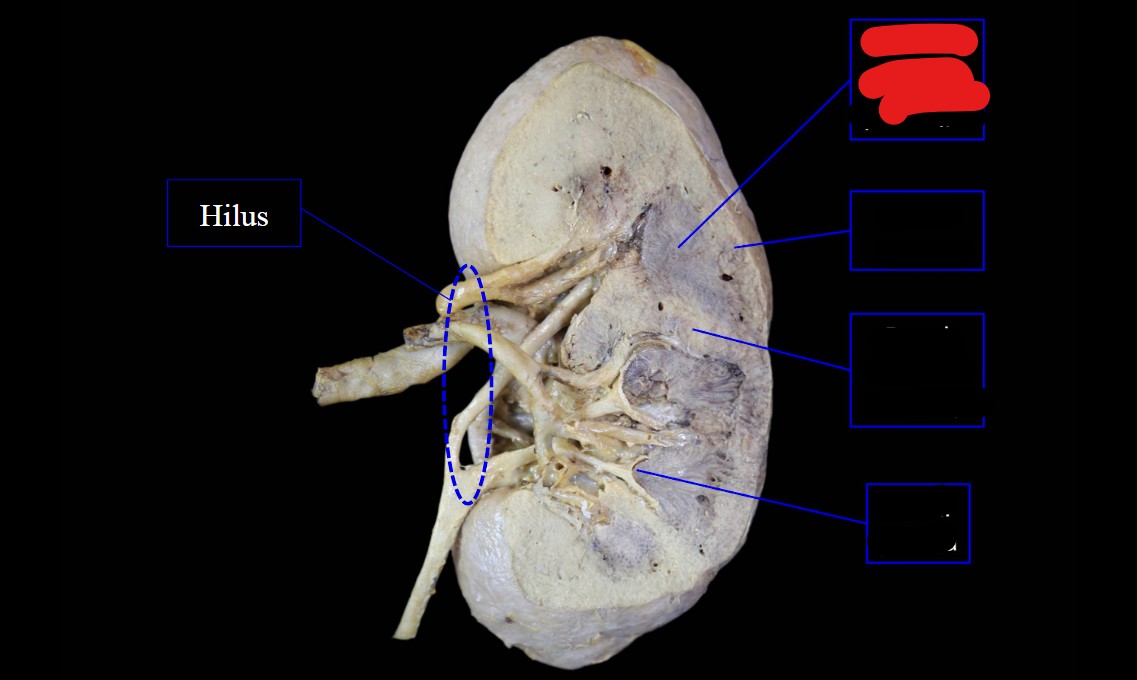
renal pyramid
ID Structure
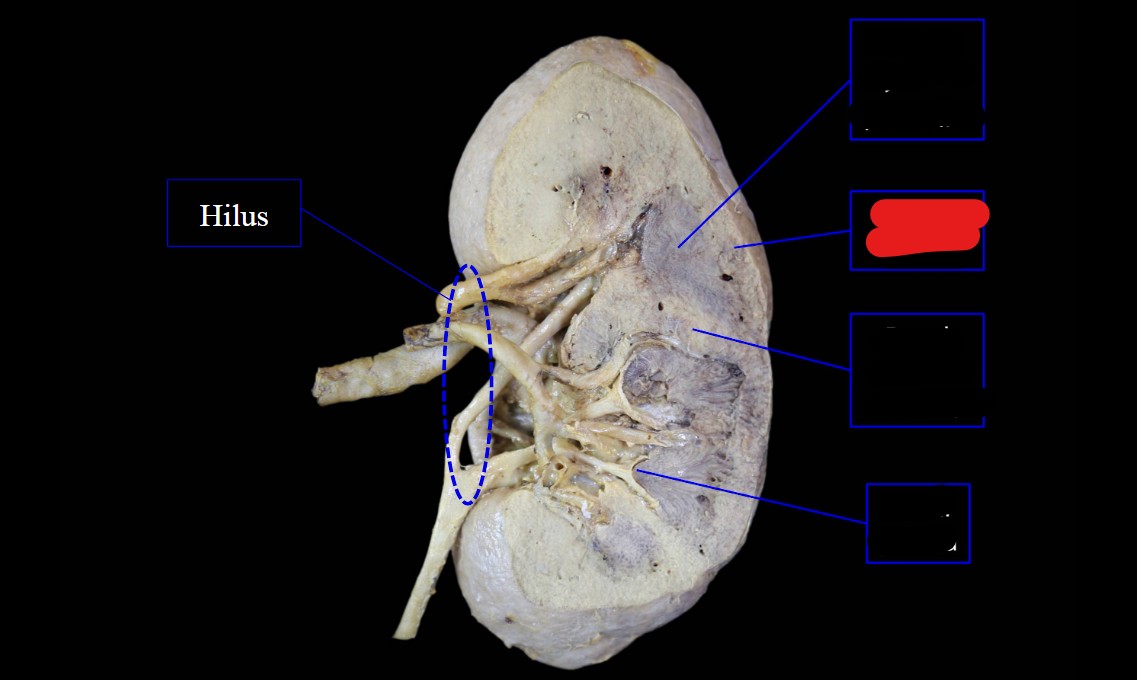
renal cortex
ID Structure
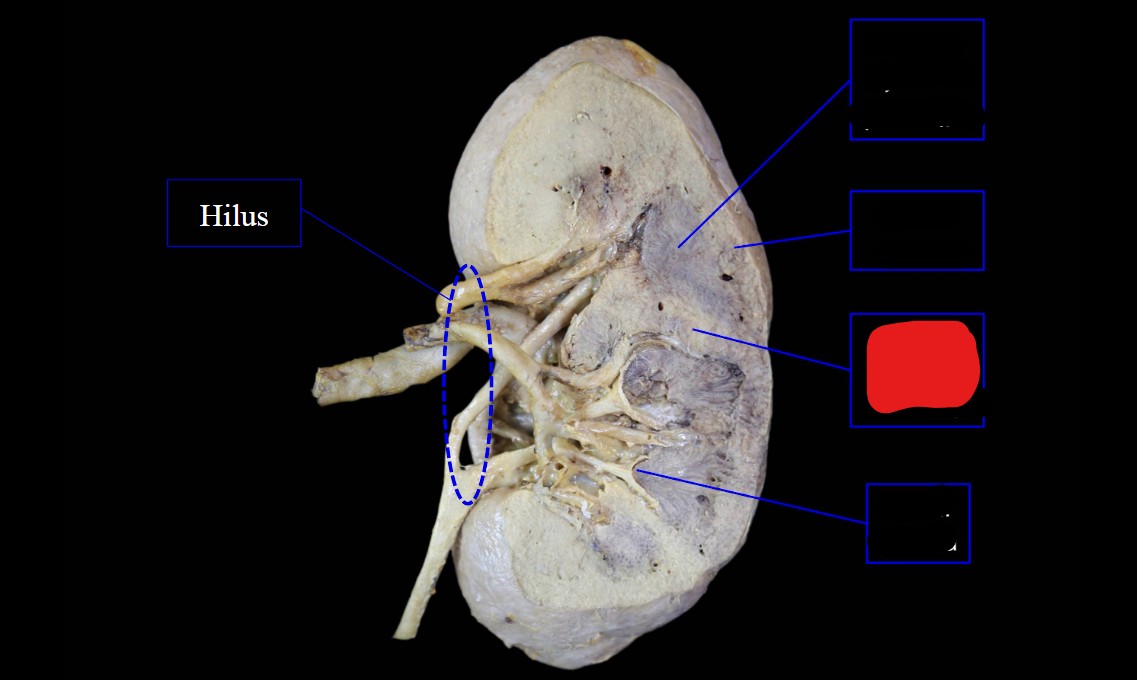
renal column
ID Structure
renal papillae
ID Structure
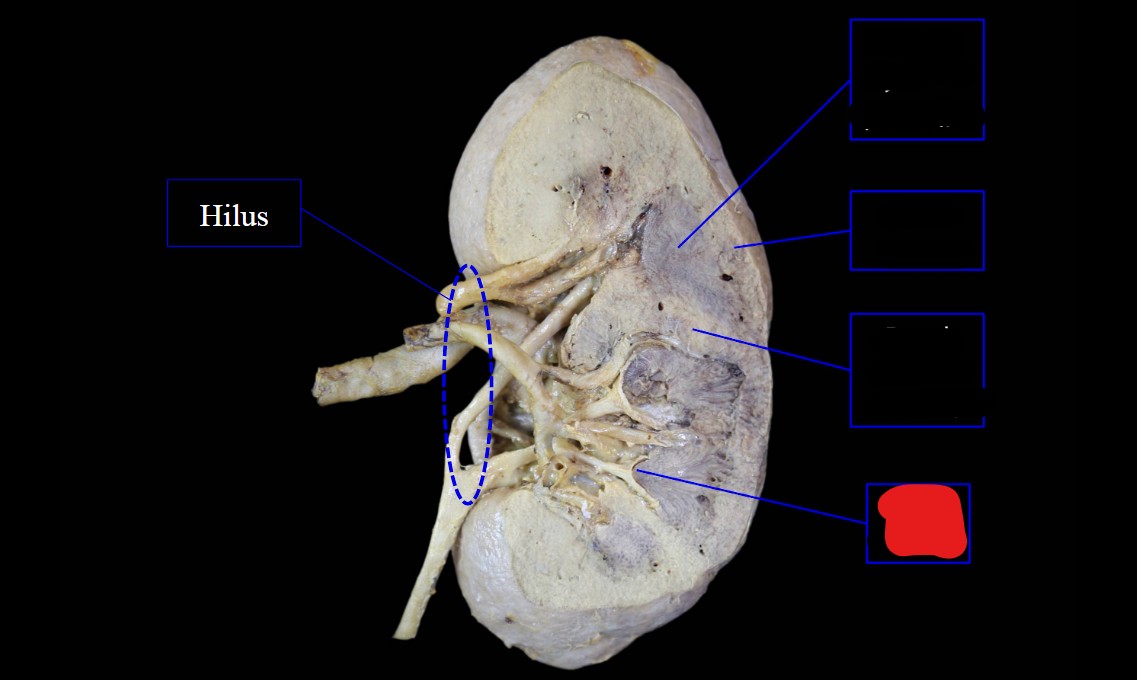
major renal calyces
ID Structure
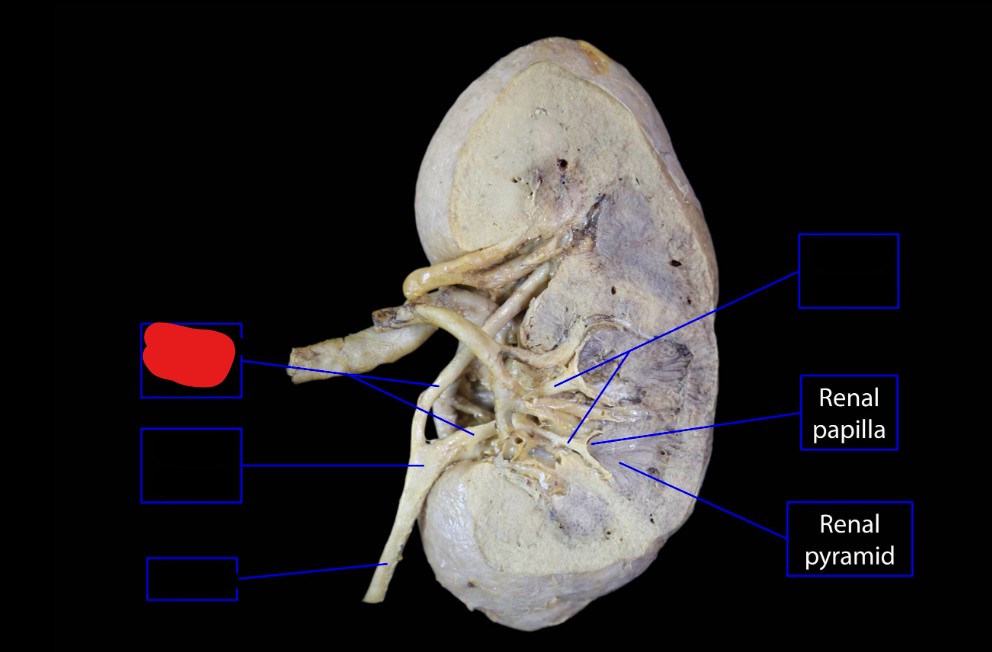
minor renal calyces
ID Structures
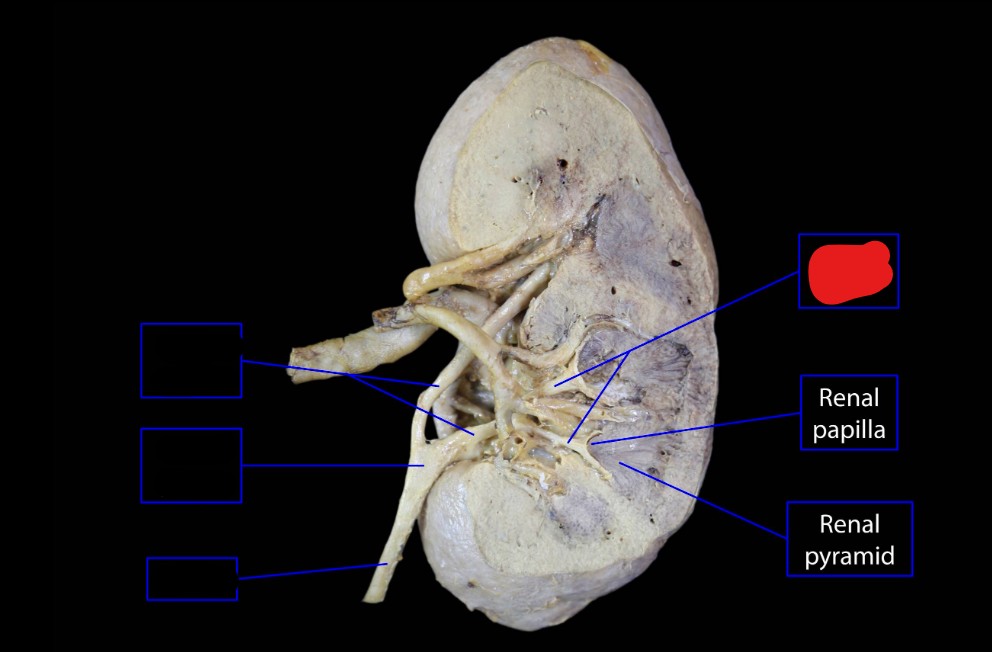
renal pelvis
ID Structure
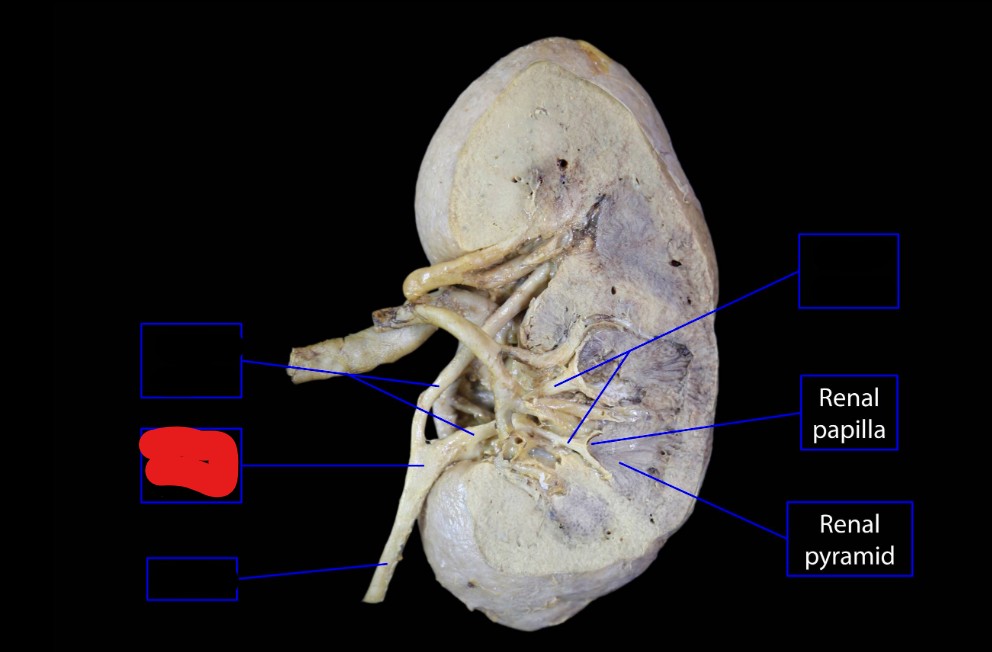
ureter
ID Structure
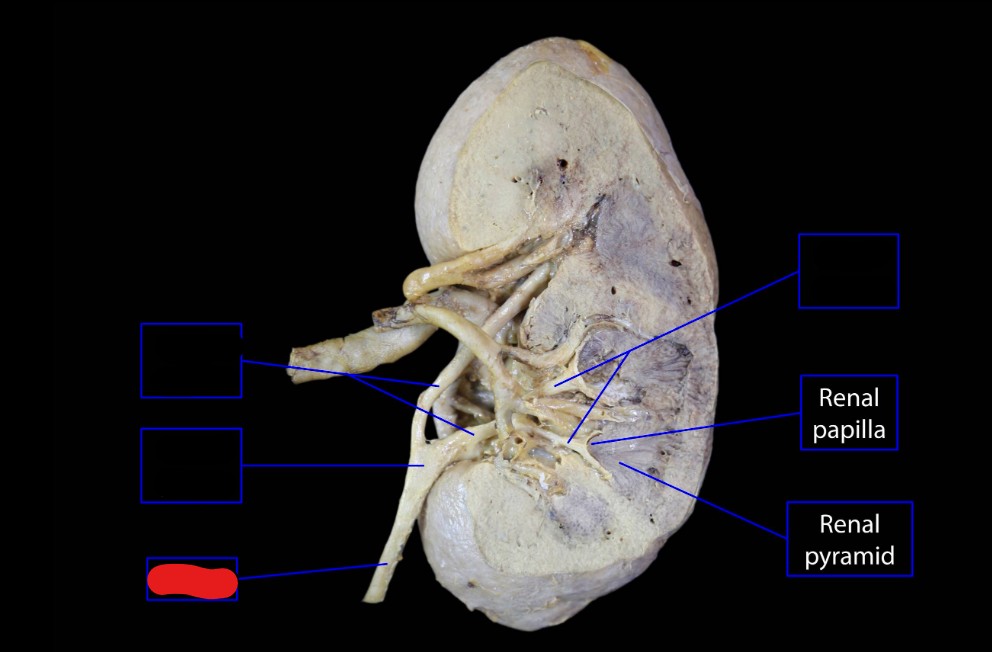
ureter
ID Structure
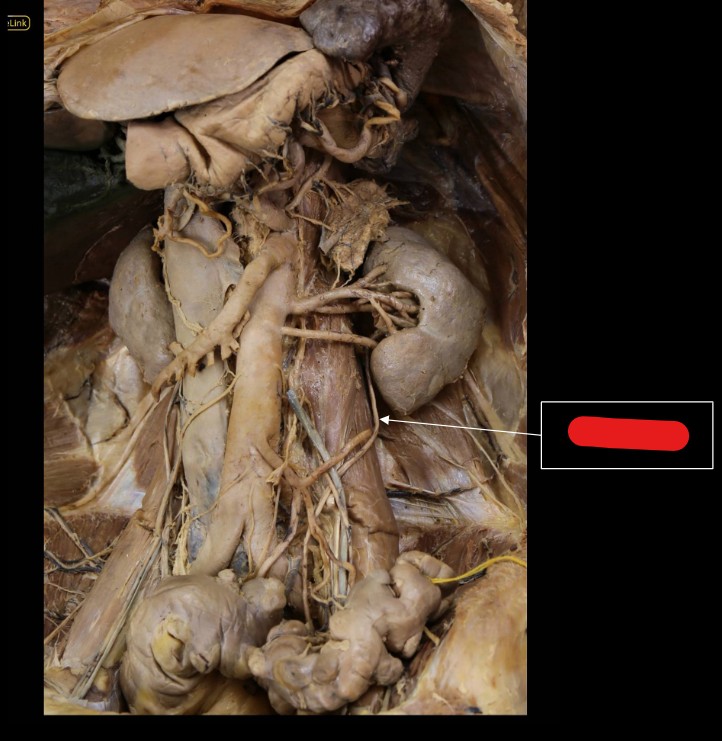
no
Is the collecting duct part of the nephron?
glomerulus capsule
ID Structure
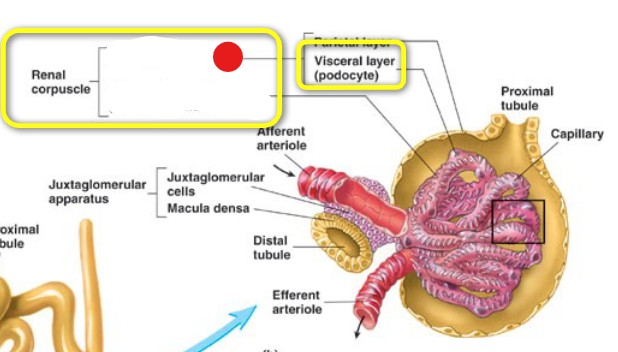
glomerulus
ID Structure
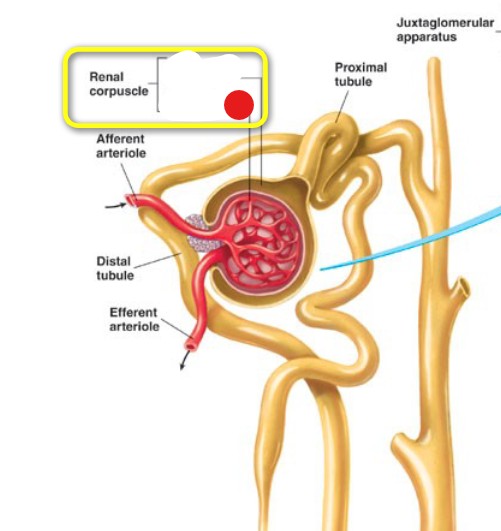
proximal convoluted tubule
ID structure
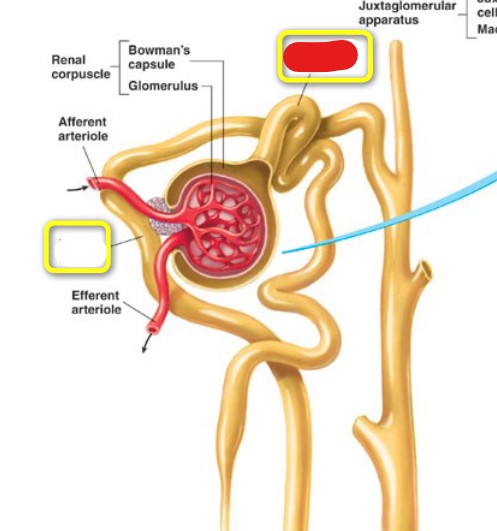
distal convoluted tubule
ID Structure
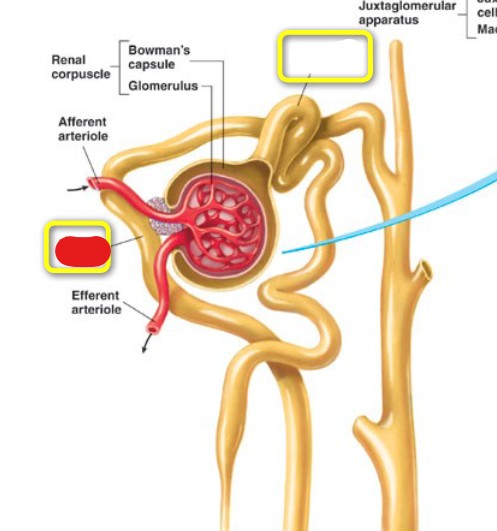
ascending limb of loop of henle
ID Structure
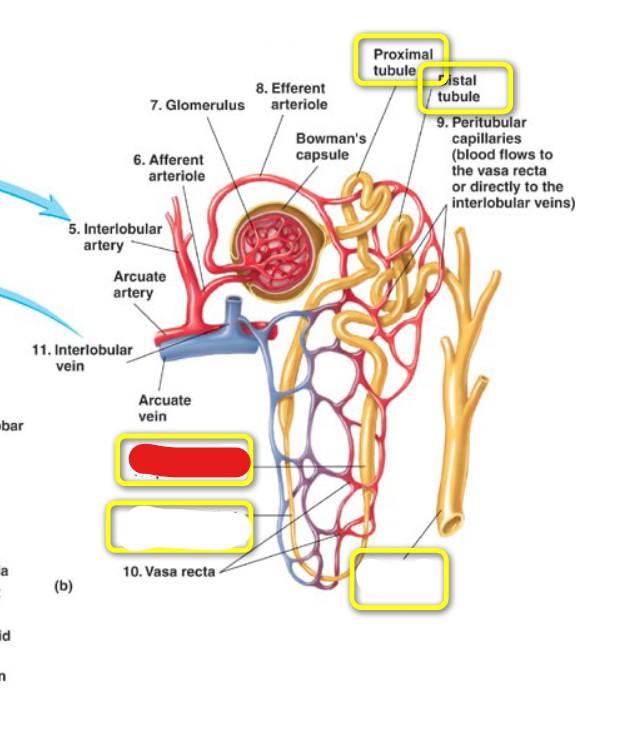
descending limb of loop of henle
ID Structure
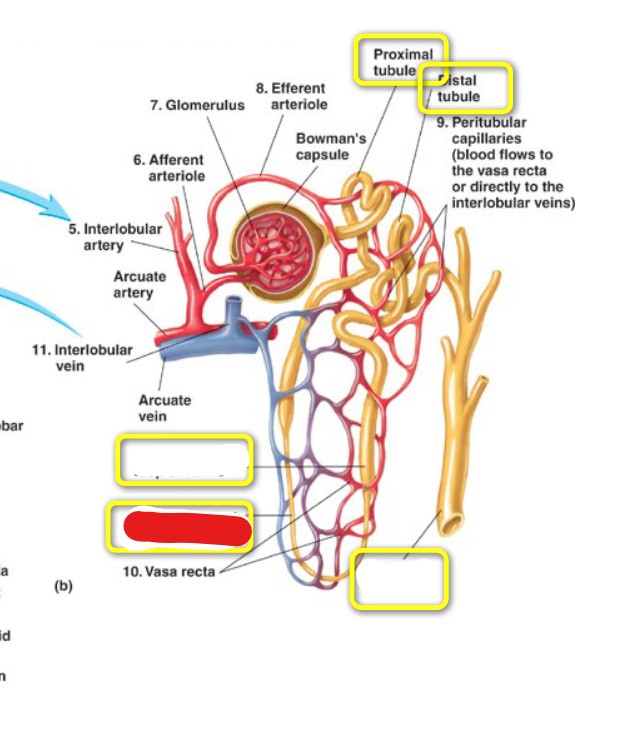
collecting duct
ID Structure
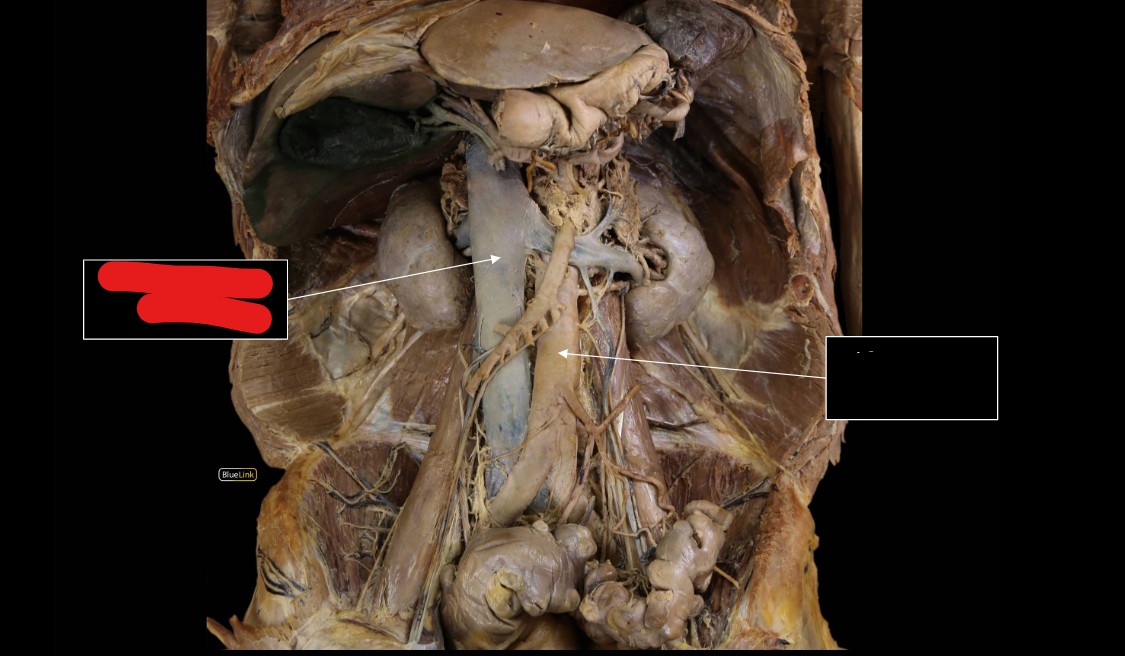
abdominal aorta
ID vessel
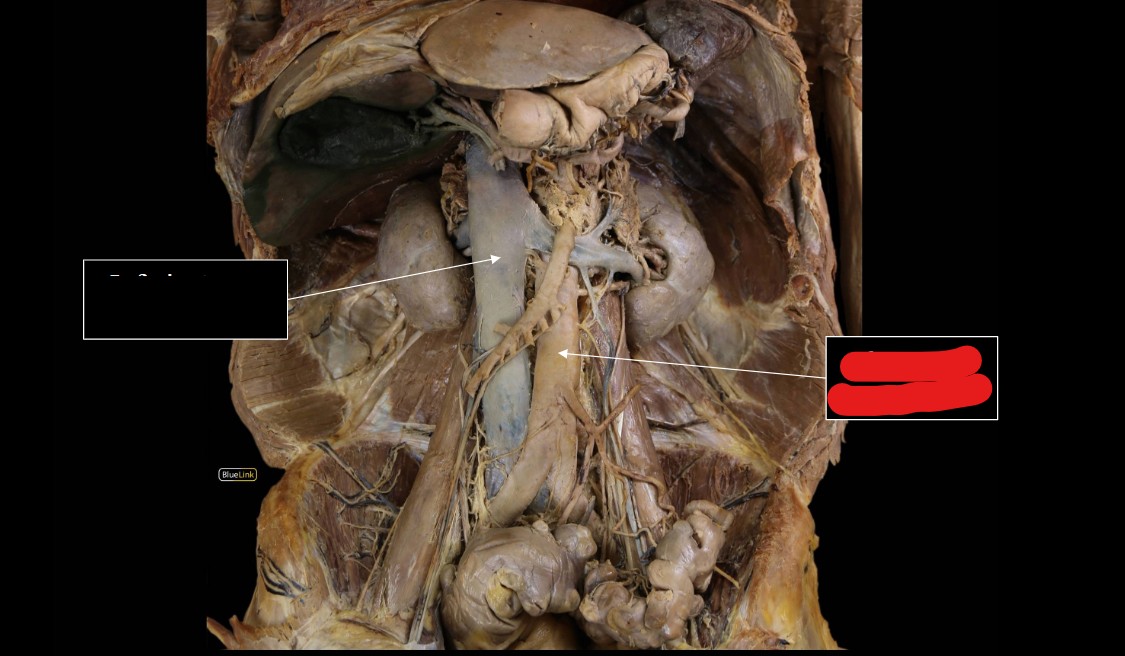
inferior vena cava
ID vessel
right renal vein
ID vessel
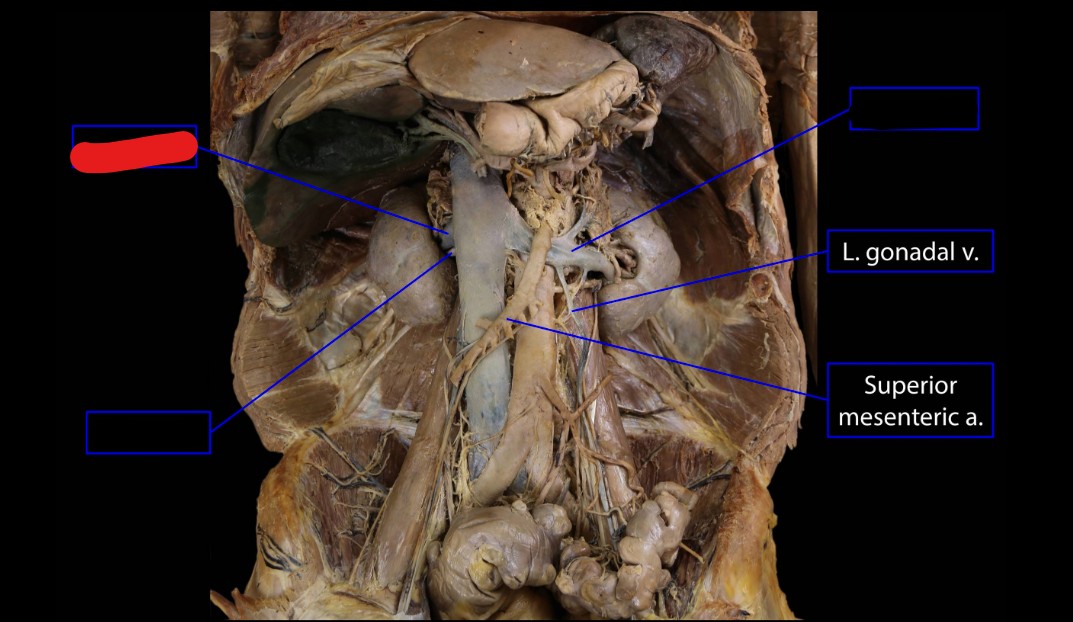
right renal artery
ID vessel
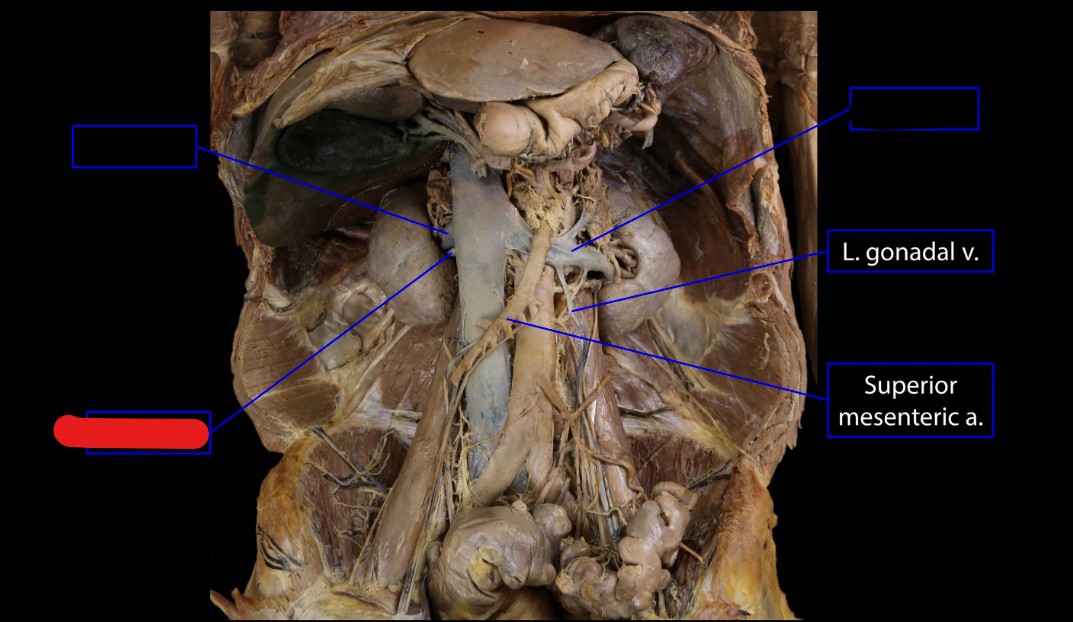
left renal vein
ID vessel