HSPA Glossary D-H
 Call Kai
 Learn
Learn Practice Test
 Spaced Repetition
 Match
Match Flashcards
 Knowt Play
1/79

There's no tags or description
Looks like no tags are added yet.
Name | Mastery | Learn | Test | Matching | Spaced | Call with Kai |
|---|
No analytics yet
Send a link to your students to track their progress
80 Terms
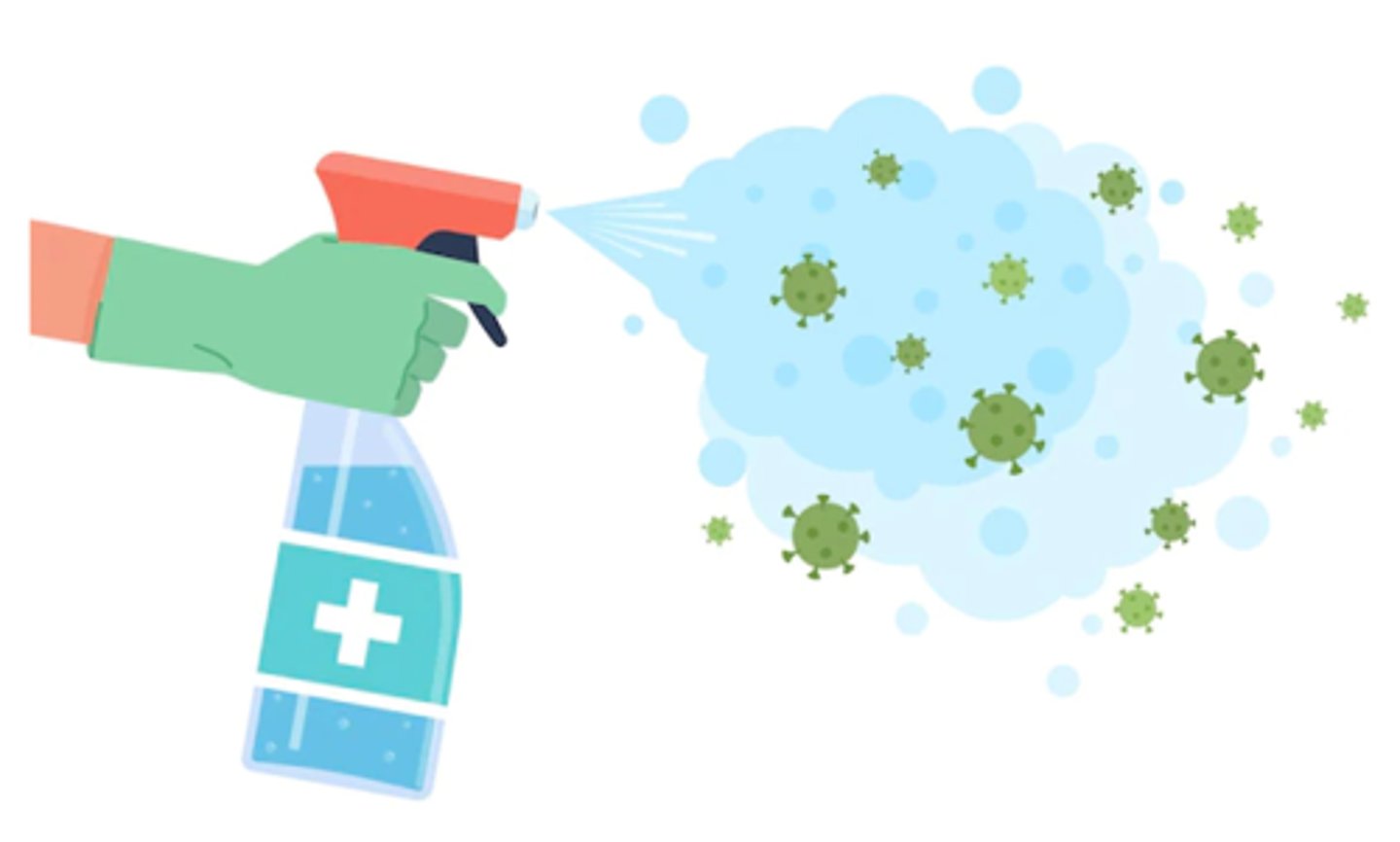
decontamination (n)
to make safe by removing or reducing contamination by infectious organisms or other harmful substances to an acceptable level
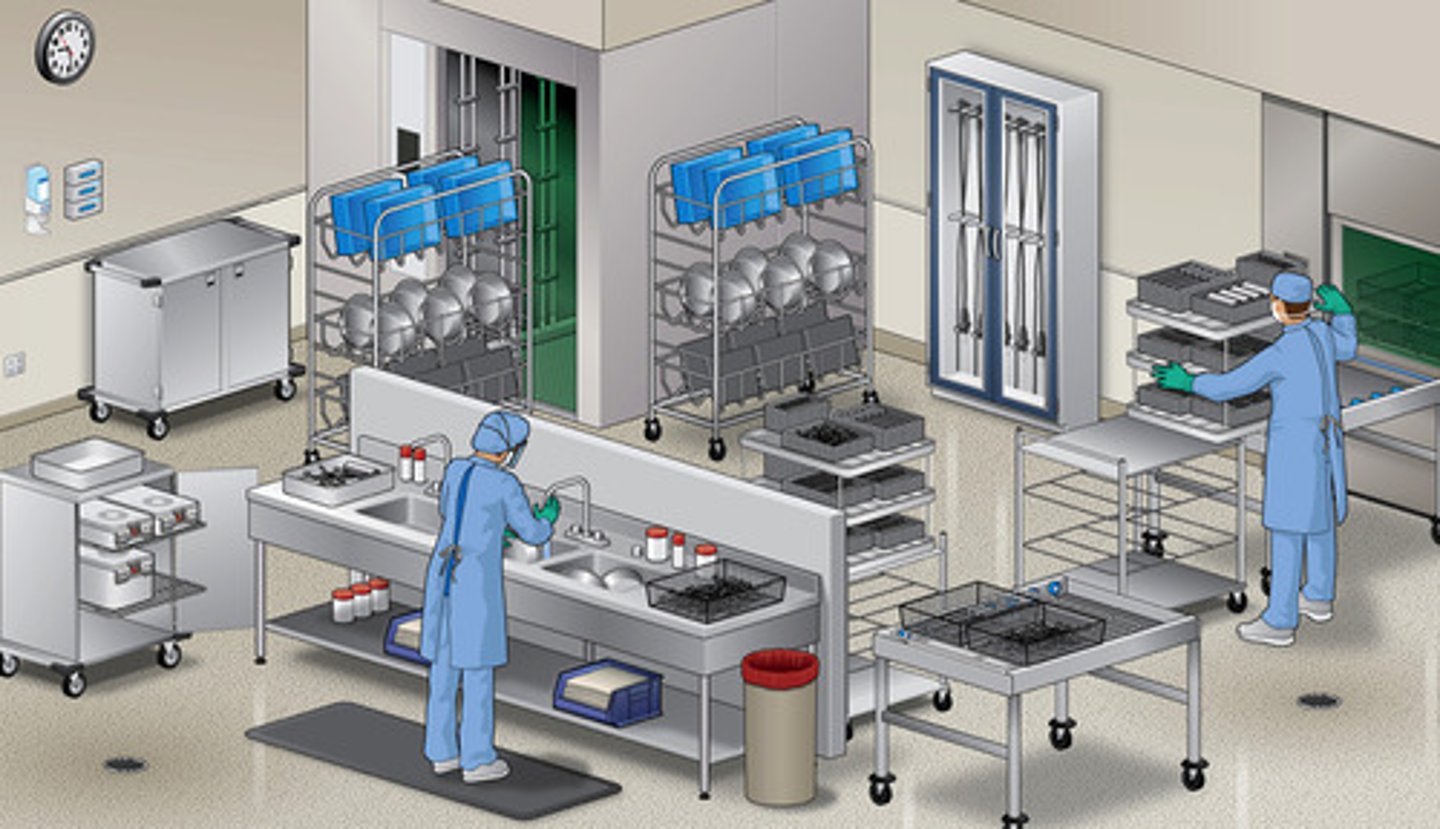
decontamination area (n)
the location within a healthcare facility designated for the collection, retention, & cleaning of soiled & contaminated items
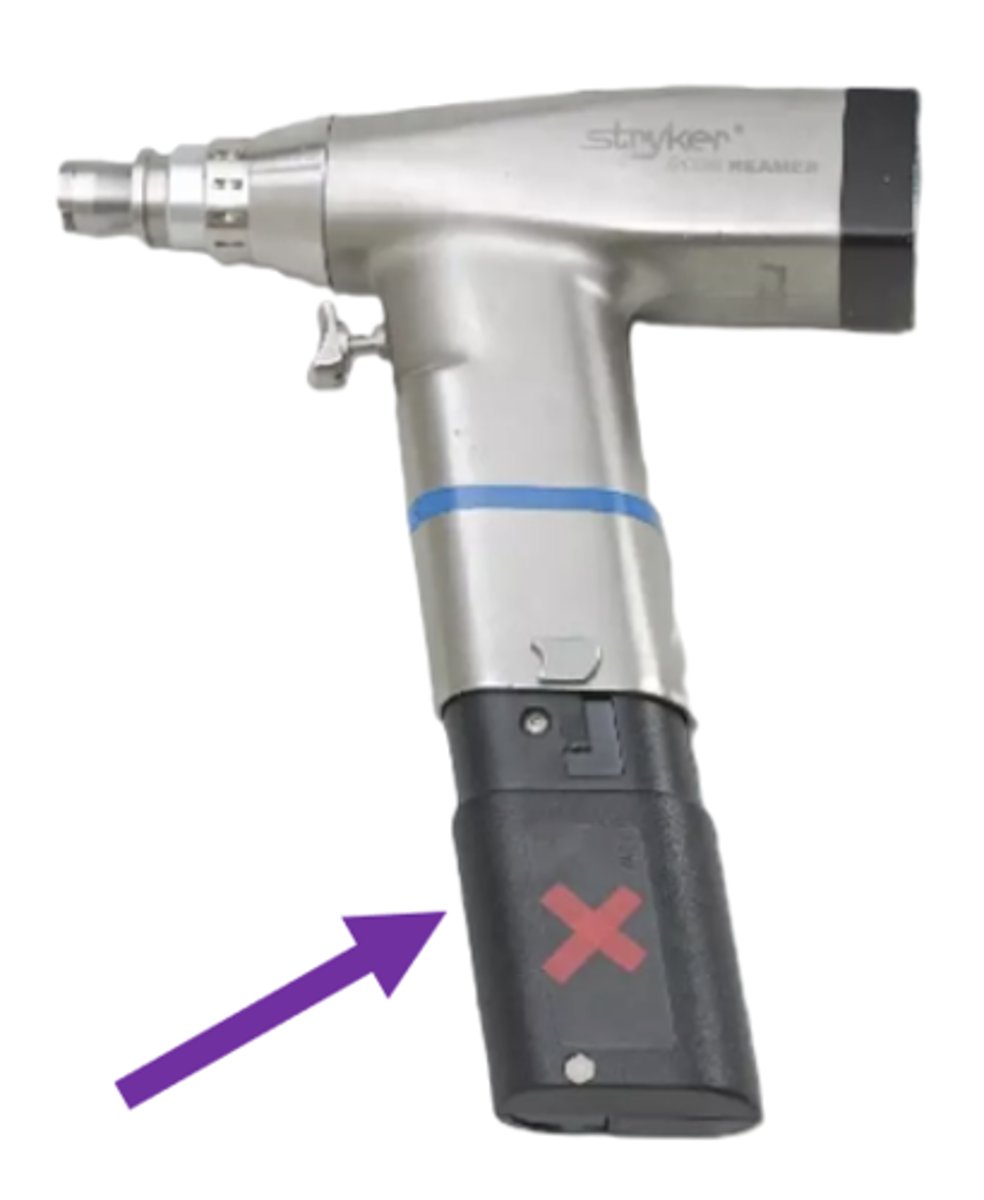
decontamination battery (n)
a battery attached to a battery-powered instrument during decontamination to protect its electrical components from moisture (often marked with a red "X" for easy identification)
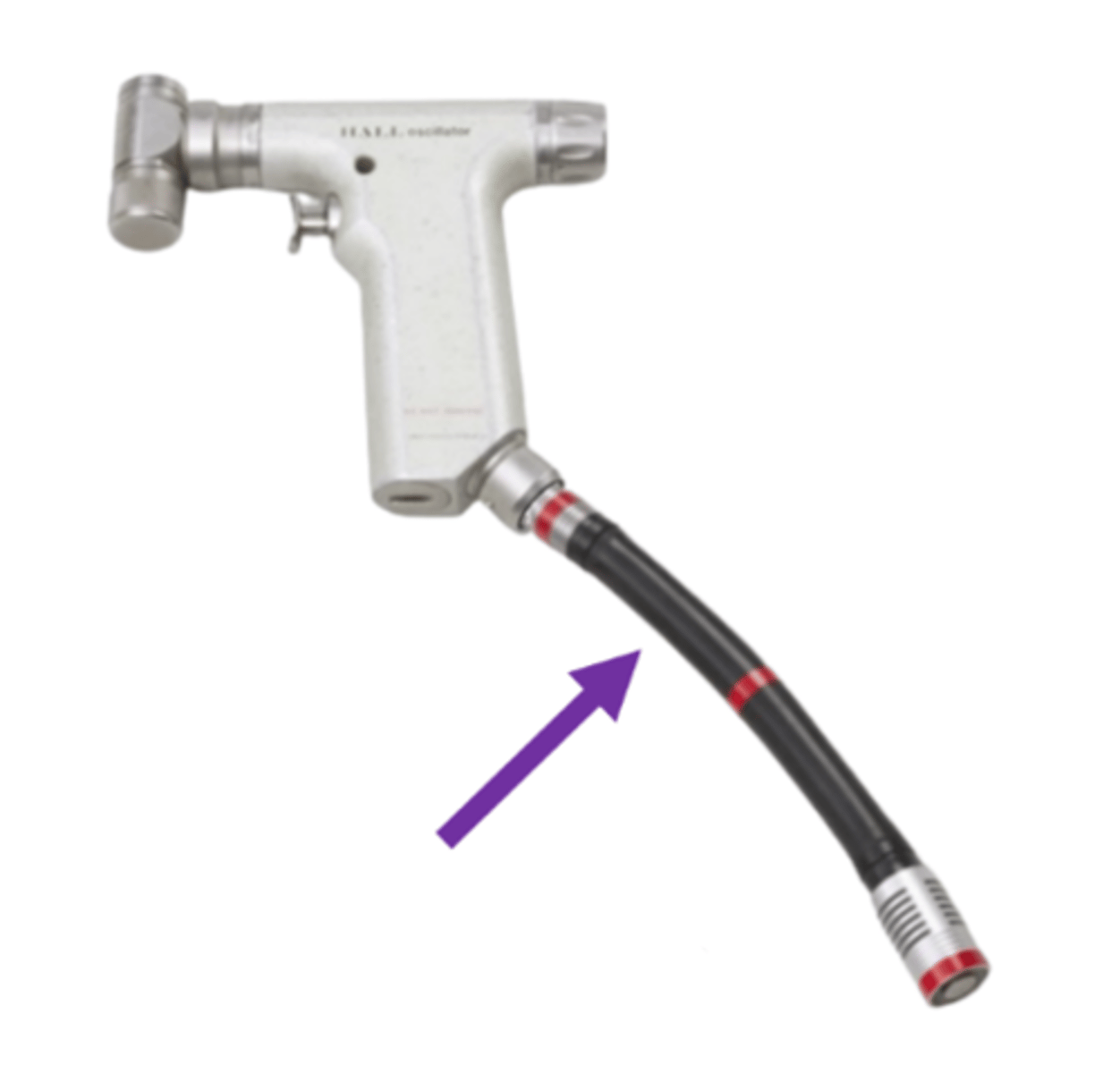
decontamination hose (n)
a hose attached to pneumatic-powered instruments during decontamination to protect their inner components from moisture (often marked with red tape for easy identification)
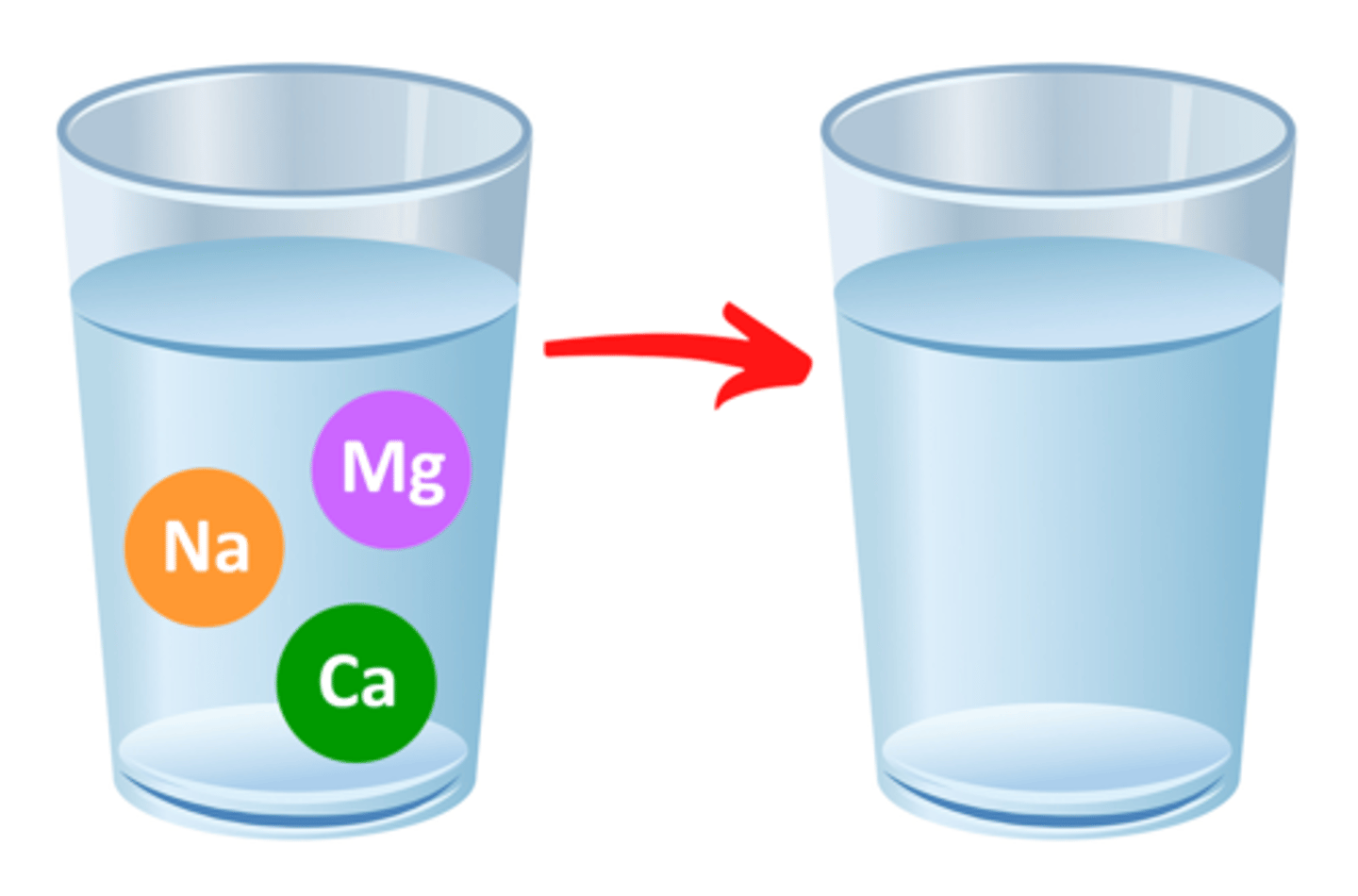
deionized (DI) water (n)
water that has had all ions (minerals) removed through an ion exchange process
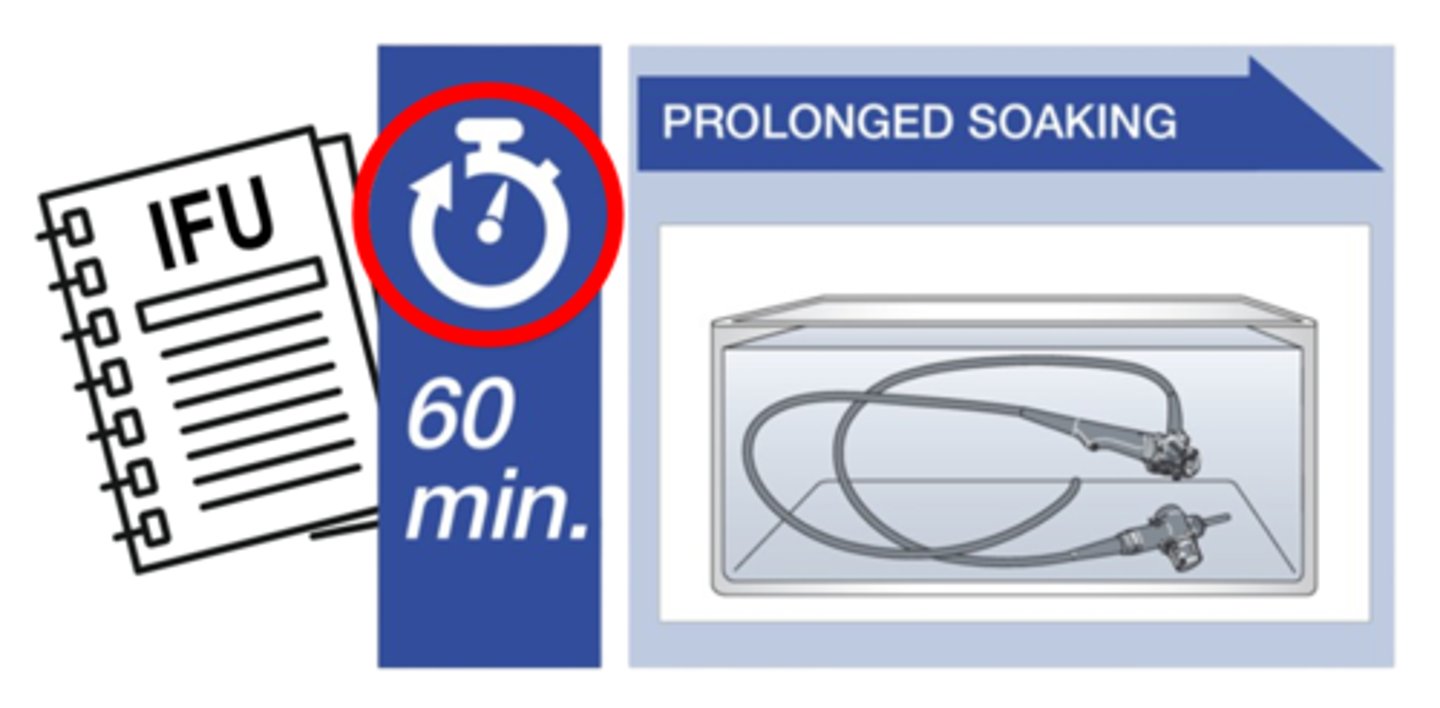
delayed processing (n)
the procedure for cleaning endoscopes that have not been processed within an hour after the completion of point-of-use treatment
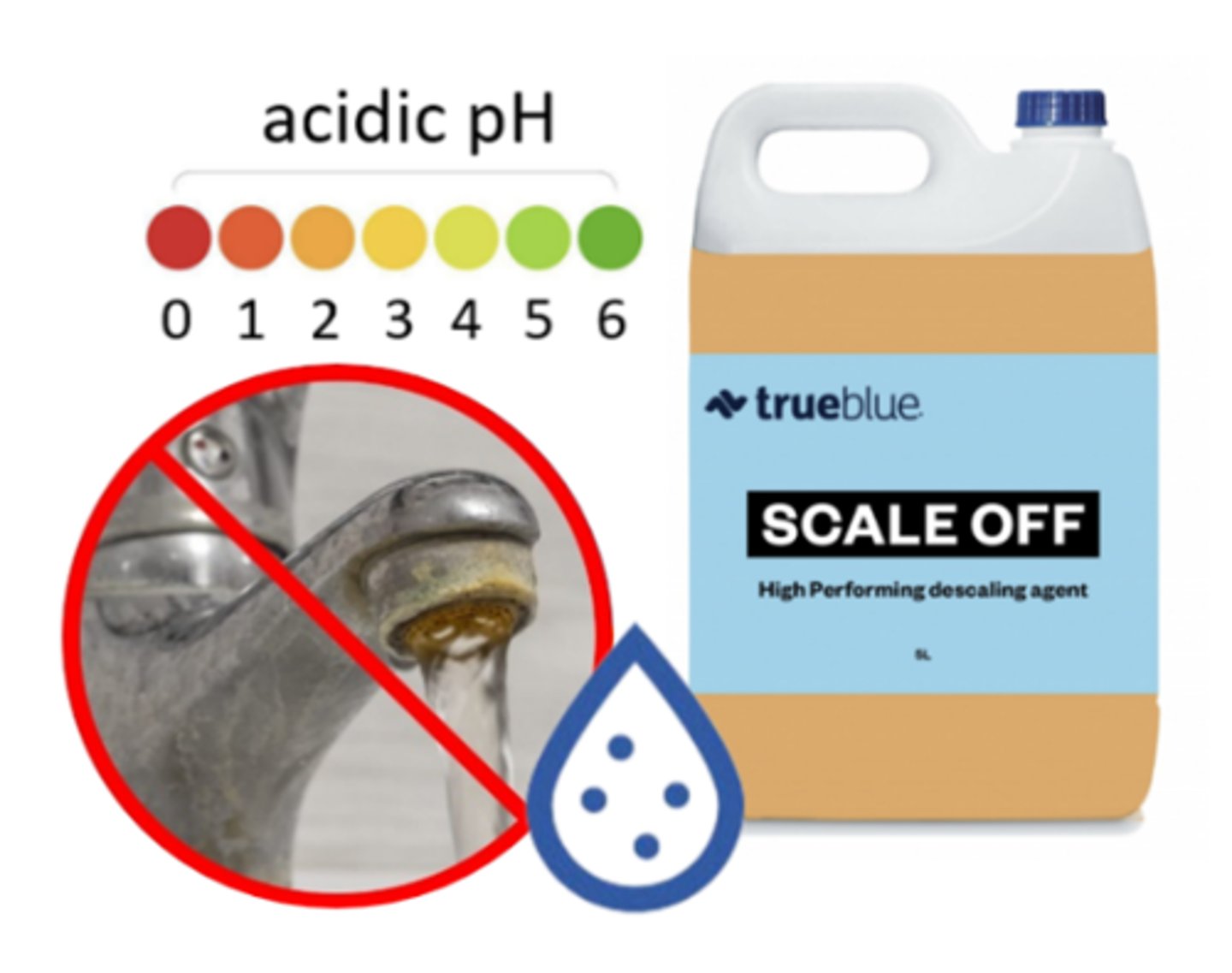
descaler (n)
an acidic cleaner used to remove scale deposits; not typically required if water quality & detergent mixtures are correct & equipment is working properly
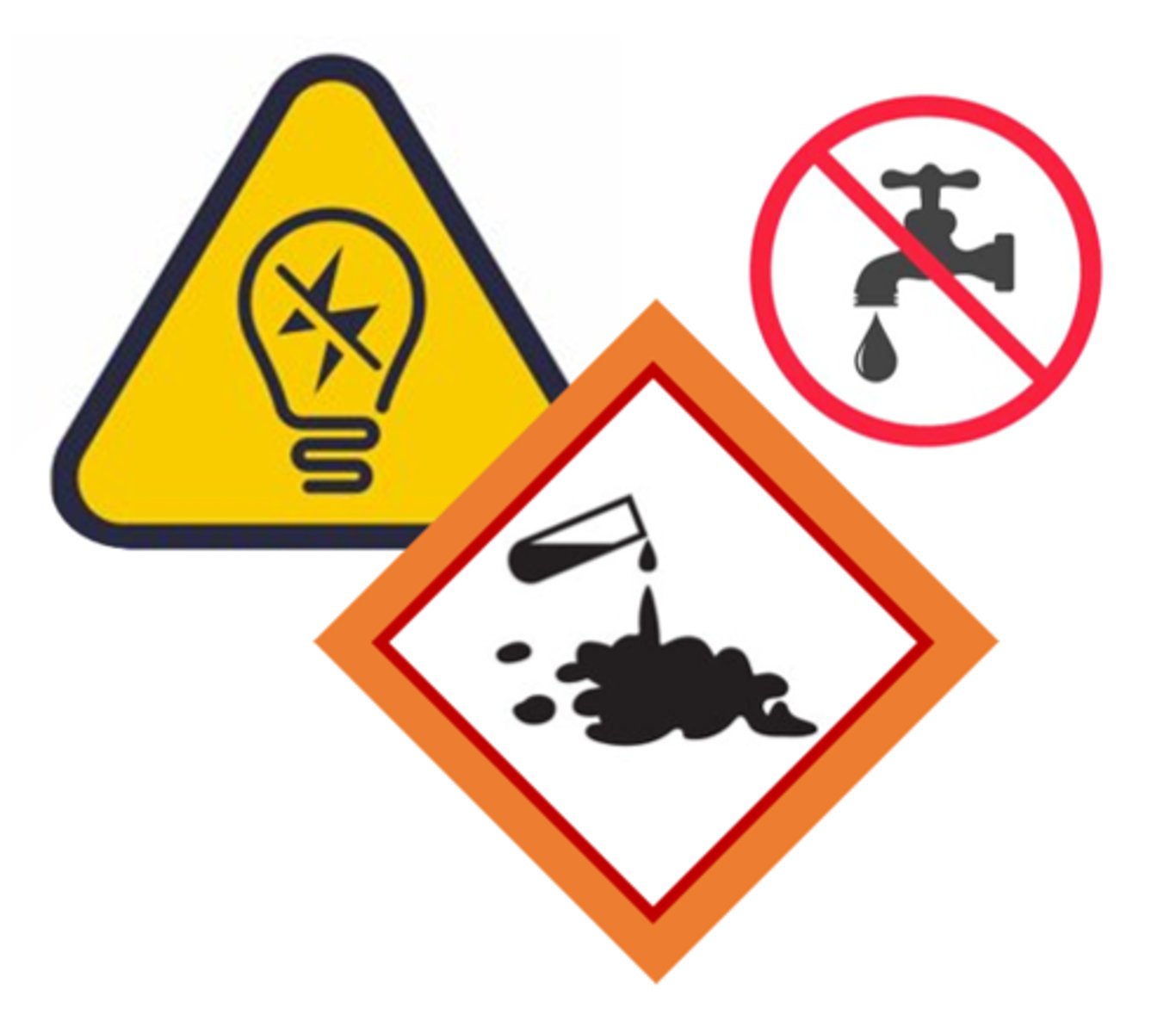
disaster (external) (n)
a situation in which events outside a healthcare facility affect departmental or facility operations (ex: earthquake, flood, hurricane, etc.)

disaster (internal) (n)
a situation inside a healthcare facility with the potential to cause harm or injury to employees, patients, or visitors, or where the loss of utilities may drastically impact departmental operations
disinfectant (n)
a chemical cleaning agent that kills most pathogenic organisms but does not kill all spores
disinfection (n)
the destruction of nearly all pathogenic microorganisms on an inanimate (non-living) surface

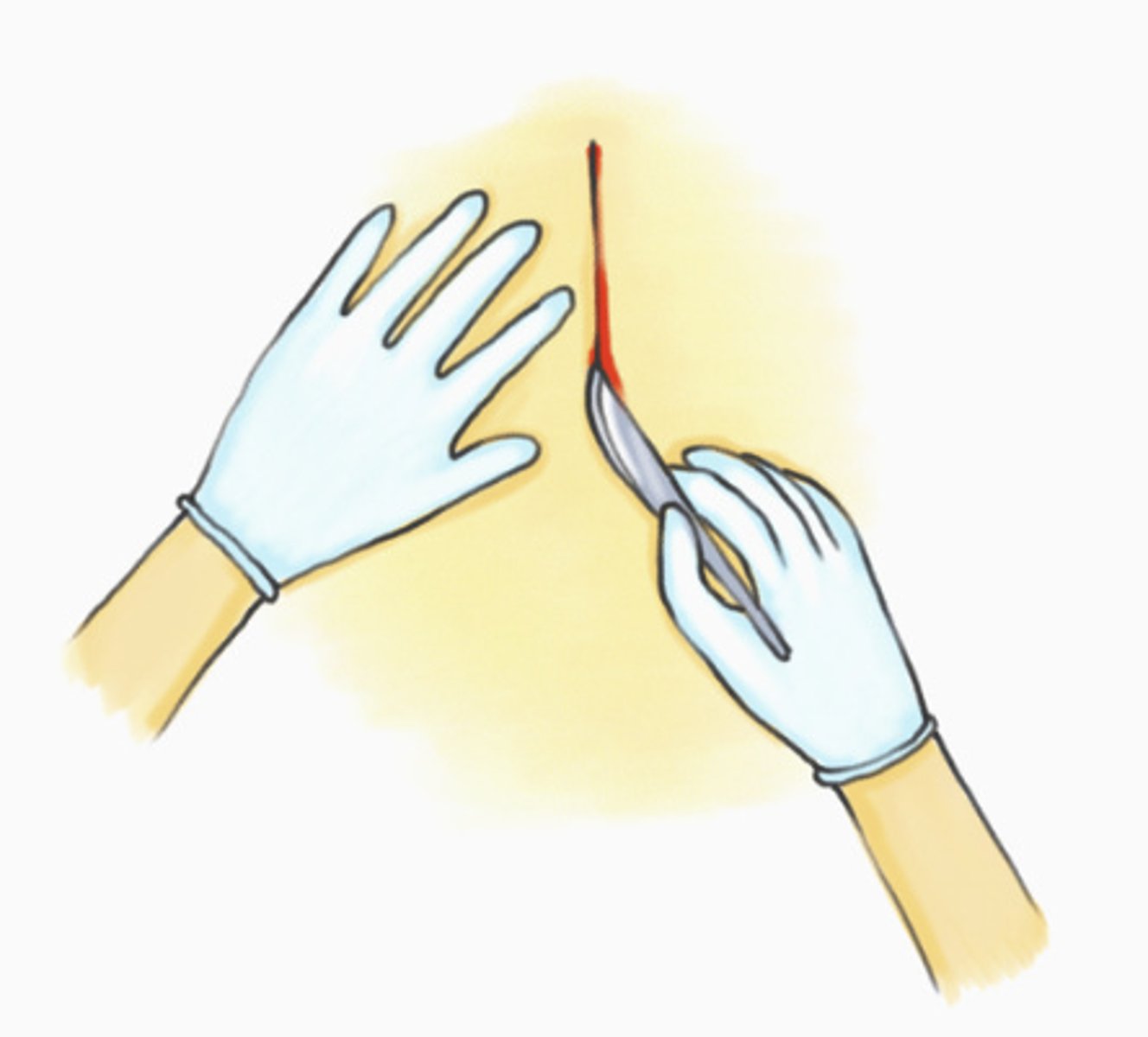
dissection (n)
the process of cutting apart or separating tissue
distilled water (n)
water that is heated to steam, then allowed to cool & condense (done to remove impurities)

distribution (n)
the movement of supplies
diversity (n)
the broad range of human characteristics & dimensions that impact employees' values, opportunities, & perceptions of themselves & others at work

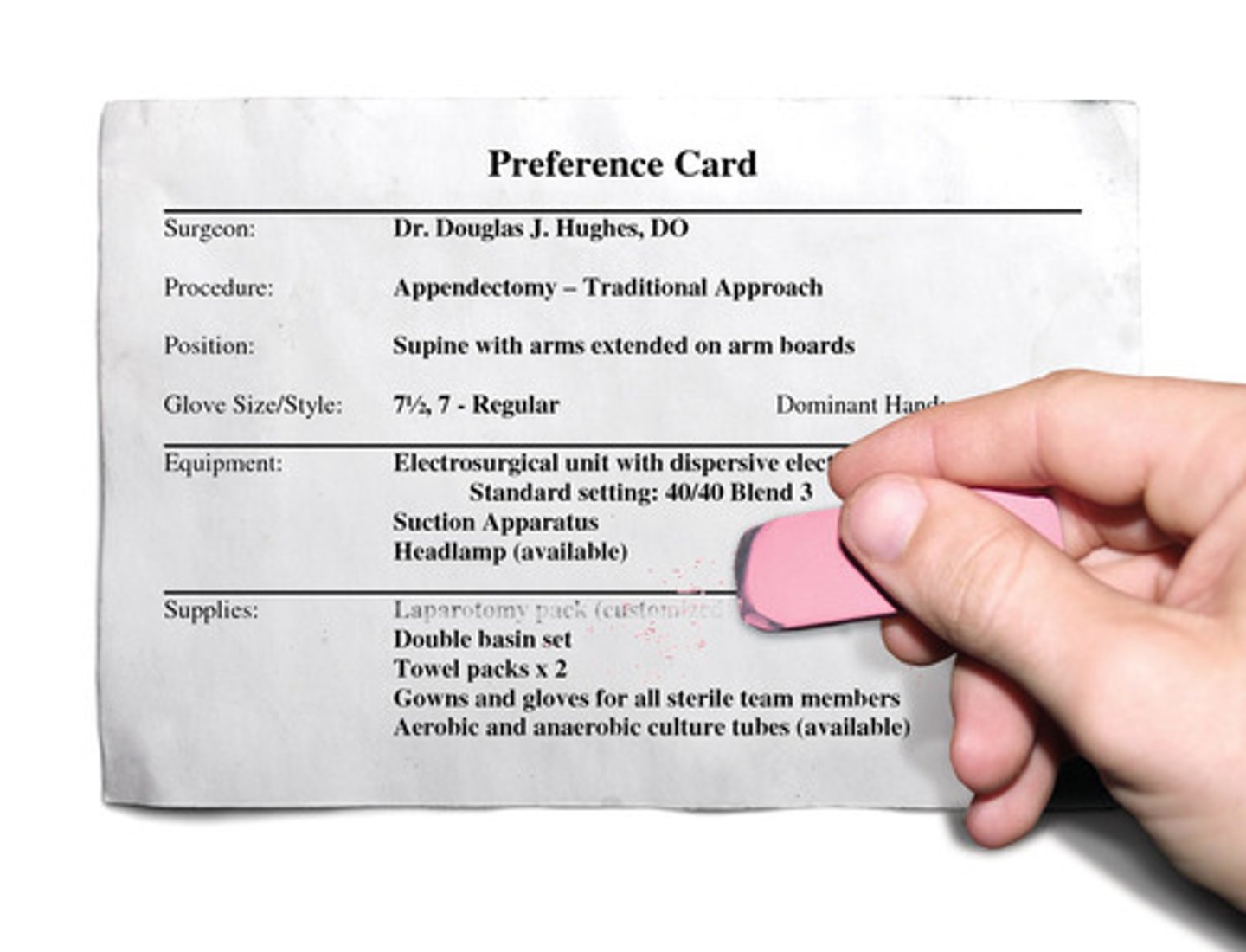
doctor's (physician's) preference card (n)
a document that identifies a physician's needs (requests & preferences) for a specific medical procedure; it usually contains information regarding instruments, equipment, supplies, & utensils used & may also include reminders for the staff of preferences regarding patient draping, instruments, & supplies
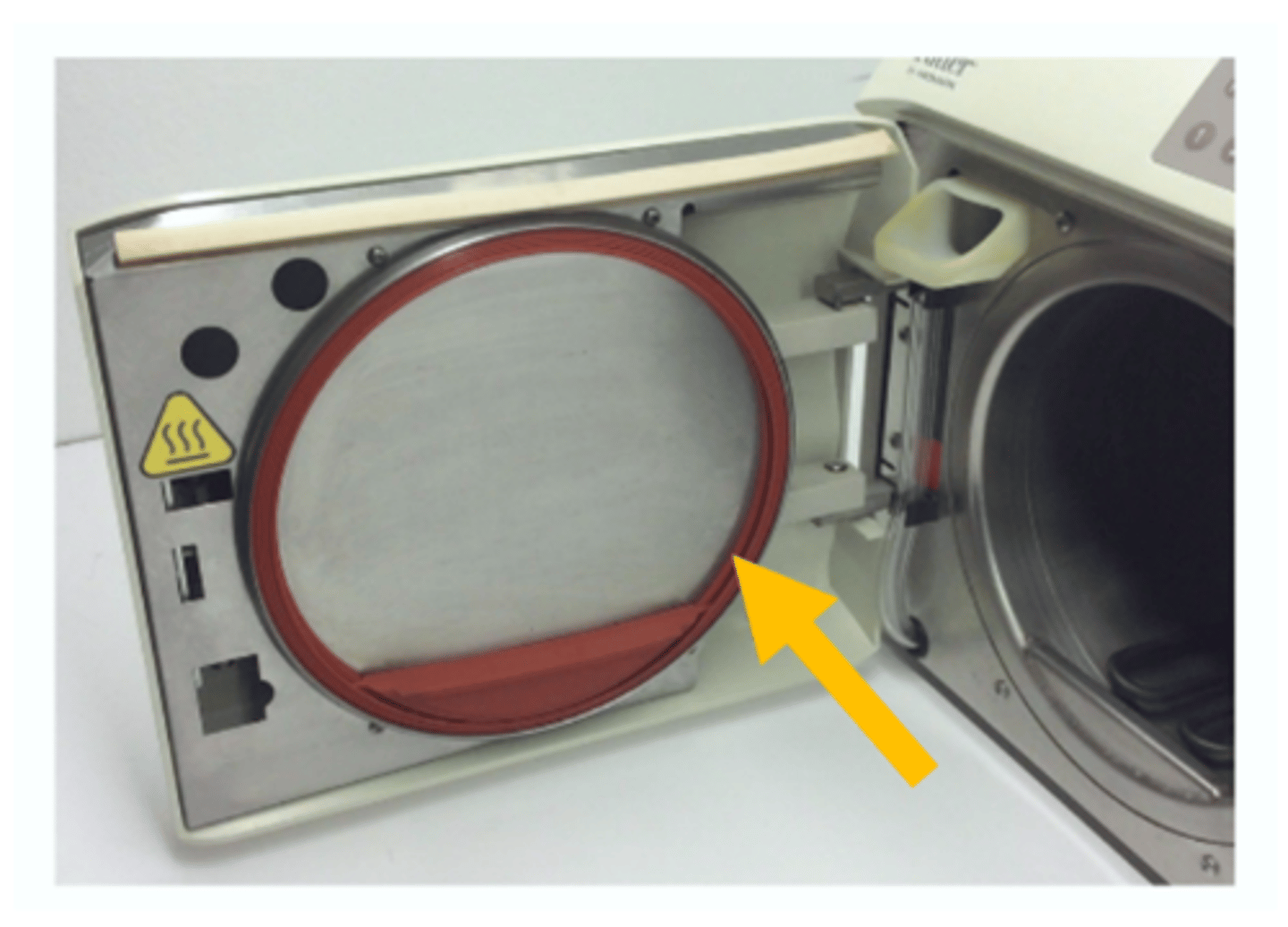
door gasket (n)
a component of a steam sterilizer's door that maintains a tight seal when the door is closed during sterilization, preventing steam from escaping & air from entering
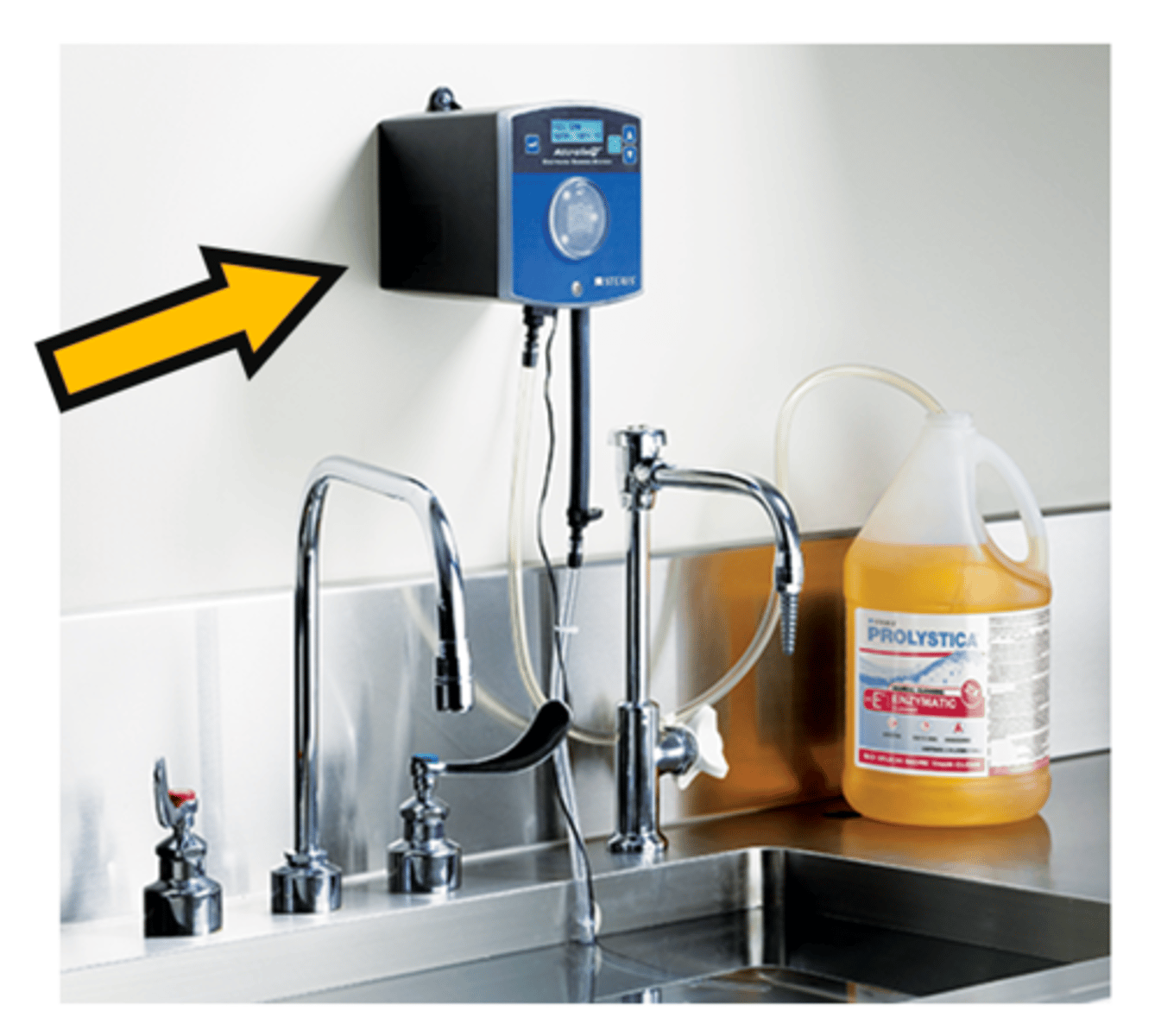
dosing units (n)
units used to deliver a precise amount of detergent to water to produce a cleaning solution
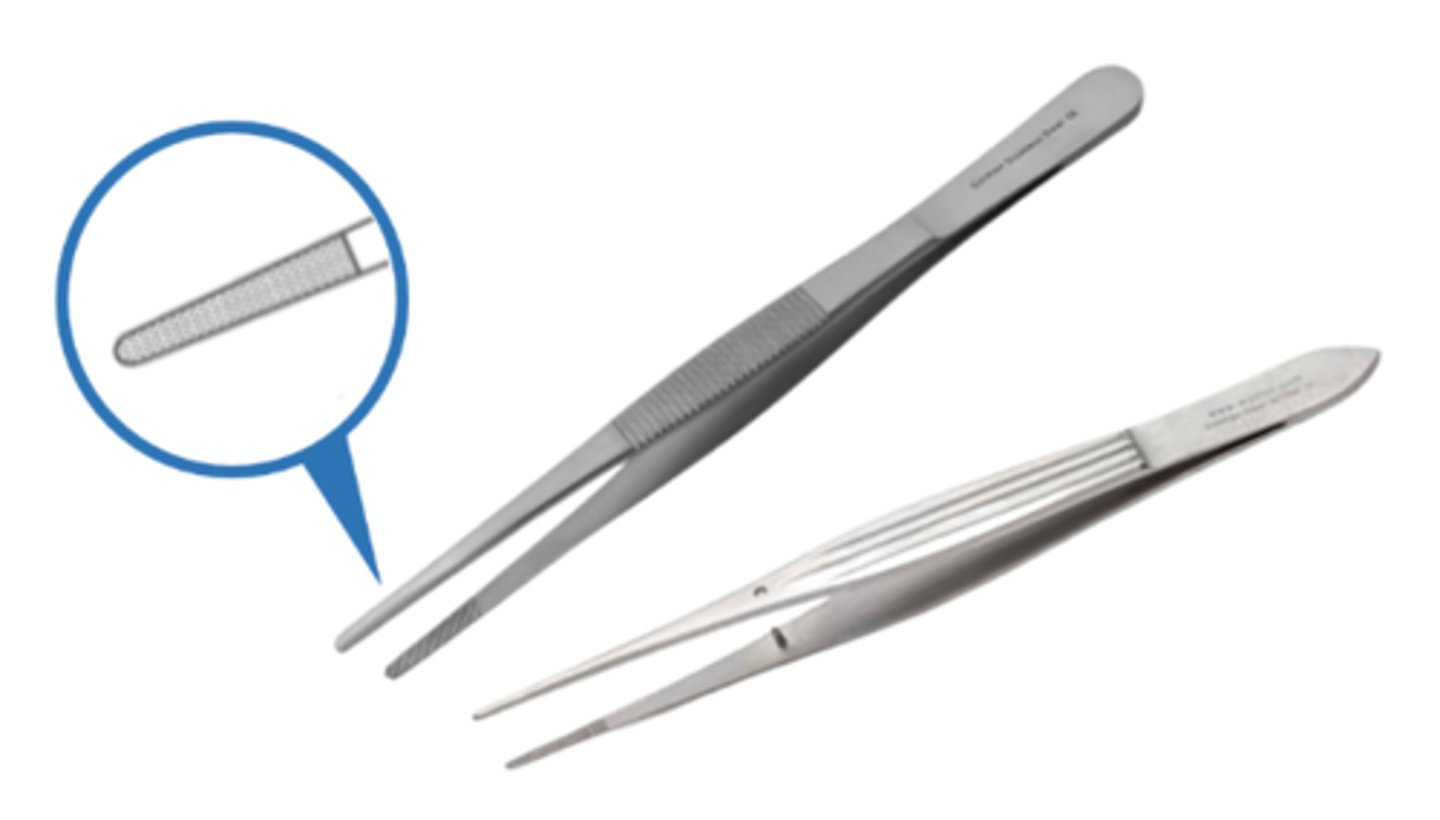
dressing forceps (n)
tweezer-like forceps whose tips have serrations rather than teeth; their primary function is to manipulate tissue & pack surgical sites
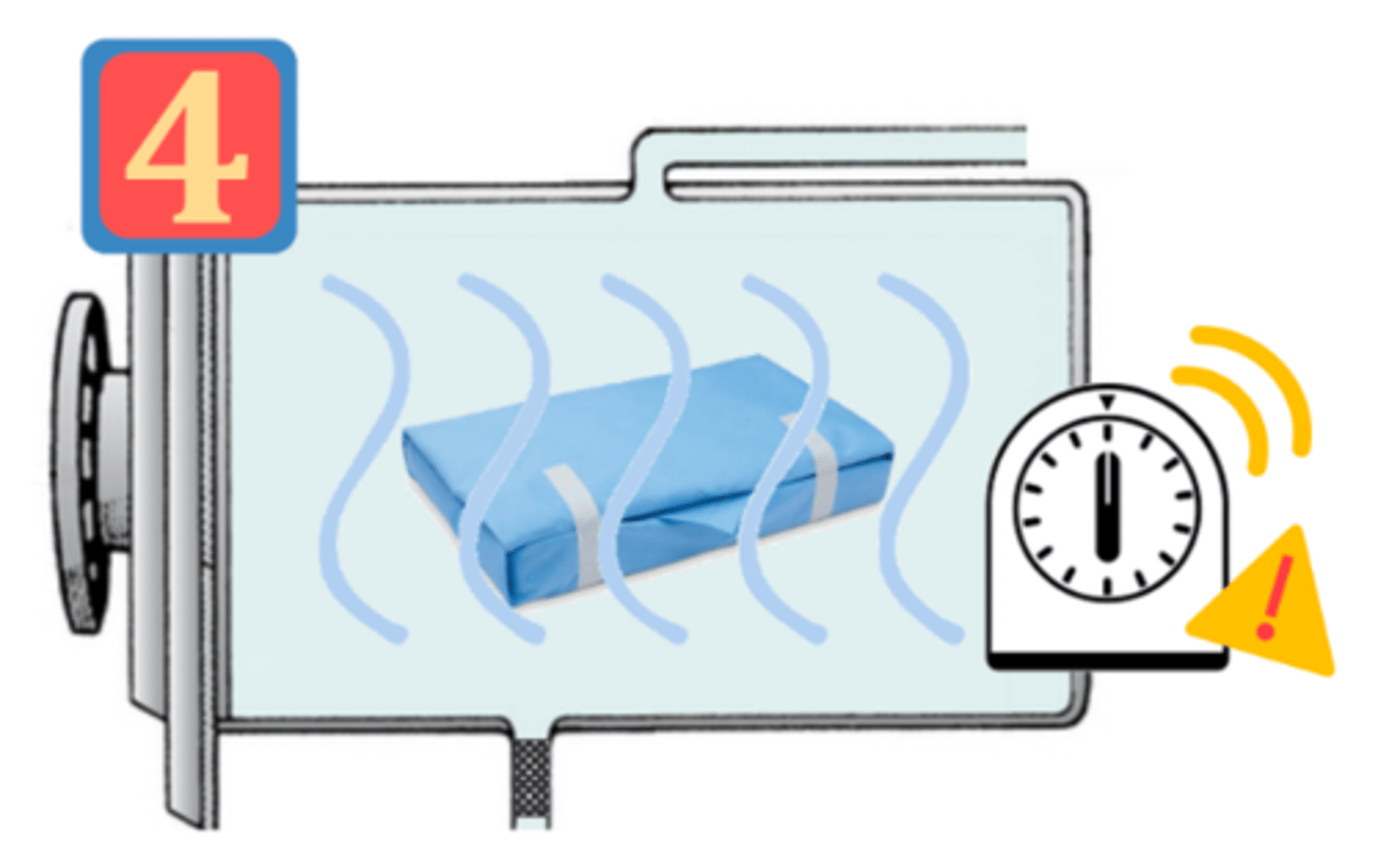
drying (n)
the final phase of a steam sterilization cycle, after which the end-of-cycle signal sounds & the sterilizer door can be opened
dynamic air removal sterilizers (n)
sterilizers that are similar in construction to gravity air displacement sterilizers but use a vacuum pump or water ejector to remove air from the interior chamber during preconditioning, before the chamber is pressurized with steam & reaches the exposure temperature
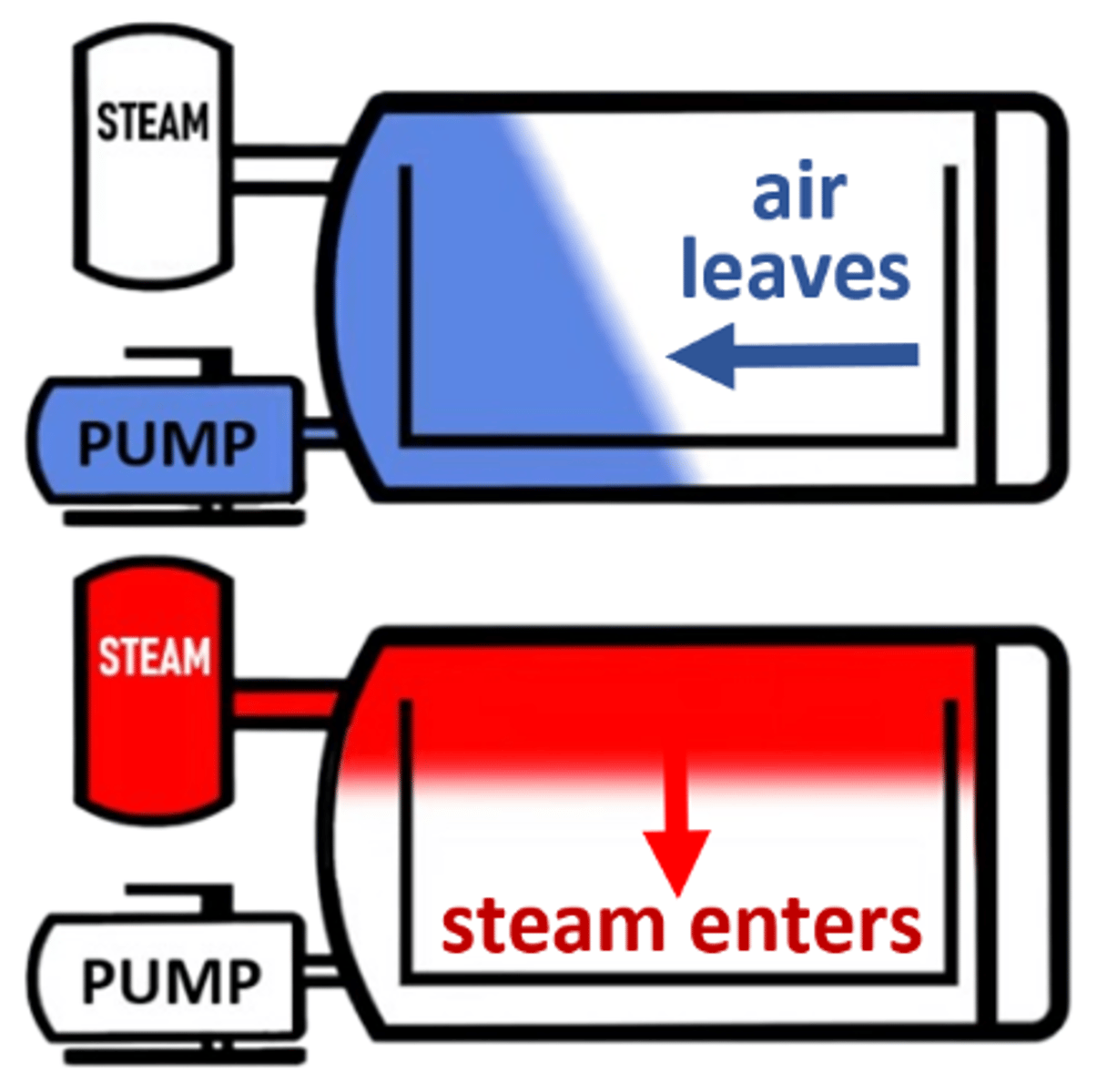
dynamic air removal (Bowie-Dick) test (n)
a Class II CI (specialty indicator) test that monitors a steam sterilizer's effectiveness in removing air from the chamber, used only with dynamic air removal sterilizers (prevacuum & SFPP)
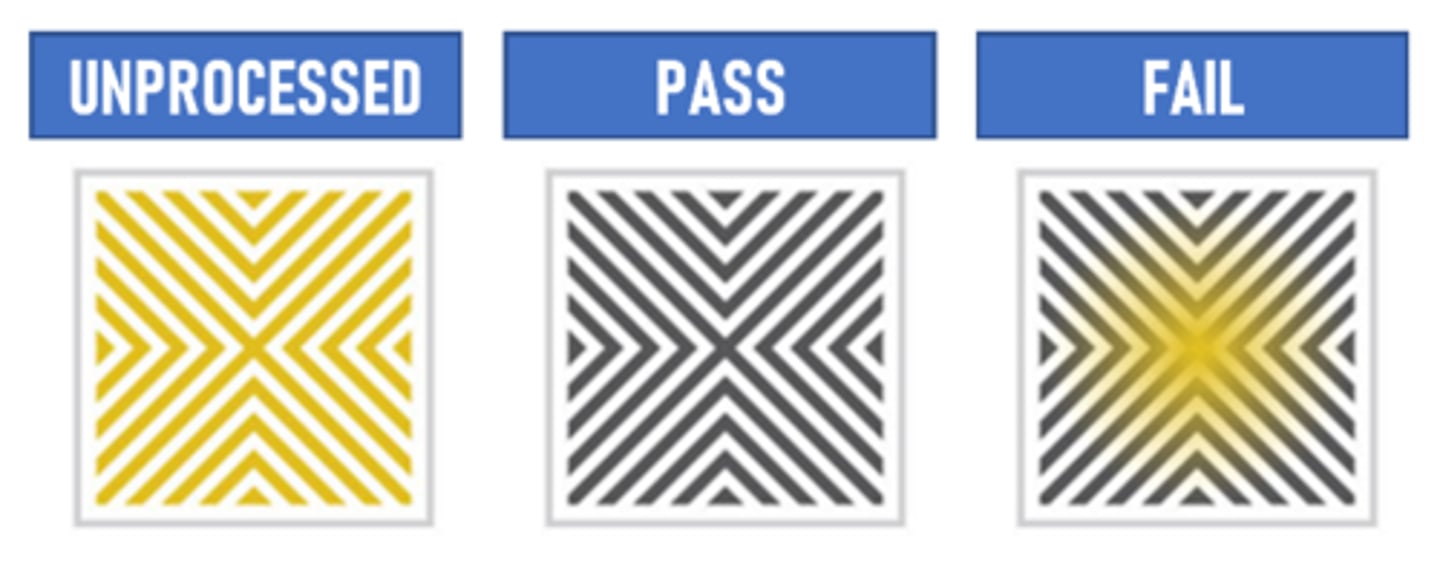
efficacy (effectiveness) (n)
the system is capable of providing the minimum-required sterility assurance level (SAL)
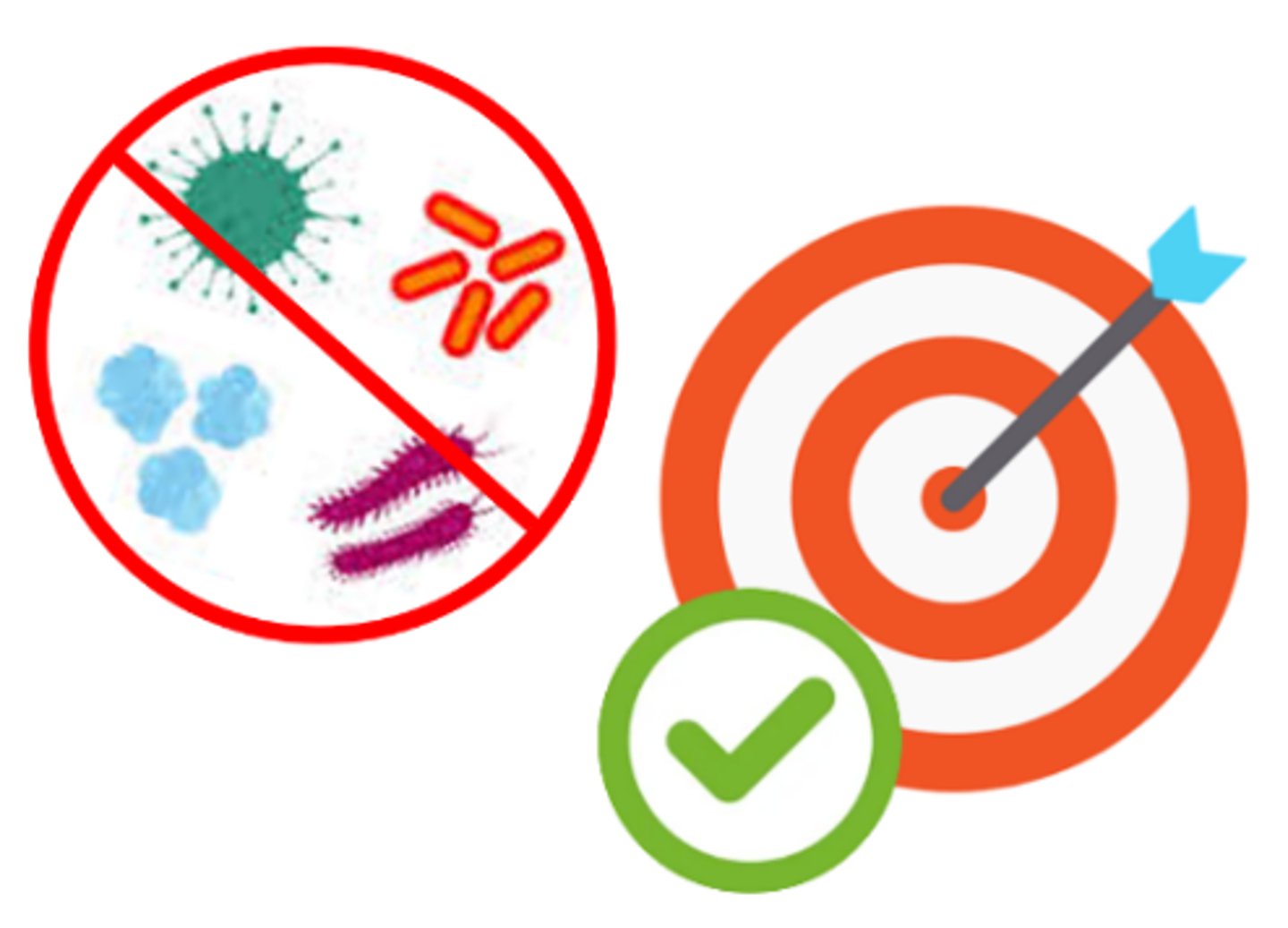
electric-powered instruments (n)
devices with a power cable (run by electricity) that are used when doctors need a lightweight instrument for procedures where access is limited (ex: maxiofacial, dental, & small bone procedures)
electronic medical / healthcare record (EMR, EHR) (n)
an electronic version of a patient's medical records, owned and stored by a healthcare provider

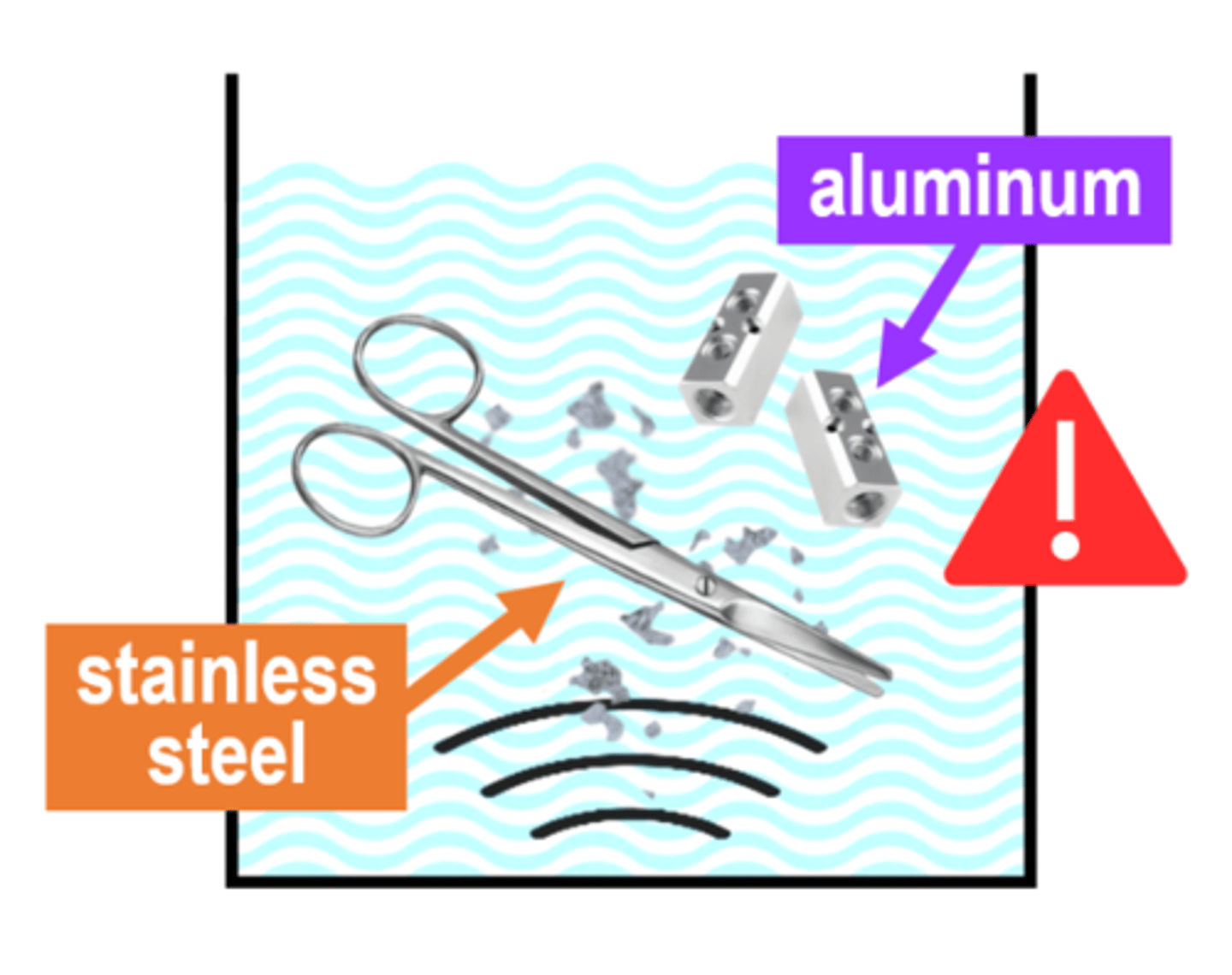
electroplating (n)
the transfer of ions from one metal instrument to another, which results from mixing dissimilar metals in an ultrasonic cleaner (damages instrument finishes)
Emergency Use Authorization (EUA) (n)
a policy allowing the FDA to strengthen public health protections against chemical & biological threats, including infectious diseases, by facilitating the availability & use of medical countermeasures (MCMs)

empowerment (n)
the act of granting authority (power) to employees so they may make decisions within their areas of responsibility
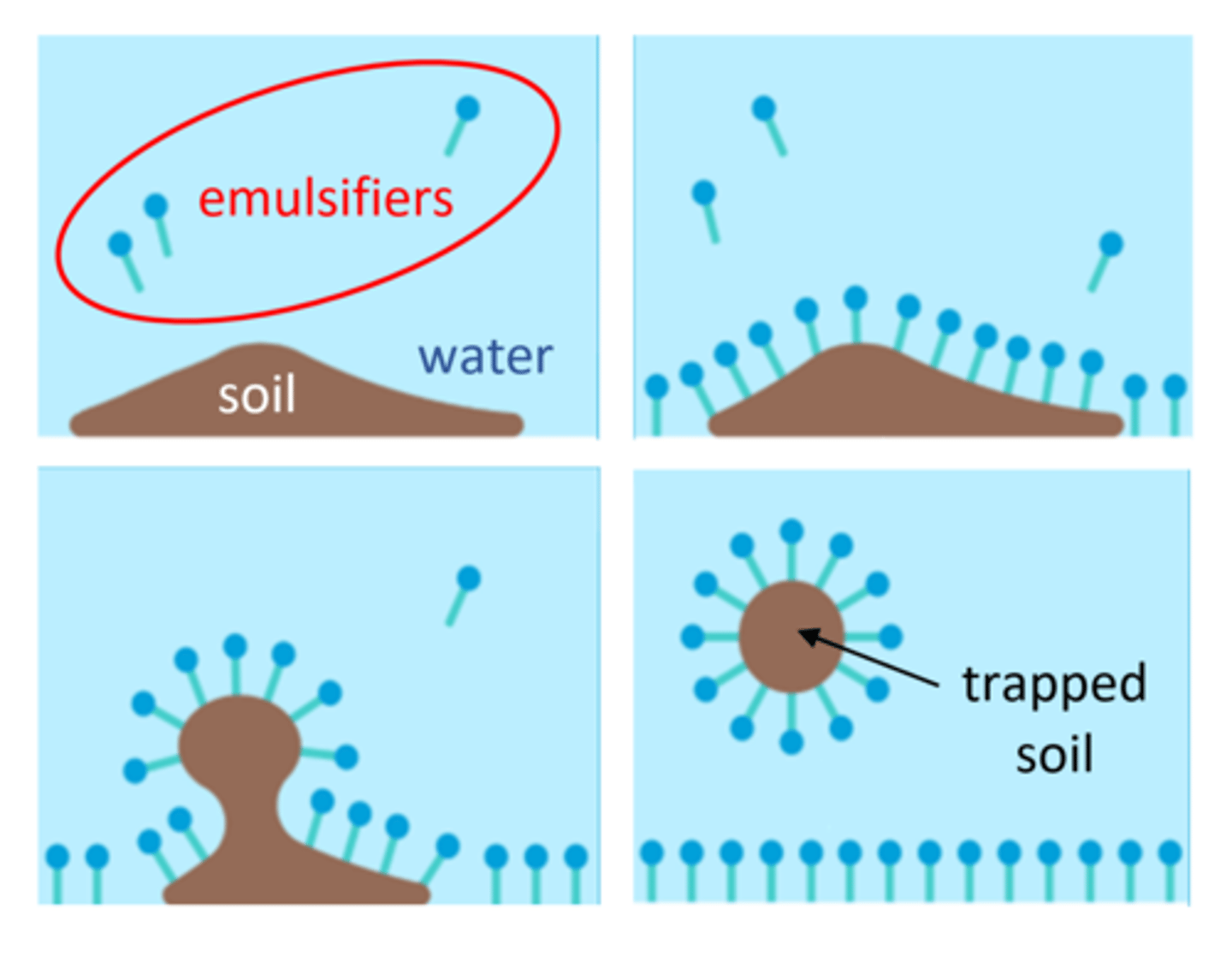
emulsifier (n)
a detergent ingredient used to bind together substances that typically don't combine, such as oil & water
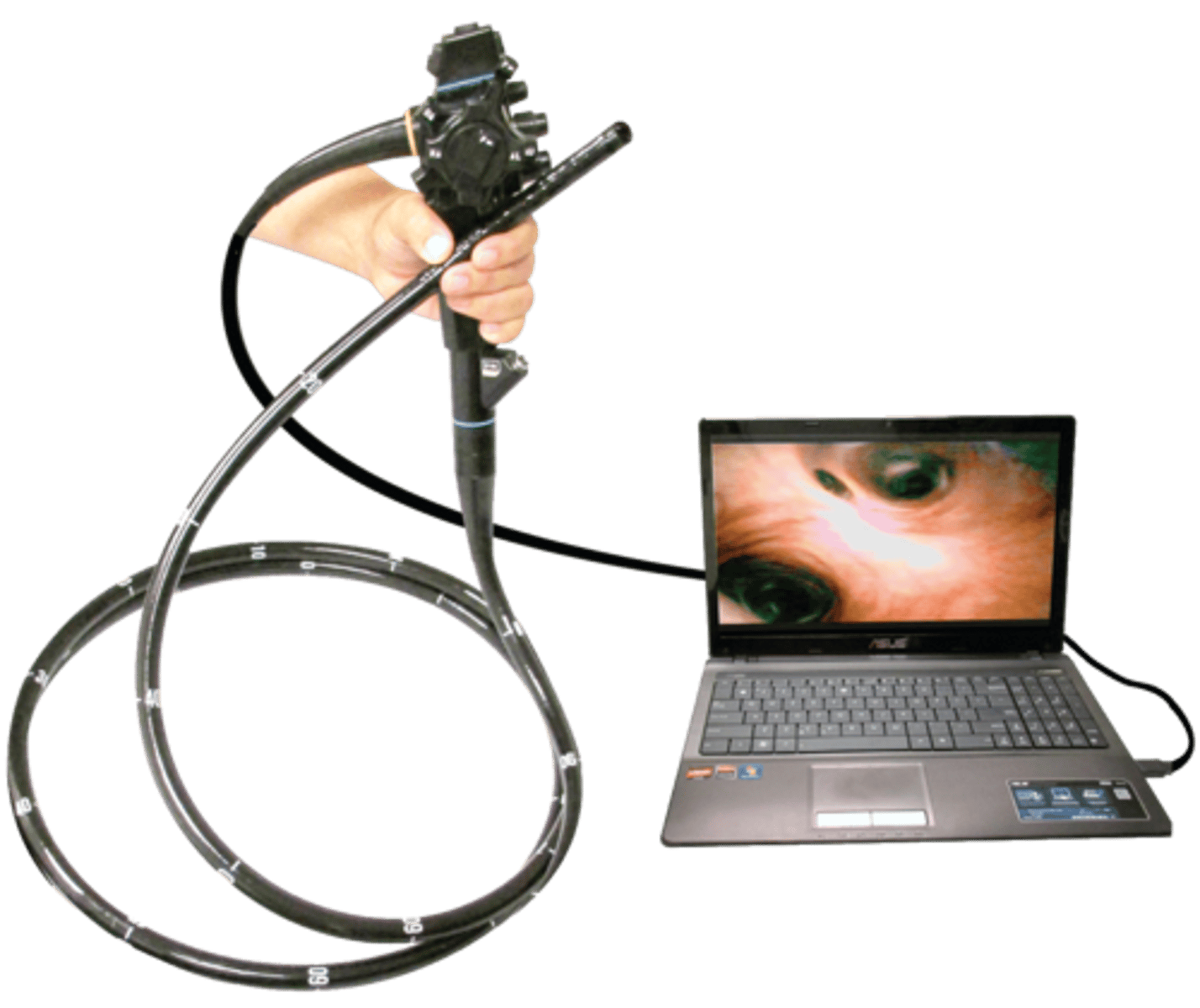
endoscope (n)
an instrument used to examine the interior of a hollow organ or body cavity
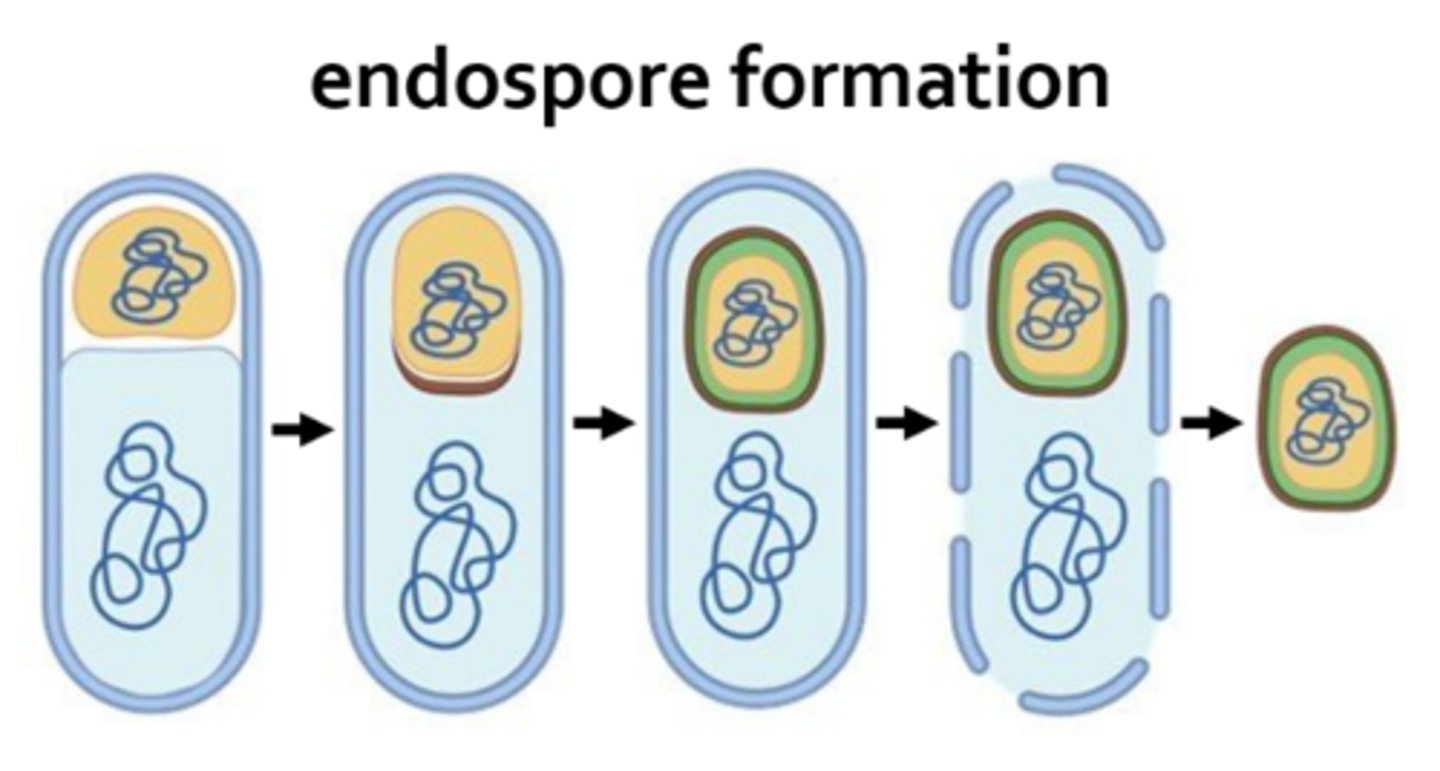
endospores (spores) (n)
microorganisms capable of forming a thick wall around themselves, enabling them to survive in adverse conditions
enzymatic cleaners (n)
biodegradable, non-toxic cleaning agents used to break down soils, stains, & debris on heavily-soiled instruments
equipment lease (n)
a long-term contract between a healthcare facility & manufacturer or leasing company to use equipment for a specific time period (even months or years), with an option to purchase it once the contract ends

equipment rental (n)
a short-term contract between a healthcare facility & equipment rental company to use equipment for a brief time period (as little as one day)

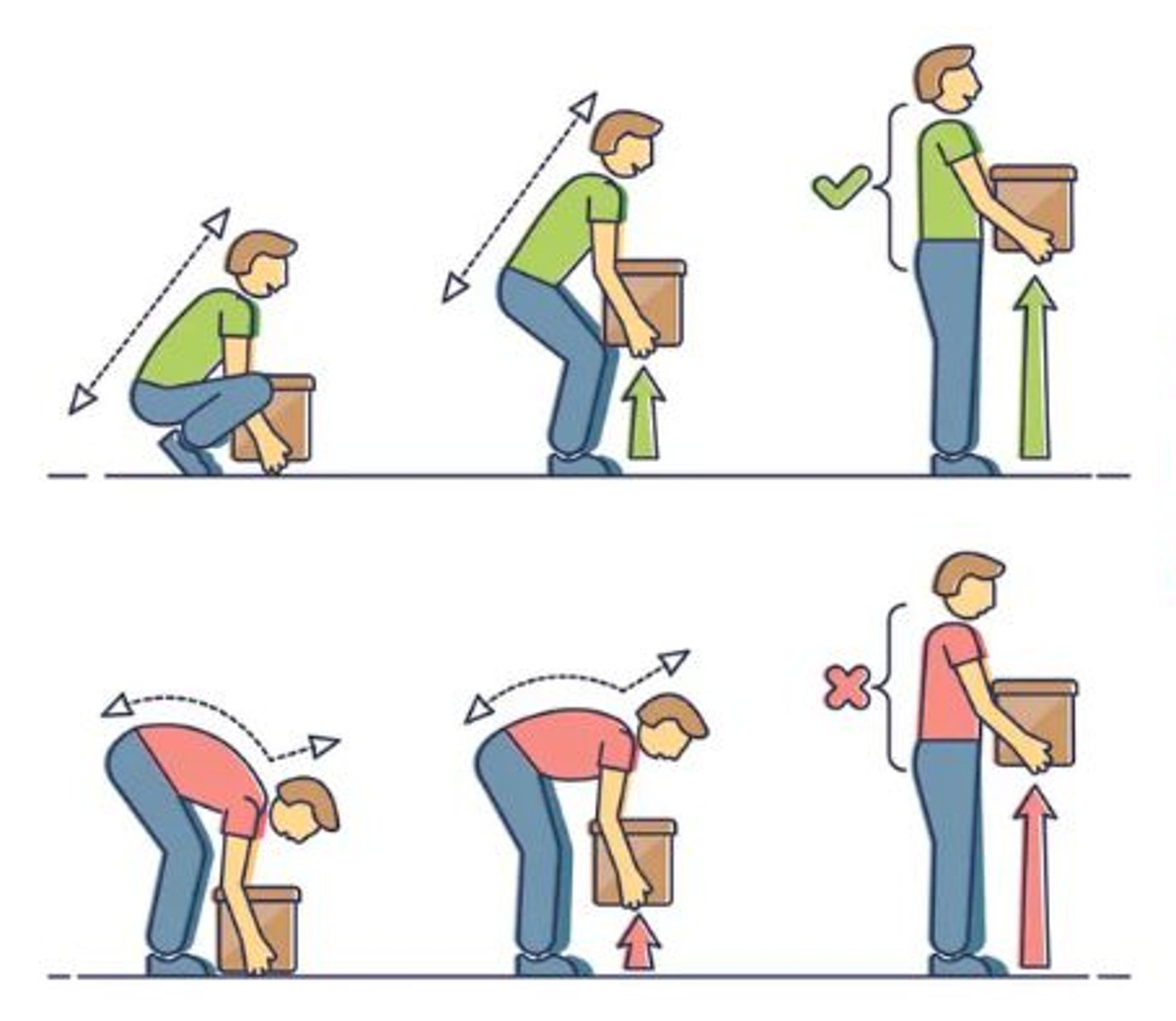
ergonomic principles (n)
guidelines that workers should follow to avoid injuries such as MSDs that can result from prolonged, repetitive strain on the body
ergonomic stressors (n)
workplace activities that cause wear & tear on the body & can result in numerous physical problems

ergonomics (n)
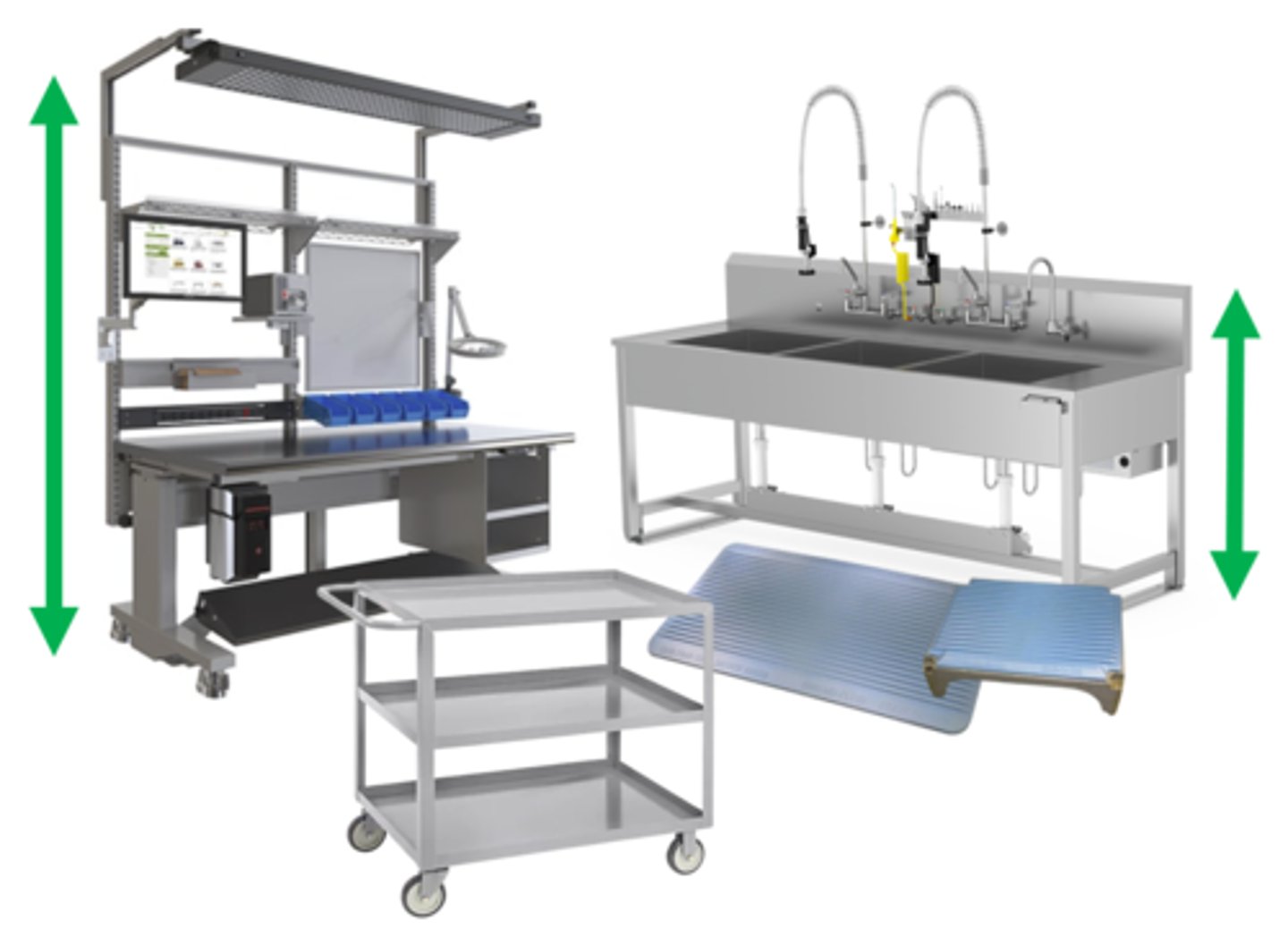
the process of changing work or working conditions to reduce physical stress
ethylene oxide (EO) (n)
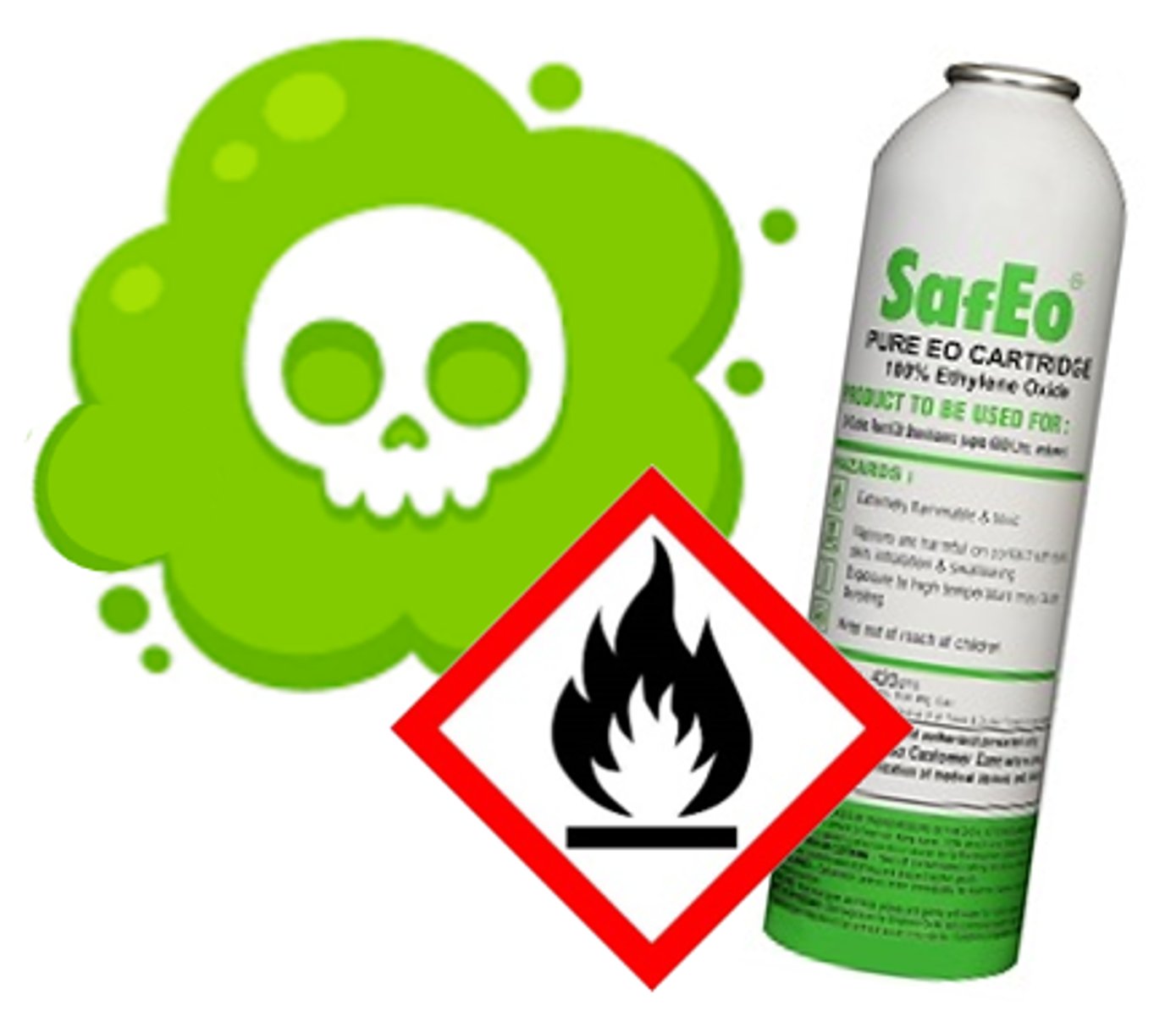
a toxic gas used in low-temperature sterilization that requires multiple safeguards to prevent direct contact; it's a highly effective sterilant & is compatible with most materials, but it requires lengthy exposure & aeration times
etiquette (n)
a set of guidelines and expectations for polite, professional, appropriate behavior

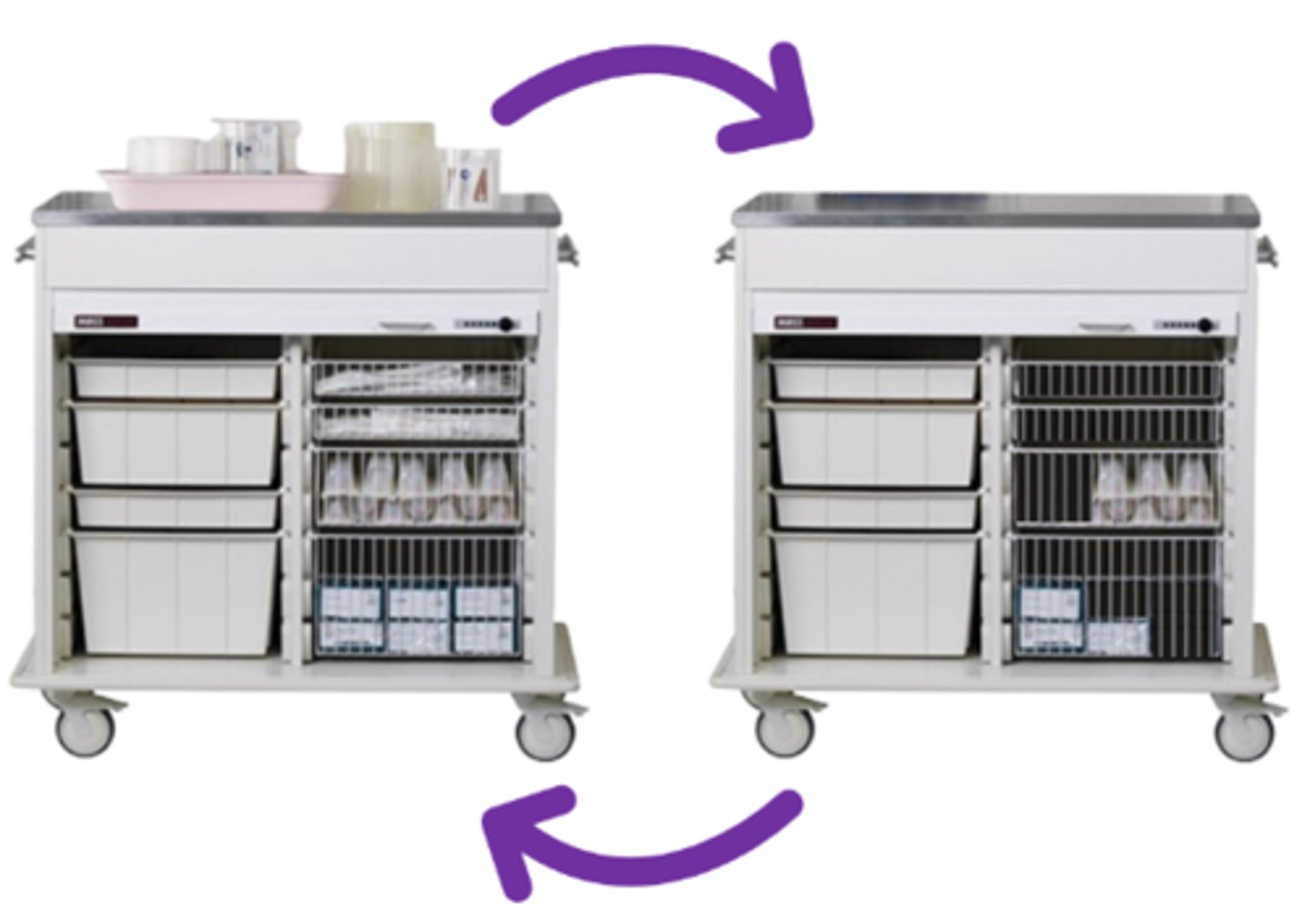
exchange cart system (n)
an inventory system where duplicate supply carts are kept in different locations so that depleted carts can be exchanged with full carts on a scheduled basis to ensure that sufficient supplies are always available
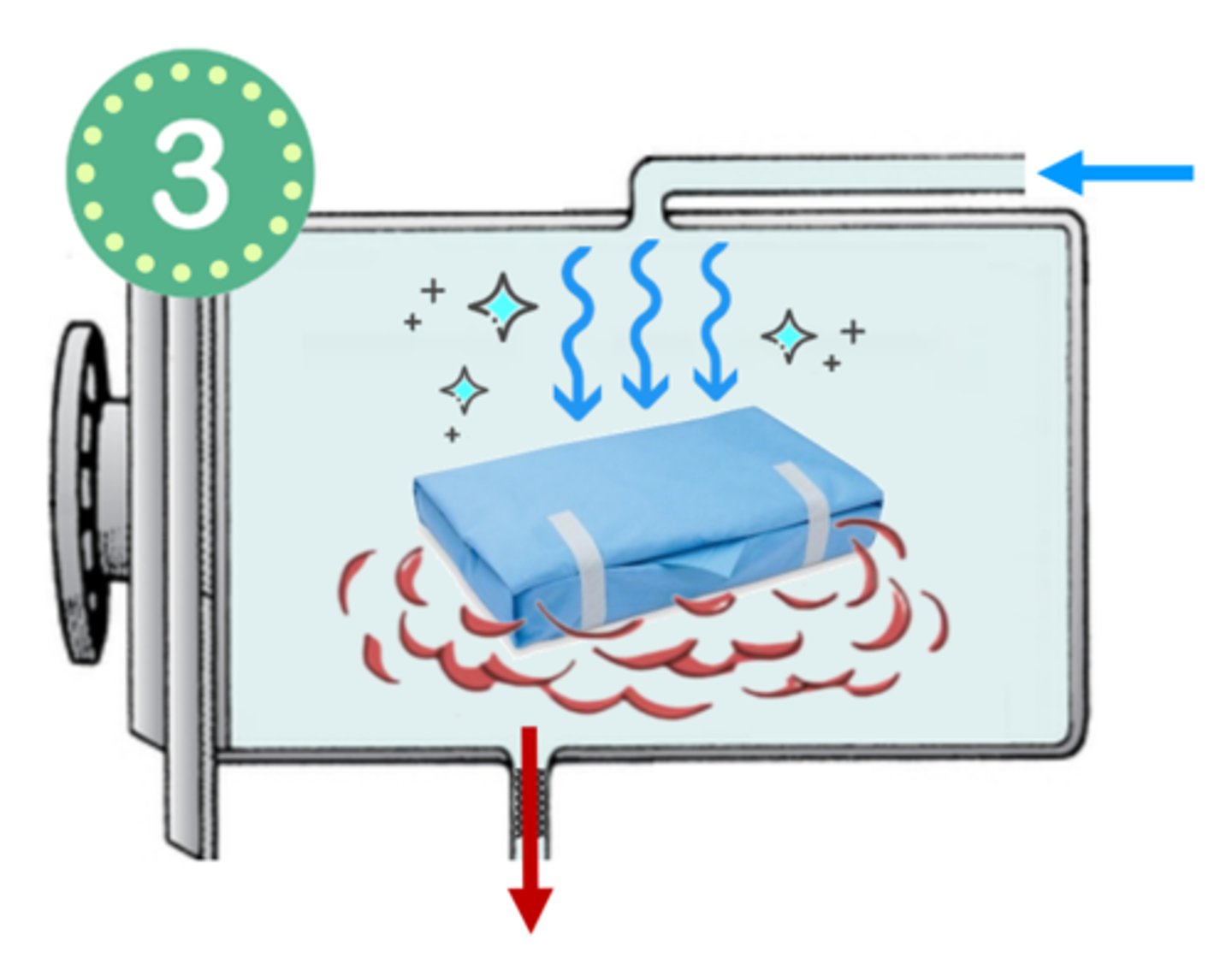
exhaust (n)
the third phase of a steam sterilization cycle, when the chamber drain is opened & steam is removed while filtered air is gradually reintroduced to the chamber
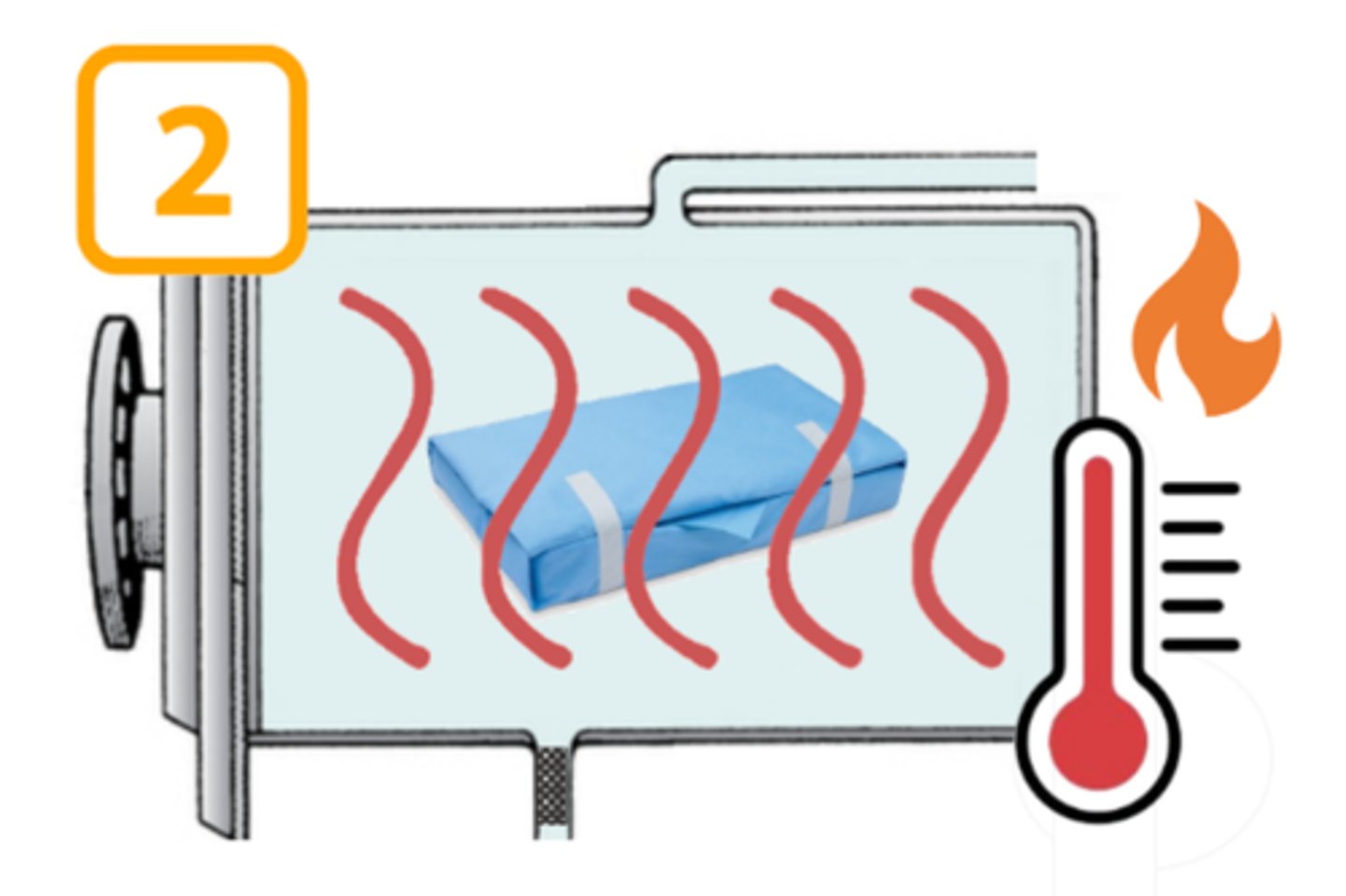
exposure (n)
the second phase of a steam sterilization cycle, which begins once the steam has reached the necessary temperature for sterilization
exposure monitoring (n)
the system can be monitored to ensure that sterilant concentrations in the work area remain within any required exposure limits

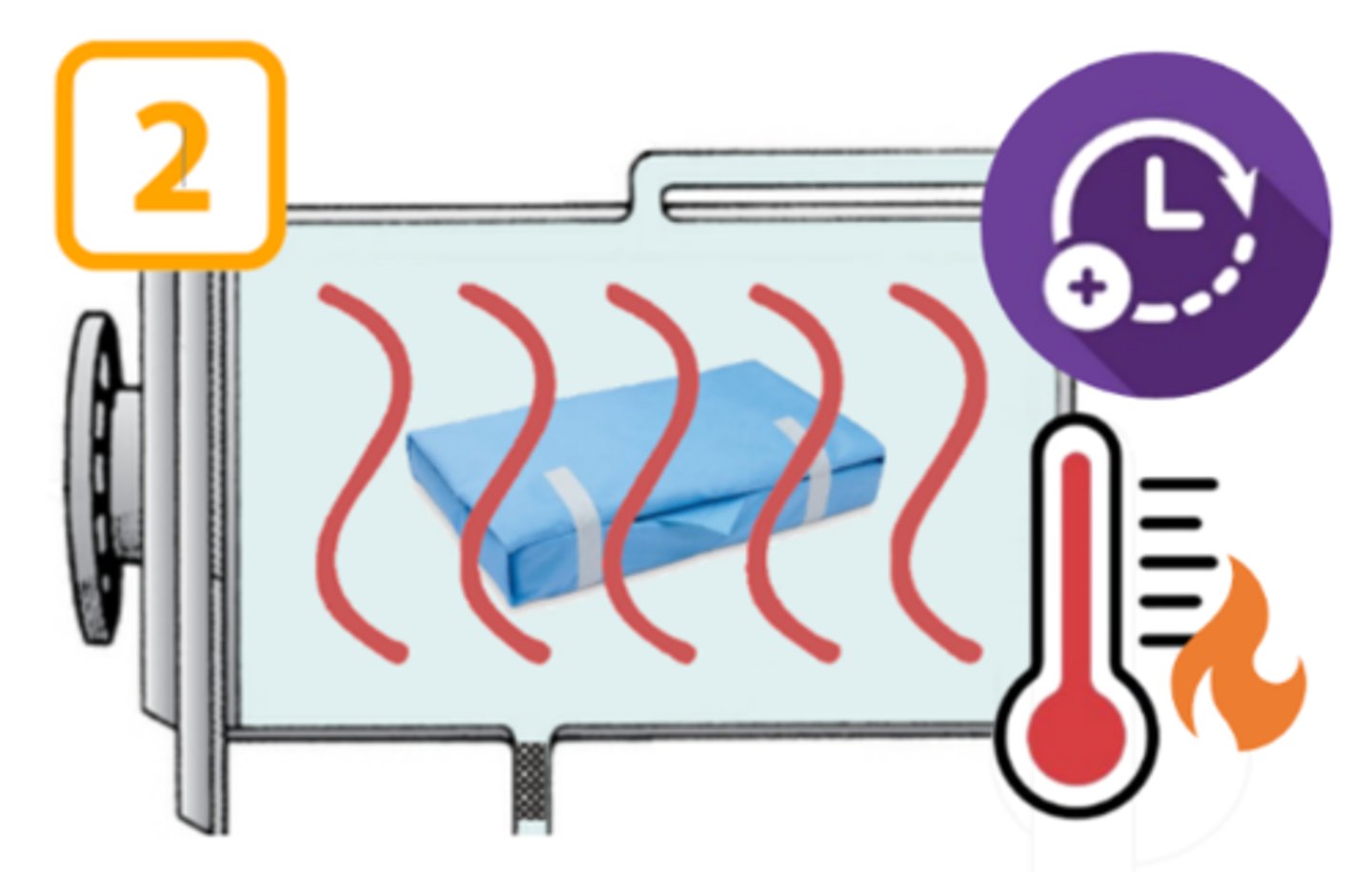
extended cycle (n)
a longer (non-standard) exposure time during a steam sterilization cycle, occasionally needed for complex medical instrumentation
failure mode & effect analysis (FMEA) (n)
a process designed to predict the adverse outcomes of various human & machine failures to prevent future adverse outcomes
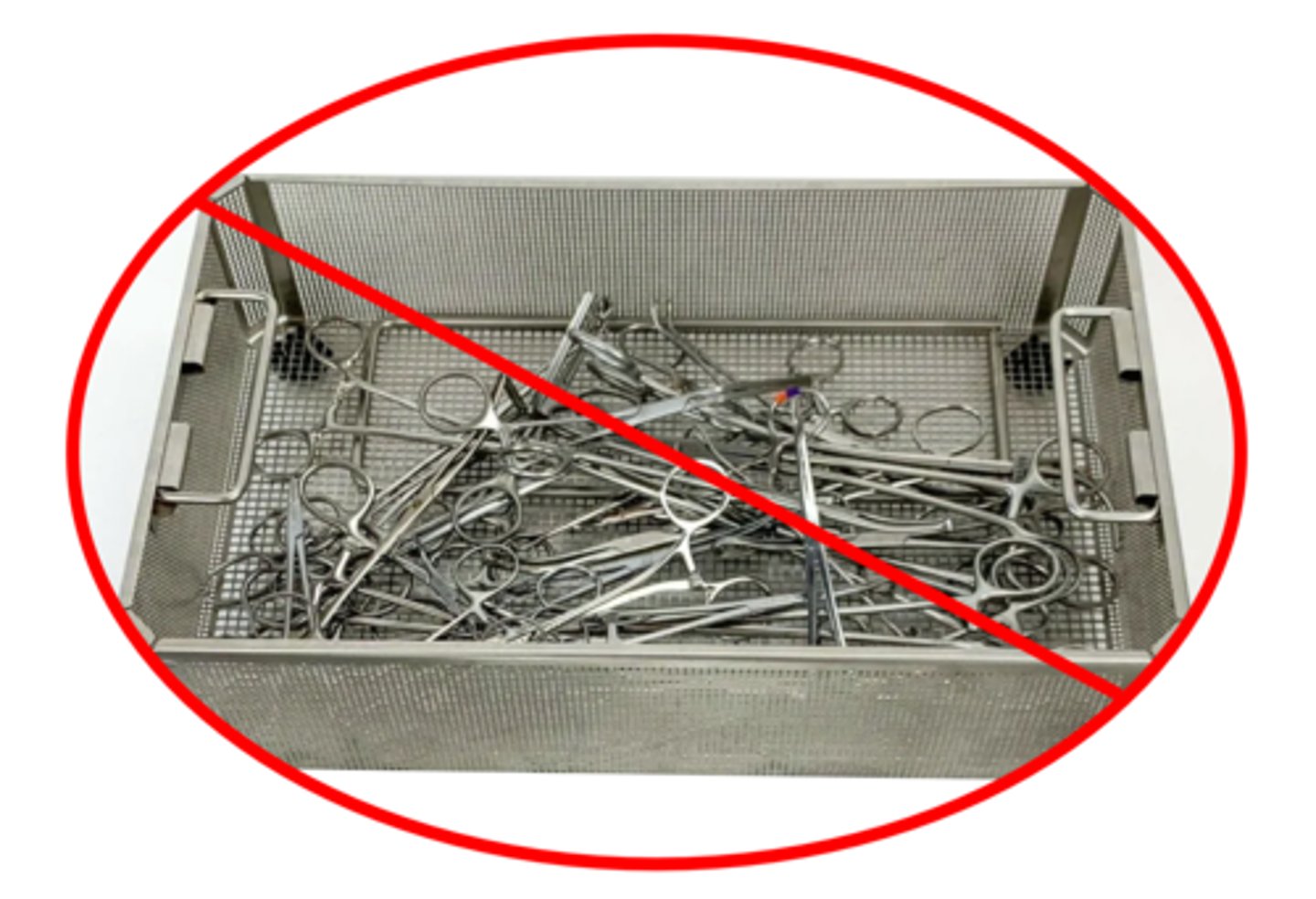
FAN principle (n)
the principle to follow when assembling any pack for sterilization: all items must be Functional, Accurate, & Neat
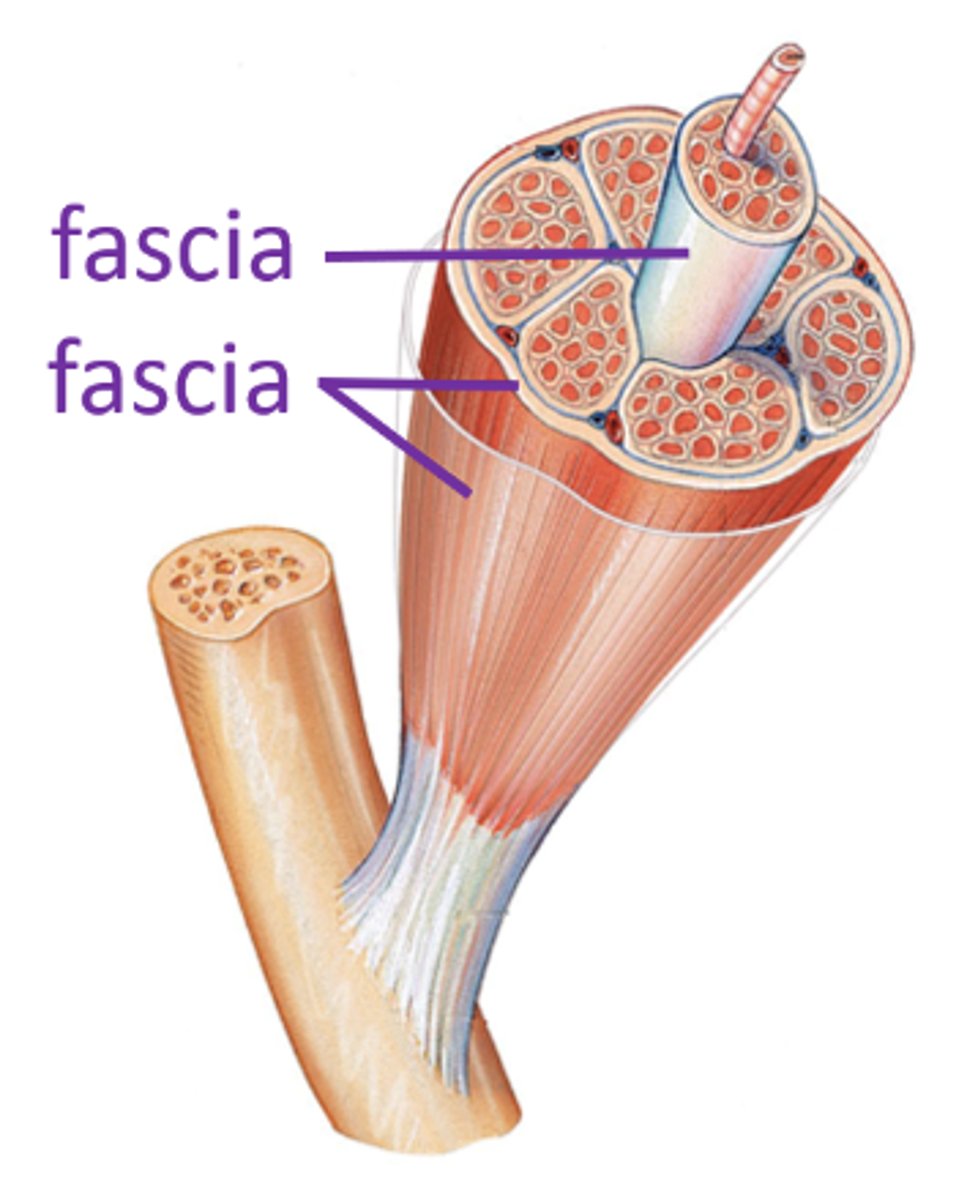
fascia (n)
a band or sheet of fibrous connective tissue that bundles together muscle cells/fibers
feedback (n)
a response from a listener to a speaker during a conversation that tells the speaker how their message is being received & if it needs to be modified or clarified

financial systems (n)
computerized systems that manage a facility's financial activities (accounts payable, billing/revenue, payroll, etc.)

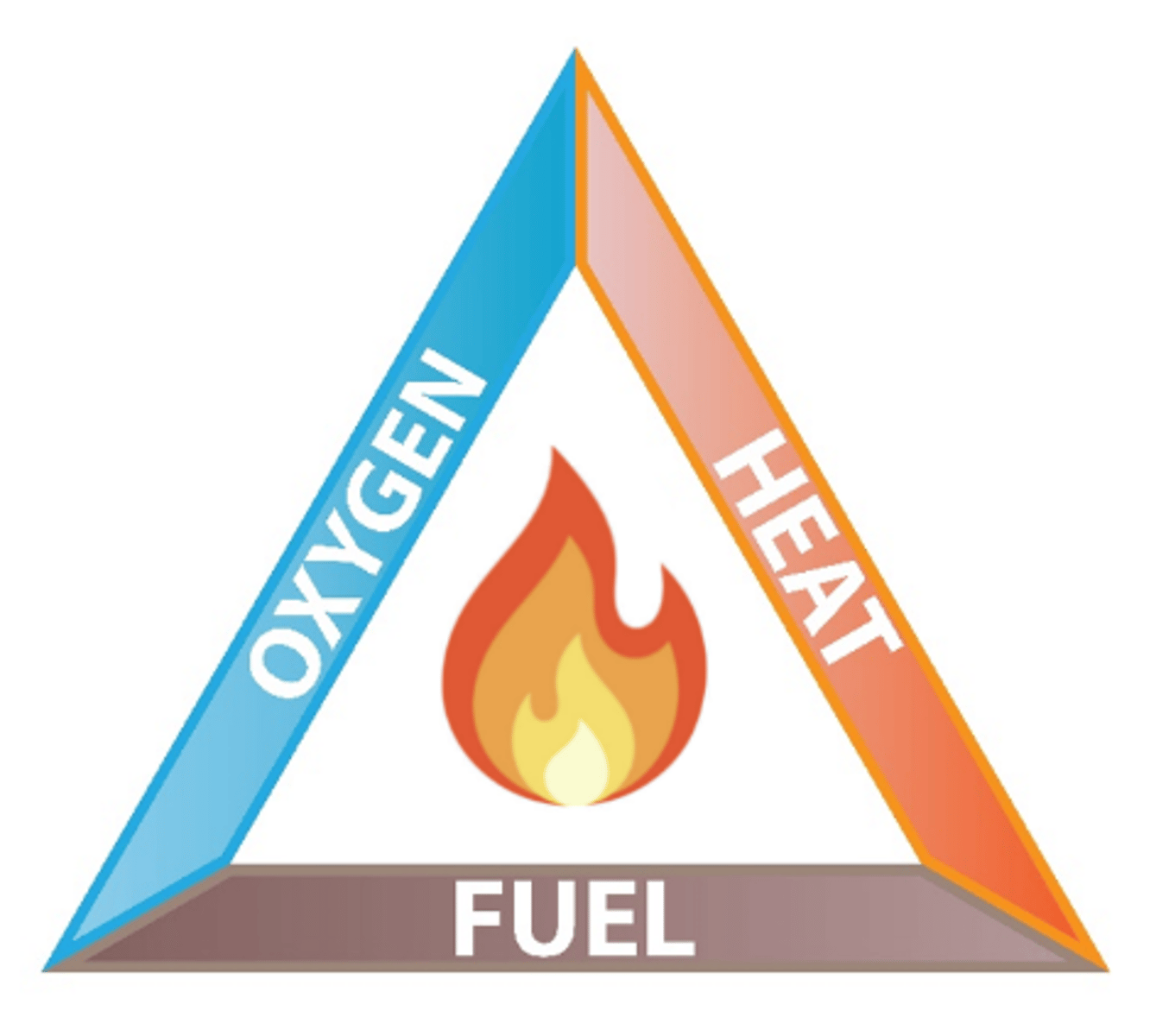
fire triangle (n)
the three elements that a fire needs to ignite: heat, fuel, & an oxidizing agent
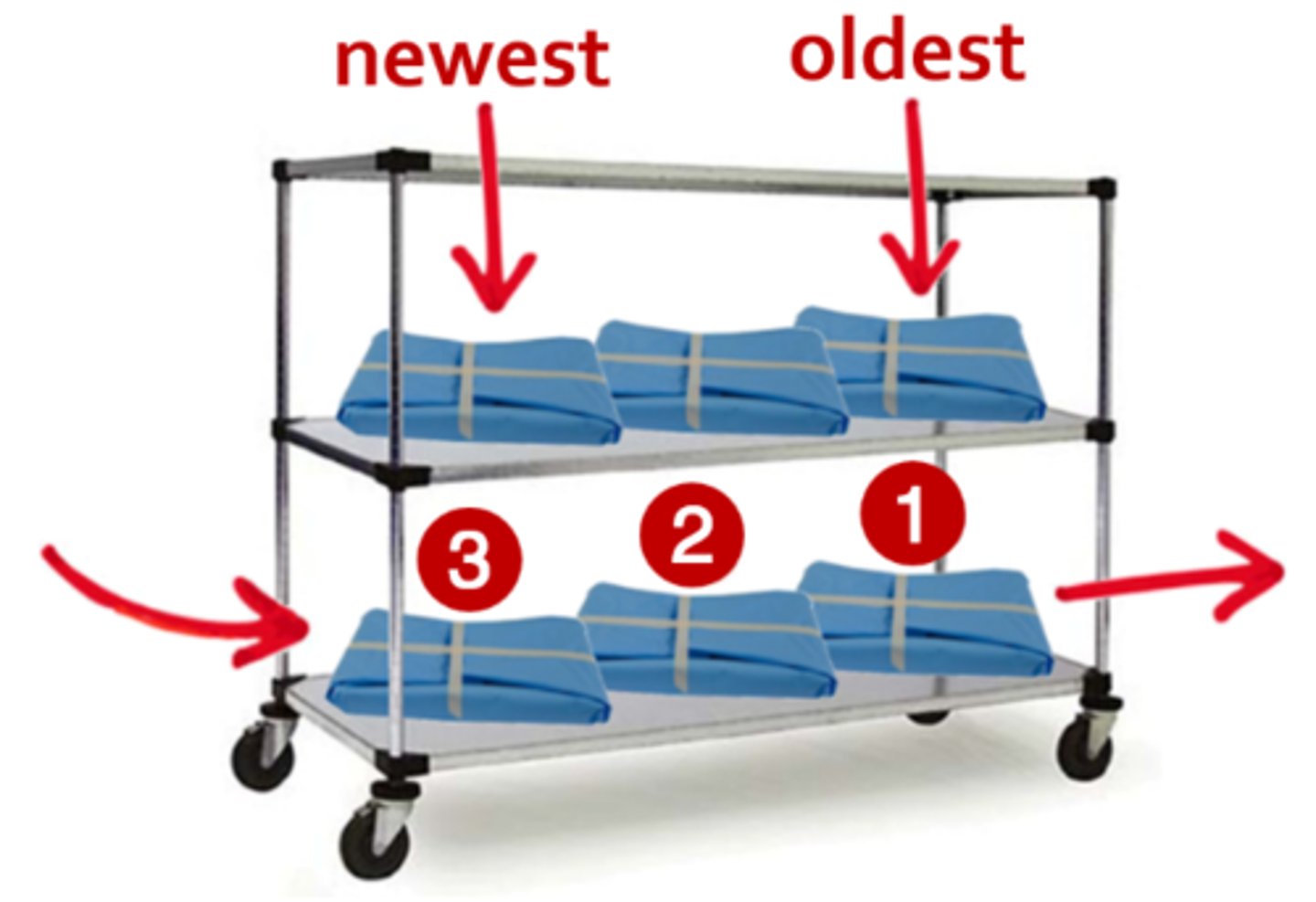
first in, first out (FIFO) (n)
a stock rotation system in which the oldest product (the one that has been in storage the longest) is used first
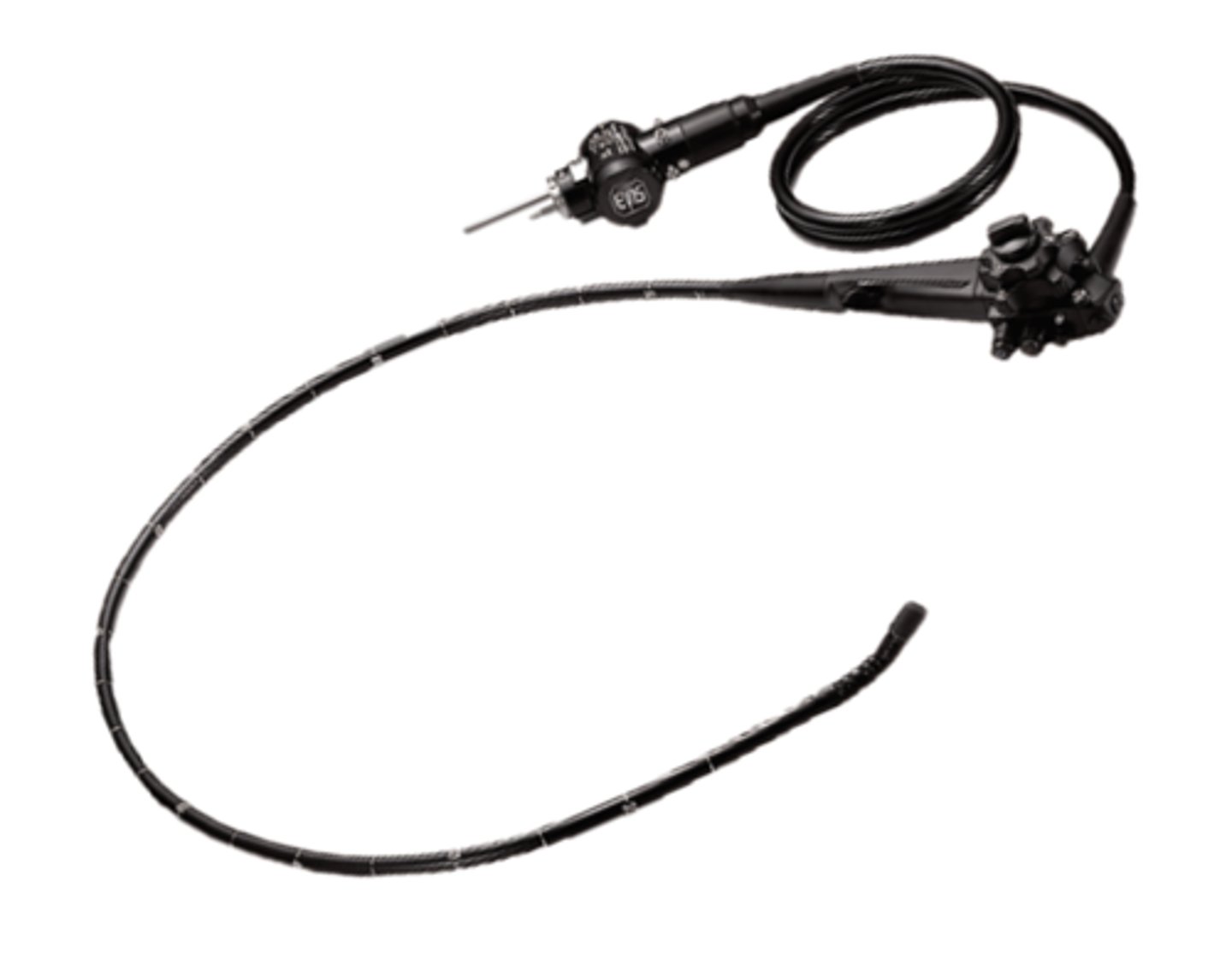
fixative (n)
a substance used to keep things in position or stick them together; a chemical substance used to preserve or stabilize biological material for examination
flat wrap (n)
a commonly used, non-woven, disposable sterilization wrap that must be folded using specific techniques to create a barrier package (a popular material is SMS)

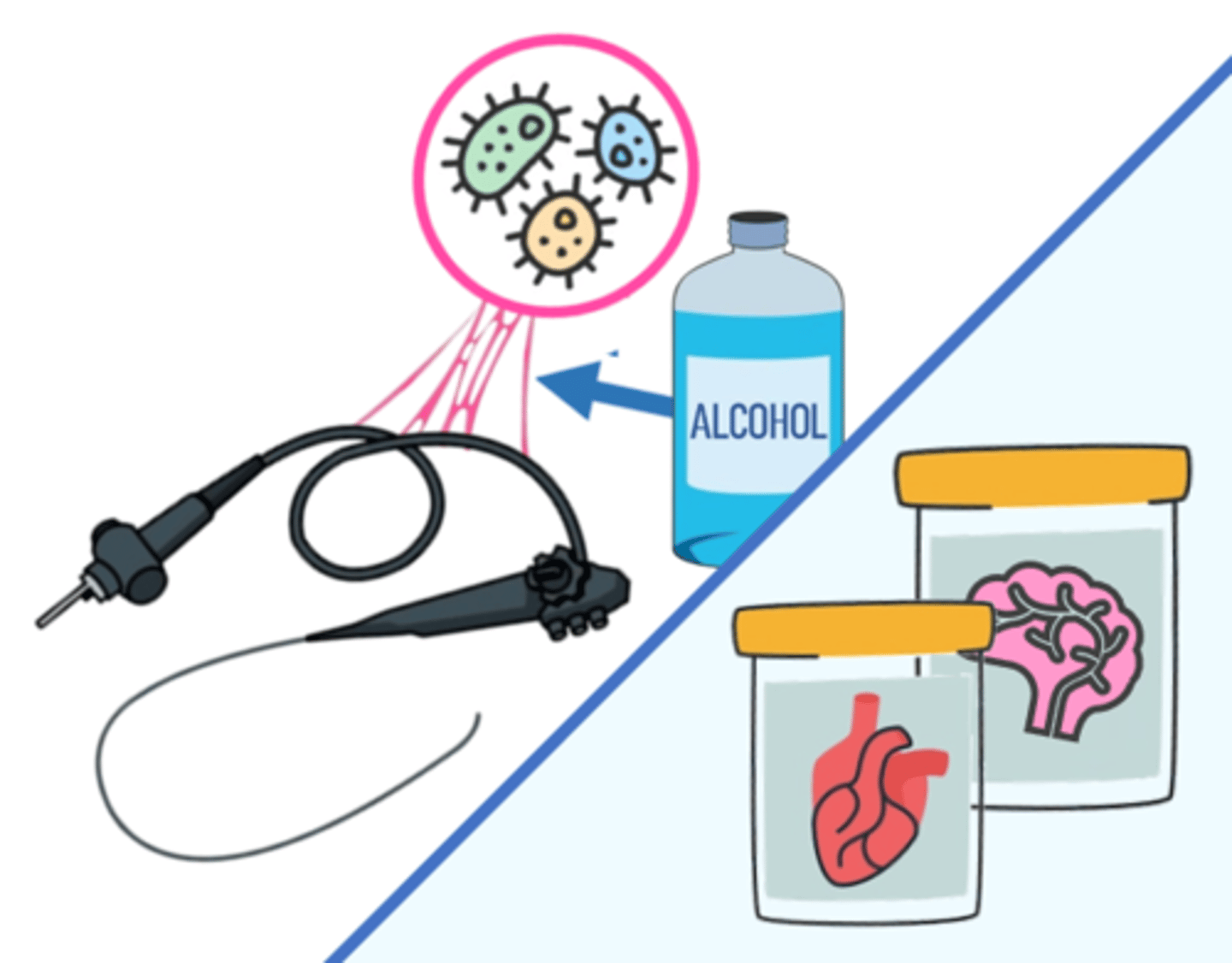
flexible endoscopes (n)
complex, bendable instruments used to visualize inside the body, perform diagnostic tests & surgical procedures, & obtain tissue specimens for biopsies
fomite (n)
an inanimate object that can transmit bacteria

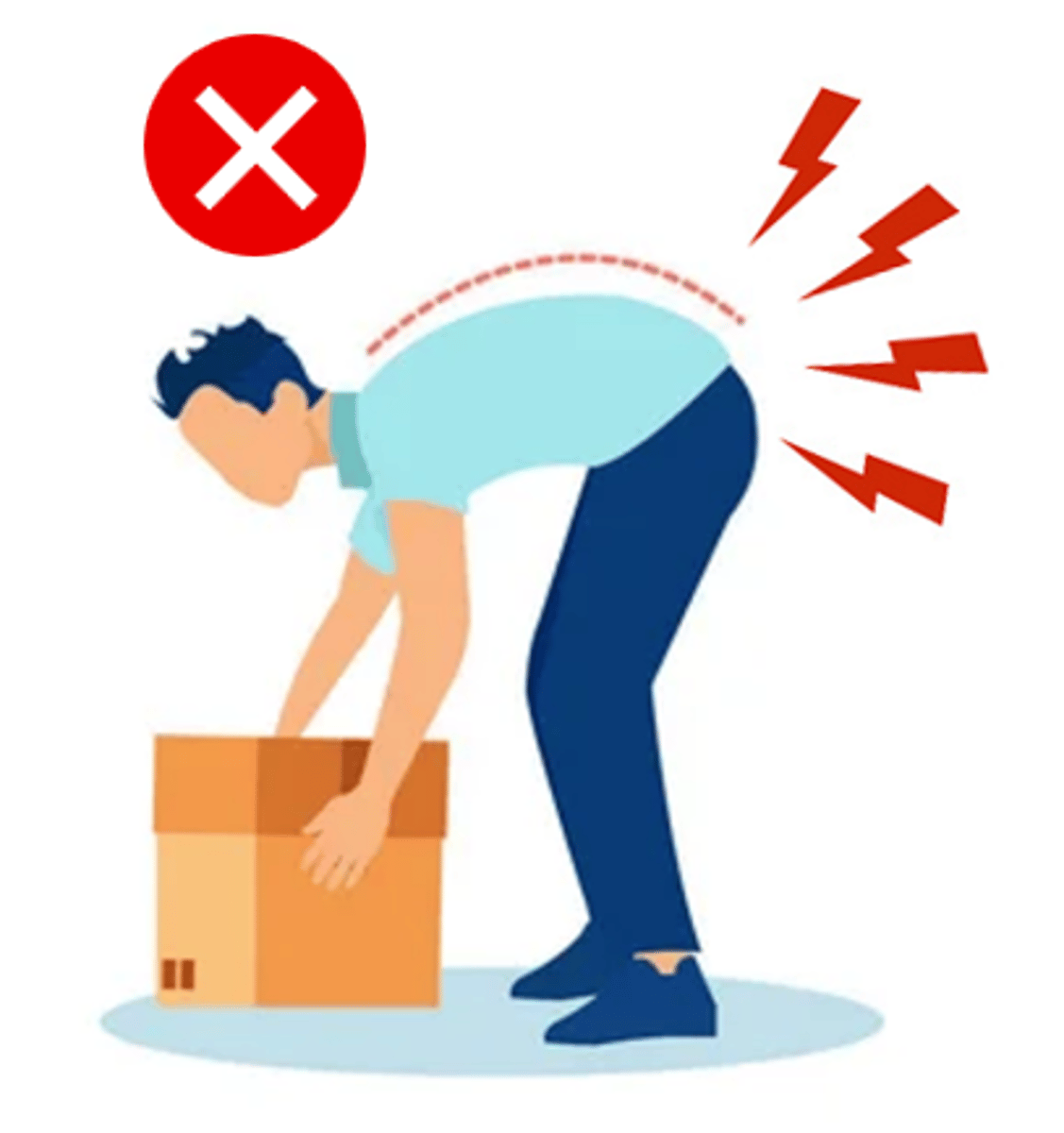
force (n)
physical exertion or pressure applied to any body part while working (ex: lifting heavy items, manipulating equipment or instrument sets) (ergonomic stressor)
forceps (n)
instruments used for grasping, holding firmly, or exerting traction upon objects (400 series)

four Rs (n)
the four components of process monitoring: Run, Read, Record, & Retain; no single monitoring product provides all the information needed to ensure effective sterilization, so multiple indicators are used (physical, chemical, & biological)

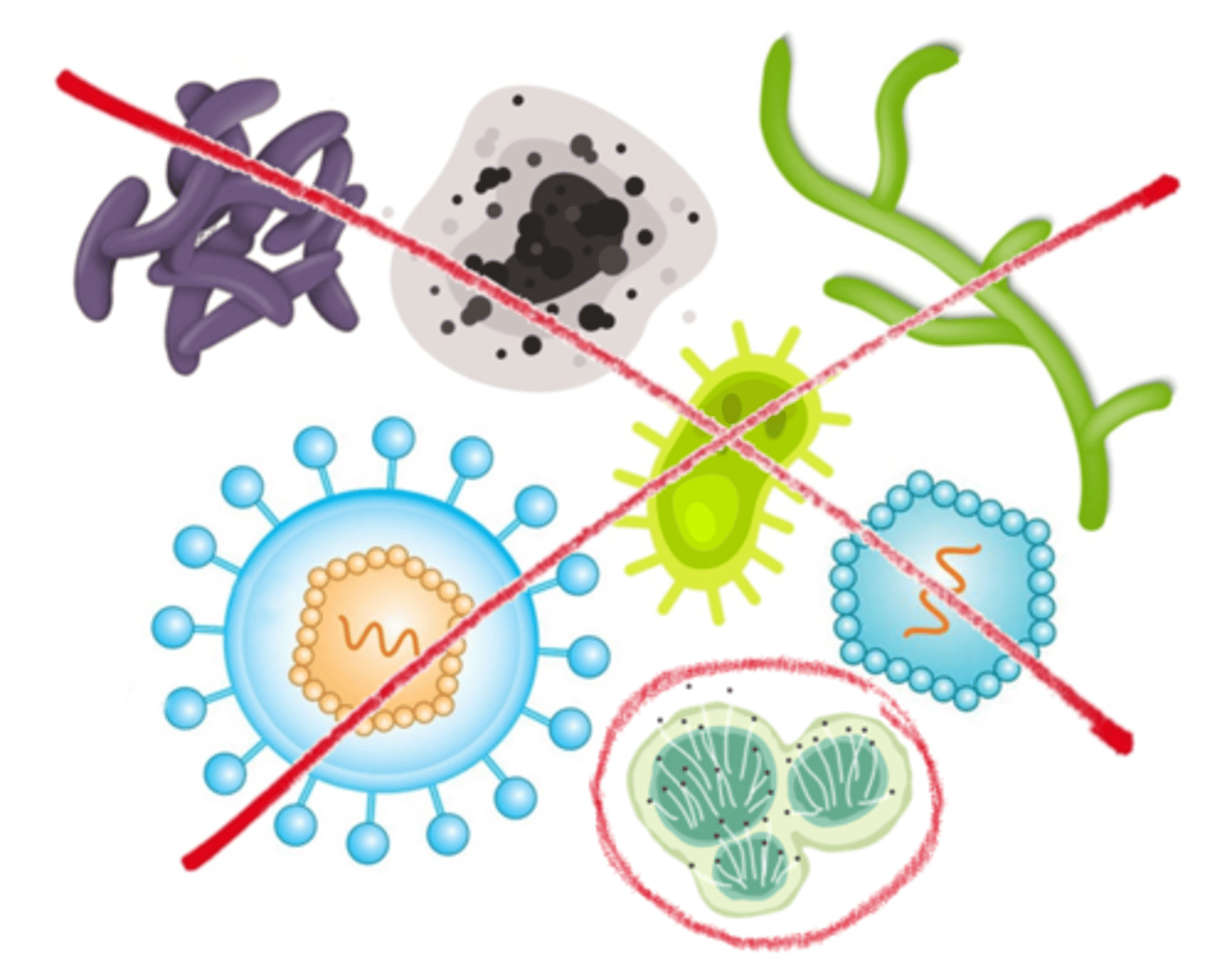
fungi (n)
plant-like organisms including molds, mushrooms, & yeasts that vary in size & shape & feed on organic matter

glucagon (n)
a hormone that can increase the blood sugar level

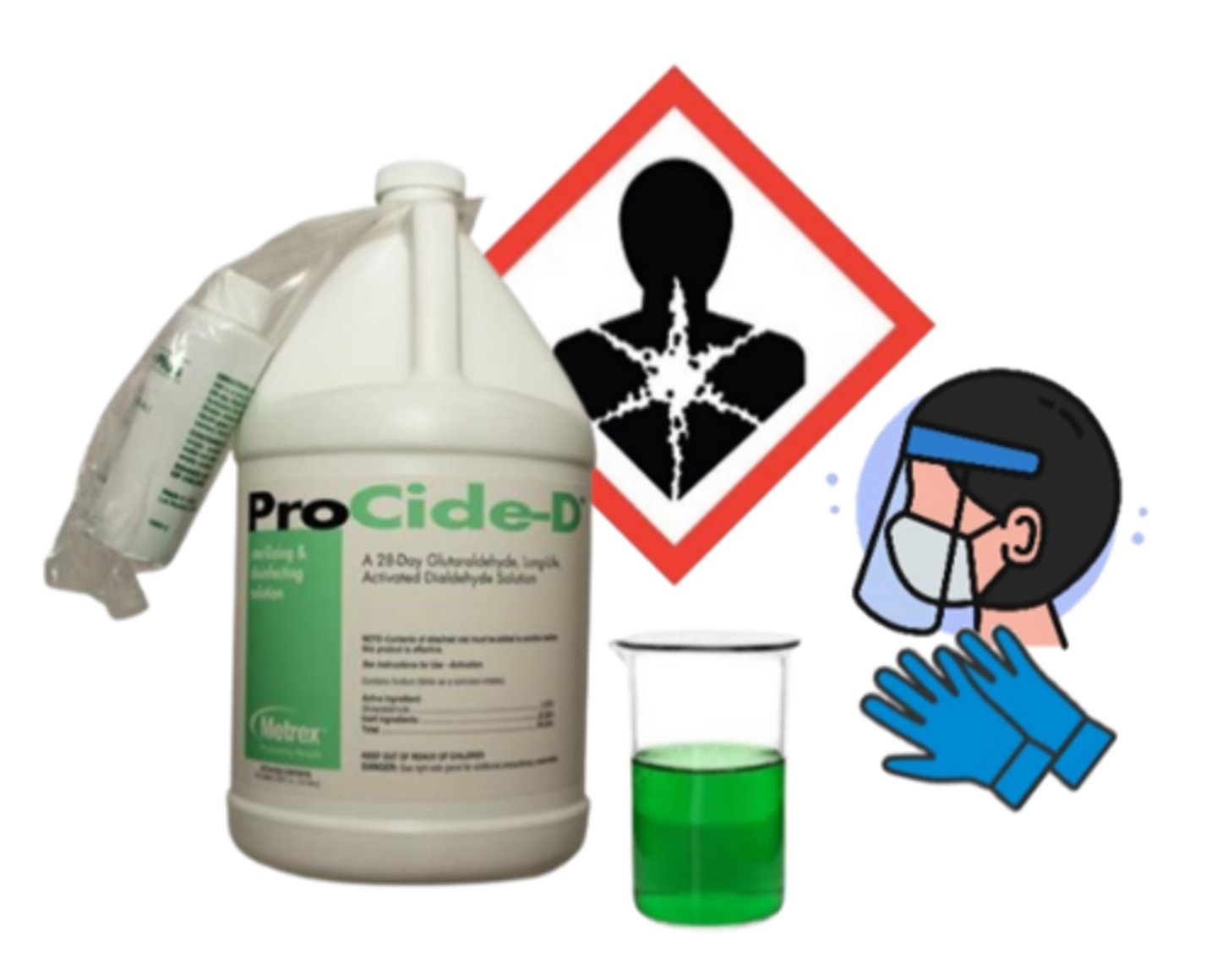
glutaraldehyde (n)
an HLD that requires activation to work & is compatible with many materials, including heat-sensitive devices; must be used with PPE in well-ventilated areas (strong irritant with sharp, pungent odor)
gossip (n)
personal, private, or surprising information about others' lives that is shared without their knowledge (informal communication)

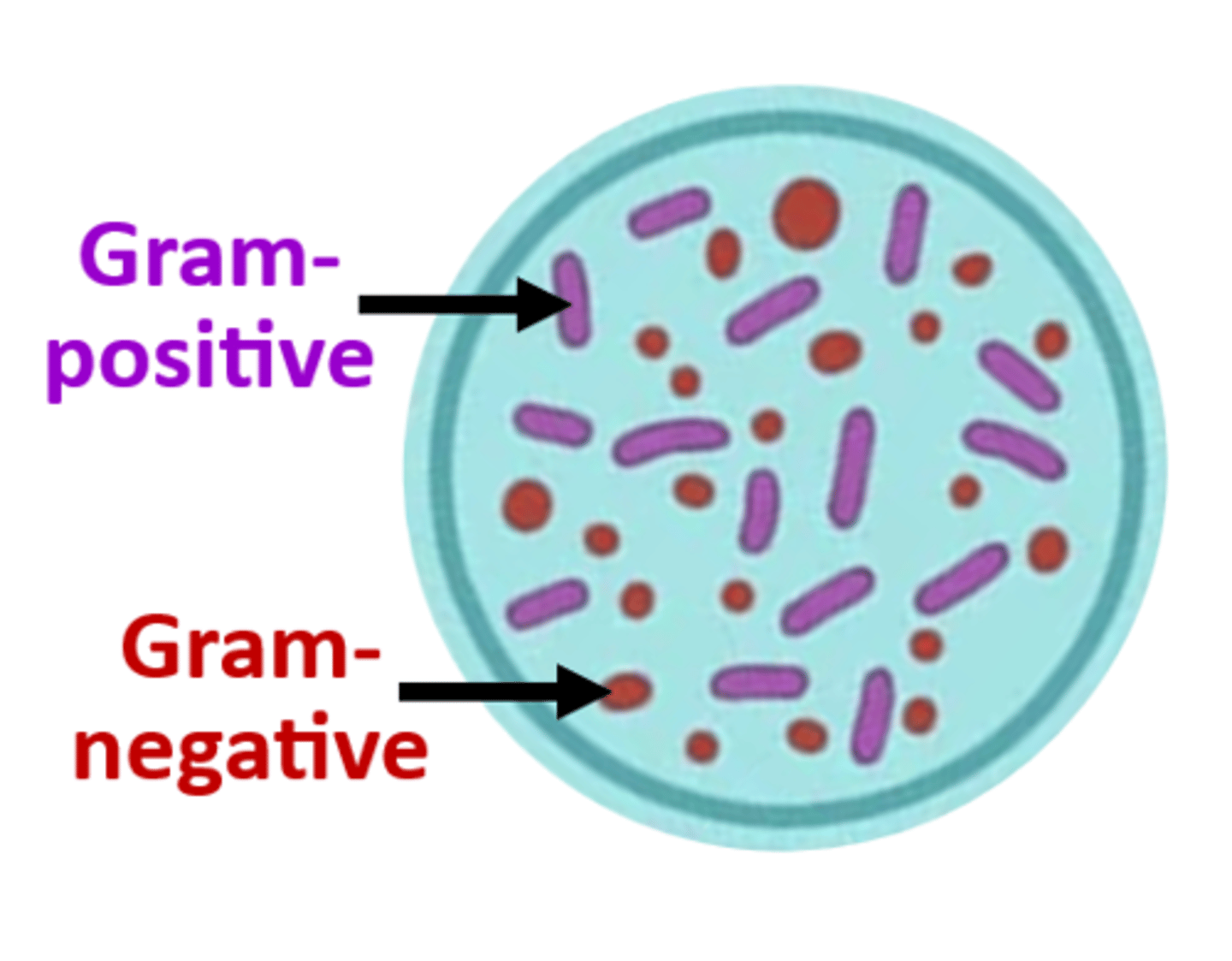
gram stain (n)
a differential stain used to classify bacteria as gram-positive or gram-negative, depending on whether they retain or lose the primary stain used (crystal violet) when subjected to a decolorizing agent
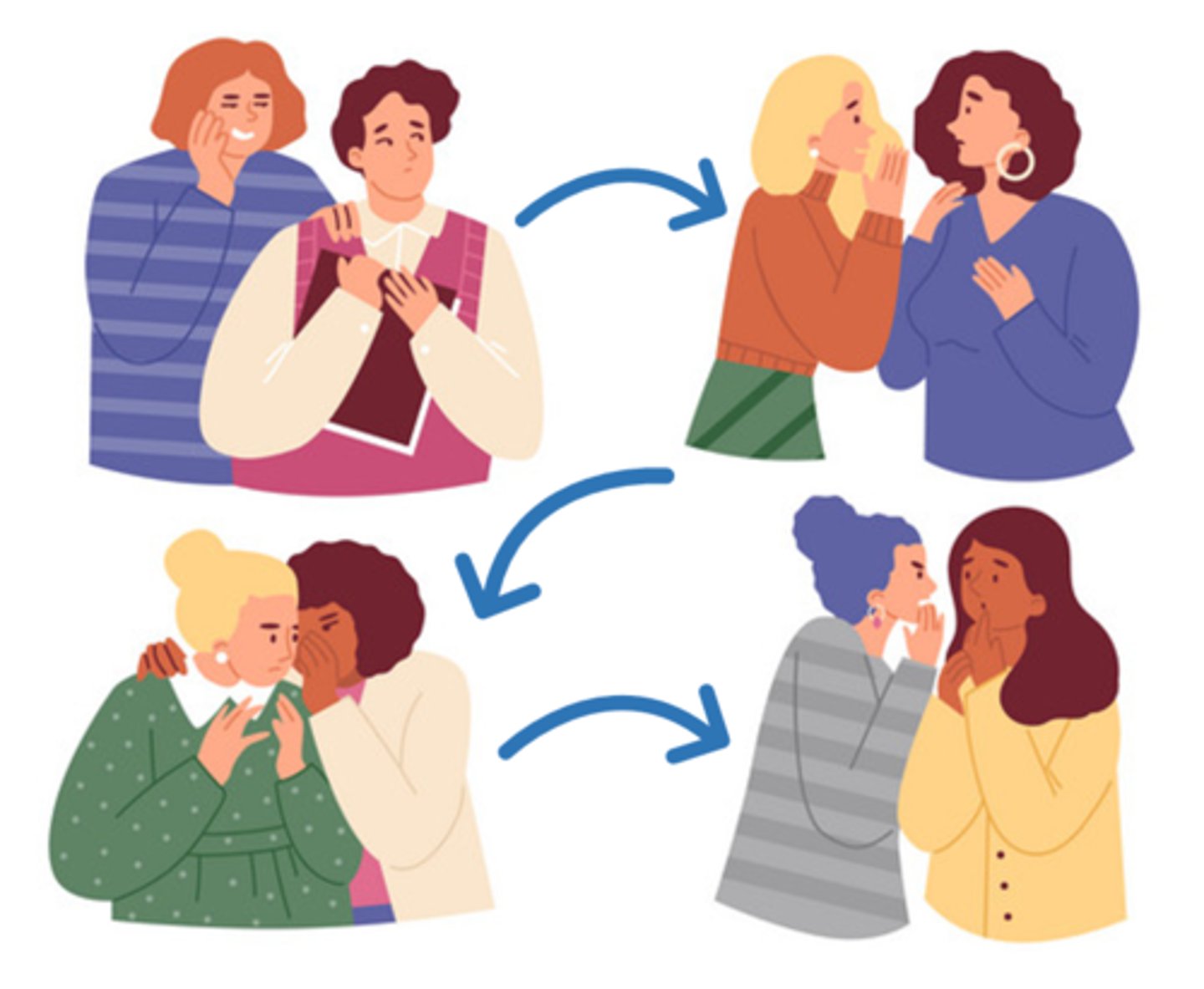
grapevine (n)
a person-to-person method of spreading rumors, gossip, information, etc., through casual conversation (informal communication)
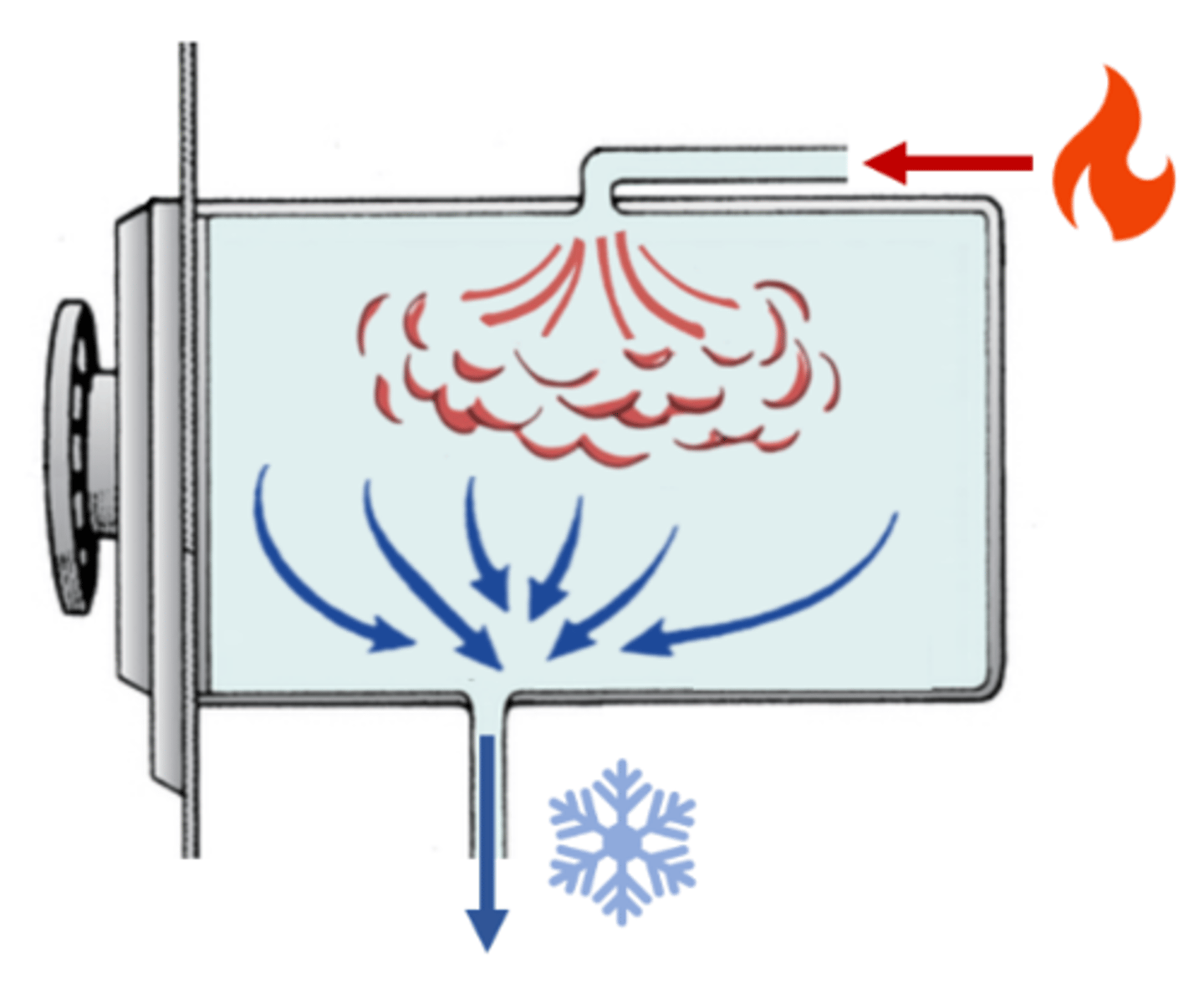
gravity air displacement sterilizers (n)
small- to medium-sized steam sterilizers that use gravity to remove air from the sterilizer's interior chamber; as steam enters, cooler air is forced out through the chamber drain
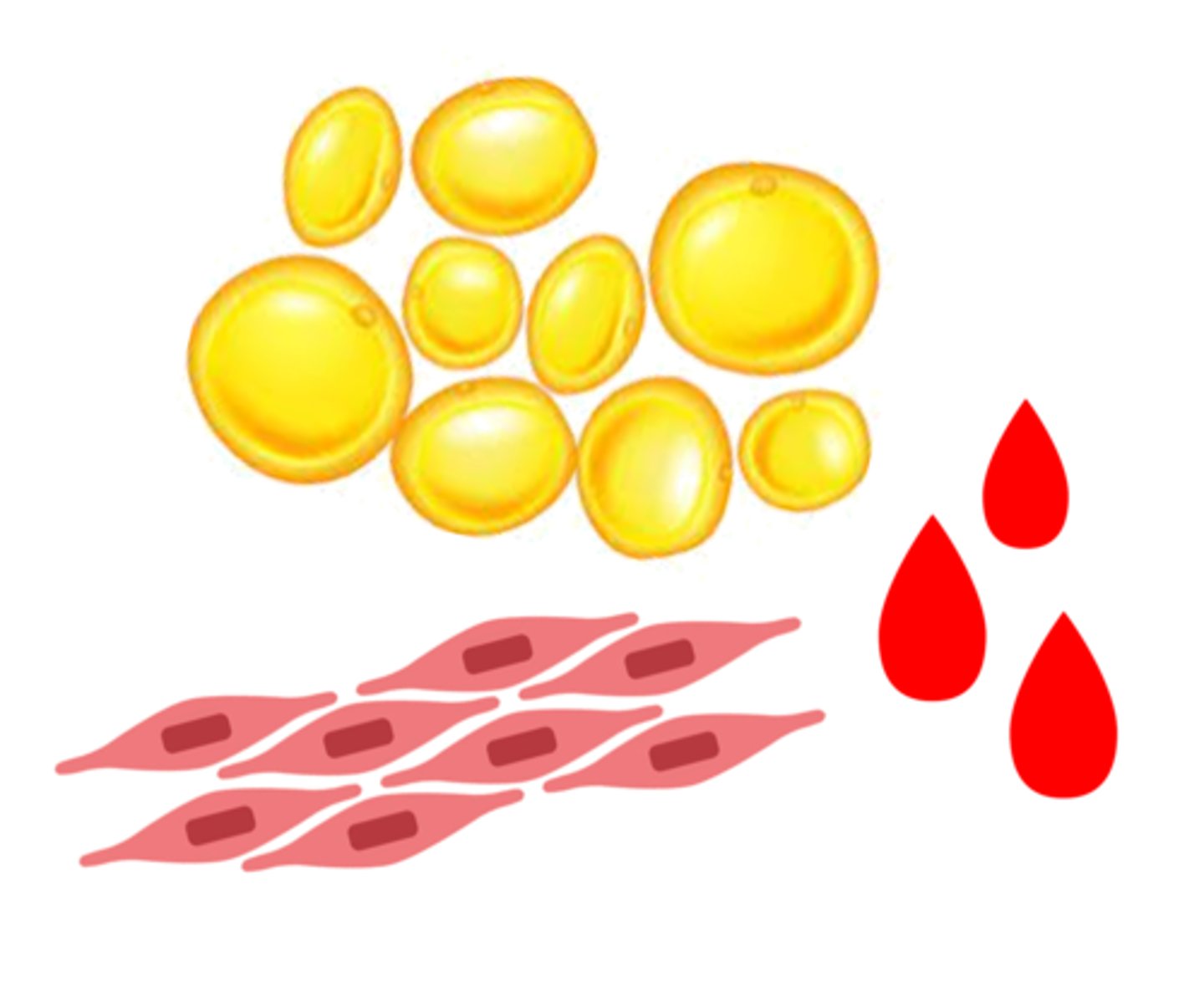
gross soil (n)
tissue, body fat, blood, & other body substances
group purchasing organization
(GPO) (n)
an organization that represents many healthcare facilities & negotiates contracts for its members to receive products & services at special, reduced pricing

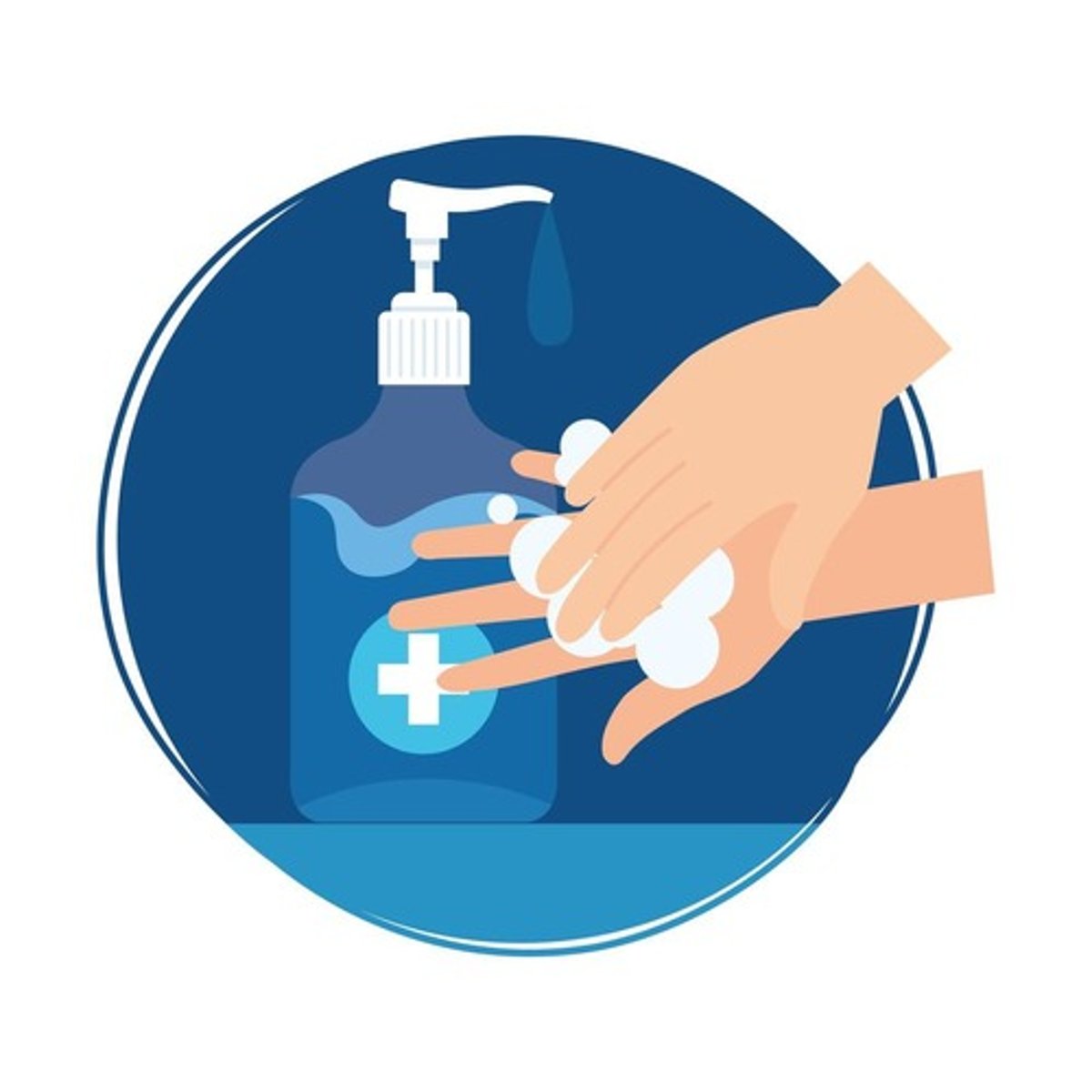
hand hygiene (n)
the act of washing one's hands with soap & water or using an alcohol-based hand rub
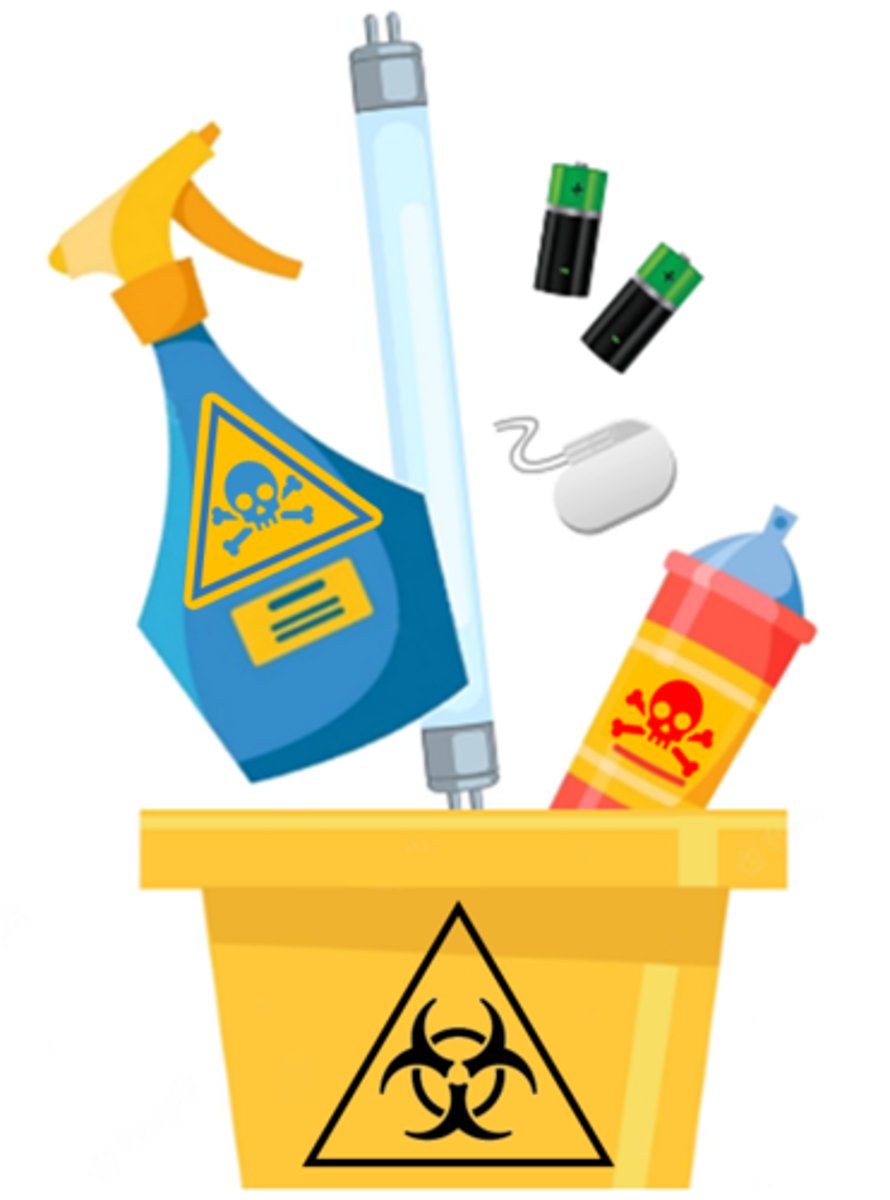
hazardous waste (n)
substances that cannot be disposed of in a facility's normal trash system
Health Insurance Portability & Accountability Act (HIPAA) (n)
a privacy rule that provides federal protections for individually identifiable health information (PHI) held by covered entities & their business associates, giving patients an array of rights with respect to that information

healthcare-associated infection (HAI) (n)
an infection that is not present when a patient is admitted to a healthcare facility; if the infection develops on or after day 3 of admission, it's referred to as an HAI

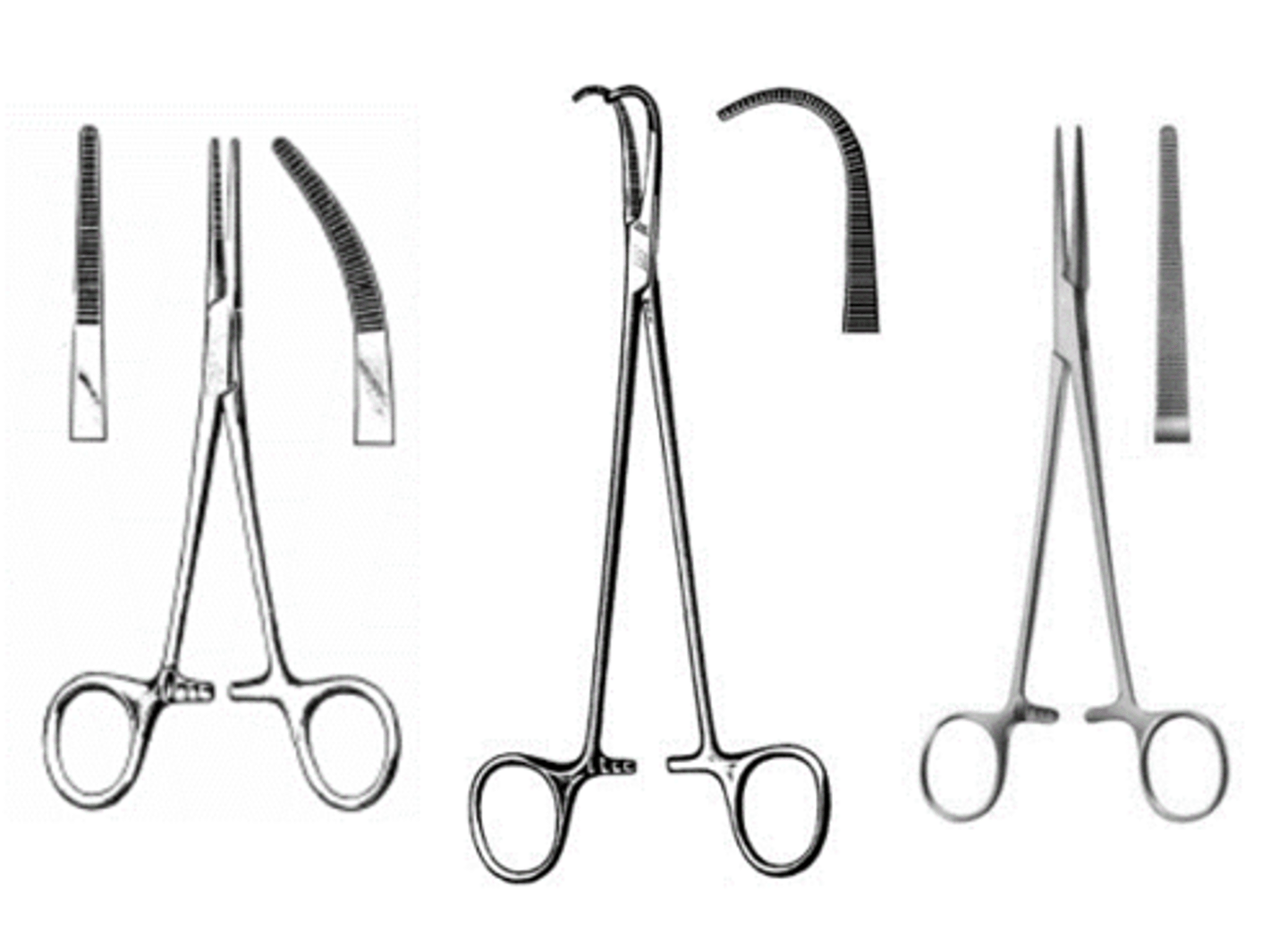
hemostatic forceps (n)
surgical instruments used to control the flow of blood (400 series)
high-level disinfectants (n)
disinfectants that are used on critical & semi-critical items (mechanical processing only), require regular MEC testing, & are deactivated by organic materials; in some cases, HLDs can also be LCS (liquid chemical sterilants), providing sterilization if soak time is extended
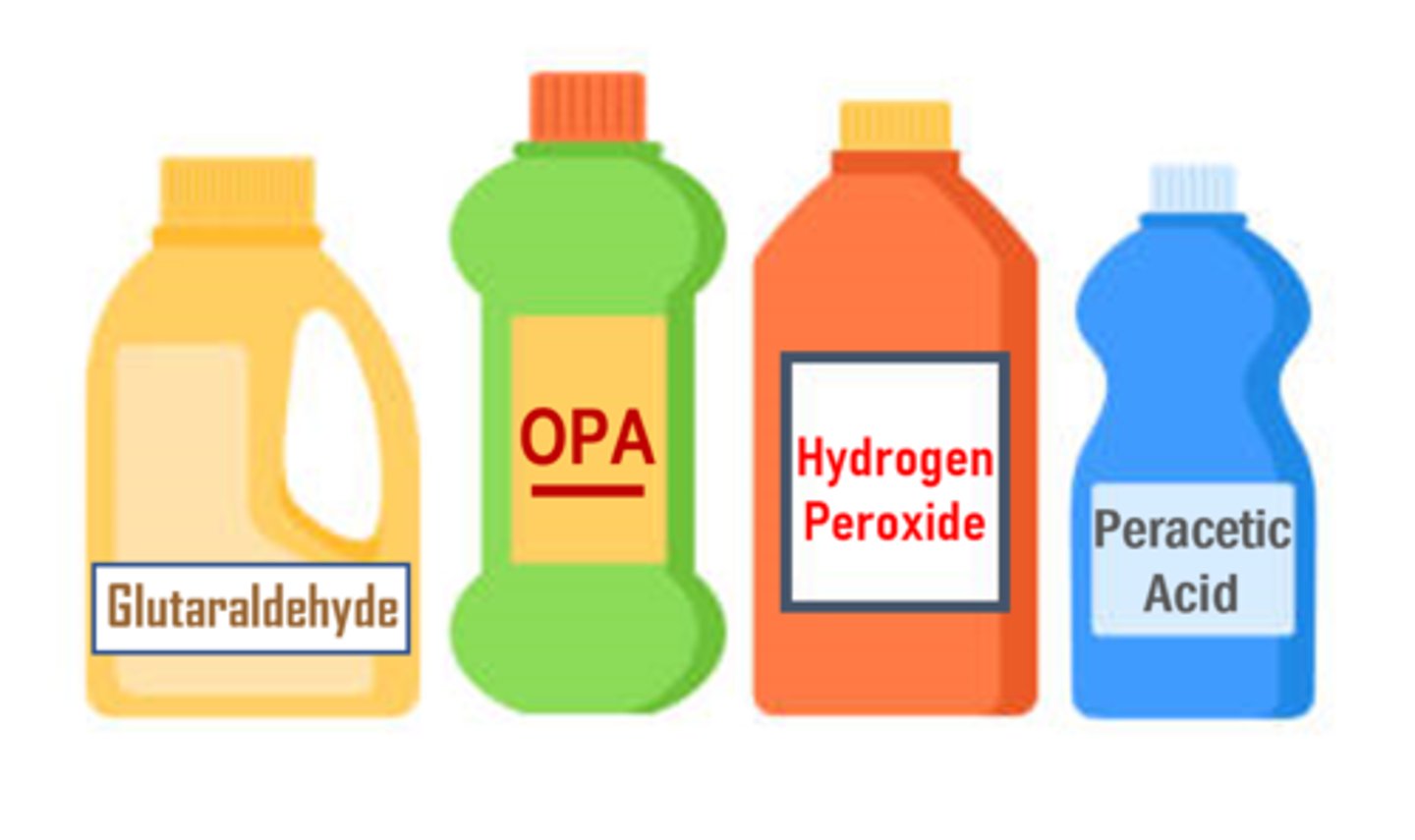
high-level disinfection (HLD) (n)
the destruction of all vegetative microorganisms but not necessarily microbial spores
hormones (n)
chemical messengers that travel through the blood & act on target organs

Hospital Consumer Assessment of Healthcare Providers & Systems (HCAHPS) (n)
a standardized survey tool that measures patients' perceptions of their hospitalization experience
human relations (n)
the development & maintenance of effective interpersonal (between people) relationships that enhance teamwork

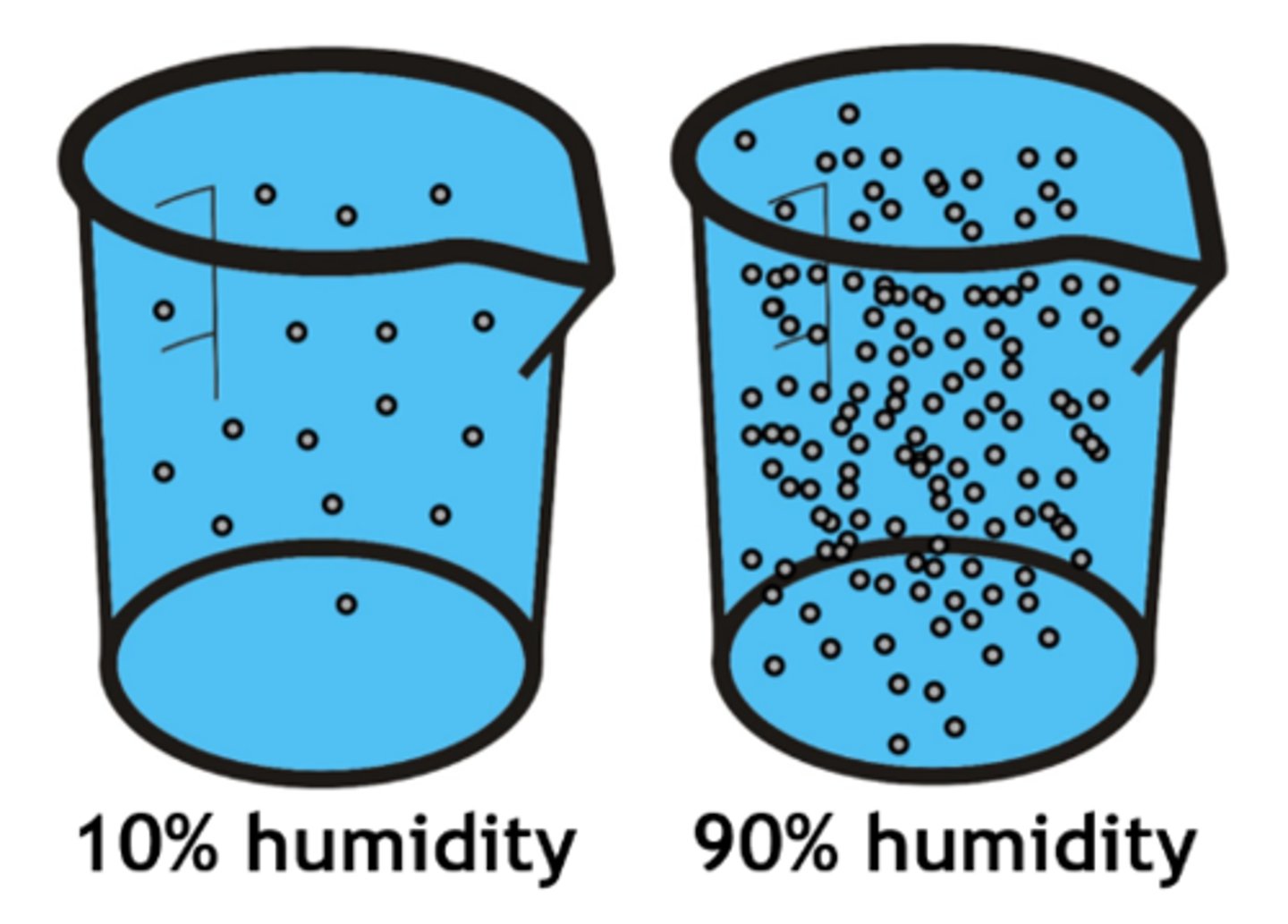
humidity (n)
the amount of water vapor in the atmosphere expressed as a percentage of the total amount of vapor the atmosphere could hold without condensation
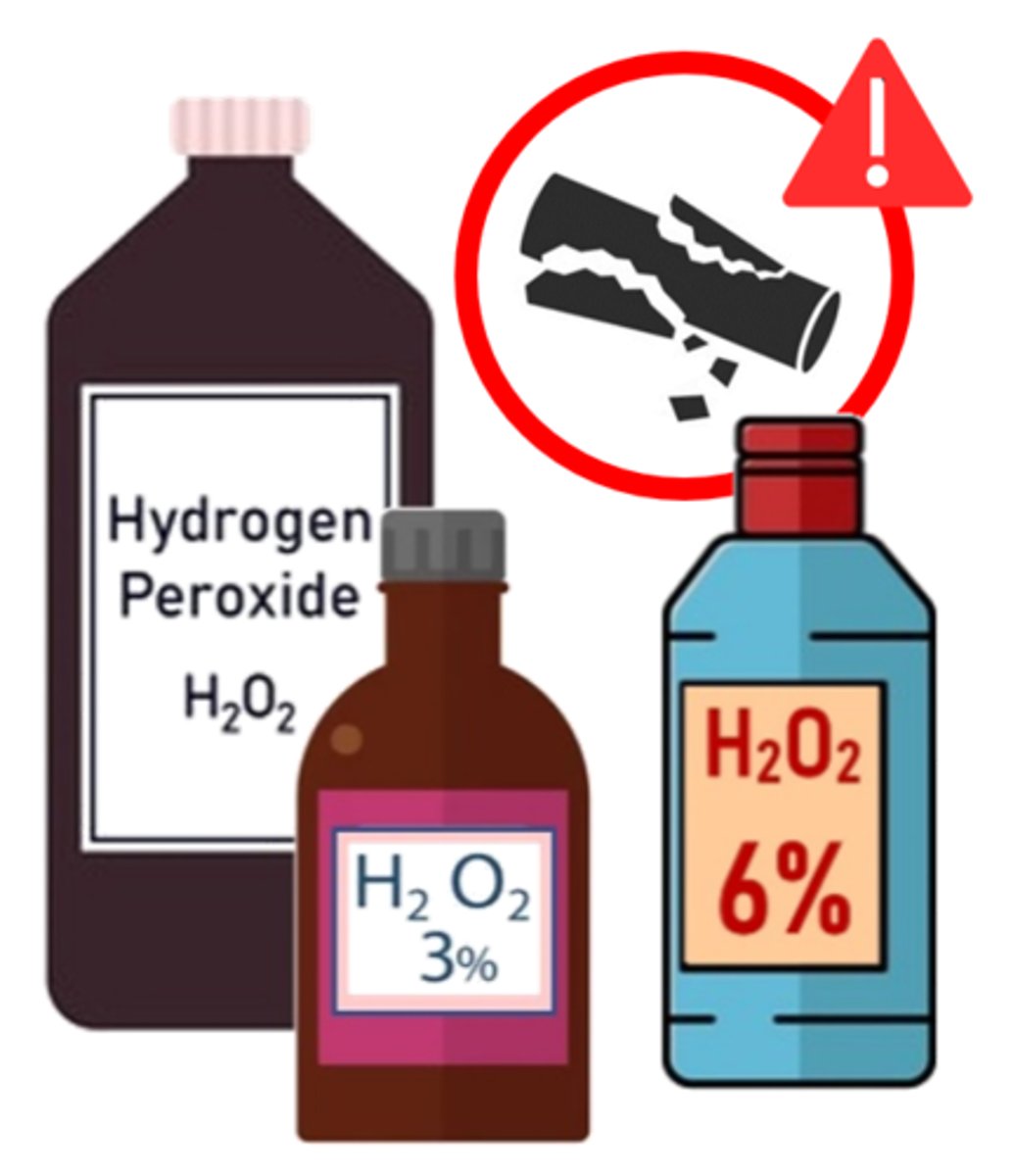
hydrogen peroxide (n)
a broad-spectrum HLD available in different concentrations that is corrosive to some materials
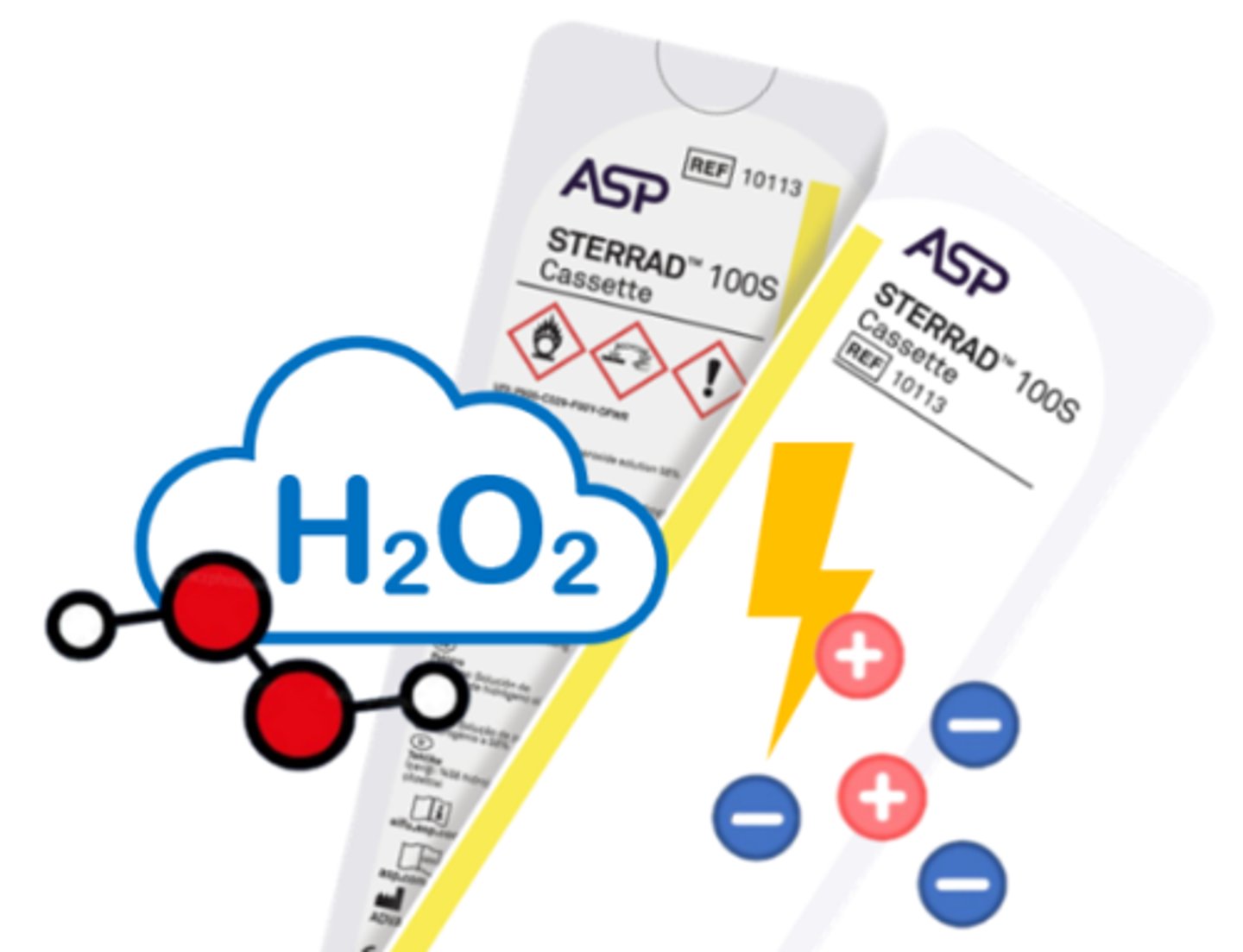
hydrogen peroxide gas plasma (n)
a hydrogen peroxide solution (59-95%) used in low-temperature sterilization, popular due to its safety (relative to EO)& shorter cycle times; it's highly effective, compatible with a variety of materials, & its nontoxic byproducts eliminate the need for aeration
Explore top notes

