ANS 151 Practical I
 Call Kai
 Learn
Learn Practice Test
 Spaced Repetition
 Match
Match Flashcards
 Knowt Play
1/97

There's no tags or description
Looks like no tags are added yet.
Name | Mastery | Learn | Test | Matching | Spaced | Call with Kai | Chat |
|---|
No analytics yet
Send a link to your students to track their progress
98 Terms

Blood meal

Broiler litter

Corn gluten meal

Dog food screening
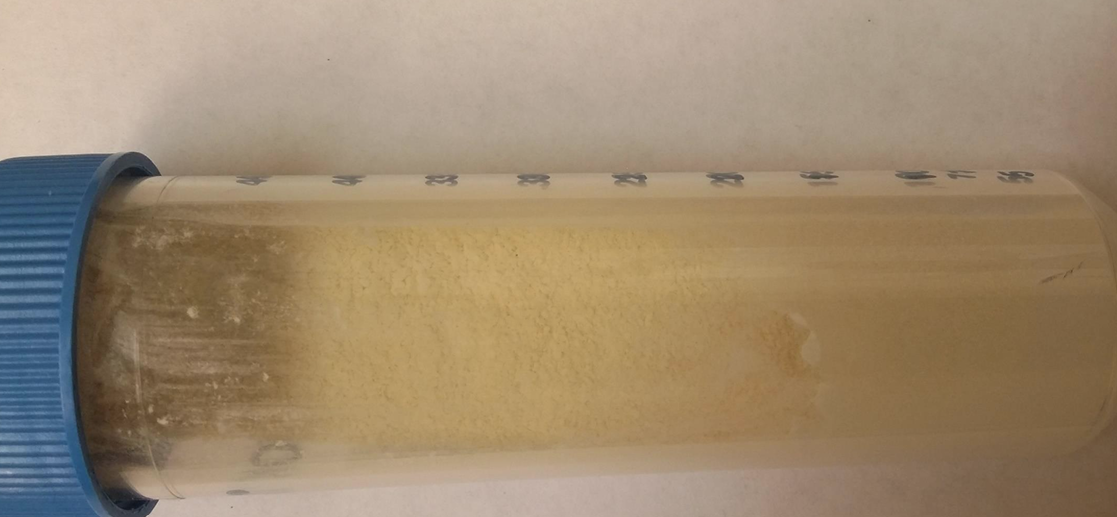
Dried skim milk

Dried whey

Fish meal
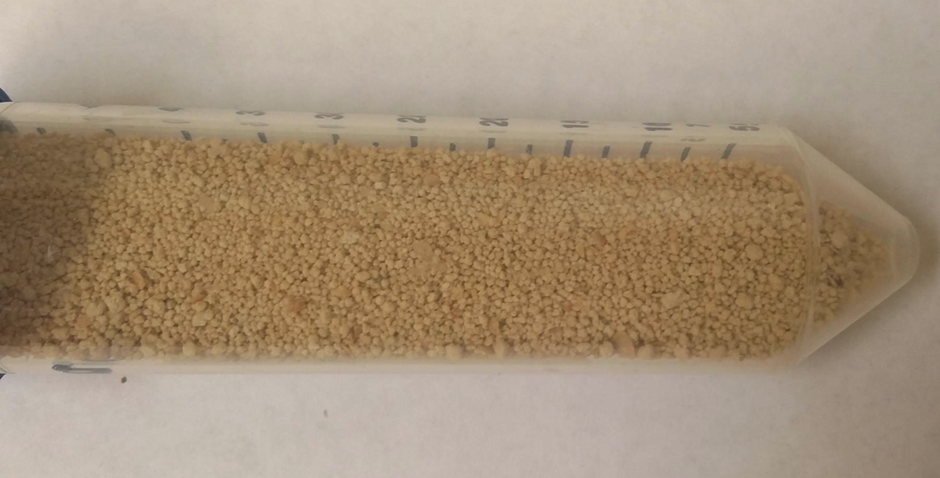
Lysine (amino acid)

Meat meal
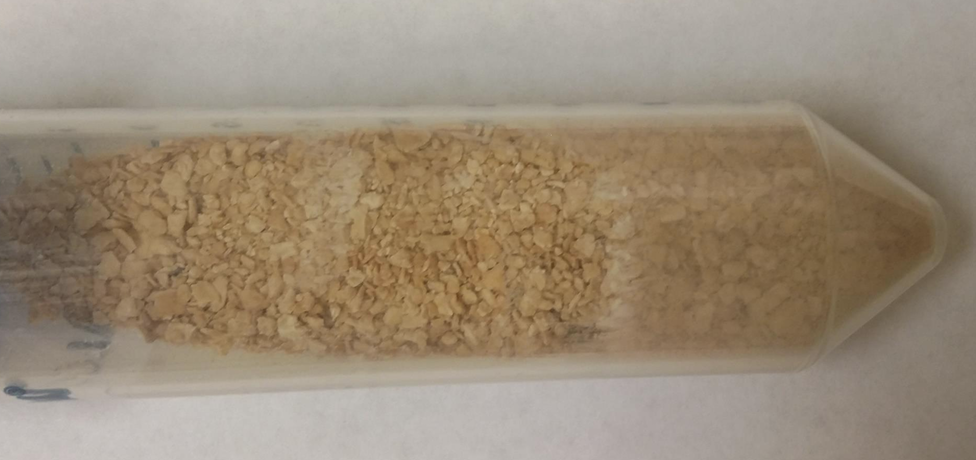
Soybean meal
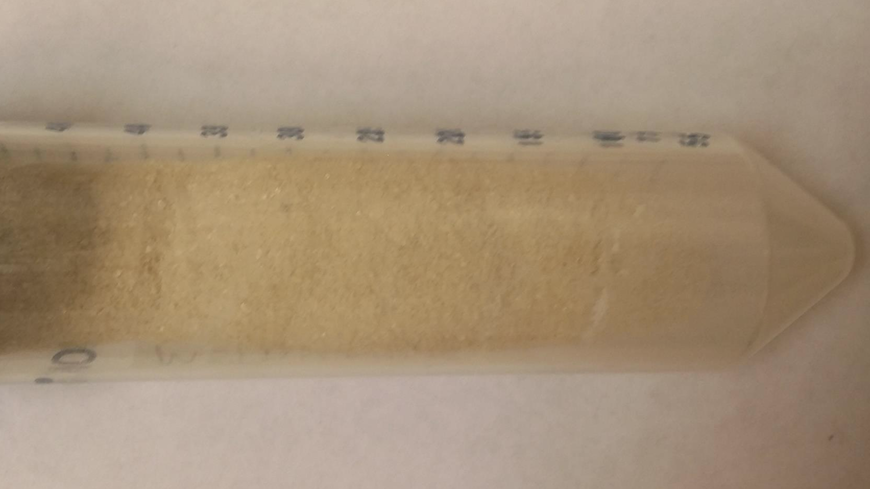
Methionine (amino acid)

Urea

Copper sulfate

Dicalcium phosphate
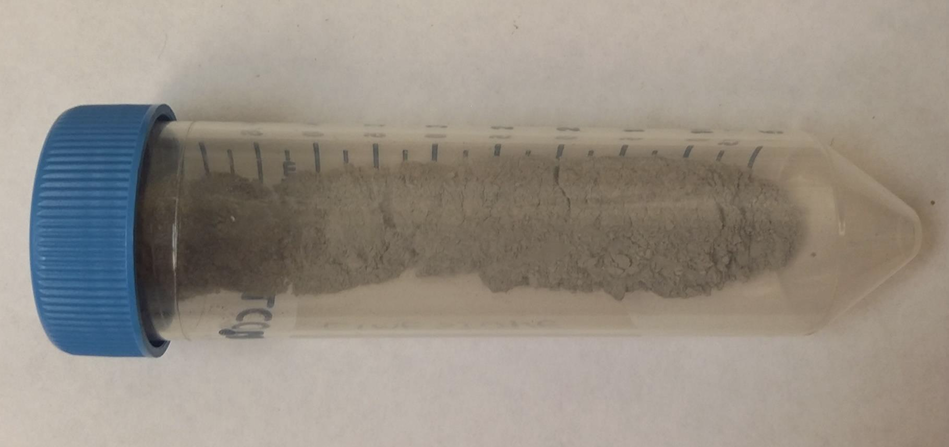
Limestone

Salt

Sodium bicarbonate
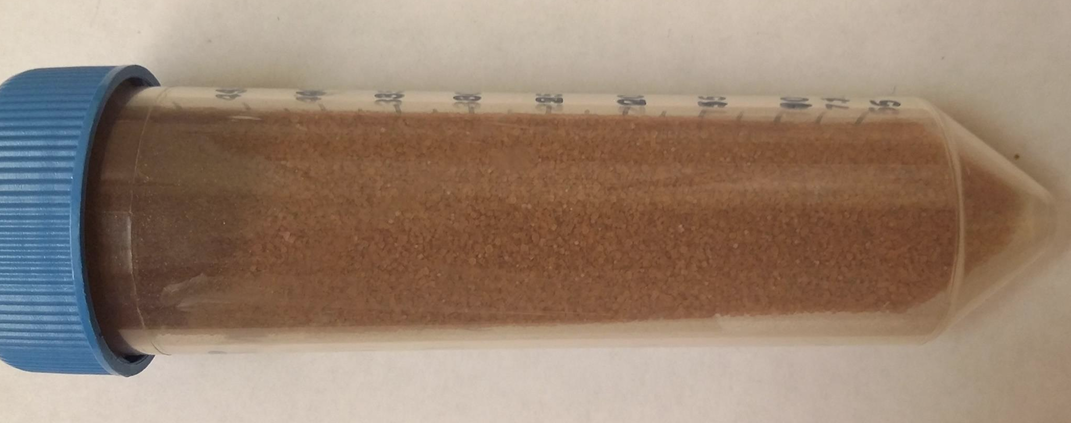
Trace mineral salt
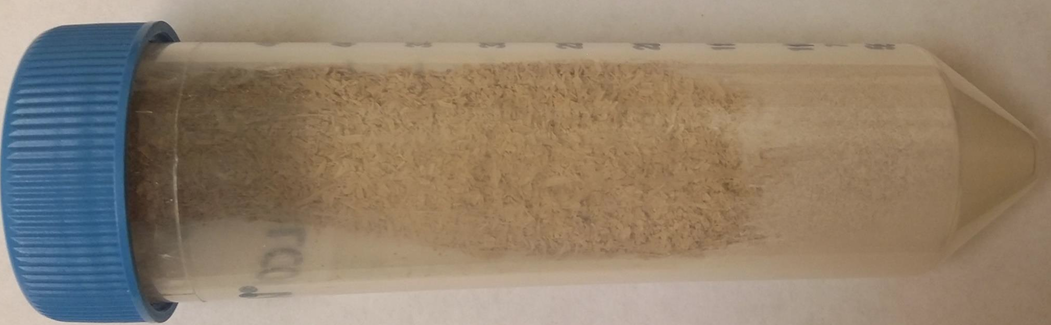
Vitamin premix (rice hulls used as a carrier)

Barley

Milo (grain sorghum)

Oats
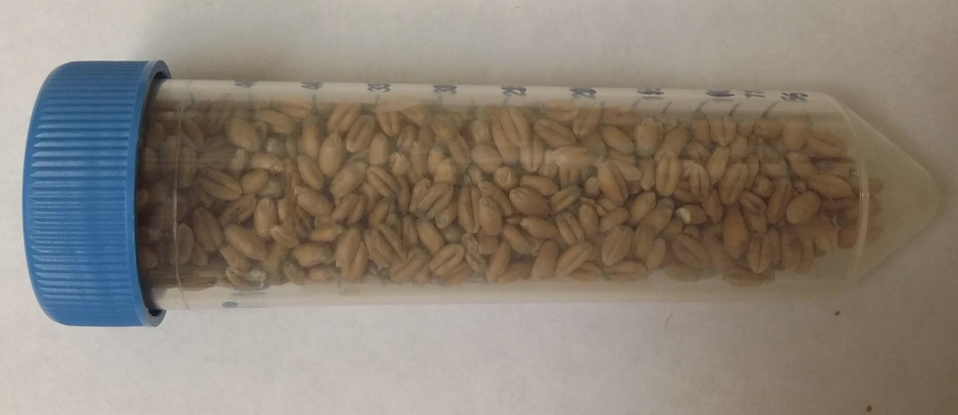
Wheat
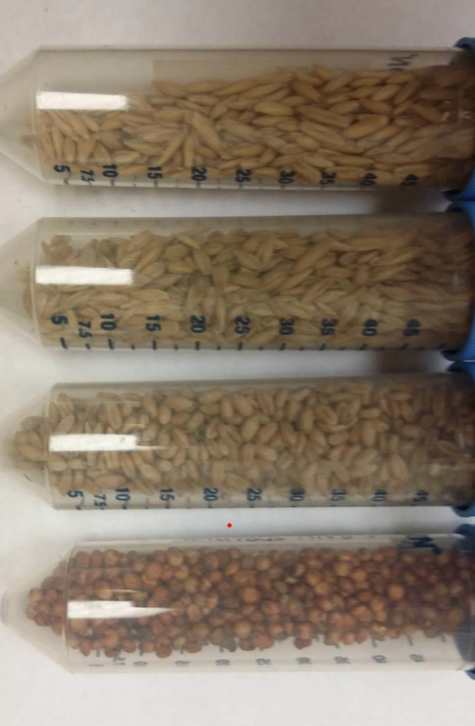
oats, barley, wheat, milo

Whole corn
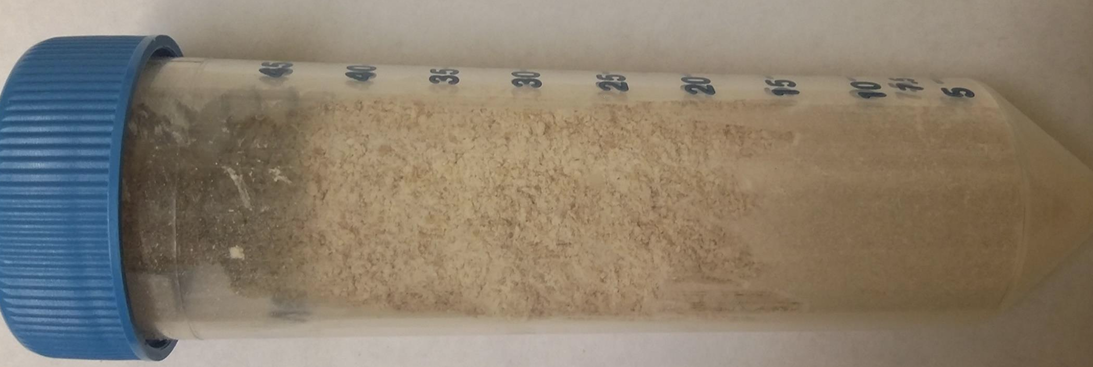
Finley ground corn

Coarsely ground corn

Cracked corn
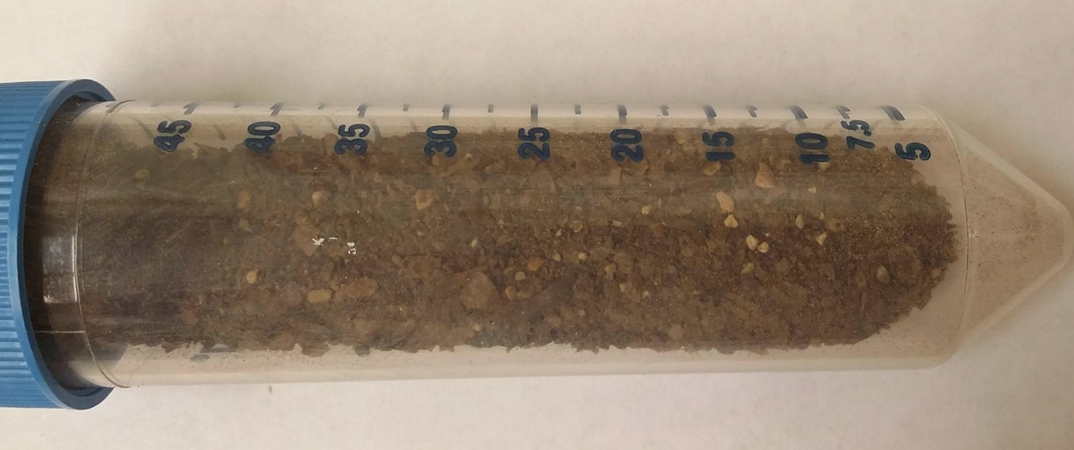
Corn gluten feed

Whole cotton seed
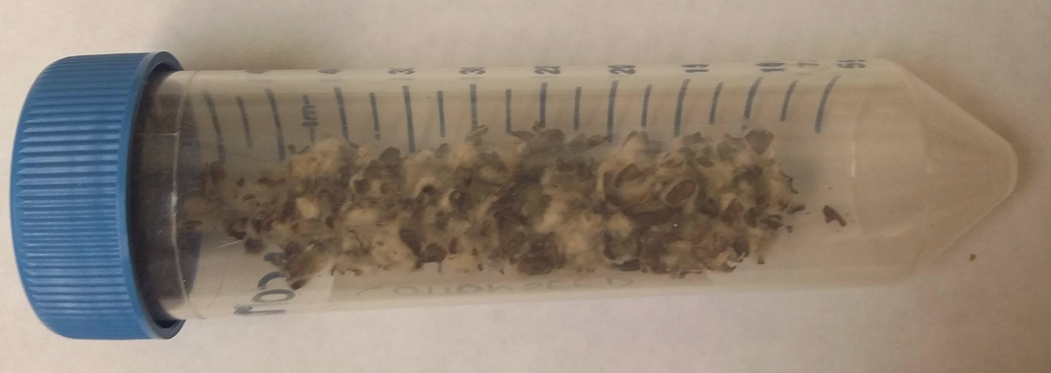
Cotton seed hulls
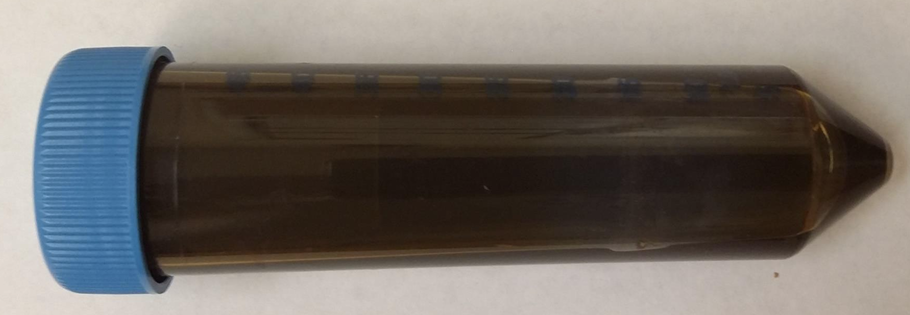
Molasses

Peanut hulls

Alfalfa
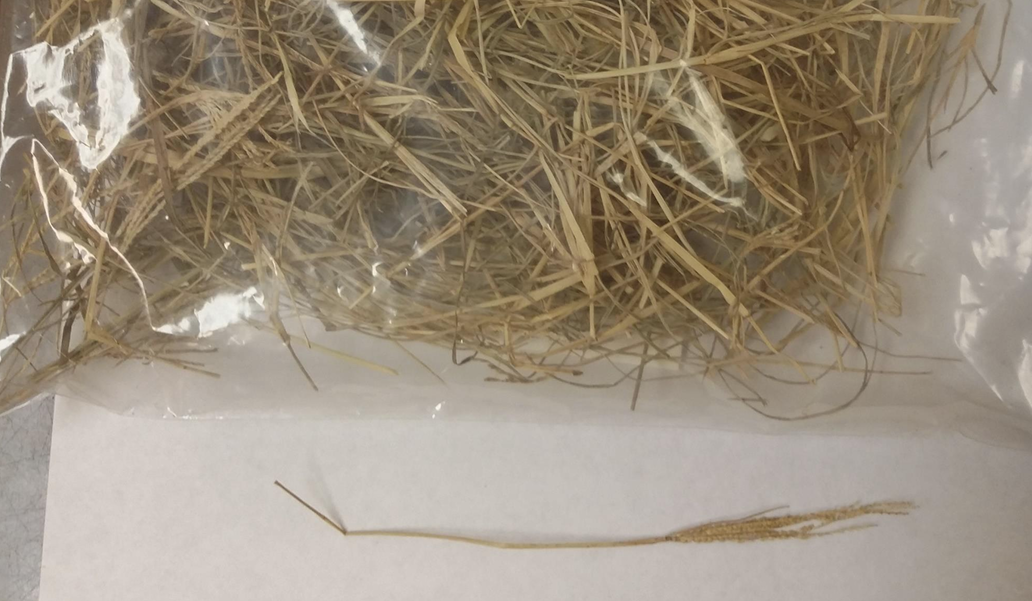
Bermudagrass
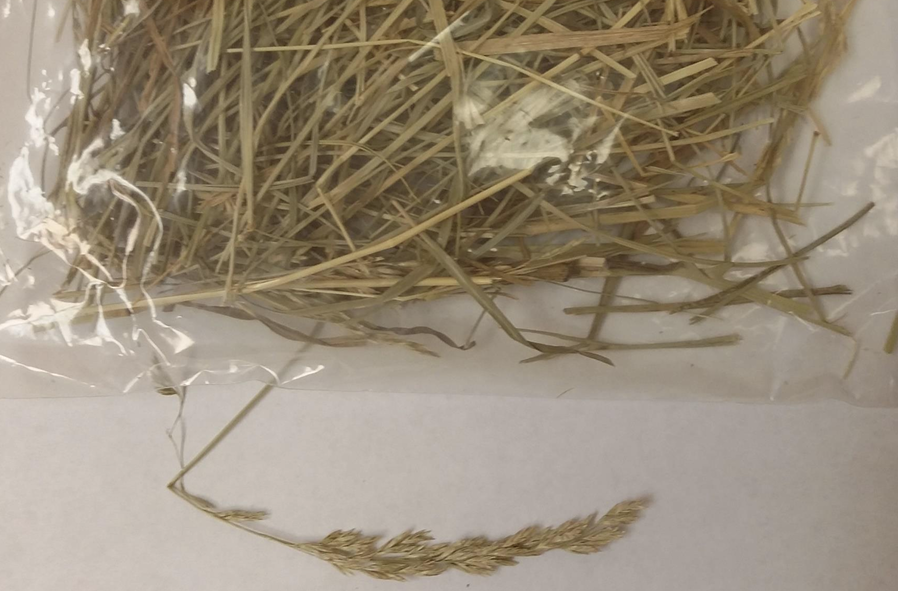
Fescue hay

Orchardgrass

Timothy hay
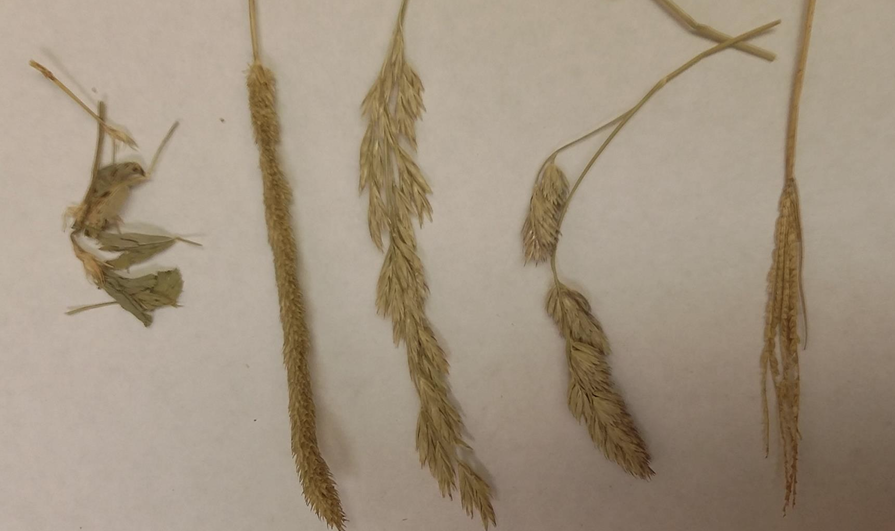
Left to right: alfalfa, timothy, fescue, orchardgrass, bermudagrass

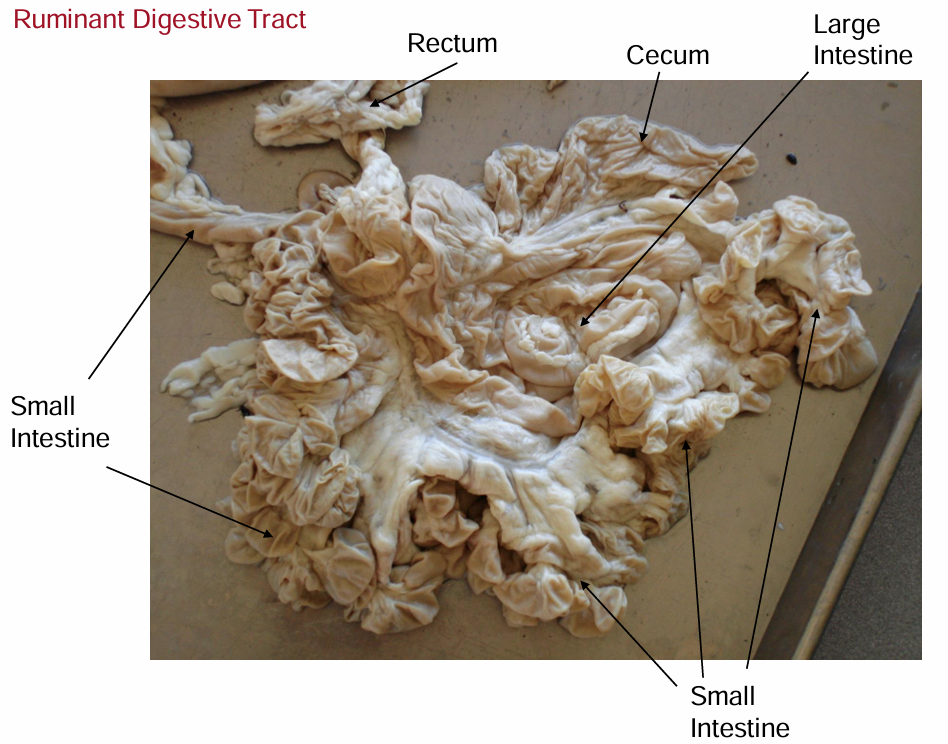
Label the ruminant digestive tract (Esophagus→ small intestine)


Label the ruminant digestive tract (small intestine→ rectum)

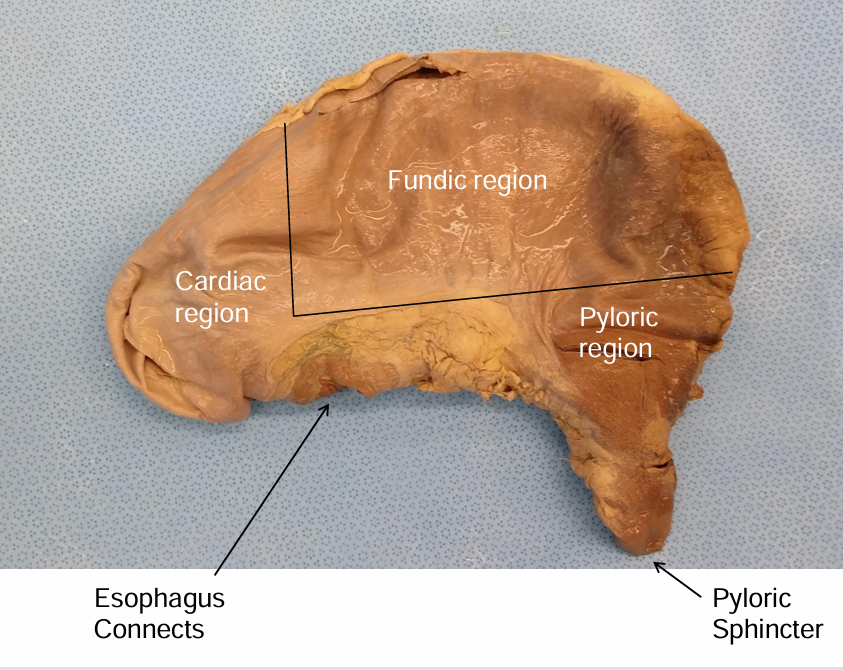
Label the parts of a monogastric animal stomach
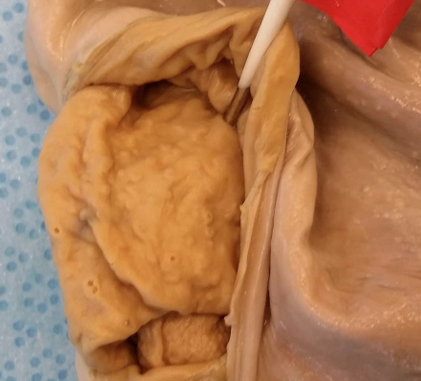
What section of a monogastric stomach does this lining belong in and what are its characteristics and purpose?
Cardiac region, thin walled, thin epithelial layer, used for storage

What section of a monogastric stomach does this lining belong in and what are its characteristics and purpose?
Fundic region, thin-walled, thick epithelial layer, secretes HCI and digestive enzymes

What section of a monogastric stomach does this lining belong in and what are its characteristics and purpose?
Thick-walled “muscles”, thin epithelial layer, pushes food into small intestine

What kind of animal is this system from? Label the digestive tract.
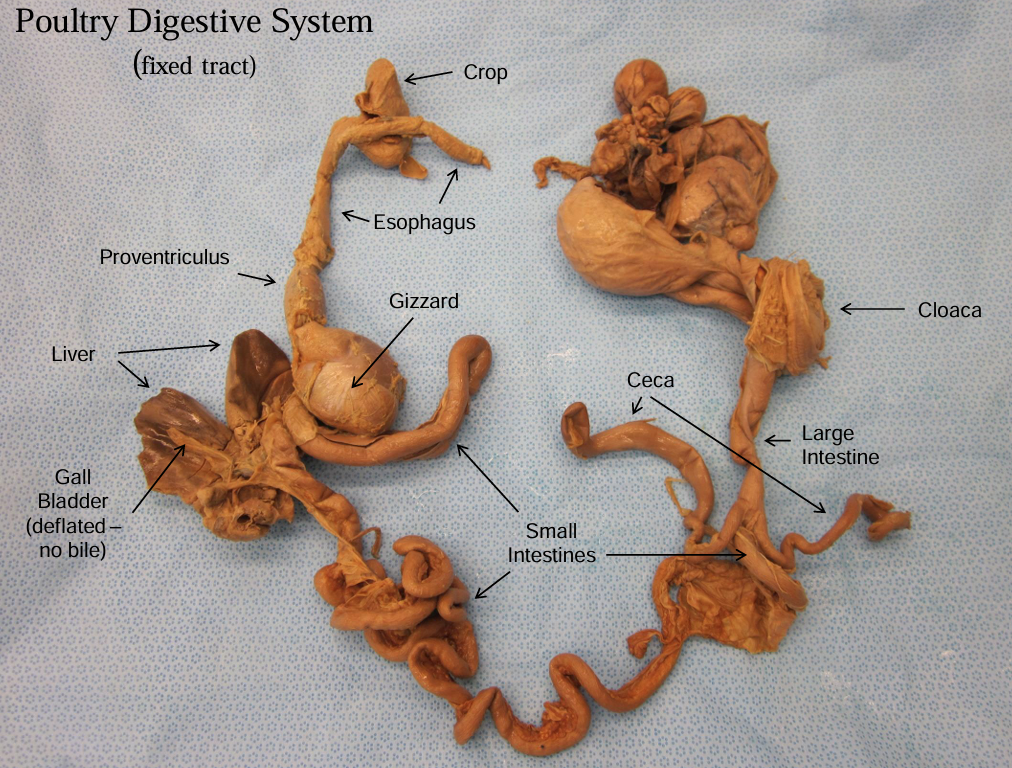

What kind of animal is this system from? Label it.


What kind of animal is this system from? Label it.


What kind of animal is this system from? Label it.
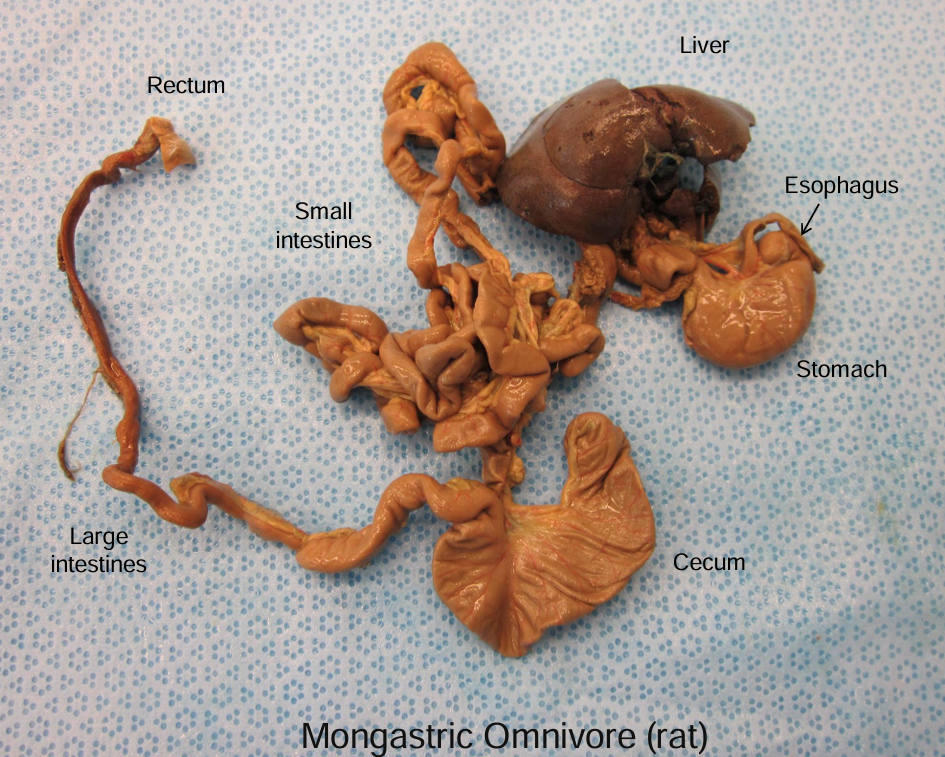
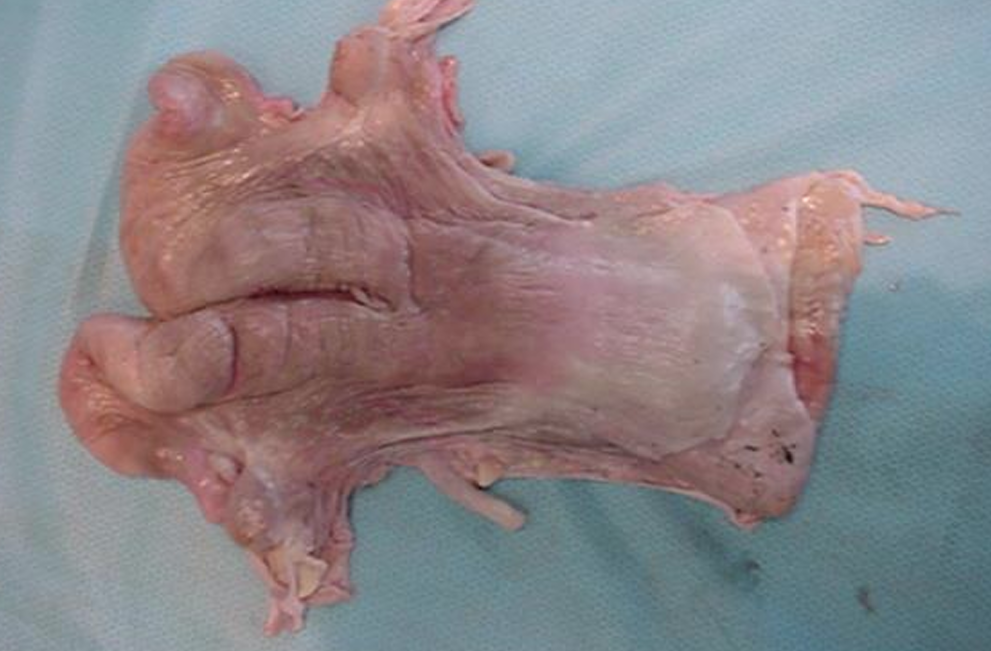
What animal is this system from? Label it.

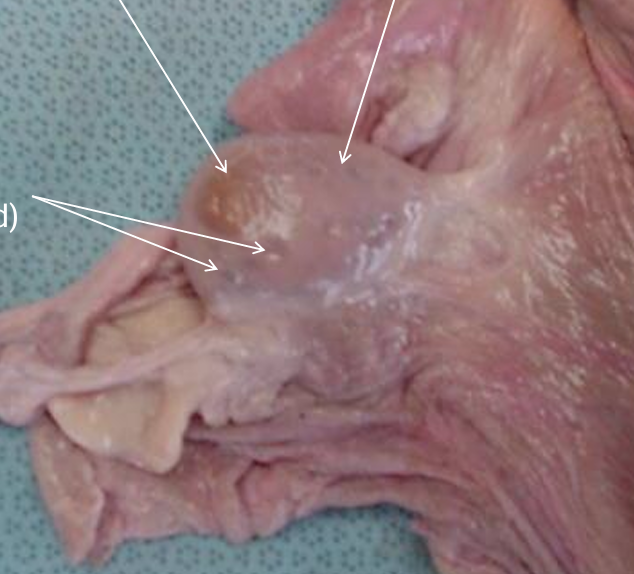
Label the ovary, CL, and follicle
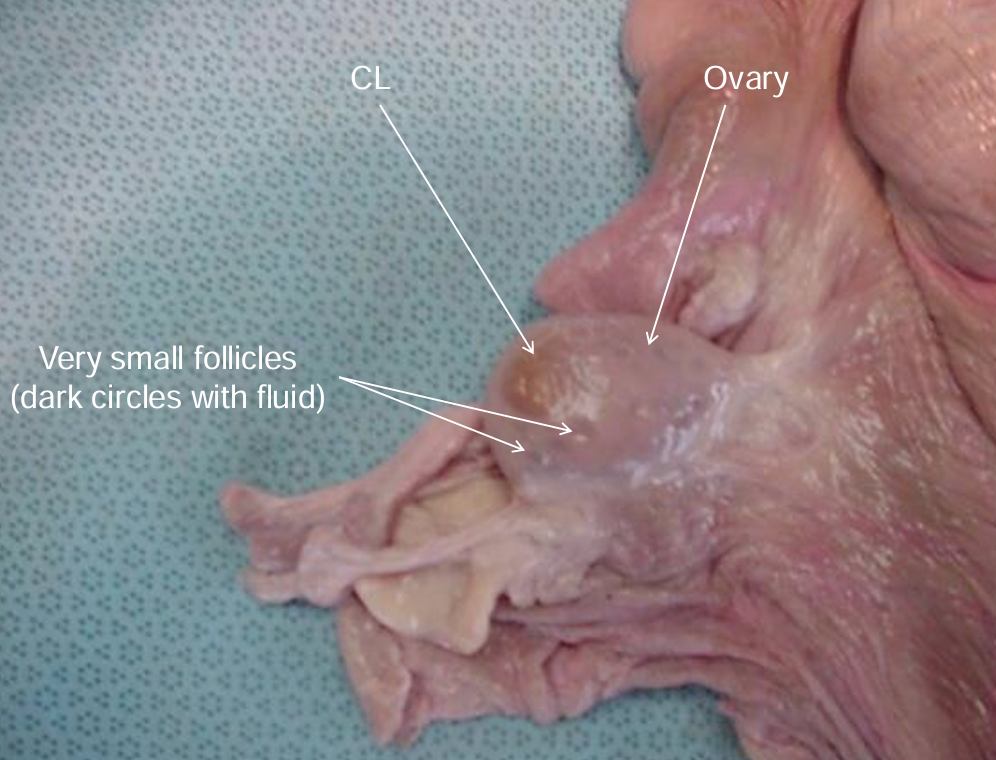

Label the ovary, CL, and oviduct


What animal is this system from? Label it.


What animal is the system from? Label it.
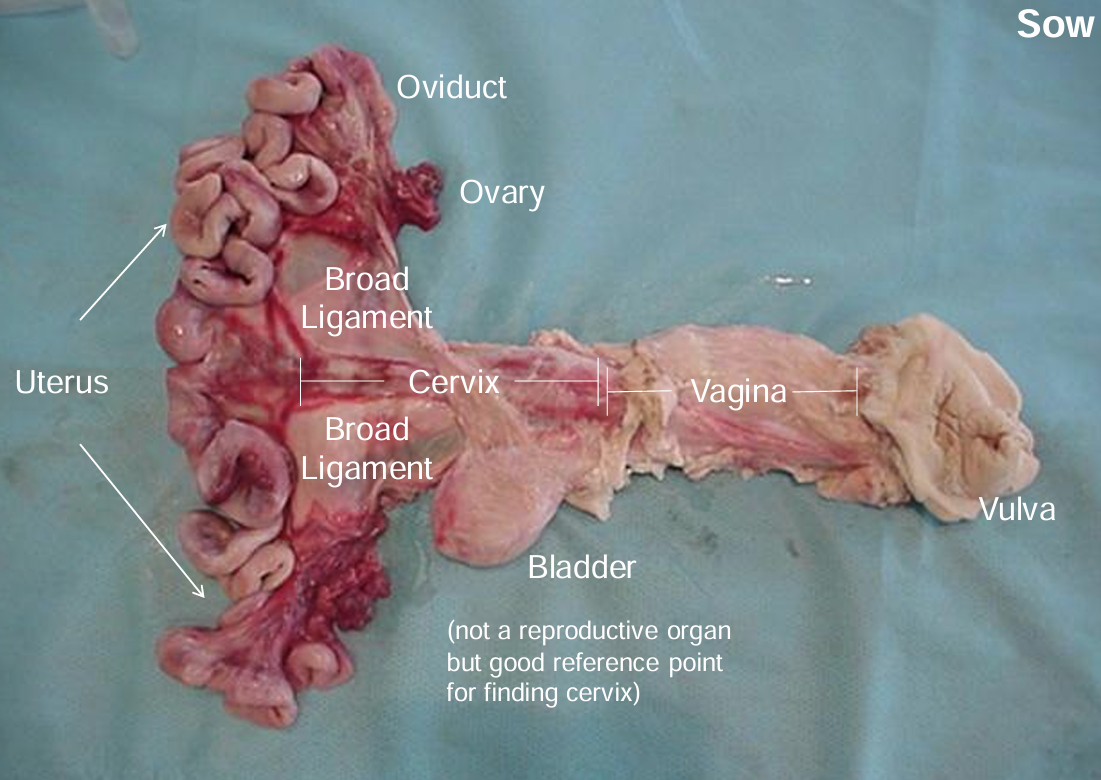
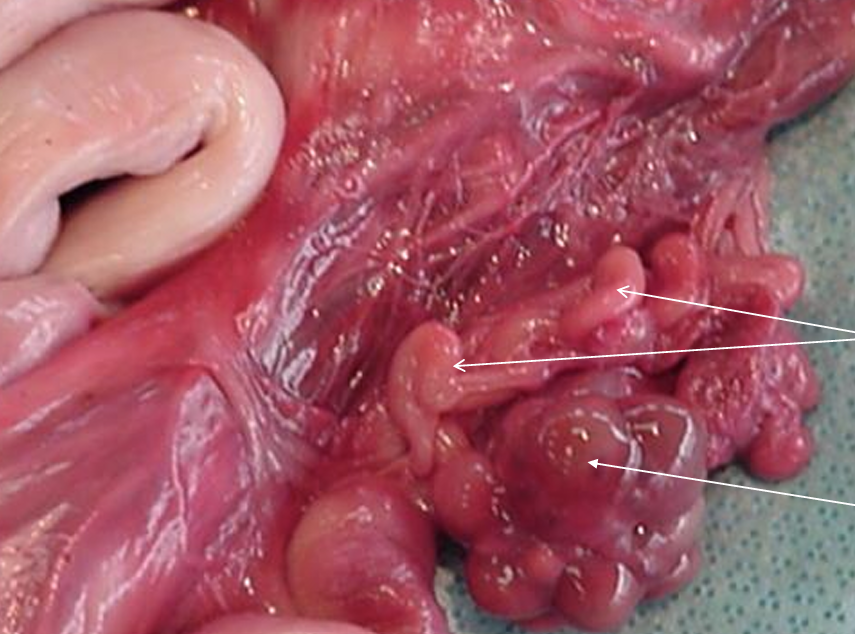
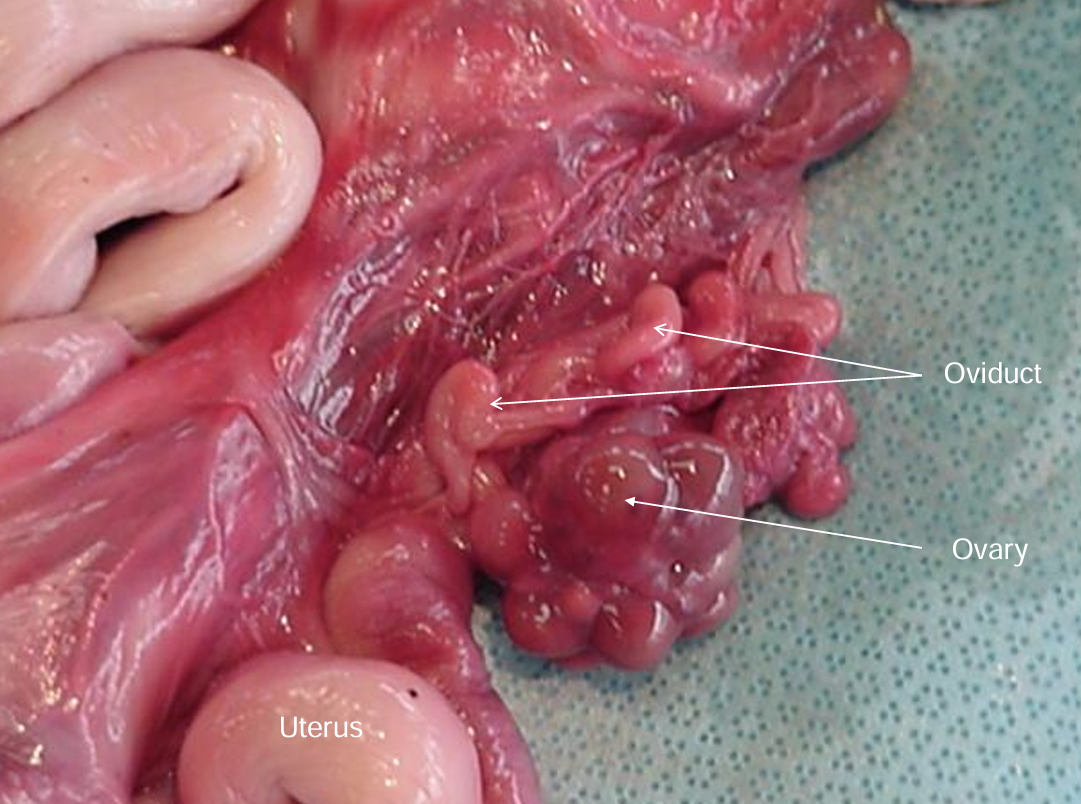
Label the oviduct and ovary

Label the CA, follicles, and CL


What animal is this system from? Label it.

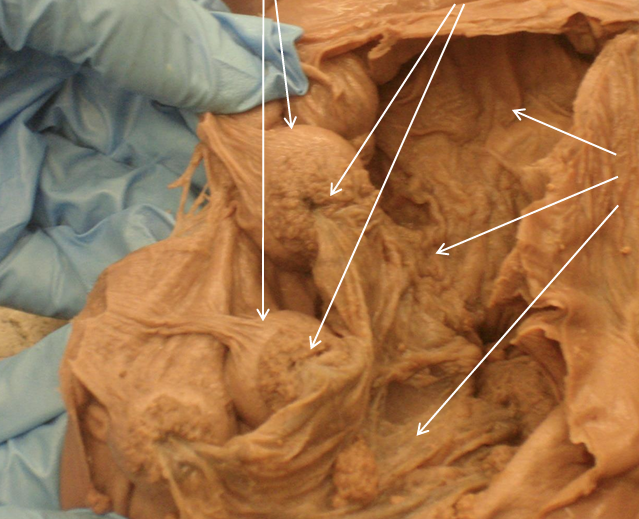
What is this? Label it.
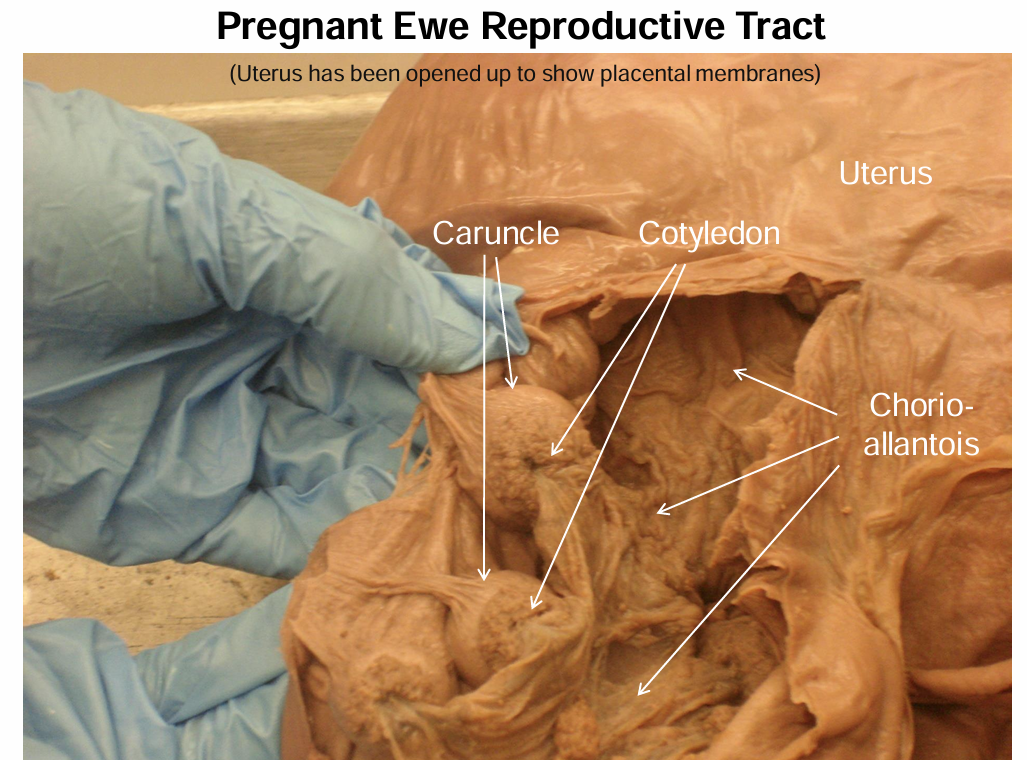

What is this? Label it.

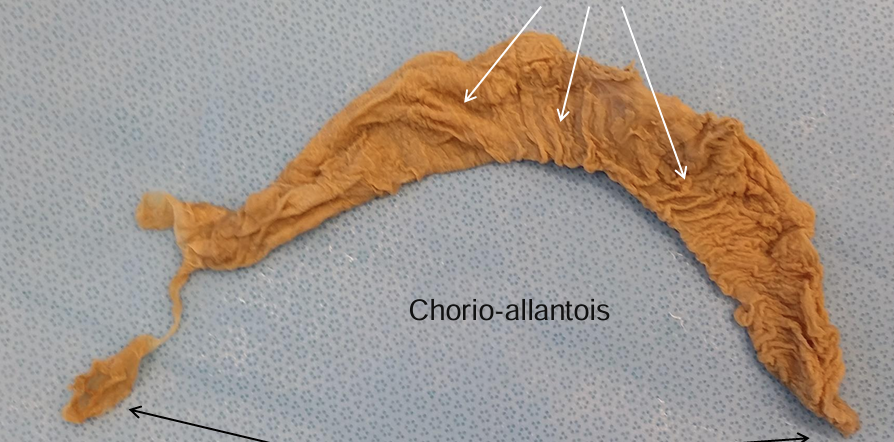
What is this? Label it.
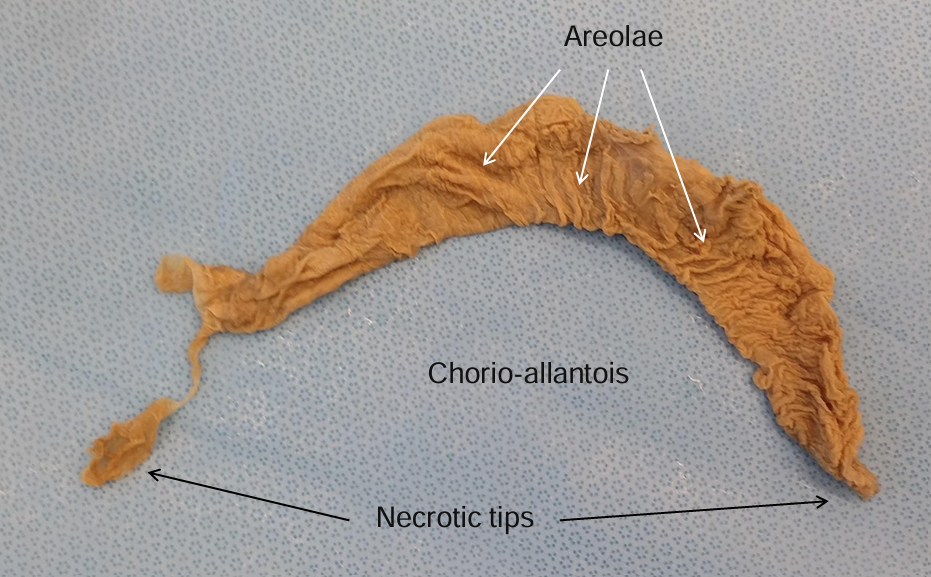
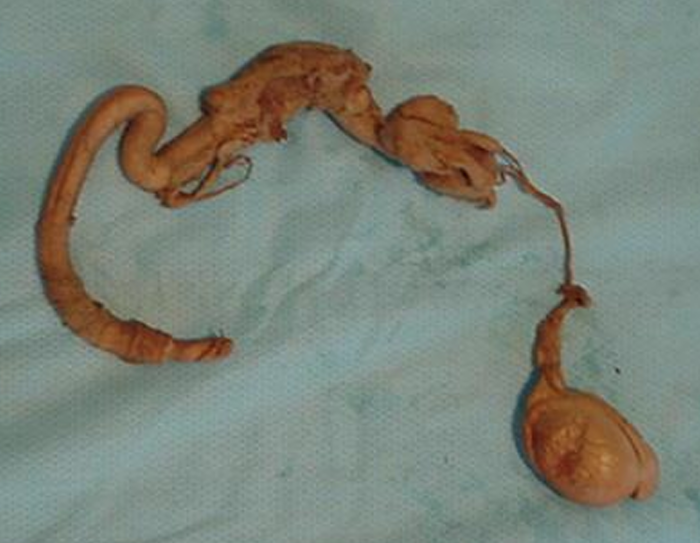
What is this? Label it.


What is this? Label it.

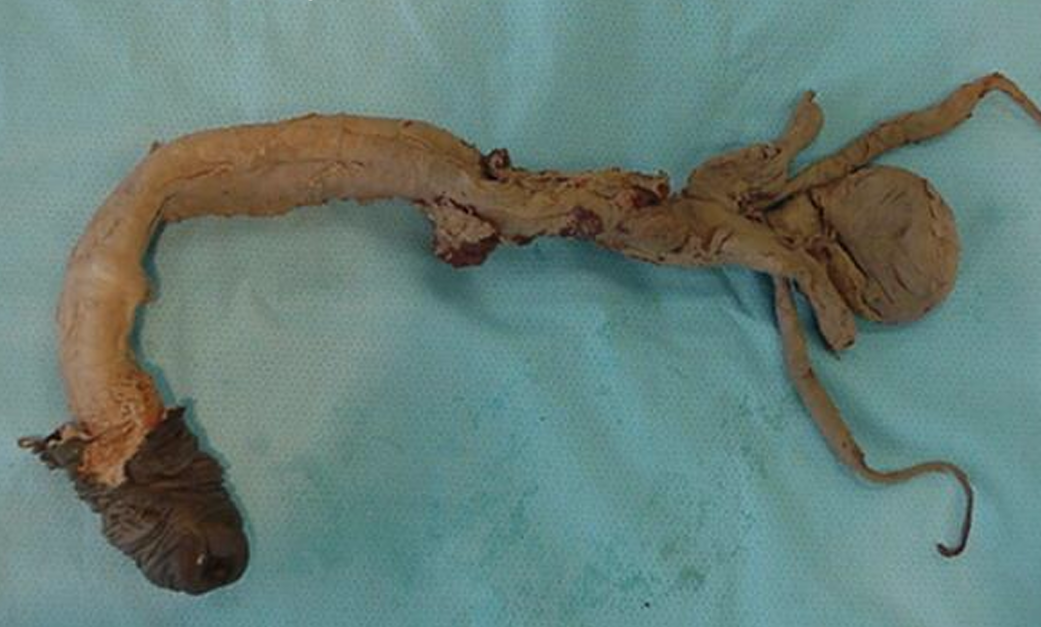
What is this? Label it.


What is this? Label it.
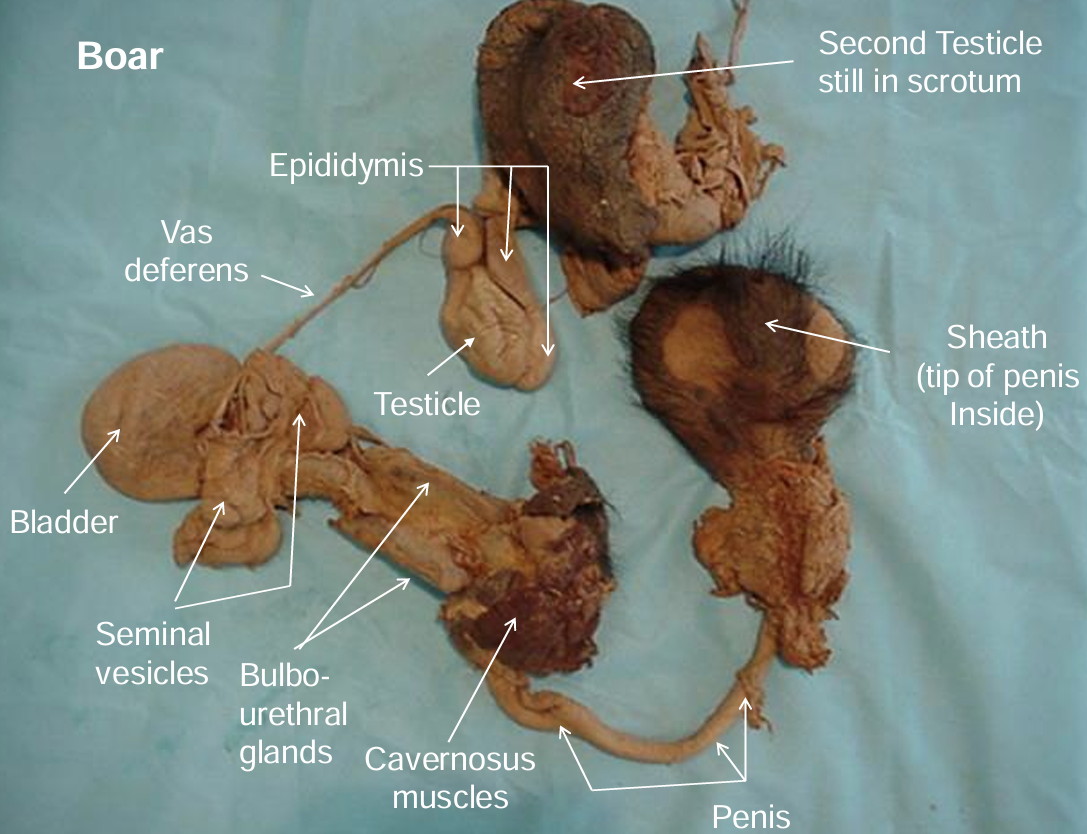
How can you tell a cow reproductive tract is mature?
There are CLs and CAs on the ovary which means that she has ovulated - come into estrus. If there were only follicles on the ovary, then the female would be immature or prepubertal.
What is unique about the ovaries of the horse?
CLs, CAs, and follicles can't be seen on its surface. They are internal (inside the ovary). The other thing that is unique is that mare's ovulate from the same location on their ovaries. Its called the ovulation fossa.
How many ovarian structures can you see on the outside of the equine ovary?
None
What is unique about the oviduct of the horse?
It doesn’t surround the entire ovary like other species. It connects to or covers only the ovulation fossa.
Why does the uterus of the horse have a large uterine body?
Mares have only one foal which typically is very large. The large uterine body is necessary to support the foal as it develops.
What is the function of the necrotic tup on the porcine fetus?
The necrotic tip is dead tissue that forms when the tips of two adjacent placentae touch. This occurs to prevent any possible disease transmission from one fetus to the one that is right beside it. Bacteria and viruses can't move through dead or necrotic tissue.
What is the function of the cotyledons on ruminant placentae?
Nutrient uptake by the fetus and waste removal by the uterus/mother. The cotyledon is the fetal portion.
What is the function of the caruncle on the ruminant uterus?
Nutrient uptake by the fetus and waste removal by the uterus/mother. The caruncle is the uterine portion.
What is the best way to tell the difference between a tract from a doe/ewe and one from a cow?
Size
What is the best way to identify a reproductive tract from a bull?
It should be larger and the tip of the penis is tapered.
What is the best way to identify a reproductive tract from a ram/buck?
It should be smaller and the tip of its penis has a small projection called the proboscus.
Species names
Boar, sow, bull, cow, mare, ewe, ram, buck, doe
Generic animal terms
Porcine, pig, swine, bovine, cattle, ovine, sheep, caprine, goats, equine, horses, feline, cats
What are two ways that you can distinguish between the pyloric and cardiac regions of the monogastric stomach?
Location – cardiac is above esophagus junction; pyloric is below small intestine junction Appearance of layers – cardiac has thin inner and muscular layers; cardiac has thin inner and thick muscular layer
What is the best way to determine whether you are looking at a digestive tract from a monogastric animal that is a carnivore compared with one that is either a herbivore or omnivore?
Carnivore will have very small cecum relative to the size of its stomach
Where is the gall bladder located in the digestive tract?
Ventral surface of the liver; usually in between two of its lobes
Where is the proventriculus located in the avian digestive tract?
Just before the gizzard
Where is the gizzard located in the avian digestive tract?
Just before the small intestines
Where is the pyloric sphincter located and what does it do?
Junction of stomach, abomasum, gizzard and small intestine. It lets chyme (partially digested food) out of these organs and into the small intestines
Which of the hays (forages) has a long, cylindrical seed head?
Timothy
What is the main difference in the appearance of limestone and dicalcium phosphate?
Limestone is a fine powder; Dicalcium phosphate is granulated
Which mineral feedstuffs is blue?
Copper sulfate
What is the main difference in the appearance of oats and barley?
Oat tends to be more cylindrical (it doesn’t have its husk); Barley has its husk, so it appears to be more angular
What is the main difference in the appearance of dried skim milk and lysine?
Dried skim milk is a fine powder; Lysine is granulated
Most of the feedstuffs classified as High Energy come from what part of plants?
Seed of plants
What is the main difference between the teeth of monogastric herbivores and ruminants?
No teeth in upper palate of ruminants
What is the main difference between the teeth of herbivores and omnivores?
Molars and incisors of herbivores are flatter and canines are missing (usually). Teeth of omnivores are sharper and canines are present
What does the lining of the reticulum look like?
Honeycomb
What is the main difference between the teeth of omnivores and carnivores?
Carnivores have very sharp molars, canines and incisors. Omnivores molars, canines and incisors tend to be duller – not as pointed
What does the lining of the omasum look like?
Folds or layers