BIOL 3626: Day 2
 Call Kai
 Learn
Learn Practice Test
 Spaced Repetition
 Match
Match Flashcards
 Knowt Play
1/27

There's no tags or description
Looks like no tags are added yet.
Name | Mastery | Learn | Test | Matching | Spaced | Call with Kai | Chat |
|---|
No analytics yet
Send a link to your students to track their progress
28 Terms
Water Properties
dense, viscous
transmits light and chemical signals poorly
however, sound travels well
0.5-0.9% O2 at surface
Cetacean Traits
warm blooded, and high metabolic rate
allows cetaceans to swim fast for long periods and maintain large brains
however, they cannot be small, need a lot of insulation (via fur or blubber), and must eat a lot
obtain oxygen by breathing
allows inhabitation of waters with low oxygen content, and may even be able to go onto land
however, this means they must be able to go onto land
internal reproduction and lactation
mother can protect and care for young when small, and form a prolonged mother-young relationship
however, this leads to lower reproductive rates
Mysticete vs. Odontocete Reproductive Investment
generally, odontocetes spend much more time with their young than mysticetes
Compared to other ocean inhabitants, cetaceans are generally
near the surface
voracious
covered in blubber
large
acoustic
K-selected species
good mothers but poor fathers
social
cognitively advanced
very vulnerable to human harvesting
Mysticetes
Baleen whales
14 species
6-32 metres long
largest: blue
very seasonal, with very long migrations
thick blubber
typical reproductive rate:
2 year inter-birth interval
20-200 yr longevity
longest lived: bowhead
Odontocetes
sonar abilities
75 species
1.5-17m long
sperm whale largest
nomadic or sedentary
thinner blubber
variable reproductive rate:
1-5 years
8-100 yr longevity
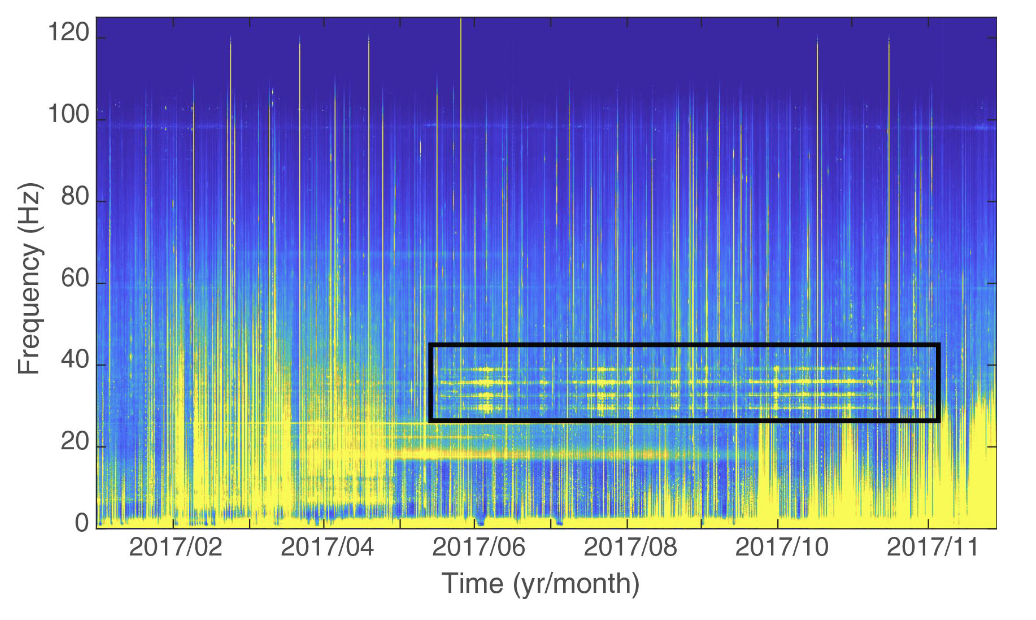
Spectogram
makes sound visible
the louder it is, the brighter it appears
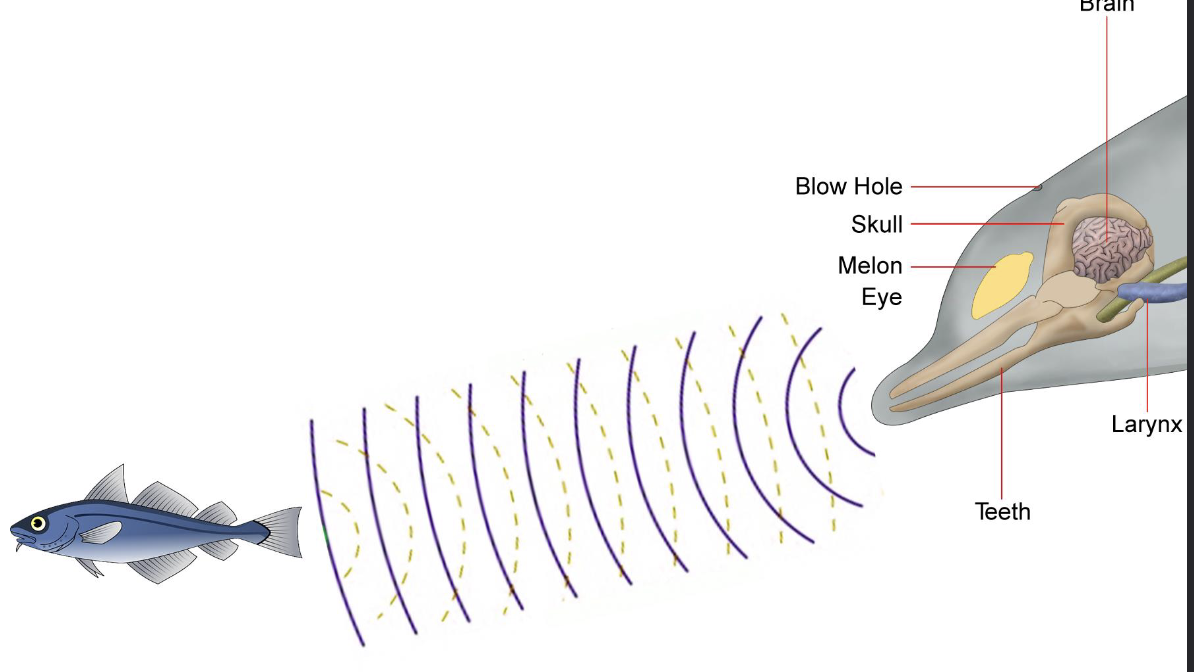
Echolocation
melon serves as a sac of fatty liquid which they ‘shoot’ a sound wave out of
to be recieved back, unlike bats, odontocetes do not have ears. rather, they have fused their ear bones to their jaw
this is modified in sperm whales
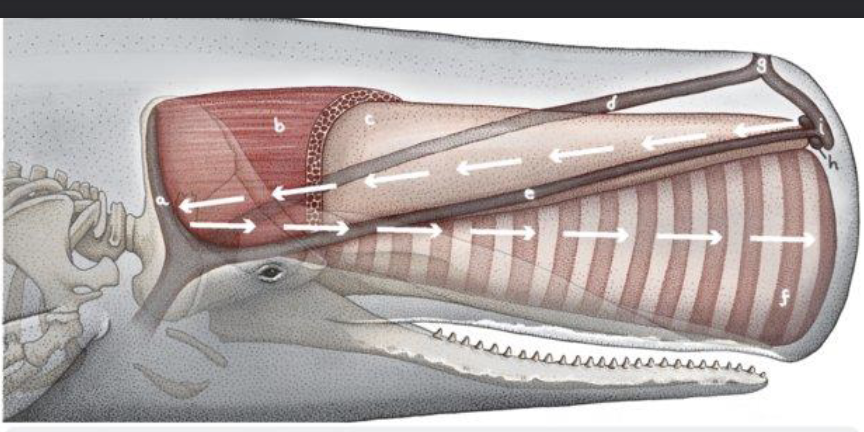
Sperm Whale Echolocation
differs from other odontocetes
2 melons present, the junk and the spermaceti organ. phonic lips in between both melons produces sound which hits the skull (click gets amplified), which gets shot out through the mouth
this click can be used to calculate the size of the whale !
Deepest/longest diving cetaceans
Cuvier’s Beaked Whale can dive the deepest
can dive up to 2,992m !
Sperm Whales can dive for the longest
can dive up to 2 hours !
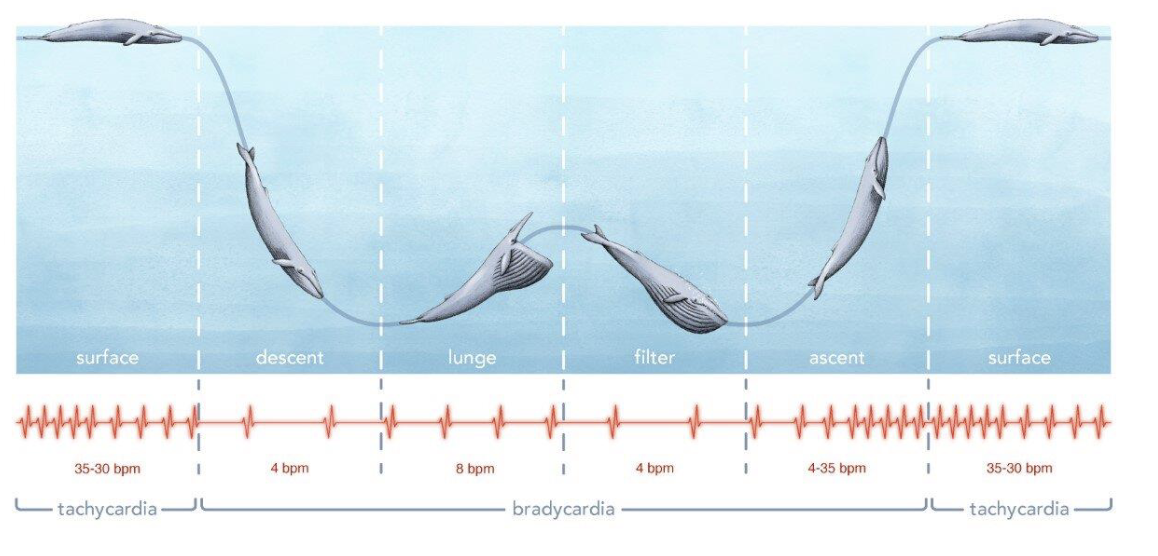
Diving Adaptation
blood rich in hemoglobin, muscles rich in myoglobin
much more effective at storing oxygen
ability to slow heartbeat down drastically (up to as low as 2 beats per minute)
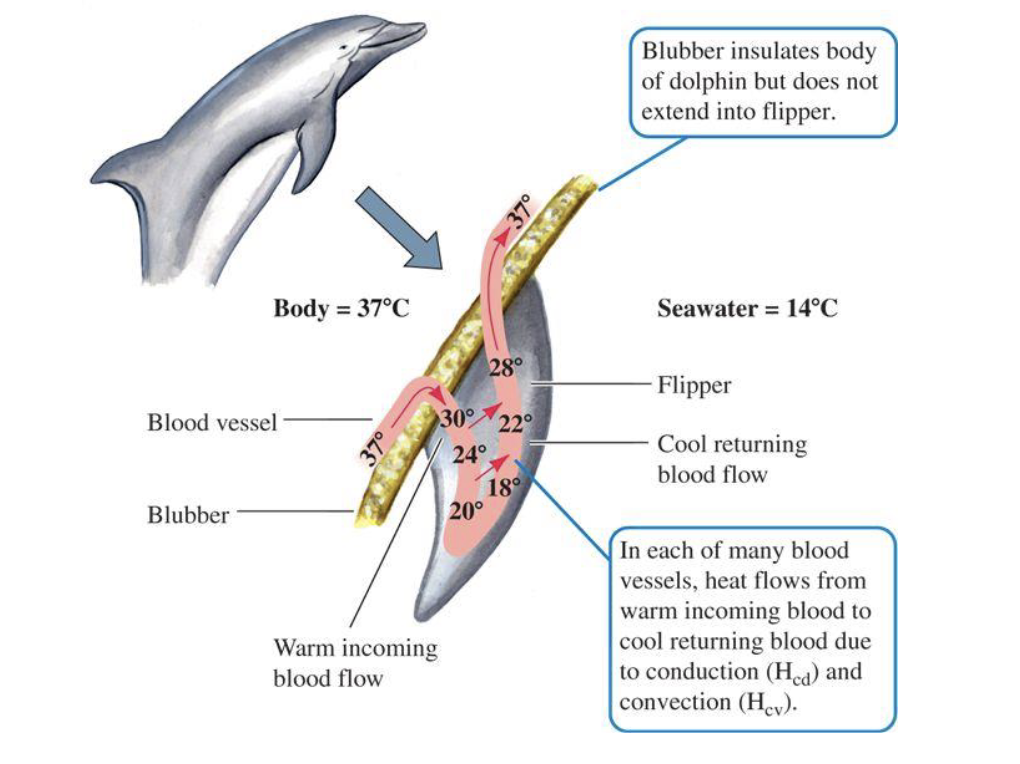
Blubber
works to insulate, and thermoregulate the body
if the animal is too hot, the blood can be brought out to extremities to cool down blood, then to return back to body
3 main functions
insulation
energy
buoyancy
mother whales can have their blubber be ‘built up’ so that they can create energy reserves to provide milk for calves
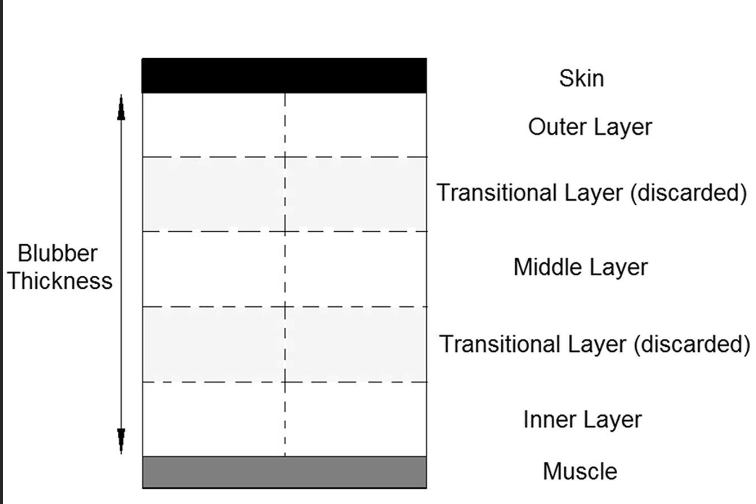
Blubber Composition
skin
outer later
transitional layer
middle layer
transitional layer
inner layer
muscle
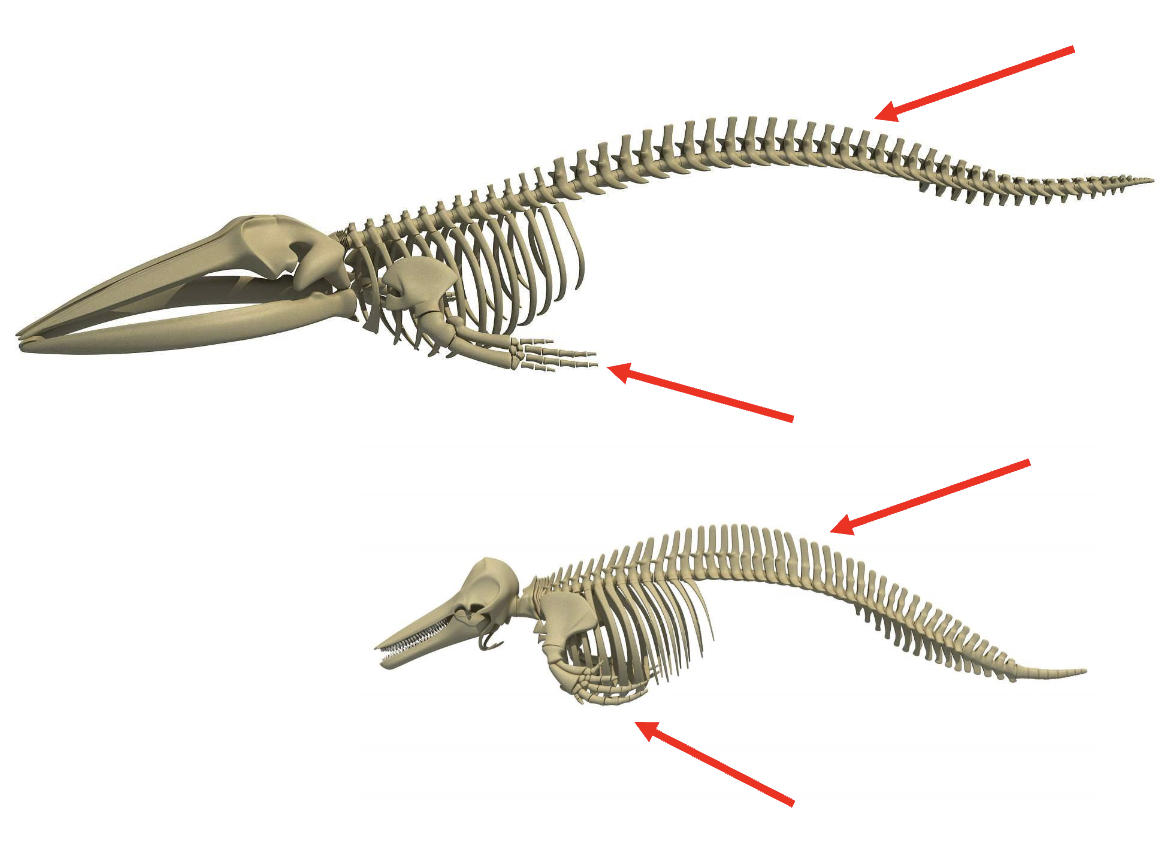
Vestigial Bone
whale’s tail adapted from their tail bone, rather than their legs. because of this, the vestigial pelvis bone remains. however, there is no purpose for it
Swimming Musculature
massive muscles where pointed to
same muscles which are used when humans do a “butterfly” swimming pattern
Asphyxiation
since a blowhole is a nose, if something gets into it, the cetacean can asphyxiate/choke
Osmoregulation
regulation of sodium/electrolyte levels within the body
since it is harmful to drink salt water, they get most of their water sources from their food
CRUCIAL: whales don’t drink salt water !
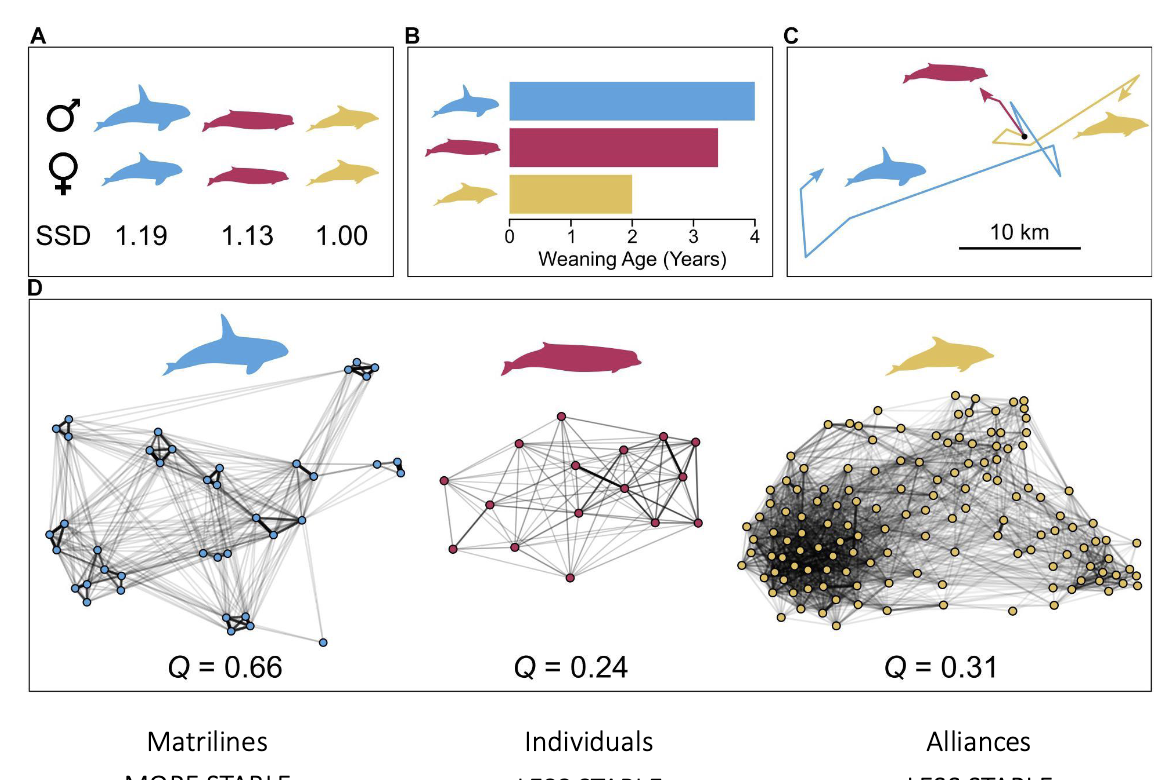
3 Tiers of Social Structures
Matrilines
tight knight family groups dependent on the mother/grandmother
Individuals
social group, but not connected dependent on family
Alliances
fission fusion groups
Maritime Matriline Species
pilot whales
orcas
sperm whales
Fission Fusion Maritime Species
atlantic white sided dolphins
white beaked
PAM
P___ Acoustic Monitoring
Why use PAM
mitigation
research
characterizing species signals
sound source characterization
distribution and movements
validating models
assessing impacts
How is PAM data collected?
hydrophone dipping
towed array
chain of multiple hydrophones from a moving platform
bottom mounted recorders
stationary, long term, data accessible once equipment received
autonomous platforms
EXAM SHORT ANSWER: Whats the coolest thing you learned from “How to be a whale”?
description of the move to water from land 50 million years ago
loss of hair (save a few whiskers)
nostrils move to the top of head
loss of legs
blue whale:
heart rate can descend down to 2 beats per minute
voice can travel 500 miles
loudest voice of all animals
voice too deep for the human register
fin whales
voice so powerful it can penetrate to the earths crust
dialects and fashions of orcas; social tradition
the ___ has an essential call, unique to all others
200 L whale excrement starts micro environments
once the southern ocean was depleted of whales during the whaling epidemic, massive ecosystem collapse followed because of the lack of ‘whale pumps’
whale falls; carbon sink, bring nutrients down, etc.
52 blue; interbreeding of blue and fin whales
how do they breed if the two species cant communicate with eachother ?
coolest thing for the instructor: we dont know what these calls mean !! we know for some how they are made, but for most we dont even know this
Echolocation
used to hunt, orient themselves, understand everything that is around them
monkey lips creates a sound, shoots to the frontal air sac, which is sent out through the mouth (passes both the spermaceti organ and the junk, both 2 versions of a melon)
once the sound is hit back and returned, it is recieved via jaw bone and sent to the ‘ear’
Socialization
echolocation may be used to communicate with other individuals via multi level social structure
comprised of units, groups, and clans
Culture
vertical culture: a parent teaches a younger generation
horizontal culture: jules picks up on janis joplins accent
Coda
series of 2-15 clicks with a ‘marble’ sound
used to differentiate whether or not a separate clan of sperm whales ‘speaks their coda/language’
similar to morse code, in that they are comprised of a series of ‘dots’