Lesson 4 - Extensions of Mendelism
 Call Kai
 Learn
Learn Practice Test
 Spaced Repetition
 Match
Match Flashcards
 Knowt Play
1/44

There's no tags or description
Looks like no tags are added yet.
Name | Mastery | Learn | Test | Matching | Spaced | Call with Kai | Chat |
|---|
No analytics yet
Send a link to your students to track their progress
45 Terms
Allelic Variation and Gene Function
- Mendel's experiments established that genes can exist in alternate forms.
- For each of the seven traits that he studied—seed color, seed texture, plant height, flower color, flower position, pod shape, and pod color—Mendel identified two alleles, one dominant, the other recessive.
- However, research early in the twentieth century demonstrated this to be an oversimplification.

White and red varieties
are homozygous for different alleles of a color determining gene; when crossed, they produce heterozygotes that have pink flowers.

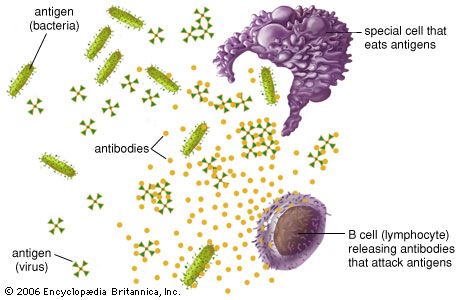
antigens
- Another exception to the principle of simple dominance arises when a heterozygote exhibits characteristics of both associated homozygotes.
- This occurs with human blood types, which are identified by testing for special cellular products called
glycophorins
- The antigens of the MNS blood group are carried on sugar-bearing proteins called?
- These lie in the red blood cell (RBC) membrane
- One end of this is attached to the underlying cell, and the other end bears the sugars and determines a person's MNS blood type

M and N antigens
are located on glycophorin A (GYPA)
S and s antigens
are located on glycophorin B (GYPB).
antiserum
- blood serum containing antibodies against a specific antigen, used to treat or provide immunity to a disease.

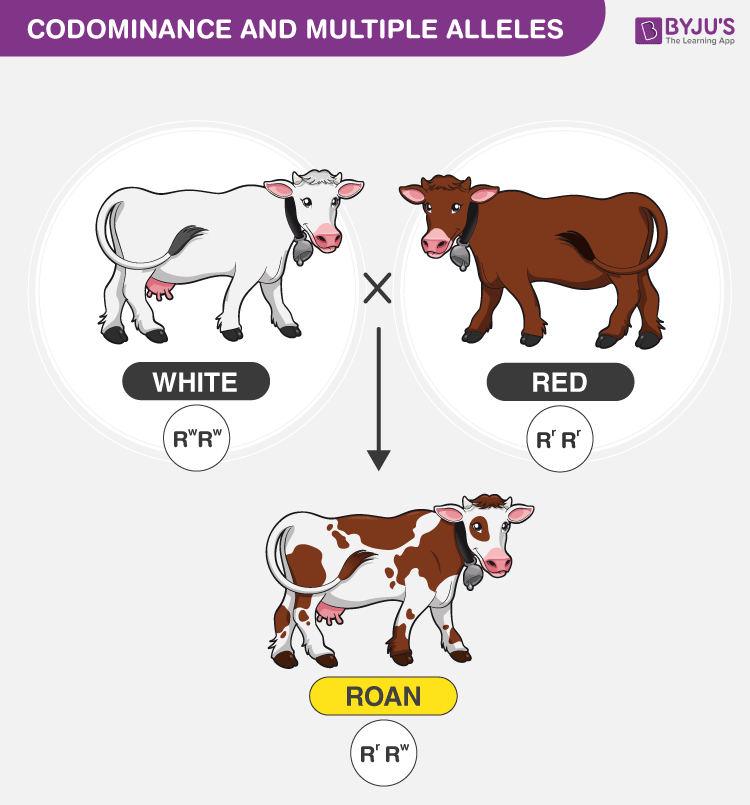
Codominance
- implies that there is an independence of allele function.
- two alleles appear to contribute independently to the phenotype of the heterozygotes
- is when two different gene instructions work independently and show up at the exact same time side-by-side without blending
Example: A child inheriting a gene for black spots and a gene for white spots ends up with a white cow with black spots (roan pattern) rather than a grey cow.
multiple alleles
- The Mendelian concept that genes exist in no more than two allelic states had to be modified when genes with three, four, or more alleles were discovered.
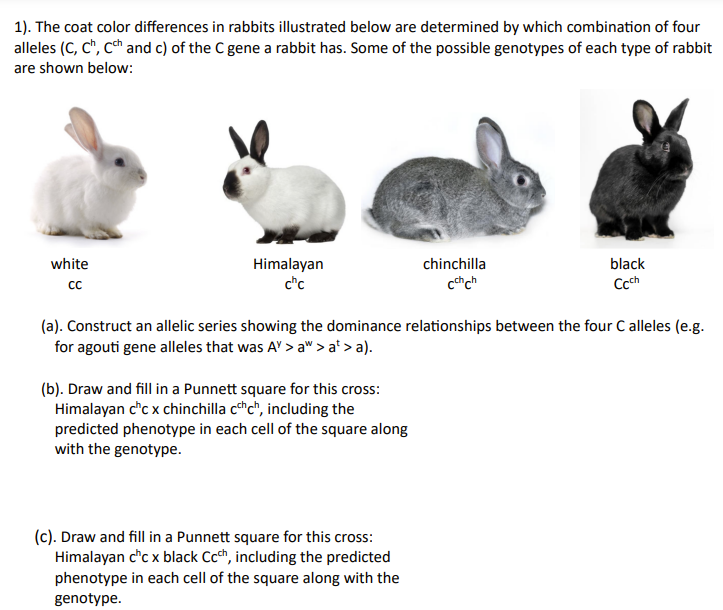
- is the one that controls coat color in rabbits.
- means that instead of having just two choices for a gene trait, a population has three, four, or more different choices available.
Example: An ice cream shop offering vanilla, chocolate, strawberry, and mint flavors for hair color instead of just brown and blonde.

color-determining gene
denoted by the lowercase letter c, has four alleles, three of which are distinguished by a superscrip

A, B, AB, and O blood types
are identified by testing a blood sample with different sera.

Human ABO Blood Group System (I Gene)
- The gene responsible for producing the A and B antigens is denoted by the letter I.
- It has three alleles: I^A, I^B, and i. I^A and I^B alleles are codominant, since each is expressed equally in the I^A I^B heterozygotes, and the i allele is recessive to both the I^A and I^B alleles

allelic series
- The four alleles of the c gene in rabbits can be combined with each other to make six different kinds of heterozygotes: c h c, c ch c, c+ c, c ch c h , c+ c h , and c+ c c
- These dominance relations can be summarized as c+ >c ch > c h > c.
- ranks multiple gene options in order from strongest to weakest, determining which version wins and shows up when paired together.
Example: A podium ranking system where $c^+$ wins Gold, $c^{ch}$ wins Silver, $c^h$ wins Bronze, and $c$ comes in last place.

wild-type allele
- is completely dominant over all the other alleles in the series
- is fully functional in this process, producing colored hairs throughout the body.

chinchilla allele
is partially dominant over the himalayan and albino alleles
himalayan allele
is completely dominant over the albino allele.
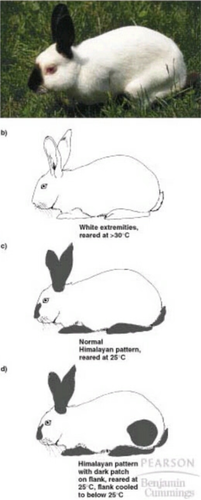
dominance hierarchy
parallels the effects that the alleles have on coat color.

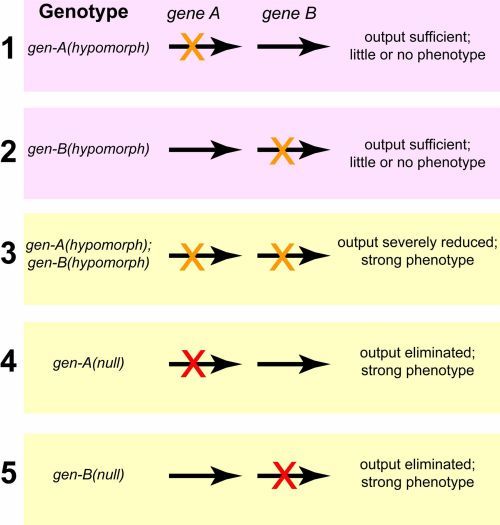
Partially functional alleles
are said to be hypomorphic ; they are recessive to alleles that are more functional, including (usually) the wild-type allele.

LNonfunctional allele
are said to be null or amorphic they are almost always completely recessive.

Lethal Alleles/spontaneous abortion
A phenotypic class that does not survive to reproduce.

Dominant lethals
- that act early in life are lost in one generation after they occur because the individuals that carry them die
- those that act later in life, after reproduction, can be passed on to the next generation.

Recessive lethals
may linger a long time in a population because they can be hidden in heterozygous condition by a wild-type allele.

Penetrance
- refers to the all-or-none expression of a genotype.
- measures whether people who carry a specific gene actually show the trait or not (either you show it 100% or not at all).
- of individuals with a given genotype who exhibit the associated phenotype with that genotype.
- A population (MEASUREMENTS TAKEN IN)
- Statistical variability among a population of genotypes. (VARIABILITY)
Example: If 10 people carry an extra-finger gene, but only 8 people grow extra fingers, the penetrance is 80%.

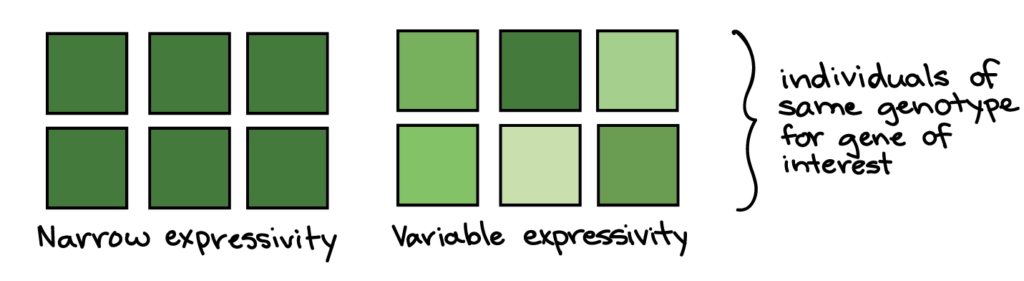
Expressivity
- refers to severity or content.
- measures how strongly or weakly a trait shows up in an individual who has the gene.
- The intensity of the phenotype in an individual.
- A single individual (MEASUREMENTS TAKEN IN)
- Individual variability. (VARIABILITY)
Example: Two people with the same gene for spots: one person has 2 tiny freckles while the other person has 100 dark spots.
Pleiotropic
A single-gene disorder with many symptoms, or a gene that control several functions or has more than one effect.
PLEIOTROPY
refers to the phenomenon in which a single locus affects two or more apparently unrelated phenotypic traits and is often identified as a single mutation that affects two or more wild-type traits.

WILD TYPE TRAIT
- A term used to describe a gene when it is found in its natural, non-mutated (unchanged) form.
Genetic Heterogeneity
- refers to the phenomenon where different genetic mutations can cause similar or identical traits or disorders.
- When different genes produce the same phenotype.
- Can occur when genes encode enzymes that catalyze the same biochemical pathway, or different proteins that are part of the pathway.
- occurs when a single clinical disorder can be caused by several genes.

Cystic Fibrosis (CF)
- This disorder is caused by mutations in the CFTR gene, but over 2,000 different mutations in this single gene can lead to the same clinical condition, cystic fibrosis.
- These different mutations result in varying degrees of disease severity.
- is a genetic disorder caused by mutations in the CFTR gene, leading to the production of thick, sticky mucus that affects the lungs, digestive system, and other organs
- is inherited in an autosomal recessive manner, meaning both parents must pass on the defective gene.
- While there is no cure, treatments like airway clearance techniques, medications, and enzyme supplements help manage symptoms and improve quality of life.

Retinitis Pigmentosa (RP)
- This is a group of genetic disorders that cause progressive loss of vision. Mutations in many different genes (e.g., RHO, PRPH2, USH2A, and others) located on different chromosomes can lead to the same phenotype, which is night blindness and peripheral vision loss.
- is a group of inherited diseases that damage the light-sensitive rods and cones in the retina, the back part of our eyes.
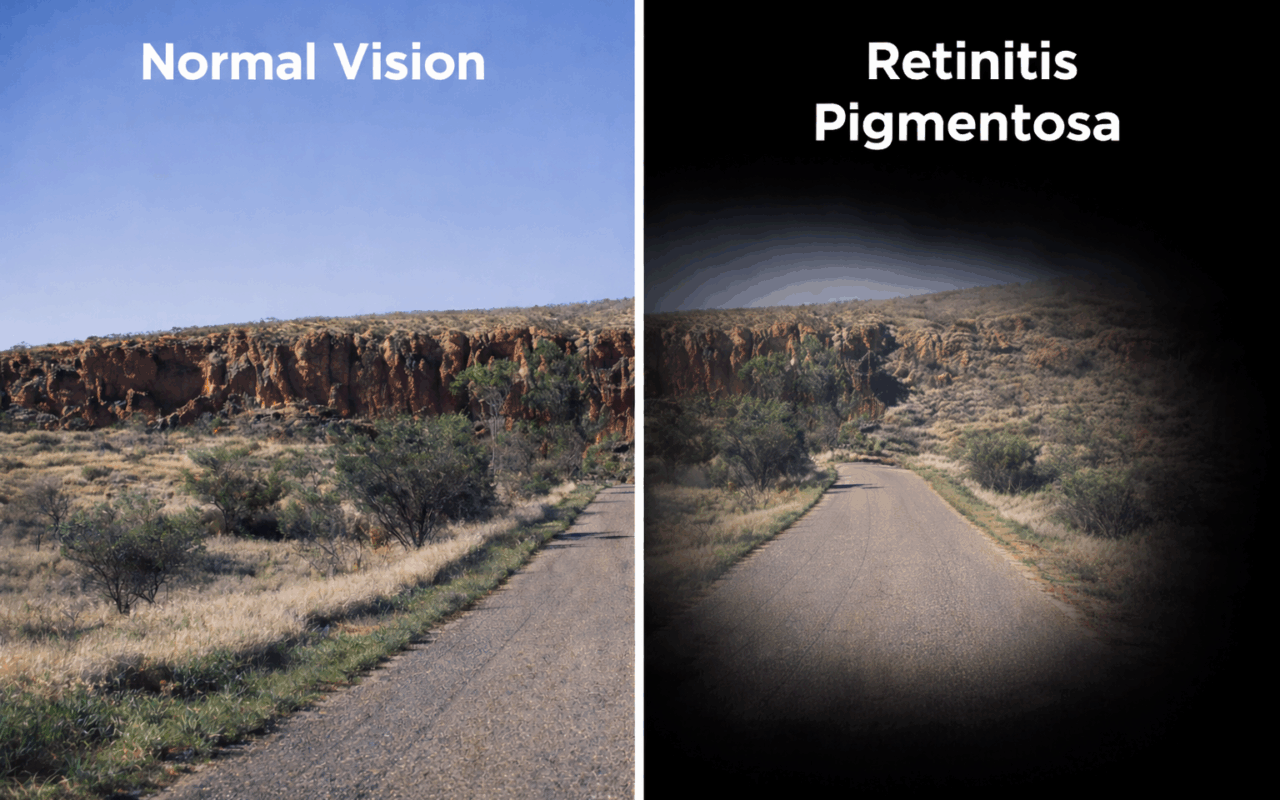
rods
which provide side (peripheral) and night vision, are affected more than the cones, which provide color and clear central vision.

Retinitis pigmentosa
- which has autosomal dominant and recessive and X-linked recessive forms.
- usually appear during childhood or adolescence. T
- he first sign is often night blindness, followed by a slow loss of side vision.
-As the disease develops over the years, people often bump into chairs and other objects because their side vision is worsening.

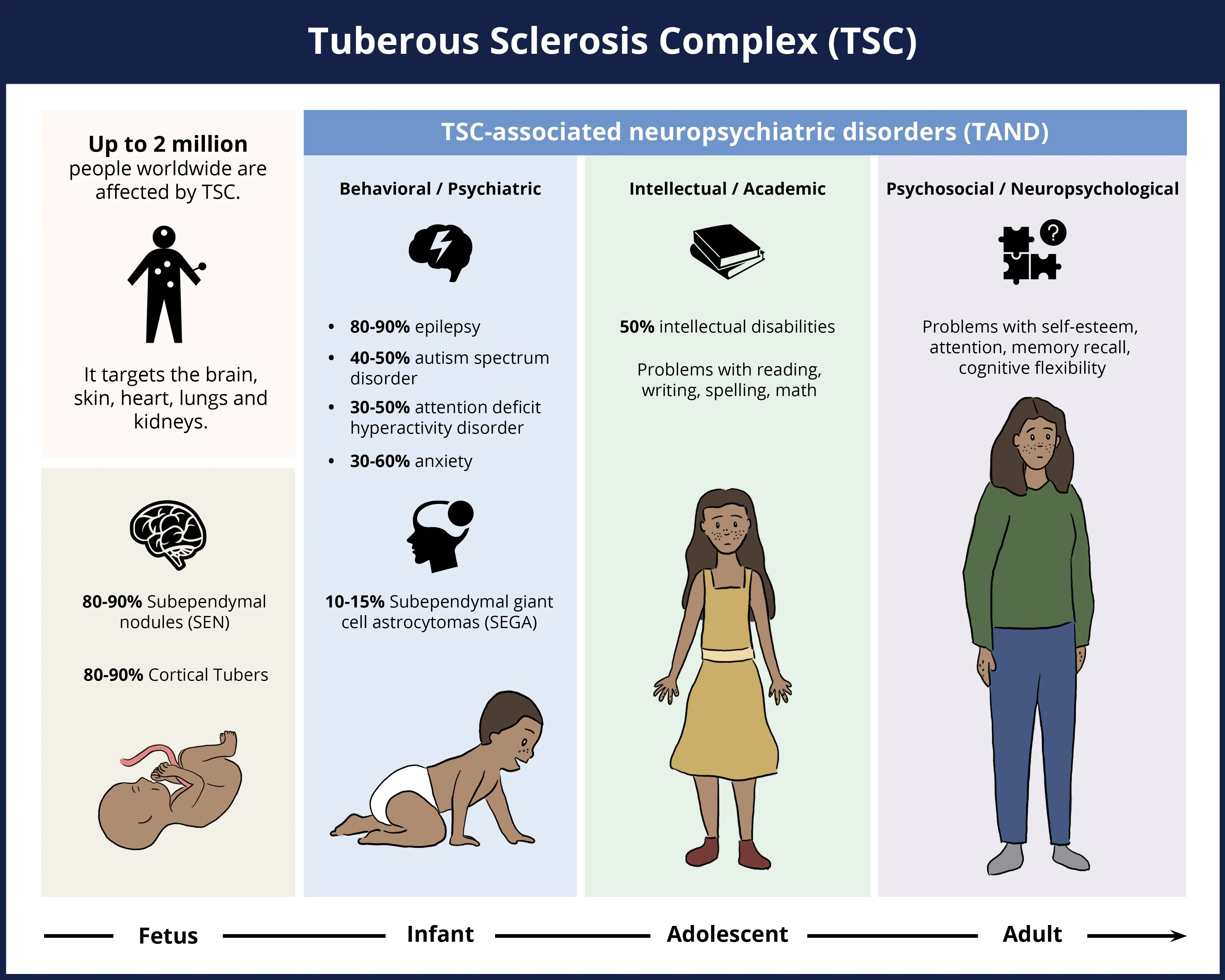
Tuberous sclerosis
- also called tuberous sclerosis complex (TSC)
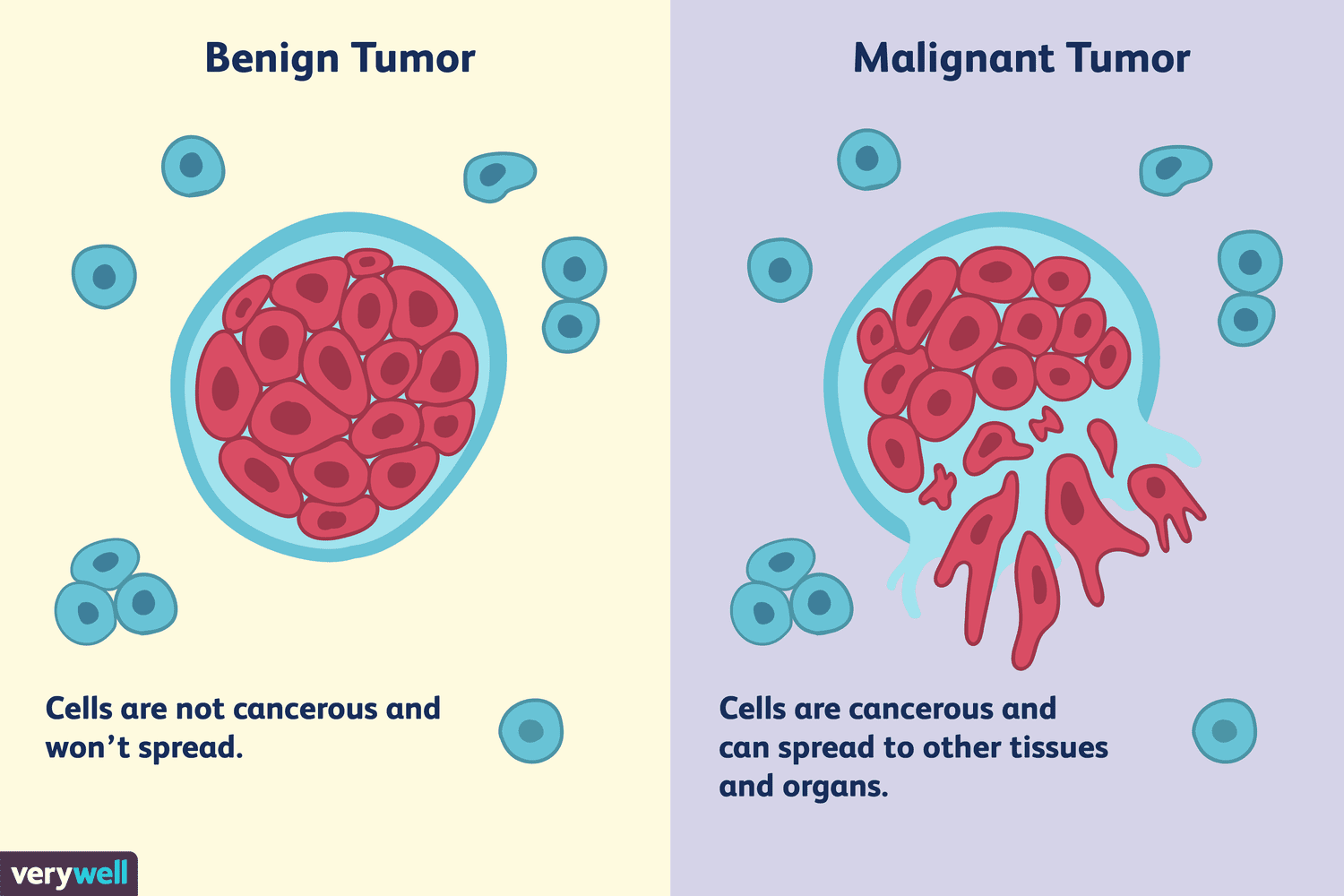
- is an uncommon genetic disorder that causes tumors to develop in many parts of the body.
Noncancerous tumors
- also called benign tumors,
- are overgrowths of cells and tissue that are not expected.
Phenocopy
- - The term was coined by Richard Goldschmidt in 1935.
- An environmentally caused trait that appears to be inherited.
- is a variation in phenotype which is caused by environmental conditions, such that the organism's phenotype matches a phenotype which is determined by genetic factors.
- It is not a type of mutation, as it is non-hereditary

phenotypic trait or disease
- that resembles the trait expressed by a particular genotype, but in an individual who is not a carrier of that genotype.
- same phenotype but different genotype
e.g., limb birth defect (drug thalidomide)
genotype at one position (or locus)
- of a chromosome that produces a nearly identical phenotype, or observable characteristic, to that produced by a genotype at another position.

Genocopy
refers to situation when identical phenotype is produced by two different genes / genotypes.

Inherited deafness
may be an example of genocopy as mutation of any of the dozens of genes critical for the process of audition will lead to hearing loss.

Dominant Allele / Simple Dominance
- An allele is dominant if it has the same phenotypic effect in heterozygotes as in homozygotes—that is, the genotypes Aa and AA are phenotypically indistinguishable
- is a strong gene instruction that completely covers up a weaker instruction.
- Whether an organism has two strong instructions (AA) or one strong and one weak instruction (Aa), it will look exactly the same

Incomplete Dominance/Semidominance
- happens when neither gene instruction is strong enough to completely win over the other, so they blend together like paint to create a brand-new middle look in a heterozygote
- The intensity of pigmentation in this species depends on the amount of a product specified by the color gene.
- Neither allele is dominant
- When an organism is heterozygous for a trait, it will show a third phenotype
- The third phenotype is a blend of the other two
- In this example, the letter A represents the gene
- R and Y represent the different alleles
Example: Mixing red paint (W) and white paint (w) together creates pink paint (Ww).

Red Flower (WW)
- Contains 2X the amount of color product, deeper red color.

Pink Flower (Ww)
Contains 1X (x) the amount of color product, Medium pink color.
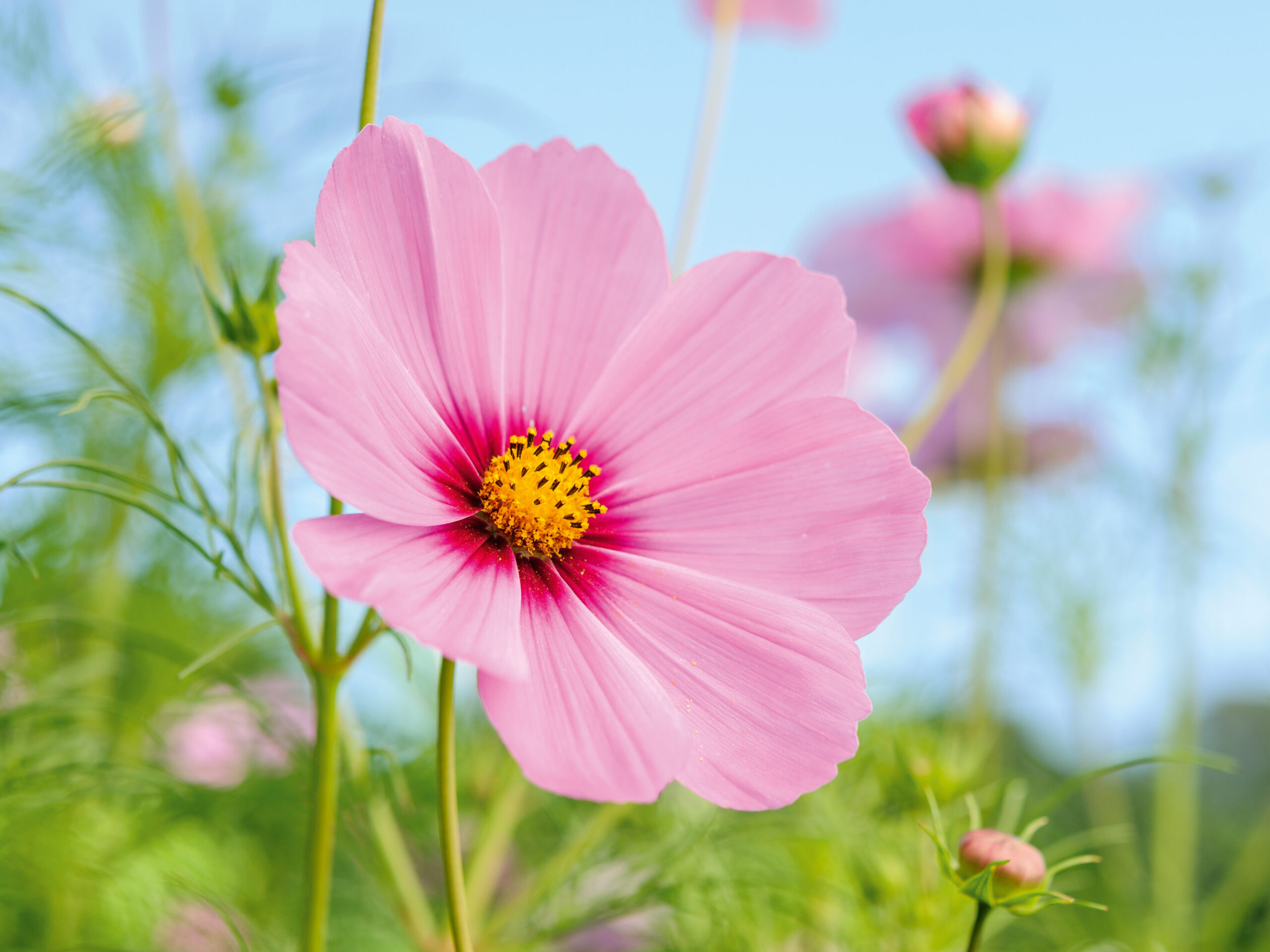
White Flower (ww)
Contains 0Xcolor product, White color.

Hypomorphic Alleles
- Partially functional alleles are said to be hypomorphic; they are recessive to alleles that are more functional, including (usually) the wild-type allele
- is a partially working gene instruction that makes a small amount of product, but less than a normal working gene
Example: A dim flashlight that still gives off a little light, but isn't as bright as a brand-new one.