Concrete Spanning Systems and Case Studies in Architecture, Reinforced Concrete Structures: Beams, Spanning Systems, and Connections
 Call Kai
 Learn
Learn Practice Test
 Spaced Repetition
 Match
Match Flashcards
 Knowt Play
1/46

There's no tags or description
Looks like no tags are added yet.
Name | Mastery | Learn | Test | Matching | Spaced | Call with Kai | Chat |
|---|
No analytics yet
Send a link to your students to track their progress
47 Terms
Concrete Cellular Decking
A pre-cast and/or pre-stressed system utilized for spans from 20 to 50 feet with moderate loads, offering rapid erection and potential for mechanical integration within open interior cells.
Precast Concrete
Concrete that is cast in a reusable mold or form and cured in a controlled environment before being transported to the construction site.
Richard's Medical Facility
A precast concrete structure located in Philadelphia, PA, designed by architect Louis Kahn.
Lloyd's of London
A notable precast concrete building in the UK designed by the Richard Rodger Partnership.

Weather-proofing in Concrete
The process of making concrete structures resistant to weather-related damage.
Nordic Pavilion
A case study of a concrete structure located in Venice, Italy, designed by architect Sverre Fehn.
Tama Art University Library
A concrete building located in Hachioji, Japan, designed by architect Toyo Ito.
Crematorium in Berlin
A concrete structure designed by architect Axel Schultes, serving as a case study in concrete design.
Hollow Core Slabs
Precast concrete slabs that have hollow cores to reduce weight while maintaining structural integrity.
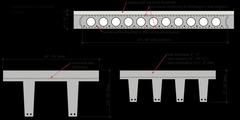
Pre-manufactured Concrete Systems
Concrete systems that are manufactured off-site and delivered ready for rapid assembly on-site.
Mechanical Integration in Concrete
The incorporation of mechanical systems within the design of concrete structures, often facilitated by open interior cells.

Flat-slab Systems
Concrete construction systems that use flat slabs without beams, allowing for a lightweight and strong structure.
Architectural Significance of Concrete
The role of concrete in modern architecture, showcasing its versatility and strength in various designs.
Concrete Connections
The methods and techniques used to connect different elements of concrete structures effectively.
Case Study Analysis
An examination of specific architectural projects to understand design principles and material applications.
Sverre Fehn
A Norwegian architect known for his innovative use of concrete in architectural design, particularly in the Nordic Pavilion.
Louis Kahn
An influential architect known for his monumental concrete buildings, including Richard's Medical Facility.

Richard Rodger Partnership
An architectural firm recognized for its modern concrete designs, including Lloyd's of London.
Axel Schultes
A German architect known for his work on concrete structures, including the Crematorium in Berlin.

What is the purpose of reinforcing steel in concrete?
To provide tensile strength, as concrete only resists compressive forces.
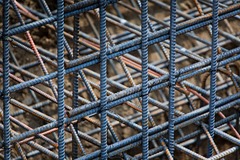
What are the types of reinforcement used in concrete?
Reinforcing bars (rebar), welded wire fabric, and strands for pre-stressing/post-tensioning.
What is the typical range of tensile reinforcement in reinforced concrete beams?
Typically about 0.7% to 2.5% of the concrete cross-sectional area.
What is the significance of the neutral axis in reinforced beams?
The neutral axis is not at the midpoint; it indicates where the stress changes from tensile to compressive.
What is a balanced beam in reinforced concrete?
A beam designed to yield steel before the concrete crushes, avoiding brittle failure.

What are the two types of failure modes in reinforced concrete beams?
Brittle failure and ductile failure.

What is post-tensioning in concrete reinforcement?
A technique where tendons are tensioned after the concrete hardens to enhance structural performance.

What is pre-tensioning in concrete reinforcement?
A method where tendons are tensioned before concrete placement, transferring compression to the concrete once hardened.
What is the purpose of splicing in steel reinforcement?
To allow for the transfer of stresses between reinforcement bars.
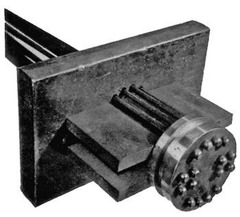
What is development length in the context of reinforcement bars?
The minimum length of steel bar required to develop the necessary bond with concrete.

What is the formula for calculating minimum development length for tensile reinforcement?
Id = 0.04Ab [fy / √fc], with minimums based on bar diameter and yield strength.
![<p>Id = 0.04Ab [fy / √fc], with minimums based on bar diameter and yield strength.</p>](https://assets.knowt.com/user-attachments/004f2611-5822-4cdb-9f1e-e43de928cff4.jpg)
What is the typical diameter range for reinforcing steel bars?
From 3/8" (#3) to 2 ¼" (#20).
What is the yield strength of grade 60 rebar?
60,000 psi.

What are the general concerns for solid concrete slabs?
Deflection limits, fire resistance, and corrosion resistance.
What is a one-way slab?
A slab where reinforcement carries moment developed in one direction.
What is a two-way slab?
A slab where reinforcement operates in two directions simultaneously.
What is a concrete flat slab typically used for?
Spans of 10 - 30 ft with relatively light loads.
What is a concrete waffle slab?
A two-way joist system used for spans of 25 - 55 ft, suitable for moderate to heavy loading.
What is the purpose of shear reinforcement in concrete design?
To resist shear forces and prevent shear failure.

What is the typical area of steel required per foot of slab width?
Determined based on the depth of the slab and design requirements.
What is the general span range for concrete joist systems?
15 - 40 ft, used for moderate loads.
What are the typical widths for precast 'T' beams?
Beam widths typically range from 4 - 8 ft.
What is the significance of camber in pre-stressed members?
Camber can cause issues with uneven deflection between adjacent spans.
What is the role of ducts in post-tensioning?
To house tendons that are tensioned after the concrete hardens.
What is a lapped splice in steel reinforcement?
A method where two bars overlap to transfer stresses.
What is the typical design approach for reinforced concrete beams?
To ensure that the beam can resist bending moments and shear forces effectively.
What is the effect of temperature and shrinkage on one-way slabs?
They induce stresses in the other direction, which must be accounted for in design.
What is the minimum development length for compressive reinforcement?
Id = 0.02db [fy / √fc], with minimums based on bar diameter and yield strength.