Ornithology Lab Practical 1
 Call Kai
 Learn
Learn Practice Test
 Spaced Repetition
 Match
Match Flashcards
 Knowt Play
1/74

Earn XP
Description and Tags
Name | Mastery | Learn | Test | Matching | Spaced | Call with Kai | Chat |
|---|
No analytics yet
Send a link to your students to track their progress
75 Terms
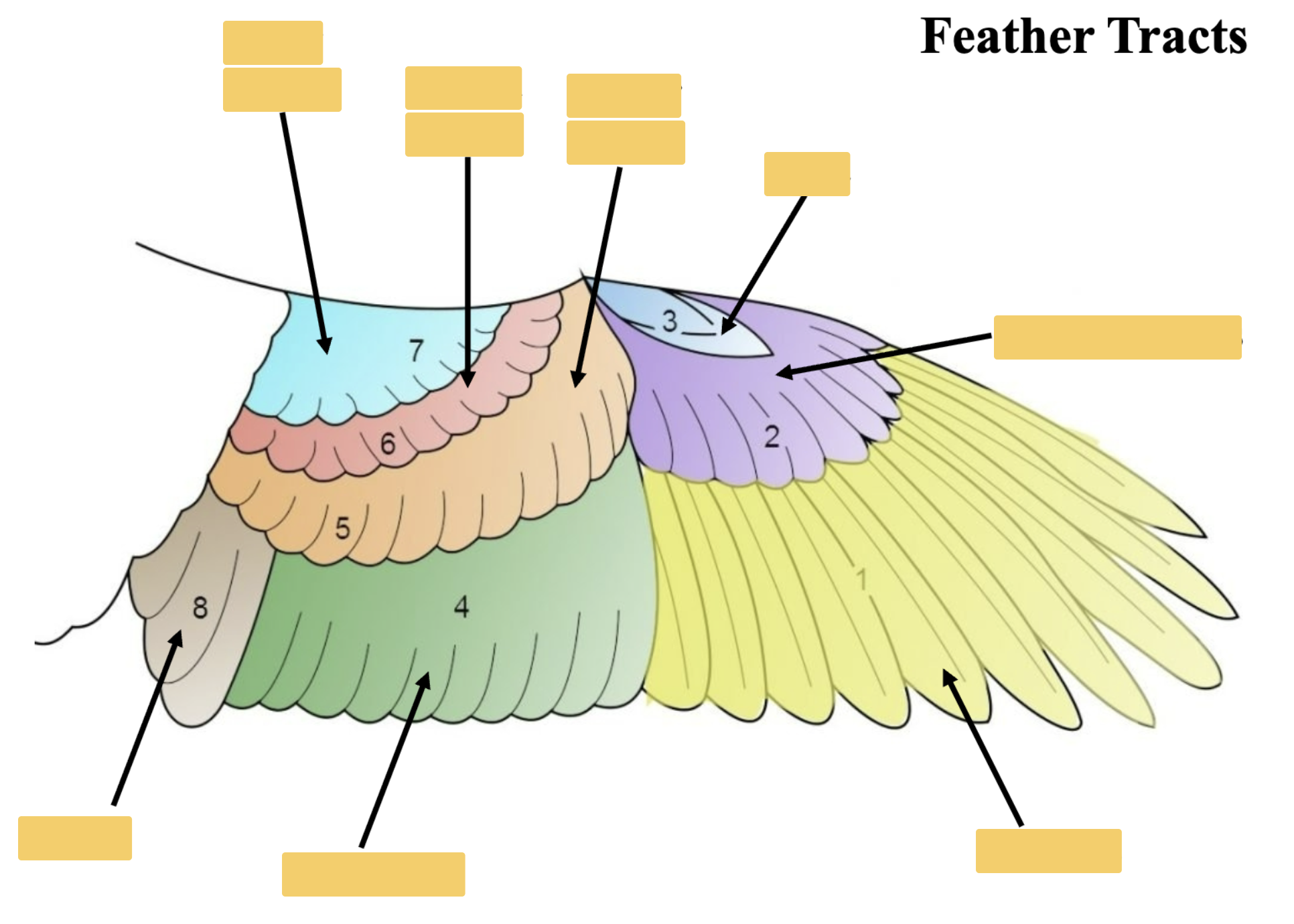
What is 1?
Primaries
Function of the Primaries
Forward motion
Precise control
Essential for “Flapping Flight”
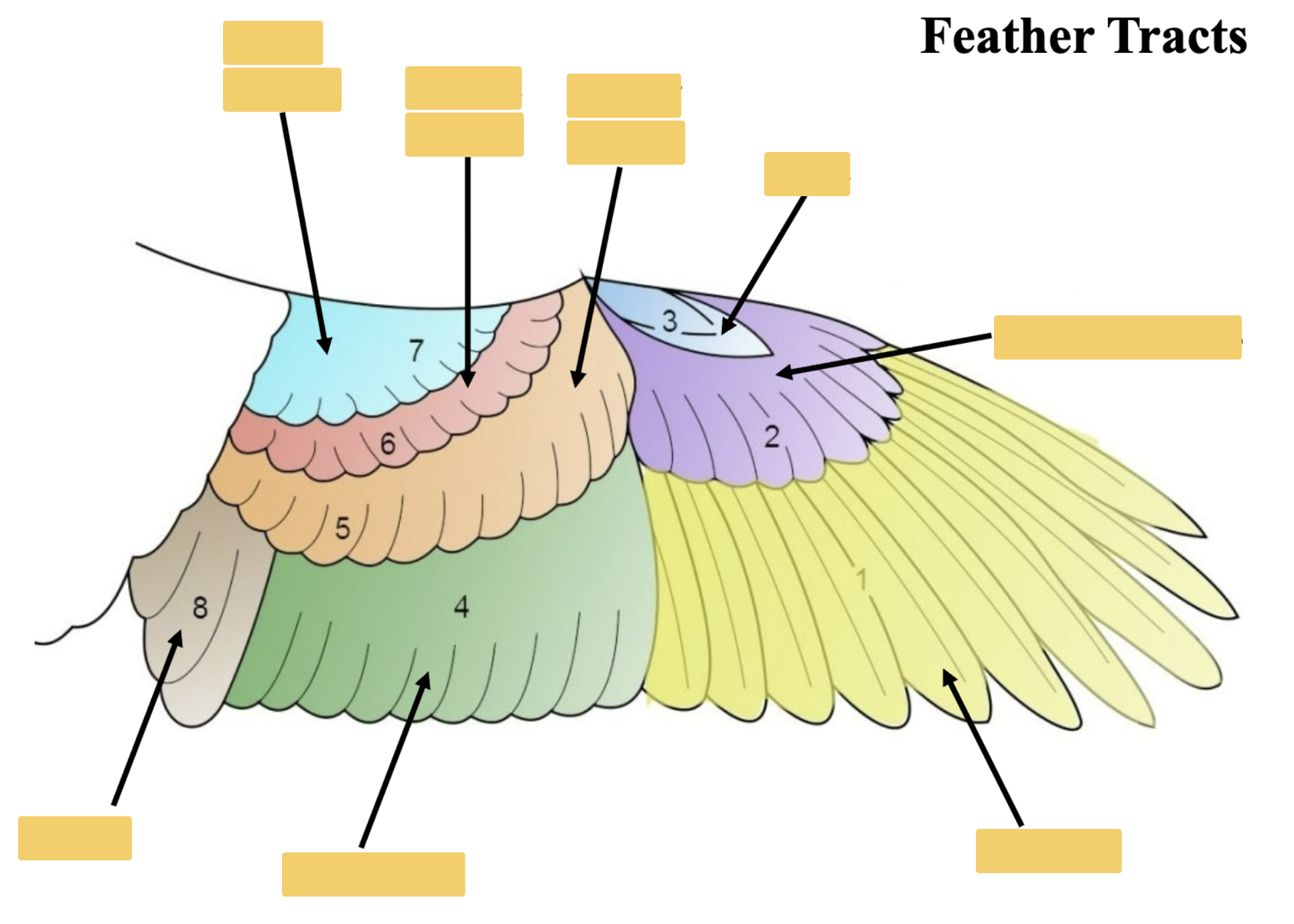
What is 2?
Primary Coverts
Function of the Converts
Reduces Drag
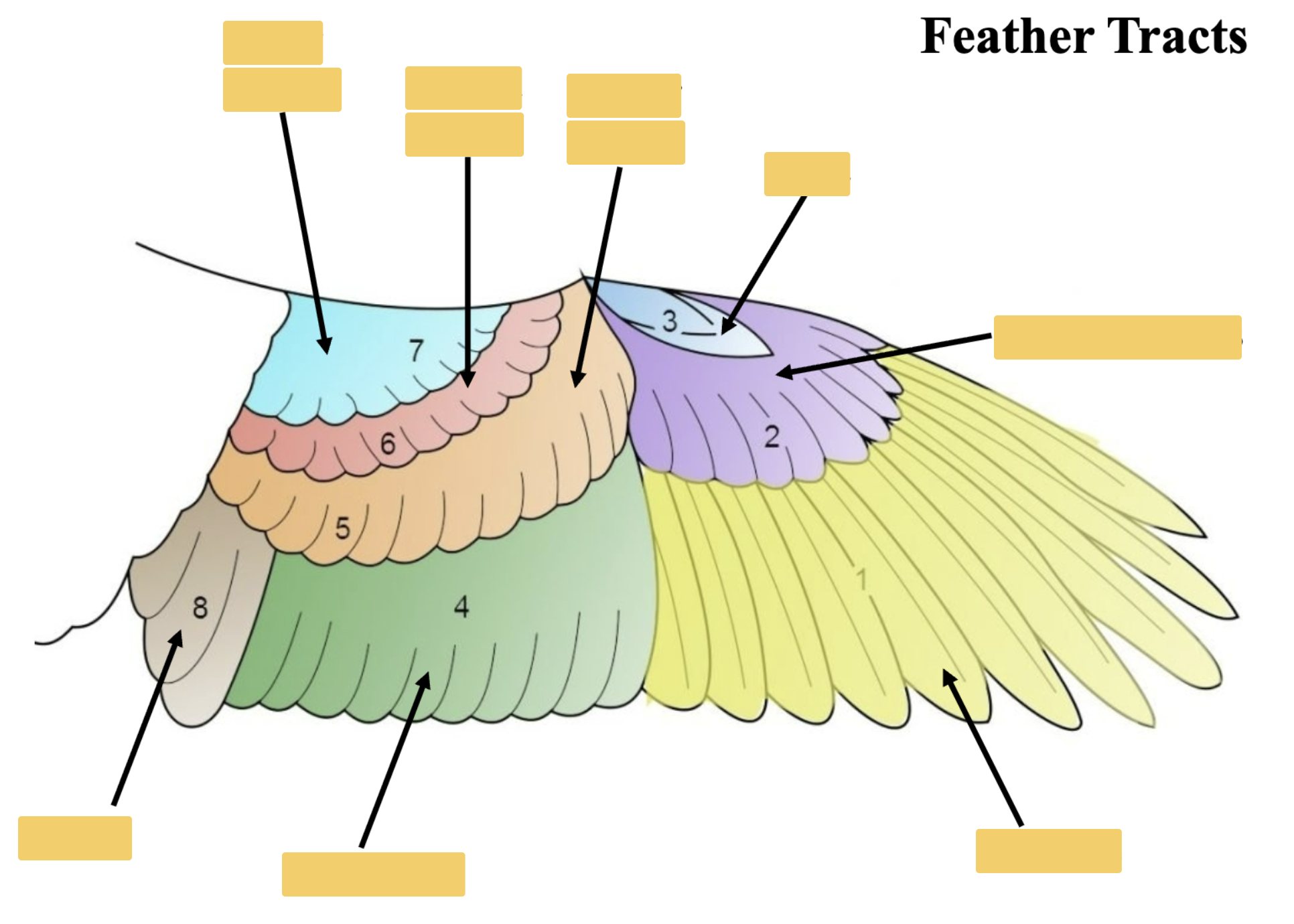
What is 3?
Alula
Function of the Alula
Lift enhancement
Landing aid
Prevents stalls
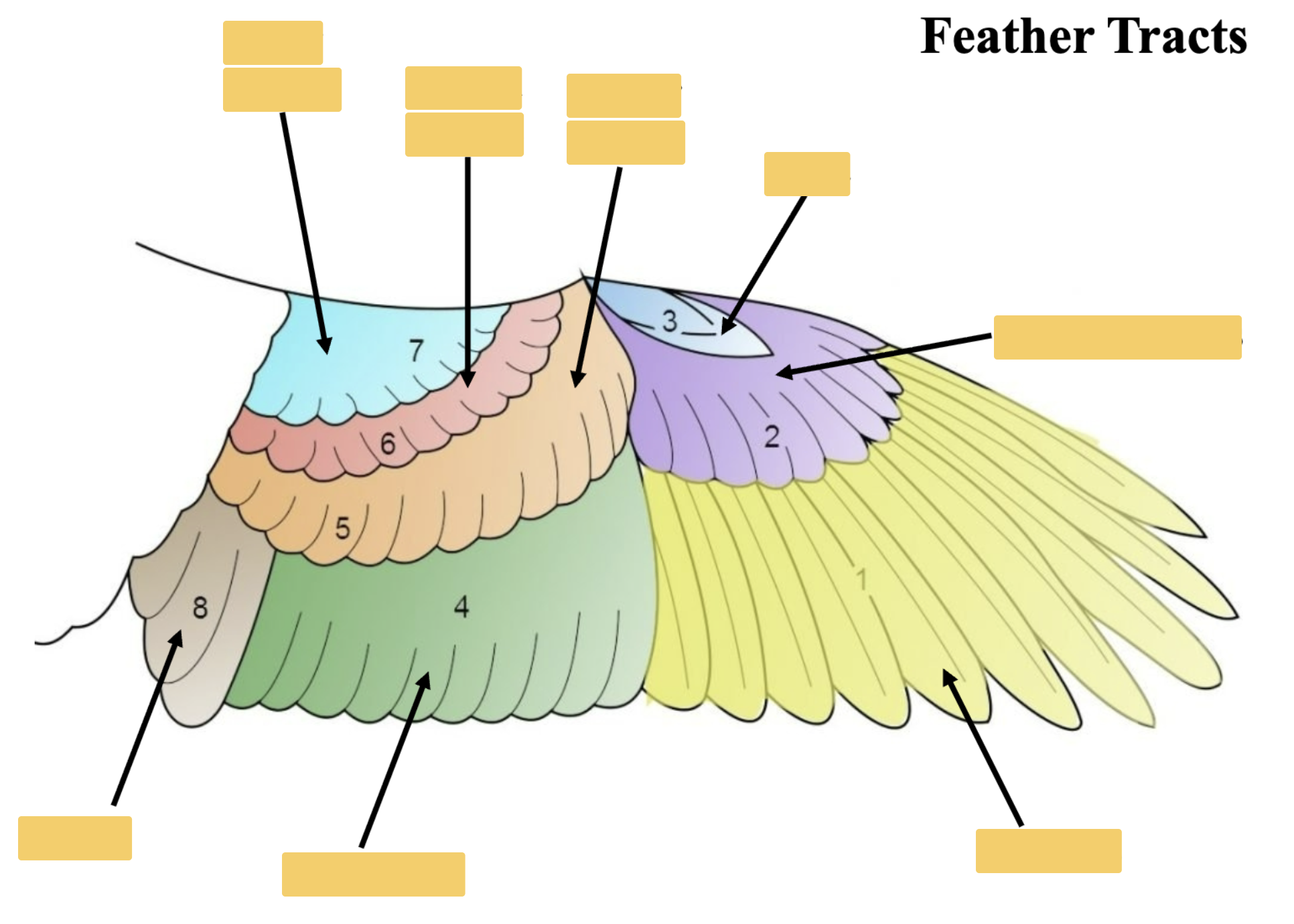
What is 4?
Secondaries
Function of the Secondaries
Mating/ Species Attraction
Provide lift
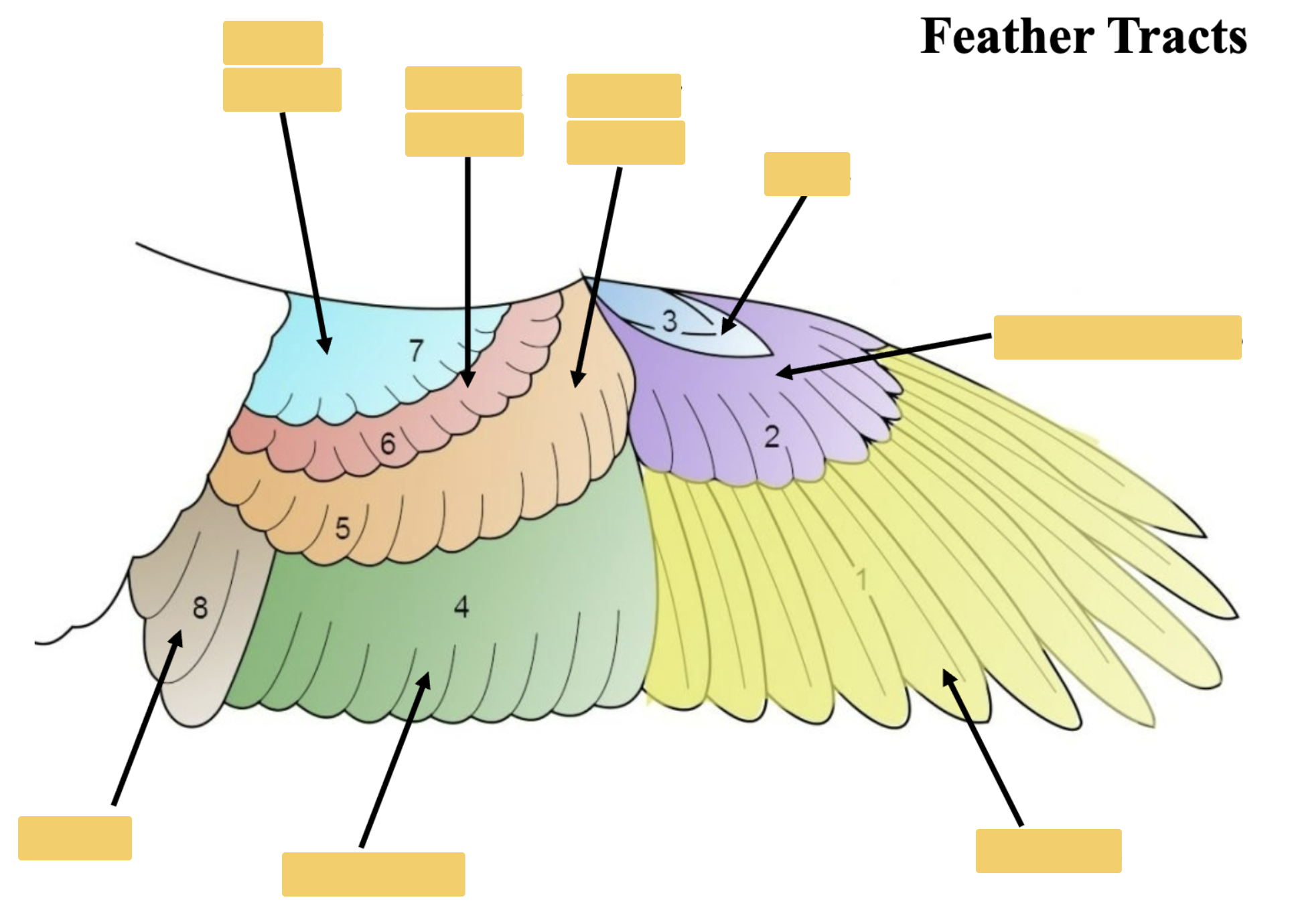
What is 5?
Greater Converts
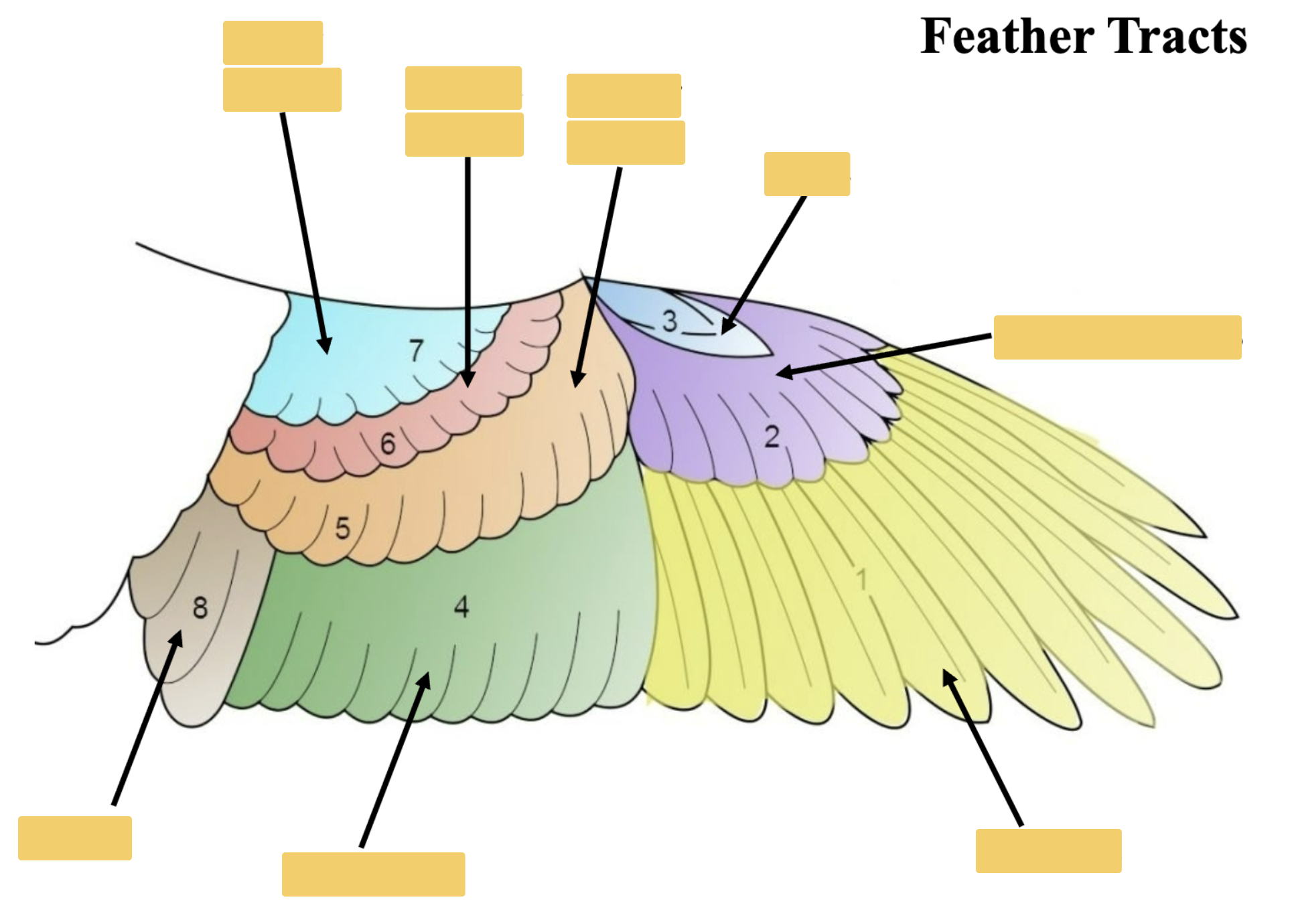
What is 6?
Median Converts
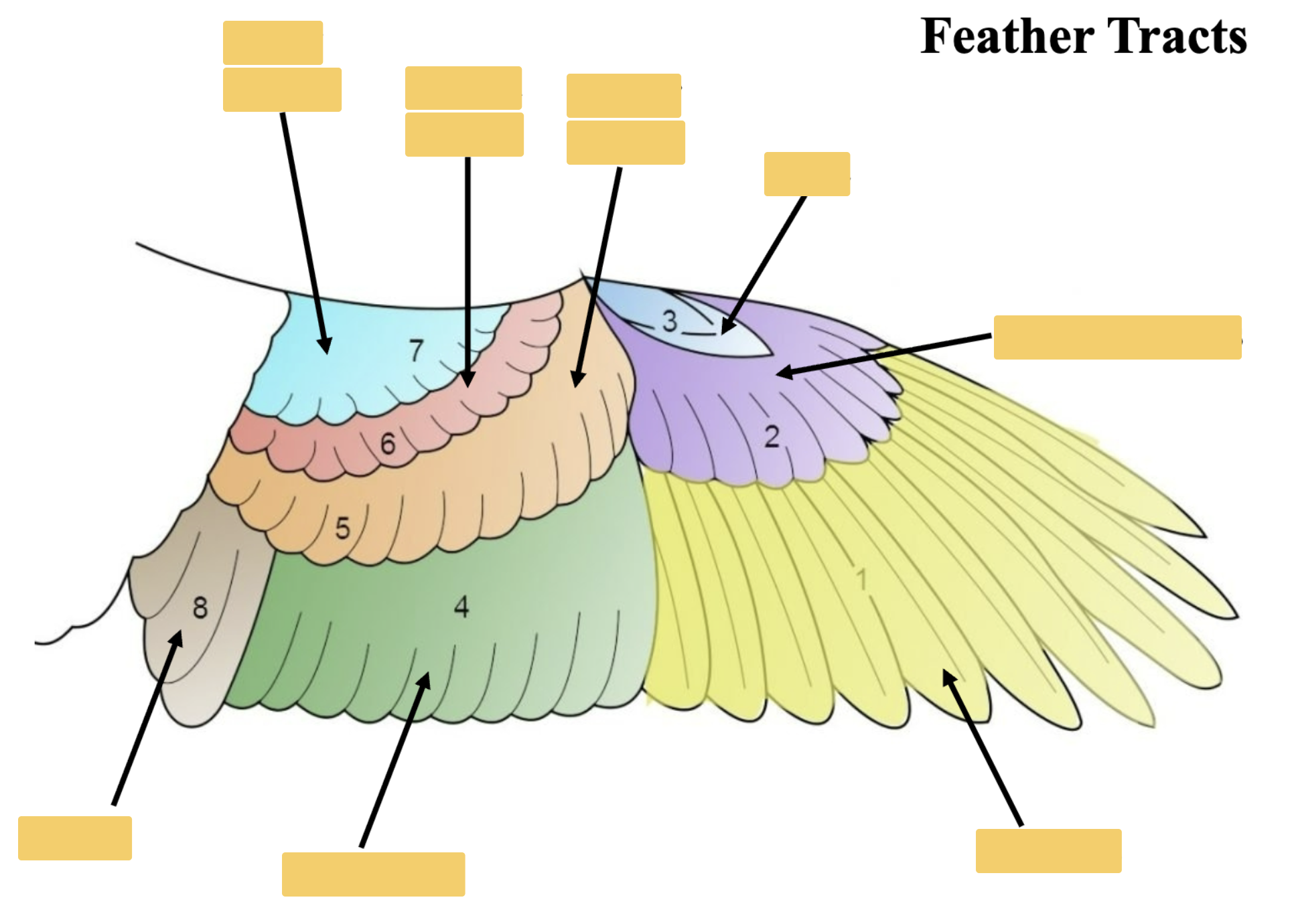
What is 7?
Lesser Coverts
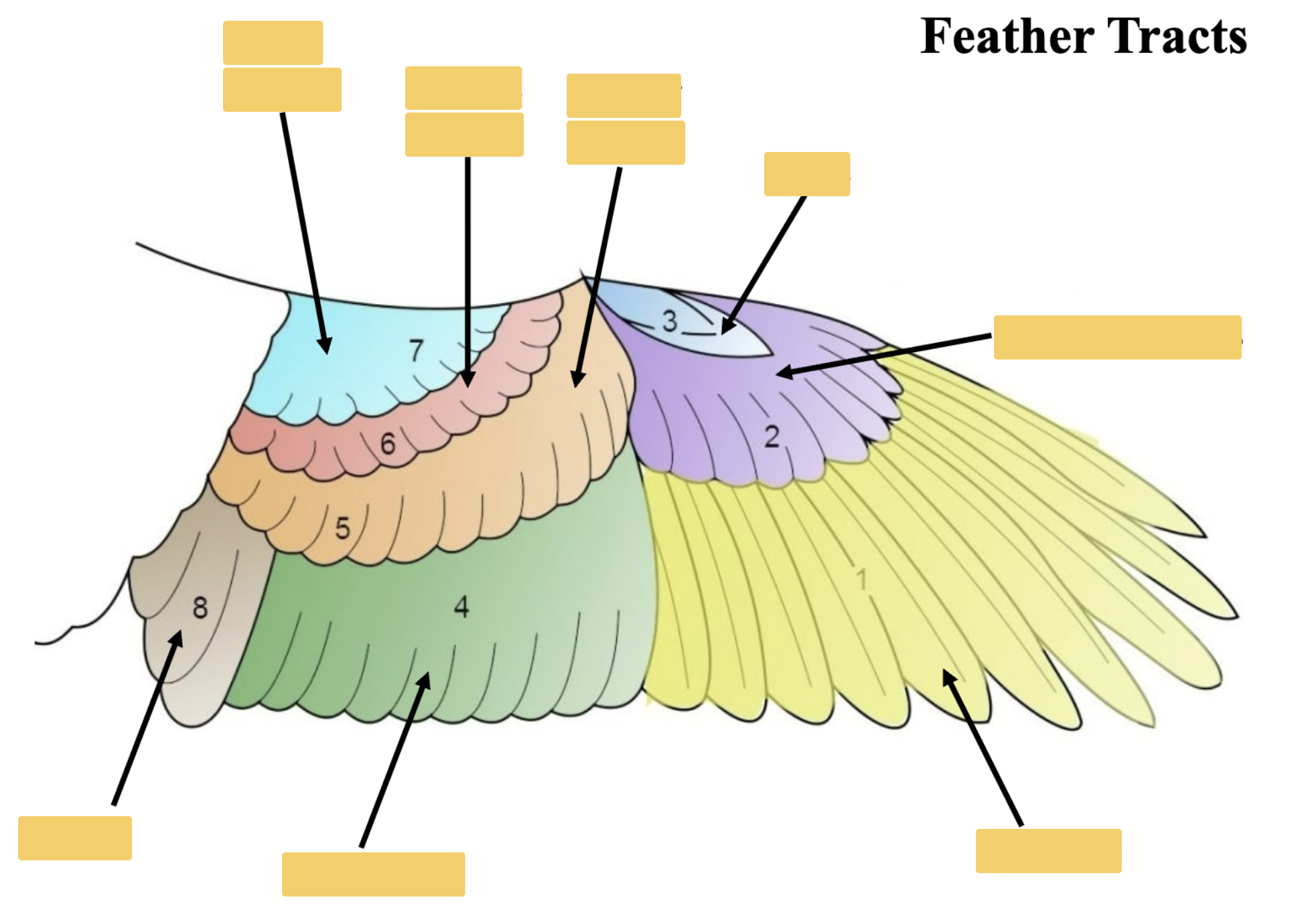
What is 8?
Tertials
Function of the Tertials
Protection of the secondaries
Closes gap between wings and body
Astaxanthin
What the wax tips that are on the ends of the secondaries are made of; a metabolic converted carotenoid from dietary yellow.
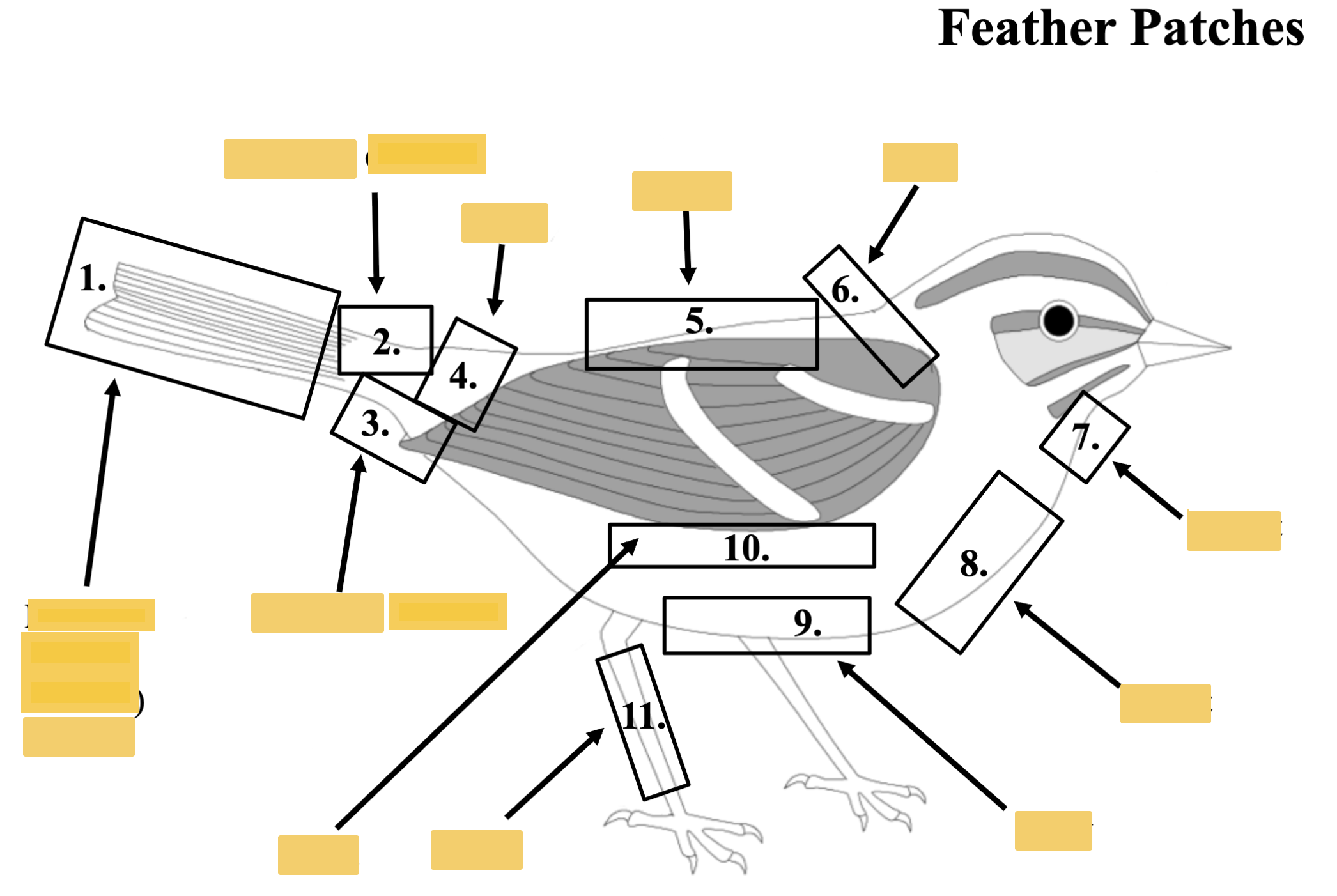
What is 1?
Rectrices (tail feathers)
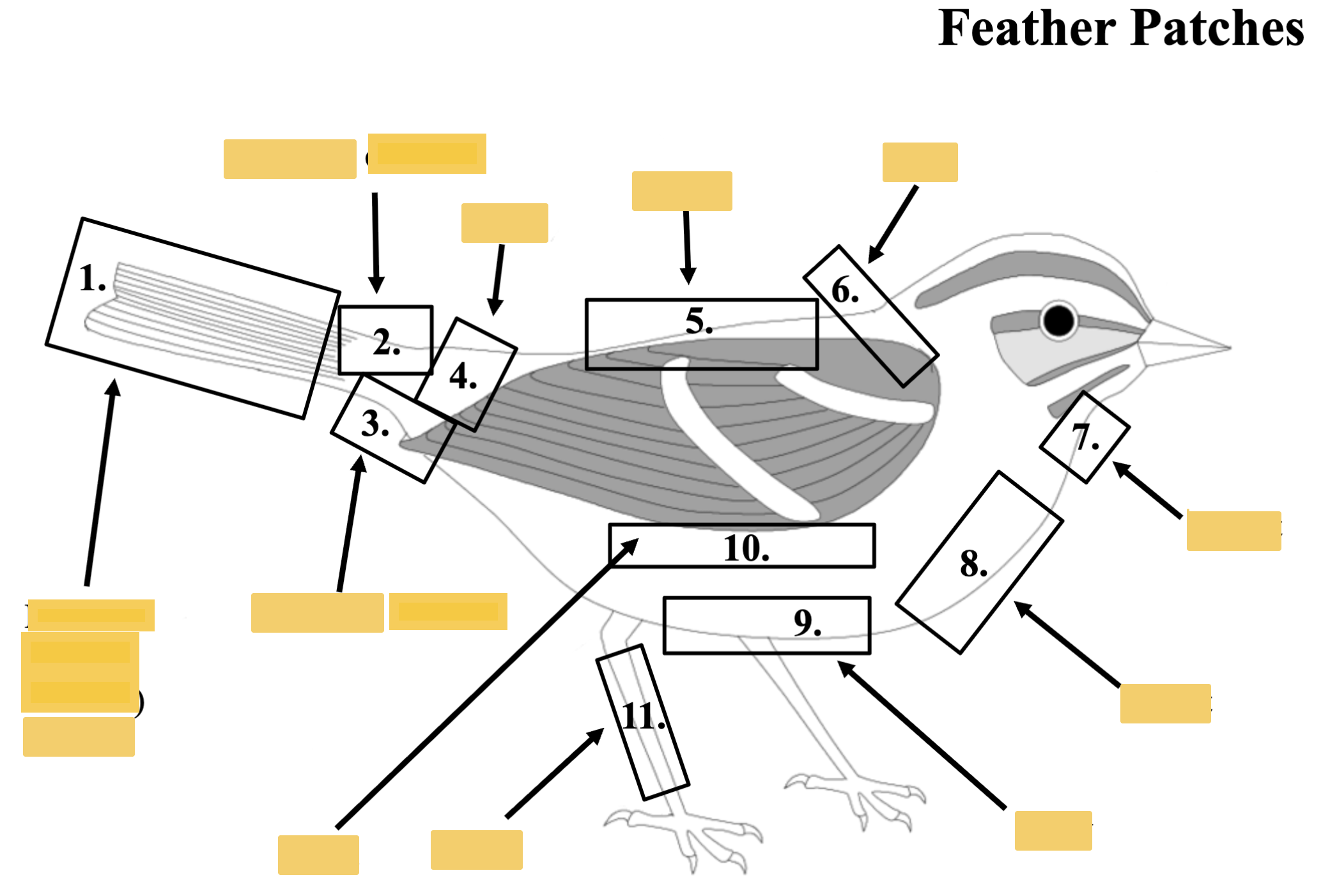
What is 2?
Uppertail Coverts
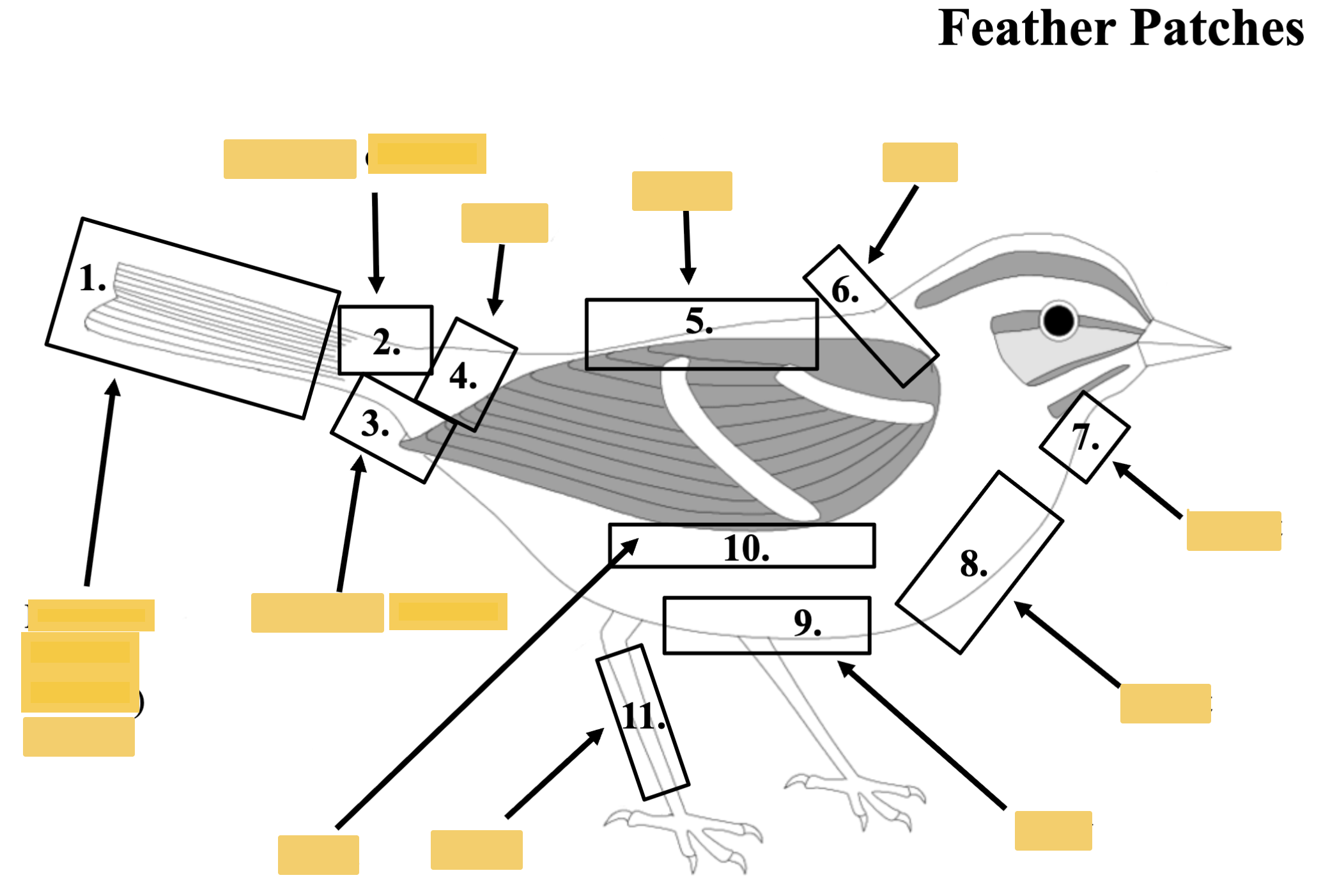
What is 3?
Undertail coverts
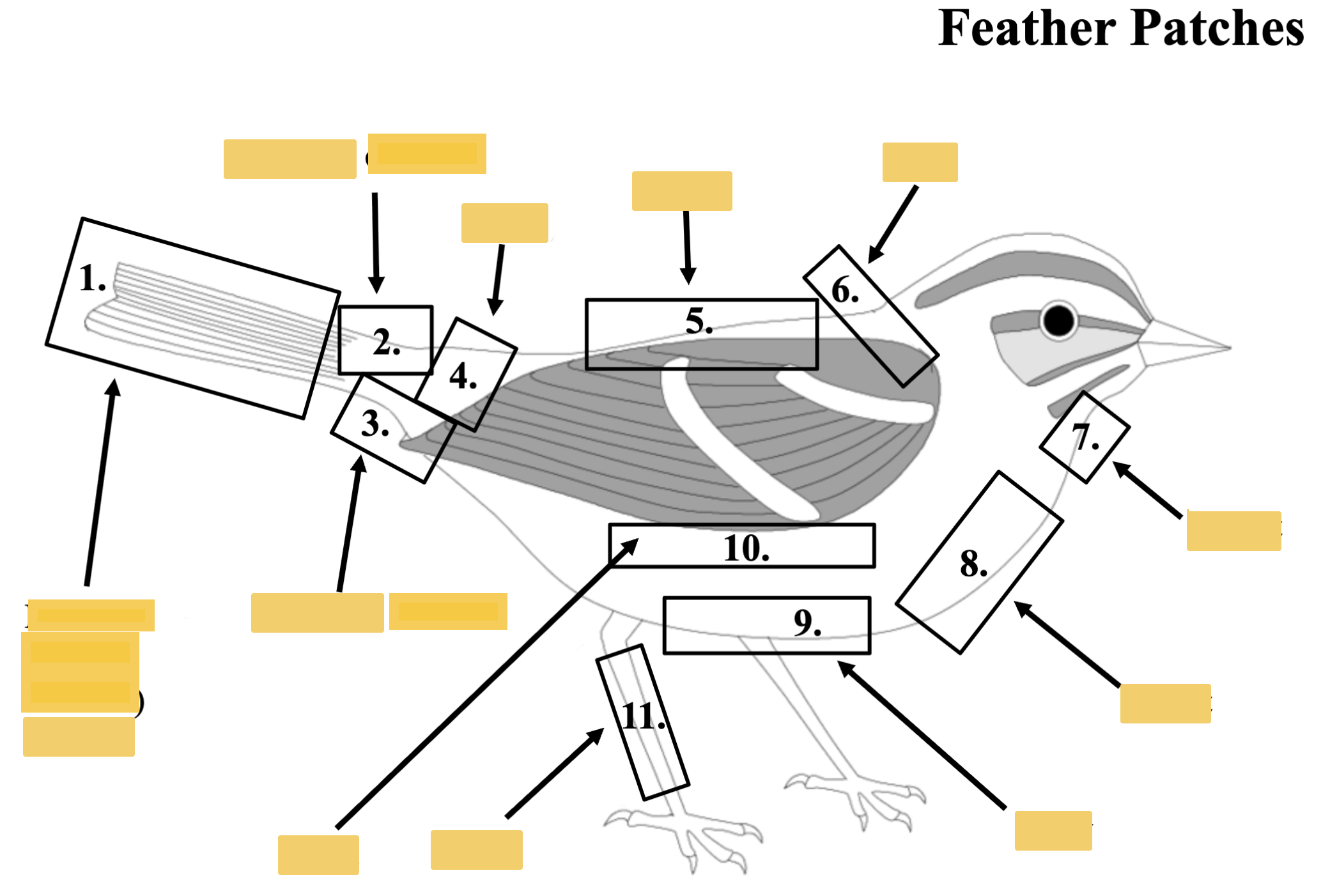
What is 4?
Rump
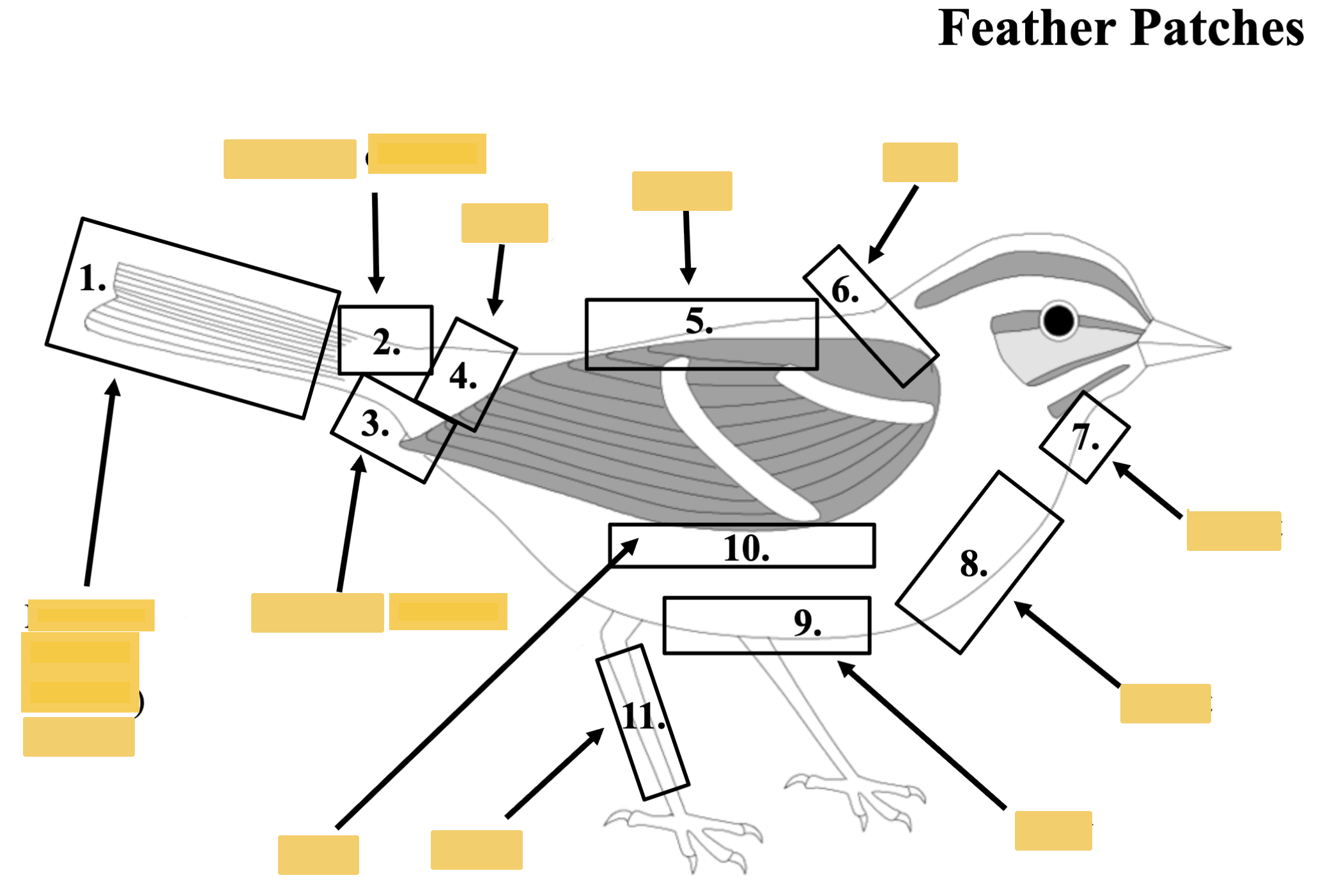
What is 5?
Mantle
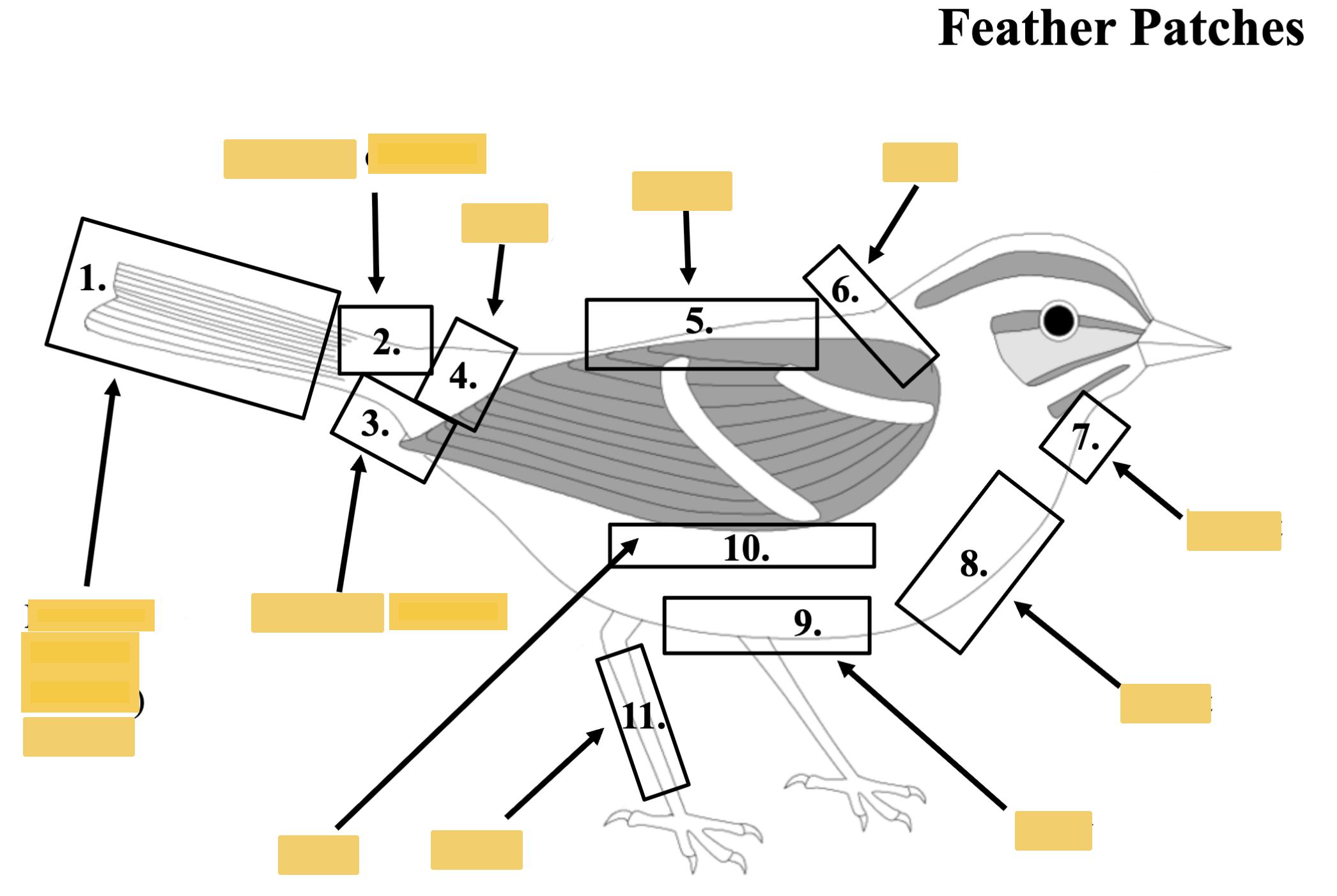
What is 6?
Nape
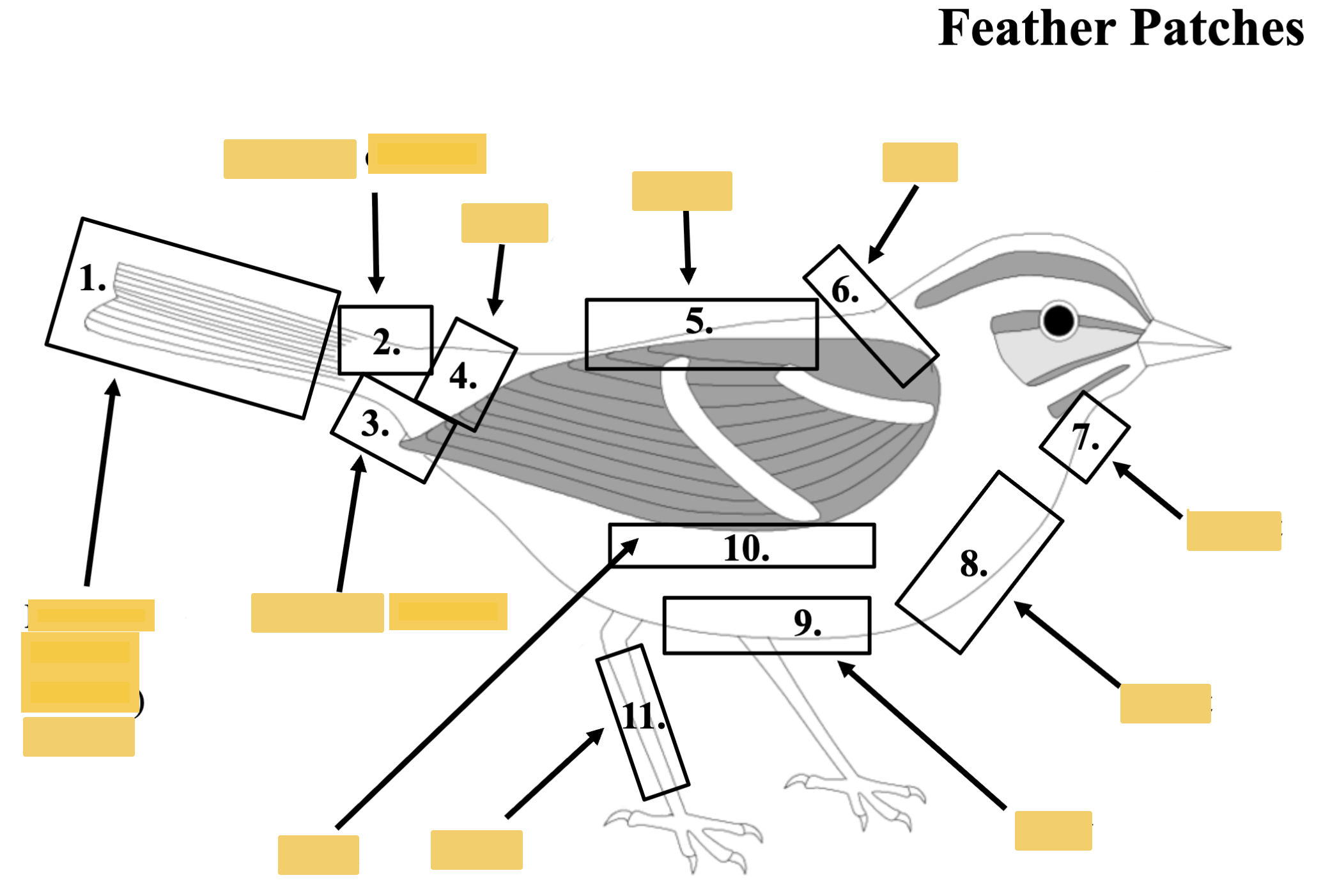
What is 7?
Throat
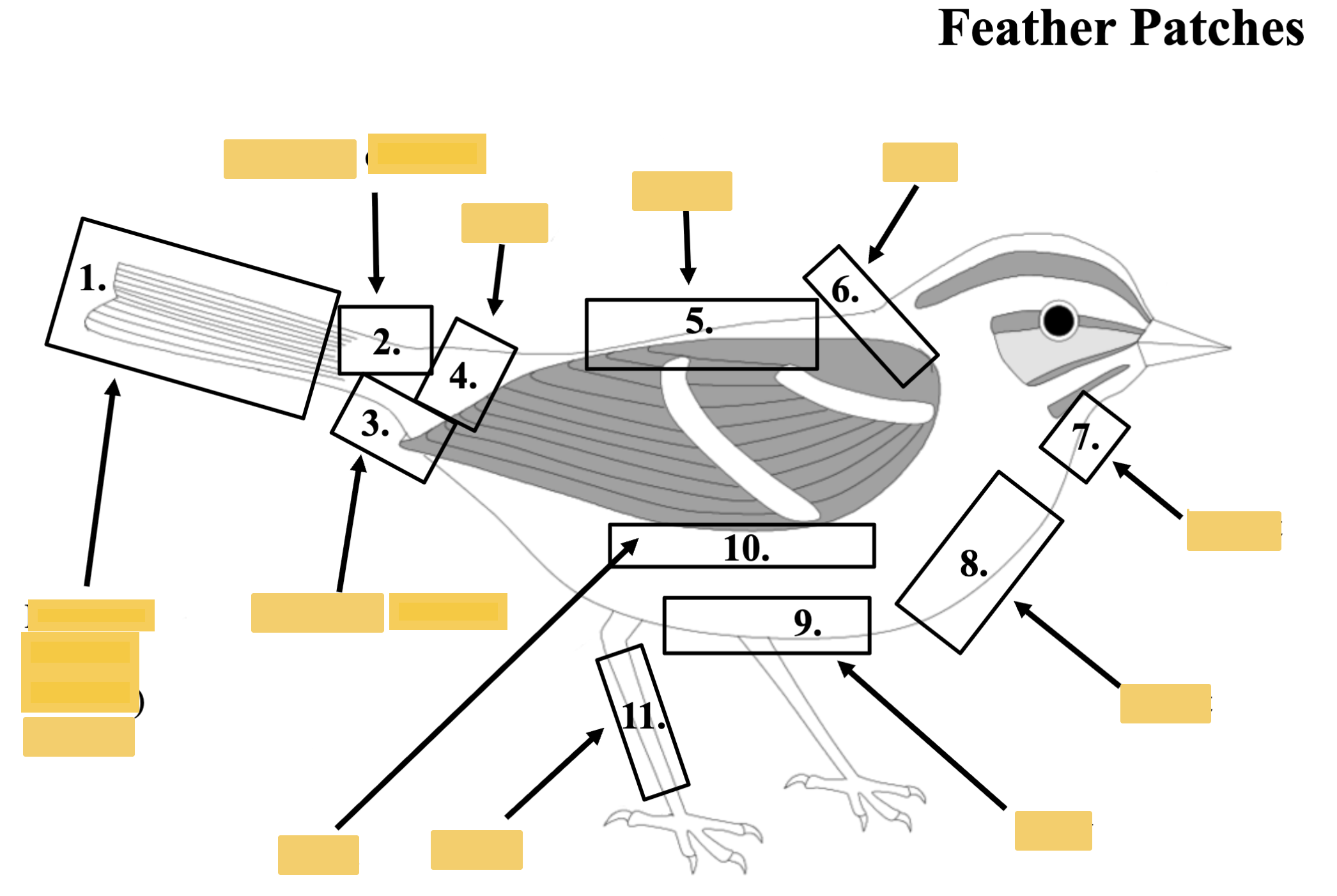
What is 8?
Breast
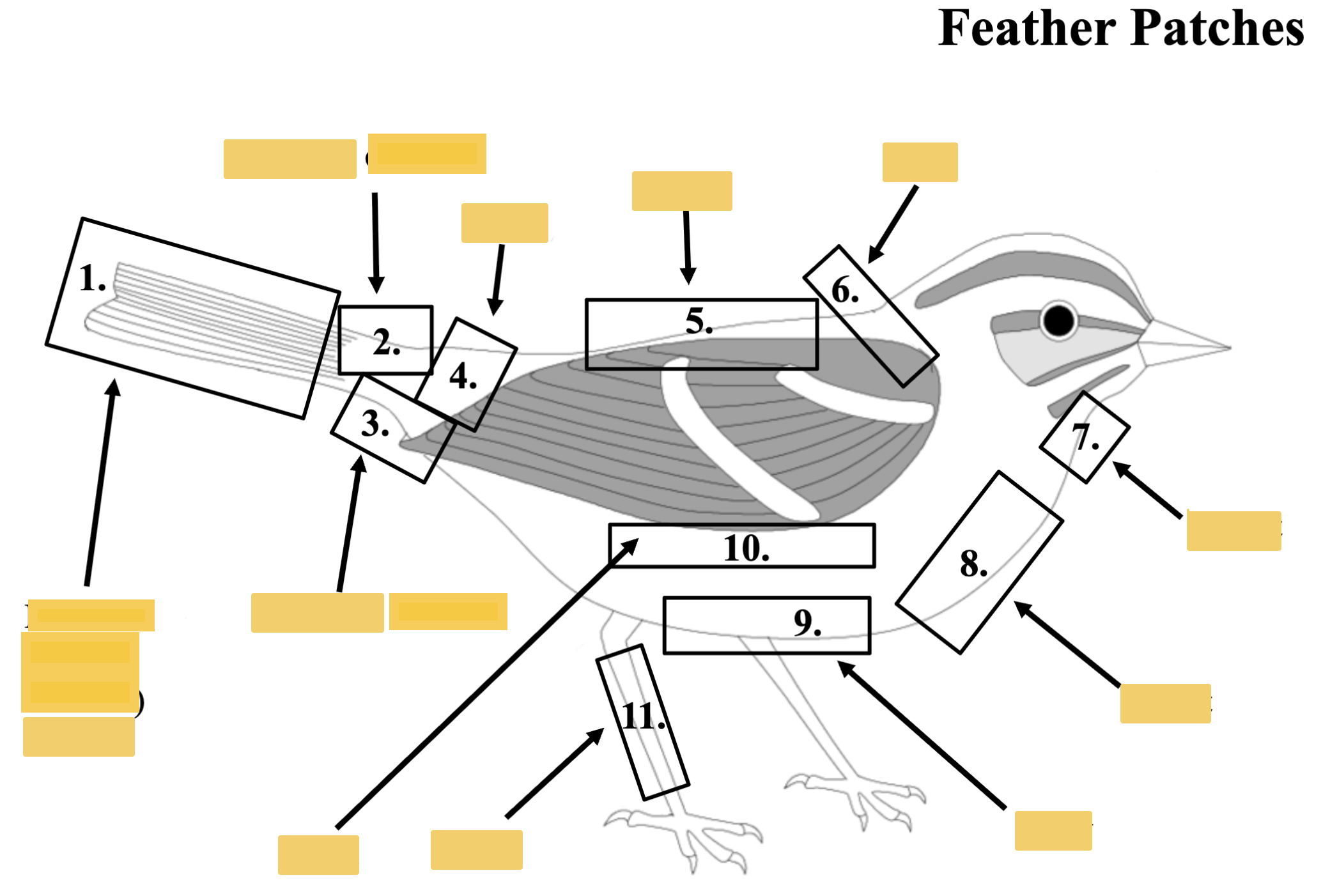
What is 9?
Belly
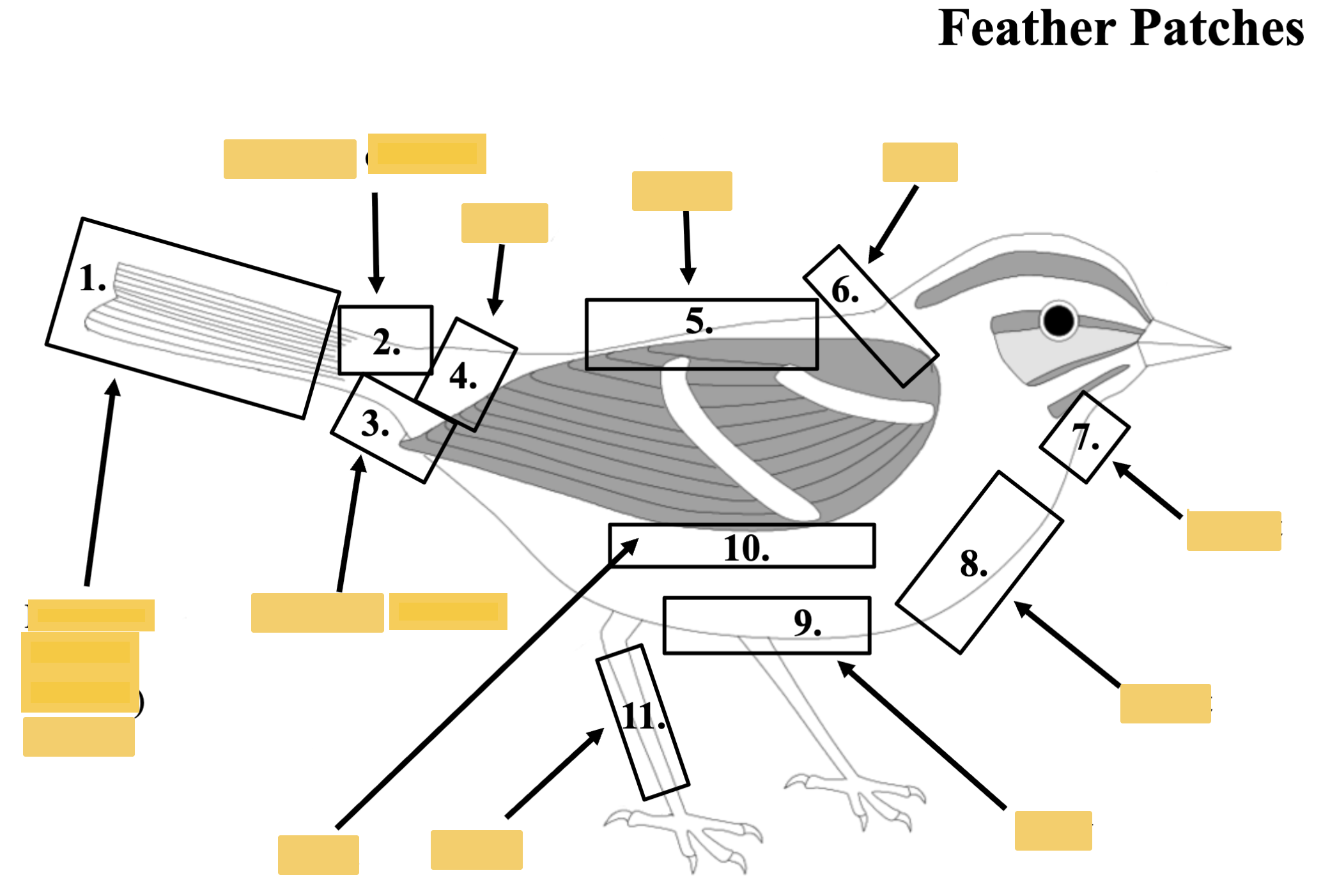
What is 10?
Flank
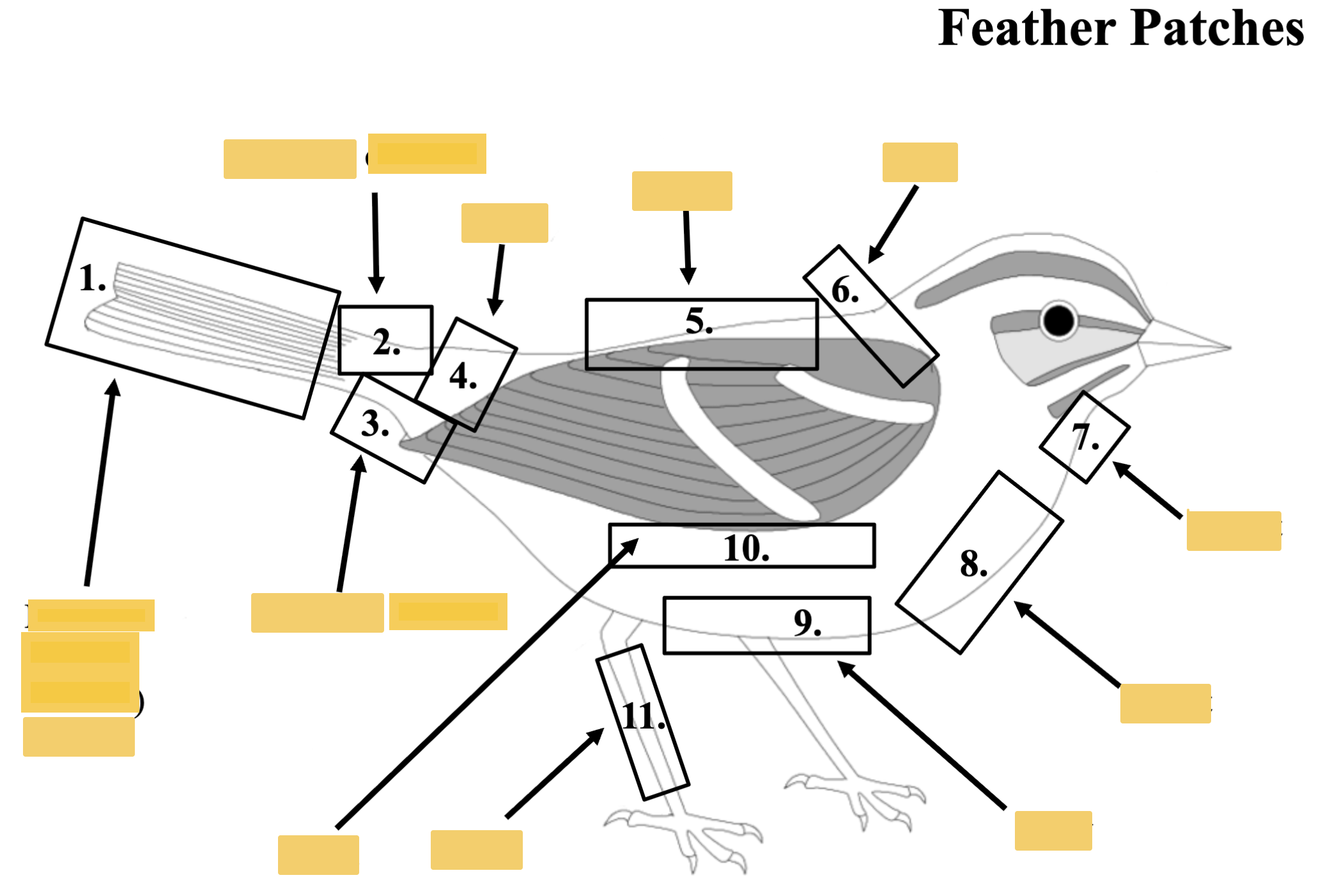
What is 11?
Tarsus
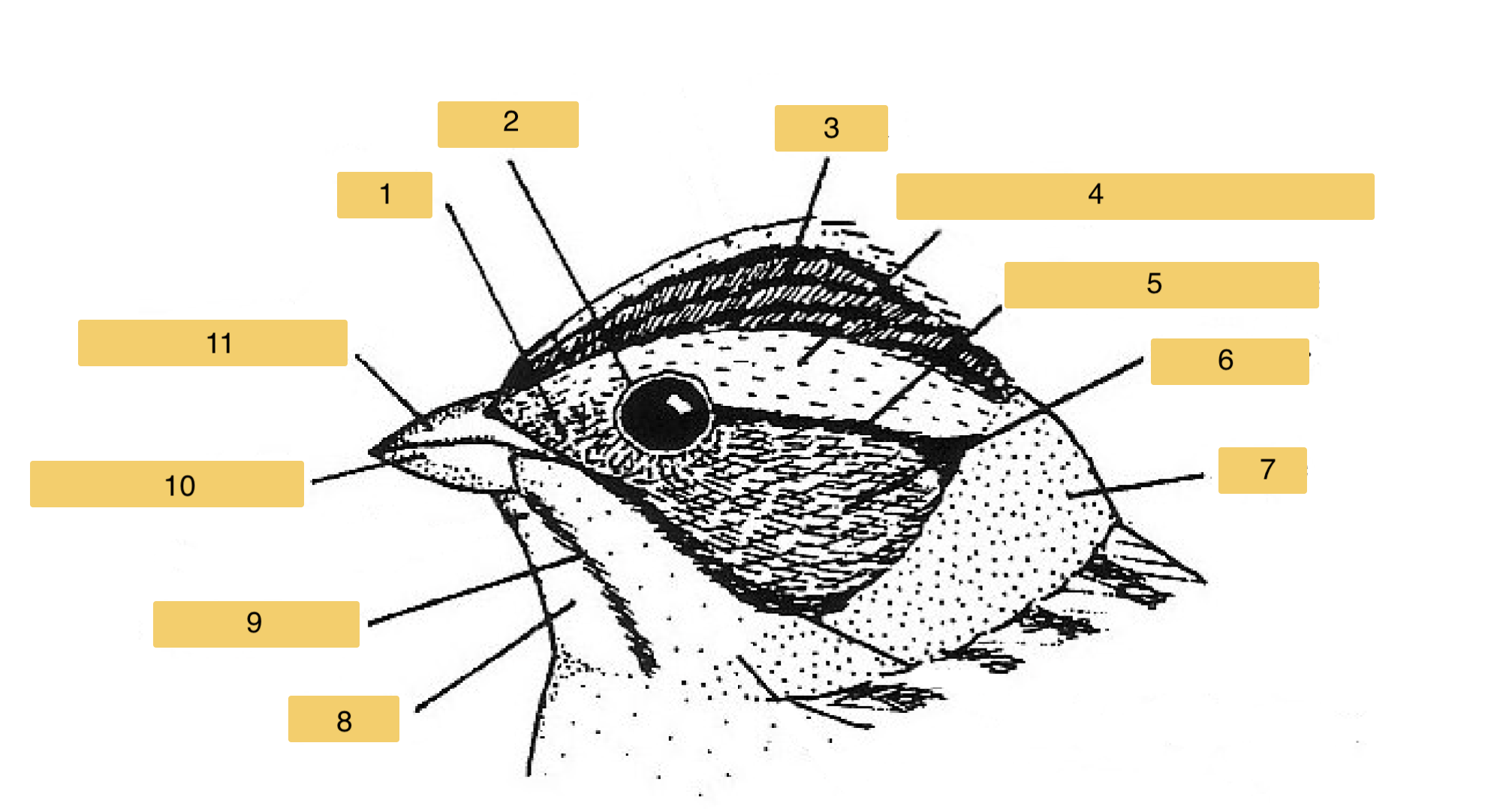
What is 1?
Lores
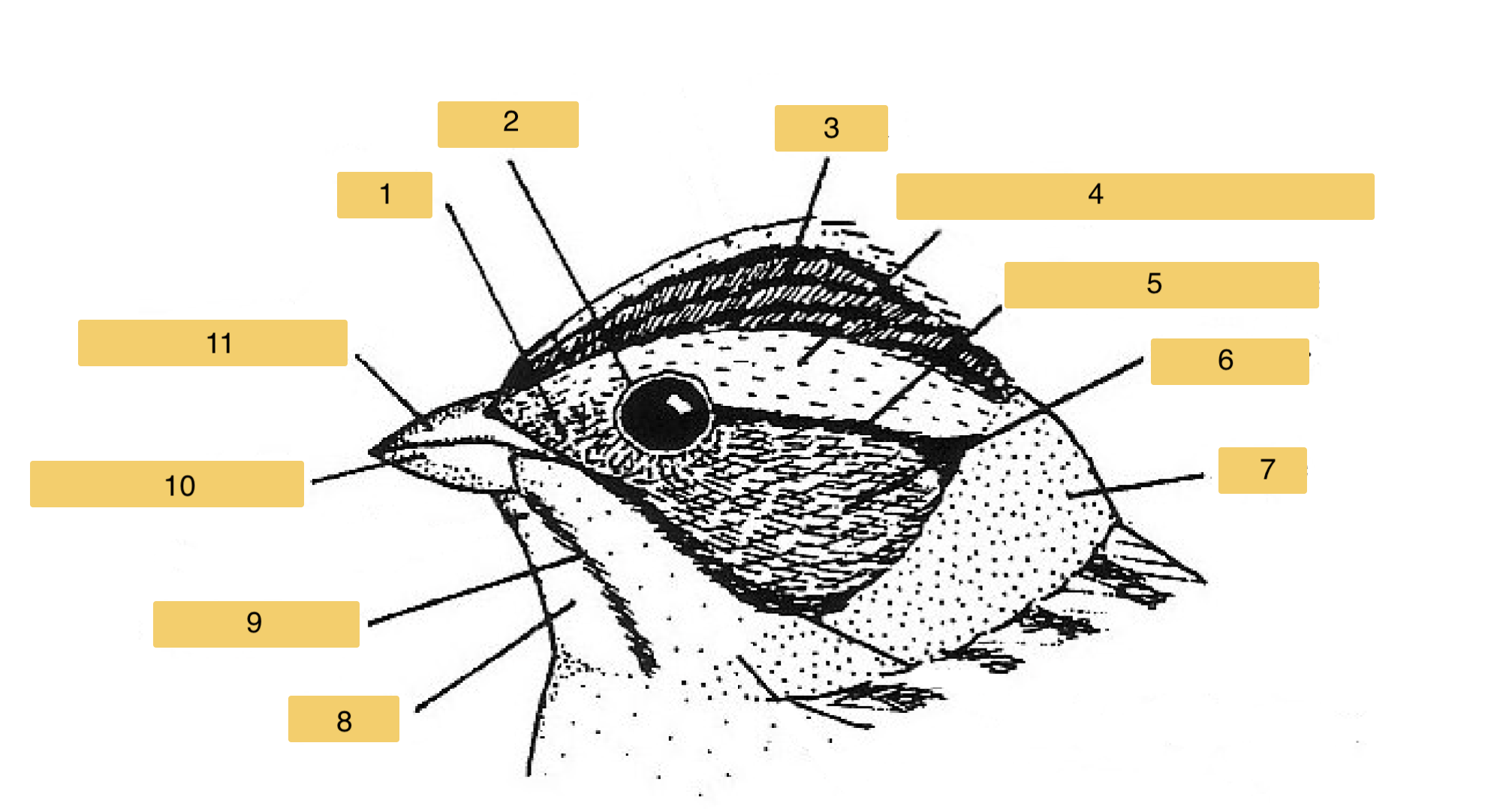
What is 2?
Eye ring
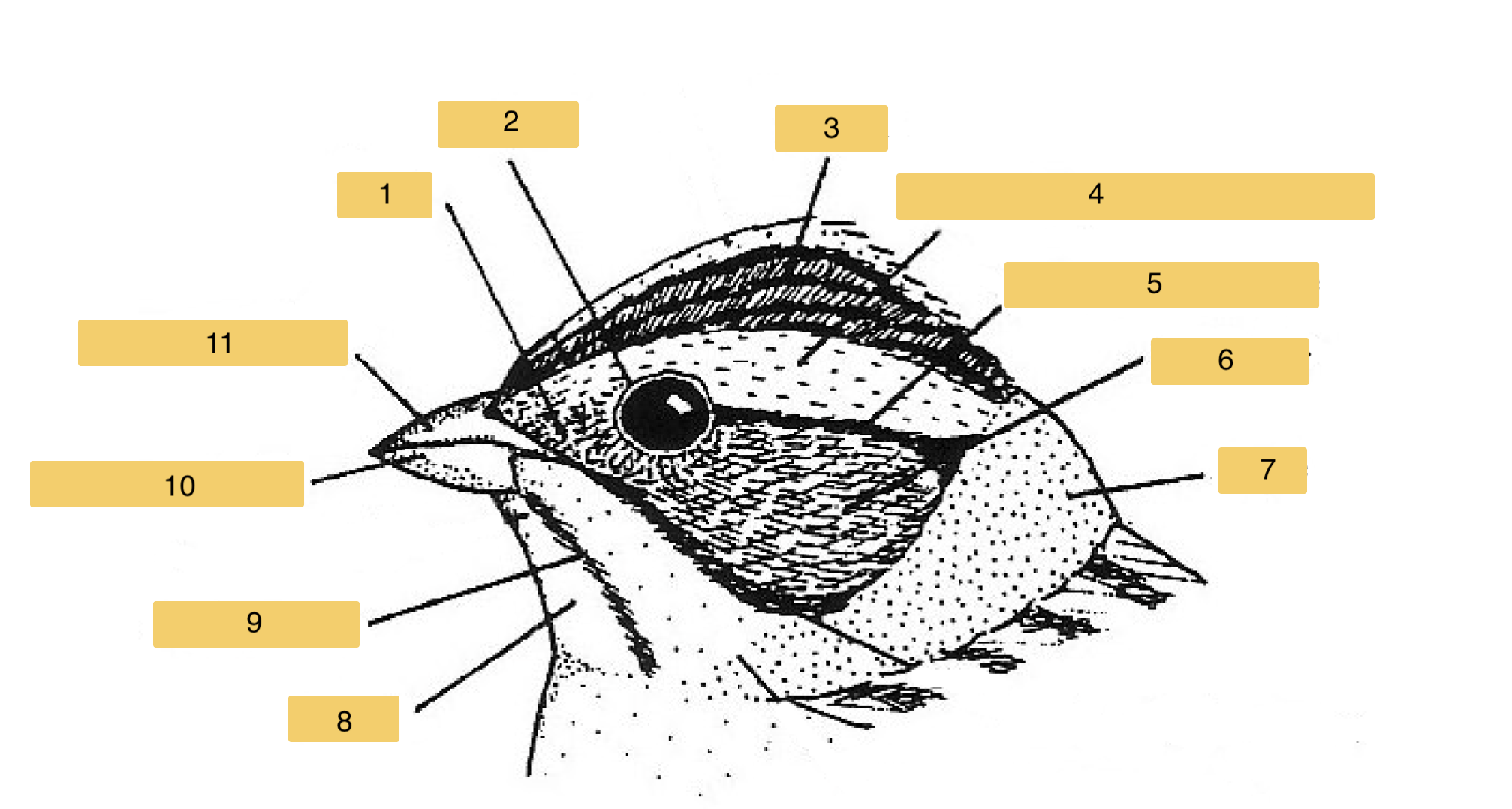
What is 3?
Crown
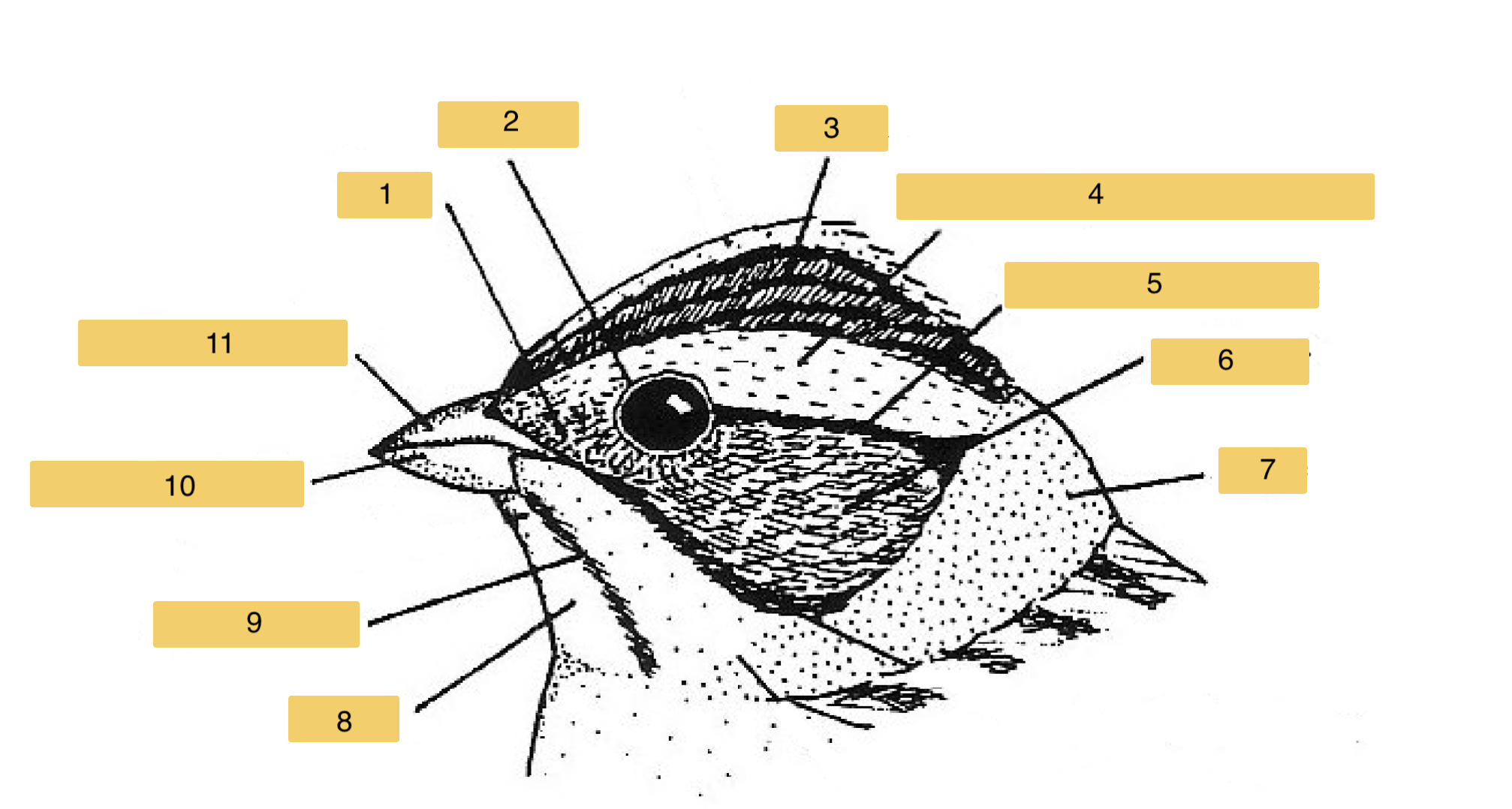
What is 4?
Supercilium (eyebrow stripe)
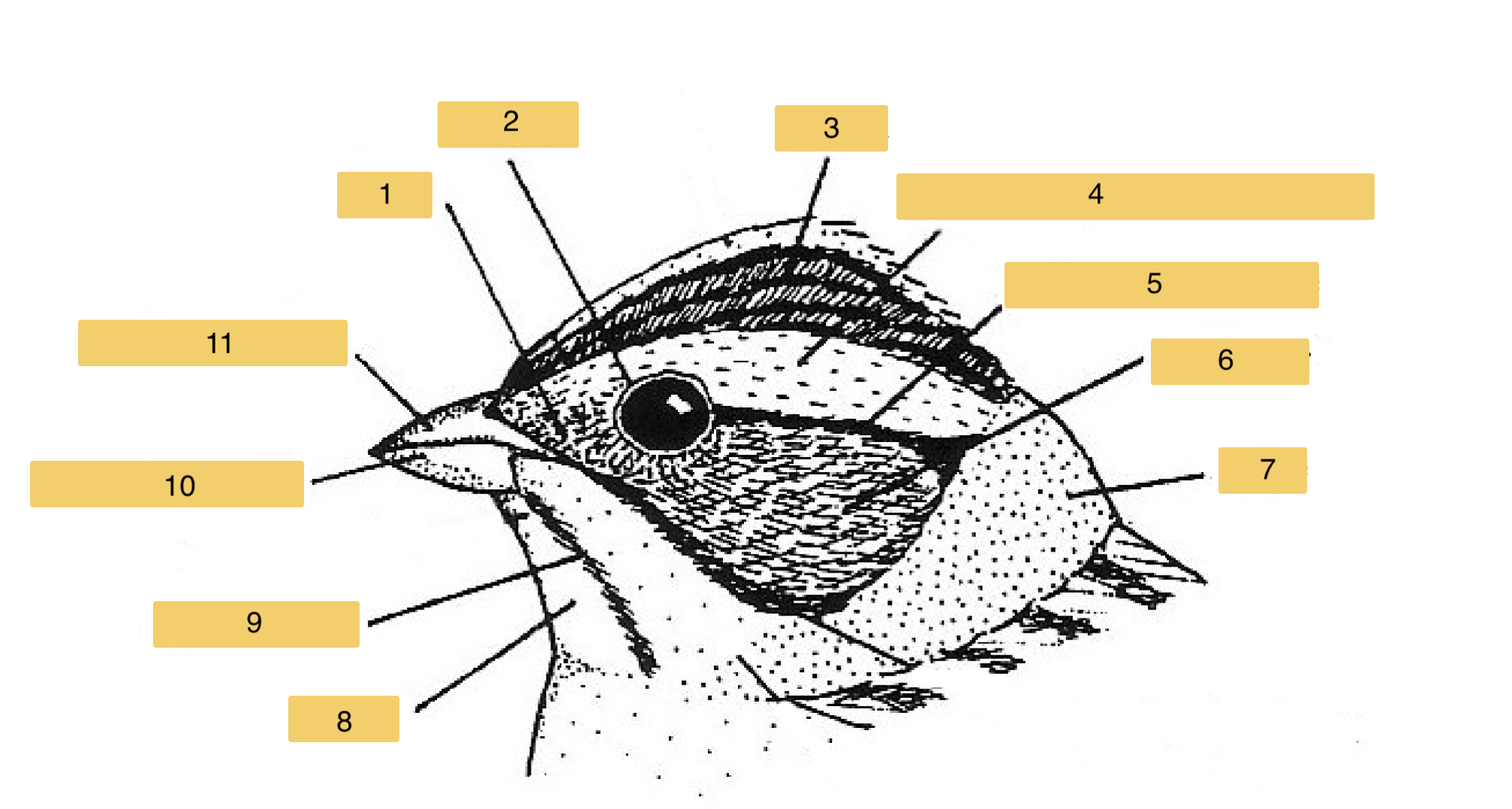
What is 5?
Eye stripe/ eyeline
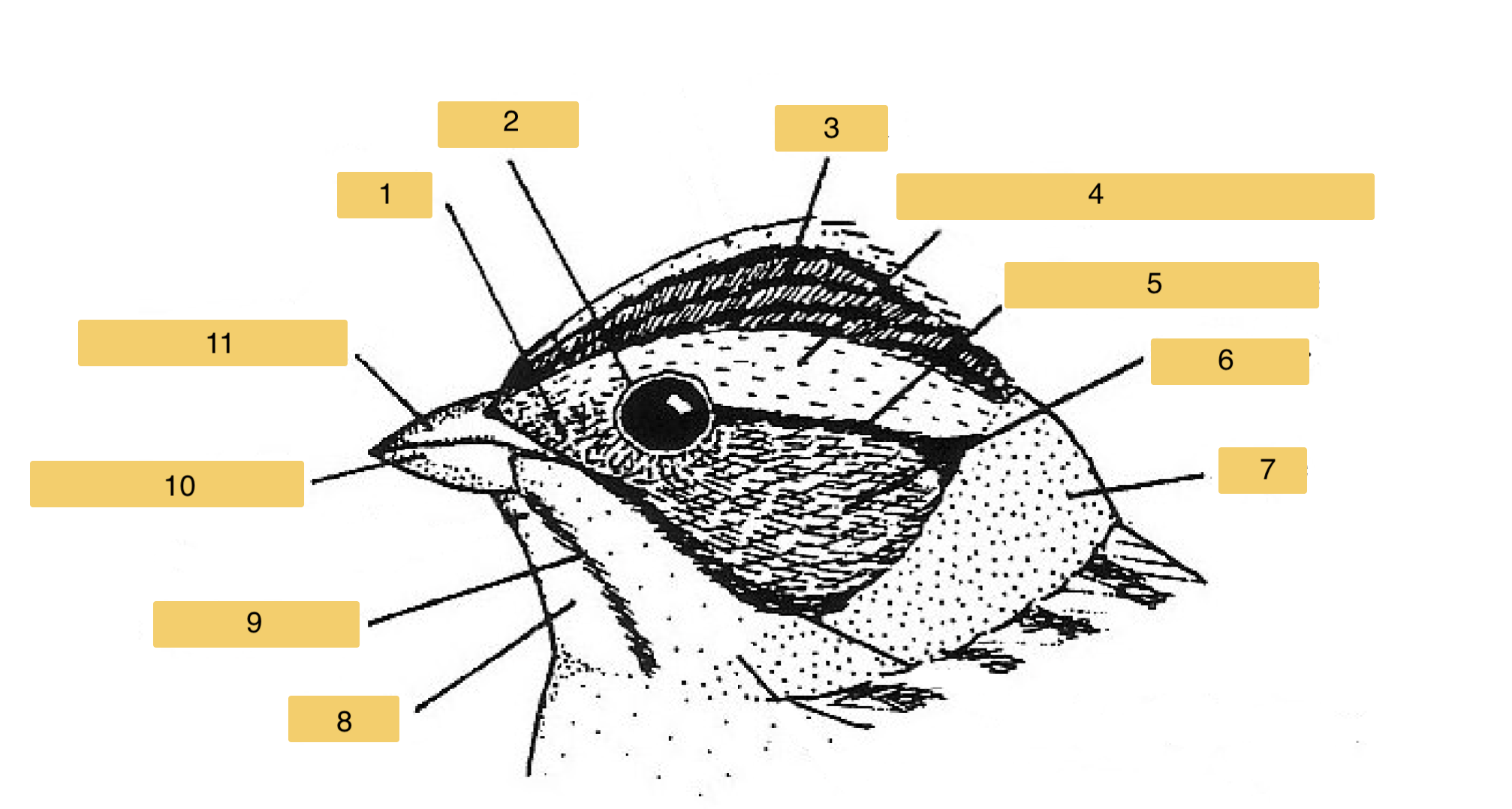
What is 6?
Auricular
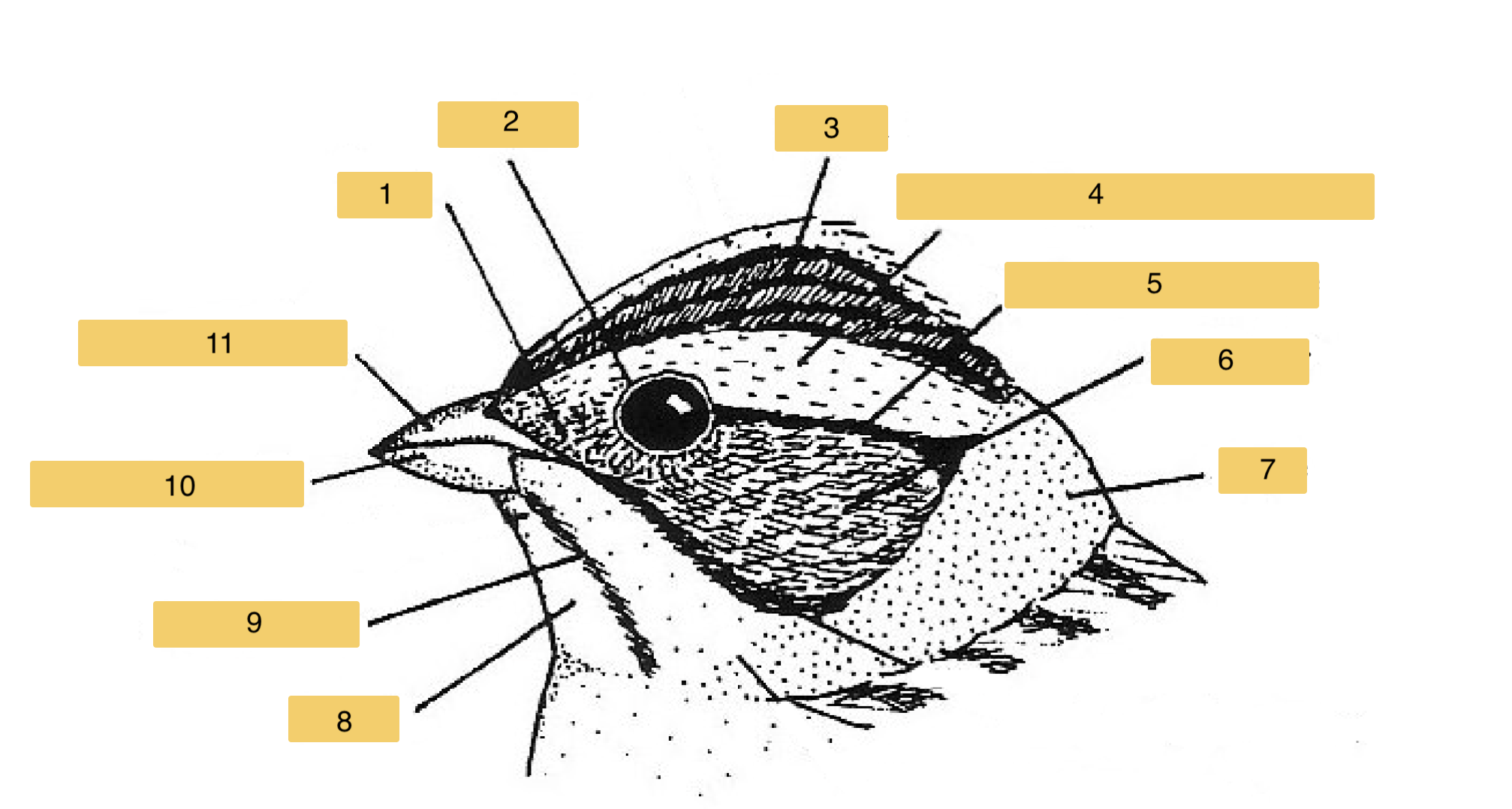
What is 7?
Nape
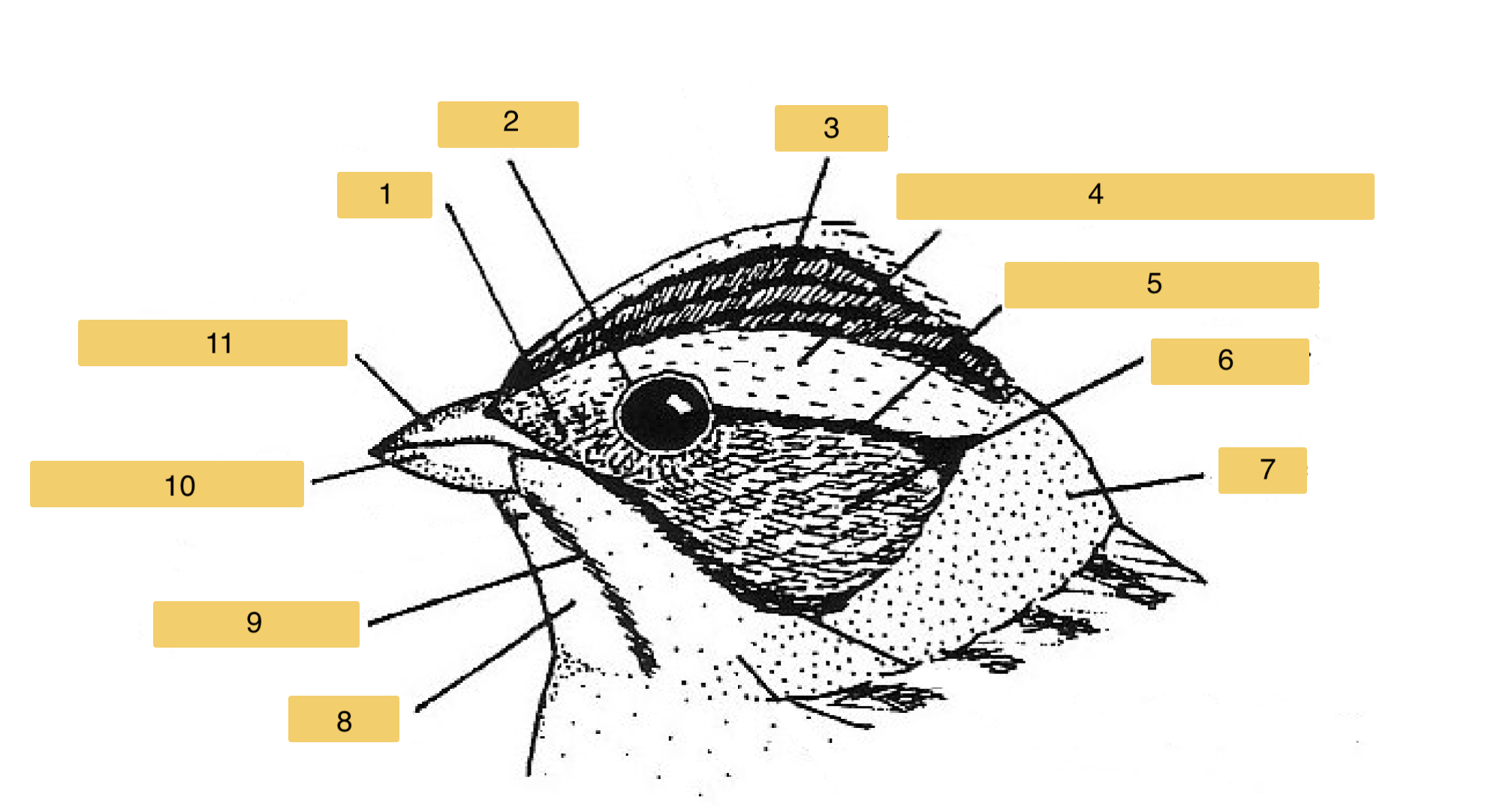
What is 8?
Throat
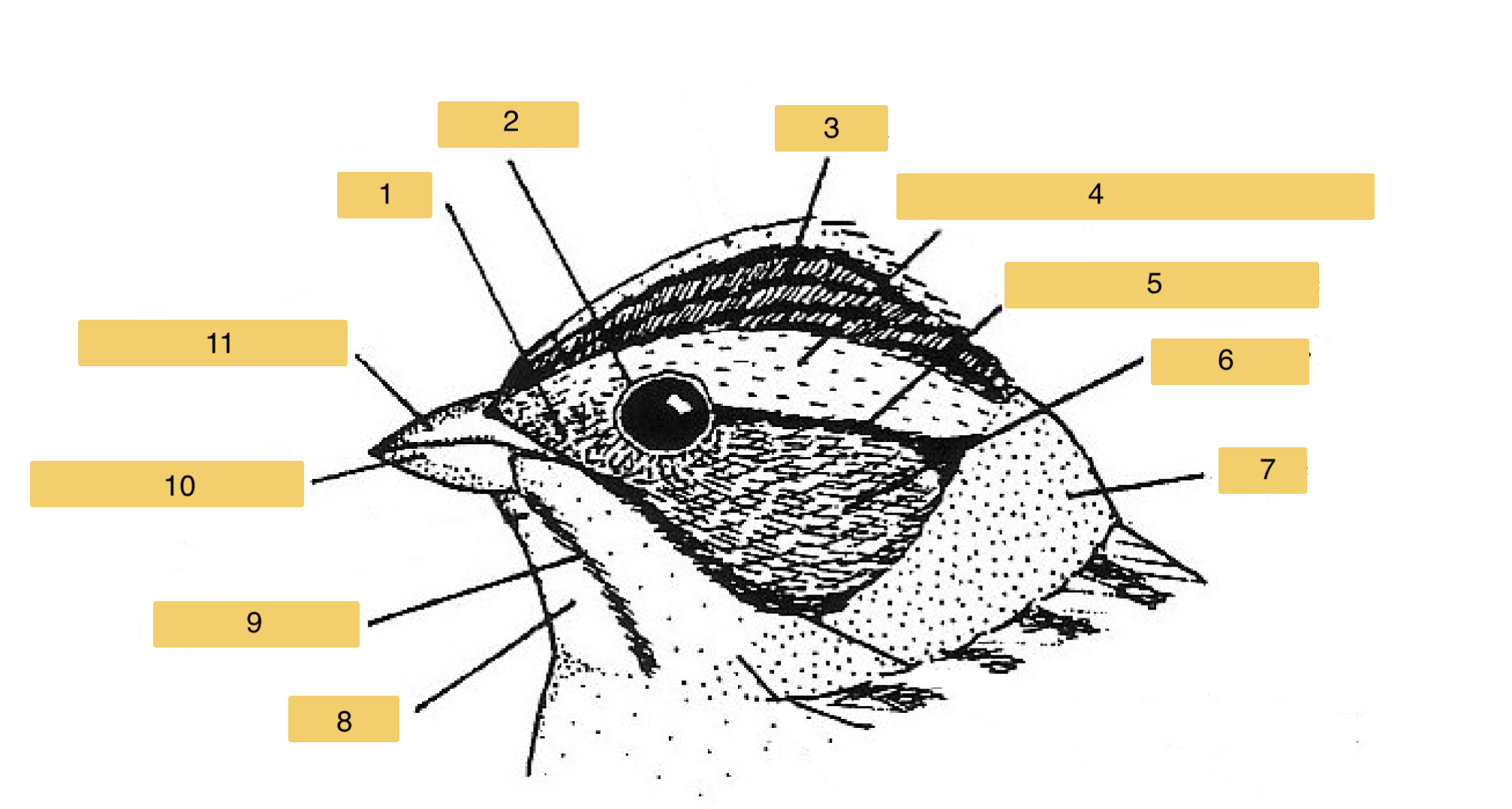
What is 9?
Malar Stripe
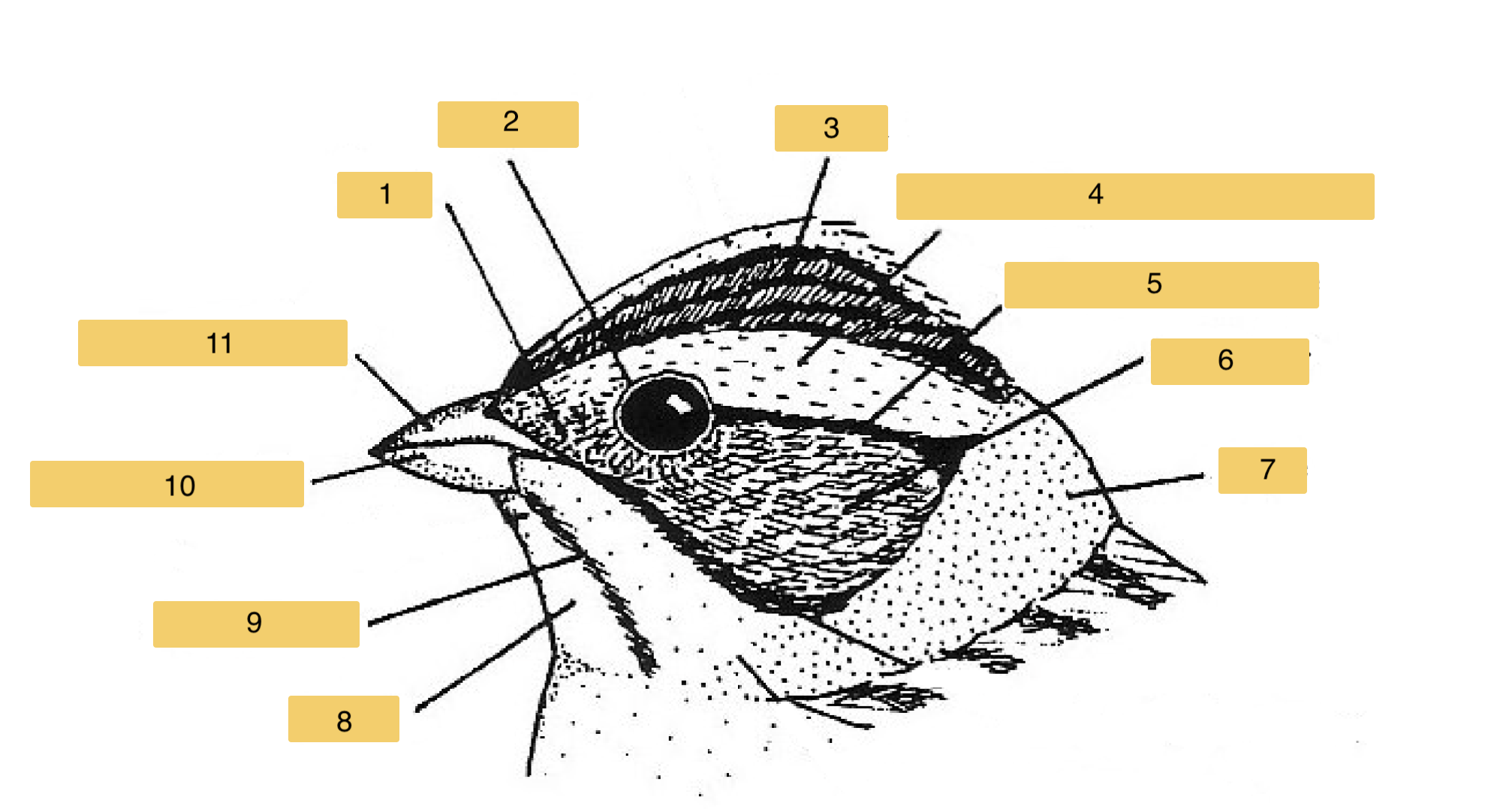
What is 10?
Lower Mandible
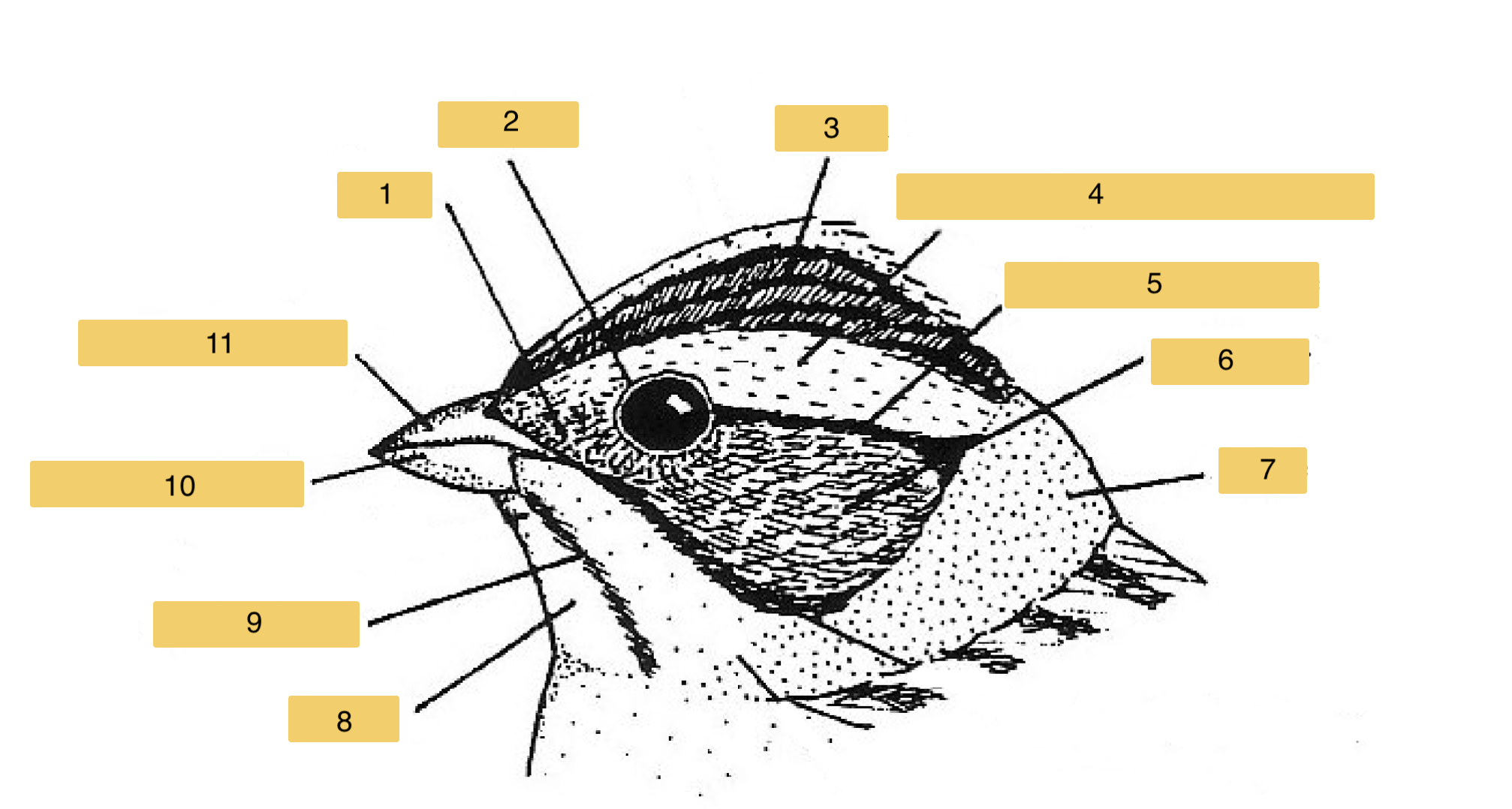
What is 11?
Upper Mandible
Scapulars
Feathers on the shoulder region that function in communication between mates and rivals
Speculum
Secondary feathers that are distinctly colored and used for mate attraction, species recognition, and flock cohesion
Spectacle
A plumage feature that combines the lores and the eyes ring as if it appears continuous.
Facial Disc
The concave collection of feathers on the face of some birds- most notably owls; forms a circular parabloid that collects sound waves and directs them toward the ears.
Gorget
The collection of brilliantly colored feathers on the throat of male hummingbirds.
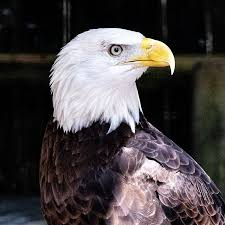
What’s this bill?
Hooked
What is the Hooked beak for?
Capturing, killing, and tearing flesh
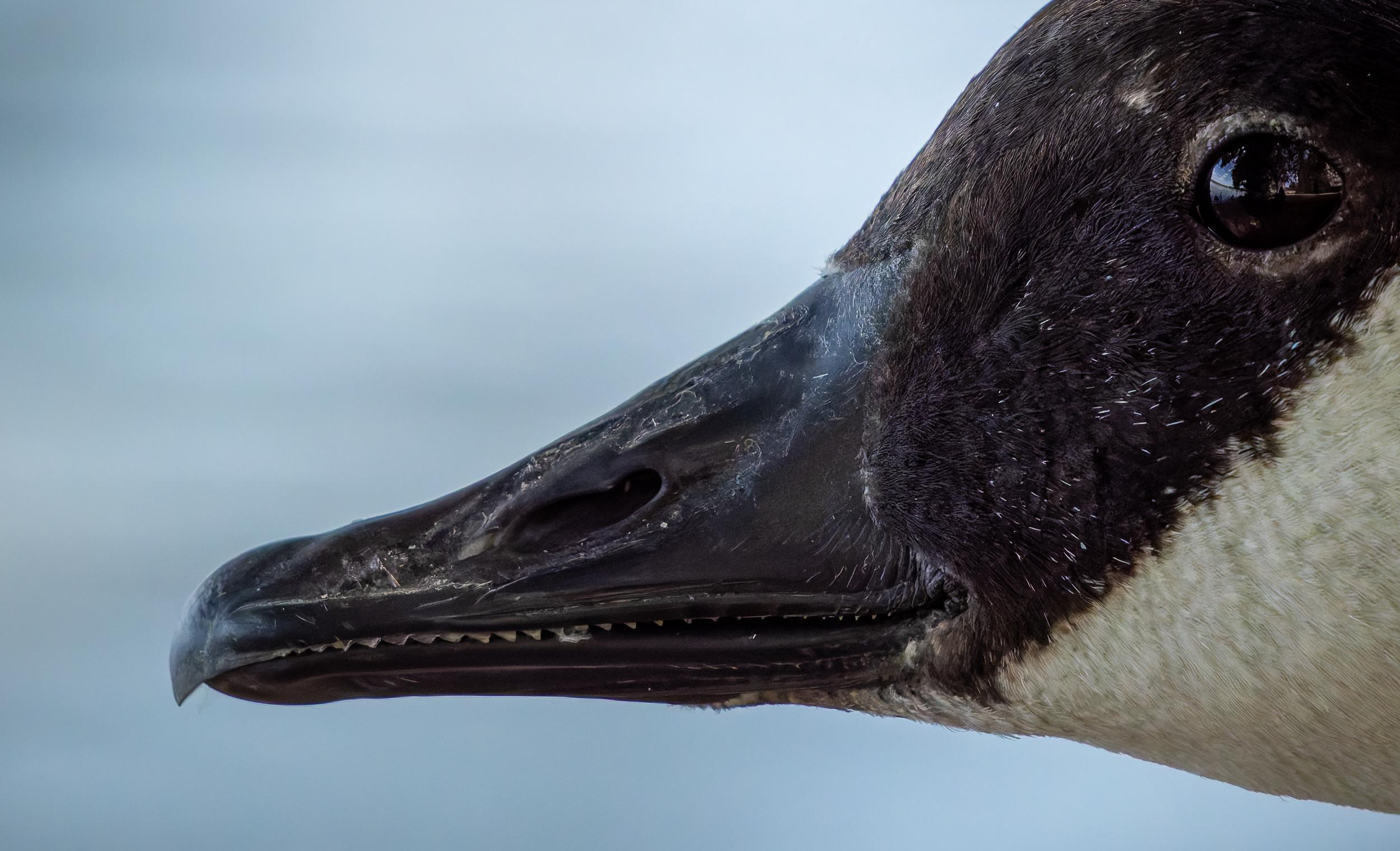
What is this bill?
Serrated
What is the serrated beak for?
Securing and manipulating struggling and slippery prey
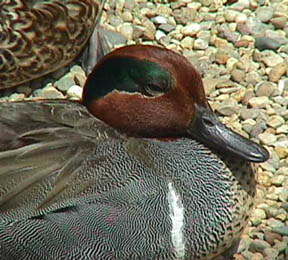
What is this bill?
Depressed
What are depressed beaks for?
Feeding on aquatic plants, seeds, and small invertebrates
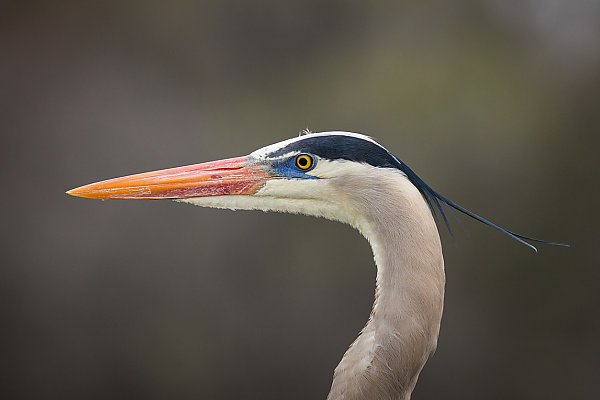
What is this beak?
Straight
What are straight beaks for?
Hunting and catching prey; made to strike quickly/accurately and impale/grasp slippery prey
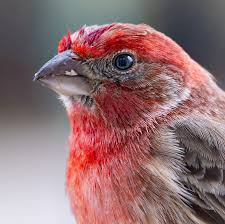
What is this beak?
Conical
What are conical beaks for?
Crushing and grinding food items like seeds and nuts
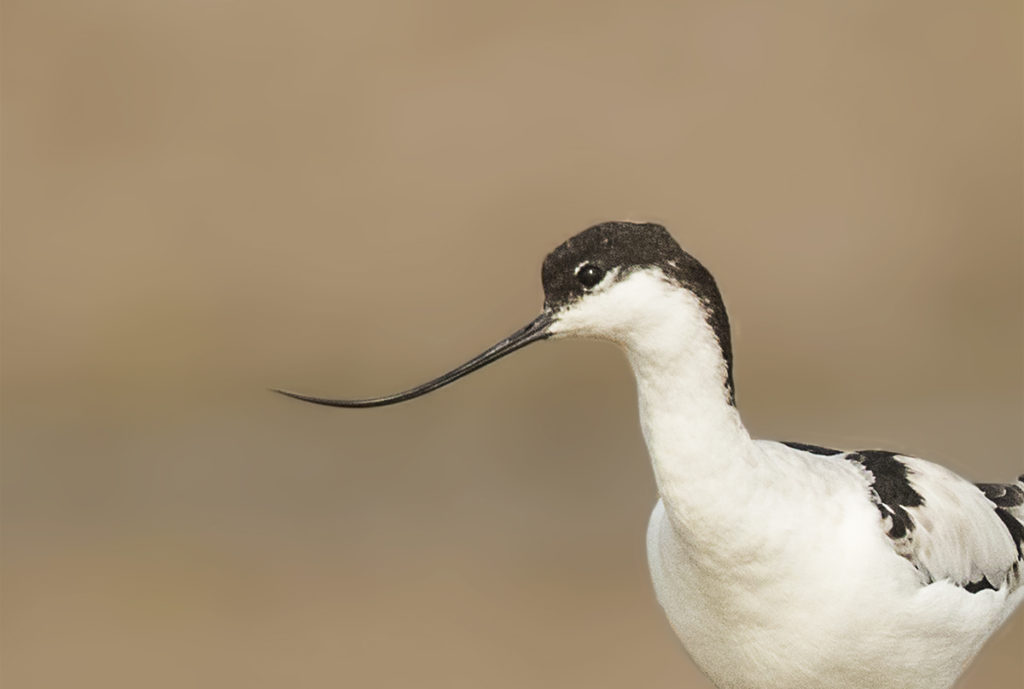
What is this bill?
Recurved
What are recurved beaks for?
Feeding in shallow water; filter feeding and sweeping side to side
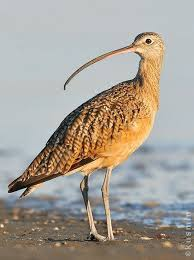
What is this bill?
Decurved
What are decurved bills for?
Probing for hidden prey and precision feeding
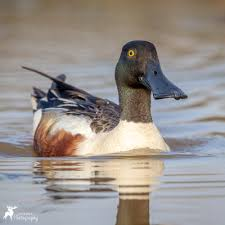
What is this bill?
Spatulate
What are spatulate beaks for?
Scooping up and filtering small aquatic prey
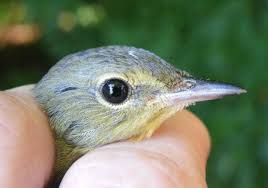
What is this bill?
Thin-Pointed
What is the thin-pointed beak?
Catching small, fast-moving prey (e.g. insects, worms, and spiders)
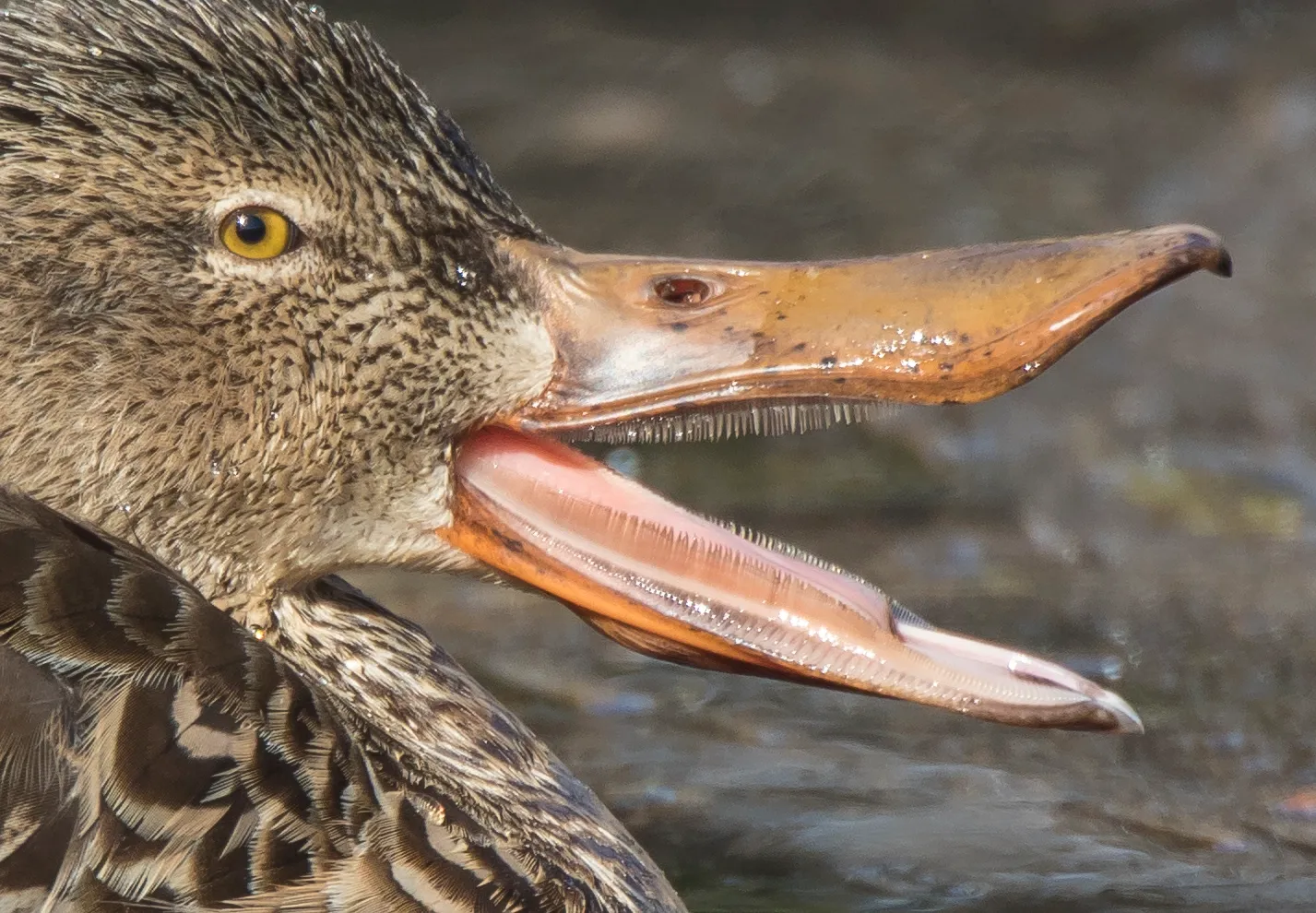
What is this bill?
Lamallae
What are the lamellae for?
Function as a Sieve or filter; filter feeding
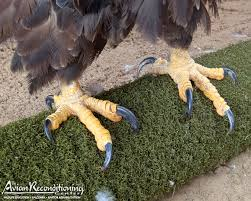
What is this foot type?
Ansiodactyl
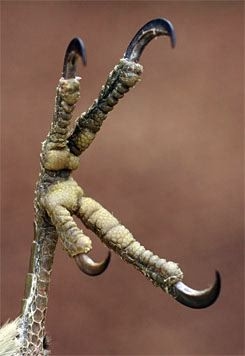
What is this foot type?
Zygodactyl
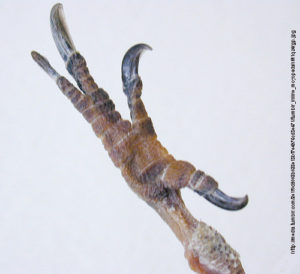
What is this foot type?
Syndactyl
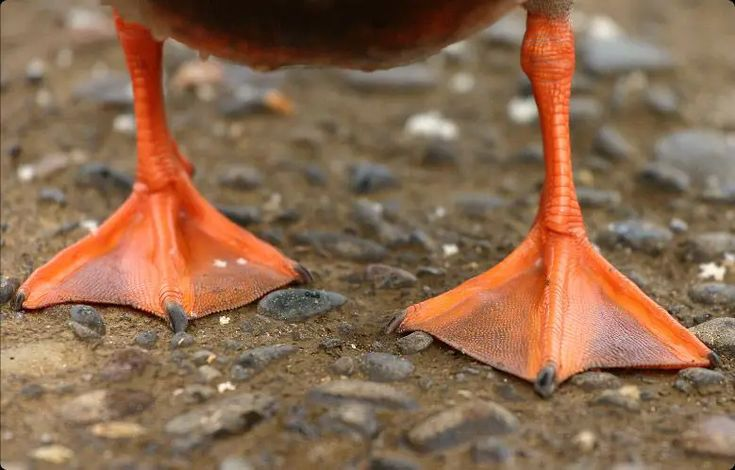
What is this webbing type?
Palmate
Function of Palmate feet
Surface swimming and paddling
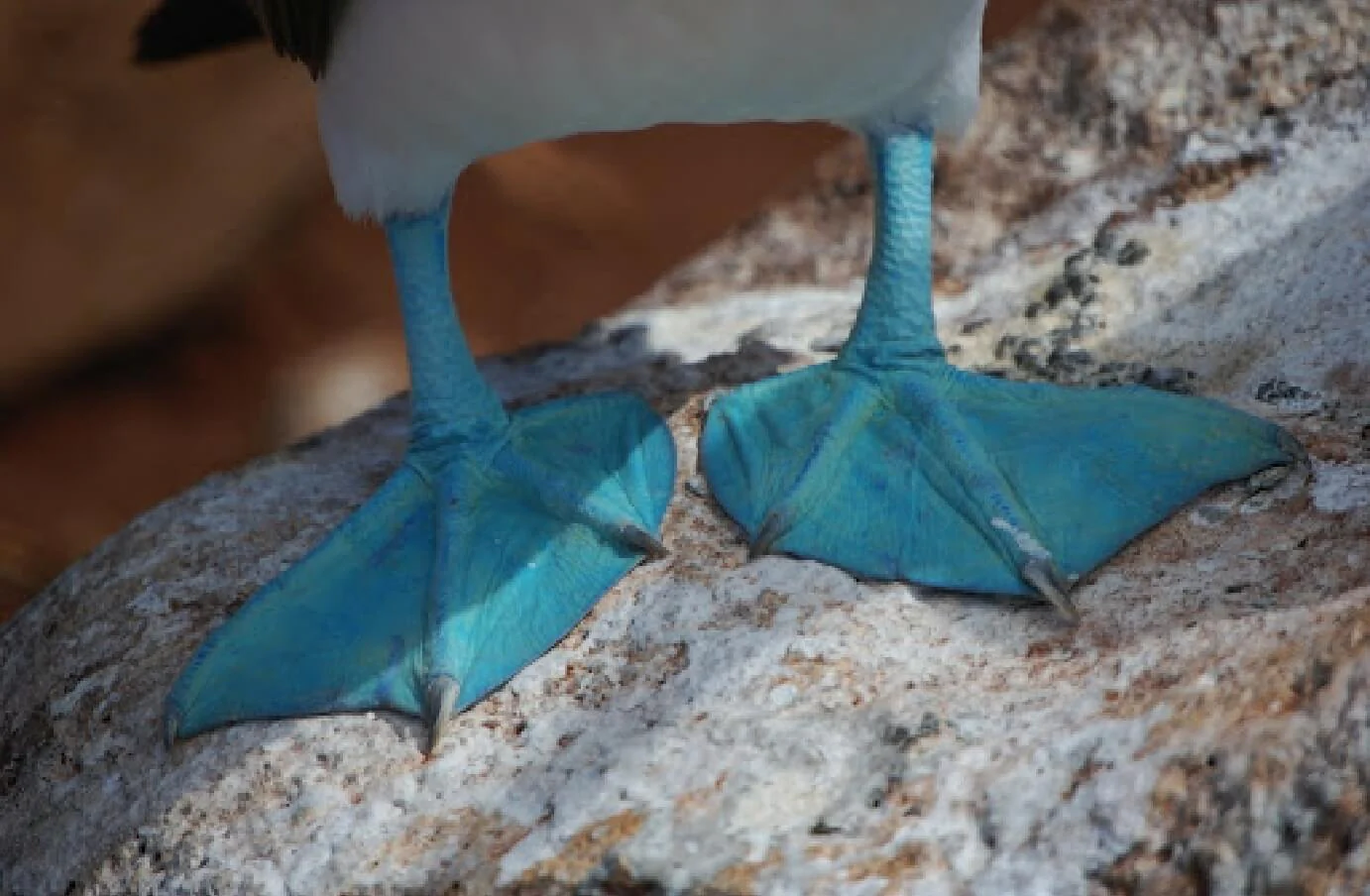
What is this webbing type?
Totipalmate
Function of Totipalmate feet
Better for diving; also swimming
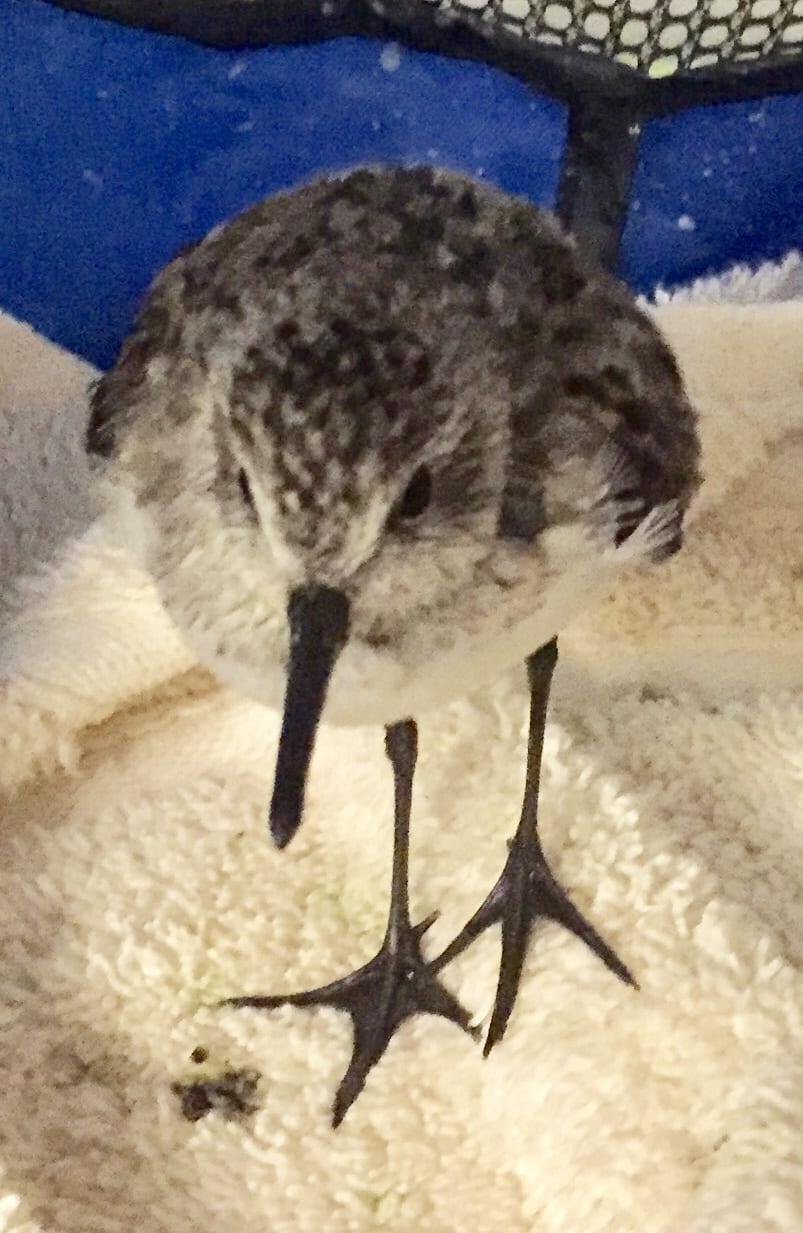
What is this webbing type?
Semipalmate
What are semipalmate feet for?
Enhanced traction on soft muddy or sandy surfaces
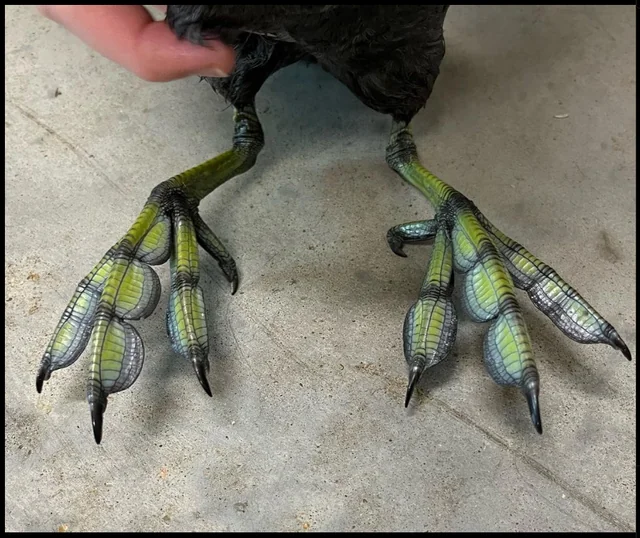
What is the webbing type?
Lobate
What are Lobate feet for?
Navigate dense vegetation in wetlands; act as oars while swimming
Purpose of syndactyl
Serves to strengthen the foot for specialized perching and digging
Purpose of zygodactyl
Provide birds with superior gripping, stability, and maneuverability; increased dexterity
Purpose of ansiodactyl
Allows the bird to perch, hunt, or walk on the ground.