Human Organ Systems & Major Organs
 Note
Note Call Kai
 Learn
Learn Practice Test
 Spaced Repetition
 Match
Match Flashcards
 Knowt Play
1/27

Earn XP
Description and Tags
Vocabulary flashcards reviewing anatomical locations and primary physiological functions of major human organs.
Name | Mastery | Learn | Test | Matching | Spaced | Call with Kai | Chat |
|---|
No analytics yet
Send a link to your students to track their progress
28 Terms

Brain
Located in the cranial cavity inside the skull. It processes information from the senses and controls thinking, memory, emotions, and body functions that keep the body balanced.

Spinal Cord
Located in the vertebral canal extending from brainstem to lumbar region. Transmits nerve signals between brain and body; coordinates spinal reflex arcs.

Eyes
Located in the orbital cavities of the skull. They detect light and send visual information to the brain through the optic nerves.

Ears
Located in the temporal bones on either side of the skull. They process sound for hearing and help maintain balance.

Heart
Located in the mediastinum of the chest, between the lungs. It pumps oxygen-rich blood to the body and oxygen-poor blood to the lungs.

Blood Vessels
Found throughout the body as arteries, capillaries, and veins. They carry blood, nutrients, oxygen and carbon dioxide, hormones, and wastes.
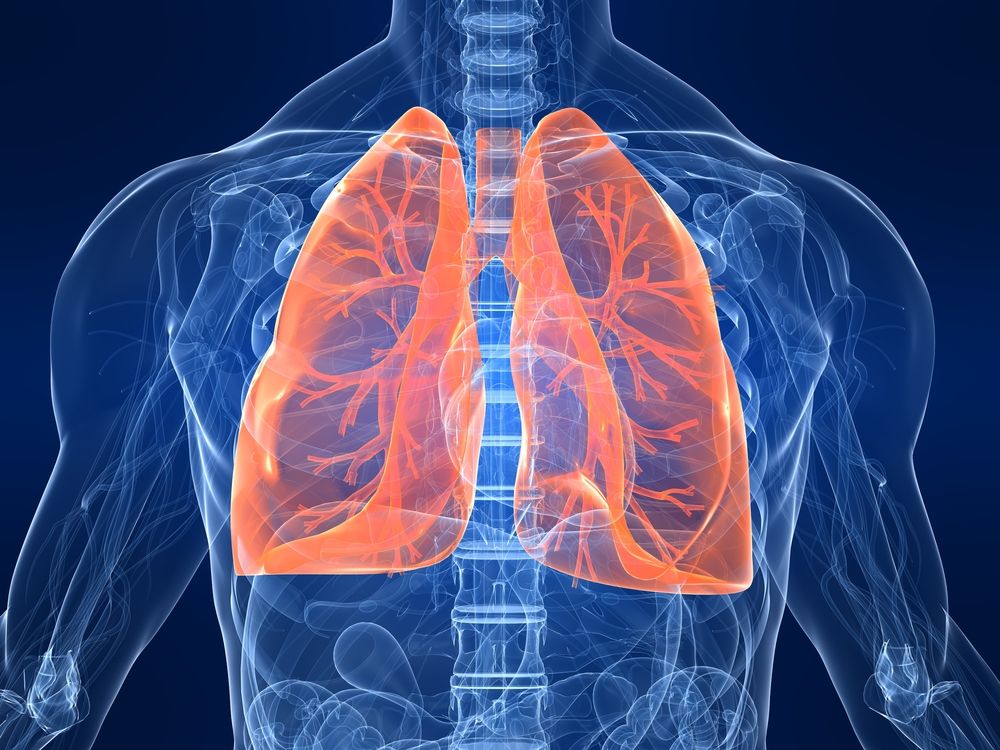
Lungs
Located in the pleural cavities of the chest, on either side of the heart. They exchange gases across the walls of the alveoli and nearby capillaries: oxygen enters the blood, and carbon dioxide leaves the blood.
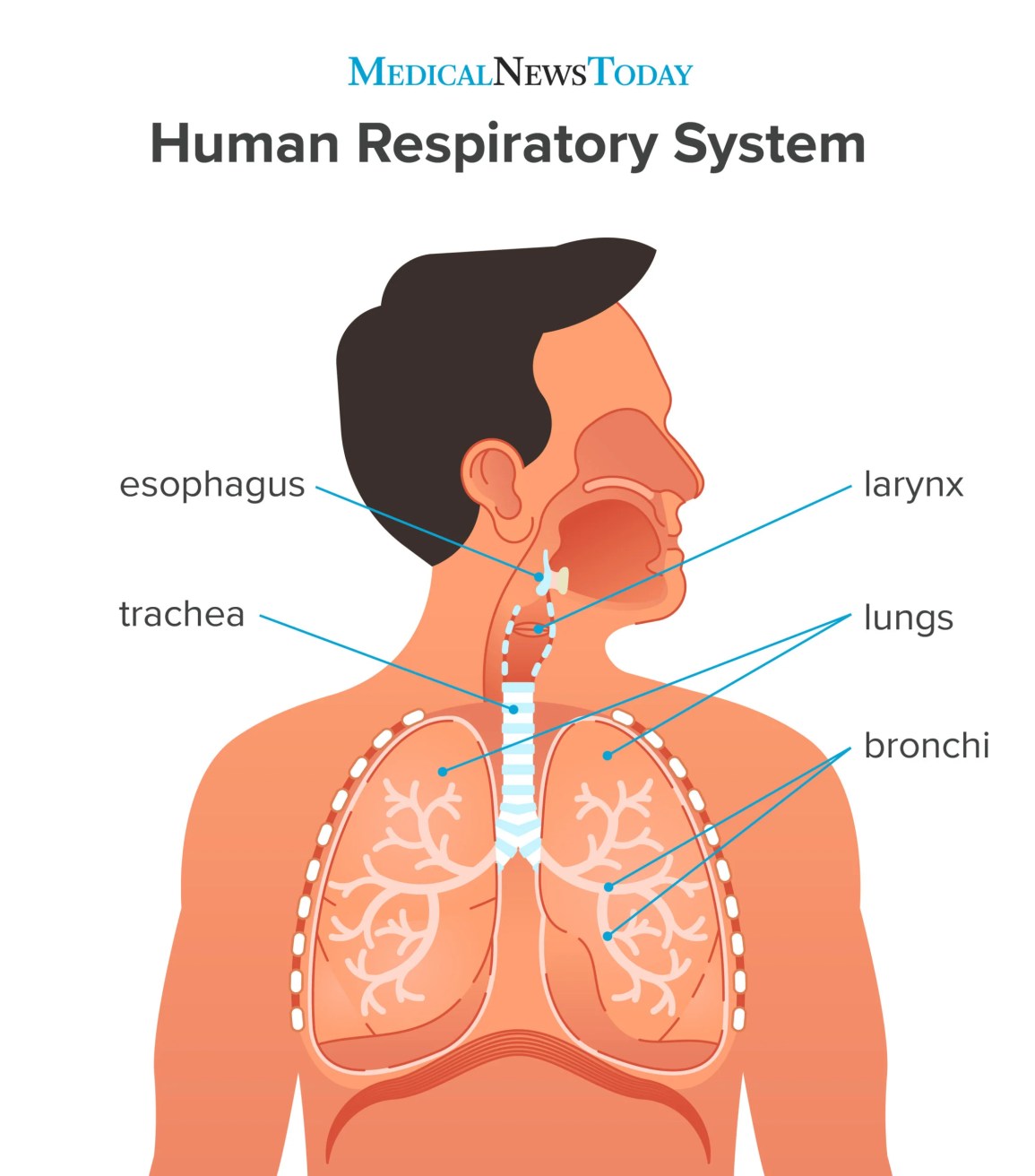
Trachea
Located in the front of the neck, extending from the larynx to the bronchi. This windpipe carries air to and from the lungs; its mucus and tiny hairlike cilia help filter the air.

Larynx
Located in the front of the neck, above the trachea. It is the voice box, which produces sound and helps protect the airway when you swallow.

Stomach
Located in the upper left part of the abdominal cavity. It churns food and uses stomach acid (HCl) and pepsinogen to help break it down, forming a mixture called chyme.

Liver
Located in the upper right quadrant of abdominal cavity. Produces bile, processes absorbed nutrients, metabolizes toxins, and synthesizes plasma proteins.

Gallbladder
Located underneath the right side of the liver. It stores and concentrates bile, then releases it into the duodenum to help break down fats.

Pancreas
Located behind the stomach, mostly behind the abdominal lining. It releases digestive enzymes into the duodenum and the hormones insulin and glucagon into the blood.

Small Intestine
Located in the abdominal cavity and made up of the duodenum, jejunum, and ileum. It is the main site of enzyme-based digestion and absorbs nutrients and water into the blood and lymph.

Large Intestine
Located around the small intestine in the abdominal cavity. It absorbs remaining water and electrolytes, then forms and eliminates feces.
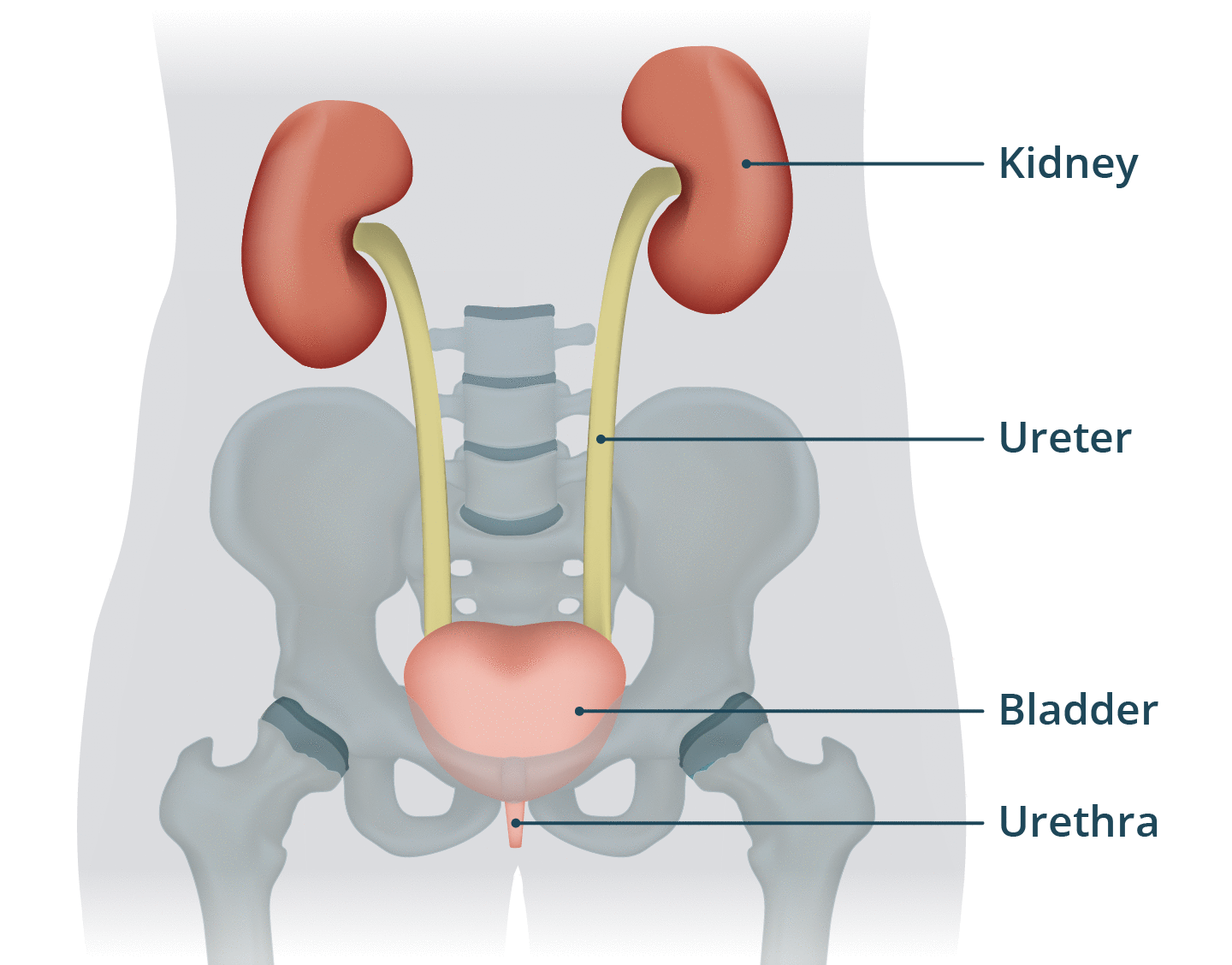
Kidneys
Located behind the abdominal lining, along the back wall of the abdomen (T12–L3). They filter blood to make urine and help control blood pressure, fluid levels, and electrolyte balance.

Ureters
Located behind the abdominal lining, extending from each kidney to the bladder. These muscular tubes move urine to the bladder through wave-like contractions called peristalsis.

Urinary Bladder
Located in the pelvic cavity posterior to pubic symphysis. Hollow distensible muscular organ that stores urine prior to micturition.

Pituitary Gland
Located in the sella turcica, a small space in the sphenoid bone at the base of the brain. Called the “master gland” because it releases hormones that control other glands and help regulate growth, metabolism, and reproduction.

Thyroid Gland
Located in the front of the neck, below the larynx and around the trachea. It releases T₃ and T₄ to control how quickly the body uses energy and calcitonin to help regulate blood calcium.

Adrenal Glands
Located on top of each kidney (retroperitoneal). The cortex secretes cortisol and aldosterone; the medulla secretes epinephrine and norepinephrine during stress.

Spleen
Located in the upper left quadrant of abdomen, posterior to stomach. Filters blood, removes old erythrocytes, stores platelets, and mounts immune responses.

Thymus
Located in the upper chest, behind the sternum. It is where T cells mature and learn to recognize the body’s own cells so they do not attack them.

Lymph Nodes
Located along lymphatic vessels, especially in the armpits, groin, and neck. They filter lymph fluid, trap germs, and help activate the immune system.

Ovaries
Located in the pelvic cavity on either side of uterus. Produce female gametes (ova) and sex hormones (estrogen and progesterone).

Uterus
Located in the pelvic cavity superior to bladder. Provides structural and metabolic support for embryonic implantation and fetal development.

Testes
Located in the scrotal sac outside abdominal cavity. Produce male gametes (spermatozoa) and principal androgen (testosterone).

Skin (Cutaneous)
Covers entire external surface of human body. Largest organ; provides physical protection, thermoregulation, sensation, and vitamin D synthesis.