Glycolysis: Key Concepts, Enzymes, and Regulation in Cell Metabolism
 Call Kai
 Learn
Learn Practice Test
 Spaced Repetition
 Match
Match Flashcards
 Knowt Play
1/33

There's no tags or description
Looks like no tags are added yet.
Name | Mastery | Learn | Test | Matching | Spaced | Call with Kai | Chat |
|---|
No analytics yet
Send a link to your students to track their progress
34 Terms
What is the significance of phosphofructokinase-1 (PFK-1)?
It is the first committed step in glycolysis and is highly regulated.

What regulates PFK-1 activity?
ATP acts as a negative effector, while ADP and AMP activate it.
What is the role of pyruvate kinase in glycolysis?
It catalyzes the transfer of a phosphate from PEP to ADP, producing ATP.
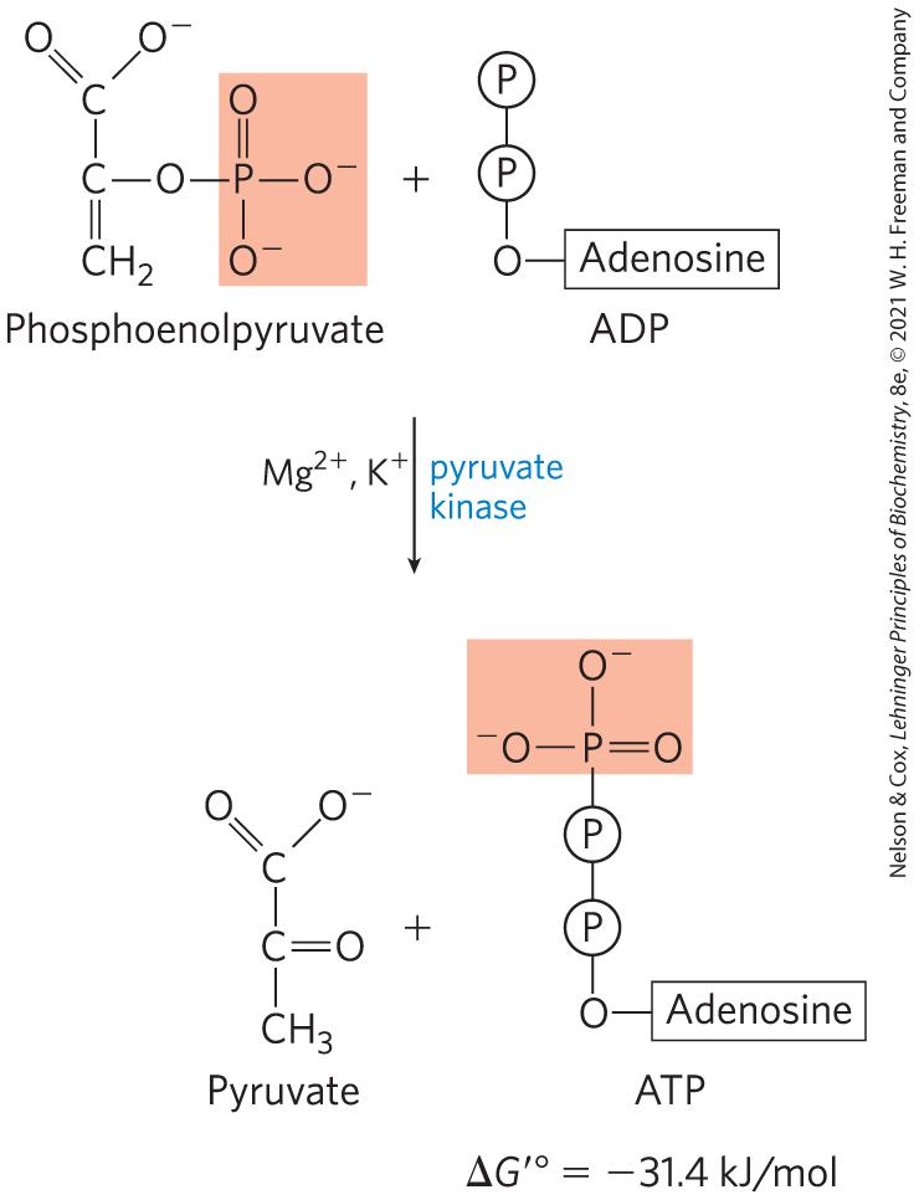
What is the final product of glycolysis?
2 pyruvate molecules.
What is the role of NAD+ in glycolysis?
It is reduced to NADH during the oxidation of glyceraldehyde 3-phosphate.
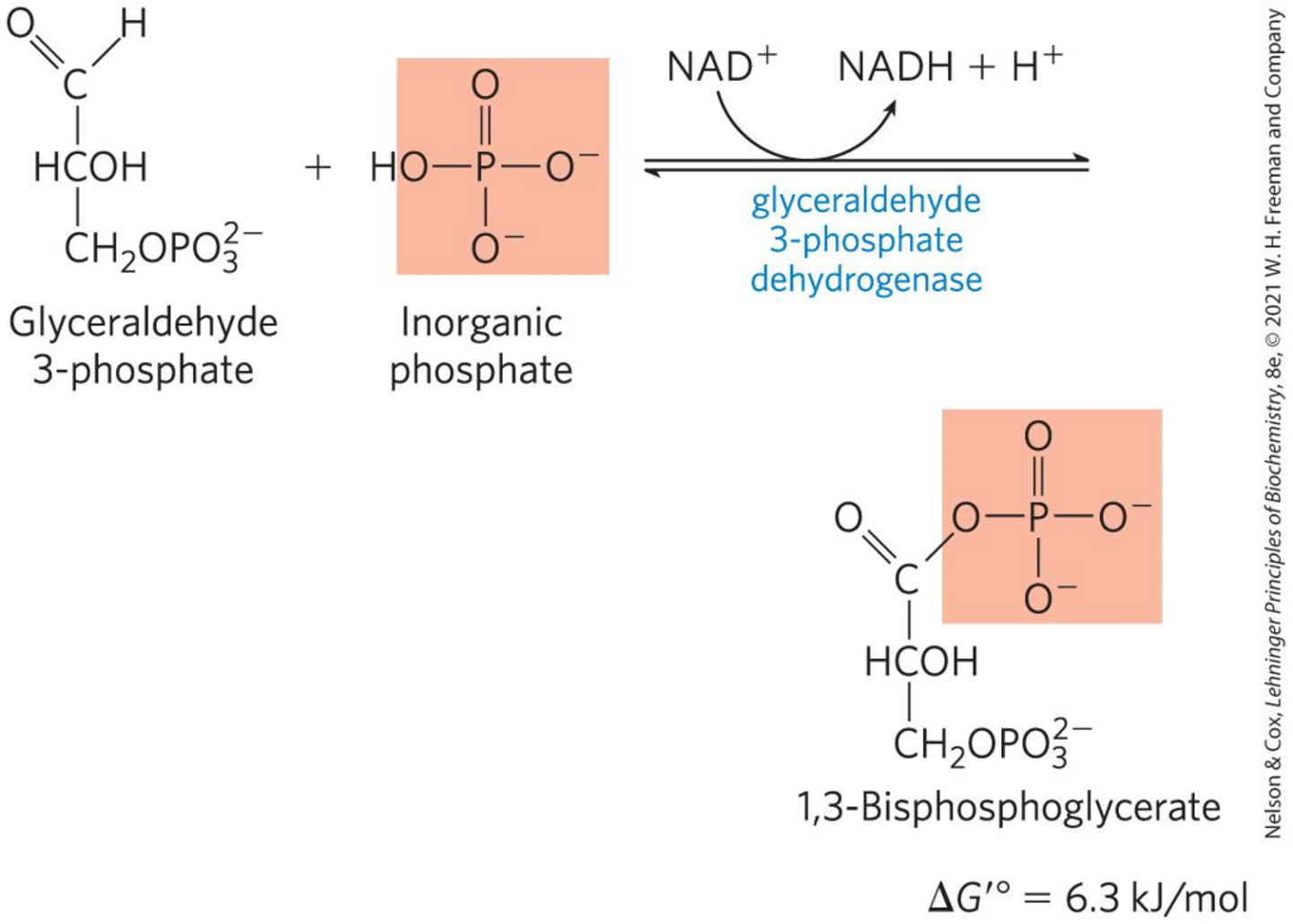
What is the importance of glucose as a fuel?
It provides a significant energy source and can be stored as glycogen.
How does glucose serve as a biochemical precursor?
It provides carbon skeletons for amino acids, nucleotides, and lipids.
What is the significance of fructose 2,6-bisphosphate (F-2,6-BP)?
It is an allosteric activator of PFK-1 and regulates glycolysis.
How is F-2,6-BP produced?
It is made by PFK-2 from fructose 6-phosphate.
What hormonal signals influence glycolysis?
Insulin promotes glycolysis, while glucagon inhibits it.
What is lactose intolerance?
The inability to digest lactose due to a lack of the enzyme lactase.
What happens to fructose in the liver?
It is converted to fructose 1-phosphate, bypassing PFK-1.
What is the role of galactose in glycolysis?
It is converted to glucose 6-phosphate through a specific pathway.
What is the energetic outcome of glycolysis?
Overall, glycolysis has a very negative ΔG, driving ATP production.
What are the three key regulatory steps in glycolysis?
Hexokinase, phosphofructokinase-1 (PFK-1), and pyruvate kinase.
What is the role of induced fit in enzyme catalysis?
It allows enzymes like hexokinase to effectively catalyze reactions.
What is the significance of substrate-level phosphorylation?
It is a way to generate ATP directly in glycolysis.
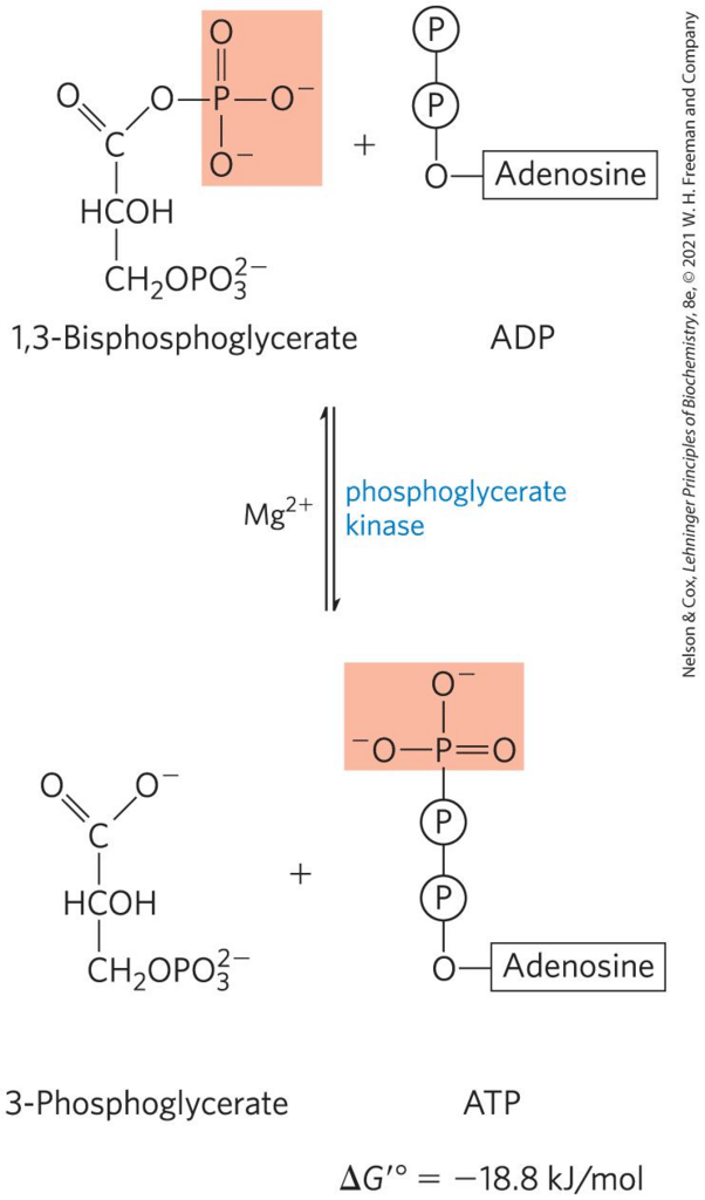
What is the role of glyceraldehyde 3-phosphate dehydrogenase?
It oxidizes GAP and reduces NAD+ to NADH.
What is the function of aldolase in glycolysis?
It cleaves fructose 1,6-bisphosphate into two triose phosphates.
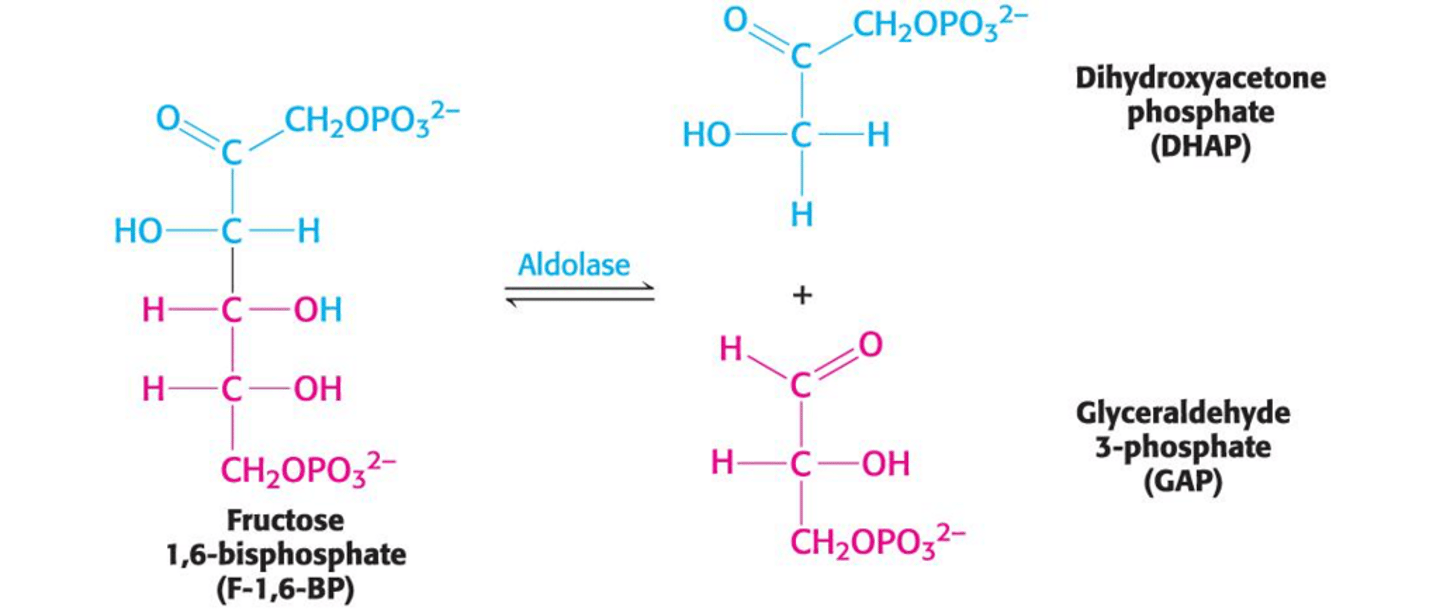
What is the importance of the ΔG values in glycolysis?
They indicate whether reactions are favorable and help regulate the pathway.
What are the symptoms of galactosemia?
Jaundice, liver enlargement, and cataract formation due to enzyme deficiency.
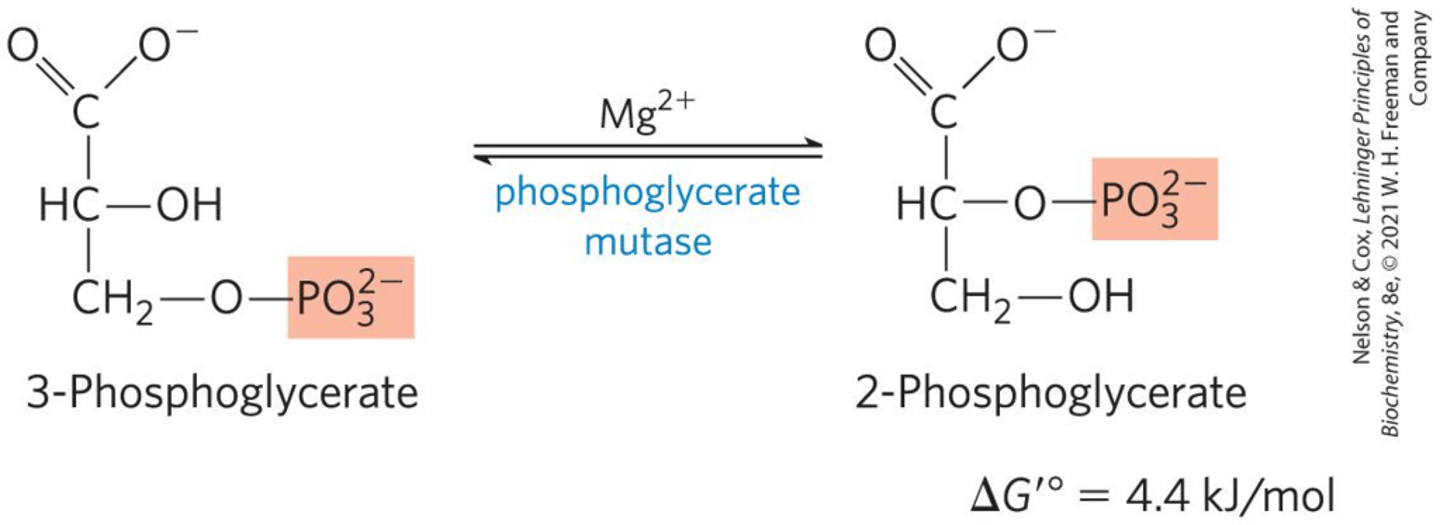
What is the role of phosphoglycerate mutase?
It isomerizes 3-phosphoglycerate to 2-phosphoglycerate.
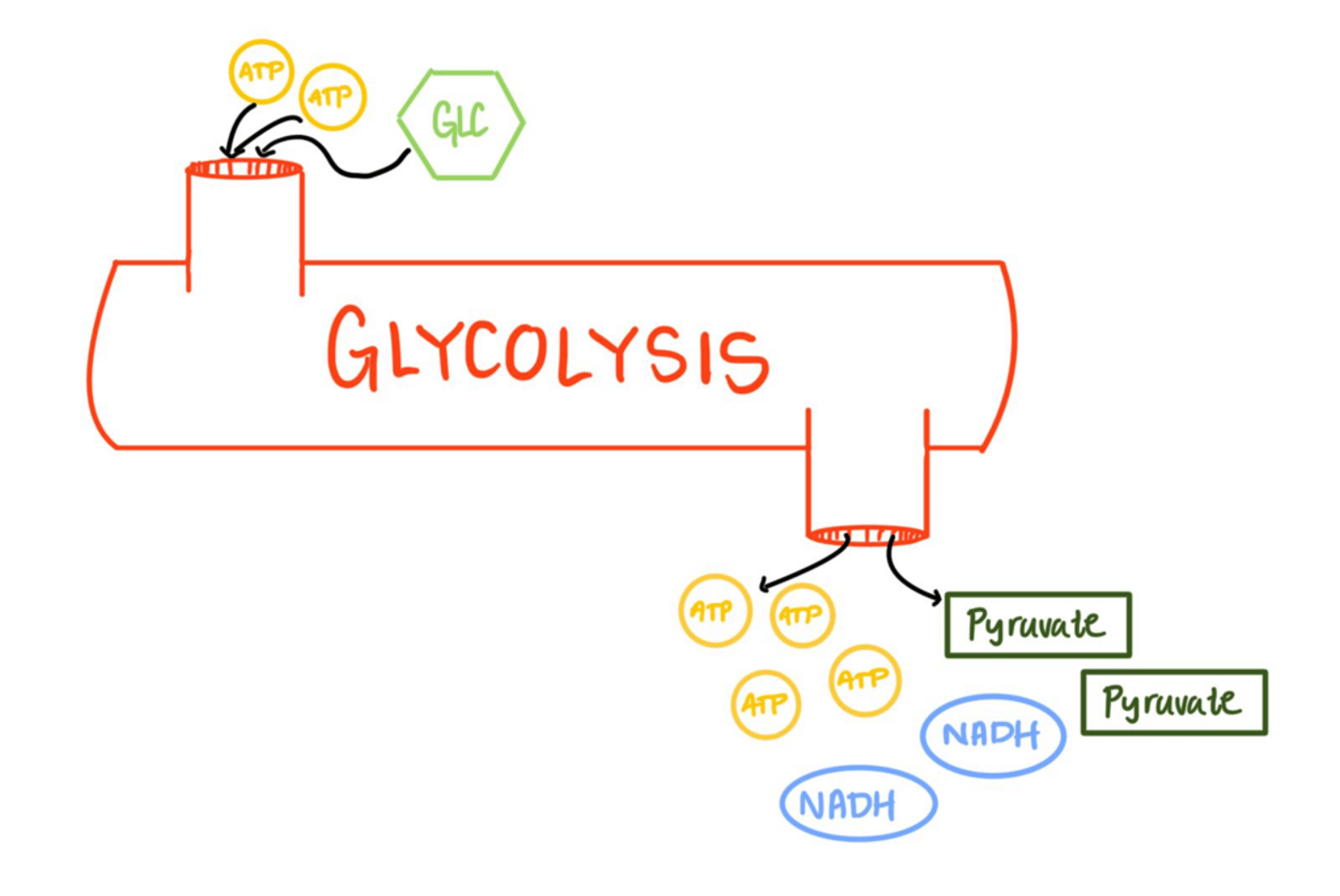
What is glycolysis?
The breakdown of glucose into pyruvate through a series of enzyme-catalyzed reactions.
Where does glycolysis occur?
In the cytosol of all cells, including red blood cells.
What is the net ATP yield from glycolysis?
2 ATP (4 ATP produced, 2 ATP invested).
What are the two main stages of glycolysis?
Investment stage (Steps 1-5) and Payoff stage (Steps 6-10).
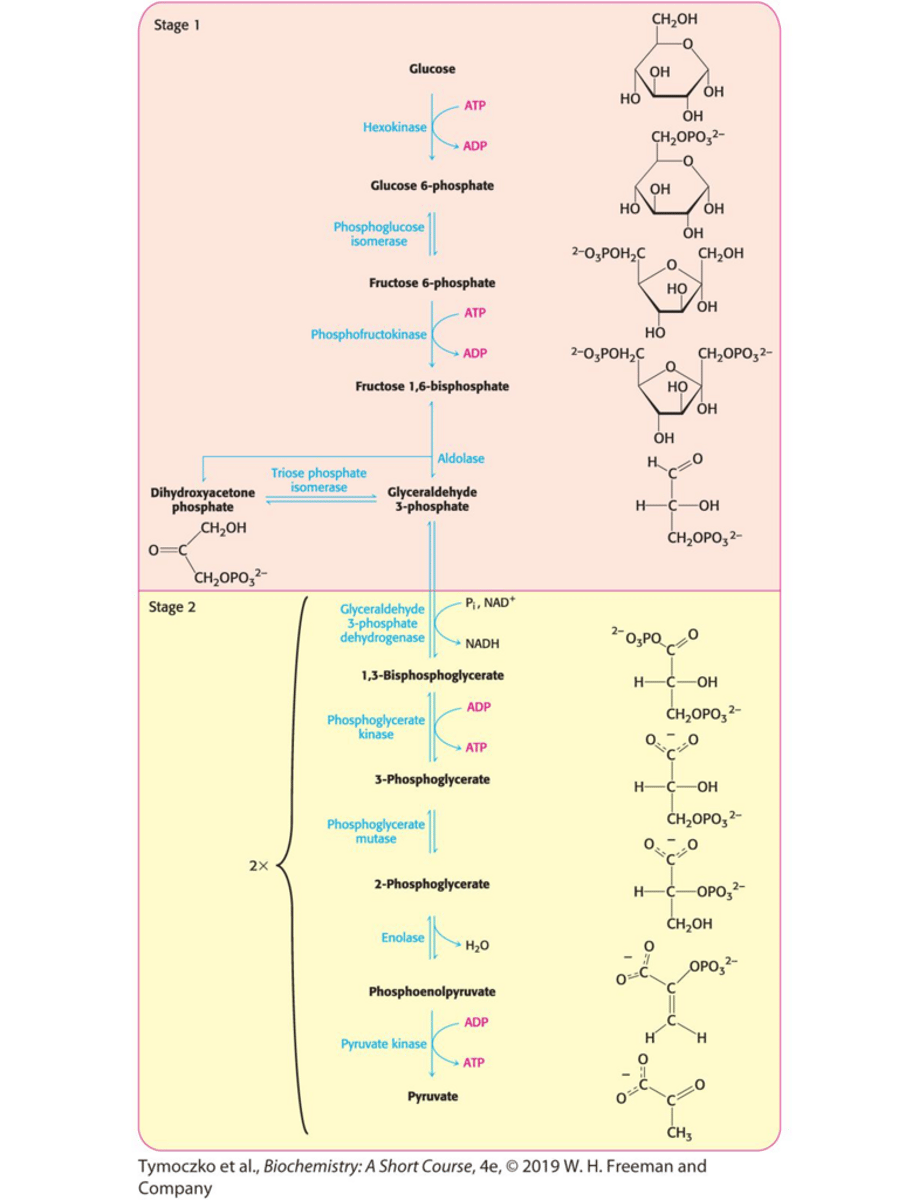
What is the first step of glycolysis?
Phosphorylation of α-D-glucose by hexokinase.
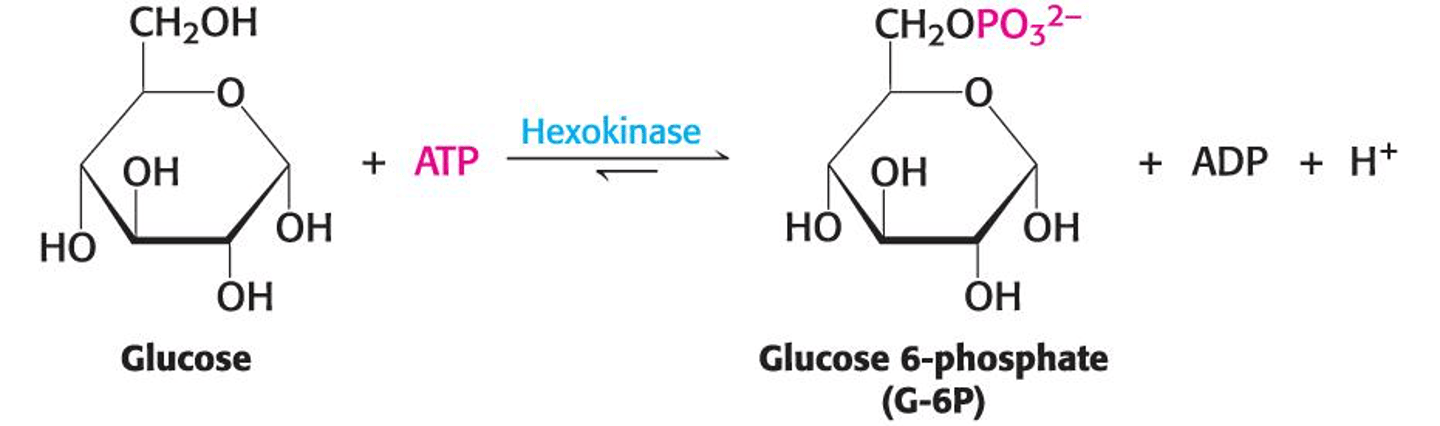
What is the role of hexokinase in glycolysis?
It phosphorylates glucose, trapping it in the cell and using ATP.
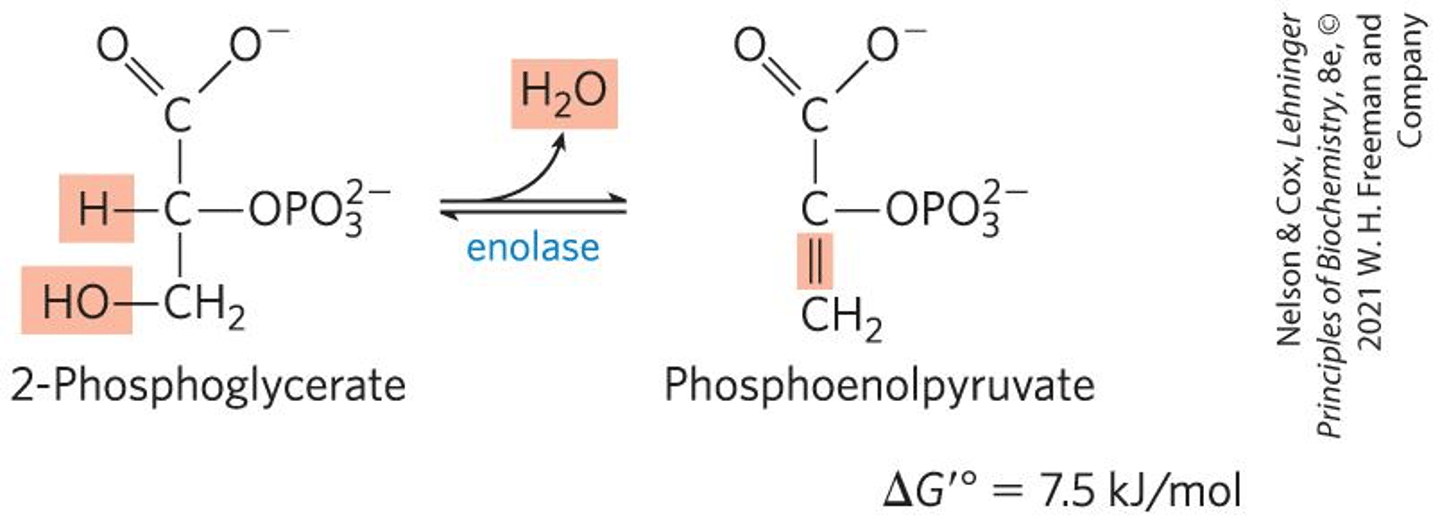
What is the function of enolase in glycolysis?
It catalyzes the dehydration of 2-phosphoglycerate.
Still learning (22)
You've started learning these terms. Keep it up!
What key amino acid is used in the active site of phosphofructo isomerase?
Glutamate
What key amino acids are used in the enzyme glyceraldehyde 3 phosphate dehydrogenase?
Cysteine (and Histadine)
What is the key amino acid used in phosphoglycerate mutase?
Histadine
What is the key amino acid used in enolase?
Lysine