OSCE PREP - OCULAR CONDITIONS WITH LAYMENS
 Call Kai
 Learn
Learn Practice Test
 Spaced Repetition
 Match
Match Flashcards
 Knowt Play
1/9

There's no tags or description
Looks like no tags are added yet.
Name | Mastery | Learn | Test | Matching | Spaced | Call with Kai | Chat |
|---|
No analytics yet
Send a link to your students to track their progress
10 Terms
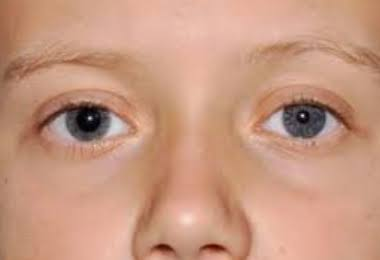
ADIES PUPIL
Parasympathetic Denervation
Women > Men
Younger 20-40yrs
idiopathic / Viral infection / Sjorgen / RA
Affected pupil larger in light conditions
Sensitive to weak Pilocarpine 0.125% -affected eye constricts
Management:
thorough history - any new meds? / associated visual or neurological symptoms / recent trauma?
Motility, ptosis present?
Normally no referral.

HORNERS SYNDROME
Can be congenital or Acquired
Any age including birth
Interruption of oculosympathetic innervation along neural pathway from hypothalamus to orbit
Surgery / Carotid Dissection / Stroke / MS / Birth Trauma
Painful Horners = ocular sign of carotid artery dissection
Smaller pupil in dark conditions
Ptosis, Miosis, Anhydrosis , heterochromia
Management:
Painful = EMERGENCY same day referral if associated with neck pain - neurological emergency - carotid dissection?
No Pain: Routine Referral to Ophthalmologist/Neurologist will req. MRI of brain, CT or MRI of chest and neck.
ARGYLL ROBERTSON
Bilateral Miosis or no constriction to direct light
Normal constriction to near targets
Neurosyphilis
Management
Refer to ophthalmologist or neurologist - serological tests for syphilis
ATOPIC KERATOCONJUNCTIVITIS
Chronic inflammation of ocular surface
Sight threatening allergic eye disease
Late teens or early twenties and can persist to 40s-50s
Asthma, Excema, FH of atopic disease
Excema affecting eyelids and periorbital skin
Symptoms:
itching, burning, watering, photophobia, blurred vision
mucoidal discharge
bilateral, can occur year round
Signs:
Thick crusty lids
Associated staph bleph
Conjunctival hyperaemia
Limbal inflam - trantas dots
Corneal involvement - erosion, scarring, staining
Management:
mild - Routine referral GP - for drug prescription - ocular lubricants, ointment @ night, anti-histamines (sodium cromoglicate 2%) , lid hygiene
Corneal involvement - urgent referral within 1 week to ophthalmologist
Will require management with GP, dermatology, ophtalmology, immunology etc - for topical steroids or drugs or systemic medication and treatment of excema.

ATOPIC KERATOCONJUNCTIVITIS LAYMENS
Hi my name is X and I am the Pre - Reg Optometrist. I am just going to explain to you what I have found today.
From looking at your eyes, this appears to be a type of long-term allergic inflammation affecting the eyelids and the front surface of your eyes. By inflammation, I mean that the eyes are becoming irritated and reacting to an allergy. This can commonly be associated with conditions such as eczema and asthma.
The important thing is that we manage this properly because, if it becomes severe or is left untreated, the inflammation can sometimes cause changes or scarring to the cornea. The cornea is the clear window at the front of your eye that allows light into the eye and is very important for your vision.
For milder cases, we can often control the symptoms with things like antihistamine or anti-allergy eye drops, as well as using cold compresses to help reduce the itching and swelling. For the cold compress, you can take a clean flannel, dampen it with cool water, wring it out and place it in the fridge for a few minutes to make it nice and cool. Then gently place it over your closed eyes for around 5–10 minutes. You can repeat this a few times a day when your eyes feel itchy or irritated. Make sure you use a clean flannel each time. It is also important to avoid rubbing your eyes, as this can make the inflammation worse.
Because your symptoms/signs appear more significant, I would like to refer you to a specialist. They can examine your eyes in more detail, particularly the cornea, and decide whether you need stronger treatment, such as prescription anti-inflammatory medication or other treatment depending on what they find.
The good news is that with the appropriate treatment and monitoring, we can usually control the condition and reduce the risk of complications.”
Do you have any questions? Is there anything you would like me to explain again?
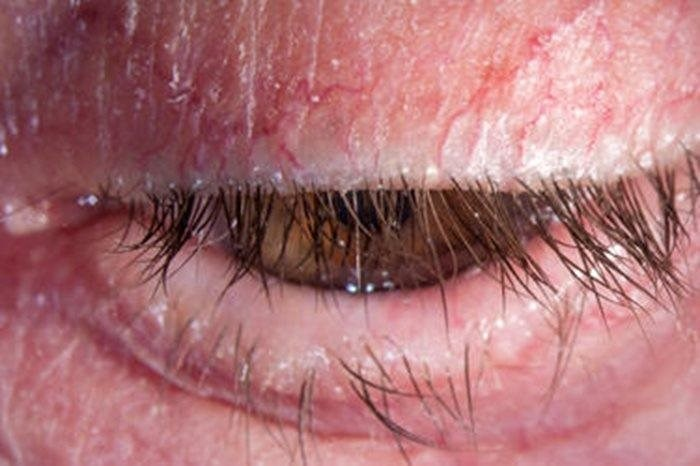
BLEPHARITIS and MGD
Chronic inflammation which can affect eyelid margins, lashes
Acute exacerbations
MGD:

PRESEPTAL AND ORBITAL CELLULITIS
Infection of the periorbital and orbital tissues
Can be minor or life threatening
Common in children <10 yrs
Preseptal: infection of tissues lying anterior to orbital septum - RISK of extension to orbit
Orbital: infection of tissues within the orbit - SEVERE and LIFE THREATENING
Insect bite, recent surgery, sinusitis, trauma, respiratory tract or ear infection
Symptoms:
fever
acute swelling, redness and tenderness of lid
Orbital:
pain on ocular movement
blurred vision
diplopia
acute swelling of conjunctiva and lids that can be painful
Signs:
eyelid redness, ptosis, lid oedema , warm tender, fever
Orbital
can extend to cheek and forehead
ptosis
proptosis
conj hyperemia and chemosis
restriction on motility
reduced va
impaired colour vision
RAPD
fever
raised IOP
Management:
Emergency same day referral to ophthalmologist or A&E no intervention
They will do possible CT scan of orbits and sinus
children may req admission to hospital for observation
systemic antibiotics
blood tests , drainage of orbital abscess

PRESEPTAL / ORBITAL CELLULITIS - LAYMENS
“Hi, my name is X, and I’m the pre-registration optometrist examining your eyes today. Is it okay if I explain what I’ve found and what I recommend we do next?
The swelling and redness around your eye are concerning for an infection of the soft tissues surrounding the eye. This is called cellulitis, which essentially means an infection causing inflammation and swelling of the tissues.
There are two types we can be concerned about. Preseptal cellulitis affects the tissues around the front of the eye, whereas orbital cellulitis is a more serious infection that affects the tissues deeper within the eye socket.
These infections can sometimes happen following things such as a cold or sinus infection, an infection of the eyelid such as a stye, an infection of the tear drainage system, or sometimes following an injury or surgery around the eye.
The reason I’m concerned is that, while preseptal cellulitis is usually less serious, orbital cellulitis can become very serious and can potentially threaten your vision and your general health if the infection spreads.
Because of this, I don't want you to wait for a routine appointment. I would like you to be assessed in hospital today as an emergency by an eye specialist or through A&E.
At the hospital, they will examine your eye in more detail, including checking your vision, eye movements and the tissues around the eye. They may also carry out blood tests and potentially a scan if they are concerned that the infection has spread deeper into the eye socket.
If an infection is confirmed, you will likely be treated with antibiotics. Depending on how severe the infection is, you may need antibiotics through a drip and may need to stay in hospital for monitoring. The eye team may also involve other specialists, such as an ear, nose and throat specialist, particularly if the infection is related to the sinuses.
I appreciate that being referred to hospital today may be worrying, but I’m recommending this because it is important that we treat the infection quickly and make sure it hasn’t spread deeper around the eye.
Do you have any questions for me, or is there anything I’ve explained that you would like me to go over again?”
CHALAZION
CLAPC, GPC